Destinations
Explore destinations worldwide. Each destination lists its top attractions, things to do and travel tips.
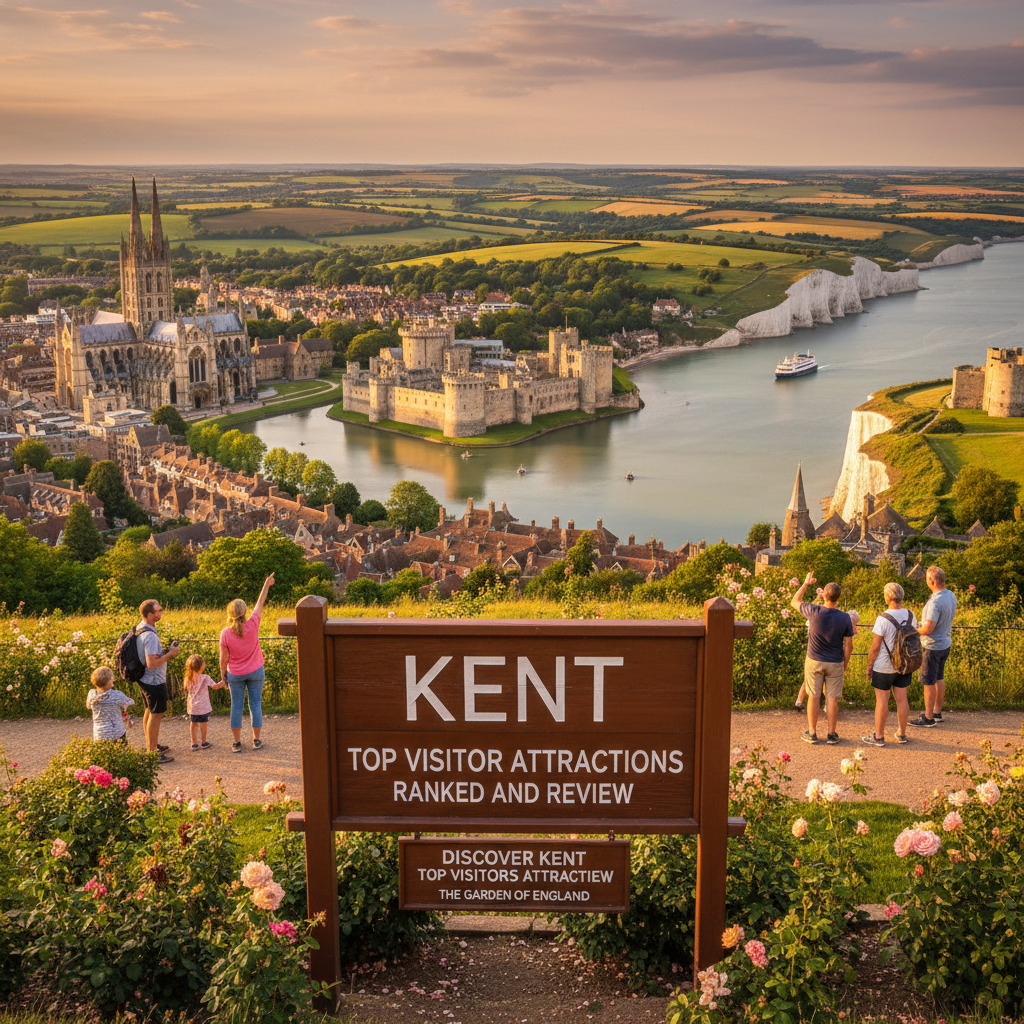
Kent
Discover Kent Kent, often referred to as the "Garden of England," is a county located in the southeastern corner of England, bordering London to the northwest, the North Sea to the east, and the English Channel to the south. Its rich history, diverse culture, and stunning landscapes make it a must-visit destination for travelers seeking both relaxation and adventure. The history of Kent dates back to the Roman era, with significant archaeological finds that showcase its importance during ancient times. The county was one of the first areas of Britain to be invaded by the Romans, and many remnants of this period can still be explored today. The historic city of Canterbury, home to the famous Canterbury Cathedral, is a UNESCO World Heritage Site and draws pilgrims and visitors from around the world. This cathedral not only serves as a place of worship but also as a monument to the region's ecclesiastical significance throughout the centuries. Beyond its religious heritage, Kent boasts a wealth of castles, such as Dover Castle, which has stood as a guardian of the English coastline for nearly a millennium. This iconic fortress offers breathtaking views and a glimpse into England's medieval history, allowing visitors to walk through its ancient walls and imagine the past. Culture in Kent is vibrant and varied. The county hosts numerous festivals, events, and art exhibitions throughout the year, celebrating everything from local produce to music and arts. The annual Kent County Show showcases the best of the region’s agriculture, while the Whitstable Oyster Festival is a culinary delight for seafood lovers. The artistic community thrives in towns like Margate and Folkestone, where galleries and studios exhibit the works of local and international artists. What makes Kent special is not only its historical significance and cultural offerings but also its breathtaking natural beauty. The Kent Downs Area of Outstanding Natural Beauty offers stunning landscapes, rolling hills, and picturesque villages, making it a perfect spot for hiking and outdoor activities. The coastal areas, with their stunning cliffs and beaches, provide opportunities for relaxation and recreation by the sea. Moreover, Kent’s strategic location makes it an excellent base for exploring London and the wider southeast of England, yet it retains a distinct character that feels worlds apart from the hustle and bustle of the capital. The county’s rich tapestry of history, culture, and nature ensures that every visitor finds something to cherish. Whether you are a history buff, a nature enthusiast, or someone looking to unwind, Kent offers an array of experiences that cater to all tastes and preferences. Top Attractions in Kent – Ranked and Reviewed When it comes to attractions, Kent has plenty to offer, and the beauty of it is that these experiences are rated and reviewed by real travelers on Stay4Exploring. Here are some of the top attractions you shouldn't miss when visiting this enchanting county. 1. Canterbury Cathedral - Rated 4.9/5 Canterbury Cathedral, a masterpiece of medieval architecture, is the heart of the Anglican Church and a pilgrimage site for centuries. Visitors are often captivated by its stunning stained glass windows and the tranquil atmosphere within. Reviewers praise the knowledgeable guides and the breathtaking views from the tower, making it a must-visit when in Kent. 2. Dover Castle - Rated 4.8/5 Known as the "Key to England," Dover Castle is an imposing fortress that has played a crucial role in the country's defense. Visitors describe exploring the medieval tunnels and the Great Tower as a highlight of their trip. The views of the white cliffs and the English Channel are simply stunning, earning it rave reviews from history enthusiasts and families alike. 3. Leeds Castle - Rated 4.7/5 Often referred to as the "loveliest castle in the world," Leeds Castle boasts beautiful grounds and a rich history dating back to the 9th century. Travelers appreciate the extensive gardens, the lake, and various activities offered on-site, including falconry displays and boat rides. Many reviews highlight the castle's picturesque beauty and engaging history as key reasons for its high ranking. 4. Whitstable Beach - Rated 4.6/5 For beach lovers, Whitstable Beach is a delightful escape. Known for its pebbled shore and charming beach huts, visitors rave about the fresh seafood available from local vendors, especially the oysters. Reviewers emphasize the relaxed vibe, making it a perfect spot for a leisurely day by the sea, complete with stunning sunsets. 5. The White Cliffs of Dover - Rated 4.5/5 These iconic chalk cliffs offer some of the most breathtaking views in the country. Hiking along the cliff top paths is a favorite activity for many, with reviews highlighting the stunning scenery and the sense of tranquility found in nature. The chance to spot wildlife adds an extra layer of enjoyment for nature lovers. These attractions represent just a glimpse of what Kent has to offer. With a plethora of experiences that cater to various interests, visitors can immerse themselves in the rich history and natural beauty of this remarkable region. The feedback from fellow travelers on Stay4Exploring ensures that you can plan your visit with confidence, knowing you’re heading to the top-rated spots Kent has to offer. Planning Your Visit to Kent Planning your visit to Kent, England, requires an understanding of the region's best times to visit, transportation options, and accommodation choices. Kent, known as the 'Garden of England,' offers a variety of attractions appealing to history buffs, nature lovers, and foodies alike.The best time to visit Kent is during the spring (March to May) and early autumn (September to October). During these months, the weather is generally mild, making it ideal for exploring the beautiful countryside and coastal areas. Spring brings blooming gardens and vibrant festivals, while autumn showcases stunning foliage and the opportunity to enjoy local harvests. Summer can be busy, particularly in coastal towns like Whitstable and Margate, but it’s also a great time for outdoor events and beach activities. Winter, while colder, offers a cozy charm, especially during the festive season when towns are adorned with Christmas lights and markets.Getting to Kent is quite convenient. The region is well-connected to London and other major cities via train, making it accessible for day trips or weekend getaways. High-speed trains from London St Pancras International to Ashford and Dover take about 38 minutes. Additionally, the M25 motorway encircles London and gives easy access to various parts of Kent by car. For those flying in, the nearest airports are London Gatwick and London Heathrow, both offering various transportation options to Kent.Once in Kent, getting around is relatively straightforward. Public transportation includes local buses and trains that connect major towns and attractions. However, renting a car can be beneficial, especially if you plan to explore the countryside or visit more remote areas like the picturesque villages of Sandwich or Tenterden. Cycling is also a popular option, with many scenic routes available for those looking to enjoy the fresh air and beautiful surroundings.Accommodation in Kent ranges from charming bed and breakfasts to luxury hotels and quaint cottages. For a unique experience, consider staying in one of the historic inns or guesthouses that reflect the region's rich heritage. Popular towns such as Canterbury, Tunbridge Wells, and Whitstable offer a variety of options, ensuring you can find the perfect base for your adventures. Booking in advance, especially during peak tourist seasons, is recommended to secure the best deals and avoid disappointment.In summary, planning your visit to Kent involves choosing the right time to experience its charm, knowing how to navigate the region, and selecting accommodation that meets your needs. With its stunning landscapes and rich history, Kent is a destination that promises an unforgettable experience. Experience Kent Like a Local To truly experience Kent like a local, it's essential to immerse yourself in the region's customs, food, and culture. Kentish locals take pride in their heritage, and engaging with the community will enhance your visit significantly.Local customs in Kent often revolve around traditional events and celebrations. From the annual Whitstable Oyster Festival, which celebrates the town's maritime history and local seafood, to the Kent County Show, showcasing the best of the county's agriculture, there are numerous opportunities to enjoy local culture. Festivals often include live music, artisan markets, and local crafts, allowing visitors to connect with Kentish traditions.The local cuisine in Kent is a delightful mix of traditional English fare and fresh produce from the surrounding countryside and coast. Kent is famous for its delicious seafood, particularly oysters from Whitstable and fresh fish from the coastline. Be sure to try a traditional Kentish pie, such as the 'hasty pudding' or a 'pork pie' from local bakeries. For dessert, indulge in a slice of Kentish apple pie or the region's famous cherries when they are in season. Many pubs serve hearty meals made with local ingredients, so don’t miss the chance to experience a classic Sunday roast in a cozy setting.Cultural experiences in Kent are rich and varied. The region boasts a wealth of historical landmarks, including Canterbury Cathedral, a UNESCO World Heritage site, which is not only an architectural marvel but also a pilgrimage site. Visiting historic towns like Rochester, with its stunning castle and connections to Charles Dickens, will transport you back in time. Engage with local museums, art galleries, and theaters to understand the vibrant creative scene in Kent.Insider tips for experiencing Kent like a local include exploring the lesser-known attractions away from the main tourist spots. Discover hidden gems like the quaint village of Deal with its charming seafront or the beautiful gardens of Sissinghurst Castle. Additionally, consider taking part in local workshops, such as pottery or cooking classes, to learn hands-on about Kentish crafts and culinary traditions.Lastly, don’t hesitate to engage with locals. Kentish people are known for their friendliness and hospitality, and striking up a conversation can lead to valuable recommendations for places to visit and things to do. Whether you're enjoying a pint in a local pub or browsing a farmer's market, the warmth of the community will make your visit to Kent even more memorable.

Canary Islands
Discover Canary Islands The Canary Islands, an archipelago located off the northwest coast of Africa, are one of Spain's most cherished treasures. Comprising seven main islands—Tenerife, Gran Canaria, Lanzarote, Fuerteventura, La Palma, La Gomera, and El Hierro—these islands are known for their stunning landscapes, diverse ecosystems, and rich cultural heritage. Each island has its own unique character, making the Canary Islands a place of endless exploration and discovery.The history of the Canary Islands is as diverse as its geography. Originally inhabited by the Guanche people, the islands saw significant cultural shifts following their conquest by the Spanish in the 15th century. This blend of indigenous and Spanish influences has created a vibrant culture, marked by traditional music, dance, and festivals. The islands are also famous for their unique cuisine, which showcases fresh seafood, local cheeses, and an array of tropical fruits.One of the defining features of the Canary Islands is their volcanic origin. The islands are home to the world’s third-largest volcano, Mount Teide, located on Tenerife. This UNESCO World Heritage Site not only offers breathtaking views but also provides insights into the geological history of the islands. The varied landscapes—from arid deserts to lush forests—allow for an array of outdoor activities, including hiking, surfing, and diving.The Canary Islands are also known for their mild climate, often referred to as the 'eternal spring.' With average temperatures ranging from 18°C to 24°C (64°F to 75°F) throughout the year, the islands are a popular destination for sun-seekers and outdoor enthusiasts alike. The pleasant weather allows visitors to enjoy the islands’ natural beauty regardless of the season.Culturally, the Canary Islands host numerous festivals that showcase their rich heritage. The Carnival of Santa Cruz de Tenerife, one of the largest and most extravagant carnivals in the world, attracts thousands of visitors each year. The islands also offer a range of museums, art galleries, and historical sites that provide deeper insights into their storied past.In addition to their cultural and historical significance, the Canary Islands are recognized for their commitment to sustainability and eco-tourism. Many resorts and attractions have adopted practices that preserve the natural beauty of the islands while providing visitors with unforgettable experiences. From eco-friendly accommodations to conservation programs, the Canary Islands are leading the way in responsible tourism.Ultimately, the unique combination of stunning landscapes, rich cultural heritage, and a commitment to sustainability makes the Canary Islands a special destination for travelers. Whether you're seeking adventure, relaxation, or cultural enrichment, these islands offer something for everyone. Top Attractions in Canary Islands – Ranked and Reviewed The Canary Islands are teeming with attractions that cater to a wide range of interests. Here are some of the top-rated attractions, as reviewed by travelers on Stay4Exploring:1. Mount Teide National Park (Tenerife)With its towering peak and stunning landscapes, Mount Teide National Park is a must-visit. Visitors rave about the breathtaking views from the summit and the unique volcanic terrain. The park is also home to diverse wildlife and rare plant species, making it a haven for nature lovers.2. Loro Parque (Tenerife)This award-winning zoo and marine park is famous for its conservation efforts and diverse animal exhibits. Reviewers highlight the spectacular animal shows and the park’s commitment to animal welfare, making it a family-friendly attraction that combines education with entertainment.3. Timanfaya National Park (Lanzarote)Known for its dramatic volcanic landscapes, Timanfaya National Park offers visitors an insight into the island’s geological history. Tourists recommend the guided bus tours that navigate through the park, providing stunning views and informative commentary about the area’s unique geology.4. Corralejo Natural Park (Fuerteventura)This park features stunning sand dunes and pristine beaches. Visitors appreciate the opportunity to relax on the beautiful shores or engage in water sports like windsurfing and kiteboarding. The natural beauty of the area is often described as breathtaking and tranquil.5. Roque de los Muchachos Observatory (La Palma)For astronomy enthusiasts, this observatory is a top-rated attraction. Reviewers commend the guided tours that explain the complex workings of the telescopes and the breathtaking views of the night sky. The observatory is a prime spot for stargazing and learning about the universe.6. Playa de las Américas (Tenerife)This bustling beach destination is known for its vibrant nightlife and water sports activities. Visitors love the lively atmosphere and the range of restaurants and bars along the beachfront. It’s an ideal location for those seeking a mix of relaxation and excitement.7. Garajonay National Park (La Gomera)A UNESCO World Heritage Site, this park is filled with lush forests and hiking trails. Hikers rave about the well-maintained paths and the chance to see unique flora and fauna. The park is ideal for outdoor enthusiasts looking to explore the natural beauty of La Gomera.These attractions represent just a glimpse of what the Canary Islands have to offer. Each destination has been rated and reviewed by travelers who have experienced the unique charm and beauty of the islands. Whether you’re an adventure seeker, a culture enthusiast, or simply looking to relax, the Canary Islands provide an unforgettable travel experience. Planning Your Visit to Canary Islands The Canary Islands, a stunning archipelago off the northwest coast of Africa, are a top destination for sun-seekers, adventure enthusiasts, and culture lovers alike. When planning your visit, several factors can enhance your experience, including the best time to go, how to get there, transportation options, and where to stay.Best Time to VisitThe Canary Islands enjoy a mild climate year-round, making them an attractive destination any time of year. However, the best time to visit is generally from late spring (April to June) and early autumn (September to October). During these months, the weather is pleasantly warm, and you'll find fewer crowds compared to the peak summer season. If you're a fan of winter sun, the Canary Islands are also popular during the winter months, offering a warm escape from colder climates.Getting ThereMost international visitors arrive by air, with several airports situated across the islands. The largest airport, Gran Canaria Airport (LPA), serves as the main hub with numerous connections to Europe and other parts of the world. Tenerife also has two airports, Tenerife North (TFN) and Tenerife South (TFS), catering to various international flights. Once you land, you can rent a car, take a taxi, or use public transport to reach your accommodation.Getting AroundWhile the islands are relatively small, transportation options vary depending on which island you are visiting. Renting a car is highly recommended for exploring the natural beauty and hidden gems at your own pace. Public buses (Guaguas) are reliable and affordable, offering extensive coverage across the islands. Additionally, inter-island ferries connect the larger islands, allowing for easy island-hopping adventures. Keep in mind that some of the more remote areas can be accessed only by car or organized tours.Where to StayAccommodation options in the Canary Islands range from luxurious resorts to charming boutique hotels and budget-friendly hostels. For a more upscale experience, consider staying in Costa Adeje on Tenerife or Playa de Las Palmas on Gran Canaria, where you'll find high-end amenities and beautiful beaches. If you prefer a local vibe, explore accommodations in traditional towns like La Laguna in Tenerife or Teror in Gran Canaria. For those looking for a unique experience, consider private rentals or eco-lodges in rural areas that offer a closer connection to nature.Regardless of your choice, booking in advance, especially during peak travel seasons, can help secure your ideal stay while ensuring you take full advantage of all that the Canary Islands have to offer. Experience Canary Islands Like a Local Understanding the local customs, food, culture, and tips can significantly enhance your experience when visiting the Canary Islands. This vibrant archipelago boasts a rich tapestry of traditions influenced by its unique geographical position and diverse history.Local CustomsThe people of the Canary Islands, known as Canarios, are known for their warmth and hospitality. Greetings are important, and a friendly "Hola" (hello) goes a long way. When entering shops or homes, it's customary to greet with a smile and a handshake. Respect for personal space is appreciated, so maintain a comfortable distance in conversations. In more traditional settings, you may find locals adhering to their cultural practices, including festivals and religious events that are celebrated with great enthusiasm.FoodThe culinary scene in the Canary Islands is a delightful fusion of local ingredients and influences from Africa and Europe. Don't miss trying some of the islands' signature dishes, such as "papas arrugadas" (wrinkled potatoes) served with "mojo" sauce, a zesty blend of garlic, olive oil, and spices. Fresh seafood is abundant, with grilled fish and octopus being local favorites. For dessert, indulge in "bienmesabe," a sweet almond cream that is a traditional treat. Dining in local eateries, known as "tascas," allows you to enjoy authentic flavors while mingling with residents.CultureThe culture of the Canary Islands is a colorful blend of Spanish colonial influences and indigenous Guanche heritage. Festivals play a central role in Canarian life, with events like the Carnival of Santa Cruz de Tenerife being among the largest and most extravagant in the world. Music and dance are integral to celebrations, featuring traditional forms like "folklore" and modern interpretations. Engage with local art and crafts by visiting markets where you can find handmade souvenirs, such as pottery and textiles.Insider TipsTo truly experience the Canary Islands like a local, consider these insider tips:Explore beyond the tourist hotspots; visit quaint villages like Agaete and Garachico for a taste of traditional life.Learn a few basic Spanish phrases; locals appreciate the effort and it can enhance your interactions.Embrace the island's natural beauty by hiking in national parks like Teide National Park or Timanfaya National Park.Participate in local festivities if your visit coincides with them; it's a great way to immerse yourself in Canarian culture.Don’t rush your meals; dining is often a leisurely affair, so take your time to savor the flavors.By delving into the local customs, savoring the rich culinary offerings, and embracing the vibrant culture, you'll create unforgettable memories in the Canary Islands that go beyond the ordinary tourist experience.

Aberdeenshire
Overview of Aberdeenshire Top Visitor Attractions Ranked and ReviewedAberdeenshire, located in the northeast of Scotland, is a region rich in history and natural beauty. Known for its stunning landscapes, historical castles, and vibrant local culture, the area offers a variety of attractions worth exploring. In this guide, we aim to help you discover Aberdeenshire top visitor attractions ranked and reviewed attractions reviews. Whether you're an outdoor enthusiast, history buff, or someone looking to soak in local culture, Aberdeenshire has something for everyone.Top Attractions and Things to DoWhen thinking about top attractions, consider visiting Balvenie Castle, a remarkable 13th-century fortress that stands as a testament to Scotland's history. Nearby, you'll find the charming town of Dufftown, famous for its whisky trail.Another highlight is Crathes Castle, with its beautiful gardens and well-preserved interiors that tell stories of its former residents. A walk through the impressive gardens during the blooming season offers breathtaking views, making it a perfect spot for photography enthusiasts.Outdoor lovers should not miss Cairngorms National Park, where walking, hiking, and wildlife watching provide engaging experiences. The natural beauty here makes it an excellent destination for day trips and excursions.Getting to Aberdeenshire Top Visitor Attractions Ranked and ReviewedAccessible transport links make reaching Aberdeenshire convenient. The area is served by both rail and road networks, allowing visitors to travel comfortably. If you are coming from Aberdeen, the train service provides regular connections to various towns within Aberdeenshire.For those driving, the region is well-connected via the A96 and A90 roads. Several buses also operate within the area, ensuring comprehensive accessibility to different attractions.Climate and Best Times to VisitThe climate in Aberdeenshire can vary, but generally, it experiences cool, wet winters and mild summers. The best times to visit are from late spring to early autumn when the weather is more stable and the days are longer. Outdoor activities are most enjoyable during this period, hence ideal for those wanting to explore the landscape fully.❄️ Winter visitors will find a different charm as the region transforms under a blanket of snow, perfect for those who enjoy winter sports or cozy indoor activities.Local Experiences and Hidden GemsExploring Aberdeenshire is not just about visiting established attractions; local experiences also offer meaningful insights into the region's culture. For instance, many local farms welcome visitors for guided tours, where travelers can pick up fresh produce and learn about traditional farming practices.Hidden gems like Peterhead offer a close look at local maritime culture. Check out the local fish market, where you can sample freshly caught seafood, allowing for a taste of local life.Visitor Sentiment and What Travelers LoveFeedback from visitors often highlights the warmth of local communities and the stunning natural landscapes. Many travelers rave about the lack of crowds compared to more popular destinations, creating a more relaxed atmosphere for exploring.Additionally, the combination of cultural heritage and modern attractions resonates with many, ensuring everyone finds something appealing during their visit.Why Visit Aberdeenshire Top Visitor Attractions Ranked and ReviewedAberdeenshire offers a unique blend of history, culture, and natural beauty. Whether you are interested in exploring ancient castles or hiking through breathtaking landscapes, Aberdeenshire invites visitors to immerse themselves in new experiences. Discover Aberdeenshire top visitor attractions ranked and reviewed attractions reviews to plan your itinerary wisely.One-Day Visitor HighlightsIf you're short on time, a one-day itinerary can include a visit to Newburgh Beach for some coastal scenery, followed by a tour of Inverurie Castle. A leisurely picnic accompanied by the beautiful views can set the pace for a relaxing day.Combine it with a trip to a local distillery where you can learn about the whisky-making process, ending the day at a local restaurant enjoying traditional Scottish cuisine.Review Culture and Visitor Feedback PatternsTravelers are encouraged to share their experiences on various platforms, with a common theme of appreciation for the authenticity of their visits. Feedback often includes comments on the friendly locals, scenic beauty, and the historical significance of various sites. Such insights not only help other travelers plan their trips but also highlight the importance of preserving local culture and environments.Visit Review AberdeenshireThis platform is an advertising portal and information service designed to provide you with valuable insights into various attractions. Visitors engage directly with property owners and attraction operators without any intermediary involvement. We recommend verifying any information independently to ensure accuracy.Your experiences matter—consider adding reviews and sharing your insights to help fellow travelers discover the charm of Aberdeenshire. Finding the right adventure makes the exploration all the more enjoyable, so start planning your journey today!
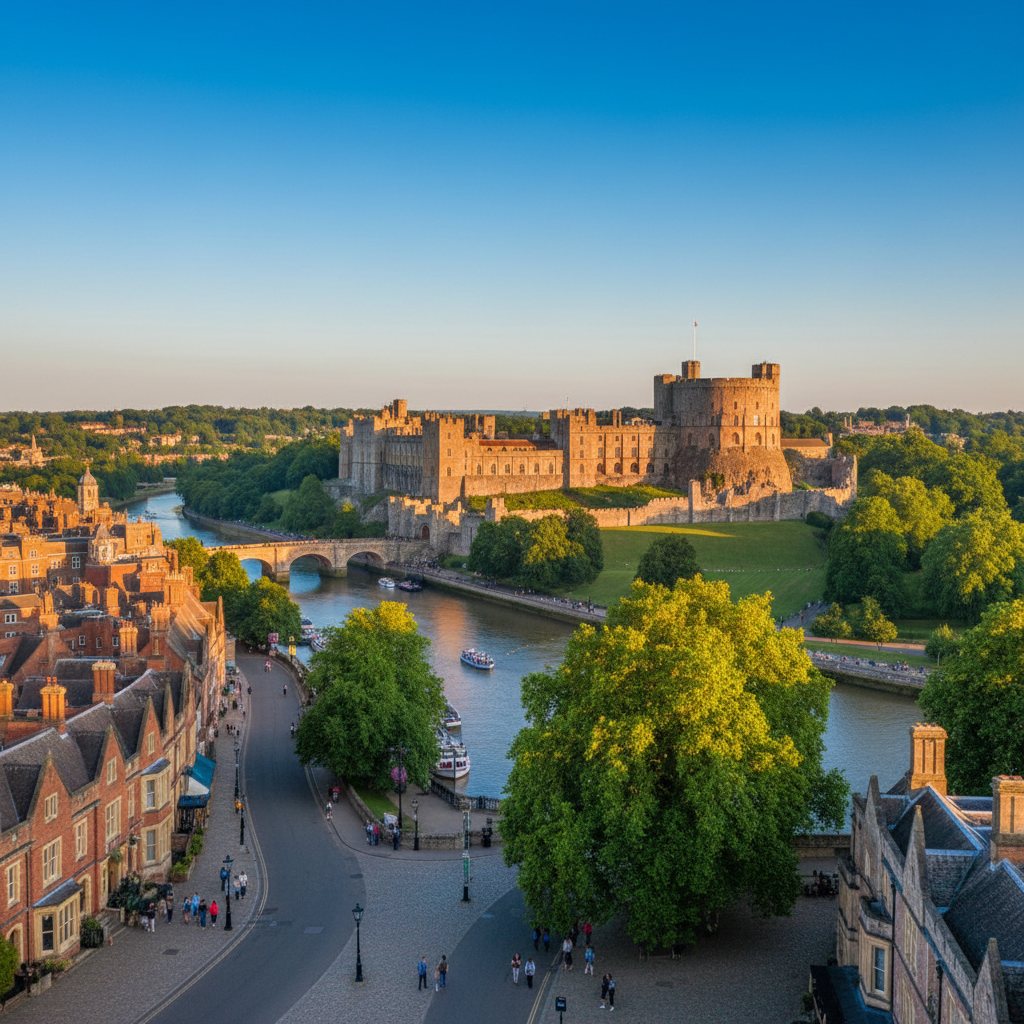
Berkshire
Discover Berkshire Berkshire, located in the South East of England, is a historic county steeped in rich heritage and vibrant culture. It is often celebrated for its picturesque landscapes, charming towns, and significant historical landmarks, making it a perfect destination for travelers seeking both relaxation and adventure. The region's history dates back to the Roman era, with archaeological evidence indicating settlements and fortifications in places like Silchester. During the Middle Ages, Berkshire flourished as a center for agriculture and trade. The county is also home to the renowned Windsor Castle, one of the oldest and largest inhabited castles in the world, which has been a royal residence for nearly a thousand years. This historical significance gives visitors a glimpse into the past, showcasing the evolution of English royalty and politics. Culturally, Berkshire boasts a diverse tapestry of communities and traditions. The county's festivals, such as the Reading Festival and the Newbury Spring Festival, reflect its vibrant arts scene, offering a blend of music, theater, and visual arts. Additionally, the area is home to several museums and galleries, such as the Museum of Berkshire Aviation and the West Berkshire Museum, where visitors can delve deeper into the region's rich history. What makes Berkshire truly special is its stunning natural beauty. The county is dotted with lush parks and tranquil rivers, including the famous River Thames, which provides numerous opportunities for outdoor activities like boating, fishing, and walking along scenic trails. The North Wessex Downs Area of Outstanding Natural Beauty offers hiking and biking routes that reveal breathtaking views and a chance to connect with nature. Furthermore, Berkshire is well-connected to London, making it an ideal getaway for both locals and international tourists. The ease of access allows visitors to explore the county's attractions while also enjoying the vibrant life of the capital city. The blend of historic charm, cultural richness, and natural beauty makes Berkshire a unique destination, appealing to a wide range of travelers. In conclusion, whether you are a history buff, a nature lover, or someone looking to immerse yourself in local culture, Berkshire has something for everyone. Its significant historical sites, lively festivals, and stunning landscapes promise a memorable experience that captures the essence of English heritage. Top Attractions in Berkshire – Ranked and Reviewed When visiting Berkshire, travelers are often eager to explore the county's top attractions, each offering unique experiences. Based on ratings and reviews from real visitors on Stay4Exploring, here are some of the must-see sites: 1. Windsor Castle - No visit to Berkshire would be complete without a trip to Windsor Castle. Rated as the top attraction, visitors rave about its stunning architecture and rich history. As the official residence of the Queen, the castle offers a glimpse into royal life, with highlights including the State Apartments and St. George's Chapel, where Prince Harry and Meghan Markle wed. 2. Legoland Windsor Resort - Perfect for families, Legoland Windsor is a favorite among children and adults alike. Rated highly for its fun rides and interactive experiences, visitors appreciate the creativity and imagination displayed throughout the park. The miniature landmarks made from LEGO bricks are particularly praised, making it a delightful day out. 3. The River Thames - The River Thames runs through Berkshire and is popular for boating, cycling, and riverside walks. Visitors love the scenic views and the chance to enjoy picnics along the riverbanks. Many recommend taking a boat cruise to fully appreciate the beauty of the landscape. 4. Basildon Park - This National Trust property is renowned for its stunning Georgian mansion and beautiful gardens. Rated highly for its peaceful atmosphere, visitors enjoy exploring the grounds and learning about the history of the estate. The seasonal flower displays are particularly noteworthy. 5. The Oracle, Reading - Shopping enthusiasts will find The Oracle in Reading a top destination. This shopping center offers a range of high-street brands, dining options, and a picturesque riverside setting. Visitors enjoy the vibrant atmosphere and the convenience of having everything in one location. 6. Donnington Castle - A historic site with impressive ruins, Donnington Castle is highly rated for its picturesque views and peaceful surroundings. Visitors often comment on the castle's rich history and the beautiful parkland that surrounds it, making it a perfect spot for a leisurely stroll. These attractions represent just a fraction of what Berkshire has to offer. Each site is carefully ranked and reviewed by visitors on Stay4Exploring, ensuring that travelers can make informed decisions about their itinerary. Whether you seek history, adventure, or relaxation, Berkshire's top attractions promise unforgettable experiences. Planning Your Visit to Berkshire Berkshire is a picturesque county in England, offering a delightful mix of history, culture, and stunning landscapes. To make the most of your visit, it’s essential to plan ahead, considering the best time to visit, how to get there, how to get around, and where to stay.Best Time to Visit: The ideal time to explore Berkshire is during the spring (March to May) and autumn (September to November). These seasons provide pleasant weather, with blooming flowers and vibrant foliage. Summer (June to August) can also be a great time to visit, but be prepared for larger crowds, especially at major attractions like Windsor Castle. Winter (December to February) is the quietest time, and you may enjoy festive events if you visit during the holiday season.Getting There: Berkshire is well-connected by road and rail, making it easily accessible from London and other major cities. The primary gateway is the M4 motorway, which runs through the county. If traveling by train, the Great Western Railway services several key stations, including Reading, Newbury, and Slough, with direct routes from London Paddington. For international travelers, Heathrow Airport is the closest major airport, located just a short distance from the county's eastern edge.Getting Around: Once you arrive in Berkshire, public transport options are plentiful. Buses and trains connect most towns and attractions. Consider purchasing a Day Rider ticket for unlimited travel on buses throughout the county. If you prefer a more flexible approach, car rentals are available at various locations, though be mindful that parking in town centers can be limited. Biking is also a popular way to explore the quaint countryside and nearby trails.Where to Stay: Berkshire offers a range of accommodation options to suit every budget. For a touch of luxury, consider staying at one of the county's historic hotels, such as the renowned Macdonald Compleat Angler in Marlow or the charming Four Seasons Hotel in Dogmersfield. If you’re looking for something more budget-friendly, there are numerous guesthouses and B&Bs throughout the area, particularly in towns like Windsor and Reading. For a unique experience, explore self-catering cottages or serviced apartments that allow you to immerse yourself in local life. Regardless of where you choose to stay, booking in advance is recommended, especially during peak tourist seasons. Experience Berkshire Like a Local To truly embrace Berkshire’s charm, immerse yourself in the local customs, cuisine, culture, and insider tips that will enhance your experience.Local Customs: Berkshire locals are known for their warm hospitality. It’s customary to greet shopkeepers and service staff with a friendly smile and a simple “hello.” If you’re invited for tea or a meal, it’s polite to arrive on time and bring a small gift, such as flowers or chocolates, as a gesture of appreciation.Food: Berkshire boasts a diverse culinary scene, influenced by its agricultural heritage. Don’t miss out on trying local specialties such as a traditional Sunday roast, complete with Yorkshire pudding, and locally produced cheeses. The county is also home to several farmers' markets, where you can sample fresh produce and artisanal goods. For a quintessential British experience, visit a traditional pub for a pint of local ale and classic pub fare like fish and chips or shepherd's pie.Culture: Berkshire is rich in history and culture, reflected in its numerous museums and art galleries. The Museum of English Rural Life in Reading offers insights into the area’s agricultural past, while the historic town of Windsor is home to the iconic Windsor Castle, a must-visit for any traveler. Additionally, keep an eye out for local festivals and events that celebrate the county’s heritage, such as the Royal Windsor Horse Show and the Reading Festival.Insider Tips: To experience Berkshire like a local, consider exploring off the beaten path. Venture into the surrounding countryside for scenic walks along the Thames Path or through the lush landscapes of the North Wessex Downs Area of Outstanding Natural Beauty. Engage with locals at community events or workshops to gain deeper insights into Berkshire's culture. Additionally, download transport apps to navigate public transport easily, and be sure to check opening hours for attractions, as they can vary seasonally.
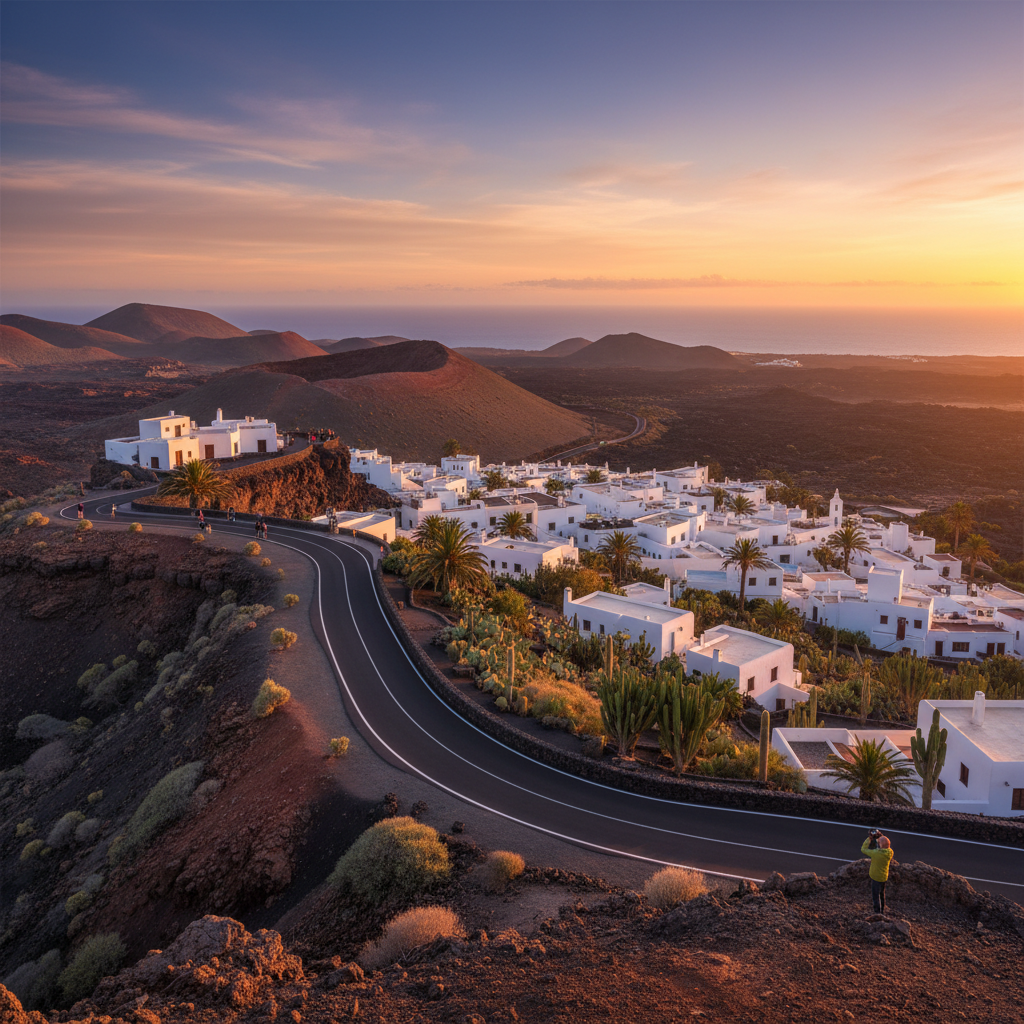
Lanzarote
Discover Lanzarote Lanzarote, the easternmost island of the Canary Islands, is a destination that offers a unique blend of history, culture, and breathtaking landscapes. Known for its volcanic origin, the island is characterized by its striking black and red landscapes that tell a story of geological transformation and human resilience. The island's history dates back to the 2nd century BC when it was first settled by the Berber people. Over the centuries, Lanzarote has witnessed various invasions and cultures, including the Romans, the Moors, and the Spanish conquest in the 15th century. This rich tapestry of historical influence is evident in the island's architecture, local traditions, and culinary practices. Culturally, Lanzarote is renowned for its artistic legacy, most notably through the works of César Manrique, a local artist and architect who played a significant role in preserving the island's natural beauty. His philosophy of harmonizing architecture with nature is evident in several attractions, including the stunning Jameos del Agua and the Mirador del Río, which provide spectacular views over the island's unique terrain. The island's significance extends beyond its cultural heritage; Lanzarote is also a UNESCO Biosphere Reserve, thanks to its commitment to environmental sustainability and conservation. The unique volcanic landscape, characterized by Timanfaya National Park, is a must-see for visitors who wish to understand the geological history of the island. Here, visitors can witness geothermal demonstrations and explore the striking craters and lava fields. What makes Lanzarote truly special is its ability to offer something for everyone. Whether you're an adventure seeker, a history buff, or a beach lover, the island caters to diverse interests. The year-round mild climate makes it an ideal destination, with temperatures rarely dipping below 18°C (64°F). The beaches, such as Playa Blanca and Papagayo, boast golden sands and crystal-clear waters, perfect for sunbathing, swimming, and water sports. Additionally, Lanzarote's wine region, known as La Geria, is unique due to its volcanic soil, which produces exceptional wines. Visitors can tour local vineyards and indulge in wine tasting, experiencing the island's agricultural heritage firsthand. Lanzarote is not just a destination; it’s an experience that combines history, nature, and culture into a beautiful tapestry. Its vibrant atmosphere, coupled with its stunning landscapes and rich traditions, make it a must-visit location in Spain. Whether exploring the volcanic landscapes, savoring the local cuisine, or immersing yourself in the island's artistic flair, Lanzarote promises an unforgettable adventure. Top Attractions in Lanzarote – Ranked and Reviewed Lanzarote is brimming with attractions that showcase its unique landscapes, rich culture, and vibrant history. Below, we’ve compiled a list of the top-rated attractions, as reviewed by visitors on Stay4Exploring, offering insights into what you can expect when visiting these sites. 1. Timanfaya National Park - This volcanic park is the crown jewel of Lanzarote, featuring otherworldly landscapes shaped by volcanic eruptions. Visitors rave about the geothermal demonstrations, showcasing the island's natural heat. The guided bus tour through the park offers breathtaking views of the volcanic craters and lava fields, making it a must-visit for nature lovers. 2. Jameos del Agua - Created by César Manrique, this stunning attraction combines natural caves with artistic expression. Rated highly by visitors for its beauty, the underground lake and lush gardens create a magical atmosphere. The on-site restaurant and concert hall host events that add to the cultural experience, making it a favorite among travelers. 3. César Manrique Foundation - Housed in the artist's former home, this foundation is dedicated to promoting Manrique’s work and philosophy. Reviewers highlight the beautiful integration of art and nature, with exhibitions showcasing his influence on the island. The gardens and outdoor sculptures provide a tranquil space for reflection. 4. Mirador del Río - Another masterpiece by César Manrique, this viewpoint offers stunning panoramic views of the nearby island of La Graciosa. Visitors appreciate the breathtaking scenery and the unique design of the observation point, which blends seamlessly into the landscape. 5. Playa Blanca - For those seeking relaxation and sun, Playa Blanca is highly rated for its pristine beaches and vibrant promenade. Visitors enjoy various water sports, beachside dining, and the lively atmosphere, making it an ideal spot for families and couples alike. 6. La Geria Wine Region - Renowned for its unique volcanic wine production, La Geria is a paradise for wine enthusiasts. Many travelers recommend visiting the local bodegas for tours and tastings, where you can learn about the unique cultivation methods and enjoy delicious local wines. 7. Cueva de los Verdes - This stunning cave system offers guided tours that take visitors deep into the earth, showcasing impressive rock formations and natural beauty. Reviews highlight the captivating stories shared by guides, making this an educational and enjoyable experience. Each of these attractions provides a unique insight into what makes Lanzarote a special destination. Whether you’re exploring its volcanic landscapes, indulging in local wines, or immersing yourself in art and culture, Lanzarote promises a diverse array of experiences that will leave you enchanted. Planning Your Visit to Lanzarote Lanzarote, one of the stunning Canary Islands off the coast of Africa, is a treasure trove of natural wonders and unique experiences. To make the most of your trip, careful planning is essential. Best Time to Visit The ideal time to visit Lanzarote is during the spring (March to May) and fall (September to November) months. During these periods, temperatures are pleasantly warm, hovering around 20-27°C (68-81°F), and the crowds are fewer compared to the summer peak season. While Lanzarote enjoys a mild climate year-round, the summer months can get quite hot, with temperatures exceeding 30°C (86°F), making outdoor activities less enjoyable. If you’re looking for good weather and fewer tourists, aim for the shoulder seasons. Getting There Lanzarote is easily accessible via Lanzarote Airport (ACE), which is well-connected with various European cities. Budget airlines frequently operate flights to the island, making it a convenient option for travelers. Once you arrive at the airport, you can rent a car, take a taxi, or use public transportation to reach your accommodation. Renting a car is particularly advantageous, as it allows you the freedom to explore the island at your own pace. Getting Around The best way to navigate Lanzarote is by car, as public transport options can be limited, especially in more remote areas. The island is relatively small, making it easy to drive from one attraction to another. Roads are generally well-maintained, and parking is typically available at most tourist sites. If you prefer not to drive, local buses serve the primary towns and tourist hotspots, but schedules may be infrequent. Where to Stay Accommodation in Lanzarote ranges from luxurious resorts to budget-friendly hostels. The most popular areas to stay include: Puerto del Carmen: Known for its vibrant nightlife and beautiful beaches, this area is ideal for those looking to enjoy a lively atmosphere. Playa Blanca: A more laid-back option, Playa Blanca offers stunning beaches and a family-friendly environment, making it perfect for a relaxing getaway. Arrecife: The island’s capital boasts a rich cultural scene and is an excellent base for exploring the island's attractions. Teguise: This charming town is steeped in history and is close to several local markets and attractions. Regardless of where you choose to stay, booking accommodations in advance can save you money and ensure you have the best options available. Experience Lanzarote Like a Local Lanzarote is not just a destination to visit; it’s a vibrant culture to immerse yourself in. Understanding the local customs, cuisine, and lifestyle can enhance your experience significantly. Local Customs The people of Lanzarote are known for their warm hospitality. Greetings are important; a friendly "Hola" (hello) accompanied by a smile goes a long way. When dining, it’s customary to say "Buen provecho" (enjoy your meal) when you see someone eating. Additionally, the island has a relaxed pace of life, so don’t be surprised if things move a bit slower than you might expect. Food Lanzarote offers a unique culinary scene influenced by both traditional Canarian and Spanish cuisine. Be sure to try local specialties such as papas arrugadas (wrinkled potatoes) served with mojo sauces (green and red). Fresh seafood is abundant, with options ranging from grilled fish to octopus. Don’t miss sampling local wines, particularly those from the La Geria region, known for its distinctive vineyards grown in volcanic ash. Culture The island is home to a rich artistic heritage, largely influenced by the renowned artist César Manrique, who played a significant role in shaping Lanzarote’s identity. Visit the Fundación César Manrique to appreciate his work and philosophy. The architecture on the island reflects a harmonious blend with the environment, characterized by whitewashed buildings that blend seamlessly with the landscape. Insider Tips To experience Lanzarote like a local, consider the following tips: Attend local festivals: Check the calendar for traditional celebrations, such as the Carnival of Arrecife, which showcases vibrant parades and local music. Visit local markets: Explore the Teguise Market on Sundays for handmade crafts, fresh produce, and delicious local food. Explore off the beaten path: While popular sites like Timanfaya National Park are must-sees, venture into lesser-known areas such as the charming village of Yaiza or the stunning cliffs of Los Hervideros. Learn a few phrases in Spanish: While many locals speak English, making an effort to communicate in Spanish can enrich your interactions. By embracing the local customs, savoring the unique flavors, and engaging with the culture, your visit to Lanzarote will be an unforgettable journey that goes beyond the ordinary.

Dorset
Discover Dorset Dorset, located on the south coast of England, is a county rich in history, culture, and natural beauty. Known for its picturesque landscapes and charming villages, Dorset has long been a favorite among travelers seeking both adventure and relaxation. The area is steeped in history, with evidence of human habitation dating back to the Paleolithic era. The county’s unique geography has contributed significantly to its historical narrative, with the Jurassic Coast—a UNESCO World Heritage Site—stretching along its coastline. This 95-mile stretch is famed not only for its stunning cliffs and fossils but also for its geological significance, showcasing 185 million years of Earth's history. Dorset's cultural significance extends beyond its natural wonders. The county is the birthplace of the renowned author Thomas Hardy, whose works reflect the landscape and people of the region. Visitors can explore the Thomas Hardy Cottage in Higher Bockhampton, which offers a glimpse into the life of one of England's literary giants. Additionally, Dorset is home to a vibrant arts scene, with numerous galleries and theaters showcasing local talent. The annual Dorset Arts Festival highlights the county's commitment to the arts, drawing in artists and audiences from around the UK. What truly makes Dorset special is its blend of seaside charm and rural tranquility. The county boasts stunning beaches such as Weymouth, known for its golden sands and family-friendly atmosphere, and Lulworth Cove, famous for its breathtaking views and unique geological formations. Beyond the coast, the rolling hills of the Dorset Area of Outstanding Natural Beauty invite walkers, cyclists, and nature enthusiasts to explore. These landscapes not only provide recreational opportunities but are also integral to the local heritage, with ancient sites like Maiden Castle and the Cerne Abbas Giant offering insights into the region's past. Throughout the year, Dorset hosts various events that celebrate its rich culture and community spirit. The Dorset County Show showcases local agriculture, crafts, and food, while the Purbeck Art Weeks Festival promotes local artists and their work. These events foster a sense of community and offer visitors a chance to engage with the locals, making their experience all the more enriching. In summary, Dorset is a destination that captivates the hearts of those who visit. Its unique combination of historical depth, cultural richness, and stunning natural beauty sets it apart as a must-visit location in England. Whether you're exploring the coastal paths, indulging in local cuisine, or immersing yourself in the arts, Dorset promises an unforgettable experience that will leave you yearning for more. Top Attractions in Dorset – Ranked and Reviewed Dorset is brimming with attractions that appeal to a wide range of interests. From breathtaking natural scenery to historic sites, here’s a ranked list of the top attractions in Dorset, all reviewed and rated by real travelers. 1. The Jurassic Coast – Rated 4.9/5 The Jurassic Coast is undoubtedly Dorset's crown jewel. Stretching from Exmouth in Devon to Old Harry Rocks in Dorset, this UNESCO World Heritage Site offers jaw-dropping views and is a paradise for fossil hunters. Visitors rave about the stunning walks along the coastal paths, with many enjoying the chance to uncover 200 million-year-old fossils. The visitor center at Lyme Regis provides educational resources and guided tours, making it accessible for families. 2. Corfe Castle – Rated 4.8/5 This medieval castle, nestled in the Purbeck Hills, is a must-visit for history buffs. Corfe Castle dates back to the 11th century and has witnessed centuries of English history. Travelers appreciate the panoramic views from the castle ruins and the informative exhibitions that detail its storied past. The nearby village of Corfe offers quaint shops and tea rooms, enhancing the overall experience. 3. Lulworth Cove and Durdle Door – Rated 4.7/5 Famed for its natural beauty, Lulworth Cove and the iconic Durdle Door are essential stops for anyone visiting Dorset. The cove's clear waters and unique rock formations attract photographers and nature lovers alike. Reviews often highlight the exhilarating walks along the cliffs and the opportunity to swim in the cove. Local eateries serve delicious seafood, making it a perfect day out. 4. Weymouth Beach – Rated 4.6/5 A family favorite, Weymouth Beach features soft golden sands and shallow waters, making it ideal for children. Visitors frequently mention the beach's cleanliness and the array of facilities available, including cafes and entertainment options. The nearby Weymouth Sea Life Adventure Park is another attraction that families love, providing a great mix of fun and education about marine life. 5. Thomas Hardy’s Cottage – Rated 4.5/5 Literature lovers will appreciate a visit to Thomas Hardy’s Cottage, where the novelist was born and spent his early years. The cottage is lovingly preserved and provides a deep dive into Hardy's life and inspirations. Reviews often highlight the beautiful surrounding gardens, making it a serene spot for reflection. These attractions represent just a snapshot of what Dorset has to offer. Each location is a testament to the county's rich history and natural beauty, and the ratings reflect the genuine appreciation visitors have for them. Whether you're an adventurer, a history enthusiast, or simply looking to relax by the sea, Dorset has something for everyone. Planning Your Visit to Dorset Planning a trip to Dorset can be an exciting venture, and understanding the best times to visit, how to get there, and where to stay will ensure a memorable experience. Best Time to Visit Dorset is a year-round destination, but the best time to visit largely depends on the activities you wish to enjoy. The summer months of June through August are peak tourist season, with warm weather perfect for beach outings and festivals. However, this is also when the attractions are most crowded. For those looking to avoid the crowds while still enjoying pleasant weather, late spring (May) and early autumn (September to October) are ideal. These months offer milder weather, fewer tourists, and beautiful landscapes, particularly as the autumn leaves change color. Getting There Dorset is accessible by various modes of transportation. If you’re traveling by car, the county is well-connected by major roads such as the A35 and A31. For those coming from London, the journey by car takes about 2.5 to 3 hours, depending on traffic. Alternatively, you can take a train from London Waterloo to Weymouth or Dorchester, with several services running daily. The train journey offers stunning views of the countryside, making it a scenic option. For international travelers, the closest airport is Bournemouth Airport, which is approximately 30 minutes from Weymouth. The airport has connections to various European cities, making it a convenient entry point for visitors from abroad. Getting Around Once in Dorset, getting around is relatively simple. While having a car provides the most flexibility, especially for exploring the rural areas and coastal paths, public transport options are available. Buses operate throughout the county, connecting major towns and attractions. The Dorset Explorer bus service offers a convenient way to hop between popular sites without the hassle of driving. For those looking to explore the stunning landscapes, consider renting a bike or even walking along the many trails available, particularly around the Jurassic Coast. The South West Coast Path is a popular choice for walkers and offers breathtaking views of the coastline. Where to Stay Dorset offers a wide range of accommodation options, catering to all budgets and preferences. For a truly local experience, consider staying in a quaint bed and breakfast in one of the charming villages such as Lyme Regis or Corfe Castle. These establishments often provide a warm welcome and hearty breakfasts featuring local produce. If you prefer more modern amenities, there are several hotels and resorts along the coast, particularly in Bournemouth and Weymouth. For families and groups, self-catering cottages are a fantastic option, providing the comfort of home while being close to attractions. Regardless of where you choose to stay, booking in advance is recommended, especially during peak season, to secure the best rates and availability. In conclusion, careful planning will enhance your visit to Dorset, allowing you to fully immerse yourself in the county's rich offerings. From the best times to enjoy its natural beauty to accommodation that suits your needs, Dorset awaits with open arms. Experience Dorset Like a Local To truly experience Dorset, it's essential to immerse yourself in the local customs, cuisine, and culture. This section provides valuable insights and insider tips to help you connect with the heart of this beautiful county. Local Customs Dorset is known for its friendly and welcoming locals. When in a pub or café, it’s customary to greet staff with a smile and perhaps a casual chat about the weather—something locals often love to discuss! You might also notice the use of some local dialect words and phrases, such as 'Dorset Knob,' which refers to a type of biscuit unique to the region. During your visit, participating in local traditions can enrich your experience. Consider attending a village fete or the annual Dorset County Show, where you can witness traditional games, local crafts, and agricultural displays. These events are excellent opportunities to mingle with residents and learn about their way of life. Food and Drink Dorset boasts a rich culinary heritage, influenced by its coastal location and agricultural landscape. Be sure to sample local delicacies, such as Dorset crab, which is considered some of the best in the country. Many seaside restaurants serve fresh seafood caught daily, with dishes like crab sandwiches and fish and chips being popular among visitors. Another must-try is the Dorset apple cake, a delicious dessert made with local apples and often enjoyed with clotted cream. For a unique experience, seek out a traditional cream tea, which consists of scones served with clotted cream and jam, typically enjoyed in the afternoon. Don’t forget to explore the local pubs, which often serve locally brewed ales and ciders. The Jurassic Coast Brewery and the Dorset Brewing Company are two popular local breweries worth checking out. Engaging with locals over a pint is a quintessential part of the Dorset experience. Cultural Insights The arts scene in Dorset is vibrant, reflecting the county's rich history and diverse community. Attend a performance at the Lighthouse in Poole, one of the largest arts centers in the UK, or check out the Pavilion Theatre in Bournemouth, which hosts various shows throughout the year. Art enthusiasts should also visit the numerous galleries and exhibitions showcasing local artists. The local music scene is equally lively, with many pubs hosting live music nights featuring everything from folk to rock. The annual Purbeck Folk Festival celebrates this aspect of Dorset culture, drawing in music lovers from far and wide. Insider Tips To experience Dorset like a local, consider the following tips: Explore off the beaten path: While popular attractions are a must-see, don’t hesitate to venture into lesser-known villages like Abbotsbury or Shaftesbury, where you can find hidden gems. Take advantage of local markets: Farmers' markets held in towns like Dorchester and Bridport are fantastic for finding fresh produce, homemade goods, and local crafts. Use public transport: The local bus services offer scenic routes through the countryside, providing a different perspective of Dorset than driving. Engage with locals: Don’t be shy! Strike up conversations with shopkeepers, farmers, and other locals; they often have fascinating stories and recommendations. By embracing these local customs and experiences, you’ll not only enjoy the beauty of Dorset but also gain a deeper understanding of its culture and community. Whether savoring a meal at a family-run restaurant or enjoying a sunset walk along the coast, experiencing Dorset like a local will undoubtedly leave a lasting impression.
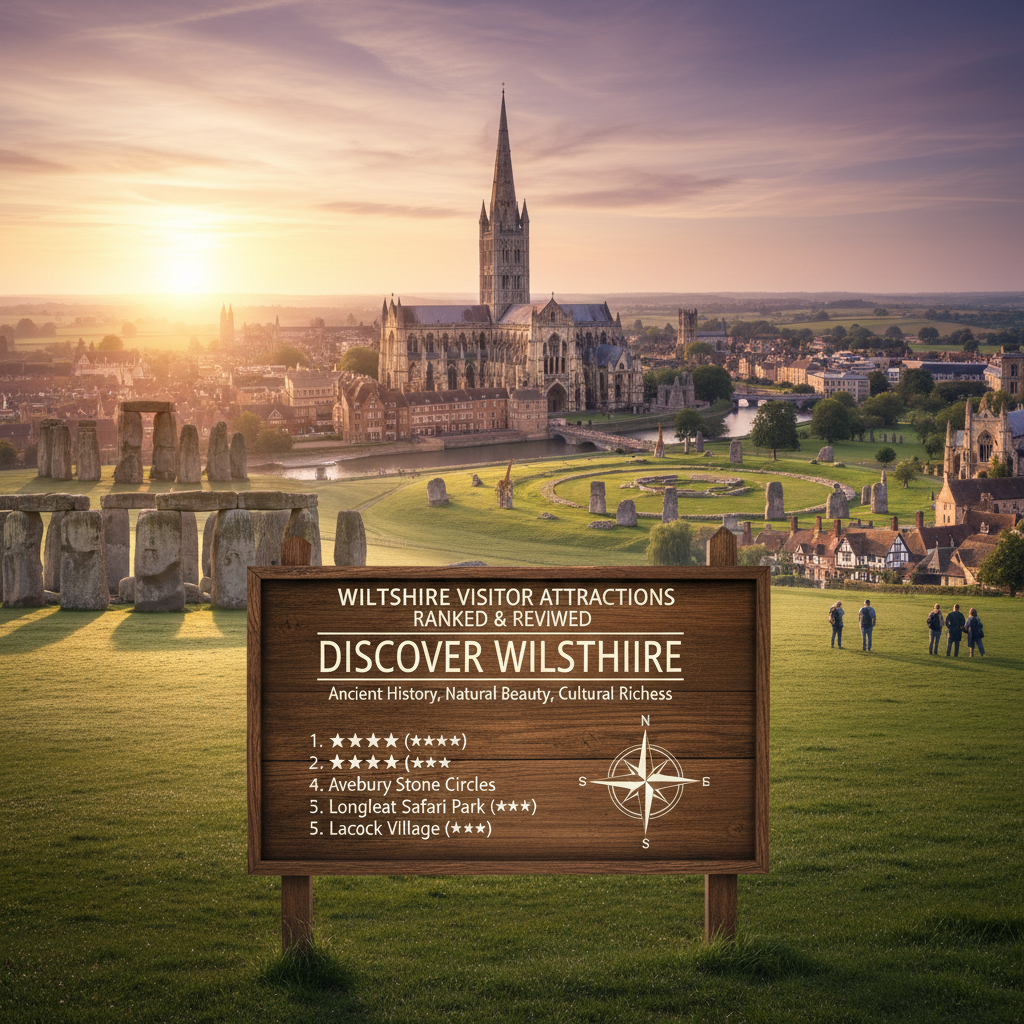
Wiltshire
Discover Wiltshire Wiltshire, located in the southwest of England, is a county steeped in rich history and cultural significance. Known for its stunning landscapes, ancient monuments, and vibrant communities, Wiltshire draws visitors into a world where the past meets the present. The county is home to some of the most iconic prehistoric sites in the UK, including Stonehenge and Avebury, both of which are UNESCO World Heritage Sites. These ancient stone circles have fascinated archaeologists and tourists alike for centuries, offering a glimpse into the rituals and lives of Neolithic peoples.Beyond its prehistoric attractions, Wiltshire boasts a wealth of history that spans the Roman, Saxon, and Medieval periods. The city of Salisbury, with its majestic cathedral housing the tallest spire in England, stands as a testament to the county's architectural heritage. The cathedral is also home to one of the four remaining copies of the Magna Carta, an artifact of immense historical significance. Visitors can explore the charming streets of Salisbury, filled with independent shops, pubs, and restaurants, creating a lively atmosphere that complements its historical backdrop.Culturally, Wiltshire is vibrant and diverse. The county hosts numerous festivals throughout the year, celebrating everything from literature to music and food. The Salisbury International Arts Festival and the Marlborough Literature Festival attract artists and audiences from across the globe, fostering a sense of community and creativity. Additionally, the county's rural landscape provides a stunning backdrop for outdoor activities such as hiking, cycling, and horse riding, allowing visitors to fully immerse themselves in the natural beauty of the region.What makes Wiltshire particularly special is its blend of ancient and modern. The county is not only about historical sites; it has a thriving contemporary culture, with a variety of galleries, theaters, and craft workshops. The presence of the New Arts Centre in Salisbury and the Wiltshire Museum are just a few examples of how the county embraces both its past and its present.Moreover, Wiltshire's accessibility makes it an ideal destination for a weekend getaway or a longer stay. With excellent transport links to London and other major cities, visitors can easily explore the county's treasures. From the tranquil beauty of the Cotswolds to the rolling hills of the Salisbury Plain, Wiltshire offers a diverse range of landscapes that invite exploration and adventure.In conclusion, Wiltshire is a captivating destination that seamlessly weaves together history, culture, and natural beauty. Whether you are drawn by its ancient landmarks or its lively arts scene, Wiltshire promises an enriching experience that resonates long after your visit. Top Attractions in Wiltshire – Ranked and Reviewed When it comes to attractions, Wiltshire is brimming with options that cater to a variety of interests. Here are some of the top-rated attractions based on reviews from real travelers on Stay4Exploring:1. Stonehenge - No visit to Wiltshire is complete without exploring Stonehenge. This ancient stone circle, dating back to around 3000 BC, is one of the most famous landmarks in the world. Visitors rave about the atmosphere and the mysterious aura that surrounds the stones. Many reviews highlight the informative visitor center and the well-organized tours that provide insights into the site's history and significance.2. Salisbury Cathedral - Rated highly by visitors, Salisbury Cathedral is a masterpiece of Gothic architecture. Travelers appreciate the breathtaking beauty of the cathedral, particularly its stunning stained glass windows and the impressive spire. The guided tours are often noted for their knowledgeable guides, who bring the history of the building to life, making it a must-see for anyone in the area.3. Avebury Stone Circle - Another UNESCO World Heritage Site, Avebury is less crowded than Stonehenge but equally mesmerizing. Reviewers often comment on the opportunity to walk among the stones and the peaceful atmosphere that surrounds this historic site. The adjacent Avebury Manor & Garden offers a delightful experience, with its beautifully restored rooms and expansive gardens.4. Longleat Safari Park - For families, Longleat Safari Park is a top-rated attraction that combines adventure with wildlife conservation. Visitors love the opportunity to see animals from around the world in a naturalistic setting. The park also features a stately home and beautiful grounds, making it a full-day experience. Many reviews praise the friendly staff and the variety of attractions available, including the famous Longleat Hedge Maze.5. Old Sarum - The ruins of Old Sarum, an ancient hill fort and the original site of Salisbury, offer a glimpse into the region's medieval past. Travelers appreciate the stunning panoramic views from the top and the informative displays that explain the site's history. Many visitors enjoy picnicking on the grounds while soaking in the rich historical ambiance.6. The Wiltshire Museum - Located in Devizes, this museum is a treasure trove of local history, showcasing artifacts from prehistoric times to the present. Reviewers often highlight the informative exhibits and the friendly staff who are eager to share their knowledge about Wiltshire's rich heritage.In summary, Wiltshire's attractions cater to history buffs, nature lovers, and families alike. The rankings and reviews from Stay4Exploring emphasize the diverse experiences available, ensuring that every visitor can find something special during their time in this enchanting county. Planning Your Visit to Wiltshire Wiltshire, located in South West England, is a stunning destination known for its rich history, picturesque landscapes, and iconic landmarks like Stonehenge and the Avebury Stone Circle. When planning your visit to Wiltshire, consider the best time to explore this enchanting region. The ideal months are typically late spring (May and June) and early autumn (September and October). During these periods, the weather is mild, and the countryside is in full bloom or adorned with autumn hues, offering a perfect backdrop for outdoor activities.Getting to Wiltshire is relatively straightforward. The county is well-connected by road and rail. If you are traveling from London, you can take a direct train from Paddington Station to either Salisbury or Chippenham, which takes around 1.5 to 2 hours. For those driving, the M4 motorway runs along the northern edge of Wiltshire, providing easy access to cities like Bath and Bristol. Additionally, Bristol Airport is the nearest major airport, offering both domestic and international flights.Once you arrive, getting around Wiltshire can be done by car or public transport. While there are local buses and trains that connect major towns and attractions, having a car gives you the freedom to explore the rural areas and hidden gems at your own pace. Be sure to check the local bus schedules, as some routes may be limited, particularly on weekends.When it comes to accommodation, Wiltshire offers a range of options to suit various budgets and preferences. For a unique experience, consider staying in one of the charming bed and breakfasts found in rural villages or historic towns like Marlborough or Devizes. Alternatively, if you prefer a hotel experience, larger towns such as Swindon and Salisbury have a variety of hotels, from budget chains to luxurious establishments. For those seeking a countryside retreat, several quaint cottages and holiday parks are scattered throughout the region, providing a homey atmosphere amidst nature.In summary, planning your visit to Wiltshire involves selecting the right time to go, choosing the best mode of transport, and finding suitable accommodation that enhances your travel experience. With these elements in place, you'll be well on your way to discovering the beauty and history that Wiltshire has to offer. Experience Wiltshire Like a Local To truly experience Wiltshire like a local, it’s essential to immerse yourself in the customs, food, and culture that define this picturesque region. Wiltshire is steeped in history, and its traditions reflect a rich tapestry of influences from the past, including Celtic, Roman, and medieval heritage.One of the local customs you might encounter is the celebration of seasonal festivals. Events like the Marlborough International Jazz Festival and the Devizes Food Festival showcase local talent and culinary delights. Participating in these festivals not only allows you to enjoy good food and music but also provides a chance to mingle with residents and other visitors, enhancing your overall experience.Speaking of food, Wiltshire is known for its delicious local produce. Be sure to sample the famous Wiltshire ham, a dry-cured variety that has been made in the region for centuries. You can find this delicacy in local pubs and restaurants. Additionally, the area is home to numerous farmers’ markets where you can purchase fresh fruits, vegetables, artisanal cheeses, and homemade jams. The market in Salisbury is particularly noteworthy for its variety and quality.As you explore Wiltshire, consider trying some traditional dishes, such as the hearty Wiltshire stew or a classic Sunday roast. Many pubs in the area offer a cozy atmosphere where you can enjoy these meals alongside a pint of local ale. Don’t miss out on visiting some of the local breweries that produce exceptional craft beers and ciders.Culture is at the heart of Wiltshire, and you’ll find numerous art galleries, theatres, and historical sites throughout the county. The Salisbury Playhouse is a local gem, showcasing a range of performances from contemporary plays to classic dramas. Moreover, the charismatic city of Bath, a short drive from Wiltshire, offers stunning Georgian architecture and the famous Roman Baths, a must-see for any visitor.To experience Wiltshire like a local, embrace the slower pace of life. Take leisurely walks in the countryside, visit the ancient stone circles, and explore the charming villages. Engage with locals at pubs or cafes, as they often have stories to share about the history and legends of the area. Finally, be mindful of the local etiquette: a friendly 'hello' to passersby is always appreciated, and tipping around 10-15% in restaurants is customary.By immersing yourself in the local customs, savoring the regional cuisine, and embracing the culture, you will leave Wiltshire with unforgettable memories and a deeper appreciation for this enchanting part of England.

Spain
Discover Spain Spain, a vibrant tapestry of cultures and history, is a destination that captivates travelers with its rich heritage and diverse landscapes. From the sun-drenched beaches of the Mediterranean to the snow-capped peaks of the Pyrenees, Spain offers a multitude of experiences that reflect its historical significance and cultural depth.The history of Spain dates back thousands of years, with influences from various civilizations, including the Romans, Moors, and Visigoths. This confluence of cultures has shaped Spain into a unique mosaic where every region boasts its own traditions, dialects, and gastronomy. The architectural marvels of the Alhambra in Granada and the Sagrada Familia in Barcelona stand as testaments to this rich history, showcasing the artistic brilliance that flourished during different periods.Spanish culture is a rich blend of art, music, dance, and cuisine. Visitors can immerse themselves in the passionate rhythms of Flamenco in Seville or savor the culinary delights of tapas across the country. Each region offers its unique flavor, with specialties like paella in Valencia and pintxos in the Basque Country. Festivals, such as La Tomatina and Running of the Bulls, reflect the country's vibrant spirit and communal joy.Spain's significance extends beyond its borders, as it has been a crucial player in European history and politics. The Spanish Empire once spanned across continents, leaving a legacy that can still be seen in the languages and cultures of Latin America. Today, Spain stands as a bridge between Europe and the Americas, making it a cultural and economic powerhouse.What makes Spain truly special is its ability to blend the old with the new. Modern cities like Madrid and Barcelona pulsate with life, offering contemporary art scenes, innovative culinary experiences, and bustling nightlife, while historical towns like Toledo and Salamanca transport visitors back in time. The country's varied landscapes, from the lush vineyards of La Rioja to the stark beauty of the Alpujarras mountains, provide a stunning backdrop for exploration.For travelers seeking adventure, Spain offers a myriad of activities, from hiking in national parks to surfing on the northern coast. Those interested in history can explore ancient ruins and UNESCO World Heritage sites that dot the landscape. Whether you're a history buff, a foodie, or an outdoor enthusiast, Spain has something to offer everyone.Ultimately, a journey through Spain is not just about visiting places; it's about experiencing a way of life that cherishes community, creativity, and celebration. With its warm climate, hospitable people, and an endless array of attractions, Spain beckons travelers to explore its wonders, making it an unforgettable destination. Top Attractions in Spain – Ranked and Reviewed Spain is home to an array of attractions that cater to various interests, and these destinations have been rated and reviewed by travelers on Stay4Exploring, ensuring a true reflection of visitor experiences. Here are the top attractions that you absolutely cannot miss during your visit to this enchanting country.1. Sagrada Familia, Barcelona – This iconic basilica designed by Antoni Gaudí is a masterpiece of modernist architecture. Visitors rave about its intricate facades and stunning interiors, filled with colorful stained glass that creates a breathtaking atmosphere. Many reviews highlight the need to book tickets in advance to avoid long lines.2. Alhambra, Granada – A UNESCO World Heritage site, the Alhambra is a stunning example of Moorish architecture and design. Reviewers often mention the intricate tile work, beautiful gardens, and panoramic views of the city. The night tour is particularly popular among visitors seeking a different perspective of this historical gem.3. Park Güell, Barcelona – Another creation by Gaudí, this colorful park is filled with artistic structures and vibrant mosaics. Travelers appreciate the park's whimsical design and the stunning views of the city. Many recommend visiting early in the day to avoid crowds.4. The Prado Museum, Madrid – Art lovers cannot miss the Prado, which houses one of the finest collections of European art. Visitors have praised the remarkable works of masters like Velázquez and Goya. Reviews often suggest taking a guided tour to fully appreciate the art and history behind the pieces.5. La Rambla, Barcelona – This lively street is a hub of activity, lined with shops, restaurants, and street performers. Travelers enjoy strolling along La Rambla, indulging in local delicacies, and soaking in the vibrant atmosphere. Many reviews highlight the importance of being cautious of pickpockets in the area.6. The Alcázar of Seville – A stunning royal palace originally developed by Moorish Muslim kings, the Alcázar is celebrated for its intricate architecture and lush gardens. Visitors often share their awe at the exquisite details and recommend spending a few hours to fully explore the grounds.7. San Sebastián Beaches – Known for its picturesque coastline and vibrant culinary scene, San Sebastián is a must-visit for beach lovers and foodies alike. Travelers rate the beaches highly for their beauty and cleanliness, while the city’s pintxos bars receive rave reviews for their delicious offerings.8. Camino de Santiago – For those seeking adventure, the Camino de Santiago is a historic pilgrimage route that attracts thousands each year. Reviews highlight the sense of community among walkers and the breathtaking scenery along the way. Many recommend taking time to enjoy the local culture and cuisine in the towns along the route.Each of these attractions offers a glimpse into the diverse beauty and rich history of Spain, making them essential stops for any traveler. With ratings and reviews from real visitors, you can plan your itinerary with confidence, ensuring an unforgettable exploration of this remarkable country. Planning Your Visit to Spain Spain is a vibrant country with diverse landscapes, rich history, and a culture that captivates millions of travelers each year. When planning your visit, it's essential to consider the best time to go, how to get there, getting around, and where to stay.Best Time to Visit: The ideal time to visit Spain largely depends on your preferences. Spring (April to June) and fall (September to October) are generally considered the best times to explore the country. During these months, the weather is pleasantly warm, and tourist crowds are thinner, allowing for a more enjoyable experience. July and August can be scorching, especially in southern regions like Andalusia, while winter (November to March) offers a quieter atmosphere and lower prices but can be chilly, particularly in northern Spain.Getting There: Spain is well-connected by air, rail, and road. Major international airports are located in cities like Madrid, Barcelona, and Málaga. Airlines from all over the world offer flights to these hubs. If you’re traveling from within Europe, consider budget airlines or high-speed trains (like the AVE) which make getting around the continent easy and efficient. Once in Spain, you can also reach smaller cities and towns via a robust rail network.Getting Around: Spain boasts an impressive public transportation system. In major cities like Madrid and Barcelona, subways, buses, and trams provide convenient access to various attractions. Renting a car is a great option for exploring rural areas or the picturesque countryside of regions like Andalusia or Catalonia. Consider using ride-sharing apps such as Uber or local alternatives for added convenience in cities.Where to Stay: Spain offers a wide range of accommodations to suit all budgets and preferences. In big cities, you’ll find everything from luxurious hotels to affordable hostels. For a more authentic experience, consider booking a boutique hotel or a traditional guesthouse in historic neighborhoods. In smaller towns, look for charming bed-and-breakfasts or rural inns that provide a glimpse into local life. Remember to book accommodations in advance, especially during peak travel seasons. Experience Spain Like a Local To truly immerse yourself in the Spanish way of life, it’s essential to understand local customs, savor the cuisine, and embrace the vibrant culture that defines Spain.Local Customs: Spaniards are known for their warm hospitality and friendliness. Greetings typically involve a light kiss on both cheeks, starting with the right. It’s polite to greet shopkeepers and restaurant staff when entering and leaving. Spain operates on a different schedule than many other countries, with meals served later in the day—lunch around 2 PM and dinner not until 9 PM or later. This late dining culture is often accompanied by the tradition of tapas, small plates that encourage sharing and socializing.Food: Spanish cuisine is a delightful fusion of flavors and regional influences. Tapas are a must-try, with endless varieties ranging from patatas bravas (fried potatoes with spicy sauce) to jamón ibérico (cured ham). Don’t miss sampling paella, a saffron-infused rice dish that originated in Valencia. Each region has its specialties, so be sure to explore local markets and restaurants to taste authentic dishes. Also, indulge in churros dipped in rich chocolate for breakfast or a sweet snack.Culture: Spain is rich in artistic heritage, with contributions from renowned painters like Picasso and Dalí. Museums, such as Madrid's Prado and Barcelona's Picasso Museum, showcase this artistic legacy. Festivals are an integral part of Spanish culture, with events like La Tomatina and the Running of the Bulls attracting visitors worldwide. Attending a flamenco show offers insight into the vibrant music and dance that embodies Spanish passion.Insider Tips: To experience Spain like a local, consider exploring less-touristy neighborhoods where you can find authentic eateries and local shops. Learn a few basic Spanish phrases; locals appreciate the effort, and it can enhance your interactions. If you’re visiting in summer, take advantage of the siesta tradition by resting during the hottest part of the day and venturing out in the cooler evenings. Finally, always carry cash, as many small businesses may not accept credit cards.

Essex
Discover Essex Essex, a county in the southeast of England, is rich in history, culture, and natural beauty, making it a unique destination for travelers. The county's roots can be traced back to the Anglo-Saxon period, and its name is derived from the East Saxons, one of the early tribes that inhabited the area. This historical significance is evident in the numerous archaeological sites and historic landmarks scattered throughout the region.The county has played a crucial role throughout British history, from its involvement in the Roman conquest to being a pivotal location during the English Civil War. Visitors can explore the remnants of Roman villas in places like Colchester, which is known as the oldest recorded town in Britain. Colchester Castle, a Norman structure built on the site of a Roman temple, offers fascinating insights into the area’s layered history.Essex is also a vibrant cultural hub, hosting a variety of festivals, art exhibitions, and theatrical performances. The county is home to several renowned cultural institutions, including the Mercury Theatre in Colchester, where visitors can enjoy a range of performances from drama to musicals. The annual Chelmsford Festival celebrates local talent and attracts visitors from across the country, showcasing everything from music to literature.What makes Essex particularly special is its diverse landscape, which spans from the picturesque countryside to stunning coastal areas. The Essex Coast, with its charming seaside towns like Southend-on-Sea and Clacton-on-Sea, offers a delightful British beach experience. Here, visitors can stroll along the longest pleasure pier in the world in Southend, or enjoy traditional fish and chips while watching the waves.Moreover, the county’s network of nature reserves, such as the beautiful Crouch and Roach Estuaries, provides ample opportunities for birdwatching, hiking, and enjoying the great outdoors. Whether you’re exploring the picturesque villages of Dedham Vale or enjoying the serenity of Epping Forest, Essex is a perfect blend of urban and rural experiences.The county is also known for its culinary scene, with a growing number of restaurants, cafes, and pubs that celebrate local produce. From traditional Essex dishes to innovative modern cuisine, food lovers will find plenty to satisfy their appetites. The vibrant farmer's markets and food festivals throughout the year highlight the best of what Essex has to offer, making it a gastronomic delight.In conclusion, Essex is a destination that offers a rich tapestry of history, culture, and natural beauty. Whether you’re a history buff, a nature enthusiast, or a foodie, Essex is sure to provide an unforgettable experience that captures the essence of English heritage. Top Attractions in Essex – Ranked and Reviewed Essex is home to a plethora of attractions that cater to all interests, from historical sites to natural wonders and family-friendly activities. Here’s a list of the top-rated attractions in Essex, as reviewed by visitors on Stay4Exploring.1. Colchester CastleRanked as the number one attraction, Colchester Castle is a must-visit for history enthusiasts. Built on the foundations of a Roman temple, the castle houses a museum that showcases the rich history of Colchester. Visitors rave about the informative exhibits and the impressive architecture, making it a perfect family outing.2. Hylands House and EstateThis beautiful Victorian mansion set in scenic parkland is the second most popular attraction. Visitors appreciate the stunning gardens and the peaceful atmosphere. The estate often hosts events and festivals, providing an engaging experience for all ages.3. Southend-on-SeaWith its iconic pier and lively beachfront, Southend-on-Sea is a favorite among families. Rated highly for its amusements and beautiful seafront, visitors love spending the day enjoying the beach, trying out rides, and sampling local seafood. The vibrant atmosphere makes it a top destination during the summer months.4. Audley End House and GardensThis historic house is praised for its beautiful gardens and fascinating tours. Visitors appreciate the knowledgeable guides who bring the history of the estate to life. The gardens are particularly noteworthy, offering a tranquil escape for nature lovers.5. Chelmsford CathedralA stunning example of Gothic architecture, Chelmsford Cathedral is a peaceful spot for reflection. Visitors comment on the beautiful stained glass windows and the welcoming atmosphere. It’s a perfect place to explore local history and enjoy a moment of quiet.6. Epping ForestThis ancient forest is a haven for outdoor enthusiasts. Rated highly for its extensive walking and cycling trails, visitors enjoy immersing themselves in nature. The diverse wildlife and beautiful landscapes make it an ideal spot for a day out.7. Tiptree Jam MuseumFor those with a sweet tooth, the Tiptree Jam Museum offers a unique experience. Visitors appreciate the history of this famous jam producer and enjoy sampling various flavors. The museum is a delightful stop for families and food lovers alike.The attractions in Essex are not only well-rated but also rich in experiences that reflect the county's heritage and natural beauty. Each site offers something unique, ensuring that every visitor finds something to cherish during their stay. Planning Your Visit to Essex Planning a trip to Essex offers a chance to experience the rich cultural heritage, vibrant cities, and beautiful countryside that this region of England has to offer. The ideal time to visit Essex is during the late spring and early autumn months, specifically from May to September. During this period, the weather is generally mild and pleasant, allowing for outdoor exploration and enjoyment of various festivals and events, including the famous Colchester Arts Festival and the annual Clacton-on-Sea Airshow.Getting to Essex is relatively straightforward, thanks to its excellent transport links. If you're traveling from London, you can take a direct train from Liverpool Street Station to various towns in Essex, including Chelmsford, Colchester, and Southend-on-Sea. The journey typically takes between 30 minutes to an hour. For those flying in, London Stansted Airport, located in the north of Essex, offers numerous domestic and international flights. Once you land, you can easily reach central Essex via train or taxi.Driving is another great option, as Essex is well connected to major motorways, including the M25 and the A12. This means that if you wish to explore the picturesque villages and coastal areas, having a car can provide the freedom to venture off the beaten path. However, be mindful of traffic congestion during peak hours, especially around the London area.When it comes to getting around Essex, public transport options are plentiful. The county benefits from an extensive bus network that connects smaller towns and rural areas to larger cities. Trains also serve as a reliable mode of transportation, with frequent services between major towns. For those who prefer a more leisurely pace, cycling is an enjoyable way to explore, particularly in the scenic countryside areas.Accommodation in Essex is diverse, catering to a range of budgets and preferences. For luxury seekers, hotels like the Roslin Beach Hotel in Southend-on-Sea and the Five Lakes Resort in Maldon offer stunning views and upscale amenities. If you're traveling on a budget, consider staying at local guesthouses or hostels in towns like Colchester or Chelmsford. For a unique experience, look for charming bed and breakfasts or self-catering cottages in the countryside. Airbnb options are also available throughout the county, providing a range of choices for every type of traveler.Regardless of where you choose to stay, Essex's central location makes it a fantastic base for exploring other parts of East Anglia and beyond. With careful planning, your visit to Essex can be filled with memorable experiences, stunning sights, and the warm hospitality of the locals. Experience Essex Like a Local To truly experience Essex like a local, immerse yourself in the region's rich customs and culture. One of the most notable aspects of Essex life is its friendly and welcoming spirit. Locals are known for their openness, so don’t hesitate to strike up a conversation at a pub or café. Understanding the local dialect and slang can also enhance your experience; phrases like 'gonna' (going to) and 'innit' (isn't it) are commonly used.Essex cuisine is a delightful reflection of its agricultural heritage and coastal location. Seafood lovers should not miss out on the fresh catches from the North Sea. Fish and chips are a must-try, especially from traditional seaside establishments in places like Southend-on-Sea. Additionally, sample local dishes like Essex lamb and the famous Colchester oysters, which are celebrated for their quality. Farmers' markets are abundant, offering a taste of locally sourced produce, artisanal products, and homemade delicacies.The region also has a vibrant pub culture. Pubs are often the heart of the community, serving as gathering places for socializing over a pint of local ale. Many establishments host quiz nights, live music, and traditional events such as pub games, allowing visitors to engage with locals and experience authentic Essex life. Don't forget to try a pint of 'real ale' brewed in one of the many local breweries.Essex is steeped in history and culture, with numerous museums, art galleries, and historical sites to explore. The Colchester Castle Museum, housed within a Norman castle, offers insights into the town's Roman past, while the serene landscapes of Constable Country inspire art lovers and nature enthusiasts alike. Engaging with local art scenes, such as the Chelmsford Museum and Essex Record Office, can provide a deeper understanding of the region's heritage.Festivals and events are also a significant part of Essex culture. Throughout the year, various festivals celebrate everything from music to food and art. The annual Essex Food Festival showcases local produce and culinary talent, while the Leigh Folk Festival invites visitors to enjoy local music and dance. Participating in these events allows travelers to connect with locals and celebrate the unique spirit of Essex.Finally, some insider tips for making the most of your trip include seeking out lesser-known attractions, such as the historic village of Finchingfield or the picturesque Dedham Vale. Avoid the more crowded tourist spots and immerse yourself in the quieter, scenic locations that offer a genuine glimpse of Essex life. By embracing the local customs, enjoying the delicious food, and participating in community events, you will experience Essex not just as a visitor, but as a welcomed friend.
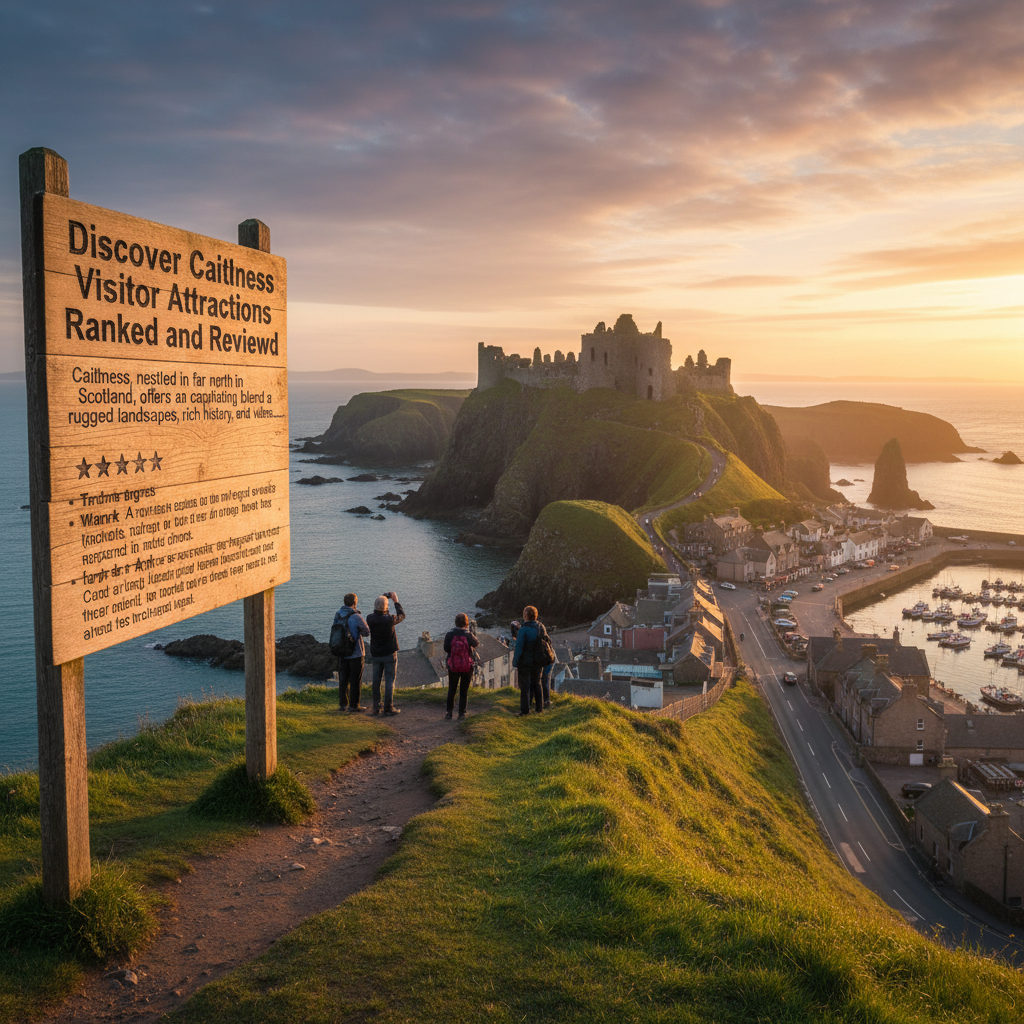
Caithness
Discover Caithness Caithness, located in the northernmost reaches of mainland Scotland, is a land steeped in history, culture, and breathtaking landscapes. This region, known for its rugged coastline and sweeping moorlands, offers a unique blend of ancient heritage and vibrant local culture, making it a remarkable destination for travelers seeking both adventure and tranquility.The history of Caithness dates back thousands of years, with evidence of Mesolithic settlements found along its shores. The area is dotted with Neolithic sites, including the iconic Broch of Gurness and the standing stones of Stenness, which speak to the region's rich prehistoric past. Additionally, Caithness played a significant role during the Viking Age, evidenced by place names and archaeological sites that hint at the Norse influence in the area.Caithness is also known for its Gaelic culture, which has been preserved through the generations. The local dialect, traditions, and music reflect the deep-rooted connections to the land and sea. Visitors can immerse themselves in this culture by attending local festivals, enjoying traditional music sessions, and sampling regional delicacies such as fresh seafood and local whisky.One of the most significant aspects of Caithness is its stunning natural beauty. The coastline features dramatic cliffs, sandy beaches, and picturesque harbors. The North Coast 500, a scenic driving route that showcases the best of northern Scotland, passes through Caithness, offering travelers breathtaking views of the rugged terrain and the North Sea. Wildlife enthusiasts will also find a wealth of opportunities to observe seabirds, seals, and even whales along the coast.Moreover, Caithness is home to several important historical landmarks, including the impressive Caithness Castle, which overlooks the town of Wick, and the historic town of Thurso, known for its rich maritime heritage. The region's lighthouses, such as the iconic Duncansby Head Lighthouse, are not only vital navigational aids but also serve as stunning focal points for photography and exploration.What makes Caithness truly special is the warmth and hospitality of its people. The local communities pride themselves on sharing their love for the area with visitors, making it easy to feel at home in this remote part of Scotland. Whether you're exploring ancient ruins, hiking coastal trails, or enjoying a cozy meal in a traditional pub, the spirit of Caithness is sure to leave a lasting impression. Top Attractions in Caithness – Ranked and Reviewed Caithness offers an abundance of attractions that cater to a diverse range of interests, from historical landmarks to stunning natural wonders. Here are the top-rated attractions in Caithness, as reviewed by visitors on Stay4Exploring:1. John O'Groats - As one of the most famous landmarks in Scotland, John O'Groats serves as a symbolic starting point for journeys to the Orkney Islands. Visitors rave about the stunning views of the Pentland Firth and the iconic signpost that marks the end of mainland Britain. Many appreciate the quaint shops and cafes nearby, making it a delightful stop for travelers.2. Duncansby Head - Just a short distance from John O'Groats, Duncansby Head is renowned for its dramatic cliffs and the striking Duncansby Stacks. Hikers and photographers alike are captivated by the breathtaking scenery and the chance to spot wildlife such as puffins and seals. Many reviews highlight the peaceful atmosphere and the thrill of standing at the northernmost point of the mainland.3. Caithness Horizons Museum - Located in Thurso, this museum is a treasure trove of local history and culture. Visitors appreciate the well-curated exhibits that showcase everything from the region's geological history to its Viking past. The museum is praised for its interactive displays and knowledgeable staff, making it a must-visit for history enthusiasts.4. The Castle of Mey - Once the summer residence of the late Queen Mother, the Castle of Mey is a beautifully restored castle set in stunning gardens. Guests often commend the guided tours that provide insights into the castle's history and the charming atmosphere of the grounds. The café on site is also popular for its homemade treats.5. Wick Heritage Museum - This museum offers a glimpse into the maritime history of Wick, once a bustling herring town. Visitors appreciate the diverse exhibits that highlight local industries, including fishing and shipbuilding. Reviews frequently mention the friendly staff and the engaging storytelling that brings the history of Wick to life.6. Thurso East - For surfers and beach lovers, Thurso East is a top destination known for its powerful waves and scenic coastline. Surfers praise the quality of the breaks and the vibrant surf culture in the area. Visitors also enjoy walking along the beach and taking in the stunning views of the surrounding cliffs.These top attractions reflect the rich tapestry of experiences available in Caithness, ensuring that every visitor can find something that resonates with their interests. Whether you're an adventurer, a history buff, or someone looking to relax and soak in the natural beauty, Caithness has something special for you. Planning Your Visit to Caithness Planning a trip to Caithness, located in the northern part of Scotland, is a thrilling venture filled with stunning landscapes, rich history, and unique cultural experiences. The best time to visit Caithness is during the late spring to early autumn, specifically between May and September. During these months, the weather is generally milder, with longer daylight hours that provide ample opportunity for exploration. However, be prepared for some rain, as Caithness is known for its unpredictable weather.Getting to Caithness can be quite straightforward. The nearest major airport is Inverness Airport, which is approximately 110 miles away. From there, you can rent a car or take a bus to reach your destination. Bus services connect Inverness to various towns in Caithness, including Thurso and Wick. If you prefer to drive, the A9 and A99 roads offer scenic routes through the Highlands and along the coast. For those arriving by train, the railway line from Inverness to Thurso and Wick provides a picturesque journey through the Scottish countryside.Once you arrive in Caithness, getting around is relatively easy. While public transport options are available, the best way to explore the area is by renting a car. This gives you the freedom to visit remote locations, hidden gems, and the breathtaking natural landscapes that are characteristic of the region. Cycling is another popular option, with several local bike rental services available. For those who prefer to walk, many attractions are accessible via well-marked trails and pathways.Accommodation options in Caithness are diverse, catering to all types of travelers. If you're looking for a cozy and intimate experience, consider staying in a traditional bed and breakfast. These establishments often provide a warm welcome, hearty breakfasts, and local insights. For a more luxurious stay, boutique hotels and guesthouses are available in Thurso and Wick, offering modern amenities and stunning views of the surrounding landscapes. If you're traveling with a family or prefer self-catering, numerous holiday cottages and lodges are scattered throughout the region, providing a home-away-from-home atmosphere.In summary, planning your visit to Caithness involves choosing the right time to go, understanding your travel options, and selecting suitable accommodation. By preparing ahead, you can ensure a memorable experience in this beautiful part of Scotland. Experience Caithness Like a Local To truly experience Caithness like a local, immerse yourself in the region's customs, food, culture, and insider tips. Caithness boasts a rich heritage influenced by its Norse and Gaelic roots, evident in its local dialect and traditions. You may hear phrases in the local dialect, which has unique words and pronunciations. Engaging with locals can enrich your experience, so don’t hesitate to strike up conversations in pubs or at community events.When it comes to food, Caithness is known for its fresh seafood and traditional Scottish dishes. The region's proximity to the coast means that you can enjoy delicious catches like haddock, cod, and shellfish. Be sure to try local specialities such as 'Caithness beef' and 'Cullen skink,' a creamy soup made with smoked haddock. Many establishments in Thurso and Wick serve up fresh, locally-sourced meals. Don’t miss out on visiting local markets where you can sample artisanal cheese, homemade jams, and baked goods.Cultural experiences abound in Caithness. The region is home to several historical sites, including the ancient standing stones of Caithness, which date back thousands of years. The Caithness Heritage Museum in Wick provides insights into the local history, showcasing artifacts from the region's past. Make time to explore the dramatic cliffs of Dunnet Head and the iconic Castle of Mey, once the holiday home of the Queen Mother. These sites not only offer stunning views but also a glimpse into the storied history of the area.Insider tips for experiencing Caithness include visiting during local festivals, such as the Caithness International Science Festival, which celebrates science and innovation through various community events. Additionally, joining a guided walking tour can provide valuable context to the sites you visit and introduce you to hidden gems that you might miss on your own. Don’t forget to explore the coastline; the North Coast 500 route offers breathtaking views and idyllic spots for photography.Finally, embrace the slower pace of life in Caithness. Take your time to savor the landscapes, enjoy a cup of tea at a local café, and engage with the friendly locals. This laid-back attitude is a hallmark of the region, making it a perfect escape for those looking to unwind and connect with nature.

Scottish Highlands
Discover Scottish Highlands The Scottish Highlands, a region characterized by its rugged landscapes, majestic mountains, and serene lochs, is more than just a geographical area; it is a tapestry woven with rich history, vibrant culture, and breathtaking natural beauty. This enchanting part of Scotland has long captured the hearts of travelers, adventurers, and historians alike.Historically, the Highlands have been the stage for significant events that shaped Scotland. The region is steeped in tales of clan warfare, Jacobite uprisings, and the tragic Highland Clearances, which displaced thousands from their ancestral lands. Each glen, mountain, and lake carries echoes of the past, inviting visitors to explore its storied heritage. The ruins of ancient castles, such as Eilean Donan Castle and Urquhart Castle, serve as reminders of the power struggles that once defined the area.Beyond its history, the culture of the Highlands is infused with a sense of identity that is palpable in its people, music, and traditions. The Gaelic language, still spoken in many parts, reflects the region's Celtic roots. Visitors can experience traditional Scottish music through ceilidh dances and local festivals, where the sounds of bagpipes resonate against the backdrop of the stunning scenery.The Highlands are not just a place of historical significance; they are also a sanctuary of natural beauty. Home to Scotland's highest peak, Ben Nevis, and the hauntingly beautiful Isle of Skye, the region offers an array of landscapes, from rolling hills to dramatic coastlines. The famous Loch Ness, with its legendary monster, attracts countless visitors each year, while the less-traveled lochs and glens provide opportunities for solitude and reflection.What makes the Scottish Highlands truly special is its ability to connect visitors to nature and history simultaneously. The region offers a plethora of outdoor activities, including hiking, mountain biking, and wildlife watching, allowing travelers to immerse themselves in the stunning environment. The warm hospitality of the local communities adds to the charm, with cozy inns, traditional pubs, and local eateries serving up hearty Scottish fare.In recent years, the Scottish Highlands have gained recognition as a premier travel destination, celebrating both its natural and cultural treasures. Whether you are a history buff, an outdoor enthusiast, or someone simply seeking tranquility, the Highlands promise an unforgettable experience that resonates long after you leave. A journey through this captivating region is not just a trip; it is an exploration of the heart and soul of Scotland. Top Attractions in Scottish Highlands – Ranked and Reviewed When it comes to exploring the Scottish Highlands, visitors are often overwhelmed by the sheer number of attractions and activities available. Based on real traveler reviews from Stay4Exploring, here are some of the top-ranked attractions that you simply cannot miss.1. Loch Ness - Often associated with the legend of the Loch Ness Monster, this iconic loch is a must-visit. Travelers rave about boat tours that not only provide a chance to search for Nessie but also offer stunning views of the surrounding landscapes. Many recommend visiting the Loch Ness Centre and Exhibition to dive deeper into its history and folklore.2. Isle of Skye - Known for its rugged beauty, the Isle of Skye is frequently described as a paradise for photographers and nature lovers. The Fairy Pools, with their crystal-clear waters, and the Old Man of Storr, a remarkable rock formation, are highlights. Visitors appreciate the island's remote charm and the warmth of the local community.3. Glencoe - Recognized for its dramatic scenery, Glencoe is a favorite among hikers and outdoor enthusiasts. Reviewers emphasize the breathtaking views and the variety of trails available, catering to different skill levels. The area's history, marked by the Glencoe Massacre, adds a layer of intrigue, making it a poignant stop on any Highland itinerary.4. Ben Nevis - As the highest peak in the UK, Ben Nevis attracts climbers and hikers from around the world. Those who tackle the ascent often share their experiences of the challenging terrain and the sense of accomplishment upon reaching the summit. For many, the panoramic views from the top are worth every step.5. Eilean Donan Castle - Frequently hailed as one of the most photographed castles in Scotland, Eilean Donan offers insight into the region's history and architecture. Visitors appreciate the guided tours that delve into the castle's past, and many recommend timing your visit for sunset to capture the castle's enchanting reflection in the waters.6. Urquhart Castle - Overlooking Loch Ness, Urquhart Castle is an impressive ruin that allows visitors to step back in time. Travelers love exploring the castle grounds and learning about its role in Scotland's turbulent history. The visitor center provides engaging exhibits that enhance the experience.These top attractions, ranked and reviewed by fellow travelers, offer a glimpse into the diverse experiences available in the Scottish Highlands. Whether you seek adventure, history, or natural beauty, the Highlands have something to offer everyone, ensuring that your visit will be both memorable and enriching. Planning Your Visit to Scottish Highlands The Scottish Highlands are a breathtaking region characterized by rugged landscapes, majestic mountains, and enchanting lochs. Planning your visit requires a bit of foresight to ensure you experience the best this area has to offer.Best Time to Visit: The most popular times to visit the Highlands are from late spring to early autumn, specifically from May to September. During these months, the weather is generally mild, with longer daylight hours, making it ideal for outdoor activities like hiking and sightseeing. However, the summer months can be quite busy, especially in popular areas like Fort William and the Isle of Skye. If you prefer a quieter experience, consider visiting in early spring or early autumn when the crowds are thinner, and the scenery is still stunning.Getting There: The Highlands are accessible via several transport options. The nearest major airport is Inverness Airport, which is well-connected to cities like London, Edinburgh, and Glasgow. From the airport, you can rent a car or take a bus to explore the region. For those traveling from further afield, flying into Edinburgh or Glasgow and then taking a train or bus to Inverness is also a convenient option. The scenic railway journey from either city to the Highlands is an experience in itself.Getting Around: While public transport is available, the best way to explore the Highlands is by car. This gives you the flexibility to visit remote areas and hidden gems at your own pace. The A82 and A87 scenic routes are particularly popular, offering breathtaking views along the way. Alternatively, if you prefer not to drive, consider joining guided tours that take you to key attractions such as Loch Ness, Glencoe, and the Isle of Skye.Where to Stay: Accommodation options in the Highlands range from luxury hotels and charming bed-and-breakfasts to budget hostels and campsites. For a unique experience, consider staying in a traditional Scottish inn or a castle hotel. Popular areas for accommodation include Inverness, Fort William, and the Isle of Skye. Booking in advance is recommended, especially during peak season, to secure your desired location and type of lodging. For a more local touch, explore options on Stay4Exploring, where travelers share their reviews and recommendations. Experience Scottish Highlands Like a Local To truly immerse yourself in the Scottish Highlands, it's essential to embrace the local customs, cuisine, and culture. Here’s how to experience the Highlands like a local.Local Customs: The Highlands have a rich cultural heritage, deeply rooted in Gaelic traditions. Greetings are often accompanied by a handshake, and it's customary to make eye contact during conversations. Locals are known for their friendliness, so don't hesitate to engage in small talk. Additionally, respecting the natural environment is paramount; always follow the Scottish Outdoor Access Code while hiking or exploring.Food: The Highlands boast a unique culinary scene that reflects its agricultural heritage. Traditional dishes you shouldn’t miss include haggis, neeps, and tatties, a savory pudding made from sheep's offal, served with turnips and potatoes. For seafood lovers, fresh catches from the lochs are abundant; try the local salmon or shellfish. Pair your meal with a dram of Scotch whisky from one of the many distilleries in the region. Visiting a local pub is also a must; enjoy hearty meals and perhaps join in on traditional music sessions.Culture: The Scottish Highlands are steeped in legend and lore, with many stories tied to the landscape. Take time to visit historical sites like ancient castles, battlefields, and standing stones to better understand the region’s past. Engaging with local crafts, such as tartan weaving or pottery, can offer insight into the Highland way of life. Festivals celebrating music, food, and culture are also common—check local event calendars to see if you can participate in one during your visit.Insider Tips: To experience the Highlands authentically, get off the beaten path. Venture into lesser-known towns like Ullapool or Dornoch for a quieter, more intimate atmosphere. Don’t be afraid to ask locals for recommendations on hidden gems or less touristy spots. Additionally, timing your visits to popular attractions early in the morning or late in the evening can help you avoid crowds and provide a more personal experience. Finally, bring a waterproof jacket and sturdy walking shoes, as the weather can change rapidly in the Highlands, and you’ll want to be prepared for any adventure that comes your way.

London
Discover London London, the capital of England and the United Kingdom, is a vibrant metropolis that boasts a rich tapestry of history, culture, and significance. With its roots tracing back to Roman times, London has evolved into a global city, renowned for its contributions to arts, politics, and commerce. The city’s history is a fascinating journey through time, marked by events such as the Great Fire of London in 1666, the Victorian era’s industrial boom, and the impact of World War II, all of which have shaped its dynamic character.At the heart of London’s allure is its diverse culture. The city is a melting pot of communities from around the world, each contributing to its unique identity. From the vibrant markets of Brick Lane, where you can experience the flavors of South Asian cuisine, to the elegant streets of Notting Hill lined with pastel-colored houses, London offers a plethora of experiences that reflect its multicultural essence. The arts scene is equally impressive, with institutions like the British Museum, the National Gallery, and the Tate Modern housing some of the world's most significant collections.London is also a city steeped in tradition, as seen in its iconic rituals and landmarks. The Changing of the Guard at Buckingham Palace, the Ceremony of the Keys at the Tower of London, and the annual Lord Mayor's Show are just a few examples of how the city honors its history while embracing modernity. The juxtaposition of the historic and contemporary is particularly evident in areas like the South Bank, where visitors can stroll along the Thames while enjoying street performances and modern architecture.What makes London truly special is its ability to cater to every type of traveler. Whether you are an art aficionado, a history buff, a foodie, or a shopaholic, the city has something to offer. You can explore the grandeur of the Houses of Parliament, take a leisurely boat trip on the Thames, or indulge in world-class shopping at Harrods or Covent Garden. The city also serves as a gateway to other parts of the UK, making it an ideal base for further exploration.Moreover, London’s commitment to public parks and green spaces adds to its charm. From the expansive Hyde Park, where you can enjoy a picnic or boating, to the tranquil gardens of Kew, the city provides ample opportunities to escape the hustle and bustle. This blend of urban life and natural beauty enhances the overall experience of visiting London, making it a truly unique destination.In summary, London is not just a city; it is an experience. Its rich history, cultural diversity, and plethora of attractions make it a must-visit destination for travelers from around the globe. Whether you are exploring its historic streets or indulging in its culinary delights, London promises an unforgettable adventure. Top Attractions in London – Ranked and Reviewed When it comes to exploring London, the options are endless. To help you navigate the city's vast offerings, we’ve compiled a list of the top attractions ranked and reviewed by real travelers on Stay4Exploring. These experiences showcase the best of what London has to offer, ensuring you make the most of your visit.1. The British MuseumThe British Museum is one of the world’s most significant cultural institutions, housing over eight million works that span centuries and continents. Visitors rave about the Rosetta Stone and the Egyptian mummies, with many noting the museum's free admission as a fantastic perk. Travelers appreciate the well-organized galleries and the availability of guided tours for deeper insights.2. The Tower of LondonSteeped in history, the Tower of London offers a captivating glimpse into England’s past. Famous for its role as a royal palace, prison, and treasury, it is also home to the Crown Jewels. Reviewers frequently mention the immersive Yeoman Warder tours, which bring the tower’s history to life through engaging storytelling.3. Buckingham PalaceAs the official residence of the British monarch, Buckingham Palace draws visitors eager to witness the Changing of the Guard ceremony. Travelers appreciate the grandeur of the palace and its beautiful gardens, with many suggesting that timing your visit to coincide with the guard change enhances the experience.4. The London EyeThis iconic observation wheel offers stunning panoramic views of the London skyline. Many visitors highlight the experience of riding in one of the glass capsules, especially during sunset. Reviewers recommend booking tickets in advance to skip long lines, ensuring a smoother experience.5. The West EndThe West End is London's theatre district, famed for its spectacular shows and musicals. Visitors consistently praise the vibrant atmosphere and the quality of performances. Many suggest booking tickets for popular shows in advance and exploring the area’s restaurants for a complete night out.6. The Natural History MuseumHome to a vast range of specimens from various segments of natural history, this museum is a hit with families. Travelers often mention the impressive dinosaur skeletons and the interactive exhibits that make learning fun for children and adults alike.7. Covent GardenThis bustling area is known for its shops, restaurants, and street performers. Reviewers love the lively atmosphere and the opportunity to discover unique crafts and artisanal goods. Covent Garden is also a great spot to enjoy a meal while watching live performances.In conclusion, London is filled with attractions that cater to diverse interests. The rankings and reviews from Stay4Exploring provide valuable insights, helping you prioritize your itinerary. Whether you're drawn to history, culture, or entertainment, London's top attractions promise unforgettable experiences that will enrich your travel adventure. Planning Your Visit to London London, the vibrant capital of England, is a city that seamlessly blends history with modernity. When planning your visit, timing is crucial. The best time to explore London is during the spring (March to May) and fall (September to November). During these months, the weather is generally mild, and you can enjoy the beautiful blooms of spring or the stunning autumn colors in the city’s many parks.Summer (June to August) attracts a flood of tourists, leading to crowded attractions and higher accommodation prices. However, if you enjoy lively street festivals, outdoor events, and long daylight hours, summer might be your season. Winter (December to February) can be chilly and damp, but the festive atmosphere, particularly around Christmas, makes it a magical time to visit.Getting to London is convenient, with several international airports, including Heathrow, Gatwick, Luton, and Stansted. Each airport is well-connected to the city via trains, buses, and the London Underground. If you prefer traveling by train, the Eurostar connects London with continental Europe, making it an excellent option for visitors from cities like Paris and Brussels.Once you arrive, getting around London is a breeze. The city boasts an extensive public transport system, including the iconic London Underground (the Tube), buses, and overground trains. Purchasing an Oyster card or using contactless payment options makes travel efficient and cost-effective. For a unique perspective, consider taking a riverboat on the Thames or hopping on a red double-decker bus.In terms of accommodation, London offers a wide range of options to suit every budget. If you’re looking for luxury, consider staying in areas like Mayfair or Kensington. For a more budget-friendly experience, hostels and boutique hotels in neighborhoods like Shoreditch or Camden provide a vibrant atmosphere. If you prefer a local experience, consider renting an apartment through platforms like Airbnb, which allows you to experience the city like a resident.Regardless of your preferences, London’s accommodation options are plentiful, so plan ahead to secure the best deals and locations. Research neighborhoods thoroughly to find one that aligns with your interests and convenience for sightseeing. Experience London Like a Local To truly immerse yourself in London’s vibrant culture, it’s essential to embrace the local customs and lifestyle. Londoners are known for their politeness and queuing etiquette; always wait your turn in lines, whether at the bus stop or in a café. A simple ‘please’ and ‘thank you’ goes a long way in making connections with locals.Food is an integral part of London’s culture, and you’ll find a delightful mix of traditional British dishes and international cuisine. Don’t miss trying classic options like fish and chips, a hearty English breakfast, or a Sunday roast. Explore the diverse food scene by visiting markets such as Borough Market, where you can sample artisanal cheeses, cured meats, and delicious street food from around the world.For an authentic culinary experience, consider dining at a local pub. Many pubs serve classic British fare alongside a selection of local ales. Pubs are also social hubs, where you can engage in lively conversations with locals. If you’re adventurous, find a traditional pub quiz night and join in; it’s a fun way to mingle with Londoners.The cultural scene in London is rich and varied, with world-class museums, galleries, and theaters. Most major museums, like the British Museum and the National Gallery, offer free admission, making them accessible to everyone. Check for special exhibitions or events to enhance your experience. The West End is famous for its theater productions, where you can catch everything from blockbuster musicals to cutting-edge plays.Insider tips for enjoying London like a local include exploring lesser-known neighborhoods such as Brixton or Hackney, which are brimming with independent shops, cafés, and street art. Use public transport to reach these areas and wander through local markets and parks to soak in the atmosphere.Another local favorite is to enjoy a picnic in one of London’s many parks, such as Hyde Park or Regent’s Park. Grab some snacks from a nearby supermarket or deli and relax in the green spaces, which are perfect for people-watching and unwinding. Additionally, consider joining walking tours or community events to meet locals and learn more about the city’s hidden gems.By embracing local customs, savoring diverse food options, and engaging with the cultural scene, you can experience London in a way that transcends the typical tourist experience. This approach allows you to create meaningful memories and connections during your visit to this dynamic city.
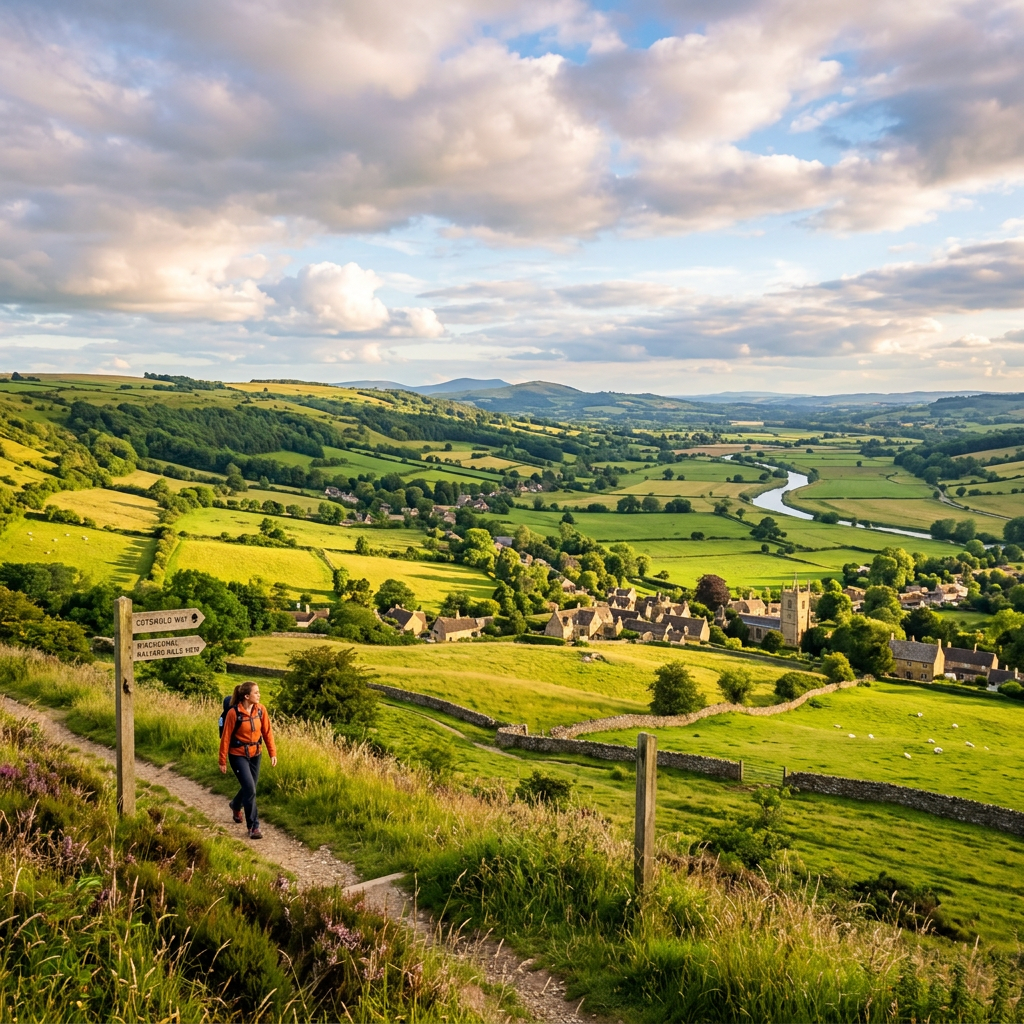
Gloucestershire
Discover Gloucestershire Gloucestershire, located in the southwest of England, is a county steeped in rich history and culture. Known for its stunning landscapes, charming towns, and vibrant communities, it is a destination that offers something for everyone. The county is often celebrated for its natural beauty, with the picturesque Cotswolds region being one of the most sought-after areas for visitors. The Cotswolds is characterized by its rolling hills, quaint villages, and classic English architecture, making it a quintessential representation of rural England.The history of Gloucestershire dates back to the Roman era, when it was an important settlement known as Glevum. The remnants of Roman influence can still be seen today, particularly in the city of Gloucester, which boasts an impressive Romanesque cathedral and an array of archaeological sites. Throughout the Middle Ages, the county flourished, and it played a significant role during the English Civil War, with many historic battles taking place in the area.One of the key cultural highlights of Gloucestershire is its association with the arts. The county has nurtured many famous figures, including the poet Ivor Gurney and the composer Gustav Holst. The annual Cheltenham Literature Festival and the Cheltenham Jazz Festival are just two examples of how the region celebrates its artistic heritage, drawing in visitors from across the globe.What makes Gloucestershire particularly special is its blend of historical significance and natural beauty. Visitors can explore ancient castles, such as Sudeley Castle, which has royal connections and beautifully landscaped gardens, or take a stroll along the picturesque banks of the River Severn. The county is also known for its culinary scene, featuring local delicacies such as double Gloucester cheese and traditional cider, which can be sampled at many local farms and markets.Moreover, Gloucestershire's commitment to sustainability and preserving its natural environment is evident in its numerous nature reserves and conservation projects. The Forest of Dean, a stunning ancient woodland, offers a wealth of outdoor activities, from hiking and cycling to birdwatching and canoeing, making it a popular destination for nature lovers.In summary, Gloucestershire is a county that encapsulates the essence of England. Its rich history, vibrant culture, and breathtaking landscapes make it a must-visit destination for anyone looking to experience the charm and beauty of this part of the country. Whether you're exploring historic sites, indulging in local cuisine, or immersing yourself in the arts, Gloucestershire promises an unforgettable adventure. Top Attractions in Gloucestershire – Ranked and Reviewed Gloucestershire is home to a wealth of attractions that cater to diverse interests, and the best part is that these have been ranked and reviewed by real travelers on Stay4Exploring. Here are some of the top-rated experiences you won't want to miss.1. Gloucester Cathedral - A masterpiece of Gothic architecture, Gloucester Cathedral is often regarded as one of the finest in England. Visitors rave about its stunning stained glass windows and the tranquility of its cloisters. The cathedral has been featured in films such as 'Harry Potter' and offers guided tours that delve into its fascinating history.2. The Cotswold Way - For outdoor enthusiasts, the Cotswold Way is a must-do. This 102-mile long trail offers breathtaking views of the Cotswolds' rolling hills and charming villages. Many travelers have praised the well-maintained paths and the opportunity to discover hidden gems along the way, from traditional pubs to quaint teahouses.3. Sudeley Castle - Nestled in the heart of the Cotswolds, Sudeley Castle is not only a historical landmark but also a beautiful estate with award-winning gardens. Visitors appreciate the blend of history and beauty, with many highlighting the informative tours that bring the castle's rich past to life.4. The Forest of Dean - This ancient woodland offers a variety of activities, from hiking and cycling to family-friendly tree-top adventures at Go Ape. Reviewers often mention the peacefulness of the forest and the chance to spot native wildlife, making it an ideal spot for nature lovers.5. Cheltenham Spa - Known for its Regency architecture and vibrant cultural scene, Cheltenham is a bustling town that offers a mix of shopping, dining, and entertainment. The annual Cheltenham Festival is particularly popular, attracting horse racing enthusiasts from far and wide. Visitors commend the town's lively atmosphere and its beautiful gardens.6. Tewkesbury Abbey - This magnificent medieval abbey is a highlight for many visitors. With its impressive Norman architecture and stunning interior, Tewkesbury Abbey is often praised for its peaceful ambiance and historical significance. Travelers enjoy learning about the abbey's role in the local community over centuries.7. The Cotswold Wildlife Park & Gardens - Perfect for families, this wildlife park allows visitors to get up close to a variety of animals while enjoying beautifully landscaped gardens. Families have shared their delight in the interactive experiences and the park's commitment to conservation efforts.In conclusion, Gloucestershire offers a rich tapestry of attractions that are well-loved by visitors. Whether you're an avid historian, an outdoor adventurer, or a family looking for fun, the experiences highlighted above are sure to create lasting memories. Be sure to check out the reviews on Stay4Exploring to find the perfect activities for your visit! Planning Your Visit to Gloucestershire Gloucestershire, located in the southwest of England, is a picturesque county known for its rolling hills, historic towns, and stunning countryside. When planning your visit, it’s essential to consider the best time to explore this charming region. The ideal months to visit are late spring (May to June) and early autumn (September to October). During these periods, the weather is generally mild, and the landscapes are vibrant with blooming flowers or autumnal colors.Getting to Gloucestershire is straightforward, as it is well-connected by road and rail. The nearest major airport is Bristol Airport, approximately 45 minutes away. From there, you can hire a car or take a train to Gloucester or Cheltenham. If you prefer traveling by train, the Great Western Railway operates direct services to Gloucester from London, Birmingham, and Cardiff, making it convenient for travelers from various parts of the UK.Once you arrive, getting around Gloucestershire is relatively easy. While public transport is available, renting a car is highly recommended for exploring the more rural areas, such as the Cotswolds. The scenic drives through this region are breathtaking and allow you to visit quaint villages and historical sites at your own pace. Alternatively, you can take advantage of local buses and trains for city travel, with frequent services connecting major towns.When it comes to accommodation, Gloucestershire offers a wide range of options to suit all budgets. For a luxurious stay, consider booking a room at one of the historic hotels, such as the Ellenborough Park in Cheltenham or the Lygon Arms in Broadway. These establishments not only provide comfort but also a taste of the region’s rich history.If you’re looking for something more budget-friendly, there are numerous guesthouses, B&Bs, and holiday parks available throughout the county. For a unique experience, consider staying in a traditional Cotswold stone cottage or a glamping site nestled in nature. Whichever option you choose, be sure to book in advance, especially during peak tourist seasons, to secure the best deals and availability. Experience Gloucestershire Like a Local To truly immerse yourself in Gloucestershire, it’s essential to embrace the local customs, food, culture, and insider tips that will enhance your visit. The people of Gloucestershire are known for their warm hospitality and friendliness. A common local custom is greeting strangers with a smile and a nod, which reflects the community spirit prevalent in the area.When it comes to food, Gloucestershire is home to some unique culinary delights. Be sure to try the famous double Gloucester cheese, a rich and creamy cheese that pairs well with various dishes. Another local specialty is the Cotswold lamb, renowned for its tender meat and exceptional flavor. For a true taste of Gloucestershire, visit one of the many farmers’ markets, where you can sample fresh produce, artisanal bread, and homemade jams.Moreover, the region is famous for its hearty dishes, such as the traditional Gloucestershire sausage and the delectable apple pie, often made with locally sourced ingredients. Don’t miss the opportunity to dine at a local pub, where you can enjoy classic English fare and perhaps even a pint of locally brewed ale.Gloucestershire is rich in cultural heritage, with numerous festivals and events throughout the year. The Cheltenham Literature Festival, held every October, attracts literary enthusiasts from around the world. The town also hosts various music and food festivals that celebrate local talent and cuisine. Participating in these events is a fantastic way to connect with locals and gain insight into the region's vibrant culture.Insider tips for experiencing Gloucestershire like a local include exploring the hidden gems of the countryside beyond the well-trodden tourist paths. Take a leisurely walk along the Cotswold Way, a 102-mile trail that offers stunning views and the chance to discover charming villages like Bourton-on-the-Water and Stow-on-the-Wold. Additionally, visiting local artisan shops and galleries showcases the incredible craftsmanship of Gloucestershire’s residents.Finally, don’t hesitate to engage with locals during your visit. They often have the best recommendations for off-the-beaten-path attractions, dining spots, and activities that allow you to experience Gloucestershire in an authentic way. From quaint tea rooms to scenic walks, the essence of Gloucestershire is best appreciated through the eyes of its inhabitants.

Crete
Discover Crete Crete, the largest of the Greek islands, is a destination that seamlessly blends breathtaking natural beauty, rich history, and vibrant culture. With its rugged mountains, golden beaches, and charming villages, this island has captivated travelers for centuries. Historically, Crete is known as the cradle of Minoan civilization, the first advanced society in Europe, which flourished from approximately 2700 to 1450 BC. The remnants of this ancient culture can be seen in the archaeological sites scattered across the island, notably the iconic Palace of Knossos, which is considered the center of Minoan life and culture.The island's significance extends beyond its ancient past. Over the centuries, Crete has been influenced by various civilizations, including the Romans, Byzantines, Venetians, and Ottomans. Each of these cultures has left an indelible mark on Crete's architecture, language, and traditions. Today, visitors can explore a tapestry of historical sites, from the Venetian harbor of Chania to the ancient city of Heraklion, where the blend of old and new creates a unique ambiance.What makes Crete truly special is not just its historical significance but also its rich cultural heritage. The island is renowned for its vibrant traditions, including music, dance, and gastronomy. Cretan music, characterized by the sounds of the lyre and laouto, plays a central role in local festivities, while traditional dances like the Pentozali invite locals and visitors alike to join in the celebration. Cretan cuisine, celebrated for its emphasis on fresh, local ingredients, features dishes such as moussaka, dakos, and the famous Cretan olive oil, which is a staple in every household.In addition to its cultural and historical appeal, Crete is also home to some of the most stunning natural landscapes in Greece. From the Samaria Gorge, a UNESCO Biosphere Reserve, to the pristine beaches of Elafonissi and Balos, nature lovers will find an abundance of opportunities for hiking, swimming, and exploring. The island's diverse ecosystems support a wide range of flora and fauna, making it an ideal destination for outdoor enthusiasts.Moreover, the warm hospitality of the Cretan people adds a unique charm to the island. Locals take pride in their heritage and are eager to share their customs and traditions with visitors. Whether it’s participating in a traditional feast or joining a local festival, the sense of community is palpable.In summary, Crete is not just a destination; it’s an experience that invites travelers to immerse themselves in its rich history, vibrant culture, and stunning natural beauty. Whether you are seeking adventure, relaxation, or a deep dive into ancient civilizations, Crete promises an unforgettable journey that resonates long after your visit. Top Attractions in Crete – Ranked and Reviewed Crete is home to a plethora of attractions that cater to all types of travelers, from history buffs to beach enthusiasts. Here are some of the top-rated attractions in Crete, as reviewed by visitors on Stay4Exploring:1. Palace of Knossos - Rated 4.8/5As the most significant archaeological site in Crete, the Palace of Knossos is a must-visit for anyone interested in ancient history. This Minoan palace showcases intricate frescoes, grand staircases, and a complex layout that hints at the advanced civilization that once thrived here. Visitors rave about the guided tours that bring the history to life, making it an enriching experience.2. Balos Lagoon - Rated 4.7/5Balos Lagoon is often described as one of the most beautiful beaches in the world. The stunning turquoise waters and soft white sands create a paradise-like setting. Visitors can hike to the viewpoint for breathtaking panoramic views or take a boat trip from Kissamos. Many reviews highlight the natural beauty and serene atmosphere, making it a perfect spot for relaxation.3. Samaria Gorge - Rated 4.6/5This 16-kilometer-long gorge is a haven for hikers and nature lovers. The trek through the gorge offers stunning views of towering cliffs, diverse flora, and the opportunity to spot wildlife. Visitors appreciate the well-maintained trails and the sense of adventure it provides. Be sure to wear comfortable shoes and bring plenty of water!4. Chania Old Town - Rated 4.9/5The charming streets of Chania Old Town are filled with history and character. With its Venetian harbor, narrow alleys, and vibrant market, this area is perfect for leisurely strolls. Travelers often mention the numerous cafes and shops that add to the lively atmosphere. Don’t miss the opportunity to sample local delicacies while soaking in the stunning views.5. Elafonissi Beach - Rated 4.8/5Known for its pink sand and crystal-clear waters, Elafonissi Beach is a favorite among beachgoers. Many reviews highlight the shallow waters, making it ideal for families with children. Visitors also appreciate the nearby natural reserve where they can explore unique landscapes and wildlife.6. Heraklion Archaeological Museum - Rated 4.7/5This museum houses one of the most significant collections of Minoan artifacts, offering a fascinating glimpse into ancient Cretan life. Visitors commend the informative exhibits and the knowledgeable staff who enhance the experience. It’s an essential stop for those wanting to understand the island's rich history.Crete is a diverse destination with something for everyone. From historical sites to breathtaking landscapes, the island’s attractions reflect its rich heritage and natural beauty. Plan your itinerary around these top-rated spots, and you’re sure to create lasting memories in this enchanting part of Greece. Planning Your Visit to Crete Crete, the largest of the Greek islands, is a stunning destination known for its rich history, diverse landscapes, and warm hospitality. When planning your visit, timing is key. The best time to visit Crete is during the spring (April to June) and fall (September to October) when the weather is pleasantly warm, and the tourist crowds are thinner. Summer (July to August) can be quite hot, with temperatures often exceeding 30°C (86°F), making it ideal for beach lovers but less comfortable for sightseeing.Getting to Crete is straightforward. The island is served by two main airports: Heraklion International Airport (HER) and Chania International Airport (CHQ). Direct flights are available from major European cities, making it accessible for international travelers. Alternatively, ferries connect Crete to the mainland and other islands, providing a scenic route for those who prefer a more leisurely approach to their travels.Once you arrive, getting around Crete is relatively easy. Renting a car is highly recommended, as it allows you the flexibility to explore the island's hidden gems at your own pace. The road network is extensive, and driving is generally safe. Public transport options include buses that connect major towns and some tourist attractions, but schedules can be limited, especially in rural areas. For those who prefer to stay in urban centers, taxis and ride-sharing services are also available.When it comes to accommodation, Crete offers a wide range of options to suit all budgets and preferences. For a luxurious experience, consider staying at a resort near Elounda or Agios Nikolaos, where you can enjoy stunning sea views and high-end amenities. If you’re looking for something more traditional, opt for a boutique hotel or a guesthouse in a historic town like Chania or Rethymnon, where you can immerse yourself in local culture. Budget travelers will find plenty of hostels and affordable hotels, particularly in coastal areas and larger cities.In summary, planning your visit to Crete involves considering the best time to travel, how to get there and around, and where to stay. With its rich history, beautiful landscapes, and welcoming locals, Crete is sure to leave a lasting impression on every traveler. Experience Crete Like a Local To truly experience Crete, immersing yourself in the local customs, food, and culture is essential. Cretans are known for their warm hospitality, so don’t be surprised if you’re greeted with a smile and an invitation to join in the festivities. Engaging with locals can provide you with a deeper understanding of the island’s way of life.Cretan cuisine is a delightful journey for the senses. The island is famous for its fresh, locally sourced ingredients. Be sure to try traditional dishes such as moussaka, dakos (a type of Cretan bruschetta), and kalitsounia (sweet or savory pastries). Olive oil is a staple in Cretan cooking, and tasting local varieties is a must. Don’t miss out on visiting an olive oil farm where you can learn about the production process and sample some of the finest oils. For dessert, indulge in loukoum (a type of sweet) or the island’s famous honey.Culture in Crete is vibrant and deeply rooted in history. From ancient ruins like the Palace of Knossos to the charming Venetian architecture in Chania, the island is steeped in stories waiting to be discovered. Attend a local festival if you’re lucky enough to be in town during one; events celebrating everything from food to music are common, allowing you to experience the island's traditions firsthand. Music and dance are integral parts of Cretan culture, so be sure to participate in a traditional dance if given the chance.As you explore the island, embrace the slower pace of life that Cretans enjoy. Take time out to sit in a café, sip on a cup of Greek coffee, and people-watch. This is an essential part of daily life for locals. Additionally, learn a few basic Greek phrases; locals appreciate the effort, and it can help you connect more meaningfully with them.For insider tips, consider visiting less touristy areas, such as the quaint villages of Archanes or Kritsa, where you can experience authentic Cretan life. Hiking the Samaria Gorge is another local favorite, offering stunning views and a chance to experience the island's natural beauty. Finally, avoid the tourist traps by asking locals for their favorite dining spots and hidden gems.In summary, experiencing Crete like a local involves engaging with the rich culture, savoring the delicious cuisine, and embracing the island’s laid-back lifestyle. By connecting with locals and exploring off the beaten path, you’ll create lasting memories that go beyond the typical tourist experience.

Barcelona
Discover Barcelona Barcelona, the vibrant capital of Catalonia, is a city steeped in history and culture. Founded by the Romans, the city has evolved over centuries, blending its rich past with a modern flair that captivates millions of visitors each year. The city's unique architectural styles, from Gothic cathedrals to the whimsical designs of Antoni Gaudí, tell a story of artistic innovation and cultural pride. What makes Barcelona truly special is its ability to embrace both tradition and modernity. The historic Gothic Quarter, with its narrow medieval streets, is a labyrinth of history where visitors can discover charming squares, ancient churches, and the iconic Barcelona Cathedral. In contrast, the bustling avenues of Eixample showcase modernist architecture and a vibrant dining scene, reflecting the city's contemporary lifestyle. Barcelona is also a city that celebrates its cultural diversity. Throughout the year, various festivals and events, such as La Mercè and Sant Jordi, highlight local traditions and encourage community participation. The city's culinary scene is just as diverse, with a mix of traditional Catalan dishes and innovative gastronomy, making it a paradise for food lovers. Moreover, Barcelona has played a significant role in the art world. It is home to numerous museums, including the Picasso Museum and the Joan Miró Foundation, which celebrate the works of these iconic artists. The city's artistic atmosphere is palpable, with street performers and art installations adorning public spaces, inviting visitors to immerse themselves in its creative energy. Significantly, Barcelona has also made its mark on the world stage through sports, particularly with its famed football club, FC Barcelona. The city’s passion for football can be felt during match days, where locals and tourists alike flock to Camp Nou to watch the team play, showcasing the city’s spirited community and love for the game. Nature lovers will appreciate Barcelona's proximity to stunning beaches and the surrounding natural parks, such as Montjuïc and Collserola, offering a perfect escape from the urban hustle. The city's Mediterranean climate ensures that outdoor activities, from beach days to hiking excursions, can be enjoyed year-round. In summary, Barcelona is not just a city; it's an experience. It is a place where history and modernity coexist, where culture thrives, and where every corner is filled with stories waiting to be discovered. Whether you're wandering through its historic streets, savoring its culinary delights, or soaking up the sun on its beaches, Barcelona promises an unforgettable adventure that resonates long after you leave. Top Attractions in Barcelona – Ranked and Reviewed Barcelona is home to a wealth of attractions that cater to diverse interests, making it a top destination for travelers. According to visitors on Stay4Exploring, here are the top-rated attractions that you simply must not miss during your visit. 1. Sagrada Família - Gaudí's unfinished masterpiece, the Sagrada Família is a basilica like no other. Visitors rave about its breathtaking facades and intricate interiors that are a testament to Gaudí's genius. The play of light through stained glass windows creates an ethereal atmosphere that leaves many in awe. 2. Park Güell - Another of Gaudí's creations, Park Güell is a colorful park filled with whimsical structures and stunning mosaic work. Travelers appreciate the panoramic views of the city and the leisurely strolls through its artistic pathways. Reviews highlight the park's blend of nature and art, making it a perfect spot for relaxation. 3. La Rambla - This iconic street is a must-visit for its vibrant atmosphere. Visitors enjoy the mix of street performers, shops, and outdoor cafes that line the boulevard. It's a great place to soak in the local culture while enjoying a leisurely walk towards the waterfront. 4. Gothic Quarter - Steeped in history, the Gothic Quarter is a maze of narrow, winding streets filled with charm. Reviews often mention the numerous hidden gems, such as quaint shops and cozy restaurants. The historic architecture and the serene ambiance make it a favorite among travelers. 5. Casa Batlló - Known for its stunning facade, Casa Batlló is another Gaudí masterpiece that visitors can't stop talking about. The organic shapes and vibrant colors reflect the artist's unique style. Many reviews emphasize the immersive experience offered through its audio guides, providing insights into the building's design and history. 6. Montjuïc Hill - Offering breathtaking views of the city, Montjuïc Hill is perfect for those looking to explore nature and history. Visitors appreciate the various attractions, including the Montjuïc Castle and the Magic Fountain, which hosts spectacular evening shows. It's a great spot for both relaxation and exploration. 7. Camp Nou - For sports enthusiasts, a visit to FC Barcelona's home ground is essential. Fans rave about the stadium tour, which provides a glimpse into the club's rich history and its significance in Catalan culture. The passion of the fans and the iconic status of the club make this attraction unforgettable. Each of these attractions has been ranked and reviewed by travelers on Stay4Exploring, ensuring that you can plan your itinerary with confidence. Barcelona's unique blend of history, culture, and modernity offers something for everyone, making it a destination worth exploring thoroughly. Planning Your Visit to Barcelona Barcelona, the vibrant capital of Catalonia, is a city that seamlessly blends rich history with modernity. Planning your visit involves several considerations to ensure that your experience is memorable and fulfilling.Best Time to Visit: The ideal time to explore Barcelona is during the spring (April to June) and fall (September to October) months. During these periods, the weather is pleasantly warm, and the city is less crowded than in the peak summer months. Springtime showcases blooming gardens, while the fall offers stunning sunsets along the Mediterranean coast. However, if you’re looking to immerse yourself in local culture, consider visiting during the Fiesta de La Mercè in late September, when the city celebrates its patron saint with parades, fireworks, and concerts.Getting There: Barcelona is well-connected globally, with Barcelona-El Prat Airport (BCN) serving as the main gateway. Direct flights from major cities worldwide make it easily accessible. Once you land, you can take the Aerobus, which runs every 5 to 10 minutes, or grab a taxi to reach the city center conveniently. For travelers from within Europe, high-speed trains such as AVE link Barcelona with cities like Madrid, Valencia, and more, providing a scenic ride.Getting Around: Navigating Barcelona is a breeze thanks to its efficient public transportation system. The city's metro, buses, and trams cover most areas and are budget-friendly. A T-10 ticket allows ten journeys on public transport, making it economical for tourists. For a more local experience, consider renting a bicycle; Barcelona is bike-friendly, with numerous lanes dedicated to cyclists. Walking is also a great way to discover the city’s hidden gems, especially in the Gothic Quarter.Where to Stay: Barcelona offers a wide range of accommodation options to suit every budget and preference. The bustling neighborhood of Eixample is known for its modernist architecture and upscale hotels, while the Gothic Quarter offers a more historical ambiance. For those seeking a lively atmosphere, consider staying in El Raval or Gràcia, where you can find boutique hotels and local guesthouses. It's advisable to book your accommodation in advance, especially during high tourist seasons, to secure the best deals.In summary, planning your visit to Barcelona involves choosing the right time, understanding transportation options, and selecting the ideal accommodation. With a little preparation, you can ensure that your trip to this beautiful city is both enjoyable and unforgettable. Experience Barcelona Like a Local To truly experience Barcelona, immerse yourself in its local customs, food, and culture. This city is rich in tradition and modern flair, offering visitors a unique glimpse into Catalan life.Local Customs: One of the most cherished customs in Barcelona is the afternoon siesta, where many shops and businesses close for a few hours after lunch. While this may not be as common in tourist areas, it’s a great way for locals to recharge. Additionally, greetings are an important part of Catalan culture; a friendly ‘Hola’ or ‘Bon dia’ (Good day) is customary. If you’re invited to a local’s home, it’s polite to bring a small gift, such as wine or pastries.Food: Barcelona’s culinary scene is vibrant and diverse. Tapas, small plates of food, are a staple of Spanish cuisine, and you’ll find a myriad of options, from patatas bravas to gambas al ajillo. For an authentic experience, venture to local markets like La Boqueria, where you can taste fresh produce, cheeses, and cured meats. Don’t miss trying traditional dishes such as paella and fideuà (a noodle dish similar to paella). For dessert, grab some churros with chocolate or a slice of crema catalana, a custard dessert topped with caramelized sugar.Culture: Barcelona is a city steeped in art and history. Visit iconic landmarks like the Sagrada Familia and Park Güell, both designed by the renowned architect Antoni Gaudí. Immerse yourself in Catalan culture by attending a local festival, such as Sant Jordi’s Day, where the streets are filled with flowers and books. The city is also home to several museums, including the Picasso Museum and the Fundació Joan Miró, showcasing the works of these famous artists.Insider Tips: To experience Barcelona like a local, explore beyond the tourist hotspots. Head to neighborhoods like Gràcia or Poblenou, where you’ll find local cafes, shops, and a more relaxed atmosphere. Use the city’s extensive public transportation system to reach less-traveled areas. Also, keep an eye out for free walking tours, which can provide valuable insights into the city’s history and culture. Lastly, learn a few basic Catalan phrases; locals appreciate the effort and are often more welcoming when you try to communicate in their language.By embracing local customs, indulging in traditional food, and engaging with the culture, you’ll enrich your experience in Barcelona and create lasting memories of this enchanting city.

Andalusia
Discover Andalusia Andalusia, located in the southernmost region of Spain, is a land steeped in rich history and vibrant culture. Known as the birthplace of flamenco, bullfighting, and tapas, this region offers a tapestry woven from its diverse influences—primarily Moorish, Christian, and Roman traditions. The significance of Andalusia extends beyond its picturesque landscapes and charming whitewashed villages; it is a crucial part of Spain's identity, representing the crossroads of various civilizations throughout the ages. The region's history dates back to prehistoric times, but it was during the 8th to the 15th centuries that Andalusia flourished under Islamic rule. The Moors left behind a legacy of stunning architecture, intricate tile work, and advanced agricultural techniques that continue to influence the region today. Cities like Córdoba, Granada, and Seville showcase this history through their iconic landmarks, such as the Alhambra, the Great Mosque of Córdoba, and the Giralda Tower. Andalusia is also famous for its cultural traditions. Flamenco, a passionate and expressive art form, originated in the Andalusian region and is now celebrated worldwide. Visitors can experience authentic flamenco performances in local venues or even participate in dance classes. The region's culinary scene is equally enticing, with tapas bars and local markets offering an array of flavors that highlight the freshness of Mediterranean ingredients. The significance of Andalusia goes beyond its historical and cultural attributes; it also serves as a vibrant hub for modern art and innovation. Cities like Málaga are home to contemporary art museums, galleries, and festivals that attract international artists and creatives. The annual Feria de Abril in Seville and the Semana Santa (Holy Week) celebrations throughout the region showcase the lively spirit of the Andalusian people, attracting visitors from all over the globe. What makes Andalusia truly special is its breathtaking natural beauty. From the stunning beaches of the Costa del Sol to the dramatic Sierra Nevada mountains, this region offers a diverse landscape that appeals to outdoor enthusiasts and sun-seekers alike. Visitors can hike the rugged trails of the national parks, relax on sandy shores, or explore the picturesque countryside dotted with olive groves and vineyards. In summary, Andalusia is a destination that seamlessly blends history, culture, and natural beauty. It's a place where every street corner tells a story and every meal is an experience to savor. Whether you're wandering through the narrow alleys of the Albayzín in Granada, enjoying a glass of sherry in Jerez, or soaking up the sun on the beaches of Cádiz, Andalusia promises an unforgettable journey filled with discovery and delight. Top Attractions in Andalusia – Ranked and Reviewed Andalusia is home to a plethora of attractions that cater to every type of traveler. Here are some of the top-rated destinations and experiences in the region, as reviewed by real travelers on Stay4Exploring. 1. The Alhambra, Granada: This UNESCO World Heritage site is a must-visit for anyone traveling to Andalusia. Visitors rave about its breathtaking architecture, stunning gardens, and intricate details that reflect the Moorish influence. The views of the Sierra Nevada mountains from the Alhambra are equally spectacular, making it a highlight of any trip to Granada. 2. The Great Mosque of Córdoba: Another UNESCO site, this iconic mosque-cathedral is renowned for its mesmerizing arches and historical significance. Travelers often express awe at its size and beauty, emphasizing the unique blend of Islamic and Christian architectural elements. Don't miss the opportunity to explore the surrounding old town, which is filled with charming streets and local shops. 3. Alcázar of Seville: This royal palace, originally developed as a fortress, is famed for its stunning Mudéjar architecture and lush gardens. Visitors appreciate the rich history and the chance to explore the beautiful courtyards and fountains. Many recommend taking a guided tour to fully grasp the Alcázar's historical context. 4. Ronda: Known for its dramatic cliffs and bridges, Ronda is a picturesque town that offers breathtaking views and a rich history. Travelers highlight the Puente Nuevo bridge and the bullring as must-see attractions, along with the charming streets filled with shops and cafés. Ronda is often praised for its romantic ambiance, making it a favorite for couples. 5. Costa del Sol Beaches: The beaches of the Costa del Sol are a paradise for sun worshippers. Visitors often review the beaches favorably, noting the golden sands and crystal-clear waters. Popular spots include Marbella and Nerja, where travelers can enjoy water sports, beach clubs, and vibrant nightlife. 6. Flamenco Shows: Experiencing flamenco in its birthplace is a highlight for many visitors. Travelers recommend venues such as Casa de la Memoria in Seville for intimate performances that showcase the passion and artistry of this traditional dance. Many comment on the emotional impact of the performances, making it a cultural experience not to be missed. 7. Sierra Nevada National Park: For nature lovers and outdoor enthusiasts, the Sierra Nevada offers stunning landscapes and various recreational activities. Hikers and skiers alike praise the park for its diverse trails and breathtaking views. The opportunity to see wildlife in its natural habitat adds to the allure of this natural wonder. These attractions are just the tip of the iceberg when it comes to exploring Andalusia. With its rich history, vibrant culture, and diverse landscapes, each experience offers something unique, ensuring a memorable visit for every traveler. Planning Your Visit to Andalusia Andalusia, a vibrant region in southern Spain, is renowned for its rich history, stunning architecture, and diverse landscapes. When planning your visit, the timing can greatly affect your experience. The best time to explore Andalusia is during the spring (March to June) and fall (September to November) months. During these periods, temperatures are pleasantly mild, making it perfect for sightseeing and outdoor activities. Summers can be scorching, especially in inland cities like Seville and Cordoba, where temperatures can soar above 40°C (104°F).Getting to Andalusia is straightforward, with several international airports in major cities like Seville, Malaga, and Granada. If you're traveling from within Spain or Europe, budget airlines offer affordable flights. Alternatively, you can reach Andalusia by train or bus from other Spanish regions. The high-speed AVE train connects major cities such as Madrid and Barcelona to Seville in just a few hours.Once you arrive, navigating through Andalusia can be done using various transportation options. Public transportation is efficient, with buses and trains connecting cities and towns. In larger cities, such as Seville and Malaga, you’ll find metro systems and tram services for easy exploration. Renting a car can be beneficial if you plan to visit more remote areas or the stunning Andalusian countryside. Furthermore, many towns and cities have bike rental options, allowing you to explore at a leisurely pace.Choosing where to stay in Andalusia will depend on your itinerary and preferences. Each city offers unique accommodations, from luxury hotels to cozy hostels. In Seville, the historic Santa Cruz neighborhood is ideal for experiencing the city's charm, while Malaga's beachfront provides a more relaxed atmosphere. For a blend of history and modern amenities, consider staying in Granada near the Alhambra. If you’re looking for something off the beaten path, explore charming rural casas rurales (country houses) that provide authentic local experiences.In summary, when planning your visit to Andalusia, consider traveling in the shoulder seasons for optimal weather, utilize public transport for convenience, and choose accommodations that resonate with your travel style. With its rich cultural tapestry and breathtaking landscapes, Andalusia promises an unforgettable journey. Experience Andalusia Like a Local Experiencing Andalusia like a local means immersing yourself in the region's unique customs, flavors, and culture. The heart of Andalusian life is its warm hospitality and festive spirit. Locals often enjoy socializing during the evenings, especially in the warmer months, when streets come alive with lively tapas bars and restaurants. It's common for locals to gather in plazas, enjoying a drink and sharing stories, so don’t hesitate to join in!Food is an integral part of Andalusian culture. The region is famous for its tapas – small, flavorful dishes that range from olives and jamón ibérico to more elaborate preparations like flamenquín (fried meat rolls) or salmorejo (a cold tomato soup). To eat like a local, visit a traditional taberna (tavern) and order several tapas to share. Enjoying a meal is often a leisurely affair in Andalusia, where meals can last for hours, accompanied by good conversation and laughter.Don’t miss trying regional specialties such as paella in the coastal areas, gazpacho in the summer heat, and churros with hot chocolate for breakfast. Each province boasts its own culinary delights, making food exploration a rewarding adventure.Andalusia is also known for its vibrant festivals and cultural events. The Feria de Abril (April Fair) in Seville, with its colorful casetas (tents) and flamenco dancing, is a must-see. The Semana Santa (Holy Week) celebrations, featuring elaborate processions and religious fervor, are an essential part of Andalusian life. Participate in local events if your visit coincides with one, as they offer an authentic glimpse into the region's traditions.Understanding some local customs can enhance your experience. For instance, it's customary to greet acquaintances with a kiss on both cheeks. When dining, locals often share dishes and engage in friendly banter, so embrace this communal spirit. Additionally, punctuality is more relaxed in Andalusia; being fashionably late is often the norm.For insider tips, consider learning a few basic Spanish phrases, as many locals appreciate the effort and it can lead to warmer interactions. While many tourist areas have English-speaking staff, venturing into less touristy locales may require some Spanish. Lastly, don’t forget to take leisurely strolls through the historic neighborhoods, where you can discover hidden gems, artisan shops, and local markets that showcase the essence of Andalusian life.
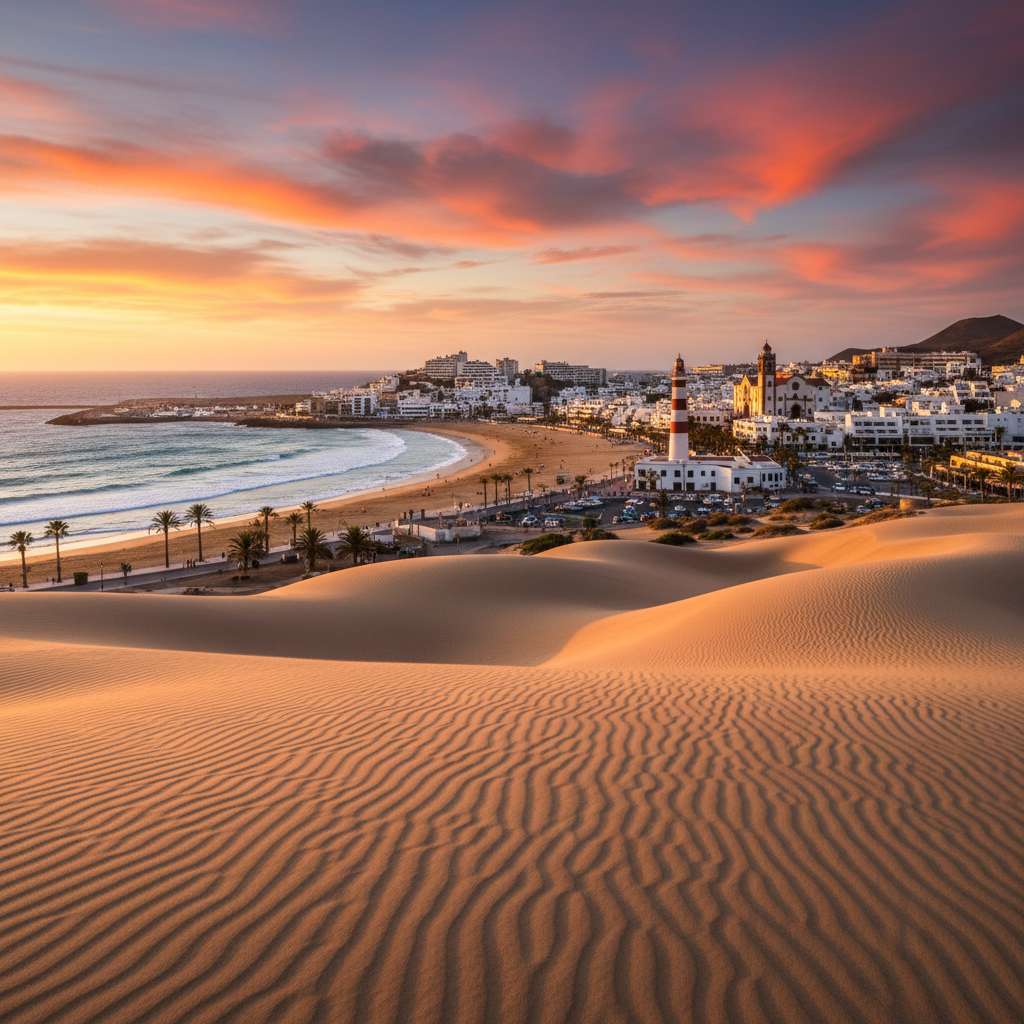
Fuerteventura
Discover Fuerteventura Fuerteventura, one of the Canary Islands located off the northwest coast of Africa, is renowned for its stunning landscapes, golden beaches, and a unique blend of cultures. With a history that stretches back over 2,000 years, the island has been influenced by various civilizations, including the indigenous Mahos, the Romans, and more recently, Spanish settlers. This rich tapestry of history has given rise to a vibrant culture that is both fascinating and welcoming.The island's name translates to 'Strong Adventure,' reflecting its rugged terrain and the spirit of exploration that has characterized its past. Although Fuerteventura's history is marked by periods of isolation, the island has also experienced significant trade and exchange, particularly during the Age of Discovery. Evidence of this can be seen in the architecture and traditions that you’ll encounter as you explore the island.Fuerteventura's culture is a delightful blend of Spanish and North African influences, evident in its cuisine, music, and festivals. The island celebrates several annual events, such as the Carnival of Fuerteventura, where locals and visitors alike can enjoy vibrant parades, colorful costumes, and traditional dances. Gastronomy is another significant aspect of Fuerteventura's culture, with dishes like 'gofio' (a type of flour made from roasted grains) and fresh seafood being staples of the local diet.What truly sets Fuerteventura apart is its stunning natural beauty. The island boasts some of the best beaches in the world, with miles of pristine sands and turquoise waters perfect for relaxation and water sports. The Jandía Natural Park and the Corralejo Dunes are just a couple of examples of the breathtaking landscapes you can explore. These protected areas are home to diverse flora and fauna, making them ideal for nature enthusiasts and adventure seekers alike.Fuerteventura is also recognized as a UNESCO Biosphere Reserve, emphasizing its ecological significance. The island's unique ecosystems, including its volcanic landscapes and coastal areas, provide habitats for a variety of species, some of which are endemic to the region. This commitment to conservation makes Fuerteventura not only a beautiful destination but also a vital one for ecological preservation.For travelers seeking both relaxation and adventure, Fuerteventura presents an array of opportunities. Whether you’re indulging in windsurfing, kite surfing, or simply soaking up the sun on one of its many breathtaking beaches, the island offers something for everyone. The warm, sunny climate year-round adds to its allure, making it a perfect getaway regardless of the season.In summary, Fuerteventura is a destination that combines history, culture, and natural beauty in a way that captivates all who visit. Its rich heritage and stunning landscapes make it a unique spot in the Canary Islands, promising an unforgettable experience for every traveler. Top Attractions in Fuerteventura – Ranked and Reviewed When it comes to exploring Fuerteventura, visitors are treated to a plethora of attractions that cater to a variety of interests. Here’s a look at some of the top-rated experiences as ranked and reviewed by travelers on Stay4Exploring.1. Corralejo Natural Park – Rated 4.9/5This stunning natural park is famous for its expansive dunes and pristine beaches. Visitors rave about the beautiful landscapes and the opportunity for outdoor activities such as hiking and windsurfing. The park’s unique ecosystem is home to various wildlife, making it a perfect spot for nature lovers.2. Jandía Peninsula – Rated 4.8/5Known for its dramatic cliffs and beautiful beaches, the Jandía Peninsula offers breathtaking views of the Atlantic Ocean. Travelers appreciate the less crowded environment, which allows for a more relaxed experience. The area is also a hotspot for water sports, particularly surfing and diving.3. Oasis Park Fuerteventura – Rated 4.7/5Families love Oasis Park, a wildlife and botanical park that provides an interactive experience with animals. Reviews highlight the variety of shows and activities available, including camel rides and an opportunity to see exotic animals up close. It’s an educational experience that kids and adults alike can enjoy.4. Playa de Sotavento – Rated 4.6/5This stunning beach is famous for its shallow waters and windsurfing spots. Visitors describe it as a paradise for beach lovers, with its golden sands and clear waters. Ideal for families, the beach offers safe swimming areas and plenty of space to relax or engage in water sports.5. El Cotillo – Rated 4.5/5The charming village of El Cotillo is known for its beautiful lagoons and relaxed atmosphere. Visitors often comment on the picturesque sunsets and the welcoming vibe of the local restaurants and bars. It’s a perfect spot for those looking to unwind after a day of exploring.6. Betancuria – Rated 4.4/5As the former capital of Fuerteventura, Betancuria is steeped in history. Travelers appreciate the historical architecture, quaint streets, and the opportunity to learn about the island’s past. The nearby church, Santa María, is a highlight for many visitors.7. Cofete Beach – Rated 4.3/5Known for its remote beauty, Cofete Beach offers a unique experience for those willing to venture off the beaten path. The reviews often mention the stunning views of the mountains meeting the ocean and the feeling of solitude. It’s a great spot for a peaceful day away from the crowds.In conclusion, Fuerteventura offers a diverse range of attractions that cater to all types of travelers. Whether you’re seeking adventure, relaxation, or cultural experiences, the island's top-rated spots promise memorable moments and experiences that will last a lifetime. Planning Your Visit to Fuerteventura Fuerteventura, the second largest of the Canary Islands, is a paradise for sun-seekers and adventure enthusiasts. The best time to visit this stunning island is between March and May or September and November. During these months, the weather is pleasantly warm, with temperatures ranging from 20°C to 28°C (68°F to 82°F), and the tourist crowds are thinner compared to the summer peak. This allows you to enjoy the island’s breathtaking beaches and attractions without the hustle and bustle. Getting to Fuerteventura is quite convenient. The island has its own international airport, Fuerteventura Airport (FUE), which receives flights from various European cities. Major airlines operate regular flights to the island, making it accessible for travelers. Once you arrive at the airport, you can rent a car, which is highly recommended for exploring the island's attractions. Public transport is available but may not be as convenient for reaching some of the more remote areas. Getting around Fuerteventura is a breeze, especially with a rental car. The island is relatively small, and the road network is well maintained. For those who prefer public transport, local buses connect major towns like Puerto del Rosario and Corralejo, but services may be limited in more rural areas. Cycling is another popular option, particularly in beach towns where bike rental shops are plentiful. For a unique experience, consider taking a guided tour that can provide insights into the island’s rich history and breathtaking landscapes. When it comes to accommodation, Fuerteventura offers a diverse range of options to suit every budget and preference. From luxurious beachfront resorts to charming guesthouses and budget-friendly hostels, you’ll find accommodations that cater to all tastes. Popular areas to stay include Corralejo, known for its lively atmosphere and proximity to beautiful dunes; Caleta de Fuste, which is ideal for families; and Costa Calma, famous for its serene beaches. Booking your stay in advance is advisable, especially during peak seasons, to ensure you secure the best rates and accommodations. In summary, planning your visit to Fuerteventura involves choosing the right time to travel, understanding transportation options, and selecting the perfect accommodation to enhance your island experience. With its stunning landscapes and vibrant local culture, Fuerteventura promises an unforgettable getaway. Experience Fuerteventura Like a Local To truly experience Fuerteventura like a local, it’s important to immerse yourself in the island’s rich customs and vibrant culture. The locals, known as 'majoreros', are known for their warm hospitality and laid-back lifestyle. Greeting people with a friendly 'Hola' (Hello) is customary, and casual conversations about the weather or local happenings are common. Understanding and respecting their way of life can enhance your travel experience. Food plays an essential role in Fuerteventura’s culture. The island boasts a unique culinary scene that reflects its historical ties to Africa and the mainland of Spain. Fresh seafood is a staple, with dishes like 'sancocho' (a fish stew) and 'pescado a la sal' (salt-crusted fish) being popular choices. Don’t miss trying 'gofio', a roasted grain flour used in a variety of traditional dishes, and 'mojo', a flavorful sauce that accompanies many meals. Local restaurants often feature tapas options, allowing you to sample a wide array of flavors. The island is also home to several local markets where you can experience the vibrant atmosphere and purchase fresh produce, crafts, and local delicacies. The market in Corralejo is particularly popular, held every Friday and offering an array of goods from local artisans and farmers. Fuerteventura’s culture is deeply influenced by its historical roots, which can be seen in its architecture and festivals. Traditional music and dance are integral parts of local celebrations, such as the annual Carnival held in February, featuring colorful parades and lively performances. Engaging with these festivities can provide a deeper understanding of the island’s heritage. When it comes to insider tips, consider visiting lesser-known beaches like Playa de Cofete or the tranquil coves near Ajuy for a more authentic experience away from the tourist hotspots. For adventure seekers, hiking in the Jandía Natural Park offers stunning landscapes and an opportunity to explore the island’s unique flora and fauna. Lastly, take the time to connect with locals. Whether it’s sharing a meal, asking for recommendations, or participating in community events, the island’s inhabitants are always eager to share their culture and stories. Embracing the local way of life will undoubtedly enrich your journey in Fuerteventura.

Savonia
Discover Savonia Savonia, a captivating region located in the heart of Finland, is a treasure trove of natural beauty, rich history, and vibrant culture. Encompassing the provinces of North Savo and South Savo, this area is known for its stunning lakes, lush forests, and picturesque towns, making it an ideal destination for travelers seeking to immerse themselves in both nature and Finnish heritage.The history of Savonia dates back to prehistoric times, with archaeological findings indicating human settlement as early as 5,000 BC. The region's strategic location along the waterways of Finland played a significant role in its development, facilitating trade and communication. Throughout the centuries, Savonia has been influenced by various cultures, from the Sami people to Swedish and Russian rule, each leaving an indelible mark on the local identity.Culturally, Savonia is a melting pot of traditions. It is renowned for its unique dialects, traditional music, and folk art. The Savonian dialect, for instance, is distinct and rich, often celebrated in local poetry and storytelling. Festivals such as the Kuopio Dance Festival and the Savonlinna Opera Festival showcase the region's artistic talents and attract visitors from around the globe.What makes Savonia particularly special is its deep connection with nature. The region boasts over 10,000 lakes, including the famous Lake Saimaa, which is the largest lake in Finland and home to the endangered Saimaa ringed seal. The breathtaking landscapes offer myriad outdoor activities, from hiking and cycling in the summer to skiing and ice fishing in the winter. The stunning scenery of the Koli National Park, with its breathtaking views of Lake Pielinen, is a must-see for any visitor.Moreover, Savonia is recognized for its culinary scene, which highlights local ingredients and traditional recipes. The region is famous for its cheeses, particularly the creamy "Savon juusto," and hearty dishes like "kalakukko," a fish pie that is a local delicacy. The emphasis on farm-to-table dining means that visitors can savor fresh, authentic flavors while supporting local producers.In addition to its natural and cultural riches, Savonia is also home to several charming towns and cities, each with its own unique character. Kuopio, the largest city in the region, is known for its vibrant market square and the iconic Puijo Tower, which offers panoramic views of the surrounding countryside. Savonlinna, with its medieval castle and beautiful lakeside setting, is a hub for summer festivals and cultural events. These towns serve as gateways to explore the region further, allowing visitors to engage with local communities and experience the true essence of Savonia.In conclusion, Savonia is a region that offers an enchanting blend of history, culture, and breathtaking landscapes. Whether you're exploring its charming towns, indulging in local cuisines, or enjoying outdoor adventures, Savonia promises an unforgettable experience that captures the heart and soul of Finland. Top Attractions in Savonia – Ranked and Reviewed When it comes to exploring Savonia, visitors are met with a plethora of attractions that cater to diverse interests, from history buffs to outdoor enthusiasts. Here’s a ranked list of the must-see attractions, all rated and reviewed by real travelers who have experienced the magic of this Finnish region.1. Savonlinna Opera Festival - This annual festival, held in July, is a highlight of the Savonian cultural calendar. Set against the stunning backdrop of Olavinlinna Castle, the festival attracts world-class opera performers and enthusiastic audiences. Visitors rave about the unique atmosphere, where the combination of history and art creates an unforgettable experience.2. Kuopio Market Square - A bustling hub of local life, the Kuopio Market Square is a fantastic place to sample regional delicacies, including traditional pastries and fresh fish. The market is particularly vibrant in the summer, with locals and tourists alike enjoying the outdoor stalls. Reviews highlight the friendly vendors and the opportunity to immerse oneself in the local culture.3. Koli National Park - Renowned for its breathtaking landscapes, Koli National Park offers numerous hiking trails that showcase the region's natural beauty. Visitors can climb to the top of Koli Hill for stunning views of Lake Pielinen. Hikers praise the well-marked trails and the sense of tranquility that envelops them as they explore the park's serene environment.4. Puijo Tower - Located in Kuopio, the Puijo Tower offers panoramic views of the surrounding lakes and forests. Visitors appreciate the short climb to the observation deck, which rewards them with breathtaking vistas. The on-site restaurant is a popular spot for enjoying a meal with a view.5. Olavinlinna Castle - This medieval castle, located in Savonlinna, is a historical gem that dates back to the 15th century. Guided tours provide insight into the castle's storied past, and visitors enjoy exploring the well-preserved architecture. The site's picturesque location on an island adds to its charm.6. Lake Saimaa - As the largest lake in Finland, Lake Saimaa is a paradise for outdoor activities. Visitors rave about the opportunities for boating, fishing, and hiking along the lakeshore. The lake's beauty is particularly mesmerizing during sunset, making it a popular spot for photography.7. Pielinen Museum - This museum in Lieksa showcases the rich cultural history of the Karelian region, with exhibits featuring traditional crafts, local art, and historical artifacts. Reviews commend the knowledgeable staff and the engaging displays that provide a deeper understanding of the local heritage.Each of these attractions offers a unique glimpse into the heart of Savonia, illustrating the region's rich history, vibrant culture, and stunning landscapes. Whether you're attending a world-class opera, indulging in local delicacies, or immersing yourself in nature, Savonia has something special to offer every traveler. As you plan your visit, don’t forget to consult visitor reviews to help tailor your itinerary and ensure you don’t miss out on any of these unforgettable experiences. Planning Your Visit to Savonia Planning a visit to Savonia is an exciting endeavor, as this region offers a wealth of activities and experiences for travelers. To ensure your trip is enjoyable and well-organized, here are some essential tips on the best time to visit, how to get there, getting around, and where to stay.Best Time to VisitThe best time to visit Savonia largely depends on the experiences you seek. The summer months (June to August) are ideal for outdoor activities, as the weather is warm and the days are long. During this time, the lakes are perfect for swimming, fishing, and boating, while hiking trails are easily accessible. The vibrant local markets and festivals, such as the Kuopio Market Square events and the Savonlinna Opera Festival, also take place during the summer, allowing visitors to immerse themselves in local culture.Autumn (September to October) is another beautiful time to visit, as the foliage transforms into a kaleidoscope of colors. The weather is still mild, making it suitable for hiking and photography. Winter (November to March) offers a completely different experience, with opportunities for skiing, snowshoeing, and ice fishing, while the snowy landscapes create a magical atmosphere. Spring (April to May) is a time of renewal, where visitors can witness the blossoming of nature and enjoy milder weather.Getting ThereSavonia is accessible by various means of transport. The main city, Kuopio, is well-connected by air, with Kuopio Airport (KUO) offering flights from Helsinki and other major cities. From the airport, you can take a bus or taxi to reach the city center.If you prefer to travel by train, the Finnish rail network connects Kuopio and other towns in Savonia to Helsinki and beyond. The scenic train rides provide a relaxing way to enjoy the Finnish countryside.For those driving, Savonia is easily reachable via the E63 motorway, which connects to other major cities in Finland. Renting a car offers the flexibility to explore the region at your own pace, with stunning lakes and nature reserves just a short drive away.Getting AroundOnce in Savonia, a variety of transportation options are available. Public transport, including buses and trains, plays a vital role in connecting towns and attractions. Kuopio has a reliable public bus system that is affordable and convenient for getting around the city.If you’re interested in exploring more remote areas or national parks, renting a car is highly recommended. This allows for greater flexibility to discover hidden gems and enjoy the stunning landscapes without being confined to public transport schedules.Where to StaySavonia offers a range of accommodation options to suit all budgets and preferences. In Kuopio, visitors can find hotels, hostels, and cozy guesthouses. Many accommodations provide easy access to local attractions and dining options. For a unique experience, consider staying in a lakeside cottage, where you can enjoy the tranquility of nature and the beautiful Finnish landscape.Savonlinna also has a variety of hotels, many of which are located near the lake, providing stunning views and easy access to the castle and cultural events.Overall, planning your visit to Savonia entails considering the season, transportation options, and accommodation choices that best suit your needs. With its rich culture, breathtaking landscapes, and friendly locals, Savonia promises an unforgettable experience for every traveler. Experience Savonia Like a Local To truly experience Savonia, immersing yourself in local customs, cuisine, and culture is essential. This region is steeped in traditions that reflect the Finnish way of life, and engaging with these practices will enrich your visit.Local CustomsFinnish customs often revolve around the natural environment and seasonal changes. One of the most cherished traditions in Savonia is the celebration of Juhannus, or Midsummer, which occurs in June. Locals celebrate by lighting bonfires, enjoying the outdoors, and gathering with family and friends. Visiting during this time allows you to partake in the festivities and enjoy the magical midnight sun, when the sun barely sets.Another important tradition is "sisu," a Finnish concept that embodies determination and resilience. This philosophy is deeply ingrained in the local culture, and visitors will find it reflected in the people’s attitude towards life, work, and community. Understanding and appreciating these values can enhance your interactions with the locals.Food CultureThe culinary scene in Savonia is a delightful mix of flavors and traditions. Local dishes often feature ingredients sourced from the surrounding nature. One of the must-try dishes is "kalakukko," a traditional fish pie made with rye bread filled with fish and pork, baked to perfection. Many visitors rave about trying this hearty dish from local bakeries.Another culinary highlight is "Savon juusto," a creamy cheese that is often served warm with cloudberry jam. This sweet and savory combination has become a favorite among both locals and tourists. Don’t miss the chance to visit local markets, where you can sample a variety of homemade jams, pastries, and other regional specialties.Moreover, Finland is renowned for its coffee culture, and Savonia is no exception. Locals enjoy coffee breaks, often accompanied by sweet pastries or pulla (Finnish cinnamon bread). Joining a coffee break at a local café is a fantastic way to engage with the community and experience everyday life in Savonia.Insider TipsTo get the most out of your visit, consider these insider tips: Learn a few Finnish phrases: While many people in Savonia speak English, learning basic Finnish phrases can go a long way in connecting with locals.Participate in outdoor activities: Engage in local traditions like berry picking in the summer or ice fishing in the winter for an authentic experience.Respect nature: Finns have a deep respect for nature, so be mindful of your surroundings. Follow the "Everyman’s Rights" (jokamiehenoikeus), which allows you to roam freely in nature, but also requires you to leave no trace.Attend local events: Check local calendars for festivals, markets, and cultural events during your visit. These occasions provide a unique window into Savonian life.Ultimately, experiencing Savonia like a local means embracing the region's customs, savoring its culinary delights, and engaging with its vibrant culture. By doing so, you’ll not only create lasting memories but also foster a deeper appreciation for this enchanting part of Finland.
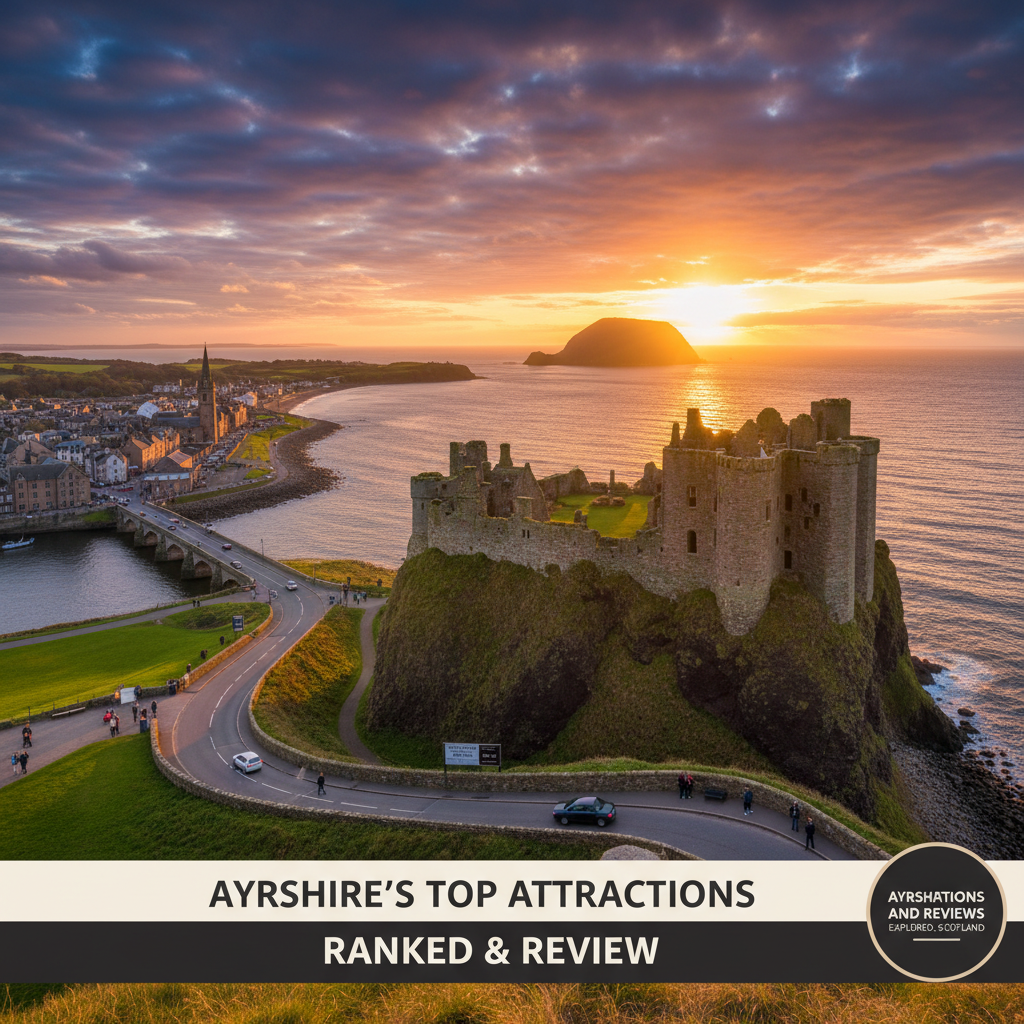
Ayrshire
Discover Ayrshire Ayrshire, located on the west coast of Scotland, is a region steeped in history and natural beauty. Known for its stunning coastlines, rolling hills, and rich cultural heritage, Ayrshire offers a unique blend of experiences that attract visitors from around the world. This picturesque region has played a significant role in Scotland's history, being the birthplace of Robert Burns, Scotland's national poet, and the site of several key historical events.The area boasts a diverse cultural landscape, with numerous museums, galleries, and heritage sites that celebrate its storied past. Visitors can explore the stunning architecture of the historic town of Ayr, with its charming streets and seafront promenade. The region's historical significance is further highlighted by attractions such as the ancient ruins of the Abbey at Kilwinning and the impressive Culzean Castle, which offers breathtaking views over the Firth of Clyde.Ayrshire is also known for its vibrant arts scene. The annual Ayrshire Arts & Culture Festival showcases the talents of local artists, musicians, and performers, providing a platform for creativity and expression. This commitment to the arts is a testament to the region's rich cultural fabric, where tradition meets modernity.The natural beauty of Ayrshire is equally captivating. With miles of unspoiled coastline, visitors can enjoy scenic walks along the shore, explore the rugged cliffs, or relax on the sandy beaches. The region is also home to several nature reserves and parks, such as the beautiful Loch Doon and the expansive Ayrshire Coastal Path, providing ample opportunities for outdoor activities like hiking, cycling, and birdwatching.What makes Ayrshire truly special is its warm and welcoming community. The locals take pride in their heritage and are eager to share their stories, traditions, and knowledge with visitors. This hospitality creates an inviting atmosphere that enhances the overall experience, making it easy for travelers to feel at home.Additionally, Ayrshire is known for its exceptional culinary scene, featuring fresh local produce and seafood. Many restaurants and cafes highlight Scottish cuisine, offering visitors a taste of traditional dishes along with contemporary twists. The region's craft breweries and distilleries also provide an opportunity to sample locally crafted beverages, further enhancing the gastronomic experience.In summary, Ayrshire is a destination that beautifully encapsulates Scotland's rich history and vibrant culture. With its breathtaking landscapes, historical significance, and warm community spirit, it offers visitors a chance to immerse themselves in the heart of Scotland. Whether you are an adventurer seeking outdoor pursuits, a history buff eager to explore ancient sites, or a foodie looking to indulge in local flavors, Ayrshire has something for everyone. Top Attractions in Ayrshire – Ranked and Reviewed Ayrshire is home to a variety of attractions that cater to all interests, making it a favored destination for travelers. Based on reviews and ratings from real visitors on Stay4Exploring, here are the top attractions that you shouldn't miss during your visit to this beautiful region.1. Culzean Castle and Country ParkCulzean Castle, a stunning 18th-century castle perched on a cliff overlooking the Firth of Clyde, is one of Ayrshire's most iconic attractions. Visitors rave about its beautiful architecture and extensive grounds, which include gardens, woodlands, and coastal walks. The castle is home to a fascinating collection of art and antiques, and the guided tours provide insights into its rich history. The parkland surrounding the castle offers ample opportunities for picnicking and hiking, making it a favorite among families.2. Robert Burns Birthplace MuseumFor literature enthusiasts, the Robert Burns Birthplace Museum is a must-visit. Located in Alloway, this museum celebrates the life and works of Scotland's beloved poet. Visitors appreciate the well-curated exhibits that include manuscripts, personal artifacts, and interactive displays. The museum grounds also feature the beautiful Alloway Auld Kirk and the iconic Brig o' Doon, which adds to the overall charm of the experience.3. Ayr BeachAyr Beach is a popular destination for those looking to relax by the sea. The long sandy beach is perfect for sunbathing, swimming, or enjoying a leisurely stroll along the promenade. Visitors often highlight the stunning views and the vibrant atmosphere, especially during the summer months when various events and festivals take place. Nearby cafes and ice cream shops make it easy to grab a treat while soaking up the sun.4. The Scottish Maritime MuseumLocated in Irvine, the Scottish Maritime Museum showcases Scotland's rich maritime history. Visitors appreciate the fascinating exhibits that include ship models, historic vessels, and interactive displays. The museum offers engaging activities for children, making it an excellent choice for family outings. The museum's location by the harbor also provides picturesque views and a chance to explore the surrounding area.5. Prestwick Golf ClubGolf enthusiasts will want to visit Prestwick Golf Club, one of the oldest golf clubs in the world and the original host of the Open Championship. Visitors commend the well-maintained course and the stunning views of the coastline. The club's rich history and welcoming atmosphere make it a memorable experience for golfers of all skill levels.These top attractions in Ayrshire, as ranked and reviewed by visitors, showcase the region's unique blend of history, culture, and natural beauty. Whether you're exploring grand castles, enjoying the coastal scenery, or immersing yourself in local traditions, Ayrshire promises an unforgettable experience. Planning Your Visit to Ayrshire Ayrshire, located on the west coast of Scotland, is a treasure trove of natural beauty, rich history, and vibrant culture. The best time to visit Ayrshire is during the spring (April to June) and early autumn (September to October) when the weather is mild, and the landscapes are at their most picturesque. During these months, you can enjoy blooming flowers, fewer tourists, and a variety of local festivals, making it an ideal time for outdoor activities.Getting to Ayrshire is straightforward. The region is well-connected by road and rail. If you are traveling from Glasgow, which is just under an hour away by train, you can catch a direct service to Ayr, Prestwick, or Irvine. The nearby Glasgow Prestwick Airport also offers flights from various locations, making it convenient for international travelers. For those driving, the M77 motorway provides easy access to Ayrshire from Glasgow, while the A77 connects you to the coastal towns.Once you arrive, getting around Ayrshire is simple. The region features an efficient public transport system, including buses and trains that connect major towns and attractions. However, renting a car is highly recommended if you wish to explore the more remote areas and hidden gems at your own pace. This will allow you the flexibility to discover the stunning Ayrshire coastline, beautiful countryside, and charming villages.When it comes to accommodation, Ayrshire offers a diverse range of options to suit every budget and preference. For a luxurious stay, consider the Trump Turnberry, a renowned five-star resort situated on the stunning coastline. For travelers seeking more affordable options, there are numerous guesthouses and bed-and-breakfasts in towns like Ayr and Troon, where you can enjoy a warm Scottish welcome. Additionally, self-catering cottages are available, providing the perfect home base for families and groups exploring the region. Be sure to book your accommodation in advance, especially during peak tourist seasons, to secure the best rates and availability. Experience Ayrshire Like a Local To truly experience Ayrshire like a local, it's essential to embrace the region's customs, food, and cultural nuances. Ayrshire has a rich history, and its people take pride in their Scottish heritage. When interacting with locals, a friendly greeting and a smile go a long way. Scots appreciate politeness, so a simple 'please' and 'thank you' can enhance your interactions. Additionally, it’s common to engage in light-hearted banter, especially in pubs and local shops.Food is a cornerstone of Ayrshire's culture, and visitors are encouraged to indulge in local specialties. One must-try dish is the Ayrshire bacon, known for its rich flavor and quality. You can also savor traditional Scottish haggis, neeps, and tatties at local restaurants, which are often served with a side of whisky sauce. For seafood lovers, the coastal towns offer fresh catches from the North Atlantic, including delicious haddock and salmon.Another local favorite is the infamous deep-fried Mars bar, a quirky treat that you can find at chippies (fish and chip shops) throughout the region. When dining, consider pairing your meal with a local ale or whisky, as Ayrshire is home to several distilleries and breweries. Don’t miss a visit to the Arran Brewery or the nearby Auchentoshan Distillery for a taste of authentic Scottish craftsmanship.Ayrshire is also rich in cultural experiences. The region has a vibrant arts scene, with numerous galleries and theaters showcasing local talent. The Burns Heritage Park in Alloway celebrates the life of Scotland’s national poet, Robert Burns, and offers a glimpse into his world through various exhibits and events. Be sure to catch a local ceilidh (traditional Scottish dance) if you have the chance, as it’s an excellent way to immerse yourself in the local culture.For insider tips, venture off the beaten path to explore the less touristy spots. Head to the picturesque village of Culzean, where you can stroll through the stunning Culzean Castle and its expansive grounds. Additionally, visit the charming town of Largs, known for its seaside promenade and delightful ice cream shops. Finally, don’t forget to check local event calendars for festivals and fairs happening during your visit, as they provide an excellent opportunity to engage with the community and experience Ayrshire’s spirit firsthand.
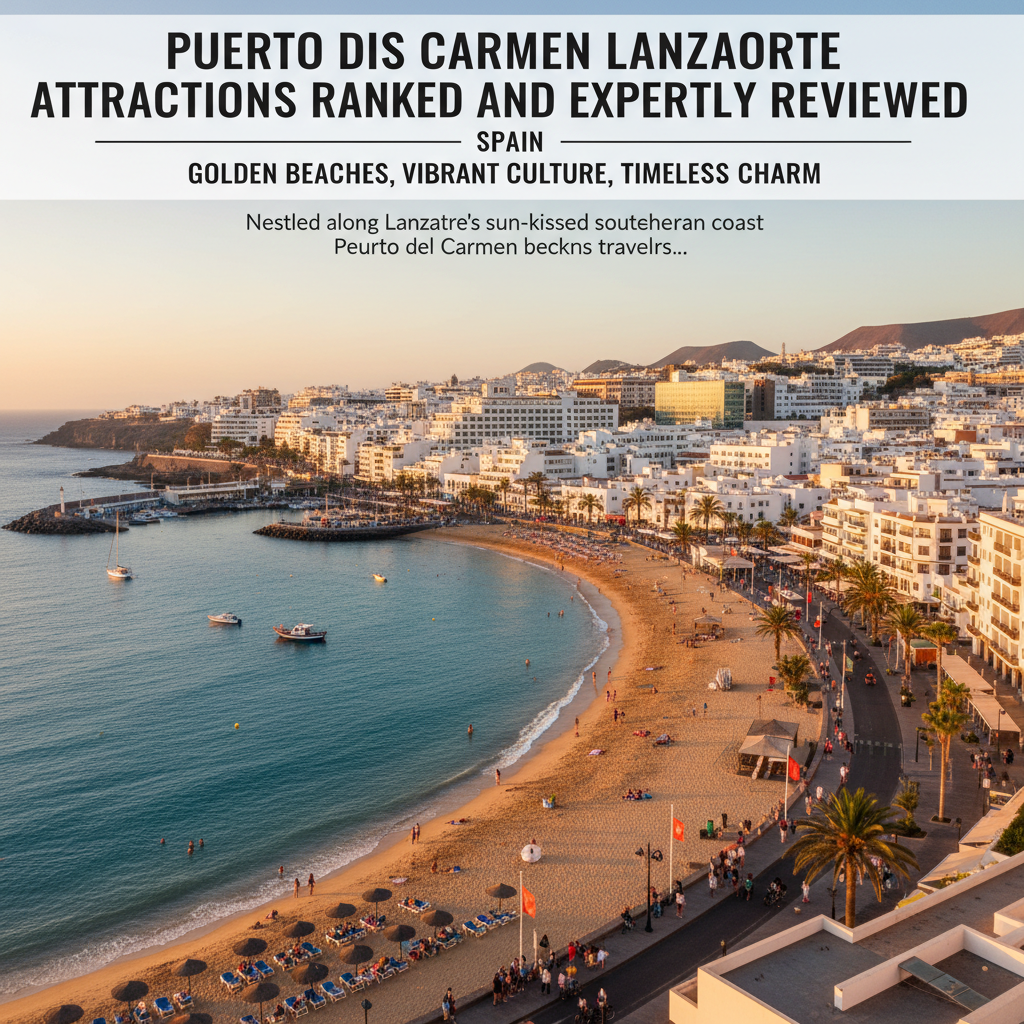
Puerto Del Carmen
Discover Puerto Del Carmen Puerto Del Carmen, situated on the southern coast of Lanzarote, Spain, is one of the island's most popular tourist destinations. Its history dates back to the early 18th century when it was a small fishing village, known as La Tiñosa. Over the years, Puerto Del Carmen has transformed into a vibrant hub of culture, gastronomy, and leisure, making it a prime location for visitors seeking both relaxation and adventure.The significance of Puerto Del Carmen lies in its rich cultural tapestry and its role in the development of tourism in Lanzarote. The town’s emergence as a tourist destination began in the 1960s, when the unique volcanic landscape and pleasant climate attracted visitors from around the world. Since then, Puerto Del Carmen has grown exponentially, evolving into a bustling resort town while still preserving elements of its traditional charm.What makes Puerto Del Carmen special is its unique blend of natural beauty, modern amenities, and cultural heritage. The town boasts stunning beaches, such as Playa Grande and Playa de los Pocillos, which are perfect for sunbathing, swimming, and water sports. The picturesque promenade stretches along the coastline, dotted with charming cafes, restaurants, and boutiques, offering a delightful mix of local and international flavors.In addition to its beaches, Puerto Del Carmen serves as an excellent base for exploring Lanzarote’s volcanic landscapes, including the Timanfaya National Park. This UNESCO Biosphere Reserve is famous for its otherworldly scenery, where visitors can witness geothermal demonstrations and take guided tours through the surreal terrain.The town's cultural significance is also evident in its annual events and festivals, which celebrate local traditions and customs. One of the highlights is the Fiesta de la Virgen del Carmen, held every July, where the local community comes together to honor the patron saint of fishermen with processions, music, and dance. This festival not only showcases the town’s cultural heritage but also fosters a sense of community among both locals and visitors.Moreover, Puerto Del Carmen is known for its welcoming atmosphere, making it an ideal destination for families, couples, and solo travelers alike. The hospitality of the locals, combined with the diverse range of activities available, ensures that every visitor can find something to enjoy. From vibrant nightlife to tranquil beach days, Puerto Del Carmen offers an experience that caters to all tastes.In summary, Puerto Del Carmen stands out as a premier destination in Lanzarote, where history meets modernity, and natural beauty coexists with vibrant culture. Whether you’re exploring the local markets, indulging in culinary delights, or soaking up the sun on the beach, Puerto Del Carmen promises an unforgettable experience that captures the essence of the Canary Islands. Top Attractions in Puerto Del Carmen – Ranked and Reviewed When it comes to attractions in Puerto Del Carmen, visitors have a plethora of options to explore. Based on real traveler reviews collected on Stay4Exploring, here are the top-ranked attractions that should not be missed during your visit.1. Playa GrandeWith its golden sands and crystal-clear waters, Playa Grande is consistently ranked as the top attraction in Puerto Del Carmen. Visitors rave about its family-friendly atmosphere, abundant sunbeds, and beach bars that serve refreshing drinks and snacks. The calm waters make it an excellent spot for swimming and water sports, ensuring a fun day for all.2. Timanfaya National ParkJust a short drive from Puerto Del Carmen, Timanfaya National Park is a must-visit for nature lovers. Travelers are captivated by the park's stunning volcanic landscapes, unique geological formations, and the chance to witness geothermal demonstrations. Guided tours receive high praise for their informative guides who share the park’s fascinating history and ecology.3. Rancho Texas Lanzarote ParkThis family-friendly theme park combines wildlife exhibits with amusement rides. Visitors have highlighted the park's engaging animal shows and the opportunity to interact with exotic animals. The water park section is a hit with children, making Rancho Texas a perfect destination for a fun-filled day with the family.4. Old Town HarbourThe Old Town Harbour offers a charming contrast to the modern resort areas. Travelers enjoy strolling along the waterfront, dining at local seafood restaurants, and watching fishing boats come in. The picturesque views at sunset make this area a popular spot for evening relaxation.5. Biosfera Plaza Shopping CentreFor those looking to shop or dine, the Biosfera Plaza Shopping Centre is a favorite among visitors. The center features a variety of shops, restaurants, and entertainment options, including a cinema. Reviewers appreciate the modern design and the rooftop terrace that provides stunning views of the coastline.6. Dive School LanzaroteDiving enthusiasts have highly rated Dive School Lanzarote for its professional instructors and well-organized diving excursions. The diverse marine life and clear waters around Lanzarote provide a fantastic diving experience, making it a popular choice for both beginners and experienced divers.7. Lanzarote Golf ResortGolfers visiting Puerto Del Carmen will find the Lanzarote Golf Resort to be a delightful experience. The course is well-maintained, and visitors appreciate the scenic views and challenging holes. It’s an excellent way to enjoy the island’s natural beauty while indulging in a round of golf.In conclusion, Puerto Del Carmen offers a diverse array of attractions that cater to all interests and ages. From stunning beaches to thrilling parks and cultural experiences, the town has something for everyone. Be sure to check out these top-rated attractions to make the most of your visit! Planning Your Visit to Puerto Del Carmen Puerto Del Carmen, a vibrant resort town situated on the southern coast of Lanzarote, Spain, is known for its stunning beaches, lively atmosphere, and a wealth of attractions. The best time to visit this charming destination is during the spring (April to June) and fall (September to October), when the weather is pleasantly warm, and the tourist crowds are less intense. During these months, you can expect average temperatures ranging from 20°C to 28°C (68°F to 82°F) and minimal rainfall. Getting to Puerto Del Carmen is straightforward. The nearest airport is Lanzarote Airport (ACE), located about 10 kilometers (6 miles) northeast of the town. Numerous airlines operate flights from various European cities to this airport, making it easily accessible. Upon arrival, you can opt for a taxi, shuttle service, or rental car to reach your accommodation. Taxis are readily available outside the airport terminal, and the journey to Puerto Del Carmen takes about 15 minutes. Once in Puerto Del Carmen, getting around is simple, thanks to the town's compact layout. The main areas of interest, including Playa Grande and the old town, are within walking distance of each other. For those who prefer to explore further, public buses connect Puerto Del Carmen to other parts of Lanzarote, providing a convenient and affordable option. Biking is also popular, with several rental shops available, allowing you to enjoy the beautiful coastal scenery at your own pace. When it comes to accommodation, Puerto Del Carmen offers a wide range of options catering to various budgets. For a luxurious stay, consider the five-star hotels along the beachfront that provide stunning ocean views and upscale amenities. Mid-range travelers can find comfortable hotels and apartment complexes with family-friendly facilities. For budget-conscious visitors, there are hostels and guesthouses that offer a cozy atmosphere without breaking the bank. Depending on your preferences, you can choose to stay close to the beach for easy access to the sun and surf or opt for a quieter location in the hills for breathtaking views and tranquility. In summary, planning your visit to Puerto Del Carmen involves choosing the right time to experience its charm, arranging convenient travel to and from the town, and selecting accommodation that fits your style and budget. With its beautiful beaches and lively atmosphere, Puerto Del Carmen is sure to leave you with unforgettable memories. Experience Puerto Del Carmen Like a Local To truly experience Puerto Del Carmen like a local, it’s essential to immerse yourself in the island’s customs, cuisine, and culture. The people of Lanzarote are known for their warm hospitality, so don’t hesitate to engage with locals and ask for recommendations. Learning a few basic Spanish phrases can go a long way in enhancing your interactions. A friendly "Hola" (hello) or "Gracias" (thank you) can open doors and create genuine connections. Food is an integral part of Lanzarote's culture, and you’ll find an incredible array of culinary delights in Puerto Del Carmen. The local cuisine heavily features fresh seafood, influenced by the island’s coastal location. Be sure to try traditional dishes such as papas arrugadas (wrinkled potatoes) served with mojo sauce, and gofio, a roasted grain flour dish. Many restaurants along the promenade offer fresh fish caught that day, so indulging in a seafood platter is highly recommended. Don’t forget to pair your meal with a glass of Lanzarote wine, particularly the local Malvasía, which is renowned for its unique flavor. Puerto Del Carmen is also home to a lively arts scene. You can explore local galleries showcasing the works of talented Lanzarotean artists. Additionally, the island hosts various cultural events and festivals throughout the year, such as the Carnival in February and Fiesta de San Ginés in August. Participating in these festivities is a fantastic way to appreciate the local culture and traditions. For a truly local experience, venture away from the typical tourist spots and visit hidden gems like the quaint fishing village of La Tiñosa. Here, you can enjoy a more authentic atmosphere with charming waterfront restaurants and local shops. Another insider tip is to take a stroll along the coastal pathway during sunset; the views are breathtaking, and you may catch local families enjoying the evening breeze. Shopping in Puerto Del Carmen offers a mix of international brands and local artisan shops. For unique souvenirs, seek out handcrafted items such as pottery, jewelry, and traditional textiles. The local markets are a great place to find these treasures and support local artisans. In summary, to experience Puerto Del Carmen like a local, embrace the island’s customs, indulge in its exquisite cuisine, immerse yourself in its arts and culture, and don’t shy away from exploring beyond the typical tourist attractions. By doing so, you’ll gain a deeper appreciation for this beautiful destination and the wonderful people who call it home.
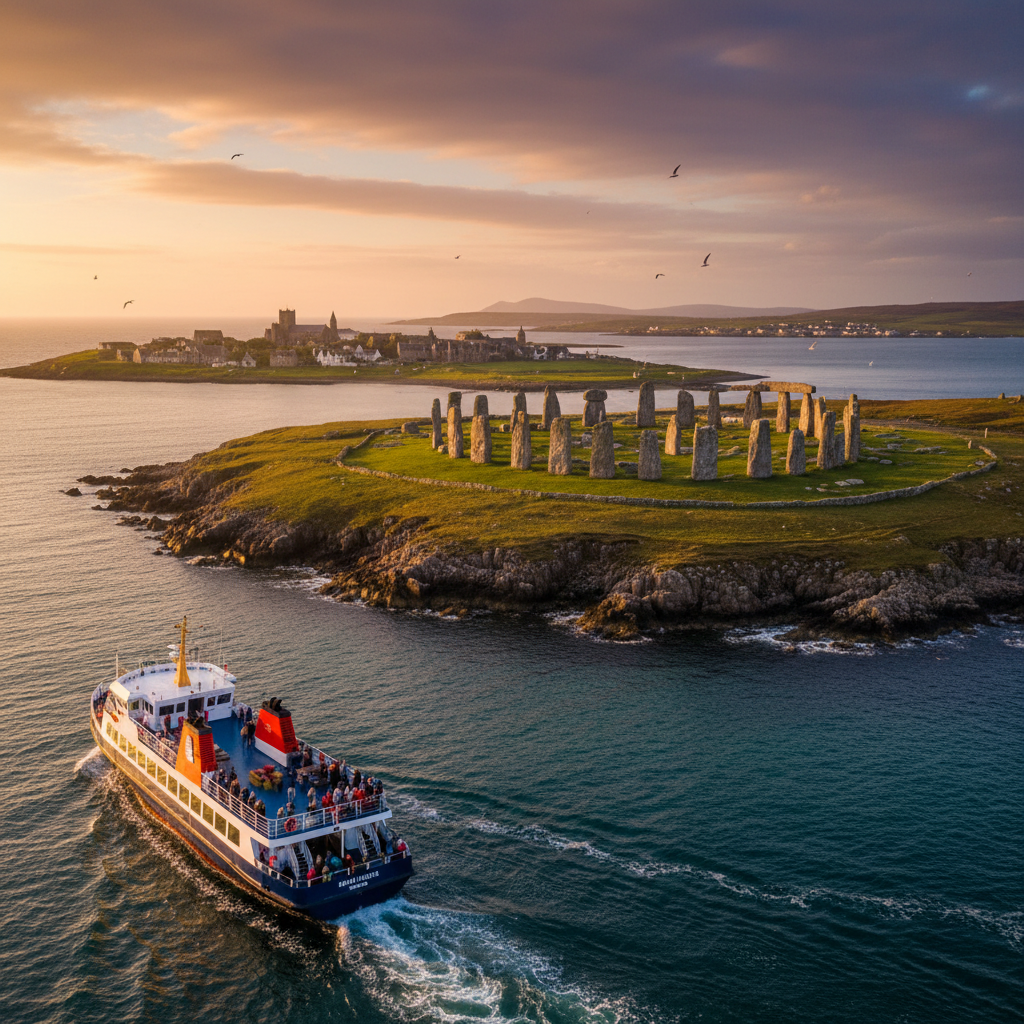
Orkney
Discover Orkney Orkney, an archipelago situated off the northeastern coast of Scotland, is a place steeped in history and brimming with unique culture. Comprising 70 islands, of which only 20 are inhabited, Orkney is renowned for its stunning landscapes, rich archaeological heritage, and vibrant local traditions. This destination is not just a picturesque retreat; it is a living tapestry of ancient history and contemporary life.The historical significance of Orkney dates back thousands of years. The archipelago is home to some of the most important prehistoric sites in Northern Europe, including the Neolithic village of Skara Brae, a UNESCO World Heritage Site. This well-preserved settlement, dating back to around 3100 BC, offers visitors a glimpse into the lives of the people who inhabited Orkney over 5,000 years ago. Other remarkable sites, such as the Ring of Brodgar and Maeshowe, further enrich Orkney's historical narrative, showcasing the ingenuity and spirituality of its ancient inhabitants.Orkney's culture is a blend of Scottish heritage and Norse influence, a reflection of its historical ties with both Scotland and Scandinavia. The islands have their own dialect, Orcadian, which is a unique variant of Scots, and local music, particularly traditional folk music, plays a vital role in community life. Visitors can experience vibrant cultural events, such as the Orkney Folk Festival and the St. Magnus International Festival, which celebrate the islands' artistic spirit.One of the most distinctive features of Orkney is its breathtaking natural beauty. From rugged coastlines and dramatic cliffs to serene beaches and lush green fields, the landscapes are both diverse and captivating. Birdwatchers flock to Orkney for its rich wildlife, particularly during the migratory seasons, when seabirds and other avian species populate the islands. The waters surrounding Orkney are equally impressive, offering opportunities for sailing, kayaking, and diving, where one can explore underwater wrecks and marine life.Orkney's significance goes beyond its historical and natural attractions; it is also a hub of sustainable living and innovation. The islands are known for their commitment to renewable energy, particularly wind and tidal power, making them a model for eco-friendly practices. Visitors can engage with local initiatives focused on sustainability, including farm tours and local food experiences that emphasize seasonal ingredients and traditional cooking methods.Moreover, the warmth and hospitality of the Orcadian people create an inviting atmosphere for travelers. The sense of community is palpable, and many visitors leave with lasting memories of friendly interactions and shared stories. Whether exploring ancient ruins, enjoying local cuisine, or participating in cultural festivals, Orkney offers a unique travel experience that is both enriching and unforgettable. Top Attractions in Orkney – Ranked and Reviewed Orkney is home to an array of attractions that captivate visitors with their beauty and historical significance. Here are some of the top-rated and reviewed experiences based on feedback from travelers on Stay4Exploring:1. Skara BraeSkara Brae is often regarded as the crown jewel of Orkney's prehistoric sites. This remarkably preserved Neolithic village offers a fascinating insight into ancient life, with well-maintained stone structures dating back to 3100 BC. Visitors rave about the immersive experience, highlighting the informative visitor center and the stunning coastal views that surround the site. Many travelers recommend spending time to explore the surrounding landscape, which adds to the overall atmosphere of this historic site.2. Ring of BrodgarThis impressive stone circle is a UNESCO World Heritage Site and is often noted for its majestic setting amidst rolling hills and serene waters. Reviewers praise the mystical ambiance and the sense of connection to ancient rituals. Many visitors appreciate the well-marked paths that lead to the circle, making it accessible for all ages. The breathtaking scenery, especially at sunset, makes it a must-visit location for photographers.3. MaeshoweAnother UNESCO World Heritage Site, Maeshowe is a Neolithic burial chamber known for its intricate stone carvings and alignment with the winter solstice. Travelers commend the guided tours, which provide in-depth historical context and captivating stories about the site. The experience of entering this ancient tomb is often described as awe-inspiring, with many visitors expressing a sense of wonder at the engineering feats of the past.4. Orkney DistillingIf you're a fan of spirits, Orkney Distilling offers a delightful experience for whisky and gin enthusiasts. Guests appreciate the engaging tours that detail the distillation process, followed by tastings of locally crafted spirits. Reviewers highlight the friendly staff, who are eager to share their knowledge and passion for the craft. The distillery's stunning location adds to the overall charm of the visit.5. StromnessThis picturesque harbor town is often praised for its charming streets, local shops, and stunning views. Travelers enjoy exploring the narrow alleys and admiring the unique architecture, as well as the welcoming atmosphere of local cafes and eateries. Many recommend taking a stroll along the waterfront to soak in the sights and sounds of this vibrant community.These attractions, along with many others, showcase the depth and diversity of experiences available in Orkney. Whether you're drawn to its rich history, stunning landscapes, or warm community spirit, Orkney promises an unforgettable adventure for every traveler. Planning Your Visit to Orkney Orkney, an archipelago off the northeastern coast of Scotland, is a destination that enchants visitors with its stunning landscapes, rich history, and vibrant local culture. Planning your visit well ensures you make the most out of your trip to this remarkable area.The best time to visit Orkney is between late spring and early autumn, particularly from May to September. During these months, the weather is milder, and the days are longer, allowing you to explore the islands' natural beauty and archaeological sites fully. While summer is the peak season, consider visiting in late spring or early autumn for fewer crowds and lower accommodation prices.Getting to Orkney is relatively straightforward. The most common way is by ferry, with regular services operating from the mainland of Scotland, particularly from Scrabster and Thurso. Alternatively, you can fly into Kirkwall Airport, which has connections from major Scottish cities such as Edinburgh and Glasgow. The flights provide breathtaking views of the islands, a great way to start your adventure.Once you arrive, getting around Orkney is best done by car, as it offers the flexibility to explore at your own pace. Car rentals are available at the airport and ferry terminals. However, if you prefer not to drive, public buses connect most of the main towns and tourist attractions. Biking is also a popular option, with several bike rental shops across the islands. Do be mindful of the weather and terrain, as conditions can change rapidly.Accommodation in Orkney ranges from cozy bed and breakfasts to luxurious hotels and self-catering cottages, catering to various budgets. Kirkwall, the main town, offers a variety of options, making it an excellent base for your explorations. If you prefer a more rural experience, consider staying in one of the smaller islands, such as Hoy or Westray, where you can enjoy the tranquility and stunning views.Many travelers recommend booking accommodations in advance, especially during the peak summer months, to secure your preferred choice. Websites like Stay4Exploring provide real traveler reviews and recommendations, making it easier to find the perfect place to stay. Experience Orkney Like a Local To truly immerse yourself in Orkney's charm, understanding local customs, food, and culture is essential. The islands boast a rich heritage, deeply influenced by Norse and Scottish traditions, which is reflected in the warm hospitality of the locals.When visiting, it's essential to respect the local customs. The people of Orkney are known for their friendliness, so a simple greeting or 'hello' in Orcadian dialect—'hallo'—is always appreciated. If you're invited to someone's home, it is customary to bring a small gift, such as a local delicacy or a bottle of wine, as a token of appreciation.Orkney's culinary scene is a treat for food lovers, featuring a range of fresh, locally sourced ingredients. Seafood is a highlight, with dishes like Orkney crab and scallops being must-tries. Don't miss the chance to sample traditional Orkney cheese, such as the famous 'Mild Orkney Cheddar' and the unique 'Crowdie,' a soft cheese often enjoyed with oatcakes. For a truly local experience, visit the Orkney Farmers' Market in Kirkwall, held twice a month, where you can find a plethora of local produce and artisan products.Culture in Orkney is vibrant and diverse, with numerous festivals and events throughout the year. The Orkney Folk Festival in May and the St Magnus International Festival in June are particularly popular, showcasing local music, art, and literature. Engaging with these events is a fantastic way to meet locals and learn more about the islands' creative scene.To experience Orkney like a local, take the time to explore the smaller islands, such as Hoy and Rousay, where you can find ancient ruins and stunning landscapes without the crowds. Hiking is a popular activity, with numerous trails offering breathtaking views of the coastline and wildlife. Be sure to pack appropriate clothing, as the weather can be unpredictable.Lastly, don't forget to engage with the local arts scene. Visit the Orkney Museum in Kirkwall to learn about the islands' history, or explore local galleries featuring works by Orcadian artists. By being open to new experiences and engaging with the community, you'll leave Orkney with unforgettable memories and a deeper appreciation for this unique part of Scotland.
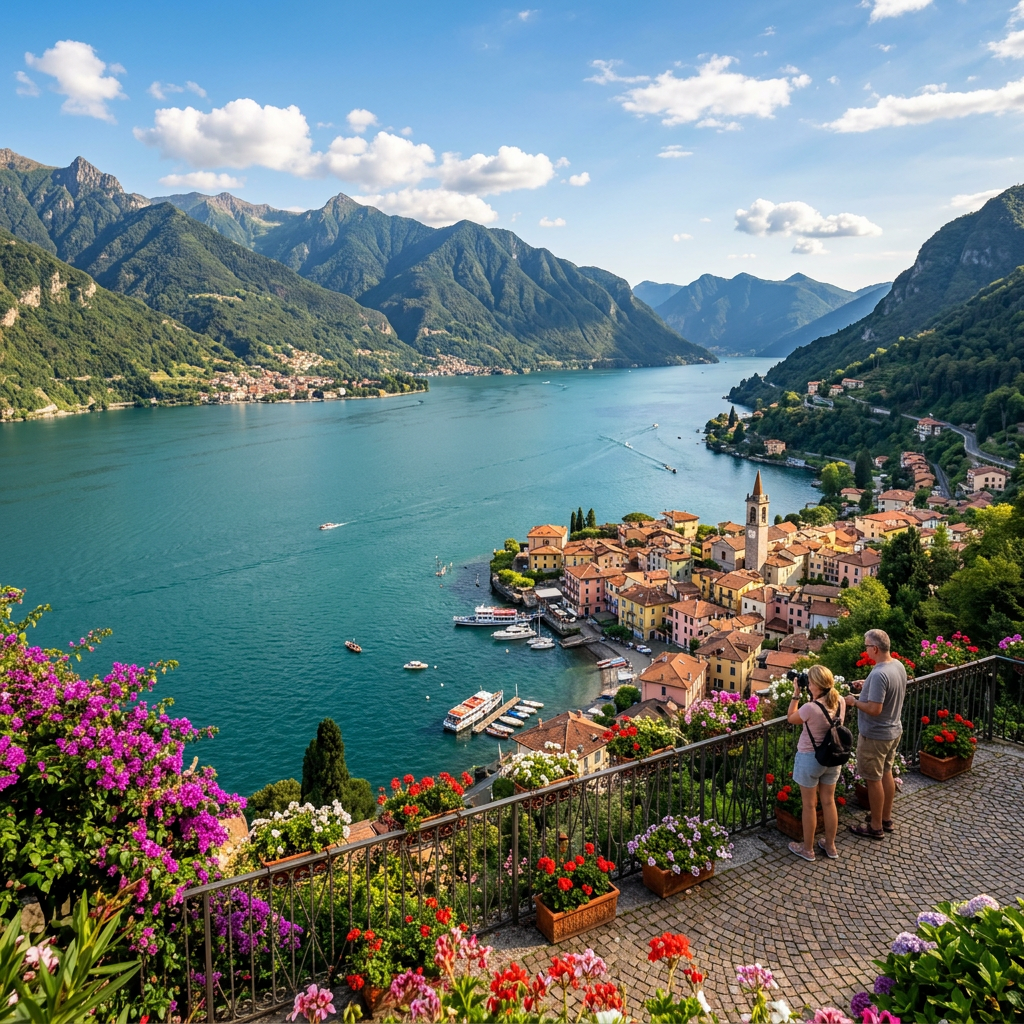
Lombardy
Discover Lombardy Lombardy, a region in northern Italy, is a captivating blend of history, culture, and natural beauty. Known for its rich heritage and vibrant cities, Lombardy is a destination that attracts millions of travelers every year. With Milan as its capital, the region serves as a cultural and economic powerhouse, influencing fashion, art, and design worldwide.The history of Lombardy dates back to ancient times, originally inhabited by the Celts and later becoming part of the Roman Empire. The region flourished during the Middle Ages, becoming a central hub for trade and commerce. Lombardy's strategic location and its network of waterways made it a vital economic area, leading to the rise of powerful city-states like Milan, Bergamo, and Pavia. Each city bears witness to a unique historical narrative, enriched by stunning architecture, museums, and archaeological sites.Lombardy is not just about history; it’s a melting pot of cultures. The region has a diverse population that contributes to its vibrant atmosphere. The influence of various cultures can be seen in the region's culinary scene, festivals, and local traditions. Lombardy is renowned for its exquisite cuisine, featuring dishes like Risotto alla Milanese, Ossobuco, and Panettone, which reflect the region's agricultural heritage and innovative spirit.The natural landscape of Lombardy is just as diverse as its cultural offerings. The Alps to the north provide breathtaking views and outdoor activities such as skiing and hiking, while the serene lakes, including Lake Como, Lake Garda, and Lake Maggiore, offer tranquil retreats and picturesque scenery. These lakes are not only stunning but also steeped in history, with charming towns and historic villas lining their shores.Moreover, Lombardy is home to some of Italy's most significant artistic treasures. The region boasts an impressive collection of museums, galleries, and historical sites, including Leonardo da Vinci's 'The Last Supper' housed in the Convent of Santa Maria delle Grazie in Milan. The region’s rich artistic legacy is further exemplified by its many cathedrals, palaces, and theaters, making it a haven for art enthusiasts.What truly makes Lombardy special is its seamless blend of the old and the new. While you can stroll through the cobbled streets of medieval towns, you can also explore cutting-edge fashion districts and contemporary art installations. The region's festivals, like the Milan Fashion Week and various food festivals, celebrate both its heritage and modernity, drawing people from around the globe. Lombardy is a place where every traveler can find something that resonates with their interests, whether it's history, art, nature, or gastronomy. Top Attractions in Lombardy – Ranked and Reviewed When it comes to exploring Lombardy, travelers are met with a myriad of attractions that cater to all interests. Below are some of the top-rated attractions in the region, as rated and reviewed by real visitors on Stay4Exploring.1. The Duomo di MilanoThe Milan Cathedral, or Duomo, is an iconic symbol of the city and a must-visit for anyone traveling to Lombardy. This stunning Gothic cathedral took nearly six centuries to complete and is adorned with intricate sculptures and spires. Visitors rave about the breathtaking views from the rooftop, where they can enjoy a panoramic view of Milan. Many reviews highlight the cathedral's remarkable architecture and the opportunity to explore its vast interior.2. Lake ComoLake Como is often described as one of the most beautiful lakes in the world. Travelers appreciate its picturesque towns such as Bellagio and Varenna, which offer stunning views and charming streets lined with cafes and shops. Many reviews emphasize the tranquility of the lake and the opportunity for activities like boat rides and hiking. Visitors also recommend taking a tour of the historic villas that dot the shoreline.3. Castello SforzescoThis historic castle in Milan is another top attraction, offering insights into the region's past. Visitors enjoy exploring the castle's museums, which house art collections and historical artifacts. Reviews often mention the beautiful surrounding Sempione Park, where travelers can relax after touring the castle. The combination of history and green space makes it a favorite spot for families and couples alike.4. The Last SupperLeonardo da Vinci's masterpiece is a highlight for art lovers visiting Lombardy. Housed in the refectory of the Convent of Santa Maria delle Grazie, many travelers emphasize the importance of booking tickets in advance due to the limited viewing times. Reviews frequently mention the emotional impact of seeing this iconic work of art in person, making it a truly unforgettable experience.5. Franciacorta Wine RegionFor those who appreciate fine wine, the Franciacorta region is a must-visit. Known for its sparkling wines, visitors rave about the picturesque vineyards and the opportunity to take guided tours and tastings. Many reviews highlight the warm hospitality of the local producers, making it a fantastic way to experience Lombardy's culinary culture.These attractions, among many others, showcase the rich offerings of Lombardy. Whether you're in search of art, history, or natural beauty, Lombardy promises a memorable experience for every traveler. Don't forget to check out the reviews on Stay4Exploring to find the best experiences that suit your interests! Planning Your Visit to Lombardy Lombardy, situated in the northern part of Italy, is a stunning region renowned for its rich history, beautiful landscapes, and vibrant cities. When planning your visit to Lombardy, there are several key considerations, including the best time to visit, transportation options, and accommodations. Best Time to Visit: The ideal time to visit Lombardy largely depends on your preferences. For pleasant weather and fewer crowds, spring (April to June) and early autumn (September to October) are optimal. During these months, you can expect mild temperatures, blooming landscapes, and a variety of local festivals. If you are a winter sports enthusiast, visiting from December to February offers access to ski resorts in the nearby Alps. However, be prepared for colder temperatures and potential crowds during the holiday season. Getting There: Lombardy is well-connected to the rest of Italy and Europe. The region's major airport is Milan Malpensa (MXP), which serves numerous international and domestic flights. Alternatively, you can fly into Milan Linate (LIN) or Bergamo Orio al Serio Airport (BGY). If you prefer traveling by train, Lombardy has an extensive rail network, with Milan serving as a central hub connecting you to other cities like Brescia, Bergamo, and Cremona. Buses and regional trains are also available for exploring smaller towns. Getting Around: Once you arrive in Lombardy, various transportation options are at your disposal. Milan's public transport system includes an extensive metro, trams, and buses, making it easy to navigate the city. For exploring the surrounding areas, consider renting a car, especially if you plan to visit the picturesque lakes like Lake Como and Lake Garda. Alternatively, regional trains can efficiently transport you to key attractions, allowing you to relax and enjoy the scenic views. Where to Stay: Lombardy offers a wide range of accommodation options to suit every budget and preference. In Milan, you can find luxurious hotels like the Four Seasons or more affordable options such as boutique hotels in the Navigli district. For those looking to experience the beauty of the lakes, charming bed and breakfasts and lakeside resorts are abundant in towns like Bellagio and Varenna. If you're exploring the countryside, consider agriturismos—farm stays that provide a unique glimpse into rural life while offering delicious homemade meals. In summary, Lombardy is a diverse and enchanting region of Italy with plenty to offer every traveler. By planning your visit thoughtfully, you can ensure a memorable experience filled with culture, adventure, and relaxation. Experience Lombardy Like a Local To truly immerse yourself in the essence of Lombardy, it's essential to embrace the local customs, cuisine, and culture. This vibrant region boasts a rich heritage, and experiencing it like a local can significantly enhance your trip. Local Customs: Lombards are known for their warm hospitality and strong sense of community. Greetings are typically formal; a polite "Buongiorno" (Good Morning) or "Buonasera" (Good Evening) is customary. Italians value family and friendship, often spending time with loved ones over meals. Engaging in small talk is common, and locals appreciate when visitors make an effort to speak Italian, even if it’s just a few phrases. Food: Lombardy is a gastronomic paradise, offering an array of traditional dishes that reflect its agricultural heritage. Risotto alla Milanese, made with saffron, is a must-try, as is the famous Cotoletta alla Milanese, a breaded veal cutlet. Don’t miss the chance to sample local cheeses like Gorgonzola and Grana Padano. Pair your meals with a glass of Franciacorta, a sparkling wine produced in the region. For dessert, indulge in Panettone, a rich bread filled with candied fruits, traditionally enjoyed during the Christmas season. Culture: Lombardy is a cultural hub, with Milan at its heart, famous for fashion, history, and art. The region is home to stunning landmarks such as the iconic Duomo di Milano, the Last Supper painting by Leonardo da Vinci, and the historic Sforza Castle. Festivals and events are plentiful, from the Milan Fashion Week in September to the renowned Opera Festival at La Scala. Take the time to explore local theaters, galleries, and museums to gain deeper insights into Lombardy's artistic legacy. Insider Tips: To experience Lombardy like a local, consider visiting the less touristy areas. Take a stroll through the Navigli district, known for its picturesque canals and vibrant nightlife. Explore the quaint towns around Lake Como, such as Varenna and Bellagio, where you can enjoy breathtaking views and serenity. Remember to embrace the "passeggiata," the evening stroll where locals gather to socialize. Lastly, avoid dining too early; Italians typically eat dinner around 8 PM or later, so plan accordingly to truly enjoy the culinary scene. By embracing the local customs, savoring the delicious cuisine, and immersing yourself in the rich culture, you’ll leave Lombardy with unforgettable memories and a deeper appreciation for this remarkable region of Italy.

Paris
Discover Paris Paris, often referred to as the "City of Light," is a rich tapestry of history, culture, and art, making it one of the most visited cities in the world. Founded in the 3rd century BC by a Celtic tribe known as the Parisii, the city has evolved into a vibrant metropolis that embodies romance, sophistication, and innovation. Its iconic landmarks, from the majestic Eiffel Tower to the historic Notre-Dame Cathedral, narrate tales of resilience and creativity that resonate through the ages.The city's significance extends far beyond its stunning architecture. Paris has long been a center of intellectual thought, artistic expression, and revolutionary ideas. The Enlightenment period saw its streets filled with philosophers like Voltaire and Rousseau, while the 19th century brought forth movements such as Impressionism, led by artists like Monet and Renoir. Today, Paris continues to inspire with its cutting-edge fashion, culinary innovations, and dynamic arts scene.What makes Paris truly special is its unique blend of history and modernity. Visitors can stroll along the Seine River, taking in views of centuries-old bridges, then dive into contemporary art at the Centre Pompidou. The city's neighborhoods, or "arrondissements," each offer a distinct flavor, from the bohemian atmosphere of Montmartre to the chic elegance of the Marais. Each corner of Paris invites exploration, revealing hidden gems such as quaint cafés, artisan shops, and vibrant markets.Culinary delights are another hallmark of Parisian culture. The city is home to numerous Michelin-starred restaurants, but equally enticing are its bakeries and patisseries, where the scent of freshly baked baguettes and pastries fills the air. Dining in Paris is not just about the food; it’s an experience that encompasses ambiance, conversation, and a connection to the city's rich culinary heritage.Moreover, Paris is a global hub for fashion and design. The annual Paris Fashion Week draws industry leaders and trendsetters, showcasing the latest in haute couture. The city’s streets are often a runway of their own, with residents and tourists alike expressing their style amidst the backdrop of stunning architecture.In terms of significance, Paris is not merely a destination; it is a symbol of culture and history that resonates worldwide. Its influence can be seen in literature, art, and politics, making it a focal point for those seeking inspiration. Visitors to Paris not only explore its famous sites but also become part of its ongoing story, contributing to the city's evolving narrative.Ultimately, Paris captivates the heart and soul of all who visit. It is a city of dreams, where every street tells a story, and every experience leaves an indelible mark. Whether you're sipping a café au lait at a sidewalk café or marveling at the masterpieces in the Louvre, Paris promises a journey that transcends time and space. Top Attractions in Paris – Ranked and Reviewed When it comes to attractions, Paris is teeming with must-visit sites that cater to a plethora of interests. According to reviews and rankings by travelers on Stay4Exploring, here are the top attractions that you cannot miss during your visit to this enchanting city.1. Eiffel Tower - No visit to Paris is complete without ascending the iconic Eiffel Tower. Standing tall at 1,083 feet, this iron lattice tower offers breathtaking views of the city from its observation decks. Visitors rave about the experience, especially at sunset when the city lights begin to twinkle. With a rating of 4.8/5, many travelers recommend pre-booking tickets to avoid long lines.2. Louvre Museum - As the world's largest art museum, the Louvre houses thousands of artworks, including the famous Mona Lisa and the Venus de Milo. Rated 4.7/5 by art enthusiasts, guests recommend taking a guided tour to fully appreciate its vast collection. The stunning glass pyramid entrance adds to the museum's allure, making it a must-see.3. Notre-Dame Cathedral - Although currently under restoration, Notre-Dame remains a symbol of Parisian architecture and history. Visitors who have had the chance to explore its magnificent façade and gardens rate it 4.6/5. Travelers suggest visiting the nearby Île de la Cité for picturesque views.4. Sacré-Cœur Basilica - Perched atop Montmartre, the Sacré-Cœur offers panoramic views of Paris that are unbeatable. Rated 4.5/5, visitors love the serene atmosphere within the basilica and the vibrant art scene surrounding it. The steps leading up to the basilica are an ideal spot for relaxing and enjoying the sunset.5. Musée d'Orsay - Housed in a former railway station, this museum features an extensive collection of Impressionist and Post-Impressionist masterpieces. With a rating of 4.6/5, visitors highly recommend exploring its unique architecture and indulging in the café overlooking the Seine.6. Champs-Élysées and Arc de Triomphe - This legendary avenue is perfect for shopping and dining, ending at the majestic Arc de Triomphe. Travelers rate this attraction 4.4/5, highlighting the vibrant atmosphere and the opportunity to learn about French history through the monument's intricate sculptures.7. Seine River Cruises - A unique way to see the city, many travelers recommend taking a cruise along the Seine. Rated 4.5/5, these cruises offer an alternative perspective of Paris's stunning architecture and landmarks, especially during the evening when the city is illuminated.In conclusion, Paris is a city that captivates visitors with its rich history and vibrant culture. The attractions listed above are just a glimpse into what the City of Light has to offer. Each site tells its own story and contributes to the overall enchantment of this iconic destination, ensuring that every traveler leaves with unforgettable memories. Planning Your Visit to Paris Paris, known as the City of Light, is a timeless destination that attracts millions of visitors each year. When planning your visit, timing can greatly influence your experience. The best time to visit Paris is during the spring (March to May) and fall (September to November) when the weather is mild, and crowds are relatively smaller. Spring brings blooming flowers and outdoor events, while fall offers beautiful foliage and cultural festivals.To get to Paris, you will most likely arrive at Charles de Gaulle Airport (CDG), which is well-connected to the city center via public transport. From there, you can take the RER B train, Roissybus, or a taxi for convenience. If you're traveling from other European cities, high-speed trains like the Eurostar and Thalys make it easy to reach Paris.Once in the city, navigating Paris is fairly straightforward. The Paris Métro is one of the most efficient and affordable ways to get around, with extensive coverage throughout the city. Consider purchasing a Paris Visite pass for unlimited travel on public transport. Alternatively, you can explore the city on foot or by renting a bike through the Vélib’ system, which promotes eco-friendly travel.Choosing where to stay can significantly enhance your Parisian experience. The city is divided into 20 districts known as arrondissements, each with its unique charm. The 1st arrondissements are home to iconic attractions like the Louvre and Palais Royal, while the 4th offers the historic charm of the Marais and Notre-Dame Cathedral. For a more local feel, consider staying in the 11th or 12th arrondissements, which are vibrant neighborhoods filled with cafes, boutiques, and markets.For a luxurious experience, opt for a hotel with a view of the Eiffel Tower or a boutique hotel in the Saint-Germain-des-Prés area. If you're traveling on a budget, hostels and budget hotels can be found throughout the city, offering affordable accommodations without compromising on location. Airbnb can also be a good option, allowing you to experience Paris like a local.Regardless of your budget, it’s wise to book your accommodation in advance, especially during peak tourist seasons. This will not only secure better rates but also ensure you find a place that meets your needs and expectations. With its rich history, stunning architecture, and vibrant culture, Paris is undoubtedly a destination that will leave you with lasting memories. Experience Paris Like a Local To truly experience Paris, embrace the local customs and immerse yourself in the culture. Parisians value politeness, so it’s customary to greet shopkeepers and restaurant staff with a simple “Bonjour” upon entering. A friendly “Merci” when leaving goes a long way in building rapport with locals.Food is an integral part of Parisian life. Don’t miss out on trying traditional French dishes such as coq au vin, ratatouille, and the famed croissant. Visit local markets like Marché Bastille or Marché des Enfants Rouges to discover fresh produce, artisanal cheeses, and baked goods. For an authentic dining experience, consider dining at a bistro rather than a tourist-oriented restaurant. Bistro menus often feature seasonal dishes that showcase the best of French cuisine.Parisian cafés are more than just places to eat; they are social hubs. Spend an afternoon sipping espresso at a café in Saint-Germain-des-Prés or people-watching at a terrace along the Champs-Élysées. Many locals enjoy the leisurely pace of life, and it’s common to see people lingering over coffee for hours. This laid-back atmosphere is an essential part of Parisian culture.Art and culture thrive in Paris, making it a haven for enthusiasts. Explore world-class museums like the Louvre and Musée d'Orsay, but also seek out smaller galleries in neighborhoods like Le Marais or Montmartre. Don’t overlook street art, which adds a contemporary edge to the city’s historic charm. Consider attending a local theater performance or a concert at one of Paris's many venues to experience the vibrant arts scene.For insider tips, make use of the local budget-friendly apps like Paris en Poche for recommendations on hidden gems in the city. Also, look out for free museum days, which occur on the first Sunday of each month, allowing you to explore some of the most iconic art collections without breaking the bank.Shopping in Paris can be an adventure in itself. Instead of hitting the high-end fashion districts, explore local boutiques and vintage shops in Le Marais or Canal Saint-Martin for unique finds. Don’t forget to sample local pastries at bakeries, especially the famous macarons from Ladurée or Pierre Hermé.Lastly, take the time to wander the streets and discover the city’s charm. Each arrondissement has its unique character waiting to be explored. Whether you’re admiring the architecture, relaxing in a park, or enjoying a leisurely meal, experiencing Paris like a local will enrich your visit and create unforgettable memories.

Giza
Discover Giza Giza, an iconic city located on the Giza Plateau, is world-renowned for its ancient monuments and rich history. It is home to the most famous archaeological site in the world, the Great Pyramids of Giza, which include the Pyramid of Khufu (Cheops), the Pyramid of Khafre, and the Pyramid of Menkaure. These monumental structures have captivated the imagination of historians, archaeologists, and travelers alike for millennia.The history of Giza dates back to the 4th Dynasty of the Old Kingdom of Egypt, around 2580 to 2560 BC when the Great Pyramid was constructed. This era marked the height of the Egyptian civilization, and the pyramids served as elaborate tombs for the pharaohs, reflecting their beliefs in the afterlife. The Sphinx, another hallmark of Giza, is a colossal limestone statue with the body of a lion and the head of a pharaoh, believed to represent Khafre. Together, these monuments signify the power and architectural prowess of ancient Egypt.Giza's significance goes beyond its incredible structures; it is a symbol of Egypt’s cultural heritage and a testament to human ingenuity. The pyramids are not just ancient tombs; they are a window into the past, offering insights into the lives, beliefs, and practices of the Egyptians. The city’s location along the Nile River further connects it to the broader history of Egypt, as the river was a critical lifeline for agriculture and trade.What makes Giza special is its ability to transport visitors back in time. Standing at the base of the Great Pyramid, one can’t help but feel a deep sense of awe and wonder. The sheer scale and precision of these ancient structures raise questions about the techniques used in their construction and the lives of those who built them. Giza also serves as the starting point for many travelers’ explorations of Egypt, making it a vital hub for cultural exchange.In addition to its historical attractions, Giza is home to a vibrant local culture. The surrounding neighborhoods are filled with markets, cafes, and traditional crafts, providing visitors with a taste of contemporary Egyptian life. Travelers can engage with local artisans, sample delicious Egyptian cuisine, and experience the warmth of Egyptian hospitality. The blend of ancient history and modern culture creates a unique atmosphere that enchants every visitor.Visiting Giza is more than just a trip to see the pyramids; it is an opportunity to immerse oneself in a world where history comes alive. Whether you are interested in archaeology, architecture, or simply want to soak in the beauty of the desert landscape, Giza offers an unforgettable experience that resonates long after your visit. Top Attractions in Giza – Ranked and Reviewed When it comes to attractions in Giza, the Great Pyramids take center stage. However, there are several other remarkable sites and experiences that enhance your visit. Here’s a ranked list of the top attractions in Giza, based on travelers' reviews on Stay4Exploring.1. Great Pyramid of Giza (Pyramid of Khufu)Rated 4.9/5 by visitors, the Great Pyramid is a must-see. Travelers are often in awe of its size and grandeur, noting the intricate details of the pyramid’s construction. Many reviews highlight the experience of entering the pyramid, which offers a glimpse into the past, while others recommend visiting during sunrise or sunset for breathtaking views.2. The SphinxThis iconic statue receives a 4.8/5 rating, with many visitors praising its enigmatic presence and historical significance. Reviewers often mention the feeling of standing beside such a monumental figure and recommend taking a guided tour to learn about the various legends surrounding the Sphinx.3. Pyramid of KhafreWith a rating of 4.7/5, this pyramid is noted for its unique features, including the remnants of the original limestone casing at its apex. Visitors enjoy exploring the surrounding complex, which includes the Valley Temple. Many reviews suggest that this pyramid offers a less crowded experience compared to the Great Pyramid.4. Solar Boat MuseumRated 4.6/5, this museum houses a reconstructed ancient Egyptian boat believed to have belonged to Pharaoh Khufu. Visitors appreciate the museum's informative displays and the opportunity to see the craftsmanship of ancient shipbuilding.5. Giza PlateauThis expansive area, rated 4.5/5, offers stunning panoramic views of the pyramids and is an excellent spot for photography. Many travelers recommend taking a camel ride across the plateau for a truly immersive experience.6. Memphis and SaqqaraJust a short drive from Giza, these ancient sites receive a 4.4/5 rating. Visitors rave about the Step Pyramid of Djoser and the impressive collection of statues and artifacts at the Memphis Museum. Reviewers encourage combining these sites with a Giza visit for a deeper understanding of ancient Egyptian history.7. Giza ZooFor families, the Giza Zoo offers a change of pace with a rating of 4.3/5. Visitors appreciate the lush greenery and the variety of animals, making it a pleasant afternoon outing after exploring the pyramids.Overall, Giza is a treasure trove of historical and cultural experiences, and these attractions are just the beginning of what this magnificent city has to offer. With every review, travelers share their personal stories, making Giza a destination rich in memories and discovery. Planning Your Visit to Giza Giza, home to the iconic Pyramids and the Sphinx, is a destination steeped in history and wonder. To make the most of your visit, it’s essential to plan ahead, considering factors such as the best time to visit, travel logistics, and accommodation options.Best Time to Visit: The ideal time to explore Giza is during the cooler months, between October and April. During this period, temperatures are more manageable, typically ranging between 20-25°C (68-77°F). The peak tourist season falls between December and February, so if you prefer a quieter experience, consider visiting in October or November, or even March and April when spring begins to bloom.Getting There: Giza is located just a short drive from Cairo, making it easily accessible for travelers. Most international flights land at Cairo International Airport (CAI). From there, you can take a taxi or arrange for a private transfer to Giza, which is approximately 30 kilometers (18 miles) away. It’s advisable to negotiate taxi fares in advance or use ride-hailing apps for convenience.Getting Around: Once in Giza, getting around can be quite straightforward. The main attractions, including the Giza Plateau, the Sphinx, and the Solar Boat Museum, are all located within close proximity. Walking is an option for the more adventurous, but hiring a local guide can enhance your experience. Alternatively, taxis and ride-hailing services are readily available, making it easy to navigate between sites.Where to Stay: Giza offers a range of accommodation options catering to all budgets. For a luxurious experience, consider staying at a hotel with pyramid views, such as the Marriott Mena House or the Four Seasons Hotel Cairo at Nile Plaza. Mid-range options like Le Meridien Pyramids Hotel & Spa provide comfort and great amenities without breaking the bank. If you’re traveling on a budget, hostels and guesthouses are available in the vicinity, offering affordable stays while you explore. Booking in advance is recommended, especially during peak season, to secure the best rates and locations.In summary, planning your visit to Giza requires a little foresight, but with the right timing, travel arrangements, and accommodation, you’ll be well on your way to experiencing the wonders of this ancient city. Experience Giza Like a Local To truly appreciate Giza beyond its historical landmarks, immerse yourself in the local culture, customs, and cuisine. This vibrant city offers experiences that will leave lasting memories, making your visit even more enriching.Local Customs: Egyptians are known for their hospitality and friendliness. When interacting with locals, a simple greeting like ‘Salam Alaikum’ (Peace be upon you) can go a long way. It’s customary to shake hands and maintain eye contact during conversations. Also, be mindful of dress codes; while Giza is relatively liberal, it’s respectful to dress modestly, especially in religious sites.Food: The culinary scene in Giza is a delightful exploration of Egyptian flavors. Don’t miss traditional dishes like Koshari (a hearty mix of rice, lentils, and pasta topped with a spicy tomato sauce) and Ful Medames (stewed fava beans). Street food stalls are plentiful, offering tasty snacks such as Ta’ameya (Egyptian falafel) and Kebabs. For a unique dining experience, consider visiting a local restaurant where you can enjoy a meal while taking in the atmosphere. Try Al-Azhar Park for its beautiful views and diverse menu options.Culture: Giza is rich in culture, with a blend of ancient traditions and modern influences. Engaging with local artisans and attending cultural performances can enhance your understanding of Egyptian heritage. Visit local markets like the Giza Souk to shop for souvenirs, handmade crafts, and spices. Participating in or observing traditional music and dance performances can provide insight into the country's vibrant cultural landscape.Insider Tips: To experience Giza like a local, consider hiring a guide who can take you to lesser-known sites, such as the Saqqara Necropolis and the Step Pyramid of Djoser. These areas offer a glimpse into Egypt’s architectural evolution. Early morning visits to the pyramids can help you avoid crowds and provide stunning photo opportunities. Also, don’t forget to negotiate when shopping in markets; it’s part of the local culture!By embracing the local customs, savoring the flavors of Egyptian cuisine, and engaging with the vibrant culture, you’ll experience Giza in a way that transcends the typical tourist path.
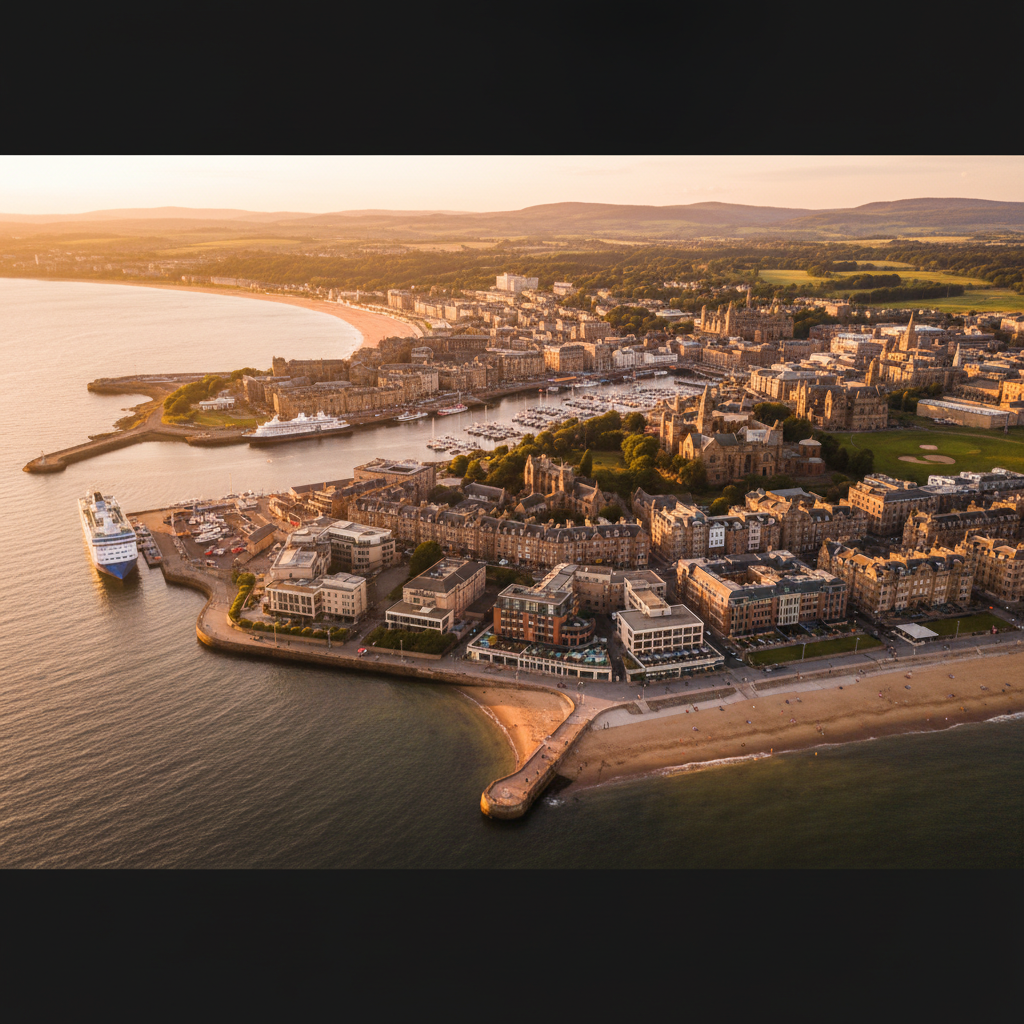
Aberdeen
Discover AberdeenAberdeen in Scotland offers a wealth of attractions, from historic landmarks to natural wonders. Explore the best things to do and plan your perfect visit.
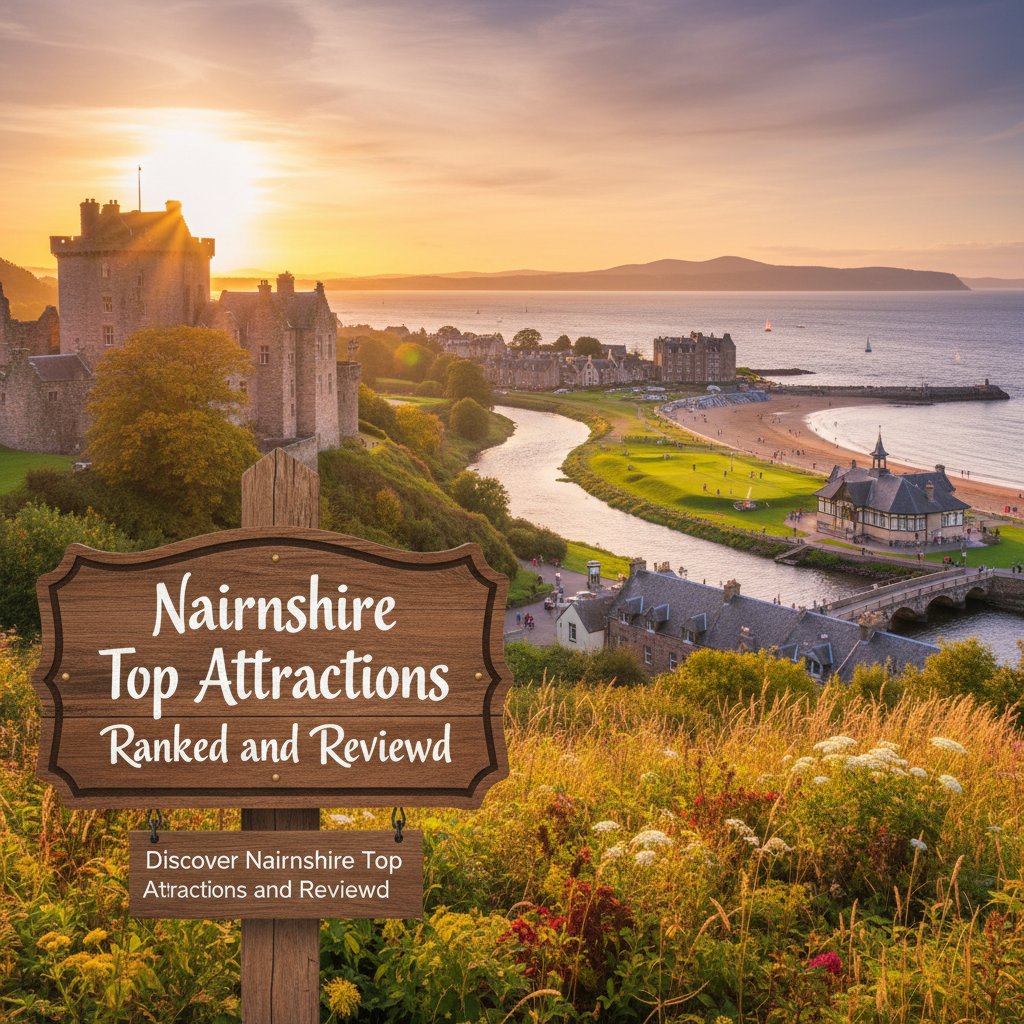
Nairnshire
Discover Nairnshire Nairnshire, a picturesque region nestled in the Scottish Highlands, is renowned for its stunning landscapes, rich history, and vibrant culture. The area is steeped in heritage, with its origins tracing back to ancient times when it was inhabited by the Picts. The town of Nairn itself boasts a history that dates back over a thousand years, and its strategic location along the Moray Firth has played a significant role in its development as a coastal town.The culture of Nairnshire is a beautiful blend of Scottish traditions and modern influences. The region is known for its warm hospitality, with local festivals and events that celebrate the area’s heritage. One of the highlights is the Nairn Book and Arts Festival, which attracts visitors and artists from all over the country, showcasing literature, art, and music. The local cuisine is equally inviting, with seafood being a prominent feature due to the town's coastal location. Visitors can indulge in freshly caught fish and shellfish at local restaurants, enhancing their cultural experience.Nairnshire's significance extends beyond its historical and cultural attributes. The region is a gateway to the natural beauty of Scotland, with stunning beaches, rolling hills, and scenic landscapes that provide ample opportunities for outdoor activities. The nearby Moray Firth is famous for its dolphin population, and visitors can often catch a glimpse of these magnificent creatures frolicking in the waters. Hiking, cycling, and golfing are popular pastimes, with the area boasting several well-maintained trails and golf courses, including the renowned Nairn Golf Club.What makes Nairnshire special is its unique combination of tranquillity and adventure. Unlike more tourist-heavy destinations in Scotland, Nairnshire offers a peaceful retreat where visitors can unwind and connect with nature. The charming coastal town of Nairn, with its sandy beaches and friendly atmosphere, invites relaxation while also providing a base for exploring the surrounding highlands. The area’s historical landmarks, such as the Nairn Museum and the nearby Cawdor Castle, provide insight into Scotland's past, making it a perfect destination for history enthusiasts.In addition to its natural and historical appeal, Nairnshire is also a community that values sustainability and conservation. Many local businesses are committed to preserving the environment and promoting responsible tourism, ensuring that the beauty of Nairnshire remains intact for future generations. This dedication to the environment, coupled with the warmth of the locals, creates an inviting atmosphere that makes every visitor feel at home.In summary, Nairnshire is a destination that showcases the best of Scotland’s heritage, culture, and natural beauty. Whether you are a history buff, an outdoor enthusiast, or simply looking to relax by the sea, Nairnshire promises a unique and enriching experience that is sure to leave a lasting impression. Top Attractions in Nairnshire – Ranked and Reviewed Nairnshire is brimming with attractions that cater to a variety of interests, all of which have been rated and reviewed by real travelers on Stay4Exploring. Here’s a look at the top attractions that you shouldn’t miss during your visit.1. Nairn Beach - Rated 4.8/5Nairn Beach is a stunning stretch of golden sand that offers breathtaking views of the Moray Firth. Travelers rave about its cleanliness and peaceful atmosphere. The beach is perfect for leisurely strolls, picnics, or simply soaking up the sun. Families appreciate the safe swimming conditions, while nature enthusiasts enjoy bird watching and spotting dolphins in the distance.2. Cawdor Castle - Rated 4.7/5This enchanting castle, dating back to the 14th century, is steeped in history and literary fame, being associated with Shakespeare's Macbeth. Visitors commend the beautifully maintained gardens and the fascinating exhibits within the castle. The audio tour provides insightful commentary that enhances the experience, making it a must-visit for history buffs and castle enthusiasts alike.3. Nairn Museum - Rated 4.6/5For those interested in local history, the Nairn Museum is an informative stop. The museum showcases the rich heritage of Nairnshire, with exhibits ranging from maritime history to local crafts. Visitors have highlighted the friendly staff who are eager to share stories and answer questions, making the experience engaging and personal.4. Nairn Golf Club - Rated 4.5/5Golf enthusiasts will find Nairn Golf Club to be a top-tier golfing experience with stunning coastal views and challenging holes. Reviewers often mention the exceptional condition of the course and the welcoming clubhouse atmosphere. Whether you are a seasoned golfer or a beginner, this club offers a fantastic day on the greens.5. Moray Firth Dolphin Watching - Rated 4.9/5One of the most thrilling experiences in Nairnshire is dolphin watching in the Moray Firth. Many boat tours allow visitors to get up close with these playful creatures. Travelers have provided glowing reviews about the knowledgeable guides and the unforgettable encounters with the dolphins, making it a highlight of their trips.6. Nairn Town Centre - Rated 4.4/5The town centre of Nairn is a delightful area filled with charming shops, cafes, and local eateries. Visitors often comment on the friendly atmosphere and the variety of options available for dining and shopping. Whether you're looking for unique souvenirs or a cozy spot for tea, the town centre has something for everyone.In conclusion, Nairnshire offers a diverse array of attractions that are highly rated by visitors. From its beautiful beaches and historical landmarks to thrilling outdoor activities, there is something for everyone to enjoy. Plan your itinerary around these top attractions for an unforgettable experience in this stunning part of Scotland. Planning Your Visit to Nairnshire Nairnshire, located in the Scottish Highlands, is a picturesque destination that offers stunning coastal scenery, rich history, and a plethora of outdoor activities. When planning your visit, timing can significantly enhance your experience. The best time to visit Nairnshire is during the late spring to early autumn months, specifically from May to September. This period features milder weather, longer daylight hours, and an abundance of local events and festivals that showcase the region's culture. Getting to Nairnshire is relatively straightforward. The nearest major airport is Inverness Airport, located about 10 miles away. From the airport, you can take a taxi or rent a car to reach Nairnshire. Alternatively, if you're traveling by train, Nairn has its own railway station with regular services connecting to major cities like Edinburgh, Glasgow, and Inverness. For those who prefer a scenic drive, the A96 road runs through the heart of Nairnshire, providing stunning views of the Highland landscape. Once you've arrived, getting around Nairnshire is convenient. The area is compact enough to explore on foot, especially the charming town of Nairn itself. For more extensive exploration, consider renting a bicycle to navigate the scenic coastal paths and countryside trails. Public transportation is also available, with local bus services connecting Nairn to nearby attractions and towns. When it comes to accommodation, Nairnshire offers a range of options to suit different budgets and preferences. For a touch of luxury, consider staying at one of the elegant hotels along the coastline, such as the Newton Hotel or the Nairn Golf Club. If you prefer a more home-like experience, there are numerous charming bed and breakfasts and self-catering cottages available for rent. For budget travelers, there are also hostels and campsites in the area. Make sure to book your accommodations in advance, especially during peak tourist season, to ensure availability. In summary, planning your visit to Nairnshire involves considering the best time to go, how to get there, and where to stay. By taking these factors into account, you can enjoy all that this beautiful Scottish destination has to offer. Experience Nairnshire Like a Local Nairnshire is not just a destination; it's a vibrant community steeped in tradition and culture. To truly experience Nairnshire like a local, it's essential to immerse yourself in the area's customs and daily life. One of the most notable local customs is the Highland Games, which usually take place in August. These events celebrate Scottish heritage through traditional sports, dancing, and music, bringing together locals and visitors alike for a day of fun and competition. When it comes to food, Nairnshire boasts a rich culinary scene that reflects its coastal heritage. Fresh seafood is a highlight, and you can savor local delicacies such as haggis, Cullen skink (a creamy fish soup), and smoked salmon. Many restaurants in the area focus on farm-to-table practices, ensuring that the ingredients are fresh and locally sourced. Don't miss the chance to visit local markets, where you can sample artisanal cheeses, breads, and homemade jams. The culture of Nairnshire is deeply influenced by its Scottish roots. The local community takes pride in traditional music and dance, and you may find live performances at pubs and community centers throughout the year. Engaging with the locals is a rewarding experience, as they are often eager to share stories about their heritage and the history of the region. Visiting in the winter months might also provide an opportunity to experience local ceilidhs, traditional social gatherings featuring music and dancing. For those looking for insider tips, consider taking a guided walking tour to learn about the history and hidden gems of Nairnshire. Local guides can provide insights that you might not discover on your own, including tales of the area's historical figures and folklore. Additionally, don’t hesitate to ask locals for their recommendations on the best spots to eat and explore. Many hidden gems exist beyond the main tourist attractions, such as secluded beaches and lesser-known hiking trails. Lastly, remember to embrace the laid-back pace of life in Nairnshire. Take your time to enjoy the stunning natural landscapes, breathe in the fresh sea air, and engage with the friendly locals. By experiencing Nairnshire like a local, you’ll create lasting memories and a deeper appreciation for this charming corner of Scotland.

North Macedonia
Discover North Macedonia Nestled in the heart of the Balkan Peninsula, North Macedonia is a destination rich in history, culture, and natural beauty. Known for its stunning landscapes that range from rugged mountains to serene lakes, this small yet significant country offers travelers a unique glimpse into a world where ancient history meets modern life.The historical significance of North Macedonia dates back to the ancient civilizations of the Illyrians and Thracians, but it gained prominence during the time of Alexander the Great. As part of the ancient Kingdom of Paeonia, the region has seen the influence of numerous cultures, including the Romans, Byzantines, and Ottomans. This multifaceted history is evident in its archaeological sites, historical monuments, and diverse architectural styles.North Macedonia's cultural tapestry is woven from a blend of ethnicities, languages, and traditions. The country is home to a variety of ethnic groups, with Macedonians, Albanians, Turks, and Roma among the most prominent. This diversity is celebrated through vibrant festivals, traditional music, and dances, showcasing the rich heritage that defines the nation. The warmth and hospitality of the local people further enhance the travel experience, inviting visitors to partake in their customs and traditions.One of the most distinctive aspects of North Macedonia is its breathtaking natural scenery. The country is dotted with national parks, such as Pelister and Mavrovo, which offer opportunities for hiking, skiing, and wildlife watching. Lake Ohrid, one of Europe’s oldest and deepest lakes, is a UNESCO World Heritage site known for its crystal-clear waters and rich biodiversity, including endemic species of fish. The lakeside town of Ohrid itself is a cultural gem, boasting ancient churches, monasteries, and a picturesque old town that draws visitors from all over the world.North Macedonia is also a culinary delight, with a cuisine that reflects its diverse history. Traditional dishes such as tavče gravče (baked beans), ajvar (pepper spread), and a variety of grilled meats are must-tries for any food lover. Pair these with local wines and rakija (fruit brandy) for a truly authentic experience.What makes North Macedonia special is not just its breathtaking landscapes and rich history but also the blend of past and present. As a country that has emerged from the shadows of conflict in the 20th century, it is now a beacon of hope and resilience, welcoming travelers to explore its wonders. Whether you are drawn to its historical sites, natural beauty, or vibrant culture, North Macedonia promises a journey that is both enriching and unforgettable. Top Attractions in North Macedonia – Ranked and Reviewed North Macedonia boasts a variety of attractions that cater to all types of travelers. Here, we present some of the top-rated experiences as ranked and reviewed by visitors on Stay4Exploring.1. Lake Ohrid - Often referred to as the jewel of North Macedonia, Lake Ohrid is known for its stunning views and rich cultural heritage. Visitors rave about the serene atmosphere and crystal-clear waters, perfect for swimming and boating. The surrounding town is filled with ancient churches and Roman ruins, making it a favorite for history buffs.2. Ohrid Old Town - A UNESCO World Heritage site, Ohrid Old Town is a maze of cobblestone streets, historic buildings, and vibrant local markets. Travelers appreciate the mix of cultural and historical experiences, with highlights including the ancient theater and the Church of St. John at Kaneo. Many visitors recommend taking a guided tour to fully appreciate the town's history.3. Skopje's Old Bazaar - Skopje’s Old Bazaar is a bustling area full of shops, cafes, and cultural sites. Reviewers love the vibrant atmosphere and the chance to sample local delicacies. The bazaar is a perfect spot to purchase handmade crafts and souvenirs, making it a must-visit for anyone wanting to take a piece of North Macedonia home.4. Matka Canyon - Just a short drive from Skopje, Matka Canyon offers stunning natural beauty and outdoor activities like kayaking, hiking, and rock climbing. Visitors praise the breathtaking views and the peaceful surroundings. A boat trip to the Vrelo Cave is particularly recommended, as it showcases the unique geology of the area.5. Bitola - Known as the city of consuls, Bitola features a charming blend of Ottoman and European architecture. The city is celebrated for its vibrant cultural scene and historical significance. Many travelers recommend visiting the ancient city of Heraclea Lyncestis, where you can find well-preserved ruins and impressive mosaics.6. Pelister National Park - For those seeking adventure, Pelister National Park offers hiking trails with stunning views of the surrounding mountains and lakes. Reviewers commend the park for its diverse flora and fauna, making it ideal for nature lovers. The park's pristine environment and well-marked trails make it accessible for all levels of hikers.These top attractions in North Macedonia have been highly rated by travelers who have experienced their beauty and significance firsthand. Whether you are exploring the ancient history of Ohrid or enjoying the natural wonders of Matka Canyon, North Macedonia offers a plethora of experiences that are sure to leave a lasting impression. Planning Your Visit to North Macedonia North Macedonia is a hidden gem in the Balkans, offering a rich tapestry of history, culture, and natural beauty. The best time to visit this enchanting destination is during the spring (April to June) and early autumn (September to October). During these months, the weather is pleasant, with mild temperatures and less tourist traffic, allowing for a more authentic experience.Getting to North Macedonia is relatively straightforward. The primary international airport is Skopje International Airport (SKP), located just outside the capital city, Skopje. Regular flights connect Skopje with major cities in Europe. Alternatively, travelers can arrive by bus or car from neighboring countries like Serbia, Kosovo, Greece, and Albania. The road network is generally in good condition, making a road trip an appealing option for those who wish to explore the region at their own pace.Once you arrive, getting around North Macedonia can be done in several ways. In the capital city of Skopje, public transport is efficient, with buses and a recently introduced cable car system to reach the nearby mountain of Vodno. For those venturing outside the city to places like Ohrid or Bitola, intercity buses provide a reliable means of transportation, albeit with limited schedules. Renting a car is another excellent option, offering the flexibility to explore remote areas and hidden gems at your leisure.When it comes to accommodation, North Macedonia boasts a range of options to suit every budget. In Skopje, you will find a mix of modern hotels, boutique guesthouses, and budget hostels. For a more local experience, consider staying in guesthouses in Ohrid, where you can enjoy stunning lake views and the warm hospitality of local families. If you’re looking for something unique, try booking a stay in a traditional stone house in the rural areas, which can provide a glimpse into the country's rich cultural heritage. Be sure to book in advance during peak tourist seasons to secure the best deals and availability.In summary, planning your visit to North Macedonia involves choosing the right time to go, knowing how to get there and get around, and selecting the perfect place to stay. With its welcoming atmosphere and diverse attractions, North Macedonia promises a memorable travel experience. Experience North Macedonia Like a Local To truly experience North Macedonia like a local, immersing yourself in the region's customs, food, and culture is essential. The locals are known for their hospitality and friendliness, welcoming visitors with open arms. Greetings often involve a firm handshake and a warm smile. In more traditional settings, it’s common to see people offering food and drink as a sign of respect and friendship.The culinary scene in North Macedonia is a delightful blend of Mediterranean and Balkan influences. One must-try dish is ajvar, a roasted red pepper spread that is a staple in Macedonian kitchens. Pair it with tavče gravče, a traditional baked bean dish, and you’ll get a true taste of local flavors. Don’t miss out on trying skara, which includes various grilled meats, often served with fresh salads and bread. Visiting local markets, such as the Old Bazaar in Skopje or the Ohrid market, provides an opportunity to taste fresh produce and homemade delicacies while engaging with local vendors.Cultural experiences abound in North Macedonia, from traditional music and dance to art and festivals. If you’re fortunate enough to visit during the summer, you might catch the Ohrid Summer Festival, which showcases local and international artists performing music and theater against the backdrop of the stunning Ohrid Lake. The local folk music, characterized by its unique rhythms and instruments, offers a glimpse into the region's rich history.When it comes to insider tips, learning a few words of Macedonian can go a long way in connecting with locals. Simple phrases such as „Zdravo“ (hello) and „Hvala“ (thank you) are appreciated and often rewarded with smiles. Additionally, be mindful of dining etiquette; it’s customary to wait for the host to begin eating before you start, and sharing food is common.As you explore North Macedonia, remember to take the time to appreciate the slower pace of life in rural areas. Engage with locals, learn about their traditions, and enjoy the stunning landscapes that surround you. Whether you’re hiking in the national parks, exploring ancient sites, or simply sipping coffee in a picturesque café, experiencing North Macedonia like a local will undoubtedly enrich your travel adventure.

Munich
Discover Munich Munich, the capital of Bavaria in Germany, is a city that effortlessly blends tradition with modernity. With a history that dates back over 850 years, Munich has developed into a cultural powerhouse known for its art, architecture, and vibrant lifestyle. The city was first documented in 1158, and its name, derived from the Old High German word 'munichen,' means 'by the monks'—a nod to the Benedictine monks who settled in the area.Munich played a significant role throughout the ages, especially during the time of the Holy Roman Empire. It became the center of power for the Wittelsbach dynasty in the 13th century and has since been the stage for many historical events, including the rise of the Nazi regime in the 20th century. Today, this rich history is preserved in its stunning architecture, from the iconic Marienplatz to the majestic Nymphenburg Palace.The city's culture is equally vibrant, with numerous museums, galleries, and theaters showcasing everything from classical art to contemporary installations. The renowned Alte Pinakothek houses masterpieces by artists such as Rembrandt and Raphael, while the contemporary art scene thrives in places like the Museum Brandhorst and the Pinakothek der Moderne.Munich is perhaps best known internationally for its Oktoberfest, the world’s largest beer festival that attracts millions of visitors each year. This celebration of Bavarian culture is not just about beer; it also features traditional food, music, and folk dances, making it a significant event on the global calendar. Moreover, the city is home to numerous beer gardens, where locals and tourists alike gather to enjoy the laid-back atmosphere and traditional fare like pretzels and sausages.What makes Munich truly special is its ability to maintain a high quality of life while being a thriving hub of industry and innovation. The city boasts beautiful parks, such as the expansive Englischer Garten, where one can relax, cycle, or even surf on the artificial river waves. The blend of nature with urban life creates a unique environment that residents cherish.Moreover, the city's commitment to sustainability and modern transport systems, including an efficient public transit network, ensures that it is not only accessible but also environmentally friendly. In recent years, Munich has also become a center for technology and innovation, attracting startups and major corporations alike.In conclusion, Munich is a city that offers a rich tapestry of history, culture, and modern living. Whether you are wandering through its historic streets, enjoying a pint in a traditional beer garden, or experiencing its vibrant arts scene, Munich promises an unforgettable experience that truly captures the essence of Germany. Top Attractions in Munich – Ranked and Reviewed Munich is brimming with attractions that cater to a variety of interests. Here’s a curated list of the top-rated experiences in the city, as reviewed by real travelers on Stay4Exploring.1. Marienplatz – This central square is the heart of Munich, featuring the iconic New Town Hall (Neues Rathaus) with its famous Glockenspiel. Visitors rave about its stunning architecture and the vibrant atmosphere, especially during festivals and events. The square is a perfect starting point for exploring the city.2. English Garden (Englischer Garten) – One of the largest urban parks in the world, the English Garden is a favorite among locals and tourists alike. Travelers appreciate its serene environment, scenic pathways, and beer gardens. The park’s river, where surfers can be seen riding the waves, adds to its unique charm.3. Nymphenburg Palace – This magnificent palace offers a glimpse into the opulent lifestyle of Bavarian royalty. Visitors are captivated by the stunning gardens and richly decorated rooms. Many reviews highlight the palace's peaceful atmosphere and the beauty of the surrounding park.4. BMW Museum – A must-visit for automobile enthusiasts, the BMW Museum showcases the history and innovation of the iconic car brand. Many travelers commend its interactive exhibits and the opportunity to see classic cars up close. The adjacent BMW Welt offers a unique experience of car delivery and a glimpse into the future of mobility.5. Viktualienmarkt – This bustling food market is a culinary delight, featuring an array of fresh produce, gourmet foods, and traditional Bavarian delicacies. Visitors love the vibrant atmosphere and the chance to sample local flavors. It’s an ideal spot for those looking to indulge in Munich’s culinary scene.6. Deutsches Museum – As one of the world's largest museums dedicated to science and technology, the Deutsches Museum is a fascinating destination for all ages. Reviewers often mention the museum's comprehensive exhibits and engaging displays, making it a fun and educational experience.7. Allianz Arena – Home to the famous Bayern Munich football club, the Allianz Arena is a spectacular sight, especially when lit up at night. Visitors appreciate the guided tours that provide insights into the world of football and the stadium's impressive architecture.8. Residenz Munich – This former royal palace is a treasure trove of art and history, showcasing the grandeur of the Wittelsbach dynasty. Many reviews highlight the impressive interiors and the museum’s extensive collection of artifacts.In conclusion, Munich’s top attractions offer a diverse range of experiences that reflect the city’s rich history, culture, and modern vibrancy. Visitors consistently praise the accessibility and charm of these sites, making Munich a must-visit destination for travelers seeking an unforgettable experience. Planning Your Visit to Munich Munich, the vibrant capital of Bavaria, offers a blend of rich history, modern charm, and lush green spaces, making it a must-visit destination in Germany. When planning your trip, consider the best times to visit, transportation options, accommodations, and the city's layout.The ideal times to visit Munich are during the spring (April to June) and fall (September to October). During spring, the weather is mild, and the city's parks burst with blooming flowers. In the fall, you can experience Oktoberfest, the world-renowned beer festival, which attracts millions of visitors each year. Summer (July to August) can be crowded and hot, while winter (December to February) offers a magical Christmas market atmosphere, but temperatures can drop significantly.Getting to Munich is convenient, with the city's international airport, Munich Airport (MUC), located about 28 kilometers northeast of the city center. It is well-connected to major cities around the world. From the airport, you can take the S-Bahn (suburban train) directly into the city, or opt for a taxi or shuttle service. The central railway station, München Hauptbahnhof, is another major entry point, connecting Munich with various European cities via high-speed trains.Once you're in Munich, getting around is a breeze thanks to its efficient public transportation system. The U-Bahn (subway), S-Bahn, trams, and buses are well-integrated and cover most areas of the city. A Munich Card can be purchased for unlimited travel within the city and discounts on attractions. For a more leisurely experience, consider renting a bike, as Munich is a bike-friendly city with plenty of dedicated cycling paths.When it comes to where to stay, Munich offers a wide range of accommodation options to suit every budget. For a central location, consider hotels in Altstadt-Lehel, the historic center, where you can easily access main attractions like Marienplatz and the English Garden. If you're looking for a more modern vibe, the Glockenbachviertel neighborhood is known for its trendy cafes, boutiques, and nightlife. For families, the Schwabing area, close to the English Garden, offers spacious apartments and family-friendly amenities.In summary, planning your visit to Munich involves considering the best time to travel, understanding transportation options, and choosing appropriate accommodations. With its rich cultural offerings and vibrant atmosphere, Munich promises an unforgettable experience for every traveler. Experience Munich Like a Local To truly enjoy Munich, immerse yourself in the local customs, cuisine, and culture. This city is known for its warm hospitality, and understanding local etiquette can enhance your experience.One of the first things to know is that Germans value punctuality. When meeting locals or attending events, be on time as it is seen as a sign of respect. Greetings are typically formal; a firm handshake is common when meeting someone for the first time. In social settings, it’s customary to say 'Prost!' before taking a sip of your beer or beverage, which means 'cheers' in German.Munich’s culinary scene is another essential aspect of local life. Traditional Bavarian dishes include pretzels (Brezn), sausages (Würst), and pork knuckle (Schweinshaxe). Be sure to visit a local beer garden, where you can enjoy these delights alongside a refreshing pint of local beer. The Hofbräuhaus, one of the most famous beer halls, offers a classic experience with live music and traditional Bavarian fare.For a taste of local life, head to the Viktualienmarkt, a bustling market in the heart of the city. Here, you can find fresh produce, gourmet foods, and regional specialties. Don’t miss out on trying local cheeses or a slice of the famous Black Forest cake.Culturally, Munich is rich with museums, galleries, and theaters. The city is home to several world-class museums, such as the Alte Pinakothek and the Deutsches Museum, which are must-visits for art and science enthusiasts. The city also hosts numerous festivals throughout the year, celebrating everything from film to music, providing a glimpse into the local creative scene.When it comes to insider tips, consider visiting during weekdays to avoid the weekend crowds, especially at popular attractions. Additionally, many museums offer free entry on specific days, so check their websites before planning your visit. If you’re feeling adventurous, explore the nearby Bavarian countryside, where you can visit fairy-tale castles like Neuschwanstein or take a scenic hike in the Alps.Lastly, don’t forget to embrace the local lifestyle by simply wandering the streets, relaxing in the parks, and engaging in conversations with locals. This will undoubtedly enrich your experience and help you see Munich through the eyes of its residents.
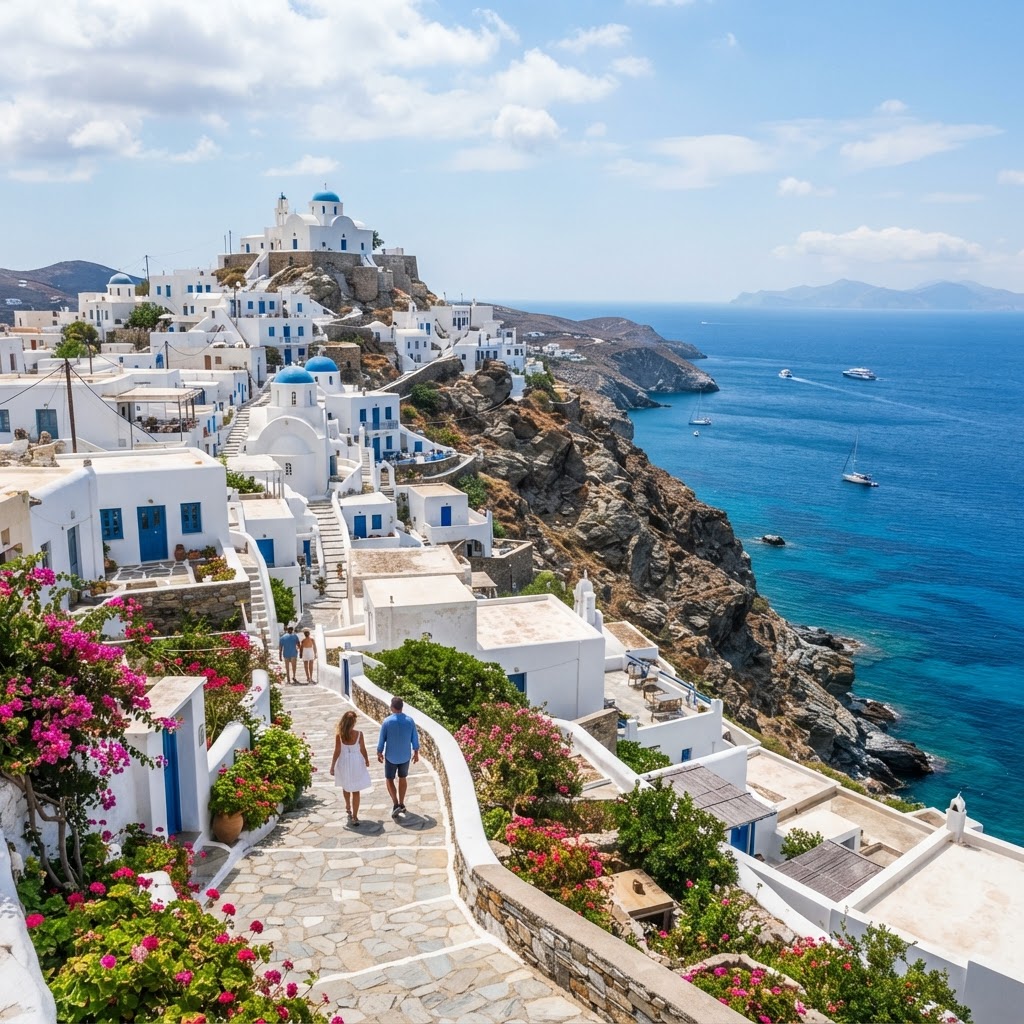
Sikinos Island
Discover Sikinos IslandSikinos Island, a hidden gem in the Cyclades, is a place where history, culture, and natural beauty converge. Nestled between the more famous islands of Ios and Folegandros, Sikinos is a tranquil escape that offers an authentic Greek island experience. Its rich history dates back to ancient times, with archaeological findings suggesting that the island was inhabited as far back as the Neolithic period. The remnants of ancient settlements, temples, and the ruins of the ancient city of Sikinos can still be explored today, providing visitors with a glimpse into the island's storied past.The culture of Sikinos is deeply rooted in its traditional way of life. With a population of just a few hundred residents, the island retains a sense of community that is often lost in more tourist-heavy areas. The locals are warm and welcoming, eager to share their heritage, which is reflected in their cuisine, festivals, and customs. The island is known for its fine wines, particularly the local variety made from the sun-kissed grapes grown in its vineyards.What makes Sikinos special is its blend of stunning landscapes and serene atmosphere. While many Cycladic islands have become hotspots for nightlife and entertainment, Sikinos offers a peaceful retreat for those seeking relaxation and a connection with nature. Its rugged coastline is dotted with beautiful beaches, crystal-clear waters, and picturesque hiking trails that wind through the island's unspoiled terrain.One cannot visit Sikinos without experiencing its unique architectural charm. The capital, Chora, is a maze of narrow streets lined with whitewashed houses adorned with colorful shutters and blooming bougainvillea. The highlight of Chora is the impressive Church of the Virgin Mary, perched on a hilltop, offering breathtaking views of the Aegean Sea. Nearby, the charming village of Alopronia provides insight into local life, with traditional tavernas and shops showcasing local crafts and gastronomy.Sikinos holds a special significance in Greek mythology as well, believed to be the birthplace of the ancient Greek poet, Homer. The island's rich history, combined with its serene landscape and welcoming community, creates an atmosphere that feels both timeless and enchanting. Whether you're exploring the ancient ruins, savoring local delicacies, or simply soaking in the sun on a secluded beach, Sikinos Island promises a unique and unforgettable experience for every traveler.Top Attractions in Sikinos Island – Ranked and ReviewedSikinos Island may be small, but it boasts a variety of attractions that cater to different interests. Here are the top-rated attractions according to real travelers on Stay4Exploring, ensuring you make the most of your visit.1. The Monastery of Zoodochos PigiThis stunning monastery, perched high on a hill, is not only an architectural marvel but also a spiritual haven. Visitors rave about the serene atmosphere and breathtaking views of the surrounding landscape. The monastery dates back to the 18th century and features exquisite frescoes and beautiful gardens. Many travelers recommend visiting during the morning hours to fully appreciate the tranquility and the stunning vistas.2. Chora VillageSikinos' capital, Chora, is a charming village filled with narrow alleys, whitewashed buildings, and vibrant bougainvillea. As one of the most picturesque spots on the island, visitors often find themselves wandering its quaint streets, visiting local shops, and enjoying authentic Greek cuisine at the tavernas. Many reviews highlight the sunset views from Chora as a must-see experience, making it a perfect spot for evening strolls.3. Agios Georgios BeachFor beach lovers, Agios Georgios is a top recommendation. This secluded beach offers soft sand and clear waters, perfect for swimming and sunbathing. Travelers appreciate the calmness of the beach, often noting that it feels like a private paradise. Facilities are minimal, which adds to its charm, and many visitors suggest bringing a picnic to enjoy while soaking up the sun.4. The Ancient Ruins of SikinosHistory enthusiasts will find the ancient ruins of Sikinos fascinating. Located near the village of Chora, these remnants of an ancient city provide insight into the island's storied past. Visitors often comment on the peaceful atmosphere of the site, making it a great place for reflection and exploration. Guided tours are available for those interested in learning more about the historical context and significance of the ruins.5. The Wine Tasting ExperienceNo trip to Sikinos is complete without indulging in the local wines. The island is home to several vineyards that offer wine-tasting tours, where visitors can sample the unique flavors of Sikinos wines. Many travelers have praised the friendly vineyard owners who share their passion for winemaking, making the experience both enjoyable and educational.In conclusion, Sikinos Island is a treasure trove of attractions that promise to enrich your travel experience. From its historical sites and stunning landscapes to its warm community and delectable cuisine, each visit reveals something new and captivating. Be sure to take your time to explore and discover the charm of this enchanting island.Planning Your Visit to Sikinos IslandSikinos Island, a hidden gem in the Cyclades, is an ideal destination for travelers seeking tranquility and authentic Greek culture. To make the most of your trip, consider the following aspects when planning your visit.Best Time to VisitSikinos enjoys a Mediterranean climate, making it a pleasant destination year-round. However, the best time to visit is during the shoulder seasons of late spring (May to June) and early autumn (September to October). During these months, the weather is warm, the crowds are thinner, and the island's natural beauty is in full bloom. July and August are peak tourist seasons, characterized by hot temperatures and bustling beaches, ideal for those who enjoy a lively atmosphere.Getting ThereReaching Sikinos is a part of its charm. The most common access point is by ferry from nearby islands such as Santorini or Naxos. The ferry ride offers magnificent views of the Aegean Sea, and the journey typically takes between 1-3 hours. Be sure to check the ferry schedules in advance, especially during the off-peak season, as they can be limited. For a more direct route, travelers can fly into Santorini airport and then take a ferry to Sikinos.Getting AroundOnce you arrive on the island, getting around is relatively easy. The main villages, Chora and Alopronia, are connected by a short, scenic road. Walking is a popular option, allowing visitors to soak in the island's breathtaking landscapes. For those who prefer not to walk, local buses run between the main villages and the beaches, while taxis are also available. Renting a scooter or bicycle is another great way to explore Sikinos at your own pace, offering the flexibility to discover hidden spots along the coast.Where to StaySikinos offers a range of accommodation options, from charming guesthouses to boutique hotels. For an authentic experience, consider staying in Chora, where you can enjoy traditional Cycladic architecture and easy access to local shops and restaurants. Alopronia, the island's port, has several hotels and apartments, making it convenient for ferry arrivals and departures. For those seeking a more secluded experience, look for accommodations near the beaches or in the countryside, where you can enjoy peace and stunning views.Regardless of your choice, booking in advance is advisable, especially during the summer months. Many travelers recommend checking reviews on platforms like Stay4Exploring to find the best options tailored to your preferences. With its serene atmosphere and breathtaking scenery, Sikinos Island promises a memorable getaway.Experience Sikinos Island Like a LocalTo truly immerse yourself in the beauty and culture of Sikinos Island, understanding local customs and traditions is essential. Here’s how to experience Sikinos like a local.Local CustomsThe island's small population has cultivated a close-knit community where traditions are highly valued. Greeting locals with a friendly 'Kalimera' (good morning) is a nice way to start interactions. Many locals are warm and welcoming, often eager to share stories about their island. Participate in local festivals if your visit coincides with one, as they offer a glimpse into traditional music, dance, and local customs.FoodCulinary experiences on Sikinos are a highlight of any visit. The island's cuisine is characterized by fresh, local ingredients and traditional recipes. Don't miss trying local specialties such as 'Sikinos salad,' which includes tomatoes, cucumbers, and the island's unique cheese, as well as 'chickpea soup,' a comforting dish perfect for the cooler evenings. Many visitors recommend dining at family-run tavernas where you can enjoy authentic dishes made from scratch. Be sure to try 'raki,' a traditional Greek spirit made from the distillation of grapes, often served with meze (small plates) that showcase local flavors.CultureSikinos is home to several historical sites that reflect its rich cultural heritage. The 18th-century Monastery of Zoodochos Pigi, located on a hilltop, offers stunning views and a peaceful atmosphere. Exploring the charming alleyways of Chora, with its whitewashed buildings and vibrant bougainvillea, transports you back in time. The island also hosts various cultural events throughout the year, celebrating its history and traditions. Engaging with locals during these events can enhance your understanding of their way of life.Insider TipsTo make the most of your time on Sikinos, consider the following insider tips. First, bring comfortable walking shoes, as many of the island's most beautiful spots are best accessed by foot. Secondly, explore beyond the main villages; hidden beaches and picturesque hiking trails await those who venture off the beaten path. Lastly, don’t hesitate to ask locals for recommendations; their insights can lead you to less touristy spots and unforgettable experiences.By embracing the local customs, savoring the cuisine, and immersing yourself in the island's culture, your trip to Sikinos will be more than just a vacation—it will be a genuine exploration of this enchanting Greek island.

Ireland
Discover Ireland Ireland, often referred to as the Emerald Isle, is a land steeped in history and culture, boasting stunning landscapes that captivate visitors from around the globe. With its rich tapestry of ancient ruins, vibrant cities, and warm-hearted locals, Ireland offers a unique blend of experiences that resonate deeply with travelers.The history of Ireland dates back thousands of years, with evidence of human habitation going back to around 8000 BC. The island has been shaped by various waves of settlers, including the Celts, Vikings, and Normans, each leaving their mark on the cultural landscape. From the iconic Stone Age passage tombs of Newgrange to medieval castles dotting the countryside, the historical significance of Ireland is palpable in every corner.Irish culture is a colorful mosaic woven from traditional music, dance, art, and literature. The country has produced some of the world's most renowned writers, including James Joyce, W.B. Yeats, and Samuel Beckett. The Irish language, Gaeilge, adds an additional layer of depth to the culture, with many towns and regions proudly promoting bilingualism. Festivals celebrating music, literature, and heritage abound, providing visitors with authentic and immersive experiences.One of the most significant aspects of Ireland is its connection to nature. The Irish landscape is characterized by rolling green hills, rugged cliffs, and serene coastlines. The Cliffs of Moher, the Wild Atlantic Way, and the Ring of Kerry are just a few examples of places where the natural beauty of the island shines through. These breathtaking landscapes not only offer stunning photo opportunities but also serve as a backdrop for countless outdoor adventures, from hiking and cycling to surfing and kayaking.What sets Ireland apart from other destinations is the warmth and friendliness of its people. Known for their hospitality, the Irish are eager to share stories, traditions, and a pint of Guinness with visitors. The concept of 'craic'—a term used to describe fun, entertainment, and good company—is central to Irish social life, making every interaction memorable. Pubs, often the heart of communities, are places where travelers can experience this sense of camaraderie and enjoy traditional music sessions.In addition to its natural and cultural treasures, Ireland has made significant strides in modernity while preserving its rich heritage. Cities like Dublin and Belfast showcase a vibrant urban scene, with contemporary art galleries, trendy restaurants, and lively nightlife. However, the echoes of the past remain strong, with historic sites and museums telling the stories of Ireland's complex history.Ultimately, Ireland is a destination that invites exploration and connection. With its historical depth, cultural richness, and stunning landscapes, it offers something for every traveler. Whether you're wandering through the streets of Galway, exploring ancient ruins, or simply enjoying a conversation with a local, Ireland promises an unforgettable journey that lingers long after you’ve returned home. Top Attractions in Ireland – Ranked and Reviewed When it comes to attractions in Ireland, the options are as diverse as the landscapes themselves. Here are some of the top-rated attractions based on real traveler reviews from Stay4Exploring, ensuring that you have a curated list of must-see sites for your adventure.1. Cliffs of Moher - Rated 4.9/5One of Ireland's most iconic landmarks, the Cliffs of Moher rise dramatically from the Atlantic Ocean, offering breathtaking views and a chance to connect with nature. Visitors rave about the stunning vistas and the well-maintained pathways that allow for a safe yet exhilarating experience. Many recommend visiting at sunrise or sunset for the most magical views.2. Giant's Causeway - Rated 4.8/5This UNESCO World Heritage site is famous for its unique hexagonal basalt columns formed by volcanic activity. Travelers describe the experience as otherworldly, with many noting the surrounding coastal scenery as an added bonus. The visitor center provides insightful information about the legend of Finn McCool, adding a cultural touch to the geological wonder.3. Dublin Castle - Rated 4.7/5Dublin Castle is a perfect mix of history and architecture. Visitors enjoy guided tours that delve into the castle's significance in Ireland's history. The beautifully landscaped gardens and the stunning State Apartments are highlights, with many travelers praising the knowledgeable guides who bring the castle's stories to life.4. Ring of Kerry - Rated 4.6/5A scenic drive that encapsulates the beauty of County Kerry, the Ring of Kerry is a favorite among those seeking picturesque landscapes and charming villages. Travelers recommend taking your time to stop at the various viewpoints and attractions along the way, such as Muckross House and Killarney National Park.5. Blarney Castle - Rated 4.6/5Home to the famous Blarney Stone, which is said to bestow the gift of eloquence, this historic castle is surrounded by beautiful gardens and lush grounds. Visitors enjoy exploring the castle's history and taking part in the tradition of kissing the stone. Many reviews highlight the friendly staff and the enchanting atmosphere of the grounds.6. The Rock of Cashel - Rated 4.5/5This stunning historic site features medieval buildings set on a limestone hill, offering panoramic views of the surrounding countryside. Travelers appreciate the informative audio guides that enhance the visit, and many note that the site is less crowded compared to other attractions, allowing for a more relaxed experience.7. Galway City - Rated 4.5/5Known for its vibrant arts scene and lively atmosphere, Galway City is a must-visit for anyone looking to experience contemporary Irish culture. From street performers to traditional music sessions in pubs, travelers love the city's energy. Many recommend visiting during the Galway International Arts Festival for an unforgettable experience.These attractions represent just a slice of what Ireland has to offer. Whether you're drawn to historical sites, breathtaking landscapes, or lively urban experiences, the ratings and reviews from fellow travelers will guide you in crafting an unforgettable Irish adventure. Planning Your Visit to Ireland When it comes to planning your visit to Ireland, timing is everything. The best time to explore this breathtaking Emerald Isle is during the late spring (May to June) and early autumn (September to October). During these months, you can expect mild weather, fewer crowds, and vibrant landscapes bursting with color. Summer (July to August) attracts the most tourists, which can lead to busy attractions and higher prices. Winter (November to March) offers a different charm, but be prepared for rain and shorter daylight hours.Getting to Ireland is relatively straightforward, with several international airports, including Dublin, Shannon, and Cork. Dublin Airport serves as the primary hub, with frequent flights from major cities worldwide. If you’re traveling from the UK, you can take advantage of numerous ferry services to the Irish ports. Once you arrive, consider your options for getting around. Public transportation is widely available, with buses and trains connecting major cities and towns. Renting a car is another popular choice, especially if you plan to explore the scenic countryside and coastal routes. Do keep in mind that driving is on the left side of the road, so be prepared for that adjustment.When it comes to accommodation, Ireland offers a range of options to suit all budgets. From luxury hotels and charming bed-and-breakfasts to hostels and self-catering cottages, you are sure to find something that meets your needs. For a truly authentic experience, consider staying in a traditional Irish guesthouse, where you can enjoy hearty breakfasts and the opportunity to connect with local hosts. If you’re visiting popular destinations like Dublin, Galway, or Killarney, it’s wise to book your accommodation in advance, particularly during peak tourist seasons.Lastly, don’t forget to check local events and festivals when planning your visit. Ireland is known for its vibrant cultural scene, and attending a local event can deepen your understanding of Irish traditions and customs. Whether it’s a music festival, a food fair, or a historical reenactment, these experiences can make your trip to Ireland even more unforgettable. Experience Ireland Like a Local To truly experience Ireland like a local, it’s essential to immerse yourself in the rich customs and culture that define this remarkable country. One of the most noticeable aspects of Irish culture is the warmth and friendliness of its people. Striking up a conversation with a local is encouraged, and you’ll often find that they are eager to share stories or recommend hidden gems off the beaten path.Irish cuisine is another significant part of the culture. While traditional dishes like Irish stew, soda bread, and colcannon are must-tries, don’t miss the chance to explore contemporary Irish food, which has gained international acclaim in recent years. Many towns boast local markets where you can sample artisanal cheeses, fresh produce, and handmade pastries. For a truly authentic experience, seek out a traditional pub where you can enjoy a hearty meal accompanied by live music.When it comes to local customs, be mindful of a few key practices. Tipping is appreciated but not obligatory; rounding up your bill or leaving small change is often sufficient. When visiting someone’s home, it’s customary to bring a small gift, such as flowers or a bottle of wine. If you’re invited to share a meal, be prepared for engaging conversations and a warm atmosphere, as hospitality is a cornerstone of Irish culture.As you explore, keep an eye out for local festivals and events that showcase Irish music, dance, and art. Participating in a traditional session, where musicians gather to play folk music, is an experience you won’t want to miss. This spontaneous celebration of culture is often found in pubs and community centers, providing an authentic taste of Irish life.Insider tips can further enhance your experience. For instance, consider visiting smaller towns and rural areas to escape the tourist crowds and gain a more authentic understanding of Irish life. Travel during weekdays when attractions are less busy, and be sure to engage with locals to learn about their favorite spots. Lastly, don’t rush your visit; take the time to savor the scenery, culture, and people that make Ireland a unique destination.

Amnatos
Discover Amnatos Amnatos, a picturesque village located in the heart of Crete, Greece, is a hidden gem that beautifully blends rich history, vibrant culture, and stunning natural landscapes. Nestled in the hills near Rethymno, Amnatos offers an authentic Cretan experience that is often overlooked by tourists. The village is characterized by its traditional stone houses, narrow streets, and breathtaking views of the surrounding countryside, making it a perfect escape for those seeking tranquility and charm.Historically, Amnatos dates back to the Byzantine era, with evidence of human settlement in the area for thousands of years. The village has maintained its traditional architecture and customs, thanks to the efforts of its residents who are committed to preserving their heritage. One of the most significant historical sites in Amnatos is the Church of Saint George, which features exquisite frescoes and a serene atmosphere that attracts both worshippers and visitors alike.Amnatos is not just a destination for history buffs; it is also a place of cultural significance. The village is known for its vibrant festivals, particularly during the summer months when locals celebrate their traditions with music, dance, and delicious Cretan cuisine. Visitors can participate in these festivities, providing an excellent opportunity to immerse themselves in the local way of life. The warm hospitality of the residents adds to the village's charm, making it a welcoming place for travelers.One of the aspects that makes Amnatos special is its connection to nature. The surrounding hills and valleys are perfect for hiking and exploring, with numerous trails that offer stunning views and encounters with the local flora and fauna. The nearby olive groves and vineyards not only contribute to the region's economy but also provide a picturesque backdrop for leisurely strolls. For those interested in agriculture, local farms often welcome visitors for tours and tastings, showcasing the authentic flavors of Cretan products.Moreover, Amnatos serves as an excellent base for exploring other parts of Crete, including nearby towns and beaches. The village's strategic location allows visitors to enjoy both the tranquility of rural life and the excitement of coastal adventures. Whether it’s a day trip to the sandy shores of the north coast or a visit to the bustling markets of Rethymno, Amnatos offers the best of both worlds.In summary, Amnatos is a destination rich in history and culture, where visitors can experience the authentic charm of Cretan life. Its significance lies not only in its historical landmarks and traditions but also in its breathtaking natural landscapes and warm, welcoming community. Whether you are a history enthusiast, a nature lover, or simply seeking a peaceful retreat, Amnatos has something to offer everyone. Top Attractions in Amnatos – Ranked and Reviewed When visiting Amnatos, it’s essential to explore its top-rated attractions, each offering unique experiences cherished by travelers. The following attractions are ranked based on reviews from real visitors on Stay4Exploring, ensuring you make the most of your trip.1. Church of Saint George - Rated 4.8/5The Church of Saint George is the heartbeat of Amnatos, known for its stunning frescoes and peaceful ambiance. Visitors appreciate the spiritual atmosphere and the opportunity to witness traditional Cretan religious practices. Many travelers highlight the warm welcome from locals during special ceremonies, making it a must-visit for those interested in Cretan culture.2. Amnatos Olive Oil Museum - Rated 4.7/5This small but informative museum offers a glimpse into the traditional process of olive oil production. Visitors have praised the knowledgeable guides and the opportunity to taste high-quality local olive oil. The interactive exhibits and beautiful setting make it an educational experience for all ages.3. Hiking Trails around Amnatos - Rated 4.6/5The scenic hiking trails surrounding Amnatos are a favorite among nature enthusiasts. Travelers rave about the breathtaking views of the Cretan landscape and the diverse flora and fauna. Whether you’re an experienced hiker or a casual walker, these trails offer something for everyone, with varying levels of difficulty and stunning vistas.4. Local Festivals - Rated 4.9/5The vibrant local festivals held throughout the summer are highly recommended by visitors. During these celebrations, travelers can experience the authentic Cretan lifestyle through music, dance, and delicious food. Many have noted the friendliness of the locals, making these events memorable and a highlight of their trip.5. Amnatos Traditional Cuisine - Rated 4.8/5Dining in Amnatos is an experience in itself, with several tavernas serving mouth-watering Cretan dishes. Visitors frequently mention the fresh ingredients and traditional recipes that create unforgettable meals. Don’t miss the opportunity to try local specialties such as moussaka and dakos while enjoying the village's serene atmosphere.In conclusion, Amnatos is filled with attractions that cater to a variety of interests, from history and culture to nature and gastronomy. The rankings and reviews from fellow travelers on Stay4Exploring highlight the charm and uniqueness of this village, ensuring that your visit will be both enriching and enjoyable. Be sure to take your time exploring these sites, as each offers a glimpse into what makes Amnatos a special destination in Greece. Planning Your Visit to Amnatos Amnatos, a charming village nestled in the heart of Greece, beckons travelers with its rich history, stunning landscapes, and vibrant local culture. When planning your visit, consider the best time to experience all that Amnatos has to offer. The ideal months are from late spring (May to June) and early autumn (September to October) when the weather is pleasantly warm, and the tourist crowds are less overwhelming. Summers can be hot, with temperatures often exceeding 30°C (86°F), while winters are mild but may bring occasional rain.Getting to Amnatos is relatively straightforward. The closest major airport is Heraklion International Airport (HER), located approximately 80 kilometers away. From the airport, you can rent a car or take a bus to the nearby town of Rethymno, from where Amnatos is just a short drive away. For those who prefer public transport, several bus services connect Heraklion and Rethymno, with local buses available to Amnatos.Once in Amnatos, getting around is best done on foot to truly soak in the village's picturesque charm. The narrow streets and pathways allow for easy exploration of local shops, cafes, and historical sites. For venturing further afield, consider renting a bicycle or a scooter, which provides the freedom to explore the surrounding countryside and nearby attractions.Accommodations in Amnatos range from quaint guesthouses to boutique hotels, ensuring a comfortable stay for every type of traveler. For a more authentic experience, consider staying in a family-run guesthouse, where you can engage with the locals and learn about their way of life. Popular choices include Amnatos Guesthouse, known for its warm hospitality and stunning views, and Villa Elia, which offers a blend of modern amenities and traditional Greek architecture. If you prefer more luxury, the nearby town of Rethymno has a range of upscale hotels and resorts.To make the most of your visit, it’s wise to book your accommodations in advance, especially during the peak tourist season. Many local establishments offer online bookings, and reading reviews on platforms like Stay4Exploring can help you choose the right place for your needs. By planning ahead, you can ensure a smooth and enjoyable experience in this enchanting corner of Greece. Experience Amnatos Like a Local To truly embrace the spirit of Amnatos, immerse yourself in local customs, cuisine, and culture. The village is steeped in traditions that reflect its rich historical tapestry. One of the most cherished customs is the celebration of local festivals, particularly during the summer months. The Feast of St. George, held in April, features traditional music, dance, and local delicacies, providing a perfect opportunity to mingle with residents and fellow travelers alike.The culinary scene in Amnatos is a delightful experience, characterized by fresh, local ingredients and traditional recipes that have been passed down through generations. Do not miss tasting the village's signature dish, moussaka, a layered casserole made with eggplant, minced meat, and béchamel sauce. Additionally, local tavernas serve a variety of meze, or small dishes, which are perfect for sharing. Look out for dolmades (stuffed grape leaves), tzatziki (yogurt cucumber dip), and fresh seafood dishes that showcase the coastal bounty of Crete.Wine lovers will appreciate the local vineyards, which produce some of the finest wines in Greece. Make sure to try vidiano, a white wine native to Crete, known for its fruity and floral notes. Participating in a wine tasting at a local vineyard can offer insights into the region's winemaking traditions and is a great way to spend a leisurely afternoon.In terms of culture, Amnatos is home to a vibrant arts scene, with local artisans crafting pottery, textiles, and jewelry. Visiting local workshops allows you to witness these crafts in action and purchase unique souvenirs that reflect the region's artistic heritage. Engaging with these artisans provides a deeper understanding of their craft and the cultural significance behind it.Insider tips for experiencing Amnatos like a local include learning a few basic Greek phrases, as locals appreciate the effort and it can enhance your interactions. Also, consider timing your visit to coincide with a local market day, where you can experience the hustle and bustle of village life, sample fresh produce, and perhaps even pick up some handmade goods.Lastly, be sure to take leisurely strolls through the village, especially in the early morning or late afternoon when the light casts a magical glow over the stone houses and olive groves. This approach not only allows for stunning photographs but also opens doors to unexpected encounters with locals and hidden gems that you might miss in a rush.

Ticino
Discover Ticino Ticino, the Italian-speaking region of Switzerland, is a mesmerizing blend of stunning landscapes, rich history, and vibrant culture. Nestled between the Alps and the scenic shores of Lake Lugano and Lake Maggiore, Ticino offers visitors a unique Swiss experience infused with Italian flair. Its history is steeped in the ancient times of Romans, who recognized the strategic significance of the region. The name Ticino itself derives from the river that flows through it, which served as a vital trade route in antiquity. Historically, Ticino was part of the Roman Empire, and remnants of this past can still be seen in archaeological sites like the Roman theatre in Lugano and the ancient ruins at Castione. The region became part of Switzerland in the 16th century, but its cultural ties to Italy remain strong, evident in its cuisine, dialect, and festivals. The culture of Ticino is a vibrant tapestry woven from various influences. The region is known for its stunning architecture, particularly in towns like Bellinzona, where majestic castles such as Castelgrande, Montebello, and Sasso Corbaro stand guard over the landscape. These UNESCO World Heritage sites not only showcase impressive medieval architecture but also tell stories of the region's historical significance as a defensive stronghold. What truly sets Ticino apart is its natural beauty. From the towering peaks of the Alps to the lush valleys dotted with charming villages, the landscape is breathtaking. Outdoor enthusiasts flock to Ticino for hiking, biking, and water sports, with popular trails like the Sentiero del Monte Brè offering panoramic views of the surrounding mountains and lakes. Moreover, Ticino is home to a rich culinary scene. Traditional dishes such as risotto, polenta, and various pasta dishes reflect its Italian heritage. The region is also famous for its wines, particularly those produced from the Merlot grape, which thrives in the warm microclimate of the area. The annual events and festivals add another layer of cultural richness. The Lugano Summer Festival, for instance, showcases music and art from both local and international artists, while the Monte Verità festival celebrates the region's historical significance as a haven for artists and free thinkers in the early 20th century. In conclusion, Ticino is more than just a picturesque destination; it is a region steeped in history, culture, and natural beauty. Its unique blend of Swiss and Italian elements creates a captivating atmosphere that enchants every visitor. Whether you're exploring ancient castles, indulging in local delicacies, or simply soaking in the breathtaking landscapes, Ticino promises an unforgettable experience that showcases the best of both Switzerland and Italy. Top Attractions in Ticino – Ranked and Reviewed Ticino is home to a myriad of attractions that cater to a variety of interests, from history buffs to nature lovers. Below, we highlight some of the top-rated attractions in the region, as reviewed by real travelers who have experienced the magic of Ticino firsthand. 1. Monte Brè - A stunning mountain offering breathtaking views of Lugano and its surroundings. Visitors can take a cable car to the summit, where they can hike, cycle, or simply enjoy a meal at the panoramic restaurant. The region is particularly beautiful in the fall when the foliage transforms into vibrant hues. 2. Lugano's Parco Ciani - An urban park that provides a peaceful escape from the bustling city. With its lush gardens, century-old trees, and views of Lake Lugano, it’s a perfect spot for a picnic or a leisurely stroll. Locals rave about the serene atmosphere, making it a must-visit. 3. Bellinzona's Castles - A UNESCO World Heritage site, the three castles of Bellinzona—Castelgrande, Montebello, and Sasso Corbaro—are steeped in history. Travelers appreciate the stunning architecture and informative exhibits that narrate the story of the region's medieval past. 4. The Swissminiatur - Located in Melide, this miniature park showcases Switzerland's most famous landmarks in scale. Visitors find it particularly enjoyable for families, as it provides a fun and educational experience for children and adults alike. 5. Lake Maggiore - Known for its picturesque islands and beautiful gardens, Lake Maggiore is ideal for boat trips. Visitors can explore the Borromean Islands, famous for their stunning villas and lush gardens, making it a popular choice for a day trip. 6. Monte Verità - A historical site that once served as a haven for artists and thinkers. Today, it hosts cultural events and exhibitions, attracting visitors who are interested in art and history. The views from Monte Verità are exceptional, adding to its allure. Travelers have praised these attractions for their beauty, historical significance, and the unique experiences they offer. Whether you are embarking on a hiking adventure in the Alps, exploring the rich history of Bellinzona's castles, or enjoying a leisurely day by the lake, Ticino has something for everyone. Each attraction is easily accessible, and many are interconnected, making it convenient for visitors to explore the region. The local tourism board also offers guided tours and additional resources to help enhance your experience. In summary, Ticino's attractions are a testament to its diverse offerings, showcasing the region's historical, cultural, and natural wonders. With a little planning, you can create a memorable itinerary that allows you to fully immerse yourself in the beauty and charm of this stunning Swiss destination. Planning Your Visit to Ticino Planning a trip to Ticino involves considering the best time to visit, how to get there, transportation options within the region, and suitable accommodations. Each of these factors can help ensure a smooth and enjoyable experience. The best time to visit Ticino is typically during the spring (April to June) and fall (September to October). These seasons offer mild weather, fewer crowds, and stunning natural beauty as the landscape comes alive with blossoms in spring or transforms into a canvas of vibrant fall colors. Summer can be quite warm, with temperatures often exceeding 30°C (86°F), making it ideal for water sports and outdoor activities, but it also attracts many tourists. Winter offers a different allure, especially for those interested in skiing in the nearby mountains. Getting to Ticino is convenient, with several transport options available. The main international airport is Lugano Airport, offering flights from major European cities. Alternatively, travelers can fly into Milan Malpensa Airport, which is about 90 minutes away by car or train. The train system in Switzerland is renowned for its efficiency, and the Swiss Federal Railways (SBB) connects Ticino to various Swiss cities, making it easy to travel to and from the region. Once in Ticino, getting around is straightforward. The region boasts an extensive public transport network, including trains, buses, and boats. The local transport system is integrated, allowing visitors to use a single ticket for multiple modes of transport. For those who prefer exploring at their own pace, renting a car is also a viable option, especially for accessing more remote attractions. When it comes to accommodation, Ticino offers a range of options to suit every budget and preference. Luxury hotels such as the Hotel Splendide Royal in Lugano provide opulent comfort and stunning lake views, while charming boutique hotels like the Hotel Villa Carona offer a more intimate experience. For budget-conscious travelers, hostels and guesthouses are available in major towns. Additionally, vacation rentals are a popular choice for families or groups looking for more space. In conclusion, planning your visit to Ticino can be an enjoyable process, allowing you to tailor your experience based on your interests and preferences. With its stunning landscapes, rich culture, and variety of attractions, Ticino promises a memorable getaway for every traveler. Experience Ticino Like a Local Experiencing Ticino like a local involves immersing yourself in its customs, cuisine, and cultural practices. The region's Italian influence is evident in its lifestyle, social interactions, and culinary traditions, providing a unique experience that differentiates it from other parts of Switzerland. One of the best ways to connect with the local culture is through its food. Ticino's cuisine is characterized by its hearty flavors and fresh ingredients. Traditional dishes include polenta (cornmeal) served with rich meat sauces, and risotto made with local mushrooms. The region is also known for its fine wines, particularly Merlot, which is produced in the nearby vineyards. Visitors should not miss the opportunity to dine at local trattorias where you can enjoy authentic meals in a cozy atmosphere. The Sunday markets in towns like Bellinzona offer a great chance to taste local cheeses, cured meats, and baked goods. Local customs also play a significant role in how you experience Ticino. The laid-back lifestyle encourages socializing outdoors, especially during the warmer months. Residents often gather in squares or parks, enjoying leisurely meals or coffee. Joining a local aperitivo (happy hour) is a wonderful way to engage with locals and indulge in regional wines and small bites. Festivals and events are plentiful throughout the year, such as the Festa di San Giovanni in June, which features traditional music, dance, and food. When exploring, consider taking part in local traditions by participating in guided walking tours led by locals. These tours often reveal hidden gems and stories that you wouldn’t find in traditional guidebooks. Engaging with locals enhances your understanding of Ticino's rich history and culture. In terms of practical tips, learning a few Italian phrases can go a long way in connecting with residents. Many locals appreciate the effort, and it can lead to more meaningful interactions. Additionally, be mindful of local customs, such as dining etiquette, which emphasizes savoring meals and enjoying the company at the table. In summary, to truly experience Ticino like a local, immerse yourself in its food, customs, and social practices. From savoring local dishes to participating in community events, every interaction provides insight into the heart and soul of this unique region. Embrace the slower pace of life, and you'll leave Ticino with unforgettable memories and a deeper appreciation for its culture.

Canada
Discover CanadaCanada in Canada offers a wealth of attractions, from historic landmarks to natural wonders. Explore the best things to do and plan your perfect visit.

Corsica
Discover Corsica Corsica, the fourth largest island in the Mediterranean, is a stunning fusion of natural beauty, rich history, and vibrant culture. This French island, located southeast of mainland France and west of Italy, is renowned for its dramatic landscapes, from towering mountains to pristine beaches. Historically, Corsica has been a significant crossroads of cultures, influenced by the Romans, the Genoese, and the French, all of whom have left indelible marks on its culture and architecture.The island's history is both complex and fascinating. Corsica was the birthplace of Napoleon Bonaparte, and his legacy is palpable throughout the island. Visitors can explore his childhood home in Ajaccio, which serves as a museum showcasing artifacts and personal belongings. The island's strategic position in the Mediterranean has made it a contested territory over centuries, leading to a melting pot of cultures, languages, and traditions that still thrive today.Corsica is known for its unique culture, often characterized as a blend of French and Italian influences. The islanders, known as Corsicans, are fiercely proud of their heritage, which is reflected in their customs, music, and cuisine. Traditional Corsican music, featuring polyphonic singing, can be heard during local festivals, while the island's culinary scene is highlighted by unique dishes such as wild boar, chestnut-based meals, and local cheeses.What truly sets Corsica apart is its breathtaking natural beauty. The island boasts an impressive range of landscapes, from the rugged cliffs of the Calanques de Piana and the dramatic peaks of the GR20 hiking trail to the serene beaches of the Lavezzi Islands. Corsica is also home to several national parks, including the Parc Naturel Régional de Corse, which offers a plethora of outdoor activities such as hiking, rock climbing, and water sports.The island’s climate is Mediterranean, featuring hot summers and mild winters, making it a year-round destination. Whether you're looking for adventure in the mountains or relaxation on the beach, Corsica caters to all types of travelers. The island's small size allows for easy exploration, enabling visitors to experience its diverse offerings within a short period.Corsica's significance also extends to its commitment to preserving its natural and cultural heritage. Environmental conservation efforts are prevalent, and many areas remain untouched by mass tourism. As a result, visitors can enjoy a more authentic experience, immersing themselves in the local way of life.In conclusion, Corsica is a remarkable destination that offers a unique blend of history, culture, and stunning landscapes. Its rich heritage, coupled with the warmth of the Corsican people, creates an inviting atmosphere that captivates travelers. Whether you're drawn to its historical sites, natural wonders, or vibrant local culture, Corsica promises an unforgettable journey. Top Attractions in Corsica – Ranked and Reviewed Corsica is home to a plethora of attractions that showcase its natural beauty and rich cultural heritage. Visitors have rated and reviewed these attractions on Stay4Exploring, providing insights into the must-see spots on the island.1. Calanques de Piana - This UNESCO World Heritage site is famous for its surreal red rock formations that rise dramatically from the turquoise sea. Rated as one of the top attractions, travelers rave about the breathtaking views and scenic hiking trails. Many recommend taking a boat tour to fully appreciate the striking cliffs and hidden coves.2. Cap Corse - Known as the "finger" of Corsica, this northern peninsula offers stunning coastal scenery and charming villages. Visitors have highlighted its rugged beauty and the opportunity to taste local wines and olive oils. Hiking along the coastal paths is a popular recommendation, providing panoramic views of the sea and the surrounding landscape.3. The GR20 Hiking Trail - Considered one of the toughest hiking trails in Europe, the GR20 offers an unforgettable adventure for experienced trekkers. Rated highly for its challenging terrain and stunning vistas, hikers have shared their experiences of traversing the rugged mountains and lush valleys, making it a bucket-list item for outdoor enthusiasts.4. Ajaccio - The capital of Corsica, Ajaccio is a vibrant city steeped in history. Visitors appreciate the lively markets, the beautiful beaches, and the historical sites, including Napoleon's childhood home. Reviews often mention the warm local atmosphere and the delicious seafood restaurants lining the harbor.5. Bonifacio - Perched on dramatic cliffs, Bonifacio is a picturesque town known for its medieval architecture and stunning views of the Mediterranean. Travelers love exploring the narrow streets and enjoying fresh seafood at the waterfront restaurants. Many reviews emphasize the magical sunset views over the cliffs.6. Porto-Vecchio - Famed for its beautiful beaches and vibrant nightlife, Porto-Vecchio is a favorite among younger travelers. Visitors often recommend the nearby Palombaggia Beach for its crystal-clear waters. The town's mix of shopping, dining, and nightlife options receive high praise in visitor reviews.7. Scandola Nature Reserve - Accessible only by boat, this pristine reserve is a haven for wildlife and offers stunning coastal scenery. Rated highly by eco-tourists, visitors have noted the incredible biodiversity and opportunities for snorkeling and diving in the clear waters.These top-rated attractions in Corsica highlight the island's diverse offerings, ensuring that every traveler can find something that resonates with their interests. Whether you're seeking adventure in nature or a taste of rich history and culture, Corsica promises a plethora of unforgettable experiences that have been celebrated by visitors from around the world. Planning Your Visit to Corsica Corsica, the enchanting island in the Mediterranean, is a perfect blend of stunning landscapes, rich history, and vibrant culture. When planning your visit, it's essential to consider the best time to explore this beautiful destination. The ideal months to visit Corsica are from April to June and September to October. During these shoulder seasons, the weather is pleasantly warm, and the tourist crowds are less intense. July and August are peak tourist months, attracting beach lovers and outdoor enthusiasts, but be prepared for higher prices and crowded attractions.Getting to Corsica is relatively easy, with various options available. The island is serviced by several airports, including Ajaccio, Bastia, and Figari. Direct flights are available from major European cities like Paris, Nice, and Marseille. Alternatively, ferries from mainland France and Italy provide a scenic route to the island. If you're traveling from Italy, you can catch a ferry from Livorno or Santa Teresa Gallura, making it accessible from both sides of the Mediterranean.Once you arrive in Corsica, getting around the island is best done by car. Renting a vehicle allows you the freedom to explore the diverse landscapes, charming villages, and hidden beaches at your own pace. The island's roads offer breathtaking views but can be winding and narrow, so take care while driving. Public transportation, such as buses and trains, provides service between major towns, but schedules may be limited, especially in rural areas. Biking is another popular option, with many scenic routes available for cycling enthusiasts.When it comes to accommodation, Corsica offers a wide range of options to suit every traveler's needs and budget. For a unique experience, consider staying in one of the island's charming bed and breakfasts (chambres d'hôtes) or agriturismos, where you can enjoy a taste of local hospitality and cuisine. There are also numerous hotels and resorts, particularly in popular tourist areas like Porto-Vecchio and Calvi. If you prefer a more communal experience, hostels are available in the larger towns, providing an opportunity to meet fellow travelers. For those seeking luxury, several high-end hotels and private villas are scattered along the coastline, offering stunning sea views and exceptional amenities.In conclusion, planning your visit to Corsica involves careful consideration of timing, transportation, and accommodations. By choosing the right time to visit and making informed choices about how to get around and where to stay, you can ensure an unforgettable experience on this beautiful Mediterranean island. Experience Corsica Like a Local To truly experience Corsica, immerse yourself in local customs, culture, and cuisine. Corsicans take pride in their unique heritage, which is influenced by Italian and French traditions. A key aspect of Corsican culture is the importance of family and community. When interacting with locals, a friendly greeting in Corsican, such as "Bonu ghjornu" (Good day), can go a long way in breaking the ice and showing respect for their culture.Corsican cuisine is a delightful fusion of flavors, with an emphasis on fresh, local ingredients. Be sure to try traditional dishes such as "Civet de Sanglier," a hearty wild boar stew, and "Figatellu," a smoked sausage made from pork liver. The island is also known for its cheeses, especially "Brocciu," a fresh cheese made from sheep or goat's milk. Pair your meals with local wines, such as the fruity "Vin de Corse," and don't forget to indulge in the island's delicious pastries like "Fruiti di Corsica," made from chestnut flour and filled with seasonal fruits.Another way to experience Corsica like a local is to participate in traditional festivities and events. The island hosts numerous festivals throughout the year, celebrating everything from music and dance to food and wine. The Fiera di a Castagna, held in October, is a chestnut festival showcasing local products and crafts, while the Festival de Musique de Calvi features concerts by renowned artists in a picturesque setting. These events provide an excellent opportunity to mingle with locals and learn more about Corsican culture.When it comes to insider tips, embrace the slower pace of life that Corsica embodies. Take time to explore the island's picturesque villages, such as Piana and Sartène, where you can wander through narrow streets and discover artisan shops. Hiking is a popular activity, with trails like the GR20 offering breathtaking views and a chance to connect with nature. Don’t shy away from venturing off the beaten path; hidden beaches and secluded coves await those willing to explore.Lastly, respect the island's natural beauty and cultural heritage. Corsica is home to numerous protected parks and nature reserves, and it is essential to follow local guidelines to preserve its stunning landscapes. By engaging with the local customs, savoring the cuisine, and embracing the island's rhythm, you can create unforgettable memories and experience Corsica like a true local.

Skye
Discover Skye Nestled off the northwest coast of Scotland, the Isle of Skye is a breathtaking destination renowned for its rugged landscapes, rich history, and vibrant culture. Known as 'An t-Eilean Sgitheanach' in Gaelic, Skye is the largest island in the Inner Hebrides and is famed for its dramatic cliffs, picturesque villages, and stunning natural beauty. The island's history dates back thousands of years, with archaeological evidence of early human settlement, including Neolithic burial sites and ancient forts.Skye's history is deeply intertwined with Scottish clan culture, notably the MacLeods and the MacDonalds, whose legacies can still be felt today. Visitors can explore the ruins of historic castles like Dunvegan Castle, the ancestral home of the MacLeods, which showcases stunning gardens and a rich collection of art. The island's cultural significance is also highlighted through its traditional music, art, and Gaelic language, which are celebrated in festivals and local gatherings.What makes Skye truly special is not just its breathtaking scenery, but the sense of adventure and exploration that it offers. The island is home to the famous Quiraing, a landslip on the Trotternish Peninsula, which provides dramatic views and excellent hiking opportunities. The Old Man of Storr, a towering rock formation, is another iconic landmark that attracts photographers and nature lovers alike. Wildlife enthusiasts will find a haven in Skye, with opportunities to spot sea eagles, otters, and even dolphins along its coastline.Moreover, Skye's culinary scene has gained recognition for its fresh, locally sourced ingredients, with an emphasis on seafood and traditional Scottish dishes. Quaint villages such as Portree, the island’s capital, offer charming restaurants and shops that reflect the island's heritage. The local distilleries also invite visitors to experience the unique flavors of Skye whisky, further enriching the cultural tapestry of the island.Accessibility to Skye is made easier through the Skye Bridge, which connects it to the mainland, while ferry services operate from various points, ensuring that visitors can enjoy the breathtaking views that surround the journey to this magical isle. Whether you're an outdoor enthusiast, a history buff, or simply seeking a tranquil escape, Skye captures the hearts of all who visit, making it an unforgettable destination in Scotland's breathtaking highlands. Top Attractions in Skye – Ranked and Reviewed Skye is a treasure trove of attractions that cater to all kinds of travelers. Here are the top-rated experiences and activities, as reviewed by real visitors on Stay4Exploring:1. The Quiraing - With a stunning rating of 4.9 stars, The Quiraing is a must-visit for hikers and photographers. Visitors rave about the surreal landscapes, dramatic cliffs, and the sense of peace found in nature. Many recommend setting out early for the best light and fewer crowds.2. The Old Man of Storr - This iconic rock formation is rated 4.8 stars and is perfect for those looking for a rewarding hike. Reviews highlight the breathtaking panoramic views from the top and suggest packing a camera to capture the majestic scenery.3. Dunvegan Castle - As the oldest continuously inhabited castle in Scotland, Dunvegan Castle garners a 4.7-star rating. Visitors appreciate the historical significance, beautiful gardens, and the chance to learn about the MacLeod clan's fascinating past. Many recommend taking a boat trip to see the nearby seal colony.4. Neist Point Lighthouse - Rated 4.6 stars, this picturesque lighthouse offers dramatic sea views and is a popular spot for sunset photography. Travelers note the scenic walk to the lighthouse is well worth the effort, with opportunities to spot wildlife along the cliffs.5. Fairy Pools - The Fairy Pools, famous for their crystal-clear waters and stunning backdrops, achieve a rating of 4.5 stars. Visitors enjoy swimming in the pools and recommend visiting in the summer when the weather is warmer.6. Talisker Distillery - Rated 4.4 stars, Talisker Distillery is a paradise for whisky lovers. Tour reviews highlight the informative tastings and the opportunity to learn about the whisky-making process. Many also recommend trying the distillery's unique offerings.7. Portree - The charming capital of Skye, Portree has a rating of 4.3 stars. Visitors love its vibrant harbor, colorful houses, and local shops. Many suggest sampling fresh seafood in one of the local restaurants while enjoying the picturesque views.With its diverse range of attractions, Skye promises an unforgettable experience for every traveler. Whether exploring the rugged landscapes or indulging in local culture, the island's charm is undeniable. Plan your visit to Skye and discover why it captivates all who set foot on its breathtaking shores. Planning Your Visit to Skye Skye, the largest island in the Inner Hebrides of Scotland, is a breathtaking destination characterized by rugged landscapes, picturesque villages, and a rich cultural heritage. When planning your visit, consider the best time to experience everything this enchanting island has to offer. The peak season runs from late spring through early autumn (May to September), offering the warmest temperatures and longest days. During this time, the island bursts into life with vibrant wildflowers, and many local attractions and accommodation options are fully operational. However, expect larger crowds during these months.If you prefer a quieter experience, consider visiting in the shoulder seasons of late April or October. The weather can be unpredictable, but the stunning scenery is often at its most dramatic, and you may find it easier to secure accommodation and avoid the tourist rush.Getting to Skye can be an adventure in itself. The most common route is via the Skye Bridge, which connects the island to the mainland. If you're traveling from Edinburgh or Glasgow, the drive offers scenic views along the way, particularly around Loch Lomond and the Trossachs National Park. Alternatively, you can take a ferry from Mallaig to Armadale, which provides a picturesque crossing and a chance to spot wildlife.Once on the island, getting around can be fairly straightforward. While public transport options exist—such as buses connecting key locations—having your own vehicle is highly recommended. This allows you the freedom to explore Skye’s remote spots, such as the Quiraing and Neist Point, at your own pace. Car rentals are available on the island, but booking in advance is advisable, especially during peak season.Where to stay on Skye varies from cozy bed and breakfasts to luxury hotels and self-catering cottages. For a truly immersive experience, consider staying in Portree, the island’s capital, where you’ll find a range of options along with restaurants and shops. If you prefer a more remote experience, look for accommodation in locations like Dunvegan or Broadford, which offer stunning views and easy access to natural attractions. Always book your accommodation ahead of time, particularly in peak season, to ensure you have the best options available. Experience Skye Like a Local To truly experience Skye like a local, it’s essential to immerse yourself in its customs, food, and culture. The island has a rich Gaelic heritage, and you may hear the language spoken in some communities. Embracing the local dialect, even a few words of Gaelic, will be appreciated by residents and can enrich your experience. Understanding and respecting local customs, such as the importance of family and community gatherings, will also help you connect with the island’s culture.Food is a significant part of Skye’s identity. The island is renowned for its seafood, particularly fresh catches such as scallops, langoustines, and salmon. Many local restaurants pride themselves on using locally sourced ingredients, providing a true taste of Skye. Don’t miss out on trying traditional dishes like Cullen skink (a creamy smoked haddock soup) or haggis, which can often be found at pubs and eateries across the island. For a unique experience, consider visiting a local distillery, such as the Talisker Distillery in Carbost, to sample some of the finest single malt whisky Scotland has to offer.Skye’s culture is steeped in history, with numerous historical sites scattered across the island. The ruins of Dunvegan Castle, the ancestral home of the MacLeod clan, and the ancient stone circles around the island are just a few of the places that tell the story of Skye’s past. Engaging with local guides can enhance your understanding of the rich folklore and legends that permeate the island.Insider tips for experiencing Skye include exploring lesser-known trails and attractions. While the Old Man of Storr and the Fairy Pools are popular spots, don’t overlook hidden gems like the Elgol beach or the Fairy Glen in Uig, which offer stunning views and fewer crowds. Additionally, take advantage of the long summer evenings by planning hikes or visits to viewpoints later in the day when the light is perfect for photography.Lastly, take time to interact with the locals. Many residents are eager to share stories and recommendations, which can lead to discovering the island’s hidden treasures. Whether you’re enjoying a meal at a local pub or attending a traditional music session, engaging with the community can offer a deeper appreciation for Skye’s unique charm.

Whistler
Discover Whistler Whistler, a world-renowned resort town nestled in the stunning Coast Mountains of British Columbia, Canada, is a destination that seamlessly combines breathtaking natural beauty with a vibrant cultural scene. Originally inhabited by the Squamish and Lil'wat First Nations peoples, the area has a rich history that reflects the profound connection between its indigenous inhabitants and the land. The town's name derives from the whistling sound made by the local marmots, which serves as a reminder of the unique wildlife that thrives in this picturesque environment.Whistler’s modern development began in the 1960s, spurred by the vision of a group of skiing enthusiasts who sought to create a premier ski destination. The establishment of Whistler Mountain in 1966 and the subsequent expansion to Blackcomb Mountain transformed the area into a winter sports mecca. The 2010 Winter Olympics further cemented Whistler’s status on the global stage, showcasing its remarkable ski resorts and outdoor activities to millions around the world.Today, Whistler is not just a winter wonderland; it’s a year-round playground that attracts outdoor enthusiasts and adventure seekers alike. In the warmer months, visitors can indulge in hiking, mountain biking, and golfing against the backdrop of stunning mountain vistas. The charming pedestrian village, with its cobblestone streets, offers a plethora of shops, restaurants, and art galleries, showcasing local talent and providing a taste of the vibrant culture that thrives here.What makes Whistler special is its commitment to sustainability and community. The town has prioritized eco-friendly initiatives, from waste reduction programs to green building practices, ensuring that its natural beauty is preserved for generations to come. The diverse range of seasonal festivals, such as the Whistler Film Festival and the Crankworx Mountain Bike Festival, highlight the town’s cultural richness and foster a sense of community among residents and visitors.Moreover, Whistler’s accessibility enhances its appeal. Located just a two-hour drive from Vancouver, it attracts a diverse crowd—from families seeking a fun vacation to thrill-seekers looking for their next adrenaline rush. The blend of adventure, relaxation, and cultural experiences makes Whistler a unique destination that caters to every type of traveler.In summary, Whistler is not only a premier destination for skiing and snowboarding but a year-round hub of activity and culture. With its rich history, stunning landscapes, and community spirit, Whistler invites visitors to discover its many layers and create unforgettable memories in this remarkable corner of Canada. Top Attractions in Whistler – Ranked and Reviewed Whistler boasts a myriad of attractions that cater to every interest, and thanks to the insights from real travelers on Stay4Exploring, we’ve compiled a list of the top-rated experiences that you won’t want to miss during your visit.1. Whistler Blackcomb: Ranked as the top attraction, Whistler Blackcomb is North America’s largest ski resort, offering over 8,000 acres of skiable terrain. Visitors rave about the variety of slopes suitable for all skill levels, the stunning views from the peaks, and the modern lift systems that make getting around a breeze. In the summer, the mountain transforms into a mountain biking paradise, attracting riders from around the globe.2. Peak 2 Peak Gondola: This engineering marvel connects Whistler and Blackcomb mountains and holds the record for the highest and longest lift in the world. Travelers have described the experience as breathtaking, with panoramic views that leave you speechless. The glass-bottom cabins offer a unique perspective of the stunning alpine scenery, making it a must-do for anyone visiting the area.3. Whistler Village: The heart of Whistler, this pedestrian-friendly village is filled with shops, restaurants, and entertainment options. Visitors appreciate the vibrant atmosphere, especially during festivals and events. Whether you’re looking for a cozy café, a fine dining experience, or unique retail therapy, Whistler Village has something for everyone.4. Lost Lake: A local favorite, Lost Lake is perfect for those seeking a serene escape. Rated highly for its tranquil setting, visitors enjoy swimming, picnicking, and hiking the scenic trails that surround the lake. In winter, it transforms into a cross-country skiing and snowshoeing haven, showcasing Whistler’s versatility.5. Ziptrek Ecotours: For adventure enthusiasts, Ziptrek Ecotours offers a thrilling experience soaring through the treetops. Rated for its knowledgeable guides and the unique perspective it provides of Whistler’s lush forests, this eco-adventure combines adrenaline with education about local ecology.6. Audain Art Museum: For art lovers, the Audain Art Museum is a cultural gem that showcases an impressive collection of British Columbian art. Visitors praise its stunning architecture and thoughtfully curated exhibits, making it a perfect way to spend an afternoon immersed in art and culture.7. Scandinave Spa Whistler: After a day of adventure, unwind at the Scandinave Spa, a tranquil oasis that offers traditional Scandinavian baths. Rated highly for its serene environment and rejuvenating treatments, it’s the perfect way to relax and recharge.With so many attractions to explore, Whistler offers a unique blend of adventure, culture, and relaxation that captures the hearts of its visitors. Make sure to check out these top-rated experiences as you plan your trip to this stunning Canadian destination! Planning Your Visit to Whistler Whistler, Canada, is a year-round destination known for its stunning natural beauty and a plethora of outdoor activities. When planning your visit, consider the best times to experience all that this world-renowned resort has to offer. The prime time for skiing and snowboarding is from late November to early April. Whistler Blackcomb, one of the largest ski resorts in North America, boasts an impressive average of 11.8 meters (38.7 feet) of snowfall annually, making it a winter wonderland for snow enthusiasts. However, if you prefer hiking, mountain biking, or enjoying the vibrant summer festivals, the months of June through September are ideal. During this time, you can enjoy the lush alpine scenery and partake in various outdoor events. Getting to Whistler is relatively straightforward. The nearest major airport is Vancouver International Airport (YVR), located about 2 hours away by car. From the airport, several shuttle services operate regularly, offering convenient transportation to Whistler. Alternatively, you can rent a car and enjoy the scenic Sea-to-Sky Highway drive, which is renowned for its breathtaking views of the coastline and mountains. Once you arrive in Whistler, getting around is easy. The village is pedestrian-friendly, with many attractions, shops, restaurants, and accommodations within walking distance. For those looking to explore further afield, the local bus service is efficient and connects various points of interest in the surrounding area. Additionally, bike rentals are available, making it a great option for summer visitors. Accommodations in Whistler range from luxury hotels to cozy lodges and budget-friendly hostels. For a truly unique experience, consider staying in a slope-side hotel that allows you to ski in and out, such as the Fairmont Chateau Whistler or the Four Seasons Resort Whistler. If you’re looking for something more intimate, numerous vacation rentals and chalets are available throughout the village. Booking in advance, particularly during peak seasons, is highly advisable to secure the best options. In summary, planning your visit to Whistler involves considering the timing of your trip, the best transportation options, and where to stay. Whether you're drawn by the winter sports or the summer adventures, Whistler’s charm is sure to captivate you. Experience Whistler Like a Local To truly immerse yourself in Whistler's vibrant culture, it’s essential to understand the local customs, food, and lifestyle. Whistler is not just a ski resort; it’s a community with a unique blend of outdoor adventure and cultural richness. One of the local customs you’ll encounter is the appreciation of nature. Locals often embrace outdoor activities, whether skiing, mountain biking, hiking, or simply enjoying the breathtaking scenery. If you’re out on the trails, don't be surprised to see friendly faces greeting you. Whistler residents are known for their friendliness, and a simple smile or nod can go a long way in fostering connections. When it comes to food, Whistler offers a diverse culinary scene that reflects its multicultural community. From high-end dining experiences like Araxi Restaurant & Oyster Bar, known for its fresh seafood and farm-to-table philosophy, to casual eateries such as the famous Splitz Grill, a local favorite for gourmet burgers, there’s something for everyone. Don't miss out on trying poutine, a Canadian classic made with fries, cheese curds, and gravy, available at many food trucks and casual restaurants throughout the village. Whistler also hosts a variety of cultural events, including the Whistler Film Festival, which showcases independent films from around the world and attracts filmmakers and creatives annually. Additionally, the Whistler Arts Council regularly organizes art shows and exhibitions that highlight local talents, providing visitors with an opportunity to engage with the community's artistic side. For insider tips, consider visiting the local farmers' market, held every Wednesday during the summer months. It’s a great place to sample local produce, artisanal foods, and handmade crafts. Engaging with vendors will provide insight into the community and its agricultural roots. Also, make sure to take advantage of the numerous free outdoor events, such as concerts and movie nights in the Village Square, especially during the summer. Lastly, embrace the local pace of life. Whistler is all about balance—enjoying the thrill of adventure while taking time to relax and appreciate the stunning environment. Whether you're sipping coffee at a local café or unwinding in a spa after a long day of skiing, taking the time to slow down will enhance your experience. By embracing local customs, exploring the diverse food scene, and participating in community events, you can experience Whistler like a true local, creating unforgettable memories during your visit.

Dumfries and Galloway
Discover Dumfries and Galloway Dumfries and Galloway, located in the south-western corner of Scotland, is a region rich in history, culture, and breathtaking landscapes. With its rugged coastlines, rolling hills, and lush forests, it offers a diverse environment that has inspired generations of artists, poets, and writers, most notably Robert Burns, Scotland’s national poet, who was born in Alloway and spent much of his life in Dumfries. The history of Dumfries and Galloway is deeply intertwined with the turbulent events that shaped Scotland. The region was once home to the ancient kingdom of Rheged and later became a significant area during the Scottish Wars of Independence. Historic sites, such as Caerlaverock Castle and the ruins of Sweetheart Abbey, stand testament to this storied past, providing visitors with a glimpse into the lives of those who lived here centuries ago. This region is also significant for its role in the development of Scotland's agricultural practices. The fertile soil supports a vibrant farming community, known for producing high-quality meats, cheeses, and other local delicacies. The annual Dumfries and Galloway Farming Show celebrates this heritage and attracts visitors eager to experience the region's rural charm. Culturally, Dumfries and Galloway is a melting pot of traditions. The region has a rich tapestry of Scottish Gaelic and Scots influences, reflected in its music, dance, and festivals. Events such as the Wigtown Book Festival, which promotes literature and attracts authors from around the world, showcase the region’s commitment to cultural enrichment. What makes Dumfries and Galloway particularly special is its sense of community. The locals are known for their warmth and hospitality, often going out of their way to share their love for the region with visitors. This friendliness, combined with the stunning natural beauty and rich cultural offerings, makes Dumfries and Galloway a unique destination that captivates the hearts of all who visit. Outdoor enthusiasts will find plenty to explore, from the rugged coastlines of the Solway Firth to the vast landscapes of Galloway Forest Park, one of the UK’s largest forests. Hikers and cyclists can traverse well-marked trails, while birdwatchers may spot a variety of species in the region's diverse habitats. Additionally, the region is home to several charming towns and villages, including Moffat, known for its historic spa town roots, and Kirkcudbright, often referred to as the ‘Artists’ Town’ due to its vibrant art scene. These locales offer quaint shops, cafes, and galleries that reflect the artistic spirit of the region. In summary, Dumfries and Galloway is a destination that offers a unique blend of natural beauty, rich history, and vibrant culture. Whether you’re interested in exploring ancient castles, enjoying outdoor activities, or immersing yourself in local traditions, this region promises an unforgettable experience for every traveler. Top Attractions in Dumfries and Galloway – Ranked and Reviewed Dumfries and Galloway is brimming with attractions that cater to a variety of interests. Whether you are a history buff, outdoor enthusiast, or art lover, there is something in this region for everyone. Below, we present a selection of the top attractions, all rated and reviewed by real travelers. Caerlaverock Castle - This iconic medieval fortress, located near the village of Caerlaverock, is a must-visit. Surrounded by a moat, the castle features a unique triangular shape and is steeped in history. Visitors rave about the stunning architecture and the informative exhibits that detail its past. Many appreciate how well-preserved the site is, making it ideal for exploration. Galloway Forest Park - As one of the largest forests in the UK, Galloway Forest Park is a haven for outdoor enthusiasts. It offers numerous trails for hiking and cycling, as well as opportunities for wildlife spotting. Reviewers highlight the tranquility of the park and the breathtaking views of the surrounding hills. The park is also home to the UK’s first Dark Sky Park, making it perfect for stargazing. Robert Burns Centre - Located in Dumfries, this center is dedicated to Scotland’s beloved poet, Robert Burns. Exhibits include original manuscripts and artworks inspired by Burns’ poetry. Many visitors appreciate the interactive displays and the informative guided tours, which provide deeper insights into Burns’ life and contributions. Wigtown Book Festival - This annual festival is a highlight for literary enthusiasts. Over ten days, Wigtown transforms into a hub for writers, readers, and culture lovers. Attendees rave about the diverse range of events, including author talks, workshops, and book signings. The festival’s welcoming atmosphere and community feel make it a memorable experience. Kirkcudbright - Known as the ‘Artists’ Town’, Kirkcudbright is home to many galleries and studios. The town’s vibrant arts scene is celebrated through events like the Kirkcudbright Arts and Crafts Trail. Visitors enjoy strolling through picturesque streets, discovering local art, and dining in charming cafes. Reviewers often mention the warm community spirit that enhances their visit. Other notable attractions include the stunning coastline of the Solway Firth, where visitors can enjoy walking along sandy beaches and exploring coastal wildlife. The area is also rich in historical sites, such as Sweetheart Abbey and the ruins of Lincluden Collegiate Church, both of which provide fascinating insights into the region's ecclesiastical history. For those seeking adventure, the region offers activities such as mountain biking at the 7Stanes trail centers, sailing on Loch Ken, and fishing in the many rivers and lochs. Visitors have praised the variety of experiences available, ensuring that every adventurer can find something to suit their tastes. In conclusion, Dumfries and Galloway is home to an array of attractions that cater to diverse interests. With real reviews from travelers, you can explore the best that this enchanting region has to offer. From historical sites to outdoor adventures and vibrant arts, Dumfries and Galloway promises a fulfilling experience for all. Planning Your Visit to Dumfries and Galloway Planning a visit to Dumfries and Galloway involves several considerations to make the most of your trip. From choosing the best time to visit to understanding transportation options and accommodations, here’s a comprehensive guide to help you navigate your journey to this stunning region of Scotland. Best Time to Visit - The ideal time to visit Dumfries and Galloway largely depends on your interests. The summer months (June to August) are popular among tourists due to the warmer weather and longer days, making it easier to enjoy outdoor activities like hiking and cycling. However, this time also sees the highest number of visitors, so expect busier attractions. For those seeking a quieter experience, consider visiting during the shoulder seasons of spring (April to May) or autumn (September to October). During these months, you can enjoy milder weather, beautiful autumn foliage, and fewer crowds. Winter can be chilly, but it offers its own charm, especially during the festive season when local markets and events bring the community together. Getting There - Dumfries and Galloway is accessible via various transportation methods. The nearest major airport is Glasgow International Airport, approximately 80 miles north. From the airport, you can rent a car or take a train to Dumfries, which offers direct connections to several towns in the region. The town of Dumfries itself has a railway station with regular services from Glasgow and Carlisle. For those driving, the A75 and A76 roads connect the region to other parts of Scotland. The scenic routes offer beautiful views, so take your time and enjoy the landscape along the way. Public transport options, including buses, are also available, but having a car is recommended for visiting more remote areas and attractions. Getting Around - Once in Dumfries and Galloway, having a car provides the best flexibility to explore the region. The area is vast, and many attractions are spread out, making it easier to visit multiple sites in one trip. Alternatively, local buses connect major towns and attractions, though services may be less frequent in rural areas. Where to Stay - Accommodation options in Dumfries and Galloway range from cozy bed and breakfasts to luxurious hotels and self-catering cottages. In Dumfries, you’ll find a range of options close to attractions like the Robert Burns Centre and the town’s vibrant shops and restaurants. For those seeking tranquility, consider staying in one of the many rural cottages or lodges scattered throughout the countryside. For a unique experience, consider booking a stay at one of the region’s historic castles or estates, which often offer luxurious accommodations and stunning grounds to explore. Popular accommodations include the Buccleuch & Queensberry Hotel in Langholm and the Selkirk Arms Hotel in Kirkcudbright, both praised for their hospitality and local cuisine. In summary, planning your visit to Dumfries and Galloway involves selecting the right time to go, understanding transportation options, and choosing suitable accommodations. With its rich history, stunning landscapes, and warm hospitality, Dumfries and Galloway promises a memorable experience for travelers of all kinds. Experience Dumfries and Galloway Like a Local To truly experience Dumfries and Galloway like a local, it’s important to immerse yourself in the region’s customs, cuisine, and culture. This guide provides insider tips to help you connect with the heart of Dumfries and Galloway, ensuring a more authentic travel experience. Local Customs - The people of Dumfries and Galloway are known for their friendliness and hospitality. When greeting locals, a simple “hello” often suffices, but many appreciate a warm smile or a friendly chat. Engaging with locals at markets or community events can lead to fascinating conversations and insights about the area’s history and culture. Attending local events is a great way to experience the customs of the region. Festivals such as the Wigtown Book Festival and the Kirkcudbright Arts and Crafts Trail showcase local talent and foster community spirit. Participating in these events allows travelers to appreciate the vibrancy of local culture and meet like-minded individuals. Culinary Delights - Dumfries and Galloway boasts a rich culinary scene that reflects its agricultural heritage. Local specialties include haggis, neeps, and tatties, as well as fresh seafood from the Solway Firth. For a true taste of the region, head to a traditional pub or restaurant and try the locally-sourced dishes. Local Distilleries - The region is home to several distilleries that produce high-quality Scotch whisky. Visiting a distillery for a tour and tasting is an excellent way to learn about the whisky-making process and sample the unique flavors of the region. Notable distilleries include Annandale Distillery and the nearby Bladnoch Distillery. Farmers’ Markets - For those who enjoy fresh produce, local farmers’ markets are held in towns like Dumfries and Langholm. These markets provide an opportunity to purchase seasonal fruits, vegetables, cheeses, and handmade goods directly from producers. Engaging with local vendors can enhance your understanding of the region's food culture. Arts and Culture - The artistic heritage of Dumfries and Galloway is profound, with numerous galleries and studios showcasing the work of local artists. Make time to visit places like the Gracefield Arts Centre in Dumfries and the Kirkcudbright Galleries, where you can view and purchase local art. Participating in workshops, whether it’s painting, pottery, or traditional Scottish music, can further enhance your appreciation of the creative spirit in the region. Many local artists and craftsmen offer classes that welcome participants of all skill levels. Insider Tips - To make the most of your visit, consider these insider tips: Explore Off the Beaten Path - While popular attractions are worth visiting, don’t hesitate to venture into lesser-known areas. The countryside is dotted with charming villages and hidden gems that offer authentic experiences. Engage with Locals - Strike up conversations with locals in shops, cafes, or during events. They often have valuable recommendations for things to see and do that may not be in guidebooks. Respect Nature - When exploring the natural landscape, always follow the countryside code. Stick to marked paths, dispose of waste responsibly, and respect wildlife. By embracing local customs, indulging in regional cuisine, and immersing yourself in the arts and culture, you can experience Dumfries and Galloway in a way that reflects the true essence of this captivating region. Whether you’re enjoying a meal in a cozy pub or exploring the scenic countryside, the warmth of Dumfries and Galloway will leave a lasting impression.
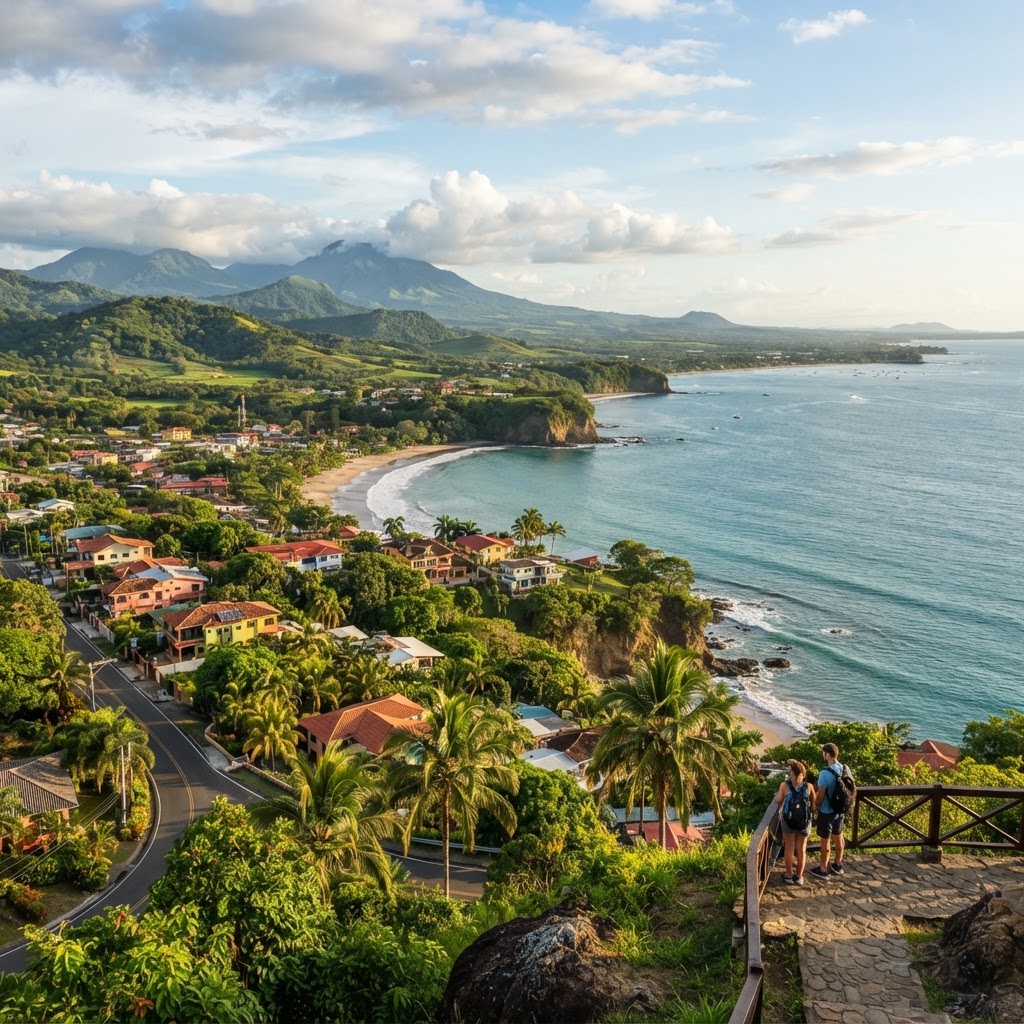
San Carlos, Chiriquí
Discover San Carlos, ChiriquíSan Carlos, a charming town nestled in the Chiriquí province of Panama, is often referred to as a hidden gem of Central America. Rich in history and cultural significance, San Carlos boasts a unique blend of indigenous heritage, colonial influences, and stunning natural beauty. The town is located near the Pacific coast, surrounded by picturesque landscapes that include verdant mountains and lush rainforests, making it an ideal destination for nature lovers and adventure seekers alike.The history of San Carlos dates back to the early Spanish colonization in the 16th century, when it was established as a settlement for explorers and settlers. The remnants of this colonial past can still be seen in the architecture and layout of the town, where cobblestone streets wind through colorful buildings adorned with traditional Panamanian motifs. The local culture is a vibrant tapestry woven from the traditions of the Ngäbe-Buglé indigenous people and the Spanish settlers, which is evident in the town’s festivals, cuisine, and craftsmanship.What makes San Carlos particularly special is its sense of community and the warmth of its residents. Visitors often remark on the friendly atmosphere that permeates the town, allowing for authentic interactions with locals. The annual festivals, such as the Feria de San Carlos, showcase traditional music, dance, and gastronomy, offering travelers a genuine taste of Panamanian culture.The natural environment surrounding San Carlos is equally captivating. The town is a gateway to numerous outdoor adventures, including hiking, birdwatching, and exploring the nearby national parks. The proximity to stunning beaches, such as Playa La Barqueta and Playa Las Lajas, allows visitors to unwind by the ocean and partake in water sports. Moreover, the region's biodiversity is a significant draw for eco-tourists, with opportunities to witness exotic wildlife and lush flora.In addition to its historical and cultural significance, San Carlos serves as a strategic point for exploring the greater Chiriquí province. The region is known for its agricultural richness, particularly coffee and fruit plantations, which can be toured by visitors looking to learn more about Panama's agricultural practices. As a result, San Carlos is not just a destination but a starting point for discovering the diverse attractions of Chiriquí, making it a must-visit for those seeking an immersive travel experience.Top Attractions in San Carlos, Chiriquí – Ranked and ReviewedSan Carlos, Chiriquí, is home to a variety of attractions that cater to different interests, from nature excursions to cultural experiences. Here, we present the top attractions in San Carlos, ranked and reviewed by real travelers on Stay4Exploring, to help you plan your visit accordingly.1. Playa La Barqueta Placed at the top of the list, Playa La Barqueta is renowned for its long, serene beach, perfect for sunbathing and water activities. Visitors praise its stunning sunsets and calm waters, making it ideal for swimming and kayaking. The beach is also less crowded than other tourist spots, providing a more tranquil experience. Be sure to visit local beachside restaurants that serve fresh seafood!2. Parque Nacional Volcán Barú For the adventurous soul, Parque Nacional Volcán Barú offers breathtaking hiking trails leading to the summit of Panama’s highest peak. Hikers rave about the panoramic views of both the Pacific and Caribbean coasts from the top. The park is also a haven for birdwatchers, with diverse species inhabiting the area. Travelers recommend starting early to catch the sunrise from the summit.3. Feria de San Carlos This annual festival is a cultural highlight that shouldn’t be missed. Celebrated every January, the Feria de San Carlos showcases local traditions through music, dance, and food. Visitors are treated to artisan crafts, traditional Panamanian dishes, and vibrant parades. Past attendees describe it as an unforgettable experience that immerses you in the local culture.4. Coffee Tours San Carlos is surrounded by coffee plantations, and many visitors opt for guided tours to learn about the coffee-making process. These tours are highly rated for their informative guides and the opportunity to taste freshly brewed coffee. Travelers appreciate the scenic views of the plantations, along with the chance to engage with local farmers.5. Birdwatching at Los Quetzales National Park A short drive from San Carlos, Los Quetzales National Park is a birdwatcher’s paradise. The park is home to the resplendent quetzal and various other unique bird species. Visitors recommend bringing binoculars and a camera to capture the diverse wildlife and stunning landscapes. The tranquil environment allows for peaceful exploration.Each attraction in San Carlos offers a unique glimpse into the town's charm and the surrounding natural beauty. Whether you're seeking relaxation on the beach, adventure in the mountains, or cultural immersion at local festivals, San Carlos has something special for every traveler.Planning Your Visit to San Carlos, ChiriquíSan Carlos, located in the Chiriquí Province of Panama, is a hidden gem that offers stunning natural beauty and rich cultural experiences. The best time to visit this picturesque destination is during the dry season, which typically runs from December to April. During these months, you can expect warm temperatures and minimal rainfall, making it ideal for outdoor activities such as hiking, bird watching, and exploring the nearby beaches.Getting to San Carlos is relatively straightforward. The nearest major airport is Enrique Malek International Airport in David, which is about 30 minutes away by car. From the airport, you can hire a taxi or rent a car to reach San Carlos. Public transport is also available, with buses frequently running from David to various destinations in Chiriquí, including San Carlos. If you're traveling from Panama City, consider taking a domestic flight to David, as it saves time and offers a scenic view of the country from above.Once you arrive in San Carlos, getting around is quite convenient. The town itself is small enough to explore on foot, and many attractions are within walking distance. For those who wish to venture further, renting a bicycle or a scooter can be a fun and efficient way to explore the surrounding areas. Additionally, local taxis are available and reasonably priced, making them a viable option for longer distances.Accommodation options in San Carlos cater to a variety of budgets and preferences. For a unique experience, consider staying at one of the eco-lodges that are integrated into the lush surroundings, offering breathtaking views and direct access to nature. Alternatively, you can find hotels and hostels in the town that provide comfortable amenities and local charm. Many visitors recommend booking your accommodations in advance, especially during the peak tourist season, to ensure you find the perfect place that suits your needs.In summary, planning your visit to San Carlos, Chiriquí involves choosing the right time to go, figuring out transportation options, and selecting accommodations that will enhance your travel experience. With its stunning landscapes and welcoming atmosphere, San Carlos is sure to leave a lasting impression.Experience San Carlos, Chiriquí Like a LocalTo truly experience San Carlos like a local, it’s essential to immerse yourself in the culture, customs, and culinary delights of the region. The people of San Carlos are known for their warmth and hospitality, making it easy for travelers to feel at home. One of the first things you may notice is the laid-back lifestyle that permeates the town. Embrace the slow pace, and take the time to engage with locals; they are often eager to share stories and recommendations.When it comes to food, the local cuisine is a must-try. San Carlos is famous for its fresh seafood, thanks to its proximity to the Pacific Ocean. Be sure to sample traditional dishes such as ceviche, a refreshing seafood dish marinated in citrus juices, or sancocho, a hearty chicken soup flavored with local spices. Street food is also abundant, with vendors selling delicious snacks like empanadas and patacones (fried green plantains). Don’t miss visiting the local markets, where you can find fresh produce and handmade goods, as well as an opportunity to interact with local vendors.Culture in San Carlos is rich and vibrant, influenced by indigenous heritage and Spanish colonial history. Local festivals are a great way to witness the cultural tapestry of the area. Events such as the Feria de las Flores y del Café (Flower and Coffee Fair) showcase traditional music, dancing, and crafts, providing a perfect opportunity to mingle with locals and experience their customs firsthand. Participating in these celebrations will give you a deeper understanding of the community's values and traditions.Insider tips to enhance your visit include learning a few basic Spanish phrases, as it can go a long way in connecting with locals. While many people speak English, especially in tourist areas, speaking the local language is appreciated and can lead to more authentic interactions. Additionally, consider visiting during the weekdays to avoid large crowds and have a more peaceful experience at popular attractions.Lastly, remember to respect local customs and traditions. For example, when visiting religious sites, dress modestly and follow any guidelines provided. Being mindful of environmental conservation is crucial, especially in a region known for its natural beauty. Whether you’re hiking in the nearby mountains or relaxing on the beach, always practice responsible tourism.By embracing the local customs, indulging in the culinary offerings, and engaging with the community, you will experience San Carlos, Chiriquí, in a way that transcends typical tourism, creating unforgettable memories along the way.

Canvey Island
Discover Canvey Island Canvey Island, located in the Thames estuary in Essex, England, is a unique destination steeped in history and cultural significance. Known for its rich past and scenic beauty, this island is a blend of traditional seaside charm and modern attractions. The island’s history dates back to the Roman era, and it has seen various transformations over the centuries, from agricultural land to a popular seaside resort in the Victorian era. One of the most notable historical aspects of Canvey Island is its role in the Great Flood of 1953, which devastated much of the eastern coast of England. The island's landscape was drastically altered as a result of this disaster, leading to significant changes in its infrastructure and community dynamics. Today, visitors can explore memorials and learn about the island’s resilience in the face of natural adversity. Canvey Island's culture is a tapestry woven from its maritime heritage and the diverse communities that have settled here over time. This island has a vibrant local community, known for its hospitality and welcoming spirit. Local events, such as festivals and markets, celebrate the rich cultural fabric of the island, showcasing everything from traditional music to delicious culinary offerings. What truly makes Canvey Island special is its unique blend of natural beauty and recreational opportunities. The island boasts beautiful parks and nature reserves, such as the Canvey Island Nature Reserve and the Benfleet Creek, which are home to various wildlife species. These areas provide an excellent opportunity for birdwatching, walking, and enjoying the serene environment, making Canvey Island a perfect escape for nature enthusiasts. Moreover, the island’s seaside location means visitors can enjoy traditional beach activities, from sunbathing and picnicking to engaging in water sports. The famous Canvey Island Seafront offers stunning views of the estuary and is a popular spot for families and tourists looking to unwind by the water. The promenade is lined with cafes and shops, offering delicious local treats and souvenirs. In addition to its natural and historical attractions, Canvey Island is also home to various modern amenities, including shopping centers, restaurants, and entertainment venues. The island's commitment to preserving its heritage while embracing modern developments makes it an interesting and multifaceted destination. Whether you’re interested in exploring its history, enjoying its natural landscapes, or simply relaxing by the sea, Canvey Island has something to offer everyone. Top Attractions in Canvey Island – Ranked and Reviewed Canvey Island is home to a variety of attractions that cater to different interests, making it a favored destination among travelers. Here are some of the top-rated attractions, as reviewed by visitors on Stay4Exploring. 1. Canvey Island Seafront - Rated 4.7/5 Visitors rave about the Canvey Island Seafront for its picturesque views and family-friendly atmosphere. The sandy beach is perfect for picnics, while the promenade is lined with cafes and shops, making it an ideal spot for a leisurely day out. Many families appreciate the playgrounds nearby and the variety of activities available, from cycling to beach volleyball. 2. Canvey Island Nature Reserve - Rated 4.6/5 Nature lovers will enjoy the Canvey Island Nature Reserve, a tranquil haven boasting diverse wildlife and stunning landscapes. Reviewers praise the well-maintained walking trails and the opportunity for birdwatching. The reserve is particularly popular during migratory seasons, and many visitors highlight the chance to see various bird species in their natural habitat. 3. Castle Point Transport Museum - Rated 4.5/5 This museum is a hidden gem for history buffs and transport enthusiasts alike. Showcasing vintage vehicles and exhibits that detail the evolution of transport in the region, visitors often comment on the informative displays and the friendly staff. The museum provides a nostalgic glimpse into the past and is a must-visit for families and history lovers. 4. Leigh Marshes - Rated 4.4/5 Leigh Marshes offer scenic walking routes and beautiful estuary views. Reviewers appreciate the quiet, natural setting, making it a perfect place for a peaceful stroll. Many visitors mention the variety of flora and fauna, making it an excellent spot for photography and nature exploration. 5. Canvey Island's Adventure Island - Rated 4.3/5 This amusement park is a hit with families, offering various rides and attractions suitable for all ages. Reviewers often highlight the thrilling rides and the friendly staff, emphasizing that it’s a great spot for a fun-filled day. The park frequently hosts events and entertainment, adding to its appeal. Overall, Canvey Island’s attractions provide a range of experiences that cater to all types of travelers. From serene nature reserves to lively amusement parks, visitors will find plenty to explore and enjoy, making it a delightful destination for a weekend getaway or a longer holiday. Planning Your Visit to Canvey Island Canvey Island, located in the Thames estuary, is a charming destination that offers a unique blend of coastal beauty and vibrant culture. When planning your visit, the first consideration is the best time to explore this gem. The ideal time to visit Canvey Island is during late spring and summer (May to September). During these months, the weather is generally mild and pleasant, perfect for outdoor activities and beach outings. The island’s parks and nature reserves are in full bloom, and various local festivals and events often take place during this time.Getting to Canvey Island is relatively straightforward. The island does not have a direct train service, but it can be reached by road or public transport. If you’re traveling from London, you can take a train to Benfleet or Leigh-on-Sea, and then catch a bus or taxi to Canvey Island. Alternatively, driving is an option, as the island is easily accessible via the A13 road. Be mindful that public transport might have limited schedules on weekends and holidays, so planning ahead is advisable.Once you arrive on the island, getting around is easy thanks to a network of local buses that connect various attractions. The island is also compact enough for cycling or walking, allowing you to soak in the local scenery at your own pace. For those who prefer a more leisurely experience, renting a bicycle can be a fun way to explore the coastal paths and parks.When it comes to accommodation, Canvey Island offers a range of options to suit different budgets. For a unique experience, consider staying at one of the local guesthouses or bed and breakfasts, which often provide a warm, homely atmosphere. Popular choices include The Island Guest House and The Canvey Island Hotel, which are highly rated for their comfort and service. If you’re looking for something more upscale, nearby hotels in Southend-on-Sea provide additional amenities and are just a short drive away. For a more economical choice, there are several caravan parks and campsites that offer stunning views of the coast and access to outdoor activities.In summary, planning your visit to Canvey Island involves choosing the right time, understanding your travel options, and selecting suitable accommodation. With its rich array of attractions and warm community spirit, Canvey Island promises a delightful getaway for all travelers. Experience Canvey Island Like a Local To truly experience Canvey Island like a local, it's essential to immerse yourself in the island's customs, food, and culture. The island has a rich history that dates back to the Roman times, and its unique charm is reflected in the local community’s friendly demeanor. Residents are known for their hospitality and pride in their home, so don’t hesitate to engage in conversation with locals to learn more about the area.One of the best ways to savor the local culture is through its food. Canvey Island boasts a variety of eateries that cater to all tastes. Seafood lovers should not miss the opportunity to dine at one of the many fish and chip shops, such as the renowned 'The Lobster Pot,' where freshly caught fish is served with delicious chips. For a taste of traditional British cuisine, try ‘The Olde Thatch’ pub, famous for its hearty meals and welcoming atmosphere. Don't forget to explore local markets, where you can find fresh produce and homemade treats that reflect the island’s culinary heritage.When it comes to local customs, Canvey Island has a vibrant event calendar filled with community festivities. The annual Canvey Island Carnival, held in the summer, showcases local talent through parades, live music, and arts and crafts stalls. Additionally, the Island’s historical sites, like the Canvey Island Heritage Centre, offer insights into the island's past and are often host to local events and exhibitions, enriching your understanding of the area.As you explore Canvey Island, consider the local dress code and etiquette. While the island is generally casual, it’s advisable to dress appropriately for visits to restaurants and events. Respect for local customs is paramount, so always be polite and considerate when interacting with residents. A smile can go a long way!For insider tips, make sure to visit the nature reserves, such as the Canvey Island Wildlife and Country Park, where you can observe local wildlife and enjoy scenic walks. Early mornings are particularly peaceful and offer a chance to connect with nature. Lastly, don’t forget to savor a traditional ‘doughnut’ from a local bakery, a beloved treat among the residents. By embracing the local culture, cuisine, and customs, you’ll not only enrich your experience but also create lasting memories of your time on Canvey Island.

Cornwall
Discover Cornwall Cornwall, located in the southwestern tip of England, is a region steeped in history and culture, known for its breathtaking coastlines, quaint fishing villages, and rich Celtic heritage. Once a part of the ancient kingdom of Dumnonia, Cornwall has a distinct identity, with its own language, Cornish, and numerous traditions that celebrate its unique past. From prehistoric sites to medieval castles, the landscape is dotted with remnants of its storied history, making it a treasure trove for history enthusiasts.The region's culture is vibrant and diverse, influenced by its maritime surroundings and agricultural traditions. Cornish pasties, clotted cream, and fresh seafood are staples of the local cuisine, reflecting the bounty of the land and sea. Festivals abound throughout the year, celebrating everything from music to the arts, providing visitors with an opportunity to engage with the local community and experience the warmth of Cornish hospitality.Cornwall's significance extends beyond its natural beauty and cultural heritage. It has been a center for tin mining since the Bronze Age, and remnants of the industry can still be seen in the form of historic mine buildings and engine houses that dot the landscape. The Cornish landscape is recognized as a UNESCO World Heritage Site, highlighting the importance of its mining history, and the area attracts visitors eager to learn about its past.What makes Cornwall truly special, however, is its stunning natural beauty. With over 400 miles of coastline, it offers dramatic cliffs, sandy beaches, and picturesque harbors. The South West Coast Path, a long-distance walking trail, meanders along the coast, providing breathtaking views and opportunities for outdoor adventure. Whether it’s surfing at Fistral Beach, exploring the rock pools at Porthcurno, or simply enjoying a sunset over the Atlantic Ocean, Cornwall’s scenic vistas are sure to captivate.Moreover, the artistic community in Cornwall is thriving, with many artists and writers drawn to its inspiring landscapes. The town of St Ives is particularly notable for its art scene, hosting numerous galleries and art schools, including the renowned Tate St Ives. The region’s creativity is further showcased through various art festivals and exhibitions, making it an essential stop for art lovers.In summary, Cornwall is more than just a beautiful destination; it is a region rich in history and culture, offering a blend of breathtaking scenery, delicious cuisine, and artistic inspiration. Whether you are exploring ancient ruins, enjoying a cream tea in a local café, or hiking along the coastal paths, Cornwall promises an enriching experience that will linger in your memory long after your visit. Top Attractions in Cornwall – Ranked and Reviewed Cornwall is brimming with attractions that cater to a variety of interests, from history buffs to nature enthusiasts. Below are some of the top-rated attractions, as reviewed by real travelers on Stay4Exploring.1. The Eden Project – No visit to Cornwall is complete without exploring the Eden Project, a remarkable ecological park that features biomes housing thousands of plant species from around the world. Visitors rave about its breathtaking architecture and the immersive experience it offers. Whether you're wandering through the Rainforest Biome or soaking in the Mediterranean atmosphere, the Eden Project is both educational and visually stunning.2. St Ives – This charming seaside town is known for its sandy beaches and vibrant arts scene. Travelers appreciate the stunning views from the harbor and the plethora of galleries showcasing local artists. The Tate St Ives and the Barbara Hepworth Museum and Sculpture Garden are must-visit spots for art lovers. St Ives is also perfect for families, with plenty of beach activities and cafes.3. Tintagel Castle – Steeped in legend, Tintagel Castle is famously linked to the story of King Arthur. Visitors are enchanted by the dramatic cliffside ruins and the breathtaking coastal views. The history and mythology surrounding the site make it a captivating stop for anyone interested in British folklore.4. Land's End – As the westernmost point of mainland England, Land's End is a scenic spot that offers stunning views of the Atlantic Ocean. Travelers love the dramatic cliffs and coastal walks. The visitor center provides insights into the history and geography of this iconic location, making it a great place for family outings.5. The Minack Theatre – This open-air theater, carved into the cliffs overlooking the sea, is a unique attraction that showcases a variety of performances, from Shakespeare to modern plays. Visitors are captivated not only by the quality of the productions but also by the stunning backdrop. Many reviews highlight the experience of watching a show at sunset as unforgettable.6. The Lost Gardens of Heligan – A hidden gem, these gardens were forgotten for decades before being restored to their former glory. Reviews highlight the magical atmosphere and diversity of plant life, making it a peaceful retreat for nature lovers. Whether you’re exploring the jungle or the vegetable gardens, it’s a delightful experience.7. Penzance and Mousehole – These charming coastal towns offer a glimpse into traditional Cornish life. Penzance is known for its historic architecture and art scene, while Mousehole is celebrated for its picturesque harbor and quaint streets. Travelers recommend taking a leisurely stroll and enjoying local seafood at one of the many waterfront restaurants.Each of these attractions showcases the diverse offerings of Cornwall, providing visitors with a blend of culture, history, and natural beauty. With countless experiences to explore, Cornwall invites you to create your own adventure in this enchanting region. Planning Your Visit to Cornwall When planning your visit to Cornwall, timing can enhance your experience significantly. The best time to visit Cornwall is during the late spring to early autumn months (May to September), when the weather is typically warm and dry, perfect for exploring its stunning coastline and picturesque villages. However, if you prefer fewer crowds and don’t mind cooler temperatures, consider visiting during the shoulder seasons of April and October. These months often offer pleasant weather with fewer tourists, allowing you to enjoy the sights at a more leisurely pace.Getting to Cornwall can be both scenic and straightforward. The region is well-connected by road, rail, and air. If you’re driving, the A30 is the main route that leads into Cornwall, offering breathtaking views as you approach the coastline. If you prefer traveling by train, the Great Western Railway provides direct services from London Paddington to Penzance, with several stops in between, including Truro and St Ives. For those flying, Cornwall Airport Newquay offers flights from various UK cities and several international destinations, making it a convenient entry point.Once you arrive in Cornwall, getting around can be an adventure in itself. While there is a network of buses connecting major towns and attractions, having a car can provide the most flexibility to explore the remote coastal paths and hidden gems scattered throughout the region. Cycling is also a popular way to see the area, with numerous bike rental shops available and scenic trails like the Camel Trail offering both leisure and stunning landscapes.When it comes to accommodations, Cornwall offers a wide range of options to suit all budgets and preferences. For a unique experience, consider staying in a traditional Cornish cottage or a quaint bed and breakfast in one of the charming villages such as Padstow or Fowey. If you’re looking for luxury, several hotels along the coast offer stunning sea views and high-end amenities. For those on a budget, hostels and campsites are plentiful, particularly near popular areas like Newquay and St Ives. Regardless of where you choose to stay, booking in advance is advisable, especially during the peak summer season, to secure your desired accommodation. Experience Cornwall Like a Local To truly experience Cornwall like a local, immerse yourself in the rich customs and traditions that define this unique region. One of the most important aspects of Cornish culture is its strong connection to the sea. Fishing and maritime activities have shaped the Cornish way of life for centuries, and you’ll find that many locals take pride in their seafaring heritage. Engage with fishermen at the local harbors and try your hand at some traditional fishing practices, or simply enjoy fresh seafood at one of the many coastal eateries.Cornish food is renowned for its freshness and quality, with an emphasis on local produce and seafood. No visit would be complete without sampling a traditional Cornish pasty, a savory pastry filled with meat and vegetables. You can find these delicious snacks in bakeries across the region, but for an authentic experience, visit a local bakery in towns like St Ives or Penzance. Additionally, Cornish cream tea is a must-try—indulge in scones served with clotted cream and jam at one of the many charming tea rooms scattered throughout Cornwall.In terms of local customs, you’ll notice that the Cornish people are warm and welcoming, often eager to share stories about their heritage. Engaging in conversations with locals can provide you with insights into the area's history and culture. Don't hesitate to ask for recommendations on hidden gems or local events happening during your visit. Festivals celebrating everything from music to food are common, so check the local calendar to see if your visit coincides with any exciting events.Art and crafts also play a significant role in Cornwall's cultural scene. The region has been a source of inspiration for artists for generations, with many galleries showcasing local talent. Visit places like the Tate St Ives for contemporary art or explore smaller galleries in places like Fowey and Penzance to discover unique handcrafted items. If you're feeling adventurous, consider taking a workshop to learn a craft, such as pottery or painting, from a local artist.Finally, embrace the stunning natural beauty of Cornwall by exploring its vast landscapes and coastal paths. The South West Coast Path offers breathtaking views and a chance to connect with nature. Pack a picnic and spend a day hiking along the cliffs or sitting on one of the many idyllic beaches. Remember to respect local customs and the environment by leaving no trace and embracing the peaceful, relaxed pace of life that Cornwall embodies.

Glasgow
Discover Glasgow Glasgow, Scotland's largest city, is a vibrant hub of culture, history, and innovation. Located on the River Clyde in the West Central Lowlands, Glasgow has made a remarkable transition from its industrial roots to a modern, cosmopolitan center. Once known for its shipbuilding and manufacturing prowess in the 19th and early 20th centuries, the city now thrives as a center for arts, education, and tourism, attracting millions of visitors each year.Steeped in history, Glasgow boasts a rich tapestry of heritage. The city’s architecture reflects its past, with stunning Victorian buildings, modern art galleries, and renowned museums. The Glasgow Cathedral, a stunning example of Gothic architecture, dates back to the 12th century and is a testament to the city’s long-standing significance as a religious center. Nearby, the Necropolis, a Victorian cemetery, offers a unique glimpse into the lives of some of Glasgow’s most notable figures and provides panoramic views of the city.Culture is at the heart of Glasgow’s identity. The city is home to a variety of cultural institutions, including the renowned Scottish Opera, the Royal Conservatoire of Scotland, and the Glasgow Film Theatre. The city's vibrant music scene, known for producing legendary bands like Simple Minds and Franz Ferdinand, continues to thrive, making it a hotspot for live performances and festivals. The annual Celtic Connections festival attracts music enthusiasts from around the world, celebrating folk, roots, and world music.Another significant aspect of Glasgow’s charm is its warm and welcoming residents, often referred to as 'Glaswegians.' Their friendly nature creates an inviting atmosphere that makes visitors feel at home. The city's thriving culinary scene, from traditional Scottish fare to international cuisine, further adds to its appeal. The Merchant City area, for instance, is filled with stylish restaurants, trendy cafes, and lively bars, making it a perfect spot for food lovers.Glasgow is also recognized for its contributions to contemporary art and design. The Glasgow School of Art, designed by Charles Rennie Mackintosh, is an iconic institution that has produced many influential artists and designers. The city is dotted with galleries, such as the Kelvingrove Art Gallery and Museum, which houses an impressive collection of artworks, including pieces by Salvador Dalí and Vincent van Gogh.What truly makes Glasgow special is its ability to blend the old with the new. From historic sites to cutting-edge art installations, the city embodies a spirit of innovation and creativity. Whether you’re exploring the bustling streets, indulging in local delicacies, or immersing yourself in the vibrant cultural scene, Glasgow offers an unforgettable experience that leaves a lasting impression on all who visit. Top Attractions in Glasgow – Ranked and Reviewed Glasgow is brimming with attractions that cater to all interests, making it a must-visit destination. Based on real traveler reviews from Stay4Exploring, here are the top-rated attractions that you should not miss during your visit to this dynamic city.1. Kelvingrove Art Gallery and Museum - Rated 4.8/5The Kelvingrove Art Gallery and Museum is a cultural gem that showcases an impressive collection of over 8,000 objects. This magnificent building, set in a beautiful park, houses everything from ancient artifacts to modern art. Visitors rave about the diverse exhibitions and the stunning architecture, making it a top stop for art lovers and families alike.2. Glasgow Science Centre - Rated 4.7/5For those traveling with children or anyone with a curiosity for science, the Glasgow Science Centre is an engaging and interactive experience. With hands-on exhibits, a planetarium, and a theater, it brings science to life in a fun way. Reviewers appreciate the knowledgeable staff and the variety of activities available, ensuring a memorable day out.3. Riverside Museum - Rated 4.6/5Set on the banks of the River Clyde, the Riverside Museum is dedicated to the city's transport history. Housed in a striking building designed by Zaha Hadid, it features hundreds of vehicles, from vintage cars to steam trains. Visitors commend the museum for its informative displays and the engaging way it presents Glasgow's rich transportation heritage.4. Glasgow Cathedral - Rated 4.5/5This medieval cathedral is not just a place of worship but also a piece of Glasgow's history. Its stunning architecture and serene atmosphere attract visitors from all walks of life. Many reviews highlight the intricate stonework and the peaceful surroundings of the Necropolis, making it a perfect spot for reflection and exploration.5. The Botanic Gardens - Rated 4.5/5For a peaceful retreat from the city's hustle and bustle, the Glasgow Botanic Gardens offer a lush oasis. Visitors love wandering through the diverse plant collections, including exotic species housed in the iconic glasshouses. The gardens are perfect for picnics, leisurely strolls, or simply enjoying nature, making it a favorite among locals and tourists alike.Each of these attractions provides unique insights into Glasgow's rich culture and history while ensuring an enjoyable experience for visitors of all ages. With so much to explore, Glasgow promises an unforgettable adventure filled with discovery and delight. Planning Your Visit to Glasgow Glasgow, Scotland's largest city, is a vibrant hub of culture, history, and innovation. The best time to visit Glasgow is during the spring (April to June) and autumn (September to October) when the weather is mild, and the city is less crowded. Summer offers long days and numerous festivals, but be prepared for larger crowds and higher accommodation prices. Winters can be chilly and damp, but the festive season brings beautiful light displays and holiday markets. Getting to Glasgow is relatively easy, with the city served by two main airports: Glasgow International Airport and Glasgow Prestwick Airport. Direct flights connect Glasgow with major cities across Europe and beyond. If you're traveling from within the UK, consider taking a train to Glasgow Central or Queen Street stations, both of which are centrally located and well-connected. Buses are another option, with National Express and Megabus offering routes from various parts of the UK. Once in the city, getting around is straightforward. Glasgow boasts an efficient public transport system, including buses, trains, and the Glasgow Subway, which is the third-oldest underground metro system in the world. A one-off ticket is affordable, but if you plan to use public transport frequently, consider purchasing a day pass or the Glasgow Travelcard. Additionally, the city is compact enough for walking, and many attractions are located within a short distance from one another. When it comes to accommodation, Glasgow offers a range of options catering to different budgets and preferences. For a touch of luxury, the city has several upscale hotels, such as the Blythswood Square Hotel and the Kimpton Blythswood Square Hotel, both providing exceptional amenities and services. If you're looking for something more affordable, boutique hotels, hostels, and guesthouses can be found throughout the city. The West End and city center are popular areas to stay, with easy access to attractions, dining, and nightlife. Before you go, it’s advisable to check for any local events or festivals taking place during your visit, as Glasgow is known for its lively cultural scene. With its rich history and modern vibrancy, Glasgow is a city that promises an unforgettable experience for every traveler. Experience Glasgow Like a Local To truly experience Glasgow, immersing yourself in local customs and culture is essential. Scots are known for their friendliness, so don’t hesitate to strike up a conversation. A simple greeting like "Hello" or "How are you?" can go a long way in making connections. Understanding some basic Scottish phrases can also enhance your experience, as locals appreciate visitors making an effort to engage with their language. Food is a significant part of Glaswegian culture, and you’ll find an array of culinary delights to try. While haggis is the most famous traditional dish, don’t overlook the city’s thriving food scene that includes everything from hearty Scottish breakfasts to modern fusion cuisine. For a genuine local experience, visit the Barras Market, a vibrant flea market where you can sample street food and pick up unique souvenirs. For seafood lovers, the Fish Plaice in the city center is a popular spot to enjoy fresh catches. Glasgow also boasts a rich arts and culture scene, with numerous galleries, theaters, and live music venues. The Kelvingrove Art Gallery and Museum is a must-visit, showcasing everything from fine art to natural history. For a taste of local music, check out venues like King Tut’s Wah Wah Hut, where famous bands have launched their careers. Make sure to check local listings for gigs or festivals during your stay. Insider tips can enhance your visit to Glasgow. Consider taking a walking tour to explore the city’s unique architecture and history. The Glasgow Walking Tours offer themed tours that dive into various aspects of the city, from its industrial heritage to its vibrant street art scene. Also, don’t miss out on the Glasgow Green, a beautiful park perfect for a leisurely stroll or a picnic. Finally, embrace the local pace of life. Glasgow is a city that celebrates its rich history while looking forward to the future. Spend time in the West End, known for its bohemian vibe, independent shops, and cozy cafes. Here, you can unwind with a coffee at a local café or indulge in some retail therapy at unique boutiques. By engaging with the city and its people, you’ll leave with a deeper appreciation of Glasgow’s character and charm.

Devon
Discover DevonDevon, located in the southwest of England, is a region known for its stunning coastlines, rolling countryside, and rich cultural heritage. The county has a history that dates back to prehistoric times, with evidence of early settlements found in various archaeological sites. Over the centuries, Devon has been shaped by its maritime traditions and agricultural roots, making it a vibrant tapestry of history and culture. The region's significance is highlighted by its designation as an Area of Outstanding Natural Beauty, particularly in areas like Dartmoor and Exmoor National Parks. What makes Devon truly special is its unique combination of natural beauty and cultural richness. The coastline, part of the Jurassic Coast UNESCO World Heritage Site, showcases dramatic cliffs and fossil-rich beaches, attracting geology enthusiasts and nature lovers alike. Meanwhile, the charming towns and villages, such as Dartmouth and Totnes, boast a mix of medieval architecture and modern boutiques, offering a delightful experience for visitors. Devon is also famous for its local produce, including clotted cream, cider, and fresh seafood, which reflects the region's agricultural and maritime heritage. Additionally, events like the annual Devon County Show and various food festivals celebrate local traditions and bring communities together. Whether you’re wandering through the historic streets of Exeter or enjoying the picturesque views at Salcombe, Devon invites travelers to immerse themselves in its rich history and vibrant culture.Top Attractions in Devon – Ranked and ReviewedWhen it comes to exploring Devon, visitors have a plethora of attractions to choose from, all ranked and reviewed by fellow travelers on Stay4Exploring. Here are some must-see destinations: 1. **Dartmoor National Park**: This expansive wilderness offers breathtaking landscapes, hiking trails, and ancient stone circles. Visitors rave about the serene beauty and the opportunity to connect with nature. 2. **Exeter Cathedral**: A masterpiece of Gothic architecture, Exeter Cathedral is praised for its stunning stained glass and tranquil atmosphere. Many visitors highlight the guided tours that delve into its rich history. 3. **Jurassic Coast**: Recognized as a UNESCO World Heritage Site, the Jurassic Coast is a favorite for fossil hunters and beachgoers alike. Travelers appreciate the scenic walks and the opportunity to discover unique geological formations. 4. **Babbacombe Model Village**: This charming attraction is a delight for families and offers intricate miniature landscapes. The positive reviews often mention the attention to detail and the enjoyable garden setting. 5. **Powderham Castle**: A historic house with beautiful grounds, Powderham Castle receives high marks for its tours and events. Visitors enjoy learning about the castle's history and exploring the gardens. These attractions are just a glimpse of what Devon has to offer, each providing unique experiences and memories, as echoed in the reviews of travelers who have explored this beautiful region.Planning Your Visit to DevonPlanning a trip to Devon can be an exciting adventure, and knowing the right information can enhance your experience. The best time to visit is during the late spring to early autumn (May to September) when the weather is mild and ideal for outdoor activities. However, if you prefer fewer crowds, consider visiting in early spring or late autumn. Getting to Devon is convenient, with major transport links via road and rail. The M5 motorway connects Devon to London and the Midlands, while train services from London Paddington to Exeter take about two and a half hours. If flying, Exeter International Airport offers flights from various UK and European destinations. Once in Devon, getting around can be done by car, bus, or train. Renting a car gives you the flexibility to explore the more remote areas, like Dartmoor and coastal villages. Public transport, including buses and trains, is also efficient, especially between larger towns and cities. Accommodation options range from charming bed and breakfasts to luxury hotels and self-catering cottages. Popular areas to stay include Exeter, Torquay, and Barnstaple, each providing easy access to attractions and local amenities. Booking in advance is advisable during peak tourist seasons to secure the best options.Experience Devon Like a LocalTo truly experience Devon like a local, immersing yourself in the customs, food, and culture is essential. The region is known for its friendly hospitality, so don’t hesitate to strike up conversations with locals—they often have the best tips and recommendations. Culinary delights abound in Devon, with cream teas being a must-try. Make sure to sample the famous clotted cream, traditionally served with scones and jam. Additionally, Devon is renowned for its seafood; enjoy fresh catches at local pubs and restaurants, particularly in coastal towns like Salcombe and Brixham. The local culture is rich and vibrant, with numerous festivals throughout the year celebrating everything from arts to agriculture. Participating in events like the Sidmouth Folk Festival or the Exeter Festival of South West Food and Drink can provide insight into the region's heritage. When exploring, consider venturing off the beaten path to discover hidden gems, such as lesser-known beaches or quaint villages. Always respect nature and local customs by following designated paths and being mindful of wildlife. Lastly, take time to relax and enjoy the slower pace of life that Devon offers, making your visit not just a trip, but a memorable experience.

Skopje
Discover SkopjeSkopje, the capital of North Macedonia, is a city where ancient history and modernity coexist in a vibrant tapestry of culture and architecture. Nestled at the confluence of the Vardar River and the Balkan Mountains, Skopje has been a crossroads of civilizations for centuries. Its rich history dates back to antiquity, with traces of Roman, Byzantine, and Ottoman influences evident throughout the city.The city was known as Scupi during Roman times and served as an important military and trade center. Today, visitors can explore remnants of this past through archaeological sites such as the ancient Roman amphitheater and the remains of the old fortress, Kale, which offers panoramic views of the city.Skopje is not only a historical treasure but also a cultural hub. The city is home to numerous museums, galleries, and cultural institutions that reflect its diverse heritage. The Museum of the Macedonian Struggle, for instance, provides insight into the country’s quest for independence and national identity. Additionally, the city’s vibrant arts scene is showcased through various festivals and performances throughout the year.What truly makes Skopje special is its unique blend of architectural styles. The city underwent a massive redevelopment project known as “Skopje 2014,” which introduced an array of neoclassical buildings, statues, and bridges to the urban landscape. While some may critique the project for its historical inaccuracy, it undeniably adds to the city’s charm, creating a captivating contrast with the existing Ottoman-era architecture in the old bazaar, known as Čaršija.Visitors to Skopje will also find a welcoming atmosphere and a rich culinary scene. Traditional Macedonian cuisine, characterized by hearty dishes and fresh ingredients, can be savored in local taverns and restaurants. The city’s cafes and bars buzz with life, offering a perfect setting to relax and enjoy the warm hospitality of the locals.Skopje is also a city of resilience. After the devastating earthquake in 1963, which destroyed much of the city, Skopje has rebuilt itself and emerged as a symbol of endurance and transformation. This spirit is embodied in the many memorials and monuments throughout the city, celebrating its past while looking forward to a bright future.In summary, Skopje is a destination that captivates visitors with its rich history, cultural significance, and a unique blend of old and new. Whether you’re wandering through the charming streets of the old town, exploring its many museums, or enjoying the local cuisine, Skopje offers an unforgettable experience that leaves a lasting impression.Top Attractions in Skopje – Ranked and ReviewedWhen it comes to exploring Skopje, there is no shortage of attractions that capture the essence of this vibrant city. Based on reviews from fellow travelers on Stay4Exploring, here are the top-ranked attractions that should be on every visitor’s itinerary.1. The Old Bazaar (Čaršija)The heart of Skopje’s cultural heritage, the Old Bazaar is a must-visit for anyone wanting to experience the city’s history and local life. Visitors rave about the narrow cobblestone streets lined with shops, cafes, and art galleries. The bazaar showcases traditional crafts, and it’s an excellent place to sample local delicacies. Travelers appreciate the vibrant atmosphere and the fusion of cultures that can be felt throughout this historic area.2. Kale FortressPerched on a hill overlooking the city, Kale Fortress offers stunning views and a glimpse into Skopje’s past. Rated highly by visitors, this ancient fortress dates back to the 6th century and provides an excellent spot for photography. Reviewers often highlight the peacefulness of the fortress grounds, making it a perfect escape from the bustling city below.3. Macedonia SquareAs the central hub of Skopje, Macedonia Square is famous for its grand statues and fountains, most notably the enormous statue of Alexander the Great. Travelers enjoy leisurely walks around the square, taking in the impressive architecture surrounding them. Many reviews mention the lively atmosphere, especially during the evenings when locals gather to enjoy the vibrant nightlife.4. Museum of the Macedonian StruggleThis museum is highly regarded by visitors for its informative displays that detail the country’s fight for independence. Reviewers appreciate the museum’s modern design and the depth of information provided, making it a valuable experience for those interested in history. Many recommend setting aside a few hours to fully explore the exhibits.5. Mother Teresa Memorial HouseDedicated to the Nobel Peace Prize laureate who was born in Skopje, this memorial is both a museum and a place of reflection. Visitors often express admiration for the thoughtful design and the various exhibits that honor Mother Teresa’s legacy. The peaceful ambiance makes it a worthwhile stop for those seeking inspiration and insight into her life.6. Skopje AqueductA lesser-known gem, the Skopje Aqueduct is a fascinating piece of Roman engineering that dates back to the 15th century. Travelers who venture out to see the aqueduct rave about its historical significance and the surrounding nature. It’s an excellent spot for a quiet walk and a chance to escape the city’s hustle and bustle.Overall, Skopje offers a diverse array of attractions that cater to all interests. Whether you’re exploring the historical sites, enjoying the local cuisine, or immersing yourself in the city’s vibrant culture, these top-rated attractions are sure to enhance your experience in this captivating destination.Planning Your Visit to SkopjeSkopje, the vibrant capital of North Macedonia, is a city steeped in history and culture, offering a unique blend of old and new. To make the most of your trip, careful planning is essential.Best Time to Visit: The ideal time to visit Skopje is during spring (April to June) and early autumn (September to October). During these months, the weather is pleasantly warm, making it perfect for exploring the city's many outdoor attractions and historical sites. Summer can be quite hot, with temperatures often exceeding 30°C (86°F), while winter can be cold and snowy, particularly from December to February. If you enjoy festive atmospheres, consider visiting during the winter holidays when the city is beautifully decorated.Getting There: Skopje is well-connected by air, land, and rail. The main airport, Skopje Alexander the Great Airport (SKP), is located about 17 kilometers from the city center and offers flights from various European cities. From the airport, you can take a taxi, shuttle bus, or rent a car to reach the city. Alternatively, Skopje is accessible by bus and train from neighboring countries, including Serbia, Bulgaria, and Greece, making it a convenient stop for travelers exploring the Balkans.Getting Around: Once in Skopje, navigating the city is relatively straightforward. The public transportation system consists of buses that cover most areas, and tickets are affordable. For a more personalized experience, consider renting a bicycle or simply exploring on foot, especially in the city center, where many attractions are within walking distance. Taxis are also readily available, but be sure to agree on the fare before starting your journey or use a ride-hailing app for convenience.Where to Stay: Skopje offers a wide range of accommodation options to suit every budget. For a luxurious experience, consider staying at the Marriott or the Hilton, both located in the city center. If you prefer a more budget-friendly option, there are several hostels and guesthouses, such as the Shanti Hostel or the Skopje City Hostel. For those seeking a unique stay, look for boutique hotels that reflect the city's rich heritage. Regardless of your choice, staying in the city center will give you easy access to major attractions, dining, and nightlife.Experience Skopje Like a LocalTo truly experience Skopje, immerse yourself in the local customs, culinary delights, and vibrant cultural scene that define this enchanting city. Understanding the local lifestyle can enhance your visit and provide a deeper connection to the city.Local Customs: The people of Skopje are known for their hospitality. When greeting locals, a warm handshake is customary, and it’s polite to make eye contact. If you are invited into a home, it’s customary to bring a small gift, such as flowers or sweets, as a token of appreciation. Macedonians take pride in their cultural heritage, so showing respect for their traditions is important.Food: Macedonian cuisine is hearty and flavorful, heavily influenced by Mediterranean and Balkan culinary traditions. Don’t miss trying traditional dishes such as tavče gravče (baked beans), sarma (cabbage rolls), and ajvar (pepper-based condiment). For a truly local experience, visit a traditional restaurant, or kafana, where you can enjoy live music while savoring grilled meats and local wines. Be sure to sample rakija, a popular fruit brandy that is often served as an aperitif.Culture: Skopje is a cultural hub, with numerous museums, galleries, and theaters. The city is home to the National Museum of Macedonia, which showcases the country’s rich history and art. The annual Skopje Jazz Festival and the Skopje Summer Festival are must-see events that highlight the city’s vibrant arts scene. To experience Skopje like a local, check out smaller venues and street performers, especially in the Old Bazaar, where the atmosphere is lively and authentic.Insider Tips: To maximize your experience in Skopje, consider these insider tips: Start your day early to avoid crowds at popular sites like the Stone Bridge and the Alexander the Great statue. Don’t hesitate to stray off the beaten path and explore lesser-known neighborhoods, where you can find hidden gems and local markets. Lastly, take your time to chat with the locals; their stories and recommendations can lead you to experiences that you might not find in a guidebook.

Madrid
Discover Madrid Madrid, the vibrant capital of Spain, is a city that seamlessly blends rich history with modernity. Founded in the 9th century, Madrid has evolved from a small Moorish fortress into one of Europe’s most dynamic cultural hubs. Its historical significance is underscored by its role as the political and economic center of Spain, making it an essential destination for travelers looking to delve into the country’s heritage.The heart of Madrid is its stunning architecture, which reflects various historical periods, from the grand Royal Palace to the intricately designed Almudena Cathedral. Visitors can stroll through the picturesque streets of the Austrias neighborhood, where the influence of the Habsburg dynasty is palpable in the baroque buildings and charming plazas. The city is also home to some of the world's most renowned art museums, including the Prado Museum, which boasts masterpieces by Goya, Velázquez, and Bosch, making it a must-visit for art enthusiasts.Culturally, Madrid is a melting pot of influences, seen in its diverse culinary scene, vibrant nightlife, and passionate traditions. The city’s tapas culture invites visitors to indulge in a wide array of flavors, from jamón ibérico to patatas bravas, all best enjoyed in the lively atmosphere of local bars. Moreover, Madrid's famous festivals, such as San Isidro, highlight its rich cultural heritage and community spirit, offering travelers a unique glimpse into the lives of locals.What truly sets Madrid apart is its unparalleled energy. The city is alive 24/7, with bustling markets like Mercado de San Miguel, where you can sample local delicacies, and the picturesque Retiro Park, perfect for leisurely strolls or picnics. Madrid’s diverse neighborhoods, from the bohemian Malasaña to the upscale Salamanca, each offer distinct experiences, ensuring that every visitor can find their niche in the city.Furthermore, Madrid’s strategic location makes it an excellent base for exploring other parts of Spain, such as the historic cities of Toledo and Segovia, both just a short train ride away. With its rich tapestry of history, culture, and modern vibrancy, Madrid is not just a city to visit; it is a destination that resonates with the soul, leaving a lasting impression on all who set foot in its sun-drenched streets. Top Attractions in Madrid – Ranked and Reviewed When it comes to exploring Madrid, the city is brimming with attractions that cater to every type of traveler. Here are some of the top-rated destinations, each reviewed by real visitors on Stay4Exploring:1. The Prado MuseumThe Prado Museum is a must-visit for art lovers, housing over 8,000 paintings, including works by Spanish masters like Velázquez and Goya. Visitors rave about the museum's vast collection and the stunning architecture of the building itself. Many recommend purchasing tickets in advance to skip the long lines.2. Retiro ParkA perfect escape from the city’s hustle and bustle, Retiro Park offers lush gardens, serene lakes, and beautiful sculptures. Reviewers appreciate the peaceful atmosphere, making it an ideal spot for a leisurely walk or a picnic. Don’t miss the iconic Crystal Palace located within the park, which often hosts art exhibitions.3. Royal Palace of MadridThe official residence of the Spanish royal family, the Royal Palace is an architectural marvel. Visitors are often captivated by the opulent interiors and expansive gardens. Many suggest taking a guided tour to fully appreciate the history and significance of the palace.4. Plaza MayorThis grand square is the heart of Madrid’s social life, surrounded by cafés and shops. Travelers love to sit at outdoor terraces, soaking in the vibrant atmosphere. The square’s historical significance and beautiful architecture make it a favorite stop for many.5. Mercado de San MiguelFoodies will find their paradise at Mercado de San Miguel, where a wide variety of tapas and gourmet foods await. Visitors frequently praise the lively ambiance and the opportunity to sample local delicacies from various vendors. It’s a great place to experience Madrid’s culinary scene.6. Thyssen-Bornemisza MuseumOften considered the perfect complement to the Prado, the Thyssen-Bornemisza Museum boasts a diverse collection that spans from the Middle Ages to the late 20th century. Art enthusiasts appreciate the less crowded environment, allowing for a more intimate viewing experience.7. Temple of DebodAn ancient Egyptian temple that was gifted to Spain, the Temple of Debod is a unique attraction in Madrid. Many visitors highlight the breathtaking views of the sunset from the temple, making it a romantic spot perfect for evening strolls.These attractions are just a glimpse into what Madrid has to offer. Each location is not only a testament to the city’s rich history and culture but also embodies the spirit of Madrid through the eyes of those who have experienced them, making it an unforgettable destination for all. Planning Your Visit to Madrid Madrid, the vibrant capital of Spain, is a city that beautifully blends its rich history with modernity. When planning your visit, timing is crucial. The best time to visit Madrid is during the spring (March to May) and fall (September to November). During these months, the weather is pleasantly mild, perfect for exploring the city's numerous outdoor attractions. Summer can be quite hot, with temperatures often exceeding 35°C (95°F), while winter, though mild, can be chilly and rainy.Getting to Madrid is easy, with the city being served by the Adolfo Suárez Madrid-Barajas Airport, located just 12 kilometers from the city center. Numerous international flights connect Madrid with cities around the globe. Once you arrive, you can take the Metro, bus, or a taxi to get to your accommodation. The Metro is efficient and affordable, making it a popular choice among travelers.Navigating Madrid is simple thanks to its well-connected public transportation system, which includes buses, trams, and an extensive Metro network. The city is also very walkable, especially in the central areas like Sol, Malasaña, and Chueca, where you can explore charming streets lined with cafes, shops, and historic sites. To explore further afield, consider purchasing a multi-day transport pass. This will give you unlimited access to the Metro and buses, allowing you to venture out to places like El Escorial or the nearby city of Toledo.When it comes to accommodation, Madrid offers a wide range of options to suit every budget. For a luxurious stay, consider the upscale hotels in the Salamanca district, known for its high-end shopping and dining. If you’re looking for something more budget-friendly, the neighborhoods of Malasaña and La Latina provide a variety of hostels and boutique hotels. Additionally, many travelers find that renting an apartment through platforms like Airbnb can be an excellent way to immerse themselves in the local culture while enjoying the comforts of home. Experience Madrid Like a Local To truly experience Madrid like a local, it’s essential to embrace the city's customs and culture. Spaniards are known for their warm hospitality and friendliness, so don’t be shy about striking up conversations. One of the most important local customs is the customary greeting: a light kiss on both cheeks when meeting someone, even if it’s your first time. Understanding and respecting these social norms will help you connect with locals and enhance your experience.Food is an integral part of Madrid’s culture, and trying local dishes is a must. Tapas, small plates of food, are a staple here, and you’ll find everything from patatas bravas (fried potatoes with spicy sauce) to jamón ibérico (Iberian ham) at local bars. For a true local experience, venture into a taberna where you can enjoy a glass of vermouth paired with your tapas. Don't miss out on traditional dishes such as cocido madrileño, a hearty chickpea-based stew, and churros con chocolate, a sweet treat perfect for breakfast or an afternoon snack.Madrid is also a city alive with art and culture. The Museo del Prado and the Reina Sofía are must-visit museums for art lovers, showcasing masterpieces from Spanish and international artists. Beyond the famous museums, immerse yourself in Madrid's vibrant street art scene, particularly in neighborhoods like Malasaña and Lavapiés, where you can find stunning murals and graffiti that reflect the city's contemporary culture.For those looking to blend in, here are some insider tips: learn a few basic Spanish phrases; locals appreciate the effort, even if they speak English. Also, be aware that dinner is typically served late in Madrid, often starting around 9 PM, so adjust your meal times accordingly. Additionally, Madrid's nightlife is legendary, with bars and clubs often staying open until the early hours of the morning. Experience a local fiesta or enjoy live music at a tablao flamenco for an authentic taste of Spanish culture.Lastly, take the time to explore Madrid's parks, such as El Retiro Park, where you can relax and people-watch amidst beautiful gardens and fountains. Whether you’re sipping coffee at a sidewalk café or enjoying a leisurely stroll through the historic streets, embracing the local lifestyle will undoubtedly enrich your visit to this captivating city.

Jamaica
Discover Jamaica Jamaica, the vibrant gem of the Caribbean, is renowned for its breathtaking landscapes, rich history, and unique culture. Nestled south of Cuba, this island nation has a significant place in the hearts of travelers worldwide. With its stunning beaches, lush mountains, and lively towns, Jamaica offers a captivating blend of natural beauty and cultural vibrancy. The history of Jamaica is a tapestry woven from various influences. Originally inhabited by the Taino and Arawak peoples, the island was discovered by Christopher Columbus in 1494. It later became a Spanish colony before being taken over by the British in the 17th century. This colonial past has left an indelible mark on the island, evident in its architecture, language, and customs. Jamaica gained independence from Britain in 1962, but its cultural heritage continues to thrive. The island is famous for reggae music, thanks to the legendary Bob Marley, whose influence has made Jamaica a global cultural powerhouse. Visitors can immerse themselves in the island's musical roots by exploring local rhythms, attending live performances, or visiting the Bob Marley Museum in Kingston. What makes Jamaica truly special is its people. Known for their warmth and hospitality, Jamaicans embody the spirit of 'One Love,' a philosophy that promotes unity and positivity. This sense of community is palpable in local markets, festivals, and everyday interactions, making visitors feel at home. Culinary delights are another highlight of Jamaican culture. The island is famous for its spicy jerk chicken, fresh seafood, and tropical fruits. Food lovers can experience the vibrant flavors at street vendors or upscale restaurants, each offering a taste of Jamaica's rich culinary heritage. Moreover, Jamaica's natural beauty is awe-inspiring. From the iconic Blue Mountains, known for their coffee production, to the stunning beaches of Negril, the island is a paradise for nature lovers and adventure seekers alike. Activities such as hiking, snorkeling, and exploring waterfalls like Dunn's River Falls provide unforgettable experiences that connect visitors to the island's stunning landscapes. In conclusion, Jamaica is a destination that encapsulates the essence of Caribbean life. Its rich history, vibrant culture, and breathtaking scenery create an inviting atmosphere for travelers. Whether you’re seeking adventure, relaxation, or cultural immersion, Jamaica offers a unique experience that leaves a lasting impression. Top Attractions in Jamaica – Ranked and Reviewed Jamaica is brimming with attractions that showcase its natural beauty, rich history, and vibrant culture. Here’s a curated list of the top-rated experiences as reviewed by travelers on Stay4Exploring, giving you insight into what makes each destination special. 1. Dunn's River Falls – This iconic waterfall is a must-visit for anyone traveling to Jamaica. Visitors rave about the exhilarating climb up the terraced falls and the refreshing natural pools. Many travelers appreciate the well-maintained paths and the opportunity to take guided tours, making it accessible for families and adventurers alike. 2. Negril Seven Mile Beach – Known for its stunning sunsets and soft white sand, Seven Mile Beach is a paradise for sun-seekers. Reviewers highlight the beach's vibrant atmosphere, with plenty of beach bars and water sports activities. Whether lounging under a palm tree or enjoying a beach party, this destination is highly recommended. 3. Blue Hole – A hidden gem in Ocho Rios, the Blue Hole captivates visitors with its crystal-clear waters and lush surroundings. Travelers appreciate the chance to swim, jump from cliffs, and explore the natural beauty of this swimming hole. The friendly guides and stunning scenery earn high praise. 4. Bob Marley Museum – For music lovers, the Bob Marley Museum in Kingston is a pilgrimage site. Visitors are enchanted by the rich history of reggae music and the life of Bob Marley. Many reviews highlight the engaging guided tours that offer a deep dive into Marley's legacy and the cultural significance of reggae. 5. Mystic Mountain – This adventure park offers a unique blend of thrills and nature. Travelers enjoy the bobsled ride through the rainforest, zip-lining, and the stunning views from the mountain. The combination of excitement and natural beauty makes it a favorite among families and adventure seekers. 6. Port Antonio – Often considered Jamaica's most beautiful town, Port Antonio is praised for its lush landscapes and unspoiled beaches. Visitors enjoy exploring the local markets, dining on fresh seafood, and relaxing at Frenchman’s Cove, a secluded beach that feels like a hidden paradise. Each of these attractions offers a glimpse into what makes Jamaica such a beloved destination. The diversity of experiences, from cultural sites to natural wonders, ensures that every traveler can find something that resonates with their interests. As shared by real travelers on Stay4Exploring, these top-rated experiences reflect the essence of Jamaica, providing unforgettable memories for all who visit. Planning Your Visit to Jamaica When planning your visit to Jamaica, timing is crucial to ensure you enjoy the best of what this vibrant Caribbean island has to offer. The peak tourist season runs from mid-December to mid-April, when the weather is typically dry and sunny, making it ideal for beachgoers and outdoor enthusiasts. However, if you prefer fewer crowds and more affordable accommodations, consider visiting during the shoulder seasons of late April to June or September to early November. Keep in mind that Jamaica's hurricane season is from June to November, but direct hits are rare. Getting to Jamaica is relatively straightforward, with several international airports serving the island. Sangster International Airport (MBJ) in Montego Bay is the busiest, followed by Norman Manley International Airport (KIN) in Kingston and Ian Fleming International Airport (OCJ) in Ocho Rios. Major airlines from North America, Europe, and other Caribbean destinations offer regular flights to Jamaica. Ensure that your passport is valid for at least six months beyond your planned departure date, and check for any visa requirements based on your nationality. Once you arrive, getting around Jamaica can be an adventure in itself. While renting a car offers the most flexibility, be prepared for driving on the left side of the road and navigating potentially challenging conditions. Alternatively, consider using local transportation options such as route taxis, which are shared taxis that follow set routes and offer an inexpensive way to travel. Buses and minibuses also operate between major towns and tourist attractions, and are a great way to experience local life. When it comes to accommodations, Jamaica boasts a wide range of options to suit every budget. All-inclusive resorts, particularly in Montego Bay and Negril, offer a hassle-free experience with meals, drinks, and activities included. For travelers seeking a more authentic experience, boutique hotels, guesthouses, and Airbnb rentals are available, often run by locals who can share insider tips. Consider staying in Kingston for a taste of urban life, or in the rural hills for stunning views and tranquility. In summary, planning your visit to Jamaica involves considering the best time to visit, understanding your transportation options, and selecting the right accommodation. With its rich culture, stunning landscapes, and warm hospitality, Jamaica is sure to provide unforgettable memories. Experience Jamaica Like a Local To truly experience Jamaica like a local, immerse yourself in the island's rich customs, vibrant food culture, and diverse heritage. Jamaica is famed for its friendliness, so don’t hesitate to greet locals with a warm "hello" or the Jamaican Patois equivalent, "Wah gwaan?"—meaning "What's going on?" Understanding and respecting local customs will enhance your journey and help you connect with the community. Food is a vital part of Jamaican culture, and the island is renowned for its delicious and diverse cuisine. Don't miss trying traditional dishes like jerk chicken, which is marinated in a spicy blend of herbs and grilled to perfection. Other must-try foods include ackee and saltfish (the national dish), curry goat, and patties filled with meat or vegetables. Street food is also popular; visiting local markets or food stalls allows you to sample authentic flavors. Be sure to try a glass of the local rum or a refreshing Red Stripe beer. The culture of Jamaica is a vibrant tapestry woven from African, European, and indigenous influences. Music is at the heart of this culture, with reggae being the most famous genre worldwide. Visit the Bob Marley Museum in Kingston to learn about Jamaica's musical heritage and explore the sounds of ska and dancehall. Attend a local live music event or festival to enjoy a truly immersive experience. Additionally, art and craft markets throughout the island showcase local artisans' work, offering unique souvenirs. For insider tips, engage with local communities by participating in cultural events or workshops. Many towns hold festivals celebrating everything from food to music, offering you a chance to mingle with locals. Be respectful of personal space and privacy; while Jamaicans are friendly, they also value their boundaries. Additionally, when interacting with locals, be open to learning about their experiences and stories, as they can provide a wealth of insight into the island's history and traditions. Lastly, explore off-the-beaten-path destinations such as the Blue Mountains, where you can hike through lush rainforests and taste world-renowned Blue Mountain coffee. The stunning waterfalls at Dunn's River Falls or the serene beaches of Treasure Beach are also worth a visit. By immersing yourself in local customs, enjoying the food, and engaging with the culture, you'll leave Jamaica with cherished memories and a deeper understanding of this beautiful island.

Liverpool
Discover Liverpool Liverpool, a vibrant city located in the northwest of England, is steeped in rich history, culture, and significance. Known as the birthplace of The Beatles, Liverpool has evolved into a melting pot of artistic expression and maritime heritage, making it a must-visit destination for travelers from around the globe.Founded as a port town in the 13th century, Liverpool quickly grew into one of the world's premier trading cities during the Industrial Revolution. Its strategic location on the River Mersey allowed it to flourish as a gateway for goods and people, contributing significantly to the global economy. The city’s waterfront, a UNESCO World Heritage Site, is lined with stunning architecture that tells the story of its maritime past. Iconic buildings such as the Royal Albert Dock and the Liver Building are testaments to the city’s historical significance.Culturally, Liverpool is a hub of creativity and innovation. The city’s historical connections to music, art, and sports have made it a cultural powerhouse. Institutions such as the Tate Liverpool, the Walker Art Gallery, and the Philharmonic Hall showcase a wealth of artistic talent and are frequented by locals and tourists alike. Liverpool’s music scene is unparalleled, not only for the legacy of The Beatles but also for its diverse range of genres, from classical to contemporary, with numerous live music venues hosting events year-round.What truly makes Liverpool special is its people. Known for their warmth and friendliness, the Scousers (locals of Liverpool) embody a unique spirit that welcomes visitors with open arms. This sense of community is reflected in the city’s various festivals, events, and cultural celebrations that bring people together. The annual Liverpool International Music Festival and the Liverpool Biennial are just a couple of examples of how the city celebrates its rich cultural tapestry.The city also boasts an impressive sports culture, particularly with its two major football clubs, Liverpool FC and Everton FC. The passionate rivalry and the electrifying atmosphere in the stadiums create an unforgettable experience for sports fans. Matches at Anfield or Goodison Park are not just games; they are events that embody the spirit of the city.As a UNESCO City of Music, Liverpool offers an array of musical experiences, from orchestras and opera to live gigs in intimate venues. The city's commitment to the arts extends to its theater scene, with the renowned Everyman Theatre and Royal Court Theatre showcasing local talent and compelling productions.With its unique blend of history, culture, and an inviting atmosphere, Liverpool stands out as a destination rich in experiences. Whether you are wandering through the historic docks, immersing yourself in the local music scene, or enjoying a football match, the city leaves a lasting impression that beckons visitors to return. Top Attractions in Liverpool – Ranked and Reviewed When it comes to exploring Liverpool, the city is brimming with attractions that cater to a variety of interests. Based on real traveler reviews and ratings from Stay4Exploring, here are the top attractions that you should not miss while visiting this iconic city.1. The Beatles Story - Rated 4.8/5The Beatles Story is a must-visit for fans of the legendary band. This immersive exhibition chronicles the lives and careers of John, Paul, George, and Ringo, offering a fascinating insight into their rise to fame. Visitors rave about the authentic memorabilia and interactive exhibits that bring the Beatles' story to life.2. Royal Albert Dock - Rated 4.7/5The Royal Albert Dock is not only a beautiful waterfront area but also a hub of shops, restaurants, and museums. Travelers appreciate the stunning architecture and the vibrant atmosphere, making it a perfect place for leisurely strolls or dining with a view of the Mersey.3. Liverpool Cathedral - Rated 4.6/5As one of the largest cathedrals in the world, Liverpool Cathedral impresses visitors with its stunning Gothic architecture. Many reviewers highlight the breathtaking views from the tower and the peaceful ambiance of the interior, making it an ideal spot for reflection.4. Tate Liverpool - Rated 4.5/5A haven for art lovers, Tate Liverpool showcases contemporary art and has a diverse collection that changes regularly. Visitors appreciate the engaging exhibitions and the beautiful setting within the Albert Dock. The free admission makes it accessible for everyone.5. Anfield Stadium - Rated 4.5/5Home to Liverpool FC, Anfield Stadium offers guided tours that provide a behind-the-scenes look at one of the most famous football clubs in the world. Fans rave about the passionate atmosphere and the opportunity to walk down the players' tunnel.6. Merseyside Maritime Museum - Rated 4.4/5This museum explores Liverpool's maritime history and its significance as a port city. Visitors enjoy the informative displays and the historical artifacts, while children appreciate the interactive exhibits that make learning fun.7. St. George's Hall - Rated 4.4/5St. George's Hall is a stunning neoclassical building that serves as a concert hall and a venue for events. Many travelers are captivated by the impressive architecture and enjoy guided tours that reveal the building's history.Each of these attractions reflects the rich history and culture of Liverpool, and they are rated and reviewed by real travelers to ensure you have the best experience possible. Whether you're a music lover, a history buff, or simply looking to soak in the local atmosphere, Liverpool has something for everyone. Planning Your Visit to Liverpool Liverpool, a vibrant city known for its rich maritime history and musical heritage, is a destination that offers a multitude of experiences for travelers. To make the most of your visit, it's essential to plan ahead. The best time to visit Liverpool is during the spring (April to June) and autumn (September to October). During these months, the weather is generally mild, and the city hosts various festivals and events that showcase its culture and community spirit.Getting to Liverpool is quite convenient, with several transport options available. Liverpool John Lennon Airport serves as the primary airport, offering domestic and international flights. From the airport, you can take a taxi, bus, or the Merseyrail train service to reach the city center. If you're traveling from other parts of the UK, Liverpool is well-connected by train, with regular services from major cities like London, Manchester, and Birmingham. The train station is conveniently located near the city center, making it easy to navigate your way to your accommodation.Once you arrive in Liverpool, getting around the city is straightforward. The public transport system includes buses, trains, and the Mersey Ferries, providing a scenic way to explore the waterfront. For those who prefer to explore on foot, many of Liverpool's attractions are within walking distance of one another, particularly in the city center. Alternatively, consider renting a bicycle to cover more ground while enjoying the fresh air.As for accommodation, Liverpool offers a wide range of options to suit all budgets and preferences. If you're looking for luxury, consider staying at the iconic Titanic Hotel or the Hope Street Hotel, both of which provide a unique experience with stunning views of the city. For those on a tighter budget, there are numerous hostels and budget hotels available. Areas like the Baltic Triangle and Ropewalks are popular among travelers for their trendy atmosphere and proximity to nightlife and dining options. Booking in advance, especially during peak tourist seasons or major events, is advisable to secure the best rates and availability.When planning your visit, make sure to check the local events calendar as Liverpool is known for its lively festivals, concerts, and cultural activities. Whether you're an art enthusiast, a music lover, or simply looking to soak up the local atmosphere, Liverpool has something to offer everyone. Experience Liverpool Like a Local To truly experience Liverpool, immersing yourself in the local customs and lifestyle is key. The city is renowned for its friendly and welcoming residents, often referred to as 'Scousers.' Embracing the local slang can enhance your interactions; for instance, 'la' is a common term of endearment, and 'sound' means good or great. A casual, friendly demeanor is appreciated, so don't hesitate to strike up conversations with locals.Food plays a significant role in Liverpool's culture, and there are numerous dishes you must try. The traditional Scouse stew, made with meat and vegetables, is a hearty meal that reflects the city's working-class roots. For a sweeter treat, sample the famous Liverpool tart or the delectable Eccles cakes. The city is also home to a thriving street food scene, with the Baltic Market being a hotspot for diverse culinary offerings, from artisanal burgers to vegan delicacies.Art and music are integral to Liverpool's identity, often celebrated through various festivals and events. The city boasts the largest collection of museums and galleries in the UK outside of London. The Tate Liverpool and the Museum of Liverpool are must-visit spots for art and history enthusiasts. Additionally, Liverpool is the birthplace of The Beatles, and a pilgrimage to the Beatles Story Museum or a walk down Penny Lane is essential for fans. Live music is omnipresent, with venues like the Cavern Club still hosting performances, echoing the sounds of the iconic band.For a more immersive experience, consider participating in local events or workshops. Many venues and community centers offer classes in traditional crafts, music, and dance, providing a unique opportunity to learn from locals. Visiting during a local festival, such as the Liverpool International Music Festival or the Liverpool Biennial, can also enhance your understanding of the city's vibrant culture.While exploring, don't forget to venture beyond the typical tourist spots. The Baltic Triangle, known for its creative industries, street art, and independent shops, offers a taste of the city's modern, artistic vibe. Additionally, the waterfront area, including the Albert Dock, is perfect for leisurely strolls, enjoying the views, and discovering local boutiques and galleries.Finally, be sure to embrace the local pace of life. Scousers are known for their laid-back attitude and sense of humor, so take your time to enjoy the atmosphere, engage in conversations, and soak in the rich cultural tapestry that makes Liverpool a truly unique destination.

England
Discover England England, a country rich in history and culture, is one of the most visited destinations in the world. With its roots tracing back to prehistoric times, England is a tapestry of ancient and modern influences, offering visitors a unique glimpse into the past while providing a vibrant contemporary culture. From the rolling hills of the countryside to the dynamic energy of its cities, England's significance extends beyond its borders, influencing literature, politics, art, and science globally. Historically, England has been a pivotal player on the world stage. The Romans, Saxons, Normans, and Tudors have all left their mark, shaping the nation’s landscape and culture. Iconic landmarks such as the Tower of London, Stonehenge, and the historic city of Bath tell stories of ancient civilizations and monumental events. These sites not only serve as attractions but also as educational experiences, allowing visitors to explore the depths of England’s past. The cultural significance of England is immeasurable. It is the birthplace of notable figures like William Shakespeare, Charles Dickens, and the Brontë sisters, whose literary contributions have shaped the English language and literature. England’s artistic heritage continues to thrive with world-renowned museums like The British Museum and The Tate Modern showcasing invaluable collections of art and artifacts. Moreover, England’s music scene, from the Beatles to contemporary pop, continues to resonate with audiences worldwide. One of the factors that makes England particularly special is its diverse landscape. The picturesque countryside, with its charming villages and vast green fields, contrasts beautifully with the bustling urban life found in cities like London, Manchester, and Birmingham. The Lake District, a UNESCO World Heritage Site, offers stunning natural beauty and outdoor activities, while the coastal towns of Cornwall provide serene beaches and rich maritime history. The modern England also embraces inclusivity and diversity, with a populace that reflects a multitude of cultures and traditions. Festivals, food markets, and community events celebrate this diversity, making it a vibrant place to explore. Whether it’s the street food scene in London or the local pubs in Yorkshire, the culinary offerings are as varied as the people who inhabit the country. In addition to its historical and cultural richness, England is home to numerous annual events and festivals that draw visitors from around the globe. The Chelsea Flower Show, Notting Hill Carnival, and Glastonbury Festival are just a few examples of the lively celebrations that showcase England’s creative spirit. These events provide an opportunity for visitors to engage with local traditions and experience the welcoming nature of the English people. In summary, England is a destination that stands out for its historical significance, cultural richness, and breathtaking landscapes. Each visit offers a chance to uncover something new, making it a place that continually inspires and captivates those who venture to explore its many facets. Top Attractions in England – Ranked and Reviewed When it comes to exploring England, travelers are spoiled for choice with a plethora of attractions that cater to every interest. According to real traveler reviews on Stay4Exploring, here are some of the top-rated attractions that should be on every visitor's itinerary. 1. The British Museum (London) - With a rating of 4.9/5, The British Museum is a treasure trove of history and art. Visitors are awed by its vast collection, which spans over two million years of history, including the Rosetta Stone and the Elgin Marbles. Many reviewers appreciate the free admission, allowing everyone to experience its wonders without breaking the bank. 2. Stonehenge (Wiltshire) - Rated 4.8/5, this ancient monument remains one of the most iconic sites in England. Travelers are fascinated by its mystery and significance, with many highlighting the surrounding landscape as a perfect backdrop for exploration. Guided tours frequently receive praise for providing deeper insights into its origins and purpose. 3. The Tower of London (London) - With a rating of 4.7/5, this historic castle is a must-visit. Reviewers love the interactive tours led by Yeoman Warders, which bring the Tower’s rich history to life. The Crown Jewels exhibit is also a highlight, captivating visitors with its stunning display of royal regalia. 4. The Lake District National Park - Gaining a rating of 4.8/5, this picturesque area is perfect for nature lovers. Visitors rave about the breathtaking landscapes, with opportunities for hiking, boating, and wildlife watching. Many recommend visiting quaint villages like Ambleside and Grasmere to fully appreciate the region’s charm. 5. Buckingham Palace (London) - Rated 4.6/5, Buckingham Palace is a symbol of British royalty. Visitors are particularly enthusiastic about the Changing of the Guard ceremony, which offers a glimpse into regal traditions. The summer opening of the State Rooms also receives commendations for its opulence and historical significance. 6. The Roman Baths (Bath) - With a rating of 4.7/5, the Roman Baths offer a unique look into ancient Roman life. Reviewers appreciate the well-preserved ruins and informative audio guides that enhance the experience. The stunning architecture and the chance to taste the mineral-rich spa water make it a remarkable stop. 7. The Cotswolds - This region, rated 4.8/5, is known for its enchanting villages and rolling hills. Travelers enjoy leisurely walks through picturesque towns like Bourton-on-the-Water and Chipping Campden. The Cotswolds’ charm, coupled with its local shops and eateries, makes it a delightful escape. Each of these attractions not only showcases England’s rich history and cultural diversity but also provides unforgettable experiences that resonate with visitors. With countless reviews and ratings from real travelers, you can plan your trip with confidence, ensuring that you don’t miss out on England’s most cherished sites. Planning Your Visit to England England, with its rich history, vibrant culture, and stunning landscapes, is a destination that attracts millions of visitors each year. To make the most of your trip, it's essential to plan your visit carefully. The best time to explore England is during the spring (March to May) and fall (September to November) months when the weather is typically mild and the crowds are thinner. Summer (June to August) can be quite busy, especially in popular tourist areas, but it also offers long daylight hours and numerous outdoor festivals.Getting to England is relatively straightforward, with several international airports serving major cities, including London Heathrow, Gatwick, and Manchester. If you're traveling from Europe, you can also consider taking the Eurostar train, which connects London to Paris and Brussels, making it a convenient option for travelers. Once you arrive, you’ll find that England has an extensive public transport system, including trains, buses, and the iconic London Underground. For those who prefer a more scenic route, renting a car can be an excellent way to explore the countryside, though be prepared for driving on the left side of the road.When it comes to accommodation, England offers a wide range of options to suit every budget and preference. In London, you can choose from luxury hotels like The Savoy or more affordable chains like Premier Inn. If you’re looking for a charming experience, consider staying in a traditional bed and breakfast or a quaint countryside inn. For a unique experience, you might even find historic castles or stately homes that offer overnight stays. Booking in advance, especially during peak seasons, is highly recommended to secure the best deals.Don’t forget to plan your itinerary around some of England’s must-see attractions, such as the British Museum, Stonehenge, and the picturesque Cotswolds. Each region has its own unique charm and history, so be sure to allocate time to explore both urban and rural settings. Whether you’re a history buff, a foodie, or a nature lover, England has something to offer everyone. Experience England Like a Local To truly immerse yourself in the English way of life, it’s essential to understand the local customs, food, and culture. One of the most significant aspects of English culture is its respect for queuing; whether you're waiting for a bus or entering a shop, you'll often find people lined up patiently. Additionally, politeness is highly valued, and saying 'please' and 'thank you' goes a long way in daily interactions.When it comes to food, England offers a delightful mix of traditional dishes and modern cuisine. Be sure to try classic meals like fish and chips, shepherd's pie, and the Sunday roast. For a sweet treat, indulge in a slice of Victoria sponge cake or a traditional Cornish pasty. England is also home to a thriving pub culture, where you can enjoy a pint of ale or cider alongside hearty pub fare. Look for local breweries and artisan eateries to experience a taste of regional specialties.Engaging with the arts is another fantastic way to experience England like a local. The country boasts an impressive array of theaters, galleries, and music venues. London’s West End is famed for its theater productions, while cities like Manchester and Birmingham offer vibrant music scenes. Don’t miss out on local festivals, which often feature food, music, and art, providing a fantastic opportunity to mingle with residents and learn more about the area.As you explore different regions, remember that accents and dialects can vary significantly, so don’t be surprised if you encounter some unfamiliar phrases. Being open to learning and embracing these differences will enhance your experience. Consider picking up a local map or guidebook to discover hidden gems and lesser-known attractions that may not be highlighted in mainstream travel guides.Finally, when visiting England, take the time to enjoy its beautiful parks and gardens. From Hyde Park in London to the stunning landscapes of the Lake District, the natural beauty of England is a fantastic way to unwind and connect with nature. So grab a picnic, find a sunny spot, and relish the tranquil surroundings. By embracing these local customs, foods, and cultural experiences, you'll undoubtedly leave England with cherished memories and a deeper understanding of its vibrant heritage.
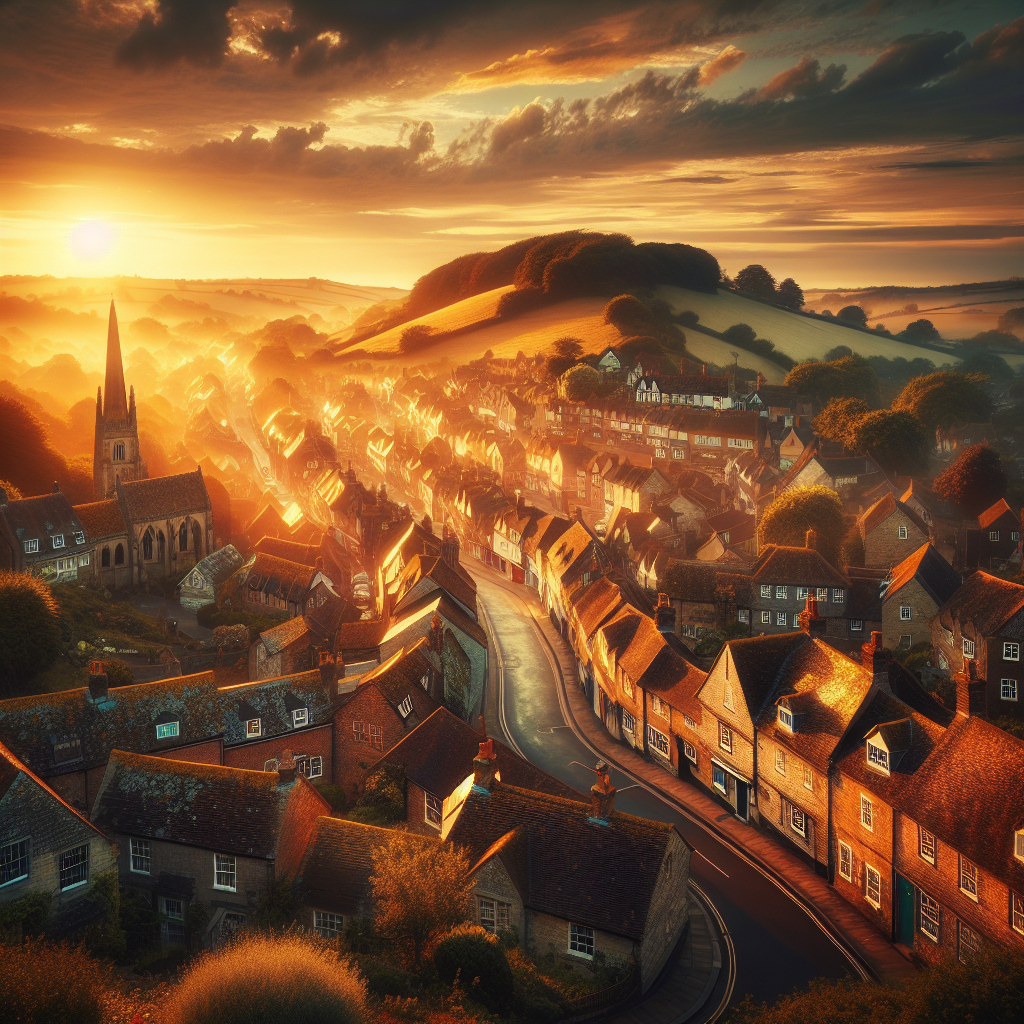
Shaftesbury
Discover Shaftesbury Nestled in the rolling hills of Dorset, Shaftesbury is one of England's oldest towns, rich in history and cultural significance. With its origins dating back to the 8th century, Shaftesbury was founded by King Alfred the Great, who established it as a fortified settlement. The town's historical roots are deeply intertwined with the story of England, having been a key site during the Anglo-Saxon period and later becoming an important center for the Benedictine monks at Shaftesbury Abbey. The remnants of this once-grand abbey can still be felt in the town’s atmosphere, providing a glimpse into the past that continues to attract visitors. Shaftesbury is famously known for its picturesque Gold Hill, a steep cobbled street that has been immortalized in art and literature, most notably in the iconic Hovis bread advertisement. This charming lane, lined with quaint cottages, offers stunning views of the Blackmore Vale and the surrounding countryside, making it a must-visit for photographers and nature lovers alike. The town's medieval architecture, such as St. Peter's Church, adds further character to the landscape, showcasing the rich heritage that has shaped Shaftesbury over the centuries. What sets Shaftesbury apart from other destinations is its blend of historical significance and vibrant community life. The town hosts various cultural events throughout the year, including its annual Shaftesbury Food Festival, where local producers showcase the best of Dorset’s culinary offerings. This festival not only celebrates local cuisine but also brings the community together, fostering a sense of belonging and pride among residents. Moreover, Shaftesbury is surrounded by stunning natural beauty, offering numerous walking and cycling routes for outdoor enthusiasts. Nearby attractions, such as the Cranborne Chase Area of Outstanding Natural Beauty, provide ample opportunities for adventure and exploration. Whether it’s a leisurely stroll along the scenic trails or a more challenging hike through the countryside, visitors are sure to be captivated by the stunning landscapes that characterize the region. In addition to its historical and natural attractions, Shaftesbury is also home to a thriving arts scene. Local galleries and studios showcase the work of talented artists and craftspeople, while performances at the Shaftesbury Arts Centre provide a platform for local talent to shine. This commitment to the arts enhances the town’s cultural fabric and offers visitors a chance to engage with the creative community. Overall, Shaftesbury is a destination that offers a unique blend of history, culture, and natural beauty. Its charming streets, rich heritage, and vibrant local community make it a special place to explore. Whether you are a history buff, a nature lover, or simply in search of a relaxing getaway, Shaftesbury promises an unforgettable experience. Top Attractions in Shaftesbury – Ranked and Reviewed Shaftesbury is home to a wealth of attractions that cater to all tastes and interests. Here, we present the top-ranked attractions as reviewed by real travelers on Stay4Exploring, ensuring you have the best insights for your visit. 1. Gold Hill: This iconic street is perhaps the most famous attraction in Shaftesbury. Visitors rave about the picturesque views and the charming atmosphere. Many describe it as a must-see, especially during sunrise or sunset when the light casts a magical glow over the cottages. Travelers appreciate the opportunity to capture stunning photographs and enjoy a leisurely stroll along this historic cobbled path. 2. Shaftesbury Abbey: Once a magnificent site of worship, the ruins of Shaftesbury Abbey offer a fascinating glimpse into the town's monastic past. Visitors have commented on the well-preserved remnants and informative displays that detail the history of the abbey. The tranquil gardens surrounding the site provide a perfect spot for reflection and relaxation. 3. St. Peter's Church: This beautiful church, known for its impressive architecture and peaceful ambiance, receives high praise from visitors. Many appreciate the stunning stained glass windows and the serene atmosphere, making it a lovely place to visit whether for worship or simply to admire the craftsmanship. 4. Gold Hill Museum: For those interested in delving deeper into the local history, the Gold Hill Museum is a treasure trove of artifacts and exhibits. Travelers have noted the friendly staff and the engaging displays that make learning about Shaftesbury's past enjoyable. The museum is small but packed with fascinating information. 5. Shaftesbury Arts Centre: This vibrant hub for the arts hosts a variety of performances, workshops, and exhibitions. Visitors have praised the quality of the productions and the intimate setting, which allows for a unique cultural experience. Whether you're interested in theater, music, or visual arts, the Arts Centre is a lively addition to any itinerary. 6. Gold Hill Fair: If you happen to visit during the annual Gold Hill Fair, you're in for a treat. Travelers love the festive atmosphere filled with local crafts, food stalls, and live entertainment. Reviews highlight the sense of community and the opportunity to sample local delicacies while enjoying the lively entertainment. 7. The Blackmore Vale: Beyond the town itself, the surrounding countryside is a haven for walkers and nature enthusiasts. Many visitors have shared their experiences of hiking the trails and enjoying the breathtaking views. The natural beauty of the area adds an extra layer of appeal to a visit to Shaftesbury. With its blend of historical attractions, cultural experiences, and stunning landscapes, Shaftesbury offers something for everyone. Take the time to explore these top-ranked attractions and make the most of your visit to this charming town. Planning Your Visit to Shaftesbury Shaftesbury, a picturesque town in Dorset, England, is known for its charming streets, historic architecture, and breathtaking views from Gold Hill. Planning your visit to this delightful destination requires some consideration to ensure you make the most of your time.The best time to visit Shaftesbury is during the late spring and early summer months, from May to August. During this period, the weather is typically mild, making it ideal for outdoor activities and exploration. Visitors can enjoy blooming gardens and vibrant local festivals, enhancing the overall experience. Autumn also presents a beautiful time to visit, with colorful foliage enhancing the town's landscape. However, if you prefer to avoid crowds, visiting during the shoulder seasons of late autumn and early spring can provide a quieter experience.Getting to Shaftesbury is relatively straightforward. The town is well-connected by road, with the A350 running nearby. If you’re traveling from London, it’s approximately a two-and-a-half-hour drive. For those relying on public transport, you can take a train to Gillingham Station, which is about 5 miles away, and then catch a local bus or taxi to Shaftesbury. Alternatively, the nearest international airports are Bournemouth and Bristol, both of which offer car rental services and public transport options to reach Shaftesbury.Once you arrive in Shaftesbury, getting around is easy, especially if you enjoy walking. The town is compact, and many of its attractions are within walking distance of each other. The steep streets and historic pathways can be enjoyed at a leisurely pace, allowing you to soak in the town’s beauty. However, if you prefer not to walk, local taxis and buses can help you navigate to various sites.Accommodation options in Shaftesbury range from cozy B&Bs to quaint hotels and self-catering cottages. For a truly local experience, consider staying in a charming guesthouse like The Grosvenor Arms, which offers modern amenities in a historic setting. Alternatively, the Shaftesbury Arms provides comfortable lodging with a friendly atmosphere. If you’re traveling with family or prefer a home-like environment, numerous self-catering options are available, allowing you the freedom to explore local markets and prepare your own meals.In conclusion, planning your visit to Shaftesbury involves selecting the right time, choosing your transportation method, and finding suitable accommodations. By considering these factors, you can ensure your trip is both enjoyable and memorable. Experience Shaftesbury Like a Local Experiencing Shaftesbury like a local involves immersing yourself in its customs, savoring its culinary delights, and appreciating its rich culture. This charming town is steeped in history and offers a taste of authentic English life.Local customs in Shaftesbury are deeply rooted in tradition. Take the time to engage with the community by participating in local events or festivals, such as the Shaftesbury Food Festival or the annual Carnival. These events showcase the town's vibrant spirit and are great opportunities to meet locals who are often eager to share their stories and recommendations. Additionally, visiting local shops and markets can provide insight into the town’s artisanal crafts and homemade products.The food scene in Shaftesbury is a delightful blend of traditional English fare and contemporary cuisine. Don't miss the chance to try local specialties at the town’s eateries. The Salt Cellar is a popular spot known for its hearty breakfasts and homemade cakes, while The Haunch of Venison offers a cozy atmosphere with a menu that celebrates British classics. If you’re in the mood for a warm beverage, make sure to stop by the local cafes where you can sample delicious Dorset apple cake paired with a cup of tea.In terms of culture, Shaftesbury boasts a rich tapestry of history and artistry. The town is home to many historical sites, including the ruins of Shaftesbury Abbey and the iconic Gold Hill, which has inspired numerous artists and photographers. Explore the local art galleries and craft shops to appreciate the talents of local artisans. The Arts Centre hosts various performances and exhibitions throughout the year, providing a vibrant cultural experience for visitors.Insider tips for experiencing Shaftesbury like a local include visiting during weekdays when the town is less crowded, allowing you to explore at a relaxed pace. Don’t hesitate to chat with locals; they can offer invaluable tips on hidden gems and lesser-known attractions. Additionally, consider taking a walk along the nearby trails, such as the South West Coast Path, which offers stunning views of the surrounding countryside.Lastly, always carry a camera to capture the stunning vistas and charming streets, especially at sunrise or sunset when the light casts a magical glow over the town. Embrace the slower pace of life in Shaftesbury and indulge in the warmth and hospitality of its community.

Sarlat-la-Canéda
Discover Sarlat-la-Canéda Sarlat-la-Canéda is a picturesque town nestled in the heart of the Dordogne region of France, renowned for its rich history, captivating architecture, and vibrant culture. With its well-preserved medieval buildings and a history that dates back to the Gallo-Roman period, Sarlat is a captivating blend of past and present, making it a must-visit destination for travelers seeking to immerse themselves in the charm of rural France.The town's significance dates back to the 12th century when it emerged as a center for trade and commerce. Sarlat became a focal point for pilgrims traveling to Santiago de Compostela, enhancing its importance during the Middle Ages. The architectural style here is a beautiful mix of Gothic and Renaissance influences, with narrow cobbled streets that invite exploration. The town is so well-preserved that it has been classified as a historical monument and is recognized as one of the most beautiful towns in France.One of the most striking features of Sarlat is its vibrant marketplace, where locals gather to sell fresh produce, artisanal goods, and regional specialties. The Saturday market is particularly famous, offering a feast for the senses with its colorful stalls brimming with local cheeses, truffles, and wines. The culinary scene in Sarlat is a significant part of its cultural identity, showcasing the region's gastronomic delights, including confits, foie gras, and duck dishes.In addition to its historical and culinary offerings, Sarlat-la-Canéda is also a hub for cultural events. The town hosts various festivals throughout the year, including the renowned Sarlat Film Festival and the Festival of Medieval Arts, which celebrates the town's rich heritage with performances, craft markets, and reenactments. These events enhance the town's vibrant atmosphere, drawing both locals and tourists into the festivities.What makes Sarlat truly special is its commitment to preserving its historical integrity while promoting a lively community spirit. Visitors can wander through the maze of narrow streets, discovering hidden squares and charming cafes. The stunning architecture, including the iconic Saint-Sacerdos Cathedral and the enchanting Place de la Liberté, creates a romantic backdrop that feels like stepping back in time.For nature lovers, the surrounding region offers breathtaking landscapes and opportunities for outdoor activities such as hiking, canoeing, and exploring the nearby caves that house prehistoric art. The Dordogne River, with its tranquil waters, invites visitors to experience the beauty of the French countryside in a unique way.In summary, Sarlat-la-Canéda is a captivating destination that seamlessly blends history, culture, and natural beauty. Its rich past, culinary delights, and vibrant community events make it a unique spot for travelers seeking an authentic French experience. Whether you’re exploring its historical sites, indulging in local cuisine, or simply enjoying the stunning scenery, Sarlat promises an unforgettable journey into the heart of France. Top Attractions in Sarlat-la-Canéda – Ranked and Reviewed When exploring Sarlat-la-Canéda, you'll discover a wealth of attractions that showcase the town’s rich history and vibrant culture, all highly rated and reviewed by real travelers on Stay4Exploring. Here are the top attractions that should not be missed during your visit.1. Place de la Liberté - Rated 4.9/5As the heart of Sarlat, Place de la Liberté is a bustling square surrounded by historic buildings and lively cafes. Visitors rave about the ambiance, especially during market days when the square comes alive with vendors and locals. The architecture here is stunning, making it a perfect spot for photography and relaxation.2. Sarlat Cathedral (Saint-Sacerdos Cathedral) - Rated 4.8/5This impressive Gothic cathedral is a must-visit for history buffs and architecture enthusiasts. Built between the 11th and 14th centuries, its remarkable facade and intricate stained-glass windows leave a lasting impression. Reviewers appreciate the peaceful atmosphere inside, making it a perfect spot for reflection.3. The Medieval Quarter - Rated 4.7/5Wandering through the Medieval Quarter is like stepping back in time. The narrow, winding streets are lined with beautifully preserved buildings, shops, and cafes. Travelers have noted the charm of the area, highlighting the opportunity to discover local artisan shops and enjoy a leisurely stroll while soaking in the history.4. La Maison de la Boétie - Rated 4.6/5This historic house is the birthplace of the philosopher Étienne de La Boétie. Visitors are drawn to its well-preserved architecture and informative exhibitions about the philosopher's life and works. Reviewers commend the guided tours for their engaging storytelling and depth of insight into Sarlat’s intellectual history.5. Sarlat Market - Rated 4.9/5The Saturday market in Sarlat is a highlight for many travelers. Bursting with local produce, cheeses, and artisanal goods, visitors describe it as a feast for the senses. Reviews emphasize the friendly locals and the opportunity to taste and purchase authentic regional specialties, making it an essential experience.6. Jardins de l’Imaginaire - Rated 4.5/5These enchanting gardens offer a serene escape from the bustling town center. With imaginative landscaping and beautiful views, visitors appreciate the tranquility and beauty of the gardens. They are perfect for a leisurely walk or a picnic, and many have noted the delightful art installations throughout the space.7. Le Bistrot de Sarlat - Rated 4.8/5For a taste of local cuisine, this bistro comes highly recommended. Visitors rave about the delicious dishes featuring fresh, local ingredients and the warm, welcoming atmosphere. It's a great place to unwind after a day of exploring, with many travelers noting the exceptional service and friendly staff.In conclusion, Sarlat-la-Canéda is brimming with attractions that cater to a variety of interests, from history and architecture to culinary experiences. Each site is highly rated by visitors, ensuring that your exploration of this charming town will be both enriching and enjoyable. Planning Your Visit to Sarlat-la-Canéda Sarlat-la-Canéda, nestled in the heart of the Dordogne Valley, is a gem of medieval architecture and vibrant culture. Planning your visit to this enchanting town can greatly enhance your experience. The best time to explore Sarlat is during the spring and fall months, from April to June and September to October. The weather during these periods is mild, making it perfect for walking tours and outdoor activities. Summer, while lively with festivals and events, can be crowded, and temperatures may soar, making it less comfortable for some travelers. Getting to Sarlat-la-Canéda is relatively straightforward. The closest major airport is Bergerac Dordogne Périgord Airport, approximately an hour away by car. Alternatively, you can fly into Bordeaux Airport, which is around 2.5 hours away. From either airport, rental cars or shuttle services are available for the journey. For those using public transport, Sarlat has a railway station with connections to major cities like Bordeaux and Paris. Buses also serve the region, providing access to nearby attractions like the famous Lascaux Caves. Once you arrive in Sarlat, getting around is best done on foot, as the town is compact and pedestrian-friendly. The narrow, winding streets are lined with shops, cafes, and historical sites, making it easy to explore at a leisurely pace. Biking is another option, with several rental shops available. If you prefer driving, note that parking can be limited and often involves using designated lots outside the old town. For accommodations, Sarlat offers a range of options to suit different budgets and preferences. For a unique experience, consider staying in a charming bed and breakfast or a boutique hotel within the old town, where you can immerse yourself in the local atmosphere. For families or those seeking more amenities, there are larger hotels and vacation rentals available. Booking in advance is advisable, especially during peak tourist seasons, to secure the best locations and rates. Experience Sarlat-la-Canéda Like a Local To truly experience Sarlat-la-Canéda like a local, immerse yourself in the rich customs and culture of this historic town. Start by participating in the vibrant local markets, especially the Saturday morning market held in the heart of the old town. Here, you can find fresh produce, artisanal cheeses, and regional specialties. Engage with local vendors and sample traditional foods; the Dordogne is famous for its foie gras, truffles, and walnuts, all of which are integral to the local cuisine. Food culture in Sarlat is deeply rooted in its history. Dining is often a leisurely affair, reflecting the French appreciation for food and community. Don’t miss trying the local dish, confit de canard, a flavorful duck dish that is a staple in the region. Pair your meals with a glass of local wine, such as Bergerac or Monbazillac, which are both delightful accompaniments to the rich flavors of the Dordogne. In addition to the culinary delights, Sarlat’s culture is manifested in its festivals and events throughout the year. The Festival of Sarlat, usually held in late summer, showcases theatre, music, and dance, bringing together artists from across the region. Participating in these events offers a glimpse into the vibrant artistic life of the community. Local customs are also an essential part of visiting Sarlat. The town values its history, so it’s important to respect the architecture and the environment. When exploring, be mindful of the quiet ambiance in residential areas and the etiquette around shops and cafes. A simple “bonjour” or “merci” goes a long way in establishing rapport with the locals. For insider tips, consider visiting the lesser-known attractions, such as the beautiful gardens of the Manor of Aillac or the stunning viewpoints overlooking the Dordogne River. Early morning walks before the crowds arrive offer a serene experience of the town. Finally, don’t forget to take a leisurely stroll along the riverbanks, where you can enjoy the picturesque views and perhaps even catch a glimpse of local wildlife.
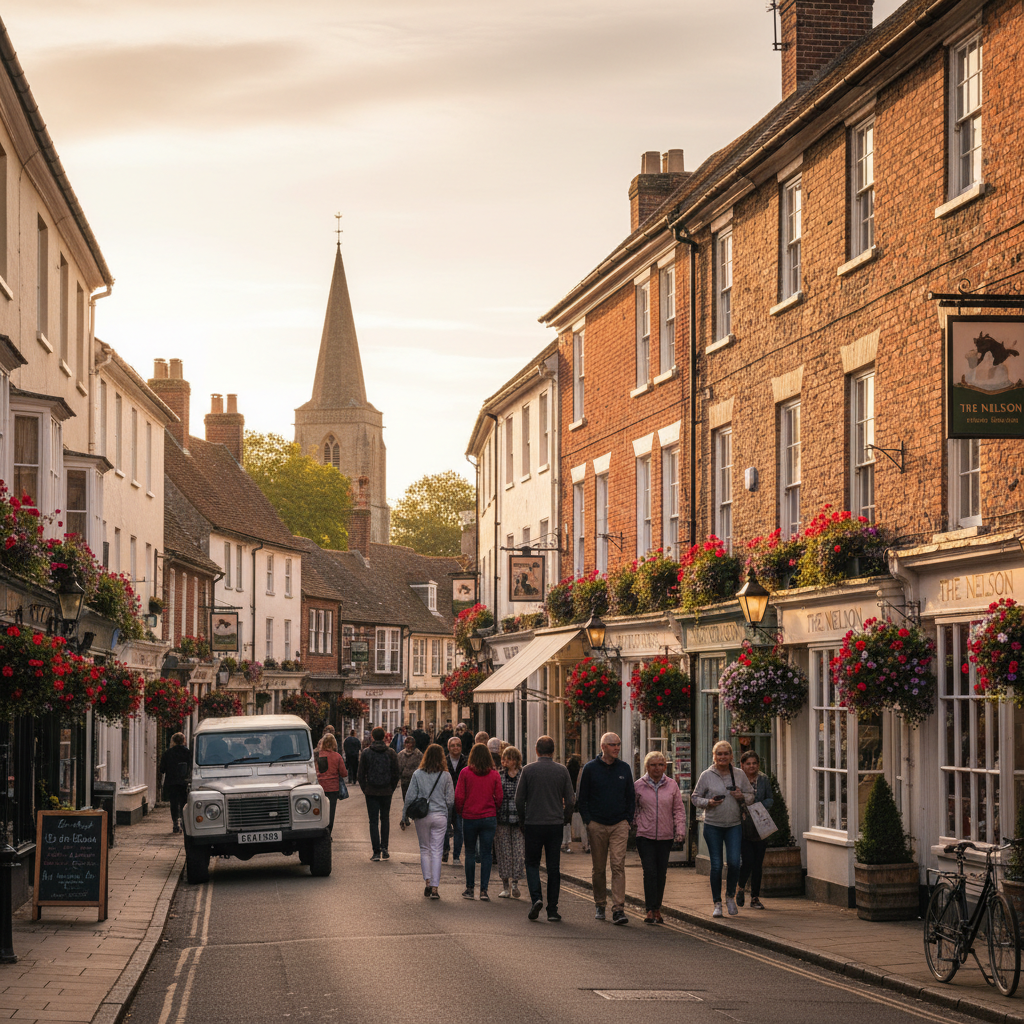
Burnaham Market
Discover Burnham Market Nestled in the picturesque North Norfolk countryside, Burnham Market is a quaint village that offers a delightful blend of history, culture, and charm. Often referred to as the 'Jewel of North Norfolk,' this charming destination has garnered a reputation for its stunning architecture, vibrant local culture, and beautiful landscapes. Dating back to the 12th century, Burnham Market has a rich history, having once been a significant trading hub for local farmers and merchants. The village evolved over the centuries, with its market square serving as the focal point for community gatherings and commerce.What makes Burnham Market particularly special is its unique character and warm, welcoming atmosphere. The village is characterized by its traditional flint and brick buildings, many of which house boutique shops, art galleries, and cozy cafes. Walking through its narrow streets feels like stepping back in time, and visitors can appreciate the well-preserved architecture that tells the story of the village’s past.Burnham Market is also known for its vibrant cultural scene. Its proximity to the stunning North Norfolk coastline means that it attracts not only history enthusiasts but also those with a passion for the arts. The village hosts various events throughout the year, including art exhibitions, food festivals, and local fairs, celebrating the talent and creativity of its residents. The local community is active and engaged, often collaborating to ensure that Burnham Market remains a lively and inviting place for both residents and visitors alike.The significance of Burnham Market extends beyond its historical roots and cultural offerings. The village's location makes it an ideal base for exploring the surrounding natural beauty, including the nearby Burnham Overy Staithe and the scenic Norfolk Coast Area of Outstanding Natural Beauty. Visitors can enjoy a range of outdoor activities, from walking and cycling to birdwatching and sailing. It’s not uncommon to see families enjoying leisurely afternoons by the water, or couples exploring the tranquil countryside.Moreover, the culinary scene in Burnham Market has gained considerable recognition, with a selection of delightful restaurants, pubs, and cafes that showcase local produce and traditional Norfolk dishes. The village is home to the renowned 'Hoste Arms,' a historic inn that offers a fine dining experience, as well as more casual options for those looking for a quick bite. The focus on locally sourced ingredients reflects the community's commitment to sustainability and the promotion of local businesses.In summary, Burnham Market is a destination that beautifully combines history, culture, and natural beauty. Its charming streets, vibrant community, and rich heritage make it a must-visit for anyone exploring North Norfolk. Whether you're wandering through the market square, indulging in local delicacies, or enjoying the stunning surrounding landscapes, Burnham Market offers a unique and memorable experience that lingers long after your visit. Top Attractions in Burnham Market – Ranked and Reviewed Burnham Market is home to a variety of attractions that cater to diverse interests, making it a perfect destination for travelers. Based on reviews from real visitors on Stay4Exploring, here are the top attractions that you shouldn't miss during your visit.1. Burnham Market Village GreenRated 4.8/5 - The heart of the village, the Village Green is a picturesque spot surrounded by charming shops and cafes. Visitors praise its lovely atmosphere and the perfect place for a picnic or a leisurely stroll. The greenery is well-maintained, making it an ideal location for families to relax while enjoying the local ambiance.2. The Hoste ArmsRated 4.6/5 - This historic inn is a favorite among visitors, known for its excellent dining options and cozy accommodations. Reviewers rave about the quality of the food, particularly the seafood dishes that feature local ingredients. Guests appreciate the warm hospitality and the inviting atmosphere of the bar and restaurant.3. Burnham Overy StaitheRated 4.7/5 - Just a short distance from Burnham Market, this scenic harbor offers breathtaking views of the marshes and is a popular spot for walking, birdwatching, and sailing. Visitors have praised the tranquil environment, making it a perfect escape into nature. The path leading to the staithe is ideal for a leisurely walk, providing opportunities for photography and wildlife spotting.4. The Old Vicarage GardensRated 4.5/5 - This beautifully landscaped garden is a hidden gem that visitors often rave about. The variety of plants and flowers creates a stunning backdrop, perfect for a peaceful afternoon. Many reviewers highlight the serene atmosphere and the opportunity to learn about horticulture from the knowledgeable staff.5. Burnham Market's Local ShopsRated 4.4/5 - The unique shops lining the village streets offer a delightful shopping experience. From artisanal goods to fashionable boutiques, visitors appreciate the variety and the quality of local products. Reviewers enjoy supporting local artisans and often mention the friendly service they receive while shopping.6. Norfolk Coast PathRated 4.9/5 - For outdoor enthusiasts, the Norfolk Coast Path is a must-visit. This long-distance trail offers stunning views of the coastline and the opportunity to experience the natural beauty of North Norfolk. Hikers and walkers rave about the well-marked paths and the chance to encounter diverse wildlife along the way.In conclusion, Burnham Market offers a range of attractions that cater to all tastes, from enjoying the local cuisine to exploring the natural beauty of the surrounding area. The high ratings and positive reviews from visitors highlight the charm and appeal of this lovely village, making it a top destination for travelers seeking a memorable experience in North Norfolk. Planning Your Visit to Burnaham Market Burnham Market is a charming village located in the heart of Norfolk, England, known for its stunning countryside, unique shops, and vibrant local culture. When planning your visit, consider the best time to experience this delightful destination. The ideal time to visit is during the late spring and summer months (May to September) when the weather is generally mild and pleasant. This is also when the village is bustling with activity, and the local markets and festivals are in full swing. Autumn (October to November) offers a quieter atmosphere, but the surrounding foliage provides beautiful scenery. Getting to Burnham Market is relatively straightforward. If you’re traveling by car, it’s conveniently located just off the A149 road, which connects it to larger towns like Kings Lynn and Fakenham. If you prefer public transport, the nearest railway station is in Kings Lynn, approximately 30 minutes away by car. From there, you can take a local bus or a taxi to reach Burnham Market. For those flying in, the closest airport is Norwich International Airport, which is about an hour's drive from the village. Once you arrive, getting around Burnham Market is easy thanks to its compact size. Most attractions, shops, and eateries are within walking distance, making it simple to explore the area at your own pace. If you wish to venture further afield, consider renting a bicycle, as the surrounding countryside offers picturesque cycling routes that showcase the area's natural beauty. Accommodation options in Burnham Market cater to various preferences and budgets. For a unique local experience, consider staying at one of the charming bed and breakfasts or boutique hotels, many of which are housed in historic buildings. The Hoste, for example, is a popular choice known for its warm hospitality and excellent dining options. Alternatively, if you prefer self-catering, there are several holiday cottages available for rent in the village, providing a homely atmosphere for families or groups. Regardless of your choice, booking in advance is recommended, especially during peak tourist seasons, to secure the best options. In summary, when planning your visit to Burnham Market, aim for the late spring or summer for the best weather and local events. Utilize car or public transport for easy access, explore the village on foot, and choose from an array of accommodation options that suit your needs. With a bit of preparation, your trip to Burnham Market will be a memorable one. Experience Burnaham Market Like a Local To truly immerse yourself in the charm of Burnham Market, it's important to understand and embrace the local customs, food, and culture. The village has a rich history and a strong sense of community, which is reflected in its warm and welcoming atmosphere. Locals often greet each other with a friendly smile and a nod, so don’t hesitate to engage with residents; they are usually happy to share tips about the area. Food plays a significant role in the local culture. Burnham Market boasts a number of excellent eateries that highlight the region's culinary heritage. One must-try is the fresh seafood, as the village is not far from the North Norfolk coast, where fishermen bring in daily catches. Stop by the local fishmonger or dine at a restaurant that features seasonal dishes made with locally sourced ingredients. Be sure to sample traditional English fare such as fish and chips, as well as Norfolk specialties like Cromer crab. The village is also known for its artisanal shops and local markets. Every Saturday, a farmers' market is held, where you can find a variety of fresh produce, handmade goods, and delicious baked items. This is an excellent opportunity to mingle with local vendors and learn about the products they sell. Additionally, explore the charming boutiques that line the streets, many of which offer unique crafts, clothing, and homewares that reflect the character of Burnham Market. As for cultural experiences, consider visiting the local art galleries and studios that showcase the work of regional artists. The village often hosts art exhibitions and events that celebrate local talent. If you're lucky, you might coincide your visit with one of the seasonal festivals that highlight Norfolk's cultural heritage. Insider tips for experiencing Burnham Market like a local include taking part in community events or workshops. Check the local notice board or social media pages for updates on happenings in the village, such as craft fairs or cooking classes. These events not only provide a fun way to learn something new but also allow you to connect with residents and other visitors. Lastly, don’t forget to take a leisurely stroll through Burnham Market's surrounding countryside. There are numerous walking trails that offer breathtaking views of the natural landscape, making it an ideal way to unwind and appreciate the beauty of the Norfolk coast. With its blend of local customs, delicious food, and rich culture, Burnham Market provides a truly authentic English village experience.
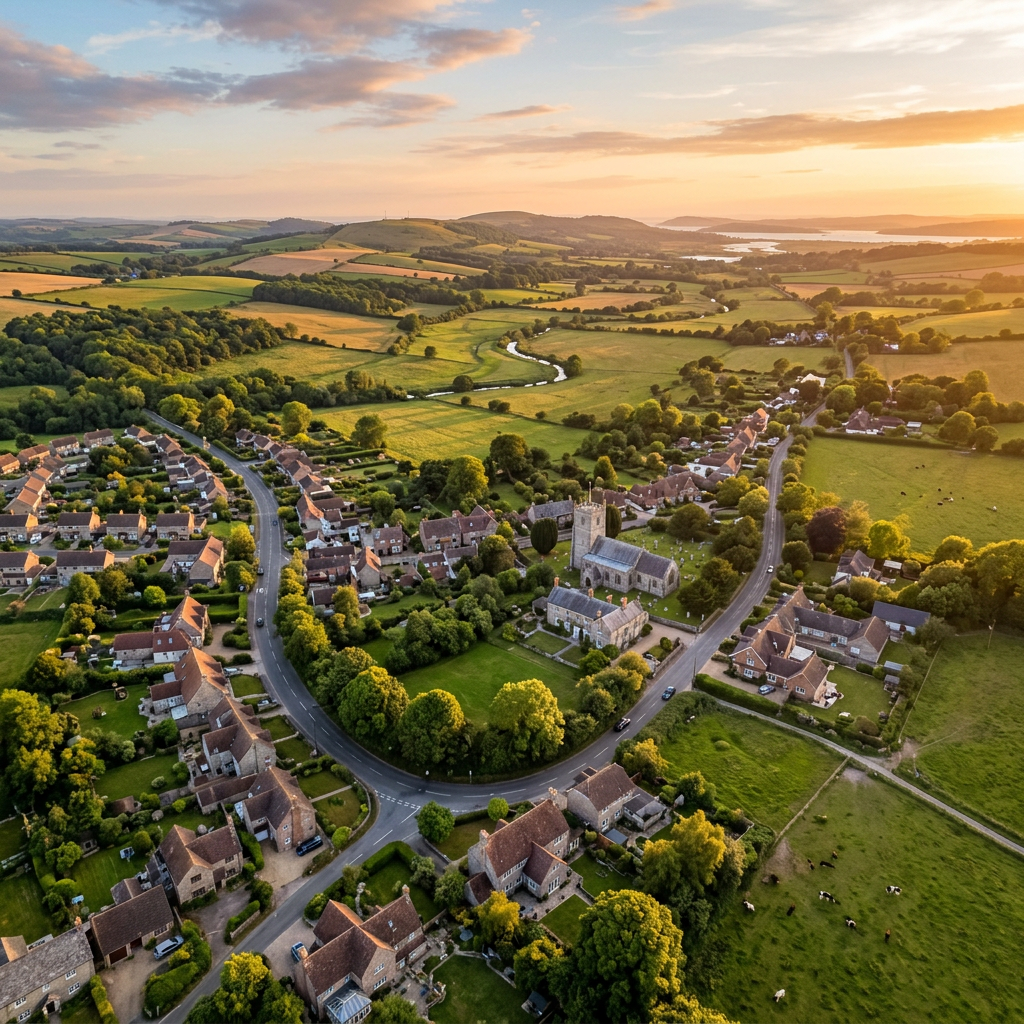
Corfe Mullen
Discover Corfe Mullen Corfe Mullen, a charming village located in Dorset, England, offers visitors a unique blend of rich history, vibrant culture, and stunning natural beauty. Nestled between the larger towns of Poole and Wimborne Minster, this quaint destination is often overlooked by tourists, making it the perfect spot for those seeking a serene escape. The history of Corfe Mullen dates back to the Domesday Book of 1086, where it was recorded as a small settlement. The village's name is derived from the Old English 'Corf,' meaning a 'crossing place' or 'ford,' combined with 'Mullen,' which is believed to be a reference to the local mill. Over the centuries, Corfe Mullen has evolved from a modest agricultural community into a thriving residential area, while still preserving its historical charm. One of the village's most significant historical elements is its close proximity to the ancient hill fort of Badbury Rings, a site that dates back to the Iron Age. This archaeological treasure provides insight into the region's past and offers spectacular views of the surrounding countryside. Visitors can explore the ancient earthworks and learn about the area's early inhabitants, making it a significant cultural landmark. Beyond its historical significance, Corfe Mullen boasts a thriving local community, evident in its various cultural events and festivals throughout the year. The village hosts a range of activities that celebrate local heritage, including art exhibitions, food fairs, and seasonal festivals. These events foster a sense of community and provide visitors with the opportunity to engage with locals and experience the authentic spirit of the village. What makes Corfe Mullen particularly special is its stunning natural environment. The village is surrounded by beautiful countryside, making it an ideal base for outdoor enthusiasts. Numerous walking and cycling trails wind through the nearby heathlands and woodlands, offering breathtaking views and the chance to spot local wildlife. Additionally, the village is conveniently located near the stunning Dorset coastline, allowing for easy access to the sandy beaches and dramatic cliffs of the Jurassic Coast, a UNESCO World Heritage Site. For those interested in exploring the local flora and fauna, the nearby Upton Country Park is a must-visit. This expansive park features beautifully landscaped gardens, woodlands, and a wide variety of wildlife, making it a perfect spot for picnics, leisurely strolls, and family outings. The park also hosts various events throughout the year, including open-air concerts and seasonal markets. In summary, Corfe Mullen is a hidden gem that combines historical significance, cultural richness, and stunning natural beauty. Whether you're exploring its historical sites, participating in local events, or enjoying the great outdoors, this charming village offers a delightful escape from the hustle and bustle of modern life. Top Attractions in Corfe Mullen – Ranked and Reviewed Corfe Mullen may be a small village, but it is home to a variety of attractions that cater to diverse interests. Here are the top-rated attractions based on reviews from real travelers on Stay4Exploring: 1. Badbury Rings - Rated 4.8/5Badbury Rings is an ancient hill fort that offers breathtaking views of the surrounding countryside. Visitors rave about the rich history and impressive earthworks, making it an ideal spot for history buffs and nature lovers alike. The well-maintained trails make it accessible for families, and many reviewers appreciate the serene atmosphere, perfect for a leisurely hike or a picnic. 2. Upton Country Park - Rated 4.7/5This expansive park is a favorite among families and outdoor enthusiasts. Reviewers love the beautifully landscaped gardens, walking trails, and the opportunity to see diverse wildlife. The park also features a café where visitors can enjoy refreshments after a day of exploration. Many families have noted that the park is well-equipped for children, with playgrounds and open spaces for games. 3. The Village Hall Events - Rated 4.5/5Corfe Mullen’s Village Hall hosts various community events throughout the year, including art shows, craft fairs, and seasonal festivals. Visitors often highlight the warm and welcoming atmosphere, noting that these events are a great way to connect with locals and experience the village's culture. Many travelers recommend checking the local calendar to find events during your visit. 4. St. Hubert’s Church - Rated 4.6/5This historic church, dating back to the 12th century, is a significant cultural landmark in Corfe Mullen. Visitors appreciate the beautiful architecture and peaceful churchyard, making it a lovely spot for reflection. Many reviewers have commented on the welcoming community and the opportunity to attend traditional services or special events held at the church. 5. Local Walking Trails - Rated 4.9/5Travelers rave about the extensive network of walking trails surrounding Corfe Mullen. With routes suitable for all levels, these trails offer a fantastic way to explore the beautiful Dorset countryside. Reviewers often mention the stunning scenery and the chance to spot local wildlife, making hiking in this area a memorable experience. In conclusion, Corfe Mullen is rich in attractions that reflect its historical significance and natural beauty. With high ratings and positive reviews from visitors, these top attractions provide a glimpse into the village’s charm and appeal. Whether you're hiking in the hills, exploring local history, or participating in community events, Corfe Mullen offers a little something for everyone. Planning Your Visit to Corfe Mullen Corfe Mullen, a charming village located in Dorset, England, is an ideal getaway for those seeking both tranquility and adventure. When planning your visit, consider the best time to experience all that this destination has to offer. The spring months, from April to June, bring mild weather and blooming wildflowers, making it perfect for outdoor activities. Summer, especially July and August, tends to be busy with tourists, but it also offers long days and numerous local events. Autumn is another fantastic time, as the foliage changes colors, adding a picturesque backdrop to your explorations. Winter, while quieter, can be chilly and damp, but it has its own charm, especially around the holiday season.Getting to Corfe Mullen is relatively easy, thanks to its proximity to major transport links. The nearest airport is Bournemouth Airport, located about 10 miles away, which offers flights from various UK and European destinations. From the airport, you can rent a car or take public transport. If traveling by train, the nearest railway station is Poole, which is approximately 5 miles away. Regular bus services connect Poole to Corfe Mullen, making it convenient for visitors relying on public transport.Getting around Corfe Mullen is quite straightforward, as the village is small enough to explore on foot. However, to fully experience the surrounding areas, renting a bicycle or car is recommended. There are several scenic cycling routes and walking trails nearby, providing beautiful views of the countryside. If you plan to visit local attractions like the nearby Purbeck Hills or the Jurassic Coast, having your own vehicle will offer the most flexibility.When it comes to accommodation, Corfe Mullen has a variety of options to suit different budgets and preferences. For those looking for a cozy stay, consider the local bed and breakfasts or guest houses, which often provide a warm and friendly atmosphere. If you prefer more independence, self-catering cottages are available, allowing you to enjoy the comforts of home while exploring the village and surrounding area. For a more luxurious experience, look for boutique hotels or spa accommodations in nearby towns like Poole and Bournemouth. Regardless of where you stay, you'll find that Corfe Mullen offers a welcoming environment that makes it easy to relax and unwind. Experience Corfe Mullen Like a Local To truly experience Corfe Mullen like a local, it’s essential to embrace the village’s customs and traditions. The community is known for its warm hospitality, and locals take pride in their village’s rich history and natural beauty. Engaging in community events such as farmers' markets or village fairs is a great way to meet residents and gain insight into the local culture. Don’t hesitate to strike up a conversation; you might learn about hidden gems that aren't in the guidebooks!Culinary experiences in Corfe Mullen are a highlight. The village boasts several charming pubs and eateries that serve traditional British fare. Be sure to try the local fish and chips, which are a staple in many pubs, or sample Dorset apple cake, a delightful dessert that reflects the region's agricultural heritage. Local pubs often host quiz nights and live music, creating a vibrant atmosphere where you can enjoy good food and entertainment. For a unique experience, consider visiting a local farm shop that offers fresh produce and homemade goods.The culture of Corfe Mullen is deeply intertwined with its natural surroundings. The village is surrounded by beautiful countryside, making it an excellent location for walking, hiking, and cycling. The nearby heathlands and woods are perfect for a leisurely stroll or a more strenuous hike. The Purbeck Hills and the renowned Jurassic Coast, a UNESCO World Heritage site, are easily accessible and provide breathtaking views and geological wonders. Take time to explore these areas, as they are rich in wildlife and offer numerous walking trails for various skill levels.For those seeking insider tips, be sure to check the local events calendar before your visit; there are often seasonal celebrations, craft fairs, and art exhibitions that showcase the talents of local artisans. Visiting during these events can provide a deeper appreciation of the village’s culture. Also, consider stepping off the beaten path — while Corfe Mullen is a beautiful destination, neighboring towns like Wareham and Swanage offer additional attractions and experiences worth exploring.Lastly, remember to embrace the slower pace of life in Corfe Mullen. Take time to relax in one of the local parks, enjoy a cup of tea at a quaint café, or simply wander the scenic paths. This village is all about enjoying the moment and appreciating the simple pleasures of rural life in England.

Braemar
Discover Braemar Nestled in the heart of the Scottish Highlands, Braemar is a picturesque village that embodies the rich history and vibrant culture of Scotland. This charming destination lies within the Cairngorms National Park, surrounded by breathtaking landscapes characterized by rolling hills, deep glens, and sparkling rivers. Braemar is not just a feast for the eyes but also a hub of Scottish heritage, making it a must-visit for travelers seeking an authentic experience.Historically, Braemar is significant for its connection to the Scottish Royal Family. The village is located near Balmoral Castle, the summer residence of the royal family since the mid-19th century. This royal association adds an air of prestige to Braemar, attracting visitors intrigued by the royal history. The annual Braemar Gathering, held every September, is a highlight of the Scottish events calendar, featuring traditional Highland games, dancing, and piping competitions. Attending this gathering is an unforgettable way to immerse oneself in Scottish culture.Another fascinating aspect of Braemar's history is its role in the Jacobite uprisings of the 18th century. The village was a gathering point for Jacobite forces, and the nearby hills hold tales of rebellion and resilience. Travelers can explore the historical significance through various sites and guided tours, bringing to life the stories of Scotland's tumultuous past.Culture thrives in Braemar, with local art, music, and traditions celebrated throughout the year. Visitors can enjoy local crafts and artisanal products at the small shops and galleries dotted around the village. The local community is known for its warmth and hospitality, making visitors feel welcome and at home. Traditional Scottish music often fills the air, especially during festivals when local musicians come together to showcase their talents.For outdoor enthusiasts, Braemar offers unparalleled access to nature. The surrounding Cairngorms National Park is a paradise for hikers, bikers, and wildlife watchers. Numerous trails cater to all levels of experience, providing the opportunity to explore the stunning scenery, including ancient forests and rugged mountain landscapes. The park is also home to a diverse array of wildlife, including red deer, golden eagles, and even the elusive Scottish wildcat.In addition to its natural beauty, Braemar serves as a gateway to several adventure activities, including mountain biking, climbing, and fishing. The local tourism board offers various guided experiences that allow visitors to explore the area in unique ways, ensuring that every traveler can find something that piques their interest.In summary, Braemar is a destination where history, culture, and natural beauty converge. Its royal connections, historical significance, and breathtaking landscapes make it a unique place to explore. Whether you're a history buff, an outdoor adventurer, or simply looking to soak in the beauty of Scotland, Braemar has something special to offer every visitor. Top Attractions in Braemar – Ranked and Reviewed When visiting Braemar, you’ll find a variety of attractions and activities that cater to different interests. Here’s a ranked list of the top attractions as reviewed by travelers who have experienced the charm of this Highland village.1. The Braemar GatheringThe Braemar Gathering is arguably the highlight of the year in Braemar. Held annually in September, this traditional Scottish Highland games event attracts thousands of visitors. Travelers rave about the atmosphere, the stunning displays of athleticism, and the rich cultural performances. From caber tossing to tug-of-war, the gathering offers a glimpse into Scotland's vibrant heritage. Many visitors recommend arriving early to soak in the ambiance and enjoy the local food stalls.2. Balmoral CastleJust a stone's throw from Braemar lies Balmoral Castle, the summer residence of the British royal family. While the castle itself is a magnificent sight, visitors appreciate the beautifully maintained gardens and grounds that surround it. The audio tour is highly recommended, as it provides fascinating insights into the history of the estate. Travelers note that the castle is particularly picturesque in the spring, when the gardens are in full bloom.3. Cairngorms National ParkAdventurers and nature lovers will find themselves in awe of Cairngorms National Park. With extensive walking and biking trails, this park is a haven for outdoor enthusiasts. Visitors recommend the trails to Lochan Uaine (the Green Loch) for its stunning views and tranquil atmosphere. Many reviews highlight the diverse wildlife, including sightings of deer and birds of prey, making this a perfect spot for photography.4. Braemar CastleThis historical 17th-century castle is a hidden gem that offers a glimpse into the region's past. Reviews frequently mention the knowledgeable staff and engaging exhibits that bring history to life. Visitors also appreciate the stunning views from the castle grounds, with many recommending a picnic in the nearby park.5. The Old Church of BraemarFor those interested in local architecture and history, the Old Church of Braemar is a must-visit. Travelers have praised its beautiful stonework and serene atmosphere. The church is often described as a peaceful retreat, perfect for reflection after a day of exploring. Guided tours provide insights into the church's history, making it a rewarding visit.6. The Braemar Highland Heritage CentreThis small yet informative museum offers a deep dive into the local history and culture. Visitors appreciate the engaging displays and the chance to learn about the Highland way of life. Many reviews highlight the friendly staff, who are eager to share stories and knowledge about Braemar's heritage.Overall, Braemar offers a delightful blend of cultural experiences and outdoor adventures. With its rich history, stunning landscapes, and vibrant community, it’s no wonder that visitors leave with cherished memories and a desire to return. Planning Your Visit to Braemar Located in the heart of the Scottish Highlands, Braemar is a picturesque village that serves as a gateway to some of the most stunning landscapes in Scotland. Planning your visit involves considering the best time to enjoy the area, how to get there, navigate around, and where to stay for a memorable experience.Best Time to Visit: The ideal time to visit Braemar largely depends on your interests. For outdoor enthusiasts and hikers, the summer months from June to August offer the best weather, with longer days and mild temperatures. This is also the peak season, so expect more visitors. Autumn (September to October) can be a magical time as the foliage transforms into vibrant colors, making it perfect for photography. For those interested in winter sports, December to March is ideal for skiing and snowboarding at nearby ski resorts. Additionally, Braemar hosts the Braemar Gathering in early September, Scotland’s most famous Highland Games, showcasing traditional Scottish sports and culture.Getting There: Braemar is well-connected by road, making it accessible from major cities. The nearest city is Aberdeen, located about 60 miles away, which has an airport with domestic and international flights. From Aberdeen, you can drive via the A93, which takes approximately 1.5 hours. If you’re coming from Edinburgh or Glasgow, expect a longer drive of around 2.5 to 3 hours. Public transportation options include buses that run from Aberdeen and surrounding towns, but schedules may be limited, so planning ahead is advised.Getting Around: Once in Braemar, the village is quite small, and many attractions are within walking distance. However, for those wishing to explore the surrounding areas, consider renting a car. This allows you to access beautiful hiking trails, historical sites, and natural wonders at your own pace. Alternatively, local taxis are available for hire if you prefer not to drive.Where to Stay: Braemar offers a range of accommodation options to suit various budgets. Quaint bed and breakfasts provide a cozy, local experience, while hotels like the Braemar Lodge Hotel offer more amenities and beautiful views. For a unique experience, consider renting a self-catering cottage, which allows for more privacy and the ability to cook your own meals with fresh local ingredients. Always check reviews on platforms like Stay4Exploring to find the best fit for your needs, as real traveler insights can provide invaluable information. Experience Braemar Like a Local To truly immerse yourself in the charm of Braemar, experiencing the village like a local is essential. This involves understanding local customs, indulging in regional food, appreciating the culture, and picking up a few insider tips to enhance your visit.Local Customs: The people of Braemar are known for their warm hospitality. A simple greeting, such as 'Hello' or 'Good morning,' goes a long way in connecting with locals. If you happen to visit during the Highland Games, participating in or observing the traditional events is a must. Wearing tartan or plaid is common during these occasions, so don’t hesitate to don some Scottish attire.Food: Braemar boasts a delightful culinary scene that highlights local produce and traditional Scottish dishes. Be sure to try haggis, neeps, and tatties, a classic Scottish dish that is both hearty and flavorful. Local pubs and restaurants, such as the Braemar Village Hall Café, offer homemade meals using locally sourced ingredients. Don’t miss out on sampling the region’s whisky; a visit to a local distillery can provide insights into this iconic Scottish spirit. Many establishments offer tastings that are perfect for both novices and connoisseurs.Culture: Braemar is steeped in rich Scottish history and culture. The Braemar Castle, dating back to the late 17th century, is a must-visit, showcasing the area’s historical significance. The local community often participates in cultural events, including ceilidhs, which are traditional Scottish dance gatherings, so look out for these during your stay. Attending a ceilidh is a fun way to engage with locals and learn some Scottish dances.Insider Tips: To make the most of your visit to Braemar, consider venturing beyond the main attractions. Explore the surrounding Cairngorms National Park, where hiking, mountain biking, and wildlife spotting opportunities abound. Early morning or late afternoon hikes offer the best chances to see deer and other wildlife. Additionally, pack layers, as the weather can change rapidly in the Highlands. Finally, engage with locals at shops and markets; they often possess a wealth of knowledge about hidden gems and lesser-known attractions. Remember to ask for recommendations on the best hiking trails or local sights!

Aviemore
Discover Aviemore Nestled in the heart of the Scottish Highlands, Aviemore is a charming village that serves as a gateway to the Cairngorms National Park. Known for its stunning natural beauty and diverse outdoor activities, Aviemore has a rich history that dates back to its origins as a farming community. The village has evolved over the years, becoming a prominent destination for tourists seeking adventure and tranquility alike.Aviemore's significance extends beyond its picturesque landscapes; it has played a crucial role in Scotland's tourism industry since the late 19th century. The arrival of the railway in 1898 transformed Aviemore into a popular holiday destination, attracting visitors from across the UK and beyond. This influx of tourists led to the development of various amenities, including hotels, shops, and recreational facilities, making Aviemore a well-rounded destination for travelers.The village is steeped in culture, with a blend of traditional Scottish heritage and modern influences. Visitors can explore local art galleries, craft shops, and museums that showcase the history and culture of the Highlands. The annual Aviemore and the Cairngorms Festival celebrates local music, food, and outdoor activities, providing an opportunity for both locals and visitors to come together and experience the vibrant community spirit.One of the defining features of Aviemore is its breathtaking natural surroundings. The Cairngorms National Park, the largest national park in the UK, offers a diverse range of ecosystems, from ancient pine forests to rugged mountain landscapes. Outdoor enthusiasts can enjoy hiking, biking, skiing, and wildlife watching, with numerous trails and pathways winding through the stunning scenery.Aviemore is also famous for its wildlife, including red deer, golden eagles, and various species of flora and fauna. The area is a haven for nature lovers, providing myriad opportunities for photography and exploration. Additionally, the nearby Loch Morlich, with its sandy beaches and crystal-clear waters, is perfect for swimming, kayaking, and picnicking during the warmer months.What makes Aviemore particularly special is its accessibility to both adventure and relaxation. Whether you are seeking adrenaline-pumping activities or a peaceful retreat in nature, Aviemore caters to all preferences. The warm hospitality of the locals, combined with the stunning backdrop of the Cairngorms, creates an inviting atmosphere that keeps visitors returning year after year.In summary, Aviemore is more than just a picturesque village; it is a destination rich in history and culture, offering a unique blend of outdoor adventures and local experiences. Its significance as a hub for nature and recreation makes it a must-visit location for anyone exploring Scotland. Top Attractions in Aviemore – Ranked and Reviewed Aviemore's appeal lies not only in its scenic beauty but also in the various attractions that appeal to a wide range of interests. Here are the top-ranked attractions in Aviemore, as rated and reviewed by visitors on Stay4Exploring:1. CairnGorm Mountain - Rated 4.8/5CairnGorm Mountain is the most popular attraction in Aviemore, known for its exhilarating skiing and snowboarding during the winter months. In the summer, visitors can take the funicular railway to the summit for breathtaking views of the Cairngorms. Many travelers rave about the variety of trails for hiking and biking, making it a year-round destination for outdoor enthusiasts.2. Loch Morlich - Rated 4.7/5This stunning loch is celebrated for its sandy beaches and crystal-clear waters. Visitors can enjoy various water sports, including kayaking and paddleboarding, or simply relax on the beach. Reviewers love the picturesque setting, perfect for family picnics and nature walks.3. Rothiemurchus Estate - Rated 4.6/5Aviemore's Rothiemurchus Estate offers a unique experience with its vast woodlands and wildlife. Visitors can take part in guided tours, archery, and even falconry. Many travelers highlight the estate's natural beauty and the chance to see native wildlife up close, making it a great day out for families.4. Aviemore Railway Station and the Strathspey Railway - Rated 4.5/5The historic Aviemore Railway Station is a charming stop for those interested in Scotland's railway history. The Strathspey Railway offers scenic steam train rides through the beautiful Highlands. Many visitors appreciate the nostalgic experience and the opportunity to take stunning photographs along the route.5. The Highland Folk Museum - Rated 4.4/5This open-air museum showcases the life and culture of the Highland people over the centuries. With various reconstructed historical buildings, visitors can learn about traditional crafts and lifestyles. Reviewers often mention the friendly staff and engaging exhibits that provide a fascinating insight into Scottish heritage.Each of these attractions offers a unique glimpse into what makes Aviemore such a special destination. Whether you're an adventure seeker, a nature lover, or a history buff, Aviemore has something to captivate every traveler. The high ratings and positive reviews from visitors on Stay4Exploring reflect the unforgettable experiences awaiting you in this stunning part of Scotland. Planning Your Visit to Aviemore Nestled in the heart of the Cairngorms National Park, Aviemore is a picturesque village that serves as a gateway to some of Scotland's most breathtaking natural landscapes. When planning your visit, it’s essential to consider the best time to experience this stunning destination. The peak season runs from late spring to early autumn (May to September), when the weather is generally mild, and the days are long. This is an ideal time for outdoor activities such as hiking, biking, and exploring the local wildlife. However, if you’re a winter sports enthusiast, visiting between December and March is perfect for skiing and snowboarding at the nearby Cairngorm Mountain Resort. Getting to Aviemore is straightforward. The village is well-connected by road and rail, making it accessible from major cities like Edinburgh and Glasgow. The nearest train station is in Aviemore itself, offering regular services from both cities. If you prefer driving, take the A9 dual carriageway, which provides scenic views of the Highlands. For those flying in, Inverness Airport is the nearest major airport, located about 40 miles away. From the airport, you can rent a car or take a bus to reach Aviemore. Once you’re in Aviemore, getting around is relatively easy. The village is compact and walkable, making it convenient to explore on foot. However, if you’re looking to venture further afield, consider hiring a bike or using local bus services that connect various attractions within and around the area. Taxis are also available for more direct transport. Accommodation options in Aviemore cater to a wide range of preferences and budgets. For a cozy experience, consider staying in one of the charming bed and breakfasts or guesthouses that offer a warm Scottish welcome. Alternatively, there are several hotels ranging from luxury to budget-friendly options. For those seeking a self-catering experience, numerous lodges and chalets are available, allowing you to enjoy the stunning scenery from the comfort of your own space. Booking in advance, especially during peak seasons, is highly recommended to secure your preferred accommodation. Experience Aviemore Like a Local To truly immerse yourself in Aviemore, understanding local customs and culture is essential. The village has a friendly atmosphere, and locals are typically welcoming to visitors. It’s customary to greet people with a smile and a simple 'hello' or 'hi'. If you happen to be in a pub or restaurant, a friendly chat with the staff or patrons can lead to insider tips about the best local spots. When it comes to food, Aviemore boasts a variety of dining options. Traditional Scottish cuisine is a must-try, so be sure to sample local dishes such as haggis, neeps, and tatties at one of the local eateries. Fish and chips can also be found at several establishments, and many offer fresh produce sourced from local farms. For a taste of Scotland's renowned whisky, visit one of the local pubs that feature an extensive selection. Don't miss the chance to try a dram of single malt whisky for a true Scottish experience. The culture in Aviemore is deeply rooted in its stunning natural surroundings. Outdoor activities are not only a pastime but a way of life for many locals. Join the community in enjoying the great outdoors by hiking the nearby trails, participating in wildlife watching, or even taking part in seasonal activities like skiing or mountain biking. During the summer months, you might find local events or festivals celebrating everything from Highland games to music, providing a rich cultural experience. For those seeking insider tips, start your day with a hearty breakfast at one of the local cafes before heading out for a day of exploration. Wear layers, as the weather can change rapidly in the Highlands; it’s not uncommon to experience sunshine one moment and rain the next. If you’re planning to hike, be sure to carry plenty of water and snacks, and consider using a local guide for more challenging trails. Finally, make time to visit the local shops and boutiques that offer unique Scottish crafts and souvenirs. From handmade tweed products to locally crafted jewelry, you’ll find plenty of treasures to take home. By embracing the local customs, cuisine, and culture, you’ll experience Aviemore in a way that goes beyond the typical tourist experience.
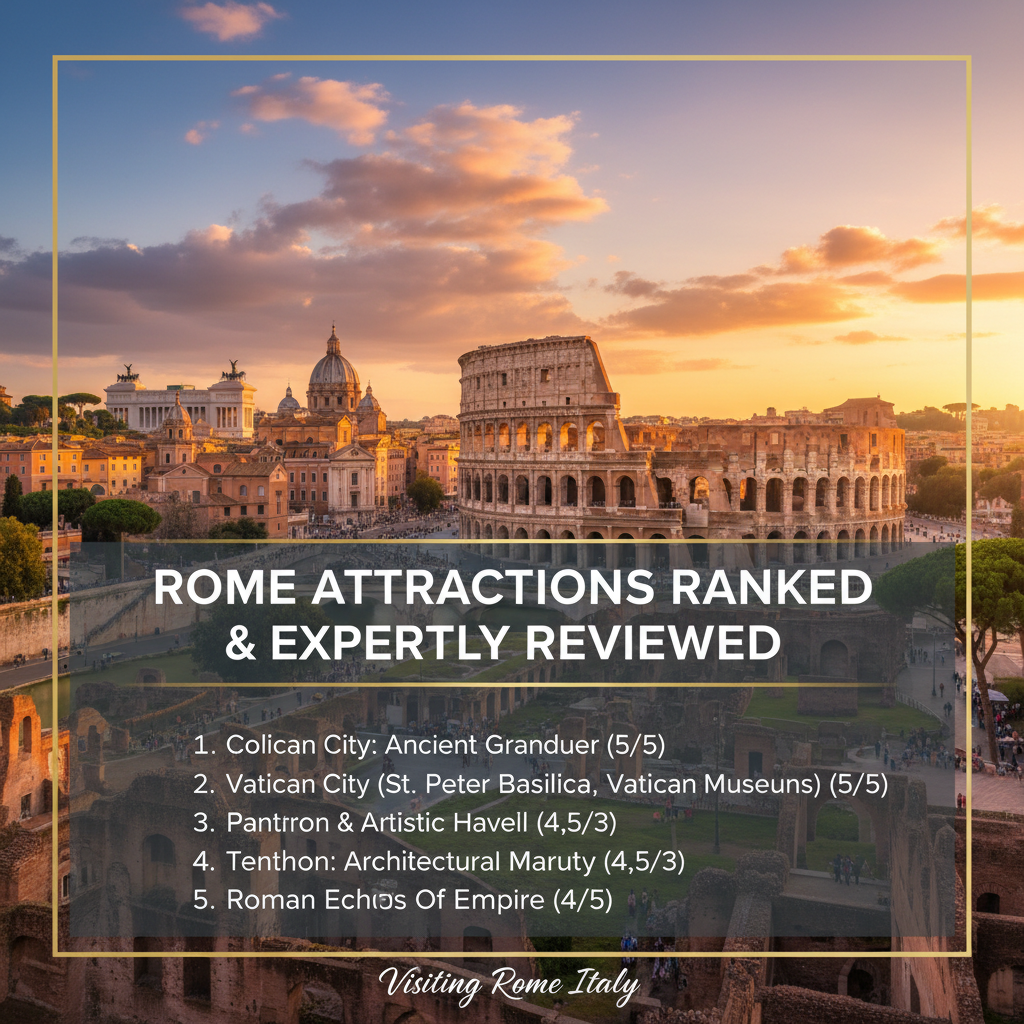
Rome
Discover Rome Rome, the Eternal City, is a remarkable tapestry woven from over two millennia of history, culture, and art. Renowned for its rich historical significance, Rome serves as a living museum where ancient ruins, Renaissance art, and modern life coexist in harmony. From the cobbled streets of Trastevere to the grandeur of St. Peter's Basilica, every corner of Rome tells a story that has captivated travelers for centuries.The history of Rome can be traced back to its founding in 753 BC, and it rose to become the center of one of the most powerful empires in history. The city was the heart of the Roman Empire, where emperors ruled and monumental architecture flourished. Today, visitors can explore iconic landmarks such as the Colosseum, the Roman Forum, and the Pantheon, each a testament to the ingenuity of ancient Roman engineering and design.As a hub of Catholicism, Rome is also home to the Vatican City, an independent city-state that houses some of the world's most revered religious and artistic treasures. The Vatican Museums, the Sistine Chapel with Michelangelo's awe-inspiring ceiling, and St. Peter's Basilica, a masterpiece of Renaissance architecture, draw millions of pilgrims and tourists alike, further enriching the city's cultural significance.What makes Rome truly special is its unique blend of history and contemporary life. The city vibrates with energy, from bustling piazzas filled with locals enjoying espresso to world-class restaurants serving traditional Italian fare. Rome's culture is steeped in tradition, yet it embraces modernity, making it a dynamic destination for all types of travelers. Street art adorning ancient walls, trendy boutiques in historic neighborhoods, and a lively nightlife scene showcase Rome’s ability to evolve while preserving its essence.Moreover, the warmth and hospitality of the Roman people contribute to the city's charm. Visitors often feel a sense of belonging as they engage with locals who are eager to share their passion for their city. The Italian concept of “la dolce vita” permeates every aspect of life in Rome, inviting everyone to savor the moment, indulge in culinary delights, and appreciate the beauty surrounding them.In addition to its historical and cultural significance, Rome serves as a gateway to exploring the broader Italian landscape. From the rolling hills of Tuscany to the stunning Amalfi Coast, day trips from the city offer an array of experiences, allowing travelers to immerse themselves in Italy’s diverse offerings. Whether you're visiting for the first time or returning to rediscover its charm, Rome promises an unforgettable journey through time, art, and life. Top Attractions in Rome – Ranked and Reviewed Rome is a treasure trove of attractions, each more captivating than the last. Visitors to the city have ranked and reviewed these experiences on Stay4Exploring, providing insights into what makes each site worth a visit. Here are the top attractions that should be on every traveler's itinerary:1. The Colosseum - As one of the most iconic symbols of Rome, the Colosseum is a must-see. With over 7,000 reviews, travelers rave about its impressive architecture and rich history as an ancient amphitheater where gladiators once battled. Many recommend booking a guided tour to skip long lines and gain deeper insights into its fascinating past.2. The Vatican Museums - Home to an extensive collection of art and historical artifacts, the Vatican Museums are a highlight for art lovers. Visitors have praised the stunning galleries, particularly the Raphael Rooms, and the breathtaking Sistine Chapel. Reviews often emphasize the importance of purchasing tickets in advance to avoid the crowds.3. St. Peter's Basilica - This monumental church is a masterpiece of Renaissance architecture. Travelers consistently applaud its grandeur and the chance to climb to the dome for a panoramic view of the city. Many reviews note the spiritual atmosphere inside, making it a profound experience for visitors of all backgrounds.4. The Roman Forum - A walk through the Roman Forum is like stepping back in time. With its ancient ruins and historical significance, visitors love exploring this center of Roman public life. Reviewers often recommend taking a guided tour to fully appreciate the stories behind each structure.5. Trevi Fountain - No trip to Rome is complete without tossing a coin into the Trevi Fountain. Visitors find the fountain’s intricate sculptures and the sound of flowing water enchanting. Many reviews highlight the best times to visit to avoid crowds for a more intimate experience.6. Pantheon - This architectural marvel is renowned for its massive dome and oculus. Reviews frequently emphasize the beauty of the interior and the sense of awe it inspires. Visitors appreciate its free entry and the unique opportunity to witness a building that has stood for nearly 2,000 years.7. Trastevere - For a taste of local life, Trastevere is the perfect neighborhood to explore. Known for its charming streets, vibrant nightlife, and authentic Roman cuisine, visitors love wandering its alleyways and dining at traditional trattorias. Reviewers recommend sampling local dishes and enjoying the lively atmosphere.These top attractions, ranked and reviewed by real travelers, showcase the best of what Rome has to offer. Each site contributes to the city’s rich narrative, ensuring that every visitor leaves with unforgettable memories. Planning Your Visit to Rome Rome, the Eternal City, is a captivating destination that blends history, art, and culture into an unforgettable travel experience. When planning your visit, consider the best time to go, how to get there, navigate the city, and where to stay for a memorable trip. Best Time to Visit: The ideal time to visit Rome is during the spring (April to June) and early fall (September to October). During these months, the weather is pleasantly warm, and the city is less crowded than in the peak summer season. Springtime in Rome is particularly enchanting, with blooming flowers and vibrant outdoor cafes. Conversely, summer (July and August) often sees higher temperatures and an influx of tourists, while winter (November to March) can be chilly and rainy but offers fewer crowds and lower accommodation prices. Getting There: Rome is well-connected by air, rail, and road. The main international gateway is Leonardo da Vinci International Airport (Fiumicino), located about 30 kilometers from the city center. Numerous airlines offer direct flights from major cities worldwide. Upon arrival, you can take the Leonardo Express train to Termini Station, a 30-minute ride, or opt for a taxi or shuttle service. If traveling by train, Rome is a hub for Italy’s extensive rail network, making it easily accessible from other Italian cities like Florence and Venice. Getting Around: Once in Rome, you have several options for getting around. The city boasts an efficient public transportation system, including buses, trams, and the metro. The metro system is particularly useful for reaching major attractions such as the Colosseum and Vatican City. If you prefer a more scenic route, consider renting a bicycle or scooter. Walking is also a fantastic way to explore Rome’s charming streets and hidden gems, as many of the city’s key sites are within walking distance of one another. Where to Stay: Rome offers a wide range of accommodation options to suit every budget and preference. The historic center (Centro Storico) is an excellent choice for first-time visitors, as it places you within walking distance of iconic landmarks like the Pantheon and Trevi Fountain. Trastevere is another popular area known for its vibrant nightlife and authentic Roman atmosphere. For luxury seekers, neighborhoods like the Spanish Steps and Via Veneto boast high-end hotels and boutiques. Alternatively, you can find budget-friendly hostels and guesthouses in areas like Testaccio and San Lorenzo, which provide a more local experience while still being conveniently located. Experience Rome Like a Local To truly immerse yourself in Rome, it’s essential to experience the city like a local. Understanding local customs, indulging in authentic cuisine, appreciating the culture, and picking up a few insider tips will enhance your visit and create lasting memories. Local Customs: Romans are known for their warm hospitality, but it’s important to be mindful of local customs. Greetings are typically informal; a simple "Ciao" suffices. When dining, remember to say "Buon Appetito" before starting your meal. Tipping is appreciated but not mandatory; rounding up the bill or leaving small change is common practice. Additionally, dress modestly when visiting churches and religious sites, covering shoulders and knees. Food: No trip to Rome is complete without indulging in its exquisite cuisine. Start your culinary journey with traditional dishes such as "Cacio e Pepe" or "Carbonara," showcasing the city’s love for pasta. Don’t miss out on tasting authentic Roman-style pizza; thin and crispy with a variety of toppings. For a sweet treat, enjoy a "Gelato" from one of the many gelaterias scattered throughout the city. A local favorite is Giolitti, known for its rich flavors and creamy texture. Culture: Rome is a city steeped in culture and history. Attend a local opera or concert for an authentic cultural experience, or visit art galleries and museums to appreciate the works of Italian masters. The Vatican Museums are a must-visit, housing Michelangelo’s Sistine Chapel ceiling. To soak in the local atmosphere, spend an evening at a piazza, where you can enjoy live music and the vibrant social scene. Insider Tips: To navigate Rome like a local, avoid the tourist traps. Start your day early to explore popular sites before crowds arrive. Utilize the "Roma Pass" for discounts on public transportation and entry to major attractions. Also, consider dining at local trattorias, where you can enjoy authentic meals at reasonable prices. Lastly, take time to wander the streets, discovering hidden gems and quaint shops away from the bustling tourist areas.

Baden-Baden
Discover Baden-Baden Nestled in the foothills of the Black Forest, Baden-Baden is a charming spa town renowned for its rich history, vibrant culture, and natural thermal springs. Established as a Roman bath complex in the 1st century AD, Baden-Baden has long been a haven for those seeking relaxation and rejuvenation. The name itself translates to "Bathing Baths," reflecting its enduring legacy as a wellness destination. Over the centuries, the town has attracted royalty and celebrities, drawn by its therapeutic waters and luxurious amenities.Baden-Baden is not only significant for its spa traditions but also as a cultural hub. The town boasts a wealth of artistic and architectural treasures, including the grand Casino Baden-Baden, which is one of the oldest in Europe and a stunning example of neoclassical architecture. The rich cultural tapestry is further embroidered with the Festspielhaus, a world-class concert hall that hosts operas, concerts, and festivals, showcasing the town's dedication to the arts.A stroll through the picturesque streets of Baden-Baden reveals an enchanting atmosphere, where historic buildings coexist with lush gardens and serene parks. The Lichtentaler Allee, a beautiful park lined with plane trees, is perfect for leisurely walks and offers a glimpse into the town's natural beauty. This green corridor is home to diverse flora and fauna and is a testament to the spa town's commitment to preserving its natural surroundings.What truly sets Baden-Baden apart is its dedication to wellness and relaxation. The town's thermal baths, such as the renowned Caracalla Spa and the Friedrichsbad, invite visitors to indulge in a range of treatments, from traditional Roman bathing rituals to contemporary wellness therapies. These establishments are revered not only for their historical significance but also for their state-of-the-art facilities and serene environments.Additionally, Baden-Baden's location makes it an ideal base for exploring the stunning Black Forest region. Whether you're hiking through scenic trails, enjoying wine tastings in local vineyards, or taking in the breathtaking views from the Merkur Mountain, the surrounding countryside is ripe for adventure and exploration.In essence, Baden-Baden is a unique blend of history, culture, and natural beauty. It offers an unparalleled experience for travelers seeking relaxation, cultural enrichment, or a bit of both. The town's charm lies not only in its breathtaking landscapes and luxurious spas but also in the warm hospitality of its residents, who are eager to share the beauty and stories of their beloved town. Top Attractions in Baden-Baden – Ranked and Reviewed Baden-Baden is filled with attractions that cater to a variety of interests, each one rated and reviewed by real travelers on Stay4Exploring. Here’s a curated list of the top attractions that you won’t want to miss when visiting this enchanting spa town.1. Caracalla Spa - Rated 4.8/5The Caracalla Spa is a must-visit for anyone looking to unwind in the thermal waters that have been cherished since Roman times. Visitors rave about the stunning indoor and outdoor pools, saunas, and wellness treatments. The natural thermal springs provide a soothing experience, and the modern facilities make it a perfect spot for relaxation. Travelers especially appreciate the serene atmosphere and the beautiful design of the spa.2. Friedrichsbad - Rated 4.7/5This historic bathhouse offers a unique blend of Roman and Irish bathing traditions. Rated highly for its ambiance and therapeutic benefits, guests enjoy a series of baths, steam rooms, and relaxation areas. Reviewers praise the meticulous attention to detail in the design and the tranquil experience. Many recommend allowing several hours to fully enjoy the entire bathing ritual.3. Casino Baden-Baden - Rated 4.6/5As one of Europe’s oldest casinos, the Casino Baden-Baden is a stunning architectural gem. Visitors enjoy the opulent interiors and the sophisticated gaming experience. Many reviews highlight the chance to dine in one of the elegant restaurants on-site, enhancing the overall experience. Even non-gamblers appreciate the guided tours that delve into the casino's fascinating history.4. Lichtentaler Allee - Rated 4.5/5This beautiful park is perfect for a leisurely stroll or a picnic. Rated highly by visitors for its picturesque landscapes and well-maintained paths, the Lichtentaler Allee is an ideal place to unwind. Travelers love the variety of flora and the peaceful ambiance. It’s also a great spot for photography, with stunning views at every turn.5. Museum Frieder Burda - Rated 4.4/5Art enthusiasts will appreciate the Museum Frieder Burda, known for its impressive collection of modern art. Visitors admire the striking architecture of the building itself, as well as the rotating exhibitions featuring renowned artists. Reviewers often mention the knowledgeable staff and the engaging atmosphere that makes for an enriching experience.These top attractions, each reviewed and rated by real travelers, encapsulate what makes Baden-Baden a destination worth exploring. Whether you're indulging in the healing waters, enjoying cultural events, or simply soaking in the town's beauty, Baden-Baden promises an unforgettable experience. Planning Your Visit to Baden-Baden Baden-Baden, a picturesque spa town nestled in the Black Forest region of Germany, is a destination that beckons visitors year-round. However, the best time to visit largely depends on the experience you seek. For those looking to enjoy the therapeutic thermal baths and outdoor activities, spring (April to June) and early autumn (September to October) are ideal. The weather during these seasons is typically mild, making it perfect for exploring the town’s lush parks and gardens. Winter also holds its charm, especially for visitors who enjoy festive atmospheres and snow-dusted landscapes. The Christmas markets and seasonal events create a magical ambiance, while the thermal baths offer a warm refuge from the cold. Summer months are vibrant, with numerous festivals and events, but can also be quite crowded, especially in July and August. Getting to Baden-Baden is straightforward. The town is well-connected by train, with the Baden-Baden train station located just a few kilometers from the center. From major cities like Frankfurt, Stuttgart, and Karlsruhe, regular train services make it easy to reach this charming town. For those flying, the nearest airport is Baden Airpark, approximately 15 kilometers away, which offers connections to various European cities. Alternatively, larger airports like Stuttgart and Frankfurt are within a two-hour drive. Once you arrive in Baden-Baden, getting around is convenient. The town is compact, making it ideal for walking. Many attractions, including the famous Friedrichsbad and the Lichtentaler Allee, are easily accessible on foot. For those who prefer public transport, the local bus network is efficient and connects you to key points of interest. Biking is also a popular option, with several rental shops available for those looking to explore the scenic routes around the town. When it comes to accommodation, Baden-Baden offers a range of options to suit every budget. For a luxurious experience, consider staying at the Brenners Park-Hotel & Spa, a five-star property that combines elegance with wellness offerings. For mid-range options, hotels like the Hotel Belle Epoque or the Hotel am Markt provide comfort and charm. Budget travelers can find affordable guesthouses and hostels that still offer a taste of the town's unique atmosphere. Regardless of your choice, staying in or near the city center allows easy access to the main attractions, restaurants, and shops, enhancing your overall experience in this enchanting spa town. Experience Baden-Baden Like a Local To truly experience Baden-Baden like a local, it’s essential to immerse yourself in the town’s rich customs and cultural fabric. One of the most significant aspects of life in Baden-Baden is the emphasis on wellness and relaxation. The town is renowned for its thermal baths, and spending a day at the Friedrichsbad or the Caracalla Spa is a local ritual. These baths not only offer relaxation but are also steeped in history, dating back to Roman times. Remember, it’s customary to adhere to the spa etiquette, which often includes enjoying the facilities in the nude, so be prepared for a unique cultural experience. Food in Baden-Baden is a delightful journey through traditional German cuisine. Locals often enjoy a hearty breakfast featuring fresh bread, cold cuts, and cheeses. Be sure to try local specialties such as Maultaschen, a type of stuffed pasta, and Schwarzwälder Kirschtorte (Black Forest cake), which is a must for dessert lovers. Dining at a local Beisl or Gasthaus provides an authentic experience, where you can savor regional dishes in a cozy atmosphere. Additionally, Baden-Baden hosts various food festivals throughout the year, offering visitors a chance to taste local delicacies and wines. The culture of Baden-Baden is vibrant and diverse, with numerous museums, galleries, and theaters that reflect its artistic heritage. The Festspielhaus, one of the largest opera houses in Germany, regularly showcases world-class performances. Attending a concert or a play is an excellent way to engage with the local arts scene. The town also celebrates various cultural festivals, such as the Baden-Baden Festival, which draws performers and audiences from around the globe. Insider tips for experiencing Baden-Baden like a local include exploring the hidden gems of the town. While the main attractions are a must-see, don’t miss the charming side streets and local boutiques that offer unique souvenirs and artisanal products. Take a leisurely stroll along the Lichtentaler Allee, a beautiful park lined with trees and flowers, perfect for a peaceful afternoon. If you’re looking for a unique perspective of the town, consider hiking up to the Merkur Mountain, where you can enjoy panoramic views of Baden-Baden and the surrounding Black Forest. Lastly, engaging with locals can enhance your experience. Many residents are friendly and eager to share their knowledge about the town’s history and culture. Whether you’re asking for recommendations on where to eat or tips on hidden spots, the warmth of the Baden-Baden community adds a personal touch to your visit.
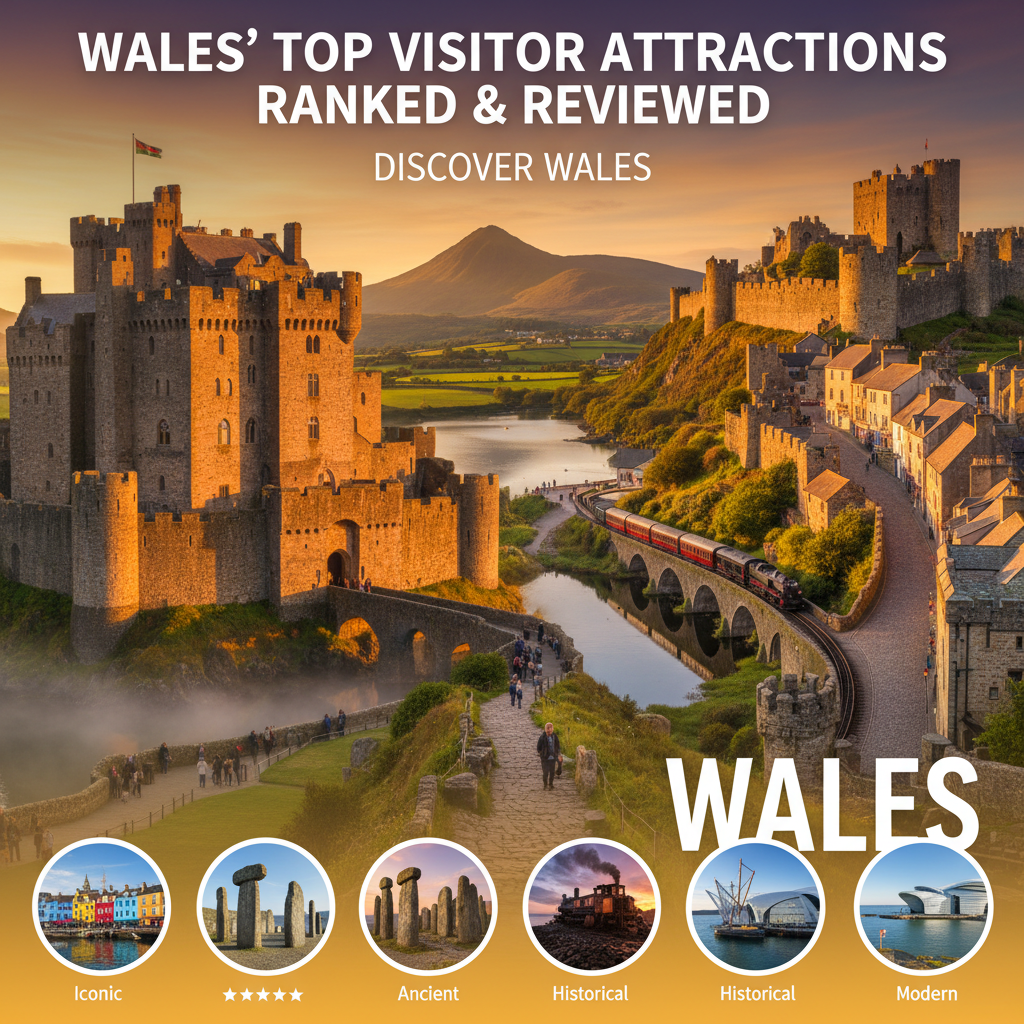
Wales
Discover Wales Wales, a stunning country located on the western edge of Great Britain, is a land of breathtaking landscapes, rich history, and vibrant culture. Known for its majestic mountains, rugged coastline, and picturesque villages, Wales offers travelers a unique experience that blends natural beauty with a deep-rooted sense of heritage. The country is home to three national parks—Snowdonia, Brecon Beacons, and Pembrokeshire Coast—each showcasing diverse ecosystems and outdoor activities that attract nature lovers and adventure seekers alike.The history of Wales is as rich as its landscapes. From the ancient Celtic tribes to the Roman conquest, and later the Norman invasion, Wales has been shaped by various influences throughout the centuries. The country boasts an impressive array of castles, many of which are UNESCO World Heritage Sites, such as Caernarfon Castle and Conwy Castle, reflecting the turbulent history of the region. These historical landmarks not only tell the story of Wales but also offer visitors a glimpse into the architectural prowess of the past.Culture plays a significant role in the identity of Wales. With its own distinct language, Welsh, which is one of the oldest languages in Europe, the country takes immense pride in its cultural heritage. Traditional music, poetry, and festivals such as Eisteddfod, a festival of literature, music, and performance, showcase the artistic spirit of the Welsh people. The vibrant arts scene can be seen in numerous galleries, theaters, and music venues across the country, especially in cities like Cardiff and Swansea.Wales is also known for its warm and welcoming people. The famous Welsh hospitality is evident in the way visitors are treated, making it a place where you feel at home. The local cuisine, including specialties such as Welsh cakes, Cawl (a traditional stew), and the iconic Glamorgan sausage, provides travelers with a taste of the region’s culinary delights.Environmental consciousness and sustainability are increasingly prioritized in Wales, with initiatives promoting eco-friendly travel and conservation efforts. This commitment to preserving natural beauty and cultural heritage ensures that Wales remains a special destination for generations to come.In summary, Wales is a remarkable destination that offers something for everyone, from stunning scenery and historic sites to vibrant culture and warm hospitality. Whether you're hiking in the mountains, exploring ancient castles, or immersing yourself in the rich traditions, a trip to Wales is sure to leave a lasting impression. Top Attractions in Wales – Ranked and Reviewed Wales is filled with incredible attractions that cater to all types of travelers. Below are some of the top-rated experiences as ranked and reviewed by visitors on Stay4Exploring.1. Snowdon Mountain - Rated 4.9/5Snowdon, the highest peak in Wales, offers breathtaking views and exhilarating hiking trails. Visitors rave about the breathtaking scenery and the sense of accomplishment that comes from reaching the summit. Multiple paths cater to different skill levels, making it accessible for both seasoned hikers and families.2. Caernarfon Castle - Rated 4.8/5This majestic castle, a UNESCO World Heritage Site, is renowned for its impressive architecture and historical significance. Visitors enjoy exploring its towers and walls, with many highlighting the informative displays that detail its storied past. The castle’s location by the waterfront adds to its charm, making it a must-visit.3. Pembrokeshire Coast National Park - Rated 4.7/5The Pembrokeshire Coast National Park is celebrated for its stunning coastal scenery and diverse wildlife. Travelers have praised the coastal paths, dramatic cliffs, and beautiful beaches, making it a favorite for both hiking and relaxing by the sea. The park's commitment to conservation is also appreciated by eco-conscious visitors.4. Cardiff Bay - Rated 4.6/5Cardiff Bay is a vibrant area offering a mix of culture, dining, and entertainment. Visitors enjoy the waterfront views, the Wales Millennium Centre, and the variety of restaurants and cafes available. The area is especially lively during festivals and events, making it a top pick for those looking to experience the local culture.5. Llangollen Canal - Rated 4.5/5The Llangollen Canal, known for its picturesque scenery and historic aqueducts, is ideal for leisurely walks and boat trips. Many visitors appreciate the tranquil atmosphere and the opportunity to see wildlife, with some even recommending a canal boat ride as a unique way to experience the area.6. Brecon Beacons National Park - Rated 4.4/5Famous for its stunning landscapes and outdoor activities, Brecon Beacons National Park offers hiking, cycling, and caving. Reviewers often mention the stunning waterfalls and the chance to see the national park's diverse wildlife, making it a favorite for nature enthusiasts.In conclusion, Wales is packed with attractions that appeal to all types of travelers. Whether you’re an adventure seeker, history buff, or culture lover, you’ll find something special to explore. Plan your visit to these top-rated attractions and experience the magic of Wales for yourself! Planning Your Visit to Wales When planning your visit to Wales, timing is crucial to ensure you experience its rugged beauty and vibrant culture at its best. The optimal time to visit Wales is during the late spring (April to June) and early autumn (September to October). During these months, the weather is generally mild, and the crowds are thinner compared to the peak summer season. The lush landscapes are particularly stunning in spring when the wildflowers bloom, while autumn offers a spectacular display of fall foliage.Getting to Wales is straightforward, with several options available. The main international airport is Cardiff Airport, which has connections to various cities across Europe and beyond. Alternatively, you can arrive by train from major UK cities like London, Birmingham, and Manchester. The scenic train routes often provide breathtaking views of the Welsh countryside, making the journey an experience in itself. For those driving, Wales is accessible via the M4 motorway, which runs along the southern coast, and the A55 along the north.Once you arrive, getting around Wales can be quite convenient. Public transport options include trains and buses that connect major towns and cities. The train network is particularly efficient, with services running frequently between Cardiff, Swansea, and north Wales. For a more local experience, consider renting a bike or car, allowing you the freedom to explore Wales' hidden gems at your own pace. Keep in mind that rural areas may have limited public transport options, so plan accordingly. Walking is also a fantastic way to experience the scenic beauty of Wales, especially in national parks like Snowdonia and Brecon Beacons.When it comes to accommodation, Wales offers a range of options to suit every budget. For a unique experience, consider staying in a traditional Welsh cottage or a charming bed and breakfast. In cities like Cardiff and Swansea, you will find a variety of hotels from luxury chains to budget-friendly options. If you are looking for something more adventurous, consider camping or glamping in one of Wales' national parks, where you can fully immerse yourself in nature. Whatever your preference, booking in advance is recommended, especially during peak season. Experience Wales Like a Local To truly immerse yourself in Welsh culture, it’s essential to understand the local customs and traditions that shape this vibrant nation. The Welsh are known for their warmth and hospitality, often greeting visitors with a friendly smile and a welcoming demeanor. A key aspect of Welsh culture is the importance of community and family ties, which are celebrated through various local festivals and events throughout the year.When it comes to food, Wales boasts a rich culinary heritage that reflects its agricultural roots. Be sure to try traditional dishes like cawl, a hearty stew typically made with lamb and seasonal vegetables, and laverbread, a delicacy made from seaweed often served with bacon or as part of a traditional breakfast. Don’t miss out on Welsh cakes, sweet treats baked on a griddle and enjoyed with a cup of tea. For a unique experience, seek out local markets where you can sample artisanal products and regional specialties.The Welsh language is an integral part of the culture, with many residents speaking both Welsh and English. While you may not be fluent, learning a few basic Welsh phrases can be a delightful way to engage with locals and show respect for their heritage. Common phrases include Sut mae? (How are you?) and Diolch (Thank you). Many signs and menus are bilingual, providing a glimpse into the country’s rich linguistic tapestry.Wales is also home to a vibrant arts scene, from music and literature to theater and visual arts. Attend a local concert, visit art galleries, or explore the many festivals celebrating Welsh music, such as the National Eisteddfod, which showcases the talents of local musicians, poets, and artists. The love for storytelling is prevalent, so be sure to check out local legends and folklore, which often inspire contemporary works.For insider tips, consider visiting less-traveled areas to discover hidden gems away from the tourist trail. Places like the stunning Pembrokeshire Coast National Park or the picturesque town of Tenby offer breathtaking views and a more intimate experience of Welsh life. Engaging with locals in smaller towns can lead to authentic experiences, from shared meals to guided walks through the countryside. Lastly, be prepared for unpredictable weather by packing layers and waterproof clothing, allowing you to enjoy Wales' natural beauty, regardless of the forecast.

Belfast
Discover Belfast Belfast, the capital city of Northern Ireland, is a vibrant hub of history, culture, and resilience. Nestled on the banks of the River Lagan, this city has undergone a remarkable transformation over the years, evolving from a center of shipbuilding and industry to a modern metropolis rich in arts, gastronomy, and heritage. One of the most significant aspects of Belfast is its historical backdrop, particularly its role in the Industrial Revolution. Once known for the construction of the RMS Titanic, the city’s maritime legacy is an integral part of its identity.The cultural significance of Belfast is palpable in its architecture, art, and people. The city is adorned with striking Victorian and Edwardian buildings, such as the iconic City Hall and the grand Albert Memorial Clock, which tell stories of a bygone era. The political murals that cover many walls in the city reveal a history of division and conflict, representing the complex narrative of the Troubles—a period of conflict that shaped Northern Ireland's modern history. Today, these murals serve not only as historical markers but also as symbols of peace and reconciliation.Belfast is also a city of festivals, celebrating everything from music and arts to food and culture. The Belfast International Arts Festival, held annually, showcases local and international talent, featuring performances, exhibitions, and workshops that engage audiences of all ages. Furthermore, the city's thriving culinary scene has gained recognition, with numerous restaurants and eateries offering local fare that highlights fresh, seasonal ingredients. From traditional Irish dishes to contemporary cuisine, Belfast has something to satisfy every palate.The warmth and hospitality of the locals contribute to the city’s charm. Visitors often remark on the friendly nature of the residents, who are eager to share stories and recommendations. This welcoming spirit is evident in the many pubs and cafes that dot the city, where travelers can enjoy a pint of Guinness or a cup of Irish tea while soaking in the local atmosphere.Nature lovers will also find solace in Belfast’s green spaces and scenic surroundings. The nearby Belfast Hills and the stunning coastline of Northern Ireland offer excellent opportunities for hiking, cycling, and exploring the great outdoors. Iconic sites like the Giant’s Causeway and the Mourne Mountains are only a short drive away, making Belfast an ideal base for adventure seekers.In summary, Belfast is a city that seamlessly blends its rich history with a dynamic cultural scene and stunning landscapes. Whether you are exploring its historical sites, indulging in local cuisine, or engaging with the friendly locals, Belfast promises an unforgettable experience that resonates long after you leave. Top Attractions in Belfast – Ranked and Reviewed Belfast is teeming with attractions that cater to every interest, and real travelers on Stay4Exploring have rated and reviewed these experiences to help you navigate the best the city has to offer. Here are the top-ranked attractions you won’t want to miss:1. Titanic Belfast – As the world’s largest Titanic visitor experience, Titanic Belfast offers an immersive journey into the life of the ill-fated ship. Visitors rave about the interactive exhibits and stunning architecture of the building itself, which is designed to resemble the ship's hull. The experience takes you through the ship's construction, launch, and tragic maiden voyage, making it a must-visit for history and maritime enthusiasts.2. Crumlin Road Gaol – This historic prison, which closed its doors in 1996, is now a popular attraction offering guided tours that delve into its fascinating—and sometimes grim—history. Reviewers commend the engaging storytelling by tour guides, who bring to life the tales of inmates and the prison’s role during the Troubles.3. Ulster Museum – Located in the lush Botanic Gardens, the Ulster Museum is a treasure trove of art, history, and natural sciences. Visitors appreciate the extensive collections, including artifacts from the Spanish Armada and an impressive display of art by local and international artists. The museum’s free entry makes it an excellent choice for families and history buffs alike.4. Belfast City Hall – This iconic building in the heart of the city is a stunning example of Baroque Revival architecture. Travelers consistently highlight the beauty of the interior and the informative tours available, which provide insights into Belfast’s history and governance. The surrounding grounds are also perfect for a leisurely stroll.5. St. George’s Market – A vibrant market known for its local produce, crafts, and live music, St. George’s Market draws visitors seeking an authentic taste of Belfast. Reviewers love the bustling atmosphere, the chance to sample local delicacies, and the opportunity to purchase unique souvenirs.6. The Peace Wall – A powerful symbol of Belfast’s tumultuous history, the Peace Wall features murals and messages of hope. Visitors are moved by the stories behind the wall and appreciate the chance to engage with this significant landmark. Travelers recommend taking a guided tour for deeper insights into its meaning.In conclusion, Belfast offers a diverse range of attractions that reflect its rich history, culture, and resilience. These top-rated experiences, as highlighted by fellow travelers, will surely enrich your visit and provide unforgettable memories. Planning Your Visit to Belfast Belfast, the capital city of Northern Ireland, is a vibrant destination that boasts a rich tapestry of culture, history, and modern attractions. When planning your visit to Belfast, consider the best time to explore this enchanting city. The most favorable months are from May to September when the weather is milder, and the days are longer. This period is also when numerous festivals and events take place, offering a lively atmosphere for tourists.Getting to Belfast is convenient, with the city served by two major airports: George Best Belfast City Airport and Belfast International Airport. Both airports offer a variety of domestic and international flights. If you're traveling from Dublin, you can take a bus or train, which provides a scenic route through the Irish countryside, taking about two hours.Once you arrive, getting around Belfast is quite straightforward. The city has an efficient public transport system, including buses and trains. The Metro bus service is especially useful for tourists, covering key areas and attractions. Alternatively, you might explore on foot, as many of Belfast’s major sights are within walking distance of each other. Cycling is also popular, with dedicated bike lanes and rental services available.Accommodation options in Belfast cater to a wide range of budgets and preferences. For those seeking luxury, the Fitzwilliam Hotel and The Merchant Hotel are excellent choices, offering superb amenities and central locations. Mid-range travelers can consider places like the Malone Lodge Hotel or the Radisson Blu, both of which provide comfort without breaking the bank. For budget-conscious visitors, numerous hostels and guesthouses, such as the Belfast International Youth Hostel, offer affordable stays. Airbnb is also a popular option, providing unique local experiences in various neighborhoods.In summary, the best time to visit Belfast is during the warmer months, and getting there is easy via air or land. The city’s public transport makes it simple to navigate, while a range of accommodation options ensures that all travelers find something that suits their needs. With careful planning, your trip to Belfast can be both enjoyable and memorable. Experience Belfast Like a Local To truly experience Belfast like a local, it’s essential to embrace the city’s unique customs and cultural practices. Belfast is known for its friendly and welcoming residents, and engaging with locals is one of the best ways to immerse yourself in the city’s culture. One of the first things you’ll notice is the warmth of the Belfast accent and the common use of phrases like "wee" (small) and "craic" (fun or entertainment). Don’t hesitate to strike up conversations; locals love to share stories about their city.Food is an integral aspect of Belfast’s culture, with a culinary scene that reflects both traditional and contemporary influences. Be sure to try local dishes such as the famous Ulster fry, a hearty breakfast that includes eggs, bacon, sausage, and soda bread. For lunch, head to St. George’s Market, where you can sample artisanal products and street food from local vendors. The market is also a great place to pick up unique souvenirs and experience the local atmosphere.As for dining, Belfast offers a variety of restaurants that cater to diverse tastes. For a fine dining experience, consider visiting The Crown Liquor Saloon, a Victorian-era pub that serves delicious food alongside an impressive selection of drinks. If you’re in the mood for something casual, try one of the city’s many fish and chips shops or a restaurant specializing in contemporary Irish cuisine.Culturally, Belfast is rich in art, music, and history. The city is home to numerous museums, such as the Ulster Museum, which showcases local history and art. To experience music like a local, check out the thriving live music scene in areas like the Cathedral Quarter, known for its pubs that host traditional music sessions as well as contemporary performances.Insider tips for experiencing Belfast include taking part in a black cab tour to learn about the city's complex political history and murals that tell the story of its past. Also, if you have time, venture beyond the city to explore the stunning landscapes of the Antrim Coast or visit the iconic Giant's Causeway, both easily accessible for a day trip.In conclusion, to truly experience Belfast like a local, embrace the friendly culture, savor traditional cuisine, and engage with the city’s vibrant arts scene. By doing so, you’ll gain a deeper understanding and appreciation of this remarkable city.

Ashford
Discover Ashford Ashford, a vibrant town located in the picturesque county of Kent, England, is a hidden gem that offers a perfect blend of history, culture, and modern conveniences. With its roots tracing back to the Roman era, Ashford has evolved into an essential hub for both local residents and visitors alike. The town’s historical significance is underscored by its remarkable architecture, including the stunning St. Mary the Virgin Church, which dates back to the 12th century. This church, with its striking Norman architecture, stands as a testament to Ashford's rich heritage. The town is also known for its strategic position as a gateway to Europe, thanks to its proximity to the Channel Tunnel and high-speed rail services. This accessibility has contributed to Ashford’s growth as a commercial and cultural center, attracting businesses and visitors from around the globe. The Ashford Designer Outlet, one of the largest shopping centers in the southeast of England, is a major draw for fashion enthusiasts, offering a plethora of international brands and designer labels at discounted prices. Culturally, Ashford is a melting pot of experiences. The town hosts a variety of events throughout the year, including the Ashford International Festival, which showcases local arts, crafts, and performances. For those interested in the arts, the Ashford Arts Centre is a vibrant space that offers workshops and exhibitions, promoting local talent and creativity. The town’s commitment to preserving its cultural heritage can also be seen in the Ashford Museum, which provides insights into the town’s development from a small village to a bustling urban center. Nature lovers will find Ashford equally appealing, with several parks and green spaces that provide a tranquil escape from the hustle and bustle of town life. Victoria Park, for instance, is a beautifully landscaped area perfect for a leisurely stroll, a family picnic, or simply enjoying the outdoors. The nearby Great Stour River Walk offers scenic views and opportunities for walking, cycling, and birdwatching, making it ideal for outdoor enthusiasts. What truly makes Ashford special is its community spirit. The town is home to friendly locals who take pride in their heritage and actively participate in community events. This sense of belonging and camaraderie adds a unique charm to the town, making visitors feel welcomed and at home. Whether you're exploring its historical landmarks, indulging in shopping, or enjoying the local cuisine at one of its many restaurants, Ashford promises an enriching experience that lingers long after you've left. Top Attractions in Ashford – Ranked and Reviewed Ashford is brimming with attractions and activities that cater to a diverse range of interests. Based on reviews from real travelers on Stay4Exploring, here are some of the top-rated attractions that you shouldn't miss during your visit. 1. Ashford Designer Outlet - Rated 4.7/5The Ashford Designer Outlet is a shopping paradise for bargain hunters and fashion lovers alike. With over 80 stores offering discounts on popular brands, this outlet has become a must-visit destination. Visitors rave about the variety of choices, the pleasant shopping environment, and the availability of cafes for a quick break. Many travelers recommend visiting on weekdays to avoid the crowds and enjoy a more relaxed shopping experience. 2. St. Mary the Virgin Church - Rated 4.6/5This historical landmark is not just an architectural marvel; it is a place of tranquility and reflection. Rated highly for its stunning interior and peaceful atmosphere, visitors appreciate its rich history and beautifully maintained grounds. Travelers often describe their experience of attending services or simply exploring the church as uplifting and enlightening. 3. Victoria Park - Rated 4.5/5A favorite among families and nature enthusiasts, Victoria Park offers lush green spaces, playgrounds, and walking paths. Visitors enjoy the well-kept gardens and the serene environment, making it an ideal spot for a picnic or a leisurely afternoon stroll. The park's family-friendly facilities and proximity to the town center make it a popular choice for both locals and tourists. 4. Ashford Museum - Rated 4.4/5The Ashford Museum provides a fascinating insight into the town's history and development. Visitors are impressed by the informative exhibits and the friendly staff who are eager to share stories about Ashford's past. Many reviews highlight the museum's commitment to preserving local history and culture, making it a worthwhile stop for anyone interested in learning more about the area. 5. The Great Stour River Walk - Rated 4.3/5For those who enjoy the great outdoors, the Great Stour River Walk offers picturesque scenery and a chance to connect with nature. Hikers and cyclists alike praise the well-marked paths and breathtaking views of the river and surrounding countryside. Travelers recommend this walk for anyone looking to escape the urban environment and immerse themselves in the natural beauty of Kent. In addition to these top attractions, Ashford also offers a variety of restaurants, cafes, and cultural experiences that contribute to its charm. Each visit is unique, and with so much to explore, Ashford is a destination that invites discovery and enjoyment for every traveler. Planning Your Visit to Ashford Ashford, a charming market town located in Kent, England, is a delightful destination that offers a blend of history, culture, and modern attractions. When planning your visit, consider the best times to experience all that Ashford has to offer.The ideal time to visit Ashford is during the late spring and early summer months, particularly from May to July. During this period, the weather is generally mild and pleasant, perfect for exploring the local parks, gardens, and outdoor attractions. Late spring also brings vibrant floral displays, making it a picturesque time for photography enthusiasts. Autumn, particularly September and October, is another excellent option, as the foliage transforms the landscape into a canvas of rich colors.Getting to Ashford is convenient, thanks to its excellent transport links. The town is easily accessible by train, with Ashford International Railway Station providing direct services from London, Paris, and Brussels. If you're traveling by car, Ashford is located just off the M20 motorway, making it straightforward to reach from various parts of the UK. For those flying in, London Gatwick Airport is the nearest major airport, approximately 60 minutes away by train.Once you arrive in Ashford, navigating the town is relatively easy. The town center is compact and pedestrian-friendly, allowing visitors to explore on foot. Public transportation, including local buses and taxis, is available for those wishing to venture further afield. Additionally, cycling is a popular option, with several bike rental services available.When it comes to accommodation, Ashford offers a range of options to suit various budgets and preferences. For a touch of luxury, consider staying at the Ashford International Hotel, which features modern amenities and a spa. Budget travelers might prefer the Travelodge or Premier Inn, both of which offer comfortable rooms at affordable prices. For a more unique experience, explore local bed-and-breakfast establishments that offer a cozy atmosphere and the chance to meet locals. Booking in advance, especially during peak tourist seasons, is advisable to secure the best deals.Overall, planning your visit to Ashford involves choosing the right time, understanding transportation options, and selecting suitable accommodations to ensure a memorable experience in this delightful town. Experience Ashford Like a Local To truly immerse yourself in Ashford's local culture, it's essential to understand the customs, flavors, and lifestyle that make this town unique. Engaging with the community and participating in local traditions can enhance your travel experience.One of the most significant aspects of Ashford's culture is its strong sense of community. Residents are known for their friendliness and hospitality, making it easy for visitors to feel welcomed. Participating in local events and festivals, such as the Ashford Carnival or the annual Food Festival, can provide insight into the town's vibrant culture and allow you to interact with locals.When it comes to food, Ashford boasts a delightful culinary scene that reflects the diversity of its inhabitants. Traditional British fare can be found in various pubs and restaurants throughout the town. Don't miss the opportunity to try local specialties, such as Kentish ale or fresh produce from the nearby orchards. The Ashford Market offers a variety of stalls showcasing everything from artisan cheeses to homemade jams, allowing you to taste local delicacies and support local businesses.For a truly authentic experience, seek out local eateries rather than tourist hotspots. The George Hotel is a popular choice among locals, offering classic British dishes in a cozy setting. For those with a penchant for international cuisine, Ashford also has a range of options, including Indian, Chinese, and Italian restaurants that reflect the multicultural aspect of the town.Culturally, Ashford is home to several art galleries and theaters, with the Ashford Arts Centre being a hub for local artists and performers. Checking the schedule for events, exhibitions, or workshops can provide a glimpse into the local artistic scene and offer opportunities for engagement.For insider tips, consider visiting during weekdays to avoid the weekend crowds, especially at popular attractions. Early mornings are ideal for exploring the town's parks and gardens, such as Victoria Park, where you can enjoy a peaceful stroll or a picnic before the bustle of the day begins. Also, don't hesitate to strike up conversations with locals; they can offer invaluable recommendations on hidden gems and lesser-known attractions.Lastly, getting involved in local customs, like participating in a community event or trying your hand at a traditional craft workshop, can help you forge deeper connections with Ashford and its residents. By embracing the local way of life, you'll leave with cherished memories and a profound appreciation for this quaint town.
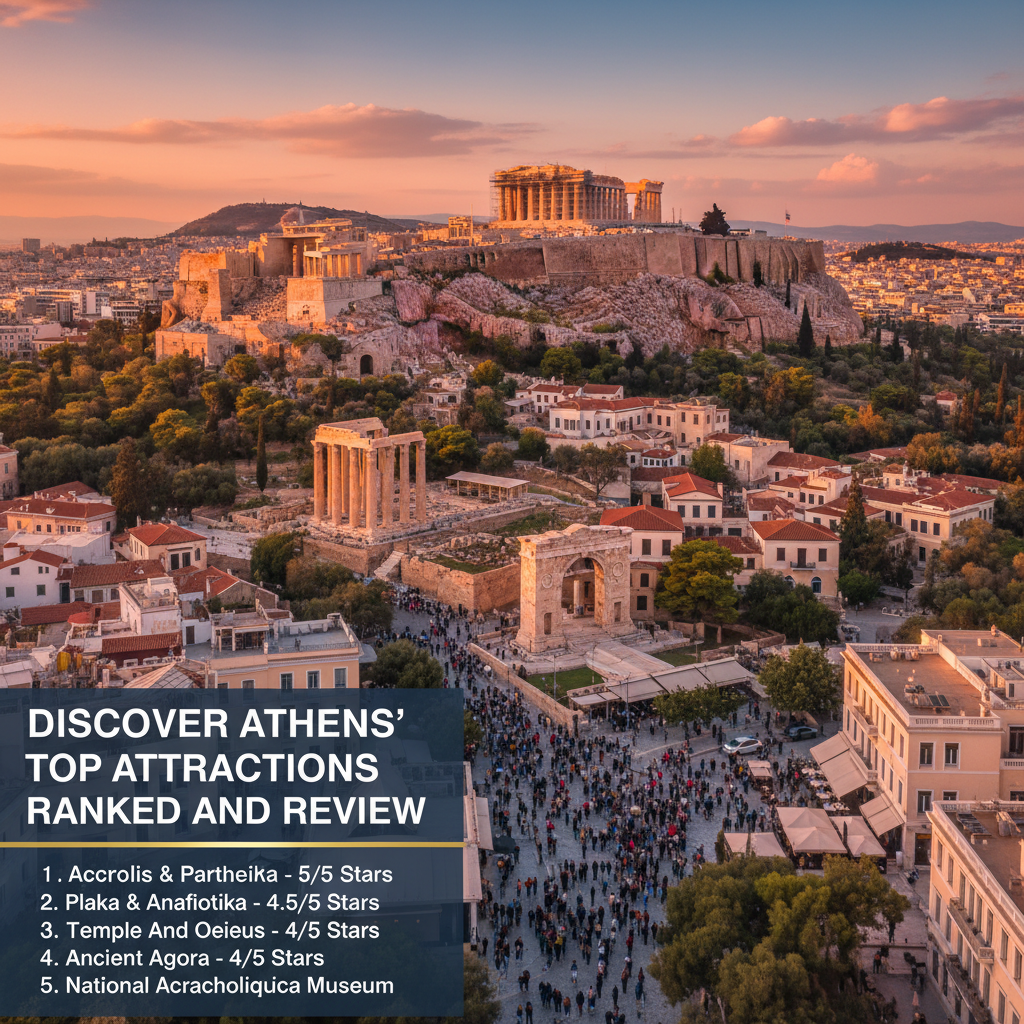
Athens
Discover Athens Athens, the capital of Greece, is a city that exudes history and culture from every corner. With its roots tracing back over 3,400 years, Athens is often referred to as the cradle of Western civilization and the birthplace of democracy. The rich tapestry of its history is woven through its ancient ruins, museums, and vibrant neighborhoods, making it a must-visit destination for travelers seeking to explore both the past and present.The significance of Athens goes beyond its historical landmarks. The city has been a major center for arts, philosophy, and politics, producing some of the greatest thinkers in history, including Socrates, Plato, and Aristotle. The influence of Ancient Greece on modern society is immeasurable, with concepts of democracy, theater, and philosophy still shaping our world today.Walking through Athens, you will find yourself surrounded by iconic structures that tell stories of the past. The Acropolis, a UNESCO World Heritage site, dominates the skyline and features the Parthenon, a temple dedicated to the goddess Athena. This architectural marvel is not just a symbol of Ancient Greece but also a testament to the ingenuity and artistic prowess of its time. The nearby Acropolis Museum offers interactive exhibitions, showcasing artifacts and giving visitors insight into the significance of the Acropolis in ancient life.Athens is more than just ancient ruins; it is a living city that embraces its heritage while evolving into a modern metropolis. The vibrant neighborhoods, such as Plaka and Monastiraki, are filled with charming cafes, bustling markets, and contemporary art galleries. Here, you can experience the fusion of tradition and modernity, where ancient cobblestone streets lead to trendy boutiques and restaurants offering a taste of modern Greek cuisine.The city's cultural scene is thriving, with numerous festivals, art exhibitions, and performances taking place throughout the year. The Athens Epidaurus Festival, for instance, showcases ancient drama in the historic theater of Epidaurus, offering attendees a unique chance to experience performances in a breathtaking setting.Moreover, the city’s coffee culture is an integral part of daily life, with locals and visitors alike enjoying leisurely afternoons in cafes, sipping on traditional Greek coffee or indulging in sweet treats like baklava. The warm hospitality of Athenians adds to the charm of the city, making visitors feel welcomed and at home.In conclusion, Athens is a destination that captivates the hearts of travelers with its historical significance, rich culture, and vibrant atmosphere. Whether you are an avid history buff, a lover of the arts, or simply looking to immerse yourself in a city that has shaped human civilization, Athens offers an unforgettable experience that will resonate long after your visit. Top Attractions in Athens – Ranked and Reviewed When it comes to exploring Athens, the city is brimming with attractions that cater to a variety of interests. Here are some of the top-rated attractions, as reviewed by travelers on Stay4Exploring, ensuring you have a fulfilling experience during your visit.1. The AcropolisRanked as the top attraction in Athens, the Acropolis is a must-see for anyone visiting the city. Visitors rave about the stunning views from the hilltop and the impressive ruins that tell the story of Ancient Greece. The Parthenon, the Erechtheion, and the Temple of Athena Nike are highlights that showcase classical architecture at its finest. Many reviewers recommend visiting early in the morning to avoid crowds and fully appreciate the site's grandeur.2. Acropolis MuseumJust a short walk from the Acropolis, the Acropolis Museum is a modern architectural marvel that houses an extensive collection of artifacts from the site. Rated highly by visitors, the museum offers interactive exhibits and informative displays that enhance the understanding of the Acropolis's historical significance. Guests appreciate the museum's design, which allows for exceptional views of the Acropolis itself.3. PlakaOften referred to as the neighborhood of the gods, Plaka is a charming area filled with narrow streets, traditional tavernas, and vibrant shops. Travelers love wandering through its picturesque alleys, discovering local artisan goods, and enjoying authentic Greek cuisine. Many reviews highlight the friendly atmosphere and recommend dining at a rooftop restaurant with views of the Acropolis.4. Ancient AgoraThe Ancient Agora served as the heart of ancient Athens and is now a captivating archaeological site. Visitors praise the well-preserved ruins and the chance to explore the Temple of Hephaestus, one of the best-preserved ancient temples in Greece. The site is less crowded than the Acropolis, allowing for a more intimate experience with history.5. Mount LycabettusFor those seeking a panoramic view of Athens, Mount Lycabettus is a top recommendation. Hikers and visitors alike enjoy the scenic trails leading to the summit, where a charming church and café await. Reviews often mention the breathtaking sunset views over the city, making it a perfect spot for romance and photography.6. National Archaeological MuseumThis museum is a treasure trove of ancient artifacts and is highly rated by art and history enthusiasts. With collections spanning from prehistoric to late antiquity, visitors are often mesmerized by the extensive exhibits, including the famous Mask of Agamemnon. Many recommend allocating several hours to fully appreciate this cultural institution.In summary, Athens offers a diverse range of attractions that cater to every type of traveler. From ancient ruins to vibrant neighborhoods, the experiences are enriched by the insights and recommendations of those who have explored the city before you. Whether you’re wandering through historical sites or enjoying the local cuisine, Athens promises an unforgettable adventure. Planning Your Visit to Athens Athens, the vibrant capital of Greece, is a city steeped in history and culture. When planning your visit, timing is key to experiencing the best this city has to offer.The ideal time to visit Athens is during the spring (April to June) and the fall (September to October). During these months, the weather is pleasantly warm, making it perfect for exploring the city’s rich archaeological sites and outdoor attractions. Summer months can be extremely hot, with temperatures often exceeding 35°C (95°F), and the influx of tourists can make popular attractions crowded. Winter is mild but can be rainy, and while you might find fewer tourists, some attractions may have limited hours.Getting to Athens is relatively straightforward, with Eleftherios Venizelos International Airport serving as the main gateway. The airport is well-connected to many major cities worldwide. Upon arrival, travelers can take the metro, taxi, or shuttle services to reach the city center. The metro is economical and efficient, with a direct line connecting the airport to central Athens.Once in Athens, getting around can be both easy and enjoyable. The city boasts an extensive public transportation system, including buses, trams, and the metro. The metro is particularly convenient for tourists, as it connects many major attractions. For those who prefer a more leisurely pace, walking is a fantastic way to soak up the city’s atmosphere, especially in areas like Plaka and Monastiraki. Renting a bike is another wonderful option, as several bike lanes have been developed in recent years.When it comes to accommodation, Athens offers a range of options to suit every budget. For a taste of luxury, consider staying in hotels near Syntagma Square, which provide easy access to the Parliament Building and major shopping areas. If you are looking for a more authentic experience, the neighborhoods of Plaka and Kifisia feature charming boutique hotels and guesthouses. Budget travelers might find hostels or budget hotels in the Psiri area, known for its vibrant nightlife and artistic vibe. Regardless of where you choose to stay, ensure that you’re close to a metro line to facilitate easy travel around the city. Experience Athens Like a Local To truly experience Athens like a local, immerse yourself in the city’s customs, cuisine, and culture. Greeks are known for their hospitality; a friendly greeting can go a long way. Make sure to learn a few basic Greek phrases like 'Kalimera' (Good morning) and 'Efharisto' (Thank you) to enhance your interactions with locals.When it comes to food, Athens is a culinary paradise. Traditional Greek cuisine is characterized by its use of fresh ingredients, herbs, and olive oil. Do not miss trying classic dishes such as moussaka (a baked dish of layers of eggplant, minced meat, and béchamel sauce), souvlaki (grilled meat skewers), and tzatziki (yogurt dip with cucumber and garlic). For an authentic local experience, head to the Central Market (Varvakios Agora) on Athinas Street, where you can sample local delicacies and purchase fresh produce. Additionally, exploring the countless tavernas scattered throughout the city is a must; many offer live music and a warm atmosphere.Athens' culture is rich and diverse, influenced by its ancient history and modern life. Spend time exploring neighborhoods like Monastiraki, known for its eclectic street markets and flea markets, and Psiri, famous for its vibrant street art and nightlife. Attending a traditional Greek music performance or a dance show is another way to immerse yourself in the local culture.Insider tips for experiencing Athens include visiting popular attractions early in the morning or later in the afternoon to avoid the crowds. The Acropolis Museum, for instance, is less busy right when it opens or just before closing. It’s also wise to wear comfortable shoes, as many of Athens' streets are cobbled, and you’ll likely do a lot of walking.Finally, don’t shy away from exploring beyond the typical tourist spots. Take a stroll through the National Garden or hike up to Mount Lycabettus for breathtaking views of the city. Engaging with locals at cafés, particularly in the evenings, can lead to unexpected friendships and insights into the Athenian way of life. By embracing the local customs, food, and culture, you’ll create unforgettable memories during your visit to Athens.

Agra
Discover Agra Agra is a city steeped in history, culture, and architectural grandeur. Located in the northern Indian state of Uttar Pradesh, this vibrant city is most famous for being home to one of the Seven Wonders of the World, the Taj Mahal. Built in the 17th century by Mughal Emperor Shah Jahan as a mausoleum for his beloved wife Mumtaz Mahal, the Taj Mahal stands as a symbol of love and a masterpiece of Mughal architecture. But Agra is not just about the Taj Mahal; it is rich in history, with a blend of cultural influences that reflect its past as a significant center of the Mughal Empire. The city's significance extends beyond its monumental structures. Agra was once the capital of the Mughal Empire, and its historical importance is evident in its many other attractions, such as the Agra Fort and the Tomb of Itimad-ud-Daulah, often referred to as the 'Baby Taj.' These sites showcase the intricate artistry and architectural brilliance of the Mughal era, featuring elaborate marble inlays and beautiful gardens. Agra's culture is a melting pot of traditions, influenced by its historical role as a center for art, music, and cuisine. The city is famous for its delectable Mughlai cuisine, which includes dishes like biryani, kebabs, and the sweet treat of petha, a local delicacy made from ash gourd. Visitors can immerse themselves in the local culture by exploring bustling markets, attending cultural performances, and indulging in the city's rich culinary offerings. What makes Agra truly special is its ability to transport visitors back in time. Walking through its streets, one can feel the echoes of history resonating through the walls of ancient fortresses and palaces. The hospitality of its residents adds to the city's charm, welcoming travelers with warmth and friendliness. Agra is also a city that embraces modernity while preserving its historical essence, making it a unique destination for all kinds of travelers. In addition to its historical and cultural significance, Agra serves as a gateway to other remarkable destinations in India. The nearby Fatehpur Sikri, a UNESCO World Heritage site, and the serene landscapes of the Yamuna River offer additional experiences that complement the rich tapestry of Agra. Whether you are an architecture enthusiast, a history buff, or simply someone seeking awe-inspiring beauty, Agra promises an unforgettable journey filled with wonder and discovery. Top Attractions in Agra – Ranked and Reviewed Agra is a treasure trove of attractions that captivate visitors from around the globe. Each site offers a unique glimpse into the city's rich heritage and architectural brilliance. Here are the top-rated attractions in Agra, as reviewed by travelers on Stay4Exploring: 1. Taj Mahal - The undisputed crown jewel of Agra, the Taj Mahal is a must-visit for anyone traveling to the city. Rated highly for its breathtaking beauty and historical significance, visitors often describe it as a 'dreamlike experience.' The intricate marble craftsmanship and the serene gardens surrounding the mausoleum create a picturesque setting, especially during sunrise and sunset. 2. Agra Fort - A UNESCO World Heritage site, Agra Fort is a stunning red sandstone fortress that played a crucial role in the Mughal dynasty. Travelers appreciate the fort's impressive architecture and panoramic views of the Taj Mahal from its ramparts. Many reviews highlight the fascinating history of the fort and its well-preserved structures, making it a worthwhile stop. 3. Tomb of Itimad-ud-Daulah - Often referred to as the 'Baby Taj,' this exquisite tomb is celebrated for its intricate marble inlay work and beautiful gardens. Visitors praise its peaceful atmosphere and the stunning craftsmanship, which many believe rivals that of the Taj Mahal itself. It's a quieter alternative for those looking to escape the crowds. 4. Mehtab Bagh - This beautiful garden complex offers a stunning view of the Taj Mahal, particularly during sunset. Rated highly for its serene environment, travelers appreciate the chance to relax and enjoy a picnic while taking in the iconic monument's reflection on the Yamuna River. It's a perfect spot for photography enthusiasts. 5. Fatehpur Sikri - A short drive from Agra, this UNESCO World Heritage site is an ancient Mughal city that showcases remarkable architecture and planning. Visitors often rave about the grandeur of the structures, including the Buland Darwaza and the Jama Masjid. Many reviews emphasize the historical significance of the site and its well-preserved condition. 6. Sadar Bazaar - For those looking to experience local culture, Sadar Bazaar is a bustling market that offers a variety of handicrafts, textiles, and delicious street food. Travelers enjoy the vibrant atmosphere and the opportunity to shop for unique souvenirs. Many reviews highlight the friendly vendors and the authentic Agra experience. Agra's attractions are not just about the sights; they are about the stories and experiences that each visitor carries home. From the grandeur of the Taj Mahal to the hidden gems of the Tomb of Itimad-ud-Daulah, each ranked attraction provides a unique perspective on Agra's cultural heritage and historical significance. Whether you are a first-time visitor or returning to explore more, Agra promises unforgettable experiences that resonate long after your journey ends. Planning Your Visit to Agra Agra, home to the iconic Taj Mahal, is a must-visit destination in India that attracts millions of travelers each year. To make the most of your journey, it's essential to plan your visit carefully.Best Time to Visit: The ideal time to visit Agra is between October and March when the weather is cool and pleasant. During these months, temperatures range from 10°C to 25°C (50°F to 77°F), making it comfortable for sightseeing. Avoid the summer months (April to June) when temperatures can soar above 40°C (104°F) and the monsoon season (July to September) due to heavy rain and humidity.Getting There: Agra is well-connected by air, rail, and road. The nearest airport is the Agra Airport (AGR), which offers limited domestic flights. The more convenient option is to fly into Delhi's Indira Gandhi International Airport (DEL) and then take a train or drive to Agra, which is about a 3-4 hour journey. Agra is also connected by several trains from major cities like Delhi, Jaipur, and Varanasi, with the Gatimaan Express being one of the fastest options. If you prefer the road, several bus services are available from nearby cities.Getting Around: Once in Agra, you have various options for getting around. Auto-rickshaws and cycle-rickshaws are popular and affordable, but it's advisable to negotiate the fare beforehand. Taxis and app-based ride services like Uber and Ola also operate in the city. If you're looking for a more immersive experience, consider renting a bicycle to explore the local sights at your pace.Where to Stay: Agra has a wide range of accommodations to suit all budgets. For luxury travelers, the Oberoi Amarvilas offers stunning views of the Taj Mahal and top-notch amenities. Mid-range options like the Trident Agra provide comfort and convenience, while budget travelers can find hostels and guesthouses throughout the city. Staying near the Taj Mahal will allow for easy access to the monument, especially during sunrise and sunset when it is at its most breathtaking.Regardless of your preferences, booking your accommodation in advance is recommended, especially during peak tourist seasons. With careful planning, your visit to Agra can be both memorable and enjoyable, allowing you to soak in the rich history and culture of this incredible destination. Experience Agra Like a Local To truly experience Agra, one must delve into the local customs, food, and culture that define this historic city. Understanding the local way of life will enhance your trip and provide a deeper appreciation for what Agra has to offer.Local Customs: Agra is home to a rich tapestry of cultures influenced by Mughal history. When interacting with locals, it’s customary to greet with a smile and a nod. Always be respectful of religious practices, especially when visiting temples and mosques. Dress modestly, particularly in religious sites, and remove your shoes when entering these sacred spaces.Food: Agra is renowned for its culinary delights, particularly its street food. Don’t miss trying the famous Agra petha, a sweet made from ash gourd, available in various flavors. Street stalls serve delicious chaat, a savory snack that includes papdi, aloo, and a mix of spicy and tangy chutneys. For a heartier meal, savor Mughlai cuisine at local restaurants. Dishes like biryani, kebabs, and butter chicken are must-tries. Be sure to enjoy a meal at a rooftop restaurant with views of the Taj Mahal for an unforgettable dining experience.Culture: Agra's cultural scene is vibrant, with music, dance, and art playing significant roles. Attend a traditional dance performance or visit local markets where artisans sell intricate handicrafts, including marble inlay work, which Agra is famous for. Engaging with local artists can provide insight into the craftsmanship behind these beautiful creations.Insider Tips: To experience Agra like a local, consider visiting lesser-known attractions such as the Itimad-ud-Daulah's Tomb, also known as the Baby Taj, which offers stunning architecture without the crowds. Early morning visits to the Taj Mahal can be magical, as the soft light creates an ethereal atmosphere. Purchase tickets online in advance to avoid long queues. Lastly, don’t hesitate to strike up conversations with locals; they are often eager to share stories and recommendations, providing an authentic glimpse into Agra's rich heritage.By immersing yourself in Agra’s customs, cuisine, and culture, your visit will be filled with memorable experiences that go beyond the famous landmarks, allowing you to connect with the heart of this extraordinary city.

Torridon
Discover Torridon Torridon, nestled in the majestic Highlands of Scotland, is a destination that captures the hearts of those who venture into its breathtaking landscapes. The region is steeped in rich history and culture, making it an extraordinary place for travelers seeking both adventure and tranquility. Torridon is part of the larger Torridon Hills, a range characterized by striking granite peaks, deep valleys, and pristine lochs, all of which tell a story of geological significance that spans millions of years.The area has a long history, with evidence of human activity dating back to prehistoric times. The remnants of ancient settlements and stone circles can still be found, serving as a testament to the area’s early inhabitants who were drawn to its natural beauty and resources. The name 'Torridon' itself is derived from the Gaelic 'Torr an Doire,' meaning 'hill of the oak grove,' highlighting the region's connection to nature and its lush, wooded areas.In addition to its stunning natural scenery, Torridon is a cultural hub, known for its vibrant local community and traditional Scottish heritage. The village of Torridon, while small, is home to a warm and welcoming atmosphere, with local shops, craft galleries, and eateries that often showcase the best of Scottish cuisine. Visitors can experience the hospitality of the Highlands through local events and festivals, which celebrate everything from music and dance to food and drink.What makes Torridon truly special is not just its stunning landscapes and rich history, but the opportunities it provides for outdoor exploration. The region is a paradise for hikers, climbers, and nature enthusiasts. With trails that range from easy walks along the loch to challenging climbs up iconic peaks like Liathach and Beinn Eighe, there is something for everyone. Wildlife enthusiasts will also find joy in spotting local fauna, including red deer, golden eagles, and otters, making Torridon a vital part of Scotland's natural heritage.Moreover, Torridon is a gateway to the North Coast 500 route, a scenic road trip that showcases the best of the Scottish Highlands. This allows visitors to explore even more of the stunning landscapes, charming villages, and historical sites that dot the countryside. Whether you’re seeking adventure, relaxation, or a deeper connection to nature, Torridon offers a unique and enriching experience that leaves a lasting impression on all who visit. Top Attractions in Torridon – Ranked and Reviewed When it comes to exploring Torridon, visitors are treated to a variety of attractions and activities that cater to diverse interests. Here are some of the top-rated experiences as reviewed by travelers on Stay4Exploring:1. Liathach - Often hailed as one of Scotland’s most iconic mountains, Liathach is a must-visit for hiking enthusiasts. With its dramatic ridges and stunning views, it attracts climbers from all over. Reviewers rave about the breathtaking panoramas from the summit, noting that the challenging hike is well worth the effort. The sense of accomplishment upon reaching the top is a common highlight mentioned by visitors.2. Beinn Eighe National Nature Reserve - This nature reserve is celebrated for its diverse ecosystems and rare wildlife. Hikers can explore numerous trails that meander through ancient pine forests and offer views of the stunning Beinn Eighe mountain range. Visitors appreciate the educational visitor center, which provides insight into the area’s natural history, making it a great stop for families and nature enthusiasts alike.3. Torridon Sea Kayaking - For those looking to experience Torridon from a different angle, kayaking on the loch is an unforgettable experience. Visitors have praised the knowledgeable guides and the serene beauty of the loch, allowing for close encounters with local wildlife. Paddling through the calm waters, surrounded by picturesque landscapes, is often described as a highlight of their trip.4. The Torridon Hotel - This luxurious hotel is not only a place to stay but also a destination in itself. Many guests have praised its fine dining restaurant, which showcases local ingredients and Scottish cuisine. The hotel’s stunning location and excellent service make it a top-rated accommodation choice, perfect for winding down after a day of adventure.5. The Old Man of Storr - While a bit of a drive from Torridon, many visitors recommend making the trek to see this iconic rock formation. The hike to the summit offers stunning views of the surrounding landscape and is a favorite for photography enthusiasts. Reviewers often mention the awe-inspiring scenery as a reason to make the journey.These attractions reflect the beauty and adventure that Torridon has to offer, as well as the warmth of its local culture. Whether you seek adrenaline-pumping activities or peaceful retreats in nature, Torridon promises an experience that resonates long after you leave. Planning Your Visit to Torridon Torridon, nestled in the heart of the Scottish Highlands, is a destination that combines stunning natural landscapes with rich cultural heritage. Planning your visit requires a bit of foresight to ensure you make the most of this breathtaking locale.Best Time to Visit: The best time to visit Torridon is during the late spring to early autumn months, from May to September. During this period, the weather is relatively mild, with longer daylight hours that allow for more outdoor activities. The summer months, particularly July and August, see the highest number of visitors, but they also offer the best chances for clear skies and comfortable temperatures. If you prefer fewer crowds, consider visiting in May or September, when the landscape is still vibrant, and the weather is pleasant.Getting There: Torridon is accessible by car, with the nearest major city being Inverness, approximately 90 miles away. From Inverness, take the A835 and then the A832 to reach the A896, leading directly to Torridon. If traveling from Glasgow or Edinburgh, expect a longer journey, approximately 5-6 hours. Public transport options include buses that connect Torridon to nearby towns, but they may have limited schedules. For those flying in, Inverness Airport is the closest, and renting a car is recommended for exploring the area at your leisure.Getting Around: Once in Torridon, the best way to explore is by car, allowing you the flexibility to visit the numerous hiking trails, scenic viewpoints, and hidden gems in the area. For those who prefer not to drive, cycling is an excellent alternative, with many bike rental options available. Walking is also a popular choice, especially for accessing local trails and enjoying the stunning landscapes at a leisurely pace. Be prepared for variable weather and always carry waterproof gear, as conditions can change rapidly in the Highlands.Where to Stay: Accommodation options in Torridon range from cozy B&Bs and guesthouses to luxury hotels and self-catering cottages. The Torridon Hotel is a well-known upscale option with breathtaking views and fine dining. For budget travelers, the Torridon Youth Hostel offers a friendly atmosphere and is perfect for hikers and outdoor enthusiasts. Additionally, consider booking a holiday cottage for a more home-like experience, allowing you to cook your meals and immerse yourself in the local environment. Whichever option you choose, make sure to book in advance, especially during peak season, to secure your preferred stay. Experience Torridon Like a Local To truly appreciate Torridon, immerse yourself in the local customs, food, and culture that define this rugged yet beautiful part of Scotland. Understanding the local way of life will enhance your visit and create memorable experiences.Local Customs: The people of Torridon are known for their warm hospitality and friendliness. A common custom is to greet locals with a smile and a friendly "hello" or "how are you?" This simple gesture can go a long way in making connections. Additionally, respect for the natural environment is deeply ingrained in the local culture, so always practice Leave No Trace principles while hiking or exploring.Food and Drink: The culinary scene in Torridon highlights fresh, local ingredients, with an emphasis on seafood and game. Be sure to try traditional Scottish dishes such as haggis, neeps, and tatties, as well as locally sourced salmon and venison. The Torridon Hotel features a fine dining restaurant that showcases the best of Highland cuisine. For a casual experience, visit local pubs where you can enjoy hearty meals and a pint of local ale. Don't miss trying a dram of Scotch whisky from one of the many distilleries in the region.Culture: Torridon is steeped in rich history and culture, with Gaelic influences present in the language and place names. Engage with local artisans and craftspeople who often sell their work at markets or galleries. Participating in community events, such as music festivals or ceilidhs (traditional Scottish dance gatherings), provides a wonderful opportunity to experience local culture firsthand. Keep an eye on local event calendars to find out what's happening during your visit.Insider Tips: One of the best ways to experience Torridon like a local is to seek out hidden trails and lesser-known viewpoints away from the popular tourist spots. Ask locals for recommendations on walks or places to visit that are off the beaten path. Additionally, consider timing your hikes for early morning or late afternoon to enjoy the landscapes bathed in the soft light of sunrise or sunset. Always carry a camera, as the scenery is incredibly photogenic. Lastly, don’t rush your visit; take time to savor the tranquility of Torridon and the beauty of its surroundings.

Sydney
Discover Sydney Sydney, the vibrant capital of New South Wales, is an iconic city known for its stunning harbor, rich history, and multicultural essence. Originally inhabited by the Gadigal people, a clan of the Eora Nation, the area was first discovered by Europeans in 1770 when Captain James Cook landed on its shores. In 1788, the First Fleet arrived, marking the beginning of Sydney as a penal colony, yet it quickly transformed into a bustling metropolis.Today, Sydney stands as a symbol of Australia’s growth and diversity. The city is home to over 5 million residents and boasts a multicultural society that reflects influences from around the globe. This rich tapestry of cultures is celebrated through various festivals, culinary experiences, and community events, making Sydney a unique destination for travelers seeking both adventure and cultural immersion.One of the defining features of Sydney is its stunning natural beauty. The Sydney Harbour, often referred to as one of the most picturesque harbors in the world, is lined with beautiful beaches, lush parks, and iconic landmarks such as the Sydney Opera House and the Sydney Harbour Bridge. These architectural marvels aren’t just symbols of the city; they represent the innovative spirit and creative energy that define Sydney.Furthermore, Sydney is a city that thrives on its artistic and cultural scene. The Sydney Opera House, a UNESCO World Heritage site, hosts a multitude of performances ranging from opera and ballet to contemporary music and theater. The city also showcases a variety of art galleries, including the Art Gallery of New South Wales and the Museum of Contemporary Art, where visitors can appreciate both local and international works of art.In addition to its cultural offerings, Sydney is known for its outdoor lifestyle. From the stunning coastline of Bondi Beach to the lush trails of the Royal Botanic Garden, the city encourages an active lifestyle. Visitors can take part in surfing, hiking, and various recreational activities, making it an ideal destination for those who seek adventure.Moreover, Sydney's culinary landscape is a reflection of its multicultural identity. The city boasts a vibrant food scene, with everything from high-end dining establishments to casual eateries serving international cuisines. Highlights include the bustling Sydney Fish Market, where visitors can savor fresh seafood, and the many vibrant neighborhoods such as Chinatown, Surry Hills, and Newtown, each offering unique culinary experiences.In summary, Sydney is a remarkable blend of history, culture, and natural beauty. Its significance as a global city is evident in its diverse population, world-class attractions, and vibrant lifestyle. Whether you’re exploring its historic sites, indulging in its culinary delights, or simply soaking in the breathtaking views, Sydney promises an unforgettable experience that captivates the heart and soul of every traveler. Top Attractions in Sydney – Ranked and Reviewed When visiting Sydney, the plethora of attractions can be overwhelming. To help you navigate the best experiences the city has to offer, here is a list of top-rated attractions based on real traveler reviews from Stay4Exploring.1. Sydney Opera HouseRanked as the top attraction, the Sydney Opera House is an architectural masterpiece and a must-visit for any traveler. Visitors rave about the guided tours, which provide insights into the history and design of this iconic landmark. Many recommend catching a performance for an unforgettable cultural experience.2. Sydney Harbour BridgeSecond on the list, the Sydney Harbour Bridge offers breathtaking views of the harbor. Travelers appreciate the BridgeClimb experience, which allows you to scale the bridge for panoramic views. Many reviews highlight the thrill and sense of accomplishment after completing the climb.3. Bondi BeachA quintessential part of Sydney’s outdoor lifestyle, Bondi Beach is celebrated for its golden sands and surf culture. Visitors love relaxing on the beach, taking surfing lessons, and enjoying the vibrant coastal walk from Bondi to Coogee. Reviewers often mention the lively atmosphere and stunning sunsets.4. Taronga ZooHome to a wide range of native and exotic animals, Taronga Zoo is a favorite for families and animal lovers alike. Many visitors commend the zoo’s commitment to conservation and the unique experiences, such as the “Roar and Snore” overnight stays. The views of the city skyline from the zoo are also a common highlight in reviews.5. The RocksKnown for its historic significance, The Rocks is a vibrant neighborhood filled with cobblestone streets, markets, and unique shops. Travelers enjoy exploring the area’s rich history through its museums and guided tours. The weekend markets receive particular praise for their local crafts and delicious food options.6. Darling HarbourA bustling waterfront area, Darling Harbour is perfect for dining, shopping, and entertainment. Visitors appreciate the variety of attractions, including the SEA LIFE Sydney Aquarium and the Australian National Maritime Museum. Many reviews highlight the family-friendly atmosphere and beautiful nighttime views.7. Royal Botanic GardenProviding a serene escape from the city buzz, the Royal Botanic Garden is highly rated for its beautifully landscaped gardens and diverse plant species. Reviews often mention the peaceful walking paths and picturesque views of the harbor, making it an ideal spot for picnics and leisurely strolls.These top attractions in Sydney reflect the city’s diverse offerings, ensuring there is something for every traveler. With each site providing unique experiences and memorable moments, visitors are sure to leave with a deeper appreciation for this incredible city. Planning Your Visit to Sydney Sydney, Australia, is a city that offers a vibrant mix of stunning beaches, iconic landmarks, and rich cultural experiences. When planning your visit, you'll want to consider the best time to explore this beautiful destination. The ideal time to visit Sydney is during its spring (September to November) and autumn (March to May) seasons. During these months, the weather is pleasantly mild, making it perfect for outdoor activities and sightseeing. Summer (December to February) can be hot, with temperatures reaching above 30°C (86°F), while winter (June to August) can be cool and rainy, but still offers unique experiences. Getting to Sydney is straightforward, as Sydney Kingsford Smith Airport (SYD) is one of the busiest airports in Australia, with numerous international and domestic flights. Once you arrive, you can easily reach the city center via the Airport Link train service, which operates every 10 minutes and takes approximately 13 minutes. Alternatively, taxis and rideshare services are readily available at the airport. Getting around Sydney is convenient, thanks to its extensive public transport network, which includes trains, buses, and ferries. The Opal card is a smartcard that you can use on all forms of public transport; it’s easy to purchase and top up at stations and convenience stores. For a more scenic route, consider taking a ferry from Circular Quay to Manly or Parramatta, where you can enjoy stunning views of the Sydney Harbour. Choosing where to stay in Sydney depends on your preferences and budget. The Sydney CBD (Central Business District) is ideal for first-time visitors, as it’s centrally located with easy access to attractions like the Sydney Opera House, Harbour Bridge, and Darling Harbour. For a more laid-back vibe, Bondi Beach and Manly are popular choices, offering a beach-centric lifestyle along with great dining options. For those seeking luxury, areas like Woolloomooloo and Potts Point boast upscale hotels with breathtaking views. If you're on a budget, consider staying in hostels or budget hotels in suburbs like Newtown or Surry Hills, which offer a lively atmosphere and are well-connected to the city. Ultimately, planning your visit to Sydney involves selecting the right time, understanding transportation options, and choosing a place that suits your style. With its stunning scenery and vibrant culture, Sydney promises an unforgettable experience for every traveler. Experience Sydney Like a Local To truly immerse yourself in Sydney’s vibrant culture, understanding local customs and lifestyle is essential. Australians are known for their friendly and laid-back demeanor, which is reflected in the way they interact with both locals and visitors. When meeting someone for the first time, a simple handshake and a smile are common greetings. It’s not uncommon for locals to use casual language and humor; don’t be surprised if you hear them referring to each other as 'mate'! Food is a significant aspect of Sydney’s culture, with a diverse culinary scene that reflects the city’s multicultural population. Be sure to try some local dishes, such as the iconic meat pie, fish and chips, or a classic Aussie barbecue. Sydney’s café culture is also worth experiencing; head to neighborhoods like Surry Hills or Newtown for trendy coffee shops serving exceptional brews. For a true taste of Sydney, don’t miss the opportunity to visit the Sydney Fish Market, where you can indulge in fresh seafood and enjoy the lively atmosphere. Cultural experiences abound in Sydney, from world-class museums to vibrant street art. The Art Gallery of New South Wales and the Australian Museum are great places to start if you’re interested in art and history. Additionally, explore the local street art scene in neighborhoods like Newtown and Chippendale, where you’ll find colorful murals and installations that showcase the city’s creative spirit. Outdoor activities are also an integral part of Sydney’s lifestyle. Locals love to take advantage of the city’s beautiful beaches and parks. Bondi Beach is a must-visit for sunbathing and surfing, while the coastal walk from Bondi to Coogee offers stunning views of the ocean and cliffs. For a more relaxed day, head to the Royal Botanic Garden, where you can stroll through lush landscapes and enjoy a picnic with views of the Sydney Opera House. When it comes to insider tips, don’t hesitate to ask locals for recommendations on hidden gems or lesser-known attractions. Many travelers rave about the picturesque views from the Barangaroo Reserve and the vibrant atmosphere at the Glebe Markets, which are held every Saturday. Additionally, take advantage of the city’s free activities, such as the Art Gallery of New South Wales and the Museum of Contemporary Art, to make the most of your visit. By embracing the local customs, indulging in the diverse food scene, and participating in outdoor activities, you can experience Sydney not just as a tourist, but as a true local.

Vancouver
Discover Vancouver Vancouver, a bustling west coast seaport in British Columbia, Canada, is celebrated for its stunning natural landscapes, multicultural environment, and vibrant urban life. Nestled between the Pacific Ocean and the Coast Mountain Range, Vancouver boasts a unique blend of outdoor adventures and cosmopolitan experiences that have made it one of the most sought-after destinations in the world. The city is not only a gateway to the majestic Canadian wilderness but also a melting pot of cultures, which contributes to its rich history and dynamic atmosphere.The history of Vancouver dates back thousands of years, with Indigenous peoples, such as the Coast Salish, Squamish, and Tsleil-Waututh, calling this area home long before European settlers arrived. The city was officially incorporated in 1886, and its name was derived from British explorer Captain George Vancouver, who charted the region in the late 18th century. As the city developed, it became an essential hub for trade, commerce, and immigration, which has profoundly shaped its diverse cultural fabric.Vancouver's significance extends beyond its beauty; it is a major economic center in Canada, driven by industries such as technology, film and television, tourism, and natural resources. The city hosted the Winter Olympics in 2010, showcasing its global standing and commitment to sustainability. Today, Vancouver is often ranked among the world’s most livable cities, thanks to its high quality of life, extensive green spaces, and a strong emphasis on public transportation.One of the most special aspects of Vancouver is its incredible access to nature. Just a short drive from the city center, visitors can explore the stunning mountains, pristine beaches, and lush forests that surround the area. Stanley Park, one of the largest urban parks in North America, offers breathtaking views, scenic walks, and opportunities to observe local wildlife. The city’s commitment to preserving natural spaces and promoting outdoor activities makes it a haven for nature lovers.Vancouver’s cultural scene is equally vibrant, with numerous festivals, art galleries, and theaters showcasing local and international talent. The annual Vancouver International Film Festival, Vancouver Folk Music Festival, and the Vancouver Art Gallery are just a few examples of the city’s rich cultural offerings. Additionally, the diverse population contributes to a culinary landscape that features an array of global cuisines, from fresh seafood to authentic Asian dishes.In summary, Vancouver is a unique destination that seamlessly blends urban sophistication with breathtaking natural beauty. Its rich history, cultural significance, and diverse attractions make it a must-visit city for travelers from all walks of life. Whether you're seeking outdoor adventures, cultural experiences, or simply a place to relax and enjoy the scenery, Vancouver has something special to offer everyone. Top Attractions in Vancouver – Ranked and Reviewed Vancouver is brimming with attractions that cater to a wide range of interests, making it an exciting destination for every traveler. Here are some top-rated attractions, as ranked and reviewed by real visitors on Stay4Exploring.1. Stanley Park - Consistently ranked as the number one attraction in Vancouver, Stanley Park is a sprawling urban oasis that offers stunning views, well-maintained trails, and a variety of recreational activities. Visitors rave about the Seawall, which provides a scenic path for walking and cycling, as well as the park's beautiful gardens and beaches. Don't miss the iconic totem poles and the Vancouver Aquarium, where you can learn about marine life and conservation efforts.2. Granville Island - This vibrant cultural district is a favorite among locals and tourists alike. Home to a bustling public market, artisan shops, galleries, and theaters, Granville Island is the perfect place to explore local crafts and taste delicious food. Visitors love the lively atmosphere and the opportunity to watch street performers while enjoying fresh produce and gourmet treats.3. Capilano Suspension Bridge Park - For thrill-seekers and nature enthusiasts, the Capilano Suspension Bridge Park offers an unforgettable experience. Spanning 137 meters across the Capilano River, the bridge provides stunning views of the surrounding rainforest. Reviewers commend the park's treetop walks and the Cliffwalk, which features cantilevered walkways that allow you to explore the beauty of the forest from above.4. Grouse Mountain - Just a short drive from downtown, Grouse Mountain is a year-round destination for outdoor activities. In the winter, visitors can enjoy skiing and snowboarding, while summer activities include hiking, zip-lining, and wildlife encounters. The Skyride aerial tramway offers breathtaking views of the city and the ocean, making it a must-do for anyone visiting Vancouver.5. Vancouver Art Gallery - Art lovers will appreciate the Vancouver Art Gallery, which houses an impressive collection of Canadian and international art. The gallery frequently hosts temporary exhibitions and events, making it a dynamic space for cultural exploration. Visitors have praised the gallery's architectural beauty and the engaging exhibits that showcase both historical and contemporary works.6. Science World - Perfect for families, Science World offers interactive exhibits and live science demonstrations that captivate audiences of all ages. Visitors enjoy the hands-on learning experiences and the IMAX theater, which presents exciting films on a giant screen. Reviewers highlight the engaging atmosphere, making it an excellent educational outing for children and adults alike.In conclusion, Vancouver is home to a multitude of attractions that provide unforgettable experiences for all visitors. From the natural beauty of Stanley Park to the cultural richness of Granville Island, each destination has been rated and reviewed by travelers, ensuring that you can plan an exciting itinerary filled with unforgettable adventures. Planning Your Visit to Vancouver Vancouver, a vibrant coastal city in British Columbia, is a melting pot of cultures and natural beauty, making it a fantastic destination for travelers. When planning your visit, consider the best time to go. Generally, the peak tourist season runs from June to August, where you can enjoy warm weather and numerous outdoor festivals. However, spring (March to May) and fall (September to October) offer milder temperatures and fewer crowds, making them ideal for those who prefer a more relaxed atmosphere. Winter (November to February) is perfect for snow lovers, as nearby ski resorts like Whistler offer fantastic slopes. Getting to Vancouver is straightforward, as the city is well-connected by air, rail, and road. Vancouver International Airport (YVR) is the primary gateway for international travelers, located just 12 kilometers south of downtown. From the airport, you can take the SkyTrain, a quick and affordable option, or opt for taxis and rideshare services. If you're driving from the United States, the I-5 interstate leads directly to the Canadian border. Once you arrive in Vancouver, getting around is quite convenient. The city boasts an efficient public transport system, including buses, SkyTrain, and SeaBus, which makes exploring the city’s attractions easy. Consider purchasing a Compass Card for seamless travel throughout the TransLink network. For those who prefer cycling, Vancouver is a bike-friendly city, with numerous dedicated bike lanes and rental services available. Walking is also a pleasant option, especially in neighborhoods like Gastown and Kitsilano. When it comes to accommodation, Vancouver offers a wide range of options to suit every budget and preference. Downtown Vancouver is home to many luxury hotels, such as the Fairmont Pacific Rim and the Rosewood Hotel Georgia, providing stunning views and top-notch amenities. For budget-conscious travelers, areas like Commercial Drive or the West End offer hostels and affordable hotels that maintain easy access to public transport and local attractions. If you prefer a more residential experience, consider renting an apartment or an Airbnb in neighborhoods like Mount Pleasant or East Vancouver, where you can enjoy a local vibe and possibly meet some residents. In summary, planning your visit to Vancouver involves considering the best time to visit, how to get there, the most efficient modes of transport, and where to stay. With its stunning landscapes, cultural diversity, and rich experiences, Vancouver promises an unforgettable trip! Experience Vancouver Like a Local To truly experience Vancouver like a local, it's essential to understand the city's customs and culture. Vancouverites are known for their friendliness and laid-back attitude, so don't hesitate to strike up a conversation with locals. The city values diversity, and this is reflected in its cultural events, festivals, and daily life. Be respectful of the indigenous cultures and communities that inhabit the land; engaging in local events or visiting cultural centers can provide deeper insights into their history and traditions. Food is a significant part of Vancouver’s culture, and the city is often referred to as a food lover's paradise. With a burgeoning culinary scene that includes everything from food trucks to Michelin-starred restaurants, you’ll find a melting pot of flavors here. Don’t miss trying local specialties like Pacific Northwest seafood, Asian fusion cuisine, and the iconic Japadog (Japanese-style hot dogs). For a truly authentic experience, visit Granville Island Public Market, where you can sample fresh local produce, artisanal foods, and delicious baked goods. Vancouver is also famous for its outdoor lifestyle. Locals take full advantage of the stunning natural surroundings, and you should too! Popular activities include hiking in the North Shore Mountains, biking along the Seawall, or simply enjoying a stroll in Stanley Park. Participating in outdoor activities not only allows you to appreciate the breathtaking scenery but also gives you a chance to meet locals who share your interests. When it comes to customs, tipping is customary in restaurants, bars, and for taxi drivers, typically around 15-20% of the total bill. Also, be aware that the weather can change rapidly, so dressing in layers is advised. Vancouverites often carry an umbrella, as rain can occur unexpectedly, even in summer. Insider tips for experiencing Vancouver like a local include exploring neighborhoods beyond downtown. Areas such as Main Street, Commercial Drive, and Kitsilano offer a mix of unique shops, cafes, and cultural experiences. Additionally, take advantage of local transit passes for reduced fares and consider visiting attractions during weekdays to avoid crowds. In essence, immersing yourself in Vancouver’s local customs, enjoying its diverse culinary scene, and engaging in outdoor activities will allow you to experience the city authentically. With these insider tips and a friendly attitude, you'll be well on your way to enjoying Vancouver like a true local!

Glencoe
Discover Glencoe Glencoe, often referred to as one of Scotland's most picturesque valleys, is a place where history, culture, and natural beauty intertwine seamlessly. Nestled in the heart of the Scottish Highlands, this stunning glen is surrounded by towering peaks and dramatic landscapes, making it a haven for nature lovers and outdoor enthusiasts alike. The area is not only renowned for its breathtaking scenery but also for its rich historical significance.The history of Glencoe is steeped in tales of clan rivalries and turmoil. The valley is perhaps most famous for the Glencoe Massacre of 1692, where members of the MacDonald clan were brutally killed by government troops in a betrayal that has left a lasting mark on Scottish history. This event is commemorated in local museums and memorials, serving as a poignant reminder of Scotland's turbulent past. Visitors can explore the Glencoe Visitor Centre, which offers insights into the valley's history, culture, and geology, making it an essential stop for anyone wanting to understand the area better.Glencoe is not just a historical site; it is also a living testament to Scottish culture. The local community is proud of its heritage, and you will often find traditional music and dance celebrated at various events throughout the year. The glen plays host to numerous festivals, where locals and visitors come together to celebrate Scottish traditions through food, music, and storytelling.The significance of Glencoe extends beyond its history and culture; it is also a UNESCO World Heritage Site and part of the larger Lochaber Geopark, showcasing the remarkable geological features of the region. The diverse landscape includes everything from lush forests and serene lochs to rugged mountains, making it an ideal location for hiking, climbing, and wildlife watching. Popular trails such as the challenging ascent of Ben Nevis, the UK’s highest peak, and the easier paths around Loch Leven attract hikers of all skill levels.What makes Glencoe truly special is its ability to evoke a sense of wonder and tranquility. The breathtaking vistas, particularly at sunrise and sunset, are often described as otherworldly. The valley is a photographer's paradise, with every corner revealing a new perspective on nature's grandeur. Additionally, the unpredictable Scottish weather adds an element of surprise, transforming the landscape in ways that can be both dramatic and serene.In conclusion, Glencoe is a destination that offers much more than just stunning scenery. It is a place where visitors can delve into Scotland’s history, experience rich cultural traditions, and immerse themselves in the natural beauty of the Highlands. Whether you’re looking to hike the hills, learn about the past, or simply take in the view, Glencoe promises an unforgettable experience. Top Attractions in Glencoe – Ranked and Reviewed When planning a visit to Glencoe, you’ll find a wealth of attractions and experiences that cater to a variety of interests. Here’s a carefully curated list of the top attractions in Glencoe, ranked and reviewed by travelers who have explored this stunning region.1. Glencoe Visitor Centre - Rated 4.8/5The Glencoe Visitor Centre is a must-visit for anyone new to the area. This informative center provides visitors with a comprehensive overview of Glencoe’s history, geology, and wildlife. Guests appreciate the friendly staff and the interactive exhibits that make learning about the region engaging. The café serves delicious local fare, and the gift shop offers a variety of Highland-themed souvenirs.2. The Three Sisters - Rated 4.7/5A natural wonder, The Three Sisters are three distinct peaks that dominate the landscape of Glencoe. Hikers and photographers rave about the panoramic views and the sense of peace that envelops the area. The hiking trails around the sisters vary in difficulty, making it accessible for all ages. Visitors recommend early morning hikes to catch the sunrise illuminating these majestic mountains.3. Loch Leven - Rated 4.6/5Loch Leven is a tranquil spot perfect for a leisurely stroll or a picnic. Travelers cherish the serene atmosphere and the opportunity to observe local wildlife. The walking path around the loch is well-maintained, allowing for a pleasant outdoor experience. Many visitors suggest bringing binoculars for bird-watching enthusiasts.4. Glencoe Mountain Resort - Rated 4.5/5For those seeking adventure, Glencoe Mountain Resort offers a range of outdoor activities, including skiing in winter and mountain biking in summer. Visitors appreciate the well-marked trails and the friendly atmosphere of the resort. The café on-site provides a perfect break after a day of outdoor fun.5. The Glencoe Massacre Memorial - Rated 4.4/5This poignant memorial commemorates the lives lost during the Glencoe Massacre. Visitors note the emotional weight of the site and the importance of remembering this part of Scottish history. The surrounding scenery adds to the solemn yet beautiful experience, making it a reflective stop for many travelers.6. Buachaille Etive Mor - Rated 4.8/5This iconic mountain is a favorite among climbers and photographers alike. The challenging ascent rewards hikers with breathtaking views of the surrounding landscape. Travelers recommend this experience for more seasoned hikers looking for a memorable adventure in the Highlands.In summary, Glencoe offers a diverse range of attractions that cater to history buffs, outdoor enthusiasts, and those simply looking to soak in the stunning Scottish landscape. Each site reflects the unique character of the glen and leaves visitors with lasting memories of this enchanting destination. Planning Your Visit to Glencoe Glencoe, often hailed as one of Scotland's most breathtaking landscapes, is a year-round destination that offers unique experiences in every season. The best time to visit is between late spring and early autumn (May to September), when the weather is milder, and the trails are accessible. During this time, the valley is adorned with vibrant wildflowers, and the long daylight hours allow for extensive exploration. For those who appreciate winter sports, visiting from December to February can be rewarding, as the nearby ski resorts like Glencoe Mountain Resort come alive with snow. However, be prepared for colder temperatures and shorter daylight hours during these months. Getting to Glencoe is relatively straightforward. The nearest major city is Glasgow, approximately 100 miles away. Travelers can arrive by train to Fort William or by bus, with several services connecting Glasgow to Glencoe. If you prefer to drive, the journey offers stunning views along the A82, making it an unforgettable experience. Be mindful that the roads can be narrow and winding, particularly in winter, so it’s essential to drive cautiously. Once you arrive in Glencoe, getting around is best done by car, especially if you plan to explore the surrounding areas. However, for those who prefer not to drive, local bus services are available, though they may have limited schedules. Many visitors also choose to walk or cycle to enjoy the stunning scenery at a leisurely pace. When it comes to accommodation, Glencoe offers a range of options that cater to different budgets and preferences. From luxury hotels and cozy guesthouses to scenic campsites and self-catering lodges, you're sure to find the perfect place to stay. Notable options include the iconic Glencoe Hotel, which provides stunning views of the valley, and the Clachaig Inn, a popular choice among hikers and climbers. For a more immersive experience, consider renting a cottage or lodge that allows you to wake up to the majestic surroundings. Be sure to book well in advance, especially during peak seasons, as Glencoe is a popular destination for both tourists and locals alike. Experience Glencoe Like a Local To truly experience Glencoe like a local, it’s essential to engage with the customs and culture that define this stunning region. Scots are known for their warm hospitality, so don't hesitate to strike up conversations with locals. They often have fascinating stories about the area and can offer invaluable recommendations for hidden gems. Food is a significant part of Scottish culture, and Glencoe is no exception. Traditional Scottish fare can be found in local pubs and restaurants. Don’t miss out on trying haggis, neeps, and tatties—a dish that embodies Scottish culinary heritage. The Clachaig Inn is renowned for its excellent food and selection of local ales, making it a great spot to unwind after a day of exploration. For a unique culinary experience, look for seasonal pop-up events that showcase local ingredients and traditional cooking methods. When it comes to local customs, respect for nature and the outdoors is paramount. Glencoe is a hub for outdoor activities such as hiking, climbing, and wildlife watching. Whether you are walking the famous West Highland Way or exploring lesser-known paths, always follow the Scottish Outdoor Access Code, which promotes responsible enjoyment of the countryside. This includes leaving no trace, respecting wildlife, and being considerate to other outdoor enthusiasts. The culture in Glencoe is steeped in history, with tales of the infamous Glencoe Massacre of 1692 still resonating in local folklore. To appreciate this rich history, visit the Glencoe Visitor Centre, which offers insights into the area's past, along with exhibitions on its natural environment. Guided walks are also available, led by knowledgeable locals who can provide deeper context to the landscape and its stories. For those looking for insider tips, consider timing your visit to coincide with local festivals, such as the Glencoe Gathering, which showcases traditional Scottish music, dance, and sports. Also, make sure to take the time to explore off-the-beaten-path locations, as some of the most stunning views and experiences can be found away from the main tourist spots. Finally, pack layers and be prepared for changing weather conditions, as the Scottish Highlands are known for their unpredictable climate!
Elgin
Discover Elgin Elgin, nestled in the heart of Moray in Scotland, is a charming town rich in history and culture. Known for its stunning architecture and historical significance, Elgin is a place where past and present beautifully converge. The town's roots trace back to the early medieval period, making it a significant site for those interested in Scotland's history.The town's most notable landmark is Elgin Cathedral, a stunning ruin that dates back to the 13th century. Once a magnificent structure, it is often referred to as one of the finest examples of Gothic architecture in Scotland. Visitors can explore the remnants of its grand structure, which tell tales of the town's ecclesiastical prominence in the Middle Ages. The cathedral also serves as a reminder of the devastating impact of the Reformation, during which many of its treasures and artifacts were lost.Cultural aspects of Elgin shine through in its vibrant community events and festivals, which are often centered around local traditions and historical themes. The town hosts various events throughout the year, including the Elgin Agricultural Show and the Moray Beer Festival, attracting both locals and tourists alike.Elgin's significance extends beyond its historical landmarks. It is recognized as a hub for the production of Scotch whisky, with several distilleries in the surrounding areas, making it an essential stop for whisky enthusiasts. Visitors can tour these distilleries, learn about the whisky-making process, and enjoy tastings of some of the finest spirits that Scotland has to offer.The town also boasts a vibrant arts scene, with local galleries and exhibitions showcasing the work of talented artists. The Moray Art Centre, for example, offers a platform for contemporary art and hosts various workshops and events throughout the year.Elgin's location is an added bonus, as it serves as a gateway to the beautiful Moray coastline and the stunning landscapes of the Scottish Highlands. Nature lovers will appreciate the town’s proximity to various outdoor activities, including hiking, biking, and golfing, making it a perfect base for exploring the natural beauty of the region.In addition, Elgin is well-connected to other notable destinations in Scotland, such as Inverness and Aberdeen, making it an ideal stop for those traveling through the region. Its combination of historical significance, cultural richness, and natural beauty makes Elgin a special destination that offers something for every traveler. Top Attractions in Elgin – Ranked and Reviewed Elgin may be a small town, but it is packed with attractions that have garnered praise from real travelers on Stay4Exploring. Here’s a ranked list of the top attractions you won’t want to miss during your visit.1. Elgin Cathedral – Rated 4.8/5Elgin Cathedral stands as the town’s crown jewel. Visitors are often awed by its impressive ruins and intricate stonework. Many reviews highlight the serene atmosphere and the informative signage that provides insights into its rich history. Don’t forget to take a stroll around the grounds and capture some stunning photographs.2. Moray Art Centre – Rated 4.6/5Art enthusiasts will appreciate the Moray Art Centre, which showcases local and contemporary art. Reviews often mention the welcoming staff and the various workshops available, making it a great spot for both viewing and creating art. The centre also hosts exhibitions that change regularly, providing fresh experiences for repeat visitors.3. Elgin Museum – Rated 4.5/5History buffs will enjoy the Elgin Museum, home to a diverse collection that spans the natural and cultural history of the region. Many travelers have praised its well-curated exhibits and the friendly volunteer staff who are eager to share stories about the artifacts. It’s a great way to connect with the local heritage.4. Cooper Park – Rated 4.4/5For those looking to relax, Cooper Park is a lovely green space in the heart of Elgin. Visitors enjoy its well-maintained gardens, walking paths, and the tranquil pond. Reviews frequently mention it as a perfect picnic spot and a great place for families.5. Glen Moray Distillery – Rated 4.7/5A must-visit for whisky lovers, Glen Moray Distillery offers guided tours that delve into the whisky-making process. Guests rave about the knowledgeable guides and the tastings at the end of the tour, which showcase the distillery's finest offerings. It’s an experience that captures the essence of Scotland’s whisky heritage.6. The Spynie Palace – Rated 4.3/5A short drive from Elgin, Spynie Palace is a historical site that once served as the residence of the Bishops of Moray. Visitors have noted the fascinating stories behind the ruins and the picturesque setting. It's less crowded than other attractions, providing a peaceful exploration opportunity.Overall, Elgin offers a delightful mix of historical, cultural, and natural attractions, all of which have received high marks from visitors. Whether you’re exploring ancient ruins or enjoying local art, Elgin is sure to leave a lasting impression. Planning Your Visit to Elgin Elgin, the administrative and commercial heart of Moray, Scotland, is a charming destination that offers a blend of historical sites, natural beauty, and warm Scottish hospitality. Planning your visit can enhance your experience, ensuring you make the most out of your trip. Best Time to VisitElgin is a year-round destination, but the best time to visit is between late spring and early autumn (May to September). During these months, the weather is generally mild, with longer daylight hours that allow for more exploration. Summer brings vibrant festivals and events, such as the Elgin Agricultural Show, which showcases local farming culture. However, if you prefer fewer crowds and enjoy the beauty of autumn foliage, consider visiting in October. Winter months can be chilly, with the possibility of snow, but they offer a magical atmosphere and fewer tourists. Getting ThereElgin is easily accessible by various modes of transportation. The nearest major airport is Inverness Airport, located approximately 30 miles away. From the airport, you can rent a car, take a bus, or use a taxi service to reach Elgin. If you’re traveling by train, Elgin has its own railway station, which connects to major cities like Inverness and Aberdeen. Regular bus services also operate from surrounding areas, making it convenient to reach Elgin from nearby towns. Getting AroundOnce in Elgin, getting around is relatively easy. The town is compact, allowing visitors to explore on foot. Many attractions, shops, and restaurants are within walking distance of each other. If you prefer not to walk, local bus services and taxis are available. For those looking to venture further afield, consider renting a car, which will give you the freedom to explore the scenic Moray countryside and nearby attractions at your own pace. Where to StayElgin offers a variety of accommodation options to suit all budgets. For a touch of luxury, consider staying at a charming hotel like the Laichmoray Hotel, which provides comfortable rooms and an excellent restaurant. If you’re looking for more affordable options, there are several guesthouses and B&Bs that offer cozy accommodations. For those who prefer self-catering, holiday cottages and apartments are available for rent, providing a home-like experience. When booking your stay, consider the time of year and any local events to secure your accommodation in advance. With thoughtful planning, your visit to Elgin can be filled with memorable experiences, allowing you to soak in the rich history and vibrant culture of this delightful Scottish town. Experience Elgin Like a Local To truly experience Elgin like a local, immerse yourself in the community’s customs, savor its culinary delights, and engage with its vibrant culture. Elgin boasts a rich heritage, and understanding its local nuances will enhance your visit. Local CustomsScots are known for their friendliness and welcoming nature. When interacting with locals, a simple greeting such as "hello" or "how's it going?" goes a long way. It's common for locals to engage in small talk, so don’t be shy to ask about local recommendations or their favorite spots in town. Additionally, be mindful of traditional Scottish etiquette; for example, when dining, it's polite to wait until everyone is served before starting your meal. FoodScottish cuisine is hearty and flavorful, and Elgin offers a variety of dining options to explore. Be sure to try local specialties such as haggis, neeps, and tatties, which you can find in many pubs and restaurants. The Fennel Restaurant is a local favorite, known for its use of fresh, seasonal ingredients. If you’re in the mood for something sweet, visit a local bakery to sample traditional Scottish shortbread or the famous cranachan—a delicious dessert made with raspberries, oatmeal, and whisky. CultureElgin is steeped in history, and its cultural scene reflects this rich heritage. The town is home to the stunning Elgin Cathedral, a 13th-century ruin that showcases remarkable Gothic architecture. Take a moment to stroll through the Cathedral grounds and learn about its history. Additionally, the Moray Museum offers insights into the region's past, featuring exhibitions that highlight local history and culture. Engaging with these cultural landmarks will provide a deeper understanding of Elgin’s identity. Insider TipsTo truly experience Elgin like a local, consider visiting the local markets, such as the Elgin Farmers' Market, held on the first Saturday of each month. Here, you can sample and purchase fresh produce, artisanal goods, and homemade delicacies directly from local vendors. Joining in community events or festivals can also be a great way to meet locals and immerse yourself in the culture. Lastly, don’t forget to explore the beautiful surrounding countryside; the Speyside Way offers stunning walks through picturesque landscapes, ideal for nature lovers. By embracing the local customs, cuisine, and culture, your experience in Elgin will be enriched, allowing you to create lasting memories of this delightful Scottish town.
Auldearn
Discover Auldearn Nestled in the Scottish Highlands, Auldearn is a charming village steeped in history and culture. Located just a few miles east of the bustling town of Nairn, Auldearn boasts a rich heritage that dates back to the medieval period. The name 'Auldearn' is derived from the Gaelic 'Aldearn,' meaning 'old oak,' and this picturesque village is surrounded by lush landscapes and stunning natural beauty that have captivated visitors for generations.Auldearn played a pivotal role in Scottish history, most notably during the Battle of Auldearn in 1645, a significant conflict during the Wars of the Three Kingdoms. The battle saw the Royalist forces of the Marquis of Montrose clash with the Covenanters, and the village remains a site of historical interest, with informative plaques and markers detailing its storied past. This historical significance adds a layer of depth to any visit, inviting travelers to reflect on the events that shaped the region.The cultural fabric of Auldearn is woven from its traditional Scottish roots, evident in the architecture and community spirit. The village features a mix of old stone cottages and modern homes, creating a harmonious blend of the old and the new. Visitors will appreciate the local craftsmanship and the warmth of the community, which is often reflected in local events and festivals. The annual Auldearn Gala is a highlight, showcasing local music, dance, and food, allowing visitors to immerse themselves in the vibrant culture.One of the most appealing aspects of Auldearn is its proximity to both the rugged Highlands and the sandy shores of the Moray Firth. This unique location makes Auldearn a perfect base for outdoor enthusiasts, offering opportunities for hiking, birdwatching, and exploring the nearby coastal paths. The nearby Culbin Forest is a natural treasure, providing a scenic backdrop for walking and cycling, where visitors can enjoy the tranquility of nature.For those interested in local history, Auldearn is home to several important landmarks, including the Auldearn Parish Church, known for its striking architecture and stained glass windows. The churchyard is the final resting place of several notable figures, further enriching the village's historical narrative. In addition, the ruins of the old Auldearn Castle are nearby, a site that invites exploration and reflection on the village’s feudal past.Ultimately, what makes Auldearn special is its combination of historical significance, cultural richness, and stunning natural landscapes. Whether you're seeking a quiet retreat, a chance to dive into Scotland's past, or simply a scenic spot to enjoy the great outdoors, Auldearn offers a unique and unforgettable experience for every traveler. Top Attractions in Auldearn – Ranked and Reviewed When it comes to exploring Auldearn, visitors are treated to a variety of attractions that reflect the village's rich history and natural beauty. Here are the top-rated experiences as reviewed by travelers on Stay4Exploring.1. Auldearn Parish Church - Rated 4.8/5A must-visit for history and architecture enthusiasts, Auldearn Parish Church stands out with its stunning Gothic design and beautiful stained glass windows. Reviewers often highlight the peaceful atmosphere inside and the impressive graveyard, which features several notable historical figures. Visitors appreciate the informative plaques that detail the church's history, making it a perfect stop for anyone interested in local heritage.2. The Battle of Auldearn Site - Rated 4.7/5This historical site commemorates the 1645 battle that shaped the region’s history. Travelers have praised the well-marked paths and informative signage that provide context. Many visitors enjoy walking the battlefield, reflecting on its historical significance while enjoying the serene landscape. The site is often described as a poignant reminder of Scotland's tumultuous past.3. Culbin Forest - Rated 4.9/5Nature lovers flock to Culbin Forest, where expansive trails weave through towering trees and vibrant wildlife. Reviewers rave about the picturesque views of the Moray Firth and the chance to encounter various bird species. Whether you’re hiking, cycling, or simply enjoying a picnic, the forest offers an idyllic escape into nature. Many visitors recommend bringing along a camera to capture the stunning scenery.4. Auldearn Castle Ruins - Rated 4.5/5The ruins of Auldearn Castle provide a fascinating glimpse into the region's feudal history. Visitors enjoy exploring the remnants of this once-magnificent structure, with many noting the beautiful setting that adds to its charm. Reviewers appreciate the peaceful ambiance and the opportunity to learn about the castle's history through the available guides.5. Auldearn Gala - Rated 4.6/5If you’re lucky enough to visit during the annual Auldearn Gala, you’re in for a treat! This community event showcases local talent, crafts, and food. Enthusiastic reviews highlight the warm community spirit and the fun activities for families. Attendees love the live music and the chance to engage with locals, making it a highlight for many who visit the village.In summary, Auldearn offers a delightful mix of historical and natural attractions, each highly rated by visitors who appreciate the village's unique character and charm. Whether you're interested in history, nature, or community events, Auldearn has something to offer every traveler. Planning Your Visit to Auldearn Auldearn, a charming village located in the Scottish Highlands near Nairn, is a destination steeped in history and natural beauty. The best time to visit Auldearn is during the late spring and summer months, from May to August. During this period, you’ll experience mild weather, lush green landscapes, and the vibrant colors of wildflowers. The long daylight hours also allow for extended exploration of the stunning surroundings.Getting to Auldearn is relatively straightforward. The nearest major city is Inverness, located about 16 miles away. You can reach Inverness by train or plane, with regular services connecting it to other parts of Scotland and the UK. From Inverness, you can take a bus or a taxi to Auldearn. If you prefer driving, the A96 road provides direct access to the village, allowing you to enjoy the scenic landscapes along the way.Once in Auldearn, getting around can be done on foot, as the village is compact and walkable. However, if you wish to explore the surrounding areas, having a car would be beneficial to reach nearby attractions, such as Nairn’s beautiful beaches or the historic sites scattered throughout the Highlands. Bicycle rentals are also available in the area, offering another way to discover the picturesque landscapes at a leisurely pace.When it comes to accommodation, Auldearn offers a range of options to suit various budgets. For a cozy experience, consider staying at a local bed and breakfast, where you can enjoy a warm Scottish welcome and homemade breakfasts. Alternatively, there are self-catering cottages available, ideal for families or groups wanting more space. If you’re looking for a more luxurious stay, the nearby town of Nairn has several hotels that provide stunning views of the Moray Firth and easy access to the beach. Regardless of where you choose to stay, booking in advance is recommended, especially during the peak summer months. Experience Auldearn Like a Local To truly experience Auldearn like a local, immerse yourself in the village’s customs and culture. The locals are known for their friendliness and hospitality; don’t hesitate to strike up a conversation with residents. Auldearn is a village where community spirit thrives, and you may come across various local events or gatherings during your visit, particularly in the summer months.Food is an essential part of Scottish culture, and Auldearn is no exception. Be sure to try traditional Scottish dishes such as haggis, neeps, and tatties at local eateries. The village is also close to Nairn, where you can find seafood restaurants that serve fresh catches from the Moray Firth. Don’t miss the opportunity to enjoy a hearty breakfast at a local café, where you can savor a full Scottish breakfast, complete with black pudding and locally sourced sausages.Cultural experiences abound in Auldearn. The village is home to several historical landmarks, including the ancient church and the nearby battle site that is significant in Scottish history. Take a stroll through the village to admire the traditional stone houses and lush gardens, which are a testament to the local community's pride in their heritage.For those interested in outdoor activities, Auldearn’s surroundings offer stunning walking trails, perfect for exploring the breathtaking Highland scenery. The nearby Nairn Beach is a great spot for a leisurely walk, and you might even spot dolphins in the Moray Firth. If you’re an avid golfer, the Nairn Golf Club, one of Scotland’s top courses, is just a short drive away.As for insider tips, consider visiting during one of the local festivals for a taste of Auldearn’s vibrant community life. The Nairn International Jazz Festival, held in August, is a highlight, featuring music, food, and a festive atmosphere. Additionally, don’t forget to stop by local shops and markets to pick up unique souvenirs, from handmade crafts to local delicacies.
Aylesford
Discover Aylesford Aylesford, a picturesque village in Kent, England, is steeped in history and rich in cultural significance. Nestled along the Medway River, Aylesford is renowned for its tranquil charm and historical landmarks that date back to the Roman era. The village's name is derived from the Old English terms ‘Aegel’s ford’, referring to the river crossing that has been significant for centuries.One of the most notable historical aspects of Aylesford is its connection to the medieval period. The village is home to several ancient buildings, including the stunning All Saints Church, which features a remarkable Norman tower and beautiful stained glass windows. This church, dating back to the 12th century, showcases the exquisite architecture of its time and serves as a testament to the village’s enduring legacy.Aylesford also holds cultural significance as the site of the historic Aylesford Priory, founded in 1947 as a Carmelite community. Visitors can explore the serene grounds and gardens, which offer a peaceful retreat from the hustle and bustle of everyday life. The priory hosts various events and retreats, further enriching the cultural fabric of the village.The village's location makes it an ideal base for exploring the surrounding Kent countryside. With its lush landscapes and scenic views, Aylesford attracts nature lovers and outdoor enthusiasts eager to explore walking trails and the picturesque River Medway. The area is also part of the Medway Valley, providing ample opportunities for hiking, cycling, and enjoying the natural beauty of the region.Beyond its historical and natural attractions, Aylesford is a community that celebrates its local culture through various events and festivals throughout the year. The annual Aylesford Village Fete brings together residents and visitors alike, showcasing local crafts, food, and entertainment, creating a lively atmosphere that embodies the village's spirit.What makes Aylesford particularly special is its blend of history, culture, and community spirit. Unlike bustling tourist destinations, Aylesford offers a more intimate experience where visitors can immerse themselves in the local way of life. The friendly locals are always willing to share stories and insights about their beloved village, making every visit a memorable one.In summary, Aylesford is not just a place to visit; it’s a destination that tells a story. With its rich history, serene landscapes, and vibrant community, Aylesford is a hidden gem in England that invites exploration and appreciation. Whether you’re seeking a historical journey or a peaceful retreat in nature, Aylesford has something to offer everyone. Top Attractions in Aylesford – Ranked and Reviewed Aylesford is home to several remarkable attractions that have been ranked and reviewed by visitors on Stay4Exploring. Each site offers unique experiences that cater to different interests, making it a must-visit destination for all types of travelers.1. Aylesford Priory - Rated 4.8/5Aylesford Priory is a serene Carmelite monastery that draws visitors for its peaceful atmosphere and beautiful gardens. Many travelers praise the tranquil setting, which is ideal for reflection and meditation. The priory offers guided tours, allowing visitors to learn about its history and the Carmelite way of life. Reviewers have noted the warm hospitality of the community, making it a highlight of their visit.2. All Saints Church - Rated 4.7/5This historic church is renowned for its stunning architecture and rich history. Visitors are captivated by the impressive Norman tower and intricate stained glass windows. Many reviews highlight the church’s peaceful ambiance and striking interior, making it a favorite spot for photography and contemplation. Several guests have also mentioned the informative church volunteers who enhance the experience with their knowledge of the church's history.3. The River Medway - Rated 4.6/5The River Medway provides numerous outdoor activities for those looking to enjoy nature. Visitors can stroll along scenic pathways, go cycling, or even try their hand at fishing. Many reviews reflect on the beautiful views and the calming effect of being near the water. The river is also popular for picnics and relaxing afternoons, making it a great spot for families and couples alike.4. Aylesford Village Fete - Rated 4.5/5Held annually, the Aylesford Village Fete is a beloved community event that showcases local crafts, food, and entertainment. Reviewers rave about the vibrant atmosphere, friendly vendors, and the sense of community that permeates the event. Many visitors recommend planning a trip to coincide with the fete to experience the village's lively spirit and engage with locals.5. The Old Mill - Rated 4.4/5The Old Mill is an iconic landmark in Aylesford, offering a glimpse into the village’s industrial past. Visitors enjoy exploring the mill's interior and learning about its historical significance. Many reviews highlight the informative displays and the picturesque setting, making it an excellent stop for history buffs and photography enthusiasts.In conclusion, Aylesford boasts a variety of attractions that reflect its rich history and vibrant community. Each site offers unique experiences that have garnered positive reviews from travelers, making Aylesford a destination worth exploring. Whether you're interested in history, nature, or local culture, Aylesford has something to captivate every visitor. Planning Your Visit to Aylesford Aylesford, a picturesque village located in Kent, England, is the perfect destination for travelers seeking a blend of history, culture, and scenic beauty. Planning your visit can enhance your experience, ensuring you make the most of your time in this charming locale. Best Time to Visit: The ideal time to visit Aylesford is during the late spring through early autumn months, specifically from May to September. During this period, the weather is generally mild and pleasant, allowing for outdoor exploration of the village and its surroundings. The gardens are in full bloom, and various local events and festivals take place, showcasing the community's vibrant culture. If you prefer fewer crowds, consider visiting in the shoulder seasons of late September or early October. Getting There: Aylesford is conveniently located about 30 miles southeast of London and is easily accessible by car and public transport. If you're traveling by car, you can take the M20 motorway, which connects to the A229, leading directly into the village. For those using public transport, Aylesford Railway Station is served by regular trains from London, making it a hassle-free option. Additionally, several bus routes connect Aylesford to nearby towns, allowing for further exploration of the Kent area. Getting Around: Once in Aylesford, the village is compact and pedestrian-friendly, making it easy to explore on foot. Many of the attractions, such as the historic Aylesford Priory and the River Medway, are within walking distance of each other. However, if you wish to explore the surrounding countryside or nearby attractions, consider renting a bicycle or using local taxi services for a more convenient mode of transport. Where to Stay: Accommodation options in Aylesford cater to a variety of tastes and budgets. For travelers seeking a touch of luxury, the Aylesford Lodge offers elegant rooms with stunning views of the countryside. For a more budget-friendly option, the Aylesford Inn provides cozy rooms with essential amenities. If you're looking for a unique experience, consider booking a stay at the Aylesford Camping & Caravan Park, where you can enjoy the great outdoors while still being close to the village's main attractions. Whichever accommodation you choose, be sure to book in advance, especially during peak tourist season, to secure the best rates and availability. Experience Aylesford Like a Local To truly experience Aylesford like a local, immerse yourself in the village's customs, food, and culture. Understanding the local way of life will enrich your visit and allow you to appreciate the nuances that make Aylesford special. Local Customs: Aylesford has a friendly and welcoming community, and locals often greet visitors with a smile. It's customary to exchange pleasantries when entering shops or cafes. If you find yourself at a local event or festival, don’t hesitate to engage in conversation with residents; they are often eager to share stories about the village's history and their personal experiences living there. Food: Kent is known as the 'Garden of England,' and Aylesford takes full advantage of its agricultural heritage. The village offers a range of dining options, from quaint cafes to traditional pubs. Be sure to try local delicacies such as Kentish ale and seasonal produce. The Riverside Café is a popular spot for breakfast or lunch, serving fresh, locally sourced ingredients. For dinner, the The Aylesford Arms serves classic British pub fare in a cozy atmosphere. Culture: Aylesford boasts a rich history, with roots dating back to Roman times. One of the village's highlights is the Aylesford Priory, a beautiful Carmelite monastery. Visitors are welcome to explore the serene gardens and participate in various events held throughout the year. Additionally, Aylesford is known for its vibrant arts scene, with local galleries showcasing the work of regional artists. Look out for art fairs and exhibitions during your visit. Insider Tips: To make the most of your Aylesford experience, consider joining a guided walking tour to gain deeper insights into the village's history. Some local residents also offer informal tours, sharing their favorite hidden gems and stories. Lastly, if you're visiting during a weekend, make sure to check out the local farmers' market, where you can find fresh produce, handmade crafts, and artisanal goods.

Vorarlberg
Discover Vorarlberg Nestled in the westernmost corner of Austria, Vorarlberg is a captivating region that boasts a unique blend of stunning landscapes, rich cultural heritage, and a vibrant artistic scene. Bordered by Switzerland and Germany, Vorarlberg is not just another beautiful destination; it is a cultural melting pot that reflects the influences of its neighboring countries. The history of Vorarlberg dates back to prehistoric times, with evidence of settlements dating back to the Stone Age. The region's name, which means "the land before the mountains" in Old High German, hints at its geographic and cultural significance. Vorarlberg became part of the Habsburg Monarchy in the late Middle Ages, and its strategic location made it a hub for trade and commerce. Throughout the centuries, Vorarlberg has been known for its exceptional craftsmanship, particularly in textile production and woodworking. This legacy continues today, with local artisans creating beautiful pieces that reflect the region's cultural identity. The town of Dornbirn, for instance, is famous for its historic textile industry, which has evolved into a modern design center. Visitors can explore the Vorarlberg Museum in Bregenz to gain insights into the region's history and artistic heritage, showcasing everything from archaeological findings to contemporary art. One of the defining features of Vorarlberg is its breathtaking natural beauty. The region is home to the majestic Alps, offering a stunning backdrop for outdoor activities year-round. From skiing and snowboarding in winter to hiking and mountain biking in summer, Vorarlberg is a paradise for outdoor enthusiasts. The renowned Bregenzerwald region is particularly special, with its lush green hills, traditional wooden chalets, and a network of well-marked hiking trails that attract explorers from all over the world. Moreover, Vorarlberg is celebrated for its rich cultural events. The Bregenz Festival, held annually, is a highlight of the cultural calendar, showcasing opera performances on a floating stage on Lake Constance. This unique experience combines music, theater, and stunning alpine scenery, making it a must-see for visitors. In addition to its festivals, Vorarlberg is known for its culinary scene, which emphasizes local ingredients and traditional recipes. Visitors can enjoy hearty dishes such as Käsknöpfle (cheese noodles) and Riebel (a cornmeal dish), often accompanied by local wines and spirits. The region’s markets, like the one in Feldkirch, are perfect for sampling local produce and artisanal goods. What makes Vorarlberg truly special is its commitment to sustainability and innovation. The region has embraced eco-friendly practices, particularly in architecture and design. The use of natural materials and energy-efficient building techniques is evident in many of the region's structures, including the impressive Kunsthaus Bregenz, a contemporary art museum that exemplifies Vorarlberg’s forward-thinking approach. In summary, Vorarlberg is a destination that offers a rich tapestry of history, culture, and natural beauty. Whether you are exploring its charming towns, indulging in local culinary delights, or immersing yourself in the breathtaking landscapes, Vorarlberg promises an unforgettable experience that resonates with travelers seeking both adventure and cultural enrichment. Top Attractions in Vorarlberg – Ranked and Reviewed Vorarlberg is teeming with attractions that cater to a wide range of interests, from nature lovers to art enthusiasts. The following attractions have been rated and reviewed by visitors, highlighting their unique offerings and experiences. Bregenz Festival: Every summer, the Bregenz Festival captivates audiences with its stunning operatic performances on a floating stage. Visitors rave about the breathtaking views of Lake Constance and the creative staging of productions. The festival features world-renowned operas, making it a highlight of the cultural calendar. Kunsthaus Bregenz: This contemporary art museum is a must-visit for art lovers. Designed by architect Peter Zumthor, the museum showcases cutting-edge exhibitions by both established and emerging artists. Reviews often highlight the building's unique design and its role in promoting contemporary art in the region. Pfänder Mountain: Offering panoramic views of Lake Constance and the surrounding Alps, Pfänder Mountain is a popular destination for hiking, paragliding, and winter sports. Visitors appreciate the accessible cable car ride and the well-marked trails for all skill levels. The scenic beauty and fresh mountain air make it a favorite spot for outdoor activities. Schwarzes Haus: Located in Bregenz, this historical building dates back to the 15th century and is a prime example of Vorarlberg's architectural heritage. Visitors are drawn to its unique black façade and the fascinating exhibitions held within, showcasing the region’s cultural history. Vorarlberg Museum: This museum in Bregenz offers a comprehensive overview of the region's history, culture, and art. Reviewers appreciate the interactive exhibits and the museum's focus on local traditions and contemporary issues. It’s an excellent place for families and history buffs alike. Inatura: The interactive nature museum in Dornbirn is perfect for families with children. Visitors enjoy hands-on exhibits that explore the natural world, including the region's flora and fauna. The engaging displays and educational programs make it a fun and informative experience. Lake Constance: The picturesque Lake Constance is a hub for recreational activities, including sailing, swimming, and cycling along the waterfront. Visitors often mention the serene beauty of the lake and the charming towns that dot its shores, such as Lindau and Friedrichshafen. Each of these attractions provides a glimpse into the diverse offerings of Vorarlberg, ensuring that visitors can find something to suit their interests. Whether you’re indulging in the arts, soaking up the natural scenery, or exploring the rich history, Vorarlberg's top-rated attractions promise unforgettable experiences. Planning Your Visit to Vorarlberg When planning a visit to Vorarlberg, knowing the best time to go, how to get there, and where to stay can significantly enhance your experience. This picturesque region offers a variety of attractions and activities throughout the year, making it a versatile destination. The best time to visit Vorarlberg largely depends on your interests. If you're an outdoor enthusiast, summer (June to August) is ideal for hiking, mountain biking, and enjoying the stunning alpine scenery. Temperatures during this season typically range from 20°C to 30°C (68°F to 86°F), making it pleasant for outdoor exploration. For winter sports aficionados, the ski season runs from December to March, with the best snow conditions often found from January to February. Vorarlberg's ski resorts, such as those in the Montafon and Bregenzerwald, attract skiers and snowboarders from across Europe, offering a range of slopes for different skill levels. Getting to Vorarlberg is straightforward, with several options available. The nearest major airport is Friedrichshafen Airport in Germany, located about 30 kilometers (18 miles) from Bregenz. Alternatively, travelers can fly into Innsbruck or Zurich airports, both approximately two hours away by car or train. The region is well-connected by rail, with regular trains from Vienna and other Austrian cities. Upon arrival, you can easily navigate the region using public transport, including trains, buses, and trams, which are efficient and reliable. When it comes to accommodation, Vorarlberg offers a wide range of options to suit every budget. From luxury hotels to cozy guesthouses and self-catering apartments, visitors can find a suitable place to stay. Popular towns like Bregenz, Dornbirn, and Feldkirch offer numerous hotels, while rural areas have charming bed and breakfasts that provide a more intimate atmosphere. For those seeking a unique experience, consider booking a stay in a traditional wooden chalet in the mountains, where you can enjoy breathtaking views and the tranquility of nature. It is advisable to book accommodations in advance, especially during peak seasons such as summer and winter holidays, to secure the best rates and availability. Additionally, many hotels and guesthouses offer packages that include access to local attractions and activities, providing excellent value for money. In summary, Vorarlberg is a year-round destination that caters to various interests and activities. With its stunning landscapes, rich culture, and vibrant events, planning your visit with a focus on the best times to go, travel logistics, and accommodation will ensure a memorable stay in this remarkable region of Austria. Experience Vorarlberg Like a Local To truly experience Vorarlberg, immersing yourself in local customs, food, and culture is essential. This region, steeped in tradition yet vibrant with contemporary influences, offers visitors a chance to engage with its rich heritage and the warm hospitality of its residents. Local customs in Vorarlberg reflect the region’s agricultural roots and alpine lifestyle. Festivals are a significant part of the cultural calendar, with events like the Almabtrieb, where livestock is ceremoniously brought down from the mountains in autumn, attracting both locals and tourists. The colorful parades, traditional costumes, and lively music create a vibrant atmosphere that showcases the region's cultural identity. Food is another vital aspect of experiencing Vorarlberg like a local. The region is known for its hearty, rustic cuisine, heavily influenced by alpine traditions. One of the must-try dishes is Käsknöpfle, a type of cheese noodle similar to Italian gnocchi, often served with caramelized onions and a side of salad. Additionally, Riebel, a cornmeal dish, is a local favorite, typically enjoyed with apple sauce or sugar. For dessert, indulge in a slice of Apfelstrudel, a traditional apple pastry that perfectly encapsulates Austrian culinary heritage. Local markets are fantastic places to experience Vorarlberg's food culture firsthand. The weekly market in Feldkirch is particularly popular, offering fresh produce, artisanal cheeses, cured meats, and local delicacies. Engaging with local vendors can provide insights into the region’s agricultural practices and culinary traditions. When it comes to cultural engagement, Vorarlberg has a vibrant arts scene that reflects both its historical roots and contemporary expressions. The region is home to numerous galleries, artisan workshops, and theaters, where visitors can observe local artists at work or participate in workshops. Many towns host exhibitions, craft fairs, and performances throughout the year, providing opportunities to interact with the artistic community. Additionally, learning a few basic phrases in German can enhance your interactions with locals, who appreciate the effort. Simple greetings and expressions can go a long way in building rapport and enriching your experience. For a truly immersive experience, consider participating in a guided tour led by a local expert. These tours often delve into the history and culture of the region, offering insights that you may not discover on your own. Whether exploring historic sites or hiking along scenic trails, a knowledgeable guide can enhance your understanding and appreciation of Vorarlberg. In conclusion, experiencing Vorarlberg like a local involves embracing its customs, indulging in its culinary delights, and engaging with its vibrant cultural scene. By immersing yourself in the local lifestyle, you will create lasting memories and a deeper connection to this remarkable region of Austria.

Sifnos
Discover SifnosSifnos isn’t just walked — it’s *threaded*: a network of 16 officially marked, GPS-verified trails (maintained by the Sifnos Municipal Authority and the Hellenic Federation of Mountaineering & Climbing) that stitch together its terraced slopes, abandoned koulouria (stone sheepfolds), and 12th-century chapels. Unlike the more rugged or remote paths of Naxos or Amorgos, Sifnos’ trails are deliberately calibrated for accessibility without sacrificing authenticity — most range from 3.2 km to 9.8 km, with elevation gains between 180 m and 420 m, and average completion times of 1h45m to 3h30m. The island’s geology — schist and granite overlaid with thin, fertile soil — creates stable, non-slip footing even in late spring, while its microclimate ensures trail viability from mid-March through early November. Crucially, these aren’t isolated footpaths: they’re integrated into the island’s cultural infrastructure, with wayfinding signage co-branded by the Sifnos Cultural Association and the South Aegean Region, and linked to village-based trailhead kiosks in Artemonas and Kamares offering printed maps, water refill stations, and emergency contact QR codes.
Balmaclellan
Discover Balmaclellan Nestled in the heart of Dumfries and Galloway, Balmaclellan is a charming village steeped in history and surrounded by breathtaking natural beauty. This picturesque locale is known for its lush landscapes, tranquil atmosphere, and warm community spirit. The village, which boasts a small population, offers a genuine Scottish experience, making it an ideal destination for travelers seeking to escape the hustle and bustle of modern life.The origins of Balmaclellan can be traced back to the 12th century, with evidence of early settlements in the area. The village's name, derived from the Gaelic 'Baile Meikle Chalan,' translates to 'the village of the great stream,' reflecting its close ties to the surrounding waterways. Over the centuries, Balmaclellan has retained much of its historical charm, with traditional stone buildings and scenic landscapes that tell tales of its rich past.Culturally, Balmaclellan is significant not only for its historical context but also for its vibrant community life. The village hosts various events throughout the year, including traditional Scottish festivals that celebrate music, dance, and local crafts. These gatherings provide visitors with the opportunity to engage with the local culture and discover the warm-hearted nature of its residents.One of the unique aspects of Balmaclellan is its proximity to stunning natural attractions, such as the Galloway Forest Park. This expansive area is known for its dark skies, making it an excellent spot for stargazing and enjoying the great outdoors. Visitors can explore numerous hiking trails that wind through ancient woodlands and alongside sparkling rivers, offering both adventure and tranquility.Moreover, Balmaclellan is renowned for its passionate artistic community. Local artists often draw inspiration from the breathtaking landscapes and incorporate these elements into their work. Visitors can find various art galleries and workshops showcasing the talents of these individuals, providing a unique insight into the creative spirit of the region.What makes Balmaclellan truly special is its ability to remain a hidden gem despite its rich offerings. While many tourists flock to more well-known destinations in Scotland, Balmaclellan offers a more serene and intimate experience, allowing visitors to immerse themselves in the local way of life. Whether you’re looking to explore the great outdoors, engage with the local culture, or simply relax and unwind, Balmaclellan promises an enriching and memorable experience. Top Attractions in Balmaclellan – Ranked and Reviewed Balmaclellan may be small in size, but it is brimming with attractions that have been cherished by those who have visited. Here are some of the top-rated experiences in and around the village, as ranked and reviewed by travelers on Stay4Exploring.1. Galloway Forest Park – Rated 4.8/5As one of the largest forests in the UK, Galloway Forest Park is a must-visit for nature enthusiasts. Travelers rave about the extensive network of walking and cycling trails that cater to all skill levels. The park is also home to red deer, golden eagles, and other wildlife, making it a haven for bird watchers and photographers. Visitors particularly enjoy the 'Dark Sky Park' status, offering some of the best stargazing opportunities in Scotland.2. Balmaclellan Village Hall – Rated 4.7/5This charming venue is the heart of the community and hosts various events throughout the year, from ceilidh dances to art exhibitions. Reviewers appreciate the welcoming atmosphere and highlight the opportunity to engage with locals and learn more about the village's culture and history.3. The Old Smiddy – Rated 4.6/5A historical site that once served as a blacksmith's workshop, The Old Smiddy has been transformed into a quaint cafe and artisan shop. Visitors love the homemade cakes and locally sourced products, with many praising the friendly service. It's a perfect spot to relax after a day of exploring.4. River Ken – Rated 4.5/5The River Ken is known for its stunning scenery and tranquil waters. Many travelers enjoy picnicking along its banks or taking leisurely walks while soaking in the peaceful surroundings. The river is also popular for fishing, and visitors often share their luck in catching trout.5. Art in the Park – Rated 4.4/5This unique initiative showcases local artists and their creations throughout the Galloway Forest Park. Reviewers have praised the creativity and diversity of art installations found along the trails, making it an enjoyable experience for both art lovers and nature enthusiasts alike.In conclusion, Balmaclellan offers a diverse range of attractions that cater to various interests. Whether you are an outdoor adventurer, a culture enthusiast, or someone looking to unwind, the village promises an authentic Scottish experience that will leave you with lasting memories. Be sure to check out the reviews on Stay4Exploring to find insights and tips from fellow travelers to make the most of your visit! Planning Your Visit to Balmaclellan Balmaclellan, a picturesque village nestled in the heart of Scotland, offers a serene escape for travelers seeking both adventure and tranquility. To make the most of your visit, it's essential to plan ahead, considering the best time to visit, how to get there, and where to stay.Best Time to VisitBalmaclellan experiences a temperate maritime climate, with mild summers and cool winters. The best time to visit is during the late spring and early autumn months, specifically from May to September. During this period, the weather is generally warm, with average temperatures ranging from 15°C to 20°C (59°F to 68°F). The landscape is vibrant with blooming wildflowers and lush greenery, perfect for outdoor activities like hiking and cycling. However, if you prefer a quieter experience, consider visiting in late autumn when the fall foliage paints the landscape in stunning hues.Getting ThereBalmaclellan is accessible by various means of transportation. The nearest major city is Glasgow, located approximately 90 miles to the north. From Glasgow, you can rent a car and take the M74 motorway, which leads directly to the village. Alternatively, public transport is available via bus services from Glasgow, Dumfries, and surrounding areas. The local bus service operates regularly, making it easy to explore the region without a car.Getting AroundOnce in Balmaclellan, the best way to navigate the village and surrounding areas is on foot or by bicycle. The village is small and walkable, allowing you to soak in the scenic views and local charm at your own pace. For those looking to venture further afield, consider hiring a bike from one of the local shops, or simply ask locals for hiking trails that lead to stunning viewpoints and hidden gems.Where to StayBalmaclellan boasts a variety of accommodation options catering to different preferences and budgets. For a cozy experience, look into local bed and breakfasts, such as the charming Balmaclellan House, where you can enjoy a warm Scottish welcome and hearty breakfast. If you prefer self-catering, several holiday cottages are available for rent, providing you with the freedom to cook your own meals and enjoy the stunning countryside. Additionally, there are nearby campsites for those looking to immerse themselves in nature. No matter where you choose to stay, make sure to book in advance, especially during the peak tourist season, to ensure availability. Experience Balmaclellan Like a Local To truly experience Balmaclellan, it's essential to immerse yourself in the local customs, food, and culture. Understanding the local way of life will enrich your travel experience and provide you with memorable interactions with residents.Local CustomsScotland is known for its warm hospitality, and Balmaclellan is no exception. When meeting locals, a simple greeting such as 'hello' or 'how are you?' goes a long way. Scots take pride in their heritage, so don’t hesitate to engage in conversations about local history or traditions. If you're invited to a local home, it's customary to bring a small gift, such as flowers or sweets, as a gesture of appreciation.FoodWhen it comes to food, Balmaclellan offers a delightful taste of traditional Scottish cuisine. Be sure to indulge in local specialties, including haggis, neeps, and tatties—a savory dish of sheep’s stomach stuffed with meat and spices, served with turnips and potatoes. For a sweet treat, try shortbread or cranachan, a dessert made with raspberries, cream, and oatmeal. Local pubs often serve hearty meals and provide a cozy atmosphere for enjoying a pint of traditional ale or whisky.CultureBalmaclellan is steeped in Scottish culture, with a rich tapestry of history and tradition. Participate in local festivals if your visit coincides with one. Events like the Balmaclellan Highland Games showcase traditional Scottish sports, music, and dance, offering a fantastic opportunity to experience local culture firsthand. You may also find local artisans selling handmade crafts that reflect the region's heritage.Insider TipsTo truly get the most out of your Balmaclellan experience, consider these insider tips: first, take time to explore the surrounding countryside; the Galloway Forest Park, just a short drive away, offers stunning landscapes and excellent hiking opportunities. Secondly, connect with locals at the village pub, where you can not only enjoy a meal but also hear fascinating stories and recommendations. Lastly, don't rush your visit; take the time to relax, breathe in the fresh air, and enjoy the slower pace of life that Balmaclellan has to offer.

Dornoch
Discover DornochNestled in the scenic Highlands of Scotland, Dornoch is a charming town steeped in history and culture. Known for its stunning landscapes and rich heritage, this picturesque destination has attracted visitors for centuries. Dornoch's roots trace back to the 12th century when it was granted a royal charter by King David I. The historic Dornoch Cathedral, built in 1224, remains a focal point of the town and showcases exquisite architectural details that tell the tale of its storied past. The town is also significant in Scottish history as the site of the infamous witch trials in the 17th century. Today, Dornoch embraces its heritage while offering visitors a warm Highland welcome. The local culture is vibrant, with a strong sense of community reflected in its annual events, such as the Dornoch Highland Gathering and the Dornoch Book Festival. What makes Dornoch special is its breathtaking natural beauty. With miles of sandy beaches, rolling hills, and coastal views, outdoor enthusiasts will find plenty to explore. The nearby Dornoch Firth is a haven for birdwatchers, while the surrounding countryside is perfect for hiking and cycling. The town is also renowned for its world-class golf courses, most notably the Royal Dornoch Golf Club, which has been consistently ranked among the top golf courses globally. Whether you're interested in golf, history, or simply soaking in the serene atmosphere, Dornoch offers a unique blend of experiences that cater to all travelers.Top Attractions in Dornoch – Ranked and ReviewedDornoch is home to a variety of attractions that have been highly rated and reviewed by real travelers on Stay4Exploring. Here are some of the top highlights: 1. **Dornoch Cathedral**: This iconic 13th-century structure is a must-visit for history buffs and architecture enthusiasts alike. Visitors praise its stunning stained glass windows and tranquil atmosphere, making it a perfect spot for reflection and photography. 2. **Royal Dornoch Golf Club**: Known for its breathtaking coastal views and challenging course, Royal Dornoch is a golfer’s paradise. Rated highly by visitors for its impeccably maintained greens and friendly staff, it's considered one of the best golf experiences in Scotland. 3. **Dornoch Beach**: A favorite amongst locals and tourists, Dornoch Beach boasts miles of golden sand and crystal-clear waters. Perfect for a leisurely stroll, picnic, or simply soaking up the sun, visitors appreciate its beauty and tranquility. 4. **Historylinks Museum**: This small museum offers a fascinating glimpse into the local history, with exhibitions that cover everything from the town’s origins to its more recent past. Travelers commend the knowledgeable staff and engaging exhibits. 5. **The Carnegie Whisky Cellars**: For whisky enthusiasts, a visit to this charming shop is essential. With a wide selection of local and international whiskies, visitors rave about the expert advice from staff and the opportunity to sample unique offerings. These attractions reflect the diverse experiences Dornoch has to offer, ensuring that every visitor finds something to cherish.Planning Your Visit to DornochWhen planning your visit to Dornoch, timing is essential. The best time to explore this beautiful town is between late spring and early autumn (May to September) when the weather is mild and the days are longer. Summer months tend to be busier, so if you prefer a quieter experience, consider visiting in May or September. Getting to Dornoch is relatively straightforward. The nearest major airport is Inverness Airport, approximately 45 miles away, which offers both domestic and international flights. From the airport, you can hire a car or take a bus to Dornoch. If traveling by train, the closest railway station is in Tain, about 8 miles away, with bus connections available to Dornoch. Once in Dornoch, getting around is easy with a mix of walking and local transport options. The town is compact, making it ideal for exploring on foot. For those looking to venture further afield, car rentals are available for scenic drives along the coast or into the Highlands. Accommodation choices in Dornoch cater to a range of budgets, from charming B Bs and boutique hotels to self-catering cottages. Popular options include the Dornoch Castle Hotel, which boasts historical charm, and the Royal Golf Hotel, perfect for golf enthusiasts. Booking in advance, especially during peak seasons, is highly recommended to secure your preferred stay.Experience Dornoch Like a LocalTo truly experience Dornoch like a local, it’s essential to embrace the town’s customs and culture. Start by indulging in traditional Scottish cuisine at local eateries. Dornoch is known for its fresh seafood, hearty haggis, and delightful shortbread. Don’t miss a chance to try the local fish and chips or enjoy a whisky tasting at one of the local bars. Participating in community events can also enhance your visit. The Dornoch Highland Gathering, held annually, features traditional Scottish games, music, and dance, offering an authentic glimpse into local traditions. Similarly, the Dornoch Book Festival showcases local authors and promotes literacy, providing a unique cultural experience. When exploring, take time to interact with locals who are often eager to share their stories and recommend hidden gems. This personal touch can lead to discovering lesser-known attractions or scenic viewpoints. Additionally, respecting local customs is important. Scots value politeness and friendliness, so a simple 'please' and 'thank you' goes a long way. Embrace the slower pace of life in Dornoch, taking time to appreciate the stunning scenery and the warm community spirit. With these insider tips, you'll not only visit Dornoch but also create lasting memories that reflect the heart of this charming Scottish town.

Dorking
Discover DorkingDorking’s hospitality market is thriving, driven by its blend of Surrey Hills landscapes, historic charm and easy London access. Buyers are actively seeking hotels, B&Bs and self-catering cottages — especially those with strong bookings, character features and proximity to key trails like the Pilgrims’ Way. Whether you’re considering selling a Georgian townhouse B&B, a converted barn holiday let or a boutique hotel near Box Hill, listing with Stay4Hospitality connects you directly to serious buyers who understand Dorking’s unique appeal and commercial potential.

Bath
Discover Bath Bath, a city nestled in the rolling hills of Somerset, England, is a UNESCO World Heritage Site renowned for its Roman baths, Georgian architecture, and rich history. Founded as a spa town around AD 60, Bath draws its name from the ancient Roman baths built on natural hot springs. The significance of Bath as a wellness destination continues today, with visitors flocking to its historic sites and modern spa facilities.The allure of Bath extends beyond its remarkable thermal waters. The city has been a prominent cultural hub for centuries, attracting writers, artists, and thinkers. The likes of Jane Austen, who set two of her novels in Bath, and the architect John Wood, who shaped much of its elegant Georgian architecture, have left an indelible mark on the city’s identity. Austen's presence is celebrated at the Jane Austen Centre, where visitors can immerse themselves in her world and learn about her connection to Bath.Bath's architecture is another facet of its charm. The Royal Crescent, a sweeping crescent of Georgian townhouses, and the Circus, a circular street of similar architectural style, showcase the city's commitment to aesthetic beauty and urban planning. These structures are not just visually stunning; they tell a story of the city’s social evolution during the 18th century, a time when Bath became a fashionable health resort and social center.Moreover, Bath's cultural scene is vibrant and diverse. The city hosts numerous festivals throughout the year, including the Bath Music Festival, Bath Film Festival, and the Bath Christmas Market, drawing visitors from all walks of life. The Theatre Royal, one of the oldest working theatres in the country, offers a range of performances that highlight Bath's commitment to the arts.For those seeking a deeper understanding of Bath’s significance, a stroll through the Roman Baths is a must. This well-preserved site allows visitors to explore the engineering marvels of ancient Rome and appreciate the sophisticated rituals that surrounded bathing in the Roman era. The Great Bath, a stunning centerpiece, invites awe and contemplation as you imagine the throngs of ancient Romans who once gathered there.What makes Bath truly special, however, is its ability to blend history with modernity. The Thermae Bath Spa offers a contemporary twist on the ancient tradition of bathing, allowing visitors to soak in the mineral-rich waters while enjoying panoramic views of the city from its rooftop pool. This perfect fusion of past and present encapsulates the essence of Bath—an inviting destination that honors its historical roots while embracing the future.In conclusion, Bath is more than just a picturesque city; it is a living testament to England's rich cultural heritage and historical significance. From its ancient Roman roots to its flourishing arts scene, Bath invites travelers to explore its many layers, making it a must-visit destination for anyone seeking a unique and enriching experience. Top Attractions in Bath – Ranked and Reviewed Bath is home to a diverse array of attractions that cater to all interests, from history enthusiasts to art lovers and those seeking relaxation. Here are the top-ranked attractions in Bath, as reviewed by real travelers on Stay4Exploring:1. The Roman BathsThe Roman Baths are the crown jewel of Bath’s attractions. Visitors rave about the well-preserved ruins and fascinating audio guides that bring the history of the baths to life. The Great Bath, surrounded by stunning architecture, is particularly praised for its ambiance and historical significance. Travelers have highlighted the informative exhibitions and the opportunity to touch the warm spring water, making this a must-see site in Bath.2. Bath AbbeyBath Abbey is another top attraction, known for its stunning Gothic architecture and beautiful stained glass windows. Visitors appreciate the serene atmosphere and the opportunity to climb the tower for breathtaking views of the city. Many reviews emphasize the Abbey’s role in Bath’s spiritual life and its striking interior, making it a favorite spot for both tourism and reflection.3. The Royal CrescentThe Royal Crescent is celebrated for its iconic Georgian architecture and picturesque lawns. Reviewers often comment on the grandeur of the terrace and the chance to unwind on the adjacent green space. It’s a popular spot for photography, and many visitors enjoy the nearby No. 1 Royal Crescent museum, which showcases the lifestyle of a Georgian family. This attraction is frequently described as quintessentially Bath.4. The Jane Austen CentreFor fans of literature, the Jane Austen Centre offers an immersive experience into the life and works of the beloved author. Visitors commend the informative exhibits and the friendly staff who share insights about Austen’s time in Bath. The center also hosts events and workshops that allow visitors to engage more deeply with Austen’s legacy.5. Thermae Bath SpaThe Thermae Bath Spa provides a modern twist on Bath’s ancient bathing culture. Visitors rave about the rooftop pool with stunning views of the city, as well as the relaxing thermal baths and wellness treatments available. Many reviews highlight the rejuvenating experience and the friendly atmosphere, making it an ideal place to unwind after a day of exploration.6. The Victoria Art GalleryArt enthusiasts will appreciate the Victoria Art Gallery, which houses an impressive collection of paintings and decorative arts. Visitors often commend the variety of exhibitions and the quality of the artwork on display. The gallery is praised for its accessibility and friendly staff, making it a welcoming destination for all art lovers.These attractions represent just a fraction of what Bath has to offer. Each site provides a unique glimpse into the city’s rich heritage and vibrant culture, ensuring that every visitor leaves with unforgettable memories. Whether you’re wandering through ancient ruins or enjoying a modern spa day, Bath is a destination that caters to all tastes and interests. Planning Your Visit to Bath Bath, a UNESCO World Heritage Site, is a city renowned for its stunning Georgian architecture, Roman baths, and vibrant cultural scene. When planning your visit to Bath, timing is everything. The best time to visit is during the late spring (April to June) and early autumn (September to October) when the weather is generally mild and the city is less crowded than in the peak summer months. During these shoulder seasons, you can enjoy pleasant walking tours and outdoor activities without the overwhelming throngs of tourists.Getting to Bath is straightforward. If you're flying in, Bristol Airport is the nearest major airport, located about 20 miles away. From there, you can take a direct bus or hire a taxi to reach Bath. If you prefer to travel by train, Bath Spa Railway Station is well connected to London, Bristol, and other major cities, making it easy to arrive by rail. For those driving, Bath is situated near the M4 motorway, but be aware of local parking restrictions, especially in the city center.Once you're in Bath, getting around is a breeze. The city is compact and pedestrian-friendly, making walking the most enjoyable way to explore its attractions. Many of Bath’s historical sites are located within a short distance from each other. If you prefer not to walk, local buses and taxis are available. Additionally, consider renting a bike for a more active exploration or using one of the many electric scooters available for hire around the city.When it comes to accommodation, Bath offers a range of options to suit different budgets and preferences. For a luxurious experience, the Royal Crescent Hotel & Spa provides opulent rooms with stunning views of the famous Royal Crescent. If you’re looking for something more mid-range, the Abbey Hotel is centrally located and offers comfortable rooms with a touch of local charm. For budget travelers, there are several hostels and bed-and-breakfasts in and around the city. Additionally, self-catering apartments are a great option for those who prefer a home-away-from-home experience. Remember to book in advance, especially during the summer months and during festivals, to secure your desired accommodation. Experience Bath Like a Local To truly experience Bath like a local, immerse yourself in the city’s customs, food, and culture. Bath is a city steeped in history, and its residents take pride in their heritage. One local custom to be aware of is the traditional afternoon tea, a delightful ritual that many local cafes and hotels offer. Visit the famous Sally Lunn's Historic Eating House, home to the original Bath bun, and indulge in this quintessentially British experience.When it comes to food, Bath boasts a vibrant culinary scene. From quaint tearooms to upscale restaurants, the city caters to all tastes. Don’t miss the local delicacies such as Bath chaps (cured pork) and the famous Bath bun. For an authentic local dining experience, head to a pub like The Raven, where you can try traditional ales and hearty pub fare. The city also has a strong commitment to sustainable dining; many restaurants source ingredients from local farms, ensuring freshness and quality.Cultural experiences abound in Bath. The city hosts numerous festivals throughout the year, including the Bath Festival in May, which celebrates literature and music, and the Bath Christmas Market, which transforms the city into a festive wonderland each December. These events are excellent opportunities to mingle with locals and experience the city’s vibrant community spirit.For a more immersive cultural experience, consider taking part in a walking tour led by local guides. These tours often cover hidden gems and lesser-known stories of Bath’s history, providing insight that you might not find in guidebooks. Art lovers will appreciate the Bath Art Gallery and Museum, which showcases local artists and historical exhibitions.Finally, here are a few insider tips to enhance your visit: First, be sure to explore the lesser-known attractions like the Prior Park Landscape Garden, a peaceful retreat with stunning views of the city. Second, if you plan to visit popular sites like the Roman Baths, consider booking your tickets online in advance to avoid long queues. Lastly, embrace the local pace of life; take the time to enjoy a leisurely stroll along the picturesque Pulteney Bridge and the River Avon, where you can soak in the beauty of Bath’s architecture and surroundings.

Larissa
Discover Larissa Located in the heart of Thessaly, Larissa serves as a vibrant testament to Greece’s rich historical and cultural tapestry. With roots tracing back to ancient times, Larissa was known as Larisa in antiquity and has played a significant role in various historical narratives, including those of Greek mythology and the Roman Empire. The city is renowned for its connection to the legendary figure of Achilles, who was believed to have been born near Larissa, adding an air of mystique to this already fascinating destination. One of the most compelling aspects of Larissa is its architectural diversity, showcasing styles that span centuries. Visitors can explore remnants from the Hellenistic period, Roman ruins, Byzantine churches, and Ottoman mosques, all coexisting harmoniously. The city’s ancient theatre, which dates back to the 3rd century BC, is a prime example of Larissa’s historical significance. Thought to have seated about 3,500 spectators, it is a remarkable site that continues to be an essential part of local cultural events. Aside from its rich history, Larissa is also a modern hub of activity, bustling with life and local culture. The city's vibrant squares, like the Plateia Kountourioti, are ideal for soaking in the local atmosphere, with cafes and shops lining the streets. The blend of history and modernity offers a unique experience for travelers, making Larissa a delightful stop on any Greek itinerary. The significance of Larissa extends beyond its historic sites; it serves as an important agricultural center, known for its fertile plains and production of cotton, tobacco, and grains. This agricultural backdrop contributes to the local economy and is reflected in the culinary culture, where fresh, local ingredients are celebrated in traditional dishes. Another interesting aspect of Larissa is its role in contemporary Greek culture. The city hosts various events throughout the year, including the Larissa Festival, which showcases local music, dance, and art. This vibrant festival attracts visitors from all over Greece and beyond, providing an excellent opportunity to experience the local community and its traditions. Moreover, Larissa’s strategic location makes it an ideal base for exploring other parts of Thessaly and central Greece. Nearby attractions such as Mount Olympus and the Meteora monasteries are easily accessible, allowing visitors to enjoy both the urban and natural beauty of the region. Whether you’re drawn to its historical significance, cultural vibrancy, or its picturesque surroundings, Larissa promises an enriching experience for every traveler. Top Attractions in Larissa – Ranked and Reviewed Larissa offers a variety of attractions that cater to history buffs, nature enthusiasts, and families alike. Here are some of the top-rated attractions in the city, as reviewed by visitors: Larissa Fortress (Kastro Larissas): This iconic fortress, built during the Byzantine era, is a must-visit. Visitors rave about the stunning views it offers of the city and the surrounding landscape. The well-preserved walls and towers allow you to step back in time while learning about the fortress's role in the city's defense. Many reviews highlight the serene atmosphere that makes it an ideal spot for photography. Ancient Theatre of Larissa: Considered one of the most important archaeological sites in the city, the ancient theatre has been a focal point for cultural events since its discovery. Travelers appreciate the opportunity to walk among the ruins and imagine the performances that once took place here. The theatre's acoustics are particularly noted, making it a popular venue for concerts and events. Alcazar Park: A favorite among families and locals, Alcazar Park offers a beautiful green space in the heart of the city. Visitors often comment on the park's well-maintained gardens, walking paths, and playgrounds. It's an excellent place for a leisurely stroll or a picnic, especially during the warmer months. Archaeological Museum of Larissa: This museum is home to a vast collection of artifacts from the region, showcasing the rich history of Thessaly. Reviews often mention the informative exhibits that provide context about ancient Greek life and culture. Many visitors recommend taking a guided tour to get the most out of the experience. Church of Agios Achilios: Dedicated to Saint Achilles, this beautiful church is an architectural delight. Visitors are often impressed by its intricate frescoes and serene atmosphere. It’s a great spot to learn about the local religious customs and history. In addition to these attractions, Larissa has a vibrant nightlife scene. The city’s bars and cafes come alive in the evenings, offering locals and tourists a chance to experience traditional Greek music and dance. Many visitors recommend trying local wines and enjoying a mezze platter while soaking in the lively atmosphere. For those looking for unique experiences, consider joining a local cooking class or a guided food tour. These activities allow you to dive deeper into the culinary traditions of Larissa while meeting fellow travelers and locals. Overall, Larissa provides a balanced mix of historical exploration and contemporary fun, ensuring that every type of traveler can find something to enjoy. Planning Your Visit to Larissa When planning your visit to Larissa, timing, transportation, and accommodation are key considerations to ensure a smooth and enjoyable experience. Best Time to Visit: The best time to visit Larissa is during the spring (April to June) and fall (September to October) months. During these periods, the weather is pleasantly warm, making it ideal for exploring outdoor attractions and enjoying local festivals. Summer can be quite hot, with temperatures often exceeding 30°C (86°F), while winter is cold and can see occasional snowfall. Getting There: Larissa is well-connected to other major cities in Greece, making it accessible for travelers. The city has a train station that serves as a hub for the Greek railway system, with frequent connections to Athens, Thessaloniki, and other regional destinations. For those flying into Greece, the nearest major airport is in Thessaloniki, approximately 2 hours away by train or car. Alternatively, there are smaller regional airports that may offer domestic flights, expanding your options. Getting Around: Once in Larissa, getting around is quite straightforward. The city center is compact and easily navigable on foot, allowing visitors to explore many attractions without the need for transportation. Public buses are available for longer distances or to reach nearby areas, and taxis are readily available for those who prefer a more direct route. Bicycle rentals are also an option for those looking to explore the city at a leisurely pace. Where to Stay: Larissa offers a range of accommodation options to suit different budgets and preferences. For luxury travelers, hotels like the Divani Palace Larissa offer upscale amenities and are located conveniently near the city center. Mid-range options, such as the Hotel Metropol, provide comfortable stays with excellent access to local attractions. For budget travelers, hostels and guesthouses can be found throughout the city, offering friendly service and a chance to meet fellow travelers. It’s advisable to book accommodations in advance, particularly during peak tourist seasons when demand can be high. Consider choosing a place that’s within walking distance of the main attractions to maximize your time exploring the city. Overall, planning your visit to Larissa involves considering the best time for weather, transportation methods, and accommodation options that align with your travel preferences. With its rich history, vibrant culture, and friendly locals, Larissa promises a memorable experience for every traveler. Experience Larissa Like a Local To truly experience Larissa like a local, immersing yourself in the city's customs, cuisine, and culture is essential. This not only enriches your travel experience but also offers insight into the everyday lives of the residents. Local Customs: Greeks are known for their hospitality, and Larissa is no exception. When visiting someone’s home, it’s customary to bring a small gift, such as sweets or flowers. Greeting locals with a friendly 'Kalimera' (Good Morning) or 'Kalispera' (Good Evening) is appreciated and sets a positive tone for your interactions. Additionally, family is central to Greek culture, so don’t be surprised if you see large gatherings, especially during holidays and celebrations. Culinary Delights: Larissa boasts a rich culinary scene that reflects its agricultural roots. Traditional dishes to try include moussaka (a layered dish with eggplant and minced meat), souvlaki (grilled meat skewers), and feta cheese served with local olives. Street food is also popular; be sure to grab a gyros or kebab from a local vendor for an authentic taste of the city. Moreover, visiting the local markets, such as the Larissa Central Market, allows you to see and taste fresh produce and other regional specialties. Local Culture: Larissa is home to numerous cultural events throughout the year. The Larissa Festival typically occurs in the summer, featuring music, dance, and art exhibitions. Participating in local festivals is a fantastic way to learn about Greek traditions and meet residents. Additionally, don’t miss the opportunity to enjoy traditional Greek music at local tavernas, where live performances often accompany your meal. Insider Tips: To truly feel like a local, consider joining a cooking class where you can learn to prepare traditional Greek dishes with fresh, local ingredients. Another great way to connect with residents is by volunteering for local community projects, which often welcome travelers eager to lend a hand. Lastly, exploring Larissa on foot or by bicycle allows you to discover hidden gems, such as quaint cafes and lesser-known historical sites, that are often overlooked by tourists. By embracing local customs, savoring traditional dishes, and participating in cultural events, you’ll create lasting memories that go beyond typical tourist experiences. Larissa’s blend of history, culture, and hospitality truly makes it a unique destination in Greece.

Dores
Discover DoresDores may be a village of fewer than 200 permanent residents, but its annual rhythm is punctuated by gatherings that anchor generations—some dating back over 50 years. Unlike larger Highland towns with staged ‘tourist ceilidhs’, Dores’ events are locally convened, volunteer-run, and rooted in place: the Dores Ceilidh takes place not in a hired hall but in the **Dores Village Hall**, a converted 19th-century schoolhouse on Station Road (just 300m from the loch shore); the Winter Solstice Bonfire is lit each 21 December at **Dores Beach’s eastern cove**, where volunteers haul driftwood from the high-tide line at Foyers Bay; and the **Dores Garden Party**, held every August bank holiday Sunday since 1978, transforms private gardens along Shore Road into an informal trail with home-baked scones, hand-knitted scarves for sale, and live fiddle sets under marquee awnings. These aren’t performances for visitors—they’re acts of communal continuity, shaped by weather, tides, and the availability of local pipers, bakers, and retired postmasters who still run the raffle. Yet their quiet consistency makes them powerful drivers of shoulder-season footfall, especially among repeat guests seeking authenticity beyond Loch Ness monster lore.
Cesme
Discover CesmeAlaçatı isn’t just a photogenic Greek quarter—it’s Turkey’s undisputed kitesurfing capital, where the Aegean’s unique thermal dynamics create one of Europe’s most reliable wind corridors. Unlike coastal zones dependent on seasonal storms or offshore lows, Alaçatı’s daily wind window emerges from a precise interplay between the warm inland plateau of the Urla Peninsula and the cooler sea surface—a phenomenon locals call *yazlık rüzgârı* (summer breeze), which peaks at 14–25 knots from mid-May to late September. But what truly sets it apart is consistency: over 280 days/year with usable wind (≥12 knots), verified by the Turkish State Meteorological Service’s Çeşme-Alaçatı station (elevation 32 m, 2.1 km inland from İldırı Beach). This isn’t marginal wind—it’s world-class, with flat-water lagoons like **İldırı Lake** (just 1.3 km west of Alaçatı town) offering beginner-friendly shallow depths (max 1.1 m), while the open coastline near **Kumkuyu Beach** delivers wave riding for advanced riders. The result? A tightly clustered ecosystem of IKO- and VDWS-certified schools, gear rental hubs, and kite-focused guesthouses—none of which appear in the parent guide’s broader cultural or thermal overviews.

Dundee
Discover DundeeDundee, located on the northeast coast of Scotland, is a vibrant city steeped in history and culture. Known as the 'City of Discovery,' Dundee has played a significant role in Scotland's industrial and maritime heritage. With its origins tracing back to the 12th century, Dundee was once a bustling port town involved in the jute industry, which laid the foundation for its economic growth in the late 19th century. Today, the city is a blend of historical charm and modern innovation, making it a unique destination for travelers. Dundee is home to the renowned V A Dundee, the first design museum in Scotland, which showcases both historical and contemporary design. The city's cultural scene is further enriched by the Dundee Contemporary Arts (DCA) center, where visitors can enjoy exhibitions, cinema, and a café that highlights local produce. Additionally, the city's waterfront has undergone significant redevelopment, providing picturesque views and engaging public spaces. What sets Dundee apart is its welcoming atmosphere and the sense of community that permeates the city. From its friendly locals to its diverse culinary offerings, visitors will find warmth and hospitality at every turn. The city's rich history is also celebrated in its numerous museums, such as the Verdant Works, which tells the story of the jute industry, and the McManus Art Gallery Museum, which features a range of art and historical collections. With a blend of tradition and modernity, Dundee is a city that invites exploration and discovery, ensuring that every visitor leaves with lasting memories.Top Attractions in Dundee – Ranked and ReviewedDundee boasts a variety of attractions that are highly rated and reviewed by real travelers, making it an ideal location for anyone looking to explore Scottish culture and history. Here are some of the must-see sites: 1. **V A Dundee** – This architectural marvel is not only a design museum but a cultural landmark. Visitors rave about its stunning exhibitions and interactive displays, making it a top-rated attraction in the city. 2. **Discovery Point** – Home to the RRS Discovery, the ship that took Captain Scott on his first voyage to Antarctica, this attraction offers an immersive experience into maritime history. Travelers commend the engaging exhibits and knowledgeable staff. 3. **The McManus: Dundee's Art Gallery Museum** – Housed in a beautiful Gothic revival building, this museum showcases a diverse collection of art and history. Reviews highlight the variety of exhibits and the friendly atmosphere. 4. **Dundee Botanical Gardens** – A serene escape from the urban hustle, these gardens are praised for their beautiful landscapes and diverse plant life. Visitors appreciate the peaceful environment that allows for relaxation and reflection. 5. **The Dundee Law** – This historic hill offers panoramic views of the city and beyond. Hikers and nature lovers rate it highly for its accessibility and the breathtaking scenery it provides. 6. **Broughty Castle** – Situated on the banks of the Firth of Tay, Broughty Castle is a must-visit for history enthusiasts. Reviews highlight its fascinating exhibits and scenic location, making it a popular spot for families. These attractions, along with many others, demonstrate why Dundee is a top choice for travelers seeking both cultural enrichment and outdoor adventures.Planning Your Visit to DundeeWhen planning your trip to Dundee, it's essential to consider the best times to visit, transportation options, and accommodation. **Best Time to Visit**: The ideal time to explore Dundee is from late spring to early autumn (May to September) when the weather is more temperate, and outdoor attractions are at their best. This period also hosts various festivals and events, allowing visitors to immerse themselves in local culture. **Getting There**: Dundee is easily accessible via several means of transportation. The city has its own airport, with flights connecting to London and other major cities. Alternatively, train services from Edinburgh and Glasgow provide a scenic route to the city. For those driving, Dundee is conveniently located near the A90 and A92, connecting it to the broader Scottish road network. **Getting Around**: Once in Dundee, the city is pedestrian-friendly, with many attractions within walking distance. Public transport options include buses and taxis. For a more unique experience, consider renting a bike to explore the waterfront and parks. **Where to Stay**: Dundee offers a range of accommodations from luxury hotels to budget-friendly hostels. The Apex City Quay Hotel Spa is a popular choice for its waterfront views and modern amenities. Alternatively, the Hotel Indigo Dundee is celebrated for its stylish decor and proximity to top attractions. For a more local experience, consider booking a stay at one of the charming guesthouses or bed and breakfasts scattered throughout the city.Experience Dundee Like a LocalTo truly experience Dundee, it's essential to embrace the local customs, cuisine, and culture. Here are some insider tips to help you navigate the city like a local. **Local Customs**: Scots are known for their friendliness and hospitality. Engaging in conversation with locals is common, and you'll often find them eager to share stories about their city. Remember to use 'please' and 'thank you' as respect and politeness are highly valued. **Food and Drink**: Dundee's culinary scene is diverse and delicious. Make sure to try traditional Scottish dishes such as haggis and Cullen skink (a creamy fish soup). The city is also home to a thriving café culture, with many establishments offering locally sourced produce. Don’t miss the chance to sample a whiskey at one of the local bars. **Cultural Events**: Keep an eye out for local festivals that celebrate Dundee's heritage, such as the Dundee Flower and Food Festival or the Dundee Jazz Festival. These events provide a fantastic opportunity to experience the city's artistic and cultural vibrancy. **Insider Tips**: To save on transportation, consider purchasing a day pass for public transport, which allows unlimited travel on buses. Additionally, many attractions offer discounts for students or seniors, so be sure to inquire. Lastly, take time to explore the city's hidden gems, such as small galleries and independent shops, which often showcase local artists and craftspeople. By following these tips, you'll have a richer, more authentic experience in Dundee.
Lofoten Islands
Discover Lofoten IslandsThe Lofoten Islands’ identity is inextricably tied to cod. For over a millennium, the winter migration of Arctic cod (*skrei*) has drawn fishermen to these waters, shaping everything from Viking Age trade routes to the modern stockfish market. Today, visitors can trace this legacy at working fishing villages like Henningsvær, where drying racks still dominate the skyline, or at the Norwegian Fishing Village Museum in Å, where 19th-century *rorbuer* cabins reveal the harsh realities of pre-industrial fishing. Seasonal *Lofotfiske* events—like the January fishery opening in Kabelvåg—offer front-row seats to traditions unchanged since the Hanseatic League era, while modern stockfish producers like *Lofoten Bacalao* export dried cod to gourmet kitchens worldwide. This deep-rooted industry continues to influence Lofoten’s hospitality landscape, from guesthouses in converted fish-lofts to culinary tours tracing the ‘white gold’ supply chain.
Portofino
Discover PortofinoPortofino’s hospitality market is experiencing a surge of high-net-worth buyers seeking boutique B&Bs and guest houses with sea-view terraces—properties priced between €1.2M and €4.5M now sell in just 90–120 days, a 30% faster turnover than pre-pandemic. The shift reflects demand from international investors (notably Swiss, German, and Middle Eastern) drawn to Portofino’s 280-day tourist season and curated exclusivity. With only 12–15 tradable hospitality properties available annually in the comune, owners of well-presented assets hold rare leverage. Stay4Hospitality’s direct access to this niche buyer pool—including private equity groups targeting sub-10-room properties—makes it the strategic choice for discreet, high-value sales.

Oban
Discover Oban Oban, a charming coastal town located on the west coast of Scotland, is often referred to as the 'Gateway to the Isles.' With its stunning seascapes, rich history, and vibrant culture, Oban has become a prized destination for travelers seeking both adventure and relaxation. The town's origins can be traced back to the 18th century, and it gained prominence during the Victorian era when the railway arrived, transforming it into a popular holiday resort. Today, its historical significance is evident in its well-preserved architecture, including the iconic McCaig's Tower, which overlooks the town and provides panoramic views of the surrounding islands. Oban's culture is deeply intertwined with its maritime heritage. The town is famous for its seafood, particularly its fresh oysters and locally sourced fish, which can be enjoyed at the many restaurants lining the waterfront. The annual Oban Seafood Festival draws visitors from near and far, celebrating the town's fishing traditions and culinary delights. In addition to its gastronomy, Oban is known for its whisky, with the Oban Distillery producing some of Scotland's finest single malt whiskies since 1794. What makes Oban special is its unique blend of natural beauty and cultural richness. Surrounded by breathtaking landscapes, including rugged coastlines and lush hills, the town serves as a base for exploring the nearby Hebridean islands, such as Mull, Iona, and Staffa. Outdoor enthusiasts can indulge in a variety of activities, including hiking, cycling, and water sports, while those seeking relaxation can enjoy a leisurely stroll along the promenade or a boat trip in the picturesque bay. Oban's welcoming community and vibrant local events further enhance its allure. The town hosts numerous festivals throughout the year, from the lively Highland Games to art exhibitions and music festivals, providing visitors with a taste of local culture. Furthermore, the town's friendly locals are always eager to share stories about their heritage and recommend hidden gems to explore. Ultimately, Oban is more than just a beautiful coastal town; it is a place where history, culture, and natural beauty converge, making it a must-visit destination for anyone traveling to Scotland. Whether you are wandering through its streets, savoring its culinary offerings, or embarking on adventures in the surrounding areas, Oban promises an unforgettable experience that captures the spirit of Scotland. Top Attractions in Oban – Ranked and Reviewed Oban is home to a wealth of attractions that cater to a variety of interests, making it a top destination for travelers. Based on real traveler reviews from Stay4Exploring, here are the top-rated attractions you shouldn’t miss during your visit to this picturesque town. 1. McCaig's Tower - Rating: ★★★★★Perched high above Oban, McCaig's Tower is an iconic landmark that offers breathtaking views of the town and the surrounding islands. This impressive structure was built in 1897 by local banker John McCaig as a tribute to his family. Visitors rave about the panoramic vistas available from the tower, especially during sunset, making it a perfect spot for photos and reflection. 2. Oban Distillery - Rating: ★★★★½If you’re a whisky enthusiast, a tour of the Oban Distillery is a must. Established in 1794, this distillery is one of Scotland's oldest, and it offers fascinating guided tours where visitors can learn about the whisky-making process. Many reviewers have praised the informative guides and the opportunity to sample some of the finest single malts. 3. Oban War and Peace Museum - Rating: ★★★★This small but significant museum offers a glimpse into Oban's past, showcasing artifacts from the town's history, including its maritime heritage and wartime experiences. Visitors appreciate the personal stories shared through the exhibits, making it a moving experience that connects them to the community's history. 4. Dunollie Castle - Rating: ★★★★Dunollie Castle is a historic site that dates back to the 13th century and was once the seat of the MacDougall clan. Visitors have praised the castle for its stunning views of the bay and surrounding countryside. The castle grounds also feature beautiful gardens and walking trails, making it an ideal spot for a leisurely day out. 5. The Oban Seafood Festival - Rating: ★★★★★ (seasonal event)This annual festival is a highlight for many visitors, showcasing the best of Oban's seafood and local produce. Attendees enjoy tastings, cooking demonstrations, and live music, creating a lively atmosphere that celebrates the town's culinary heritage. Many travelers recommend planning your visit around this festival for an unforgettable experience. 6. Ganavan Sands - Rating: ★★★★½For those seeking beach time, Ganavan Sands provides a beautiful stretch of sand just a short distance from the town center. Visitors enjoy various activities, from sunbathing to beachcombing and picnicking. Reviewers highlight the tranquil ambiance and stunning views, making it an excellent spot for family outings. From historic sites and cultural experiences to breathtaking natural landscapes, Oban offers a wide array of attractions that cater to all interests. Each of these top-rated attractions provides unique insights into the town's character and history, ensuring that your visit to Oban is both enjoyable and memorable. Planning Your Visit to Oban Oban, often dubbed the 'Gateway to the Isles,' is a picturesque coastal town in Scotland that offers stunning views, rich history, and vibrant local culture. To make the most of your trip, careful planning is essential.The best time to visit Oban is during the late spring and summer months, from May to September. During this period, the weather is generally milder, and the days are longer, providing ample time for exploration. You can expect daytime temperatures to range from 15°C to 20°C (59°F to 68°F), making it ideal for outdoor activities. Additionally, many of the local festivals and events, such as the Oban Seafood Festival in September, occur during this time, allowing travelers to enjoy local delicacies and cultural experiences.Getting to Oban is relatively straightforward. The town is well-connected by road and rail. If you’re driving from Glasgow, the journey takes approximately two and a half hours via the A82 and A85. Alternatively, you can take a train from Glasgow Queen Street Station to Oban, with picturesque views along the way. For those flying in, the nearest airport is in Glasgow, followed by a scenic train or bus ride to Oban.Once you arrive in Oban, getting around is easy. The town is compact, and many attractions are within walking distance, allowing visitors to soak in the charming streets and coastal views at their leisure. For those looking to explore the surrounding areas, local ferry services operate to nearby islands such as Mull and Iona, making it convenient to venture further afield.When it comes to accommodations, Oban offers a range of options to suit different budgets and preferences. You’ll find everything from historic hotels and cozy bed-and-breakfasts to modern guesthouses and self-catering apartments. For a unique experience, consider staying in a traditional Scottish inn, where you can enjoy warm hospitality and local stories. Popular choices include the Oban Bay Hotel, which boasts stunning sea views and easy access to the waterfront, and the Royal Hotel, known for its comfortable accommodations and central location. Booking in advance, particularly during the peak tourist season, is highly recommended to secure your preferred lodging.In summary, with its breathtaking scenery, rich history, and warm hospitality, Oban is a destination that captivates visitors. By planning your visit around the best times, understanding your transport options, and choosing the right accommodation, you can ensure a memorable experience in this charming Scottish town. Experience Oban Like a Local To truly experience Oban, immersing yourself in local customs, cuisine, and culture is essential. This vibrant town has a rich heritage that shapes its community and way of life.One of the first things to understand is that Oban has a welcoming and friendly atmosphere. Locals are known for their hospitality, so don't hesitate to strike up a conversation. Engaging with residents can provide you with valuable insights into the best places to visit, hidden gems, and local events. A common greeting is a simple 'Hello' or 'How are ye?'—a reflection of the laid-back Scottish demeanor.When it comes to food, Oban is renowned for its seafood. The town's location on the west coast means that fresh catches are readily available. Be sure to sample local specialties such as fish and chips from The Fish & Chip Shop, where you can enjoy crispy battered fish overlooking the harbor. For a more upscale dining experience, the Oban Seafood Temple offers exquisite dishes made with locally sourced ingredients in a stunning setting.In addition to seafood, don’t miss out on sampling Oban's famous whisky. The Oban Distillery, established in 1794, is a must-visit for whisky enthusiasts. Take a tour to learn about the distillation process and enjoy a tasting of their signature single malt. This experience not only showcases the craftsmanship behind whisky-making but also provides a glimpse into the local culture that cherishes this age-old tradition.Cultural events are a vital aspect of life in Oban. Throughout the year, various festivals and gatherings celebrate Scottish music, art, and heritage. The Oban Highland Games, typically held in August, is a lively event featuring traditional Scottish sports, dancing, and music. Participating in or attending such events can provide you with a deeper appreciation of local traditions and community spirit.For insider tips, consider visiting the local market on Fridays, where you can find fresh produce, artisan goods, and handmade crafts. This is a fantastic opportunity to support local artisans and bring home unique souvenirs. Also, take time to explore the town’s coastal walks, particularly the path to McCaig’s Tower, which offers panoramic views of the harbor and surrounding landscape.In summary, to experience Oban like a local, embrace the community's warmth, savor the fresh seafood and whisky, engage in cultural events, and explore the stunning natural beauty that surrounds the town. By doing so, you’ll create lasting memories of your visit to this enchanting Scottish destination.
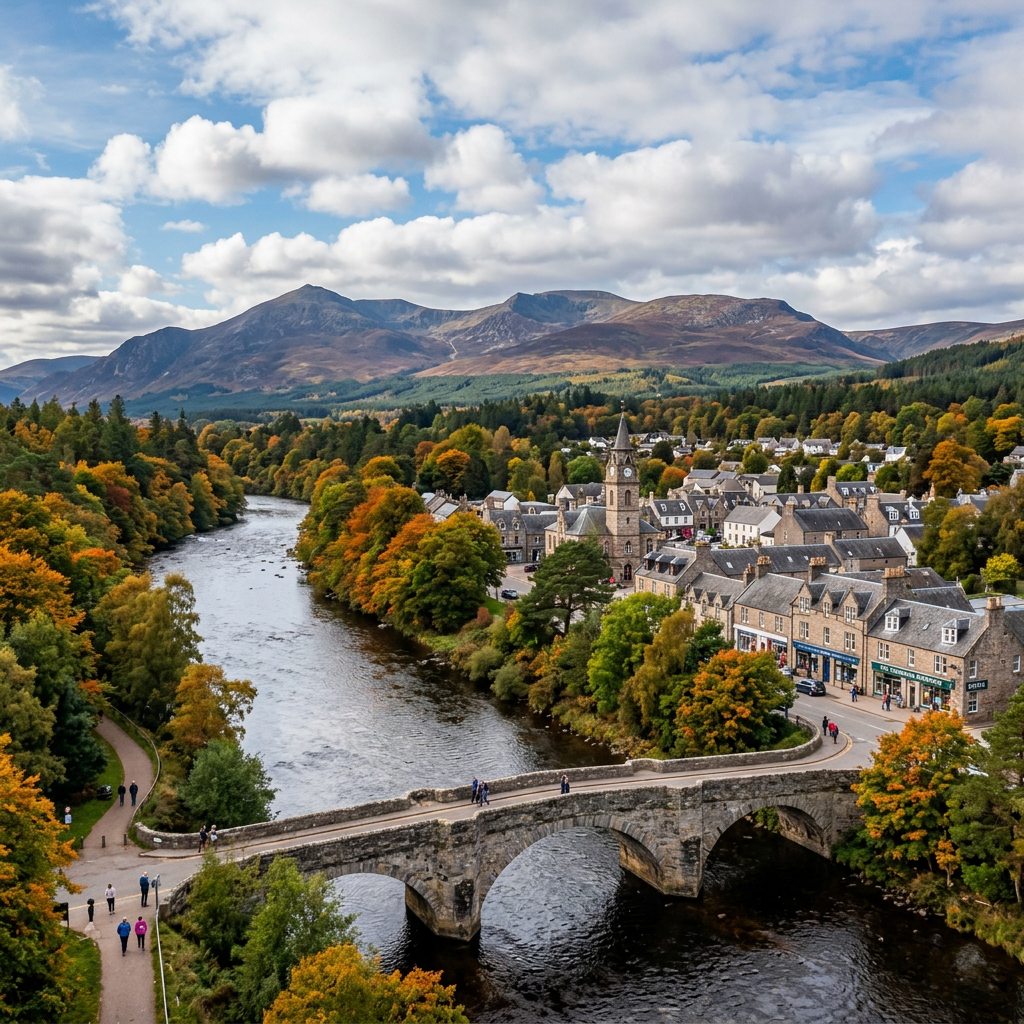
Grantown-On-Spey
Discover Grantown-On-Spey Nestled in the heart of the Scottish Highlands, Grantown-On-Spey is a charming town that offers visitors a blend of rich history, vibrant culture, and stunning natural landscapes. Established in 1765 by Grant of Grant, the town was built to facilitate the burgeoning timber trade and has since evolved into a popular destination for travelers seeking both adventure and relaxation. The town's significance is underscored by its location along the River Spey, renowned for its salmon fishing and scenic beauty. Grantown-On-Spey serves as a gateway to the Cairngorms National Park, the largest national park in the UK, which is famous for its rugged mountains, diverse wildlife, and countless outdoor activities. The town is also recognized for its well-preserved architecture, which reflects its historical significance and adds to its picturesque charm. Culturally, Grantown-On-Spey is a hub for traditional Scottish music and arts. Regular events, such as the Grantown Music Festival, celebrate local talent and heritage, drawing in both residents and visitors alike. The town's vibrant community spirit is palpable, with numerous local shops, cafes, and galleries showcasing the work of Scottish artisans and offering visitors a taste of local life. What makes Grantown-On-Spey truly special is its unique combination of outdoor adventure and cultural immersion. Whether you're hiking through the scenic trails of the Cairngorms, sampling local whiskies, or simply enjoying a leisurely stroll through the town's historic streets, there's something for everyone. The surrounding landscape, with its rolling hills and expansive forests, provides a breathtaking backdrop for both relaxation and exploration. Moreover, the town's commitment to sustainability and conservation ensures that its natural beauty is preserved for future generations. This focus on environmental responsibility resonates with many visitors who appreciate the chance to explore pristine nature while supporting local initiatives. In summary, Grantown-On-Spey is more than just a stop along the way; it's a destination that offers a rich tapestry of history, culture, and outdoor adventure. With its welcoming atmosphere, stunning surroundings, and a strong sense of community, Grantown-On-Spey invites travelers to immerse themselves in the best of the Scottish Highlands. Top Attractions in Grantown-On-Spey – Ranked and Reviewed Grantown-On-Spey boasts an array of attractions that cater to diverse interests. Based on real traveler reviews and ratings on Stay4Exploring, here are the top attractions that make this town a must-visit destination. 1. Cairngorms National Park - Rated 4.9/5Visitors rave about the breathtaking beauty of Cairngorms National Park, which offers an extensive network of trails for hiking, cycling, and wildlife watching. The park is home to diverse flora and fauna, including red deer and golden eagles. Travelers appreciate the well-marked paths and stunning vistas, making it ideal for both seasoned adventurers and casual walkers. 2. Grantown Museum - Rated 4.5/5This local museum provides a fascinating insight into the history and culture of Grantown-On-Spey and the surrounding area. Exhibits include artifacts from the Victorian era, local flora and fauna, and historical photographs. Visitors have praised the knowledgeable staff for their engaging storytelling, making it an enriching experience for families and history buffs alike. 3. The Spey River - Rated 4.7/5The Spey River is perfect for those looking to fish or enjoy leisurely walks along its banks. Many visitors have highlighted the serene atmosphere and scenic views, making it an ideal spot for picnics or quiet reflection. Anglers often share their success stories of landing salmon, adding to the allure of this natural waterway. 4. The Whisky Trail - Rated 4.8/5For whisky enthusiasts, the nearby Malt Whisky Trail offers a unique opportunity to explore several distilleries in the region. Visitors appreciate the guided tours that provide insight into the whisky-making process, along with tastings of some of Scotland's finest spirits. The combination of local history and craftsmanship makes this a memorable experience for connoisseurs and novices alike. 5. Anagach Woods - Rated 4.6/5This beautiful forest area is perfect for leisurely walks or more challenging hikes. Visitors have praised the well-maintained pathways and the opportunity to spot local wildlife, including various bird species. The tranquil setting is also popular for families looking to enjoy nature without venturing too far from town. In conclusion, Grantown-On-Spey offers a rich selection of attractions that cater to various interests, from outdoor adventures to cultural experiences. Each site has been highly rated and reviewed by travelers, ensuring that your visit will be filled with memorable moments. Whether you're seeking adventure in the Cairngorms or a quiet afternoon at the museum, Grantown-On-Spey has something special in store for everyone. Planning Your Visit to Grantown-On-Spey Grantown-On-Spey, a picturesque town nestled in the heart of the Scottish Highlands, offers visitors a unique blend of natural beauty and rich cultural heritage. Planning your visit to this charming destination involves a few key considerations, including the best time to visit, how to get there, local transportation options, and accommodation choices.The ideal time to visit Grantown-On-Spey largely depends on your interests. The summer months, from June to August, offer mild weather and extended daylight hours, making it perfect for outdoor activities like hiking, golfing, and exploring the nearby Cairngorms National Park. However, this is also the peak tourist season, so expect larger crowds. For those who appreciate tranquility, consider visiting in the spring (April to May) or autumn (September to October), when the landscapes are breathtaking, the weather is still pleasant, and you'll find fewer tourists.Getting to Grantown-On-Spey is relatively straightforward. The nearest major city is Inverness, located about 30 miles to the north. From Inverness, you can take a train or a bus to Grantown-On-Spey, with the bus journey taking approximately 50 minutes. If you're driving, the town is accessible via the A95 road, which offers scenic views along the way. For international travelers, Inverness Airport is the closest airport, with regular flights connecting to major cities in the UK. Car rentals are available at the airport for those who prefer the flexibility of self-driving.Once you arrive in Grantown-On-Spey, getting around is quite manageable. The town is small enough to explore on foot, with most attractions, shops, and restaurants within walking distance. If you wish to venture further afield, consider renting a bike or using the local bus service, which connects to nearby towns and attractions.When it comes to accommodation, Grantown-On-Spey offers a range of options to suit different budgets and preferences. For a cozy and authentic experience, consider staying in one of the local guesthouses or bed-and-breakfasts, which often provide a warm Scottish welcome and hearty breakfasts. If you prefer more independence, there are self-catering cottages available for rent, perfect for families or groups. For those seeking a bit of luxury, several hotels in the area offer amenities such as fine dining and spa services. Regardless of your choice, booking in advance is advisable, especially during peak seasons, to secure your preferred lodging. Experience Grantown-On-Spey Like a Local To truly immerse yourself in the culture and spirit of Grantown-On-Spey, it’s essential to experience the town like a local. This involves understanding local customs, indulging in traditional Scottish cuisine, appreciating the rich cultural heritage, and picking up a few insider tips that will enhance your visit.One of the first things you’ll notice upon arrival is the warm hospitality of the locals. Scots are known for their friendliness, and in Grantown-On-Spey, this is particularly evident. Engaging with local residents can provide you with invaluable insights into the area's history, hidden gems, and recommended spots to visit. Don't hesitate to strike up conversations in shops, pubs, or during community events. The locals will likely be delighted to share their insights and stories.Food in Grantown-On-Spey is a delightful reflection of Scottish culinary traditions. Be sure to try local specialties such as haggis, neeps, and tatties (turnips and potatoes), which can be found in many pubs and restaurants. For a sweet treat, sample the famed Scottish shortbread or try a slice of cranachan, a traditional dessert made with cream, raspberries, and oats. The town also boasts several cafes and eateries that offer locally sourced ingredients, so look out for menus that highlight Highland produce.In terms of culture, Grantown-On-Spey has a vibrant arts scene that includes local galleries and craft shops. The annual Grantown-on-Spey Highland Games is a must-see event, celebrating traditional Scottish sports, music, and dance. Participating in or attending this event gives you a deeper appreciation of Scottish heritage and community spirit. Additionally, the town hosts various festivals throughout the year, so check the local events calendar during your visit.For insider tips, consider visiting the local whisky distilleries, as the region is known for its fine Scotch whiskies. Many distilleries offer guided tours and tastings, providing an opportunity to learn about the whisky-making process and sample some of the best spirits in Scotland. If you’re an outdoor enthusiast, the nearby Cairngorms National Park is a treasure trove of hiking trails and stunning scenery. Local guides are available and can enhance your experience by sharing their expertise on the flora and fauna of the region.Finally, take the time to explore the town’s historical sites, such as the Grantown Museum, which showcases the town’s history and heritage. Engaging with the local customs and traditions will undoubtedly enrich your journey, allowing you to leave Grantown-On-Spey with unforgettable memories and a deeper connection to this enchanting part of Scotland.

Porto
Discover Porto Porto, Portugal's second-largest city, is a vibrant tapestry of history, culture, and architectural marvels that captivates the hearts of travelers. Founded in the Roman era as ‘Portus,’ the city has evolved through centuries, witnessing significant historical events that have shaped its character. One of the most striking features of Porto is its role in the wine trade, particularly as the birthplace of Port wine. The cellars along the Douro River, especially in the Vila Nova de Gaia district, have become synonymous with this unique fortified wine, attracting connoisseurs and casual drinkers alike.The city’s historical significance is underscored by its UNESCO World Heritage designation, granted in 1996. The Ribeira district, with its narrow cobblestone streets and colorful buildings, offers a glimpse of the city’s past. Here, you can find the iconic Dom Luís I Bridge, designed by a disciple of Gustave Eiffel, which connects Porto to Gaia and is an engineering marvel of the 19th century. This stunning bridge is not only a functional crossing but also provides breathtaking views of the Douro River and the cityscape.Porto is also a melting pot of diverse cultural influences, reflected in its architecture, music, and culinary traditions. The city's eclectic mix of Gothic, Baroque, and modernist styles creates a unique urban landscape. Notable sites include the São Bento Railway Station, famous for its azulejos (decorative ceramic tiles) depicting historical scenes, and the stunning Livraria Lello, often hailed as one of the most beautiful bookstores in the world, with its ornate staircase and neo-Gothic facade.The local culture is vibrant, with numerous festivals throughout the year, the most famous being São João Festival in June, where locals celebrate with fireworks, music, and traditional food. This lively atmosphere is a testament to the Porto’s rich traditions and the warmth of its people. Expect to encounter locals enjoying their evenings at the many outdoor cafes and bars, particularly along the riverside, where the ambiance is nothing short of magical as the sun sets over the Douro.What sets Porto apart is its local charm combined with a cosmopolitan flair. The city is home to a thriving arts scene, with galleries showcasing contemporary works alongside traditional crafts. Visitors can explore the contemporary art museum, Serralves, set in a beautiful park, and the nearby Casa da Música, an architectural masterpiece that hosts concerts ranging from classical to contemporary music.Moreover, Porto's gastronomy is a delightful adventure of its own. Don’t miss trying the famed Francesinha, a hearty sandwich layered with meats and smothered in a rich tomato and beer sauce, often served with a side of fries. The local seafood is also exceptional, with dishes like bacalhau à Gomes de Sá (codfish) being staples in many households.In summary, Porto is a city that effortlessly blends its rich history with contemporary vibrancy. Its significance as a cultural and historical hub, combined with its stunning architecture, exceptional food, and warm hospitality, makes it a must-visit destination in Portugal. Whether you’re wandering through its historic streets, sipping Port wine by the river, or enjoying a local festival, Porto promises an experience that lingers long after you’ve left. Top Attractions in Porto – Ranked and Reviewed Porto is brimming with attractions that cater to all types of travelers. With a unique blend of history, culture, and natural beauty, each site offers a distinct glimpse into the city's soul. Here are some of the top-rated attractions in Porto, as ranked and reviewed by visitors:Ribeira District – This UNESCO World Heritage site is a must-visit. Visitors rave about its picturesque riverside setting, where colorful buildings line the Douro River. The atmosphere is lively, with numerous bars and restaurants offering local cuisine and stunning views. Reviewers highlight the charm of wandering through the narrow streets, discovering hidden gems and enjoying the vibrant nightlife.Livraria Lello – Often described as one of the most beautiful bookstores in the world, Livraria Lello is famous for its stunning neo-Gothic architecture and intricate wooden staircase. Travelers appreciate the enchanting ambiance and the vast selection of books. It’s advisable to visit early in the day to avoid long lines, as this attraction can get busy.Dom Luís I Bridge – An iconic symbol of Porto, this double-deck iron bridge offers breathtaking views of the city and river. Many visitors enjoy walking across the upper deck, taking in panoramic vistas, and snapping photos. Reviewers commend the experience during sunset, when the city is bathed in golden light.São Bento Railway Station – Renowned for its stunning azulejos, São Bento is more than just a transportation hub; it’s a work of art. Travelers are captivated by the intricate tile work that tells the story of Portugal’s history. Visitors recommend taking time to explore the station and its beautiful interiors.Palácio da Bolsa – This former stock exchange building is a masterpiece of neoclassical architecture. The Arab Room, with its intricate Moorish design, receives glowing reviews for its opulence. Guided tours are available, and visitors suggest booking in advance to fully appreciate its historical significance.Port Wine Cellars – No visit to Porto is complete without a tour of the port wine cellars in Vila Nova de Gaia. Visitors rave about the informative tours that delve into the history and production of this famous wine. Tasting sessions allow guests to sample various ports, making it a favorite activity among wine lovers.Casa da Música – This modern concert hall is an architectural wonder and a hub for cultural events. Reviewers commend the diverse programming, featuring everything from classical music to jazz and rock. The building itself is a striking addition to Porto’s skyline, and guided tours provide insight into its innovative design.In addition to these highlights, Porto offers a myriad of attractions that showcase its rich history and culture. Visitors can explore the Fundação de Serralves, which houses contemporary art exhibitions in a stunning park setting. The Clérigos Tower, another iconic landmark, offers a challenging climb for panoramic views of the city. The Mercado do Bolhão is a bustling market where visitors can immerse themselves in local life and sample traditional food products.In summary, the attractions in Porto are as diverse as the city itself. From historical landmarks to modern cultural institutions, each site provides a unique experience that resonates with visitors. Whether you’re an art lover, a foodie, or a history enthusiast, Porto’s top-rated attractions promise unforgettable discoveries at every turn. Planning Your Visit to Porto Planning a visit to Porto, Portugal, can be a delightful experience, as the city offers a wealth of attractions, activities, and cultural experiences. To make the most of your trip, it’s essential to consider the best times to visit, how to get there and around the city, and where to stay for a comfortable experience.Best Time to VisitPorto enjoys a Mediterranean climate, making it a year-round destination. However, the ideal time to visit is during the spring (March to June) and early autumn (September to October). During these months, the weather is pleasantly warm, and the city is less crowded compared to the peak summer months. Visitors can enjoy outdoor activities, stroll along the riverside, and partake in local festivals without the overwhelming tourist crowds.Summer (July and August) is the peak tourist season, with warm temperatures and vibrant festivals, such as the São João Festival. However, this also means larger crowds and higher accommodation prices. Winter (November to February) sees mild temperatures but frequent rain; this season is ideal for travelers looking for a quieter experience and lower prices on accommodations.Getting TherePorto is well-connected to various parts of Europe and beyond, with Francisco Sá Carneiro Airport (OPO) serving as the main international gateway. The airport is located approximately 11 km (7 miles) northwest of the city center. Travelers can easily reach the city via the metro, buses, or taxis. The metro line E connects directly to the airport and takes about 30 minutes to reach the city center.For those traveling from Lisbon, regular trains operate between the two cities, with a journey time of around 2.5 to 3 hours. The train ride offers scenic views of the Portuguese countryside, making it a pleasant option for travelers.Getting AroundPorto is a walkable city, and exploring on foot is one of the best ways to experience its charm. Many of the top attractions are located within the historic center, making them easily accessible. However, when you need to cover longer distances, the city offers excellent public transportation options. The metro system is efficient and connects various neighborhoods, while buses and trams provide additional routes.For a unique experience, consider taking a traditional yellow tram. Tram 1 runs along the riverside, offering beautiful views of the Douro River and the city. Taxis and rideshare services are also readily available, making it convenient to get around, especially late at night.Where to StayPorto offers a wide range of accommodation options to suit different budgets and preferences. The Ribeira district is a popular choice for visitors seeking a vibrant atmosphere and easy access to attractions. Here, you’ll find charming boutique hotels and lively hostels, perfect for those who want to be in the heart of the action.For a quieter experience, consider staying in the Cedofeita or Boavista neighborhoods, known for their artistic vibe and local ambiance. These areas offer a mix of hotels, guesthouses, and apartments, often at more affordable rates.Luxury seekers can opt for high-end hotels with stunning views of the Douro River or the historic center. Many of these establishments provide excellent amenities, including fine dining restaurants and spa services.In conclusion, planning your visit to Porto requires some consideration of timing, transportation, and accommodation. With its rich history, stunning attractions, and vibrant culture, Porto is a destination that promises an unforgettable experience for every traveler. Whether you’re savoring Port wine, wandering through historic streets, or enjoying local cuisine, Porto is sure to leave a lasting impression. Experience Porto Like a Local To truly immerse yourself in Porto, it’s essential to experience the city like a local. From its culinary delights to cultural customs and insider tips, understanding the local way of life will enrich your visit and provide a deeper connection to this enchanting city.Local CustomsPortuenses, as the locals are called, are known for their warmth and friendliness. Greeting someone with a smile and a simple 'Olá' (Hello) goes a long way in establishing rapport. When dining, it’s customary to say 'Bom Apetite' before starting your meal, a reflection of the Portuguese appreciation for food and hospitality. Additionally, tipping in restaurants is generally around 10% to 15%, though rounding up the bill is also acceptable.Another fascinating aspect of Porto's culture is its strong sense of community. Locals often gather in the parks or along the riverside, especially during weekends, to socialize, share food, and enjoy music. Participating in these gatherings can provide a unique insight into the local lifestyle and traditions.Food and DrinkFood is a significant part of Porto’s culture, and trying local dishes is an absolute must. The Francesinha, a hearty sandwich made with layers of meat and covered in a spicy tomato sauce, is a beloved dish among locals. Many restaurants will have their own twist on the recipe, so be sure to try it from a few different places. Another local specialty is bacalhau à Brás, a flavorful dish made from shredded cod, onions, and potatoes, mixed with scrambled eggs.For seafood lovers, the Mercado do Bolhão is a must-visit. This traditional market is filled with fresh produce, meats, and seafood. Strolling through the market, you can sample local delicacies and purchase artisanal products. Many vendors are happy to share their knowledge of their offerings, so don’t hesitate to ask questions.When it comes to beverages, Porto is world-famous for its Port wine. Visit one of the many wine cellars in Vila Nova de Gaia for a tasting experience. Many establishments offer guided tours that provide insight into the wine-making process and the history of Port wine. Pairing your wine with traditional cheese or cured meats enhances the experience and gives you a taste of local flavors.Culture and FestivalsPorto has a rich cultural scene that showcases its artistic heritage. The city hosts various cultural events throughout the year, including the Festas de São João, where locals celebrate with street parties, fireworks, and traditional food. Attending this festival provides a unique opportunity to engage with locals and experience traditional music and dance.The city is also home to numerous art galleries and exhibitions. For those interested in contemporary art, Serralves Museum is a must-see, featuring both indoor exhibitions and beautiful gardens. It’s a great place to spend an afternoon and appreciate the local art scene.Insider TipsTo experience Porto like a local, here are some insider tips:Get lost in the streets: One of the best ways to discover Porto is by wandering through its labyrinthine streets. Allow yourself to get lost and stumble upon hidden cafes, shops, and viewpoints.Use public transportation: While Porto is walkable, using the metro and buses can save you time and allow you to explore further neighborhoods, such as Foz do Douro, where the river meets the Atlantic Ocean.Join a local food tour: Consider joining a food tour led by a local guide to discover hidden culinary gems and learn about the city’s culinary history.Visit lesser-known attractions: While the main attractions are a must-see, don’t overlook smaller museums and local art galleries that offer unique perspectives on Porto’s culture.In conclusion, experiencing Porto like a local enhances your visit and allows you to connect with the city's rich culture and traditions. By embracing local customs, indulging in traditional cuisine, and participating in cultural events, you can create lasting memories of your time in this captivating city.

Alentejo
Discover Alentejo Alentejo, a vast region located in the south-central part of Portugal, is often referred to as the country’s best-kept secret. Spanning over 27,000 square kilometers, it is characterized by rolling plains, olive groves, vineyards, and a rugged coastline that stretches for about 250 kilometers along the Atlantic Ocean. The name Alentejo translates to ‘beyond the Tagus,’ indicating its position south of the Tagus River, and this area is rich in history, culture, and natural beauty, making it a unique destination for travelers.The history of Alentejo is as diverse as its landscapes. The region has been inhabited since prehistoric times, with evidence of Roman settlements in cities like Évora and Beja. The Romans thrived here, taking advantage of the fertile land to cultivate grains, olives, and grapes. Today, visitors can explore the remnants of Roman architecture, including the well-preserved Temple of Diana in Évora, which is a UNESCO World Heritage site.During the Middle Ages, Alentejo became a significant battleground between the Moors and the Christians, leading to a rich tapestry of cultural influences. This blend is most visible in the architecture, culinary traditions, and local customs. The Moorish castle in the town of Monsaraz, with its stunning views over the Alqueva Lake, offers a glimpse into this historical crossroad.Alentejo is not only about its past; the culture here is vibrant and dynamic. The region is known for its traditional music, particularly cante alentejano, a form of polyphonic singing that has been designated as Intangible Cultural Heritage by UNESCO. This music embodies the spirit of the people, conveying tales of love, land, and labor. Festivals, such as the Festa de São Pedro in the village of Vila Nova de Milfontes, celebrate local traditions and attract visitors looking to immerse themselves in the region’s culture.Another aspect that makes Alentejo special is its culinary heritage. The region is renowned for its high-quality wines, particularly the robust reds made from indigenous grape varieties like Trincadeira and Aragonez. Additionally, Alentejo is famous for its unique cuisine, which includes dishes like alentejana stew (a hearty mix of pork, clams, and potatoes), migas (a bread-based dish flavored with garlic and olive oil), and the iconic queijo de Évora (a delicious sheep’s milk cheese). Food enthusiasts will appreciate the opportunity to taste these traditional dishes in local taverns and restaurants.Moreover, the stunning natural landscapes provide ample opportunities for outdoor activities. The Alentejo coastline is dotted with picturesque beaches such as Praia da Amado and Praia do Malhão, where visitors can enjoy sunbathing, swimming, and surfing. Inland, the Alentejo countryside offers hiking trails and birdwatching spots, particularly in the Parque Natural do Vale do Guadiana, where you can observe diverse wildlife, including the majestic griffon vulture.In summary, Alentejo stands out not only for its breathtaking scenery and rich history but also for its strong cultural identity and gastronomic delights. Whether you are exploring ancient castles, savoring local wines, or enjoying traditional music, Alentejo promises a memorable experience that showcases the essence of Portugal. Top Attractions in Alentejo – Ranked and Reviewed Alentejo is brimming with attractions that cater to a variety of interests, from history enthusiasts to nature lovers. Here are some of the top-rated attractions in the region, all reviewed by visitors who have experienced their charm firsthand.Évora: As the capital of Alentejo, Évora is a must-visit destination. Its well-preserved medieval architecture and historical significance have earned it a UNESCO World Heritage designation. Notable attractions include the Roman Temple of Diana, the Gothic-style Cathedral of Évora, and the eerie Chapel of Bones (Capela dos Ossos). Visitors rave about exploring the narrow cobbled streets and enjoying the vibrant atmosphere of this historic city.Castelo de Monsaraz: This ancient castle offers breathtaking panoramic views over the Alqueva Lake and the surrounding countryside. Visitors appreciate the well-preserved fortress and its fascinating history dating back to the 11th century. Many recommend taking a leisurely stroll through the charming village of Monsaraz, with its whitewashed houses and artisan shops.Alqueva Lake: As the largest artificial lake in Europe, Alqueva is a paradise for outdoor enthusiasts. It offers various activities, including kayaking, sailing, and fishing. Travelers have highlighted the stunning sunset views over the lake, making it a perfect spot for photography lovers.Beja: Known for its towering castle and impressive regional museum, Beja is often overlooked but provides a glimpse into Alentejo’s history. The castle, with its well-preserved keep, offers visitors a chance to explore its ramparts and enjoy views of the surrounding plains. The museum houses a rich collection of artifacts from the region.Vila Nova de Milfontes: This picturesque coastal town is renowned for its beautiful beaches and relaxed atmosphere. Visitors have praised the clean sandy shores and crystal-clear waters, making it an ideal spot for families and couples. The town also boasts a charming riverside promenade filled with restaurants and cafés.Serra de São Mamede Natural Park: For those who appreciate nature, this park is a hidden gem. It features diverse landscapes, from rolling hills to rugged cliffs. Hiking trails are abundant, and visitors have noted the rich biodiversity, including various bird species and wildflowers.Each of these attractions has garnered positive reviews from travelers who have cherished their experiences. Whether you’re exploring ancient ruins, soaking up the sun on a beach, or hiking through natural parks, Alentejo offers something for everyone. When planning your itinerary, consider visiting a mix of historical sites, natural wonders, and local towns to fully appreciate the region’s charm. Planning Your Visit to Alentejo Planning a trip to Alentejo is an exciting endeavor, as this region offers a wealth of experiences. Understanding the best time to visit, how to get there, and where to stay will help ensure a memorable trip.Best Time to Visit: The ideal time to visit Alentejo is during the spring (March to June) and fall (September to November) months. During these seasons, the weather is pleasantly warm, and the landscapes are vibrant with blooming flowers or autumn colors. Summer can be quite hot, especially in July and August, with temperatures often exceeding 35°C (95°F). However, this is also the time when many festivals and events take place, making it a lively season to experience local culture.Getting There: Alentejo is easily accessible from major cities in Portugal. The closest airport is in Évora, but most international travelers arrive at Lisbon Airport. From Lisbon, you can take a train to Évora, which takes approximately 1.5 hours. Alternatively, renting a car gives you the flexibility to explore the region at your own pace. The A2 and A6 motorways connect Lisbon to major towns in Alentejo, making road trips a popular option.Getting Around: Once in Alentejo, having a car is highly recommended as public transportation options are limited. A car allows you to explore the picturesque countryside, visit remote villages, and reach attractions that are not easily accessible by public transport. The roads in Alentejo are generally well-maintained, and driving is a pleasant experience due to the scenic views. For those who prefer not to drive, guided tours are available, offering a comprehensive way to discover the region.Where to Stay: Alentejo offers a diverse range of accommodations catering to different budgets and preferences. In Évora, you can find charming boutique hotels housed in historic buildings, providing a unique experience. For a more rural experience, consider staying in a monte (a traditional Alentejan farmhouse) or a vineyard estate. These options offer an immersive experience in the countryside, often paired with wine tastings and farm-to-table dining. Coastal towns like Vila Nova de Milfontes also boast beautiful hotels and guesthouses, which allow easy access to the beach.In summary, careful planning will enhance your visit to Alentejo. Consider the best times to visit, how to travel to and around the region, and where to stay to maximize your experience in this enchanting part of Portugal. Experience Alentejo Like a Local To truly appreciate the beauty and culture of Alentejo, it’s essential to immerse yourself in local customs, culinary delights, and the vibrant way of life. Here are some insider tips to help you experience Alentejo like a local.Local Customs: Alentejo is known for its warm hospitality. Locals are often eager to share their traditions and stories. When visiting small villages, taking the time to greet people and engage in conversations can lead to rich experiences. Portuguese culture places a strong emphasis on family and community, so participating in local festivals or communal events is a great way to connect with the spirit of the region.Culinary Delights: The cuisine of Alentejo is a highlight for many visitors. Traditional dishes are hearty and reflect the agricultural heritage of the region. Be sure to try the ensopado de borrego (lamb stew), pão alentejano (traditional Alentejo bread), and the famous porco preto (black pig) delicacies, which are celebrated for their rich flavor. Many restaurants feature petiscos (Portuguese tapas-style dishes), perfect for sharing and sampling various flavors. Pair your meal with a local wine, especially a robust Alentejo red or a refreshing white.For a truly local experience, visit one of the region's many markets. The Évora market, held several times a week, showcases fresh produce, local cheeses, and cured meats. Interacting with vendors and sampling their offerings will provide a deeper understanding of the region’s culinary landscape.Culture and Music: Music is an integral part of Alentejo’s culture, with cante alentejano being a distinctive element. Seek out local performances, which can often be found in taverns or during festivals. These gatherings are not only enjoyable but also provide insight into the social fabric of the community.Another cultural highlight is the art of pottery, particularly in the town of Arraiolos, known for its beautiful hand-painted ceramics and traditional rugs. Visiting local artisans and learning about their craft can enhance your appreciation for Alentejo’s artistic heritage.Insider Tips: A few practical tips can enhance your experience. Firstly, learn a few basic Portuguese phrases; locals appreciate the effort, and it can lead to warmer interactions. Secondly, be open to trying new foods and experiences—dining at local taverns rather than touristy restaurants often yields the best meals. Lastly, consider timing your visit to coincide with local festivals, such as the Festa do Vinho in Reguengos de Monsaraz, where you can enjoy wine tastings, music, and dance.In conclusion, experiencing Alentejo like a local involves engaging with the people, savoring traditional cuisine, and immersing yourself in the region's rich cultural tapestry. By following these tips, you'll gain a deeper appreciation for this enchanting part of Portugal.

Sevenoaks
Discover SevenoaksSevenoaks’ High Street is a rare example of sustained independent retail resilience in South East England — where national chains occupy just 28% of frontages (2023 Kent County Council Retail Audit), and 47 independently owned shops line the 0.4-mile stretch between St Nicholas Church and the junction with London Road. Unlike many commuter towns that have succumbed to homogenised retail, Sevenoaks has nurtured a distinctive ecosystem: bookshops with author residencies, zero-waste grocers sourcing within 15 miles, and heritage confectioners using recipes dating to 1892. At its heart sits the Saturday Farmers’ Market — held every week since 2006 on the cobbled section outside the Old Courthouse — now comprising 32 permanent stalls, including five certified organic producers and three Kent DAB-accredited cider makers. This article moves beyond the parent guide’s broad mention of ‘food and drink scene’ to detail exact stall rotations, vendor tenure, opening hours, pricing benchmarks, and how this retail fabric directly shapes overnight stay patterns and hospitality asset performance in the town centre.

Braies
Discover Braies Nestled in the heart of the Dolomites, Braies (or 'Pragser Tal' in German) is a picturesque village in South Tyrol, Northern Italy, famed for its breathtaking landscapes and rich cultural heritage. The area is characterized by the stunning Braies Lake, a glacial lake renowned for its emerald waters and surrounded by majestic peaks, making it a prime destination for nature lovers and adventure seekers alike.Historically, Braies has roots that trace back to the early medieval period. The area was first mentioned in historical documents from the 11th century, highlighting its long-standing significance as a settlement. The village's architecture reflects a blend of Italian and Austrian influences, a testament to South Tyrol's unique cultural landscape shaped by a history of both Italian and Austrian governance. Visitors will find charming wooden chalets, traditional Tyrolean houses, and the iconic San Giovanni Battista Church, which dates back to the 15th century, adorned with stunning frescoes that whisper tales of the past.The significance of Braies extends beyond its historical landmarks; it also plays a vital role in the local economy driven by tourism, agriculture, and forestry. The surrounding natural beauty of the Dolomites, a UNESCO World Heritage Site, attracts outdoor enthusiasts year-round. Hiking, skiing, and mountaineering are just a few of the activities that visitors can engage in, making Braies a versatile destination that caters to a wide range of interests.What truly makes Braies special is its ethereal beauty and tranquil ambiance. The pristine Braies Lake, often dubbed the 'Pearl of the Dolomites,' serves as the centerpiece of the village, drawing photographers and nature lovers who seek to capture its mesmerizing reflections of the surrounding mountains. The lake is perfect for a leisurely stroll, with a well-maintained path that allows visitors to take in the stunning vistas. In summer, the lake transforms into a hub of activity, with visitors swimming, kayaking, and picnicking along its shores.Moreover, Braies is a gateway to numerous hiking trails that lead into the Dolomites, ranging from easy walks to challenging treks. The nearby Fanes-Senes-Braies Natural Park offers miles of unspoiled wilderness, where hikers can discover diverse flora and fauna, as well as breathtaking views. The park's well-marked trails make it accessible to both novice hikers and seasoned mountaineers.In summary, Braies is not just a destination; it’s an experience steeped in history, culture, and natural beauty. Whether you’re exploring its historical sites, enjoying its outdoor activities, or simply soaking in the serene environment, Braies offers a unique glimpse into the heart of the Dolomites. It provides an ideal escape for those looking to immerse themselves in nature while enjoying the rich tapestry of local culture. Top Attractions in Braies – Ranked and Reviewed When visiting Braies, a myriad of attractions awaits travelers, each offering unique experiences that showcase the village’s beauty and charm. Here, we rank and review the top attractions based on visitor feedback, ensuring you make the most of your time in this stunning locale.1. Braies LakeUndoubtedly the crown jewel of Braies, Braies Lake attracts thousands of visitors each year. The lake's crystal-clear waters, flanked by towering mountains, create a postcard-perfect scene. Visitors are particularly fond of the wooden rowboats available for rent, allowing for an unforgettable experience gliding across the tranquil waters. The lake is also a starting point for various hiking trails, making it an ideal location for both relaxation and adventure. Reviewers often rave about the serene atmosphere at sunrise and sunset, making it a must-visit for photographers and nature lovers alike.2. Fanes-Senes-Braies Natural ParkThis expansive natural park is a paradise for outdoor enthusiasts. Spanning over 25,000 hectares, it boasts an array of hiking trails, each offering breathtaking views of the Dolomites. Visitors appreciate the diverse landscapes, from lush meadows to rugged peaks. The park is also home to a variety of wildlife, including deer, chamois, and numerous bird species. Many reviews highlight the rewarding experience of hiking to the park’s hidden lakes and waterfalls, providing a perfect opportunity for a picnic in nature.3. San Giovanni Battista ChurchLocated in the heart of Braies, this charming church is a must-see for those interested in local history and architecture. Dating back to the 15th century, the church features beautifully preserved frescoes that depict biblical scenes and local saints. Visitors often comment on the peaceful atmosphere inside, making it a great spot for reflection. The church is a significant cultural landmark and offers insight into the region’s religious heritage.4. Pragser Wildsee (Wildsee Lake)Often confused with Braies Lake, Pragser Wildsee is another stunning glacial lake located nearby. It’s slightly less crowded than its counterpart, offering a more tranquil experience. Visitors enjoy hiking around its perimeter, which takes about an hour, and are often captivated by the views of the surrounding mountains and the striking color of the water. Many reviews emphasize the tranquility and beauty of this lake, making it a perfect spot for a quiet day out.5. The Dolomites’ Via FerrataFor the more adventurous, the Via Ferrata routes in the Dolomites provide an exhilarating climbing experience. These protected climbing paths allow climbers to traverse steep rock faces safely. Visitors have praised the adrenaline rush and the breathtaking views that await at the summit. While these routes require some climbing experience, there are options suitable for beginners as well. Reviewers often recommend joining a local guide to enhance the experience and ensure safety.In conclusion, Braies offers a variety of attractions that cater to different interests, from serene lakes and natural parks to cultural landmarks. Each site contributes to the overall charm of this enchanting village, ensuring that visitors leave with unforgettable memories. Planning Your Visit to Braies Planning a visit to Braies requires some consideration to ensure you experience everything this charming village and its surroundings have to offer. From the best time to visit to travel logistics, here's a comprehensive guide to help you plan your trip.Best Time to VisitThe ideal time to visit Braies largely depends on the activities you wish to pursue. The summer months, from June to September, are perfect for hiking, swimming, and enjoying the stunning natural beauty of the area. During this time, the weather is generally warm, with average temperatures ranging from 20°C to 30°C (68°F to 86°F). However, it’s advisable to book accommodations in advance, as this is the peak tourist season.For skiing enthusiasts, the winter months from December to March provide excellent snow conditions. The nearby ski resorts offer a range of slopes for all skill levels, and the scenic winter landscape transforms Braies into a winter wonderland. However, temperatures can drop significantly, often falling below freezing, so proper winter gear is essential.Getting ThereReaching Braies is relatively straightforward, whether you’re traveling by car or public transport. If you’re driving, the village is accessible via the A22 motorway, with clear signs directing you to the Dolomites. The closest major city is Bolzano, located approximately 80 kilometers (50 miles) away, making it a convenient starting point.For those using public transportation, the nearest train station is in San Candido. From there, local buses connect you to Braies. Services are generally regular, but checking the schedule in advance is recommended, especially during off-peak seasons.Getting AroundOnce in Braies, the village is compact and easily navigable on foot. Many of the main attractions, including Braies Lake and San Giovanni Battista Church, are within walking distance of each other. For those looking to explore the surrounding natural park, consider renting a bike or using public transportation to access more remote hiking trails.Where to StayAccommodation options in Braies cater to various budgets and preferences. For a truly immersive experience, consider staying in a traditional Tyrolean guesthouse or a family-run hotel, where you can enjoy local hospitality and cuisine. Options such as the Hotel Lago di Braies offer stunning views of the lake and easy access to hiking trails. Alternatively, there are several campsites around the lake for those seeking a more adventurous experience.In summary, planning your visit to Braies involves considering the best time to experience the region, understanding how to get there, and choosing the right accommodations. With careful planning, your trip to this enchanting village in the Dolomites will be a memorable one. Experience Braies Like a Local To truly appreciate Braies, immersing yourself in the local customs, food, and culture is essential. This section provides insider tips and highlights the unique experiences that define life in this charming village.Local CustomsIn Braies, the blend of Italian and Tyrolean cultures is evident in the daily life of its residents. Local customs often revolve around seasonal festivals and celebrations, where you can witness traditional music, dance, and crafts. One of the most notable events is the 'Braies Mountain Festival,' held in the summer, featuring local crafts, traditional foods, and folk music. Visitors are encouraged to partake in these festivities to gain a deeper understanding of the local culture.The people of Braies are known for their warmth and hospitality. Engaging with locals, whether at a café or during a festival, provides a unique opportunity to learn about their traditions and stories. Many residents are multilingual, speaking German, Italian, and Ladin, allowing for a rich exchange of cultural insights.Food and Culinary TraditionsFood is an integral part of the Braies experience. The local cuisine is a delightful mix of Italian and Tyrolean influences, characterized by hearty, rustic dishes. Be sure to try 'Speck' (cured ham), which is a local specialty, often served with fresh bread and cheese. Another must-try is 'Canederli,' or bread dumplings, which come in various flavors and are often served in broth or with a rich sauce.For dessert, indulge in 'Strudel,' a traditional pastry filled with apples and spices, best enjoyed with a scoop of vanilla ice cream. Many restaurants and guesthouses in Braies pride themselves on using locally sourced ingredients, so don't hesitate to ask about the day's specialities. Moreover, wine enthusiasts will appreciate the local vineyards producing excellent wines, particularly white varieties that pair beautifully with the region's cuisine.Insider TipsTo experience Braies like a local, consider the following tips:Explore Early: Visit popular attractions like Braies Lake early in the morning to avoid crowds and enjoy the tranquility of the surroundings.Learn Basic Phrases: While many locals speak English, learning a few basic phrases in German or Italian can enhance your interactions and show respect for the local culture.Participate in Local Events: Keep an eye on local calendars for festivals and events happening during your visit. These gatherings offer a fantastic way to engage with the community.Try Local Markets: Visiting local markets not only allows you to sample fresh produce but also offers insight into the daily lives of the residents.In conclusion, experiencing Braies like a local involves engaging with its customs, savoring its culinary delights, and immersing yourself in the rich cultural tapestry of the region. By embracing the local way of life, you will create lasting memories and a deeper connection to this beautiful village in the Dolomites.
Reigate
Discover Reigate Reigate, a charming market town nestled at the foot of the North Downs in Surrey, England, boasts a rich history that dates back to the Roman era. Evidence of Roman settlement can be seen in the remnants of the ancient Stane Street, a Roman road that connected London to the south coast. This historical significance has shaped Reigate into a vibrant town with a unique blend of past and present.Throughout the centuries, Reigate has evolved from a small settlement into a thriving hub, known for its beautiful architecture, green spaces, and community spirit. The town is particularly famous for its stunning medieval castle, which was built in the 11th century. Although the castle is now a ruin, it stands as a testament to the town's historical importance and offers visitors a glimpse into its storied past.Culturally, Reigate is an engaging destination that reflects the essence of English town life. The town hosts various events throughout the year, including the Reigate Festival, which showcases local music, arts, and crafts. The lively atmosphere during these events draws both locals and visitors, fostering a sense of community and celebration.What sets Reigate apart is its blend of urban convenience and natural beauty. The town is surrounded by the stunning countryside of the Surrey Hills, an Area of Outstanding Natural Beauty. This proximity to nature provides a range of outdoor activities, including hiking, cycling, and exploring the scenic trails that meander through the hills. The picturesque views and tranquil environment make Reigate a perfect escape from the hustle and bustle of nearby London.In addition to its natural allure, Reigate is home to a vibrant shopping scene, with a mix of independent boutiques, high-street retailers, and artisanal food shops. The town center is a delightful place to wander, offering an array of cafes and restaurants where visitors can savor local delicacies. The combination of historical charm and modern amenities creates an inviting atmosphere that appeals to all who visit.For those interested in history and heritage, the local museum offers insights into Reigate's past, showcasing artifacts and exhibits that detail the town's development through the ages. The museum is a treasure trove for history buffs and serves as a reminder of the town's enduring legacy.In summary, Reigate is a hidden gem that offers a unique blend of history, culture, and natural beauty. Whether you're exploring its historical sites, enjoying the local cuisine, or taking in the breathtaking views of the Surrey Hills, Reigate promises a memorable experience for every traveler. Top Attractions in Reigate – Ranked and Reviewed Reigate is home to a variety of attractions that cater to all interests, making it a must-visit destination for travelers of all ages. Here are the top-ranked attractions in Reigate, as rated and reviewed by visitors on Stay4Exploring.1. Reigate Castle - A historical landmark that stands proudly in the heart of the town, Reigate Castle is a must-see. Though now in ruins, the castle provides a fascinating insight into medieval architecture and history. Visitors appreciate the well-preserved grounds, which are perfect for a leisurely stroll. Many reviews highlight the castle's stunning views over the surrounding area, making it an ideal spot for photography enthusiasts.2. Priory Park - This expansive park is loved by locals and visitors alike for its beautiful gardens, tranquil lakes, and well-maintained walking paths. Rated highly for its family-friendly atmosphere, Priory Park offers playgrounds and picnic areas, along with sports facilities like tennis courts. Reviewers often mention the peacefulness of the park, making it a perfect place to unwind or enjoy a leisurely afternoon.3. Reigate Caves - An intriguing attraction for those with a sense of adventure, the Reigate Caves are a fascinating network of tunnels carved out of the chalk hills. Guided tours provide insight into the history and significance of these caves, which were used for various purposes throughout the centuries. Visitors rave about the knowledgeable guides and the unique experience, making it a top-rated attraction for history buffs and explorers.4. The Redhill and Reigate Golf Club - For golf enthusiasts, this club offers a challenging course set against the backdrop of beautiful Surrey countryside. Rated highly for its well-maintained greens and friendly staff, many reviews highlight the welcoming atmosphere and stunning views from the course. Whether you're a seasoned player or a beginner, the club provides an enjoyable golfing experience.5. Reigate Museum - A small but informative museum that showcases Reigate's history, the museum features a range of exhibits that highlight the town's development over the years. Visitors appreciate the friendly staff and the engaging displays, which make it a worthwhile stop for anyone interested in local history. Many reviews emphasize the museum's accessibility and informative nature, making it great for families and school trips.In conclusion, Reigate offers a diverse array of attractions that cater to all interests and ages. Whether you're exploring historical sites, enjoying the great outdoors, or indulging in local culture, Reigate has something for everyone. With recommendations from real travelers, you can be sure to make the most of your visit to this delightful town. Planning Your Visit to Reigate Reigate, a picturesque market town nestled in the Surrey Hills, is a perfect blend of historical charm and modern amenities. When planning your visit to Reigate, consider the best time to explore this delightful destination. The town enjoys a temperate maritime climate, making it an ideal year-round location; however, spring (March to May) and autumn (September to November) are particularly enchanting. During these months, you can experience pleasant weather, vibrant blooms, and the stunning autumn foliage that this area is renowned for.Getting to Reigate is straightforward. The town is well-connected by road and rail. If you are traveling by car, Reigate is easily accessible from the M25 motorway, with ample parking available in the town center. For those opting for public transport, Reigate Railway Station offers regular services from London Bridge and Victoria stations, making it a convenient option for day-trippers. The journey from London typically takes around 40 minutes, allowing you to kickstart your adventure in no time.Once you arrive, getting around Reigate is simple. The town is compact enough to explore on foot, allowing you to soak in the sights and sounds at your leisure. For those wishing to venture further afield, local bus services connect you to nearby attractions and towns. Alternatively, cycling is a popular option, with several bike rental shops available in the area.Accommodation in Reigate ranges from charming bed and breakfasts to comfortable hotels, catering to various budgets and preferences. For a unique experience, consider staying at one of the historic inns or boutique hotels that reflect the town's rich heritage. Popular options include the Red Lion Hotel, known for its warm hospitality and modern amenities, or the Mercure Box Hill Burford Bridge Hotel, which offers stunning views of the Surrey Hills. If you prefer a more homely feel, several holiday rentals and self-catering options are available, perfect for families or groups looking for a more private experience.In summary, planning your visit to Reigate involves choosing the right time to go, understanding your transport options, and selecting suitable accommodation. With its charming atmosphere and welcoming locals, Reigate promises an unforgettable getaway. Experience Reigate Like a Local To truly experience Reigate like a local, immersing yourself in the town's customs, food, and culture is essential. Reigate has a rich history, dating back to the Roman era, and this heritage remains evident in its architecture and community spirit. When visiting, you may notice that locals are friendly and welcoming, often engaging visitors in conversation. A simple smile and a greeting can go a long way in fostering connections with the residents.The culinary scene in Reigate is diverse, offering everything from traditional British fare to international cuisine. Make sure to try local favorites such as fish and chips or indulge in a hearty Sunday roast at one of the town's cozy pubs. The Reigate Farmers' Market, held on the first Sunday of every month, is a fantastic opportunity to sample fresh produce and artisanal goods while supporting local farmers. Here, you can find everything from organic vegetables to homemade pastries and locally brewed ales.In terms of culture, Reigate boasts a vibrant arts scene with several galleries and theaters showcasing local talent. The Reigate Arts Centre hosts a variety of performances, including plays, concerts, and exhibitions throughout the year. Additionally, the town's annual events, such as the Reigate Festival, celebrate the community's spirit through music, dance, and art, offering visitors a glimpse into local life.For those looking to explore beyond the town center, the surrounding Surrey Hills provide a wealth of outdoor activities. Hiking and cycling are popular pastimes, with numerous trails offering breathtaking views of the countryside. The Box Hill area, a short distance from Reigate, is a must-visit for nature lovers and adventure seekers alike.Insider tips for experiencing Reigate like a local include visiting the quaint shops along Bell Street, where you can find unique gifts and artisanal products. Additionally, make time to enjoy a leisurely walk through the beautiful Priory Park, which features a lovely café and a children’s playground, making it perfect for families.In conclusion, experiencing Reigate like a local involves embracing the town's customs, savoring its culinary delights, participating in its cultural events, and exploring its stunning surroundings. By engaging with the community and indulging in local experiences, you'll create lasting memories of your time in this charming market town.
Ringwood
Discover Ringwood Nestled on the edge of the New Forest National Park in Hampshire, Ringwood is a charming market town with a rich history and vibrant culture that beckons travelers from all walks of life. Founded in the early medieval period, Ringwood has roots that trace back to the Roman era, with evidence of ancient settlements and Roman roads still visible today. The town has served as a significant trading post throughout its history, benefiting from its strategic location along the River Avon, which facilitated transport and commerce.The historic market square, with its attractive Georgian architecture, is a focal point of the town and is home to a bustling market that has been held for centuries. Every Wednesday, locals and visitors alike flock to the market to sample fresh produce, artisanal goods, and handmade crafts, reflecting Ringwood's longstanding connection to agriculture and craftsmanship. This lively atmosphere is complemented by the friendly demeanor of the townsfolk, making it a welcoming place for visitors.Culture in Ringwood thrives through various festivals and events throughout the year. The Ringwood Carnival is a highlight, featuring a colorful parade, live music, and local food stalls that showcase the best of Hampshire's cuisine. Additionally, the town is home to the Ringwood Arts Centre, which hosts a range of performances and workshops, promoting local talent and artistic expression.One of Ringwood's unique aspects is its proximity to the New Forest, a UNESCO Biosphere Reserve. This expansive area of ancient woodland, heathland, and grassland is home to a diverse range of wildlife, including the iconic New Forest ponies. Visitors can explore the many walking and cycling trails that wind through the forest, offering a perfect escape for nature lovers and outdoor enthusiasts.Moreover, Ringwood is well-connected to nearby attractions, making it an ideal base for exploring the surrounding region. The town is just a short drive from the stunning coastline of Bournemouth and the historic city of Salisbury, both of which offer a wealth of activities and sights. This blend of history, culture, and natural beauty sets Ringwood apart as a destination that offers something for everyone.What truly makes Ringwood special is the sense of community and pride that residents have for their town. Visitors often remark on the friendly atmosphere and local hospitality that they experience, contributing to a memorable stay. Whether you’re wandering through the picturesque streets, enjoying a meal at a local eatery, or participating in one of the many events, Ringwood provides an authentic glimpse into life in this charming corner of England. Top Attractions in Ringwood – Ranked and Reviewed When visiting Ringwood, there is no shortage of attractions to explore, each highly rated and reviewed by travelers on Stay4Exploring. Here are the top attractions that you won't want to miss:1. Ringwood Brewery - Rated 4.8/5A must-visit for beer enthusiasts, Ringwood Brewery offers guided tours where you can learn about the brewing process and sample a variety of local ales. Visitors rave about the friendly staff and the chance to taste fresh, quality beer straight from the source. The brewery also hosts events and tastings, making it a lively spot for both locals and tourists.2. St. Peter and St. Paul Church - Rated 4.7/5This historic church is a stunning example of medieval architecture, featuring beautiful stained glass windows and an impressive tower. Many visitors appreciate the peaceful atmosphere and the chance to explore the churchyard, which is steeped in history. Its central location makes it an easy stop during a day of exploring Ringwood.3. The Forest Park Hotel - Rated 4.6/5While primarily a place to stay, the Forest Park Hotel is also known for its lovely gardens and peaceful setting. Guests often highlight the warm hospitality and comfortable accommodations. It’s an ideal spot for those looking to relax after a day of exploration, with amenities that cater to both leisure and business travelers.4. Ringwood Market - Rated 4.5/5Held weekly, the market is a favorite among both locals and visitors. The variety of stalls offering fresh produce, crafts, and local delicacies ensures a vibrant and enjoyable shopping experience. Travelers appreciate the friendly vendors and the lively atmosphere that makes this market a staple of Ringwood life.5. The New Forest National Park - Rated 4.9/5Just a stone's throw from Ringwood, the New Forest is a haven for outdoor enthusiasts. With miles of walking and cycling paths, it’s a perfect place to immerse oneself in nature. Reviews consistently praise the breathtaking scenery and the chance to see New Forest ponies roaming freely, making it a highlight of any visit to Ringwood.These top-rated attractions showcase the diverse experiences available in Ringwood, from cultural sites to natural beauty. Each location has been reviewed by visitors who emphasize the quality of their experiences, ensuring that travelers can make informed decisions when planning their itinerary. Whether you’re a history buff, a nature lover, or simply looking to enjoy local culture, Ringwood has something to offer everyone. Planning Your Visit to Ringwood Ringwood, a charming market town located on the edge of the New Forest National Park in Hampshire, England, is an ideal destination for travelers seeking a blend of natural beauty, history, and local culture. To make the most of your visit, consider the following aspects: the best time to visit, how to get there, options for getting around, and where to stay. The best time to visit Ringwood is during the spring (April to June) and early autumn (September to October). During these months, the weather is generally mild and pleasant, making it perfect for outdoor activities such as exploring the New Forest or visiting the nearby beaches. Summer can be busy with tourists, while winter might bring colder temperatures and fewer attractions open, but it also offers a unique charm, especially during the festive season. Getting to Ringwood is relatively straightforward. The town is well-connected by road, with the A31 dual carriageway providing easy access from major cities like Bournemouth and Southampton. If you are arriving by train, the nearest railway stations are in Bournemouth and Brockenhurst, from which you can catch a bus or taxi to Ringwood. For those flying in, Bournemouth Airport is just a short drive away, offering domestic and international flights. Once you arrive in Ringwood, getting around can be done easily on foot, especially in the town center where most attractions, shops, and restaurants are located. There are also local buses that connect you to surrounding areas and the New Forest. If you're looking for a more scenic experience, consider renting a bicycle to explore the nearby trails. When it comes to accommodation, Ringwood offers a range of options to suit different budgets and preferences. For a cozy and traditional experience, consider staying at one of the charming bed and breakfasts or inns in the area. The Ringwood Hotel is a popular choice, providing comfortable rooms and easy access to local attractions. For those seeking a more luxurious stay, the nearby luxury hotels in the New Forest offer stunning views and top-notch amenities. Additionally, there are several self-catering options available, perfect for families or groups looking for more space and flexibility during their stay. Experience Ringwood Like a Local To truly immerse yourself in the essence of Ringwood, it's essential to engage with the local customs, savor the regional cuisine, appreciate the culture, and follow a few insider tips that can enhance your experience. The locals of Ringwood are known for their friendliness and hospitality. Engaging with residents can give you insight into the town’s rich history and vibrant community. One local custom that stands out is the tradition of visiting the weekly market on Wednesdays, where you can find fresh produce, local crafts, and various goods. This market is a great way to connect with artisans and farmers while experiencing the town’s lively atmosphere. Food enthusiasts will find plenty to indulge in during their visit. Ringwood boasts several pubs and restaurants that serve traditional British fare, often made with locally sourced ingredients. Don’t miss the chance to try the famous Ringwood Brewery ales, which have been crafted in the town since the 1970s. For a true taste of the region, dine at one of the local eateries, such as The Feathers or The Bell Inn, where hearty meals like fish and chips or roast dinners are served with a warm smile. Art and culture thrive in Ringwood, with several galleries and performance spaces showcasing local talent. Check the schedule for the Ringwood Arts Centre, which often hosts exhibitions, theater performances, and workshops. The town also has a rich history, evident in its architecture, including St. Peter’s Church, dating back to the 12th century. Exploring these historical sites will enrich your understanding of the town’s heritage. For those looking for insider tips, consider visiting the New Forest during the early morning or late afternoon for the best chance to see the free-roaming ponies and stunning landscapes. Additionally, local walking trails offer breathtaking views, and the nearby Moors Valley Country Park provides family-friendly activities, including a treetop walk and a miniature railway. Lastly, don’t forget to sample some of the local markets and festivals, especially during the summer months. Events like the Ringwood Carnival or the Food and Drink Festival showcase the best of the area’s produce and community spirit. Engaging with these festivities can lead to unforgettable memories and a deeper appreciation of Ringwood’s culture.
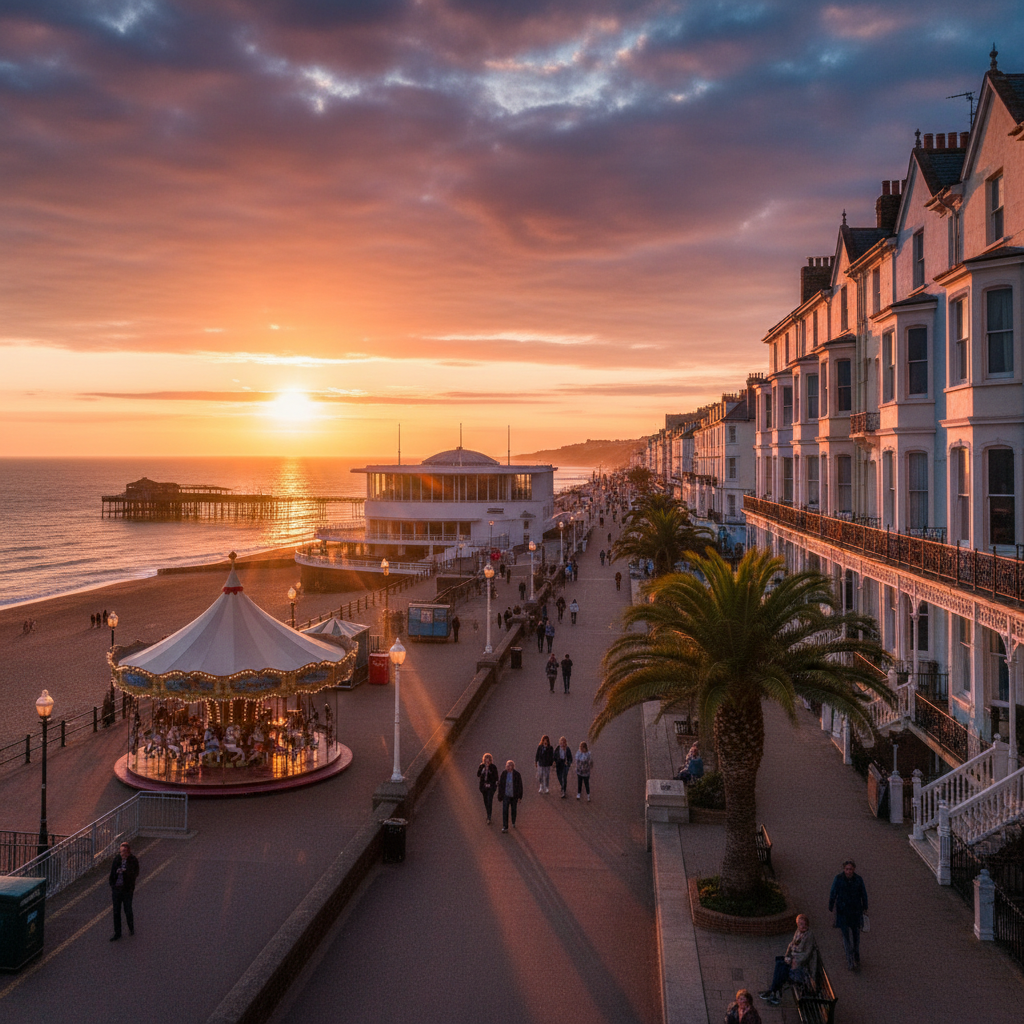
Bexhill-on-Sea
Discover Bexhill-on-Sea Bexhill-on-Sea is a charming coastal town located on the southeast coast of England, nestled within the picturesque county of East Sussex. This seaside retreat is not only known for its stunning beach and delightful promenade but also boasts a rich history and vibrant culture that make it a unique destination for travelers.Founded in the 11th century, Bexhill's history is deeply rooted in the medieval period, and the town has evolved significantly over the centuries. Originally a small fishing village, it began to gain popularity as a seaside resort in the Victorian era, thanks to its favorable climate and beautiful shoreline. The opening of the railway in the 19th century further contributed to its growth, making it easily accessible for visitors from London and other parts of England.One of the most significant aspects of Bexhill-on-Sea's cultural identity is its connection to the arts. The iconic De La Warr Pavilion, built in 1935, is a masterpiece of modernist architecture and serves as a cultural hub for the town. It hosts a variety of exhibitions, performances, and events throughout the year, showcasing local and international artists alike. The Pavilion's stunning seafront location makes it a focal point for both locals and tourists, and it is often seen as a symbol of Bexhill's commitment to arts and culture.Bexhill also has a knack for celebrating its heritage through various festivals and events. The annual Bexhill Festival of Music, held every summer, attracts musicians and performers from all over the country, while the Bexhill 100 Motoring Club celebrates the town's motoring history with vintage vehicle shows and rallies. These events highlight the community's pride in its history and offer visitors a chance to engage with the local culture.Nature lovers will find plenty to appreciate in Bexhill, as the town is surrounded by beautiful landscapes, including the scenic cliffs of the nearby East Hill and the expansive countryside of the High Weald Area of Outstanding Natural Beauty. The town's beaches are perfect for sunbathing, swimming, and leisurely walks, while the nearby parks provide ample opportunities for picnics and outdoor activities.What truly makes Bexhill-on-Sea special is its blend of history, culture, and natural beauty. Whether you're interested in exploring its artistic heritage, enjoying a relaxing day by the sea, or participating in community events, Bexhill offers a diverse range of experiences that appeal to all types of travelers. The welcoming atmosphere and friendly locals enhance the charm of this delightful seaside town, ensuring that visitors feel at home as they explore all that Bexhill has to offer. Top Attractions in Bexhill-on-Sea – Ranked and Reviewed Bexhill-on-Sea is home to a variety of attractions that cater to different interests, ensuring that every visitor finds something enjoyable to experience. Based on reviews and ratings from real travelers on Stay4Exploring, here are the top attractions you simply can't miss during your visit.1. De La Warr PavilionThe De La Warr Pavilion stands out as the top-rated attraction in Bexhill-on-Sea. This architectural gem hosts art exhibitions, live performances, and cultural events all year round. Visitors rave about its striking design and the vibrant arts scene it fosters. "A fantastic venue with a stunning sea view! The exhibitions are always top-notch," one reviewer noted.2. Bexhill BeachJust a stone's throw from the town center, Bexhill Beach is a favorite among both locals and tourists. With its sandy shores and well-maintained promenade, it’s perfect for a leisurely stroll or a family day out. Reviewers appreciate the cleanliness of the beach and the availability of nearby cafes. "A lovely spot to relax and enjoy the sea breeze," shared one beachgoer.3. Bexhill MuseumDelve into the local history at the Bexhill Museum, where visitors can explore exhibitions showcasing the town's heritage, including its connections to the motoring and entertainment industries. Guests often recommend the museum for its informative displays and friendly staff. "A hidden gem full of interesting artifacts!" exclaimed one visitor.4. Egerton ParkThis beautifully landscaped park is ideal for picnics, leisurely walks, and enjoying the outdoors. With a playground for children and lovely gardens to explore, it’s a perfect family-friendly destination. Visitors appreciate the peaceful atmosphere and well-kept grounds. "A lovely park to unwind and enjoy nature!" commented a family enjoying the sun.5. The Old TownWander through Bexhill's historic Old Town, where charming shops, cafes, and historical buildings abound. Reviewers love the quaint streets and the sense of stepping back in time. "A delightful area with unique shops and great coffee!" said one traveler.Each of these attractions has been highly rated by visitors, making them essential stops on your Bexhill-on-Sea itinerary. Whether you're an art lover, a history buff, or simply seeking relaxation by the sea, Bexhill has something special in store for you. Planning Your Visit to Bexhill-on-Sea Bexhill-on-Sea, a charming coastal town located in East Sussex, England, offers visitors a delightful mix of relaxation and exploration. When planning your visit, timing can significantly enhance your experience. The best time to visit Bexhill-on-Sea is during the late spring and summer months, specifically from May to September. This period boasts pleasant weather, ideal for beach activities and outdoor festivals. The annual Bexhill-on-Sea Music & Arts Festival in late July is a highlight, showcasing local talent and vibrant culture.Getting to Bexhill-on-Sea is straightforward. The town is well-connected by road and rail. If you're traveling by train, the Bexhill railway station is on the East Coastway Line, with direct services from London, Brighton, and Hastings, making it an accessible option for day-trippers or weekend getaways. For those driving, Bexhill is easily reachable via the A259 coastal road, and ample parking is available near the seafront and town centre.Once in Bexhill-on-Sea, getting around is simple and enjoyable. The compact nature of the town allows visitors to explore on foot or by bicycle. The promenade stretches along the seafront, perfect for leisurely strolls or invigorating bike rides, with stunning views of the English Channel. Local bus services also provide convenient transport options for reaching nearby attractions.Accommodation in Bexhill-on-Sea ranges from charming bed-and-breakfasts to modern hotels and self-catering apartments. For a unique experience, consider staying at one of the seaside guesthouses where you can wake up to the sound of waves. The Cooden Beach Hotel is a popular choice, offering stunning views and direct access to the beach. Alternatively, for a more budget-friendly option, check out the local hostels or Airbnb listings, which provide a variety of choices for every type of traveler.In conclusion, Bexhill-on-Sea is a delightful destination that caters to a variety of interests. By planning your visit during the warmer months, utilizing convenient transport options, and selecting the right accommodation, you can ensure a memorable seaside getaway. Experience Bexhill-on-Sea Like a Local To truly immerse yourself in the charm of Bexhill-on-Sea, it’s essential to embrace the local customs, food, culture, and insider tips that make this seaside town special. Bexhill has a rich history and a vibrant community spirit, so take the time to engage with locals and learn about their way of life.One local custom to be aware of is the strong appreciation for community events. Bexhill hosts a variety of festivals throughout the year, including art exhibitions, music performances, and seasonal fairs. Participating in these events not only provides a glimpse into local culture but also allows you to mingle with residents and discover the town's unique character.Food in Bexhill-on-Sea is a delightful blend of traditional British fare and modern culinary innovations. Don’t miss the opportunity to try fresh seafood at one of the local restaurants, such as The Fish and Chip Shop, where you can enjoy classic fish and chips made with daily catches from the coast. For a more upscale dining experience, visit the De La Warr Pavilion’s café, which offers a menu featuring locally sourced ingredients and stunning views of the seafront.Cultural experiences abound in Bexhill. The De La Warr Pavilion, an architectural gem, is a must-visit for art enthusiasts. This iconic building hosts a variety of exhibitions and performances, making it a cultural hub of the town. Additionally, the local museums and galleries offer insightful exhibitions on the region's history and artistic heritage.When it comes to insider tips, take a stroll down the picturesque seafront and explore the unique shops and boutiques that dot the area. The local markets, held on weekends, are perfect for finding handmade crafts, vintage items, and fresh produce. For those seeking a more tranquil experience, head to the nearby Egerton Park, where you can relax in beautifully landscaped gardens.Lastly, as you explore Bexhill-on-Sea, don’t forget to engage with the local community. Whether it’s sharing a chat with a friendly shopkeeper or attending a local event, the warmth and hospitality of Bexhill residents will enhance your visit and leave you with lasting memories of this lovely seaside town.

Playa Blanca
Discover Playa Blanca Playa Blanca, located on the southern coast of Lanzarote, Spain, is a stunning seaside resort that has become a jewel of the Canary Islands. Known for its beautiful beaches, vibrant culture, and rich history, Playa Blanca offers visitors a unique blend of relaxation and adventure. Originally a quaint fishing village, it has evolved into one of the most popular tourist destinations in Lanzarote while still retaining its charm and character.The history of Playa Blanca dates back to the 18th century when it served as a port for the export of local goods. The town began to develop further in the late 20th century, and with its picturesque views of the nearby islands of Fuerteventura and Los Lobos, it quickly attracted tourists seeking sun and sea. The construction of luxury hotels, restaurants, and leisure facilities has transformed Playa Blanca into a thriving resort destination, yet it has managed to maintain its historical roots.Culturally, Playa Blanca is steeped in the traditions of the Canary Islands. The local gastronomy is a highlight, with an array of restaurants offering fresh seafood and Canarian specialties. Visitors can indulge in dishes such as 'papas arrugadas' (wrinkled potatoes) served with 'mojo' sauce or 'sancocho' (a traditional fish dish). The vibrant local markets and artisan shops give travelers a taste of the island's crafts and traditions, showcasing handmade goods and local produce.What makes Playa Blanca truly special is its breathtaking natural landscape. The town is surrounded by stunning volcanic scenery, pristine beaches, and a mild climate that is pleasant year-round. The famous Papagayo Beaches, a collection of secluded coves with crystal-clear waters, are just a short drive away, offering a paradise for sunbathers and snorkelers alike. Additionally, the nearby Timanfaya National Park, known for its otherworldly volcanic landscapes, provides ample opportunities for exploration and adventure.Playa Blanca is also a hub for outdoor activities. From water sports like diving and windsurfing to hiking trails that offer panoramic views of the island, there is something for everyone to enjoy. The town's promenade, lined with bars and cafes, is perfect for leisurely strolls, and the vibrant nightlife ensures that visitors can enjoy a lively atmosphere after sunset.Whether you are seeking relaxation on a sun-kissed beach or an adventurous exploration of Lanzarote’s unique landscapes, Playa Blanca is a destination that caters to a variety of interests. Its combination of history, culture, and natural beauty makes it an unforgettable stop for travelers exploring the Canary Islands. Top Attractions in Playa Blanca – Ranked and Reviewed When visiting Playa Blanca, you'll find a plethora of attractions that cater to all types of travelers. Based on real traveler reviews from Stay4Exploring, here are the top-rated experiences you won't want to miss.1. Papagayo BeachesRanked as the number one attraction, the Papagayo Beaches are a series of stunning coves known for their golden sands and turquoise waters. Visitors rave about the tranquility and natural beauty of this protected area, which is perfect for swimming and sunbathing. Many travelers recommend arriving early to secure a good spot and enjoy the stunning sunrise views.2. Timanfaya National ParkComing in a close second, Timanfaya National Park offers a unique glimpse into Lanzarote's volcanic landscape. Visitors can take guided tours to learn about the geology and history of the area. The geothermal demonstrations, where heat from the volcano is used to cook food, leave travelers in awe. Reviews highlight the surreal beauty and educational aspect of the park.3. Marina RubicónThis vibrant marina is a hub of activity, featuring upscale shops, restaurants, and bars. Rated highly by visitors, Marina Rubicón is the perfect place for an evening stroll or to enjoy a meal overlooking the yachts. Many travelers recommend trying the local seafood dishes at one of the waterfront restaurants.4. Playa FlamingoPlaya Flamingo is a family-friendly beach known for its calm waters and soft sand. Parents appreciate the facilities available, including sunbeds and umbrellas, making it a comfortable spot for a day by the sea. Reviews often mention the beach's cleanliness and the availability of water sports, making it a hit with both kids and adults.5. Aqualava WaterparkFor those traveling with children, Aqualava Waterpark is a must-visit. Rated highly for its fun slides and pools, visitors appreciate the family-oriented atmosphere. Reviewers often commend the park's cleanliness and the variety of attractions suitable for all ages, from thrilling slides to relaxing lazy rivers.6. Los Ajaches Natural ParkNature lovers will enjoy exploring Los Ajaches Natural Park, known for its rugged landscapes and diverse flora and fauna. Hikers praise the numerous trails that offer stunning views of the coast and the surrounding countryside. Many reviews highlight the peaceful ambiance, making it a perfect escape from the bustling tourist areas.Each of these attractions has been rated and reviewed by real visitors, ensuring that you can plan your itinerary with confidence. Whether you're seeking relaxation, adventure, or cultural experiences, Playa Blanca has something to offer every traveler. Planning Your Visit to Playa Blanca Playa Blanca, located on the southern tip of Lanzarote in the Canary Islands, is a stunning beach destination that attracts travelers from around the world. When planning your visit, it’s essential to consider the best time to go, how to get there, how to navigate the area, and where to stay for an unforgettable experience.The best time to visit Playa Blanca is between March and May or September and November. During these months, you can enjoy pleasant temperatures, fewer crowds, and lower accommodation prices compared to the peak summer season. The average temperature during these shoulder seasons hovers around 24°C (75°F), making it perfect for beach lounging and outdoor activities.Getting to Playa Blanca is relatively straightforward. Lanzarote has one main airport, César Manrique-Lanzarote Airport (ACE), which is well connected to various European cities. Once you land, you can take a taxi, rent a car, or use public transport to reach Playa Blanca, which is around a 30-minute drive from the airport. For those traveling from mainland Spain, there are also ferry services available from nearby islands, including Fuerteventura.Getting around Playa Blanca is easy, thanks to its compact size and well-maintained infrastructure. Walking and cycling are popular options, especially along the scenic promenade that connects the beaches. Additionally, local buses provide convenient access to nearby attractions and towns. If you prefer more flexibility, consider renting a car to explore the island at your own pace.When it comes to accommodation, Playa Blanca offers a diverse range of options to suit every budget and preference. From luxurious beachfront resorts to cozy guesthouses and self-catering apartments, you are sure to find something that meets your needs. Popular areas to stay include the Playa Dorada area, known for its proximity to the beach and vibrant nightlife, and the quieter Montaña Roja area, which offers stunning views and tranquility. For a truly unique experience, consider booking a stay in a traditional Canarian villa, where you can enjoy local architecture and charm.In summary, planning your visit to Playa Blanca involves choosing the right time, figuring out transportation options, and selecting the ideal accommodation. Preparing in advance will ensure that your trip to this beautiful destination is as enjoyable as possible, allowing you to soak in the sun, sea, and local culture. Experience Playa Blanca Like a Local To truly enjoy Playa Blanca, immerse yourself in the local customs, food, and culture that make this destination unique. Understanding the lifestyle of its residents will enhance your travel experience and give you a deeper appreciation of this beautiful part of Lanzarote.One of the best ways to experience Playa Blanca like a local is by indulging in the culinary delights of the region. The Canary Islands are known for their fresh seafood, and Playa Blanca is no exception. Be sure to try traditional dishes such as papas arrugadas (wrinkled potatoes) served with mojo sauce, alongside grilled fish like vieja (parrotfish) or local shellfish. For a taste of authentic Canarian cuisine, visit local restaurants and taverns, where you can enjoy meals made from fresh, locally-sourced ingredients.As you explore Playa Blanca, you’ll notice a relaxed pace of life that reflects the island's culture. The locals are friendly and welcoming, often greeting visitors with a smile. It’s customary to greet people with a simple “Hola” (hello) or “Buenos días” (good morning). If you’re invited to a local home, it’s polite to bring a small gift, such as a bottle of wine or some pastries, as a token of appreciation.Cultural events and festivals are an integral part of life in Playa Blanca. One of the most important celebrations is the Fiesta de Nuestra Señora del Carmen, held in mid-July, which honors the patron saint of fishermen. The festival features parades, music, dancing, and maritime activities, providing an authentic glimpse into local traditions. Participating in such events will give you the chance to mingle with locals and experience the vibrant culture of the island.For those interested in exploring the natural beauty of the area, take a stroll along the stunning coastal promenade, which stretches from Playa Blanca to the nearby Papagayo beaches. This picturesque walk not only allows you to soak in breathtaking views of the ocean but also provides opportunities to encounter local wildlife, including various bird species and native plants.Insider tips for your visit include seeking out local markets, such as the weekly market held in the town center every Wednesday and Saturday. Here, you can find fresh produce, handmade crafts, and souvenirs that capture the essence of Lanzarote. Additionally, try to learn a few basic phrases in Spanish; locals appreciate the effort and it can enhance your interactions.In conclusion, experiencing Playa Blanca like a local involves embracing its culinary delights, engaging with the friendly community, and participating in cultural events. By stepping off the beaten path and immersing yourself in the local way of life, you’ll create lasting memories and a richer travel experience.
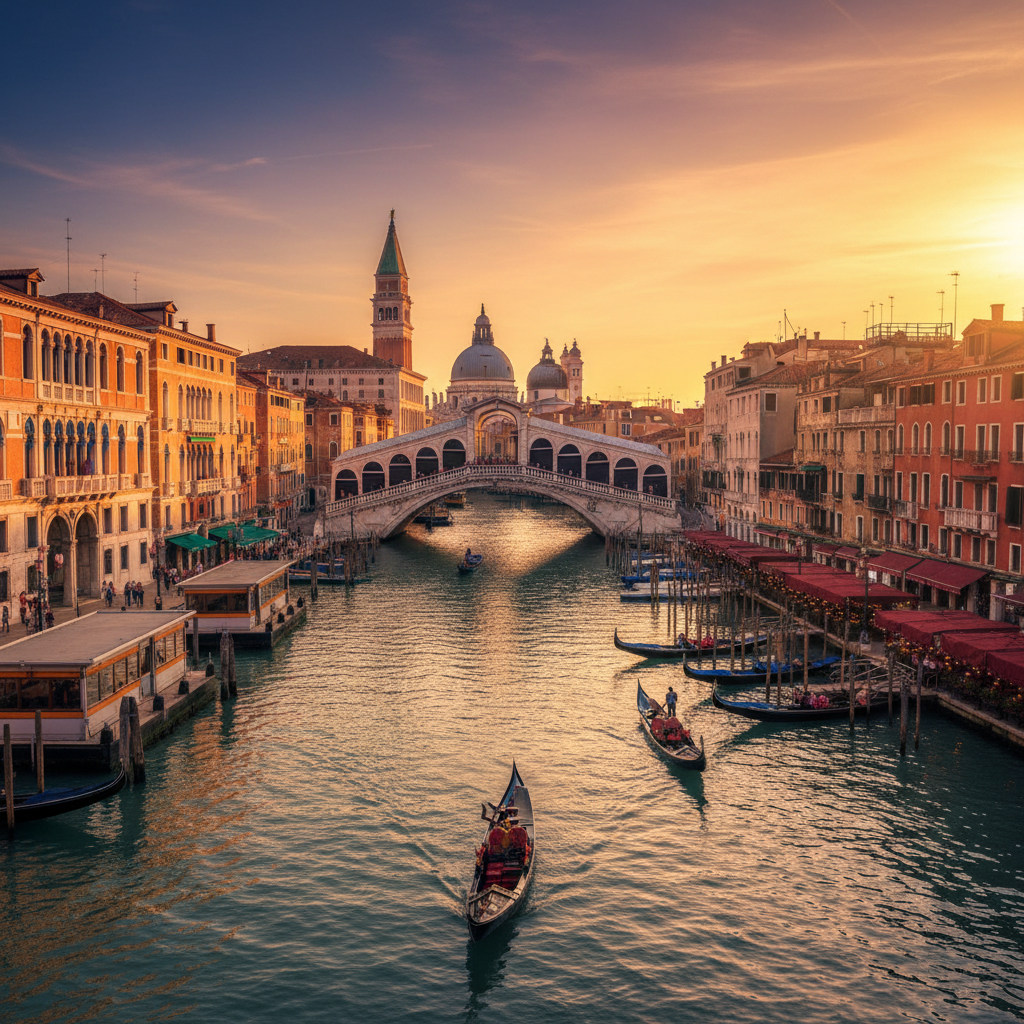
Venice
Discover Venice Venice, a city built on water and known for its romantic canals, has a history that is as rich and complex as its labyrinthine streets. Founded in the 5th century as a refuge from barbarian invasions, Venice evolved into a powerful maritime republic, dominating trade routes between Europe and the East. Its strategic location along the Adriatic Sea allowed it to flourish economically and culturally, attracting merchants, artists, and scholars from around the world.One of the most remarkable aspects of Venice is its unique architecture, a blend of Byzantine, Gothic, and Renaissance styles. The city’s iconic landmarks, such as St. Mark’s Basilica and the Doge’s Palace, showcase intricate designs adorned with mosaics and sculptures, reflecting the wealth and power of the Venetian Republic. The canals, lined with colorful buildings, serve as the city’s main thoroughfares, creating a picturesque setting that has inspired countless artists and writers throughout the centuries.Venice is not just a feast for the eyes; it is also a cultural hub, known for its rich traditions in art, music, and cuisine. The city has been home to renowned composers such as Vivaldi and celebrated artists like Tintoretto and Titian. Today, Venice continues to host a vibrant arts scene, with events like the Venice Biennale and the Venice Film Festival drawing international attention.Moreover, Venice is famous for its unique customs and festivals, such as the Venetian Carnival, where locals and tourists alike don elaborate masks and costumes, and the Regata Storica, a historic boat race that celebrates the city’s maritime heritage. These events not only showcase the city’s traditions but also foster a sense of community and pride among its residents.What truly makes Venice special, however, is its ability to enchant visitors with its charm and mystery. The city’s winding alleys lead to hidden squares and quaint shops, inviting exploration and discovery. Visitors can indulge in the local cuisine, sampling fresh seafood, cicchetti (Venetian tapas), and the world-famous spritz while enjoying the breathtaking views of the Grand Canal. The absence of cars and the gentle sound of water lapping at the edges of the canals create an atmosphere that feels both timeless and otherworldly.In recent years, Venice has faced challenges, including over-tourism and rising sea levels, which threaten its delicate ecosystem and cultural heritage. However, the city’s resilience and commitment to preservation remain strong. Efforts to promote sustainable tourism and protect its unique environment are underway, ensuring that future generations can experience the magic of Venice.In summary, Venice is a city that captivates the heart and mind, offering a unique blend of history, culture, and beauty. Its significance as a historical center of trade and art, combined with its enchanting landscapes and vibrant traditions, makes it a must-visit destination for travelers seeking to immerse themselves in a truly extraordinary experience. Top Attractions in Venice – Ranked and Reviewed When it comes to exploring Venice, there’s no shortage of attractions that have been ranked and reviewed by travelers on Stay4Exploring, providing insights into the best experiences this magnificent city has to offer. Here are the top-rated attractions that should be on everyone’s itinerary:1. St. Mark’s Basilica – Often considered the jewel of Venice, St. Mark’s Basilica is revered for its stunning architecture and intricate mosaics. Visitors rave about the awe-inspiring interior, which features over 8,000 square meters of mosaic artwork. Many travelers recommend visiting early in the morning to avoid the crowds and fully appreciate the basilica’s beauty.2. The Grand Canal – The main waterway of Venice, the Grand Canal is lined with magnificent palaces and offers a unique perspective of the city. Travelers highly recommend taking a Vaporetto (water bus) ride along the canal, as it’s an affordable way to see the sights without the hassle of walking. Sunset rides are particularly popular for their breathtaking views.3. Doge’s Palace – A masterpiece of Gothic architecture, the Doge’s Palace was the residence of the Doge of Venice and the seat of government. Visitors appreciate the opportunity to explore the lavish rooms filled with art and history. Many reviews suggest opting for a guided tour to gain deeper insights into the palace’s storied past.4. Rialto Bridge – As one of the most iconic landmarks in Venice, the Rialto Bridge is a must-see. Travelers love the bustling atmosphere and the shopping opportunities in the adjoining market. Many recommend visiting at dawn for stunning photos without the usual crowds.5. Murano and Burano Islands – A short boat ride from Venice, these islands are famous for their glass-making and vibrant colored houses, respectively. Reviews highlight the charm of Burano with its picturesque streets, while Murano is celebrated for its exquisite glass artisans. Travelers often suggest spending a day exploring both islands for a more relaxed experience.6. Gondola Rides – While sometimes considered touristy, many travelers insist that a gondola ride is a quintessential Venetian experience. Reviews mention the romance of gliding through the canals, particularly at sunset. To save money, some recommend sharing a gondola with others.7. Peggy Guggenheim Collection – For art enthusiasts, this modern art museum housed in Peggy Guggenheim’s former home is a highlight. Visitors praise the impressive collection of 20th-century art and the beautiful garden. Many recommend allowing time to enjoy the café and the stunning views of the Grand Canal.Overall, Venice offers a wealth of attractions that cater to a variety of interests. Whether you’re captivated by its historical landmarks, natural beauty, or artistic treasures, the rankings and reviews from fellow travelers on Stay4Exploring can help guide your journey through this magical city. Each experience adds to the allure of Venice, making it a destination that promises unforgettable memories. Planning Your Visit to Venice Visiting Venice, the enchanting city of canals, gondolas, and historic architecture, requires careful planning to make the most of your experience. The best time to visit is during the spring (April to June) and early autumn (September to October) when the weather is pleasant, and tourist crowds are manageable. Summer (July to August) can be hot and crowded, while winter (November to February) sees fewer tourists, but also colder temperatures and occasional flooding.Getting to Venice is straightforward, with major international flights arriving at Marco Polo Airport (VCE), located about 13 kilometers from the city. From the airport, you can take a water taxi, which offers a scenic ride directly to your accommodation, or use the Alilaguna water bus service. Alternatively, if you're traveling by train, the Santa Lucia railway station places you right in the heart of the city, with easy access to the Grand Canal.Once in Venice, getting around is best done on foot or by using the vaporetto (water bus) system. The city is pedestrian-friendly, with many narrow streets and bridges, so be prepared for some walking. The vaporetto is essential for reaching distant islands like Murano and Burano and is a charming way to see the city's waterfront.As for accommodation, Venice offers a range of options from luxury hotels to budget-friendly hostels. The San Marco district is ideal for first-time visitors, as it is close to major attractions like St. Mark's Basilica and the Doge's Palace. For a more local experience, consider staying in the Cannaregio or Dorsoduro districts, which offer a more authentic Venetian atmosphere, complete with smaller cafes and local shops. Make sure to book your accommodation in advance, especially during peak tourist seasons, as Venice can fill up quickly.When planning your itinerary, don’t forget to allocate time to explore the lesser-known areas of the city. Beyond the main tourist attractions, hidden gems like the Jewish Ghetto and the charming neighborhood of Castello provide a glimpse into the everyday life of Venetians. Also, consider purchasing a Venice Card or a city pass that includes entry to various museums and unlimited vaporetto rides, which can save you money and time. Experience Venice Like a Local To truly experience Venice like a local, immerse yourself in the city's rich customs, food culture, and vibrant arts scene. One of the most significant aspects of Venetian life is the tradition of the ‘cicchetti’ – small snacks typically served in local bars called ‘bacari.’ These delicious bites can range from seafood to meats and are best enjoyed with a glass of local wine or a spritz, a popular Venetian cocktail. Don't miss the chance to try the iconic 'baccalà mantecato,' a creamy cod spread, or 'sarde in saor,' sardines marinated with onions and pine nuts.When it comes to dining, locals often eat dinner late, typically around 8 PM or later. To avoid tourist traps, venture beyond the main squares and seek out smaller, family-run trattorias. Enjoying a meal beside the canals, with a view of the picturesque bridges, will make for an unforgettable dining experience.Venice is also known for its vibrant cultural scene, with festivals and events happening throughout the year. The Carnival of Venice, held in February, is a spectacular celebration filled with elaborate masks, costumes, and parades. If you're visiting in summer, don't miss the Venice Film Festival, which attracts celebrities and filmmakers from around the globe.While in Venice, respect the local customs and traditions. Venetians value their environment and are often passionate about keeping the city clean. Follow their lead by disposing of trash properly and avoiding littering. When visiting churches or religious sites, dress modestly; shoulders and knees should be covered as a sign of respect.For an authentic experience, try to learn a few basic Italian phrases. A friendly ‘buongiorno’ (good morning) or ‘grazie’ (thank you) can go a long way in connecting with locals. Additionally, take time to explore the lesser-known neighborhoods, such as Giudecca or Sant'Elena, where you can find local artisans, quaint shops, and peaceful canals, far from the bustling tourist paths.Finally, consider taking part in a traditional gondola ride, but be mindful of the pricing and opt for a shared ride if you're looking to save. Many locals prefer to use traghetti, a type of gondola ferrying people across the Grand Canal, which offers a similar experience at a fraction of the cost. By embracing these local customs and insider tips, you can create a memorable Venetian adventure that goes beyond the surface of this iconic city.

Almería
Discover Almería Almería, located in the southeastern part of Spain, is a captivating destination that offers visitors a unique blend of history, culture, and breathtaking landscapes. As the capital of the province of the same name, Almería boasts a rich historical tapestry that dates back to ancient times. The city was founded by the Romans and later became a significant Moorish settlement, known for its strategic port. This cultural amalgamation is evident in Almería's architecture, cuisine, and local traditions, making it a compelling place to explore.The city's most iconic landmark, the Alcazaba of Almería, is a massive fortress built in the 10th century, showcasing the city’s Moorish heritage. This imposing structure, which is one of the largest Muslim fortifications in Spain, offers stunning views of the city and the Mediterranean Sea. Its intricate design and historical significance draw thousands of visitors each year, contributing to Almería's status as a UNESCO World Heritage site. A visit to the Alcazaba is not just a glimpse into the past; it’s a journey through time that allows travelers to appreciate the architectural brilliance of the era.Almería’s cultural significance extends beyond its historical sites. The city is renowned for its vibrant community and local festivals, which highlight its rich traditions. One of the most important events is the Feria de Almería, celebrated in August. This festival transforms the city into a lively celebration filled with music, dance, and local gastronomy. Attending the feria offers visitors a unique opportunity to immerse themselves in the local culture, making connections with the friendly residents and enjoying the festive atmosphere.Moreover, Almería is famous for its diverse landscapes, ranging from stunning beaches along the Costa de Almería to the dramatic desert scenery of the Tabernas Desert, the only true desert in mainland Europe. This unique geographical variety not only enhances the city’s natural beauty but also makes it a popular filming location for numerous Western films in the 1960s, including classics like “A Fistful of Dollars.” The cinematic history adds another layer of intrigue to Almería, drawing film buffs and tourists alike.What makes Almería particularly special is its relatively undiscovered charm compared to other tourist-heavy Spanish cities. While places like Barcelona and Madrid are bustling with visitors, Almería offers a more authentic experience. Its lesser-known status means that visitors can explore the city’s attractions without the crowds commonly found in more popular destinations. Travelers can enjoy leisurely strolls through the narrow streets of the old town, discovering quaint shops, local markets, and picturesque plazas.In addition to its historical and cultural significance, Almería is also known for its gastronomy. The local cuisine, characterized by fresh seafood, locally grown produce, and traditional dishes like 'tortilla de patatas' and 'pescaito frito,' showcases the richness of Andalusian flavors. Dining in Almería is not just about satisfying hunger; it’s an experience that reflects the region's agricultural heritage and coastal bounty.In summary, Almería is a destination that captivates the heart and mind of every traveler. Its historical depth, cultural vibrancy, stunning landscapes, and culinary delights come together to create an unforgettable experience. Whether you’re wandering through ancient fortresses, enjoying local festivals, or savoring fresh seafood by the beach, Almería invites you to discover its beauty and charm. Top Attractions in Almería – Ranked and Reviewed When visiting Almería, it’s essential to explore its top attractions, which are not only significant historically but also cherished by travelers. The following is a ranked list of must-visit spots, each offering unique experiences that have garnered rave reviews from visitors.1. Alcazaba of Almería: This stunning fortress is undoubtedly the crown jewel of Almería. Built during the Moorish period in the 10th century, the Alcazaba is an architectural marvel with its towering walls and intricate design. Visitors rave about the panoramic views it offers over the city and the sea. A stroll through its courtyards, gardens, and ancient pathways evokes a sense of history that is both enchanting and educational.2. Cabo de Gata-Níjar Natural Park: Nature lovers will find paradise in this stunning natural park, known for its rugged coastline, crystal-clear waters, and diverse wildlife. The park features numerous hiking trails that allow visitors to explore its dramatic landscapes. Travelers frequently mention the beauty of its beaches, such as Playa de los Muertos, as well as the opportunity to spot unique flora and fauna.3. Almería Cathedral: A blend of Gothic and Renaissance architecture, the Almería Cathedral is a remarkable structure that also served as a fortress during the 16th century. Visitors appreciate its imposing façade and intricate interior, which includes beautiful altarpieces and chapels. Many travelers highlight the peaceful atmosphere within the cathedral, making it a perfect spot for reflection.4. The Tabernas Desert: Recognized as the only desert in mainland Europe, the Tabernas Desert has gained fame for its film history, particularly as a backdrop for Spaghetti Westerns. Visitors to the desert can explore film sets and enjoy the unique landscapes that have inspired filmmakers for decades. The desert’s unique ecosystem and beauty make it a popular spot for hiking and photography.5. Mercado Central de Almería: To truly experience Almería’s local flavor, a visit to the Central Market is a must. This bustling market is filled with fresh produce, seafood, meats, and local delicacies. Travelers often rave about the vibrant atmosphere and the opportunity to sample traditional Andalusian snacks. It’s a perfect place to engage with locals and experience the everyday life of Almería.6. Playa de San Miguel: This beach is a favorite among locals and visitors alike for its soft sands and clear waters. The beach offers a range of amenities, including beach bars and sunbed rentals, making it an ideal spot for relaxation. Many travelers appreciate its family-friendly atmosphere and the various water sports available, such as kayaking and paddleboarding.These attractions represent just a glimpse of what Almería has to offer. Each site is a testament to the city’s rich history and cultural diversity, reflecting the experiences of those who have visited. Whether you’re an avid historian, nature enthusiast, or simply seeking a relaxing getaway, Almería’s offerings are sure to delight. Be sure to take the time to explore beyond the main attractions, as the city is filled with hidden gems waiting to be discovered. Planning Your Visit to Almería Planning a visit to Almería is an exciting process, as this charming city offers a plethora of experiences that cater to different interests. To ensure a smooth and enjoyable trip, it's essential to consider the best times to visit, how to get there, navigate the city, and where to stay.Best Time to Visit: Almería enjoys a Mediterranean climate, characterized by hot summers and mild winters. The ideal time to visit is during the spring (April to June) and autumn (September to October). During these months, temperatures are pleasant, ranging from 20°C to 25°C (68°F to 77°F), making it perfect for outdoor activities and sightseeing. Summer months can be scorching, with temperatures soaring above 30°C (86°F), while winters are mild but may bring occasional rain.Getting There: Almería is well-connected by various modes of transportation. The Almería Airport (LEI) is the main gateway to the region, with flights from major European cities. Once you arrive, you can take a taxi or a bus to the city center, which is just a short distance away. For those traveling from other parts of Spain, Almería is accessible by train and bus. The train service connects Almería to cities like Granada and Málaga, while the bus network offers routes to various destinations across the country.Getting Around: Navigating Almería is relatively easy, as the city is compact and pedestrian-friendly. Walking is one of the best ways to explore its charming streets and discover hidden gems. For those who prefer not to walk, public transportation options include buses that cover key areas of the city. Taxis are also readily available and can be a convenient option for reaching attractions that are farther apart.Where to Stay: Almería offers a range of accommodation options, from luxurious hotels to budget-friendly hostels and charming guesthouses. For those seeking comfort and convenience, hotels near the city center, such as Hotel Catedral and Hotel Nuevo Torreluz, provide easy access to major attractions. Travelers looking for a more local experience might consider staying in the historic district, where traditional Andalusian houses have been converted into guest accommodations. Additionally, there are beachfront resorts along the Costa de Almería for those who want to enjoy the sun and sea.In summary, planning your visit to Almería involves considering the best times for travel, understanding transportation options, and selecting accommodations that suit your needs. By planning ahead, you can fully immerse yourself in the beauty and culture of this remarkable city. Experience Almería Like a Local To truly experience Almería, one must embrace the local customs, food, and culture that define this vibrant city. Engaging with the community and understanding their way of life will enrich your visit and create lasting memories.Local Customs: Almería is steeped in rich traditions that reflect its historical influences. One of the most important aspects of local life is the emphasis on community and family. Spaniards typically have a relaxed approach to time, often enjoying extended meals and socializing in public spaces. The evening paseo, or walk, is a cherished tradition where locals stroll through parks and plazas, especially after dinner. Joining in on this ritual allows visitors to mingle with locals and experience the city’s social fabric.Food and Drink: Almería's culinary scene is a delightful exploration of flavors. The region is famous for its fresh seafood, with local dishes such as 'pescaito frito' (fried fish) and 'calamares a la romana' (battered squid) being must-tries. A visit to the Mercado Central de Almería is an excellent way to sample local produce and ingredients. Don't miss out on trying 'tortilla de patatas,' a Spanish omelet made with potatoes and onions, which is a staple in local cuisine.Wine lovers will also appreciate Almería's growing wine scene. The province is home to several wineries producing high-quality wines, particularly in the Alpujarra region. Participating in a wine tasting tour can be a delightful way to enjoy local flavors and learn about the winemaking process.Cultural Events: Almería hosts numerous festivals throughout the year that celebrate its culture and traditions. The Feria de Almería in August is a highlight, featuring parades, music, and flamenco dancing. This is a fantastic opportunity for visitors to experience the joyous spirit of the locals. Additionally, the Semana Santa (Holy Week) processions are deeply rooted in the city’s history and are known for their solemnity and beauty, attracting visitors from all over Spain.Insider Tips: To truly immerse yourself in the local culture, consider learning a few basic Spanish phrases. While many locals speak English, making an effort to converse in Spanish will endear you to the community. When dining out, it's common to order tapas, small plates meant for sharing, which allows you to sample a variety of dishes. Many bars and restaurants offer free tapas with your drink, making it not only a culinary experience but also a social one.Additionally, explore beyond the main tourist attractions. Venture into the neighborhoods surrounding the city center, where you can find authentic eateries, artisan shops, and friendly locals eager to share their stories. The Barrio de la Chanca, known for its colorful houses and artistic vibe, is a perfect example of local life.In summary, experiencing Almería like a local involves embracing its customs, indulging in its flavors, participating in cultural events, and exploring the city’s hidden gems. By connecting with the community and understanding their way of life, you’ll leave Almería with a deeper appreciation for this remarkable destination.

Rías Baixas
Discover Rías Baixas Nestled in the northwest corner of Spain, the Rías Baixas region is an enchanting tapestry of natural beauty, rich history, and vibrant culture. This coastal stretch of Galicia is defined by its estuaries, or 'rías,' which carve their way through lush landscapes, providing a unique blend of mountains, valleys, and sandy beaches. The Rías Baixas is not just a feast for the eyes; it is also a culinary haven and a treasure trove of historical significance. The history of Rías Baixas is as deep as the Atlantic Ocean that borders it. The region's roots can be traced back to ancient times, where the Celts first settled, leaving behind a legacy still visible today in the form of traditional stone structures and festivals that celebrate their rich heritage. The influence of Roman civilization is also apparent, with remnants of ancient roads and aqueducts scattered throughout the area. The coastal towns of Sanxenxo and Vilagarcía de Arousa boast beautiful architecture, much of which reflects a blend of Gothic and Romanesque styles, indicative of the region's historical significance. One of the region's standout features is its wine production, particularly the Albariño grape. The vineyards that dot the landscape produce some of Spain's finest white wines, which have gained international acclaim. Visitors can explore the wine routes, tasting the distinct flavors of the local varietals while soaking in stunning views of the rolling hills and estuaries. Rías Baixas is also known for its lively festivals and cultural events, such as the Festas do Mar in Sanxenxo and the famous seafood festival in O Grove, where locals and tourists alike celebrate the bounty of the sea with food, music, and traditional dancing. Each summer, the region comes alive with these events, showcasing the warmth and hospitality of the Galician people. In addition to its cultural richness, Rías Baixas is famous for its stunning natural landscapes. The Atlantic coastline is dotted with beautiful beaches, such as the Praia de Silgar in Sanxenxo or the more secluded Praia da Lanzada, where visitors can indulge in sunbathing, swimming, and water sports. The nearby Illas Cíes, a part of the Atlantic Islands of Galicia National Park, offer breathtaking hiking trails and pristine beaches that are often compared to the Caribbean. What truly makes Rías Baixas special is its combination of natural beauty, historical significance, and a vibrant local culture that welcomes visitors with open arms. Whether you're wandering through charming fishing villages, sampling exquisite seafood, or simply enjoying the stunning coastal views, Rías Baixas promises an unforgettable experience that resonates long after your visit. Top Attractions in Rías Baixas – Ranked and Reviewed Rías Baixas is brimming with attractions that captivate visitors from all over the globe. Here is a carefully curated list of the region's top attractions, rated and reviewed by travelers who have experienced the charm and allure of this picturesque destination. 1. Islas Cíes Rated 4.9/5 by visitors, the Islas Cíes are often referred to as the 'Caribbean of Spain.' Located within the Atlantic Islands of Galicia National Park, these islands are known for their stunning beaches, crystal-clear waters, and diverse wildlife. The most famous beach, Playa de Rodas, is consistently ranked among the top beaches in the world. Travelers recommend taking a ferry from Vigo or Baiona for a day trip to explore the hiking trails and enjoy picnicking on the beach. 2. O Grove With a rating of 4.8/5, O Grove is famous for its seafood and annual seafood festival. Visitors rave about the vibrant atmosphere, especially during the festival in early October, where you can indulge in fresh shellfish and local dishes. The town also offers beautiful views of the coastline and plenty of opportunities for water sports. 3. Sanxenxo A favorite among beachgoers, Sanxenxo boasts a rating of 4.7/5. The town is home to several stunning beaches including Praia de Silgar, which is perfect for sunbathing and water sports. Visitors appreciate the lively nightlife and excellent dining options, making it a great spot for both relaxation and entertainment. 4. Combarro This quaint fishing village is rated 4.6/5 and is known for its traditional 'hórreos' (granaries) that line the waterfront. Travelers love wandering the narrow streets, taking in the picturesque views, and visiting the local shops that sell artisanal crafts. The charm of Combarro is amplified during the summer months when festivals celebrate local customs. 5. Pontevedra Rated 4.5/5, Pontevedra is a historic city with a well-preserved old town that boasts stunning architecture and a rich cultural scene. Visitors highlight the Plaza de la Leña and the Church of the Pilgrim Virgin as must-see landmarks. The city's pedestrian-friendly streets make it easy to explore its many cafes and shops. 6. A Toxa Island Known for its luxurious spa and wellness offerings, A Toxa Island has garnered a rating of 4.4/5. Travelers recommend visiting the island for its famous thermal springs and enjoying a day of relaxation. The island also features a beautiful chapel and stunning views of the coastline. Each of these attractions contributes to the unique tapestry of Rías Baixas, offering something special for every type of traveler. Whether you are seeking adventure, relaxation, or cultural experiences, the region's top-rated sites promise to leave you with lasting memories. Planning Your Visit to Rías Baixas Planning a visit to Rías Baixas involves considering various factors to ensure a smooth and enjoyable experience. This section will cover the best times to visit, how to get there, transportation options, and accommodation recommendations. Best Time to Visit Rías Baixas enjoys a moderate climate, making it a year-round destination. However, the best time to visit is from late spring to early autumn (May to September). During these months, the weather is typically warm and sunny, perfect for beach activities and outdoor exploration. The summer months, particularly July and August, are the most popular among tourists, so expect larger crowds and higher accommodation rates. For those seeking a quieter experience, consider visiting in June or September when the weather is still pleasant but the crowds have thinned. Getting There The Rías Baixas region is easily accessible by various modes of transportation. The nearest major airport is Vigo Airport (VGO), which is well connected to several European cities. From the airport, you can rent a car or take a bus to reach your destination. Another option is to fly into Santiago de Compostela Airport (SCQ), about an hour's drive from Rías Baixas. If traveling by train, the region is serviced by the Renfe train network, with regular connections to major cities like Madrid and Barcelona. Buses also run frequently from various parts of Spain, making it convenient to reach Rías Baixas by road. Getting Around Once in Rías Baixas, having a car is the most flexible way to explore the region. The scenic coastal roads provide stunning views and the freedom to visit smaller towns and hidden beaches at your own pace. Public transport options are available, such as buses that connect major towns and attractions, but they may not operate as frequently as needed for optimal exploration. Where to Stay Accommodation options in Rías Baixas range from luxury hotels to charming guesthouses and self-catering apartments. Here are a few recommended places to stay: Hotel Silgar in Sanxenxo: A beachfront hotel with modern amenities and easy access to local attractions. Hotel Pazo Los Escudos in Vigo: A beautiful hotel set in a former manor house, offering a blend of luxury and history. Pensión O Mariscal in Combarro: A cozy guesthouse located near the waterfront, perfect for budget travelers. When planning your visit, consider your interests and the activities you wish to pursue. With its rich history, stunning landscapes, and vibrant culture, Rías Baixas has something to offer for everyone, making it a must-visit destination in Spain. Experience Rías Baixas Like a Local Experiencing Rías Baixas like a local involves immersing yourself in the region's customs, flavors, and unique cultural practices. This section delves into the local traditions, gastronomy, and tips to enhance your visit. Local Customs Galician culture is characterized by its warm hospitality, and locals take pride in their traditions. One of the most significant customs in Rías Baixas is the celebration of local festivals, which are deeply rooted in the community's history. Festivals such as the Romería de San Benito in Padron and the Festa do Marisco in O Grove showcase traditional music, dance, and gastronomy, providing an authentic glimpse of Galician culture. Another unique aspect of local life is the 'tertulia,' a social gathering where friends and family come together to discuss various topics over food and drinks. Engaging in a tertulia is a great way to bond with locals and gain insights into their way of life. Food and Gastronomy Rías Baixas is renowned for its exceptional seafood, and indulging in local dishes is a must. The region is famous for its octopus (pulpo a la gallega), which is typically seasoned with paprika and served with potatoes. Another local delicacy is 'empanada gallega,' a savory pie filled with various ingredients like tuna, meat, or vegetables. Wine lovers should not miss the chance to sample Albariño, the region's flagship white wine, best enjoyed alongside seafood. Many wineries in the area offer tastings and tours, providing an opportunity to learn about the winemaking process while enjoying the stunning vineyard landscapes. Insider Tips To truly experience Rías Baixas like a local, consider the following tips: Learn a Few Words of Galician: While Spanish is widely spoken, Galician is the region's co-official language. Learning a few basic phrases can endear you to locals. Explore Beyond the Tourist Spots: While popular attractions are a must-visit, venture off the beaten path to discover hidden gems, such as secluded beaches and lesser-known villages. Participate in Local Festivities: Check local calendars for festivals during your visit. Joining in on the celebrations is a fantastic way to connect with the community. Try the Local Pastries: Don't miss out on 'tarta de Santiago,' an almond cake that is a traditional dessert in the region, perfect for satisfying your sweet tooth. By embracing the local customs, savoring the exquisite food, and engaging with the community, your visit to Rías Baixas will be enriched, allowing you to create lasting memories that reflect the true spirit of this captivating region.

Matera
Discover Matera Matera, a city in the Basilicata region of southern Italy, is one of the most fascinating and historically rich places you can visit. Recognized as a UNESCO World Heritage Site, Matera is famous for its ancient cave dwellings known as 'Sassi,' which date back thousands of years. These remarkable structures carved into limestone cliffs are not just a testament to human ingenuity but also hold deep cultural significance. The Sassi di Matera, which translates to 'stones of Matera,' have been continuously inhabited since prehistoric times, making it one of the oldest continuously inhabited cities in the world. The history of Matera is a tale of resilience and transformation. For centuries, the Sassi were home to some of Italy's poorest inhabitants, living in dire conditions until the mid-20th century when the government relocated residents due to unsanitary living conditions. However, the late 20th century brought a renaissance to Matera, with restoration efforts that not only preserved its historical significance but also revitalized its cultural landscape. In 2019, Matera was named the European Capital of Culture, further shining a light on its artistic communities and vibrant traditions. What makes Matera truly special is its seamless blend of history and modernity. The city is a living museum where ancient traditions coexist with contemporary art and culture. Visitors can wander through narrow alleys, admire the intricate stone-carved facades, and explore ancient churches like the Church of Santa Maria di Idris and San Pietro Caveoso, each offering breathtaking views of the surrounding landscape. Festivals such as the Festival della Bruna in July celebrate the city’s rich heritage, drawing locals and tourists alike into the vibrant tapestry of Matera’s culture. The significance of Matera extends beyond its historical architecture; it’s also a hub for gastronomy, art, and spirituality. The local cuisine, characterized by hearty dishes made from locally sourced ingredients, reflects the agricultural traditions of the region. Dishes like cicoria (chicory) and orecchiette (ear-shaped pasta) with tomato sauce are must-tries. Artisans in Matera continue to practice historical crafts, from pottery to weaving, keeping ancient techniques alive while incorporating modern interpretations. Moreover, Matera's unique landscape adds to its charm. The city is surrounded by the rugged beauty of the Parco della Murgia, a natural park filled with hiking trails, ancient rock churches, and breathtaking views of the ravine. This juxtaposition of natural beauty and historical significance creates a captivating atmosphere that enchants visitors. In conclusion, when you discover Matera, you are not just visiting a city; you are stepping into a living history book, experiencing a place where every stone tells a story. From its ancient cave dwellings to its vibrant cultural scene, Matera is a destination that invites exploration and offers a profound connection to the past. Whether you are a history enthusiast, a foodie, or an adventurer, Matera has something special to offer everyone. Top Attractions in Matera – Ranked and Reviewed Matera is filled with a myriad of attractions that showcase its rich history and vibrant culture. Here are some of the top-rated attractions as reviewed by travelers: Sassi di Matera: The heart of Matera, the Sassi are ancient cave dwellings that have been carved into the rock over centuries. Visitors rave about the experience of wandering through the winding streets and discovering the unique architecture and stunning views. Many recommend taking a guided tour to fully appreciate the history and stories behind these remarkable structures. Matera Cathedral (Cattedrale di Santa Maria della Bruna): Located on the highest point of the city, this stunning cathedral dates back to the 13th century and features a beautiful Romanesque style. Reviewers often highlight the breathtaking interior, with its impressive frescoes and ornate altar. The panoramic views of the Sassi from the cathedral are also a significant draw. Casa Grotta di Vico Solitario: This museum offers a glimpse into the lives of the cave dwellers of Matera. Visitors appreciate the authenticity of the displays, which showcase traditional furniture and artifacts. Many reviews mention the knowledgeable guides who provide context and insights into the lifestyle of past inhabitants. Church of San Pietro Caveoso: This rock-hewn church is another must-see attraction in Matera. Tourists have praised its stunning frescoes and the serene atmosphere it offers. The views from the church overlook the Sassi, making it a perfect spot for photography enthusiasts. Parco della Murgia: For those who love the outdoors, the Murgia Park is a short distance from the city and offers hiking trails, ancient rock churches, and unique flora and fauna. Reviews often mention the breathtaking landscapes and the chance to experience the natural beauty of the region. Many recommend taking a guided hike for deeper insights into the area’s history and ecology. Palombaro Lungo: This ancient water cistern is an engineering marvel that showcases the ingenuity of Matera's inhabitants. Visitors are often amazed by its size and the fascinating history behind it. Many recommend exploring the cistern with a guided tour for a richer understanding of its significance. Festival della Bruna: If you're lucky enough to visit in July, be sure to experience this vibrant festival. Reviewers rave about the lively atmosphere, traditional processions, and the stunningly decorated cart that is paraded through the streets. It’s a unique opportunity to immerse yourself in local culture and traditions. Travelers consistently praise the warm hospitality of the locals and the city’s ability to transport you back in time. Each attraction offers a different perspective on Matera’s rich tapestry of history, making it a must-visit destination for anyone exploring Italy. Whether you're wandering through the Sassi, admiring the cathedral, or enjoying the local cuisine, the experiences in Matera are sure to leave lasting memories. Planning Your Visit to Matera Planning a trip to Matera involves considering various factors to ensure a smooth and enjoyable experience. Here’s everything you need to know about the best time to visit, how to get there, getting around, and accommodation options. Best Time to Visit: Matera is a year-round destination, but the best times to visit are during the spring (April to June) and fall (September to October). During these months, the weather is pleasantly mild, making it ideal for exploring the city on foot. Summer can be quite hot, with temperatures often exceeding 30°C (86°F), while winters can be chilly and damp. If you choose to visit in the summer, be sure to stay hydrated and take breaks in the shade. Getting There: Matera is accessible by various modes of transport. The nearest major airport is Bari Karol Wojtyła Airport, approximately 65 kilometers (40 miles) away. From the airport, you can rent a car, take a bus, or use a shuttle service to reach Matera. The bus service is efficient and budget-friendly, with regular connections. Alternatively, if you're already in Italy, you can take a train to the nearby town of Ferrandina and then catch a bus to Matera. Getting Around: Once in Matera, the best way to explore is on foot. The narrow cobblestone streets are best navigated by walking, allowing you to fully appreciate the stunning architecture and hidden gems. However, be prepared for some steep inclines and uneven surfaces. For those who may have mobility issues, there are some electric taxi services available in the city. Biking is also an option for the more adventurous, with bike rentals available in the area. Where to Stay: Matera offers a range of accommodation options to suit every budget. For a unique experience, consider staying in a cave hotel like Le Grotte della Civita or Hotel Sant'Angelo, which provide modern comforts while retaining the charm of the traditional Sassi dwellings. Many visitors appreciate the breathtaking views these hotels offer. If you prefer a more conventional hotel experience, options like Palazzo Gattini offer luxury and proximity to major attractions. For budget travelers, there are several hostels and guesthouses available, providing a cozy atmosphere and a chance to meet other travelers. In conclusion, planning your visit to Matera can be an exciting part of the journey. By considering the best times to go, how to get there, and where to stay, you can ensure that your experience in this captivating city is both enjoyable and memorable. With its rich history and stunning landscapes, Matera is sure to leave a lasting impression. Experience Matera Like a Local To truly experience Matera, it’s essential to immerse yourself in the local culture, customs, and culinary delights that define this unique city. Here are some insider tips to help you enjoy Matera like a local. Local Customs: Matera has a rich cultural heritage influenced by its long history. One of the most significant customs is the Festival della Bruna, which takes place on July 2nd each year. This festival combines religious devotion with community celebration, featuring a procession with a beautifully decorated cart that is paraded through the streets. Joining in this celebration can provide a deep insight into the local spirit and traditions. Another important aspect of Materan culture is the concept of “familialità,” which emphasizes close-knit family ties and community connections. Visitors are often welcomed with open arms, and locals take pride in sharing their customs and heritage. Don’t hesitate to engage with residents and ask about their traditions; many are eager to share their stories. Culinary Delights: Matera’s cuisine is a reflection of its agricultural roots, focusing on simple, hearty dishes made from fresh, local ingredients. Be sure to try pane di Matera, a traditional bread with a unique flavor and texture, often served with local cheeses and cured meats. A popular dish is strascinati, a type of pasta typically served with a rich tomato sauce or sautéed greens. Many restaurants offer these local specialties, allowing you to savor the authentic flavors of the region. For seafood lovers, the nearby coastal region of Basilicata provides fresh catches that are often featured in local dishes. Don’t miss out on trying peperoni cruschi, dried sweet peppers that are a beloved local snack. To truly experience the culinary scene, consider joining a local cooking class, where you can learn to prepare traditional dishes using age-old recipes. Insider Tips: To explore Matera like a local, consider visiting during the weekdays, when the city is less crowded. This allows for a more leisurely experience as you wander the Sassi and visit attractions without the hustle and bustle of the weekend crowds. Early mornings are also an excellent time to capture stunning photographs of the city, as the soft light casts a magical glow over the ancient stones. Additionally, embrace the slower pace of life in Matera. Take time to sit in local cafes, sip on a cup of robust Italian coffee, and watch the world go by. Engaging with locals at these establishments can lead to delightful conversations and recommendations for hidden gems around the city. Lastly, don’t forget to explore the surrounding natural beauty. The Parco della Murgia offers numerous hiking trails where you can experience the breathtaking landscapes and ancient rock churches. Connecting with nature is a significant part of the Materan experience, offering a moment to reflect and appreciate the city's historical context. In conclusion, experiencing Matera like a local is about engaging with the community, savoring the local cuisine, and embracing the culture that has shaped this remarkable city. By following these tips, you can create a memorable experience that goes beyond the typical tourist path, allowing you to connect with the heart of Matera.
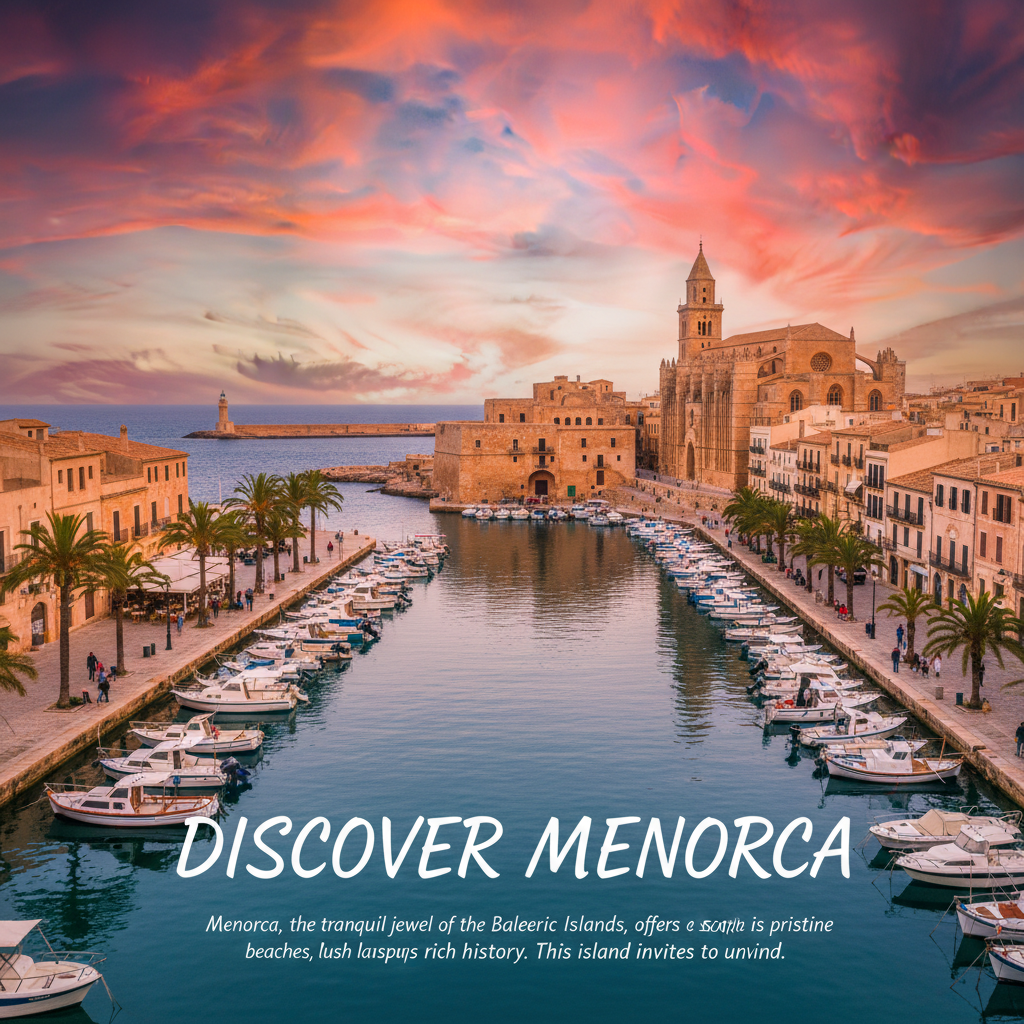
Menorca
Discover Menorca Menorca, one of the Balearic Islands in Spain, is often heralded as a hidden gem in the Mediterranean. While its more populous neighbors like Mallorca and Ibiza attract the lion’s share of tourists, Menorca offers a tranquil alternative, boasting stunning landscapes, rich history, and a unique cultural identity. This island is a UNESCO Biosphere Reserve, a testament to its commitment to conservation and sustainable tourism, making it an ideal destination for nature lovers and those seeking a more serene escape.The history of Menorca is a tapestry woven through various civilizations, from the prehistoric Talayotic culture to the Romans, Moors, and British. Evidence of this ancient civilization can be found in the numerous megalithic structures scattered across the island, including the impressive Naveta d'Es Tudons, a funerary monument dating back to 1000 BC. Each of these cultures has left an indelible mark on the island’s architecture, cuisine, and traditions, creating a diverse cultural landscape that visitors can explore.Menorca's significance extends beyond its historical landmarks. The island is characterized by its beautiful coastline, featuring pristine beaches and crystal-clear waters, ideal for swimming, snorkeling, and kayaking. The beaches, such as Cala Macarella and Son Bou, are frequently rated among the best in the world, offering both relaxation and adventure. The island also boasts a unique ecological system, home to a variety of endemic species, making it a favorite spot for birdwatchers and nature enthusiasts.What truly makes Menorca special is its slower pace of life, which invites visitors to unwind and appreciate the simple pleasures of the island. The local markets, particularly in Ciutadella and Mahón, are vibrant with the sights and sounds of traditional crafts, fresh produce, and local delicacies, allowing travelers to immerse themselves in the island's culture. Menorca is also known for its exquisite culinary offerings, including fresh seafood, local cheeses, and the famous Mahón cheese, which is celebrated for its unique flavor.Additionally, Menorca’s commitment to preserving its natural beauty is reflected in its extensive network of walking and cycling paths, allowing visitors to discover the island's rugged landscapes at their own pace. The Cami de Cavalls, a historical trail that encircles the island, provides breathtaking views and an opportunity to explore hidden coves, cliffs, and lush countryside.In conclusion, Menorca is not just a destination but an experience that appeals to history buffs, nature lovers, and those seeking relaxation. Its beautiful landscapes, rich cultural history, and commitment to sustainability set it apart from other Mediterranean destinations. Whether you're lounging on a beach, exploring ancient ruins, or enjoying a meal at a local tavern, Menorca promises memorable adventures that linger long after your visit. Top Attractions in Menorca – Ranked and Reviewed Menorca is home to a plethora of attractions that cater to diverse interests, and thanks to real travelers on Stay4Exploring, we’ve gathered some of the top-rated experiences on the island.1. Cala MacarellaRegarded as one of Menorca's most beautiful beaches, Cala Macarella has garnered rave reviews for its stunning turquoise waters and picturesque surroundings. Visitors appreciate the soft sand and the clear waters perfect for swimming. The beach is accessible by a scenic hike from Cala Galdana, making it an ideal spot for those who enjoy outdoor activities.2. Ciutadella de MenorcaThis historic city is celebrated for its charming old town, filled with narrow streets, lovely squares, and stunning architecture. Reviewers highlight the vibrant atmosphere, especially during the summer months when local festivals bring the city to life. The Cathedral of Menorca and the picturesque harbor are must-see landmarks that consistently receive high praise from visitors.3. Naveta d'Es TudonsAs one of the most significant archaeological sites on the island, this ancient burial structure dates back to the Talayotic period and is often described as a must-visit for history enthusiasts. Travelers appreciate the informative signage and the peaceful setting, which allows for reflection on the island's rich history.4. Mahón (Maó)The capital of Menorca, Mahón, is known for its stunning natural harbor – one of the largest in the world. Visitors rave about the waterfront promenade, where they can enjoy local cuisine at various restaurants. The town's rich history is evident in its many historical buildings, including the impressive 18th-century fortifications.5. Cami de CavallsThis historical trail encircles Menorca and is highly rated for its breathtaking views and diverse landscapes. Reviewers love the opportunity to hike or cycle through nature, discovering hidden beaches and coves along the way. The trail is suitable for all levels, making it accessible for families and solo travelers alike.6. Cala PregondaKnown for its unique reddish sand and stunning rock formations, Cala Pregonda is frequently mentioned in traveler reviews as a true hidden gem. The beach is more secluded, providing a tranquil atmosphere for relaxation or a picnic. The hike to reach the beach is also highlighted as a rewarding experience.7. Fort MarlboroughLocated in the town of Es Castell, this historic fortification offers a glimpse into Menorca's military past. Visitors appreciate the guided tours and informative exhibits that showcase the fort's significance during British rule. The views from the fort over the harbor are an added bonus, frequently praised in reviews.Menorca's attractions, as highlighted by real travelers on Stay4Exploring, underscore the island's unique blend of natural beauty, rich history, and vibrant culture. Whether exploring its beaches, towns, or historical sites, each experience promises to create lasting memories. Planning Your Visit to Menorca Menorca, the second-largest of the Balearic Islands, is a hidden gem in the Mediterranean that offers stunning landscapes, rich history, and a laid-back atmosphere. Planning your visit requires some consideration of the best time to go, transportation options, and accommodation choices.Best Time to Visit: The ideal time to visit Menorca is during the shoulder seasons of late spring (May to June) and early fall (September to October). During these months, the weather is pleasantly warm, ranging from 22°C to 28°C (72°F to 82°F), and the island is less crowded than in peak summer. However, if you enjoy vibrant beach parties and bustling nightlife, consider visiting in July or August, though you will have to contend with larger crowds and higher prices.Getting There: Menorca is accessible via its main airport, Menorca Airport (MAH), which is well-connected to various European cities, especially during the summer months. Airlines such as Ryanair, EasyJet, and Vueling offer regular flights. Alternatively, you can reach Menorca by ferry from neighboring islands like Mallorca or from the Spanish mainland. Ferries operate frequently, providing a scenic way to arrive on the island.Getting Around: While Menorca has a public bus system that connects major towns and attractions, renting a car is highly recommended for the most flexibility. The island is small, and driving around allows you to explore its hidden coves and picturesque villages at your own pace. Biking is also a popular way to navigate the island, with numerous cycling paths available for those looking for an active adventure.Where to Stay: Menorca offers a range of accommodation options, from luxury resorts to cozy guesthouses. For a taste of local culture, consider staying in the capital, Mahón, where you can explore historic sites and enjoy local cuisine. Alternatively, Cala Galdana is a great option for beach lovers, boasting stunning beaches and family-friendly resorts. If you prefer a quieter experience, the charming village of Ciutadella offers boutique hotels and a vibrant nightlife scene. Regardless of where you choose to stay, booking in advance is advisable, especially during the high season. Experience Menorca Like a Local Immersing yourself in Menorcan culture can significantly enhance your travel experience. Understanding local customs, trying traditional dishes, and engaging with the community will make your visit truly unforgettable.Local Customs: Menorca has a rich cultural heritage, influenced by its historic relationship with various civilizations, including the Romans and Moors. When interacting with locals, a friendly greeting in Spanish or Catalan, such as "Hola" or "Bon dia," is appreciated. Tipping is not obligatory but rounding up the bill or leaving small change for exceptional service is common.Food: Menorcan cuisine is a delightful blend of Mediterranean flavors, emphasizing fresh, local ingredients. One must-try dish is "Caldereta de Langosta," a delicious lobster stew that reflects the island's maritime traditions. Additionally, "Sobrassada," a cured sausage seasoned with paprika, is a popular choice for tapas. Don’t miss out on tasting the local cheese, "Mahon," which has a unique flavor and is often enjoyed with local wines. For dessert, indulge in "Ensaimada," a flaky pastry dusted with powdered sugar, perfect with a cup of coffee.Culture: Menorca is home to various festivals throughout the year, with the most famous being the "Festa de Sant Joan" in Ciutadella, celebrated in late June. This vibrant festival features parades, traditional music, and horseback riding. Engaging in these local festivities can provide insight into the island's traditions and community spirit. Additionally, visiting local markets, such as the weekly market in Mahón, offers a glimpse into everyday life and the opportunity to purchase handmade crafts and local produce.Insider Tips: To experience Menorca like a local, consider exploring lesser-known beaches like Cala Pregonda or Cala Mitjana, which offer tranquility away from the tourist crowds. Renting a kayak or paddleboard is also a fantastic way to explore the coastline. Don't hesitate to ask locals for their favorite spots or hidden gems; they often have the best recommendations. Finally, take your time to soak in the island's slow-paced lifestyle, whether it’s enjoying a leisurely meal at a seaside restaurant or watching the sunset from one of the many scenic viewpoints.
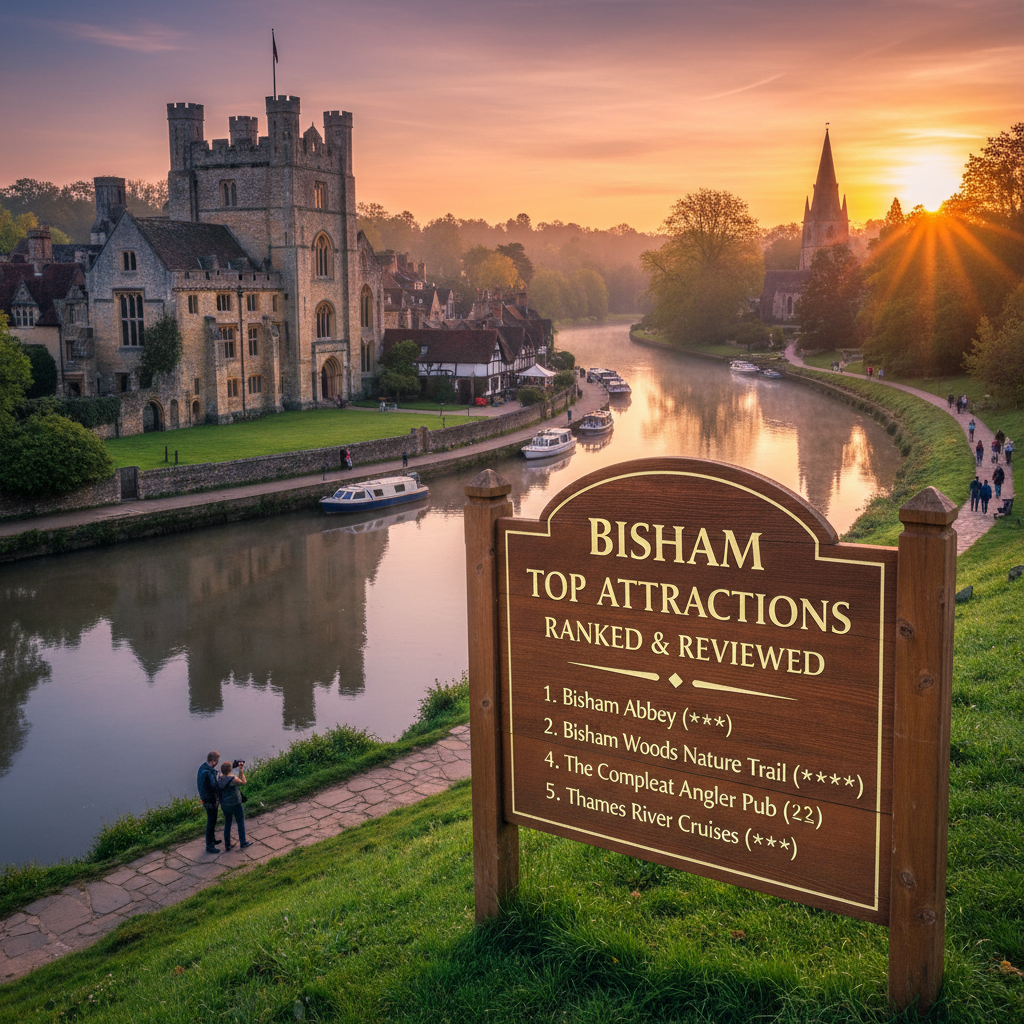
Bisham
Discover Bisham Nestled in the picturesque county of Berkshire, Bisham is a quaint English village that offers a blend of historical charm and natural beauty. Its rich history dates back to the Roman era, and the village has played a significant role in the development of the region over the centuries. The name 'Bisham' is derived from the Old English 'Bisceham,' meaning 'the home of the bishop,' indicating its strong ecclesiastical connections. This history is reflected in the stunning architecture and historical landmarks that dot the landscape.Bisham is particularly notable for its iconic Bisham Abbey, a former monastery that has stood since the 13th century. The Abbey, which is now a private residence, showcases stunning Gothic architecture and is surrounded by beautifully landscaped gardens, making it a popular spot for history enthusiasts and photographers alike. Visitors often find themselves captivated by the intriguing stories of the Abbey and its past, making it a focal point of the village's historical significance.Culturally, Bisham boasts a vibrant community that celebrates its heritage through various local events and traditions. The village is home to a tight-knit population, and visitors can often engage with locals during seasonal fairs and events that highlight the area's agricultural roots and artisanal crafts. This sense of community is what makes Bisham special; the warmth of its residents and the preservation of its history create an inviting atmosphere for visitors.The scenic beauty of Bisham is another aspect that enchants travelers. The village is situated alongside the River Thames, offering stunning views and opportunities for outdoor activities. The surrounding countryside is replete with walking and cycling paths, allowing visitors to explore the natural landscape while enjoying the fresh air. The picturesque views of the river, combined with the greenery of the local parks, make Bisham an ideal destination for nature lovers and those looking for a peaceful retreat.Bisham's significance is further amplified by its proximity to larger towns and cities, such as Marlow and Maidenhead, which provide additional amenities and attractions. However, what sets Bisham apart is its ability to maintain a sense of tranquility and charm that often gets lost in more commercialized tourist destinations. With its combination of historical richness, cultural vibrancy, and breathtaking natural scenery, Bisham offers a unique travel experience that is both enriching and rejuvenating.In summary, Bisham is a hidden gem that invites travelers to delve into its history, engage with its culture, and bask in its natural beauty. Whether you are exploring the Abbey, enjoying a leisurely walk along the Thames, or participating in local events, Bisham promises an unforgettable experience steeped in authenticity and charm. Top Attractions in Bisham – Ranked and Reviewed Bisham may be small, but it is packed with attractions that have been ranked and reviewed by real travelers on Stay4Exploring. Here are the top attractions you won't want to miss when visiting this charming village:1. Bisham AbbeyRanked as the top attraction in Bisham, Bisham Abbey is a stunning historical site that captures the essence of English heritage. Visitors rave about its breathtaking architecture and the serene gardens surrounding it. Many reviews highlight the Abbey's fascinating history, which dates back to the 13th century. While it is a private residence, the exterior and gardens are often accessible to the public, making it a must-see for history buffs and photographers.2. The River ThamesThe River Thames is celebrated for its picturesque views and tranquil ambiance. Visitors frequently describe their experiences along the river as peaceful and rejuvenating. Reviewers suggest taking a leisurely walk or cycling along the Thames Path, where you can enjoy the scenic beauty and perhaps spot some local wildlife. The riverside parks are perfect for picnics, making it an ideal family-friendly spot.3. Bisham ChurchThis historic church is another favorite among travelers. Many visitors appreciate the beautiful stained glass windows and the peaceful atmosphere within the church. Reviews often mention the church's historical significance, with parts of it dating back to the 12th century. It's a perfect place for quiet reflection and to learn more about the local history.4. The Old BellFor those looking to experience local cuisine, The Old Bell pub is highly rated for its warm atmosphere and delicious food. Travelers have praised the pub for its friendly service and cozy setting, making it a popular spot for both locals and visitors. Many reviews highlight the pub's traditional English dishes, making it a perfect place to unwind after a day of exploring.5. Bisham Village GreenThis quaint green space is highly regarded by visitors as a lovely spot to relax and soak in the village ambiance. The Village Green is often used for local events and gatherings, creating a sense of community that travelers find heartwarming. Reviewers have noted that it's a great place to take children or enjoy a leisurely stroll.Overall, the attractions in Bisham provide a rich tapestry of experiences for visitors. From historical landmarks to beautiful natural landscapes, each site offers something unique that reflects the charm of this English village. The rankings and reviews from fellow travelers on Stay4Exploring serve as a helpful guide, ensuring that your visit to Bisham is filled with memorable moments. Planning Your Visit to Bisham Bisham, a quaint village located in Berkshire, England, is a delightful destination for travelers seeking a peaceful retreat steeped in history and natural beauty. To make the most of your visit, consider the following essential tips on the best times to visit, how to get there, getting around, and where to stay. Best Time to Visit: The ideal time to explore Bisham is during the late spring and early autumn months, particularly from May to June and September to October. During these periods, the weather is generally mild, allowing for pleasant walks along the Thames and visits to outdoor attractions. Additionally, the village is less crowded than in the summer months, providing a more intimate experience. However, if you don't mind the chill, visiting Bisham in winter can offer a unique charm, especially around Christmas when the village is adorned with festive decorations. Getting There: Bisham is easily accessible by various forms of transportation. The nearest major city is London, approximately 40 miles away. If you're traveling by train, the nearest railway station is Marlow, which is just a short bus ride or a picturesque walk away from Bisham. Trains from London Paddington to Marlow take about 40-50 minutes. For those driving, the village is conveniently located near the M4 and M40 motorways, making it a straightforward trip from London and other surrounding areas. Be sure to take in the scenic views of the countryside along the way! Getting Around: Once in Bisham, the village is small and walkable, so you'll likely want to explore on foot. This allows you to fully appreciate the charming architecture and verdant landscapes. For those who prefer to ride, consider renting bicycles from local shops to explore the nearby countryside and riverside paths. Public transportation is limited in the village, so planning your itinerary in advance can help maximize your time. Where to Stay: Bisham offers a range of accommodation options, from quaint bed-and-breakfasts to luxurious hotels. One highly-rated option is the Bisham Abbey, a historic building set within beautiful grounds, providing a perfect blend of comfort and history. For a more local experience, consider staying in one of the charming B&Bs that dot the village, where you can enjoy a hearty English breakfast and personalized hospitality. Additionally, there are several hotels located in nearby Marlow, providing more options for different budgets. Make sure to book in advance, especially during peak tourist seasons, to secure your preferred accommodations. Experience Bisham Like a Local To fully immerse yourself in the charm of Bisham, it’s essential to embrace the local customs, sample the cuisine, and engage with the vibrant culture. Here’s how you can experience Bisham like a true local. Local Customs: Bisham has a rich history, with many local traditions rooted in its heritage. The village is home to the beautiful Bisham Church, which dates back to the 13th century. Visitors are encouraged to respect local customs, such as attending Sunday services if you wish to experience the community spirit. Local residents are known for their friendly demeanor, so don’t hesitate to strike up conversations and ask for recommendations on what to do and see. Food: When it comes to food, Bisham offers a delightful selection of traditional English fare. Be sure to visit local pubs, such as The Elizabethan, where you can savor classic dishes like fish and chips, bangers and mash, and a hearty Sunday roast. Additionally, the village hosts occasional farmers' markets, where you can sample fresh produce and artisanal products from local vendors. Don't miss out on trying the local ales and ciders, which are a staple in many pubs throughout the area. Culture: The cultural scene in Bisham is vibrant, thanks to its rich history and artistic community. The village occasionally hosts events and festivals that celebrate local art, music, and history. Keep an eye out for these events, as they provide a great opportunity to mingle with locals and learn more about the area’s traditions. Additionally, take a stroll along the River Thames, where you can often find artists painting the serene landscapes, providing a glimpse into the local artistic spirit. Insider Tips: To truly embrace the essence of Bisham, consider partaking in a guided walking tour that delves into the village's history and highlights hidden gems that are not in the typical tourist guides. Also, when exploring the surrounding countryside, look for the numerous walking trails that lead to stunning viewpoints and scenic landscapes. If you’re visiting during the warmer months, don’t forget to pack a picnic and enjoy it by the riverbank, where you can soak in the tranquility of the area. Lastly, be sure to check local event calendars for any seasonal festivities that may enhance your visit.

Sächsische Schweiz
Discover Sächsische SchweizBreathe in crisp pine air, hear the distant echo of church bells drifting from Königstein’s hilltop fortress, catch the warm scent of roasting chestnuts curling through Bad Schandau’s cobbled market square — this is the Sächsische Schweiz location guide, your editorial gateway to one of Germany’s most evocative landscapes. Nestled in eastern Saxony and sharing a gentle, forested border with the Czech Republic, the region unfolds across the Elbe Sandstone Mountains — a geologically unique terrain sculpted over 100 million years. More than just a postcard-perfect outdoor destination, it’s a living cultural landscape: centuries-old vineyards cling to sun-warmed slopes, half-timbered villages host Easter egg markets and Advent choirs, and artisan workshops still craft sandstone sculptures by hand. This guide focuses squarely on place — not property — offering deep, practical insight for travellers, hikers, climbers, cyclists, and curious locals. Later, you’ll find links to dedicated cluster pages covering everything from the Bastei Bridge hiking trail to running a B&B in Sächsische Schweiz.

Drumbeg
Discover Drumbeg Drumbeg, a picturesque village located on the rugged west coast of Scotland, is a hidden gem that captures the charm and beauty of the Scottish Highlands. Situated in the county of Sutherland, Drumbeg is nestled between the stunning landscapes of Loch Assynt and the wild Atlantic, making it a prime spot for nature enthusiasts and travelers looking for solitude. The village, with its small population, boasts a rich history and a culture steeped in the traditions of the Scottish Highlands.The name Drumbeg translates to 'little ridge' in Gaelic, aptly describing its elevated position overlooking the surrounding landscape. The village's history dates back centuries, with evidence of early settlements and the presence of the Scottish clan system. The area was once inhabited by the MacLeods, a powerful clan known for their fierce loyalty and rich heritage. The remnants of their influence can still be felt in the local customs and the storytelling traditions that characterize this small community.One of the most significant aspects of Drumbeg's history is its connection to the fishing industry. The nearby waters offered bountiful catches, which played a vital role in the local economy. Today, while fishing remains a part of the village's identity, tourism has become increasingly important as visitors flock to experience the breathtaking landscapes and rich cultural heritage.Drumbeg is known for its striking natural beauty, featuring dramatic cliffs, sandy beaches, and expansive moorlands. The nearby Drumbeg viewpoint provides stunning panoramic views of the coastline and the surrounding hills, making it a popular spot for photographers and nature lovers alike. In addition, the village serves as a gateway to the larger Assynt region, which is famous for its rugged terrain, including the iconic peaks of Suilven and Cul Mor.The culture of Drumbeg is deeply intertwined with traditional Scottish customs. Visitors can expect to find lively folk music, local storytelling, and an emphasis on community gatherings. The village hosts several events throughout the year, including ceilidhs, where locals and visitors come together to dance and celebrate Scottish heritage.Drumbeg’s significance extends beyond its scenic beauty; it serves as a reminder of the resilience and spirit of Highland communities. The local architecture, with its whitewashed cottages and stone buildings, reflects a history of adaptation and survival in a challenging environment. This small village is a testament to the enduring nature of Scottish culture, offering travelers a unique glimpse into a way of life that has remained relatively unchanged for generations.In summary, Drumbeg is not just a destination; it is a journey into Scotland’s soul. Its combination of rich history, vibrant culture, and stunning natural beauty makes it a must-visit location for anyone exploring the Scottish Highlands. Whether you are hiking the nearby trails, engaging with locals, or simply soaking in the views, Drumbeg promises an unforgettable experience that resonates long after you leave. Top Attractions in Drumbeg – Ranked and Reviewed When it comes to exploring Drumbeg, visitors are rewarded with a wealth of attractions that showcase the village’s natural beauty and cultural heritage. Here are the top-ranked attractions, as reviewed by fellow travelers, that you won't want to miss during your visit to this enchanting Scottish village:1. Drumbeg Viewpoint: This stunning viewpoint offers breathtaking panoramas of the surrounding landscape, including the sparkling waters of the Atlantic Ocean and the rugged hills of Sutherland. Travelers rave about the tranquility of the spot, making it perfect for photography, picnics, or simply soaking in the natural beauty.2. The Drumbeg Hotel: A charming establishment offering local cuisine and a cozy atmosphere, the Drumbeg Hotel is a favorite among visitors. The hotel’s restaurant features fresh, locally-sourced ingredients, with dishes that showcase the best of Scottish fare. Reviewers frequently highlight the warm hospitality of the staff and the delightful views from the dining area.3. The Old Man of Stoer: A short drive from Drumbeg, this iconic sea stack is a popular hiking destination. The trail to the Old Man of Stoer offers stunning coastal views, and travelers often mention the thrill of reaching the top and witnessing the dramatic cliffs and crashing waves below.4. Nearby Beaches: Drumbeg is surrounded by some of the most beautiful beaches in Scotland, with soft sands and clear waters. Visitors frequently mention the serene atmosphere and the opportunity for wildlife spotting, including seals and various bird species. Achmelvich Beach, located nearby, is often rated as one of the best beaches in the Highlands.5. The Assynt Heritage Centre: Located a short distance from Drumbeg, this center offers insight into the rich history and culture of the Assynt region. Visitors appreciate the informative displays and exhibits, which showcase local archaeology, geology, and the stories of the people who have lived in this stunning landscape.Beyond these attractions, Drumbeg is also a haven for outdoor activities. Hiking enthusiasts can explore numerous trails, ranging from easy walks to more challenging hikes that lead to stunning viewpoints and hidden gems within the landscape. Birdwatching is another popular activity, with opportunities to observe a variety of species in their natural habitats.Visitors often emphasize the sense of community in Drumbeg, where local events and gatherings provide a unique glimpse into the village's culture. Engaging with locals at community events adds an enriching layer to the experience, allowing travelers to connect with the heart of Drumbeg.In conclusion, Drumbeg offers a range of attractions that cater to various interests, from breathtaking natural scenery to rich cultural experiences. The reviews from fellow travelers highlight the village’s charm and the warmth of its community, making it a perfect destination for those looking to escape the hustle and bustle and immerse themselves in the beauty of Scotland. Planning Your Visit to Drumbeg Planning a visit to Drumbeg requires careful consideration, especially if you want to make the most of your trip to this stunning part of the Scottish Highlands. Here’s everything you need to know about the best time to visit, how to get there, getting around, and where to stay during your adventure.Best Time to VisitThe best time to visit Drumbeg is during the spring (April to June) and early autumn (September to October). During these months, the weather is generally mild, and you can enjoy the breathtaking landscapes without the summer crowds. Spring brings blooming wildflowers and lush greenery, while autumn offers stunning foliage and a more serene atmosphere.Summer (July to August) is peak tourist season, with longer daylight hours and warmer temperatures. While it’s a great time for outdoor activities, it can be crowded, especially at popular attractions. Winter (November to March) can be harsh, with cold temperatures and shorter days, but for those seeking solitude and a unique experience, this season also has its charm.Getting ThereReaching Drumbeg can be an adventure in itself, as the village is located along the scenic North Coast 500 route. The nearest major town is Ullapool, approximately 30 miles to the south, where you can find public transport options. If you’re driving, the A837 and A894 roads provide access to Drumbeg, with stunning views along the way.For those traveling from further afield, the nearest airports are Inverness Airport (approximately 90 miles away) and Stornoway Airport on the Isle of Lewis. Both serve as gateways to the Highlands, with car rental options available for travelers looking to explore the region at their own pace.Getting AroundDrumbeg is a small village, making it easy to explore on foot. Many attractions, including local beaches and the Drumbeg viewpoint, are within walking distance. If you plan to venture further afield, consider renting a car, as public transport options are limited. A car will allow you to access remote hiking trails and hidden gems in the surrounding area.Where to StayAccommodation options in Drumbeg range from cozy guesthouses to charming hotels. The Drumbeg Hotel is a popular choice, offering comfortable rooms and delicious meals, while local B&Bs provide a more personal touch. For those looking for a unique experience, consider staying in a self-catering cottage, allowing you to enjoy the local cuisine and make your stay feel like home.In summary, planning your visit to Drumbeg involves considering the best time to explore this stunning destination, understanding your travel options, and selecting accommodations that suit your preferences. Whether you’re an outdoor enthusiast or a culture lover, Drumbeg promises a memorable experience in the heart of the Scottish Highlands. Experience Drumbeg Like a Local Experiencing Drumbeg like a local goes beyond sightseeing; it involves immersing yourself in the rich culture, traditions, and flavors that define this charming village. Here are some local customs, food, cultural insights, and insider tips to help you make the most of your visit.Local CustomsScotland has a rich tapestry of traditions, and Drumbeg is no exception. The locals pride themselves on their warmth and hospitality. One of the most cherished customs is the ceilidh, a traditional Scottish gathering featuring music, dancing, and storytelling. If you get the chance to attend a local ceilidh, don’t miss it! It’s a wonderful way to connect with the community and experience authentic Scottish culture.Another important aspect of local customs is the Gaelic language. While English is widely spoken, you may hear Gaelic spoken in Drumbeg and surrounding areas. Learning a few basic phrases can go a long way in connecting with the locals. Simple greetings like "Halò" (Hello) and "Tapadh leibh" (Thank you) can be appreciated by residents.Food and DrinkFood is an integral part of experiencing Drumbeg. The village is known for its fresh seafood, thanks to its coastal location. Don’t miss the chance to try local delicacies such as freshly caught fish and shellfish. The Drumbeg Hotel’s restaurant often features seasonal dishes that highlight local ingredients, so be sure to indulge in a meal there.Additionally, whisky is a significant part of Scottish culture. If you’re a whisky enthusiast, consider visiting a nearby distillery to learn about the production process and sample some of the finest spirits Scotland has to offer. The nearby Ullapool is home to several distilleries that provide tours and tastings.Cultural InsightsEngaging with the local community can enrich your experience in Drumbeg. Many locals are eager to share stories about their heritage and the history of the area. Participating in local events or visiting the Assynt Heritage Centre can provide deeper insights into the rich history of the region. It’s also a great opportunity to meet fellow travelers and make new friends.Nature plays a significant role in the lives of Drumbeg residents, and this is reflected in their respect for the environment. Many locals are passionate about conservation and sustainable practices, so you may observe efforts to preserve the natural beauty of the area during your visit.Insider TipsTo truly experience Drumbeg like a local, consider the following tips:Explore Off the Beaten Path: While the main attractions are worth visiting, don’t hesitate to wander the lesser-known paths. You may stumble upon hidden beaches or stunning viewpoints that are less crowded.Join a Local Event: Keep an eye on local calendars for community events, markets, or festivals happening during your visit. These gatherings offer a chance to connect with locals and experience the village’s culture firsthand.Pack for Changeable Weather: The weather in the Highlands can be unpredictable. Bring layers, waterproof clothing, and sturdy footwear to ensure you’re prepared for any conditions.Respect Nature: Be mindful of the environment and follow local guidelines when hiking or exploring natural areas. Leave no trace to help preserve the beauty of Drumbeg for future generations.By embracing the local customs, savoring the cuisine, and engaging with the community, you can create a memorable experience in Drumbeg that reflects the heart and soul of this beautiful Scottish village.
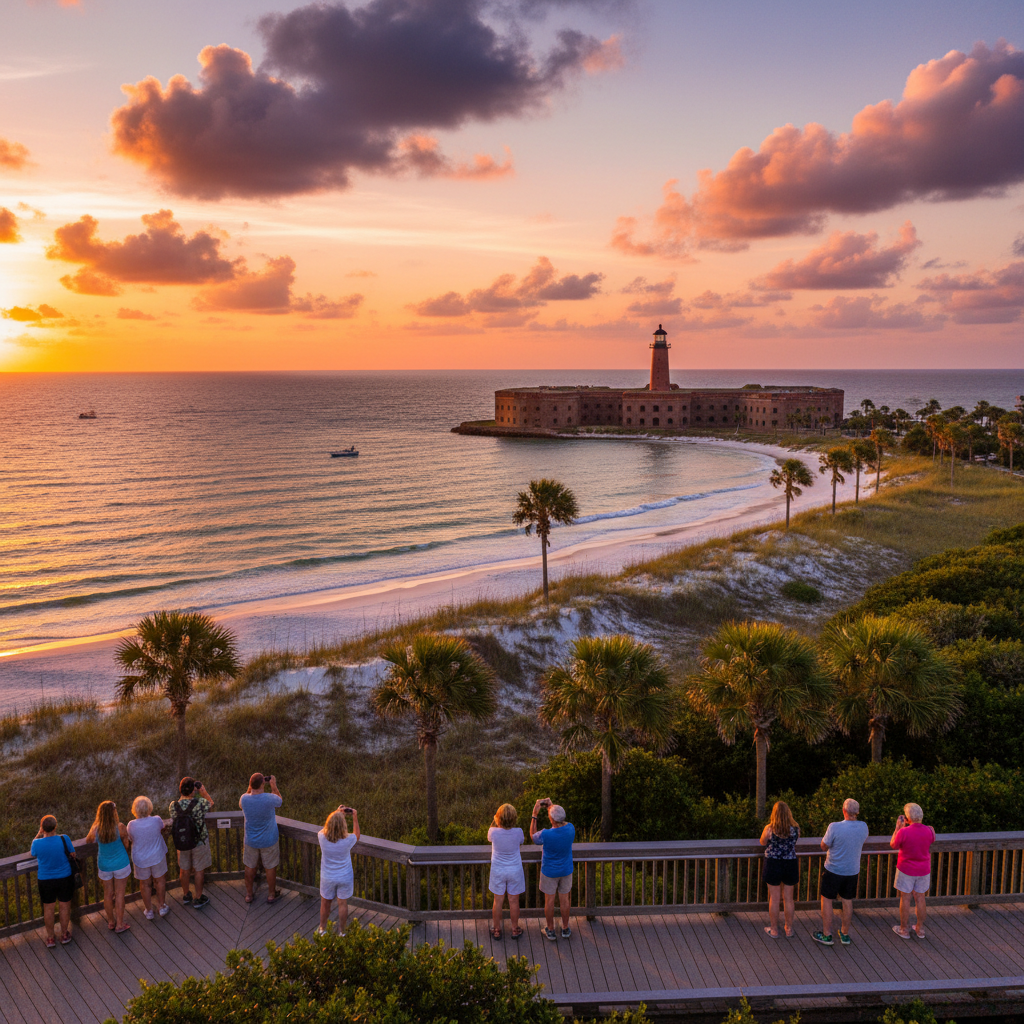
Alabama
Discover Alabama Alabama, known as the Heart of Dixie, is a state steeped in rich history, diverse culture, and natural beauty. It covers a vast landscape that ranges from the Appalachian Mountains in the north to the Gulf Coast beaches in the south. The state is significant not only for its geographical diversity but also for its pivotal role in American history, especially during the Civil Rights Movement. Cities like Birmingham, Montgomery, and Selma were at the forefront of the struggle for civil rights, making Alabama a vital chapter in the story of American freedom and equality. One of the standout features of Alabama's culture is its deep-rooted musical heritage. The state is the birthplace of various music genres, including blues, country, and jazz, and has produced legendary artists like Hank Williams and Nat King Cole. Festivals celebrating this musical legacy occur throughout the year, attracting visitors and locals alike to revel in the rhythms and sounds that have shaped American music. In terms of cuisine, Alabama boasts a unique food culture that combines Southern hospitality with a melting pot of flavors. From the famous Alabama barbecue to the Gulf Coast seafood, food enthusiasts can indulge in a culinary journey that reflects the state's agricultural richness and coastal bounty. The state's food scene is further enriched by local farmers' markets and festivals that showcase fresh produce and traditional dishes. Alabama's natural beauty is equally striking, with numerous state parks, forests, and waterways that offer a plethora of outdoor activities. The state is home to the stunning Gulf State Park, where visitors can enjoy hiking, biking, fishing, and relaxing on pristine beaches. The Cheaha State Park, with its highest point in Alabama, offers breathtaking views and an array of outdoor adventures for nature lovers. Furthermore, Alabama's commitment to preserving its history is evident in its numerous museums and historical sites. The Birmingham Civil Rights Institute, the Rosa Parks Museum, and the U.S. Space & Rocket Center in Huntsville are just a few examples of places where visitors can learn about the state’s rich past and its contributions to American culture and innovation. In summary, Alabama is a destination that captivates travelers with its fascinating history, vibrant culture, and stunning landscapes. Whether you're exploring the historical landmarks, savoring the local cuisine, or soaking in the natural beauty, Alabama promises a unique experience that lingers long after your visit. Top Attractions in Alabama – Ranked and Reviewed When it comes to attractions in Alabama, the state offers a potpourri of experiences that cater to all types of travelers. Here are some of the top-rated attractions, as ranked and reviewed by real visitors on Stay4Exploring: 1. U.S. Space & Rocket Center (Huntsville) - This world-renowned museum is a must-visit for space enthusiasts. Visitors rave about the extensive collection of rockets and artifacts from NASA's space missions. The interactive exhibits and IMAX theater showcasing space-related films make it an educational and entertaining experience for all ages. 2. Civil Rights Institute (Birmingham) - A poignant museum dedicated to the history of the Civil Rights Movement in the United States. Reviews highlight the powerful exhibits and personal stories that bring to life the struggles for equality. It’s an emotionally moving place that encourages visitors to reflect on the journey toward civil rights. 3. Gulf State Park (Gulf Shores) - Known for its stunning beaches and outdoor activities, Gulf State Park is highly rated by visitors who appreciate the beautiful scenery and recreational opportunities. From hiking and biking trails to fishing and swimming in the Gulf, this park offers a perfect escape for nature lovers and beachgoers. 4. Montgomery's Civil Rights Landmarks - Visitors have praised the insightful tours of Montgomery’s historic sites, including the Dexter Avenue King Memorial Baptist Church and the Alabama State Capitol. These landmarks provide a deep understanding of the city’s role in the Civil Rights Movement. 5. Cheaha State Park (Delta) - Home to Alabama's highest point, Cheaha State Park is a favorite among hikers and outdoor enthusiasts. The park offers breathtaking views, well-maintained trails, and serene camping spots. Reviews frequently mention the stunning sunsets and the sense of tranquility found here. 6. Birmingham Botanical Gardens - A beautiful oasis in the city, the Birmingham Botanical Gardens offers lush landscapes and themed gardens. Visitors appreciate the peaceful environment and the opportunity to stroll through diverse plant collections, making it a perfect spot for a leisurely day out. 7. The Wharf (Orange Beach) - This entertainment complex is a favorite for families and groups seeking fun activities. Reviews highlight the variety of dining options, shopping, and live entertainment. The Wharf's marina and amphitheater also host events that attract visitors year-round. These attractions showcase the unique blend of history, culture, and natural beauty that Alabama has to offer. Whether you're diving into its rich history or enjoying its stunning landscapes, there's something for everyone in this remarkable state. Planning Your Visit to Alabama Alabama is a state rich in history, culture, and natural beauty, making it an appealing destination for travelers year-round. However, the best time to visit Alabama is during the spring (March to May) and fall (September to November) when temperatures are mild, ranging from the mid-60s to mid-80s Fahrenheit. These seasons also offer a variety of local festivals and events, providing a vibrant atmosphere for visitors.Getting to Alabama is convenient, with several major airports including Birmingham-Shuttlesworth International Airport (BHM), Huntsville International Airport (HSV), and Mobile Regional Airport (MOB). These airports are well-connected to numerous domestic flights, making it easy for travelers to arrive from various parts of the country. If you prefer a scenic drive, Alabama is accessible via several interstate highways, including I-65, I-20, and I-10, which connect to other Southern states.Once you arrive, getting around Alabama can be done through various means. Renting a car is highly recommended, especially if you plan to explore the state beyond the major cities. Public transportation options exist in urban areas, such as buses in Birmingham and Mobile, but services may be limited. For a more local experience, consider using bike-sharing programs in cities like Huntsville and Birmingham.When it comes to where to stay, Alabama offers a range of accommodations to suit every budget. In cities like Birmingham and Montgomery, you’ll find upscale hotels, charming bed and breakfasts, and budget-friendly motels. For a unique experience, consider staying at a historic inn or a cabin near one of the state’s beautiful lakes or parks. Popular areas to stay include the Gulf Shores for beach lovers, the foothills of the Appalachian Mountains for outdoor enthusiasts, and the vibrant downtown districts of Birmingham and Mobile for those looking to immerse themselves in urban culture.Additionally, consider booking your accommodations in advance if you plan to visit during popular events or festivals, as these can draw large crowds and fill up hotels quickly. Whether you’re seeking adventure, relaxation, or cultural enrichment, careful planning will ensure that your visit to Alabama is a memorable one. Experience Alabama Like a Local To truly experience Alabama like a local, it’s essential to immerse yourself in the region’s rich customs, delicious food, and vibrant culture. Start by understanding that Southerners are known for their hospitality, so don’t be surprised if strangers greet you with a friendly smile or a warm ‘hello.’ Embrace the slower pace of life and take the time to engage in conversations with locals, who often have fascinating stories and insights to share about their home.When it comes to food, Alabama is famous for its Southern cuisine, which features hearty dishes that reflect the state’s agricultural roots. Don’t miss out on trying iconic foods like BBQ pulled pork, fried green tomatoes, and shrimp and grits. A visit to the state wouldn’t be complete without indulging in a traditional Alabama barbecue, best experienced at local joints like Dreamland BBQ or Saw’s BBQ. For dessert, try a slice of pecan pie or a warm peach cobbler, both of which are staples in Southern kitchens.Alabama's culture is a melting pot of influences, with a rich history that includes Native American heritage, African American culture, and European traditions. Explore the Civil Rights Trail, which runs through several cities in Alabama, including Montgomery and Birmingham, to learn about the significant events that shaped the nation’s civil rights movement. You can visit important landmarks like the Birmingham Civil Rights Institute and the Rosa Parks Museum. Participating in local events and festivals, such as the National Shrimp Festival in Gulf Shores or the Alabama Book Festival in Montgomery, is also a great way to connect with the culture and community.For insider tips, consider visiting during a local festival or event, as this is when the vibrancy of Alabama truly shines. Festivals often feature live music, local crafts, and plenty of food vendors showcasing regional specialties. Additionally, explore the state’s natural beauty by hiking in the picturesque Cheaha State Park or visiting the stunning Gulf State Park for a day of sun, sand, and surf.Lastly, don’t forget to embrace the slower pace of life and take your time exploring the state. Whether you’re wandering through quaint small towns, enjoying a leisurely meal at a local diner, or taking in the scenic views, experiencing Alabama like a local means savoring every moment and creating lasting memories.

Senglea
Discover Senglea Senglea, one of the three cities of Malta, is a hidden gem located on the southern tip of the Grand Harbour. Often overshadowed by its more famous neighbors, Valletta and Birgu, Senglea offers a rich tapestry of history, culture, and local charm that beckons travelers to explore its narrow streets and picturesque waterfront. Founded by the Knights of St. John in the 16th century, Senglea was named after the Grand Master Claude de la Sengle, who played a significant role in fortifying the area during the Great Siege of 1565. The city's strategic position allowed it to serve as a bastion against various invasions throughout its history, and remnants of its military past can still be seen in its architecture, particularly in the well-preserved fortifications. Cultural significance runs deep in Senglea. The city is home to several historical landmarks, including the beautiful Church of Our Lady of the Immaculate Conception, which features striking Baroque architecture and intricate interior decorations. This church is not just a place of worship; it is a focal point for local festivals and community events, particularly the annual feast held in September, which draws visitors from all over Malta. One of the most distinctive aspects of Senglea is its stunning views of the Grand Harbour. The waterfront promenade, known as the 'Gardjola,' offers panoramic vistas that are particularly breathtaking at sunset. The Gardjola also features a watchtower, originally constructed as part of the city’s fortifications, which serves as a reminder of Senglea's defensive history. Despite its small size, Senglea is rich in community spirit. The local population is known for its warm hospitality, and the city hosts various events that highlight its cultural heritage. For instance, the annual 'Senglea Regatta' showcases traditional rowing boats and provides a lively atmosphere for both locals and tourists. This annual event celebrates the city’s maritime history and is a testament to the strong connection the residents have with the sea. Moreover, Senglea is often regarded as a quieter alternative to the bustling streets of Valletta, making it an ideal destination for those seeking a more authentic Maltese experience. The narrow alleyways, adorned with colorful balconies and traditional Maltese doors, invite visitors to wander and discover hidden courtyards and local artisan shops. The atmosphere is serene, allowing travelers to soak in the history and culture without the overwhelming crowds found in larger cities. In conclusion, Senglea stands out not just for its historical significance but also for its vibrant cultural scene and breathtaking views. A visit to this charming city offers a unique opportunity to experience Malta's rich heritage while enjoying the warmth of its local community. Whether you are exploring its ancient streets, savoring local pastries at a quaint café, or watching the sun dip below the horizon from the Gardjola, Senglea promises an unforgettable experience that captures the essence of Malta. Top Attractions in Senglea – Ranked and Reviewed When visiting Senglea, there are several attractions that stand out, each providing a glimpse into the city's rich history and vibrant culture. Below are the top-ranked attractions as reviewed by visitors, offering unique experiences that showcase the charm of this remarkable city. Gardjola Gardens: This scenic park rests atop the city walls, offering breathtaking views of the Grand Harbour and Valletta. Visitors rave about the lush greenery, the tranquil atmosphere, and the historical significance of the site, which includes a watchtower dating back to the Knights of St. John. It’s a perfect spot for a leisurely stroll or a picnic while soaking in the views. Church of Our Lady of the Immaculate Conception: This Baroque church is a masterpiece that attracts visitors for its stunning architecture and intricate interior. Travelers commend its serene ambiance and the beauty of the religious art within. The church is the heart of the local community, and attending a mass can provide a deeper understanding of Senglea's spiritual life. Fort St. Angelo: Though technically located in Birgu, the fort is easily accessible from Senglea and is a must-visit. The impressive structure has played a crucial role in Malta's military history. Reviews highlight the informative guided tours and the spectacular views of the harbor, making it a great way to appreciate the strategic importance of the area. Senglea Point: This scenic viewpoint offers some of the best panoramas of the Grand Harbour, especially during sunset. Visitors appreciate the serene setting and often recommend bringing a camera to capture the stunning vistas. It’s a popular spot for couples and photographers alike. Marina di Valletta: While not directly in Senglea, the Marina is just a short walk away and offers a range of dining options and boat trips around the harbor. Travelers often mention the variety of eateries, from casual to fine dining, making it a great place to enjoy a meal after a day of exploration. Each of these attractions highlights different aspects of Senglea's character, from its military history to its religious significance and natural beauty. Visitors appreciate the intimate scale of Senglea, which allows for a more personal experience compared to larger tourist destinations. Many recommend taking the time to explore the narrow streets and local artisans, as the true essence of Senglea is found in its community and daily life. Additionally, the local cuisine is often mentioned in reviews, with visitors recommending trying traditional dishes at local restaurants. The friendly atmosphere and the availability of fresh, locally sourced ingredients make dining in Senglea an enjoyable experience. In summary, Senglea offers a variety of attractions that cater to diverse interests, making it a worthwhile destination for travelers seeking both history and culture. From the beautiful views at Gardjola Gardens to the architectural splendor of the Church of Our Lady of the Immaculate Conception, each experience is enriched by the city's unique charm and history. Planning Your Visit to Senglea Planning a visit to Senglea, Malta, can be an exciting endeavor, given the city’s rich history, stunning architecture, and local culture. To ensure a smooth and enjoyable experience, here are essential tips on the best time to visit, how to get there, navigate the area, and accommodation options. Best Time to Visit: The ideal time to visit Senglea is during the spring (April to June) and fall (September to November) months. During these periods, the weather is pleasantly warm, and the tourist crowds are significantly smaller than in the peak summer months of July and August. Spring brings blooming flowers and festivals, while fall offers a comfortable climate for exploration. Additionally, the local feast of Our Lady of the Immaculate Conception in September is a unique cultural experience that visitors shouldn’t miss. Getting There: Senglea is conveniently located just a short distance from Valletta, making it easy to access via public transport. The most popular way to reach Senglea is by taking a ferry from Valletta to the Senglea waterfront. The short boat ride offers scenic views of the Grand Harbour and is a pleasant experience in itself. Alternatively, visitors can opt for a bus ride from Valletta or a taxi, which takes approximately 15 minutes. For those driving, there is limited street parking available, and it’s advisable to check local regulations. Getting Around: Senglea is a compact city, making it easy to explore on foot. The narrow streets and charming alleyways are best navigated by walking, allowing travelers to soak in the local atmosphere and discover hidden gems along the way. Bicycles are also a popular option, with some local shops offering rentals. However, be prepared for some steep inclines, as Senglea is built on a hill. Where to Stay: Accommodation in Senglea ranges from boutique hotels to guesthouses and self-catering apartments, catering to various budgets. Some popular options include: The Point Suites: Located near the waterfront, this boutique hotel offers modern amenities and stunning views of the harbor. Casa Birmula: A charming guesthouse that provides a cozy atmosphere and is highly rated for its friendly service and local cuisine. Apartments in Senglea: For those seeking independence, numerous self-catering apartments are available, allowing visitors to experience local life while enjoying the comforts of home. It’s wise to book accommodations in advance, especially during the peak tourist season, to secure the best rates and locations. In conclusion, planning your visit to Senglea involves considering the time of year, transportation options, and where to stay. By taking the time to prepare, visitors can fully immerse themselves in the rich history and culture that Senglea has to offer, creating lasting memories in this enchanting Maltese city. Experience Senglea Like a Local Experiencing Senglea like a local involves embracing the city’s customs, savoring its traditional cuisine, and engaging with its vibrant culture. This section provides insights and tips to make your visit truly authentic and memorable. Local Customs: The people of Senglea take pride in their history and community, and this can be seen through local festivals and events. Participating in community celebrations, such as the feast of Our Lady of the Immaculate Conception, can provide visitors with a unique glimpse into the local culture. During this time, the streets come alive with processions, music, and fireworks, creating an atmosphere of joy and unity. Another important aspect of local life is the tradition of 'Karnival,' celebrated in the lead-up to Lent. While Valletta hosts the main events, smaller celebrations in Senglea offer a more intimate experience. Visitors are encouraged to join in the festivities, donning masks and costumes to embrace the spirit of the carnival. Local Cuisine: Food is an integral part of the Maltese culture, and Senglea boasts numerous eateries where visitors can indulge in traditional dishes. Some local favorites include: Pastizzi: A flaky pastry filled with ricotta or mushy peas, these savory snacks are a must-try and can be found in local bakeries. Rabbit Stew (Fenek): This traditional Maltese dish is often slow-cooked in wine and herbs, providing a rich flavor that reflects the island's culinary heritage. Bragioli: Stuffed beef olives simmered in rich gravy, bragioli is a comforting dish that showcases the heartiness of Maltese cuisine. For dessert, don’t miss out on 'Kannoli,' a sweet pastry filled with ricotta and candied fruit, or the traditional 'Imqaret,' made with dates and deep-fried pastry. Engaging with Locals: One of the best ways to experience Senglea is by interacting with its residents. The locals are known for their hospitality and are often willing to share stories about the city’s history and culture. Visit local markets, such as the Sunday market in nearby Birgu, where you can interact with vendors and sample local produce. Another tip is to attend local workshops or classes, such as cooking classes that focus on Maltese cuisine. These experiences not only provide a hands-on approach to learning about the culture but also create lasting memories and friendships. In summary, experiencing Senglea like a local involves immersing yourself in the customs, savoring traditional dishes, and engaging with the warm community. By embracing these elements, visitors can gain a deeper appreciation for this charming city and its rich cultural heritage.

Ponta do Pargo
Discover Ponta do Pargo Nestled on the westernmost tip of Madeira, Ponta do Pargo is a hidden gem known for its breathtaking landscapes and rich cultural heritage. This charming village is not just a picturesque spot for travelers; it is steeped in history and tradition that dates back centuries. The name 'Ponta do Pargo' translates to 'Point of the Cod,' a nod to the fishing practices that were once vital to the local economy.The village's history is intertwined with the Portuguese exploration of Madeira, which began in the 15th century. As one of the lesser-known settlements on the island, Ponta do Pargo has managed to retain its authentic character while still welcoming visitors. The surrounding cliffs, lush vegetation, and dramatic ocean views create a stunning backdrop that attracts nature lovers and adventure seekers alike.Culturally, Ponta do Pargo is rich with traditions. The annual Festival of Our Lady of the Rosary, celebrated in October, showcases the local customs through religious processions, traditional music, and dance, allowing visitors to immerse themselves in the local lifestyle. The village is also known for its agricultural practices, particularly the cultivation of sugar cane and bananas, which are integral to the region's economy.One of the most significant landmarks in Ponta do Pargo is the lighthouse, Farol da Ponta do Pargo, which has stood since 1922. This lighthouse not only serves as a navigational aid for ships but also as a symbol of resilience against the rugged Atlantic waves. Visitors often come to this site to take in the panoramic views of the ocean and the dramatic cliffs that characterize the island's western coast.Ponta do Pargo’s unique geographical location offers a blend of both serenity and adventure. Surrounded by steep cliffs and the roaring Atlantic Ocean, it provides a perfect setting for a range of outdoor activities. Hiking trails such as the Levada do Paul da Serra offer stunning vistas of the region's natural beauty and are popular among locals and tourists alike. Additionally, the village's proximity to the Laurisilva Forest, a UNESCO World Heritage site, allows for exploration of some of the island's most pristine ecosystems.What makes Ponta do Pargo truly special is its unspoiled charm and the warmth of its community. Unlike more commercialized tourist destinations, this village offers an authentic experience where visitors can connect with locals, enjoy traditional Madeiran hospitality, and explore the island's natural wonders at their own pace. Whether you’re seeking relaxation, adventure, or cultural enrichment, Ponta do Pargo invites you to discover its hidden treasures. Top Attractions in Ponta do Pargo – Ranked and Reviewed Ponta do Pargo is home to a variety of attractions that showcase the island’s natural beauty and cultural richness. Each site has been rated and reviewed by visitors, providing a genuine insight into what to expect during your visit. Here are the top attractions that should not be missed:Farol da Ponta do Pargo: This iconic lighthouse stands at an impressive 312 meters above sea level and offers stunning views of the surrounding coastline. Visitors have praised its picturesque setting and often recommend it as the perfect spot for photography. The lighthouse is accessible via a short hike, making it an easy addition to any itinerary.Levada do Paul da Serra: A popular hiking trail among locals and tourists alike, this levada (irrigation channel) stretches across the Paul da Serra plateau. Hikers have rated this trail highly for its breathtaking views of the lush landscapes and the tranquility it offers. The well-maintained path is suitable for all skill levels, making it an excellent option for families.Quinta do Pargo: This charming estate is renowned for its banana plantations and offers guided tours to visitors. Guests have commented on the informative nature of the tours, which include tastings of local products. The estate provides a glimpse into the agricultural practices that sustain the local economy.Praia da Ponta do Pargo: The nearby beach is a hidden treasure known for its clear waters and dramatic cliffs. Visitors have enjoyed the peaceful atmosphere and the opportunity for swimming and sunbathing in a less crowded environment compared to other beaches on the island.Miradouro da Ponta do Pargo: This viewpoint is a must-visit for those wanting to experience the breathtaking panoramas of the Atlantic Ocean. Reviews highlight the stunning sunsets and the chance to see dolphins and whales from the cliffs during certain seasons.Each of these attractions provides a unique experience that highlights the best of Ponta do Pargo. From the natural wonders that surround the village to the cultural experiences that connect visitors with the local community, this destination truly offers something for everyone. Whether you’re hiking the levadas, enjoying local cuisine at a traditional restaurant, or simply soaking in the stunning views from the cliffs, Ponta do Pargo is sure to leave a lasting impression on all who visit. Planning Your Visit to Ponta do Pargo Planning a visit to Ponta do Pargo involves understanding the best times to enjoy the village’s attractions, how to get there, and where to stay for a comfortable experience. Knowing these details can enhance your trip and ensure you make the most of your time in this stunning part of Madeira.The best time to visit Ponta do Pargo is typically during the spring (March to May) and fall (September to November) months. During these seasons, the weather is mild, and the island is less crowded, allowing for a more peaceful exploration of the village and its surroundings. Summer can be quite warm and attracts more tourists, while winter may bring some rain, although the temperatures remain relatively mild.Getting to Ponta do Pargo is straightforward. Most visitors fly into Cristiano Ronaldo Madeira International Airport, located about 40 kilometers away from the village. From the airport, you can rent a car, which is highly recommended for exploring the island at your own pace. The drive to Ponta do Pargo takes approximately 50 minutes, with scenic views along the way. Public transport options are available, but they may not be as convenient or flexible as having your own vehicle.Once in Ponta do Pargo, getting around is relatively easy on foot, especially if you're exploring the village itself. For those looking to venture further afield, having a car will allow you to access other parts of Madeira, including the stunning hiking trails and viewpoints. Alternatively, local taxis are available if you prefer not to drive.When it comes to accommodation, Ponta do Pargo offers a range of options to suit different budgets. From cozy guesthouses to more luxurious hotels, visitors can find a place that meets their needs. Many accommodations offer stunning views of the ocean or mountains, providing a perfect backdrop for your stay. For those looking for a more immersive experience, consider staying in a traditional Madeiran quintas, which often provide home-cooked meals and a chance to engage with local culture.Overall, planning your visit to Ponta do Pargo is about finding the right time, means of transport, and accommodation that will enhance your experience in this tranquil village. With its stunning landscapes, rich culture, and warm community, Ponta do Pargo is sure to be a highlight of your trip to Madeira. Experience Ponta do Pargo Like a Local Experiencing Ponta do Pargo like a local means immersing yourself in the customs, cuisine, and culture that define this charming village. Engaging with the community and embracing local traditions will enhance your visit and leave you with lasting memories.One of the best ways to experience local culture is through food. Traditional Madeiran cuisine is a reflection of the island’s agricultural heritage, and Ponta do Pargo is no exception. Be sure to try the famous espetada, which is skewered beef, marinated in garlic and bay leaves, and grilled over wood chips. Local restaurants often serve this dish with a side of milho frito (fried cornmeal) and a fresh salad. Another must-try is the bolo do caco, a traditional Madeiran bread that is served warm with garlic butter.In addition to traditional dishes, Ponta do Pargo is also known for its locally produced wine, particularly the Madeira wine, which is a fortified wine that has become famous worldwide. Visiting a local winery can provide insight into the winemaking process and allow for tastings of different varieties. Many visitors enjoy purchasing a bottle or two to take home as a souvenir of their trip.Local customs and traditions are also integral to the experience in Ponta do Pargo. Take the time to engage with the community, whether it’s participating in local festivals or simply striking up a conversation with residents. The warmth and hospitality of the people here are evident, and visitors often leave with new friends and a deeper appreciation for Madeiran culture.For those looking to explore beyond the typical tourist itinerary, consider joining a guided nature walk or cultural tour. Local guides can provide valuable insights into the history and ecology of the area, including the unique flora and fauna found in the surrounding landscapes. Engaging in such activities allows you to see the village through the eyes of those who call it home.Lastly, be sure to take part in the social life of Ponta do Pargo. Locals often gather in the village square to share stories, enjoy music, and celebrate life. Joining in these communal activities can provide a unique perspective on daily life in the village and create unforgettable memories. Whether it’s attending a local market, enjoying a meal at a family-owned restaurant, or simply taking a stroll through the village, experiencing Ponta do Pargo like a local will deepen your connection to this beautiful destination.

Zakopane
Discover Zakopane Nestled at the foot of the Tatra Mountains in southern Poland, Zakopane is a charming town that has long been a favorite destination for nature lovers, adventure seekers, and culture enthusiasts alike. Known as the 'winter capital of Poland,' this picturesque locale is famous for its stunning landscapes, rich folklore, and unique architecture that reflects the region's highlander culture.The history of Zakopane dates back to the late 19th century when it began to develop as a health resort, attracting visitors seeking the therapeutic benefits of the clean mountain air. The town quickly gained popularity among the Polish elite, who were drawn to its natural beauty and serene atmosphere. By the early 20th century, Zakopane had established itself as a significant cultural hub, home to artists, writers, and musicians who were inspired by the surrounding mountains.Culturally, Zakopane is renowned for its distinctive wooden architecture, characterized by intricate carvings and ornamental details. The most iconic example is the Villa Koliba, designed by renowned architect Stanisław Witkiewicz, which showcases the unique style known as 'Zakopane Style.' This architectural trend is not only visually appealing but also deeply rooted in the region's highlander traditions.What makes Zakopane special is its unparalleled access to nature and outdoor activities. The Tatra Mountains offer a playground for hikers, skiers, and climbers, with numerous trails and ski slopes catering to all skill levels. In the summer, visitors can explore the stunning valleys, crystal-clear lakes, and diverse flora and fauna that populate the area. During winter, Zakopane transforms into a snowy wonderland, attracting ski enthusiasts from all over Poland and beyond.In addition to its natural beauty, Zakopane is a vibrant center of local culture. The Krupówki Street, the town's main thoroughfare, is lined with shops, restaurants, and stalls selling traditional highlander crafts, including handmade wooden products and woolen goods. Visitors can also enjoy local delicacies such as oscypek, a smoked cheese made from sheep's milk, and hearty mountain cuisine that reflects the region's culinary heritage.Throughout the year, Zakopane hosts various cultural events and festivals, including the International Festival of Highland Folklore, which celebrates the rich traditions of the Tatra region through music, dance, and art. These events provide a unique opportunity for visitors to immerse themselves in the local culture and experience the warmth and hospitality of the highlander community.In summary, Zakopane is much more than just a winter sports destination; it is a place where history, culture, and nature converge to create a unique and unforgettable experience. Whether you're seeking adventure in the great outdoors or a deeper understanding of Polish heritage, Zakopane promises to leave a lasting impression on every traveler. Top Attractions in Zakopane – Ranked and Reviewed Zakopane offers a wealth of attractions and activities that cater to a variety of interests, making it a top destination for travelers. Here are some of the best-rated attractions in Zakopane, as reviewed by visitors.1. Gubałówka Hill - Rated 4.8/5One of the most popular spots in Zakopane, Gubałówka Hill offers breathtaking panoramic views of the Tatra Mountains and the town below. Visitors can reach the summit via a funicular ride, which adds to the experience. Once at the top, you'll find walking paths, cafes, and souvenir shops. Travelers rave about the stunning sunsets and the opportunity for leisurely hikes around the area.2. Tatra National Park - Rated 4.9/5For nature enthusiasts, Tatra National Park is a must-visit. This protected area is home to diverse wildlife, including chamois and marmots, and boasts numerous trails for hiking and trekking. The iconic Morskie Oko lake, with its crystal-clear waters surrounded by towering peaks, is a highlight. Reviews emphasize the park's natural beauty and well-marked trails, making it accessible for hikers of all levels.3. Krupówki Street - Rated 4.7/5Krupówki Street is Zakopane's main commercial artery, bustling with shops, restaurants, and vibrant street life. Visitors appreciate the atmosphere, with local vendors selling handmade crafts and delicious street food. It's the perfect place to enjoy a leisurely stroll, try some oscypek, and soak in the local culture. Many reviews highlight the street's lively ambiance, especially in the evenings when it comes alive with music and entertainment.4. Kasprowy Wierch - Rated 4.6/5For skiing and snowboarding enthusiasts, Kasprowy Wierch is a top choice. This ski resort offers challenging slopes and stunning views, making it a favorite among both locals and tourists. In the summer, the area is popular for hiking, with trails leading to breathtaking vistas. Reviewers often mention the quality of the slopes and the well-maintained facilities, making it a great spot for winter sports.5. Villa Koliba - Rated 4.5/5As a cultural gem, Villa Koliba is a prime example of Zakopane's unique architectural style. This museum showcases the traditional highlander lifestyle and artistic heritage. Visitors appreciate the informative exhibits and the opportunity to learn about the region's history. Many reviews commend the friendly staff and the engaging presentations, making it a worthwhile stop for those interested in local culture.6. The Church of Our Lady of Czestochowa - Rated 4.4/5This stunning wooden church, with its intricate details and beautiful interior, is a must-see for those interested in architecture and spirituality. Visitors often praise the peaceful atmosphere and the opportunity to admire the craftsmanship involved in its construction. The church's location also offers lovely views of the surrounding mountains.In conclusion, Zakopane is a treasure trove of attractions that cater to various interests, from outdoor adventures to cultural experiences. The rankings and reviews from real travelers on Stay4Exploring highlight the town's diverse offerings, ensuring that every visitor finds something memorable to take home from their journey. Planning Your Visit to Zakopane Zakopane, nestled at the foot of the Tatra Mountains, is an enchanting destination that attracts travelers year-round. However, the best time to visit largely depends on your interests. If you're a winter sports enthusiast, from December to March, you'll find a winter wonderland filled with skiing, snowboarding, and festive atmospheres. On the other hand, summer (June to September) is perfect for hiking, mountain biking, and enjoying the vibrant flora of the region. Getting to Zakopane is relatively straightforward. The nearest major airport is John Paul II International Airport in Kraków, located about 110 kilometers away. From there, you can travel to Zakopane by bus or train, with buses being the most frequent mode of transport, typically taking around two hours. Alternatively, consider renting a car for more flexibility and the chance to explore the stunning landscapes along the way. Once in Zakopane, getting around is quite easy. The town is small and walkable, making it convenient for visitors to explore on foot. For destinations further afield, such as hiking trails or ski resorts, local buses and taxis are available. Additionally, during high tourist seasons, some areas may have a mini-train service that can take you around popular spots. When it comes to accommodation, Zakopane offers a variety of options to suit all budgets. For a luxurious stay, consider the Hotel Aries & Spa, where you can enjoy top-notch amenities and proximity to the main attractions. Mid-range options include charming guesthouses like Pensjonat Góralski, which provide a cozy atmosphere and local hospitality. If you’re traveling on a budget, hostels such as Hostel Stara Polana offer affordable dormitory and private room options. Regardless of where you choose to stay, it’s advisable to book your accommodation in advance, especially during peak seasons, to ensure you secure the best rates and options. With this in mind, you’re set for an unforgettable journey to Zakopane, where adventure and relaxation await. Experience Zakopane Like a Local To truly immerse yourself in the Zakopane experience, it’s essential to understand the local customs, culture, and cuisine. The town is known for its unique highlander culture, reflected in its architecture, traditional dress, and folk music. When visiting, you may notice local residents dressed in their vibrant regional costumes, especially during festivals or cultural events. It’s polite to greet locals with a friendly ‘Dzień dobry’ (Good day) to show your respect for their traditions. One of the highlights of Zakopane is its exquisite cuisine. Make sure to try local dishes like oscypek, a smoked cheese made from sheep's milk, traditionally served with cranberry sauce. The town's restaurants often feature hearty meals perfect for refueling after a day of outdoor activities. For a unique experience, visit Karczma Sabala, a popular restaurant that serves authentic Polish dishes in a rustic atmosphere. Zakopane is also famous for its vibrant culture, particularly in the arts. The local art scene includes numerous galleries showcasing traditional crafts, paintings, and sculptures. Don’t miss the chance to visit the Tatra Museum, where you can learn more about the region's history, nature, and cultural heritage. Additionally, the local markets, like the one at Krupówki Street, are great places to buy handmade souvenirs and support local artisans. For a more authentic experience, try attending a local event or festival during your stay. Events such as the International Festival of Highland Folklore or the Winter Carnival provide a wonderful glimpse into the traditions and celebrations of the highlander community. Insider tips for experiencing Zakopane like a local include exploring lesser-known trails and areas away from the tourist crowds. The Polana Chochołowska and Valley of Five Ponds are stunning spots for hiking, offering breathtaking views without the hustle and bustle of more popular trails. Lastly, don’t forget to indulge in a traditional highlander-style sauna, known as sauna góralska, which can be a relaxing way to unwind after a day of exploration.
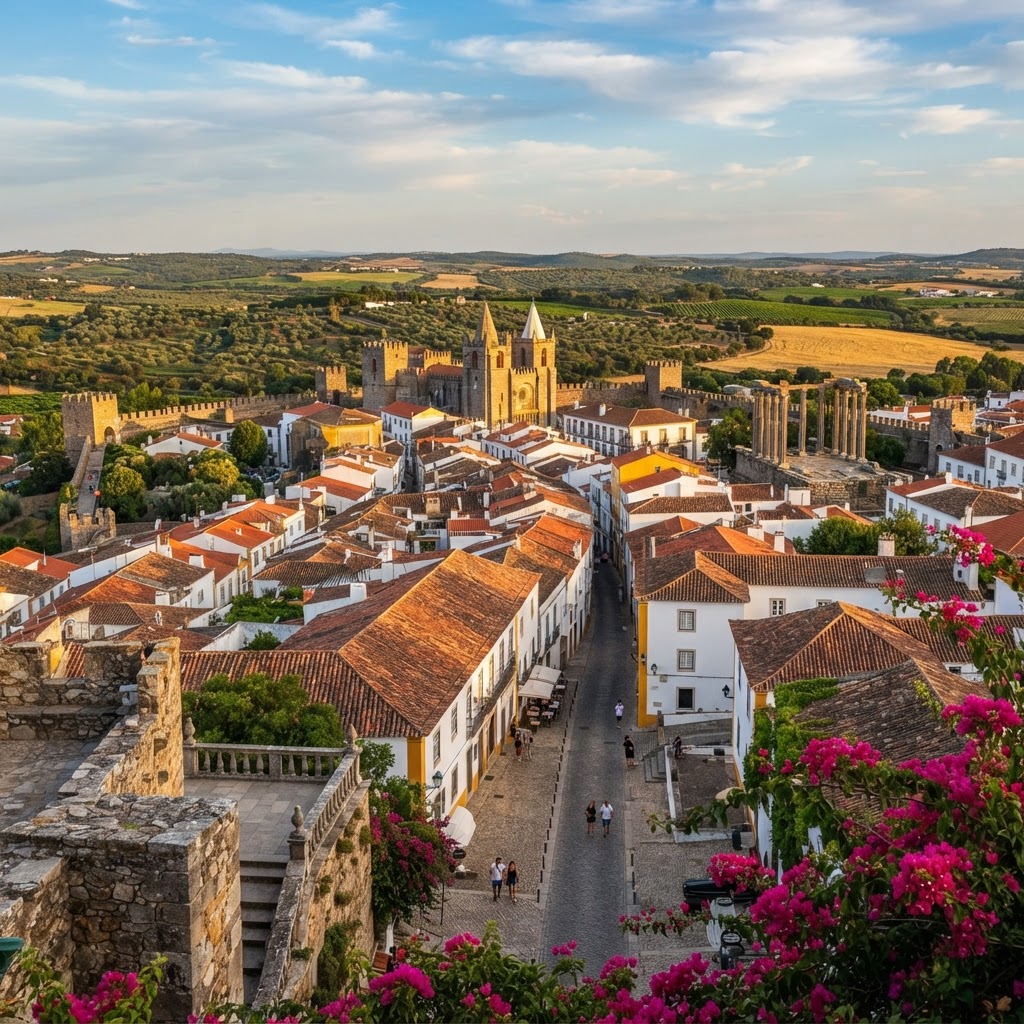
Évora
Discover ÉvoraSituated in the heart of the Alentejo region, Évora is a city that embodies the rich history and cultural significance of Portugal. A UNESCO World Heritage Site, Évora boasts an impressive array of historical landmarks, archaeological sites, and architectural wonders that reflect its storied past. Founded by the Romans in the 1st century BC, this city has been a focal point of settlement and culture for thousands of years.One of the most remarkable aspects of Évora is its well-preserved medieval architecture. Walking through the cobblestone streets feels like stepping back in time, as you encounter Gothic cathedrals, Roman temples, and charming plazas. The Temple of Diana, a Roman temple dating back to the 1st century AD, is a must-see landmark that showcases the city’s ancient roots. Its impressive columns are a testament to the engineering skills of the Romans and offer a glimpse into the city's historical significance.Évora's cultural heritage is deeply intertwined with its traditions and festivals. The city hosts various events throughout the year that celebrate its history, including the Festa de São João, a lively festival in June that highlights local music, dance, and gastronomy. Visitors are often captivated by the vibrant atmosphere and the warmth of the local community, which adds to the overall charm of Évora.The city is also significant for its role in the Portuguese Age of Discoveries. Évora was a center for scholars and explorers, many of whom were inspired by the Renaissance ideals that flourished in the city. This legacy continues to influence contemporary culture, making Évora a hub for art, philosophy, and education. The University of Évora, founded in 1559, is one of the oldest universities in Portugal and remains a center for academic excellence.What makes Évora particularly special is its ability to blend the old with the new. While the city is steeped in history, it also offers modern amenities and a burgeoning arts scene. Local artists showcase their work in galleries and craft shops, and the culinary scene is thriving with restaurants that serve traditional Alentejan dishes alongside innovative cuisine. Évora's wine culture is also noteworthy, as the surrounding Alentejo region is known for its high-quality wines, making it a popular destination for wine enthusiasts.In conclusion, Évora is a city that resonates with history and culture, offering visitors a unique experience that is both educational and enjoyable. Its rich tapestry of historical landmarks, vibrant local traditions, and contemporary influences make it a must-visit destination for anyone traveling to Portugal.Top Attractions in Évora – Ranked and ReviewedÉvora is home to a plethora of attractions that cater to diverse interests, each uniquely contributing to the city’s charm. Here are the top-rated attractions, as ranked and reviewed by travelers on Stay4Exploring:1. Temple of DianaRanked as the number one attraction, the Temple of Diana is a remarkable example of Roman architecture. Visitors are often amazed by its impressive state of preservation and the historical context it provides. Many reviews highlight the temple's serene atmosphere, making it a perfect spot for photography and reflection.2. Évora Cathedral (Sé de Évora)This stunning Gothic cathedral, dating back to the 12th century, comes in second place. Travelers rave about its beautiful chapels, intricate altarpieces, and panoramic views from the bell tower. The combination of history and breathtaking architecture makes it a favorite among tourists.3. Chapel of Bones (Capela dos Ossos)Ranked third, this unique chapel features walls adorned with human bones, creating a haunting yet fascinating experience. Many visitors describe the chapel as both eerie and thought-provoking. The reviews often emphasize its striking impact and the reminder of human mortality it presents.4. University of ÉvoraAs one of the oldest universities in Portugal, the University of Évora ranks fourth. Visitors appreciate its historic buildings and beautiful courtyards. Many reviews mention the academic vibe and the sense of history that permeates the campus, making it a lovely place to stroll.5. Praça do GiraldoThis vibrant square is the heart of Évora and comes in fifth place. Travelers enjoy the lively atmosphere, with numerous cafes and shops lining the square. Many reviews highlight it as the perfect spot to relax and soak in the local culture while enjoying a coffee or a glass of Alentejo wine.6. Aqueduct of ÉvoraThis impressive 16th-century aqueduct showcases the engineering prowess of its time and ranks sixth. Visitors often comment on the aqueduct’s grandeur and the scenic views it offers when walking along its path. It’s a popular spot for photos and leisurely walks.7. Évora Museum (Museu de Évora)Ranked seventh, this museum houses a remarkable collection of art and artifacts. Visitors appreciate the informative exhibits and the opportunity to learn about Évora’s rich history. Many reviews commend the friendly staff and the museum’s well-curated displays.In summary, Évora's attractions offer a diverse range of experiences that reflect its historical and cultural significance. Each site provides a unique glimpse into the city's rich past, making Évora a top destination for travelers seeking both adventure and education.Planning Your Visit to ÉvoraÉvora, a UNESCO World Heritage site, is a city that embodies the rich history and culture of Portugal’s Alentejo region. When planning your visit, the timing can significantly enhance your experience. The best time to explore Évora is during the spring (March to May) and early fall (September to October). During these months, the weather is pleasantly mild, allowing for comfortable strolling through the city's historic streets and outdoor attractions.Getting to Évora is relatively straightforward. The city is well-connected by various modes of transportation. If you're traveling from Lisbon, which is about 130 kilometers away, you can take a direct bus that takes approximately 1.5 to 2 hours. Alternatively, renting a car provides the freedom to explore the scenic Alentejo countryside at your own pace. For those arriving by train, Évora has a railway station with connections to Lisbon and other cities in the region.Once you arrive in Évora, getting around is easy. The city is compact and walkable, making it ideal for exploring on foot. Many of the main attractions are located within the historic center, allowing visitors to soak in the local atmosphere. If walking isn’t your preference, consider renting a bicycle or using local taxis and ride-sharing services for a more convenient way to navigate the city.When it comes to accommodation, Évora offers a range of options to suit different budgets and preferences. For a unique experience, consider staying at one of the charming boutique hotels or guesthouses located within the historic center. Many of these accommodations are housed in beautifully restored buildings that reflect the city’s heritage. Popular choices include the Pousada Convento de Évora, a former convent turned luxury hotel, and the Hotel Dom Fernando, which provides comfortable amenities and easy access to the city's main attractions. For budget travelers, hostels and guesthouses also offer affordable options without compromising on comfort.For a memorable stay, plan your itinerary around local events, such as the Évora International Music Festival in July or the Feira de São João in June, which showcase the city's vibrant culture. Overall, with careful planning, your visit to Évora can be an enriching experience filled with history, culture, and stunning landscapes.Experience Évora Like a LocalTo truly experience Évora like a local, it’s essential to immerse yourself in the city’s customs, food, and culture. The people of Évora are known for their warm hospitality, and engaging with locals can enhance your visit. Start by greeting people with a friendly "Olá!" when you enter shops or cafes, as this small gesture is appreciated and can lead to more authentic interactions.Food is a vital part of life in Évora, and the local cuisine reflects the agricultural richness of the Alentejo region. Do not miss trying the Alentejo bread, which is a staple in many local dishes. Pair it with "Açorda" (a traditional bread soup), or indulge in "Porco Preto" (black pork), which is a delicacy that embodies the region's culinary heritage. Another must-try dish is "Sericaia," a local dessert that combines eggs and cinnamon, often served with a side of plums. For an authentic dining experience, seek out family-run taverns where the locals gather, such as Taverna Típica O Fialho.Culture in Évora is rich and multifaceted, with influences from various historical periods. The city is dotted with beautiful architecture, including the Roman Temple, the Cathedral of Évora, and the Chapel of Bones. To fully appreciate your visit, consider joining a guided walking tour that delves into the city’s history and folklore. This way, you will gain insights that you might miss when exploring on your own.Additionally, immerse yourself in local festivals, which are a great way to experience the vibrant culture of Évora. Events such as the “Festa de São João” in June feature traditional music, local crafts, and delicious food stalls. Participating in these celebrations will allow you to connect with the community and understand their traditions better.For insider tips, consider visiting the local markets, such as the Mercado Municipal, where you can find fresh produce, meats, and cheeses. Sampling local snacks while mingling with vendors can offer a true taste of Évora. Moreover, don’t hesitate to ask locals for their recommendations on hidden gems and off-the-beaten-path sites that might not be in travel guides.Finally, take the time to explore the surrounding countryside. The Alentejo region is known for its beautiful landscapes, vineyards, and olive groves. Renting a bicycle or joining a wine tour can be an excellent way to experience this side of Évora, making your visit even more memorable. By embracing local customs and exploring the rich culture, you’ll leave Évora with a deeper appreciation for this enchanting Portuguese city.
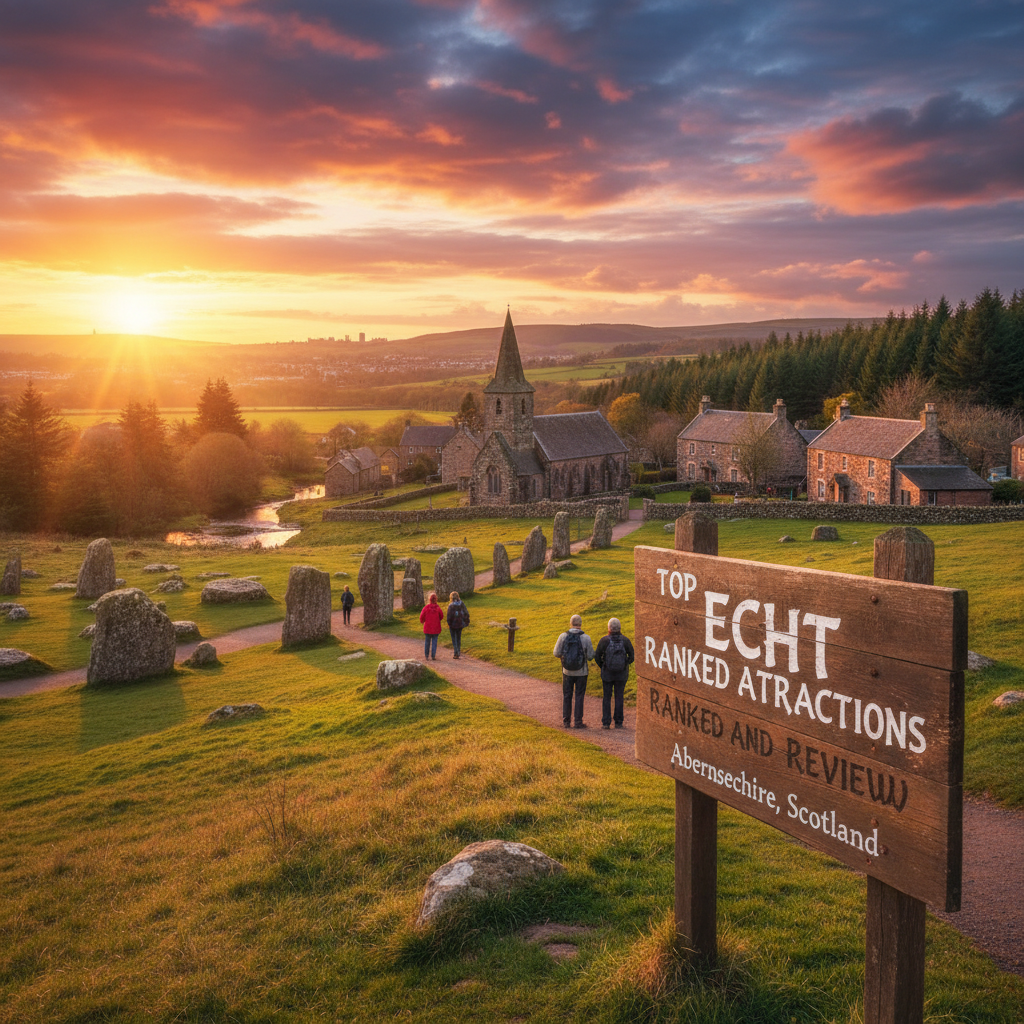
Echt
Discover Echt Nestled in the picturesque Aberdeenshire countryside, Echt is a quaint village that offers a unique blend of history, culture, and scenic beauty. With roots that trace back to the early medieval period, Echt has long been a significant location in Scotland, characterized by its charming landscapes and rich heritage. The village is part of the larger parish of Echt and is surrounded by rolling hills and lush farmland, making it an ideal destination for those who appreciate the tranquility of the Scottish countryside.The history of Echt is steeped in tradition and storytelling. The village's name itself is derived from the Scots Gaelic word ‘Eachtach,’ which means ‘the place of the oak,’ highlighting the natural beauty that defines this region. The area has been inhabited for centuries, with archaeological finds indicating that it was settled as far back as the Bronze Age. This long history is reflected in the architecture and landmarks that dot the village, where visitors can still see remnants of ancient structures and hear tales of yesteryear.Culturally, Echt is a vibrant community that embraces its Scottish heritage while welcoming modern influences. Local events, such as the annual Echt Highland Games, showcase traditional Scottish sports, music, and dance, drawing visitors from far and wide. This celebration of culture provides a unique opportunity for travelers to immerse themselves in the local way of life while enjoying the warmth and hospitality of the community.One of the highlights of Echt is its stunning natural surroundings. The village is located near the foothills of the Grampian Mountains, offering a plethora of outdoor activities, from hiking and cycling to birdwatching and photography. The nearby River Don provides additional opportunities for fishing and leisurely walks along its banks, where visitors can soak in the serene atmosphere and stunning views.What makes Echt truly special, however, is its sense of community. The village is home to a number of local artisans and small businesses, where travelers can find unique handmade crafts, local produce, and traditional Scottish specialties. The welcoming atmosphere fosters connections between visitors and residents, allowing for a genuine experience that goes beyond mere sightseeing.In conclusion, Echt is a hidden gem that encapsulates the essence of Scotland's rich history and natural beauty. Whether you're exploring its historic landmarks, participating in local festivities, or simply enjoying the breathtaking landscapes, Echt invites you to experience the charm and warmth that make it a remarkable destination. Top Attractions in Echt – Ranked and Reviewed When it comes to exploring Echt, there are several attractions that stand out, each offering a unique experience that has been rated and reviewed by travelers on Stay4Exploring. Here are the top attractions that you shouldn't miss during your visit:1. Echt Highland Games - Rated 4.8/5The Echt Highland Games are a must-see for anyone visiting during the summer months. This annual event features traditional Scottish sports such as caber tossing, tug of war, and hammer throwing. Visitors rave about the friendly competition and the vibrant atmosphere, complete with food stalls and live music. Many attendees highlight the sense of community and the chance to witness local traditions firsthand.2. The Church of St. Mary - Rated 4.5/5This historic church is not only a place of worship but also a stunning piece of architecture that reflects the village's heritage. Visitors appreciate the beautiful stained glass windows and the serene interior, making it a perfect spot for quiet reflection. The churchyard also features well-preserved gravestones that tell stories of the village's past.3. Muir of Dinnet National Nature Reserve - Rated 4.7/5Just a short drive from Echt, this nature reserve is a haven for outdoor enthusiasts. Visitors can explore miles of walking trails that wind through ancient woodlands, wetlands, and around stunning lochs. Birdwatchers particularly love this spot, as it's home to various species. Reviewers often mention the breathtaking scenery and the tranquility that envelops the area.4. Echt Village Hall - Rated 4.6/5The Village Hall is the heart of community life in Echt, hosting a variety of events throughout the year. From art exhibitions to local markets, this venue is a fantastic place to engage with locals and experience the culture. Travelers have noted the warmth of the community and the welcoming atmosphere during events held here.5. Local Artisan Shops - Rated 4.4/5Echt is home to several charming artisan shops where visitors can purchase handmade crafts and local produce. Tourists appreciate the unique offerings and the chance to support local businesses. Reviews often highlight the quality of goods and the friendly service from shop owners.In summary, Echt is a destination bursting with charm and character. From its cultural events to its stunning natural landscapes, the attractions in and around the village provide visitors with a rich and rewarding experience. Be sure to explore these top-rated spots to fully appreciate what Echt has to offer! Planning Your Visit to Echt Planning a trip to Echt, Scotland, can be an exciting endeavor as this quaint village offers a unique blend of natural beauty and rich history. The best time to visit Echt is during the late spring to early autumn months, from May to September. During this period, the weather is generally mild, with longer daylight hours and vibrant flora blooming across the countryside. If you enjoy outdoor activities, visiting in late spring or early summer will allow you to experience some of the best hiking and cycling conditions.Getting to Echt is relatively straightforward, whether you are traveling by car or public transport. The village is located approximately 10 miles west of Aberdeen, making it easily accessible for both domestic and international visitors. If you are flying into Scotland, the nearest airport is Aberdeen International Airport, which offers a variety of domestic and international flights. From the airport, you can rent a car or take a taxi to Echt, which takes about 20 minutes. Alternatively, if you plan to use public transport, take a bus from Aberdeen to Westhill, which is nearby, and then a short taxi ride to Echt.Once you arrive in Echt, getting around is best done on foot or by bicycle, as the village and surrounding countryside are relatively compact and picturesque. For those who prefer driving, there are ample parking spaces available near local attractions.Accommodation options in Echt cater to a variety of preferences and budgets. If you’re looking for a cozy traditional experience, consider staying at one of the local bed and breakfasts where you can enjoy warm hospitality and hearty Scottish breakfasts. For a more modern option, there are hotels and lodges offering comfortable amenities and stunning views of the surrounding landscapes. There are also several self-catering cottages available for larger groups or families, providing a home-away-from-home experience. It’s advisable to book your accommodations in advance, especially during the peak tourist season, to ensure you secure your preferred lodging.In summary, planning your visit to Echt involves choosing the right time to experience its stunning landscapes and local culture, finding convenient transportation options, and selecting the ideal place to stay. With a little preparation, your trip to this charming Scottish village will be one to remember. Experience Echt Like a Local To truly experience Echt like a local, it’s essential to immerse yourself in the customs, food, and culture that define this charming village. Scottish culture is deeply rooted in community and tradition, and Echt is no exception. Engaging with the locals, whether at a pub or community event, will provide you with a deeper understanding of the area and its heritage.One of the most significant aspects of local customs in Echt is the warm hospitality extended to visitors. Scots are known for their friendliness and willingness to share stories about their lives and the history of their village. When interacting with locals, a simple greeting such as “Hello” or “How are ye?” can go a long way in fostering good rapport.The culinary scene in Echt reflects traditional Scottish fare, with a focus on locally sourced ingredients. Be sure to try classic dishes such as haggis, neeps, and tatties—a savory pudding made from sheep’s heart, lungs, and liver, typically served with mashed turnips and potatoes. Local eateries also offer mouthwatering seafood, especially if you venture to nearby coastal areas. Don’t miss the chance to taste some fresh Aberdeen Angus beef, renowned for its quality. Additionally, you can find delightful homemade pastries and cakes at local bakeries, perfect for a midday snack.Cultural experiences abound in Echt, and one of the best ways to tap into this is by participating in local festivals or events. The village hosts various celebrations throughout the year that highlight traditional Scottish music, dance, and arts. Engaging in these events not only enriches your understanding of the culture but also allows you to connect with the community.For insider tips, consider visiting the local markets where you can find fresh produce, artisan goods, and handmade crafts. It’s a fantastic opportunity to purchase unique souvenirs while supporting local businesses. Additionally, exploring the surrounding countryside through walking or cycling paths can lead to hidden gems and breathtaking views that are often missed by tourists.In conclusion, experiencing Echt like a local means embracing the customs, savoring traditional Scottish dishes, and engaging with the vibrant culture of the village. By immersing yourself in the local way of life, your visit to Echt will be filled with memorable moments and a profound appreciation for Scottish heritage.
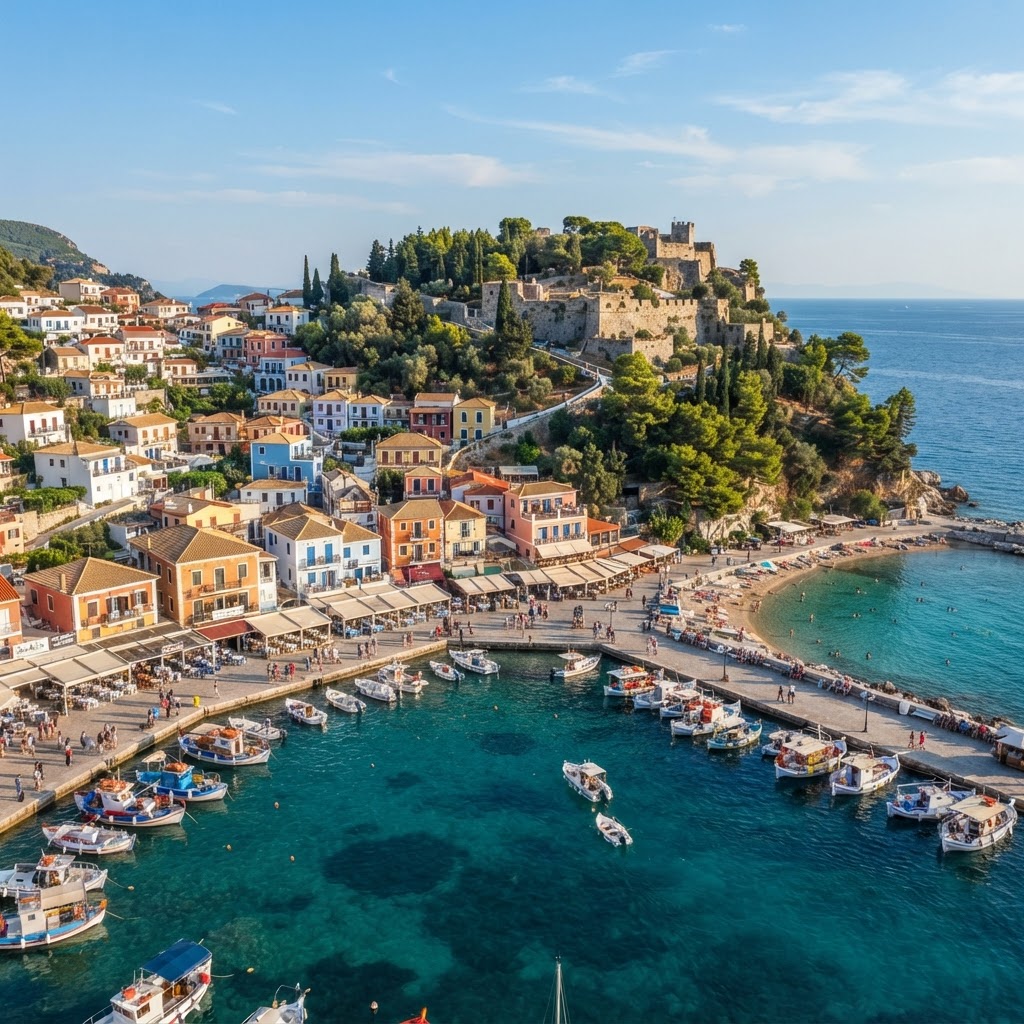
Parga
Discover PargaNestled on the northwest coast of Greece, Parga is a picturesque seaside town that enchants visitors with its stunning natural beauty and rich historical tapestry. Historically, Parga was a significant trading port, influenced by various civilizations, including the Venetians and the Ottomans. This blend of cultures is evident in the town's architecture, from the colorful houses that line the waterfront to the Venetian castle that overlooks the bay. The town's vibrant history is complemented by its breathtaking landscapes, featuring lush green hills and crystal-clear waters. What makes Parga especially unique is its intimate atmosphere, where local traditions thrive amidst modern tourism. Unlike some of Greece's more crowded destinations, Parga offers a charming blend of relaxation and adventure. Visitors can immerse themselves in local culture by exploring the narrow cobblestone streets, discovering hidden shops, and enjoying traditional Greek cuisine at family-run tavernas. Additionally, Parga serves as a gateway to nearby islands such as Paxos and Antipaxos, making it an ideal base for exploring the Ionian Sea. With its combination of historical significance, cultural depth, and stunning scenery, Parga is a destination that captivates the hearts of travelers.Top Attractions in Parga – Ranked and ReviewedParga boasts a variety of attractions that cater to all interests, each ranked and reviewed by real travelers on Stay4Exploring. 1. **Parga Castle** - Perched high above the town, this Venetian fortress offers panoramic views of the Ionian Sea and the surrounding landscape. Visitors rave about the castle's historical significance and the breathtaking sunsets experienced from its ramparts. 2. **Valtos Beach** - Just a short walk from the town center, Valtos Beach is known for its soft sand and clear waters, perfect for sunbathing and swimming. Travelers appreciate the beach’s amenities, including sunbeds and nearby cafes, making it a favorite spot for relaxation. 3. **Ali Pasha Castle** - This 19th-century fortress is a testament to Parga's tumultuous past. Reviewers highlight the intriguing history and the beautiful views from this elevated site. 4. **Sarakiniko Beach** - A bit further from Parga, Sarakiniko is celebrated for its stunning natural beauty and less crowded atmosphere. Visitors recommend it for a tranquil day away from the more tourist-heavy beaches. 5. **The Waterfall of Acheron** - A short drive from Parga, this natural wonder is perfect for nature enthusiasts. Travelers praise the serene environment and the opportunity for hiking and swimming in the river's cool waters. These attractions not only highlight the beauty of Parga but also the diverse experiences available, all highly rated by fellow travelers.Planning Your Visit to PargaPlanning a trip to Parga involves understanding the best times to visit, how to get there, and where to stay. **Best Time to Visit**: The ideal time to explore Parga is from late spring to early autumn (May to September). During these months, the weather is warm and sunny, perfect for beach activities and outdoor exploration. July and August can be quite busy, so consider visiting in June or September for a more tranquil experience. **Getting There**: Parga is accessible by various means. The nearest major airport is Aktion National Airport (PVK), located approximately 68 km away. From the airport, travelers can rent a car, take a shuttle bus, or arrange a private transfer to Parga. Alternatively, ferry services connect Parga with nearby islands, making it a convenient base for island hopping. **Getting Around**: Parga is best explored on foot, as the town is compact and pedestrian-friendly. For trips to nearby beaches or attractions, consider renting a bicycle or scooter. Taxis are also available for longer distances. **Where to Stay**: Accommodation options in Parga range from luxury hotels to charming guesthouses and budget-friendly hostels. Popular areas to stay include the town center for easy access to amenities and Valtos Beach for those looking to be close to the sea. Booking in advance, especially during peak season, is highly recommended.Experience Parga Like a LocalTo truly experience Parga like a local, it's essential to embrace the town's customs, culinary delights, and cultural nuances. **Local Customs**: Greeks are known for their hospitality, and Parga is no exception. When dining in local tavernas, it’s common to receive complimentary appetizers (meze) with your drink. Engaging in friendly conversation with locals can lead to authentic experiences and recommendations. **Food**: Parga's culinary scene is a highlight for many visitors. Don’t miss trying local specialties such as 'souvlaki', fresh seafood, and the beloved 'moussaka'. For dessert, indulge in 'baklava' or 'loukoum' from one of the many local bakeries. **Culture**: The town hosts various festivals throughout the year, celebrating everything from religious events to music and dance. Participating in these festivities can provide deeper insight into the local culture. **Insider Tips**: For a unique experience, hike around the nearby Acheron River, known for its mythical significance and natural beauty. Also, consider visiting during the off-peak months to enjoy a more authentic and peaceful atmosphere. Finally, always carry cash as not all establishments accept credit cards. By integrating these local tips and customs into your visit, you'll gain a richer understanding of Parga's vibrant culture.

Craigellachie
Discover Craigellachie Nestled in the heart of Moray, Scotland, Craigellachie is a charming village that boasts a rich tapestry of history, culture, and breathtaking natural beauty. Established in the 18th century during the era of the Scottish Enlightenment, Craigellachie was originally a hub for the whisky trade, given its proximity to the River Spey. The village's strategic location near numerous distilleries has solidified its significance in Scotland's whisky-making heritage, earning it a place on the map for enthusiasts and casual visitors alike.Culturally, Craigellachie is a microcosm of Scottish tradition. The local community takes pride in its heritage, with many residents actively involved in preserving the village's history through various festivals and events. The annual Craigellachie Festival, for instance, celebrates local music, arts, and crafts, drawing visitors from all over the region. This event not only highlights the talent within the community but also fosters a sense of belonging and pride among residents and visitors.One of the most iconic landmarks in Craigellachie is the Craigellachie Bridge, a splendid iron bridge designed by the renowned engineer Thomas Telford in 1814. This structure is not just an architectural marvel; it is also a symbol of the village's historical significance as a vital crossing point over the River Spey. The bridge is a favorite spot for photographs and offers wonderful views of the surrounding landscape, making it a must-visit for anyone exploring the area.The village's charm is further enhanced by its picturesque surroundings. Craigellachie is enveloped by stunning natural scenery, including rolling hills, lush forests, and the serene waters of the Spey. This idyllic backdrop provides numerous opportunities for outdoor activities such as hiking, cycling, and fishing. The nearby Cairngorms National Park, one of the UK's most beautiful national parks, offers a plethora of trails and wildlife experiences, making Craigellachie an excellent base for nature lovers.What makes Craigellachie truly special is its warm and welcoming community. Visitors often remark on the friendly locals who are eager to share their stories and recommendations for exploring the area. The village's small size fosters a sense of intimacy, allowing travelers to experience authentic Scottish hospitality. Whether you're sipping whisky at a local distillery or enjoying a meal at a cozy pub, the connections made here leave a lasting impression.In summary, Craigellachie is a hidden gem in Scotland that combines historical significance, cultural richness, and stunning natural beauty. Its unique blend of whisky heritage, vibrant community spirit, and breathtaking landscapes create an inviting atmosphere that captivates the hearts of all who visit. Top Attractions in Craigellachie – Ranked and Reviewed When it comes to exploring Craigellachie, a wealth of attractions awaits visitors, each offering unique experiences and insights into the village's rich heritage. Here are the top-rated attractions, as reviewed by real travelers on Stay4Exploring:1. Craigellachie Bridge - Rated 4.9/5The iconic Craigellachie Bridge is a highlight for many visitors. This historic structure, designed by Thomas Telford, offers stunning views of the River Spey and serves as a perfect backdrop for photographs. Travelers appreciate its architectural beauty and the rich history it represents, often describing it as a must-see when visiting the village.2. Speyside Cooperage - Rated 4.8/5For those interested in whisky production, the Speyside Cooperage is an unmissable experience. This working cooperage provides guided tours where visitors can witness the traditional art of barrel-making. Guests rave about the informative guides who share fascinating insights into the whisky industry and the importance of barrels in the maturation process. It’s a unique opportunity to immerse yourself in one of Scotland's most iconic crafts.3. The Craigellachie Hotel - Rated 4.7/5A stay at the Craigellachie Hotel is highly recommended for those seeking comfort and luxury. Guests love the warm, welcoming atmosphere and the hotel's rich history dating back to the 19th century. The on-site bar features an impressive selection of local whiskies, allowing visitors to sample the finest spirits in a cozy setting. Many reviewers highlight the attentive service and quality of the dining experience here.4. Local Distilleries - Rated 4.6/5The area surrounding Craigellachie is home to several renowned distilleries, including Aberlour and Macallan. Tours at these distilleries allow visitors to learn about the whisky-making process, taste exquisite drams, and appreciate the craftsmanship behind each bottle. Travelers often mention the knowledgeable staff who enhance the experience with their passion for whisky.5. Outdoor Activities - Rated 4.5/5The natural beauty surrounding Craigellachie offers ample opportunities for outdoor enthusiasts. Hiking trails and cycling routes wind through the stunning landscapes of Moray and the Cairngorms National Park. Visitors frequently praise the well-marked trails and the breathtaking views, making it a perfect destination for adventure seekers and nature lovers.In conclusion, Craigellachie is more than just a charming village; it is a treasure trove of experiences waiting to be explored. The attractions, rated and reviewed by travelers, highlight the village's unique blend of history, culture, and natural beauty. Whether you're a whisky enthusiast, a history buff, or simply seeking a peaceful getaway, Craigellachie offers something for everyone. Planning Your Visit to Craigellachie Craigellachie, a charming village located in the heart of Scotland's Speyside region, is a hidden gem that attracts travelers seeking both adventure and tranquility. When planning your visit, it's essential to consider the best time to experience all that this picturesque locale has to offer.The ideal time to visit Craigellachie is during the late spring and summer months, from May to September. During this period, the weather is generally mild and pleasant, making it perfect for outdoor activities such as hiking, cycling, and exploring the stunning natural scenery. The long daylight hours also allow for more time to savor the beauty of the area. However, be prepared for occasional rain, as Scotland’s weather can be unpredictable.Getting to Craigellachie is relatively straightforward. The nearest major city is Inverness, which is approximately 45 miles away. From Inverness, you can rent a car or take a train to Elgin, followed by a short bus ride to Craigellachie. If you’re driving, the A95 road provides direct access to the village, offering scenic views along the way. For those arriving from further afield, Aberdeen International Airport is another viable option, located about 75 miles away, with connections to various transport services.Once you arrive in Craigellachie, getting around is easy. The village is compact enough to explore on foot, allowing you to soak in the local atmosphere and discover hidden spots at your own pace. For venturing further afield, consider renting a bicycle, as the region is well-suited for cycling enthusiasts. Local bus services also operate routes to nearby towns and attractions, making it convenient to explore the Speyside area.Accommodation options in Craigellachie cater to various budgets and preferences, from cozy bed and breakfasts to charming hotels. One highly recommended option is the Craigellachie Hotel, known for its warm hospitality and stunning views of the River Spey. For a more intimate experience, consider staying at one of the local guesthouses that provide a glimpse into the traditional Scottish way of life. Alternatively, self-catering cottages are available for those who prefer a home-away-from-home atmosphere, offering flexibility during your stay.In summary, when planning your visit to Craigellachie, aim for the late spring to summer months for optimal weather and experiences. Utilize various transport options to reach the village and explore the surrounding areas, and choose from a range of accommodation to suit your needs. With careful planning, your trip to Craigellachie is sure to be a memorable one. Experience Craigellachie Like a Local To truly immerse yourself in the unique charm of Craigellachie, understanding local customs, cuisine, and culture is essential. This small village embodies the spirit of Scotland, and embracing its local lifestyle will enhance your visit.One of the most notable aspects of Craigellachie’s culture is its rich whisky heritage. The village is situated in the heart of Speyside, a region famed for its whisky production. Visitors should not miss the opportunity to tour one of the local distilleries, such as the iconic Macallan or Aberlour. These tours often include tastings, providing insights into the whisky-making process and the history behind these renowned brands. Embrace the local custom of enjoying a dram of whisky, and don’t hesitate to strike up a conversation with locals, who are often more than happy to share their knowledge and recommendations.Scottish cuisine is another highlight to experience in Craigellachie. Traditional dishes such as haggis, neeps, and tatties are must-tries for the adventurous eater. Local pubs and restaurants often feature seasonal menus that highlight fresh, locally sourced ingredients. The Craigellachie Hotel’s restaurant is particularly noted for its commitment to showcasing Scottish produce, and it’s a great place to sample modern interpretations of classic dishes. Additionally, keep an eye out for local farmers' markets where you can purchase artisanal goods and homemade treats.Engaging with local customs can enhance your experience significantly. For example, if you're visiting during a Highland Games event—typically held in late summer—don’t miss the chance to witness traditional Scottish sports like caber tossing and tug-of-war, along with vibrant displays of music and dance. These events foster a sense of community and offer a unique window into Scottish heritage.As you navigate Craigellachie, be sure to embrace the slower pace of life that the village offers. Locals often greet each other with a friendly smile or nod, and striking up a conversation can lead to delightful exchanges. When exploring the stunning natural beauty surrounding Craigellachie, consider taking part in outdoor activities like hiking or cycling, which are not only great for physical health but also provide opportunities to connect with nature and fellow adventurers.Finally, an insider tip for experiencing Craigellachie like a local is to enjoy a leisurely walk along the River Spey. The riverside paths offer breathtaking views and the chance to spot local wildlife. Remember, the key to enjoying Craigellachie is to take your time, savor the local flavors, and immerse yourself in the warm hospitality that defines this Scottish village.

Zell am See
Discover Zell am See Nestled in the heart of the Austrian Alps, Zell am See is a picturesque town that offers an enchanting blend of natural beauty, rich history, and vibrant culture. This charming lakeside destination is located on the shores of Lake Zell, surrounded by stunning mountain peaks, making it a sought-after spot for outdoor enthusiasts and travelers seeking tranquility alike.The history of Zell am See dates back to the Roman era, where it was known as 'Cella,' a small settlement that thrived due to its strategic location along trade routes. Over the centuries, it has transformed into a bustling town that retains its historical charm, evident in its well-preserved architecture and local traditions. The iconic St. Hippolyte Church, with its striking Gothic tower, is a testament to the town's historical significance and architectural heritage.Zell am See is not just a winter wonderland; it boasts a wealth of activities for every season. In the summer months, visitors can enjoy hiking, biking, and water sports on Lake Zell, while winter transforms the region into a ski haven with access to the nearby Schmittenhöhe and Kitzsteinhorn ski resorts. The combination of the lake and mountains creates a stunning backdrop for both relaxation and adventure, making it a year-round destination.The culture of Zell am See is deeply rooted in Tyrolean traditions, with vibrant festivals and events throughout the year. The town hosts various events such as the annual Zell am See Music Festival, where the sounds of classical music resonate through the beautiful landscapes, and local markets that showcase artisanal crafts and regional delicacies. The welcoming atmosphere and friendly locals add to the charm, making visitors feel right at home.What sets Zell am See apart is its commitment to sustainability and preserving its natural environment. The town is dedicated to eco-friendly tourism, with initiatives to protect the lake and surrounding mountains. This commitment not only enhances the visitor experience but also ensures that the natural beauty of Zell am See is preserved for generations to come.In summary, Zell am See is a destination that captures the essence of Austrian culture and natural beauty. With its rich history, diverse activities, and commitment to sustainability, it offers something for everyone. Whether you're looking to explore the outdoors, immerse yourself in local traditions, or simply relax by the lake, Zell am See promises a memorable experience in one of Austria's most beautiful regions. Top Attractions in Zell am See – Ranked and Reviewed Zell am See is filled with a variety of attractions that cater to all types of travelers. Based on the reviews from real visitors on Stay4Exploring, here are the top-rated experiences you shouldn’t miss during your visit:Schmittenhöhe Mountain – Rated 4.8/5: This majestic mountain offers breathtaking panoramic views of the surrounding Alps and Lake Zell. Visitors love the well-marked hiking trails during summer, while winter transforms it into a ski paradise. Many travelers highlight the cable car ride as a must-do, providing stunning vistas.Lake Zell – Rated 4.7/5: The centerpiece of the town, Lake Zell is perfect for a leisurely stroll, cycling, or even swimming in the summer months. Visitors rave about the scenic boat tours that provide a unique perspective of the town and surrounding mountains. The serene atmosphere makes it an ideal spot for relaxation.Kitzsteinhorn Glacier – Rated 4.9/5: A short drive from Zell am See, the Kitzsteinhorn Glacier is a year-round skiing destination. Visitors appreciate the variety of slopes for all skill levels and the stunning views from the top. The glacier also features the “Top of Salzburg” viewing platform, which offers spectacular sights.Stadtplatz (Town Square) – Rated 4.6/5: The vibrant heart of Zell am See, the town square is lined with charming shops, cafes, and restaurants. Travelers enjoy the lively atmosphere, especially during local events and markets. It’s a great place to sample traditional Austrian cuisine and buy souvenirs.Zeller See Schifffahrt (Lake Zell Boat Tours) – Rated 4.8/5: These boat tours are highly recommended for their relaxing experience on the lake. Many visitors appreciate the informative commentary about the area’s history and natural beauty. It's a fantastic way to see the town from a different angle.Kaprun Castle – Rated 4.5/5: Located just a few kilometers from Zell am See, this medieval castle offers insights into the region's history. Visitors enjoy exploring the well-preserved structures and the breathtaking views from the castle grounds.Each of these attractions provides a unique perspective on what makes Zell am See special. From outdoor adventures to cultural experiences, there's something for everyone to enjoy. With rankings reflecting the opinions of real travelers, you can trust that these experiences will enhance your visit to this stunning Austrian destination. Planning Your Visit to Zell am See Zell am See, nestled in the heart of the Austrian Alps, is a year-round destination that captivates travelers with its stunning lake, majestic mountains, and charming village atmosphere. To make the most of your trip, careful planning is essential.Best Time to Visit: The ideal time to visit Zell am See largely depends on your desired activities. For winter sports enthusiasts, the snowy months from December to March are perfect for skiing and snowboarding on the surrounding slopes. Summer, from June to September, is ideal for hiking, biking, and enjoying water sports on Lake Zell. The shoulder seasons of spring and autumn offer fewer crowds and beautiful landscapes, making them excellent for sightseeing and outdoor activities.Getting There: Zell am See is well connected by various modes of transport. The nearest major airport is Salzburg Airport (approximately 80 kilometers away), which offers both domestic and international flights. From the airport, you can rent a car, take a shuttle bus, or use the regional train services to reach Zell am See. If you're traveling by train, the Zell am See train station is conveniently located and connects to major Austrian cities like Vienna, Innsbruck, and Salzburg.Getting Around: Once in Zell am See, the town is small enough to explore on foot, allowing you to soak in the charming streets and local shops. For those looking to venture beyond the town center, the local bus service is efficient and connects you to nearby attractions, including the Schmittenhöhe mountain. Additionally, the well-marked hiking and biking trails provide access to stunning viewpoints and natural wonders in the surrounding area.Where to Stay: Zell am See offers a range of accommodation options to suit every budget and preference. Luxury hotels, such as the Grand Hotel Zell am See, provide stunning lake views and spa services, while cozy guesthouses and chalets offer a homey feel. For budget-conscious travelers, hostels and budget hotels are available, particularly in the off-peak seasons. Booking in advance during peak seasons is recommended to secure the best deals and room availability.In summary, whether you're drawn to Zell am See for its winter wonderland or summer adventures, planning your visit with attention to timing, transport, and accommodation will ensure a memorable experience in this picturesque Austrian town. Experience Zell am See Like a Local To truly appreciate Zell am See, immersing yourself in the local customs, cuisine, and culture is essential. This enchanting town is rich in traditions and offers visitors a chance to experience its unique way of life.Local Customs: Austrians value hospitality, and you’ll find that locals are generally warm and welcoming. When greeting someone, a friendly "Grüß Gott" (God greet you) is customary. If invited to a local's home, it’s polite to bring a small gift, such as flowers or a box of chocolates. Don’t be surprised if you encounter traditional festive celebrations, especially during the holidays; the locals take pride in their customs, showcasing folk dances, music, and traditional costumes.Food: Austrian cuisine is hearty and flavorful, with Zell am See offering a delightful array of local dishes. Be sure to try the famous "Schnitzel," a breaded and fried meat dish, often served with potato salad. Another local favorite is "Kaiserschmarrn," a fluffy shredded pancake typically served with fruit compote. Pair your meals with a glass of local wine or a refreshing Austrian beer. For a true taste of the region, visit one of the quaint taverns or mountain huts that serve traditional meals made from locally sourced ingredients.Culture: Zell am See is not just about stunning landscapes; it also boasts a vibrant cultural scene. The town hosts various festivals throughout the year, including music concerts, art exhibitions, and traditional markets. The annual Zell am See Musikfestival in August showcases a range of musical talents and genres. Additionally, the local museums provide insights into the region’s history and heritage, making them worthwhile stops during your visit.Insider Tips: To experience Zell am See like a local, consider participating in activities such as guided hiking tours or mountain biking excursions. Engage with local guides who can share insider knowledge about the best trails and hidden gems. For a unique experience, consider taking a boat ride on Lake Zell, especially during sunset, which offers stunning views of the surrounding mountains. Lastly, don’t forget to explore the boutique shops for handmade crafts and souvenirs, as these items reflect the rich culture and artistry of the region.By embracing the local customs, indulging in the cuisine, and engaging with the culture, you’ll gain a deeper appreciation for Zell am See and create lasting memories of your visit.

Lake Constance Region
Discover Lake Constance RegionNestled at the northern foothills of the Alps, Lake Constance, known in German as the 'Bodensee', is a vast freshwater lake that forms a unique border between Germany, Austria, and Switzerland. This 'Swabian Sea' is more than just a body of water; it's a vibrant cultural landscape steeped in millennia of history. Its shores have been inhabited since the Stone Age, with the UNESCO-listed prehistoric pile dwellings offering a fascinating glimpse into early European life. Throughout the centuries, its strategic location made it a vital hub for Roman trade, a center of religious power during the Middle Ages, and a cradle of innovation, most famously as the birthplace of Count Ferdinand von Zeppelin's airships. This rich tapestry of history is woven into the fabric of the region, visible in the medieval castles, baroque palaces, and charming old towns that dot its shoreline. What truly makes the Lake Constance region special is its remarkable diversity. It boasts a unique, almost Mediterranean microclimate that allows for lush gardens, sprawling vineyards, and bountiful orchards to thrive. This natural beauty is complemented by a rich cultural scene, with world-class museums, classical music festivals, and lively wine celebrations. The ever-present backdrop of the snow-capped Alps reflecting in the crystal-clear water creates a panorama of breathtaking beauty. It's a destination that seamlessly blends outdoor adventure with cultural exploration, offering everything from leisurely cycling tours and water sports to historical deep dives and culinary indulgence, all within a single, stunningly beautiful region.Top Attractions in Lake Constance Region – Ranked and ReviewedThe Lake Constance region is packed with incredible sights, and on Stay4Exploring, you can find them all rated and reviewed by a community of real travelers. Topping many visitors' lists is the magnificent Mainau Island, the 'Flower Island'. As countless reviews attest, its meticulously landscaped gardens, which burst with color from spring tulips to autumn dahlias, are simply spectacular. The island also features a stunning baroque palace and one of Germany's largest butterfly houses. Another highly-ranked destination is the medieval town of Meersburg. Travelers rave about its two castles: the Altes Schloss, Germany's oldest inhabited fortress, which offers a journey back in time, and the Neues Schloss, a baroque palace with grand views. The town's steep, cobblestone streets lined with half-timbered houses are a photographer's dream. No visit is complete without seeing the iconic harbor entrance of Lindau Island, another favorite among Stay4Exploring users. The Bavarian lion statue and the 13th-century lighthouse create an unforgettable vista. For history enthusiasts, the Pfahlbauten Museum (Pile Dwelling Museum) in Unteruhldingen is a must-see. This open-air archaeological museum and UNESCO World Heritage Site reconstructs Stone and Bronze Age villages over the water, an experience visitors find both educational and immersive. In Friedrichshafen, the Zeppelin Museum consistently earns high marks for its fascinating exhibits on the history of airships, including a partial reconstruction of the Hindenburg that you can walk through. From island gardens to lakeside castles, the region's attractions are diverse and highly acclaimed by those who have experienced them firsthand.Planning Your Visit to Lake Constance RegionA successful trip to Lake Constance begins with smart planning. The best time to visit depends on your interests. Late spring (May and June) is ideal for seeing the flower island of Mainau in full bloom with pleasant weather and fewer crowds. Summer (July and August) is peak season, perfect for swimming, boating, and enjoying the bustling lakeside promenades, though you should book accommodation well in advance. Autumn (September and October) is a wonderful time for wine lovers, as local wine festivals ('Weinfeste') celebrate the harvest, and the weather is often mild and sunny. Getting to the region is straightforward. The closest airport is Bodensee-Airport Friedrichshafen (FDH), with other major international options being Zurich (ZRH) and Stuttgart (STR), both well-connected by train. The German rail network (Deutsche Bahn) offers excellent service to major lakeside towns like Konstanz, Friedrichshafen, and Lindau. Once you're here, getting around is part of the experience. The Weisse Flotte (White Fleet) of ferries operated by BSB crisscrosses the lake, connecting major towns and attractions. For comprehensive access, consider the Bodensee Card PLUS, which covers ferry travel and free admission to over 160 attractions. The region is also a cyclist's paradise, with the 260-kilometer Bodensee-Radweg (Lake Constance Cycle Path) encircling the entire lake. Local buses and regional trains provide further reliable connections between towns. For accommodation, you are spoiled for choice. Konstanz offers a vibrant city atmosphere, Meersburg provides historic charm, Lindau is famously picturesque, and Friedrichshafen is a practical base for transport. Options range from luxury wellness hotels to family-run guesthouses (Gasthof) and self-catering holiday apartments (Ferienwohnung).Experience Lake Constance Region Like a LocalTo truly connect with the Lake Constance region, embrace its relaxed, outdoor-oriented lifestyle. The culture is a pleasant blend of German efficiency, Swiss tranquility, and Austrian charm. A simple, friendly 'Grüß Gott' (a common greeting in Southern Germany and Austria) will be warmly received. One of the best ways to experience local life is through its food and drink. The lake provides an abundance of fresh fish, with 'Felchen' (a type of whitefish) being the star. Try it pan-fried 'Müllerin Art' (Meunière style) with almonds and lemon. Another local specialty is 'Dünnele', a thin, crispy flatbread topped with cream, bacon, and onions, similar to a Flammkuchen. The sunny slopes surrounding the lake produce excellent wines, particularly Müller-Thurgau and Spätburgunder (Pinot Noir). An insider tip is to visit a 'Besenwirtschaft' or 'Rädlewirtschaft'—a seasonal pop-up tavern run by local vintners, where you can sample new wines and simple, hearty food in an authentic setting. For an unforgettable local experience, rent a bike and cycle a portion of the Bodensee-Radweg; the stretch between Meersburg and Überlingen is particularly scenic. Wake up early and take the first ferry of the day across the lake to enjoy the serene morning light and avoid the crowds. Be sure to visit a 'Wochenmarkt' (weekly market), held in most towns, to browse fresh regional produce, cheeses, and breads. Check the local event calendar for seasonal festivals, from the lively 'Seenachtsfest' fireworks in Konstanz to the charming traditional wine festivals in autumn. These events offer a fantastic window into the region's vibrant culture and traditions.

Montenegro
Discover Montenegro Montenegro, a jewel nestled in the heart of the Balkans, is a country that seamlessly blends breathtaking natural beauty with a rich tapestry of history and culture. Known for its stunning coastline along the Adriatic Sea, majestic mountains, and charming medieval towns, Montenegro offers an array of experiences that captivate visitors from all corners of the globe. The significance of Montenegro is deeply rooted in its history, which dates back to ancient times. Once part of the Roman Empire, it has been influenced by various civilizations, including the Byzantines, Ottomans, and Venetians. This diverse heritage is reflected in its architecture, traditions, and cuisine. The country declared independence from the State Union of Serbia and Montenegro in 2006, marking a new chapter in its history as a sovereign state. Culturally, Montenegro is a mosaic of influences, evident in its vibrant folklore, music, and festivals. Traditional Montenegrin music, characterized by its soulful melodies and deep-rooted rhythms, often accompanies local celebrations. Visitors can indulge in authentic culinary experiences, with dishes such as pršut (cured ham), kačamak (cornmeal porridge), and fresh seafood reflecting the country’s Adriatic heritage. What makes Montenegro truly special is its unparalleled natural beauty. The country is home to several national parks, including Durmitor and Biogradska Gora, both of which offer stunning landscapes and opportunities for outdoor adventures like hiking, rafting, and skiing. The Bay of Kotor, a UNESCO World Heritage site, is renowned for its fjord-like scenery and well-preserved medieval towns such as Kotor and Perast. Visitors often find themselves enchanted by the dramatic cliffs, serene waters, and the charm of the old stone buildings that dot the coastline. Moreover, Montenegro's commitment to preserving its natural environment while promoting sustainable tourism enhances its appeal. The tourism sector has been on the rise, with visitors seeking not only leisure activities but also immersive experiences that connect them with the local culture and landscape. From wine tasting in the vineyards of the Ćemovsko Polje to exploring the historic fortifications of Cetinje, the former royal capital, there’s something for everyone. In summary, Montenegro is a destination that invites exploration and engagement. Whether you’re lounging on the pristine beaches, trekking through its rugged mountains, or sipping coffee in a quaint town square, the country offers a unique blend of experiences that leave a lasting impression. Its rich history, vibrant culture, and breathtaking landscapes make Montenegro a must-visit destination for travelers seeking both adventure and tranquility. Top Attractions in Montenegro – Ranked and Reviewed Montenegro is home to a multitude of attractions that cater to various interests, from history buffs to nature enthusiasts and beach lovers. Based on real traveler reviews on Stay4Exploring, here are some of the top-ranked attractions in Montenegro that you shouldn’t miss. 1. Kotor Old Town - Kotor's Old Town is a UNESCO World Heritage site and is celebrated for its well-preserved medieval architecture and stunning coastal views. Travelers rave about wandering through its narrow cobblestone streets, visiting the Cathedral of Saint Tryphon, and climbing the fortress for panoramic views of the Bay of Kotor. Many reviewers describe it as a fairy-tale setting, particularly at sunset. 2. Durmitor National Park - Ideal for outdoor enthusiasts, Durmitor National Park offers breathtaking landscapes, glacial lakes, and diverse flora and fauna. Hiking, rafting, and skiing are just a few of the activities that visitors can enjoy here. Reviewers commend the park for its well-marked trails and the opportunity to connect with nature, with many calling it one of the most beautiful places they have ever visited. 3. Budva Riviera - Known for its vibrant nightlife and beautiful beaches, the Budva Riviera is a favorite among travelers seeking sun and fun. Visitors appreciate the lively atmosphere, with numerous bars, clubs, and restaurants lining the beachfront. Reviewers highlight the stunning beaches, particularly Mogren Beach, and recommend exploring the historic old town of Budva. 4. Bay of Kotor - Often referred to as Europe’s southernmost fjord, the Bay of Kotor is renowned for its dramatic landscapes and charming towns. Travelers enjoy taking boat tours to explore the bay, visiting the picturesque towns of Perast and Herceg Novi. Many reviews emphasize the serene beauty of the bay, especially at dawn, making it a photographer’s paradise. 5. Ostrog Monastery - Clinging to a cliff face, Ostrog Monastery is an important pilgrimage site and a stunning architectural marvel. Visitors are moved by the spiritual ambiance and breathtaking views from the monastery. Reviewers frequently mention the sense of tranquility they felt while visiting and the opportunity to learn about Montenegrin culture. 6. Cetinje - The historic capital of Montenegro, Cetinje, is rich in culture and history. Travelers appreciate the museums, churches, and the beautiful architecture that reflects the country’s royal past. The National Museum of Montenegro is a highlight, with many recommending it for those interested in the country's history. In conclusion, Montenegro offers a plethora of attractions that cater to all types of travelers. With the insights and experiences shared by real visitors on Stay4Exploring, you can plan your journey to ensure you don’t miss out on the best that this stunning country has to offer! Planning Your Visit to Montenegro Montenegro, a hidden gem on the Adriatic coast, boasts a stunning landscape of mountains, beaches, and charming towns. Planning your visit to this Balkan beauty involves understanding the best time to go, how to get there, navigating the region, and finding the perfect accommodations. Best Time to Visit: The ideal time to visit Montenegro is from late spring (May to June) and early autumn (September to October). During these months, the weather is pleasantly warm, ideal for both beach activities and exploring the picturesque towns without the summer crowds. July and August can be hot, drawing in tourists to the coastal areas, particularly in cities like Budva and Kotor. If you prefer cooler temperatures and fewer crowds, consider visiting during the shoulder seasons. Getting There: Montenegro is accessible by air, land, and sea. The main international gateway is Podgorica Airport (TGD), which connects to various European cities. Tivat Airport (TIV) also serves as a popular entry point, particularly during the summer months, with flights from numerous European destinations. If traveling from neighboring countries, consider taking a bus or train, as Montenegro is well connected to Serbia, Croatia, and Bosnia and Herzegovina. Getting Around: Once in Montenegro, getting around can be straightforward. The country has a decent public transportation system, including buses that connect major cities and tourist attractions. Renting a car is another excellent option, as it provides the flexibility to explore the stunning landscapes and hidden gems at your own pace. Be cautious of the winding roads, especially in mountainous areas. For those visiting coastal towns, consider using local ferries to hop between islands and coastal cities. Where to Stay: Montenegro offers a wide range of accommodations, from luxurious hotels to quaint guesthouses and budget-friendly hostels. If you’re looking for a classic seaside experience, consider staying in Budva, known for its vibrant nightlife and beautiful beaches. For a more tranquil atmosphere, Kotor’s old town offers charming boutique hotels within historic buildings. If you’re an adventure seeker, the northern regions like Žabljak provide opportunities for hiking and skiing and have cozy lodgings catering to nature lovers. Regardless of your preference, booking in advance, especially in peak season, is recommended to ensure the best options. Experience Montenegro Like a Local To truly immerse yourself in the rich tapestry of Montenegrin life, it’s essential to embrace the local customs, savor the food, and appreciate the culture that defines this unique destination. Local Customs: Montenegrins are known for their warmth and hospitality. When meeting someone, it’s customary to greet them with a firm handshake and maintain eye contact. It’s common to be offered coffee or rakija (a local fruit brandy) as a sign of welcome. When dining, it’s polite to wait for the host to start the meal, and offering a toast before drinking is a cherished tradition. Food: Montenegrin cuisine is a delightful blend of Mediterranean and Balkan flavors. Fresh seafood is prevalent along the coast, while the mountainous regions offer hearty meat dishes. Must-try items include njeguški pršut (cured ham), kačamak (cornmeal dish), and šopska salata (a refreshing salad made with tomatoes, cucumbers, and feta cheese). Don’t miss the chance to sample local wines, particularly Vranac, which pairs beautifully with many traditional dishes. Culture: Montenegro’s culture is steeped in history, with influences from the Ottoman Empire, Venetians, and Austro-Hungarians. Explore the UNESCO World Heritage sites like the old town of Kotor and the stunning natural beauty of Durmitor National Park. Festivals, such as the Kotor Carnival and the Wine and Cheese Festival in Njeguši, offer insight into local traditions and art. Engaging with locals during these events can provide a deeper understanding of their heritage and lifestyle. Insider Tips: To experience Montenegro like a local, consider venturing off the beaten path. While popular destinations like Budva and Kotor are must-sees, explore lesser-known towns such as Perast or the tranquil beaches of Ulcinj. Use public transport to interact with locals, and try to learn a few basic phrases in Montenegrin, as it goes a long way in building rapport. Lastly, take your time; whether hiking in the mountains or lounging by the sea, savor the beauty and serenity that Montenegro offers.
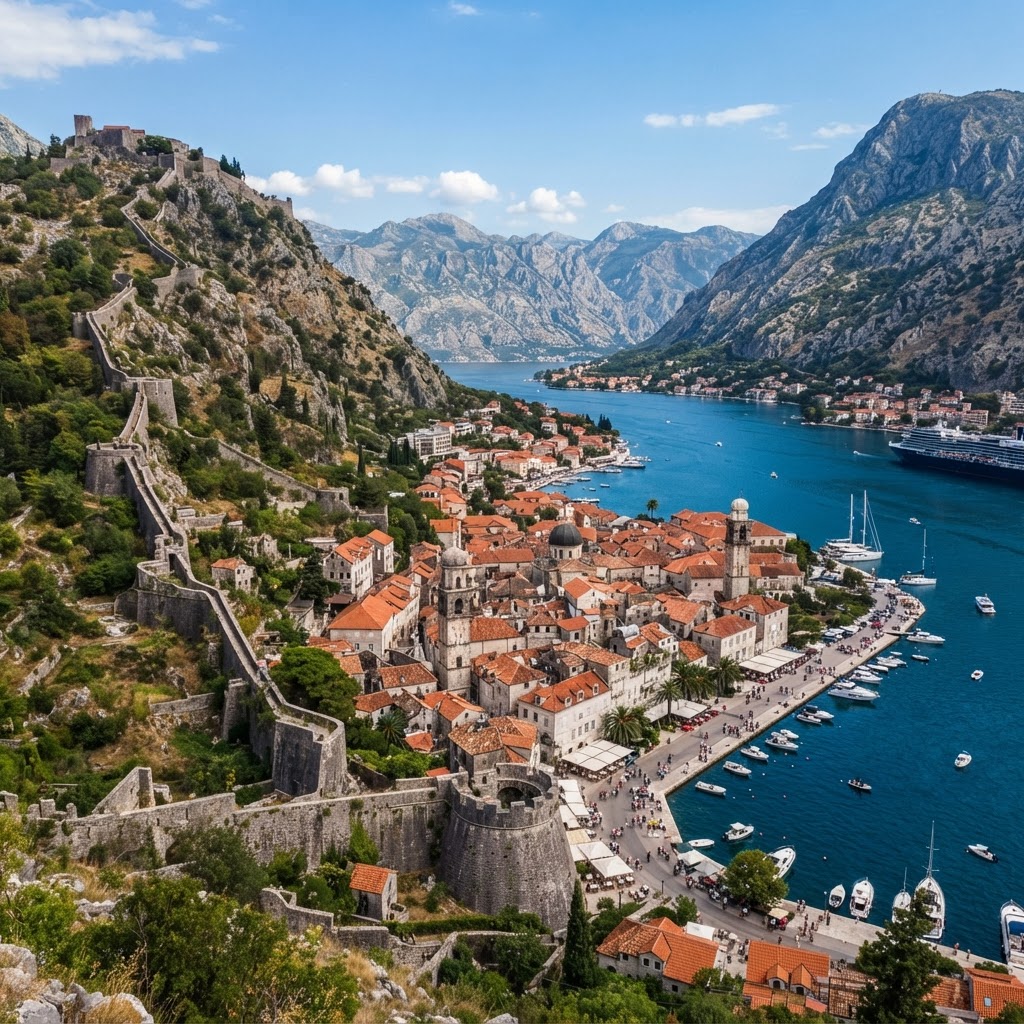
Kotor
Discover KotorNestled between dramatic mountains and the shimmering waters of the Adriatic Sea, Kotor is a treasure trove of history, culture, and natural beauty. This charming town is situated in Montenegro’s Bay of Kotor, a UNESCO World Heritage site, and is known for its well-preserved medieval architecture and stunning fjord-like landscape. With its narrow winding streets, historic churches, and vibrant squares, Kotor offers a unique glimpse into the past while also providing a lively atmosphere for visitors.The history of Kotor dates back to the Roman era, with evidence of settlement as early as the 2nd century BC. Originally known as Acruvium, the town flourished under Roman rule and later became a significant trading hub during the Middle Ages. Over the centuries, Kotor has been influenced by various cultures, including Venetian, Ottoman, and Austro-Hungarian, each leaving its mark on the town’s architecture and traditions.One of Kotor’s most distinctive features is its fortified old town, characterized by impressive stone walls that date back to the 9th century. These fortifications were built to protect the city from invaders and are among the best-preserved in Europe. Visitors can explore the old town’s labyrinthine streets, which are lined with quaint cafes, shops, and historical landmarks. The town is also home to several beautiful churches, including the Cathedral of Saint Tryphon, a stunning example of Romanesque architecture that dates back to 1166.Kotor’s cultural significance extends beyond its architecture; it is a vibrant hub of Montenegrin traditions and customs. The town hosts several festivals throughout the year, including the Kotor Carnival, which features colorful parades, music, and dance, showcasing the region’s rich folklore. Additionally, Kotor is known for its culinary delights, offering visitors a chance to savor local dishes and wines that reflect the area’s Mediterranean influences.What makes Kotor truly special is its breathtaking natural surroundings. The Bay of Kotor, often referred to as Europe’s southernmost fjord, boasts stunning landscapes with steep cliffs, lush greenery, and crystal-clear waters. Outdoor enthusiasts can take advantage of the numerous hiking trails in the nearby mountains, offering panoramic views of the bay and the surrounding area. Kayaking, sailing, and swimming are also popular activities, allowing visitors to immerse themselves in the beauty of this coastal paradise.In summary, Kotor is a remarkable destination that seamlessly blends history, culture, and natural beauty. Whether you’re wandering through the cobbled streets of the old town, exploring its ancient fortifications, or enjoying the stunning views of the bay, Kotor promises an unforgettable experience that captivates the hearts of travelers from around the globe.Top Attractions in Kotor – Ranked and ReviewedKotor is filled with captivating attractions that showcase its rich heritage and stunning landscapes. Below, we present a selection of the top-ranked attractions based on real traveler reviews from Stay4Exploring.1. Kotor Old TownRanked as the number one attraction, Kotor Old Town is a maze of narrow streets, charming squares, and historical buildings. Visitors rave about the vibrant atmosphere, noting how easily they can get lost while discovering hidden gems like local shops and cafes. The old town is a UNESCO World Heritage site, and travelers appreciate its preservation and authenticity, making it a must-visit when in Kotor.2. San Giovanni FortressFor those seeking breathtaking views, San Giovanni Fortress is the place to go. Situated high above the town, this fortress offers panoramic vistas of Kotor and the surrounding bay. Hikers share their experiences of the challenging climb, often recommending it as a rewarding adventure. Many note that the sunset views from the fortress are simply magical, making it a favorite spot for photographers.3. Cathedral of Saint TryphonThis stunning cathedral is a highlight for history and architecture enthusiasts. Built in the 12th century, it showcases Romanesque design and intricate interiors. Visitors frequently express admiration for its historical significance and the beautiful artwork that adorns the walls. The cathedral also hosts various cultural events, enhancing its importance within the community.4. Maritime Museum of KotorThe Maritime Museum delves into the rich nautical history of Kotor, tracing its seafaring past. Travelers appreciate the informative exhibits and artifacts, which provide a deep insight into the town’s maritime heritage. Many reviews highlight the museum's engaging displays and friendly staff, making it a worthwhile stop for families and history buffs alike.5. Bay of KotorThe natural beauty of the Bay of Kotor is a significant draw for visitors. Many travelers enjoy boat tours and kayaking, allowing them to explore the bay's stunning coastline and nearby islands. Reviews frequently mention the crystal-clear waters and dramatic scenery, making it a perfect spot for relaxation and adventure.6. Our Lady of the RocksLocated on a small island in the bay, this picturesque church is steeped in legend and beauty. Visitors often take boat trips to the island and share their awe of the unique architecture and serene surroundings. The church houses a fascinating museum, and many travelers recommend taking the time to explore both the church and the island’s charm.In conclusion, Kotor offers a diverse array of attractions that cater to various interests, from history and culture to stunning natural landscapes. Each location provides a unique experience, ensuring that every visitor leaves with unforgettable memories of this beautiful Montenegrin gem.Planning Your Visit to KotorKotor, nestled between majestic mountains and the shimmering Adriatic Sea, is a gem of Montenegro that attracts travelers year-round. However, the best time to visit this stunning coastal town is during the spring (April to June) and early autumn (September to October). During these months, the weather is pleasantly warm, crowds are thinner, and the natural beauty of the region is at its peak. Summer, while vibrant and lively, can be hot and crowded, especially with cruise ship visitors flooding the area.Getting to Kotor is relatively straightforward. The nearest international airport is Tivat Airport, located about 8 kilometers away. Several airlines operate flights to Tivat, especially during the summer months. Alternatively, Podgorica Airport, around 80 kilometers away, also offers international connections, though you may need to rent a car or take a bus to reach Kotor. If you’re traveling from neighboring countries, buses connect Kotor with cities such as Dubrovnik, Herceg Novi, and Sarajevo, making it accessible for regional travelers.Once you arrive in Kotor, getting around is quite convenient. The town is small enough to explore on foot, so be sure to wear comfortable shoes as you stroll through its narrow cobblestone streets. For longer distances or trips to nearby attractions, consider renting a bicycle or using local taxis. There are also organized tours available that can take you to nearby sites, such as the UNESCO World Heritage-listed Bay of Kotor and the charming town of Perast.When it comes to accommodation, Kotor offers a range of options to suit every budget. For a local experience, consider staying in a guesthouse or a boutique hotel within the Old Town. These accommodations often feature traditional Montenegrin hospitality and provide easy access to major attractions. For a more luxurious stay, the waterfront resorts and villas offer stunning views of the bay and are equipped with modern amenities. Additionally, Airbnb has gained popularity, providing unique lodging options in and around Kotor.In summary, planning your visit to Kotor involves considering the best time to enjoy pleasant weather and fewer crowds, understanding your transport options to reach this beautiful destination, and selecting the right type of accommodation to enhance your experience. With its rich history, stunning landscapes, and vibrant culture, Kotor promises a memorable adventure for every traveler.Experience Kotor Like a LocalTo truly immerse yourself in Kotor’s unique atmosphere, understanding local customs and traditions is essential. Montenegro is known for its warm hospitality, and Kotor is no exception. When meeting locals, a friendly greeting is customary, often accompanied by a firm handshake. It’s also common to greet people with ‘Dobar dan’ (Good day) during the daytime. Montenegrins are proud of their heritage, so showing interest in their culture and history will be appreciated.Food is a significant part of Kotor’s culture, with traditional Montenegrin cuisine reflecting Mediterranean influences. Don’t miss the chance to sample local specialties such as ‘pršut’ (smoked ham) and ‘sir’ (cheese), often served with homemade bread and olives as an appetizer. Seafood is also a highlight, with dishes like grilled fish, calamari, and ‘buzara’ (a seafood stew) available at many local restaurants. For a true culinary experience, visit a konoba (traditional tavern) where you can enjoy hearty, home-cooked meals in a cozy setting.The local culture is vibrant, with numerous festivals and events throughout the year. The Kotor Carnival in February is a lively spectacle featuring colorful parades and performances. If you visit in summer, the Kotor Festival of Theatre for Children is a delightful event that showcases local talent and promotes cultural exchange. Engaging in these festivities offers a glimpse into the heart of Kotor’s community.For those looking to experience Kotor like a local, take the time to explore the town’s hidden gems. Venture beyond the main tourist attractions and wander into lesser-known streets, where you’ll find charming cafes, artisan shops, and stunning viewpoints. A hike up to the fortress of San Giovanni not only provides breathtaking views of the bay but also allows you to appreciate the historical significance of the site.Additionally, try to learn a few words of Montenegrin; locals appreciate when visitors attempt to speak their language, even if it’s just a simple ‘hvala’ (thank you). As you mingle with residents, you’ll often hear stories about the town’s rich history and folklore, enhancing your understanding of Kotor’s culture.In conclusion, experiencing Kotor like a local involves embracing the customs, savoring the local cuisine, participating in cultural events, and exploring beyond the beaten path. By doing so, you’ll not only enjoy this beautiful destination but also create lasting memories rooted in authentic local experiences.

Applecross
Discover Applecross Nestled on the rugged west coast of Scotland, Applecross is a hidden gem that captures the hearts of travelers seeking both tranquility and adventure. This picturesque village, located at the foot of the majestic Beinn Bhan mountain, boasts a rich history that dates back to early Christian settlements and Norse influence. The name 'Applecross' is derived from the Gaelic 'A' Chomraich,' meaning 'The Sanctuary,' reflecting its historical significance as a place of refuge.Applecross is not only known for its stunning landscapes but also for its vibrant local culture. The community is deeply rooted in traditions that celebrate Scotland's rich heritage, with events such as the Applecross Show and various music festivals showcasing local talent. The village is home to a small but welcoming population, and visitors often remark on the warm hospitality they encounter here, making it a perfect stop for those looking to immerse themselves in authentic Scottish culture.One of the unique aspects of Applecross is its location on the Applecross Peninsula, which offers breathtaking views of the Inner Hebrides and the Isle of Skye. The scenic drive along the Bealach na Bà, one of the highest mountain passes in the UK, provides a thrilling journey for motorists and cyclists alike. This winding road, with steep gradients and hairpin bends, is often listed among the top driving routes in the country, offering panoramic vistas that are truly unforgettable.Applecross also holds ecological significance, being part of the North Applecross Nature Reserve. This area is home to diverse wildlife, including red deer, otters, and various bird species, making it a haven for nature lovers and wildlife enthusiasts. The surrounding waters are rich in marine life, providing excellent opportunities for kayaking, fishing, and boat tours, where visitors can often spot dolphins and seals.For food lovers, Applecross is a culinary delight, with a strong emphasis on fresh, locally sourced ingredients. The Applecross Inn is renowned for its seafood, offering dishes that highlight the region’s bountiful marine resources. Additionally, the local craft shops and galleries showcase the work of talented artisans, providing visitors with unique souvenirs that reflect the area's character.In summary, Applecross is a remarkable destination that seamlessly blends natural beauty, rich history, and vibrant culture. Whether you're exploring its historical sites, enjoying outdoor adventures, or simply soaking in the serene atmosphere, Applecross offers a unique experience that resonates long after your visit. It’s a place where the past meets the present, and the rugged Highland landscape invites travelers to discover its hidden treasures. Top Attractions in Applecross – Ranked and Reviewed When it comes to exploring Applecross, visitors are greeted with a myriad of attractions that cater to various interests. Here, we’ve compiled a list of the top-rated experiences based on reviews from travelers who have walked the paths and enjoyed the scenery.1. Bealach na Bà PassRanked as the must-see attraction, the Bealach na Bà Pass is not only a road but an experience. With its dramatic ascent and breathtaking views, it has earned high praise from visitors for its exhilarating drives and photo opportunities. Travelers often describe the journey as a thrilling adventure, with many stopping at viewpoints to capture the stunning panorama of the surrounding mountains and sea.2. Applecross InnThis charming inn is a culinary hotspot, known for its exceptional seafood and warm atmosphere. Rated highly by visitors, the Applecross Inn is a favorite dining spot where patrons rave about the fresh catch of the day and the cozy ambiance. Many travelers recommend trying the local mussels and fish and chips, making it a perfect stop after a day of exploring.3. North Applecross Nature ReserveFor nature enthusiasts, the North Applecross Nature Reserve offers a sanctuary of diverse wildlife and stunning landscapes. Hikers and bird watchers frequently commend the well-marked trails and the opportunity to see rare species in their natural habitat. Visitors appreciate the tranquility of the area, making it an ideal place for a peaceful retreat into nature.4. Applecross Heritage CentreHistory buffs will find the Applecross Heritage Centre an informative and engaging stop. Rated highly for its insightful displays and friendly staff, visitors enjoy learning about the local history and culture through interactive exhibits. The center also hosts events that connect the community, offering a glimpse into the rich heritage of the area.5. Kayaking and Boat ToursFor those seeking adventure on the water, kayaking and boat tours are top-rated activities in Applecross. Many travelers share their experiences of paddling through the calm waters and exploring hidden coves while spotting seals and dolphins. These tours are often described as a highlight of their trip, allowing visitors to connect with nature in an exhilarating way.In conclusion, Applecross offers a diverse range of attractions that cater to every type of traveler. From breathtaking scenic drives and culinary delights to rich history and outdoor adventures, the experiences here are rated and reviewed by real visitors who have fallen in love with this enchanting Scottish destination. Whether you’re a thrill-seeker or a culture enthusiast, Applecross promises unforgettable memories and stunning landscapes. Planning Your Visit to Applecross Applecross, a picturesque village on the west coast of Scotland, is renowned for its stunning landscapes and rich history. The best time to visit Applecross is during the late spring to early autumn months, specifically from May to September. During this period, the weather is usually milder, and the days are longer, allowing for ample time to explore the breathtaking surroundings. Summer months can draw more tourists, so if you're looking for a quieter experience, consider visiting in late spring or early September.Getting to Applecross can be part of the adventure. The nearest major city is Inverness, approximately 100 miles away. From Inverness, you can take the A835 and A832 roads, which lead you through some of the most scenic parts of the Scottish Highlands. Alternatively, you can opt for the A87 from Kyle of Lochalsh, which offers stunning views of the Isle of Skye. For those flying in, Inverness Airport is the closest airport, with regular flights from major cities in the UK.Once you arrive in Applecross, getting around is relatively easy, especially if you have a car. The village is small, and most attractions are within walking distance. However, if you prefer to explore the more rugged areas or hidden gems along the coastline, hiring a bike or using a local taxi service can be beneficial. Additionally, there are several hiking trails that provide access to the surrounding hills and beaches, where you can immerse yourself in nature.When it comes to accommodation, Applecross offers a variety of options to suit different budgets. For a unique experience, consider staying at one of the charming guesthouses or bed and breakfasts, such as the Applecross Inn, which is known for its warm hospitality and local seafood. If you prefer self-catering, there are also holiday cottages available for rent that allow for a more private experience. Camping is another option for those who want to be closer to nature, with designated camping areas available.Overall, planning your visit to Applecross involves considering the best time to soak in the beauty of the area, the most scenic routes for arrival, and the various accommodation options to make your stay comfortable. With its stunning vistas and friendly atmosphere, Applecross is sure to leave a lasting impression. Experience Applecross Like a Local To truly experience Applecross, it's essential to embrace the local customs and culture that define this charming village. Applecross has a strong sense of community, and locals are known for their warm hospitality. When interacting with residents, a friendly greeting or casual chat is always appreciated. You’ll find that people here are eager to share stories about their lives and the history of the village.Food is an integral part of the Applecross experience. The village is famous for its seafood, particularly the fresh catches from the waters surrounding it. Indulge in local delicacies at places like the Applecross Inn, which serves a variety of dishes made with locally sourced ingredients. Be sure to try the seafood platter, which features a selection of shellfish and fish, or sample traditional Scottish fare like haggis. If you’re feeling adventurous, check out the local catch of the day, often prepared with a unique twist by local chefs.Applecross is also known for its stunning natural beauty, so take the time to immerse yourself in the outdoors. Explore the rugged coastline and enjoy the breathtaking views of the mountains and sea. Hiking enthusiasts will appreciate the numerous trails available, ranging from leisurely walks to more challenging treks. The famous Bealach na Bà, a winding mountain pass, offers dramatic views and is a must-see for those seeking adventure.Participating in local events can enhance your visit. Keep an eye out for community gatherings, festivals, and markets that showcase the rich culture of Applecross. These events often feature local music, crafts, and food, providing a great opportunity to mingle with residents and learn more about their way of life.For insider tips, be sure to pack layers, as the weather can change quickly in the Highlands. A waterproof jacket and good walking shoes are essential for exploring both the village and the surrounding countryside. Also, take the time to engage with locals; they can provide invaluable insights into hidden gems and lesser-known spots that may not be in the guidebooks.Finally, don’t forget to bring your camera! The stunning landscapes of Applecross, from the rugged coastline to the serene hills, provide endless opportunities for breathtaking photography. By embracing the local culture, indulging in delicious food, and exploring the natural beauty of the area, you'll leave Applecross with unforgettable memories that will last a lifetime.

Insch
Discover Insch Nestled in the heart of Aberdeenshire, Insch is a charming village that boasts a rich tapestry of history and culture. With roots tracing back to ancient times, Insch was originally a settlement of the Picts, a tribal confederation in Scotland known for their distinctive stone carvings and intricate artwork. Over the centuries, Insch has evolved, reflecting the changes in Scotland’s social and economic landscapes. One of the village's most significant historical landmarks is the Insch War Memorial, which pays tribute to the soldiers from the area who served in the First and Second World Wars. This memorial not only serves as a reminder of the sacrifices made but also embodies the community spirit that characterizes Insch. Locals take great pride in their heritage, actively participating in commemorative events that celebrate their history. Culturally, Insch is a vibrant hub that showcases traditional Scottish customs and modern-day creativity. The village hosts various events throughout the year, including the annual Insch Agricultural Show, which highlights local farming techniques, crafts, and culinary delights. This event draws visitors from near and far, creating a sense of community and allowing attendees to experience the best of Aberdeenshire’s rural culture. Insch is also known for its stunning natural beauty, surrounded by rolling hills and lush countryside. The nearby Bennachie range offers hiking trails that cater to all levels of fitness, making it a popular spot for both locals and visitors. The panoramic views from the top of Bennachie are breathtaking, providing a perfect backdrop for photography enthusiasts and nature lovers alike. Moreover, the village's strategic location makes it an ideal base for exploring the wider Aberdeenshire region. Just a short drive away, travelers can discover the majestic castles that dot the landscape, including the famous Castle Fraser and the grand Huntly Castle. Insch itself is well-connected by public transport, making it easy to venture out and explore the rich history and stunning scenery of Scotland. What truly sets Insch apart is the warmth and hospitality of its residents. Visitors to the village often rave about the friendly atmosphere and the local shops and eateries that offer a taste of Scottish cuisine. From cozy cafes to traditional pubs, Insch is a place where visitors can immerse themselves in the local way of life. Insch is more than just a quaint village; it is a destination that encapsulates the essence of Scottish culture, history, and natural beauty. Whether you're a history buff, an outdoor adventurer, or simply looking for a peaceful retreat, Insch has something special to offer everyone. Top Attractions in Insch – Ranked and Reviewed When it comes to exploring Insch, visitors have a plethora of attractions to choose from, each offering unique experiences that cater to various interests. According to real travelers on Stay4Exploring, here are the top-ranked attractions in Insch that you won’t want to miss: 1. Bennachie Mountain Range - Rated 4.8/5 Bennachie is a must-visit for anyone who loves hiking and stunning landscapes. The range offers multiple trails of varying difficulty, making it accessible for families and seasoned hikers alike. Visitors rave about the breathtaking views from the summit, especially at sunrise and sunset. 2. Insch War Memorial - Rated 4.7/5 This poignant memorial not only commemorates local heroes but also serves as a peaceful spot for reflection. Travelers appreciate the well-maintained grounds and the respect shown to those who sacrificed their lives. It’s a place where history and community converge. 3. Insch Agricultural Show - Rated 4.6/5 Held annually, this show is a celebration of local agriculture, crafts, and food. Visitors enjoy the vibrant atmosphere, with plenty of opportunities to sample local produce and handmade goods. The show receives high marks for its organization and the friendly spirit of the vendors. 4. Castle Fraser - Rated 4.5/5 Just a short drive from Insch, Castle Fraser is one of the finest castles in Scotland. Visitors can explore the beautifully preserved interiors and stroll through the extensive gardens. The historical significance and architectural beauty of the castle make it a favorite among visitors. 5. Local Craft Shops - Rated 4.4/5 Insch is home to several charming craft shops that showcase the work of local artisans. Travelers enjoy browsing handmade goods and often leave with unique souvenirs that reflect the area’s culture. The welcoming shop owners add to the overall experience. Insch also offers numerous outdoor activities, including cycling and birdwatching, and is close to several golf courses for enthusiasts. Many travelers appreciate the balance of cultural and natural attractions, making Insch a well-rounded destination. Whether you’re hiking the hills, reflecting at the war memorial, or enjoying local festivities, Insch is a village that promises memorable experiences. The ratings and reviews from fellow travelers can help guide your journey, ensuring you make the most of your visit to this delightful corner of Scotland. Planning Your Visit to Insch Insch, a charming village in Aberdeenshire, Scotland, is a delightful destination that offers a blend of natural beauty and rich heritage. The best time to visit Insch is during the late spring to early autumn months, specifically from May to September. This period offers mild weather, longer daylight hours, and a plethora of local events and festivals that showcase the region's culture.Getting to Insch is quite straightforward. The village is well-connected by road and rail. If traveling by car, Insch is easily accessible from major cities like Aberdeen and Inverness via the A96 road. For those opting for public transport, the Insch railway station provides direct services from Aberdeen, making it convenient for visitors coming from the city. The journey takes about 30 minutes, allowing you to soak in the scenic views of the Scottish countryside.Once you arrive in Insch, getting around is simple. The village is compact enough to explore on foot, allowing you to enjoy the picturesque surroundings at a leisurely pace. For those wishing to venture further afield, local buses connect Insch with nearby towns and attractions. Cycling is also a popular option, with several bike rental services available in the area.When it comes to accommodation, Insch offers a variety of options to suit different preferences and budgets. The village features cozy bed and breakfasts that provide a warm, welcoming atmosphere and a chance to experience local hospitality. For a more upscale stay, consider the nearby hotels that offer modern amenities and beautiful views of the Aberdeenshire landscape. Additionally, self-catering cottages are available for those seeking a more home-like experience during their visit.Plan your trip well in advance, especially if you’re visiting during peak tourist season, as accommodations can fill up quickly. Make sure to check local events and festivals that may coincide with your visit, as these can enhance your experience and provide a deeper understanding of the local culture.In summary, Insch is a delightful destination that can be enjoyed year-round, but late spring to early autumn is ideal for optimal weather and activities. With convenient transport links and various accommodation options, planning your visit to this quaint village will surely lead to an unforgettable experience in the heart of Scotland. Experience Insch Like a Local To truly experience Insch like a local, it’s essential to immerse yourself in the area's customs and culture. Scots are known for their friendliness and hospitality, so don't hesitate to strike up a conversation with locals. It’s common for residents to greet visitors warmly, and you might find yourself invited to join in on local gatherings or events.Food is an integral part of Scottish culture, and Insch is no exception. Make sure to try traditional Scottish dishes such as haggis, neeps, and tatties, which can often be found in local pubs and restaurants. For a sweet treat, indulge in a slice of sticky toffee pudding or shortbread, which are popular desserts throughout the region. You'll also find local produce at farmers' markets, where you can purchase fresh fruits, vegetables, and artisanal products.Insch boasts a rich cultural heritage, with historical sites and landmarks that reflect its past. The village is home to several ancient structures, including the impressive Insch Parish Church, which dates back to the 19th century. Take time to explore these sites and learn about the history of the area, as they provide insight into the local way of life and traditions.Attending a local event or festival is another great way to connect with the community. Throughout the year, Insch hosts various activities, such as Highland games, agricultural shows, and craft fairs. These events often feature traditional music, dance, and local crafts, providing a vibrant atmosphere that showcases the village’s artistic flair and community spirit.For an insider tip, visit the nearby Bennachie Hill, a beloved local landmark that offers stunning panoramic views of the surrounding countryside. It’s a popular spot for hiking, and you might encounter locals enjoying a day out in nature. The hill is also steeped in folklore, adding an element of intrigue to your visit. Be sure to pack a picnic and enjoy lunch amidst the breathtaking scenery.Lastly, embrace the local pace of life. Insch is a tranquil village, and taking the time to slow down and savor each moment will enrich your experience. Whether you’re enjoying a quiet afternoon in a café or joining a local walking group, immersing yourself in the community will create lasting memories of your visit. By experiencing Insch like a local, you’ll gain a deeper appreciation for the village's unique culture, traditions, and natural beauty.

Pelion Peninsula
Discover Pelion Peninsula The Pelion Peninsula, often referred to as the mythical home of the centaurs, is a breathtaking region located in central Greece, situated between the Aegean Sea and Pagasetic Gulf. This unique piece of land is characterized by its lush green mountains, traditional villages, and stunning coastline, making it a paradise for nature lovers and adventure seekers alike.Historically, the Pelion Peninsula has a rich and diverse heritage that dates back to ancient times. According to mythology, it was the birthplace of Achilles and the site of the famous battle of the Argonauts. The area is dotted with ancient ruins, Byzantine churches, and traditional stone mansions, which testify to its grandeur throughout history. Visitors can explore historical sites such as the ancient city of Iolcos, where the legendary ship Argo was built, and the ruins of the ancient city of Demetrias.The culture of Pelion is vibrant and steeped in tradition. The local population is known for its hospitality and love for their customs. Festivals play a significant role in the life of the locals; for instance, the Feast of the Virgin Mary, celebrated in August, draws visitors from all over the region. Traditional music, dance, and local crafts are showcased during these events, providing a glimpse into the area’s rich cultural tapestry.What makes the Pelion Peninsula particularly special is its unique combination of mountain and sea. The towering peaks of Mount Pelion, reaching up to 1,624 meters, provide a stunning backdrop for the pristine beaches that line the coast. Unlike many other tourist destinations in Greece, Pelion remains relatively undiscovered, allowing visitors to experience its unspoiled beauty without the crowds. The region is home to numerous hiking trails that offer panoramic views, and the crystal-clear waters of the Aegean invite visitors to partake in water sports and relaxing beach days.Pelion is also renowned for its diverse flora and fauna. The rich biodiversity of the region includes rare species of plants and animals, making it a desirable destination for nature enthusiasts and ecologists. The lush forests of chestnut and fir trees create an enchanting environment that invites exploration. Bird watchers and wildlife enthusiasts can spot various species, including the endangered Griffon Vulture and the elusive Golden Eagle.In addition to its natural beauty and historical significance, Pelion is a culinary haven. The region is famous for its local delicacies, including the renowned Pelion cheese, various honey types, and traditional pastries such as 'kavourmas' and 'revani.' Visitors can indulge in authentic Greek cuisine at local tavernas, where the emphasis is on farm-to-table dining, using locally sourced ingredients.In conclusion, the Pelion Peninsula is a remarkable destination that offers a perfect blend of history, culture, and natural beauty. Whether you are hiking through its majestic mountains, lounging on its beautiful beaches, or exploring its charming villages, Pelion promises an unforgettable experience for every traveler. Top Attractions in Pelion Peninsula – Ranked and Reviewed The Pelion Peninsula is brimming with attractions that cater to a wide variety of interests, from history and culture to outdoor activities and relaxation. Here, we present the top attractions in Pelion, ranked and reviewed based on visitors' experiences.1. TsagaradaTsagarada is a picturesque village known for its stunning architecture and lush surroundings. The village is famous for its centuries-old plane tree, which stands in the main square and offers a perfect spot for relaxation. Visitors can explore the charming cobblestone streets, visit the historic church of Agia Paraskevi, and enjoy breathtaking views of the Aegean Sea. Many travelers praise Tsagarada for its serene atmosphere and the warmth of its residents.2. MakrinitsaOften referred to as the 'Balcony of Pelion,' Makrinitsa is another must-visit village. Its stone houses and narrow alleys provide a glimpse into traditional Pelion life. The village overlooks the city of Volos and the Pagasetic Gulf, offering stunning panoramic views, especially at sunset. Visitors recommend taking a leisurely stroll through the village, enjoying a traditional meal at a local taverna, and visiting the Byzantine church of Agios Georgios.3. Mount PelionFor nature lovers and adventure seekers, hiking in the lush trails of Mount Pelion is an unparalleled experience. The trails vary in difficulty, catering to all levels of hikers. The most popular hiking route is the one leading to the Tsagarada and the Damouchari beach. Hikers rave about the breathtaking views and the rich biodiversity, making this a top-rated attraction for both locals and tourists.4. Damouchari BeachThis beach is famous for its crystal-clear waters and stunning natural surroundings. It's an ideal spot for swimming, sunbathing, and enjoying local seafood at beachside tavernas. Visitors appreciate the relaxed vibe and often recommend taking a boat ride along the coast to explore the hidden coves and beaches.5. VolosThe coastal city of Volos is a vibrant hub of culture, cuisine, and history. Known for its waterfront promenade, visitors can enjoy an array of cafes, restaurants, and shops. The Archaeological Museum of Volos showcases artifacts from the ancient city of Demetrias, providing insight into the region's rich history. Many travelers recommend spending a day in Volos to experience its lively atmosphere and culinary delights.6. Pelion’s Traditional VillagesIn addition to Tsagarada and Makrinitsa, the Pelion Peninsula is home to many other traditional villages, such as Portaria, Lafkos, and Chania. Each village boasts unique charm, stunning architecture, and local culinary specialties. Travelers often share their experiences of exploring these villages, highlighting the warm hospitality of the locals and the opportunity to taste authentic Pelion dishes.Overall, visitors to the Pelion Peninsula consistently rave about the mix of natural beauty, rich history, and warm local culture that defines this stunning destination. Whether you are an outdoor enthusiast, a history buff, or simply looking for a relaxing getaway, Pelion offers something for everyone. Planning Your Visit to Pelion Peninsula Planning a trip to the Pelion Peninsula can be an exciting adventure filled with stunning landscapes, rich culture, and delicious cuisine. Here’s everything you need to know to make the most of your visit, including the best time to go, how to get there, transportation options, and accommodation recommendations.Best Time to VisitThe ideal time to visit Pelion is during the spring (April to June) and autumn (September to October). During these months, the weather is mild, with temperatures ranging from 20°C to 25°C (68°F to 77°F). The blooming wildflowers in spring and the vibrant autumn foliage create a picturesque landscape, making it perfect for hiking and outdoor activities.Summer (July to August) is also popular among tourists, but it can be quite hot, with temperatures reaching up to 35°C (95°F). While the beaches are a major attraction during this season, it’s important to note that popular spots may get crowded. Winter (November to March) brings cooler temperatures and occasional snowfall in the mountainous areas, making it ideal for winter sports enthusiasts.Getting TherePelion is easily accessible by various means of transport. The nearest airport is Nea Anchialos National Airport (VOL), located approximately 30 kilometers (18 miles) from Volos. Domestic flights connect Volos to major Greek cities like Athens and Thessaloniki. From the airport, visitors can rent a car or take a taxi to reach their destination.If you prefer to travel by land, buses from Athens and Thessaloniki to Volos operate regularly. The journey takes around 4-5 hours from Athens and 2-3 hours from Thessaloniki. Once in Volos, local buses and taxis provide easy access to various villages and attractions throughout the Pelion Peninsula.Getting AroundExploring Pelion is best done by car, allowing you the freedom to visit remote villages and hidden beaches at your own pace. Several car rental agencies operate in Volos and at the airport, making it convenient for travelers. Alternatively, local bus services connect major towns and villages, although schedules may be limited, especially off-peak seasons.For those who enjoy cycling or hiking, many trails and paths are available throughout the region, providing a unique way to explore Pelion's natural beauty.Where to StayAccommodation options in Pelion range from luxury hotels and boutique guesthouses to traditional stone mansions and budget-friendly hostels. Some popular places to stay include:Hotel Montagna Verde - Located in Tsagarada, this charming hotel offers stunning views of the Aegean Sea and is known for its warm hospitality.Pelion Resort - Situated in the village of Portaria, this resort features modern amenities and easy access to hiking trails.Archontiko Moustaka - A beautifully restored mansion in Makrinitsa, offering guests a taste of traditional Pelion architecture and design.Guesthouses in Tsagarada - Several quaint guesthouses provide a homey atmosphere and local insights.In conclusion, the Pelion Peninsula is a treasure trove of natural beauty and cultural richness, and planning your visit with these tips in mind will ensure you have an unforgettable experience. Whether you seek adventure, relaxation, or a bit of both, Pelion has something special for every traveler. Experience Pelion Peninsula Like a Local To truly experience the Pelion Peninsula, it’s essential to immerse yourself in local customs, food, and culture. The region is known for its warm hospitality, rich traditions, and delectable cuisine that reflects its agricultural heritage. Here’s how you can experience Pelion like a local:Local Customs and TraditionsThe people of Pelion are known for their warmth and hospitality. When visiting local homes, it is customary to greet your hosts with a friendly smile and a handshake. It's also common to be offered coffee or a local treat, such as 'loukoumi' (a type of Turkish delight). Accepting these gestures graciously is a sign of respect and appreciation.Pelion is home to numerous festivals throughout the year, celebrating everything from local saints to agricultural traditions. One of the most famous events is the Feast of the Virgin Mary in August, where locals and visitors gather for music, dancing, and traditional food. Participating in these local festivities offers a unique glimpse into the culture and communal spirit of the region.Culinary DelightsPelion cuisine is a delightful blend of traditional flavors and locally sourced ingredients. The region is particularly known for its cheese, with varieties like 'katiki' and 'feta' featuring prominently in local dishes. When dining in Pelion, be sure to try:Spetsofai - A hearty dish made with sausages and peppers in a tomato sauce, often served with crusty bread.Pelion Cheese - Local cheeses made from sheep and goat milk, perfect for pairing with local wines.Choriatiki Salad - A fresh Greek salad made with tomatoes, cucumbers, olives, and feta, drizzled with olive oil.Revani - A traditional semolina cake soaked in syrup, often served for dessert.Many visitors recommend dining at local tavernas, where you can enjoy authentic home-cooked meals prepared with love. Don't hesitate to ask for recommendations from locals, as they can point you to hidden gems that may not be listed in guidebooks.Exploring Local MarketsVisiting local markets is another great way to immerse yourself in the culture of Pelion. Markets in villages like Tsagarada and Makrinitsa offer fresh produce, handmade crafts, and local specialties. Here, you can interact with vendors, learn about traditional crafts, and sample local delicacies. The vibrant atmosphere of these markets captures the essence of Pelion's community spirit.Insider TipsTo experience Pelion like a local, consider these insider tips:Learn a few basic Greek phrases. Locals appreciate the effort, and it can enhance your interactions.Take part in cooking classes offered by local chefs, where you can learn how to prepare traditional Pelion dishes using fresh ingredients.Join a guided hike led by local guides who can share stories about the landscape, flora, and fauna.Explore less-visited villages to discover hidden gems and enjoy a peaceful atmosphere away from the tourist crowds.In conclusion, experiencing the Pelion Peninsula like a local involves embracing its customs, indulging in its flavors, and connecting with its people. By immersing yourself in the local culture, you’ll create lasting memories and gain a deeper appreciation for this enchanting destination.
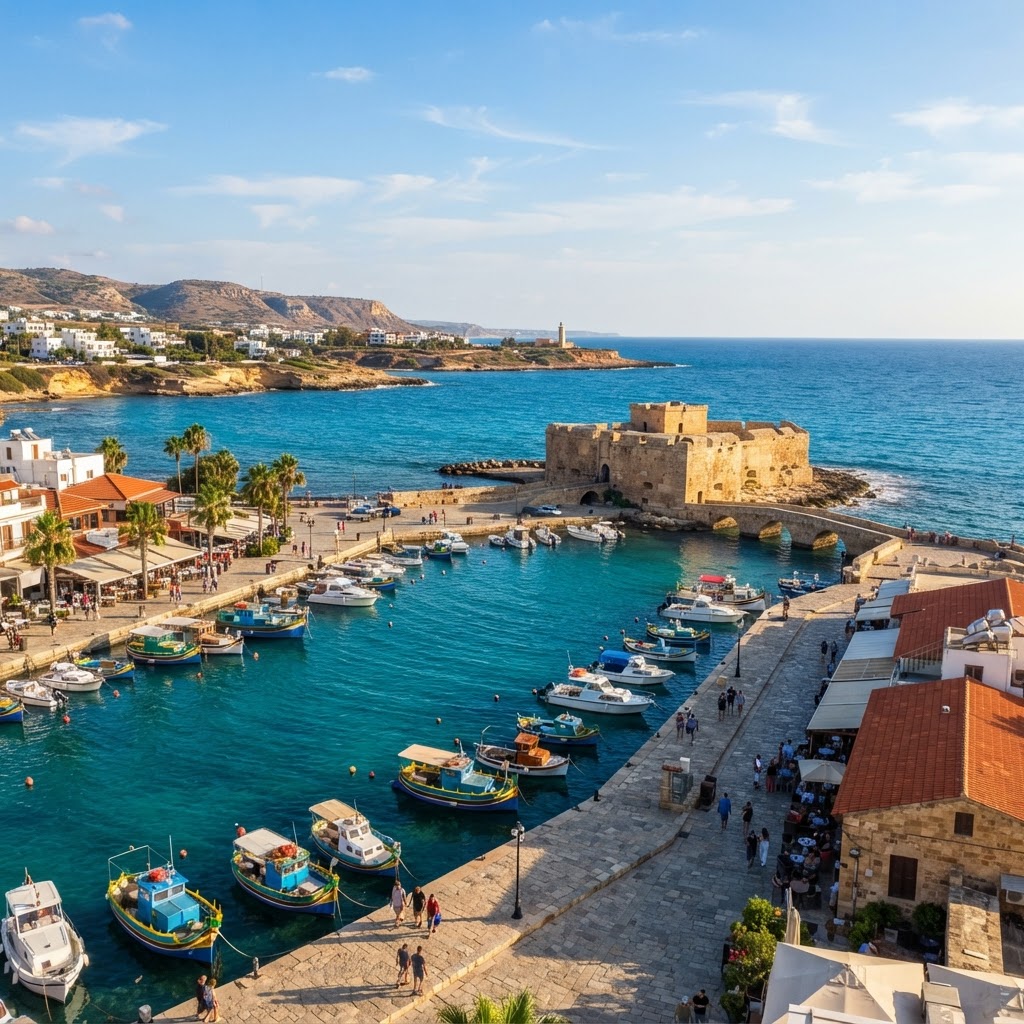
Paphos
Discover PaphosPaphos, located on the southwestern coast of Cyprus, is a city rich in history and culture, making it a unique destination for travelers seeking both relaxation and exploration. The city is recognized as a UNESCO World Heritage site, thanks to its numerous archaeological sites and ancient landmarks that showcase its storied past. Paphos was once the capital of Cyprus during the Roman period, and today it stands as a testament to the island's historical significance.The history of Paphos can be traced back to the Neolithic period, with evidence of human habitation dating back over 10,000 years. The city is famously associated with the Greek goddess Aphrodite, who is said to have been born from the sea foam near the region. This mythological connection adds a layer of allure to Paphos, drawing visitors interested in both history and mythology.Paphos is a melting pot of cultures, where influences from the Romans, Byzantines, and Venetians are evident in its architecture and traditions. The remnants of Roman villas adorned with exquisite mosaics can be found in the Paphos Archaeological Park, showcasing intricate designs that narrate stories from mythology and everyday life in ancient times. This park is a must-visit for anyone interested in the rich artistic heritage of the region.One of the defining features of Paphos is its coastal charm, with picturesque beaches and a stunning harbor that invites leisurely strolls and sunset views. The vibrant waterfront area is dotted with cafes, restaurants, and shops, providing a lively atmosphere where visitors can immerse themselves in local culture. The harbor also serves as a gateway to various boat tours and water sports, making it an ideal spot for those looking to enjoy the Mediterranean Sea.Paphos is not only about history and relaxation; it also offers a vibrant arts scene and local festivals that celebrate Cypriot culture. Throughout the year, visitors can enjoy various events, including the Paphos Aphrodite Festival, which features opera performances in a stunning outdoor setting. This celebration of art and culture enriches the experience of visitors and showcases the deep-rooted traditions of the city.The surrounding natural beauty of Paphos is another aspect that sets it apart. The nearby Akamas Peninsula, with its rugged landscapes and diverse flora and fauna, is perfect for hiking and outdoor adventures. Visitors can explore the stunning cliffs, secluded beaches, and crystal-clear waters that characterize this area, making it a paradise for nature lovers.In summary, Paphos is a destination that beautifully blends history, culture, and natural beauty. Whether you are wandering through ancient ruins, enjoying the local cuisine, or simply relaxing by the sea, Paphos offers a rich tapestry of experiences that cater to all types of travelers. Its significance as a historical and cultural hub makes it a must-visit location for anyone exploring Cyprus.Top Attractions in Paphos – Ranked and ReviewedPaphos is home to a myriad of attractions that cater to different interests, from history buffs to beach lovers. Here’s a ranked list of the top attractions in Paphos, as reviewed by real travelers on Stay4Exploring.1. Paphos Archaeological ParkRated as the top attraction in Paphos, the Archaeological Park is a treasure trove of ancient history. Visitors rave about the stunning mosaics found in the House of Dionysus, which depict intricate scenes from mythology. The park offers a captivating look into Roman life and is a must-visit for those interested in archaeology.2. Tombs of the KingsThis UNESCO World Heritage site is an impressive collection of tombs carved into solid rock, dating back to the Hellenistic and Roman periods. Travelers appreciate the serene atmosphere and the stunning architecture, making it a perfect spot for photography enthusiasts.3. Paphos Harbor and CastleThe picturesque harbor area is a favorite among visitors for its lively ambiance, dining options, and beautiful views. Many travelers recommend taking a stroll along the waterfront, with its charming cafes and shops. The medieval castle that overlooks the harbor adds a historical touch, and climbing to the top offers panoramic views of the coast.4. Akamas Peninsula National ParkFor nature lovers, the Akamas Peninsula is a paradise filled with hiking trails, stunning landscapes, and unique wildlife. Visitors often highlight the breathtaking views from the cliffs and the opportunity to explore secluded beaches. The park is ideal for outdoor activities like hiking, biking, and kayaking.5. Coral BayKnown for its crystal-clear waters and sandy beaches, Coral Bay is a favorite destination for those seeking sun and relaxation. Many travelers recommend this beach for families, as the shallow waters are perfect for children. The nearby restaurants offer delicious local cuisine, making it a great spot to unwind after a day in the sun.6. St. Paul’s ChurchThis charming church, built on the site where St. Paul is said to have preached, features beautiful frescoes and a peaceful atmosphere. Visitors appreciate its historical significance and often mention it as a serene retreat away from the busier tourist spots.7. The Paphos Aphrodite WaterparkThis waterpark is a hit with families and thrill-seekers alike. Rated highly for its fun attractions and well-maintained facilities, visitors enjoy a day of excitement with various slides and pools. It’s a great way to beat the heat, especially for families traveling with children.In conclusion, Paphos offers a diverse range of attractions that cater to various interests, ensuring that every visitor leaves with unforgettable memories. From historical sites to beautiful beaches and outdoor adventures, Paphos has something special for everyone.Planning Your Visit to PaphosPaphos, a captivating coastal city in Cyprus, offers a perfect blend of history, culture, and stunning natural beauty. To make the most of your visit, it’s essential to plan ahead. The best time to visit Paphos is during the spring (April to June) and fall (September to October) when the weather is pleasantly warm, and the tourist crowds are thinner. Summer months can be quite hot, with temperatures soaring above 30°C (86°F), while winters are mild and rainy, making it less ideal for beach activities.Getting to Paphos is straightforward. The city is served by the Paphos International Airport, which provides connections to various European cities. Upon arrival, you can rent a car or use public transport to explore the area. The bus service is reliable and budget-friendly, with routes connecting major attractions. However, renting a car is recommended for those who wish to explore the scenic countryside and hidden gems at their own pace.Getting around Paphos is easy, as most attractions are within walking distance of each other, especially in the picturesque harbor area. For longer journeys, taxis are readily available and reasonably priced. Biking is also a popular way to explore the coastal paths, allowing you to enjoy the beautiful Mediterranean views.When it comes to accommodation, there are plenty of options to cater to different budgets and preferences. For luxury seekers, the resorts along the coast offer stunning views and top-notch amenities. For a more local experience, consider staying in charming guesthouses or boutique hotels in the old town. Airbnb also has a variety of options ranging from apartments to villas. Whatever your choice, booking in advance is advisable, particularly during the peak tourist season.In summary, the key to a successful visit to Paphos lies in careful planning—understanding when to visit, how to get there, and where to stay will ensure that your trip is both enjoyable and memorable.Experience Paphos Like a LocalTo truly experience Paphos like a local, it’s essential to embrace the culture and customs of this enchanting city. Cypriots are known for their hospitality, and you’ll find that engaging with locals can significantly enrich your travel experience. A warm greeting in Greek, such as 'Kalimera' (good morning), can go a long way in establishing rapport.The food scene in Paphos is a delightful fusion of Mediterranean flavors, heavily influenced by Greek and Middle Eastern cuisines. Don’t miss trying traditional dishes like 'Souvlaki' (grilled meat skewers), 'Moussaka' (layered eggplant and meat dish), and 'Halloumi' (grilled cheese). The local tavernas often serve authentic meals made from fresh, locally-sourced ingredients. Pair your meal with a glass of Cypriot wine or 'Zivania', a potent local spirit.Cultural experiences abound in Paphos, from its ancient archaeological sites to vibrant festivals. The city is home to UNESCO World Heritage Sites, such as the Paphos Archaeological Park, where you can explore exquisite mosaics and ruins that tell the story of the city’s rich history. Engaging in local festivals, like the Paphos Aphrodite Festival, which celebrates the goddess of love with performances and events, provides an authentic glimpse into Cypriot traditions.Shopping in Paphos is another experience not to be missed. The local markets offer handmade crafts, traditional pottery, and unique souvenirs that reflect the island's culture. Don’t forget to bargain politely, as it’s part of the local shopping culture.For insider tips, consider joining a local cooking class or guided tour to discover the hidden gems of Paphos. These experiences allow you to learn about local culinary techniques and the history behind traditional dishes. Additionally, explore the less touristy neighborhoods and coastal paths to uncover picturesque scenery and quaint cafes where locals gather.Finally, take your time to relax and enjoy the slower pace of life in Paphos. Whether it’s sipping coffee at a seaside café or enjoying a sunset at the harbor, immersing yourself in the local rhythm will make your visit unforgettable.

Ottawa
Discover Ottawa Ottawa, the capital city of Canada, is a vibrant hub of culture, history, and political significance. Nestled along the banks of the Ottawa River, it is the fourth largest city in the country and serves as a gateway to understanding Canadian heritage and governance. Founded in the early 19th century, Ottawa was originally a lumber town, but it was chosen as the capital of the Province of Canada in 1857 by Queen Victoria, a decision that shaped its future and importance.One of the most notable features of Ottawa is its rich cultural tapestry. The city is home to a variety of museums, galleries, and theaters that celebrate Canada’s diverse heritage. The National Gallery of Canada, for example, houses an impressive collection of Canadian and Indigenous art, while the Canadian Museum of History offers insights into the nation’s past through engaging exhibits. Additionally, the Canadian War Museum provides a profound look into Canada's military history, showcasing artifacts and stories that resonate with visitors.Ottawa's significance extends beyond its political role as the seat of the federal government. It is also recognized for its majestic architecture, with the iconic Parliament Hill being a centerpiece. This stunning Gothic Revival complex overlooks the Ottawa River and is not only a functioning government building but also a symbol of Canadian democracy. Visitors can explore the grounds, witness the Changing of the Guard ceremony, and take guided tours to learn about the history and functions of the Canadian Parliament.Moreover, Ottawa stands out for its natural beauty. The Rideau Canal, a UNESCO World Heritage Site, winds through the city and transforms into the world’s largest skating rink in the winter, attracting locals and tourists alike. During the summer months, it is a hub for boating, walking, and cycling, framed by picturesque parks and green spaces. The city's commitment to preserving nature is evident in its numerous parks, including the expansive Gatineau Park just across the river, which offers hiking trails, scenic overlooks, and opportunities for wildlife viewing.Festivals and events are an integral part of Ottawa's cultural scene. The city hosts numerous celebrations throughout the year, including Winterlude, a festival dedicated to winter sports and activities, and Canada Day festivities that draw crowds to Parliament Hill for a day of celebration on July 1st. These events highlight the vibrant community spirit and the welcoming nature of Ottawa's residents.Ultimately, what makes Ottawa special is its blend of rich history, cultural vibrancy, and stunning natural landscapes. Whether you are exploring the historical sites, enjoying the arts scene, or simply strolling along the picturesque canal, Ottawa offers a unique and enriching experience that reflects the heart of Canada. Top Attractions in Ottawa – Ranked and Reviewed Ottawa boasts a wealth of attractions that cater to a variety of interests, and thanks to real traveler reviews on Stay4Exploring, visitors can easily find the top-rated experiences. Here are the must-see attractions that have earned accolades from those who have explored the city:1. Parliament Hill - No visit to Ottawa is complete without a tour of Parliament Hill. Rated as the top attraction, visitors rave about the stunning architecture and the informative guided tours. The Changing of the Guard ceremony is particularly praised for its pageantry. Travelers recommend booking a guided tour to fully appreciate the history and significance of this landmark.2. National Gallery of Canada - Art lovers flock to this premier gallery, which houses an impressive collection of Canadian and Indigenous art. Reviewers often highlight the striking architecture of the building itself, along with the serene setting of the surrounding gardens. Visitors suggest allowing plenty of time to explore the diverse exhibitions and temporary installations.3. Canadian Museum of History - Just across the river in Gatineau, this museum consistently receives high marks for its engaging exhibits and interactive displays. Visitors appreciate the thorough exploration of Canadian history, from Indigenous cultures to modern-day achievements. The stunning views of Parliament Hill from the museum's terrace are an added bonus.4. Rideau Canal - Rated as a top outdoor attraction, the Rideau Canal is a favorite for both summer and winter activities. Travelers have praised the scenic beauty of the canal, especially during the winter months when it transforms into the largest skating rink in the world. Boating and cycling are popular in the warmer months, with many visitors recommending the nearby pathways for leisurely strolls.5. ByWard Market - This bustling area is a food lover's paradise, featuring local vendors, restaurants, and shops. Visitors love exploring the vibrant atmosphere, sampling fresh produce, and indulging in local delicacies. The market is particularly lively on weekends, with many recommending it as a must-see for experiencing Ottawa's culinary scene.6. Canadian War Museum - This museum is highly rated for its thoughtful exhibitions and dedication to preserving Canada's military history. Reviewers note the emotional impact of the exhibits and the extensive collection of artifacts. Many recommend taking a guided tour to gain deeper insights into the narratives presented.7. Gatineau Park - For nature enthusiasts, Gatineau Park is an essential stop. Rated highly for its breathtaking scenery and extensive network of hiking and biking trails, visitors often highlight the park's tranquility and the opportunity to connect with nature. The lookout points provide stunning vistas, especially during the fall foliage.These attractions, ranked and reviewed by visitors, showcase the best of what Ottawa has to offer. Whether you're interested in history, art, food, or outdoor adventures, Ottawa promises an enriching experience that will leave lasting memories. Planning Your Visit to Ottawa Ottawa, the capital city of Canada, is a vibrant destination that offers a perfect blend of history, culture, and nature. When planning your visit, timing is crucial to fully enjoy the city’s offerings. The best time to visit Ottawa is during the spring (April to June) and fall (September to October) when the weather is mild, and the city is adorned with beautiful seasonal colors. Summer is also a popular time, bustling with festivals and outdoor activities, but it can be quite hot and crowded.Getting to Ottawa is convenient, as the city is well-connected by air, rail, and road. Ottawa Macdonald-Cartier International Airport is just a short drive from downtown, with numerous domestic and international flights arriving daily. Via Rail Canada provides train services from major cities like Toronto and Montreal, offering a scenic route through the Canadian landscape. If you prefer driving, Ottawa is easily accessible via the Trans-Canada Highway.Once in Ottawa, getting around is straightforward. The city boasts an efficient public transit system, including buses and the O-Train light rail service, which connects various neighborhoods and attractions. Biking is also a popular way to explore, with numerous bike paths throughout the city. For those who enjoy walking, downtown Ottawa is pedestrian-friendly, allowing visitors to discover charming streets and hidden gems at their own pace.When it comes to accommodations, Ottawa offers a wide range of options to suit every budget. For a luxurious stay, consider the Fairmont Château Laurier, a historic hotel located near Parliament Hill. If you prefer a boutique experience, the Andaz Ottawa Byward Market provides a contemporary atmosphere with stunning views. Budget travelers will find plenty of hostels and budget hotels, particularly around the ByWard Market area, which is lively and close to many attractions. Booking your stay in advance, especially during peak tourist seasons, is advisable to secure the best options and rates. Experience Ottawa Like a Local To truly experience Ottawa, it’s essential to immerse yourself in local customs and culture. Canadians are known for their friendliness and politeness, so a warm smile and a simple 'hello' can go a long way. Tipping is customary in restaurants and bars, typically around 15-20% of the total bill. It's also common to greet people with a handshake, and when meeting someone for the first time, addressing them with their title (Mr., Ms., Dr.) followed by their last name is considered respectful.No visit to Ottawa is complete without indulging in its culinary scene. Be sure to try local specialties such as BeaverTails, a delicious pastry that’s fried and topped with various sweet ingredients. The ByWard Market is a bustling hub of eateries, offering everything from gourmet restaurants to cozy cafes. Sample the diverse array of international cuisines reflecting the multicultural fabric of the city, including Vietnamese, Indian, and Mediterranean delights. In winter, warm up with a cup of hot chocolate from one of the many local chocolatiers.Ottawa boasts a rich cultural landscape, with numerous museums and galleries that celebrate its history and heritage. The National Gallery of Canada is a must-visit for art lovers, showcasing an impressive collection of Canadian and Indigenous art. For history enthusiasts, the Canadian Museum of History provides fascinating insights into Canada’s past, located just across the river in Gatineau.Insider tips for experiencing Ottawa like a local include attending seasonal festivals such as Winterlude in February, where you can enjoy ice skating on the Rideau Canal, or the Canadian Tulip Festival in May, which celebrates the city’s floral heritage. Also, don’t miss the Changing of the Guard ceremony at Parliament Hill during the summer months, a quintessential Ottawa experience. Take advantage of the scenic pathways along the canal for biking or walking, especially in the fall when the leaves change color.Lastly, engage with locals by visiting community events or markets, where you can learn more about the city’s culture firsthand. Whether you’re exploring the historical sites or enjoying the local food scene, Ottawa has something to offer every traveler, making it a destination worth experiencing like a true local.
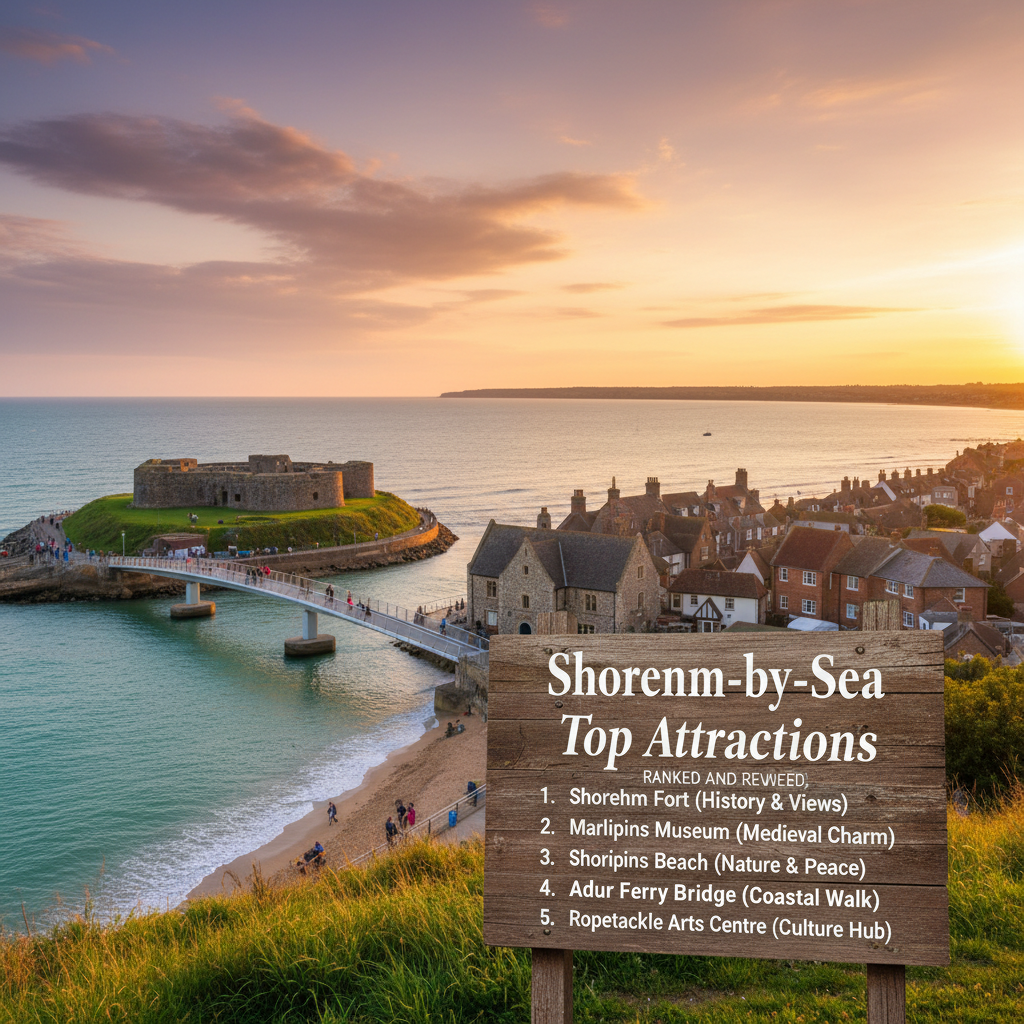
Shoreham-by-Sea
Discover Shoreham-by-Sea Shoreham-by-Sea is a charming coastal town located in West Sussex, England, nestled between the rolling hills of the South Downs and the shimmering waters of the English Channel. This picturesque town boasts a rich history dating back to the Bronze Age, with archaeological findings suggesting that the area has been inhabited for thousands of years. Its strategic location as a port and fishing village has significantly shaped its development over the centuries.The name Shoreham is thought to derive from the Old English term 'sceorham,' meaning 'the place where the shore meets the river.' The town's significance grew during the medieval period when it became a thriving trade hub. The construction of the River Adur's bridge in the late 18th century further enhanced its role as a vital link between the inland and the coast, facilitating trade and transport.Today, Shoreham-by-Sea is celebrated not only for its historical significance but also for its vibrant culture and community spirit. The town is home to a diverse population and a range of cultural events that reflect its rich heritage. The annual Shoreham Kite Festival, for example, attracts visitors from far and wide, showcasing stunning kites against the backdrop of the sea. The town's arts scene is thriving, with local galleries and studios featuring the work of talented artists and craftsmen.One of Shoreham's most notable features is its picturesque waterfront, which offers stunning views of the Sussex coastline. The beach is a popular destination for both locals and visitors, providing opportunities for sunbathing, swimming, and various water sports. The town is also home to the historic Shoreham Harbour, a working port that has been revitalized to include shops, cafes, and leisure facilities, making it a delightful place to explore.Shoreham-by-Sea is also significant for its commitment to sustainability and community-led initiatives. The town is home to several eco-friendly projects, including community gardens and local farmers' markets that promote organic and locally sourced produce. This focus on sustainability not only enhances the quality of life for residents but also attracts eco-conscious travelers looking to experience a destination that values its environment.What makes Shoreham-by-Sea truly special is its blend of natural beauty, historical charm, and a lively community atmosphere. Visitors can enjoy a leisurely stroll along the beach, explore the quaint streets lined with independent shops and cafes, or take in the stunning views from the South Downs National Park. With its welcoming spirit and rich array of experiences, Shoreham-by-Sea is a hidden gem on the Sussex coast that promises unforgettable memories for all who visit. Top Attractions in Shoreham-by-Sea – Ranked and Reviewed Shoreham-by-Sea is rich in attractions that cater to a wide range of interests. From historical sites to natural beauty, visitors have plenty of options to explore. The following are the top attractions in Shoreham-by-Sea, ranked and reviewed by real travelers on Stay4Exploring.1. Shoreham BeachRated as one of the top attractions, Shoreham Beach offers stunning views and a tranquil atmosphere. Visitors rave about the sandy stretches and the opportunity for bird watching. The beach is also family-friendly, making it perfect for a day out with children. Many reviews highlight the cleanliness and accessibility of the beach, with several cafes nearby for refreshments.2. Adur River WalkThis scenic walkway along the River Adur has received high praise for its picturesque views and peaceful environment. Travelers appreciate the opportunity to see local wildlife, including swans and various bird species. Many walkers enjoy the well-maintained paths and the accessibility for all ages. The walk is particularly beautiful at sunset, making it a favorite for photographers.3. Shoreham FortA historical gem, Shoreham Fort is a must-visit for history enthusiasts. Visitors have noted the informative displays and the friendly volunteers who provide insights into the fort's history. The fort's location offers panoramic views of the coastline, making it a great spot for a photo opportunity. Many reviews express a desire for more guided tours, showcasing the fort's rich past.4. Shoreham Farmers' MarketHeld every Sunday, the Shoreham Farmers' Market is highly rated for its fresh produce and local artisan goods. Travelers appreciate the friendly atmosphere and the chance to meet local producers. Many reviews highlight the variety of organic options available, along with delicious street food stalls. This market is an excellent way to experience the local culture and cuisine.5. The Old Fort, ShorehamAnother historical site, The Old Fort offers a glimpse into Shoreham's military past. Visitors enjoy exploring the well-preserved structures and learning about the fort's significance during various conflicts. The site is often described as educational and engaging, making it a great family outing.6. South Downs National ParkJust a stone's throw from Shoreham-by-Sea, the South Downs National Park is a highlight for nature lovers. Hikers and cyclists alike appreciate the stunning landscapes and diverse wildlife. Many travelers recommend checking out the various trails suited for all skill levels, ensuring everyone can enjoy the breathtaking views.In conclusion, Shoreham-by-Sea offers a diverse array of attractions that cater to all interests. Whether you are drawn to its natural beauty, historical sites, or vibrant community events, the town provides visitors with a unique experience and lasting memories. Planning Your Visit to Shoreham-by-Sea Shoreham-by-Sea, a picturesque town nestled along the southern coast of England, is renowned for its charming atmosphere, stunning beaches, and vibrant community. When planning your visit, it’s essential to consider the best time to explore this delightful destination. The peak season runs from late spring to early autumn, particularly from May to September, when the weather is warm and ideal for outdoor activities. During this time, you can enjoy the local beaches, gardens, and numerous festivals that take place. However, if you prefer a quieter experience, visiting in the shoulder seasons of late autumn or early spring can provide a more peaceful atmosphere while still allowing you to enjoy beautiful coastal walks and local attractions. Getting to Shoreham-by-Sea is relatively straightforward, as the town is well-connected by both road and rail. If you’re traveling from London, the train journey from Victoria Station to Shoreham takes about an hour. Alternatively, if you prefer driving, the A27 dual carriageway provides easy access from nearby cities such as Brighton and Worthing. Once you arrive, you’ll find that the town is compact and easy to navigate on foot. Cycling is also a popular option, with several bike rental shops available. For those who prefer public transport, local buses operate regularly, connecting you to nearby attractions and towns. When it comes to accommodations, Shoreham-by-Sea offers a range of options to suit various budgets and preferences. For a cozy and intimate experience, consider staying in one of the charming bed-and-breakfast establishments located within walking distance of the beach and local amenities. If you’re seeking something more upscale, there are boutique hotels that offer modern amenities and stunning sea views. Additionally, self-catering apartments are available for those who prefer a home-like environment during their stay. Regardless of where you choose to stay, booking in advance, especially during the peak season, is advisable to secure the best rates and availability. Experience Shoreham-by-Sea Like a Local To truly experience Shoreham-by-Sea like a local, it’s important to embrace the town’s customs and culture. The residents take pride in their community, and engaging with locals can lead to unique insights and experiences. One local custom to be aware of is the importance of greetings; when entering shops or cafes, a friendly ‘hello’ or ‘good morning’ goes a long way in fostering goodwill. Additionally, taking part in community events, such as local markets or festivals, is a fantastic way to immerse yourself in the culture. The culinary scene in Shoreham-by-Sea is diverse and reflects the town’s coastal heritage. Seafood lovers will enjoy the many local restaurants that serve fresh catches from the sea. Be sure to try the traditional fish and chips, best enjoyed at one of the beachside establishments while overlooking the waves. For a taste of the local produce, visit the Shoreham Farmers’ Market, held every second and fourth Saturday of the month, where you can sample artisan cheeses, organic vegetables, and homemade pastries. The thriving café culture also means you’ll find numerous spots to enjoy a delightful afternoon tea or a hearty breakfast. Shoreham-by-Sea is rich in cultural experiences, from art galleries and local theaters to history and architecture. Explore the Shoreham Fort, a coastal defense structure built in the 19th century, or wander through the Adur Valley, where you can take in the stunning landscape and spot local wildlife. The town’s arts scene is also vibrant, with several galleries showcasing works from local artists. Don’t miss the chance to visit the Shoreham Art Gallery, which features rotating exhibitions and offers a glimpse into the creative spirit of the area. For insider tips, be sure to check out the local events calendar for live music, theatre performances, and seasonal festivals. Engaging with locals at pubs or cafes can also lead to recommendations for lesser-known spots that may not be on the tourist radar. Lastly, don’t forget to take advantage of the beautiful coastal walks that stretch along the shoreline, providing a perfect opportunity for stunning views and a bit of tranquility. Whether you’re enjoying a leisurely stroll or mingling with locals at a community event, Shoreham-by-Sea offers a vibrant and welcoming experience that captures the essence of coastal England.

Vale do Lobo
Discover Vale do Lobo Vale do Lobo, located in the Algarve region of southern Portugal, is a stunning coastal resort renowned for its beautiful beaches, luxurious amenities, and vibrant lifestyle. Established in the 1960s, Vale do Lobo was designed as an exclusive residential and holiday destination that has since evolved into one of the most sought-after locations in Portugal. Its name, which translates to 'Valley of the Wolf,' reflects the natural beauty and rugged terrain that characterize this picturesque locale. The significance of Vale do Lobo extends beyond its picturesque landscape; it is a microcosm of Portuguese culture and modern luxury. This area has attracted celebrities, athletes, and affluent travelers who seek both leisure and adventure. The resort is known for its world-class golf courses, namely the Royal and Ocean courses, which are frequently ranked among the best in Europe. These courses, designed by esteemed architects, offer breathtaking views of the coastline and the surrounding gardens. Vale do Lobo is also a hub for a variety of cultural events. The resort hosts art exhibitions, wine tastings, and live music performances, allowing visitors to immerse themselves in local culture. The annual Vale do Lobo International Tennis Tournament draws tennis enthusiasts from around the world, while traditional Portuguese festivals celebrate local customs and gastronomy. What sets Vale do Lobo apart from other destinations is its commitment to sustainability and preservation. The area is home to the Ria Formosa Natural Park, a UNESCO Biosphere Reserve that boasts diverse ecosystems and rich wildlife. Visitors can explore the park's wetlands, lagoons, and sandy islands, providing an opportunity to appreciate the region's natural beauty while participating in eco-friendly activities. In addition to its outdoor activities, Vale do Lobo offers a variety of dining options, from fine dining establishments to casual beachside eateries. Visitors can savor traditional Portuguese dishes, such as grilled sardines, caldeirada (fish stew), and pastéis de nata (custard tarts), all while enjoying stunning ocean views. Vale do Lobo's cultural significance is also reflected in its community spirit. The resort is home to a diverse population, including expatriates and locals who contribute to a unique blend of traditions and lifestyles. This melting pot of cultures is evident in the various shops, restaurants, and markets that line the streets, where visitors can find handmade crafts, local wines, and artisanal products. In conclusion, Vale do Lobo is more than just a luxurious holiday destination; it is a place steeped in history, culture, and community. Its commitment to preserving the environment, along with its rich cultural offerings, make it a special place to visit. Whether you are looking for relaxation on the beach, adventure on the golf course, or a taste of local culture, Vale do Lobo has something for everyone. Top Attractions in Vale do Lobo – Ranked and Reviewed Vale do Lobo is home to a range of attractions that cater to diverse interests, making it an ideal destination for families, couples, and solo travelers alike. Each attraction has been ranked and reviewed by real visitors, providing insights into what makes these experiences special. 1. Vale do Lobo BeachOne of the main highlights of Vale do Lobo is its stunning beach, which offers soft golden sands and crystal-clear waters. Rated as one of the best beaches in the Algarve, it is perfect for sunbathing, swimming, and beach sports. Visitors particularly enjoy the beach bar scene, where they can grab a refreshing drink while soaking in the sun. 2. Royal Golf CourseGolf enthusiasts will find the Royal Golf Course to be a must-visit attraction. This 18-hole course, designed by the renowned architect Arnold Palmer, offers challenging play amidst breathtaking views of the coastline. The course is often praised for its well-maintained greens and stunning scenery. Reviews from golfers highlight the professionalism of the staff and the overall golfing experience. 3. Ocean Golf CourseAdjacent to the Royal Course, the Ocean Golf Course is equally impressive and frequently receives high ratings from visitors. Known for its breathtaking cliffs and views of the Atlantic Ocean, this course features a mix of challenging holes and picturesque landscapes. Golfers of all skill levels appreciate the warm hospitality of the staff and the well-organized tournaments held throughout the year. 4. Ria Formosa Natural ParkThis UNESCO Biosphere Reserve is a paradise for nature lovers. Visitors can explore the park's diverse ecosystems, including wetlands, marshes, and sandy islands. Birdwatchers rave about the opportunity to spot rare species, while hikers enjoy the scenic trails. Many reviews mention guided tours that enhance the experience, offering insights into the local flora and fauna. 5. Vale do Lobo Tennis AcademyFor sports enthusiasts, the Vale do Lobo Tennis Academy is a top-rated destination. With state-of-the-art facilities and professional coaching, the academy caters to players of all levels. Visitors appreciate the welcoming atmosphere and the chance to participate in friendly matches and tournaments. Many reviews highlight the academy's ability to foster a love for the sport, making it a fantastic experience for families. 6. Local Dining OptionsVale do Lobo boasts a variety of dining options, ranging from upscale restaurants to casual beach bars. Reviews often mention the fresh seafood offerings, especially grilled fish and traditional Portuguese dishes. Visitors recommend trying local wines and desserts to complete the culinary experience. Restaurants such as Sandbanks and La Crema consistently receive high ratings for their ambiance and quality of food. 7. Water SportsFor those seeking adventure, Vale do Lobo offers an array of water sports, including jet skiing, paddleboarding, and kayaking. Visitors appreciate the availability of rental services and guided tours, making it easy to explore the coastline from the water. Reviews highlight the friendly instructors who ensure a safe and enjoyable experience. In conclusion, Vale do Lobo is rich in attractions that cater to a variety of interests. From stunning beaches and world-class golf courses to natural parks and culinary delights, each experience is rated and reviewed by travelers, ensuring that you can plan your visit with confidence. Planning Your Visit to Vale do Lobo Planning your visit to Vale do Lobo can be an exciting endeavor, as this beautiful destination offers a variety of experiences throughout the year. Understanding the best time to visit, how to get there, navigate the area, and where to stay will enhance your overall experience. Best Time to VisitThe best time to visit Vale do Lobo is during the spring (March to May) and autumn (September to November) months. During these periods, the weather is pleasantly warm, with temperatures averaging between 20°C to 25°C (68°F to 77°F). These shoulder seasons also offer fewer crowds compared to the peak summer months, making it easier to explore attractions and enjoy the beach. Summer (June to August) is the peak tourist season, characterized by hot weather and vibrant beach life, but it can become crowded. Getting ThereVale do Lobo is easily accessible, located approximately 20 kilometers (12 miles) from Faro Airport, the main airport serving the Algarve region. Visitors can take a taxi, shuttle bus, or rent a car for the short drive to the resort. The scenic coastal road provides stunning views of the Mediterranean landscape, making the journey enjoyable. If traveling from Lisbon, the distance is about 260 kilometers (162 miles), and visitors can either drive or take a train to Faro and then continue by taxi or rental car. Getting AroundOnce in Vale do Lobo, getting around is convenient. The resort offers a range of transportation options, including rental cars, bicycles, and taxis. Many attractions and amenities are within walking distance, making it easy for visitors to explore the area on foot. Biking is also a popular way to navigate the scenic coastlines and nearby natural parks. For those who prefer a more relaxed mode of transport, taxis are readily available for short journeys. Where to StayVale do Lobo offers a variety of accommodation options to suit different preferences and budgets. High-end resorts such as Vale do Lobo Resort and Hotel Aqua Ria provide luxurious amenities, including spas, swimming pools, and fine dining. For those seeking more independence, self-catering apartments and villas are available for rent, allowing visitors to enjoy a home-away-from-home experience. Many of these properties come equipped with kitchens, private pools, and stunning views of the surrounding landscapes. For budget-conscious travelers, there are also guesthouses and hostels that offer comfortable stays at more affordable rates. Regardless of your choice of accommodation, booking in advance is recommended, especially during the peak tourist season, to ensure availability and the best rates. In conclusion, planning your visit to Vale do Lobo involves considering the best time to visit, transportation options, and accommodation choices. With its stunning landscapes, luxurious amenities, and diverse activities, Vale do Lobo promises an unforgettable experience for every traveler. Experience Vale do Lobo Like a Local Experiencing Vale do Lobo like a local involves immersing yourself in its rich culture, traditions, and culinary delights. Understanding local customs and exploring beyond the typical tourist attractions will enhance your visit and provide a deeper connection to this beautiful destination. Local CustomsVale do Lobo is influenced by both traditional Portuguese culture and the cosmopolitan lifestyle of its residents. Locals place great importance on family values and community, often gathering for meals and festivities. During your visit, you may notice that dining is a social event, with families and friends coming together to share food and conversation. Embracing this local custom by dining at family-run restaurants can offer a more authentic experience. FoodFood is a significant aspect of Portuguese culture, and Vale do Lobo is no exception. The region is known for its fresh seafood, with dishes such as bacalhau à brás (cod with potatoes and eggs) and cataplana (seafood stew) being local favorites. Don’t miss trying francesinha, a hearty sandwich made with layers of meat, cheese, and a rich tomato sauce, which is a specialty from the northern region of Portugal but has made its way into Algarve menus. Another delightful experience is to sample petiscos, the Portuguese version of tapas. These small plates allow you to taste a variety of local flavors, and they are often enjoyed with a glass of vinho verde or a robust Alentejo red wine. Visit local markets, such as the Mercado Municipal de Loulé, to find fresh produce, traditional cheeses, and artisanal products. Engaging with vendors and learning about their offerings can add a personal touch to your culinary experience. Cultural ExperiencesTo truly experience Vale do Lobo like a local, consider attending local events and festivals. The Festa de São Martinho, celebrated in November, is a traditional harvest festival where locals gather to enjoy roasted chestnuts, wine, and folk music. Participating in such events allows you to connect with the community and gain insights into Portuguese customs. Insider Tips1. Learn Basic Portuguese Phrases: While many locals speak English, learning a few basic Portuguese phrases can enhance your interactions and show respect for the culture. 2. Explore Nearby Villages: Take the time to explore nearby towns such as Almancil and Quarteira, known for their charming streets, local shops, and authentic dining experiences. 3. Visit During Off-Peak Hours: To avoid crowds at popular attractions, try visiting during off-peak hours, particularly for dining and beach outings. 4. Engage with Locals: Don’t hesitate to strike up conversations with locals. They often have valuable recommendations for hidden gems and local favorites that may not be found in guidebooks. In conclusion, experiencing Vale do Lobo like a local involves embracing the culture, savoring the cuisine, and connecting with the community. By immersing yourself in local customs and exploring beyond the typical tourist path, you will create lasting memories of your time in this beautiful Algarve resort.
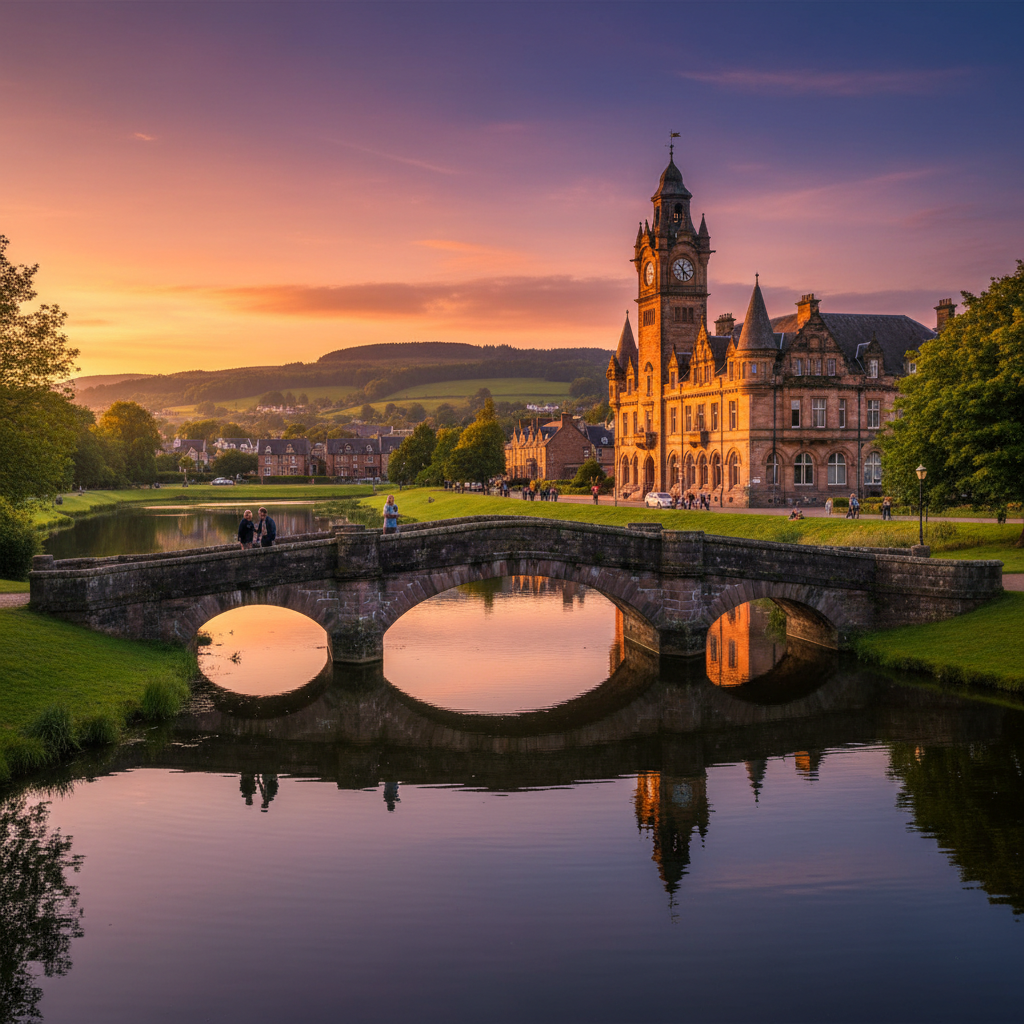
Airdrie
Discover Airdrie Nestled in the heart of North Lanarkshire, Airdrie is a vibrant town that boasts a rich history and a unique cultural identity. Originally a coal mining town, Airdrie has transformed over the years, evolving into a thriving community with a character all its own. The town's roots can be traced back to the 18th century when it was primarily a rural area, but it quickly grew during the Industrial Revolution, which brought a surge of population and economic development. Airdrie is steeped in history, with numerous historical sites that tell the story of its past. One notable landmark is the Airdrie Town Hall, a beautiful Victorian structure that serves as a focal point for local events and community gatherings. The town also features several churches and buildings that reflect its rich architectural heritage, including the impressive St. Andrew's Church, which is a testament to the town's long-standing religious traditions. The cultural significance of Airdrie is further highlighted by its strong community spirit and commitment to the arts. The town hosts various festivals throughout the year, celebrating everything from music to local food. The Airdrie Arts Centre is a hub for creative expression, offering classes, workshops, and exhibitions that showcase the talents of local artists. This focus on the arts not only enriches the community but also attracts visitors looking for a taste of local culture. One of the aspects that makes Airdrie truly special is its friendly and welcoming atmosphere. Residents take pride in their town and are always eager to share their stories and recommendations with visitors. This sense of community is palpable, making Airdrie a delightful place to explore. Whether you’re wandering through the local parks, enjoying a cup of coffee in a cozy café, or engaging with locals at a marketplace, you’ll find that Airdrie offers a genuine Scottish experience. In addition to its historical and cultural significance, Airdrie is strategically located near major cities like Glasgow and Edinburgh, making it an ideal base for exploring the wider region. The town's excellent transport links mean that visitors can easily venture out to discover the stunning Scottish countryside or delve into the vibrant urban life of nearby cities. However, many travelers find that Airdrie itself has plenty to offer, from scenic parks and recreational areas to a diverse range of shops and restaurants. In summary, Airdrie is a destination that beautifully blends history, culture, and community spirit. Its significance as a former industrial hub, coupled with its ongoing commitment to the arts and community engagement, makes it a noteworthy stop on any Scottish itinerary. Whether you’re a history buff, an art enthusiast, or simply looking to experience the warmth of Scottish hospitality, Airdrie is sure to leave a lasting impression. Top Attractions in Airdrie – Ranked and Reviewed Airdrie offers a variety of attractions that cater to diverse interests, all of which have been ranked and reviewed by real travelers on Stay4Exploring. Here are the top attractions that you won’t want to miss during your visit. 1. Airdrie Town Hall - Rated 4.8/5This stunning Victorian building is not only a historical landmark but also serves as a cultural venue for events and performances. Visitors appreciate its architectural beauty and the variety of events hosted here, from concerts to community gatherings. Many reviewers highlight the warm atmosphere and excellent acoustics, making it a must-visit for art and music enthusiasts. 2. Drumpellier Country Park - Rated 4.7/5A haven for nature lovers, Drumpellier Country Park offers expansive green spaces, scenic walking trails, and a picturesque loch. Travelers rave about its tranquility, making it perfect for leisurely strolls, picnics, and outdoor activities. Families particularly enjoy the playgrounds and the opportunity to spot local wildlife. 3. Airdrie Library - Rated 4.6/5This modern library is not just a resource for books; it’s a community hub that offers events, workshops, and free internet access. Visitors commend the friendly staff and the inviting atmosphere, making it a great place to relax and immerse oneself in local literature. 4. The Airdrie Arts Centre - Rated 4.5/5For those interested in the arts, the Airdrie Arts Centre is a treasure trove of creativity. From art exhibitions to workshops, this center provides a platform for local artists to showcase their work. Many reviewers appreciate the variety of classes available and the opportunity to engage with the local art scene. 5. St. Andrew's Church - Rated 4.4/5This historic church is known for its stunning architecture and serene atmosphere. Visitors often mention the beautiful stained-glass windows and the peaceful surroundings, making it a perfect spot for reflection. The church also hosts community events, adding to its significance in Airdrie. 6. Airdrie Marketplace - Rated 4.3/5For a taste of local life, Airdrie Marketplace is the place to be. This bustling market features a variety of stalls offering everything from fresh produce to handmade crafts. Travelers appreciate the friendly vendors and the vibrant atmosphere, making it a great spot to shop for souvenirs and local delicacies. Airdrie’s attractions reflect its rich history and vibrant culture, ensuring that every visitor can find something to enjoy. With glowing reviews from travelers, these top-rated experiences will make your visit to Airdrie memorable and fulfilling. Planning Your Visit to Airdrie Airdrie, located in North Lanarkshire, Scotland, is a charming town that offers visitors a blend of rich history, vibrant community spirit, and stunning landscapes. When planning your visit, consider the best time to explore this hidden gem. The peak tourist season runs from late spring through early autumn (May to September), when the weather is mild and favorable for outdoor activities. However, if you prefer a quieter experience with fewer crowds, consider visiting during the shoulder seasons of late autumn or early spring.Getting to Airdrie is straightforward, thanks to its convenient location just 12 miles east of Glasgow. The town is easily accessible by road, with the M8 motorway providing direct links to major cities like Edinburgh and Glasgow. For those flying in, Glasgow International Airport is the nearest major airport, with various transportation options available, including car rentals, taxis, and public transport services. If you’re traveling by train, Airdrie has its own railway station with regular services connecting to Glasgow and other surrounding areas.Once you arrive, getting around Airdrie is relatively easy. The town is pedestrian-friendly, and many of its attractions are within walking distance of each other. For longer distances or to explore the beautiful Scottish countryside, consider renting a bicycle or using public transport, which includes buses and trains. Local bus services are efficient and can take you to nearby towns and attractions.When it comes to accommodation, Airdrie offers a variety of options to suit different budgets and preferences. For a unique experience, consider staying at a local bed and breakfast, where you can enjoy a warm Scottish welcome and homemade breakfast. Popular choices include the Airdrie Guest House and the Davaar House, both known for their comfort and hospitality. If you prefer hotels, options such as the Best Western Airdrie and the Mondo Hotel provide modern amenities and convenient access to local attractions. For those seeking a more immersive experience, consider renting a self-catering cottage or apartment, which allows you to experience life as a local.Regardless of where you choose to stay, Airdrie is a delightful base for exploring the surrounding region, making it a great choice for travelers seeking both adventure and relaxation. Be sure to check out local reviews on platforms like Stay4Exploring to find the best attractions and hidden gems tailored to your interests. Experience Airdrie Like a Local To truly experience Airdrie like a local, immerse yourself in the town’s customs, food, and culture. The community here is known for its friendliness and hospitality, so don’t hesitate to engage with locals during your visit. Airdrie hosts various community events throughout the year, such as the Airdrie Farmers’ Market, which takes place every third Saturday of the month and showcases local produce, crafts, and delicacies. Attending such events is a great way to understand the local culture and meet residents.Food is a significant aspect of Scottish culture, and Airdrie is no exception. The town boasts a variety of eateries that serve traditional Scottish fare. Be sure to sample local favorites such as haggis, neeps, and tatties, which can be found at pubs like The Crown Inn or The Cochrane Castle. For those with a sweet tooth, don’t miss out on trying tablet, a traditional Scottish confection, or a slice of the famous Scottish shortbread. Fish and chips are also a must-try, with several local fish fryers serving up this classic dish.Scotland is also known for its whisky, and while Airdrie may not have distilleries within the town, many pubs offer a fantastic selection of Scotch whiskies. Engage in a whisky tasting session at a local pub and learn about the different types and regions of whisky production from knowledgeable staff. This experience will deepen your appreciation for Scotland’s national drink.Culturally, Airdrie is home to a vibrant arts scene. The Airdrie Arts Centre hosts various exhibitions, performances, and workshops throughout the year, showcasing local talent. Attend a show or workshop to gain insight into the artistic expression prevalent in the community. Additionally, the town celebrates its history through landmarks like the Airdrie Library and the historic Airdrie Town Hall, where you can learn about the town’s rich heritage.When it comes to insider tips, consider taking a stroll along the Airdrie to Bathgate Railway Path, a scenic route that offers beautiful views and a chance to connect with nature. This path is popular among locals for walking, cycling, and jogging. Lastly, don’t forget to engage with locals on social media or travel platforms like Stay4Exploring for recommendations on hidden gems and off-the-beaten-path attractions. By embracing the local customs and indulging in the flavors of Airdrie, you’ll create lasting memories of your visit to this charming Scottish town.
Vipava Valley
Discover Vipava Valley Nestled in the heart of Slovenia, the Vipava Valley is a stunning region renowned for its picturesque landscapes, rich history, and vibrant culture. This valley, located between the Julian Alps and the Adriatic Sea, offers travelers a unique blend of natural beauty and cultural heritage. The Vipava River winds its way through the valley, creating a fertile environment that has supported agriculture and viticulture for centuries. The history of Vipava Valley is deeply intertwined with the ancient Roman civilization. The town of Vipava, from which the valley takes its name, was once a significant settlement during Roman times, known as the Roman city of Emona. The remnants of this era can still be observed in the architecture and archaeological sites scattered throughout the valley. As you explore the area, you may encounter the ruins of ancient Roman villas, showcasing the engineering prowess of the time. One of the defining features of the Vipava Valley is its wine production. The region is famous for its high-quality wines, particularly white varieties such as Zelen, Pinela, and Rebula. Vineyards blanket the hillsides, and many local wineries offer tours and tastings, allowing visitors to experience the rich flavors that have been cultivated here for generations. The annual Vipava Wine Festival, held in late September, celebrates this viticultural heritage and draws wine enthusiasts from all over the country. Culturally, the Vipava Valley is vibrant and diverse. The valley is home to various festivals and events that highlight its traditions, including the famous Vipava Valley Folklore Festival, which showcases local music, dance, and crafts. Visitors can also immerse themselves in the local customs by participating in traditional events or visiting local artisans who preserve centuries-old crafts. Outdoor enthusiasts will find plenty to love about the Vipava Valley. With its dramatic cliffs, rolling hills, and the stunning backdrop of the Julian Alps, the region is a paradise for hikers, cyclists, and adventure seekers. Popular activities include paragliding, rock climbing, and exploring the numerous trails that wind through the valley. The natural beauty of the area has earned it recognition as a UNESCO Biosphere Reserve, emphasizing its ecological significance and the importance of preserving its unique landscapes. In summary, the Vipava Valley stands out as a destination that offers much more than stunning views. Its rich history, vibrant culture, and outdoor activities make it a must-visit location for any traveler. Whether you are a wine lover, history buff, or outdoor adventurer, the valley promises a memorable experience filled with local charm and beauty. Top Attractions in Vipava Valley – Ranked and Reviewed The Vipava Valley is teeming with attractions that cater to all interests, from history enthusiasts to nature lovers. Below are some of the top-rated attractions, reviewed by real travelers who have explored this enchanting region. Vipava Wine Route - This scenic route winds through the valley’s best vineyards, allowing visitors to taste local wines while enjoying breathtaking views. Many wineries offer guided tours and tastings, where you can learn about the winemaking process and sample exquisite varieties. Travelers rave about the warm hospitality of the vintners and the quality of the wines. Ajdovščina - A charming town known for its rich historical significance, Ajdovščina is home to several archaeological sites, including the remnants of a Roman fort. The town’s vibrant cultural scene is highlighted by the annual Ajdovščina Cultural Summer, featuring concerts, theater performances, and art exhibitions. Visitors appreciate the blend of history and modernity that this town offers. Predjama Castle - Just a short drive from the valley, this stunning castle built into a cliff is a must-see. It is one of Slovenia's most iconic landmarks, boasting a dramatic history that includes tales of knights and sieges. Travelers often comment on the castle's breathtaking views and fascinating guided tours that delve into its storied past. Soča River Adventures - The turquoise waters of the Soča River offer thrilling activities like rafting, kayaking, and fishing. Many visitors have enjoyed guided tours that provide all necessary equipment and expert instruction. The stunning scenery and adrenaline-pumping experiences make this a popular attraction for adventure seekers. Local Farmers’ Markets - Experience the vibrant local culture by visiting one of the region's farmers’ markets, where you can find fresh produce, homemade cheeses, and artisanal crafts. Travelers love the friendly atmosphere and the chance to interact with local vendors, making it a great way to immerse yourself in the community. Hiking in the Trnovo Forest - For nature enthusiasts, the Trnovo Forest offers extensive hiking trails that showcase the area’s rich biodiversity. Hikers can explore various routes that cater to different skill levels, with trails leading to stunning viewpoints and hidden waterfalls. Reviews highlight the tranquility of the forest, making it an ideal escape from the hustle and bustle. Each of these attractions provides a unique glimpse into the beauty and charm of the Vipava Valley. Whether you are indulging in local wines, exploring historical sites, or enjoying outdoor adventures, the experiences here are sure to create lasting memories. Travelers consistently highlight the friendliness of the locals and the inviting atmosphere that makes the Vipava Valley truly special. Planning Your Visit to Vipava Valley When planning a trip to the Vipava Valley, several factors come into play to ensure a fulfilling experience. Here’s a guide to help you make the most out of your visit. Best Time to Visit The Vipava Valley is a year-round destination, but the best time to visit largely depends on your interests. Spring (April to June) and autumn (September to October) are ideal for those looking to enjoy mild weather, vibrant landscapes, and fewer crowds. These seasons are particularly popular for wine tours, as vineyards are in full bloom during spring and harvest season in autumn. Summer (July to August) attracts many visitors for outdoor activities and festivals, making it the peak tourist season. While the weather is warm and perfect for hiking and paragliding, expect larger crowds and higher accommodation prices. Winter (November to March) offers a quieter experience, especially for those interested in winter sports in the nearby Julian Alps. Getting There The Vipava Valley is easily accessible from major cities in Slovenia, including Ljubljana and Trieste, Italy. The nearest airport is Ljubljana Jože Pučnik Airport, approximately 90 kilometers away. From the airport, you can rent a car or take a shuttle service to reach the valley. Alternatively, the region is well-connected by public transport, with regular bus services from Ljubljana and other surrounding towns. Getting Around Exploring Vipava Valley is best done by car, as this gives you the freedom to visit remote wineries, historical sites, and outdoor attractions at your own pace. There are also bicycle rental shops available, making cycling a popular option for those who wish to enjoy the scenic routes. In towns like Ajdovščina and Vipava, you can easily navigate on foot, with many attractions within walking distance. Where to Stay Accommodation options in the Vipava Valley cater to various preferences and budgets. For a taste of local hospitality, consider staying at a family-run guesthouse or a wine estate. These establishments often provide authentic experiences, including home-cooked meals and wine tastings. Some popular options include: Penzion in Vina Burja – A charming guesthouse with comfortable rooms and an on-site winery offering tastings. Hotel Ajdovščina – A modern hotel in the town center, providing easy access to local attractions. Vineyard Cottages – For a unique experience, consider renting a cottage in the vineyards, where you can relax amid stunning landscapes and enjoy local wines. With careful planning, your visit to the Vipava Valley will be an unforgettable experience filled with adventure, culture, and breathtaking scenery. Whether you’re indulging in local wines, exploring historical sites, or taking in the natural beauty, the valley promises to enchant visitors time and again. Experience Vipava Valley Like a Local To truly immerse yourself in the Vipava Valley experience, it’s essential to embrace the local customs, flavors, and culture. Here are some ways to enjoy the valley like a true local. Local Customs and Traditions The people of the Vipava Valley are known for their warm hospitality and strong community spirit. Engaging with locals during your visit can provide valuable insights into the region’s traditions and way of life. One local custom worth experiencing is the "Pohod po Vinski Cesti," or Wine Road Walk, where locals invite visitors to join them in exploring the vineyards while sharing stories about the area’s winemaking heritage. Additionally, participating in local festivals can enhance your understanding of the culture. Events such as the Vipava Folklore Festival and the Wine Festival celebrate traditional music, dance, and crafts, offering visitors a chance to engage with the community and experience local pride firsthand. Food and Culinary Delights The gastronomy of the Vipava Valley is as rich as its landscapes. Traditional dishes often feature locally sourced ingredients, and the region is known for its hearty meals. Be sure to try local specialties such as: Jota – A savory stew made from sauerkraut, beans, and smoked meat. Žlikrofi – Dumplings filled with potatoes and served with a rich sauce. Štruklji – A traditional Slovenian dish consisting of rolled dough filled with various fillings, often served as a dessert. Don’t forget to pair your meals with local wines! The Vipava Valley is famous for its white wine varieties, particularly Zelen and Rebula, which are best enjoyed in the company of good friends and family. Culture and Arts The culture of the Vipava Valley is marked by a strong connection to its history and the arts. Travelers can explore local galleries and workshops showcasing the craftsmanship of artisans who create pottery, textiles, and traditional wooden items. Visiting these workshops often gives you the chance to meet the artisans and gain insight into their creative processes. Another way to experience local culture is to attend music performances in the valley. Local musicians often perform at cafes and cultural events, offering a taste of traditional Slovenian music that captivates both locals and visitors alike. Insider Tips To enhance your experience in the Vipava Valley, here are some insider tips: Learn a Few Slovenian Phrases – While many locals speak English, learning basic Slovenian phrases can enrich your interactions and show respect for the culture. Visit During Off-Peak Seasons – If you prefer a quieter experience, consider visiting during the shoulder seasons of spring or autumn to enjoy fewer crowds and more intimate experiences. Try Local Experiences – Seek out opportunities for immersive experiences, such as cooking classes or guided vineyard tours, to gain a deeper appreciation for local traditions. By embracing local customs, indulging in traditional cuisine, and engaging with the community, you’ll gain a richer understanding of what makes the Vipava Valley a truly special destination. This approach not only enhances your travel experience but also fosters a genuine connection with the culture and people of this beautiful Slovenian region.

Drimsdale
Discover Drimsdale Drimsdale, a quaint village nestled in the heart of Scotland, is a place where the serenity of the countryside meets rich cultural heritage. Although small, Drimsdale boasts a vibrant history that dates back to the early medieval period. Originally a farming community, it has evolved over centuries, influenced by various historical events, including the Industrial Revolution, which transformed many Scottish towns and villages. Today, Drimsdale is renowned for its picturesque landscapes, charming architecture, and a strong sense of community.The village is part of the Scottish Highlands, surrounded by rolling hills and lush greenery, making it a paradise for nature lovers and outdoor enthusiasts. Drimsdale's significance lies not just in its scenic beauty but also in its cultural contributions to Scotland. The village hosts several annual events celebrating Scottish traditions, including folk music festivals and Highland games, which attract visitors from all over the country.One of the most special aspects of Drimsdale is its tight-knit community. The locals take pride in their heritage, often engaging in storytelling that passes down the lore of the area. Visitors can immerse themselves in the local culture by participating in community events or visiting local artisans who practice traditional crafts, such as weaving and pottery.Drimsdale is also home to several historical landmarks that reflect its rich past. The Drimsdale Castle, although in ruins, stands as a testament to the village's historical significance, having once been a stronghold for local clans. Nearby, the ancient stone circle of Clava Cairns is a must-visit for history buffs, providing insight into the Neolithic period of Scotland and showcasing the architectural ingenuity of early settlers.Moreover, the village is surrounded by numerous hiking trails, making it an excellent destination for those who enjoy outdoor activities. The scenic pathways lead to breathtaking views of the Highlands, where visitors can experience the natural beauty of Scotland firsthand. Birdwatching, fishing, and even stargazing are popular activities, thanks to the village's low light pollution.As a destination, Drimsdale encapsulates the essence of Scottish rural life, where history and nature coexist harmoniously. Whether you are seeking adventure in the great outdoors, a deep dive into Scottish culture, or simply a peaceful retreat from the hustle and bustle of city life, Drimsdale offers a unique experience that will leave a lasting impression. Top Attractions in Drimsdale – Ranked and Reviewed When visiting Drimsdale, there are several attractions that stand out, each offering a unique glimpse into the charm and history of this Scottish gem. Based on visitor reviews and experiences, here are the top-ranked attractions in the village:Drimsdale Castle Ruins - This historical site is a must-visit for anyone interested in Scotland's feudal past. The remnants of the castle provide a fascinating insight into the lives of those who once inhabited it. Many visitors appreciate the site's serene atmosphere, making it a perfect spot for photography and exploration.Clava Cairns - Located just a short distance from the village, these ancient burial mounds date back to the Neolithic period. The stone circles are not only a significant archaeological site but also a beautiful place for a leisurely walk. Many visitors rave about the spiritual ambiance that surrounds the area, making it a highlight of their trip.The Drimsdale Heritage Centre - This small museum showcases the local history and culture through engaging exhibits and artifacts. Visitors appreciate the well-curated displays and the informative staff, who are always willing to share stories and insights about Drimsdale's past.Highland Games Festival - If you happen to visit in August, don’t miss the annual Highland Games held in Drimsdale. Attendees can witness traditional Scottish sports such as caber tossing and tug-of-war, as well as enjoy local music and food. Reviewers often describe this festival as a highlight of their visit, filled with excitement and community spirit.Drimsdale Nature Trail - This scenic walking path offers stunning views of the surrounding landscape. Rated highly by outdoor enthusiasts, the trail is well-marked and accessible for those of all fitness levels. Many visitors enjoy spotting local wildlife along the way, making it a great activity for families.Additionally, local cafes and shops provide a taste of Drimsdale’s culinary scene. The Drimsdale Tea Room is highly recommended for its homemade scones and traditional Scottish breakfasts. Visitors often leave glowing reviews about the friendly service and cozy atmosphere, making it a perfect spot to refuel after a day of exploring.For those interested in arts and crafts, several local artisans offer workshops where you can learn traditional Scottish crafts like tartan weaving or pottery. These experiences are highly rated for their authenticity and the opportunity to connect with local culture.In summary, Drimsdale offers a variety of attractions that cater to different interests, from history and culture to outdoor activities and local cuisine. Each experience is enhanced by the warm hospitality of the village, making Drimsdale a memorable destination for travelers seeking an authentic Scottish experience. Planning Your Visit to Drimsdale Planning a trip to Drimsdale can be an exciting adventure, but knowing the best time to visit, how to get there, and where to stay will enhance your experience significantly. This guide will provide you with all the essential information needed to make the most of your journey.Best Time to Visit: Drimsdale is charming year-round, but the ideal time for most visitors is during the late spring (May and June) and early autumn (September and October). During these months, the weather is generally mild, making it perfect for outdoor activities. Spring brings blooming wildflowers and lush greenery, while autumn showcases the stunning fall foliage. Summer months can get busier due to tourists, but they also offer numerous local events and festivals. Winter, although cold, has its own charm, especially for those interested in experiencing a Scottish winter landscape.Getting There: Drimsdale is accessible via several modes of transportation. The nearest major city is Inverness, which is approximately 25 miles away. From Inverness, visitors can take a bus or hire a car to reach Drimsdale. The A9 road is the main route connecting various parts of Scotland, making it relatively easy to navigate. For those arriving by train, the nearest railway station is in Inverness, and from there, you can catch a local bus to Drimsdale.Getting Around: Once in Drimsdale, the village is small enough to explore on foot. Most attractions are within walking distance, allowing visitors to soak in the local atmosphere. However, for those wishing to explore the surrounding countryside or nearby attractions, renting a bicycle or car can be beneficial. There are also local taxi services available for convenience.Where to Stay: Drimsdale offers a variety of accommodation options to suit different preferences and budgets. From charming bed and breakfasts to self-catering cottages, visitors can find cozy places to stay. The Drimsdale Inn is a popular choice, known for its warm hospitality and delicious meals. For a more immersive experience, consider staying in a traditional Scottish farmhouse that provides a glimpse into rural life.Additionally, booking accommodations in advance is advisable, especially during the peak tourist season when rooms can fill up quickly. Many local establishments offer online reservations, making it easy to secure your stay.In conclusion, planning your visit to Drimsdale involves choosing the right time to go, understanding transportation options, and selecting the perfect place to stay. With its stunning scenery, rich history, and welcoming locals, Drimsdale promises an unforgettable Scottish experience. Experience Drimsdale Like a Local To truly experience Drimsdale, immersing yourself in the local customs, traditions, and culinary delights is essential. Understanding the culture and embracing the community spirit will enrich your visit and create lasting memories.Local Customs: The people of Drimsdale pride themselves on their hospitality. Greeting locals with a friendly smile and a simple 'hello' goes a long way. Traditional Scottish values are deeply rooted in the community, and visitors are often welcomed like family. If you are lucky enough to be in Drimsdale during a community event or festival, don’t hesitate to join in; locals appreciate visitors who embrace their culture.Food: Scottish cuisine is hearty and flavorful, with local ingredients at the forefront. When in Drimsdale, be sure to try traditional dishes such as haggis, neeps, and tatties. Many local restaurants and pubs serve this classic dish, often accompanied by a dram of whisky. The Drimsdale Tea Room is an excellent spot for breakfast or afternoon tea, serving homemade pastries that reflect the region's culinary heritage.For a unique dining experience, consider visiting a local farm shop or market where you can sample fresh produce, artisanal cheeses, and homemade preserves. Many visitors rave about the quality of local products, and purchasing them is a delightful way to support the community.Culture and Arts: Drimsdale is home to a vibrant arts scene, with numerous local artists and craftspeople showcasing their work. Visitors can explore galleries featuring traditional Scottish crafts, including weaving, pottery, and painting. Participating in a local workshop can provide insight into these crafts and allow you to create a personalized souvenir to take home.Insider Tips: To experience Drimsdale like a true local, here are some insider tips:Engage with Locals: Don’t be shy! Strike up conversations with the locals; they have rich stories and insights about the area that you won’t find in guidebooks.Attend a Ceilidh: If you have the chance, attend a ceilidh (a traditional Scottish social gathering with music and dancing). It’s a fantastic way to experience local culture and meet new friends.Explore Off the Beaten Path: While the main attractions are worth visiting, take time to explore lesser-known spots, such as hidden waterfalls or scenic viewpoints that locals love.Respect Nature: The natural beauty of Drimsdale is one of its greatest treasures. When hiking or exploring, make sure to follow local conservation guidelines to preserve the landscape for future generations.In summary, experiencing Drimsdale like a local involves embracing the culture, savoring the cuisine, and engaging with the community. By immersing yourself in the local way of life, you'll gain a deeper appreciation for this enchanting Scottish village and create unforgettable memories.

Sauerland
Discover Sauerland Nestled in the heart of Germany, Sauerland is a picturesque region celebrated for its lush landscapes, charming villages, and a rich tapestry of history and culture. The origins of Sauerland can be traced back to the early Middle Ages, with archaeological findings indicating settlements dating as far back as the 5th century. The region's name, which translates to 'sour land,' is thought to have originated from its rugged terrain and the challenging agricultural conditions faced by early settlers. Historically, Sauerland was known for its iron ore mining, particularly during the 19th century, when the demand for iron surged due to the Industrial Revolution. This era brought economic prosperity to the region, leading to the establishment of several towns, including Attendorn and Olpe, which were pivotal in the iron trade. Today, remnants of this industrial past can be found in the form of old mines, museums, and cultural landmarks that celebrate Sauerland's rich heritage. The culture of Sauerland is deeply influenced by its rural roots, with traditions that have been preserved over centuries. Festivals such as the 'Sauerland Fair,' held annually in various towns, showcase local crafts, music, and cuisine, drawing visitors from near and far. These events provide a lively atmosphere where travelers can immerse themselves in local customs and interact with friendly residents who are eager to share their stories. One of the most significant aspects of Sauerland is its breathtaking natural beauty. The region is characterized by rolling hills, dense forests, and stunning mountains, making it a paradise for outdoor enthusiasts. The Rothaargebirge mountain range, which forms part of the Sauerland, boasts several hiking and biking trails, including the renowned Sauerland Höhenflug trail. This 245-kilometer path offers a scenic journey through the region and allows hikers to experience the diverse flora and fauna that call Sauerland home. In addition to its natural wonders, Sauerland is known for its vibrant arts scene. Numerous galleries and theaters can be found throughout the region, showcasing the work of local artists and performers. The 'Kunstverein Sauerland' is a prominent institution that promotes contemporary art and hosts exhibitions throughout the year, contributing to the cultural richness of the area. Sauerland's unique blend of history, culture, and natural beauty makes it a compelling destination for travelers seeking an authentic German experience. Whether you're exploring the remnants of its industrial past, partaking in traditional festivals, or hiking through its stunning landscapes, Sauerland promises a memorable journey filled with discoveries. The warm hospitality of its residents and the region's commitment to preserving its cultural heritage ensure that visitors leave with lasting memories and a deeper appreciation for this hidden gem in Germany. Top Attractions in Sauerland – Ranked and Reviewed Sauerland is brimming with attractions that cater to a variety of interests, from outdoor adventures to cultural experiences. Below is a curated list of the top-rated attractions in the region, based on visitor reviews and experiences, ensuring that every traveler finds something to cherish. 1. Biggesee Lake - This stunning reservoir is a must-visit for nature lovers and outdoor enthusiasts. The lake is surrounded by beautiful hiking trails and offers opportunities for swimming, sailing, and fishing. Visitors rave about the scenic views and the peaceful atmosphere, making it an ideal spot for a family picnic or a relaxing day by the water. 2. Attendorn’s Atta Cave - Known as one of the largest stalactite caves in Germany, the Atta Cave features impressive mineral formations and stunning underground landscapes. Guided tours provide insights into the cave's geological history, and visitors often describe the experience as otherworldly. The cave maintains a consistent temperature, making it a great year-round attraction. 3. Winterberg - A popular destination for winter sports enthusiasts, Winterberg offers skiing, snowboarding, and tobogganing during the winter months. In the summer, the area transforms into a haven for mountain biking and hiking. The vibrant village atmosphere, complete with charming cafes and shops, adds to its appeal, and visitors frequently highlight the friendly locals. 4. The Sauerland Pyramids - These unique structures are a combination of art and architecture located in the town of Medebach. They house various exhibitions and events throughout the year, attracting art lovers and curious travelers alike. The pyramids are often praised for their striking design and the cultural experiences they offer. 5. Bilsteinhöhle Cave - Another remarkable cave system in Sauerland, Bilsteinhöhle is known for its impressive rock formations and underground rivers. The guided tours are informative and engaging, providing a glimpse into the natural history of the region. Many visitors appreciate the accessibility of the caves and the knowledgeable guides. 6. The Rothaarsteig Trail - Spanning over 154 kilometers, this hiking trail is a highlight for many outdoor enthusiasts. It showcases the stunning scenery of the Rothaargebirge mountain range and offers a variety of hiking experiences, from leisurely walks to challenging treks. The trail is well-marked and provides ample opportunities for wildlife spotting, making it a favorite among hikers. 7. Local Museums - Sauerland is home to several small museums that offer insights into its rich history and culture. For instance, the Heimatmuseum in Attendorn features exhibits on local traditions, while the LWL-Museum of Natural History in Dortmund showcases the region's natural history. Visitors often commend the engaging displays and the efforts to preserve local heritage. Each of these attractions has been rated and reviewed by real travelers, ensuring that your experience in Sauerland is filled with unforgettable moments. Whether you’re seeking adventure, relaxation, or cultural enrichment, Sauerland has something special to offer for everyone. Planning Your Visit to Sauerland Planning a trip to Sauerland can be a delightful experience, filled with anticipation for the natural beauty and rich culture that awaits. Understanding the best times to visit, how to get there, and where to stay can help make your trip more enjoyable and hassle-free. The best time to visit Sauerland largely depends on your interests. For outdoor enthusiasts, the summer months from June to August are ideal for hiking, biking, and exploring the region’s stunning landscapes. Temperatures during this time are typically mild, ranging from 20 to 25 degrees Celsius (68 to 77 degrees Fahrenheit), making it perfect for outdoor activities. Winter, from December to February, transforms Sauerland into a winter wonderland, especially in areas like Winterberg. This is the perfect time for skiing and snowboarding, attracting visitors from all over Europe. The snowy landscapes, combined with festive Christmas markets, offer a unique charm that many travelers appreciate. Getting to Sauerland is relatively straightforward. The region is well-connected by road and rail, making it accessible from major cities like Frankfurt, Dortmund, and Cologne. The nearest major airport is Dortmund Airport (DTM), approximately an hour's drive from Sauerland. From the airport, you can rent a car or take a regional train to your destination. Once in Sauerland, getting around is convenient, especially if you have a car. The region is well-marked with signs, and the scenic drives are a joy in themselves. For those preferring public transportation, local buses and trains connect the main towns and attractions, though having a car provides more flexibility to explore hidden gems. When it comes to accommodation, Sauerland offers a range of options to suit different budgets and preferences. From luxury hotels and charming guesthouses to cozy bed-and-breakfasts, there is something for everyone. Popular towns like Winterberg and Attendorn are great bases for exploring the region. Many hotels and guesthouses feature traditional German hospitality and often include breakfast as part of the stay. For a unique experience, consider booking a stay in a traditional holiday home or a rustic cabin, which can be found throughout the region. These accommodations often provide stunning views and easy access to nature, making them perfect for families or groups looking for a getaway. In summary, planning your visit to Sauerland requires consideration of the season, travel arrangements, and accommodation options. By taking these factors into account, you can ensure a memorable experience filled with adventure and exploration in this beautiful German region. Experience Sauerland Like a Local To truly experience Sauerland like a local, one must delve into the region's customs, cuisine, and cultural nuances that define its identity. This journey goes beyond the typical tourist attractions, revealing the heart and soul of Sauerland through its traditions and community. One of the most cherished local customs in Sauerland is the celebration of traditional festivals. Events such as the 'Sauerland Fair' and 'Kirmes' (village festivals) are occasions for locals to come together to celebrate their heritage. These festivals often feature traditional music, folk dances, and local cuisine, providing a vibrant atmosphere for both residents and visitors. Engaging in these festivities is a wonderful way to connect with the community and gain insight into local life. Speaking of cuisine, Sauerland is known for its hearty dishes that reflect its agricultural roots. The region’s traditional fare includes specialties such as 'Sauerländer Grünkohl' (kale), served with sausages or smoked meats, and 'Reibekuchen' (potato pancakes), often enjoyed at local markets and festivals. Additionally, Sauerland is famous for its artisanal cheeses, particularly those made from cow and goat milk. Visitors are encouraged to try local cheeses at farmer's markets or specialty shops where you can find a variety of flavors. Another culinary highlight is the region's beer culture. Sauerland is home to several breweries that produce a range of beers, including the well-known 'Sauerländer Pils' and 'Hefeweizen.' Tourists often enjoy visiting local breweries for tastings and tours, where they can learn about the brewing process and the importance of beer in local traditions. When it comes to local etiquette, residents of Sauerland are known for their warm hospitality. A simple 'Guten Tag' (Good day) as you pass someone on the street can go a long way in fostering friendly interactions. It’s common for locals to engage in small talk, especially in rural areas, where community ties are strong. Visitors are encouraged to embrace this openness and engage with locals, whether in shops, cafes, or during festivals. For those looking to enhance their experience, consider participating in local workshops or classes. Many towns offer courses in traditional crafts, such as pottery or weaving, allowing visitors to learn a skill while connecting with local artisans. This not only provides a unique souvenir but also fosters a deeper appreciation for the region's artistic heritage. In conclusion, experiencing Sauerland like a local involves immersing yourself in the region's customs, savoring its culinary delights, and engaging with its residents. By stepping beyond the tourist path and embracing the local culture, you will create lasting memories and a genuine connection to this enchanting region of Germany.

Blackness
Discover Blackness Blackness, a quaint village located on the southern shore of the Firth of Forth in Scotland, is a hidden gem that beautifully marries history with breathtaking natural scenery. Just a short distance from the bustling city of Edinburgh, this picturesque location is steeped in a rich past that dates back to the medieval period. The village’s name is believed to derive from the Old English word 'blac,' meaning dark or black, which is thought to reference the nearby Blackness Castle, a remarkable structure that has stood the test of time.Blackness Castle, built in the 15th century, is one of the most significant attractions in the area, serving as a fortress, royal residence, and prison throughout its storied existence. Its imposing structure and strategic coastal position make it a fascinating site for history enthusiasts. Visitors can explore its well-preserved grounds and learn about the castle’s role in Scotland's turbulent history, including its involvement during the Wars of Scottish Independence.Beyond the castle, Blackness offers a unique glimpse into Scottish culture and heritage. The village’s charming architecture, featuring traditional stone buildings and quaint cottages, is a testament to its historical significance. The local community is proud of its roots, and this pride is reflected in various cultural events and festivals that take place throughout the year. These events often celebrate local traditions, crafts, and culinary delights, providing visitors with an authentic Scottish experience.The natural beauty of Blackness is equally compelling. Nestled between the Firth of Forth and rolling countryside, the village boasts stunning waterfront views that are perfect for leisurely walks and photography. The nearby nature reserves and coastal paths attract outdoor enthusiasts, allowing for activities such as birdwatching, hiking, and cycling. The proximity to the water also means that visitors can indulge in various marine activities, including kayaking and sailing.What sets Blackness apart is its ability to offer a peaceful retreat from the hustle and bustle of city life while still being accessible to major urban centers. The warm and welcoming atmosphere of the village, combined with its historical significance and natural beauty, creates a unique destination that appeals to travelers seeking both adventure and relaxation. Whether you are a history buff, a nature lover, or simply looking to unwind, Blackness has something special to offer everyone. Top Attractions in Blackness – Ranked and Reviewed When visiting Blackness, there are several attractions that visitors highly recommend, each offering a unique experience that showcases the village's charm and history. Here are the top-rated attractions in Blackness, as reviewed by travelers on Stay4Exploring:1. Blackness Castle - Rated 4.8/5Blackness Castle is undeniably the crown jewel of the village. Visitors rave about its stunning location and the impressive architecture that has stood for centuries. The castle’s guided tours provide insightful information about its historical significance, and the panoramic views of the Firth of Forth from its ramparts are simply breathtaking. Many travelers highlight the castle's well-maintained grounds as perfect for a leisurely stroll, making it a must-visit for anyone in Blackness.2. The Blackness Village Walk - Rated 4.7/5This scenic walk along the waterfront allows visitors to soak in the natural beauty of the area. Reviewers appreciate the well-marked paths that lead to stunning viewpoints, perfect for photography enthusiasts. The fresh sea air and tranquil surroundings make this walk an excellent way to unwind while taking in the gorgeous landscapes. Many travelers recommend setting aside time to fully enjoy the peaceful ambiance.3. The Old Kirk of Blackness - Rated 4.5/5History buffs will enjoy visiting this quaint church, which dates back to the 12th century. Reviewers note its unique architecture and the serene atmosphere that surrounds it. The church is often described as a hidden treasure, with some visitors mentioning the fascinating stories shared by local guides during their visit. It’s a perfect stop for those interested in the local history and culture of Blackness.4. The Forth Estuary - Rated 4.6/5The estuary is a fantastic spot for birdwatching and enjoying various water sports. Visitors commend its accessibility and the variety of wildlife that can be spotted. Kayaking and sailing are particularly popular, with many reviews highlighting the thrill of being on the water while enjoying views of nearby islands. This attraction offers an exciting way to experience Blackness from a different perspective.5. Local Cafés and Pubs - Rated 4.4/5No visit to Blackness is complete without indulging in the local culinary scene. Travelers recommend several cafés and pubs that serve delicious traditional Scottish dishes and fresh seafood. Many reviews highlight the friendly service and cozy atmosphere, making these establishments a great place to relax after a day of exploring.With its rich history, stunning landscapes, and welcoming community, Blackness is a destination that resonates with visitors long after they leave. Each attraction offers a unique glimpse into the village's charm, ensuring that every traveler finds something memorable during their stay. Planning Your Visit to Blackness Blackness, Scotland, is a charming village located on the southern shore of the Firth of Forth, just a short distance from Edinburgh. As you plan your visit, consider the best time to enjoy everything this picturesque destination has to offer. The ideal months to visit Blackness are from late spring (May to June) to early autumn (September to October). During this period, the weather is mild and pleasant, making it perfect for exploring the outdoors and enjoying local attractions.To reach Blackness, the nearest major airport is Edinburgh Airport, which is about 20 miles away. From the airport, you can rent a car or take public transport. If you choose public transport, you can take a tram or bus to Edinburgh city center and then catch a train from Edinburgh Waverley Station to Linlithgow, which is the closest town to Blackness. From Linlithgow, Blackness is only a short bus or taxi ride away. Alternatively, driving offers the most flexibility, allowing you to stop and explore the stunning Scottish countryside along the way.Getting around Blackness is quite straightforward. The village itself is small enough to explore on foot, making it easy to visit sites like Blackness Castle and the local shops and cafes. If you plan to venture further afield, consider renting a bike to explore the scenic countryside. There are also local buses that connect Blackness to nearby towns, which can be a convenient option for those looking to explore more of the area.When it comes to accommodation, Blackness offers a variety of options to suit different budgets and preferences. For a truly local experience, consider staying in one of the charming bed and breakfasts that dot the village. These establishments often provide a warm Scottish welcome and insight into the history and culture of the area. If you prefer self-catering options, there are several holiday cottages available, offering a home-away-from-home experience with beautiful views of the Firth of Forth.For those looking for more amenities, nearby Linlithgow has a wider range of hotels and lodgings, including chains and boutique hotels. Whichever option you choose, make sure to book in advance, especially during peak tourist seasons, as the best accommodations can fill up quickly. With careful planning, your trip to Blackness can be a memorable experience filled with history, culture, and the stunning beauty of Scotland. Experience Blackness Like a Local To truly experience Blackness like a local, it’s essential to immerse yourself in the customs and culture of this charming Scottish village. The community is known for its friendly and welcoming demeanor, so don’t hesitate to strike up conversations with locals, whether at a café or while exploring the picturesque streets. One important custom to be aware of is the Scottish practice of greeting with a friendly smile and a nod. This simple gesture goes a long way in creating connections with the residents.When it comes to food, Blackness offers a delightful array of local cuisine. Traditional Scottish dishes such as haggis, neeps, and tatties are a must-try, and you can find these in local pubs and restaurants. Additionally, freshly caught seafood is a highlight, thanks to the village's proximity to the Firth of Forth. For a truly local dining experience, consider visiting a family-run establishment where you can savor home-cooked meals made with seasonal ingredients.Scottish culture is rich and diverse, with a strong emphasis on music and storytelling. If you have the opportunity, attend a local ceilidh, a traditional Scottish dance that often features live music. These events are not only fun but also provide a chance to learn some local dances and meet new friends. Additionally, visiting during festivals can enhance your experience; keep an eye out for local events that celebrate Scottish heritage, including food festivals and Highland games.One insider tip for experiencing Blackness like a local is to take a leisurely stroll along the shoreline. The coastal path offers stunning views of the Firth of Forth and is an excellent spot for birdwatching. Bring along a camera, as the sunsets here can be breathtaking, with vibrant colors reflecting off the water.Another local favorite is visiting Blackness Castle, a historic fortress that dates back to the 15th century. While exploring, take the time to chat with the staff, who often have fascinating stories and insights into the castle’s history. Guided tours are available, offering a deeper understanding of the castle's significance in Scottish history.Lastly, don’t forget to indulge in some local whisky. Scotland is renowned for its whisky production, and Blackness has several shops where you can sample and purchase some of the finest spirits. Ask the shop staff for recommendations, and don’t be shy about trying something new.By embracing local customs, indulging in traditional foods, and participating in cultural events, you can truly experience Blackness in a way that reflects the heart and soul of this beautiful Scottish village.
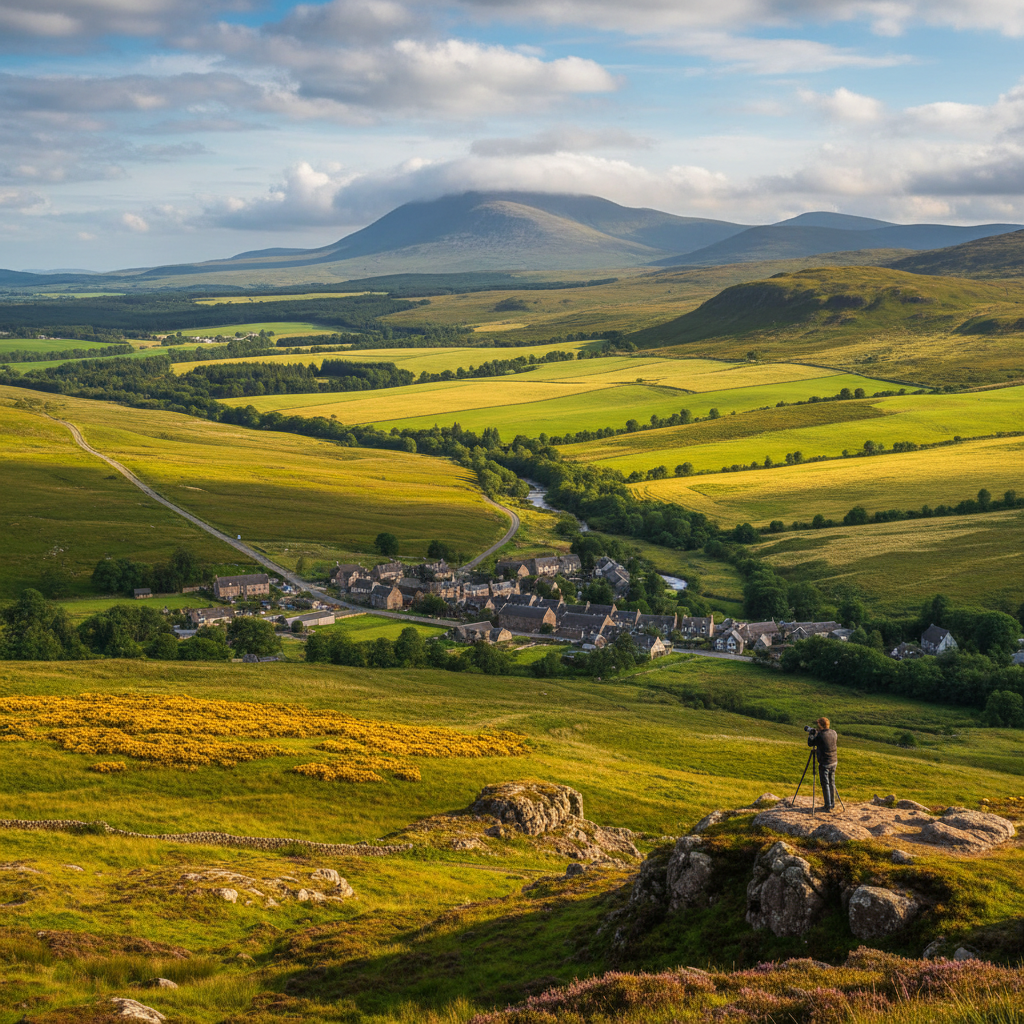
Blackford
Discover Blackford Nestled in the heart of Scotland, Blackford is a charming village that offers a delightful blend of history, culture, and natural beauty. This picturesque locale is situated along the A9 road, making it an ideal stop for travelers exploring the stunning landscapes of Perthshire. Blackford is often celebrated for its tranquil environment, making it a perfect getaway for those looking to escape the hustle and bustle of city life.The history of Blackford is rich and varied, with roots stretching back to ancient times. The village was historically known for its agricultural significance and has seen various developments over the centuries. The presence of the nearby Blackford Hill, a prominent feature of the landscape, has played a significant role in the local culture and has been a witness to many historical events. The hill is not only a natural landmark but also a site of archaeological interest, with remnants of ancient settlements that date back thousands of years.Blackford's culture is characterized by its strong community spirit and vibrant local traditions. The village hosts several events throughout the year, such as agricultural shows and seasonal festivals, which celebrate Scottish heritage and foster community engagement. Visitors will find that the locals are warm and welcoming, often eager to share stories about their village and its significance.One of the unique aspects of Blackford is its location, which provides access to some of Scotland's most breathtaking natural scenery. The surrounding hills and woodlands offer numerous outdoor activities, including hiking, birdwatching, and photography. The area is also known for its rich flora and fauna, making it a hotspot for nature enthusiasts.Moreover, Blackford serves as a gateway to the iconic city of Perth, just a short drive away, and is conveniently located for exploring the stunning landscapes of the Scottish Highlands. This proximity to major attractions combined with its own unique charm makes Blackford a significant destination in its own right.Overall, what makes Blackford special is its harmonious blend of history, culture, and the natural world. Whether you're seeking adventure, relaxation, or a deeper understanding of Scotland's heritage, Blackford offers something for everyone. Visitors often leave with a sense of connection to the land and its history, making it a memorable stop on any Scottish itinerary. Top Attractions in Blackford – Ranked and Reviewed Blackford may be a small village, but it is home to a variety of attractions that cater to different interests, all highly rated and reviewed by visitors on Stay4Exploring. Here’s a list of the top attractions that you should consider during your visit:1. Blackford Hill - Rated 4.8/5Blackford Hill is a natural wonder that offers stunning panoramic views of the surrounding countryside. Hiking enthusiasts will appreciate the well-marked trails that wind through lush greenery, leading to various viewpoints. Visitors rave about the refreshing air and the chance to connect with nature. Many recommend packing a picnic to enjoy at the summit.2. The Village Church - Rated 4.6/5The historic village church is a significant landmark in Blackford, known for its beautiful architecture and serene atmosphere. Travelers appreciate the chance to explore its interior, which features intricate stained glass windows and a peaceful garden. Many visitors highlight the warmth of the local congregation and often mention attending a Sunday service as a unique cultural experience.3. The Blackford Inn - Rated 4.5/5This cozy pub and restaurant is a favorite among locals and travelers alike. Known for its friendly ambiance and delicious Scottish cuisine, the Blackford Inn is the perfect place to unwind after a day of exploring. Guests often praise the homemade dishes and the extensive selection of local ales, making it a must-visit for food lovers.4. Hiking Trails - Rated 4.7/5The surrounding area offers numerous hiking trails that cater to various skill levels. Visitors have shared their experiences of exploring the scenic routes that lead through woods, past streams, and up to breathtaking viewpoints. Many recommend the trails for their accessibility and the chance to encounter local wildlife.5. The Blackford Heritage Trail - Rated 4.4/5This self-guided trail allows visitors to delve into the history of Blackford. Along the route, you’ll find informative plaques that share insights into the village’s past. Travelers appreciate the opportunity to learn about local heritage while enjoying a leisurely stroll through the village.Each of these attractions has garnered positive reviews from visitors who have enjoyed their experiences in Blackford. Whether you're an outdoor enthusiast, a history buff, or a culinary adventurer, Blackford has something to offer. Make sure to include these top-rated attractions in your travel itinerary for a memorable experience in this charming Scottish village. Planning Your Visit to Blackford Blackford, a picturesque village nestled in the heart of Scotland, is a hidden gem that offers a tranquil escape for travelers seeking both adventure and relaxation. Planning your visit to this charming locale involves understanding the best times to experience its beauty, how to get there, get around, and where to stay for a truly memorable experience.The best time to visit Blackford is during the spring and summer months, from April to August. During this period, the weather is typically mild, with average temperatures ranging from 10°C to 20°C (50°F to 68°F). The countryside comes alive with blooming flowers and lush greenery, making it perfect for outdoor activities such as hiking and biking. Autumn also offers a stunning display of colors, while winter provides a serene, snow-covered landscape, ideal for those who enjoy a peaceful retreat.Getting to Blackford is relatively straightforward. The village is conveniently located just off the M90 motorway, making it accessible by car from major cities like Edinburgh and Glasgow. If you prefer public transportation, regular train services run to nearby towns, with the closest railway station being in Dunblane, approximately 6 miles away. From Dunblane, you can catch a local bus or taxi to reach Blackford.Once you arrive in Blackford, getting around is easy, as the village is small and walkable. For those looking to explore the surrounding countryside, consider renting a bicycle or using local taxi services to reach more distant attractions. Enjoy the scenic beauty as you make your way to nearby destinations.When it comes to accommodation, Blackford offers various options to suit different budgets and preferences. For a truly local experience, consider staying in one of the charming bed and breakfasts that dot the village, where you can enjoy a warm Scottish welcome and homemade breakfasts. For those seeking more privacy, there are self-catering cottages available for rent. If you're looking for a touch of luxury, the nearby towns of Dunblane and Stirling boast several upscale hotels and boutique stays. Whatever your choice, booking in advance during peak seasons is advisable to secure your preferred lodging.In summary, planning your visit to Blackford requires consideration of the best times to experience this idyllic village, convenient travel options, and a variety of accommodation choices that cater to every traveler. With its stunning landscapes and rich culture, Blackford is sure to enchant you from the moment you arrive. Experience Blackford Like a Local To truly immerse yourself in the charm of Blackford, it’s essential to experience the village like a local. Understanding local customs, savoring traditional food, and engaging with the culture can enhance your visit and create lasting memories.One of the first things to know is that Scots are renowned for their hospitality. When visiting Blackford, don’t be surprised if locals greet you with a warm smile and a friendly chat. It’s common to engage in small talk, so don’t hesitate to ask for recommendations on places to visit or dine. This sense of community is a fundamental part of the Scottish way of life.Food is an integral aspect of the local culture, and Blackford offers a delightful array of traditional Scottish dishes. Be sure to try haggis, a savory pudding made from sheep’s offal, oatmeal, and spices, typically served with neeps (turnips) and tatties (potatoes). Many local eateries will offer this dish, often prepared with a modern twist. Another must-try is Cullen skink, a hearty soup made from smoked haddock, potatoes, and onions, perfect for warming you up after a day of exploration.For a truly local dining experience, seek out family-run pubs and restaurants where you can sample freshly caught seafood or locally sourced meats. Additionally, many establishments offer a selection of fine Scotch whiskies, so take the time to indulge in a tasting session to appreciate the rich flavors and history behind this iconic spirit.Blackford is also steeped in culture and history. Take the time to explore the local heritage sites and participate in community events, which often showcase traditional Scottish music and dance. If you’re lucky enough to be in the area during one of the local festivals, such as the Highland Games, be sure to attend. These events offer a fantastic opportunity to witness traditional sports, music, and dance, providing insight into Scotland’s vibrant culture.When it comes to insider tips, consider visiting local shops and markets to find unique souvenirs and handmade crafts. Engaging with artisans and learning about their work can provide a more profound appreciation for the region’s artistry. Additionally, don’t overlook the scenic walking trails that surround Blackford; these are often less crowded and provide stunning views of the Scottish countryside.In conclusion, experiencing Blackford like a local involves embracing the warmth of its community, indulging in traditional cuisine, and participating in cultural events. By immersing yourself in the customs and lifestyle of this charming village, you’ll create a richer, more authentic travel experience.

Ballindalloch
Discover Ballindalloch Nestled in the heart of Scotland's breathtaking Moray region, Ballindalloch is a small yet remarkable village that offers a unique blend of history, culture, and stunning natural beauty. Known as the 'Pearl of the Spey', this picturesque locale is steeped in rich historical significance, making it a must-visit for any traveler seeking to explore Scotland's heritage.The history of Ballindalloch is intricately tied to its famous castle, Ballindalloch Castle, which dates back to the 16th century. This stately home has been the seat of the Macpherson-Grants, a family with deep roots in the region, and it remains a private residence today. The castle’s impressive architecture and lush gardens not only showcase the grandeur of Scottish baronial style but also offer visitors a glimpse into the past, telling tales of the Macpherson-Grants and their role in local history.Culturally, Ballindalloch embodies the spirit of traditional Scottish life. The village is a hub for various local events that celebrate Scottish customs, music, and cuisine. Visitors can often experience Highland games, local ceilidhs, and seasonal festivals that bring the community together and welcome visitors with open arms. The area is also known for its whisky production, and the nearby distilleries offer tours and tastings that highlight the craftsmanship behind Scotland’s national drink.What truly sets Ballindalloch apart is its stunning natural surroundings. The village is surrounded by the majestic Cairngorms National Park, presenting an array of outdoor activities such as hiking, fishing, and wildlife spotting. The nearby River Spey is famed for its salmon fishing, attracting anglers from all over the world. The tranquil landscapes, characterized by rolling hills and lush valleys, provide the perfect backdrop for a peaceful retreat, making it an ideal destination for nature lovers and photographers alike.Moreover, Ballindalloch's strategic location allows easy access to other significant attractions in the Moray region, including the picturesque towns of Grantown-on-Spey and Aberlour, as well as the world-renowned Speyside whisky trail. This makes it an excellent base for exploring the broader area while enjoying the charm of a small Scottish village.In summary, Ballindalloch is more than just a destination; it's a vibrant tapestry of history, culture, and natural splendor. Whether you're wandering through the historic halls of its castle, participating in local festivities, or soaking in the tranquility of the surrounding landscapes, Ballindalloch offers an authentic Scottish experience that is both enriching and unforgettable. Top Attractions in Ballindalloch – Ranked and Reviewed When it comes to attractions in Ballindalloch, visitors are treated to a wealth of experiences that showcase the best of this charming village and its surroundings. Based on real traveler feedback from Stay4Exploring, here are the top-ranked attractions that you won’t want to miss.1. Ballindalloch Castle - Rated 4.8/5As the centerpiece of the village, Ballindalloch Castle is a must-see. Visitors rave about its stunning architecture and the beautiful gardens that surround it. The guided tours provide fascinating insights into the history of the castle and the Macpherson-Grant family. Many guests particularly enjoy the library, which houses an impressive collection of books and artifacts. The tranquil setting makes it perfect for leisurely strolls and photography.2. Glenlivet Distillery - Rated 4.7/5No trip to Ballindalloch is complete without sampling some local whisky, and Glenlivet Distillery is a top choice. Visitors appreciate the informative tours that delve into the whisky-making process, and the tasting sessions are often highlighted as a favorite. Guests have noted the friendly staff and the picturesque views from the distillery, making it an enjoyable experience for both whisky enthusiasts and novices alike.3. The River Spey - Rated 4.6/5The scenic River Spey is renowned for its salmon fishing, and travelers often comment on its serene atmosphere. Whether you're an angler or simply enjoy nature walks, the river's banks provide ample opportunity for outdoor activities. Visitors love the chance to spot wildlife such as otters and a variety of bird species. Many recommend bringing a picnic to fully enjoy the river’s beauty.4. Cairngorms National Park - Rated 4.9/5Just a short drive from Ballindalloch, the Cairngorms National Park offers breathtaking landscapes and outdoor adventures. Hikers and nature lovers give high praise for the extensive trails that cater to all skill levels. Whether you're looking for a challenging hike or a leisurely walk, the park’s views are unparalleled. Travelers often mention the refreshing air and the diverse flora and fauna they encounter.5. Local Highland Games - Rated 4.5/5For a true taste of Scottish culture, visitors recommend attending local Highland Games if your timing aligns. From caber tossing to tug-of-war, the events are exhilarating to watch. Many travelers appreciate the warm community atmosphere, food stalls, and live music that accompany these games, making it a memorable experience for all ages.In conclusion, Ballindalloch offers a delightful array of attractions that cater to history buffs, nature enthusiasts, and culture seekers alike. Each of these top-rated experiences, backed by real traveler reviews, reflects the charm and beauty of this hidden gem in Scotland. Planning Your Visit to Ballindalloch Ballindalloch, nestled in the heart of Scotland's beautiful Speyside region, is a hidden gem waiting to be explored. The best time to visit Ballindalloch is during the warmer months, from late spring to early autumn (May to September), when the weather is milder, and the landscape is in full bloom. This period is ideal for outdoor activities such as hiking, cycling, and exploring the local whisky distilleries, which are among the area's major attractions. Getting to Ballindalloch is relatively straightforward. The closest major city is Inverness, about 50 miles to the northwest. From Inverness, you can rent a car or take a bus to reach Ballindalloch, which is about an hour's drive away. If you're traveling from further afield, the nearest airport is Inverness Airport, which has connections to London and other major UK cities. Alternatively, you can take a train to nearby towns such as Keith or Elgin and then arrange for local transport or a taxi to Ballindalloch. Once you arrive in Ballindalloch, getting around is best done by car or bicycle, as public transport options are limited. The scenic roads surrounding the village offer a delightful driving experience, with stunning views of the Moray countryside. For those who prefer two wheels, several local bike rental shops can provide you with the equipment you need to explore the area at your own pace. When it comes to accommodations, Ballindalloch offers a variety of options to suit different preferences and budgets. For a unique experience, consider staying at Ballindalloch Castle, a historic property that provides a glimpse into the region's rich heritage. Alternatively, there are several charming bed-and-breakfasts and guesthouses in the area, which often include hearty Scottish breakfasts in their rates. If you prefer more modern amenities, several hotels and lodges are available within a short driving distance, providing comfortable accommodations while allowing you to explore the surrounding attractions. For those on a budget, camping is another option, with several campsites nearby offering stunning views and access to nature. Whichever accommodation you choose, make sure to book in advance, especially during the summer months, as Ballindalloch can see an influx of visitors eager to enjoy its natural beauty and unique attractions. Experience Ballindalloch Like a Local To truly experience Ballindalloch like a local, it’s essential to immerse yourself in the region’s customs and traditions. The Scottish Highlands are known for their warm hospitality, and you'll likely find locals eager to share their stories and recommendations. A common local custom is the "Ceilidh," a traditional Scottish gathering featuring music, dance, and storytelling, which often takes place in community halls or local pubs. If you’re fortunate enough to attend one, don’t hesitate to join in the fun! Food is a significant part of the local culture, and Ballindalloch is no exception. Traditional Scottish cuisine includes hearty dishes such as haggis, neeps, and tatties, as well as fresh seafood and game from the surrounding areas. Be sure to try the local whisky, as Speyside is renowned for its distilleries. Many visitors enjoy taking distillery tours to learn about the whisky-making process and sample some of the finest spirits in the world. When it comes to dining, there are several charming cafes and restaurants in and around Ballindalloch. Look for establishments that prioritize local produce and traditional recipes. Many places offer seasonal menus that highlight the best of what the region has to offer, allowing you to savor the flavors of Speyside. As you explore Ballindalloch, take the time to appreciate the local culture, which is steeped in history and tradition. Visit the Ballindalloch Castle, a stunning 16th-century fortress that reflects the architectural heritage of the region. The castle grounds provide a picturesque setting for walking and picnicking, and the guided tours offer insights into the history of the estate and its family. Insider tips for experiencing Ballindalloch like a local include seeking out hidden gems beyond the popular attractions. Venture into the surrounding countryside for serene walks along the River Spey or through the nearby hills. The area is rich in wildlife, making it a great spot for birdwatching and photography. Additionally, engage with locals at community events, which are often listed on notice boards in town. These events, ranging from farmers' markets to craft fairs, provide a fantastic opportunity to meet residents and learn more about their way of life. Don’t forget to bring your camera to capture the stunning landscapes and charming architecture that make Ballindalloch such a special place.

Cruden Bay
Discover Cruden BayCruden Bay in Scotland offers a wealth of attractions, from historic landmarks to natural wonders. Explore the best things to do and plan your perfect visit.
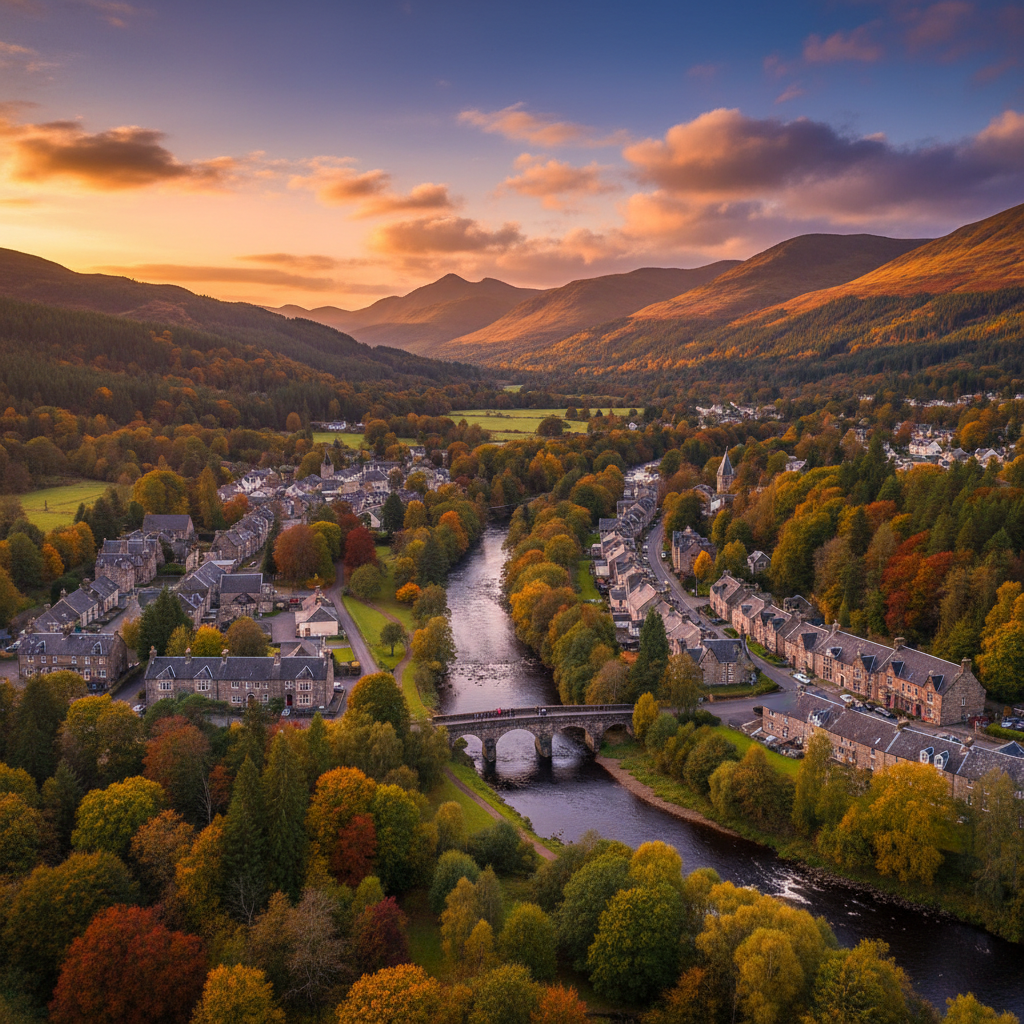
Pitlochry
Discover Pitlochry Nestled in the heart of Scotland's highlands, Pitlochry is a charming town that offers a unique blend of history, culture, and natural beauty. Established in the 19th century, Pitlochry became a popular tourist destination during the Victorian era, when it was discovered as a perfect retreat for those seeking solace and stunning landscapes. The town's name, derived from the Gaelic 'Pit Loch Rì', translates to 'the place by the loch', aptly reflecting its scenic surroundings.The rich history of Pitlochry is intertwined with the development of the railway in the 1860s, which opened up this picturesque area to visitors from across the UK. Today, it stands as a gateway to the breathtaking landscapes of the Scottish Highlands, making it a popular base for hiking, fishing, and exploring the surrounding lochs and mountains. The region is steeped in stories of ancient clans and battles, with historical sites that include the nearby Blair Castle and the ruins of the 16th-century Edradour Distillery, where visitors can learn about traditional whisky production.Culturally, Pitlochry thrives with an array of events and festivals throughout the year. The iconic Pitlochry Festival Theatre, set against a backdrop of stunning scenery, offers a diverse program of performances that attract theater enthusiasts from near and far. The town also hosts the annual Enchanted Forest, a spectacular sound and light show in the nearby woods that draws thousands of visitors each autumn.What makes Pitlochry truly special is its ability to combine outdoor adventure with a charming village atmosphere. The town is surrounded by some of Scotland's most impressive natural landscapes, including the stunning Ben y Vrackie mountain and the serene Loch Faskally. Visitors can enjoy a variety of outdoor activities such as hiking, cycling, and fishing, while also indulging in local delights at quaint cafes and shops.Moreover, the warmth and hospitality of the locals create an inviting atmosphere that makes visitors feel at home. Traditional Scottish music often fills the air in local pubs, providing an authentic experience of Scottish culture. The blend of history, culture, and stunning surroundings makes Pitlochry a must-visit destination for anyone traveling to Scotland. Top Attractions in Pitlochry – Ranked and Reviewed When it comes to attractions in Pitlochry, visitors have plenty to choose from. Each attraction has been ranked and reviewed by travelers on Stay4Exploring, ensuring that you can make the most of your time in this enchanting town.1. Edradour Distillery: Rated as the top attraction, Edradour is Scotland's smallest distillery, known for its authentic whisky production. Visitors rave about the guided tours that provide an in-depth look at the whisky-making process, from barley to bottle. Many leave with a newfound appreciation for Scotch whisky and a bottle to take home.2. Pitlochry Festival Theatre: This cultural gem is highly rated for its diverse theatrical productions set in a stunning riverside location. Reviews highlight the quality of performances and the intimate atmosphere of the theater, making it a must-visit for arts lovers.3. Blair Castle: Just a short drive from Pitlochry, this historic castle is a favorite among visitors. The castle's impressive architecture and beautiful gardens are often praised, as well as the fascinating exhibits detailing the history of the clan that has lived there for centuries. Many reviews note the friendly staff and the opportunity to explore the expansive grounds.4. Loch Faskally: A serene spot for nature lovers, Loch Faskally is perfect for walking and picnicking. Visitors appreciate the stunning views and the peaceful ambiance. Hiking trails around the loch offer exciting opportunities to explore the local wildlife and natural beauty.5. The Enchanted Forest: This annual event transforms the woods into a magical spectacle of light and sound. Visitors are enchanted by the creativity of the installations and the immersive experience. Reviews highlight it as a must-see during the autumn season, offering fun for all ages.6. The Scenic Railway Walk: Rated highly by those who enjoy leisurely strolls, this scenic walk along the railway line provides beautiful views of the countryside. Visitors appreciate the well-maintained paths and the opportunity to spot wildlife along the way.In addition to these top-rated attractions, Pitlochry offers plenty of shops, cafes, and local eateries where visitors can enjoy traditional Scottish fare. Whether you're interested in history, culture, outdoor activities, or simply relaxing in a picturesque setting, Pitlochry has something to offer every traveler. Planning Your Visit to Pitlochry Planning a visit to Pitlochry, a charming town nestled in the heart of Scotland, is an exciting endeavor. This picturesque destination is known for its stunning landscapes, rich history, and vibrant local culture. Understanding the best time to visit, how to get there, and where to stay will ensure a memorable experience.The best time to visit Pitlochry is during the late spring and early autumn months, from May to October. During this time, the weather is generally mild, with temperatures averaging between 10°C to 20°C (50°F to 68°F). The blooming flowers in spring and the vibrant autumn foliage create a breathtaking backdrop for outdoor activities. Summer tends to attract more tourists, so if you prefer a quieter experience, consider visiting in May or September.Getting to Pitlochry is relatively straightforward. The nearest major airport is Edinburgh Airport, located about 90 miles away. From the airport, you can rent a car or catch a direct bus or train to Pitlochry. The town is well connected by rail, with regular services from both Edinburgh and Glasgow, making train travel a convenient option for many visitors. If you prefer driving, the journey offers scenic views of the Scottish countryside, particularly along the A9 route.Once in Pitlochry, getting around is easy. The town is compact and pedestrian-friendly, allowing visitors to explore on foot. For those who wish to venture further, local bus services connect Pitlochry to nearby towns and attractions. Cycling is also a popular way to explore the area, with several bike rental options available. Additionally, taxis are readily accessible for those who prefer a more direct mode of transportation.When it comes to accommodation, Pitlochry offers a range of options to suit every budget and preference. From cozy bed and breakfasts to luxurious hotels, there’s something for everyone. Popular choices include the Atholl Palace Hotel, known for its stunning architecture and beautiful gardens, and the Pitlochry Hydro Hotel, which provides modern amenities with spectacular views. For a more intimate experience, consider staying at one of the charming guesthouses or self-catering cottages that dot the landscape. Booking in advance, especially during peak season, is highly recommended to ensure you secure your preferred lodging.In summary, planning a visit to Pitlochry involves choosing the right time, understanding transport options, and selecting suitable accommodations. With its breathtaking scenery and welcoming atmosphere, Pitlochry is sure to provide an unforgettable experience. Experience Pitlochry Like a Local To truly experience Pitlochry like a local, it’s essential to immerse yourself in the customs, food, and culture that define this enchanting Scottish town. Understanding the local way of life will enrich your visit and provide insights into the heart of Pitlochry.Local customs in Pitlochry reflect the town’s Scottish heritage. Greeting locals with a friendly "hello" or "hiya" is common, and you might hear the Scottish dialect in conversations. The locals are generally warm and welcoming, so don’t hesitate to strike up a conversation. When attending any local event or gathering, it’s customary to bring a small gift, such as baked goods or flowers, as a gesture of goodwill.When it comes to food, Pitlochry boasts a delightful culinary scene that highlights Scottish flavors. Be sure to try traditional dishes such as haggis, neeps, and tatties, which are often available at local pubs and restaurants. The Town’s seafood offerings are also noteworthy, with fresh catches from the nearby lochs. Don't miss the chance to indulge in a traditional afternoon tea at one of the charming tea rooms, where you can enjoy scones, sandwiches, and pastries paired with local blends of tea.The culture of Pitlochry is deeply rooted in its history and natural surroundings. The town is known for its vibrant arts scene, with local galleries showcasing works from Scottish artists and artisans. You can also partake in traditional Scottish music and dance at local events, especially during the summer months when festivals abound. The annual Pitlochry Festival Theatre presents an array of performances, from classic plays to contemporary works, making it a must-visit for theater enthusiasts.For insider tips, consider exploring the town’s hidden gems. Venture off the beaten path to discover the charming shops and boutiques that offer unique Scottish souvenirs, from tartan scarves to handcrafted jewelry. Additionally, take a walk along the scenic River Tummel, where you can enjoy the tranquility of nature and perhaps spot some local wildlife. If you’re an outdoor enthusiast, don’t miss the chance to hike the nearby hills or take part in water sports on Loch Faskally.Finally, engage with local residents to learn about their stories and experiences. You might find that locals have a wealth of knowledge about the area, from the best hiking trails to historical anecdotes. By embracing the local customs, savoring the food, and participating in the culture, you’ll leave Pitlochry with cherished memories and a deeper appreciation for this beautiful Scottish town.
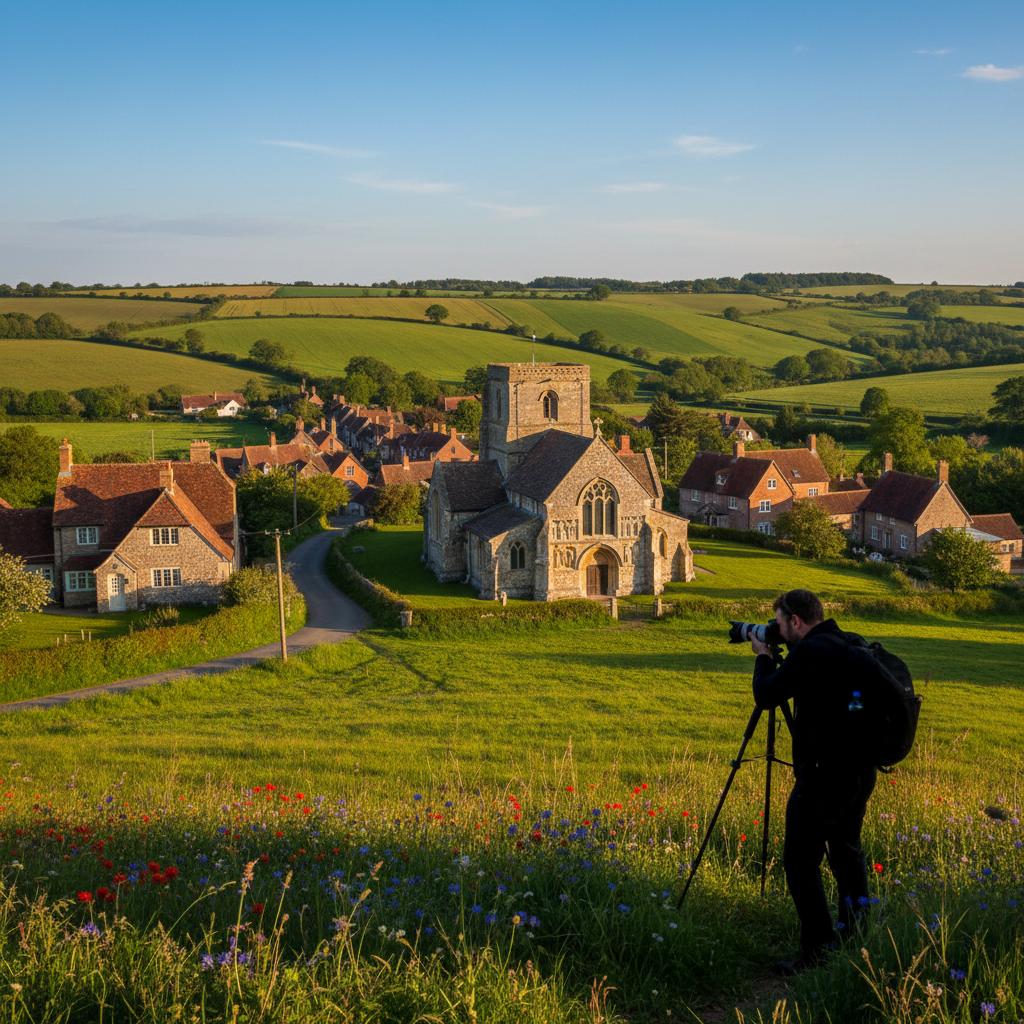
Barfrestone
Discover Barfrestone Barfrestone, a quaint village nestled in the picturesque Kent countryside, is a hidden gem that offers a delightful mix of history, culture, and natural beauty. Situated just a stone's throw from the bustling town of Dover, this charming locale is steeped in historical significance dating back to the Roman era. The village is renowned for its stunning architecture, including the iconic St. Mary's Church, which is a fine example of Norman construction. Visitors are often captivated by the intricate stonework and the serene atmosphere that the church exudes, making it a popular spot for both tourists and locals. The cultural fabric of Barfrestone is enriched by its close-knit community, which takes pride in maintaining the village's heritage. The annual Barfrestone Village Fete is a highlight of the local calendar, bringing together residents and visitors alike for a day of fun, games, and traditional Kentish fare. This event not only showcases the village's cultural traditions but also fosters a sense of community spirit that is often hard to find in larger towns. What truly makes Barfrestone special is its proximity to some of England’s most stunning natural landscapes. The surrounding countryside offers a plethora of walking trails, perfect for those looking to immerse themselves in the beauty of the Kent Downs Area of Outstanding Natural Beauty. Nature enthusiasts and casual walkers alike will appreciate the diverse flora and fauna that populate the region. These trails provide breathtaking views and a peaceful retreat from the hustle and bustle of everyday life. Barfrestone also holds significance as a hub for various art and craft activities. Local artisans often showcase their work in small galleries and community events, offering visitors a chance to purchase unique handmade goods. This artistic flair gives the village a unique character, setting it apart from more commercialized tourist destinations. In addition to its cultural and historical appeal, Barfrestone is conveniently located near major transport links, making it an ideal base for exploring the wider Kent area. Whether you're interested in visiting the historic Dover Castle, exploring the picturesque White Cliffs of Dover, or enjoying a day at the beautiful beaches of Deal, Barfrestone serves as a perfect starting point for an array of adventures. Ultimately, Barfrestone is a destination that offers a blend of rich history, vibrant culture, and stunning natural beauty. Visitors often leave with a renewed sense of connection to the past and an appreciation for the simple pleasures of village life. Whether you're a history buff, a nature lover, or simply seeking a peaceful escape, Barfrestone promises an unforgettable experience. Top Attractions in Barfrestone – Ranked and Reviewed When it comes to exploring Barfrestone, there’s no shortage of attractions that have been highly rated and reviewed by visitors on Stay4Exploring. Here’s a closer look at some of the top attractions that make this village a must-visit destination. 1. St. Mary's Church - Rated 4.8/5As the centerpiece of Barfrestone, St. Mary's Church is a must-see for anyone visiting the village. Travelers rave about its stunning architecture, particularly the intricate stone carvings that adorn the exterior. Many visitors have noted the peaceful ambiance inside, making it an ideal spot for reflection and quiet contemplation. The church also hosts various community events throughout the year, adding to its charm. 2. Barfrestone Village Fete - Rated 4.7/5This annual event is a highlight for both locals and visitors, showcasing the best of Barfrestone's community spirit. Reviewers have described it as a fun-filled day featuring traditional games, local produce stalls, and live entertainment. Families particularly enjoy the variety of activities available for children, making it a great day out for all ages. The next fete promises even more excitement, so be sure to check local listings! 3. Kent Downs Walking Trails - Rated 4.9/5For outdoor enthusiasts, the walking trails around Barfrestone are an absolute highlight. Visitors have praised the breathtaking views and the tranquility of the countryside. Many hikers appreciate the well-marked paths, which cater to all skill levels. Reviewers often recommend the trails for a leisurely stroll or a more intense hike, making it a versatile option for nature lovers. 4. The Old Smuggler’s Inn - Rated 4.5/5This historic pub offers a cozy atmosphere and serves delicious local cuisine. Patrons have enjoyed the warm hospitality and the chance to taste authentic Kentish dishes. With its rich history tied to smuggling in the area, the inn provides a unique dining experience that combines good food with a slice of local lore. 5. Barfrestone Art Gallery - Rated 4.6/5Local art lovers recommend visiting the Barfrestone Art Gallery, where visitors can admire and purchase works by talented local artists. Many reviewers appreciate the rotating exhibitions that keep the gallery fresh and engaging. It’s a fantastic place to gain insight into the local art scene and perhaps take home a unique souvenir. Barfrestone is a village that captures the hearts of its visitors, offering a rich blend of history, community, and natural beauty. Whether you're exploring the stunning church, enjoying a village fete, hiking the beautiful trails, or indulging in local cuisine, you're sure to create lasting memories. Plan your visit today and discover what makes Barfrestone a beloved destination for travelers! Planning Your Visit to Barfrestone Barfrestone, a charming village nestled in the picturesque Kent countryside, offers visitors a delightful escape from the hustle and bustle of modern life. Planning your visit is essential to ensure you make the most of your time in this hidden gem. The best time to visit Barfrestone is during the late spring and early summer months, from May to July. The weather during this period is generally mild and pleasant, with blooming flowers and lush greenery enhancing the village's natural beauty. Autumn (September to October) also provides a stunning backdrop with vibrant fall foliage, making it an excellent time for photography enthusiasts. Getting to Barfrestone is straightforward, as it is located just a few miles from Dover, easily accessible by car or public transport. If you're driving, the village is located off the A2 road, which connects London to Dover. For those relying on public transport, you can take a train to Dover Priory Station and then catch a local bus or taxi to Barfrestone. The nearest bus stop is a short walk from the village center and connects to various nearby towns. Once in Barfrestone, getting around is simple. The village is small enough to explore on foot, allowing you to soak in the scenic views and local charm. Bicycles can also be rented from nearby towns if you wish to explore the surrounding countryside at a leisurely pace. When it comes to accommodation, Barfrestone offers a range of options catering to different preferences and budgets. For a cozy stay, consider the local bed-and-breakfasts, which often provide a warm welcome and a hearty breakfast to start your day. Alternatively, there are a few self-catering cottages available for those who prefer a more independent experience. If you're looking for more amenities and services, the nearby town of Dover has several hotels and inns that can serve as a convenient base for your explorations. Regardless of where you choose to stay, be sure to book in advance, especially during peak travel seasons, to secure the best rates and accommodations. Experience Barfrestone Like a Local To truly experience Barfrestone like a local, immerse yourself in the village's customs, flavors, and cultural offerings. Barfrestone is known for its strong sense of community and rich history, which is reflected in the day-to-day life of its residents. One of the first things you’ll notice upon arriving in Barfrestone is the friendly demeanor of the locals. Engaging in casual conversations at the village pub or local shops is a great way to connect with residents. The village often hosts community events, such as seasonal fairs and village clean-up days, where visitors are welcome to join in the fun and experience the local spirit first-hand. Food is an integral part of Barfrestone's culture, and you'll find a variety of culinary delights to savor. Traditional English pubs offer hearty meals, including classic fish and chips, shepherd's pie, and roast dinners. Additionally, don’t miss out on trying local Kentish produce, such as fresh apples and artisanal cheeses. For a unique dining experience, seek out a local tea room where you can indulge in a traditional afternoon tea with scones, clotted cream, and an assortment of teas. Barfrestone is also well-known for its stunning countryside, which is perfect for outdoor activities. Hiking through the scenic trails surrounding the village allows you to appreciate the natural beauty and perhaps spot some local wildlife. The nearby White Cliffs of Dover provide breathtaking views and are a must-visit for anyone in the area. For those interested in history, the village is home to several historical sites, including the iconic Barfrestone Church, known for its stunning architecture and peaceful atmosphere. Participate in a guided tour or simply explore the church grounds at your leisure to appreciate its significance. Insider tips for visiting Barfrestone include taking part in local festivals, if your schedule allows. The village often celebrates events that showcase local crafts, food, and music, giving you a deeper insight into the community's heritage. Additionally, consider visiting during the weekdays when the village is less crowded, allowing for a more intimate experience. Lastly, always carry an umbrella or a light jacket, as the weather can be unpredictable, even in the summer months. Embrace the local pace of life, take your time, and enjoy all that Barfrestone has to offer.
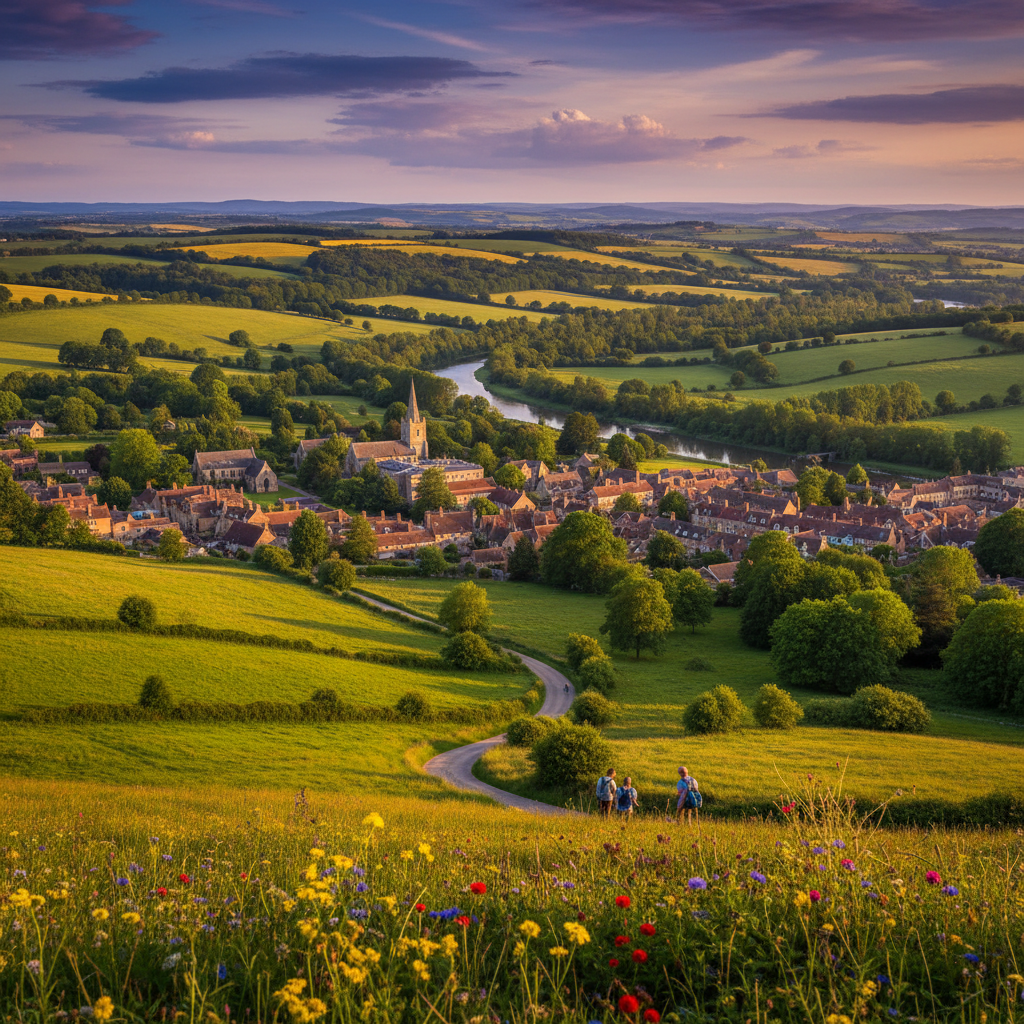
Bradfield
Discover Bradfield Bradfield, a charming village nestled in the heart of South Yorkshire, England, is a destination that beautifully combines history, culture, and natural beauty. Known for its stunning landscapes and rich heritage, Bradfield invites travelers to explore its quaint streets and experience the warmth of its local community. The village has a history steeped in agriculture and industry, dating back to the Domesday Book of 1086, where it was recorded as a thriving settlement. Over the centuries, Bradfield evolved, transitioning from a primarily farming community to a hub for various industries, including textile manufacturing during the Industrial Revolution. Today, remnants of its past can be seen in the architecture and the layout of the village, giving visitors a glimpse into the lives of those who came before. Culturally, Bradfield is significant for its close-knit community and a strong sense of local identity. The village celebrates several annual events that showcase its traditions, including local fairs, craft markets, and seasonal festivals. These events not only highlight the region’s agricultural heritage but also bring residents and visitors together for a shared experience of community spirit and collaboration. What makes Bradfield truly special is its breathtaking natural surroundings. The village is surrounded by rolling hills, picturesque moorland, and the scenic Bradfield Dale, making it an ideal location for outdoor enthusiasts. Whether you enjoy hiking, cycling, or simply taking in the stunning views, there’s no shortage of opportunities to connect with nature. The nearby reservoirs, including the popular Damflask and Agden reservoirs, offer serene spots for picnicking and watersports, attracting both locals and tourists alike. In addition to its natural beauty, Bradfield boasts several historical landmarks that are worth visiting. The iconic St. Nicholas Church, with its striking architecture and beautiful stained glass windows, is a focal point of the village. Dating back to the 13th century, this church is not only a place of worship but also a significant historical site that draws visitors interested in ecclesiastical architecture. As you wander through Bradfield, you'll discover a variety of local shops, cozy cafes, and traditional pubs, each offering a taste of local life. These establishments celebrate the culinary heritage of the region, serving up traditional dishes made with locally sourced ingredients. The combination of history, culture, and community makes Bradfield a unique destination that resonates with visitors seeking an authentic English village experience. In conclusion, Bradfield is more than just a picturesque village; it is a place where history and nature converge, inviting exploration and engagement. Whether you're interested in outdoor activities, historical exploration, or simply soaking in the local atmosphere, Bradfield offers a memorable experience that lingers long after you've left. Top Attractions in Bradfield – Ranked and Reviewed Bradfield is home to a variety of attractions that cater to different interests, from nature lovers to history buffs. Here’s a look at the top-rated attractions in Bradfield, as reviewed by real travelers on Stay4Exploring. 1. Bradfield Water Sports Centre – Rated 4.8/5The Bradfield Water Sports Centre is a must-visit for adventure seekers. Located near the stunning Agden Reservoir, this centre offers a range of activities, including kayaking, sailing, and windsurfing. Visitors rave about the friendly and knowledgeable staff, who provide excellent instruction for beginners. The beautiful setting adds to the experience, making it perfect for families and individuals looking to enjoy the great outdoors. 2. St. Nicholas Church – Rated 4.7/5This historical church is a cornerstone of Bradfield’s heritage. With its impressive architecture and serene atmosphere, St. Nicholas Church attracts those interested in history and spirituality. Visitors appreciate the guided tours that share fascinating stories about the church's past and its significance to the local community. The stunning stained glass windows are often highlighted in reviews, making it a beautiful spot for photography. 3. Bradfield Village Green – Rated 4.5/5The Village Green is a delightful spot for relaxation and community gatherings. Travelers enjoy picnicking on the green and taking in the scenic views. The area is often bustling with local events, making it a vibrant part of village life. Reviewers note the friendly atmosphere and the chance to meet locals, making it a great place to unwind. 4. Damflask Reservoir – Rated 4.6/5For those looking for a peaceful escape, Damflask Reservoir is highly recommended. Ideal for walking, cycling, or simply enjoying the tranquility of nature, this reservoir is a favorite among visitors. Many reviews highlight the well-maintained paths and the stunning reflections of the surrounding hills in the water. It’s also a popular spot for birdwatching and photography. 5. Bradfield Farmers Market – Rated 4.9/5Held monthly, the Bradfield Farmers Market is a treasure trove of local produce and artisan goods. Visitors appreciate the variety of stalls offering everything from fresh vegetables to handmade crafts. The market is well-reviewed for its friendly vendors and the chance to taste local delicacies. Many travelers suggest making this a stop to truly experience the local flavor of Bradfield. Each of these attractions showcases the unique charm of Bradfield and reflects the beauty of the surrounding countryside. Whether you’re engaging in outdoor activities, exploring historical sites, or enjoying local events, Bradfield promises a rich and rewarding experience. Planning Your Visit to Bradfield Bradfield, a picturesque village nestled in the heart of South Yorkshire, England, offers a delightful escape for travelers seeking a blend of natural beauty and rich heritage. To make the most of your trip, careful planning is essential.Best Time to Visit: The ideal time to visit Bradfield is during the late spring and early summer months, from May to July. During this period, you'll experience pleasant weather with mild temperatures and blooming landscapes, perfect for outdoor activities and exploring the surrounding countryside. Autumn also brings a unique charm with vibrant foliage, while winter, though colder, offers a serene atmosphere and opportunities for cozy retreats.Getting There: Bradfield is conveniently located approximately 10 miles from Sheffield, making it accessible by various modes of transportation. If you're driving, the village can be reached via the A6102 and A57 roads. For those using public transport, regular bus services operate from Sheffield to Bradfield, with the journey taking around 30-40 minutes. Alternatively, you can opt for a train to Sheffield and then transition to a bus or taxi for the final leg of your journey.Getting Around: Once in Bradfield, getting around is quite manageable. The village is relatively small and can be explored on foot, allowing you to soak in the local charm and stunning scenery at a leisurely pace. If you wish to explore the surrounding areas, consider renting a bicycle or using local taxi services, as public transport options may be limited outside peak hours.Where to Stay: Bradfield offers a variety of accommodation options, ranging from quaint bed and breakfasts to charming self-catering cottages. For a truly local experience, consider staying at one of the family-run B&Bs where you can enjoy warm hospitality and home-cooked breakfasts. Popular choices include The Old Vicarage, renowned for its stunning views and welcoming atmosphere, and various cottages that provide a cozy retreat after a day of exploration. Booking in advance is advisable, especially during peak seasons, to secure your preferred lodging.In summary, planning your visit to Bradfield involves selecting the best time to explore, understanding your travel options, and choosing suitable accommodation. With thoughtful preparation, you can look forward to an enriching experience in this charming English village. Experience Bradfield Like a Local To truly experience Bradfield like a local, it’s essential to immerse yourself in the village's unique customs, culinary delights, and vibrant culture. This will not only enrich your visit but also allow you to connect with the community.Local Customs: The people of Bradfield are known for their friendliness and hospitality. When greeting locals, a simple "hello" or a nod is appreciated. If you're invited to a local's home, it's customary to bring a small gift, such as flowers or a bottle of wine, as a token of appreciation. Community events, such as village fairs and church gatherings, are frequent, and participation is encouraged, providing a fantastic opportunity to mingle with residents.Food: Food plays a significant role in Bradfield's culture. The village boasts several pubs and restaurants where you can savor traditional Yorkshire dishes. Don’t miss trying the famous Yorkshire pudding, a local staple often served with roast beef. For a casual dining experience, head to The Plough Inn, known for its hearty meals and local ales. Additionally, the village occasionally hosts food festivals showcasing local produce, providing a chance to taste homemade delicacies and artisanal products.Culture: Bradfield is rich in history, with several historical sites worth visiting. The Bradfield Church, dating back to the 12th century, is a must-see, featuring stunning architecture and beautiful stained glass windows. The village also has a strong artistic community, with local artists often showcasing their work in small galleries and craft shops. Take some time to explore these venues, where you might find a unique souvenir or gift crafted by local artisans.Insider Tips: To experience Bradfield authentically, consider visiting during one of the local events, such as the annual Bradfield Festival, which celebrates local talent and community spirit. Engaging in these festivities will provide deeper insights into the village's culture and traditions. Additionally, don’t hesitate to ask locals for recommendations on hidden gems, whether it’s a scenic walking trail or a cozy café. Many locals are eager to share their favorite spots, enhancing your exploration of the area.In conclusion, to experience Bradfield like a local, embrace the village's customs, enjoy its culinary offerings, and engage with its vibrant culture. By doing so, you'll create lasting memories and gain a deeper appreciation for this charming English village.

Charente-Maritime
Discover Charente-Maritime Charente-Maritime, located on the southwestern coast of France, is a region that perfectly blends history, culture, and natural beauty. Renowned for its stunning coastline, picturesque villages, and rich historical heritage, this department is a hidden gem waiting to be explored. From the ancient streets of La Rochelle to the tranquil beaches of Île de Ré, Charente-Maritime captivates visitors with its diverse offerings.Historically, Charente-Maritime has played a significant role in France's maritime trade. The region's capital, La Rochelle, was once a powerful port city, thriving during the Age of Exploration in the 16th century. This vibrant port was a hub for the trade of goods and ideas, and its architecture reflects this rich history, showcasing a blend of medieval and Renaissance styles. The iconic towers of La Rochelle, such as the Tour Saint-Nicolas and the Tour de la Chaîne, serve as reminders of the city's strategic importance.The culture of Charente-Maritime is deeply intertwined with its maritime heritage. Seafood is a staple of the local cuisine, with oysters from Marennes-Oléron being particularly famous. The region celebrates its culinary delights with various festivals throughout the year, showcasing local wines, cheeses, and other gastronomic treasures. Visitors can enjoy fresh seafood dishes in quaint seaside bistros or indulge in a glass of Pineau des Charentes, a fortified wine unique to the area.Another defining feature of Charente-Maritime is its commitment to preserving the natural environment. The Île de Ré, a charming island connected to the mainland by a bridge, is a prime example of this commitment. With its unspoiled beaches, salt marshes, and cycling paths, the island offers a serene escape for nature lovers and outdoor enthusiasts. The island is also a designated Biosphere Reserve by UNESCO, highlighting its ecological significance.Furthermore, Charente-Maritime is home to several UNESCO World Heritage Sites, including the historic town of Saintes and the Romanesque churches of the Saintonge region. These sites not only showcase the architectural prowess of the past but also provide insight into the region's cultural evolution over the centuries. The blend of ancient history and modern life creates a unique atmosphere that makes Charente-Maritime special.In summary, Charente-Maritime is more than just a picturesque destination; it is a tapestry of history, culture, and natural beauty. Whether you're exploring the cobblestone streets of La Rochelle, savoring local delicacies, or enjoying the tranquility of Île de Ré, this region offers an authentic experience that resonates with travelers. The welcoming spirit of the locals and the rich heritage of the area invite you to discover all that Charente-Maritime has to offer. Top Attractions in Charente-Maritime – Ranked and Reviewed Charente-Maritime boasts a wealth of attractions that cater to a variety of interests. Whether you’re a history buff, a nature lover, or a foodie, there is something for everyone in this enchanting region. Below are some of the top-ranked attractions, each reviewed by real travelers who have experienced the magic of Charente-Maritime firsthand.La Rochelle's Old Port: This vibrant harbor is a must-visit for anyone traveling to Charente-Maritime. The Old Port is surrounded by charming cafes, boutiques, and historical sites. Visitors rave about the picturesque views of the iconic towers and the lively atmosphere, especially during the summer months. Many recommend taking a boat tour for a unique perspective of the city.Île de Ré: Accessible by a bridge, Île de Ré is a tranquil escape known for its beautiful beaches and cycling trails. Travelers praise its relaxed vibe and stunning landscapes. The island offers various activities, from windsurfing to exploring salt marshes. Don’t miss the local markets where you can find fresh produce and artisanal products.Fort Boyard: This famous sea fortress, located between the islands of Oléron and Aix, is steeped in history. Originally built in the 19th century to protect the coast, it has become a popular tourist attraction and even a filming location for the TV show of the same name. Visitors can take boat trips to view the fort from the water, and many find the historical context fascinating.La Corderie Royale: Located in Rochefort, this historic rope-making factory is a testament to the region's maritime heritage. Today, it houses a museum that showcases maritime history and craftsmanship. Visitors appreciate the informative guided tours, which bring the history to life through engaging storytelling.Saintes: Known for its Roman ruins, Saintes is often described as a hidden gem. The city features the impressive Roman amphitheater and the Arch of Germanicus, which transport visitors back in time. Travelers recommend wandering through the charming old town and experiencing the local cafes.Each of these attractions provides a unique glimpse into the character of Charente-Maritime. Whether you’re drawn to the coastal beauty of Île de Ré or the historical significance of La Rochelle, the region’s diversity in attractions ensures that every visit is memorable. Be sure to check recent reviews and ratings to help plan your itinerary and discover the best experiences Charente-Maritime has to offer. Planning Your Visit to Charente-Maritime When planning your visit to Charente-Maritime, timing, transportation, and accommodation are essential factors to consider. This region, with its mild climate and beautiful landscapes, welcomes tourists year-round, but there are optimal times for experiencing its full charm.The best time to visit Charente-Maritime is during the late spring and early autumn months. From May to June and September to October, the weather is generally pleasant, with warm temperatures and fewer crowds compared to the peak summer months. This is ideal for exploring the coastal towns and enjoying outdoor activities like cycling and hiking. The summer months, particularly July and August, can be busy, especially in popular tourist spots like La Rochelle and Île de Ré. However, this is also when many local festivals and events take place, offering a vibrant atmosphere.Getting to Charente-Maritime is quite convenient. The nearest major airport is La Rochelle – Île de Ré Airport, which connects to several cities in France and Europe. From the airport, rental cars and local public transport options are available to help you navigate the region. If you prefer train travel, La Rochelle is well-connected by rail, with frequent services from major cities like Paris and Bordeaux.Once in Charente-Maritime, getting around is easy, thanks to a well-developed road network and public transport system. For those who wish to explore the scenic routes, renting a bicycle is a popular option, especially on Île de Ré, where dedicated cycling paths are abundant. Buses also connect the major towns and attractions, making it convenient for visitors without a car.Accommodation in Charente-Maritime ranges from charming bed and breakfasts to luxurious hotels and self-catering apartments. In La Rochelle, visitors can find hotels with stunning views of the harbor, while Île de Ré offers a mix of seaside resorts and quaint cottages. Booking in advance, especially during the high season, is highly recommended to secure the best options. Travelers often recommend staying in smaller towns like Rochefort or Saintes for a more authentic experience, as they offer a glimpse into local life away from the tourist crowds.In summary, planning your visit to Charente-Maritime involves considering the best times to experience the region's attractions, understanding transportation options, and selecting comfortable accommodations. With a little preparation, you can enjoy the rich history, stunning landscapes, and vibrant culture that Charente-Maritime has to offer. Experience Charente-Maritime Like a Local To truly experience Charente-Maritime like a local, it's essential to immerse yourself in the customs, cuisine, and culture of the region. This area is not just a destination; it's a lifestyle that values tradition, community, and the rich bounty of the sea.Local customs in Charente-Maritime are deeply rooted in its maritime heritage. Festivals celebrating the sea, such as the Fête du Maïs and the Fête de la Mer, highlight the region's strong connection to fishing and sailing. Participating in these events allows visitors to witness traditional music, dance, and crafts, providing a unique insight into the local way of life.The culinary scene in Charente-Maritime is a delightful exploration of flavors. Seafood dominates the menu, with dishes featuring fresh fish, mussels, and the region's renowned oysters. The Marennes-Oléron basin is famous for its oysters, and many visitors recommend sampling them straight from the source at local oyster farms. Additionally, local specialties include cognac and Pineau des Charentes, a sweet fortified wine that pairs beautifully with the region's cuisine. Dining in local bistros is highly encouraged, where you can savor traditional dishes like moules marinières (mussels in white wine) and cuisinée de mer (seafood stew).In terms of cultural experiences, exploring the art scene is a must. Charente-Maritime is home to numerous galleries and craft shops, especially in La Rochelle and Rochefort. Many artisans still practice traditional crafts, such as pottery and textile weaving, and visitors are often welcome to observe or even participate in workshops. Engaging with local artists provides a deeper appreciation for the region's creative spirit.For those looking for insider tips, consider visiting local markets, which are abundant in towns like Saintes and La Rochelle. Here, you can find fresh produce, artisanal cheeses, and handmade goods. It's a wonderful way to interact with locals and sample the flavors of the region.Additionally, exploring the small villages scattered throughout Charente-Maritime can unveil hidden treasures. Villages like Talmont-sur-Gironde and Mornac-sur-Seudre are known for their charm, featuring narrow streets, colorful houses, and local shops selling crafts and regional products. These quiet spots offer a stark contrast to the busier tourist areas and provide a genuine feel of life in Charente-Maritime.In conclusion, experiencing Charente-Maritime like a local involves embracing the region's traditions, indulging in its culinary delights, and engaging with its vibrant culture. By stepping off the beaten path and immersing yourself in the local lifestyle, your visit to Charente-Maritime will be rich with unforgettable memories.

Ibiza
Discover Ibiza Ibiza, a Mediterranean island that is part of Spain's Balearic Islands, is renowned for its stunning beaches, vibrant nightlife, and rich cultural heritage. With a history that stretches back thousands of years, Ibiza has been influenced by various civilizations including the Phoenicians, Romans, and Moors, each leaving a mark on the island's identity.The island's significance goes beyond its party reputation; it is also a UNESCO World Heritage site, recognized for its stunning landscapes, biodiversity, and historical sites. Ibiza's interior is dotted with quaint villages, ancient stone walls, and lush countryside, showcasing the island's agricultural roots and traditional lifestyle.One of the most special aspects of Ibiza is its unique blend of old and new. While the island is famous for its world-class clubs and electronic music scene, it also offers a tranquil escape with its beautiful beaches and serene rural areas. Visitors can explore the charming old town of Dalt Vila, which is home to ancient fortifications and a rich array of historical artifacts, providing a glimpse into the island's past.Ibiza's culture is a vibrant tapestry woven from its rich history, diverse communities, and artistic influences. The island hosts various festivals throughout the year, celebrating everything from music and dance to art and gastronomy. The local cuisine, characterized by fresh seafood, Mediterranean flavors, and traditional dishes like ‘bullit de peix’ (a fish stew), further enhances Ibiza's appeal.Moreover, the island's natural beauty is truly captivating. From the stunning cliffs of the west coast, which offer breathtaking sunsets, to the tranquil waters of its many coves, Ibiza is a paradise for nature lovers. The island's diverse marine life and protected natural areas, such as the Ses Salines Natural Park, make it a fantastic destination for outdoor activities like snorkeling, hiking, and cycling.In recent years, Ibiza has also made strides towards sustainability, with initiatives aimed at preserving its natural environment and promoting eco-friendly tourism. This commitment to sustainability is increasingly attracting a new wave of travelers seeking both adventure and tranquility.Ultimately, what makes Ibiza special is its ability to cater to a wide range of visitors. Whether you're looking to dance the night away at iconic clubs like Pacha and Amnesia, unwind on secluded beaches, or immerse yourself in the island's rich history and culture, Ibiza has something for everyone. It’s a destination that promises unforgettable experiences, making it a must-visit location for travelers from all walks of life. Top Attractions in Ibiza – Ranked and Reviewed Ibiza is packed with attractions that cater to all types of travelers. Below, we present the top-rated attractions based on real traveler reviews from Stay4Exploring, ensuring you can make the most of your visit to this captivating island.1. Ibiza Town (Eivissa)The vibrant heart of the island, Ibiza Town is a must-visit for anyone exploring Ibiza. Visitors rave about its mix of old and new, with the historic Dalt Vila offering stunning views and fascinating history. Travelers appreciate the bustling atmosphere, particularly in the evening when the streets come alive with restaurants, bars, and shops.2. Cala ComteRenowned for its crystal-clear waters and stunning sunset views, Cala Comte ranks highly among beach lovers. Reviewers highlight the breathtaking scenery and excellent swimming opportunities. The beach is also home to several beach clubs where visitors can enjoy drinks and food while soaking up the sun.3. Es VedraThis rocky islet, located off the southwest coast of Ibiza, is steeped in legend and natural beauty. Many visitors describe the view from the cliffs as one of the most beautiful sights in Ibiza, especially at sunset. Hikers and nature enthusiasts appreciate the hiking trails that offer panoramic views of this magical spot.4. Formentera Day TripMany travelers recommend taking a day trip to Formentera, known for its pristine beaches and laid-back atmosphere. Reviewers enjoy renting scooters or bikes to explore the island and its beautiful coastline. The ferry ride itself is an experience, with stunning views of the Mediterranean.5. Pacha IbizaOne of the world's most famous nightclubs, Pacha is a must-visit for those looking to experience Ibiza's nightlife. Many reviews highlight the top-notch DJs, vibrant atmosphere, and unforgettable nights out. Visitors often recommend booking tickets in advance to avoid disappointment.6. Las Salinas BeachFamous for its lively atmosphere and stunning scenery, Las Salinas Beach is a favorite among locals and tourists alike. Travelers enjoy the beach bars and restaurants that line the shore and appreciate the beautiful surroundings, making it a perfect spot for a day of sun and relaxation.7. Dalt VilaThe old town of Ibiza, Dalt Vila, is a UNESCO World Heritage site that offers a glimpse into the island's rich history. Visitors praise the well-preserved architecture, cobblestone streets, and breathtaking views of the city and harbor. The area is perfect for leisurely strolls, with plenty of cafes and shops to explore.These top attractions in Ibiza showcase the island's diverse offerings, ensuring that every traveler can find something that resonates with them. Whether you're seeking adventure, relaxation, or cultural experiences, Ibiza's ranked and reviewed attractions provide an excellent starting point for your journey. Planning Your Visit to Ibiza Ibiza, known for its vibrant nightlife, stunning beaches, and rich culture, is a top destination for travelers seeking both relaxation and adventure. Planning your visit to this beautiful island requires consideration of several factors to ensure a memorable experience.Best Time to Visit: The peak season in Ibiza runs from June to September, attracting party-goers and sun-seekers from around the globe. During these months, temperatures can soar above 30°C (86°F), making it ideal for beach activities and outdoor events. However, if you prefer a quieter experience, consider visiting in May or October, when the weather remains pleasant, and the crowds are significantly thinner. Additionally, many clubs and restaurants operate in these shoulder months, providing a more relaxed atmosphere.Getting There: Ibiza is accessible by air and sea. The island's primary gateway is Ibiza Airport (IBZ), which offers numerous flights from major European cities. During the summer months, direct flights are frequent, making it easy to reach your destination. Alternatively, ferries connect Ibiza to mainland Spain and other Balearic Islands, providing a scenic route to your getaway. If traveling from Barcelona or Valencia, consider taking a ferry for a unique travel experience.Getting Around: Once you arrive in Ibiza, there are several transportation options to explore the island. Renting a car or scooter is a popular choice, as it allows you to discover hidden coves and secluded beaches at your own pace. Public transportation is also available, with buses running regularly between major towns and attractions. For those who prefer a more leisurely pace, consider cycling or walking, especially in areas such as Ibiza Town and Santa Eulalia, where pedestrian-friendly paths are plentiful.Where to Stay: Accommodation options in Ibiza cater to all types of travelers. For a luxurious experience, consider staying in one of the island's high-end resorts in areas like Playa d'en Bossa or Talamanca, which offer stunning views and exclusive amenities. If you're seeking a more laid-back vibe, opt for boutique hotels or guesthouses in San Antonio or Santa Gertrudis, where you can immerse yourself in the local culture. Budget travelers will find ample hostels and budget hotels throughout the island, particularly in the bustling areas of Ibiza Town and San Antonio. Booking in advance is advisable during peak season to secure the best rates and availability.Whether you're drawn to the island for its stunning beaches, lively nightlife, or rich history, careful planning will help you make the most of your visit to Ibiza. Experience Ibiza Like a Local Experiencing Ibiza like a local goes beyond just visiting the island's famous clubs and beaches. To truly immerse yourself in the vibrant culture of this Balearic gem, it’s essential to embrace the local customs, food, and traditions.Local Customs: Ibiza is known for its friendly and welcoming atmosphere, but it’s important to respect the local customs and etiquette. Spaniards typically greet with a handshake or a kiss on the cheek, and it’s common to say 'Hola' or 'Buenos días' when entering a shop or restaurant. When dining, it’s customary to wait until everyone is served before starting your meal, and sharing dishes is a popular practice. Additionally, be mindful of noise levels, especially in residential areas, as locals value their peace and quiet.Food: The culinary scene in Ibiza is a delightful fusion of traditional Spanish cuisine and fresh Mediterranean flavors. Don’t miss trying ensalada payesa, a local salad made with fresh vegetables and salted fish, or sofrit pagès, a hearty meat and potato stew. For seafood lovers, the island offers an abundance of fresh catches, and you can find excellent paella in many restaurants. For a truly local experience, visit one of the island's many markets, such as the Las Dalias Hippy Market in San Carlos, where you can sample local produce and artisanal foods.Culture: Ibiza has a rich cultural heritage that goes beyond its nightlife. The island is home to several historical sites, including the UNESCO World Heritage-listed Dalt Vila, the old town of Ibiza, which boasts stunning views and charming cobblestone streets. Explore local art galleries and workshops, as many artists draw inspiration from the island's breathtaking landscapes. Additionally, participating in local festivals, such as the celebration of San Juan in June, will give you a deeper understanding of the island’s traditions and community spirit.Insider Tips: To truly experience Ibiza like a local, consider venturing off the beaten path. Explore the less touristy beaches, such as Cala Comte or Cala d'Hort, where you can enjoy a more serene atmosphere. Join a yoga class or wellness retreat to connect with the island's holistic lifestyle. Lastly, don’t forget to check out local events and gatherings, such as the 'Ibiza Yoga Festival' or seasonal food fairs, which provide a unique opportunity to mingle with locals and fellow travelers alike.By embracing the local customs, savoring the delicious cuisine, and immersing yourself in the island's culture, you’ll create lasting memories and truly experience Ibiza as the locals do.
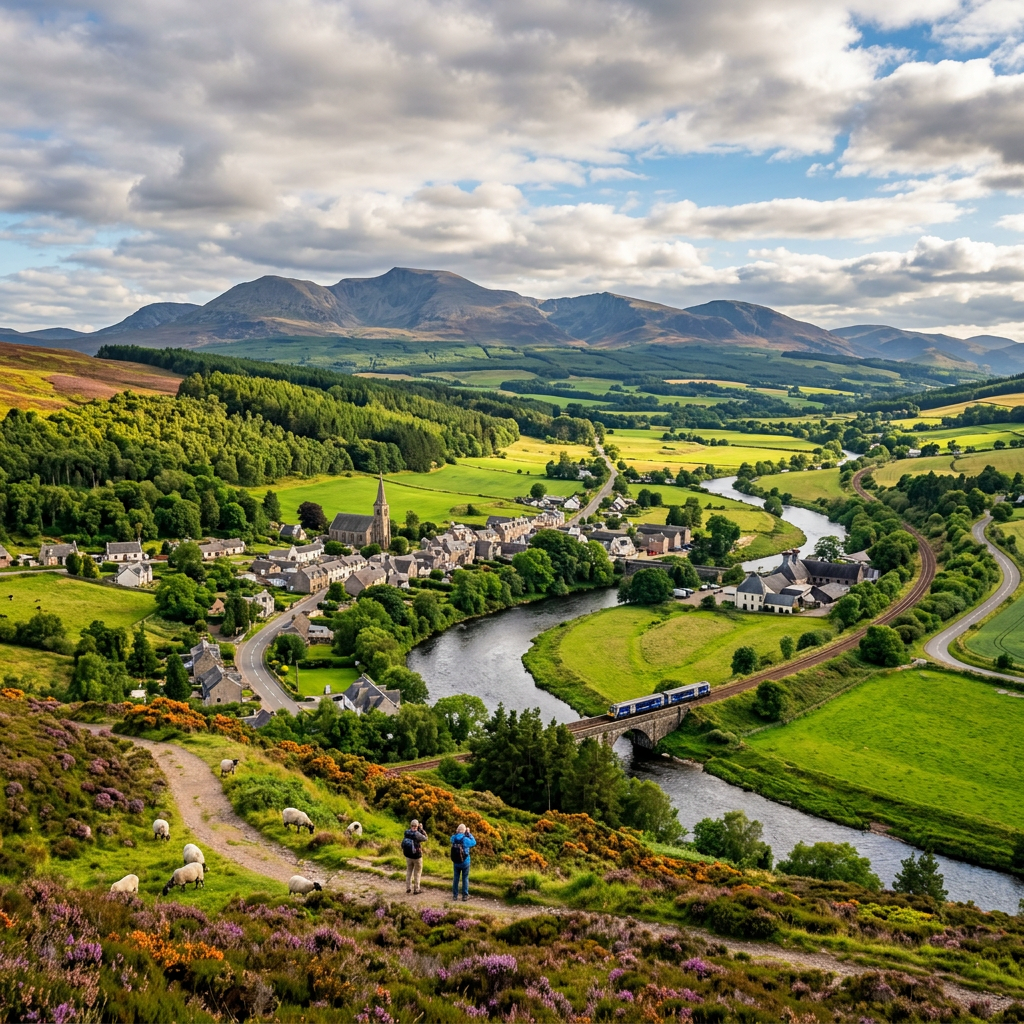
Muir of Ord
Discover Muir of Ord Muir of Ord, a charming village situated in the Scottish Highlands, is a hidden gem that offers a unique blend of history, culture, and natural beauty. Nestled between the scenic Black Isle and the captivating landscape of Strathconon, this quaint village serves as a gateway to explore the stunning Highlands. It’s a place where the rich tapestry of Scottish heritage is interwoven with the tranquility of rural life, making it a special destination for travelers seeking both adventure and relaxation.The origins of Muir of Ord date back to the 19th century, when it began to flourish as a center for agriculture and trade. Its strategic location along the Great North Road, connecting Inverness to the northern Highlands, further facilitated its growth. The village's name, which translates to 'Muir of the Ord,' reflects its geographical features, with 'Ord' signifying a height or hill. Over the years, Muir of Ord has maintained its charm, with many historical buildings and sites that narrate the story of its development.Culturally, Muir of Ord is vibrant and welcoming. The village hosts several annual events that celebrate Scottish traditions, such as the Muir of Ord Highland Games. This event showcases traditional Scottish sports, music, and dance, drawing both locals and visitors alike. The close-knit community takes pride in its heritage, with local artisans and craftspeople contributing to the culture through their work, from weaving to whisky distilling.One of the standout aspects of Muir of Ord is its connection to the whisky industry. The village is home to the renowned Glen Ord Distillery, established in 1838, which produces high-quality single malt whisky. Visitors can take guided tours to learn about the whisky-making process and enjoy tastings, making it a must-visit for whisky enthusiasts. This distillery not only highlights the region’s dedication to craftsmanship but also its significance in the broader context of Scotland’s whisky production.What truly makes Muir of Ord special is its accessibility to breathtaking natural landscapes. It serves as a starting point for numerous outdoor activities, including hiking, biking, and birdwatching. The nearby hills and woodlands offer trails that cater to various skill levels, providing opportunities to witness the rich flora and fauna of the Highlands. The stunning views of the surrounding countryside are a feast for the eyes, making it an ideal spot for photography and nature lovers.Whether you visit Muir of Ord for its historical significance, cultural richness, or outdoor adventures, this village promises an unforgettable experience. It stands as a testament to the beauty of the Scottish Highlands and invites travelers to explore its unique offerings. Top Attractions in Muir of Ord – Ranked and Reviewed Muir of Ord may be a small village, but it offers a plethora of attractions that cater to a variety of interests. Based on ratings and reviews from real travelers on Stay4Exploring, here are the top attractions that you shouldn’t miss during your visit.1. Glen Ord Distillery - Rated 4.8/5The crown jewel of Muir of Ord, Glen Ord Distillery is renowned for its exceptional single malt whisky. Visitors rave about the informative guided tours that delve into the whisky-making process, from mashing to maturation. The highlight of the tour is the tasting session, where guests can savor the rich flavors of Glen Ord’s offerings. Many travelers note the friendly staff and the picturesque setting of the distillery as key factors in their positive experience.2. Muir of Ord Golf Club - Rated 4.5/5For golf enthusiasts, the Muir of Ord Golf Club is a must-visit. This 18-hole course is praised for its stunning views and well-maintained greens. Reviews highlight the welcoming atmosphere and the challenge posed by the course layout, which appeals to both novice and seasoned golfers. Visitors appreciate the opportunity to enjoy a round of golf amidst the natural beauty of the Highlands.3. Ord Hill - Rated 4.7/5Ord Hill offers a fantastic hiking experience, with trails that lead to breathtaking panoramic views of the surrounding countryside. Many travelers recommend the hike for its accessibility and the stunning vistas that await at the summit. Reviewers often mention the peaceful ambiance and the chance to encounter local wildlife along the trails, making it a perfect spot for nature lovers and photographers alike.4. The Muir of Ord Heritage Centre - Rated 4.6/5This heritage center is a treasure trove for those interested in the history and culture of the village. Visitors appreciate the informative displays and exhibits that showcase the local history, from its agricultural roots to its development as a key trading hub. Travelers often commend the knowledgeable staff who are eager to share stories and insights about Muir of Ord's past.5. Beauly Priory - Rated 4.4/5A short drive from Muir of Ord, Beauly Priory is a historical site worth visiting. This 13th-century ruin offers a glimpse into Scotland’s medieval past. Reviewers enjoy exploring the tranquil grounds and learning about the history of the priory through informative plaques. The serene setting is perfect for a leisurely stroll and offers opportunities for stunning photographs.In conclusion, Muir of Ord is a delightful destination packed with attractions that cater to a wide range of interests. The ratings and reviews from fellow travelers highlight the village’s charm and the experiences it offers. Whether you’re a history buff, whisky lover, or outdoor enthusiast, Muir of Ord has something special for everyone. Planning Your Visit to Muir of Ord When planning your visit to Muir of Ord, it’s essential to consider the best time of year for your trip. The most favorable months are from late spring to early autumn, specifically May through September. During this period, the weather is relatively mild, and you can enjoy long daylight hours, making it perfect for outdoor activities. The Highland Games, typically held in late summer, also provide a unique cultural experience that shouldn’t be missed.Getting to Muir of Ord is straightforward, thanks to its convenient location near crucial transport links. The village is situated about 14 miles northwest of Inverness, making it accessible by car or public transport. If you’re driving, take the A832 road from Inverness, which leads directly to the village. For those relying on public transport, there are regular bus services from Inverness to Muir of Ord, with the journey taking around 30 minutes. The nearest train station is also located in the village, connecting you to the wider rail network across Scotland.Once you arrive, getting around Muir of Ord is relatively easy. The village itself is compact, and many attractions are within walking distance. For those looking to explore the surrounding countryside, consider renting a bicycle or using local taxi services. Walking trails and cycling routes are abundant, offering picturesque views of the Scottish Highlands.Accommodation options in Muir of Ord cater to a range of preferences and budgets. From cozy bed and breakfasts to charming self-catering cottages and hotels, there’s something for everyone. For a more local experience, consider staying in one of the village’s B&Bs, where you can enjoy a warm Scottish welcome and hearty breakfast. Popular choices include the Muir of Ord Hotel and the Ord House Hotel, both offering comfortable lodging and convenient access to local attractions. For those seeking a more independent stay, various self-catering cottages are available, providing the flexibility to cook your meals and enjoy a home-like atmosphere.In summary, planning your visit to Muir of Ord involves timing your trip for the best weather, utilizing accessible transport options, and finding suitable accommodation to enhance your experience. No matter your travel style, this charming village in the Scottish Highlands offers a delightful getaway. Experience Muir of Ord Like a Local To truly experience Muir of Ord like a local, it’s essential to immerse yourself in the customs, food, and culture that define this charming Highland village. One of the most important local customs is the warm hospitality that residents extend to visitors. Scots are known for their friendliness, and in Muir of Ord, you’ll find that locals are eager to share stories, recommend hidden gems, and help you navigate your surroundings.The culinary scene in Muir of Ord is a delightful reflection of traditional Scottish fare. Don’t miss the chance to sample locally sourced produce and dishes that highlight the region’s rich agricultural heritage. Traditional meals often include haggis, neeps, and tatties, a hearty dish of sheep’s stomach filled with a mixture of oats, suet, and spices, served with mashed turnips and potatoes. You’ll also find fresh seafood, particularly if you venture to nearby coastal areas. Local pubs and restaurants, such as the Muir of Ord Hotel’s restaurant, serve a variety of dishes that emphasize local ingredients, ensuring you get a true taste of the Highlands.Cultural experiences abound in Muir of Ord, which is steeped in history and tradition. The village hosts various events throughout the year, including the popular Muir of Ord Highland Games, where you can witness traditional Scottish sports such as caber tossing and tug-of-war. Additionally, the local whisky distillery, Glen Ord Distillery, offers tours and tastings, providing insight into the whisky-making process and the opportunity to sample some of Scotland’s finest spirits.To further engage with the community, consider participating in local events or visiting the village’s community center, where you can find classes and workshops on traditional crafts, music, and dance. This is an excellent way to meet locals and learn more about the cultural heritage of the area.When it comes to insider tips, remember to pack layers, as Highland weather can be unpredictable. Comfortable walking shoes are a must if you plan to explore the scenic countryside trails. If you have the chance, join a guided tour to gain deeper insights into the region’s history and hidden spots. Finally, don’t hesitate to strike up conversations with locals; they often have the best recommendations for places to eat, shop, and enjoy the picturesque scenery.In essence, experiencing Muir of Ord like a local involves embracing the village's customs, savoring its culinary delights, engaging with its culture, and connecting with the friendly residents who call this beautiful place home.

Dingwall
Discover DingwallJust a 20-minute drive from Dingwall, the Black Isle and Cromarty offer a microcosm of Highland coastal charm—minus the crowds of more famous destinations. The peninsula’s mix of whisky trails, bottlenose dolphin sightings, and preserved 18th-century villages makes it a magnet for day-trippers staying in Dingwall’s B&Bs and hotels. Distilleries like GlenWyvis and the Cromarty Brewing Co. anchor food tourism, while Chanonry Point’s dolphin-spotting tides draw wildlife enthusiasts year-round. This guide unpacks the logistics of exploring these areas from Dingwall and what their appeal means for local hospitality businesses.

Mikkeli
Discover Mikkeli Mikkeli, a charming city located in the heart of Finland’s stunning lake district, is a hidden gem that beautifully combines rich history, vibrant culture, and breathtaking natural scenery. As the capital of the South Savo region, Mikkeli has played a significant role in Finnish history, especially during the Finnish Civil War and World War II. The city was also the headquarters for the Finnish Army during the Winter War, which adds a layer of military significance to its identity.Founded in the 19th century, Mikkeli is known for its well-preserved wooden architecture and picturesque lakeside views. The town’s history is palpable as you stroll through its streets, where buildings reflect a blend of various architectural styles, including neoclassical and Art Nouveau. One notable site is the Mikkeli Cathedral, completed in 1897, which stands as a testament to the city's historical importance. The cathedral’s towering spires and intricate stained-glass windows encapsulate the spiritual essence of the region.The cultural significance of Mikkeli is equally noteworthy. The city hosts numerous festivals and events throughout the year that celebrate local traditions and arts. One of the most anticipated events is the Mikkeli Music Festival, which draws performers and audiences from around the world. This festival showcases classical music in various stunning venues around the city, making it a cultural highlight.Mikkeli is also home to the renowned Mikkeli Art Museum, which features an impressive collection of Finnish art, including works from both contemporary artists and classical masters. The museum serves as a cultural hub where visitors can engage with local and national art scenes, as well as attend workshops and exhibitions.Nature enthusiasts will find Mikkeli particularly appealing. The city's location amidst lakes and forests offers countless opportunities for outdoor activities, including hiking, fishing, and boating. The stunning Saimaa Lake, one of the largest in Europe, is just a stone's throw away and is famous for its unique wildlife, including the rare Saimaa ringed seal. Whether you are exploring the serene landscapes or enjoying local wildlife, Mikkeli is a place where nature and culture intertwine.What makes Mikkeli special is its welcoming atmosphere and the warmth of its residents. The community prides itself on hospitality, and visitors often leave with fond memories of their interactions with locals. This sense of belonging is further enhanced by the city’s commitment to sustainability and preserving its natural environment, making it an ideal destination for eco-conscious travelers.In summary, Mikkeli is not just another stop on your Finnish adventure; it’s a destination where history, culture, and nature converge harmoniously. From its vibrant festivals to its stunning landscapes, Mikkeli invites you to explore its unique charm and discover why it holds a special place in the hearts of those who visit. Top Attractions in Mikkeli – Ranked and Reviewed Mikkeli is bursting with attractions that cater to a wide range of interests, making it an ideal destination for families, couples, and solo travelers alike. Here is a curated list of the top-rated attractions in Mikkeli, as reviewed by visitors, ensuring you experience the best the city has to offer.Mikkeli Cathedral - This iconic structure, a symbol of the city since its completion in 1897, is known for its striking architecture and serene interior. Visitors have praised its peaceful ambiance and the stunning views from the bell tower. Don't forget to take a moment to appreciate the beautiful stained-glass windows that tell stories of Finnish history.Mikkeli Art Museum - A must-visit for art lovers, the Mikkeli Art Museum houses an impressive collection of Finnish art, including contemporary pieces. Reviews highlight the museum's engaging exhibitions and the knowledgeable staff who are eager to share insights into the artworks. The museum is also set in a picturesque park, perfect for a leisurely stroll.Saimaa Lake - One of the largest lakes in Europe, Saimaa offers breathtaking scenery and various activities, from kayaking to fishing. Visitors rave about the tranquility of the lake and the opportunity to spot the endangered Saimaa ringed seal. Whether you’re looking for adventure or relaxation, Saimaa Lake is a highlight of Mikkeli.Visulahti - This family-friendly amusement park combines fun and education, featuring an aquarium, a zoo, and numerous rides. Families particularly appreciate the range of activities available, making it an excellent spot for a day out with children.The Commander's House - A historical site that served as the headquarters for Finnish military operations during World War II. Visitors often express their admiration for the preserved artifacts and informative exhibits that provide a glimpse into Finland’s military history.Haukivuori Church - Located just a short drive from Mikkeli, this wooden church is renowned for its unique architecture and stunning location. Visitors frequently mention the church's serene atmosphere and the beautiful surroundings, making it a perfect spot for reflection and photography.Each of these attractions has been highly rated by visitors who appreciate not only the beauty and history behind them but also the engaging experiences they offer. Whether you are an art enthusiast, a nature lover, or a history buff, Mikkeli has something to delight everyone.Moreover, the city is also home to numerous hidden gems and local favorites that may not be as widely known but are equally worth exploring. Engaging with locals can often lead you to these unique spots, enhancing your travel experience even further.In conclusion, Mikkeli is a treasure trove of attractions that reflect its rich history, vibrant culture, and stunning natural beauty. Make sure to include these top-rated sites in your itinerary to fully experience the essence of this enchanting Finnish city. Planning Your Visit to Mikkeli Planning a visit to Mikkeli can be an exciting endeavor, as this Finnish city offers a delightful blend of history, culture, and nature. To make the most of your trip, consider the following aspects, including the best time to visit, how to get there, local transportation options, and where to stay.Best Time to VisitMikkeli is beautiful year-round, but the ideal time to visit depends on your interests. Summer (June to August) is particularly popular, thanks to warm weather and numerous outdoor festivals. This is the perfect season for hiking, boating, and exploring the natural beauty of the Saimaa Lake area. Visitors flock to Mikkeli during this time for events like the Mikkeli Music Festival and various lake-related activities.Autumn (September to November) offers stunning fall foliage and a quieter atmosphere, making it a great time for those seeking a peaceful retreat. The winter months (December to February) transform Mikkeli into a winter wonderland, ideal for snow sports like skiing and snowshoeing. If you are interested in winter activities, be sure to check out the local ski resorts.Getting ThereMikkeli is easily accessible from various parts of Finland. The nearest major city is Helsinki, located approximately 230 kilometers away. You can reach Mikkeli by train, with several daily services connecting it to Helsinki and other cities. The train ride offers scenic views of the Finnish countryside and is a preferred mode of transport for many travelers.Alternatively, you can opt for a bus service, which also connects Mikkeli to Helsinki and other regional destinations. For those who prefer to drive, rental cars are available, allowing you to explore the surrounding areas at your leisure. The drive from Helsinki takes around three hours, and the journey is quite picturesque.Getting AroundOnce in Mikkeli, getting around is straightforward. The city center is compact and walkable, making it easy to explore on foot. For visitors planning to venture outside the city center or to nearby attractions like Saimaa Lake, local buses and taxis are available. Bicycles can also be rented, providing a fun and active way to explore the beautiful surroundings.Where to StayMikkeli offers a range of accommodation options to suit various budgets and preferences. From charming guesthouses to modern hotels, you will find something that meets your needs. The Hotel Cumulus Mikkeli is a popular choice among visitors, known for its comfortable rooms and central location. For a more unique experience, consider staying in a lakeside cottage, which allows you to immerse yourself in Mikkeli’s natural beauty.In summary, planning your visit to Mikkeli involves choosing the right time to go, understanding transportation options, and selecting suitable accommodation. With its rich history, vibrant culture, and stunning landscapes, Mikkeli promises an unforgettable experience for every traveler. Experience Mikkeli Like a Local To truly experience Mikkeli, immersing yourself in local customs, cuisine, and culture is essential. This Finnish city has a rich heritage that shapes its residents' daily lives, and engaging with these aspects can enhance your visit significantly.Local CustomsFinnish customs often revolve around a strong connection to nature, and this is evident in Mikkeli. One of the most cherished traditions is "sisu," a concept that embodies determination and resilience. This spirit is reflected in the locals' approach to life, and you will likely encounter it in various community events and gatherings.In Finland, sauna culture is an integral part of daily life. It’s not just a place to relax; it’s a social hub. Many locals invite friends and family to join them in saunas, where conversations flow freely. If offered a chance to join a sauna session, embrace the opportunity as a quintessential Finnish experience.Local CuisineFood is a significant part of Mikkeli's culture, and trying local dishes is a must. Traditional Finnish cuisine often features fresh, seasonal ingredients. One popular dish is "kalakeitto," a creamy fish soup made with local fish from Saimaa Lake, potatoes, and dill. Many restaurants in Mikkeli serve this dish, and it’s praised for its comforting flavors.Another local specialty is "poronkäristys," or sautéed reindeer, often served with mashed potatoes and lingonberry sauce. This dish highlights the region's connection to nature and its culinary traditions. Be sure to explore local markets, where you can find fresh produce, berries, and artisanal products that reflect Mikkeli’s agricultural heritage.When it comes to beverages, Finland is known for its coffee culture. The locals enjoy their coffee, often served with sweet pastries. Don’t miss the chance to try "pulla," a sweet, cardamom-flavored bread, typically enjoyed alongside coffee in cafés.Insider TipsTo experience Mikkeli like a local, consider visiting during one of the city’s festivals. Events like the Mikkeli Music Festival and local markets provide a fantastic opportunity to mingle with residents and enjoy regional culture. Additionally, engaging with locals can lead you to hidden gems, such as lesser-known hiking trails or cozy cafés.Another tip is to embrace the outdoors. Mikkeli's natural surroundings are stunning, and exploring them can offer a unique perspective on Finnish life. Whether it’s a leisurely walk around Saimaa Lake or a hike in nearby forests, connecting with nature is a vital part of the local experience.In conclusion, experiencing Mikkeli like a local involves embracing its customs, savoring traditional cuisine, and engaging with the community. By immersing yourself in the local culture, you will create lasting memories and a deeper appreciation for this enchanting Finnish city.
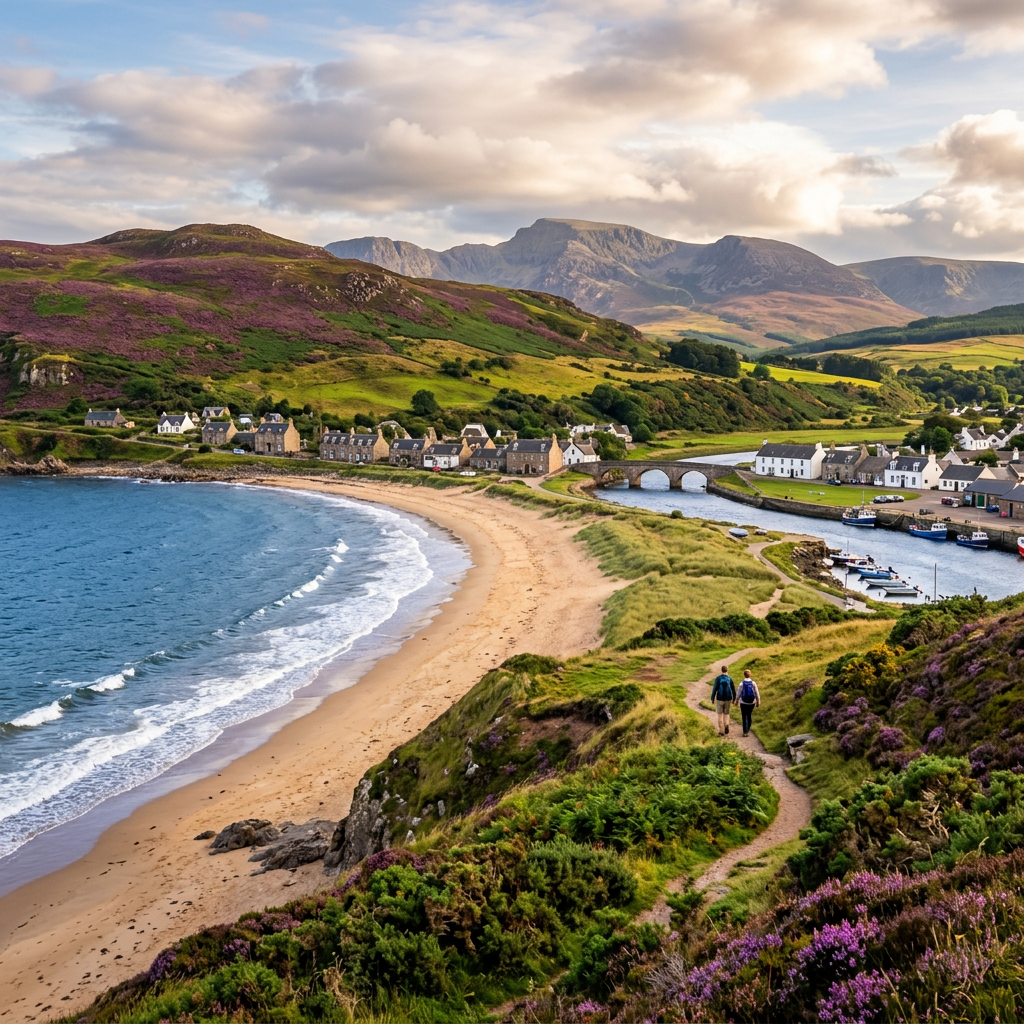
Brora
Welcome to BroraBrora, located in the **Sutherland** region of Scotland, is a compact village rich in history and natural beauty. Known for its stunning coastline and engaging local culture, Brora offers travelers a blend of traditional Scottish charm and scenic landscapes. Whether you are a history buff, nature enthusiast, or simply seeking a relaxing escape, you’ll find a variety of experiences waiting for you.Top Attractions and Things to DoWhen you discover Brora attractions reviews, you can expect to find several notable sites that highlight the village’s essence:Brora Beach: A beautiful sandy beach ideal for long walks and photography. The beach is known for its tranquil environment, making it a perfect spot for those looking to unwind.Brora Golf Club: Recognized for its challenging layout and breathtaking views of the Moray Firth. Golf lovers can enjoy a round on this scenic course.Historic Distillery Tours: Explore the heritage of Brora Distillery, which has been producing whisky since the late 19th century. Although it’s currently closed, the area remains a point of interest for enthusiasts.Clynelish Distillery: Located nearby, it's open to visitors and offers insightful tours about whisky production.Getting to BroraAccessibility is vital for travelers. You can reach Brora by car via the A9, which connects it to major cities like Inverness and Edinburgh. Public transport options include trains from Inverness to Brora Station, offering a scenic journey along the coast. Once in Brora, many attractions are within walking distance, making it easy to explore the area.Climate and Best Times to VisitBrora experiences a maritime climate, characterized by mild summers and cool winters. The best times to visit are from late spring to early autumn, specifically from **May to September**, when temperatures are more pleasant and outdoor activities are more enjoyable. However, if you prefer fewer crowds and don’t mind cooler weather, consider visiting in the shoulder seasons.Local Experiences and Hidden GemsWhile many travelers focus on the main attractions, there are hidden gems around Brora that offer unique local experiences:**Brora Heritage Centre**: Provides insights into the village’s history and culture, perfect for those seeking to understand Brora beyond its tourist spots.**Rainbow Falls**: A hidden waterfall accessible by a short hike that unveils the breathtaking beauty of the Scottish countryside.Visitor Sentiment and What Travelers LoveA review of visitors’ experiences indicates a strong appreciation for Brora’s peaceful atmosphere and friendly locals. Travelers often mention the stunning natural environment and the opportunity to disconnect from the hustle and bustle of city life. The welcoming community vibe and local delicacies, especially seafood, tend to receive positive reviews, adding to the overall appeal of Brora.Why Visit BroraYour visit to Brora can be rewarding for several reasons. The village serves as a gateway to exploring Scotland’s stunning highlands and coastlines. You’ll also have the chance to engage with the local culture through its festivals and events. Moreover, Brora's central location makes it easy to visit other attractions in the **Sutherland** area, enhancing your travel experience.One-Day Visitor HighlightsIf you’re planning a quick visit, consider this one-day itinerary:Begin with breakfast at a local café, enjoying traditional Scottish fare.Take a morning stroll along **Brora Beach**, soaking in the sea views.Visit **Brora Heritage Centre** to learn about the village's past.Enjoy lunch at a local pub that serves fresh seafood.In the afternoon, explore the nearby **Clynelish Distillery**, joining a tour for a whisky tasting.Review Culture and Visitor Feedback PatternsReview patterns on platforms highlight that many visitors appreciate the tranquility that Brora offers compared to busier tourist spots. Feedback often emphasizes the cleanliness of the town and the warm hospitality of its residents. Travelers frequently share their experiences of local events, highlighting community spirit and the way Brora engages with visitors. Overall, these insights make it evident that Brora is a destination worth having on your travel radar.ConclusionIn summary, when you discover Brora attractions reviews, you unveil a small village that offers a rich blend of history, nature, and local charm. Whether you plan to enjoy the coastline, partake in local tours, or simply relax in the serene atmosphere, Brora provides a refreshing Scottish getaway.DiscoverThis platform serves as an advertising portal and information service to help you plan your travel. Whenever you make inquiries or reservations, please deal directly with property owners and attraction operators, as we do not act as agents or intermediaries. Always verify information independently to ensure a smooth experience. We encourage you to share your experiences and add reviews after your visit, helping future travelers understand the unique aspects of Brora.
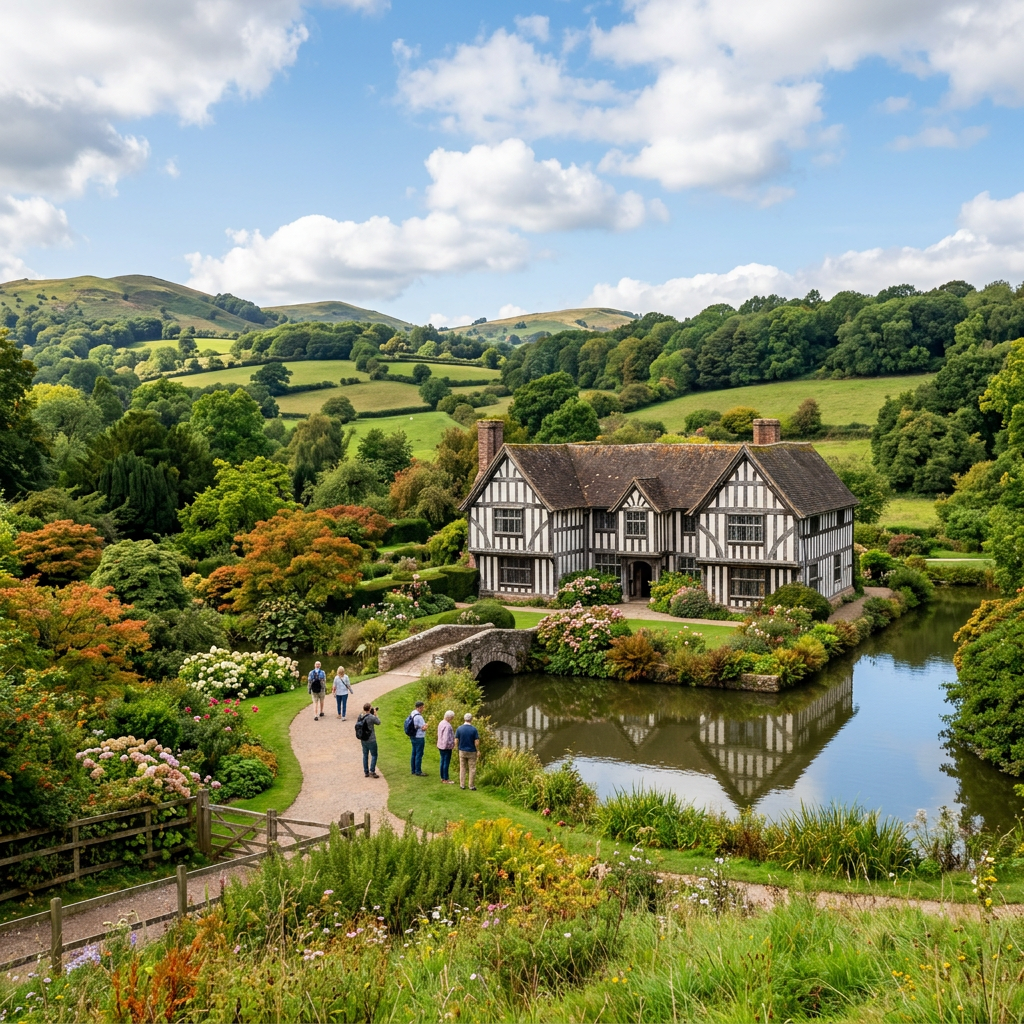
Brockhampton
Discover Brockhampton Brockhampton, a quaint village nestled in the heart of England, offers a unique blend of history, culture, and natural beauty that captivates visitors from all walks of life. The village is steeped in rich historical significance, dating back to the Domesday Book of 1086, where it was recorded as a small agricultural settlement. The area's landscape is dotted with charming thatched cottages and remnants of its storied past, providing a picturesque backdrop for exploring its heritage.One of the most significant historical sites in Brockhampton is the stunning Brockhampton Estate, a National Trust property that showcases a 17th-century manor house surrounded by beautifully manicured gardens and extensive parkland. The estate offers a glimpse into the lives of the gentry during the Tudor period and serves as a testament to the region's architectural heritage.Culturally, Brockhampton is a vibrant community with a strong sense of identity. The village is known for hosting various local events and festivals throughout the year, celebrating everything from traditional crafts to seasonal harvests. Visitors can immerse themselves in the local culture by participating in workshops or enjoying performances by local artists. The warm and welcoming atmosphere of the village is a major draw for travelers looking for an authentic English experience.What makes Brockhampton particularly special is its lush surrounding countryside. The area is ideal for outdoor enthusiasts, with numerous walking trails and cycling routes that wind through the scenic landscape. Visitors can explore the nearby Malvern Hills, an Area of Outstanding Natural Beauty, where breathtaking views and diverse wildlife await. Nature lovers will find solace in the tranquil environment, making it an excellent destination for relaxation and rejuvenation.In addition to its historical and natural attractions, Brockhampton boasts a tight-knit community that prides itself on sustainability and local produce. The village is home to several artisan shops and farmers' markets, where visitors can purchase handmade goods and fresh, locally sourced food. This commitment to sustainability is reflected in the community's efforts to preserve its natural surroundings and promote eco-friendly practices.For those seeking a slower pace of life, Brockhampton offers a perfect escape from the hustle and bustle of urban living. The village's serene ambiance, rich history, and cultural vibrancy make it a hidden gem worth discovering. Whether you're wandering through the historic streets, participating in local events, or simply enjoying the stunning views, Brockhampton promises an unforgettable experience that encapsulates the essence of rural England. Top Attractions in Brockhampton – Ranked and Reviewed Brockhampton is home to a variety of attractions that cater to different interests, all highly rated and reviewed by visitors on Stay4Exploring. Here are some of the top attractions that you shouldn't miss during your visit:1. Brockhampton EstateThis National Trust property is the crown jewel of Brockhampton, featuring a stunning manor house surrounded by exquisite gardens. Visitors rave about the estate's well-preserved architecture and the informative guided tours that delve into its rich history. The expansive grounds are perfect for leisurely walks, picnics, and enjoying the beauty of the outdoors. Reviewers often highlight the friendly staff and the variety of events held throughout the year, making it a must-visit for history buffs and nature lovers alike.2. The DovecoteLocated near the estate, The Dovecote is a charming structure that dates back to the 17th century. Visitors appreciate its historical significance and the beautiful setting it offers. Many reviews mention the peaceful atmosphere and the opportunity to take stunning photographs. It’s a great spot for a quick stop while exploring the estate.3. Brockhampton Village HallThis community hub is known for hosting various events, from local markets to craft fairs. Visitors have praised the vibrant community spirit and the chance to connect with locals. Many also mention the delightful homemade treats available at these events, making it a great place to experience local culture firsthand.4. The Malvern HillsJust a short drive from Brockhampton, the Malvern Hills are a haven for outdoor enthusiasts. Hikers and walkers have left glowing reviews about the breathtaking views and the diverse range of trails available. Whether you’re an experienced hiker or a casual walker, there's something for everyone. Many visitors recommend packing a picnic to enjoy at one of the scenic viewpoints.5. Local Artisan ShopsBrockhampton's charm extends to its local shops, where visitors can find handcrafted goods and locally sourced produce. These shops have received high praise for their unique offerings and the friendly service provided by local artisans. Travelers often recommend stopping by to pick up souvenirs or gifts that reflect the spirit of the village.Overall, Brockhampton offers a delightful mix of attractions that reflect its history, culture, and natural beauty. The ratings and reviews provided by visitors on Stay4Exploring serve as a testament to the village's appeal, making it a worthy destination for anyone looking to explore the English countryside. Planning Your Visit to Brockhampton Brockhampton, nestled in the heart of the picturesque English countryside, offers a serene escape for travelers seeking a blend of historical charm and natural beauty. When planning your visit, the best time to explore this quaint village is during the late spring and early summer months, particularly from May to July. During this period, the weather is generally pleasant with mild temperatures, making it ideal for outdoor activities and exploration. Additionally, local flora is in full bloom, adding vibrant colors to the landscape. Getting to Brockhampton is relatively straightforward. The village is well-connected by road and is easily accessible from major cities like Worcester and Hereford. If you are driving, the A44 and A4103 are your best routes, and once you arrive, parking is generally available near key attractions. For those opting for public transport, the nearest train station is located in Leominster, approximately 7 miles away, where you can catch a local bus or taxi to reach Brockhampton. Once you’re in Brockhampton, getting around the village is best done on foot. The area is compact, and many attractions are within walking distance of each other. This allows for a leisurely exploration of the local landscape and architecture. If you're planning to venture further afield, consider renting a bicycle to enjoy the surrounding countryside at your own pace. When it comes to accommodation, Brockhampton offers a range of options to suit various budgets and preferences. For a truly immersive experience, consider staying at one of the charming bed-and-breakfasts located in the village, where you can enjoy a warm English breakfast and personalized hospitality. Alternatively, there are several self-catering cottages available for rent, perfect for families or groups who prefer a home-like atmosphere. If you’re looking for something more luxurious, nearby towns like Leominster and Hereford have a selection of hotels and inns that provide modern amenities alongside traditional charm. In summary, planning your visit to Brockhampton involves choosing the right time to enjoy the scenery, understanding transport options to reach the village, and selecting accommodations that enhance your experience. With its idyllic setting and welcoming atmosphere, you’re sure to create lasting memories in this enchanting destination. Experience Brockhampton Like a Local To truly experience Brockhampton like a local, it’s essential to immerse yourself in its customs, food, and culture. The village is known for its friendly residents, so don’t hesitate to greet people you meet along the way. A simple smile and a polite 'hello' can go a long way in fostering connections and making your visit more enjoyable. When it comes to local cuisine, Brockhampton offers a delightful array of traditional English dishes that reflect the region's agricultural heritage. Be sure to try the locally sourced produce, such as Herefordshire beef and lamb, which can often be found on menus in local pubs and restaurants. The village also has several charming tea rooms where you can indulge in a classic afternoon tea, complete with freshly baked scones, clotted cream, and a selection of fine teas. In addition to its culinary offerings, Brockhampton is steeped in rich history and culture. One of the highlights is the Brockhampton Estate, a stunning example of a medieval manor house surrounded by beautifully landscaped gardens. This National Trust property is perfect for a leisurely stroll and offers guided tours that delve into the history of the estate and its significance in English heritage. Participating in local events can also provide a deeper understanding of the community’s culture. Check the local calendar for events such as farmers' markets, craft fairs, and seasonal festivals, which celebrate the village's agricultural roots and artisan crafts. These events are great opportunities to mingle with locals, sample homemade goods, and purchase unique souvenirs. For those looking for insider tips, consider visiting some of the hidden gems around Brockhampton. The surrounding countryside is dotted with picturesque walking trails, so pack a good pair of walking shoes and explore the scenic views. One popular route is the circular trail around the estate, which offers stunning views of the rolling hills and is perfect for both casual walkers and seasoned hikers. Furthermore, don’t miss the chance to engage with local artisans and craftsmen. Many residents run small workshops where you can find handmade pottery, textiles, and artwork that reflect the spirit of Brockhampton. These items make for meaningful gifts or keepsakes from your visit. In summary, to experience Brockhampton like a local, embrace the village’s welcoming atmosphere, indulge in its culinary delights, and engage with its rich culture and traditions. By doing so, you will gain a genuine appreciation for this charming English destination.

Dyce
Discover Dyce Dyce, a charming suburb located just a short distance from the city of Aberdeen in Scotland, is a place steeped in history and culture. Originally a small village, Dyce has seen significant development over the years, particularly with the expansion of Aberdeen International Airport, which is situated nearby. This transformation has helped Dyce evolve from its rural roots into a vibrant community that retains its unique character amidst urban growth.The name 'Dyce' is derived from the Gaelic word 'dais,' which means 'a place of the river.' This is fitting, as the suburb is positioned near the River Don, contributing to its picturesque landscape. Historically, Dyce was known for its agricultural significance and served as a vital link in the supply chain for the surrounding areas. The village's history can be traced back to the 12th century when it was primarily a farming community. Over time, Dyce became notable for its architecture, including the stunning Dyce Parish Church, which dates back to the 12th century and showcases beautiful stained glass and intricate stone carvings.One of the standout features of Dyce is its welcoming atmosphere. The community is tight-knit, and visitors often comment on the friendliness of the locals. This warmth is reflected in the various events and festivals held throughout the year, such as the Dyce Gala, which includes parades, music, and local crafts, offering an excellent opportunity for visitors to engage with residents and experience the culture firsthand.Dyce is also significant for its proximity to notable attractions in the Aberdeen area. The suburb serves as a gateway to the stunning Aberdeenshire countryside, with its rolling hills, castles, and picturesque coastal views. This accessibility makes Dyce an ideal base for exploring the region's outdoor activities, such as hiking, cycling, and fishing. Additionally, the local golf courses and parks provide ample opportunities for leisure and relaxation.What makes Dyce particularly special is its blend of modern amenities and historical charm. While the area has modern shops, restaurants, and facilities, it has managed to preserve its heritage and character. The local architecture reflects a mix of traditional Scottish styles with contemporary designs, creating a unique atmosphere that appeals to both residents and visitors.For those interested in the arts and culture, Dyce hosts a variety of events throughout the year, including art exhibitions and music performances. The local community center is often bustling with activities that encourage participation from all ages, fostering a sense of camaraderie among residents.In summary, Dyce is a hidden gem in Scotland that offers a unique blend of history, culture, and community spirit. Its significance as a historical village, combined with its modern growth and accessibility to the stunning Aberdeenshire landscape, makes it a must-visit destination for travelers seeking an authentic Scottish experience. Top Attractions in Dyce – Ranked and Reviewed When visiting Dyce, travelers are greeted with a variety of attractions that cater to different interests. Here are some of the top-ranked and reviewed attractions that visitors recommend exploring:Dyce Parish Church: This architectural marvel is a must-visit for anyone interested in history and culture. Dating back to the 12th century, Dyce Parish Church is known for its stunning architecture, including intricate stone carvings and beautiful stained glass windows. Visitors often praise the church's serene atmosphere, making it a perfect spot for reflection and appreciation of Scottish heritage.Aberdeen International Airport: While primarily a transportation hub, the airport is a significant landmark in Dyce. Visitors often appreciate the convenience of having a major airport nearby, facilitating easy access to and from the area. Additionally, the airport features several shops and restaurants, offering a taste of local cuisine for travelers.The River Don: Nature enthusiasts will love the scenic beauty of the River Don. A popular spot for walking, cycling, and picnicking, the river's banks are lined with lush greenery and wildlife. Visitors often comment on the tranquility of the area, making it an ideal location for outdoor activities.Dyce Social Club: For those looking to experience local life, the Dyce Social Club offers a glimpse into the community's culture. This venue hosts a variety of events, including live music, quiz nights, and community gatherings. Visitors appreciate the friendly atmosphere and the opportunity to mingle with locals.Hazlehead Park: Just a short distance from Dyce, Hazlehead Park is a sprawling green space perfect for families and outdoor enthusiasts. The park features walking trails, picnic areas, and a children's play area. It's a popular spot for community activities, and visitors often rave about its cleanliness and well-maintained facilities.Many travelers recommend planning a visit to these attractions to fully experience what Dyce has to offer. Reviews frequently highlight the welcoming nature of the residents and the rich history that permeates the area. Visitors are encouraged to engage with locals, as they often share their personal stories and insights about the attractions.Furthermore, the proximity of Dyce to other notable landmarks in Aberdeenshire offers additional exploration opportunities. Nearby castles, such as Castle Fraser and Crathes Castle, provide a glimpse into Scotland's regal history, while the stunning coastal scenery along the Aberdeenshire coastline captivates nature lovers. These attractions complement the charm of Dyce, making it an ideal base for broader adventures.In conclusion, the attractions in Dyce are diverse and cater to a wide range of interests. From historical landmarks to natural beauty, visitors will find plenty to explore and enjoy in this unique Scottish suburb. The high ratings and positive reviews from travelers affirm that Dyce is a destination worth visiting. Planning Your Visit to Dyce Planning a visit to Dyce can be an exciting experience, especially with its rich history and welcoming community. Here’s a comprehensive guide to ensure you make the most of your trip to this charming suburb of Aberdeen.Best Time to VisitThe best time to visit Dyce largely depends on your preferences for weather and events. Generally, the summer months from June to August are the most popular, as temperatures are mild and pleasant, ranging from 15°C to 20°C (59°F to 68°F). During this time, visitors can enjoy various outdoor activities and local festivals, such as the Dyce Gala.Spring (March to May) and autumn (September to November) offer a quieter experience, with fewer tourists and beautiful landscapes, especially as the leaves change color. However, be prepared for occasional rain, as Scotland's weather can be unpredictable at any time of the year.Getting ThereDyce is easily accessible from various locations. If you are traveling by air, Aberdeen International Airport is located just a few minutes from the suburb, making it convenient for international travelers. The airport offers direct flights to numerous destinations, both domestic and international.For those traveling by train, Dyce has its own railway station, connecting it to Aberdeen and other parts of Scotland. Regular trains run from major cities like Edinburgh and Glasgow, providing a comfortable and scenic route.Driving to Dyce is also an option, with well-maintained roads linking it to Aberdeen and beyond. The A96 road runs nearby, making it easy to access surrounding attractions. Additionally, parking is available in the area, allowing for convenient exploration.Getting AroundOnce in Dyce, getting around is straightforward. The suburb is compact, making it ideal for walking or cycling. Many attractions are within walking distance, allowing visitors to soak in the local atmosphere. For those who prefer public transport, local buses connect Dyce to Aberdeen and other nearby areas.If you plan to explore the wider Aberdeenshire region, consider renting a car. This gives you the flexibility to visit more remote attractions and enjoy the stunning Scottish countryside at your own pace.Where to StayWhen it comes to accommodation, Dyce offers a range of options to suit different budgets and preferences. From cozy bed and breakfasts to modern hotels, visitors will find something that meets their needs.Dyce Hotel and Restaurant: This well-rated hotel combines comfort and convenience, offering easy access to both the airport and local attractions.The Craighaar Hotel: Known for its excellent service and dining options, this hotel is a favorite among travelers seeking a relaxing stay.Local Bed and Breakfasts: For a more personal touch, consider staying at one of the local B&Bs. This allows you to experience Scottish hospitality and gain insights from your hosts.In conclusion, planning your visit to Dyce is straightforward, with various options for getting there, getting around, and accommodation. By considering the best time to visit and exploring the local attractions, you can create a memorable experience in this delightful Scottish suburb. Experience Dyce Like a Local To truly experience Dyce like a local, it’s essential to immerse yourself in the customs, food, and culture that define this charming suburb. Here’s a guide to help you connect with the community and enjoy the authentic Scottish experience.Local CustomsThe people of Dyce take great pride in their community and traditions. Engaging with locals at community events is a fantastic way to understand their customs. Events like the Dyce Gala, held annually, draw residents together for a day of fun and celebration. Attending such events allows visitors to witness traditional Scottish music, dance, and crafts, fostering a deeper appreciation for the local culture.Another custom worth exploring is the local practice of 'ceilidh,' a traditional Scottish gathering featuring music, dancing, and storytelling. These events often take place in community halls or pubs, providing an informal setting for both locals and visitors to mingle and enjoy the lively atmosphere.Culinary DelightsNo trip to Dyce would be complete without indulging in the local cuisine. Scottish food is diverse and hearty, with dishes that reflect the region's agricultural heritage. Here are some must-try local specialties:Haggis: A quintessential Scottish dish made from sheep's offal, oats, and spices, haggis is often served with neeps (turnips) and tatties (potatoes). Many local restaurants serve this delicacy, and trying it is a rite of passage for visitors.Scottish Salmon: Known for its quality, Scottish salmon is a popular dish in Dyce. Whether smoked, grilled, or served in a salad, it’s a delicious way to experience the local seafood.Shortbread: For those with a sweet tooth, traditional Scottish shortbread is a delightful treat. Many local bakeries offer freshly baked varieties, perfect for enjoying with a cup of tea.Dining options in Dyce range from casual pubs to fine dining establishments, allowing visitors to sample local cuisine in various settings. Don’t hesitate to ask locals for their recommendations on where to eat; they often have insider tips on hidden gems.Culture and ArtsDyce is home to a vibrant arts scene that reflects its rich cultural heritage. Local galleries and community centers often host exhibitions showcasing the work of local artists. Visitors are encouraged to explore these spaces, as they provide insight into the creativity and talent within the community.Music is also a significant part of life in Dyce, with traditional Scottish music being celebrated at local venues. Keep an eye out for live performances at pubs and community events, where you can enjoy everything from folk music to contemporary Scottish bands.Insider TipsTo make the most of your visit to Dyce, here are some insider tips:Engage with Locals: Don’t be shy! Strike up conversations with residents. They are often eager to share their insights and recommendations.Embrace the Weather: Scotland’s weather can be unpredictable, so dressing in layers and carrying an umbrella is advisable. This way, you can enjoy outdoor activities without being caught off guard by rain.Try Local Spirits: For those interested in local beverages, try a dram of Scotch whisky from one of the nearby distilleries. Participating in a whisky tasting can provide a deeper understanding of this iconic Scottish drink.In conclusion, experiencing Dyce like a local involves engaging with the community, savoring traditional food, and immersing yourself in local customs. By following these tips and embracing the culture, your visit to Dyce will be enriched with authentic Scottish experiences.

Beccles
Discover Beccles Nestled in the picturesque Waveney Valley of Suffolk, Beccles is a charming market town that boasts a rich tapestry of history, culture, and natural beauty. With roots tracing back to Roman times, Beccles has evolved from a humble settlement into a vibrant community celebrated for its unique character and welcoming atmosphere.The town's name derives from the Old English term 'Beccles,' which means 'the place by the stream.' This geographical feature, the River Waveney, has played a pivotal role in the town's development, serving as a vital trade route in centuries past. Beccles flourished in the Middle Ages, becoming an important center for the wool trade, which significantly contributed to its economic prosperity.Today, Beccles is known for its stunning architecture, with a blend of medieval buildings, Georgian houses, and modern constructions that tell the story of its evolution through the ages. The iconic Beccles Bell Tower, a striking structure that dates back to the 15th century, stands as a symbol of the town's rich heritage and is a must-visit for anyone exploring the area.In addition to its historical significance, Beccles is also renowned for its vibrant cultural scene. The town hosts various events throughout the year, including the popular Beccles Carnival and the Beccles Food Festival, which draw visitors from far and wide. The local arts community thrives, with galleries and studios showcasing the work of talented artists and craftsmen. The Beccles Theatre, a restored Victorian venue, offers a diverse program of performances, from drama to music, reflecting the town's commitment to the arts.What truly sets Beccles apart, however, is its breathtaking natural surroundings. Positioned on the edge of the Broads National Park, Beccles offers easy access to a network of waterways, making it a haven for outdoor enthusiasts. Whether you prefer walking, cycling, or boating, the stunning landscapes of the Broads provide an idyllic backdrop for exploration. The town’s picturesque parks, such as the lovely Beccles Common, offer tranquil green spaces perfect for picnics and leisurely strolls.Moreover, the community spirit in Beccles is palpable, with local markets and independent shops that contribute to the town's charm. Visitors can enjoy browsing through boutique stores, artisan shops, and inviting cafes, all while soaking in the warm hospitality of the locals. This sense of community makes Beccles not just a place to visit, but a destination that feels like home.In summary, Beccles is a hidden gem that combines historical significance, cultural richness, and stunning natural beauty. Whether you are a history enthusiast, a nature lover, or someone looking to immerse yourself in local culture, Beccles offers an unforgettable experience that is sure to leave a lasting impression. Top Attractions in Beccles – Ranked and Reviewed When it comes to exploring Beccles, visitors are often eager to discover its most beloved attractions. Here are the top-rated experiences, as ranked and reviewed by real travelers on Stay4Exploring:1. Beccles Bell TowerThis iconic structure is a standout feature of the town and receives rave reviews for its historical significance and stunning views. Climbing the tower offers a unique opportunity to see the surrounding area from a different perspective. Visitors appreciate the knowledgeable guides who share stories about the tower's history, making it an enriching experience for all.2. The River WaveneyMany travelers recommend taking a leisurely walk along the River Waveney. With its scenic pathways and tranquil waters, it’s the perfect spot for nature lovers. Boating opportunities are also available, and visitors often report that hiring a canoe or paddleboard adds to the adventure. The beauty of the river, especially at sunset, is frequently mentioned in reviews.3. Beccles CommonA favorite among families and outdoor enthusiasts, Beccles Common is a spacious park that offers ample space for picnics, walking, and play. Visitors enjoy the well-maintained green spaces and children's play areas. Many reviews highlight the peaceful atmosphere, making it an ideal spot to relax and unwind.4. The Beccles TheatreFor those interested in the arts, the Beccles Theatre is highly recommended. With a varied program of performances, from local productions to touring shows, visitors appreciate the intimate setting and excellent acoustics. Travelers frequently mention the friendliness of the staff and the overall experience of attending a show here.5. The Beccles MarketEvery Thursday, the town comes alive with its vibrant market, where visitors can find fresh local produce, handmade crafts, and unique gifts. Many reviews praise the friendly vendors and the lively atmosphere, making it a must-visit for anyone wanting to experience local life.6. The Waveney River CentreThis attraction combines nature with leisure activities, offering opportunities for boat hire and fishing. Travelers enjoy the beautiful surroundings and the informative staff, who provide insights into the local ecosystem. The café on-site is a bonus, with many visitors enjoying a delicious meal after a day of exploration.In conclusion, Beccles offers a variety of attractions that cater to different interests, making it an ideal destination for families, couples, and solo travelers alike. With each attraction highly rated and reviewed by previous visitors, you can be assured of a memorable experience in this delightful market town. Planning Your Visit to Beccles Beccles, a charming market town in Suffolk, England, serves as a delightful getaway for travelers seeking a blend of natural beauty and rich history. When planning your visit to this picturesque destination, consider the best time to go, transportation options, and accommodation choices. The ideal time to visit Beccles is during the late spring to early autumn months, from May to September. During this period, the weather is typically mild and pleasant, making it perfect for outdoor activities like walking along the River Waveney or exploring the surrounding countryside. Summer months bring vibrant local events and festivals, allowing you to immerse yourself in the community’s culture. However, do note that the peak tourist season can lead to larger crowds, so if you prefer a quieter experience, consider visiting in May or September. Getting to Beccles is straightforward, whether you are traveling by car or public transport. If you are driving, the town is conveniently located near the A146, providing easy access from Norwich and Lowestoft. For those relying on public transport, Beccles is serviced by regular train connections from Norwich and Lowestoft, with the train station located just a short walk from the town center. Buses also operate between Beccles and nearby towns, making it accessible for day trips. Once you arrive in Beccles, getting around is easy. The town is compact, allowing you to explore on foot. For those who prefer cycling, bike rentals are available, and there are scenic routes along the river and through the countryside. The local bus service also provides convenient access to nearby attractions and villages. When it comes to accommodations, Beccles offers a range of options to suit various budgets and preferences. For a cozy stay, consider booking a room in one of the charming bed and breakfasts or guesthouses that exude local character. If you prefer a more modern experience, several hotels and inns provide comfortable amenities and easy access to the town center. For those looking for a unique experience, consider renting a holiday cottage or lakeside cabin, where you can enjoy the tranquility of the surrounding nature. Regardless of your budget or travel style, Beccles has something to offer every visitor. With its picturesque landscapes, rich history, and welcoming community, your trip to this delightful town is sure to be memorable. Experience Beccles Like a Local Diving into the local customs, food, and culture of Beccles will enhance your visit and allow you to connect with the town on a deeper level. Understanding the local way of life can be an enriching experience that makes your trip all the more memorable. One of the most charming aspects of Beccles is its strong sense of community. The town hosts various events throughout the year, such as the Beccles Carnival and the Arts Festival, which are great opportunities to mingle with locals and experience the town's vibrant culture. These events often feature local crafts, performances, and food stalls, allowing you to sample the best of Suffolk's offerings. When it comes to food, Beccles is known for its delightful culinary scene. Be sure to try local specialties such as fresh fish from the nearby coast and traditional Suffolk sausages. The town features several eateries ranging from cozy cafes to fine dining restaurants. One popular spot is The Fisherman’s Return, where you can feast on freshly caught seafood while enjoying views of the river. For a more casual experience, head to the local bakeries for a traditional cream tea, complete with scones and clotted cream. Beccles is also home to a number of independent shops and boutiques, where you can find unique gifts and local crafts. Spend a leisurely afternoon browsing through these shops, and don’t hesitate to strike up conversations with shop owners—they often share fascinating stories about the town's history and their own craft. Culturally, Beccles has a rich heritage that is evident in its architecture, with beautiful buildings dating back to medieval times. The Beccles Lido, a charming outdoor swimming pool, is a perfect example of the town’s historical charm, and it's a great place to unwind during the warmer months. Additionally, visit the Beccles Museum to learn about the town's history, including its connections to the river trade. Insider tips for experiencing Beccles like a local include taking a stroll along the River Waveney, where you can often spot local wildlife and beautiful scenery. Consider renting a canoe or kayak to explore the river from a different perspective. Also, make sure to visit on a Saturday to enjoy the local market, where you can purchase fresh produce, handmade goods, and other local delicacies. Engaging with locals and participating in community activities will undoubtedly enrich your experience in Beccles, making it feel less like a tourist destination and more like a home away from home.
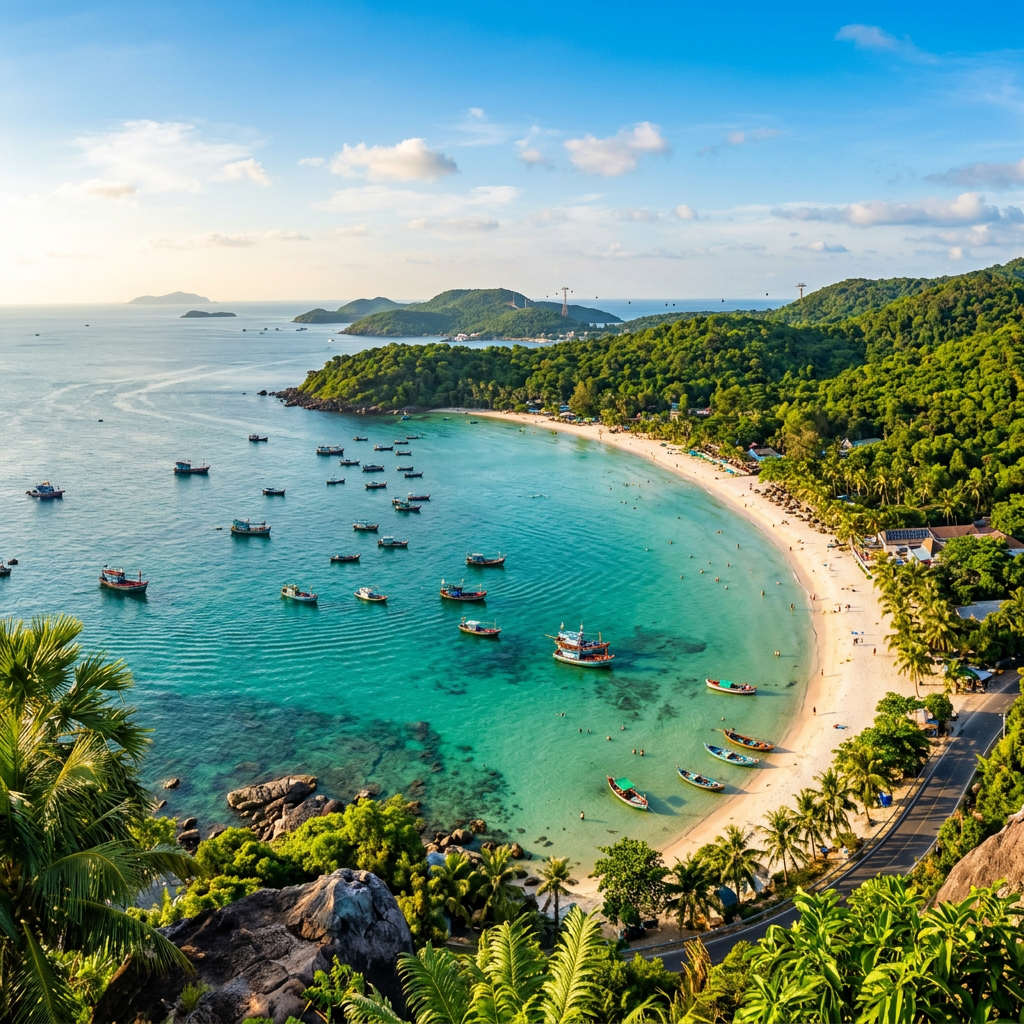
Phu Quoc Island
Discover Phu Quoc Island Phu Quoc Island, the largest island in Vietnam, is located in the Gulf of Thailand, just off the coast of Cambodia. This stunning tropical paradise is renowned for its pristine beaches, lush landscapes, and vibrant marine life. With a rich history dating back centuries, Phu Quoc has evolved from a small fishing village to a burgeoning tourist destination, drawing visitors from around the globe. The island's history is deeply intertwined with both Vietnamese and Khmer cultures, which is evident in its architecture, cuisine, and local customs. Historically, it served as a critical trading post for spices and fish sauce, with its unique production methods contributing to the island's culinary reputation. Today, Phu Quoc is celebrated for its high-quality fish sauce, a must-try for any visitor. Phu Quoc's cultural significance is reflected in its vibrant local markets and traditional fishing villages, where tourists can witness the daily lives of the islanders. The island is home to diverse ethnic groups, including the Kinh, the predominant Vietnamese group, and the indigenous Dao people, who add to the cultural tapestry of this beautiful destination. Local festivals, such as the Dinh Cau Night Market, offer a glimpse into the island's traditions and are perfect for visitors seeking an authentic experience. What makes Phu Quoc truly special is its natural beauty and biodiversity. The island boasts an array of stunning beaches, each with its own unique charm. Long Beach, with its golden sands and vibrant nightlife, is perfect for those looking to relax by the sea, while Sao Beach offers a more serene atmosphere with its crystal-clear waters and soft white sands. The surrounding waters are part of the Phu Quoc Marine Park, which features an incredible variety of marine life, making it a hotspot for diving and snorkeling enthusiasts. In addition to its beaches, Phu Quoc is home to lush jungles and rolling hills, providing ample opportunities for hiking and exploration. National parks like Phu Quoc National Park cover more than half of the island and are home to diverse flora and fauna, as well as several trekking trails that lead to breathtaking viewpoints. The island's unique ecosystem also includes endangered species, making it a significant area for conservation efforts. As Phu Quoc continues to develop, it has become a hub for luxury resorts and eco-friendly accommodations, attracting a mix of travelers seeking both relaxation and adventure. With its combination of rich history, vibrant culture, and unparalleled natural beauty, Phu Quoc Island is not just a destination, but an experience that leaves a lasting impression on all who visit. Top Attractions in Phu Quoc Island – Ranked and Reviewed Phu Quoc Island is a treasure trove of attractions that cater to a variety of interests, from stunning natural landscapes to cultural experiences. Here’s a list of the top-rated attractions, as ranked and reviewed by real travelers on Stay4Exploring. 1. Vinpearl Safari - Rated 4.8/5Vinpearl Safari is Vietnam's first and largest open zoo, offering a unique opportunity to see exotic animals in a natural habitat. Visitors rave about the interactive experiences and the chance to see rare species like the white tiger. Families appreciate the well-maintained facilities and the educational programs available for children. 2. Sao Beach - Rated 4.7/5Sao Beach is often hailed as one of the most beautiful beaches on the island, known for its powdery white sand and turquoise waters. Sunbathers and water sports enthusiasts alike love the calm atmosphere and the availability of activities such as kayaking and snorkeling. Visitors often recommend bringing a picnic to enjoy under the palm trees. 3. Phu Quoc National Park - Rated 4.6/5This expansive national park covers over half of the island and is a haven for nature lovers. Hikers appreciate the well-marked trails leading to stunning viewpoints where they can take in the island’s rugged beauty. Birdwatchers also enjoy the diverse avian population found here, making it a must-visit for outdoor enthusiasts. 4. Dinh Cau Night Market - Rated 4.5/5A vibrant hub of local culture, the Dinh Cau Night Market is the perfect place to indulge in authentic Vietnamese cuisine. Travelers commend the fresh seafood and variety of street food options available. The bustling atmosphere, with live music and local crafts, makes it an exciting experience for visitors of all ages. 5. Ho Quoc Pagoda - Rated 4.4/5This tranquil Buddhist temple offers a serene escape from the bustling tourist spots. Nestled on a hill with breathtaking views of the ocean, visitors appreciate the peaceful ambiance and the stunning architecture. It's an ideal spot for reflection and enjoying the natural beauty surrounding the temple. 6. Long Beach - Rated 4.3/5Long Beach is the go-to destination for those seeking a lively beach atmosphere. Known for its vibrant nightlife, visitors enjoy the beach bars and restaurants that come alive after sunset. The beach is also perfect for sunbathing and swimming during the day, making it a popular choice for travelers. These attractions not only showcase the stunning natural beauty and cultural richness of Phu Quoc Island but also reflect the genuine experiences shared by travelers. Whether you’re an adventure seeker or a culture enthusiast, Phu Quoc Island has something unique to offer every visitor. Planning Your Visit to Phu Quoc Island Phu Quoc Island, often referred to as the "Pearl Island," is Vietnam's largest island and a tropical paradise known for its stunning beaches, lush landscapes, and vibrant marine life. To make the most of your visit, careful planning is essential.Best Time to Visit: The ideal time to visit Phu Quoc is during the dry season, which runs from November to March. During these months, the weather is pleasantly warm, with average temperatures ranging from 25°C to 30°C (77°F to 86°F). The skies are mostly clear, and rainfall is minimal, allowing for plenty of outdoor activities and beach lounging. April can be hot and humid, while the rainy season from May to October may deter some travelers due to heavy downpours and occasional storms. However, visiting in the off-peak season can also mean fewer crowds and lower prices.Getting There: Phu Quoc is accessible by both air and sea. The most convenient way is to fly into Phu Quoc International Airport (PQC), which has direct flights from major cities in Vietnam, including Ho Chi Minh City, Hanoi, and Da Nang. International flights from countries such as Cambodia and Thailand are also available. Alternatively, you can take a ferry from the mainland, with several daily services operating from Ha Tien and Rach Gia. The ferry ride offers a scenic view of the surrounding waters, making it a delightful option for those seeking an adventurous start to their journey.Getting Around: Once on the island, you have several transportation options. Renting a motorbike is a popular choice among tourists, providing the freedom to explore at your own pace. Various rental shops offer bikes for a reasonable daily rate. Alternatively, you can hire a taxi or a private car for a more comfortable experience. Ride-hailing apps like Grab are also available, making it easy to navigate the island without language barriers. Public buses are limited, so plan your routes in advance.Where to Stay: Phu Quoc offers a wide range of accommodations to suit all budgets and preferences. For luxury travelers, resorts like JW Marriott Phu Quoc Emerald Bay and Vinpearl Resort & Spa Phu Quoc provide top-notch services and amenities. Mid-range options include boutique hotels and guesthouses in Duong Dong town, where you can experience local life. Budget travelers will find hostels and homestays that offer a cozy atmosphere and a chance to meet fellow adventurers. When choosing your accommodation, consider proximity to the beach and attractions to maximize your experience on the island. Experience Phu Quoc Island Like a Local To truly embrace the essence of Phu Quoc Island, immerse yourself in the local customs, food, and culture. This will not only enrich your travel experience but also create memorable connections with the island's vibrant community.Local Customs: Vietnamese culture is deeply rooted in family values and respect for traditions. When visiting local homes or temples, be sure to dress modestly and greet people with a warm smile. It’s customary to remove your shoes before entering someone’s home, and a polite bow or nod is an appreciated gesture. Understanding basic Vietnamese phrases, such as "Xin chào" (Hello) and "Cảm ơn" (Thank you), can go a long way in building rapport with locals.Food: Phu Quoc is renowned for its seafood and unique culinary offerings. Don’t miss trying the local specialty, "Bún Quậy," a delicious noodle dish served with fresh seafood and a rich dipping sauce. Visit the Dinh Cau Night Market to sample a variety of street food, including grilled squid, seafood skewers, and tropical fruits. For a more traditional dining experience, head to a local restaurant and indulge in "Nhum" (sea urchin) or "Gỏi Cá Trích" (herring salad). Pair your meals with a refreshing glass of local beer or coconut water for a true taste of the island.Culture: Phu Quoc is home to several cultural sites worth exploring. The Dinh Cau Temple, perched on a rocky outcrop, is a significant landmark that offers stunning views of the sunset. The local fishing villages provide a glimpse into the traditional way of life, where you can witness the daily routines of fishermen and their families. Additionally, participating in a fishing tour or visiting a pearl farm can give you insight into the island’s economic activities.Insider Tips: To experience Phu Quoc like a local, consider visiting off-the-beaten-path beaches such as Long Beach and Sao Beach, where you can relax without the crowds. Engage with local fishermen to learn about their trade, and don’t hesitate to ask for recommendations on hidden gems away from tourist hotspots. Be sure to stay hydrated and use sunscreen, as the sun can be quite intense. Finally, embrace the laid-back vibe of the island; take your time to enjoy each moment and relish the natural beauty surrounding you.
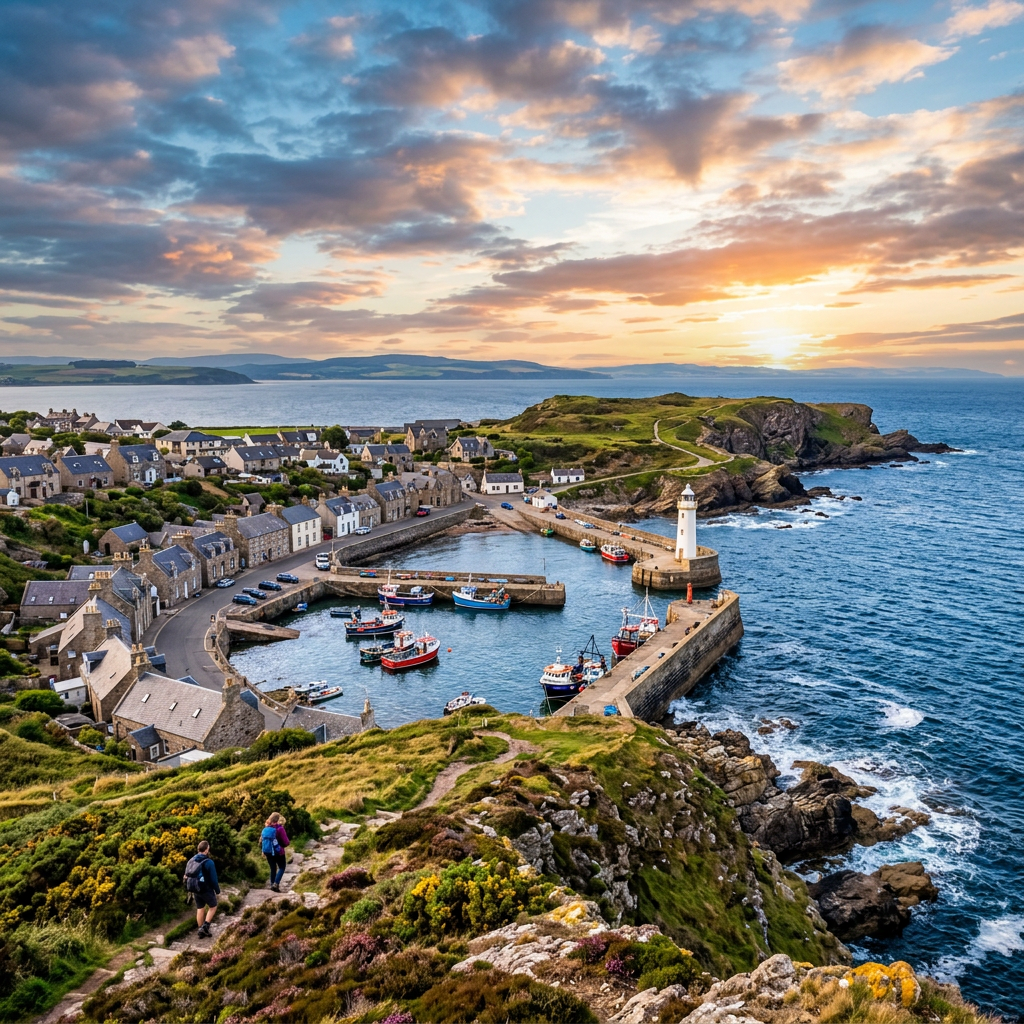
Burghead
Discover Burghead Nestled on the stunning Moray coast of Scotland, Burghead is a quaint fishing village that embodies the rich history and cultural heritage of the region. This picturesque location, with its dramatic cliffs and breathtaking seascapes, has been a significant settlement since ancient times. The village's name is derived from the Gaelic word 'Burg' which translates to 'fort', highlighting its historical importance as a fortified location.Burghead's history dates back over 2,000 years, with archaeological evidence indicating that it was once a Pictish stronghold. The remnants of a Pictish fort can still be seen on the headland, adding to the mystique of the area. This fortification was likely a strategic military site, and its significance is commemorated in the local heritage. Visitors can explore the fascinating Pictish stones, which are intricately carved and provide insight into the life and beliefs of the Picts who once inhabited this land.The village also played a pivotal role during the Norse invasions, and the influence of Scandinavian culture can still be felt in various aspects of local life. As you stroll through the charming streets, you will notice the traditional stone cottages that reflect the architectural styles of the past. The local community is proud of its roots, and this pride is evident in the numerous cultural events and festivals held throughout the year.One of the standout features of Burghead is its thriving fishing industry, which has shaped both the economy and the social fabric of the village. The harbor remains a hub of activity, and visitors can witness fishermen at work while enjoying fresh seafood at local eateries. The community's close ties to the sea are celebrated in various maritime festivals that attract visitors from far and wide.In addition to its historical and cultural significance, Burghead is also a gateway to natural beauty. The surrounding landscapes are ideal for outdoor enthusiasts, offering opportunities for hiking, bird watching, and exploring the rugged coastline. The nearby Moray Firth is famous for its resident populations of dolphins, making it a prime location for wildlife spotting.What makes Burghead truly special is its warm, welcoming atmosphere. The locals take pride in sharing their heritage with visitors, making it an ideal destination for those seeking an authentic Scottish experience. Whether you are exploring ancient ruins, enjoying the stunning coastal views, or indulging in local delicacies, Burghead offers a unique blend of history, culture, and natural beauty that leaves a lasting impression. Top Attractions in Burghead – Ranked and Reviewed Burghead is home to a variety of attractions that cater to history buffs, nature lovers, and those seeking a tranquil retreat. Here, we highlight the top attractions in Burghead, as rated and reviewed by real travelers on Stay4Exploring.1. Burghead Harbour - Rated 4.8/5The heart of the village, Burghead Harbour is a bustling spot where visitors can watch fishermen at work and enjoy the scenic views of the Moray Firth. Travelers praise the picturesque surroundings and the opportunity to spot dolphins. The harbor is also a great place to enjoy a relaxing walk along the coastline.2. Pictish Fort Ruins - Rated 4.7/5These ancient ruins offer a glimpse into Scotland's Pictish past. Visitors appreciate the historical significance of the site and the panoramic views it provides. Many reviews highlight the informative signage that enhances the experience, making it a must-visit for history enthusiasts.3. The Burghead Well - Rated 4.6/5This sacred site is steeped in local legend and history. The well is said to have been a site of pilgrimage, and visitors enjoy exploring the tranquil surroundings. Reviews often mention the peaceful atmosphere and the chance to reflect on the area's spiritual significance.4. Burghead Beach - Rated 4.5/5For those looking to relax by the sea, Burghead Beach is an ideal destination. Visitors rave about the soft sands and the clean, clear waters. Many families find it a perfect spot for picnics and beach games, while others appreciate the opportunity for quiet contemplation by the shore.5. The Moray Firth - Rated 4.9/5Known for its stunning natural beauty and diverse wildlife, the Moray Firth is a highlight for many travelers. Visitors frequently mention the chance to see dolphins and enjoy various water sports. The breathtaking landscapes and coastal walks add to its appeal, making it a top-rated attraction.In addition to these top attractions, Burghead hosts various cultural events and festivals, showcasing local music, art, and cuisine. The annual Burghead Fire Festival is particularly noteworthy, drawing visitors to celebrate the village's rich traditions. Whether you're drawn to its historical landmarks or its natural beauty, Burghead promises an array of experiences that captivate all who visit. Planning Your Visit to Burghead Burghead, a charming coastal village located in Moray, Scotland, boasts a rich history and breathtaking views of the North Sea. When planning your visit, it’s essential to consider the best time of year to experience all that this picturesque destination has to offer. The peak tourist season typically runs from late spring to early autumn, specifically from May to September. During these months, you can enjoy milder weather, with average temperatures ranging from 15°C to 20°C (59°F to 68°F), making it ideal for exploring the outdoors, participating in local events, and enjoying the stunning scenery.However, if you prefer a quieter experience with fewer tourists, consider visiting during the shoulder seasons of late autumn and early spring. Although temperatures may be cooler and occasional rain is likely, the beauty of Burghead remains captivating, and you may find accommodations at a more affordable rate.Getting to Burghead is relatively straightforward. The nearest major city is Inverness, located about 30 miles (48 km) to the southwest. From Inverness, you can take a train or bus to Elgin and then catch a local bus or taxi to Burghead. If you’re driving, the A96 road connects Inverness to Elgin, with a short detour onto the A941 leading you directly to Burghead. For those flying in, Inverness Airport is the closest, offering domestic and limited international flights.Once you arrive in Burghead, getting around is easy. The village itself is compact, making it ideal for walking. Most attractions, including the beach and local shops, are within walking distance. If you want to explore the surrounding areas, consider renting a bicycle or using local taxis for more extended trips. There is also a regular bus service connecting Burghead to nearby towns and attractions.When it comes to accommodation, Burghead offers a variety of options to suit different budgets. For a cozy, local experience, consider staying at one of the charming guesthouses or bed and breakfasts that dot the village. These establishments often provide a warm welcome and a hearty Scottish breakfast to start your day. Alternatively, you can find self-catering options, such as holiday cottages, that allow for a more flexible stay, especially if you’re traveling with family or a group. For those seeking more amenities, the nearby town of Elgin has a broader selection of hotels and lodges, just a short drive away. Experience Burghead Like a Local To truly immerse yourself in the essence of Burghead, it’s essential to embrace the local customs, savor the regional cuisine, and appreciate the vibrant culture that defines this coastal gem. The people of Burghead are known for their warmth and hospitality, so don’t hesitate to engage with locals during your visit. A friendly smile and simple greetings, like ‘hello’ or ‘how are you?’, are always appreciated and can lead to enriching conversations about the area’s history and attractions.When it comes to food, Burghead offers a delightful array of culinary experiences. Seafood lovers will find the village’s proximity to the North Sea a blessing, with fresh catches available at local eateries. Be sure to try traditional Scottish dishes such as haggis, neeps, and tatties, as well as locally sourced fish and chips from one of the town’s fish and chip shops. For a unique experience, visit one of the local pubs, where you can enjoy hearty meals paired with a selection of Scottish ales and whiskies. Don’t miss the chance to try a traditional afternoon tea, featuring scones, sandwiches, and pastries, at a cozy café in the village.The culture of Burghead is deeply rooted in its history, with numerous landmarks and sites that reflect its rich heritage. The Burghead Fort, an ancient Pictish fortification, offers fascinating insights into the area’s past and stunning views of the coastline. Take a leisurely stroll along the coastal paths to experience the natural beauty of the region, and keep an eye out for local wildlife, including seabirds and seals.For insider tips, consider timing your visit to coincide with local festivals or events, such as the Burghead Gala, typically held in July. This lively celebration features traditional music, dance, and various activities that highlight the community spirit and cultural heritage of the area. If you’re keen on exploring further afield, take a day trip to nearby attractions like the historic Elgin Cathedral or the stunning Moray Firth coastline.Lastly, when in Burghead, remember to take your time. The village’s charm lies in its relaxed pace, so allow yourself to wander, explore hidden nooks, and enjoy the breathtaking landscapes without haste. Engaging with the locals, trying out the local food, and appreciating the culture will undoubtedly enrich your experience, making your visit to Burghead truly memorable.

Ashmore
Discover Ashmore Nestled in the heart of the picturesque Dorset countryside, Ashmore is a quaint village that embodies the charm and tranquility of rural England. Known for its stunning landscapes and rich history, Ashmore offers visitors a unique blend of natural beauty and cultural heritage. The village is characterized by its serene atmosphere, making it an ideal retreat for those seeking respite from the hustle and bustle of city life.Historically, Ashmore has roots that date back to the Domesday Book of 1086, highlighting its significance in the region. The village is steeped in history, with remnants of its past visible in the architecture and layout of the area. The historic church of St. Nicholas, with its striking Norman features and captivating stained glass windows, stands as a testament to the village's long-standing heritage. Visitors often find themselves enchanted by the tales of yesteryear that echo through the cobbled streets and thatched-roof cottages.Culturally, Ashmore is rich in local traditions and community spirit. The village hosts several annual events that celebrate its heritage, including fairs and festivals that draw both locals and tourists. These gatherings showcase the talents of local artisans and provide an opportunity for visitors to engage with the community, sampling homemade delicacies and enjoying traditional music and dance.What makes Ashmore truly special is its unspoiled natural environment. Surrounded by rolling hills and lush greenery, the village is an ideal base for outdoor enthusiasts. The nearby Cranborne Chase Area of Outstanding Natural Beauty offers a wealth of walking and cycling trails that cater to all skill levels. Whether you're a seasoned hiker or a casual walker, the breathtaking views and diverse wildlife will leave you in awe. Birdwatchers and nature lovers will particularly appreciate the rich biodiversity that this area has to offer.Moreover, Ashmore is conveniently located near other notable attractions in Dorset, making it an excellent starting point for exploring the wider region. The stunning Jurassic Coast, a UNESCO World Heritage Site, is just a short drive away, providing opportunities for fossil hunting, beachcombing, and scenic coastal walks.In summary, Ashmore stands out as a hidden gem in England, where history and nature come together to create a truly unique destination. With its welcoming community, rich cultural offerings, and stunning landscapes, Ashmore is a place where visitors can immerse themselves in the tranquility of the English countryside while creating lasting memories. Top Attractions in Ashmore – Ranked and Reviewed When visiting Ashmore, you'll find a variety of attractions and activities that have been highly rated and reviewed by fellow travelers on Stay4Exploring. Here are the top highlights that you shouldn't miss during your stay in this charming village.1. St. Nicholas Church - Rated 4.8/5One of Ashmore's most significant landmarks, St. Nicholas Church offers a glimpse into the village's historical roots. Visitors praise its stunning architecture, particularly the intricate Norman features and beautiful stained glass windows. Many travelers have noted the peaceful atmosphere and the opportunity for quiet reflection. The church grounds are well-kept, making it a pleasant spot for a leisurely stroll.2. Ashmore Village Green - Rated 4.7/5This picturesque village green serves as the heart of community life in Ashmore. With a lovely backdrop of thatched cottages and rolling hills, it's the perfect place for a picnic or a relaxing afternoon. Reviewers often comment on the friendly locals and the sense of community that permeates the area. The green is also the site of various events throughout the year, providing visitors with a chance to engage with the local culture.3. Cranborne Chase - Rated 4.9/5For outdoor enthusiasts, the nearby Cranborne Chase Area of Outstanding Natural Beauty is a must-visit. Rated highly by travelers, this expansive area offers breathtaking views, diverse wildlife, and numerous walking and cycling trails. Many visitors recommend the circular walks that lead to stunning viewpoints, making it an ideal spot for photography. Whether you're looking for a leisurely walk or a challenging hike, Cranborne Chase has something for everyone.4. The Old Post Office Tea Room - Rated 4.6/5This quaint tea room is a favorite among visitors for its welcoming atmosphere and delightful homemade treats. Guests rave about the scones and the variety of teas available. Many travelers have noted that it’s a perfect spot to unwind after a day of exploring. The charming decor and friendly staff add to the overall experience, making it a must-visit for anyone in Ashmore.5. Ashmore Heritage Walk - Rated 4.5/5This self-guided heritage walk allows visitors to explore the village's history at their own pace. Reviewers appreciate the informative signage that details the historical significance of various landmarks. The walk is suitable for all ages and offers a wonderful way to learn more about Ashmore while enjoying the beautiful surroundings.In conclusion, Ashmore offers a unique blend of history, culture, and natural beauty. With top-rated attractions like St. Nicholas Church and the scenic Cranborne Chase, visitors are sure to find plenty to see and do. Whether you're looking for a peaceful getaway or an adventure-filled holiday, Ashmore is a destination that promises to enchant every traveler. Planning Your Visit to Ashmore When planning your visit to Ashmore, one of the most picturesque villages in England, it’s essential to consider the best time to experience its unique charm. The ideal time to visit Ashmore is during the late spring (April to June) and early autumn (September to October). During these months, the weather is typically mild and the natural beauty of the surrounding countryside is at its peak, with blooming flowers and vibrant autumn leaves.Getting to Ashmore is relatively straightforward. The village is located in Dorset, approximately 10 miles from the bustling town of Blandford Forum. The nearest major cities are Bournemouth and Poole, both approximately 20 miles away. If you are traveling by car, the A354 road provides easy access to Ashmore. For those relying on public transportation, the nearest train station is in Gillingham, which is about 12 miles away, and from there, you can catch a local bus or taxi to reach the village.Once you arrive in Ashmore, getting around is best done on foot or by bike, as the village is small and most attractions are within walking distance. This allows you to fully immerse yourself in the tranquil atmosphere and enjoy the stunning scenery at your own pace. For those wishing to explore the wider region, consider renting a vehicle to visit nearby attractions such as the historic town of Shaftesbury or the breathtaking landscapes of the Cranborne Chase Area of Outstanding Natural Beauty.For accommodation, Ashmore offers a selection of quaint bed and breakfasts, charming inns, and self-catering cottages, which provide a warm welcome and a taste of local hospitality. Some highly-rated options include The Old Rectory, known for its comfortable rooms and welcoming hosts, or the Ashmore Inn, which is perfect for travelers seeking a cozy pub atmosphere with hearty meals. Additionally, for a more immersive experience, consider renting a cottage to enjoy the village’s serene environment and perhaps even prepare your own meals with locally sourced ingredients.To ensure a smooth visit, it’s advisable to check local events and festivals that might coincide with your travel dates. Ashmore is known for its community spirit, and attending a local event can provide you with an authentic insight into village life. Overall, planning your visit to Ashmore requires some thought regarding timing, transportation, and accommodation, but the effort is well worth it for the chance to experience this idyllic English village. Experience Ashmore Like a Local To truly experience Ashmore like a local, it’s essential to immerse yourself in the village’s customs, food, and culture. Ashmore is a quintessential English village with a rich history and a tight-knit community. One of the first things you’ll notice is the friendly demeanor of the locals, who are often more than happy to share stories about the village’s history and recommend hidden gems to explore.Local customs include traditional morning greetings and the importance of community gatherings. If you happen upon a local event, such as a village fair or a charity bake sale, don’t hesitate to join in! These events often showcase the talents of local artisans and farmers, providing an excellent opportunity to mingle and enjoy homemade goods.When it comes to food, Ashmore offers a delightful array of traditional English cuisine. One must-try dish is the classic Dorset apple cake, which is often served in local tea rooms. The village also has a few eateries that pride themselves on using fresh, locally sourced ingredients. The Ashmore Inn, for instance, serves a seasonal menu featuring dishes made from locally-raised meats and freshly picked vegetables. Pair your meal with a pint of locally brewed ale for an authentic experience.The culture of Ashmore is deeply rooted in its agricultural heritage, and you can see this reflected in the surrounding landscapes of rolling hills and farm fields. Take a leisurely walk along the village’s footpaths to appreciate the natural beauty and perhaps spot some local wildlife. The village is surrounded by stunning walking trails, including routes that lead to the nearby Cranborne Chase, which is perfect for hiking enthusiasts.Insider tips for experiencing Ashmore like a local include visiting the village on a market day, where you can purchase fresh produce and handmade crafts. Don’t forget to bring your reusable bags to support sustainability initiatives in the area. Also, participate in local workshops or classes, such as pottery or cooking, to learn traditional skills and meet residents who are eager to share their knowledge.Engaging with the local community is one of the best ways to enhance your visit to Ashmore. Whether you’re joining in a local festival, enjoying a meal at a family-run pub, or exploring the beautiful countryside, you’ll find that the warm, welcoming spirit of Ashmore will leave you with lasting memories. By embracing the customs and culture of this charming village, you’ll gain a deeper appreciation for its history and the people who call it home.
Abbeville
Discover Abbeville Located in the heart of South Carolina, Abbeville is a charming small town steeped in rich history and vibrant culture. Established in 1780, it has played a significant role in the region's development and is often referred to as the "City of the Roses" due to its annual Rose Festival. The town was once the center of the Abbeville District, a crucial agricultural and political hub in the 19th century, contributing to its historical significance.Abbeville's history is marked by several key events, including its involvement in the Civil War, where it was a meeting place for Confederate leaders. Today, remnants of this past can be found in the beautifully preserved architecture that lines the town's streets, including the historic Abbeville Opera House, which has been a focal point for performing arts since its opening in 1908.Culturally, Abbeville is a blend of Southern charm and artistic expression. The town hosts various events throughout the year, including art shows, music festivals, and of course, the renowned Rose Festival which celebrates the blooming of thousands of roses in local gardens. This celebration not only highlights the town's floral beauty but also brings the community together, showcasing local artisans and musicians.What makes Abbeville special is its commitment to preserving its history while fostering a sense of community and creativity. The town is small enough to feel intimate, yet packed with experiences waiting to be uncovered. Whether you're exploring the quaint downtown shops, enjoying a meal at a local diner, or participating in community events, you'll find that the spirit of Abbeville is welcoming and inviting.Visitors often remark on the friendliness of the locals, who are proud of their heritage and eager to share it with newcomers. The town's unique blend of history, culture, and hospitality creates an environment that feels both nostalgic and refreshing. It’s a place where you can slow down, take in the scenic views, and appreciate the simple joys of life.In addition to its cultural offerings, Abbeville is surrounded by natural beauty, with parks and recreational areas nearby, making it an ideal destination for outdoor enthusiasts. From hiking trails to fishing spots, the landscapes offer plenty of opportunities for adventure. Overall, Abbeville is a hidden gem in South Carolina, where history meets modern-day charm, making it a must-visit destination for travelers seeking a unique and enriching experience. Top Attractions in Abbeville – Ranked and Reviewed Abbeville is home to a variety of attractions that cater to different interests, ensuring that every visitor can find something to enjoy. Below are some of the top-rated attractions in Abbeville, as ranked and reviewed by real travelers on Stay4Exploring.1. Abbeville Opera HouseRated 4.8/5, the Abbeville Opera House is a historic venue that hosts a variety of performances, from theater productions to musical concerts. Visitors rave about the intimate setting and the quality of the performances, making it a cultural highlight of the town. The building itself is a piece of history, and attending a show here is a unique way to experience Abbeville's artistic scene.2. The Rose Hill Plantation State Historic SiteWith a rating of 4.7/5, this former plantation offers guided tours that delve into the history of the region and the lives of those who lived there. Travelers appreciate the knowledgeable guides who bring the history to life, providing insights into the plantation's past while exploring the beautiful grounds.3. Abbeville Historic DistrictThis area is rated 4.6/5 and is perfect for a leisurely stroll. Visitors enjoy the well-preserved architecture, including antebellum homes and quaint shops. Many reviewers highlight the friendliness of the locals and the opportunity to learn about the town's history through its buildings.4. Trinity Episcopal ChurchRated 4.5/5, this historic church is known for its stunning Gothic architecture and beautiful stained glass windows. Visitors often find peace and tranquility within its walls, making it a perfect stop for reflection and appreciation of the craft of its builders.5. The Abbeville Farmers MarketWith a rating of 4.4/5, this market is a favorite among locals and visitors alike. Open seasonally, it features fresh produce, handmade goods, and local delicacies. Reviewers love the vibrant atmosphere and the chance to interact with local vendors, making it a great spot to experience Abbeville's community spirit.6. Lake SecessionRated 4.3/5, this nearby lake offers a variety of outdoor activities, including fishing, boating, and picnicking. Visitors appreciate the scenic beauty and opportunities for relaxation and recreation. It's a perfect escape for those looking to enjoy nature while spending time with family and friends.Each of these attractions provides a glimpse into what makes Abbeville unique, from its rich history and cultural offerings to its beautiful natural surroundings. Whether you're a history buff, an art lover, or simply looking to relax, Abbeville has something for everyone. The reviews from fellow travelers serve as a testament to the charm and appeal of this delightful Southern town. Planning Your Visit to Abbeville Abbeville, a charming town nestled in the heart of Louisiana, is a hidden gem that offers a unique blend of Southern hospitality, rich history, and vibrant culture. When planning your visit, it's essential to consider the best time to experience all that Abbeville has to offer.The ideal time to visit Abbeville is during the spring (March to May) and fall (September to November) months. During these seasons, the weather is pleasantly mild, with temperatures ranging from the mid-60s to the low 80s Fahrenheit. This makes it perfect for outdoor activities, festivals, and exploring the local attractions. Summer can be hot and humid, while winters are generally mild, but the spring and fall seasons provide the most comfortable conditions.Getting to Abbeville is easy, as it is conveniently located along U.S. Highway 167. The nearest major airport is Lafayette Regional Airport (LFT), approximately 30 minutes away by car. If you are driving, Abbeville is just a short trip from larger cities like Lafayette and New Iberia, making it accessible for a day trip or a weekend getaway.Once you arrive, getting around Abbeville is straightforward. The town is compact, so walking or biking is a great way to explore the local sites. For those who prefer to drive, rental cars are available at the airport and throughout the town. Public transportation options are limited, so having your own vehicle or using rideshare services is recommended for convenience.When it comes to accommodation, Abbeville offers a range of options to suit every traveler's needs. From charming bed and breakfasts to budget-friendly motels, there’s something for everyone. For a unique experience, consider staying at a local inn or guesthouse that provides a more personal touch. The Abbeville Inn and the Maison de Matt are popular choices, offering comfortable rooms and easy access to the town's attractions. For travelers seeking luxury, consider booking a stay at one of the nearby resorts in Lafayette, which is just a short drive away and offers additional amenities.In summary, planning your visit to Abbeville involves selecting the right time to go, understanding how to get there, and choosing the best accommodation options. With its welcoming atmosphere and rich cultural offerings, Abbeville promises an unforgettable travel experience. Experience Abbeville Like a Local To truly experience Abbeville like a local, it’s important to immerse yourself in the town's customs, cuisine, and culture. Abbeville is known for its warm and friendly residents, who are eager to share their traditions with visitors. Greeting locals with a smile and a friendly 'hello' is a great way to start your journey. The community's Southern hospitality is palpable, and you'll find that locals are often willing to recommend places to eat and visit.Food is an integral part of Abbeville's culture, heavily influenced by Cajun and Creole traditions. Be sure to indulge in the local cuisine, which features dishes such as gumbo, jambalaya, crawfish étouffée, and boudin. A visit to Abbeville wouldn’t be complete without trying the famous Abbeville crawfish, especially during the spring when they are in season. Popular spots like 'Cafe des Amis' and 'The Abbeville Seafood House' offer authentic dishes that reflect the town's culinary heritage. Don’t forget to sample some beignets or a slice of pecan pie for dessert!Abbeville also boasts a vibrant cultural scene. The town hosts various festivals throughout the year, such as the annual 'Crawfish Festival' and the 'Abbeville Heritage Festival,' where you can enjoy live music, local arts and crafts, and, of course, delicious food. Engaging with these local events is a fantastic way to connect with the community and learn about the region's history and traditions.In addition to festivals, visiting local galleries and shops can provide insight into the artistic talent of Abbeville. The town features several galleries showcasing works by local artists, as well as shops selling handmade crafts and goods. Exploring the historic district is a must; the architecture reflects the area's rich history, and strolling through the streets allows visitors to appreciate the unique charm of the town.For those looking for insider tips, consider taking a guided tour to explore the hidden gems of Abbeville. Local guides often have fascinating stories to share about the town’s history and culture that you might not learn on your own. Additionally, don’t hesitate to ask locals for their favorite spots to eat or visit—you might discover a quaint café or a scenic park that isn't found in typical travel guides.By embracing the local customs, savoring the delicious cuisine, and participating in cultural activities, you’ll not only enjoy the beauty of Abbeville but also gain a deeper understanding of what makes this town a special destination.

Capri
Discover Capri Situated in the Tyrrhenian Sea, just a short ferry ride from the bustling city of Naples, Capri is an enchanting island known for its stunning natural beauty, rich history, and vibrant culture. This picturesque destination has captivated visitors since ancient times, attracting emperors, artists, and travelers alike. The island’s history dates back to the Roman Empire when Emperor Augustus made it a luxurious retreat, later followed by Emperor Tiberius, who built several villas, including the famous Villa Jovis.Capri's unique geography, characterized by steep cliffs, lush vegetation, and crystal-clear waters, creates a dramatic backdrop that has inspired countless artists and writers throughout the centuries. The island's rugged coastline is dotted with hidden coves and grottos, the most famous being the Blue Grotto, a mesmerizing sea cave illuminated by an otherworldly blue light. This natural wonder serves as a reminder of the island’s extraordinary natural beauty and allure.Beyond its breathtaking landscapes, Capri is also a hub of culture and sophistication. The island’s towns, particularly Capri town and Anacapri, are filled with charming piazzas, upscale boutiques, and exquisite dining options. Visitors can immerse themselves in the local culture by exploring the artisanal shops and sampling traditional cuisine, influenced by both land and sea. Signature dishes include fresh seafood, handmade pasta, and the island’s renowned Caprese salad, made with locally grown tomatoes and mozzarella.Capri is a place where the past and present coalesce seamlessly. The island's historical significance is reflected in its well-preserved architecture, including ancient Roman ruins, charming churches, and elegant villas. The stunning Gardens of Augustus offer sweeping views of the Faraglioni rock formations and the Bay of Marina Piccola, making it a popular spot for visitors seeking both relaxation and picturesque vistas.One of the defining characteristics of Capri is its vibrant social scene. The island is known for its lively nightlife, with chic bars and clubs where visitors can enjoy cocktails while soaking in the stunning views. Additionally, Capri hosts various cultural events throughout the year, including art exhibitions and music festivals that celebrate the island’s rich artistic heritage.What makes Capri truly special is its ability to evoke a sense of timelessness. Whether you are wandering through the narrow streets of the towns, lounging on a sun-drenched beach, or sailing along the azure waters, Capri offers a unique blend of history, culture, and natural beauty that captivates the heart and soul of every traveler. It is no wonder that this island has remained a beloved destination for generations, providing an unforgettable experience that stays with visitors long after they depart. Top Attractions in Capri – Ranked and Reviewed Capri is a treasure trove of attractions that cater to various interests, from history buffs to nature enthusiasts. Here is a ranked list of the top attractions in Capri, based on real traveler reviews from Stay4Exploring.1. Blue Grotto (Grotta Azzurra) - This natural sea cave is renowned for its stunning blue waters, created by sunlight filtering through an underwater opening. Visitors rave about the magical experience of rowing through the cave, where the luminous blue light creates an enchanting ambiance. Be sure to arrive early or late in the day to avoid long lines and enjoy a more peaceful visit.2. Villa Jovis - The ruins of Emperor Tiberius' grand villa provide a glimpse into the island's imperial past. Visitors appreciate the stunning views from the villa's terraces, as well as the fascinating history that surrounds it. The hike to the villa is also a highlight, offering scenic views of the coastline along the way.3. Gardens of Augustus - This beautifully manicured garden features a variety of local flora and provides spectacular views of the Faraglioni rocks and Marina Piccola. Travelers love to relax in the gardens, taking in the breathtaking scenery and capturing memorable photographs.4. Capri Town - The vibrant heart of the island, Capri Town dazzles with its chic boutiques, charming cafes, and lively atmosphere. Visitors enjoy exploring the quaint streets, sipping espresso in the piazzas, and indulging in shopping at high-end designer stores.5. Anacapri - This quieter town offers a more laid-back vibe, with stunning views and a range of activities. Visitors recommend taking the chairlift to Monte Solaro, the highest point on the island, for panoramic views of Capri and the surrounding sea.6. Faraglioni Rocks - These iconic limestone formations are one of Capri’s most photographed landmarks. Travelers often take boat tours around the rocks, where they can marvel at their impressive height and unique shapes. Sunset tours are particularly popular for their romantic atmosphere.7. Marina Piccola - A picturesque beach area, Marina Piccola is perfect for sunbathing and swimming. Visitors appreciate its crystal-clear waters and stunning views of the Faraglioni. The beach clubs here offer comfortable loungers and delicious refreshments, making it a great spot to spend a day.8. Certosa di San Giacomo - This historic monastery is a hidden gem that showcases Capri’s religious heritage. Visitors enjoy exploring the peaceful gardens and the beautiful interior of the church, which is adorned with impressive artwork.With its diverse range of attractions, Capri promises an unforgettable experience for every visitor. Whether you’re seeking adventure, relaxation, or cultural enrichment, the island's charm and beauty will leave you wanting to return again and again. Planning Your Visit to Capri Capri, the jewel of the Bay of Naples, is a stunning island that enchants travelers with its breathtaking landscapes, azure waters, and rich history. When planning your visit to Capri, several factors come into play, including the best time to visit, how to get there, how to navigate the island, and where to stay.The best time to visit Capri is during the shoulder seasons of spring (April to June) and fall (September to October). During these months, the weather is pleasantly warm, with temperatures averaging between 20 to 25 degrees Celsius (68 to 77 degrees Fahrenheit), and the island is less crowded compared to the peak summer months of July and August. This allows visitors to enjoy the island’s attractions and natural beauty without the hustle and bustle of the summer tourist rush.Getting to Capri involves a scenic ferry or hydrofoil ride from Naples or Sorrento. Ferries depart regularly from both locations, with the journey taking about 45 minutes to an hour. For a more luxurious experience, consider taking a private boat transfer. Once you arrive at the Marina Grande, you can easily access the island's main towns, including Capri and Anacapri, via local buses, taxis, or funiculars. Remember that car rentals are not available on the island, which adds to its charm and tranquility.Getting around Capri is best done on foot, as many attractions are within walking distance of each other. However, for those who prefer a more leisurely pace, buses and taxis are readily available. Be prepared for narrow, winding streets and some steep inclines, which are part of the island's unique character.When it comes to accommodation, Capri offers a range of options from luxury hotels to cozy bed and breakfasts. For a splurge, consider staying at the famous Hotel Quisisana or the Capri Palace, both of which offer stunning views and top-notch service. If you’re looking for a more budget-friendly option, there are charming guesthouses and boutique hotels in Anacapri that provide a more intimate experience. Regardless of where you choose to stay, booking in advance is advisable, especially during peak season.In summary, planning your visit to Capri involves choosing the right time to travel, understanding how to reach the island, navigating its picturesque streets, and selecting the ideal place to stay. With careful planning, your trip to this enchanting island will be unforgettable. Experience Capri Like a Local To truly experience Capri like a local, it’s essential to immerse yourself in the island’s customs, food, and culture. Capri is not just a beautiful destination; it’s a place rich in tradition and community spirit.One of the island’s most distinctive customs is the traditional evening passeggiata, or stroll. Locals and visitors alike gather in the Piazzetta, the main square of Capri, to enjoy the cool evening air, sip limoncello, and socialize. This is a perfect opportunity to engage with the locals, soak in the ambiance, and appreciate the vibrant social life of the island.Food is a vital aspect of Capri’s culture, and no visit is complete without indulging in local culinary delights. Start your day with a traditional Caprese breakfast, featuring fresh mozzarella, ripe tomatoes, and fragrant basil. For lunch, try the island’s famous ravioli capresi, a delicious pasta dish filled with local cheese and herbs. Don’t miss out on the seafood, especially the fresh catch from the Mediterranean, served at many seaside restaurants. For dessert, the delizia al limone, a lemon cake soaked in limoncello, is a must-try.Capri is known for its artisanal products, particularly limoncello, a lemon liqueur made from the island’s zesty lemons. Visit local shops to sample and purchase this iconic beverage, and consider joining a limoncello-making workshop for a hands-on experience. Additionally, the island is home to high-quality handmade sandals, a tradition that dates back to the 1930s. Many local artisans offer custom fittings, allowing you to create a personalized pair.In terms of culture, Capri has a rich artistic heritage influenced by its natural beauty. The island has inspired many artists and writers over the years, and you can explore this cultural legacy by visiting the Villa San Michele in Anacapri, which features stunning gardens and a museum filled with art and artifacts. For a taste of local music, look out for live performances and festivals that showcase traditional Neapolitan songs.For insider tips, consider venturing beyond the main tourist spots. Explore the lesser-known paths and hidden coves, such as the secluded beaches of Marina Piccola or the enchanting Blue Grotto, best visited early in the morning to avoid crowds. Engage with locals and ask for their recommendations on where to eat or what to see; they often know the best-kept secrets of the island.In conclusion, experiencing Capri like a local involves embracing the island’s customs, indulging in its culinary delights, and immersing yourself in its rich culture. By venturing off the beaten path and engaging with the local community, you will create unforgettable memories during your time on this magical island.
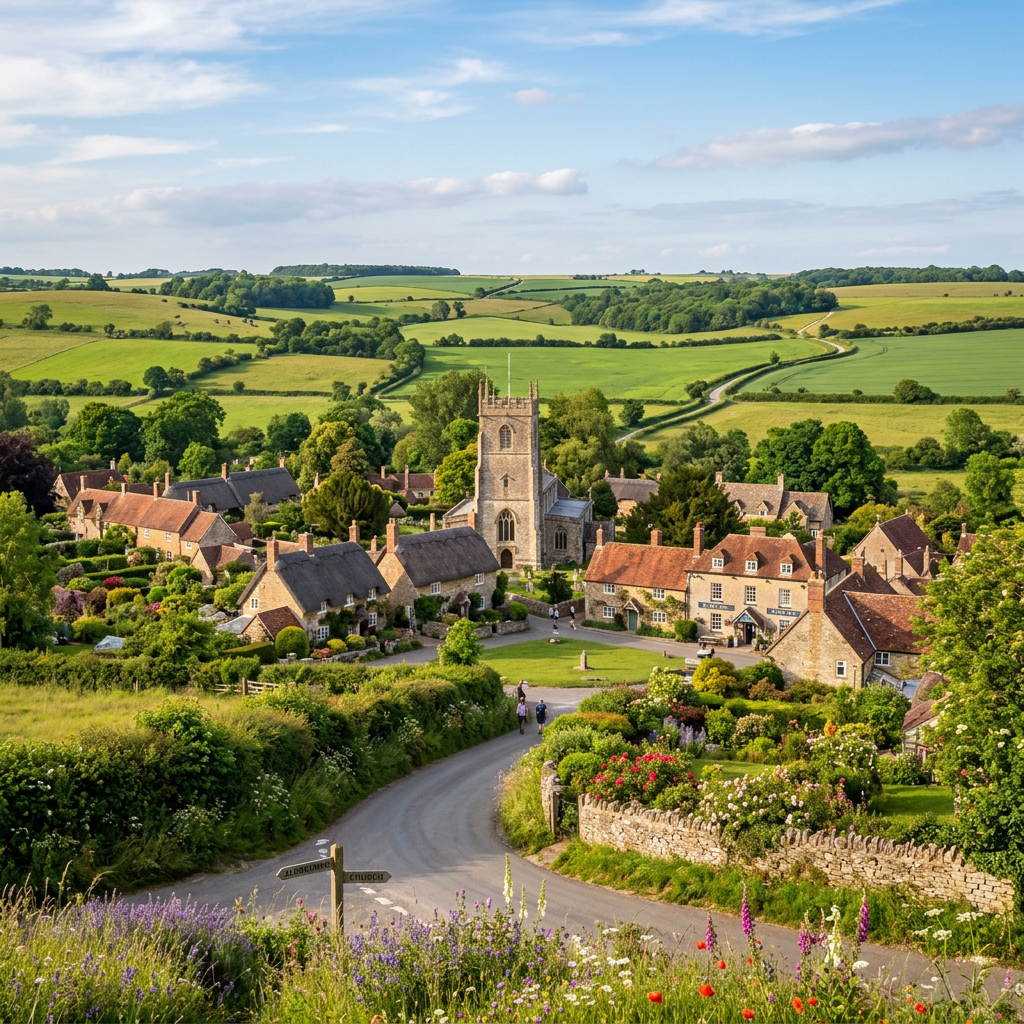
Aldbourne
Discover Aldbourne Aldbourne, a picturesque village located in the rolling hills of Wiltshire, England, is steeped in history and charm. With its origins dating back to the 10th century, this quaint village has managed to retain much of its historical character, making it a gem for history buffs and curious travelers alike. Aldbourne's name is believed to derive from the Old English 'Ald' and 'burna', meaning 'old stream', which reflects the village's connection to the natural landscape.The village is known for its beautiful stone cottages, many of which are listed buildings, showcasing architecture from various periods. The vibrant village center features the iconic St. Michael's Church, which has roots tracing back to the 12th century. This architectural marvel is not just a place of worship but also a focal point for community gatherings and celebrations, encapsulating the strong sense of community that Aldbourne is known for.Culture thrives in Aldbourne, influenced by its rich history and the surrounding countryside. The village is also recognized for its traditions, including the annual Aldbourne Fete, which draws visitors from nearby towns and celebrates local crafts, food, and music. The event is a perfect opportunity to experience the warm hospitality of the villagers, making it a highlight for those who visit.Aldbourne’s significance extends beyond its charming streets and historical sites. It has been featured in various literary works, and its picturesque landscape has attracted artists and photographers seeking to capture its beauty. Visitors will find themselves enchanted by the village’s serene environment, where nature and history intertwine seamlessly.For outdoor enthusiasts, Aldbourne serves as a gateway to the stunning landscapes of the North Wessex Downs Area of Outstanding Natural Beauty, offering various walking trails and opportunities for cycling. The nearby Savernake Forest, one of the oldest forests in England, is a fantastic spot for a leisurely walk, picnic, or simply soaking in the tranquil surroundings.What makes Aldbourne truly special is its ability to offer a slice of authentic English village life. Whether you’re strolling through its charming streets, enjoying a pint in a local pub, or engaging with friendly locals, you’ll find that Aldbourne is a hidden treasure that invites you to slow down and appreciate the simple joys of life. With its rich tapestry of history, culture, and stunning natural beauty, Aldbourne is a destination that promises to leave a lasting impression on every traveler. Top Attractions in Aldbourne – Ranked and Reviewed Aldbourne may be small, but it offers a wealth of attractions that are highly rated and reviewed by visitors on Stay4Exploring. Here’s a rundown of the top attractions that you simply cannot miss when visiting this charming village.1. St. Michael's Church - Rated 4.8/5This historic church stands at the heart of Aldbourne and is a must-visit for anyone interested in architecture or local history. Visitors rave about the beautiful stained glass windows and the serene atmosphere within. Many travelers highlight the church's impressive tower and its role in the community, making it a favorite stop for those looking to appreciate Aldbourne's heritage.2. Aldbourne Heritage Centre - Rated 4.7/5The Heritage Centre offers a fascinating glimpse into the village's past, showcasing artifacts and photographs that tell the story of Aldbourne’s development through the centuries. Reviewers particularly appreciate the knowledgeable staff, who are eager to share stories and answer questions, enhancing the overall experience.3. The Village Green - Rated 4.6/5The heart of Aldbourne, the Village Green is where locals gather for events and where visitors can enjoy a leisurely stroll. Guests love the picturesque setting, often commenting on the lush greenery and the quaint benches that provide perfect spots for relaxation. It’s an excellent place for families to unwind and soak in the village atmosphere.4. Aldbourne Fete - Rated 4.9/5 (seasonal event)Held annually, the Aldbourne Fete is a highlight of the village’s social calendar. Visitors rave about the vibrant atmosphere filled with local crafts, delicious food, and live music. It’s a fantastic opportunity to mingle with locals and experience the community spirit of Aldbourne, making it a highly anticipated event for many.5. Walking Trails in the North Wessex Downs - Rated 4.5/5For those who love the outdoors, the walking trails surrounding Aldbourne offer breathtaking views and a chance to immerse oneself in nature. Reviewers appreciate the well-marked paths and the variety of routes available, catering to all fitness levels. Whether you’re up for a leisurely walk or a more challenging hike, you’ll find the trails rewarding.In conclusion, Aldbourne is a treasure trove of attractions, each rated and reviewed by real travelers who have experienced its charm firsthand. From historical sites to community events, there’s something for everyone in this delightful village. Whether you're a history enthusiast, nature lover, or simply seeking a peaceful retreat, Aldbourne promises an unforgettable experience. Planning Your Visit to Aldbourne Aldbourne, a picturesque village located in Wiltshire, England, is an ideal destination for travelers seeking a blend of history, nature, and tranquility. To make the most of your visit, it's essential to plan ahead and consider the best time to go, how to get there, local transportation options, and where to stay.Best Time to VisitThe best time to visit Aldbourne is during the late spring and early autumn months, specifically from May to September. During this period, the weather is generally mild and pleasant, making it a great time for outdoor activities such as hiking and exploring the village's attractions. The village is also adorned with blooming flowers and lush greenery, adding to its charm. Summer brings a vibrant atmosphere with local events and festivals, while autumn showcases stunning foliage.Getting ThereAldbourne is accessible by both car and public transportation. If you are driving, the village is conveniently located near the M4 motorway, just a short distance from the towns of Marlborough and Swindon. Additionally, you can reach Aldbourne via the A346 road, which connects to various major routes in the region. For those traveling by train, the nearest railway station is in Swindon, approximately 8 miles away. From Swindon, you can take a bus or taxi to reach Aldbourne.Getting AroundOnce in Aldbourne, getting around is relatively easy. The village is compact and walkable, allowing visitors to explore its charming streets, historical sites, and green spaces on foot. However, if you wish to venture further afield, consider renting a bicycle or using local taxi services. Public transport options, including buses, are available for trips to nearby towns and attractions, making it convenient to explore the surrounding area.Where to StayAldbourne offers a range of accommodation options suitable for different budgets and preferences. For a cozy and authentic experience, consider staying at one of the local bed and breakfasts, where you can enjoy warm hospitality and home-cooked breakfasts. The village also features a few quaint inns and guesthouses, providing comfortable lodging with easy access to the village's main attractions. If you prefer more modern amenities, several hotels are available in nearby towns such as Marlborough and Swindon. For travelers seeking a unique experience, consider booking a countryside cottage or a holiday rental, which offers a home-like atmosphere surrounded by beautiful scenery. Experience Aldbourne Like a Local To truly immerse yourself in the charm of Aldbourne, it’s essential to embrace the local customs, savor the traditional cuisine, and engage with the vibrant culture that defines this picturesque village. Here are some tips to help you experience Aldbourne like a local.Local CustomsAldbourne has a rich history dating back to the Saxon era, and its customs reflect this heritage. Visitors are often welcomed with warm hospitality, and it’s customary to greet locals with a friendly smile. Engaging in conversations at local shops or during community events is encouraged, as residents take pride in their village and enjoy sharing its stories. If you’re in town during one of the village's traditional events, such as the annual Aldbourne Carnival, be sure to participate in the festivities, which showcase local talent and foster a sense of community.FoodCulinary experiences in Aldbourne are a delightful journey into British cuisine. The village boasts a few charming pubs and cafés where you can sample traditional dishes, including hearty English breakfasts, fish and chips, and classic Sunday roasts. The Crown Inn is a popular spot, known for its warm atmosphere and locally sourced ingredients. For a sweet treat, don’t miss the chance to try homemade cakes and pastries at the local tearooms. Additionally, consider visiting farmers' markets in the area to discover fresh produce and artisanal products that reflect the region's agricultural heritage.CultureAldbourne is rich in cultural heritage, with historical sites and landmarks that tell the story of the village. The stunning St. Michael's Church, with its impressive architecture and beautiful stained glass windows, is a must-visit. History enthusiasts will appreciate the village's connections to the famous author J.R.R. Tolkien, who was inspired by the surrounding landscapes. Engage with local art through exhibitions and workshops, or simply take a leisurely stroll to enjoy the scenic countryside views that have inspired many artists.Insider TipsTo make the most of your visit, consider these insider tips: first, take advantage of the walking trails that surround Aldbourne. The Ridgeway National Trail, a historic path, offers stunning views and a chance to connect with nature. Second, visit during the weekdays if possible, as weekends can be busier with local events. Lastly, don’t hesitate to ask locals for recommendations on hidden gems, whether it’s a quaint café or a scenic viewpoint. By embracing the local way of life, you’ll leave Aldbourne with unforgettable memories and a deeper appreciation for this charming village.
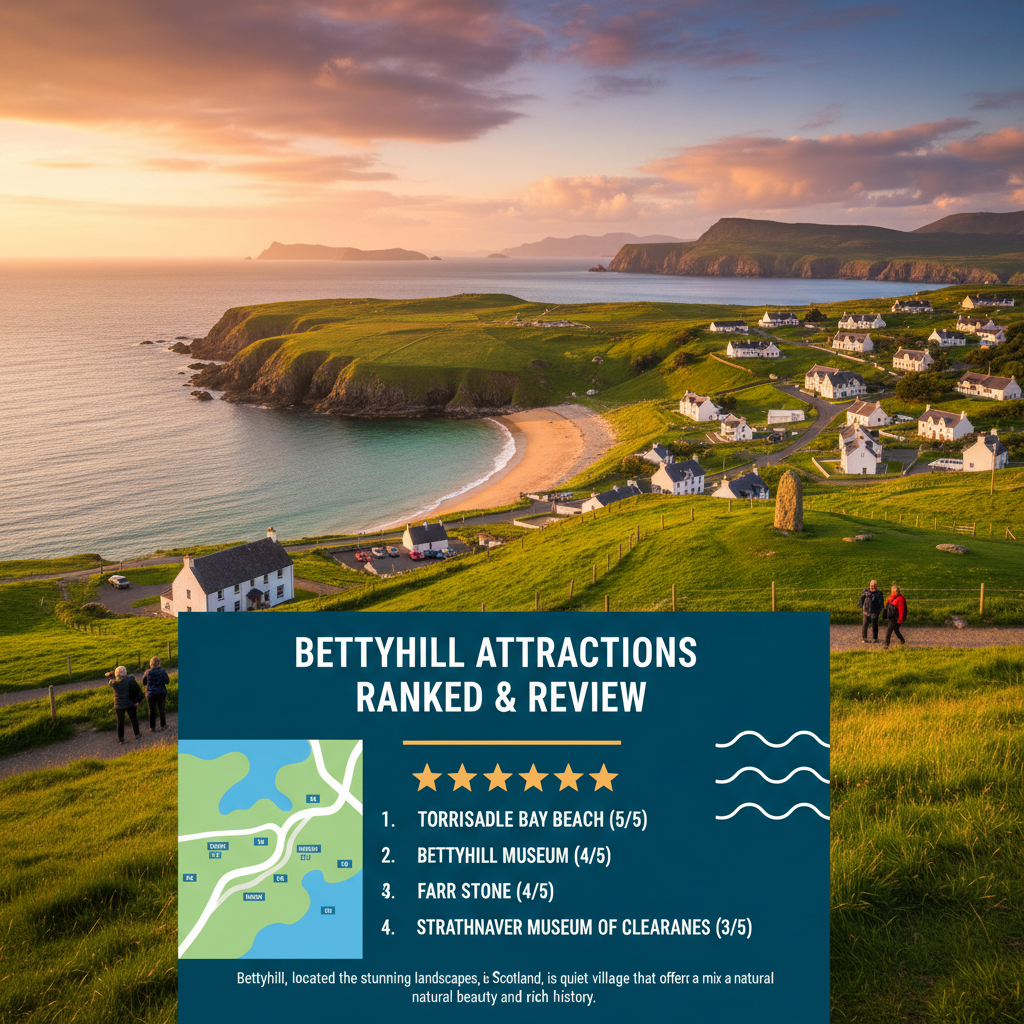
Bettyhill
Discover Bettyhill Bettyhill, a picturesque village located on the northern coast of Scotland in Sutherland, is a hidden gem that beautifully embodies the rugged charm and rich cultural heritage of the Highlands. Nestled between the stunning cliffs of the Atlantic Ocean and the rolling hills of the hinterland, this small village is not only a scenic destination but also a place steeped in history and tradition.The history of Bettyhill dates back to the early 19th century when it was established as a fishing and farming community. Its name is derived from the nearby Betty Hill, which is believed to have been named after the wife of a local landowner. Over the years, Bettyhill has transformed from a humble settlement into a popular tourist destination, attracting visitors seeking solace in nature and glimpses into Scotland's storied past.One of the standout features of Bettyhill is its unique cultural significance. The village is part of the wider region known as Strathnaver, which has a rich Gaelic heritage. The influence of the Gaelic language and culture is evident in local traditions, music, and storytelling, providing visitors with an authentic Scottish experience. The area is also renowned for its ancient archaeological sites, including remnants of Neolithic and Bronze Age settlements, standing stones, and burial cairns, which offer a fascinating insight into the lives of Scotland's early inhabitants.Bettyhill is also recognized for its natural beauty. The village is surrounded by stunning landscapes that include dramatic cliffs, pristine beaches, and lush green hills. The nearby Torrisdale Beach is a favorite among locals and visitors alike, offering a serene spot for picnics, beachcombing, and leisurely strolls along the shore. The coastal scenery is complemented by an abundance of wildlife, making it a prime location for birdwatching and nature photography.What makes Bettyhill truly special is its sense of community and welcoming atmosphere. With a population of just a few hundred, the village provides a quaint, friendly environment where visitors can connect with locals and learn about the area’s traditions and way of life. The annual Bettyhill Highland Games, held each August, showcases traditional Scottish sports, music, and dance, drawing crowds from near and far to celebrate the vibrant culture of the Highlands.In summary, Bettyhill is not just a stop on the map; it is a destination that offers a unique blend of history, culture, and breathtaking landscapes. Whether you’re exploring ancient ruins, relaxing on the beach, or engaging with the local community, you’ll find that Bettyhill is a place where time slows down, and the beauty of nature and heritage come together in perfect harmony. Top Attractions in Bettyhill – Ranked and Reviewed When visiting Bettyhill, you'll discover a variety of attractions that cater to different interests, all of which have been ranked and reviewed by real travelers on Stay4Exploring. Here is a curated list of the top attractions that you shouldn't miss during your visit.1. Torrisdale Beach - Rated 4.8/5Visitors rave about Torrisdale Beach for its stunning natural beauty and tranquility. The golden sands and picturesque dunes make it an ideal spot for sunbathing, picnicking, and long walks. Many travelers appreciate the beach's relatively secluded location, allowing for a peaceful escape from the hustle and bustle of everyday life.2. Strathnaver Museum - Rated 4.7/5This museum is a treasure trove of local history, showcasing artifacts that tell the story of the Strathnaver area. Visitors commend the knowledgeable staff and engaging exhibits, which include displays on the Highland Clearances and the local Gaelic culture. It's a must-visit for anyone interested in understanding the region's past.3. The Bettyhill Hotel - Rated 4.6/5The Bettyhill Hotel is not just a place to stay; it's a central hub for dining and socializing in the village. Guests frequently highlight the warm hospitality and delicious meals, particularly local seafood dishes. The hotel also offers stunning views of the surrounding landscape, making it a perfect spot to unwind after a day of exploration.4. Cape Wrath - Rated 4.5/5Just a short journey from Bettyhill, Cape Wrath is known for its dramatic cliffs and breathtaking views of the Atlantic Ocean. Travelers love the rugged beauty of the area and often recommend taking a guided tour to fully appreciate the landscape and spot native wildlife. The lighthouse at Cape Wrath is a highlight for many visitors.5. The Whaligoe Steps - Rated 4.4/5A series of steep steps leading down to a small harbor, the Whaligoe Steps are an impressive feat of engineering and offer a glimpse into the area's fishing heritage. Visitors enjoy the challenge of descending the steps and are rewarded with scenic views and a unique perspective of the coastline.6. Hiking Trails - Rated 4.3/5Bettyhill is surrounded by a network of hiking trails that suit all levels of experience. Hikers often mention the stunning vistas and diverse landscapes they encounter along the way. The pathways lead through lush hills, alongside the coast, and even to ancient ruins, providing a perfect blend of adventure and sightseeing.In conclusion, Bettyhill offers a diverse array of attractions that cater to history buffs, nature lovers, and those seeking relaxation. With the insights and reviews from fellow travelers, you'll find that your visit to this charming village will be filled with unforgettable experiences and a deeper appreciation for the beauty and culture of the Scottish Highlands. Planning Your Visit to Bettyhill Bettyhill, a charming village located on the northern coast of Scotland, is a hidden gem that offers breathtaking landscapes, rich history, and a warm community atmosphere. When planning your visit, timing is essential to fully enjoy all that this picturesque area has to offer.The best time to visit Bettyhill is between late spring and early autumn (May to September). During these months, you can expect milder weather, longer daylight hours, and a plethora of outdoor activities. Summer months, particularly July and August, are the peak tourist season, so if you prefer a quieter experience, consider visiting in late spring or early autumn when the crowds are thinner but the beauty of the landscape remains intact.Getting to Bettyhill can be an adventure in itself. The nearest major city is Inverness, approximately 100 miles to the south. From Inverness, you can rent a car and take the A9 north, which leads you through stunning highland landscapes. Alternatively, there are bus services available, although they might require multiple changes. If you're feeling adventurous, consider a scenic train journey to Thurso or Wick and then a bus to Bettyhill.Once you arrive in Bettyhill, getting around is quite simple. The village is small and walkable, and many attractions are easily accessible by foot. For those looking to explore the surrounding areas, renting a bicycle can be a great way to see the stunning coastline and nearby hills at your own pace. Alternatively, having a car allows you the freedom to explore the more remote and breathtaking sites nearby, such as the Strathnaver Museum or the iconic Ceannabeinne Beach.When it comes to accommodation, Bettyhill offers a variety of options to suit different budgets and preferences. Cozy bed and breakfasts like The Bettyhill Hotel provide a warm atmosphere and personalized service, often featuring locally sourced breakfast options. For those seeking self-catering options, you can find charming cottages and lodges that allow you to immerse yourself in the local way of life. Additionally, camping is available for those who want to connect with nature directly. Whichever option you choose, booking in advance during peak season is advisable to secure your preferred accommodations. Experience Bettyhill Like a Local Experiencing Bettyhill like a local involves embracing the unique customs, rich culture, and delectable food that define this scenic village. The locals are known for their friendliness and hospitality, making it easy for visitors to feel welcomed and at home.One local custom you might encounter is the traditional Scottish ceilidh, a social gathering that often features music, dancing, and storytelling. If you have the opportunity to attend one during your visit, don’t miss it! Engaging in a ceilidh allows you to immerse yourself in the local culture, meet new friends, and enjoy live traditional music.Food is another integral part of the local experience. Bettyhill is known for its fresh seafood, including locally caught fish and shellfish. Be sure to try some traditional Scottish dishes, such as haggis, neeps, and tatties, at one of the local pubs or restaurants. The local bakery is also a must-visit, offering freshly baked goods that reflect the region's culinary heritage. Don't forget to sample homemade shortbread or scones served with clotted cream and jam, a true Scottish treat!The culture of Bettyhill is deeply intertwined with its history, much of which is rooted in the Highland Clearances. Visiting the Strathnaver Museum will give you insights into the local history, from the ancient Picts to the more modern struggles of the Highland people. The museum's exhibits are curated by locals who are passionate about preserving the area’s past, and they often have stories to share. For those wanting to venture beyond the village, consider exploring the surrounding landscape. The nearby hills and coastline offer fantastic opportunities for hiking, birdwatching, and photography. One insider tip is to take a walk along the coastal paths at sunset; the views are breathtaking and provide the perfect backdrop for memorable photographs.Lastly, remember that locals appreciate respect for their traditions and environment. Always ask for permission before taking photographs of people or their property, and be mindful of the natural surroundings by following the Leave No Trace principles. By embracing the local customs and making an effort to connect with the community, you’ll not only enrich your travel experience but also leave with lasting memories of your time in Bettyhill.

Pembroke
Discover Pembroke Pembroke, a small town located in Pembrokeshire, Wales, is steeped in history and culture that captivates both visitors and locals alike. Renowned as the birthplace of the Tudor dynasty, Pembroke is a treasure trove of historical significance. The town is perhaps best known for its magnificent Pembroke Castle, a Norman fortress that dominates the skyline and draws history enthusiasts from all over the globe. Dating back to the 11th century, Pembroke Castle is the birthplace of Henry VII, the first monarch of the Tudor dynasty. This historic site not only offers a glimpse into medieval architecture but also provides an immersive experience with its interactive exhibits and stunning views from the castle walls. The castle’s strategic location by the water allowed it to serve as a vital military stronghold, and today, it stands as a testament to the rich tapestry of Welsh history. The culture of Pembroke is also deeply influenced by its natural surroundings. The town is situated near the Pembrokeshire Coast National Park, a stunning area known for its rugged coastline, sandy beaches, and diverse wildlife. The park is a UNESCO Biosphere Reserve and attracts nature lovers and outdoor enthusiasts who come to hike the coastal paths, explore hidden coves, and appreciate the breathtaking scenery. Pembroke is not just about history and nature; it boasts a vibrant local community that celebrates its heritage through various events and festivals. One of the highlights is the Pembroke Fish Festival, which takes place annually and showcases the town's maritime history and local seafood delicacies. This event draws locals and tourists alike, creating a lively atmosphere filled with music, food stalls, and family-friendly activities. Another cultural gem in Pembroke is the town’s thriving arts scene. Local galleries and craft shops display works from talented artisans, reflecting the area’s creativity and craftsmanship. Visitors can find unique souvenirs, from handmade pottery to intricate textiles, providing a perfect way to take a piece of Pembroke home. The town itself is characterized by its charming streets lined with historic buildings, cozy cafes, and welcoming pubs. The warm hospitality of the locals is palpable, making Pembroke a place where visitors can feel at home while exploring its many attractions. From the picturesque St. Mary’s Church, known for its striking architecture, to the tranquil surroundings of the Mill Pond, Pembroke offers a perfect blend of history, culture, and community spirit. In conclusion, Pembroke stands out as a destination that encapsulates the essence of Welsh heritage. With its rich historical significance, stunning natural landscapes, and vibrant local culture, Pembroke is a place that invites exploration and appreciation. Whether you’re a history buff, a nature lover, or simply seeking a peaceful getaway, Pembroke has something special to offer every traveler. Top Attractions in Pembroke – Ranked and Reviewed Pembroke is brimming with attractions that cater to a wide array of interests. Below are the top-rated attractions, as ranked and reviewed by visitors, ensuring that your experience in this charming town is both enriching and enjoyable. Pembroke Castle: No visit to Pembroke would be complete without exploring the iconic Pembroke Castle. Visitors rave about its impressive structure, fascinating history, and engaging exhibits. Many reviews highlight the stunning panoramic views from the castle walls, making it a perfect spot for photography enthusiasts. Pembroke Dock Heritage Centre: Located just a short distance from Pembroke town center, the Heritage Centre offers insights into the shipbuilding industry that thrived in the area during the 19th and 20th centuries. The museum features interactive displays and artifacts, with visitors praising the knowledgeable staff who provide guided tours. St. Mary’s Church: This historic church is known for its beautiful architecture and serene atmosphere. Visitors often comment on the intricate stained glass windows and the peaceful churchyard, making it a lovely place to step back and soak in the tranquility of Pembroke. Mill Pond: A picturesque spot for a leisurely stroll, the Mill Pond is surrounded by lush greenery and offers stunning views of Pembroke Castle. Visitors often enjoy picnicking by the water or taking a serene walk along the paths, with many noting the abundance of wildlife that can be spotted in the area. Pembroke Fish Festival: This annual event celebrates the town’s maritime heritage and culinary delights. Attendees rave about the delicious seafood on offer, as well as the lively atmosphere filled with music and entertainment. It’s a must-visit for anyone looking to experience local culture and community spirit. These attractions not only highlight Pembroke’s rich history and culture but also offer opportunities for outdoor activities and community engagement. Each site has received positive reviews from visitors who appreciate the unique experiences they provide, making them essential stops during your visit to Pembroke. Furthermore, many reviewers emphasize the accessibility of these attractions, with most being within walking distance of the town center. Whether you’re a history enthusiast, a nature lover, or simply looking to unwind in a beautiful setting, Pembroke’s top attractions promise to deliver unforgettable experiences. Planning Your Visit to Pembroke Planning a visit to Pembroke involves considering the best time to explore this charming Welsh town, how to get there, and options for accommodation. With its unique blend of history, culture, and natural beauty, Pembroke is a destination worth discovering. Best Time to Visit: The ideal time to visit Pembroke is during the spring and summer months (April to September). During this period, the weather is generally mild and pleasant, allowing visitors to enjoy outdoor activities such as hiking, exploring the coastline, and attending local festivals. The Pembroke Fish Festival in late summer is a highlight for many, drawing crowds with its lively atmosphere and delicious seafood offerings. However, the shoulder seasons of autumn and early spring also have their charm. While the weather may be cooler, these months offer fewer crowds and the opportunity to experience Pembroke in a more tranquil setting. If you’re a fan of autumn foliage, visiting in October can provide stunning views of the surrounding landscapes. Getting There: Pembroke is well-connected by road and rail. The nearest train station is Pembroke Dock, located just a short distance away, with regular services from larger cities like Cardiff and Swansea. If you’re driving, Pembroke is easily accessible via the A477 and A478 roads, making it convenient for those traveling from various parts of Wales and beyond. For international travelers, Cardiff Airport is the closest major airport, located approximately 90 miles away. From the airport, you can rent a car or take a train to reach Pembroke. Additionally, several bus services operate routes to Pembroke from various towns and cities in the region. Getting Around: Once in Pembroke, the best way to explore the town and its attractions is on foot. Most key sites, including the castle, Mill Pond, and St. Mary’s Church, are within walking distance of each other. This allows visitors to take in the charming streets and local shops at a leisurely pace. For those looking to explore the Pembrokeshire Coast National Park, public transport options, including buses, are available for reaching popular hiking trails and beaches. Where to Stay: Pembroke offers a range of accommodation options to suit various budgets and preferences. Local hotels, guesthouses, and bed-and-breakfasts provide comfortable stays with a warm Welsh welcome. For a more unique experience, consider staying in a historic inn or a cozy cottage that captures the essence of Pembroke. Popular choices include the Old Kings Arms Hotel, which is located in the heart of Pembroke and offers comfortable rooms with modern amenities, and The Coach House Hotel, known for its excellent dining options and friendly service. For those traveling with families, self-catering cottages can be a great option, providing ample space and facilities to make your stay enjoyable. In summary, planning your visit to Pembroke involves choosing the right time, understanding transportation options, and selecting suitable accommodations. With its rich history, stunning landscapes, and welcoming atmosphere, Pembroke is a destination that promises a memorable experience for all who visit. Experience Pembroke Like a Local To truly experience Pembroke like a local, it’s essential to immerse yourself in the town’s customs, culinary delights, and cultural offerings. Understanding the local way of life will enrich your visit and provide a deeper connection to this charming Welsh town. Local Customs: Pembroke has a strong sense of community, and locals take pride in their heritage and traditions. Engaging with residents and participating in community events can provide valuable insights into the town’s culture. The Welsh language is an integral part of Pembroke’s identity, and while many locals speak English, learning a few Welsh phrases can be a delightful way to connect with the community. Simple greetings such as “Bore da” (Good morning) and “Diolch” (Thank you) are often appreciated. Culinary Delights: Pembroke boasts a range of local culinary offerings that reflect its coastal location and rich agricultural land. Seafood plays a prominent role in the local cuisine, with restaurants serving up fresh catches of the day. The Fish & Chips from local eateries are a must-try, with many visitors praising the quality and flavor. For a unique experience, seek out the local delicacy, cawl, a traditional Welsh stew made with lamb and seasonal vegetables. Additionally, Pembrokeshire is known for its artisanal products, including cheeses, jams, and baked goods. Visiting local markets, such as the Pembroke Farmers’ Market, allows you to sample these delicious offerings and support local producers. Many locals recommend the Gwaun Valley Brewery for craft beers, which are perfect for enjoying in one of the town’s cozy pubs. Cultural Experiences: Pembroke’s cultural scene is vibrant, with various events and festivals taking place throughout the year. Apart from the Fish Festival, keep an eye out for arts and crafts fairs, music festivals, and local theater productions. The Pembroke Arts Festival showcases local talent, featuring everything from visual arts to live performances, providing a fantastic opportunity to engage with the creative community. For those interested in history, consider joining guided tours that delve into the town’s past, highlighting its medieval roots and connections to the Tudor dynasty. Many locals are passionate about sharing their knowledge, making these tours both informative and enjoyable. Insider Tips: To get the most out of your Pembroke experience, here are some insider tips: Explore the lesser-known trails in Pembrokeshire Coast National Park for stunning views away from the crowds. Try to catch a local live music event; the pubs often host talented musicians, providing a lively atmosphere. Visit local shops for unique souvenirs crafted by local artisans rather than touristy trinkets. Engage with locals; they can provide recommendations for hidden gems and off-the-beaten-path experiences. In conclusion, experiencing Pembroke like a local involves embracing the town’s customs, indulging in its culinary delights, and participating in cultural events. By connecting with the community and immersing yourself in the local way of life, your visit to Pembroke will undoubtedly be a memorable one.

Brighton
Discover Brighton Brighton, located on the southern coast of England, is a vibrant and eclectic city known for its rich history, thriving culture, and lively atmosphere. Once a humble fishing village, Brighton transformed into a fashionable seaside resort in the 18th century, becoming a favored retreat for the British elite during the Regency era. Its historical significance is evident in its stunning architecture, including the iconic Royal Pavilion, which showcases a unique blend of Indian and Chinese influences.The city’s history is intertwined with the sea; Brighton's pebbled beach and traditional pier are central to its identity. The seafront has been a gathering place for locals and tourists alike for centuries. The arrival of the railway in 1841 further solidified Brighton’s status as a popular destination, making it easily accessible from London. This influx of visitors has contributed to the city’s diverse cultural landscape, where historic landmarks coexist with contemporary art installations and indie boutiques.Today, Brighton is celebrated for its inclusivity and progressive ethos. The city is a hub for creativity, attracting artists, musicians, and performers from across the globe. The annual Brighton Festival and Brighton Fringe, held every May, are testament to the city’s vibrant arts scene, featuring a plethora of performances, exhibitions, and events that cater to all tastes. Additionally, Brighton is renowned for its LGBTQ+ community, hosting one of the largest Pride festivals in the UK, which draws thousands of participants and spectators each summer.What makes Brighton truly special is its unique blend of tradition and modernity. Visitors can wander through the narrow lanes of the North Laine, where they’ll discover an array of independent shops, vintage stores, and quirky cafés. The city’s diverse culinary scene offers everything from traditional fish and chips to innovative vegan dishes, reflecting its multicultural influences.The surrounding natural landscape also enhances Brighton’s charm. The nearby South Downs National Park provides a stunning backdrop for outdoor activities such as hiking and cycling. The iconic chalk cliffs of the Seven Sisters are a short drive away, offering breathtaking views of the English Channel.Brighton’s atmosphere is one of openness and acceptance, making it a welcoming destination for everyone. Whether you are seeking a relaxing beach day, an adventure in the great outdoors, or a deep dive into the local arts and culture, Brighton has something for everyone. It’s a city that thrives on creativity, celebrates diversity, and invites exploration, making it a must-visit destination in the UK. Top Attractions in Brighton – Ranked and Reviewed Brighton boasts a wealth of attractions that cater to a variety of interests, making it a destination where every traveler can find something to enjoy. Here’s a ranked list of some of the top attractions in Brighton, based on real traveler reviews from Stay4Exploring.1. The Royal PavilionThe Royal Pavilion is perhaps Brighton’s most iconic landmark. This extravagant former royal residence features stunning Indo-Saracenic architecture and lavish interiors that transport visitors to the Regency era. Travelers rave about its opulent decor, particularly the intricate ceiling designs and the beautiful gardens surrounding the Pavilion. Many reviews highlight the informative guided tours that provide insight into the Pavilion's rich history.2. Brighton Palace PierBrighton Palace Pier is a classic seaside attraction, offering amusement rides, arcade games, and food stalls. Visitors love the nostalgic vibe of the pier, with many enjoying a stroll while savoring traditional candy floss or fish and chips. Reviews often mention the stunning sea views and the lively atmosphere, especially during sunset.3. The LanesThe Lanes are a maze of narrow alleyways filled with independent shops, cafes, and art galleries. Travelers appreciate the unique shopping experience, with many stating that it’s the perfect place to find one-of-a-kind souvenirs. The vibrant street art and the eclectic vibe of the area receive high praise, making it a favorite spot for both locals and tourists.4. Brighton BeachNo visit to Brighton is complete without a trip to its famous beach. The pebbled shore is perfect for sunbathing, beach games, or simply relaxing with a good book. Reviews highlight the lively atmosphere, with street performers and beachside cafes enhancing the experience. Visitors also enjoy water sports and the chance to take a dip in the sea during warmer months.5. Brighton i360For those seeking a unique perspective of the city, the Brighton i360 offers a spectacular viewing experience. This observation tower allows visitors to ascend to 450 feet and enjoy panoramic views of the coastline and beyond. Reviewers frequently mention the smooth ride and the informative commentary provided during the ascent, making it a must-do for first-time visitors.6. The Brighton Museum and Art GalleryThis museum showcases a diverse collection of art, design, and history, reflecting the cultural richness of Brighton and Hove. Many travelers appreciate the rotating exhibitions and the opportunity to learn about the local area’s heritage. The museum is particularly praised for its family-friendly atmosphere, with interactive displays for children.Each of these attractions contributes to Brighton's charm, offering visitors a mix of history, leisure, and cultural experiences. With such a variety of activities to choose from, it’s no wonder Brighton continues to be a favorite destination among travelers from around the world. Planning Your Visit to Brighton Brighton, often dubbed the 'City by the Sea,' is a vibrant coastal destination known for its eclectic atmosphere, historic architecture, and lively cultural scene. To make the most of your visit, it’s essential to plan ahead.Best Time to VisitBrighton enjoys a temperate maritime climate, making it a year-round destination. However, the best time to visit is during the summer months, from June to August, when the weather is warm, and various festivals take place. Expect crowds, especially on weekends. If you prefer a quieter experience, consider visiting in the shoulder seasons of spring (April to June) or autumn (September to October) when the weather is still pleasant but the tourist numbers are lower. Winter (November to March) can be chilly and wet, but it offers a unique charm with festive decorations and fewer crowds.Getting ThereBrighton is easily accessible by various means of transportation. If you’re traveling from London, the train is the most convenient option, with direct services from London Victoria or London Bridge taking around an hour. If you’re coming from further afield, Gatwick Airport is the closest major airport, just a 30-minute train ride away. Buses and coaches also connect Brighton with numerous cities across the UK, while driving is an option with nearby motorway access, although parking can be challenging during peak times.Getting AroundOnce in Brighton, getting around is easy. The city is compact and pedestrian-friendly, making walking a pleasant way to explore. Local buses operate frequently, and the city is well-served by a bike-sharing scheme if you prefer cycling. For those wanting to explore the surrounding countryside, car rentals are available, though be mindful of parking restrictions and fees in the city center.Where to StayBrighton offers a wide range of accommodation options to suit every budget and preference. For a luxurious stay, consider one of the boutique hotels along the seafront, which provide stunning views of the coastline. Mid-range options include cozy guesthouses and family-run hotels, while budget travelers can find hostels and budget hotels in the city center. For a unique experience, check out the quirky Airbnb options, from converted church rooms to charming beach huts. Regardless of where you stay, ensure you book in advance, especially during busy seasons, to secure the best rates and availability. Experience Brighton Like a Local To truly immerse yourself in the Brighton experience, understanding local customs, food, and culture is key. This seaside city is rich in diversity, making it a fascinating place to explore.Local CustomsBrighton is known for its open-mindedness and progressive values. The city celebrates diversity in all forms, which is reflected in its numerous events throughout the year, including the Brighton Pride Festival, one of the UK's largest and most colorful LGBTQ+ celebrations. When interacting with locals, a friendly smile and a casual greeting are always appreciated; the Brighton community is generally warm and welcoming.FoodBrighton’s culinary scene is eclectic and vibrant, influenced by its multicultural population. Don’t miss out on tasting local specialities such as fish and chips from a traditional seaside stall or indulging in freshly caught seafood at one of the many restaurants along the seafront. For a unique experience, visit the Brighton Open Market, where you can sample local produce, artisan foods, and street food from around the world. Vegan and vegetarian options are plentiful, reflecting the city’s health-conscious ethos.CultureBrighton is a hub of creativity and artistic expression. The city boasts numerous galleries, theaters, and music venues. The Brighton Festival, held every May, showcases local talents and international artists across various disciplines, including theater, music, and visual arts. The North Laine area is particularly known for its bohemian vibe, with independent shops, street performers, and vibrant street art. Exploring this area will give you a taste of Brighton’s creative spirit.Insider TipsTo experience Brighton like a local, consider visiting the less touristy spots. Take a stroll along the Undercliff Walk, a scenic route between Brighton and Saltdean, offering stunning sea views away from the hustle and bustle. Join locals for a drink at one of the seaside pubs or enjoy a picnic at the beautiful Preston Park. Additionally, be sure to check out the local events calendar before your visit; Brighton is always buzzing with festivals, markets, and live performances that can enhance your experience.
Teguise
Discover Teguise Nestled in the heart of Lanzarote, Teguise is a charming town that offers visitors a glimpse into the rich history and cultural heritage of the Canary Islands. Established in the 15th century, Teguise was once the capital of Lanzarote and served as a crucial hub for trade and commerce during its early years. The town's historical significance is evident in its well-preserved architecture and cobbled streets, which reflect a blend of traditional Canarian and colonial influences.One of the standout features of Teguise is its picturesque setting. Surrounded by volcanic landscapes and rolling hills, the town is a feast for the senses. Visitors can enjoy breathtaking views of the surrounding countryside while exploring the charming plazas and quaint shops that line the streets. The town's rich cultural tapestry is woven from its history of agriculture, trade, and craftsmanship, making it a unique destination for those interested in the traditions and lifestyle of the island.Teguise is also renowned for its vibrant local markets, particularly the Sunday market held in the main square, where artisans showcase their crafts, and local produce is available for purchase. This lively atmosphere attracts both locals and tourists alike, fostering a sense of community that is palpable in the air. The market is a perfect place to sample traditional Canarian cuisine, including dishes like 'gofio' and fresh seafood, all while enjoying live music and performances that encapsulate the spirit of the island.Art and creativity flourish in Teguise, with numerous galleries and studios dotted throughout the town. The legacy of renowned artist César Manrique is felt here, as his influence on the island's architectural style and environmental consciousness is a point of pride for the residents. Visitors can explore the nearby Fundación César Manrique, which is dedicated to preserving his work and promoting the island's artistic heritage.The town's significance goes beyond its historical and cultural elements; it is also a gateway to explore the natural wonders of Lanzarote. From the Timanfaya National Park's dramatic volcanic landscapes to the stunning beaches nearby, Teguise serves as a perfect base for adventurers and nature lovers. Whether you're hiking through the volcanic terrain or lounging on the sun-soaked shores, Teguise's strategic location offers endless opportunities for exploration.Overall, Teguise is a destination that captures the hearts of those who visit. Its rich history, vibrant culture, and breathtaking scenery make it a unique and memorable place to experience the essence of Lanzarote. Whether you are wandering through its historic streets, savoring local delicacies at the market, or exploring the nearby natural wonders, Teguise promises an authentic Canarian experience that you won't soon forget. Top Attractions in Teguise – Ranked and Reviewed Teguise is home to a variety of attractions that cater to different interests, making it a perfect destination for travelers. Here are the top-rated attractions in Teguise, as ranked and reviewed by visitors:1. Sunday Market in Teguise - The Sunday market is a must-visit for anyone in Teguise. This vibrant event draws both locals and tourists, creating a lively atmosphere filled with music, delicious food, and handcrafted goods. Visitors rave about the variety of stalls offering everything from artisanal cheeses to unique souvenirs. It’s the perfect place to immerse yourself in local culture and taste authentic Canarian cuisine.2. Museo de la Piratería - Located in a former convent, the Museum of Piracy provides a fascinating insight into the history of piracy in the Canary Islands. With engaging exhibits and interactive displays, visitors appreciate the informative nature of the museum. Many reviewers highlight the museum’s charming ambiance and the knowledgeable staff who enhance the experience with captivating stories of the island's pirate past.3. Castillo de Santa Bárbara - Perched atop a hill, this historic castle offers stunning views of the surrounding landscape. The castle itself is well-preserved and houses the Museo de la Piratería. Travelers commend the panoramic vistas and the opportunity to explore the castle's rich history. It’s a great spot for photography and provides a glimpse into the island's defensive architecture.4. Fundación César Manrique - Art lovers will appreciate a visit to the César Manrique Foundation, dedicated to the renowned artist and architect who shaped Lanzarote’s aesthetic. Set in Manrique’s former home, the foundation showcases his work and philosophy. Visitors often express admiration for the unique architecture and the beautiful gardens that reflect Manrique’s commitment to harmonizing art and nature.5. Teguise's Historic Town Center - Strolling through Teguise’s historic center is a delight for any traveler. The charming streets are lined with traditional Canarian buildings, quaint cafes, and local shops. Reviewers often mention the warm and welcoming atmosphere, making it a perfect spot to relax and soak in the local culture. Don’t forget to stop by the Plaza de la Constitución, the heart of the town, where you can enjoy a coffee or meal.Teguise offers a rich blend of history, culture, and activities that appeal to a diverse range of travelers. Whether you're exploring the pirate museum, enjoying the lively market, or taking in the artistic legacy of César Manrique, visitors consistently rate these attractions highly for their unique experiences and memorable moments. A trip to Teguise is sure to leave you with lasting memories and a deeper appreciation for the enchanting Canary Islands. Planning Your Visit to Teguise Teguise, the former capital of Lanzarote, is a charming town that captivates visitors with its rich history, stunning architecture, and vibrant local culture. When planning your visit to Teguise, a few considerations can enhance your experience and ensure a memorable trip. Best Time to Visit: The ideal time to visit Teguise is during the spring (March to May) and autumn (September to November). These months offer pleasant weather, with average temperatures ranging from 20 to 25 degrees Celsius (68 to 77 degrees Fahrenheit). The summer months can be hot, with temperatures soaring above 30 degrees Celsius (86 degrees Fahrenheit), while winter is mild but can be windy. Additionally, spring and autumn see fewer tourists, allowing for a more authentic experience of local life. Getting There: Teguise is easily accessible from Lanzarote Airport (ACE), which serves numerous international destinations. Upon arrival, you can rent a car, take a taxi, or use public transportation. The drive to Teguise takes approximately 15-20 minutes. If you're traveling from other parts of Lanzarote, several bus routes connect Teguise to popular destinations like Arrecife and Costa Teguise. Getting Around: Teguise is a compact town, making it easy to explore on foot. Strolling through its cobblestone streets allows you to discover charming squares, local boutiques, and historic landmarks at your own pace. For those who prefer cycling, bike rentals are available, providing a great way to explore the surrounding countryside. If you plan to venture to nearby attractions, consider renting a car or using public transport, as some sites may be too far to reach on foot. Where to Stay: Teguise offers a range of accommodation options to suit different budgets and preferences. For luxury travelers, the H10 Suites Lanzarote Gardens offers upscale amenities and family-friendly services. If you prefer boutique accommodations, consider Hotel Boutique La Quinta Roja, which boasts a charming atmosphere and personalized service. Budget travelers will find hostels and guesthouses scattered throughout the town, such as Casa Teguise, that provide a cozy and affordable stay. For an authentic experience, look for traditional Canarian casas (houses) available for rent, allowing you to immerse yourself in local culture. Experience Teguise Like a Local To fully appreciate Teguise, it's essential to immerse yourself in its local customs, food, and culture. This will not only enhance your travel experience but also provide a deeper understanding of the town and its people. Local Customs: Teguise is steeped in tradition, and visitors are encouraged to respect local customs. Greeting locals with a friendly "Hola" (hello) and a smile goes a long way. If you're invited to a home, it's customary to bring a small gift, such as pastries or wine. The town also celebrates various festivals throughout the year, including the famous Carnival of Teguise, held in February or March, where vibrant parades and colorful costumes take over the streets. Food: Lanzarote's culinary scene is rich and diverse, influenced by its volcanic soil and surrounding ocean. When in Teguise, you must try local dishes like papas arrugadas (wrinkled potatoes) served with mojo sauce, as well as fresh seafood dishes like cherne (local fish) cooked in traditional styles. Don't miss the weekly Teguise Market, held every Sunday, where you can sample local delicacies, purchase handmade crafts, and experience the lively atmosphere. Pair your meals with a glass of local wine from the unique volcanic vineyards of Lanzarote, known for producing excellent white wines. Culture: Teguise is home to several cultural landmarks, including the Church of Nuestra Señora de Guadalupe and the Casa Museo del Timple, which showcases the island's traditional music. Take time to visit the Museo de la Piratería, where you can learn about the island's history of piracy and trade. Engaging with local artists and craftsmen at the market or workshops can provide insight into the island's artistic heritage. Insider Tips: To experience Teguise like a local, aim to visit during the quieter hours, particularly in the early morning or late afternoon, when you can enjoy the peaceful ambiance. Consider exploring the outskirts of Teguise for hiking or biking opportunities; the surrounding countryside offers breathtaking views of the landscape. Lastly, be sure to interact with locals, as they are often eager to share their stories and recommendations, providing an authentic glimpse into life in Teguise.

Seychelles
Discover Seychelles Seychelles, an archipelago of 115 islands scattered across the Indian Ocean, is a paradise known for its stunning beaches, unique wildlife, and vibrant culture. The history of Seychelles can be traced back to its discovery in the 18th century by European explorers, particularly the French, who claimed the islands in 1756. The islands were later taken over by the British in the 19th century, which significantly influenced the cultural fabric of Seychelles. Today, the nation is an independent republic, but its history is still reflected in its diverse culture, which is a blend of African, French, and British influences. The significance of Seychelles extends beyond its beautiful landscapes. The islands are home to some of the world’s rarest species, including the Aldabra giant tortoise and the Seychelles black parrot, making it a vital location for conservation efforts. Its pristine nature reserves and marine parks are recognized as UNESCO World Heritage Sites, drawing nature lovers and eco-tourists from around the globe. Seychelles is not just a haven for beach lovers; it also offers a rich tapestry of flora and fauna that is unique to the islands. What makes Seychelles truly special is its commitment to preserving the environment while still promoting tourism. The government has implemented various sustainability policies to protect its natural beauty and biodiversity. Visitors can explore lush jungles, granite mountains, and some of the most picturesque beaches, such as Anse Source d'Argent and Beau Vallon, which are often cited as among the best in the world. The local culture of Seychelles is lively and colorful, characterized by vibrant music, dance, and festivals. Traditional Creole cuisine, infused with spices and fresh seafood, offers a culinary experience that reflects the islands' multicultural heritage. Visitors can engage with the locals through various cultural events and enjoy traditional dance performances, such as the Sega, which adds to the authentic Seychellois experience. In addition to its rich history and culture, Seychelles is also a destination for adventure. Whether it’s snorkeling in the crystal-clear waters, hiking through lush trails, or experiencing the vibrant nightlife, there’s something for everyone. The hospitality of the Seychellois people, known for their warmth and friendliness, enhances the overall experience, making visitors feel at home. In summary, Seychelles is more than just a tropical getaway; it is a place steeped in history, culture, and natural beauty. Its commitment to ecological preservation alongside its rich cultural heritage makes it a unique destination that appeals to a wide range of travelers. Whether you’re seeking relaxation or adventure, Seychelles offers an unforgettable experience that lingers long after you’ve returned home. Top Attractions in Seychelles – Ranked and Reviewed Seychelles is a treasure trove of attractions that cater to various interests, from nature lovers to beach enthusiasts. Based on ratings and reviews from real travelers on Stay4Exploring, here are the top attractions you shouldn’t miss during your visit to this island paradise: 1. Anse Source d'ArgentThis iconic beach, often regarded as one of the most photographed beaches in the world, is famous for its soft white sand and unique granite boulders. Travelers rave about its stunning sunsets and crystal-clear waters, making it perfect for swimming and snorkeling. Visitors have noted that the beach can get crowded, but its beauty is worth the visit. 2. Vallée de Mai Nature ReserveA UNESCO World Heritage Site, Vallée de Mai is a natural reserve located on Praslin Island, home to the famous Coco de Mer palms. Travelers appreciate the well-marked trails and the opportunity to spot unique wildlife, including the Seychelles black parrot. Many reviews highlight the tranquility of the reserve, making it an ideal spot for nature walks. 3. Beau Vallon BeachKnown for its water sports and vibrant atmosphere, Beau Vallon Beach on Mahé Island is a favorite among both locals and tourists. Reviewers often mention the variety of activities available, from jet skiing to diving. The beachfront restaurants offer delicious local cuisine, adding to the overall experience of a fun-filled day at the beach. 4. Aldabra AtollThis remote atoll is a UNESCO World Heritage Site and one of the largest raised coral atolls in the world. Visitors often describe it as a paradise for wildlife enthusiasts, with sightings of giant tortoises and a variety of bird species. While access requires special arrangements, travelers who have made the trip share that it was one of the highlights of their Seychelles experience. 5. La Digue IslandLa Digue is known for its laid-back atmosphere and stunning beaches. The island is accessible by ferry and offers a range of activities, from biking around the island to exploring the picturesque Anse Lazio beach. Reviews frequently mention the friendly locals and the charming vibe of the island, making it a must-visit destination. 6. Curieuse IslandHome to the Aldabra giant tortoise, Curieuse Island is a fantastic spot for a day trip. Travelers appreciate the guided tours that provide insights into the island's history and ecology. Many reviews highlight the snorkeling opportunities available around the island, showcasing the vibrant marine life. In conclusion, Seychelles offers an array of attractions that reflect its natural beauty and cultural richness. Each destination provides unique experiences that are highly rated by visitors, ensuring that your trip to Seychelles will be filled with memorable adventures and breathtaking sights. Planning Your Visit to Seychelles Seychelles, an archipelago of 115 islands in the Indian Ocean, is a tropical paradise known for its stunning beaches, crystal-clear waters, and diverse marine life. When planning your visit, it’s essential to consider the best time to experience this unique destination.The ideal time to visit Seychelles is from April to June and September to November. These months offer the most pleasant weather, with mild temperatures averaging between 24°C to 30°C (75°F to 86°F) and less humidity, making it perfect for outdoor activities such as hiking, snorkeling, and sunbathing. The months of July and August are also popular, especially among European tourists, but can be slightly cooler and windier.Getting to Seychelles is relatively straightforward, with the main international gateway being Seychelles International Airport (SEZ) located on Mahé Island. Direct flights are available from various international hubs like London, Paris, Dubai, and Johannesburg. Once you arrive, you’ll be greeted by friendly locals and a relaxed atmosphere, setting the tone for your vacation.Getting around Seychelles can be an adventure in itself. The most popular way to explore the islands is by renting a car or bike on Mahé; this gives you the freedom to discover hidden gems at your own pace. Public buses are also an option, especially on Mahé, where the bus system is reliable and affordable. However, if you plan to visit smaller islands like Praslin or La Digue, ferries or domestic flights are the best options to hop between islands.Accommodation in Seychelles varies from luxurious resorts to budget-friendly guesthouses. For those seeking an upscale experience, consider staying at resorts like the Four Seasons Resort or the Raffles Seychelles, which offer world-class amenities and stunning ocean views. If you prefer a more authentic experience, look into staying at local guesthouses or self-catering apartments, which provide a chance to immerse yourself in the local culture while enjoying more affordable rates. The islands of Mahé, Praslin, and La Digue each offer a range of accommodations, ensuring you’ll find something that fits your travel style and budget.In summary, planning your visit to Seychelles involves considering the best time to travel, how to get there, and how to get around, along with choosing the right accommodation. With its breathtaking scenery and welcoming atmosphere, Seychelles is sure to leave you with unforgettable memories. Experience Seychelles Like a Local To truly immerse yourself in the vibrant culture of Seychelles, it’s essential to embrace local customs and traditions. Seychellois culture is a rich tapestry woven from African, French, British, and Asian influences, reflected in its language, music, and art.One of the most significant aspects of Seychellois culture is the importance of family and community. When visiting, you’ll notice how friendly and welcoming the locals are. Greetings are an essential part of social interaction; a simple ‘Bonjour’ or ‘Bonzour’ will go a long way. Respecting local customs, such as dressing modestly when visiting religious sites, is also crucial to showing appreciation for the local culture.Food is a central part of Seychellois life, with an emphasis on fresh seafood, tropical fruits, and spices. Don’t miss the chance to try local dishes like ‘grilled fish,’ ‘octopus curry,’ and ‘bat curry’ if you’re feeling adventurous. A popular dish, ‘fish salad,’ is often enjoyed during community gatherings. Be sure to accompany your meal with local drinks such as ‘Takamaka rum’ or coconut water for a refreshing experience.Music and dance are vital components of Seychellois culture, with genres like Sega and Moutya reflecting the islands’ history. Attend a local festival or event to experience live music and traditional performances. These events often provide a glimpse into the heart of the community, showcasing the vibrant spirit of the Seychellois people.For those looking for insider tips, consider exploring the islands beyond the typical tourist spots. Venture to local markets, such as the Sir Selwyn Selwyn-Clarke Market in Victoria, where you can find fresh produce, spices, and handmade crafts. Engaging with local artisans and purchasing their work not only supports the community but also gives you a unique souvenir to take home.Another tip is to explore lesser-known beaches and hiking trails, particularly on Mahé. While Anse Source d’Argent on La Digue is famous for its beauty, other beaches like Anse Intendance offer stunning views with fewer crowds. Hiking the Copolia Trail on Mahé rewards you with panoramic views of the island and the ocean.In conclusion, experiencing Seychelles like a local involves embracing its customs, savoring local cuisine, and engaging with the community. By immersing yourself in the culture, you’ll create lasting memories and a deeper connection to this beautiful archipelago.
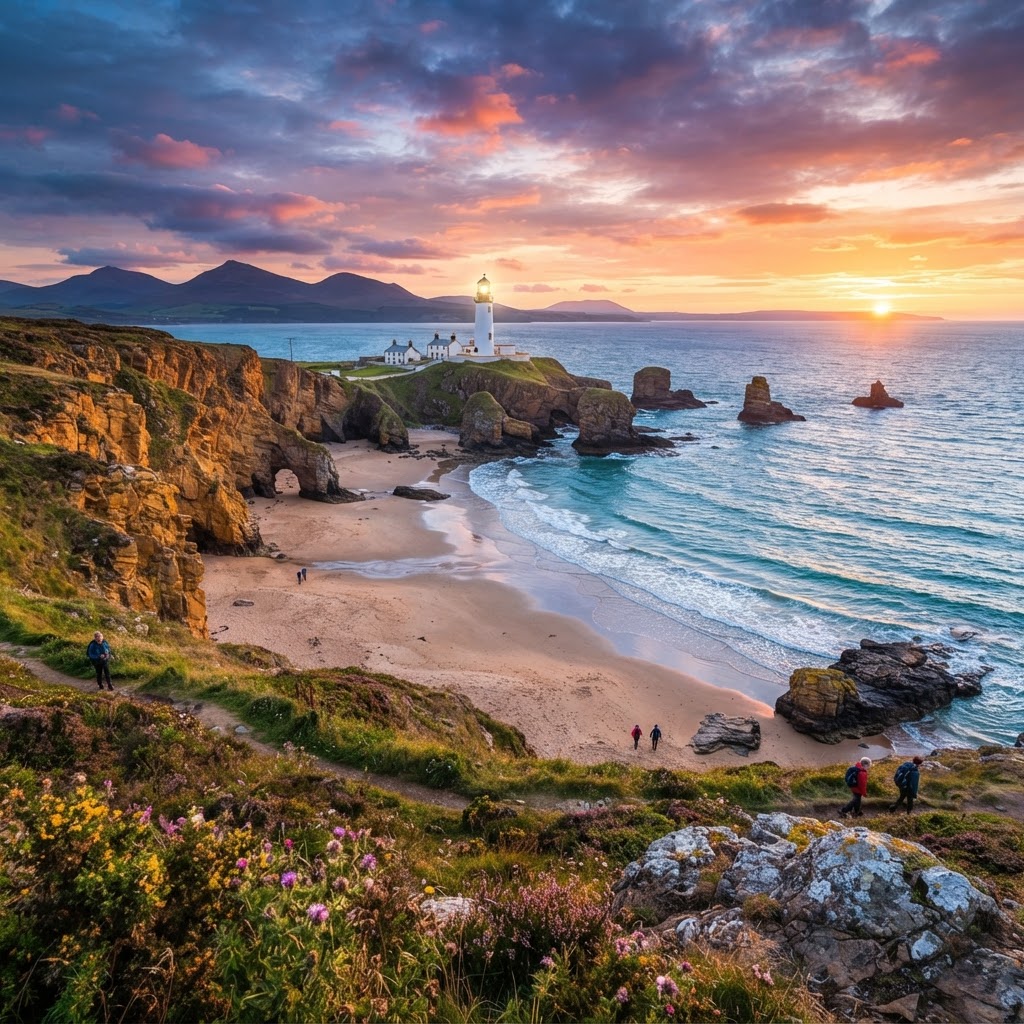
Covesea
Discover Covesea Covesea, a charming coastal village located in Moray, Scotland, is often overlooked by travelers seeking the more popular destinations of the Scottish Highlands. However, this hidden gem boasts a rich history and a vibrant culture that make it a worthwhile stop for anyone exploring this beautiful region. The village is situated near the town of Lossiemouth, along the stunning Moray Firth, which is known for its breathtaking landscapes and diverse wildlife.The history of Covesea dates back centuries, with its roots deeply intertwined with the fishing and maritime industries. The village was originally established as a fishing port, and remnants of this heritage can still be seen today. The iconic Covesea Skerries Lighthouse, built in 1846, stands as a testament to the village's maritime significance. This lighthouse not only guided boats safely to shore but also served as a crucial landmark for sailors navigating the treacherous waters of the Moray Firth.Culture in Covesea is rich and vibrant, shaped by its coastal location and the close-knit community that calls it home. The village hosts various local events and festivals throughout the year, celebrating Scottish traditions, music, and cuisine. Visitors are often welcomed to partake in these festivities, offering a unique opportunity to experience authentic Scottish culture. The friendly locals are eager to share stories about their heritage, making visitors feel right at home.What truly makes Covesea special is its stunning natural beauty. The pristine beaches, rugged cliffs, and dramatic sea views provide a picturesque backdrop that attracts nature lovers and photographers alike. The nearby Lossiemouth East Beach is a particular highlight, often praised for its golden sands and crystal-clear waters. It’s a perfect spot for a relaxing day by the sea, while also offering opportunities for beachcombing, birdwatching, and even dolphin spotting.Moreover, Covesea's location offers easy access to numerous outdoor activities. The surrounding area is a paradise for hikers, cyclists, and golfers, with scenic trails and several renowned golf courses nearby. The Moray Coastal Trail, which runs along the coastline, provides breathtaking views and the chance to connect with nature.In summary, Covesea is a destination that beautifully blends history, culture, and natural wonders. Its significance as a former fishing port and its charming community set against the backdrop of stunning coastal scenery make it a must-visit for anyone exploring Scotland. Whether you’re interested in history, outdoor activities, or simply relaxing by the sea, Covesea offers a unique experience that will leave a lasting impression. Top Attractions in Covesea – Ranked and Reviewed Covesea may be small, but it’s packed with attractions that have been rated and reviewed by real travelers on Stay4Exploring. Here are the top attractions that you won’t want to miss during your visit:1. Covesea Skerries Lighthouse - Rated 4.8/5The Covesea Skerries Lighthouse is the crown jewel of the village. Standing tall since 1846, this historic lighthouse has captivated visitors with its stunning architecture and breathtaking views of the Moray Firth. Guests can enjoy a guided tour, which includes fascinating insights into its history and operation. Reviewers highlight the unique opportunity to experience the lighthouse up close, making it a must-see attraction.2. Lossiemouth East Beach - Rated 4.7/5Just a stone's throw from Covesea, Lossiemouth East Beach is a popular spot for visitors seeking sun, sand, and sea. This beautiful beach has been praised for its cleanliness and stunning scenery. Visitors often rave about its family-friendly atmosphere and the variety of activities available, from beach games to picnicking. Whether you’re looking to relax or engage in water sports, this beach has something for everyone.3. Moray Coastal Trail - Rated 4.6/5The Moray Coastal Trail offers an incredible opportunity to experience the natural beauty of the region. Stretching for miles along the coastline, this trail is perfect for hiking and cycling. Reviewers appreciate the well-maintained paths and the diverse wildlife that can be spotted along the way, including seals and various bird species. The panoramic views of the sea and cliffs are frequently mentioned as highlights of the journey.4. Moray Golf Club - Rated 4.5/5For golf enthusiasts, the Moray Golf Club is a must-visit destination. Nestled amidst stunning scenery, this course offers a challenging yet rewarding experience. Visitors commend the friendly staff and well-kept greens, making it an enjoyable place for both seasoned players and novices. The views from the course are often described as breathtaking, adding to the overall experience.5. Covesea Community Centre - Rated 4.4/5The Covesea Community Centre is the heart of local life, hosting various events and activities throughout the year. Reviewers appreciate the warm and welcoming atmosphere, often noting the friendly locals who make visitors feel at home. From craft fairs to community gatherings, the centre provides a unique glimpse into the village's culture and traditions.In conclusion, Covesea may be small, but its attractions are rich in history, beauty, and community spirit. Whether you’re exploring the historic lighthouse, relaxing on the beach, or hiking along the coastal trails, you're sure to find something that resonates with you. The heartfelt reviews from fellow travelers on Stay4Exploring offer great insight, making it easier to plan your visit to this enchanting part of Scotland. Planning Your Visit to Covesea Covesea, a charming coastal village located near Lossiemouth in Scotland, offers breathtaking views and a perfect escape into nature. To make the most of your visit, careful planning is essential.Best Time to VisitCovesea is a year-round destination, but the best time to visit is between late spring and early autumn (May to September). During these months, the weather is milder, with average temperatures ranging from 15°C to 20°C (59°F to 68°F). This is also the best time for outdoor activities such as hiking, birdwatching, and enjoying the stunning beaches. If you prefer fewer crowds, consider visiting in early May or late September, when the weather is still pleasant, but tourist numbers are lower.Getting ThereReaching Covesea is convenient, whether you're traveling by car or public transport. The nearest major city is Inverness, located approximately 45 miles away. From Inverness, you can take the A96 road towards Elgin and then switch to the A941, which leads directly to Lossiemouth. If you're relying on public transport, regular bus services connect Inverness to Lossiemouth, and from there, it’s a short taxi ride or a scenic walk to Covesea.Getting AroundOnce in Covesea, getting around is relatively easy. The village is compact, making it ideal for walking or cycling. If you wish to explore further afield, consider renting a bicycle or using local taxis. The surrounding areas offer several walking trails and paths, allowing you to immerse yourself in the stunning landscapes of the Moray coast.Where to StayCovesea offers a range of accommodation options to suit different budgets and preferences. For a unique experience, consider staying at a local bed and breakfast, where you can enjoy warm hospitality and delicious homemade breakfasts. Alternatively, there are several self-catering cottages and holiday homes available for rent, offering a more private and spacious option for families or groups. For those seeking a more luxurious experience, consider booking a room at one of the nearby hotels in Lossiemouth, which provide easy access to both the village and the beautiful beaches. No matter where you stay, be sure to book in advance, especially during the peak summer months.In summary, planning your visit to Covesea involves choosing the right time to go, figuring out transportation, and selecting suitable accommodation. With a little preparation, you can enjoy all that this stunning destination has to offer! Experience Covesea Like a Local To truly enjoy Covesea, it's essential to immerse yourself in the local customs, food, and culture. Here are some insights that will help you experience this charming village like a local.Local CustomsScotland is known for its warm hospitality, and Covesea is no exception. When meeting locals, a friendly smile and a simple greeting, such as 'Hello' or 'Hiya,' go a long way in establishing rapport. It's also common to engage in small talk, particularly about the weather or local happenings. If you're invited to someone's home, it's polite to bring a small gift, like flowers or chocolates, as a gesture of appreciation.FoodWhen it comes to food, Covesea and the surrounding Moray region are known for their fresh seafood, locally sourced produce, and traditional Scottish dishes. Be sure to try some local delicacies, such as haggis, neeps, and tatties, or sample fresh fish and chips from a local eatery. For a unique experience, visit the local farmers' market (held in Lossiemouth) to taste homemade jams, artisan breads, and fresh fruits and vegetables. Pair your meals with a glass of Scotch whisky or a locally brewed beer for a true taste of Scotland.CultureCovesea has a rich maritime heritage, reflected in its beautiful coastal scenery and local attractions. Take time to explore the Covesea Lighthouse, a striking structure that has stood since the 19th century, offering stunning views over the Moray Firth. Additionally, the nearby Lossiemouth East Beach is perfect for leisurely strolls and birdwatching, especially during migratory seasons. Keep an eye out for local wildlife, including seals and various seabirds.Insider TipsTo experience Covesea like a local, consider these insider tips. First, participate in local events and festivals if they align with your visit. The Moray Food & Drink Festival and the Lossiemouth Music Festival are great opportunities to mingle with locals and enjoy regional culture. Also, consider visiting during the off-peak hours to avoid crowds, especially at popular spots like the beach and the lighthouse. Finally, don’t hesitate to ask locals for recommendations on hidden gems or off-the-beaten-path attractions; they often know the best places to explore.By embracing the local customs, indulging in traditional foods, and engaging with the community, you’ll not only enrich your visit to Covesea but also create lasting memories of your Scottish adventure.
Dornie
Discover DornieDornie isn’t just *near* Gaelic-speaking communities — it sits at a quiet but vital convergence of surviving linguistic practice, layered toponymy, and living oral tradition. While the parent guide notes Eilean Donan Castle as a symbolic hinge, this article uncovers the deeper linguistic hinge: the Gaelic that shaped every contour of the land long before the castle rose. From *Dùn Rìgh* (‘fort of the king’) — the original name for Dornie — to *Loch Ailsh*, whose name derives from *Ailseach*, meaning ‘rocky strait’, Gaelic isn’t decorative here; it’s cartographic, legal, and mnemonic. The village remains within the wider *Gàidhealtachd* of Wester Ross, where 12.4% of residents aged 3+ reported speaking Gaelic in the 2022 Scotland Census — double the Highland average — and where local primary schools teach through Gaelic Medium Education (GME) up to P7. This article traces how that language breathes through Dornie’s soil, stories, and summer calendar — especially via the 28-year-old *Feis Chonnich*, held annually on the third Saturday in August at the Dornie Community Hall (capacity 120), with workshops running from 10:00–17:30 and evening ceilidh until midnight — all conducted primarily in Gaelic, with English translation available on request.

Ullapool
Discover Ullapool Ullapool, a picturesque fishing village nestled on the shores of Loch Broom in the Scottish Highlands, is a destination steeped in history and culture. Founded in the late 18th century, Ullapool was originally established as a herring port, playing a pivotal role in Scotland's fishing industry. The village was designed by the renowned architect Thomas Telford, who left an indelible mark on the area with his visionary urban planning.The village's historical significance is underscored by its role as a hub for trade and transportation, particularly during the Highland Clearances, a period that saw mass emigration from the Highlands. Today, visitors can still see remnants of this rich past in Ullapool’s charming architecture, including traditional whitewashed buildings and the historic church that stands as a testament to the community's resilience.Ullapool is not just a place of historical importance; it is also a vibrant cultural center that attracts artists, musicians, and outdoor enthusiasts. The annual Ullapool Book Festival, held every May, showcases renowned authors and poets, while the Ullapool Harbour Festival celebrates the village’s maritime heritage with a feast of activities, music, and local crafts. The community’s strong connection to its maritime roots is palpable, with local fishermen still bringing in the catch of the day, ensuring that fresh seafood remains a staple of the local cuisine.What makes Ullapool truly special is its stunning natural surroundings. The village is framed by breathtaking landscapes, including the rugged mountains of the Scottish Highlands and the pristine waters of Loch Broom. Outdoor enthusiasts can indulge in a variety of activities, from hiking along the scenic trails of the nearby Coigach and Assynt regions to exploring the rich marine life through kayaking and boat trips. The nearby Summer Isles, often described as a hidden gem, offer opportunities for wildlife spotting, including seals, otters, and a myriad of bird species.Moreover, Ullapool’s friendly community and warm hospitality make it a welcoming destination for travelers. With a range of accommodations, from cozy bed and breakfasts to hotels with stunning views of the loch, visitors can find the perfect place to unwind after a day of exploration. The local eateries serve delectable dishes made from fresh, locally sourced ingredients, providing a true taste of the Highlands.In essence, Ullapool is not just a destination; it’s an experience that invites you to immerse yourself in its rich history, vibrant culture, and breathtaking natural beauty. Whether you are an adventurer seeking thrills in the great outdoors, a history buff eager to learn about the area’s storied past, or a food lover ready to indulge in fresh seafood, Ullapool promises an unforgettable journey. Top Attractions in Ullapool – Ranked and Reviewed Ullapool offers a variety of attractions that cater to different interests, making it a delightful destination for all types of travelers. Based on real reviews from visitors on Stay4Exploring, here are the top-ranked attractions you shouldn't miss.1. Ullapool Museum - Rated 4.8/5This small but informative museum offers a deep dive into the local history of Ullapool and the surrounding areas. Visitors praise the friendly staff who are eager to share stories about the village’s past, including its fishing heritage and the impact of the Highland Clearances. The exhibits are well-curated and provide a fascinating insight into the life of the Highlands. Many reviewers highlight the interactive displays, making it a great stop for families.2. Loch Broom - Rated 4.7/5For those who appreciate natural beauty, a visit to Loch Broom is essential. Travelers rave about the stunning views, particularly at sunset when the sky reflects off the water in a breathtaking display of colors. Many recommend taking a leisurely walk along the shoreline or enjoying a boat trip to fully appreciate the picturesque scenery. Reviewers also mention the excellent opportunities for fishing and kayaking.3. The Summer Isles - Rated 4.9/5Just a short boat trip from Ullapool, the Summer Isles are described as a hidden paradise. Visitors love the unspoiled landscapes, rich wildlife, and the sense of tranquility found on the islands. Many travelers recommend taking a guided tour to learn more about the local ecology and history, while others enjoy simply soaking in the serene atmosphere. The islands are particularly popular for birdwatching, with many species nesting in the area.4. An Teallach - Rated 4.6/5For adventure seekers, hiking An Teallach is a must-do. This mountain offers some of the most stunning views in the Highlands. Reviewers note that while the hike can be challenging, the sense of accomplishment and the panoramic vistas from the summit make it well worth the effort. Many recommend setting aside a full day for this adventure and bringing a packed lunch to enjoy at the top.5. Ullapool Harbour - Rated 4.5/5A visit to Ullapool would not be complete without exploring the harbor. Visitors enjoy watching the boats come and go, and many recommend dining at one of the seafood restaurants nearby, where you can enjoy freshly caught fish while overlooking the water. The harbor area is also a great spot for photography, capturing the essence of this charming village.Ullapool is a destination that combines rich history, stunning landscapes, and a warm community spirit. Whether you’re exploring its cultural attractions or enjoying the natural beauty of the area, you’ll find an abundance of experiences that will make your visit truly memorable. Planning Your Visit to Ullapool Ullapool, a picturesque fishing village nestled in the Scottish Highlands, beckons travelers with its stunning coastal scenery and rich cultural heritage. To make the most of your visit, it’s essential to plan ahead, considering the best times to go, how to reach this hidden gem, local transportation options, and where to stay.The best time to visit Ullapool is during the late spring and summer months, from May to September. During this period, the weather is relatively mild, with average temperatures ranging from 12°C to 18°C (54°F to 64°F). The long daylight hours offer ample opportunity for exploration, and you’ll find the village bustling with local events, festivals, and outdoor activities. However, be prepared for occasional rain showers, as the Highlands are known for their unpredictable weather. If you prefer a quieter experience, consider visiting in early spring or autumn, when the crowds thin out, and you can enjoy the stunning fall foliage or the fresh blooms of spring.Getting to Ullapool is straightforward, with several travel options available. The nearest airport is Inverness, approximately 1.5 hours away by car. From the airport, you can rent a car or take a bus to Ullapool. If you’re traveling from major cities like Edinburgh or Glasgow, consider taking a train to Inverness, followed by a bus or car rental. Alternatively, for those seeking an adventurous route, ferries operate between Ullapool and the Isle of Lewis, providing a scenic entry point to the village.Once you arrive, getting around Ullapool is quite manageable. The village is compact, and many attractions, shops, and restaurants are within walking distance. For those looking to explore the surrounding countryside, consider renting a bike or relying on local tour operators that offer guided excursions. Additionally, some local buses service nearby attractions, making it easier to experience the breathtaking landscapes of the Highlands.Finding the right accommodation in Ullapool is crucial for a comfortable stay. The village offers a range of options, including charming bed and breakfasts, cozy guesthouses, and hotels with stunning views of Loch Broom. For a unique experience, consider renting a cottage or self-catering apartment, allowing you to enjoy the local lifestyle while having the flexibility to prepare your meals. Popular choices among travelers include the Ullapool Hotel, known for its welcoming atmosphere and excellent seafood restaurant, and the Caledonian Hotel, which offers beautiful views of the harbor. Be sure to book well in advance, especially during peak tourist seasons, to secure your ideal stay. Experience Ullapool Like a Local To truly immerse yourself in Ullapool's vibrant culture, it’s essential to embrace local customs, savor the regional cuisine, and engage in community activities. Understanding the nuances of life in Ullapool will enrich your travel experience and create lasting memories.Local customs in Ullapool reflect its rich Scottish heritage. Greeting locals with a friendly "hello" or "hiya" is always appreciated. The community is close-knit, and residents are known for their warmth and hospitality. If you’re attending a local event or festival, such as the Ullapool Book Festival or the Seafood Festival, take the time to engage with the locals, as they’ll often share stories and insights into their way of life.Food is a significant part of the Ullapool experience, with the village offering an array of dining options that showcase the best of Scottish cuisine. Don’t miss the opportunity to try fresh seafood, particularly the locally-caught fish and shellfish. Restaurants like the Seafood Shack and the Arch Inn are highly recommended for their delicious dishes and welcoming atmospheres. Pair your meal with a local whiskey for a true taste of Scotland. For a casual experience, visit one of the local pubs, where you can enjoy hearty pub fare and perhaps even catch some live music.Cultural experiences abound in Ullapool, with a strong emphasis on arts and crafts. The Ullapool Museum offers fascinating exhibits on the village’s history and maritime heritage, while local galleries showcase works from talented Highland artists. If you’re interested in traditional Scottish music, check out the live performances at local venues, where you can listen to folk music and perhaps join in a ceilidh dance.For insider tips, consider visiting Ullapool's stunning nature spots, such as Achiltibuie or the nearby Knockan Crag National Nature Reserve, which offers breathtaking views and hiking opportunities. Additionally, take advantage of the local ferry service to explore the nearby Summer Isles for a day trip. Lastly, remember that the Highland weather can change quickly, so packing layers and a waterproof jacket is wise to stay comfortable while exploring.

Killin
Discover Killin Nestled at the western end of Loch Tay in the heart of Scotland's picturesque Highlands, Killin is a charming village that offers a unique blend of history, culture, and natural beauty. Renowned for its stunning landscapes and rich heritage, this small yet vibrant community has been a significant site for centuries. The village's name is derived from the Gaelic ‘Cill Fhinn’, meaning 'The Church of St. Fillan', which highlights its historical significance as a religious site.Killin’s history is deeply intertwined with the legend of St. Fillan, a 7th-century missionary who is credited with bringing Christianity to the region. His influence is still felt today, with several historical sites dedicated to his memory, including the ruins of the ancient St. Fillan’s Church. The village also has connections to the MacNab clan, who were prominent in the area, adding layers to its rich tapestry of Scottish heritage.The culture of Killin is a reflection of its natural surroundings. The village is surrounded by breathtaking landscapes, including mountains, forests, and the serene waters of Loch Tay. This stunning backdrop provides a wealth of opportunities for outdoor activities such as hiking, fishing, and water sports. Visitors often come to enjoy the natural beauty that the area offers, making it a perfect getaway for nature enthusiasts and adventure seekers alike.In addition to its natural beauty, Killin hosts various cultural events throughout the year, celebrating local traditions, music, and art. The annual Killin Music Festival is a highlight, drawing visitors from all over Scotland to enjoy performances from local and national artists, showcasing the rich musical heritage of the Highlands.What truly makes Killin special is its warm and welcoming community. The locals are known for their hospitality, eager to share their stories and the secrets of the region with visitors. The village's small size fosters a sense of intimacy that allows travelers to connect with the landscape and its inhabitants on a deeper level.Moreover, the iconic Falls of Dochart, located at the entrance of the village, is a must-see natural phenomenon that attracts countless visitors each year. The cascading waters, framed by picturesque stone bridges and lush greenery, provide an ideal setting for photography and peaceful contemplation.In summary, Killin is not just a destination; it is an experience that embodies the spirit of the Scottish Highlands. With its rich history, vibrant culture, and breathtaking scenery, it beckons travelers to explore, engage, and immerse themselves in the beauty and heritage of Scotland. Top Attractions in Killin – Ranked and Reviewed Killin is brimming with attractions that cater to a variety of interests, making it a popular destination for travelers seeking both adventure and relaxation. Here, we present the top-rated attractions in Killin, as reviewed by visitors on Stay4Exploring.1. Falls of Dochart - Rated 4.8/5The Falls of Dochart is undoubtedly the crown jewel of Killin. This stunning waterfall is a breathtaking natural spectacle that captivates visitors with its roaring waters and picturesque surroundings. Many travelers recommend visiting during the spring when the water flow is at its peak. The nearby bridges offer excellent vantage points for photography and are perfect for a leisurely stroll. Visitors have described it as a 'must-see' when in Killin.2. Loch Tay - Rated 4.7/5Loch Tay is another highlight of the region, and its serene waters are perfect for a variety of activities. Kayaking, fishing, and paddleboarding are just a few of the options available. Many visitors enjoy taking boat tours to soak in the stunning scenery and learn about the area's history. The tranquility of the loch provides a perfect escape from the hustle and bustle of everyday life, making it a favorite spot for relaxation.3. St. Fillan's Church and Graveyard - Rated 4.6/5History buffs will appreciate a visit to St. Fillan’s Church, where the remains of the ancient church and graveyard tell tales of the past. The site is not only historically significant but also offers a peaceful atmosphere for reflection. Visitors have praised the beauty of the church ruins and the surrounding landscape, making it a worthwhile stop for anyone interested in Scottish heritage.4. Killin Outdoor Centre - Rated 4.5/5For those seeking adventure, the Killin Outdoor Centre is a top-rated attraction that offers a range of activities, from climbing and scrambling to mountain biking and canoeing. Visitors appreciate the knowledgeable staff and the well-organized activities that cater to all skill levels. It’s an excellent way to experience the stunning landscapes of the Highlands while engaging in thrilling outdoor pursuits.5. The Breadalbane Folklore Centre - Rated 4.4/5This charming center provides insights into the folklore and traditions of the area. Visitors have enjoyed the interactive exhibits and the opportunity to learn about local legends and history. The center is often praised for its friendly staff and informative displays, making it a great addition to any trip to Killin.In conclusion, Killin offers a diverse array of attractions that cater to all interests, from natural wonders to cultural experiences. Each of these top-rated sites has received positive reviews from visitors, making them essential stops on your journey through this enchanting Scottish village. Planning Your Visit to Killin Killin, a charming village located at the western end of Loch Tay in Scotland, is a treasure trove of natural beauty and outdoor activities. The best time to visit primarily revolves around your interests. For those who prefer milder weather and vibrant landscapes, late spring (May to June) and early autumn (September to October) are ideal. These months offer pleasant temperatures and fewer tourists, making it easier to explore the area. Summer (July to August) can be busy, but it’s also when local festivals and events are in full swing, providing visitors with a unique cultural experience. If winter sports are your passion, visiting in December through February will allow you to enjoy the nearby ski resorts. Getting to Killin is straightforward. The village is well-serviced by public transport, with regular bus routes connecting it to major cities like Edinburgh and Glasgow. The nearest train station is in Crianlarich, about 12 miles away, where you can catch a bus or taxi to Killin. If you prefer to drive, the A85 connects to the village, offering breathtaking views of the Scottish Highlands along the way. Parking in Killin is generally available, making it convenient for those travelling by car. Once in Killin, getting around is best done on foot or by bicycle, as the village is small and easily navigable. There are several walking paths that lead to scenic spots around Loch Tay. For those looking to venture further afield, local taxi services and rental bikes are also available. Accommodation in Killin ranges from charming bed and breakfasts to cozy cottages and hotels. For a unique experience, consider staying at one of the local lodges or cabins that offer stunning views of the loch. Some popular choices include the Killin Hotel, which boasts a picturesque riverside location, and the luxurious Monachyle Mhor Hotel, known for its excellent dining options. Camping is also a viable option for those looking to immerse themselves in nature; there are several campsites along the loch that cater to both tents and caravans. Regardless of your budget or preferences, Killin offers a variety of accommodations to ensure a comfortable stay. Planning your visit with these considerations in mind will help you make the most of your time in this beautiful Scottish village. Experience Killin Like a Local To truly experience Killin like a local, it’s essential to immerse yourself in the customs and culture that define this vibrant Scottish village. One of the most significant local customs is the warm hospitality of the residents. Locals are often eager to share stories about the area, so don’t hesitate to strike up a conversation in the pubs or shops. Additionally, understanding and participating in local traditions can enhance your experience. For instance, if you’re visiting in August, you may witness the annual Killin Highland Games, where you can enjoy traditional Scottish sports, including caber tossing and tug-of-war. When it comes to food, Killin offers a delightful culinary scene that reflects the richness of Scottish cuisine. Be sure to try local delicacies such as haggis, neeps, and tatties, which can be found in many restaurants and pubs. The Watermill is a popular spot, known for its delicious homemade meals and stunning views of the surrounding countryside. If you’re a fan of fresh produce, visit the local farmers’ market, usually held on Saturdays, to sample and purchase locally sourced goods. Don’t forget to indulge in some traditional Scottish whisky while you’re there; many local establishments offer tastings. The culture in Killin is steeped in history, with several historical sites worth exploring. The nearby ruins of the Old Killin Church and the picturesque Falls of Dochart are must-see attractions. Spend time wandering through the village, where you can admire traditional stone buildings and enjoy the serene atmosphere. The local art scene is also vibrant, with several galleries featuring works from local artists inspired by the stunning landscapes of the Highlands. For insider tips, consider visiting local attractions during off-peak hours to avoid crowds and fully appreciate the beauty of the surroundings. Early morning walks along the loch or evening strolls at sunset offer breathtaking views and a tranquil atmosphere. If you’re looking for adventure, inquire about guided tours or outdoor activities like kayaking, fishing, or hiking in the nearby hills. These experiences are not only thrilling but also provide a deeper understanding of the local environment. In summary, experiencing Killin like a local involves embracing the community's warmth, indulging in local cuisine, exploring historical sites, and engaging in outdoor activities. By doing so, you’ll create lasting memories and gain a genuine appreciation for this beautiful Highland village.

Agios Nikolaos
Discover Agios Nikolaos Agios Nikolaos, a picturesque town located on the northeastern coast of Crete, Greece, is a destination that embodies both historical significance and natural beauty. With its charming harbor, vibrant local culture, and stunning landscapes, Agios Nikolaos has become one of the most sought-after destinations in the Mediterranean.The town's history dates back to ancient times, with archaeological evidence suggesting that it was once a thriving center during the Minoan civilization. The nearby ruins of the ancient city of Lato and the remnants of other historical sites highlight Agios Nikolaos's rich past. The town's name, which translates to Saint Nicholas, pays homage to the patron saint of sailors, reflecting its deep-rooted maritime connections.Culturally, Agios Nikolaos is a melting pot of influences, blending traditional Cretan customs with modern Greek life. The town is known for its vibrant festivals, where locals celebrate their heritage through music, dance, and cuisine. Visitors can immerse themselves in the local culture by exploring its charming streets, filled with artisan shops, cafes, and tavernas offering authentic Cretan dishes. The town's waterfront promenade is a perfect place to enjoy a sunset while savoring local delicacies.What makes Agios Nikolaos particularly special is its stunning landscape, characterized by a blend of mountains, sea, and lush greenery. The town is built around a beautiful lagoon, which is often filled with sailboats and lined with cafes and shops. The lagoon offers a serene spot for relaxation and reflection, while the nearby beaches provide ample opportunities for swimming and sunbathing. Additionally, the surrounding hills are dotted with olive groves and vineyards, showcasing the region's agricultural heritage.Agios Nikolaos is also a gateway to some of Crete's most famous attractions. The nearby Spinalonga island, a former leper colony, and the beautiful Elounda village are just a short boat ride away, making the town an ideal base for exploring the surrounding area. Visitors to Agios Nikolaos can enjoy both the tranquility of the town and the excitement of nearby adventures, from hiking in the mountains to exploring ancient ruins.In summary, Agios Nikolaos is more than just a travel destination; it is a place where history, culture, and natural beauty converge. Its rich heritage, vibrant local life, and stunning landscapes make it a must-visit location for anyone traveling to Crete. Whether you are wandering through its charming streets or relaxing by the lagoon, Agios Nikolaos offers an unforgettable experience that captures the essence of Greece. Top Attractions in Agios Nikolaos – Ranked and Reviewed When visiting Agios Nikolaos, you'll find a wealth of attractions that have been ranked and reviewed by travelers on Stay4Exploring, giving you an insight into the best experiences the town has to offer. Here are the top attractions you shouldn't miss during your stay:1. Lake Voulismeni – Often described as the heart of Agios Nikolaos, this stunning lake is surrounded by cafes and restaurants, making it an ideal spot for relaxation. Visitors rave about the beauty of the lake and the local legend that suggests it has no bottom. The atmosphere is vibrant, particularly in the evening when the area is beautifully lit.2. Spinalonga Island – Just a short boat ride from Agios Nikolaos, Spinalonga is steeped in history. Once a leper colony, it is now a fascinating site to explore. Travelers appreciate the guided tours that provide insight into its past, and the views from the island are breathtaking. Many reviews highlight the emotional connection to the stories of those who lived there.3. Agios Nikolaos Archaeological Museum – This museum showcases artifacts from ancient civilizations, offering a glimpse into the region's rich history. Visitors note the informative displays and the helpful staff, making it a worthwhile stop for history enthusiasts.4. Almyros Beach – Known for its crystal-clear waters and soft sands, Almyros Beach is a favorite among travelers looking to relax and soak up the sun. Many reviews praise the beach’s laid-back atmosphere and the availability of water sports, making it a great spot for both relaxation and adventure.5. The Church of Panagia Kera – Located a short drive from Agios Nikolaos, this Byzantine church is famous for its stunning frescoes. Visitors have remarked on the peaceful setting and the beauty of the artwork, making it a must-visit for those interested in religious history and art.6. The Port of Agios Nikolaos – The town's port is a hub of activity, filled with restaurants, shops, and boats ready to take you on excursions. Travelers enjoy the lively atmosphere and the opportunity to sample local seafood while watching the boats come and go.In conclusion, Agios Nikolaos is brimming with attractions that cater to a variety of interests. From historical sites to beautiful beaches, each location offers a unique experience, as reviewed and rated by fellow travelers. Whether you’re seeking adventure, relaxation, or cultural enrichment, Agios Nikolaos has something to offer everyone. Planning Your Visit to Agios Nikolaos Agios Nikolaos, a picturesque town located on the northeastern coast of Crete, is known for its stunning views, vibrant culture, and charming harbor. When planning your visit, it’s essential to consider the best time to experience all that this beautiful destination has to offer.The ideal time to visit Agios Nikolaos is during the spring (April to June) and the fall (September to October) when the weather is pleasantly warm, and the crowds are minimal. The summer months (July and August) can be quite hot, with temperatures often exceeding 30°C (86°F), attracting many tourists. If you prefer a more laid-back experience without the bustling crowds, aim for the shoulder seasons.Getting to Agios Nikolaos is relatively straightforward. The nearest major airport is Heraklion International Airport (HER), located about 65 kilometers (40 miles) away. From the airport, you can opt for a taxi, shuttle bus, or rental car to reach Agios Nikolaos. The drive takes approximately one hour, offering scenic views of the Cretan landscape along the way. There are also local buses available that connect Heraklion to Agios Nikolaos, making it an affordable option for travelers.Once you arrive in Agios Nikolaos, getting around is easy. The town is compact, and many attractions are within walking distance. However, if you plan to explore the surrounding areas or visit nearby beaches, consider renting a car or a scooter. Public transportation, including buses, is also available for longer trips, providing access to nearby towns and landmarks.When it comes to accommodation, Agios Nikolaos offers a variety of options to suit different budgets and preferences. For a luxurious stay, consider the waterfront hotels that boast stunning views of the bay, such as the Domes of Elounda or the Blue Palace Resort. If you’re traveling on a budget, numerous guesthouses and apartments provide comfortable lodging without breaking the bank. Staying in the town center is convenient for accessing local shops, restaurants, and attractions, while beachfront properties allow for easy access to the sun and sea.In summary, planning your visit to Agios Nikolaos involves considering the best time to travel, understanding transportation options, and choosing the right accommodation. With its beautiful landscapes and rich cultural offerings, this charming town is sure to provide an unforgettable experience. Experience Agios Nikolaos Like a Local To truly immerse yourself in the essence of Agios Nikolaos, understanding local customs, indulging in traditional cuisine, and engaging in cultural practices is key. Cretans are known for their warm hospitality, so don’t be surprised if you’re greeted with a friendly smile or a warm ‘Kalimera’ (Good morning) as you explore the town.Local customs in Agios Nikolaos reflect the broader Cretan culture, which is steeped in tradition and community values. If you have the opportunity, participate in local festivities or events, especially during the summer months when the town comes alive with music, dance, and vibrant celebrations. It’s also common for locals to gather at the waterfront cafes and tavernas, sharing stories and enjoying each other’s company. Joining in these gatherings can give you a glimpse into daily life and the close-knit community of Agios Nikolaos.Food is a significant part of the Cretan lifestyle, and you must indulge in the local cuisine. Don’t miss out on trying traditional dishes such as moussaka, dakos (a Cretan salad with barley rusk), and freshly grilled seafood. Local tavernas, like those along the harbor, offer authentic Cretan meals prepared with seasonal ingredients and local olive oil. Pair your meal with a glass of Raki, a traditional Cretan spirit made from grapes, to enhance your experience.The culture of Agios Nikolaos is rich in history, influenced by various civilizations over the centuries. Visit local museums, such as the Archaeological Museum of Agios Nikolaos, to explore artifacts dating back to the Minoan period, or take a stroll around the charming Lake Voulismeni, which is surrounded by cafes and shops. This lake is steeped in mythology and is a favorite spot for both locals and visitors alike.For insider tips, consider visiting the local markets, where you can find fresh produce, handmade crafts, and local delicacies. Engaging with the vendors can lead to delightful conversations and insights into Cretan life. Additionally, take the time to explore the surrounding natural beauty, including nearby beaches like Elounda and Spinalonga Island, which offer stunning scenery and a glimpse into the region's history.In conclusion, experiencing Agios Nikolaos like a local involves embracing its customs, savoring its culinary delights, and engaging with its vibrant culture. By doing so, you’ll create lasting memories and a deeper appreciation for this enchanting part of Crete.

Harz Mountains
Discover Harz Mountains The Harz Mountains, located in central Germany, are a captivating blend of history, natural beauty, and cultural significance. This mountain range stretches across several federal states, including Lower Saxony, Saxony-Anhalt, and Thuringia, offering a diverse landscape that has enchanted visitors for centuries. The highest peak, the Brocken, rises to 1,141 meters and is steeped in folklore and history. It is often associated with the legendary figure of Faust, a character who made a pact with the devil, as well as with witches who supposedly gathered here for their sabbats.The Harz region has a rich history that dates back to prehistoric times, with evidence of human habitation going as far back as the Stone Age. The area became significant during the Middle Ages, particularly due to its mining activities. Silver, copper, and other minerals were extracted from the mountains, making towns like Goslar and Clausthal-Zellerfeld prosperous centers of industry. Today, the UNESCO World Heritage Site of Goslar stands as a testament to the region's historical importance, with its well-preserved medieval architecture and mining heritage.Culturally, the Harz Mountains are home to various traditions and festivals that reflect the local way of life. The annual Witches’ Night (Walpurgisnacht) celebrated on April 30th is a significant event where locals and tourists converge to celebrate the arrival of spring with music, dance, and theatrical performances. This festival is rooted in the local folklore surrounding witchcraft, adding a mystical charm to the region.What makes the Harz Mountains special is not just its breathtaking landscapes but also its commitment to preserving the environment. The Harz National Park, established in 1990, is a protected area that encompasses about 247 square kilometers of diverse ecosystems. Visitors can explore its pristine forests, deep valleys, and crystal-clear streams, which are home to a variety of wildlife, including deer, wild boar, and numerous bird species. The park offers an extensive network of hiking trails, making it an ideal destination for outdoor enthusiasts.The Harz Mountains are also a hub for winter sports, attracting skiers and snowboarders to its slopes during the colder months. The ski resorts in towns like Braunlage and Altenau provide both beginners and experienced skiers with ample opportunities to enjoy the winter wonderland.In addition to nature and outdoor activities, the Harz region is dotted with charming villages and towns, each with its unique character. The half-timbered houses of Wernigerode and the picturesque streets of Quedlinburg, another UNESCO World Heritage Site, are perfect for leisurely strolls, allowing visitors to soak in the rich history and culture of the area. With its blend of natural beauty, cultural heritage, and recreational activities, the Harz Mountains truly offer a diverse and enriching experience for travelers. Top Attractions in Harz Mountains – Ranked and Reviewed The Harz Mountains are filled with attractions that cater to a wide range of interests, from history buffs to nature lovers and adventure seekers. Here are some of the top-ranked attractions, as reviewed by visitors:Brocken Mountain: As the highest peak in the Harz range, the Brocken is a must-visit. Visitors can reach the summit via the historic Brocken Railway, which offers breathtaking views along the way. The summit features an observation tower and a restaurant, making it a perfect spot to relax and take in the panoramic views of the surrounding landscape.Goslar: This UNESCO World Heritage Site is renowned for its medieval architecture and rich mining history. The Imperial Palace (Kaiserpfalz) is a highlight, showcasing stunning Romanesque architecture. The town’s charming streets are lined with shops, cafes, and half-timbered houses, making it ideal for leisurely exploration.Quedlinburg: Another UNESCO World Heritage Site, Quedlinburg is famous for its well-preserved medieval old town, featuring over 1,300 half-timbered houses. The St. Servatius Church, with its stunning Romanesque architecture, is a focal point here. Visitors rave about the charming atmosphere and the various local artisan shops.Harz National Park: This national park is a paradise for hikers and nature lovers. With its extensive network of trails, visitors can explore diverse landscapes, from dense forests to open moors. The park is also home to the legendary “Witches’ Dance Floor” (Hexentanzplatz), a site rich in folklore and natural beauty.Wernigerode Castle: Perched atop a hill, Wernigerode Castle offers visitors a glimpse into medieval life. The castle's stunning architecture and beautiful gardens are complemented by panoramic views of the town below. Many visitors appreciate the informative guided tours that delve into the castle's history.Rübeland Caves: A fascinating natural wonder, the Rübeland Caves consist of several limestone caves that are open for exploration. Guided tours reveal the stunning stalactites and stalagmites that have formed over thousands of years. Visitors often describe the caves as otherworldly and educational, highlighting the geological significance.These attractions not only showcase the natural beauty and historical significance of the Harz Mountains but also offer visitors a variety of activities. Whether it’s hiking the scenic trails of the national park, exploring medieval towns, or marveling at natural wonders, there's something for everyone in this enchanting region. The reviews from travelers emphasize the warmth of the local hospitality, the quality of guided tours, and the immersive experiences available, ensuring that every visit to the Harz Mountains is memorable. Planning Your Visit to Harz Mountains Planning a trip to the Harz Mountains is an exciting endeavor, as this region offers a wealth of natural beauty and cultural experiences. To make the most of your visit, it’s essential to consider the best time to visit, how to get there, transportation options, and accommodation choices.Best Time to Visit: The Harz Mountains are a year-round destination, with each season offering unique experiences. Spring (April to June) is ideal for hiking, as the trails come alive with blooming flowers and mild weather. Summer (July to September) is perfect for outdoor activities, including mountain biking and exploring the national park, although it can get crowded during peak tourist season. Autumn (October to November) showcases stunning fall foliage, making it a beautiful time for photography and hiking. Winter (December to March) attracts winter sports enthusiasts to the ski resorts, particularly in Braunlage and Altenau.Getting There: The Harz region is easily accessible by various modes of transportation. The nearest major airport is Hannover Airport, located about 100 kilometers away. From there, you can take a train or rent a car to reach the mountains. For those traveling by train, the German railway system offers regular connections to towns like Wernigerode, Goslar, and Quedlinburg. Additionally, the Harz narrow-gauge railway provides a scenic way to travel between towns within the region.Getting Around: Once you’re in the Harz Mountains, getting around is convenient. Public transportation options include regional buses and trains, which connect major towns and attractions. If you prefer more flexibility, renting a car allows you to explore remote areas and hidden gems at your own pace. For those who enjoy cycling, many trails are bike-friendly, and several rental shops are available in the towns.Where to Stay: Accommodation options in the Harz Mountains cater to different preferences and budgets. From charming guesthouses and hotels to modern apartments and holiday homes, there's something for everyone. Wernigerode and Goslar are popular bases, offering a range of amenities and easy access to attractions. For a more immersive experience, consider staying in a traditional timber-framed inn or a cozy cabin in the woods. Many accommodations provide local insights and can assist with booking guided tours or activities.In summary, planning your visit to the Harz Mountains involves considering the best time to go, understanding transportation options, and choosing suitable accommodations. With its stunning landscapes, rich culture, and diverse activities, the Harz region promises an unforgettable adventure for all types of travelers. Experience Harz Mountains Like a Local To truly experience the Harz Mountains like a local, it’s essential to immerse yourself in the region's customs, food, and culture. This rich tapestry of traditions and flavors adds depth to your visit and creates lasting memories.Local Customs: The Harz region has a strong sense of community, and local traditions are celebrated throughout the year. One of the most notable customs is the celebration of Walpurgisnacht, held on the night of April 30th. Locals dress in costumes and gather on the Brocken Mountain to celebrate the arrival of spring with bonfires, music, and dancing. This festival is steeped in folklore and draws both locals and tourists eager to witness the festivities.Food: The culinary scene in the Harz Mountains is a delightful reflection of the region’s cultural heritage. Traditional foods include hearty dishes that showcase local ingredients. One must-try item is the Harzer Käse, a strong-smelling cheese that’s often served with bread and pickles. Another popular dish is Rinderroulade, a rolled beef dish typically filled with bacon, onions, and pickles, served with red cabbage and dumplings. For dessert, savor the Schneeballen, a deep-fried pastry dusted with powdered sugar that is a local favorite.Culture: The Harz Mountains are rich in folklore and traditions, many of which are celebrated through music and art. Visitors can experience traditional folk music at local festivals or during events in the towns. The Harz region has a vibrant arts scene, with many local artisans producing handcrafted goods, from pottery to textiles. Markets and local shops are great places to find unique souvenirs that reflect the area's cultural heritage.Insider Tips: To experience the Harz Mountains like a local, consider these insider tips:Engage with Locals: Don’t hesitate to strike up conversations with locals. They often have stories to share and can recommend hidden gems off the beaten path.Try the Local Beers: The region boasts several breweries that produce unique craft beers. Be sure to sample local brews, especially those made from mountain spring water.Explore Beyond the Main Attractions: While the popular sites are worth visiting, take time to explore smaller villages and lesser-known trails. You might stumble upon quaint cafes or breathtaking viewpoints.Participate in Local Festivals: Check the local calendar for festivals during your visit. Engaging in these events offers a deeper understanding of the culture and an opportunity to meet locals.By embracing the local customs, savoring traditional foods, and immersing yourself in the culture, you’ll create a more enriching and memorable experience in the Harz Mountains. This approach allows you to connect with the heart of the region, making your visit not just a trip, but a journey into the vibrant life of the Harz.
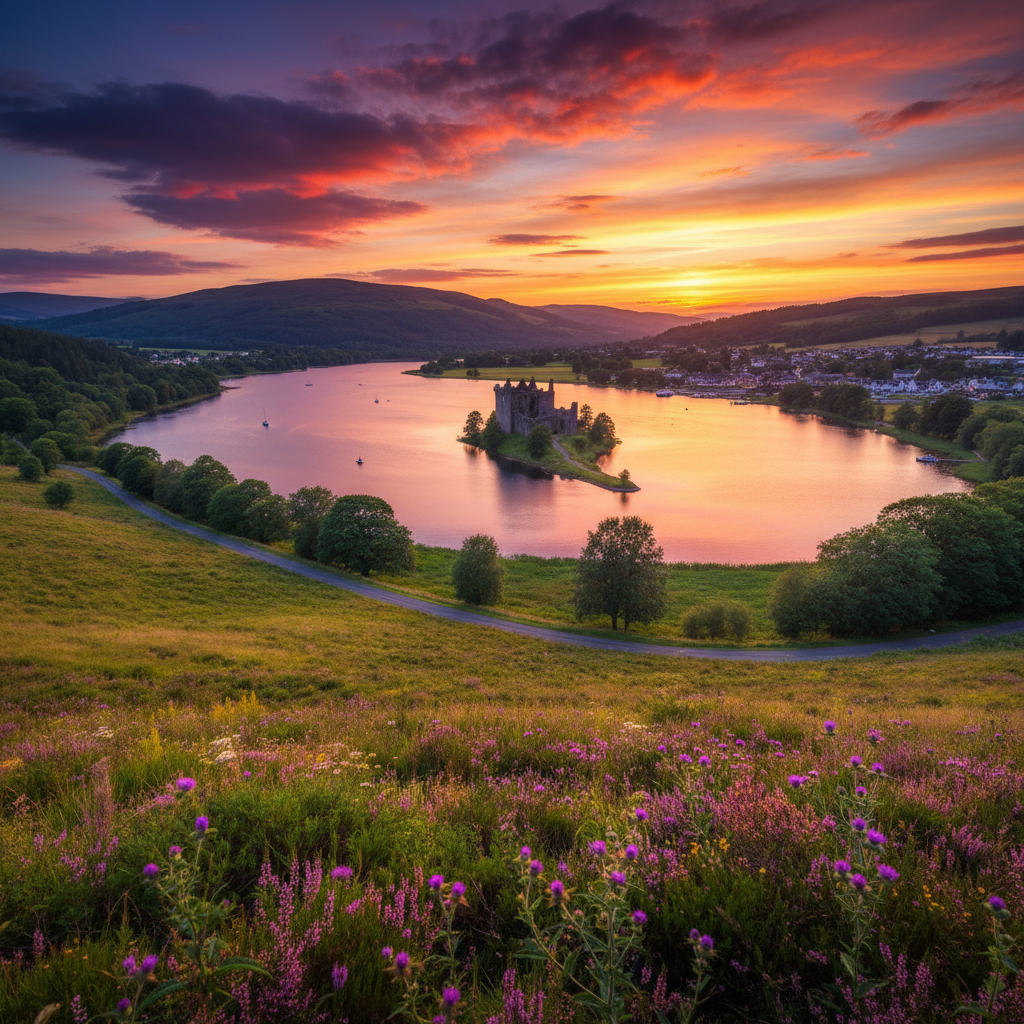
Castle Douglas
Discover Castle Douglas Castle Douglas, a charming town nestled in the heart of Dumfries and Galloway, Scotland, is a hidden gem that beckons travelers with its rich history and vibrant culture. Established as a royal burgh in 1796, the town has roots that date back to the 12th century when it was founded by the Earl of Morton. Its name derives from the nearby castle, which once stood proudly overlooking the River Dee. Today, while the castle is no longer standing, the legacy of its historical significance endures, making Castle Douglas a captivating destination for history buffs.Cultural heritage is woven into the fabric of Castle Douglas, with numerous historical sites and museums that tell the story of the town and its people. The town's architecture reflects a blend of traditional Scottish styles, with stone houses and quaint shops lining the streets. Visitors can explore the remnants of the town’s industrial past, including the old mill and various historical landmarks that offer a glimpse into Castle Douglas's evolution over the centuries.What makes Castle Douglas truly special is its strong sense of community and local pride. The town is often referred to as the “Food Town” of Scotland, renowned for its artisanal food producers and local delicacies. The vibrant farmers' market, held regularly, showcases the best of local produce, including cheeses, meats, and fresh vegetables, allowing visitors to taste the flavors of the region. This commitment to quality food and sustainability highlights the town’s connection to its agricultural roots.Castle Douglas is also surrounded by breathtaking natural scenery. The nearby Galloway Forest Park offers stunning landscapes, perfect for hiking, cycling, and wildlife spotting. The area's rolling hills, lush forests, and tranquil lochs provide an idyllic backdrop for outdoor enthusiasts. Birdwatchers, in particular, will find joy in the diverse range of avian species that inhabit the region.Moreover, Castle Douglas serves as a gateway to explore the wider Dumfries and Galloway region. Its strategic location allows visitors to easily access coastal areas, historical sites, and other picturesque towns, making it an ideal base for discovering the beauty of southern Scotland. Whether you're interested in history, culture, outdoor adventures, or delicious food, Castle Douglas offers an enriching experience that captivates the heart and soul of every traveler. Top Attractions in Castle Douglas – Ranked and Reviewed Castle Douglas is brimming with attractions that cater to a variety of interests, making it a delightful destination for families, couples, and solo travelers alike. Here are some of the top-rated attractions in and around the town, as reviewed by visitors on Stay4Exploring.1. Threave Castle - A stunning historic site, Threave Castle is situated on an island in the River Dee. Accessible by a short boat ride, visitors rave about its impressive medieval architecture and the scenic views from the castle grounds. Many reviews highlight the informative displays and the opportunity to explore the surrounding gardens, making it a must-visit for history enthusiasts.2. Galloway Wildlife Conservation Park - Perfect for families, this conservation park is home to a variety of wildlife, including rare and endangered species. Visitors appreciate the interactive exhibits and the chance to learn about wildlife conservation efforts. Reviews often mention the friendly staff and the well-maintained grounds, providing an enjoyable experience for all ages.3. Castle Douglas Art Gallery - For art lovers, the Castle Douglas Art Gallery offers a rotating selection of local artworks. Visitors commend the gallery for its welcoming atmosphere and the opportunity to purchase unique pieces from local artists. Many reviews emphasize the gallery's role in promoting local talent and its engaging exhibitions.4. The Cream O’ Galloway - This family-friendly attraction is famous for its delicious ice cream and fun outdoor activities. Visitors rave about the quality of the ice cream, made from organic milk, and appreciate the variety of flavors available. The adventure playground and nature trails also receive high praise for providing a fun-filled day out for families.5. The Farmers’ Market - Held regularly in the town center, the Farmers’ Market is a bustling hub of local produce and crafts. Reviewers highlight the vibrant atmosphere and the chance to sample delicious foods made by local artisans. Many visitors recommend taking the time to chat with the vendors to learn more about their products.Castle Douglas is not just a destination; it’s an experience that combines history, nature, and community spirit. With its array of attractions, each offering something unique, visitors are sure to find memorable activities that leave a lasting impression. Whether you’re exploring ancient castles, enjoying local delicacies, or engaging with nature, Castle Douglas promises an unforgettable adventure for every traveler. Planning Your Visit to Castle Douglas Castle Douglas, often referred to as the 'Food Town' of Scotland, is a charming market town nestled in the picturesque region of Dumfries and Galloway. To make the most of your visit, it's essential to plan ahead, considering the best time to visit, how to get there, local transportation options, and where to stay. Best Time to Visit: The ideal time to explore Castle Douglas is during the late spring and summer months, from May to September. The weather during this period is generally mild, with longer daylight hours, making it perfect for outdoor activities and exploring the surrounding countryside. If you’re a fan of local events, consider visiting in August when the town hosts the annual Castle Douglas Food Festival, celebrating local produce and culinary talent. Autumn (September to November) also provides a stunning backdrop with vibrant foliage, although be prepared for rain. Getting There: Castle Douglas is conveniently located, making it accessible by various means. If you're traveling by car, it is situated approximately 20 miles west of Dumfries, just off the A75 road. For those using public transport, direct bus services are available from major cities like Glasgow and Edinburgh, with the nearest train station located in Dumfries. From there, local buses or taxis can whisk you away to Castle Douglas. Getting Around: Once in Castle Douglas, the town is small enough to explore on foot, with many attractions, shops, and eateries located within walking distance of each other. If you plan to visit nearby attractions such as Threave Castle or the Galloway Forest Park, consider hiring a bicycle or utilizing local taxi services for convenient travel. The area is also well connected by a network of walking paths, ideal for those who wish to enjoy the natural beauty of the region. Where to Stay: Castle Douglas boasts a range of accommodation options to suit different budgets and preferences. For a cozy experience, consider staying at one of the charming bed and breakfasts or guesthouses that offer a warm Scottish welcome. The Selkirk Arms Hotel, located in the heart of the town, is a popular choice, offering comfortable rooms and an excellent restaurant. For those seeking self-catering options, various holiday cottages are available, providing a home-away-from-home experience. Additionally, campsites are perfect for outdoor enthusiasts eager to experience the great Scottish outdoors, with options near the town and along the coast. Experience Castle Douglas Like a Local To truly immerse yourself in the culture and lifestyle of Castle Douglas, it's essential to embrace the local customs, cuisine, and community spirit. This delightful town offers a unique blend of Scottish traditions and modern influences that make for a memorable visit. Local Customs: Castle Douglas is known for its friendly and welcoming atmosphere. Engage with locals at the bustling markets, where you can find everything from fresh produce to handmade crafts. Don’t be surprised if you’re greeted with a friendly smile and a chat about the weather or local happenings. Scots take pride in their heritage, so showing an interest in local history and customs is always appreciated. Food: As the 'Food Town,' Castle Douglas is a haven for food lovers. Be sure to indulge in local specialties, such as haggis, Scotch pies, and fresh seafood from the nearby Solway Firth. Don’t miss the opportunity to visit the town's renowned delicatessens and butchers for high-quality, locally sourced products. The monthly farmers' market is a highlight, showcasing the best of Dumfries and Galloway’s produce, including cheeses, meats, and handmade pastries. For a genuine taste of Scotland, dine at one of the local pubs, where traditional fare meets a warm, inviting atmosphere. Culture: Castle Douglas is steeped in history and culture. Take time to visit local galleries and artisan shops that display the work of talented local artists and craftsmen. The town also hosts various cultural events throughout the year, including art exhibitions, music festivals, and community fairs. Participating in these events can provide deeper insight into the local way of life. Insider Tips: To experience Castle Douglas like a local, take the time to explore the scenic walking trails surrounding the town. The nearby Threave Estate offers beautiful gardens and historical sites. Don't hesitate to ask locals for recommendations on hidden gems, whether it’s a quiet café, a scenic picnic spot, or the best vantage point for stunning views. Finally, make sure to check the local calendar for events happening during your visit, as there’s often something exciting to join in on, from ceilidh dances to food festivals.
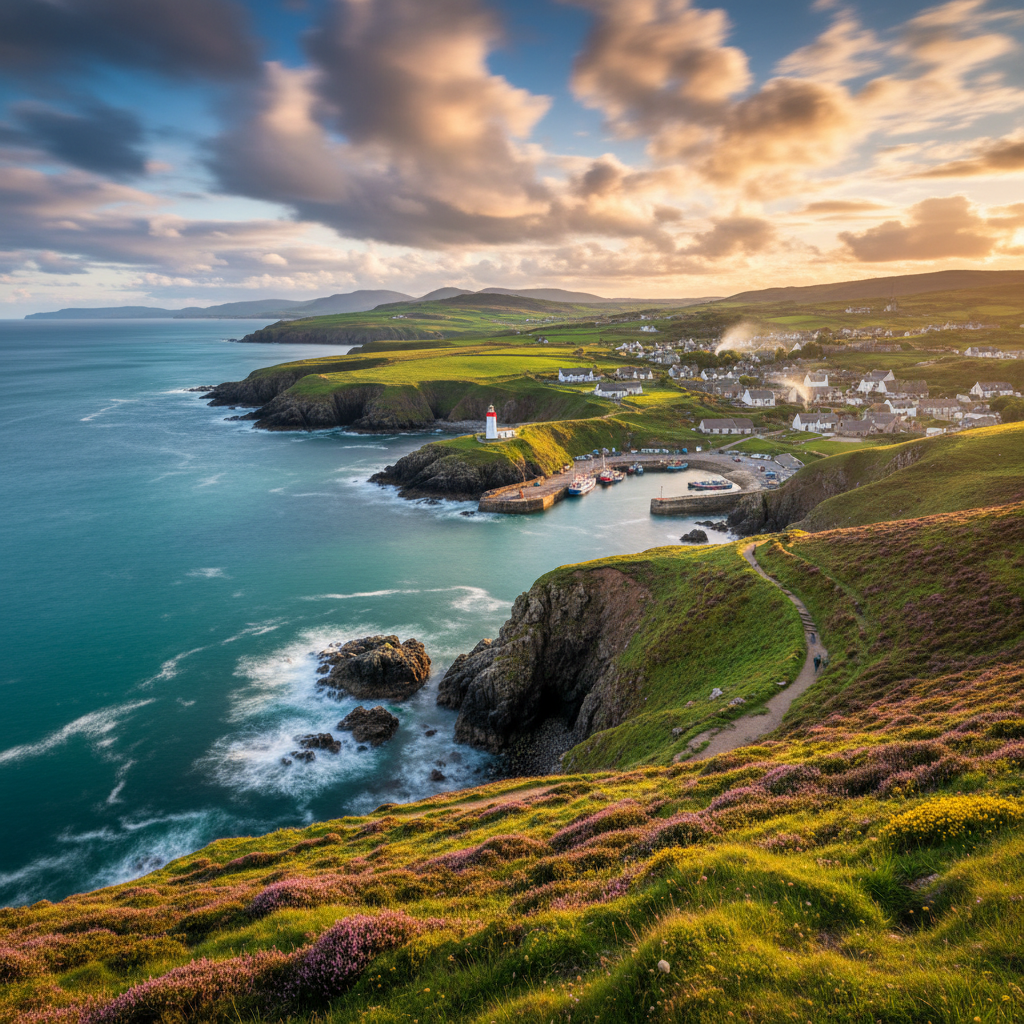
Lybster
Discover Lybster Nestled along the stunning coastline of Caithness, Lybster is a charming village that boasts a rich history and a vibrant culture. This small fishing community, with a population of just over 1,000, has long been an important part of Scotland's maritime heritage. Established in the 19th century, Lybster was primarily known for its herring fishing industry, which flourished thanks to its strategic location on the North Sea. The remnants of this industrious past can still be seen today in the village's architecture and the remnants of old piers.What makes Lybster special is not just its historical significance but also its stunning natural beauty. The village is surrounded by dramatic cliffs, sandy beaches, and lush green landscapes, making it a favorite destination for nature lovers and outdoor enthusiasts. The nearby Dunnet Head offers breathtaking views of the coastline, while the nearby Caithness and Sutherland regions are perfect for hiking, cycling, and exploring the rugged Scottish wilderness.In addition to its natural allure, Lybster is a community steeped in culture. The local residents are known for their warmth and hospitality, and visitors can immerse themselves in traditional Scottish customs. The village often hosts events celebrating Scottish music, dance, and food, allowing travelers to experience the rich cultural tapestry of the Highlands. Lybster is also a gateway to exploring the wider Caithness area, including the historic town of Wick and the iconic Castle of Mey, which was once the summer residence of the Queen Mother.One of the village's most notable attractions is the Lybster Heritage Centre, which showcases the area's fascinating history through informative displays and exhibits. Here, visitors can learn about the significance of fishing in the local economy, the development of the village, and the stories of its residents over the years. The center often features exhibitions from local artists, further highlighting the creative spirit of the community.The village’s picturesque harbor is another highlight, where colorful fishing boats bob gently in the water. It’s a perfect spot for photography enthusiasts or anyone looking to enjoy a peaceful moment by the sea. Strolling along the harbor, you can often catch sight of local fishermen at work or simply enjoy the salty breeze as you take in the stunning views of the North Sea.Ultimately, a visit to Lybster offers a unique blend of history, culture, and natural beauty. It’s a place where you can slow down and appreciate the simple pleasures of life, from enjoying fresh seafood at a local eatery to exploring the breathtaking landscapes that surround this hidden gem. Whether you’re here for a day trip or planning a longer stay, Lybster promises a memorable experience steeped in the authentic charm of Scotland. Top Attractions in Lybster – Ranked and Reviewed When visiting Lybster, there’s no shortage of attractions and experiences to immerse yourself in. Based on traveler reviews from Stay4Exploring, here are the top-ranked attractions you shouldn't miss when exploring this delightful Scottish village.1. Lybster Heritage CentreThe Lybster Heritage Centre is a must-visit for anyone interested in the local history and culture. With an impressive rating from visitors, the center provides an insightful look into the village's past, particularly its fishing heritage. Many guests have praised the knowledgeable staff who are eager to share fascinating tales and anecdotes. The exhibits are well-curated, making it a perfect spot for families and history buffs alike.2. Lybster HarbourRated highly for its picturesque scenery, Lybster Harbour offers stunning views of the North Sea and is ideal for a leisurely stroll. Visitors often highlight the vibrant colors of the fishing boats and the peaceful ambiance of the area. Many also enjoy watching local fishermen at work or simply relaxing by the water's edge, making it a popular spot for photography.3. Dunnet HeadA short drive from Lybster, Dunnet Head is the northernmost point of mainland Britain and offers breathtaking views of the coastline. Ranked as one of the top attractions in the area, visitors rave about the panoramic vistas and the chance to spot seabirds and marine wildlife. The walk to the clifftops is said to be invigorating, with many travelers recommending it as a highlight of their visit.4. The Old Herring HouseThis unique historical site is often recommended by visitors for its authentic representation of Lybster's fishing past. The Old Herring House showcases how fish were processed historically and gives insight into the daily life of fishermen. Reviewers have noted that guided tours provide in-depth knowledge and a personal touch, making it a great addition to your itinerary.5. Caithness Coastal PathFor outdoor enthusiasts, the Caithness Coastal Path is a top-rated activity that runs near Lybster. Visitors have commended the path for its stunning views and the chance to experience the rugged beauty of the Scottish coastline. The trail caters to all levels of hikers, and many travelers enjoy the opportunity to explore the diverse flora and fauna along the way, making it a highlight for nature lovers.In summary, Lybster offers a variety of attractions that cater to history enthusiasts, nature lovers, and anyone looking to enjoy the scenic beauty of Scotland's coastline. Travelers consistently rate these attractions highly, ensuring that your visit to Lybster will be filled with memorable experiences and insights into the region's rich heritage. Planning Your Visit to Lybster Located on the scenic north coast of Scotland, Lybster is a hidden gem that offers a perfect blend of natural beauty, rich history, and warm local hospitality. Understanding the best time to visit, how to get there, and where to stay can enhance your travel experience.Best Time to Visit: The ideal time to visit Lybster is during the late spring to early autumn months, specifically from May to September. The weather is generally mild, with average temperatures ranging from 15°C to 20°C (59°F to 68°F). During this period, you can enjoy long daylight hours, making it perfect for outdoor activities such as hiking and exploring the rugged coastline. The summer months also host various local festivals that showcase traditional Scottish music, art, and food, adding a vibrant touch to your visit.Getting There: Lybster is easily accessible by road and is well-connected to major towns. If you are flying in, the nearest airport is Wick John O'Groats Airport, located approximately 19 miles away. From the airport, you can hire a car or take a taxi to reach Lybster. Alternatively, you can take a train to Wick, which is the closest railway station, and then catch a bus or taxi for the remaining distance. If you are driving, the A99 road will lead you directly to Lybster, with picturesque landscapes to enjoy along the way.Getting Around: While Lybster is a small village, walking and cycling are the best ways to explore its surroundings. The flat terrain makes it easy to navigate on foot or by bike, allowing you to take in the stunning coastal views at your own pace. For those looking to venture further afield, consider renting a car to explore nearby attractions, such as the historic Castle of Mey and the dramatic cliffs of Dunnet Head.Where to Stay: Accommodation options in Lybster cater to a variety of preferences and budgets. For a cozy and intimate experience, consider staying at a local bed and breakfast, where you can enjoy a hearty Scottish breakfast and personalized service. For those seeking more independence, self-catering cottages are available, offering the comforts of home while allowing you to cook your own meals. Hotels and guesthouses are also present in the village, providing modern amenities and easy access to local attractions. Always check reviews on platforms like Stay4Exploring to find accommodations that suit your needs and preferences, ensuring a pleasant stay. Experience Lybster Like a Local To truly immerse yourself in the charm of Lybster, it’s important to embrace the local customs, savor the cuisine, and appreciate the rich culture of this Scottish village. Understanding these aspects will enhance your experience and help you connect with the community.Local Customs: The residents of Lybster take great pride in their local heritage and customs. When visiting, it’s customary to greet people with a friendly smile and a simple 'hello' or 'hi'. Scots are known for their warmth and hospitality, so don’t hesitate to engage in conversation. If you are invited to a local event or gathering, consider it an honor—community is at the heart of life in Lybster.Food: The culinary scene in Lybster reflects traditional Scottish fare with a focus on fresh, local ingredients. Seafood lovers will delight in the various fish dishes available, particularly the locally caught haddock and crab. Make sure to try the famous ‘haggis’, a traditional Scottish dish made from sheep's offal, oats, and spices. For a true local experience, visit a pub or café and ask for the daily specials, which often feature seasonal produce. Pair your meal with a selection of local whiskies or ales to truly savor the flavors of Scotland.Culture: Lybster is steeped in history, and its cultural heritage can be explored through various attractions. The village once thrived as a herring port and is now home to historical landmarks that tell the story of its past. Engage with local artists and craftspeople by visiting galleries or shops showcasing handmade goods. Participating in local festivals can also provide insight into the vibrant culture of Lybster. Be on the lookout for events celebrating music, dance, and traditional crafts.Insider Tips: To experience Lybster like a local, consider taking part in guided walks that explore the stunning coastal paths and hidden gems of the area. These walks often include storytelling elements, giving context to the landscapes you encounter. Additionally, be sure to bring a camera; the dramatic seascapes and sunsets are breathtaking. Lastly, engage with the locals—they are often happy to share recommendations for off-the-beaten-path attractions and hidden treasures that may not be covered in typical travel guides.

Tain
Discover Tain Tain, a charming town located on the northern shores of the Dornoch Firth in the Scottish Highlands, is rich in history and culture. Known as Scotland’s oldest Royal Burgh, Tain was granted its royal status in 1066, making it a significant location in Scotland’s history. The town is a treasure trove of medieval architecture, with landmarks that date back centuries, reflecting the rich tapestry of Scottish heritage.The cultural significance of Tain is further underscored by its connection to the ancient Pictish people, whose influence is evident in the numerous standing stones and stone carvings sprinkled throughout the region. Visitors can explore the intricacies of Tain's past through various museums, including the Tain Through Time exhibition, which offers insights into the town's development and its role in Scottish history.Tain is particularly famous for its whisky production, being home to the famous Tain Distillery, which has been producing fine Scotch whisky for generations. The distillery's visitor center provides an opportunity to learn about the intricate process of whisky making and to sample some of the finest spirits that Scotland has to offer. The local whisky culture adds a unique flavor to Tain, making it a must-visit for enthusiasts and novices alike.Culturally, Tain is vibrant, with numerous festivals and events taking place throughout the year. One of the highlights is the Tain Highland Games, a celebration of Scottish traditions that features traditional sports, music, and dance. The atmosphere during the games is electric, drawing visitors from all over who come to experience the camaraderie and spirit of the Highlands.The town also serves as a gateway to the stunning natural beauty of the Highlands. With the nearby Dornoch Firth and the surrounding countryside, Tain provides ample opportunities for outdoor activities such as hiking, cycling, and fishing. The scenic landscapes, combined with the rich history and culture, make Tain a unique destination that captivates visitors.In addition to its historical and cultural significance, Tain is characterized by its warm and welcoming community. The local shops, cafes, and restaurants reflect the town’s charm and offer visitors a taste of traditional Scottish hospitality. Whether you are wandering through the cobbled streets, exploring local art galleries, or enjoying a meal at a cozy pub, Tain is a place that feels like home.In summary, Tain is a destination that beautifully blends history, culture, and natural beauty. It is a place where visitors can immerse themselves in the rich heritage of Scotland while enjoying the warmth of a close-knit community. Whether you are a history buff, a nature lover, or someone looking to experience the local whisky culture, Tain offers something special for everyone. Top Attractions in Tain – Ranked and Reviewed Tain is home to a variety of attractions that appeal to different interests, making it a versatile destination for travelers. Based on visitor ratings and reviews on Stay4Exploring, here are the top attractions in Tain that you shouldn’t miss.1. Tain Distillery – Rated 4.8/5Tain Distillery is the highlight of many visitors' trips to Tain. Known for its top-notch Scotch whisky, the distillery offers guided tours where guests can learn about the whisky-making process from start to finish. Reviewers rave about the knowledgeable staff and the tasting sessions that allow you to sample some exquisite whiskies. Many visitors recommend booking a tour in advance to ensure availability.2. Tain Through Time Museum – Rated 4.5/5This museum takes you on a journey through Tain's rich history, showcasing artifacts and exhibits that tell the story of the town and its people. Many visitors appreciate the interactive displays and the friendly staff who are eager to share their knowledge. The museum is perfect for families and history enthusiasts alike, making it a popular stop for those exploring the town.3. The Pictish Stones – Rated 4.6/5Scattered around Tain are several ancient Pictish stones, which are a must-see for history buffs. These intricately carved stones provide a fascinating glimpse into Scotland's ancient past. Visitors often mention how awe-inspiring the stones are and how they add to the mystical atmosphere of the area. A guided tour can enhance the experience by providing context and stories behind each stone.4. Dornoch Firth – Rated 4.7/5The breathtaking views of the Dornoch Firth are a highlight for many visitors. Whether you opt for a leisurely walk along the shoreline or choose to engage in outdoor activities like kayaking, the beauty of the firth is undeniable. Reviewers often comment on the tranquility of the area and recommend it as a perfect spot for photography, especially during sunset.5. Tain Golf Club – Rated 4.4/5For golf enthusiasts, the Tain Golf Club offers a challenging course set against stunning Highland scenery. Visitors appreciate the well-maintained greens and the friendly atmosphere of the club. Many reviews highlight the welcoming nature of the staff and the excellent facilities available, making it a favored spot for both locals and travelers.In conclusion, Tain offers a diverse range of attractions that cater to various interests, from history and culture to outdoor adventures. The rankings and reviews from real travelers on Stay4Exploring provide valuable insights for planning your visit, ensuring you have an enriching experience in this charming Scottish town. Planning Your Visit to Tain Tain, a charming town nestled in the Scottish Highlands, offers a rich blend of history, culture, and stunning landscapes. Understanding the best time to visit, how to get there, and what accommodations are available will help you make the most of your trip.Best Time to Visit: The ideal time to visit Tain is during the late spring (May to June) and early autumn (September to October) months. During these times, the weather is pleasantly mild, with average temperatures ranging from 10°C to 15°C (50°F to 59°F). The town's natural beauty is accentuated with blooming flowers in spring and vibrant autumn colors, making it perfect for outdoor activities. Summer is also a great time to visit, but be prepared for larger crowds and slightly higher prices. Winter can be quite cold, with temperatures often dropping below freezing, but the town's picturesque charm under a blanket of snow is a sight to behold.Getting There: Tain is conveniently located approximately 30 miles north of Inverness, making it accessible from the city’s airport. The most common way to reach Tain is by car, allowing you to enjoy the scenic drives through the Highlands. If you're traveling from Inverness, take the A9 road, which offers breathtaking views along the way. Alternatively, you can take a train to Tain station, which has regular services from Inverness. The station is just a short walk from the town center, making it a convenient option for visitors.Getting Around: Once in Tain, the best way to explore is on foot, as many attractions are within walking distance of each other. The town is compact, making it easy to navigate. For those who prefer cycling, local bike rental shops offer a great way to experience the surrounding countryside. Public transport options are limited, so having a car can be beneficial if you want to explore the wider Highland area or visit nearby attractions such as the Dornoch Firth.Where to Stay: Tain offers a range of accommodation options to suit every budget and preference. For a unique experience, consider staying at a local bed and breakfast, where you can enjoy warm hospitality and a hearty Scottish breakfast. Popular options include the Royal Hotel and Glenmorangie House, which provide comfortable rooms and excellent service. For those seeking self-catering options, there are several cottages and apartments available for rent. If you're looking for something more luxurious, the nearby Links House Hotel offers elegant rooms and stunning views of the coast. Regardless of your choice, booking in advance is recommended, especially during peak tourist seasons. Experience Tain Like a Local Experiencing Tain like a local involves immersing yourself in the community's rich culture, culinary delights, and everyday customs. By engaging with the locals and embracing their way of life, you'll gain a deeper appreciation for this beautiful town.Local Customs: Tain boasts a warm and welcoming community, and you'll often find locals eager to share their stories and traditions. Scots are known for their friendliness, so don't hesitate to strike up a conversation with shopkeepers or fellow diners. When greeting someone, a simple 'hello' or 'hiya' works well. If invited to someone’s home, it’s customary to bring a small gift, such as flowers or chocolates, as a token of appreciation.Food: Tain is home to a variety of restaurants, cafés, and pubs that serve traditional Scottish cuisine. One must-try dish is haggis, a savory pudding made from sheep's heart, liver, and lungs, seasoned and encased in a sheep's stomach. You can enjoy haggis at places like the Tain Restaurant or The Royal Hotel. Additionally, seafood lovers should not miss the chance to try local delicacies such as fresh haddock or salmon, often served with a side of neeps and tatties (turnips and potatoes). For a delightful café experience, visit Mrs. Mackenzie's Tea Room for their famed scones and homemade cakes.Culture: Tain is rich in history, and a visit to the Tain Through Time Museum will provide you with insights into the town's past, from its Pictish roots to its significance in the whisky industry. Engage with local events, such as the Tain Gala, which takes place in July and showcases traditional Scottish music, dance, and crafts. Live music is also a staple in the local pubs, offering a chance to enjoy live performances while mingling with residents.Insider Tips: To experience Tain like a local, venture out of the town center and explore the scenic walks along the Dornoch Firth. The Balblair Distillery is just a short drive away and offers tours where you can learn about whisky production and sample some of their finest blends. Lastly, don’t forget to check out the local shops for unique souvenirs, including handmade crafts and locally produced goods. Tain is not just a destination; it's a place to connect with the Scottish way of life, and every visit offers something new to discover.

Plitvice Lakes
Discover Plitvice Lakes Nestled in the heart of Croatia, Plitvice Lakes National Park is a natural wonder that captivates visitors with its stunning landscapes and rich biodiversity. Established in 1949, it is the oldest national park in Croatia and a UNESCO World Heritage site since 1979. The park encompasses 300 square kilometers of lush forests, cascading waterfalls, and a series of 16 interconnected lakes that are renowned for their crystal-clear turquoise waters.The park's formation dates back to the last Ice Age, around 12,000 years ago, when glacial activity sculpted the limestone landscape. Over the millennia, this unique geology has led to the creation of tufa, a sedimentary rock that forms the park's beautiful cascades and lakes. Visitors to Plitvice Lakes are not only treated to breathtaking views but also a chance to witness the evolutionary process of nature in action.Plitvice Lakes is more than just a picturesque destination; it is a vital ecosystem that supports a diverse range of flora and fauna. The park is home to over 1,500 plant species, including rare orchids, and more than 140 bird species, including the elusive Eurasian eagle-owl. The diverse habitats within the park make it an essential area for conservation and research, attracting scientists and nature enthusiasts alike.What makes Plitvice Lakes truly special is its unique blend of natural beauty and cultural significance. The park is steeped in local folklore, with legends that speak of the enchanting lakes and the mythical creatures that inhabit them. The area surrounding the park is rich in Croatian history, with remnants of ancient settlements and traditional wooden architecture. Visitors can immerse themselves in the local culture by engaging with friendly locals who share stories about their heritage and the significance of the land.Accessibility is another factor that enhances the appeal of Plitvice Lakes. Just a two-hour drive from major cities like Zagreb and Zadar, the park is an excellent destination for a day trip or an extended stay. Well-maintained walking trails and wooden pathways allow visitors to explore the stunning landscapes safely and comfortably. The park is open year-round, offering a different experience with each season—lush greenery in spring, vibrant colors in autumn, and a serene, snow-covered wonderland in winter.In summary, Plitvice Lakes National Park is a must-visit destination for travelers seeking both adventure and tranquility. Its unparalleled natural beauty, rich cultural history, and commitment to conservation create an experience that lingers in the hearts and minds of those who visit. Whether you are hiking along the trails, photographing the breathtaking waterfalls, or simply enjoying the serene atmosphere, Plitvice Lakes offers an unforgettable escape into nature. Top Attractions in Plitvice Lakes – Ranked and Reviewed When visiting Plitvice Lakes, travelers are greeted with a plethora of attractions and experiences, each offering its unique charm and appeal. The following are the top-ranked attractions in the park, as rated and reviewed by fellow explorers:1. Veliki Slap (Big Waterfall)As the tallest waterfall in Croatia at 78 meters, Veliki Slap is an iconic landmark that draws visitors from around the globe. The stunning view from the viewpoint offers a spectacular panorama of the cascading waters and the surrounding landscape. Travelers rave about the breathtaking beauty and the sound of the rushing water, making it a must-see for anyone visiting the park.2. The Upper LakesThe Upper Lakes are a series of interconnected lakes that showcase the park's vibrant colors and diverse ecosystems. Visitors can explore the scenic trails that wind around the lakes, with numerous viewpoints offering stunning opportunities for photography. Reviewers often highlight the tranquility of the area, making it a perfect spot for nature lovers to relax and take in the serene beauty.3. The Lower LakesThese lakes are characterized by their stunning turquoise waters and picturesque waterfalls. The wooden pathways that meander through the Lower Lakes allow for easy exploration, and many visitors comment on the unique experience of walking over the water. Travelers appreciate the accessibility and the chance to see the lakes from various angles, enhancing their overall experience.4. Wooden PathwaysOne of the unique features of Plitvice Lakes is the extensive network of wooden walkways that connect the various lakes and waterfalls. Many visitors have praised the ease of walking along these paths, which allow for an immersive experience in nature while minimizing environmental impact. The pathways provide unparalleled views of the lakes and wildlife, making them a highlight of any visit.5. Boat ToursFor a different perspective of the park, many travelers recommend taking a boat tour across the largest lake, Kozjak. The boat ride offers a peaceful way to appreciate the surrounding beauty and is especially popular among families and those seeking a relaxing experience. Reviewers often note the friendly staff and the informative commentary provided during the tour.6. The Visitor CenterThe Visitor Center serves as an excellent starting point for exploring the park. It offers information about the history, flora, and fauna of Plitvice Lakes, as well as maps and guidance for the best walking routes. Many travelers appreciate the knowledgeable staff and the various exhibitions that help enhance their understanding of the park.With so many stunning attractions, it's no wonder that Plitvice Lakes is considered one of Croatia's top travel destinations. Each visitor leaves with their own unique experience, shaped by the beauty of the landscapes and the tranquility of nature. Whether you are an adventure seeker, a photography enthusiast, or simply looking to escape into nature, Plitvice Lakes has something for everyone. Planning Your Visit to Plitvice Lakes Plitvice Lakes National Park is a stunning natural wonder in Croatia, known for its cascading lakes and lush forested surroundings. When planning your visit, timing, transportation, accommodations, and park rules are crucial to ensure a memorable experience.Best Time to Visit: The ideal times to visit Plitvice Lakes are in the spring (April to June) and early autumn (September to October). During these months, the weather is generally mild, and the park is less crowded than in the peak summer months. Spring offers blooming flora and increased water flow in the waterfalls, while autumn showcases vibrant fall foliage, creating picturesque views. If you prefer to avoid crowds, consider visiting on weekdays or early in the morning.Getting There: Plitvice Lakes is accessible by car and public transportation. If driving, the park is located approximately 2 hours from Zagreb and 1.5 hours from Zadar. The road is well-maintained, and there is ample parking near the park entrance. For those opting for public transport, several bus companies operate routes from major Croatian cities, including Zagreb, Zadar, and Rijeka. The nearest bus station is in the village of Plitvička Jezera, just a short walk from the park.Getting Around: Once inside the park, visitors can explore via well-marked walking trails and wooden boardwalks that lead to stunning viewpoints and attractions. The park offers multiple routes ranging from easy to moderate difficulty, allowing you to choose based on your fitness level and time constraints. Shuttle buses operate within the park to transport visitors between different sections, enhancing accessibility. It's advisable to wear comfortable hiking shoes, as some trails can be uneven.Where to Stay: Accommodations near Plitvice Lakes cater to various budgets and preferences. For an immersive experience, consider staying in one of the nearby hotels or lodges, such as Hotel Jezero, which offers easy access to the park entrance and stunning views of the lakes. Alternatively, guesthouses and private apartments in the village of Plitvička Jezera provide a more homey atmosphere. If you prefer a unique experience, there are also camping options available during the warmer months. Booking in advance is recommended, especially during peak season, to secure your preferred accommodation.Remember to check the park's official website for any updates regarding entrance fees, park hours, and seasonal events. Planning ahead will help you make the most of your visit to this breathtaking UNESCO World Heritage site. Experience Plitvice Lakes Like a Local To truly appreciate Plitvice Lakes, immersing yourself in the local customs, cuisine, and culture is essential. Engaging with the local community can enhance your experience and provide insights into the region's rich heritage.Local Customs: Croatians are known for their hospitality, and visitors often find themselves welcomed with open arms. A simple greeting in Croatian, such as 'Dobar dan' (Good day), can go a long way in establishing a friendly rapport with locals. When dining in restaurants or shops, it's customary to greet staff and thank them (Hvala) for their service. Additionally, if you're invited to a local's home, it's polite to bring a small gift, like flowers or sweets, as a gesture of appreciation.Food: The culinary scene around Plitvice Lakes is a delightful blend of traditional Croatian dishes and local ingredients. Be sure to try regional specialties like 'štrukli' (a pastry filled with cheese), 'wild game' dishes, and hearty stews. Freshwater fish from the nearby rivers is also popular, often grilled or served with local vegetables. For dessert, indulge in 'kremšnita,' a creamy custard slice that is a favorite among locals. Pair your meal with a glass of local wine or rakija, a traditional fruit brandy, for a true taste of Croatian culture.Culture: The area around Plitvice is rich in cultural heritage, with influences from various historical periods. Take the time to explore nearby villages, where you can find traditional wooden architecture and local craftsmanship. Participating in local events or festivals can provide deeper insight into the area's customs and traditions. The annual 'Plitvice Lakes Festival,' for example, showcases local music, dance, and crafts, offering a vibrant atmosphere to experience the culture.Insider Tips: To experience Plitvice Lakes like a local, consider visiting during off-peak hours or seasons to avoid large crowds and fully immerse yourself in the natural beauty of the park. Bring a reusable water bottle, as there are refill stations throughout the park. Also, don't miss the chance to explore lesser-known trails that lead to hidden gems away from the main tourist routes. Lastly, consider hiring a local guide for a more intimate understanding of the park's ecology and geology, and to discover the stories behind its breathtaking landscapes.By embracing local customs, savoring regional cuisine, and immersing yourself in the culture, you'll create unforgettable memories during your visit to Plitvice Lakes.

Contin
Discover Contin Nestled in the heart of the Scottish Highlands, the village of Contin offers a captivating blend of history, culture, and natural beauty that makes it a hidden gem worth exploring. Its name, derived from the Gaelic word 'Caint,' meaning 'the place of the river,' reflects its picturesque location near the Conon River. The village has a rich history that dates back to ancient times, with evidence of settlements in the area dating back thousands of years. Contin was historically part of the lands owned by the Clan Mackenzie, one of the most prominent clans in the region. One of the most significant historical landmarks in Contin is the 18th-century St. Mary’s Church, which stands as a testament to the village's long-standing ecclesiastical heritage. The church, built in 1775, is known for its striking architecture and beautiful stained-glass windows. Visitors often stop by not just to admire its craftsmanship but also to learn about the local history through the various plaques and memorials that adorn its walls. The culture of Contin is deeply intertwined with the Scottish Highland traditions, characterized by its vibrant community spirit, local storytelling, and music. The village hosts several events throughout the year, including traditional Scottish festivals, where visitors can experience Highland games, ceilidh dances, and local crafts. The warm hospitality of the locals is palpable, making it easy for visitors to feel at home and immerse themselves in the culture. What truly sets Contin apart is its stunning natural scenery. Surrounded by lush forests, rolling hills, and serene waters, the village serves as an ideal base for outdoor enthusiasts. The nearby Strathconon Valley offers breathtaking views and a plethora of hiking trails, catering to all levels of hikers. The area is also rich in wildlife, providing opportunities for birdwatching and spotting native species such as red deer and golden eagles. In addition to its natural beauty, Contin is conveniently located for exploring other nearby attractions in the Highlands. The famous Loch Ness, home to the legendary Loch Ness Monster, is just a short drive away, making it a great day trip for visitors. The city of Inverness, often regarded as the capital of the Highlands, is also within easy reach, offering a wider array of dining, shopping, and cultural activities. Ultimately, Contin is more than just a destination; it’s a place where history, culture, and nature converge to create a unique experience. Whether you're hiking through the stunning landscapes, exploring historical sites, or engaging with the local community, Contin invites you to discover its charm and allure. It’s a place where memories are made, and stories are shared, making it an essential stop on any Scottish adventure. Top Attractions in Contin – Ranked and Reviewed When visiting Contin, the charm of the village is complemented by a variety of attractions that cater to diverse interests. Based on real traveler reviews and ratings from Stay4Exploring, here are the top attractions that stand out in this picturesque Highland village: 1. Strathconon ValleyThe breathtaking Strathconon Valley ranks as the top attraction in Contin, with visitors praising its stunning landscapes and tranquility. Hikers and nature enthusiasts rave about the numerous trails available, ranging from leisurely walks to challenging hikes. The valley is also a fantastic spot for wildlife enthusiasts, offering opportunities to see deer, eagles, and various bird species. Travelers recommend packing a picnic to enjoy amidst the scenic views. 2. St. Mary’s ChurchThis historic church is beloved by visitors for its architectural beauty and serene atmosphere. Rated highly for its stunning stained-glass windows and peaceful surroundings, guests often express their admiration for the church's role in the community. Many travelers suggest taking a moment to reflect and appreciate the history encapsulated within its walls. 3. Contin Community CentreA hub of local activity, the Contin Community Centre is a must-visit for those wanting to experience Highland culture firsthand. Visitors commend the center for its friendly atmosphere and regular events, including arts and crafts workshops and community gatherings. It's a great place to meet locals and learn about the traditions of the area. 4. The Black Water RiverIdeal for outdoor adventurers, the Black Water River offers opportunities for fishing, kayaking, and riverside walks. Rated highly for its scenic beauty and peaceful ambiance, visitors enjoy spending a day by the water, whether fishing for trout or simply enjoying the natural surroundings. Travelers recommend visiting during the early morning to catch breathtaking views of the sunrise over the river. 5. Loch Ness Day TripWhile not located directly in Contin, a day trip to Loch Ness comes highly recommended by visitors. Many travelers appreciate the ease of access from Contin and the chance to explore the legendary loch. Boat tours, castle visits, and the chance to spot the elusive Nessie make this an unforgettable experience. Reviews emphasize the breathtaking scenery and the sense of adventure that comes with exploring this iconic location. Contin may be a small village, but the attractions it offers are profound and varied. Each location tells a story, whether it's through its natural beauty, historical significance, or community spirit. Make sure to take the time to explore these highly-rated experiences during your visit, as they truly capture the essence of what makes Contin a special place. Planning Your Visit to Contin Contin, a charming village nestled in the Scottish Highlands, is an ideal destination for travelers seeking both adventure and tranquility. To make the most of your visit, it’s essential to consider the best time to explore this picturesque locale. The peak season runs from May to September, when the weather is generally mild and the picturesque landscapes are at their most vibrant. However, for those who prefer a quieter experience and don’t mind a bit of chill, the shoulder seasons of late spring and early autumn offer a beautiful display of nature’s changes, accompanied by fewer crowds.Getting to Contin is relatively straightforward. The nearest major city is Inverness, located approximately 25 miles to the northeast. From Inverness, you can rent a car or take a bus to Contin, which offers stunning views of the Highland countryside along the way. If you opt for driving, be prepared for winding roads and keep an eye out for wildlife! Alternatively, there are train services available to nearby stations, followed by a short bus or taxi ride to reach Contin.Once you arrive in Contin, getting around is best done on foot or by bicycle, as the village is compact and pedestrian-friendly. For those wishing to explore the surrounding areas, consider renting a car or using local taxi services. This allows you to venture further into the Highlands, where you can discover hidden gems such as Loch Achilty and the scenic trails that lead through the forests.Accommodation options in Contin vary from cozy bed and breakfasts to self-catering lodges, catering to a range of budgets and preferences. For a truly immersive experience, consider staying at a local guesthouse that offers a warm Highland welcome. The Contin Community Centre often hosts visitors and provides information on local events, making it a great spot to connect with fellow travelers. Additionally, several hotels and inns, such as the Ben Wyvis Hotel, offer comfortable lodging and easy access to outdoor activities. Booking in advance, particularly during the busy summer months, is advisable to secure your preferred choice.For those seeking a unique experience, consider camping or glamping options available in the area, which allow you to immerse yourself in nature while enjoying the stunning Highland scenery. Whichever accommodation you choose, be prepared to enjoy the warm hospitality the locals are known for, and don't hesitate to ask for recommendations on what to see and do in this beautiful village. Experience Contin Like a Local Experiencing Contin like a local means embracing the rich customs and traditions that define this unique Scottish village. The community is known for its warm hospitality, so don’t be surprised if you find yourself engaged in conversation with friendly locals who are eager to share their stories. When meeting someone new, a simple smile and a respectful greeting such as 'hello' or 'how are you?' will go a long way in establishing rapport.Food is an integral part of Scottish culture, and Contin boasts a selection of delightful eateries that serve traditional dishes. Make sure to try haggis, a savory dish made from sheep's offal, spices, and oats, often served with neeps (turnips) and tatties (potatoes). For a sweet treat, seek out local bakeries for shortbread cookies and tablet, a Scottish confection made from sugar, condensed milk, and butter. Many travelers recommend the local pubs for their hearty meals and vibrant atmosphere, where you can enjoy a pint of locally brewed ale while soaking in the village's ambiance.The culture of Contin is deeply intertwined with nature, making outdoor activities a central part of local life. There are numerous walking and cycling trails available for exploration, with options suitable for all skill levels. The nearby Strathconon Valley offers breathtaking views, and you might even spot local wildlife such as deer, red squirrels, and an array of bird species. If you’re feeling adventurous, consider participating in local fishing or kayaking excursions on the nearby lochs.Another insider tip is to attend community events if your visit coincides with them. From Highland games to local festivals, these gatherings provide a wonderful opportunity to experience traditional music, dance, and crafts firsthand. The locals often participate in ceilidhs, lively social gatherings featuring folk music and dancing, which are not to be missed.Shopping in Contin is a delightful experience, with small local shops offering handmade crafts, souvenirs, and locally sourced products. Supporting local artisans not only helps the community but also ensures you take home a unique piece of Scotland. Engage with shop owners, as they often have stories to tell about their creations and the history of the village.Finally, remember that the weather can be unpredictable, so pack layers and be prepared for sudden changes. A good waterproof jacket, sturdy shoes, and a sense of adventure will serve you well as you explore the stunning landscapes and hidden treasures of Contin. By immersing yourself in local customs, savoring the traditional fare, and embracing the spirit of community, you’ll leave Contin with unforgettable memories and a deeper understanding of Highland life.

Bishops Cannings
Discover Bishops Cannings Bishops Cannings, a charming village nestled in the heart of Wiltshire, England, boasts a rich tapestry of history, culture, and natural beauty. With its origins dating back to the Anglo-Saxon period, the village showcases a unique blend of ancient heritage and contemporary vibrancy. The name 'Cannings' is derived from the Old English 'Canning,' which means 'the place of the people of Canna,' hinting at its long-standing significance in the region.The village's historical roots are notably marked by the iconic St. Mary’s Church, which stands as a testament to the architectural prowess of the medieval period. This Grade I listed church, with its stunning stained glass windows and intricate stone carvings, is a focal point for locals and visitors alike, often serving as a serene spot for reflection and admiration. The church's history is intertwined with the village's development, offering a glimpse into the past through its preserved features and artifacts.Bishops Cannings is not just about its historical architecture; it also has a vibrant community spirit. The village hosts various cultural events throughout the year, including seasonal festivals and village fairs, which reflect the local traditions and foster a sense of belonging among residents and visitors. The annual village fête is particularly popular, bringing together families for a day of fun, food, and entertainment, showcasing local crafts and produce.What makes Bishops Cannings truly special is its stunning natural surroundings. The village is set against the backdrop of the beautiful Wiltshire countryside, characterized by rolling hills, lush green fields, and scenic walking trails. This picturesque landscape not only provides endless opportunities for outdoor activities like hiking and cycling but also creates a peaceful atmosphere that invites relaxation and contemplation.Furthermore, the proximity of Bishops Cannings to the historic town of Devizes enhances its appeal. Visitors can easily explore nearby attractions such as the iconic Caen Hill Locks, a marvel of engineering and a key part of the Kennet and Avon Canal. The village serves as a perfect base for those looking to experience the best of Wiltshire, combining the tranquility of rural life with easy access to urban amenities and historical landmarks.In summary, Bishops Cannings is a hidden gem that offers a unique blend of history, culture, and natural beauty. Its welcoming community, historical significance, and breathtaking landscapes make it a must-visit destination for anyone looking to explore the charm of rural England. Whether you’re wandering through its ancient streets or enjoying a leisurely walk in the countryside, Bishops Cannings promises an enriching experience that leaves a lasting impression. Top Attractions in Bishops Cannings – Ranked and Reviewed Bishops Cannings is a treasure trove of attractions that cater to a variety of interests, making it an appealing destination for families, history buffs, and nature lovers alike. Here are the top-rated attractions as reviewed by real visitors on Stay4Exploring:1. St. Mary’s Church – Rated 4.8/5St. Mary’s Church is often at the top of visitors’ lists. This stunning medieval church features remarkable stained glass windows and intricate stone carvings. Travelers appreciate the peaceful atmosphere and the church's historical significance. Many visitors recommend taking a guided tour to learn more about the church’s fascinating past.2. Caen Hill Locks – Rated 4.7/5Just a short drive from Bishops Cannings, Caen Hill Locks is a must-see for those who love engineering marvels. This series of 29 locks on the Kennet and Avon Canal is a highlight for boaters and walkers alike. Visitors often rave about the scenic views and the opportunity to watch boats navigate the locks. It’s a fantastic spot for photography and picnics.3. The White Horse Inn – Rated 4.5/5This traditional pub offers a warm and welcoming atmosphere. Guests have praised its hearty meals and extensive selection of local ales. The White Horse Inn is not only a great place to refuel after a day of exploring but also serves as a social hub where travelers can meet locals and share stories.4. The Devizes Canal Walk – Rated 4.6/5For those who enjoy the great outdoors, the Devizes Canal Walk is a top-rated experience. This picturesque walk along the canal offers stunning views of the countryside and is suitable for walkers of all ages. Many visitors recommend taking a leisurely stroll or a bike ride to truly soak in the beauty of the area.5. Bishops Cannings Village Fête – Rated 4.9/5The annual village fête is a highlight of the local calendar, showcasing the best of Bishops Cannings’ community spirit. Reviews highlight the friendly atmosphere, local crafts, and delicious food stalls that make this event a fantastic experience for families and visitors. Many attendees return year after year to enjoy the festivities.In conclusion, Bishops Cannings offers a wealth of attractions that are highly regarded by travelers. From historical sites and beautiful landscapes to community events and local dining, there is something for everyone to enjoy. Plan your visit and discover what makes this charming village a favorite among those who seek an authentic English experience. Planning Your Visit to Bishops Cannings Bishops Cannings, a charming village in Wiltshire, England, offers a delightful escape for travelers looking for a quaint, rural experience. To make the most of your visit, it’s essential to plan ahead. The best time to visit Bishops Cannings is during the late spring (May to June) and early autumn (September to October). During these months, you're likely to enjoy mild weather, vibrant landscapes, and fewer crowds, making it ideal for leisurely strolls and outdoor activities. Getting to Bishops Cannings is relatively straightforward. The village is conveniently located about 2 miles from Devizes and is easily accessible by car. If you’re traveling from London or Bristol, the A4 and A361 roads will take you directly to the area. For those relying on public transport, the nearest railway station is Chippenham, approximately 10 miles away. From Chippenham, you can catch a taxi or take a local bus to reach Bishops Cannings. Be sure to check the bus schedules ahead of time, as services may be limited. Once you arrive, getting around Bishops Cannings is best done on foot or by bicycle. The village is small and pedestrian-friendly, with scenic paths and roads that make exploring a pleasure. For those looking to venture further into the surrounding countryside, cycling is a popular option, and bike rentals can often be found in nearby towns. When it comes to accommodation, Bishops Cannings boasts a range of options to suit various preferences and budgets. You can find cozy bed and breakfasts that offer a warm, local experience, such as The Old Bell Inn, which is well-reviewed for its hospitality and traditional English breakfasts. For a more unique stay, consider booking a charming cottage or holiday home through platforms like Airbnb, which will provide you with a home-away-from-home experience. If you’re looking for more amenities and dining options, consider staying in the nearby town of Devizes. Here, you will find a greater selection of hotels, pubs, and restaurants, as well as attractions such as the famous Caen Hill Locks on the Kennet and Avon Canal. Regardless of where you choose to stay, Bishops Cannings serves as an ideal base for exploring the stunning Wiltshire countryside and nearby attractions. Experience Bishops Cannings Like a Local To truly immerse yourself in the culture of Bishops Cannings, it’s essential to understand and appreciate the local customs, food, and community spirit. The village has a rich history that dates back to the 11th century, and this heritage is reflected in its architecture and local events. One of the most celebrated customs in the area is the annual village fete, which usually features traditional games, local crafts, and homemade food, giving visitors a taste of the local community spirit. When it comes to food, Bishops Cannings is known for its hearty, traditional British cuisine. Pub fare is a staple, with The Old Bell Inn offering a delightful selection of local ales and classic dishes like fish and chips, shepherd's pie, and Sunday roasts. For a truly authentic experience, try to dine with the locals during a pub quiz night or a special event, where you can engage with the community and perhaps even win a prize! In addition to pubs, the village and surrounding areas feature various farmers' markets and artisan shops. These markets provide an excellent opportunity to sample local produce, cheeses, and baked goods. Look out for artisan bread and locally sourced meats, which are popular among residents and visitors alike. Engaging with local vendors not only supports the community but also gives you insights into the region's culinary landscape. Cultural experiences in Bishops Cannings extend beyond food. The village is surrounded by stunning countryside, perfect for hiking and exploring. The nearby countryside is part of the North Wessex Downs Area of Outstanding Natural Beauty, which offers scenic trails that showcase the region's natural beauty. Don’t forget your camera; the rolling hills and picturesque landscapes provide excellent photo opportunities. Insider tips for experiencing Bishops Cannings like a local include participating in community events, such as seasonal festivals and village gatherings. These events are often advertised on local notice boards and social media pages. Additionally, engaging with local residents can enhance your experience; they are often more than willing to share their favorite spots and hidden gems in and around the village. Lastly, always keep an eye out for local art exhibitions or craft fairs, as Bishops Cannings and its surrounding areas are home to many talented artists and craftsmen. Embracing the local culture, cuisine, and community will surely make your visit to Bishops Cannings a memorable one.

Lake Balaton Region
Discover Lake Balaton Region Lake Balaton, often referred to as the "Hungarian Sea," is the largest freshwater lake in Central Europe, spanning approximately 592 square kilometers (229 square miles). Nestled in the heart of Hungary, this stunning region boasts a rich tapestry of history, culture, and natural beauty, making it a must-visit destination for travelers. The lake is not only significant for its size but also for its cultural and economic importance to Hungary. The history of Lake Balaton dates back to the Ice Age, with geological formations that have shaped the landscape over millennia. The region has been inhabited since ancient times, with archaeological findings indicating that the Celts and Romans both recognized the area’s potential. The first written references to the lake can be traced back to the 9th century, when the Slavic tribes settled in the region. Over the centuries, the lake has been a vital location for trade and agriculture, contributing to the development of nearby towns and villages. One of the most charming aspects of Lake Balaton is its diverse culture. Each town along its shores has its unique character, influenced by the various ethnic groups that have settled here. For example, Keszthely is renowned for its baroque architecture and is home to the Festetics Palace, a magnificent building that showcases the region's aristocratic past. The town also hosts the Balaton Museum, where visitors can learn about the lake's ecological and historical significance. The region is particularly famous for its wine production, especially the vineyards of the northern shore, such as those in Badacsony and Szigliget. These areas are celebrated for their volcanic soil, which creates perfect conditions for growing unique grape varieties, including the renowned Olaszrizling and Furmint. Wine festivals are common in the autumn, attracting both locals and tourists eager to sample these exquisite local wines. What truly makes Lake Balaton special is the harmonious blend of nature and culture. The surrounding landscapes feature rolling hills, lush vineyards, and picturesque villages, creating an idyllic backdrop for outdoor activities. Visitors can enjoy sailing, swimming, hiking, and cycling, all while immersing themselves in the serene environment that Lake Balaton offers. Moreover, the region is dotted with thermal baths and wellness centers, reflecting Hungary's long-standing tradition of thermal bathing. Locations like Hévíz, which boasts the largest thermal lake in the world, attract visitors seeking relaxation and rejuvenation. The healing properties of the thermal waters have been known since Roman times, making it a staple of health and wellness in the area. In recent years, Lake Balaton has gained popularity as a destination for both local and international tourists, especially during the summer months. The vibrant festivals, cultural events, and recreational activities create a lively atmosphere, drawing visitors to its shores. From the historic charm of Tihany, known for its stunning abbey and lavender fields, to the bustling beaches of Siófok, there is something for everyone at Lake Balaton. In conclusion, the Lake Balaton Region is a culturally rich and historically significant area that appeals to a wide range of travelers. Whether you're interested in exploring the local architecture, indulging in wine tasting, or simply basking in the sun by the lake, this region offers a memorable experience that captures the essence of Hungary. Top Attractions in Lake Balaton Region – Ranked and Reviewed The Lake Balaton Region is home to an array of attractions that cater to various interests, from history and culture to nature and recreation. Below, we present a selection of the top-ranked and reviewed attractions as rated by visitors, ensuring you have the best experiences during your stay. 1. Tihany Peninsula - Tihany is a jewel of the Lake Balaton Region, renowned for its stunning landscapes and historical significance. Visitors rave about the Tihany Abbey, founded in 1055, which offers breathtaking views of the lake. The nearby lavender fields are also a highlight, especially during the summer months when they bloom vibrantly. Many travelers appreciate the walking trails that wind through the peninsula, allowing for exploration of its natural beauty. 2. Keszthely and Festetics Palace - Keszthely is celebrated for its baroque architecture, with Festetics Palace standing as a testament to its aristocratic past. Visitors consistently praise the palace’s opulent interiors and the beautiful gardens surrounding it. The Balaton Museum in Keszthely is another favorite, showcasing the lake’s history and ecology, making it a perfect family-friendly destination. 3. Badacsony Wine Region - Known for its volcanic soil and excellent wines, Badacsony is a must-visit for wine enthusiasts. Many visitors recommend taking a guided wine tour to sample the local varieties, especially the Olaszrizling. The stunning views of the lake from the vineyards add to the experience, making it a perfect spot for a leisurely afternoon. 4. Siófok - As one of the most popular resort towns on the southern shore of Lake Balaton, Siófok is known for its vibrant nightlife, beautiful beaches, and numerous water sports. Visitors love the lively atmosphere, particularly in the summer when the town comes alive with music festivals and beach parties. The Siófok Water Tower offers panoramic views, making it a popular spot for photography. 5. Hévíz Thermal Lake - The largest thermal lake in the world is located just a short drive from Lake Balaton. Visitors often commend the healing properties of the thermal waters and the serene environment of the adjacent spa facilities. Many come to Hévíz for relaxation and wellness, enjoying treatments that utilize the mineral-rich waters. 6. Balatonfüred - Known for its charming promenade and historic buildings, Balatonfüred is a favorite for both locals and tourists. The Tagore Promenade is lined with cafes and shops, providing a perfect spot for leisurely strolls. The annual Anna Ball, a high-society event, attracts visitors from all over and is a highlight of the social calendar. 7. Szigliget Castle - This medieval castle offers a fascinating glimpse into Hungary’s history. Visitors appreciate the stunning views of the lake and the surrounding landscape from the castle ruins. It’s a great spot for history buffs and those looking to enjoy a quiet day of exploration. These attractions represent just a fraction of what the Lake Balaton Region has to offer. Each location is unique and provides visitors with a blend of culture, history, and natural beauty. When planning your itinerary, consider what interests you most, whether it’s diving into the local wine culture, exploring historical sites, or simply enjoying the breathtaking scenery of Hungary’s largest lake. Planning Your Visit to Lake Balaton Region When planning a visit to the Lake Balaton Region, it’s essential to consider several factors to ensure a memorable experience. From the best time to visit to transportation options and accommodation choices, here are some key tips for travelers. Best Time to Visit The ideal time to visit Lake Balaton is during the summer months, from June to August, when temperatures range from 25°C to 30°C (77°F to 86°F). This period is characterized by vibrant beach activities, music festivals, and a bustling atmosphere. However, spring (April to June) and early autumn (September to October) are also excellent choices, offering milder weather and fewer crowds while still allowing visitors to enjoy outdoor activities and wine festivals. Getting There Lake Balaton is well-connected to major cities in Hungary. The nearest airport is in Sármellék, approximately 15 kilometers from Keszthely. International flights connect through Budapest Ferenc Liszt International Airport, from where you can take a train or bus to Lake Balaton. The region is accessible by train, with several lines connecting it to Budapest and other cities. The M7 motorway also provides easy access for those traveling by car, making road trips a popular option. Getting Around Once in the Lake Balaton Region, visitors have several transportation options. The local train system operates frequent services along the southern shore of the lake, making it easy to hop between towns like Siófok, Balatonfüred, and Keszthely. Biking is also a popular way to explore the area, with dedicated bike paths along the lake. Several bike rental shops are available in major towns, and you can even find guided bike tours that take you through scenic routes. For those who prefer more flexibility, renting a car can be beneficial for exploring the less accessible areas around the lake, such as Badacsony or the northern shore’s vineyards. Additionally, local buses connect towns and attractions, although schedules may vary, so checking in advance is recommended. Where to Stay The Lake Balaton Region offers a diverse range of accommodation options to suit every traveler's needs. From luxurious hotels and wellness resorts to charming guesthouses and budget-friendly hostels, there’s something for everyone. Popular towns like Siófok and Balatonfüred are home to numerous hotels offering stunning lake views and easy access to local attractions. If you’re looking for a more local experience, consider booking a guesthouse or an apartment rental in smaller towns. This allows you to immerse yourself in the local culture and enjoy the hospitality of Hungarian families. Camping is also an option for outdoor enthusiasts, with several campsites available along the lake’s shores. In conclusion, planning your visit to the Lake Balaton Region involves thoughtful consideration of timing, transportation, and accommodation. With its stunning scenery, rich culture, and myriad activities, Lake Balaton promises a memorable getaway that caters to all types of travelers. Experience Lake Balaton Region Like a Local To truly experience the Lake Balaton Region like a local, one must dive deep into its customs, culinary delights, and cultural practices. This approach not only enriches your visit but also allows you to appreciate the area's heritage and lifestyle. Local Customs The Lake Balaton Region is characterized by a friendly and welcoming atmosphere. Hungarians take pride in their traditions and local heritage, often celebrating various cultural festivals throughout the year. One of the most notable is the Balaton Wine Festival, held annually in September, where visitors can sample local wines and enjoy traditional Hungarian music and dance. Participating in such events offers a unique glimpse into the local way of life. Another custom worth noting is the importance of hospitality in Hungarian culture. When invited to a local's home, it is customary to bring a small gift, such as a bottle of wine or homemade pastries, as a token of appreciation. This gesture is well-received and reflects the warmth and generosity of the people in the region. Culinary Delights Food is an integral part of the local culture, and the Lake Balaton Region is no exception. The cuisine here is heavily influenced by both traditional Hungarian dishes and local ingredients. One must-try dish is the gulyás (goulash), a hearty meat soup seasoned with paprika and vegetables, often enjoyed on a chilly evening. Another local favorite is halászlé (fisherman’s soup), made with fresh fish from the lake, typically served spicy and accompanied by homemade bread. In addition to savory dishes, the region is famous for its desserts. Be sure to try dobos torte, a layered sponge cake filled with chocolate buttercream, and traditional pastries like kürtőskalács (chimney cake), which is prepared over an open flame, producing a delightful, sweet treat. Local markets in towns like Keszthely and Siófok are perfect for discovering fresh produce, artisanal cheeses, and homemade jams. Visiting these markets not only supports local farmers but also provides an opportunity to sample traditional foods and engage with locals. Cultural Experiences To experience the culture of the Lake Balaton Region fully, take part in local events and activities. Many towns host craft fairs, where you can find handmade goods, from pottery to textiles. The Tihany Lavender Festival, held in July, celebrates the region’s lavender fields and features workshops, craft stalls, and culinary demonstrations, providing an immersive cultural experience. Additionally, consider taking a traditional folk dance class or attending a local concert. These activities not only showcase the region's artistic heritage but also allow for interaction with locals who are eager to share their traditions. Insider Tips To make the most of your visit, here are some insider tips: Rent a bike to explore the scenic bike paths around the lake. It’s a great way to see less touristy areas and enjoy the natural beauty. Visit local vineyards during harvest season (September to October) for a chance to participate in grape picking and wine tasting. Try the local fish dishes at lakeside restaurants, as they often feature the freshest ingredients sourced directly from the lake. Engage with locals and ask for recommendations on hidden gems, as they can guide you to lesser-known attractions that capture the essence of the region. In conclusion, experiencing the Lake Balaton Region like a local involves embracing its customs, savoring its culinary delights, and immersing yourself in its rich culture. By doing so, you will leave with not just memories of stunning landscapes, but also a deeper appreciation for the heart and soul of this enchanting region.

Madinah
Discover Madinah Madinah, known as the 'City of the Messenger', is one of the holiest cities in Islam, second only to Makkah. Located in the Hejaz region of Saudi Arabia, it is revered as the final resting place of the Prophet Muhammad and the site of the first mosque built in Islam, Al-Masjid an-Nabawi (The Prophet's Mosque). With its rich history, vibrant culture, and deep-rooted significance, Madinah attracts millions of pilgrims and tourists each year, eager to experience its spiritual essence and historical landmarks.The city's history dates back to pre-Islamic times, known as Yathrib, where it was a thriving oasis and a critical trading center. However, its significance soared in the 7th century when the Prophet Muhammad migrated from Makkah, marking the beginning of the Islamic calendar. The establishment of the first Muslim community in Madinah laid the foundation for the Islamic state, making it a pivotal location in Islamic history.Madinah is characterized by its unique blend of tradition and modernity. While the city has evolved with contemporary developments, it has preserved its historical landmarks and cultural heritage. Visitors can explore ancient architecture, such as the Quba Mosque, the first mosque built in Islam, and the Qiblatain Mosque, known for its historical significance in the direction of prayer. These sites not only offer a glimpse into Islamic history but also provide a serene atmosphere for reflection and worship.The culture of Madinah is deeply influenced by Islamic traditions. The city's residents, known as Madani, are known for their hospitality and warmth, welcoming visitors with open arms. The markets, or souks, are lively and vibrant, offering an array of local crafts, perfumes, and traditional clothing. The culinary scene is equally rich, with local dishes like Mandi and Kabsa that provide a taste of authentic Arabian flavors.What makes Madinah truly special is its spiritual ambiance. The Prophet's Mosque, with its stunning architecture and expansive courtyards, serves as a hub for worship and community gatherings. Pilgrims from around the world congregate here, creating a sense of unity and shared faith. The mosque’s green dome, which marks the Prophet’s tomb, is a prominent symbol of Islam, drawing countless visitors who wish to pay their respects.Furthermore, Madinah is surrounded by beautiful natural landscapes, including the Uhud Mountain, which holds historical significance as the site of the Battle of Uhud. This adds an outdoor element to the pilgrimage experience, allowing visitors to appreciate the beauty of the region while reflecting on its historical events.In conclusion, Madinah is not just a destination; it is a profound journey into the heart of Islamic history and culture. Its spiritual significance, coupled with its rich traditions and welcoming atmosphere, makes it a must-visit destination for travelers seeking to explore the roots of Islam and experience the warmth of Arabian hospitality. Top Attractions in Madinah – Ranked and Reviewed Madinah, with its deep religious significance and rich historical context, offers various attractions that are must-visits for any traveler. Here, we present the top attractions in Madinah, ranked and reviewed based on real travelers' experiences on Stay4Exploring.1. Al-Masjid an-Nabawi (The Prophet's Mosque)As the second holiest site in Islam, Al-Masjid an-Nabawi is a breathtaking architectural marvel. Visitors rave about its serene atmosphere, especially during prayer times. The mosque is expansive, allowing for a significant number of worshippers, and its lush courtyards provide a peaceful retreat for reflection. Travelers appreciate the beautiful lighting and the iconic green dome, which marks the Prophet Muhammad’s tomb. Many reviews highlight the sense of community felt within the mosque, making it a spiritual experience unlike any other.2. Quba MosqueQuba Mosque, the first mosque built in Islam, holds significant historical importance. Visitors often express awe at its simplicity and beauty. The mosque’s tranquil environment offers a perfect spot for prayer and contemplation. Many reviews mention the feeling of walking in the footsteps of the Prophet Muhammad, who is said to have prayed here. Travelers recommend taking a guided tour to fully appreciate the mosque's history and significance.3. Uhud MountainFor those interested in Islamic history, Uhud Mountain is a pivotal site, being the location of the Battle of Uhud. Visitors enjoy hiking the trails and taking in the stunning views of the surrounding area. Reviews often highlight the emotional connection to the historical events that took place here. Many recommend visiting the site early in the morning to avoid the heat and enjoy a peaceful atmosphere for reflection.4. Qiblatain MosqueThe Qiblatain Mosque, known for its historical significance of having two qiblas, is a fascinating site. Visitors appreciate its beautiful architecture and the opportunity to learn about its history. Many reviews mention the mosque's peaceful ambiance, making it an excellent place for prayer. Travelers recommend taking the time to explore the surrounding gardens and enjoy the scenic views.5. Madinah Dates MarketThe Madinah Dates Market is a lively place where visitors can find a variety of dates, a staple of the local diet. Travelers rave about the freshness and quality of the dates available, often sharing their favorite varieties and vendors. Reviews frequently highlight the friendly vendors who share their knowledge about the different types of dates. This market is not only a great place to shop but also to experience local culture and traditions.6. Islamic University of MadinahThe Islamic University of Madinah is renowned for its educational programs and international student body. Visitors often express admiration for the campus's architecture and serene environment. Many recommend taking a guided tour to learn more about the university's history and its role in Islamic education.In conclusion, Madinah is a treasure trove of spiritual and historical attractions that captivate visitors. Each site offers a unique glimpse into the Islamic heritage of the city, making it an essential destination for anyone seeking to deepen their understanding of Islam and its history. Planning Your Visit to Madinah Madinah, the second holiest city in Islam, attracts millions of pilgrims and tourists each year. When planning your visit, it's essential to consider the best time to travel, how to get there, transportation options within the city, and where to stay for the most enriching experience. Best Time to Visit: The optimal time to visit Madinah is during the cooler months, from October to April. During this period, temperatures are more pleasant, making it comfortable to explore the city's many attractions. The month of Ramadan is also a unique time to visit, as the atmosphere is filled with devotion, and special night prayers and communal Iftar meals take place. However, be prepared for larger crowds during this time, particularly in the vicinity of the Prophet's Mosque. Getting There: Madinah is well-connected by air, road, and rail. The Prince Mohammad bin Abdulaziz International Airport serves both domestic and international flights, making it accessible for travelers from around the world. If you are traveling from Riyadh or Jeddah, you can also opt for a comfortable train journey via the Haramain High-Speed Railway, which offers a quick and scenic ride between these cities. Buses and taxis are available for those who prefer road travel. Getting Around: Once you arrive in Madinah, public transportation options like buses and taxis are readily available. Ride-hailing apps such as Uber and Careem operate within the city, providing convenient transportation for tourists. Walking is also a popular way to explore the city, especially around the Prophet's Mosque, where most attractions are located within walking distance. For those preferring a more guided experience, consider hiring a local guide who can share valuable insights and navigate the city’s rich history with you. Where to Stay: Madinah offers a variety of accommodation options ranging from luxury hotels to budget-friendly lodgings. The area surrounding the Prophet's Mosque is the most desirable location, with numerous hotels providing easy access to the mosque and other attractions. Popular choices include the Anwar Al Madinah Movenpick Hotel and the Shaza Al Madinah, both of which offer exceptional amenities. For budget travelers, options like Al Eiman Taibah Hotel provide comfortable stays without breaking the bank. Booking in advance is recommended, especially during peak pilgrimage seasons, to secure your preferred accommodation. Experience Madinah Like a Local To truly immerse yourself in the culture of Madinah, it’s essential to understand the local customs, savor the cuisine, and engage with the rich heritage of this historic city. Here are some tips to help you experience Madinah like a local. Local Customs: As a city deeply rooted in Islamic traditions, it's important to respect local customs and etiquette. Dress modestly, particularly in public spaces and religious sites. For men, wearing long pants and a shirt is appropriate, while women should wear an abaya and cover their hair. Greeting locals with "As-salamu alaykum" (peace be upon you) is a common courtesy. When visiting mosques, maintain a respectful demeanor and silence your phone to keep the atmosphere serene. Food: Madinah is known for its distinctive cuisine, which reflects the region's history and culture. Make sure to try local dishes such as Kabsa, a fragrant rice dish typically served with marinated chicken or lamb. Another must-try is Mandi, a flavorful rice dish cooked with spiced meat. Don't miss out on sampling dates, a local specialty, especially the Ajwa dates, revered for their quality and health benefits. For a quick snack, enjoy fresh falafel or shawarma from local vendors, which are popular among both locals and tourists. Culture: Madinah is rich in Islamic history, and a visit to the city wouldn't be complete without exploring its cultural sites. The Prophet's Mosque, or Al-Masjid an-Nabawi, is not only an architectural marvel but also a center of spiritual significance. Take time to visit the nearby historical sites, such as the Quba Mosque, the first mosque in Islam, and the Uhud Mountain, which holds historical significance from the time of the Prophet Muhammad. Participating in local festivals and events can also enhance your understanding of the culture. Insider Tips: To make the most of your visit, consider visiting the Prophet's Mosque during non-peak hours to avoid large crowds. Early mornings or late evenings are ideal for a quieter experience. Additionally, engage with local shopkeepers in the souks (markets) to find unique souvenirs, such as Islamic art and handcrafted goods. Lastly, be sure to drink plenty of water and stay hydrated, especially if you’re exploring outdoors during the day.

Castlebay
Discover Castlebay Nestled on the scenic Isle of Barra in Scotland's Outer Hebrides, Castlebay is a charming village that serves as the primary port and hub of activity on the island. Known for its breathtaking coastal views and rich cultural heritage, Castlebay offers visitors a unique glimpse into the life and history of the Hebrides. The village is named after the impressive Kisimul Castle, which rises dramatically from the waters of the bay, symbolizing the island's storied past.The history of Castlebay dates back centuries, with Kisimul Castle itself believed to have been built in the 15th century by the Macneils of Barra. This historic fortress stands as a testament to the island's feudal past and its significance in the power struggles of the Scottish clans. Today, the castle is a popular attraction, drawing visitors eager to explore its ancient walls and learn about the island's history.Castlebay is not just about its historical landmarks; it is also a vibrant center of island culture. The community is known for its Gaelic heritage, and visitors may have the opportunity to experience traditional music, dance, and crafts. The annual Barra Island Games, featuring local sports and cultural events, offers a lively insight into the community spirit and traditions that shape life in Castlebay. The village also serves as a gateway to the broader cultural experiences available throughout the Isle of Barra, including storytelling nights and local art exhibitions.What makes Castlebay truly special is its stunning natural beauty. Surrounded by pristine beaches, rugged cliffs, and crystal-clear waters, outdoor enthusiasts will find plenty of opportunities for exploration. From hiking trails that lead to breathtaking viewpoints to watersports like kayaking and sailing, Castlebay is a paradise for nature lovers. The nearby beaches, such as the renowned Traigh Mhor, offer tranquil spots for relaxation and reflection, making it easy to unwind amidst the island's serene landscapes.Moreover, Castlebay is a gateway to other breathtaking islands in the archipelago, including Vatersay, which is just a short ferry ride away. This connectivity allows visitors to easily explore the diverse beauty and culture of the Outer Hebrides, making Castlebay an ideal base for island-hopping adventures.In summary, Castlebay is a destination that beautifully blends history, culture, and nature. With its warm community, rich Gaelic heritage, and stunning landscapes, it offers a unique travel experience that reflects the heart and soul of the Outer Hebrides. Whether you're wandering the historic ruins of Kisimul Castle, enjoying the local music scene, or simply soaking in the island's dramatic scenery, Castlebay promises an unforgettable journey into Scotland's captivating past and vibrant present. Top Attractions in Castlebay – Ranked and Reviewed When visiting Castlebay, travelers will find a variety of attractions that showcase the island's beauty and heritage. Based on reviews and ratings from fellow visitors on Stay4Exploring, here are the top attractions that you won't want to miss:1. Kisimul Castle - Rated 4.8/5Kisimul Castle is the crown jewel of Castlebay, standing proudly on its own islet. Visitors rave about the breathtaking views of the castle from the surrounding waters, as well as the fascinating history that it embodies. The guided tours provide insights into the castle's significance and the lives of its former inhabitants. Many travelers recommend bringing a camera, as the picturesque setting offers countless photo opportunities.2. Traigh Mhor Beach - Rated 4.7/5Just a short distance from the village, Traigh Mhor Beach is celebrated for its soft white sands and stunning turquoise waters. Reviewers highlight the beach's serene atmosphere and the ideal conditions for swimming and sunbathing during warmer months. It's also a great spot for beachcombing, with travelers frequently sharing their finds of seashells and unique stones.3. Vatersay Island - Rated 4.6/5Accessible via a short ferry ride, Vatersay Island is a must-visit for those staying in Castlebay. Travelers appreciate the unspoiled landscapes, rugged cliffs, and pristine beaches. Many reviews recommend exploring the hiking trails that offer panoramic views of the surrounding islands. Visitors often mention the friendly locals and the chance to experience the island's authentic culture.4. Barra Heritage Centre - Rated 4.5/5This center serves as a hub for learning about Barra’s rich history and culture. Guests enjoy the informative exhibits and displays that highlight local traditions, archaeology, and the natural environment of the island. Many visitors find the staff to be knowledgeable and welcoming, making it a perfect spot for families to learn together.5. The Isle of Barra Distillers - Rated 4.4/5For those interested in local spirits, a visit to the Isle of Barra Distillers is a treat. Reviewers praise the distillery tours, which offer a behind-the-scenes look at the gin production process. The tasting sessions are also highly rated, with visitors enjoying the unique flavors inspired by local botanicals. It's a delightful experience for those looking to take home a taste of Barra.In conclusion, Castlebay is packed with attractions that cater to history buffs, nature lovers, and those seeking cultural experiences. By exploring these top-rated sites, visitors can gain a deeper appreciation for the island's unique charm and vibrant community. Each experience offers a chance to connect with the natural beauty and rich heritage of Castlebay, ensuring a memorable trip to this enchanting Scottish destination. Planning Your Visit to Castlebay Castlebay, located on the enchanting Isle of Barra in Scotland, is a picturesque destination that offers stunning coastal views, rich history, and a warm local culture. To ensure you have a memorable experience, planning your visit wisely is crucial.Best Time to VisitThe ideal time to visit Castlebay is during the late spring and summer months, specifically from May to September. During this period, the weather is generally milder, with average temperatures ranging between 15°C to 20°C (59°F to 68°F). This is also when the island hosts various cultural events and festivals, allowing visitors to immerse themselves in local traditions. However, be prepared for sudden weather changes typical of the Scottish Isles, and bring layers to stay comfortable.Getting ThereAccessing Castlebay involves a scenic journey that adds to the charm of your visit. The most common way to reach the island is by ferry from Oban or Eriskay. The ferry ride offers breathtaking views of the Hebrides and takes approximately 3-4 hours. If you prefer to fly, Barra has a small airport with regular flights from Glasgow, which take about an hour. Regardless of your choice of transport, the journey to Castlebay provides an opportunity to appreciate the stunning landscapes of Scotland.Getting AroundOnce you arrive in Castlebay, you’ll find the town is compact and easily navigable on foot. For those wishing to explore further afield, consider renting a bicycle or a car. Local bus services are also available, connecting you to various parts of the island. Taxis can be arranged, but it’s advisable to book in advance, especially during peak tourist seasons.Where to StayCastlebay offers a range of accommodations to suit different budgets and preferences. For a unique experience, consider staying at one of the local guesthouses or B&Bs, which often provide stunning views of the bay. Options such as the Castlebay Hotel offer comfortable rooms with modern amenities and are centrally located. If you’re looking for more privacy, self-catering cottages are available for rent, ideal for families or groups. Ensure to book your stay in advance during the summer months, as accommodations fill up quickly. Camping is also an option for those seeking closer proximity to nature, with several campsites available around the island.In summary, Castlebay is an idyllic destination that welcomes travelers year-round. By planning your visit to coincide with the best weather, considering your transportation options, and securing a comfortable place to stay, you can ensure a delightful experience on the Isle of Barra. Experience Castlebay Like a Local Experiencing Castlebay like a local goes beyond simply visiting its attractions; it involves immersing yourself in the rich customs, delicious food, and vibrant culture of this remarkable island.Local CustomsThe people of Castlebay are known for their hospitality, and it’s common for locals to greet visitors with a warm smile and friendly conversation. Gaelic is the predominant language spoken alongside English, and you may hear traditional phrases during your interactions. Embracing local customs, such as greeting people with ‘Failte’ (welcome), can enhance your experience and show respect for the culture.FoodFood lovers will find plenty to delight in while visiting Castlebay. The local cuisine heavily features fresh seafood, given the island's maritime location. Be sure to try the freshly caught scallops, mussels, and locally sourced fish at local eateries like the Castlebay Hotel's restaurant, which is known for its seasonal menu. For a true taste of Barra, sample traditional dishes like 'Stovies' or 'Cullen Skink.' Don’t miss out on visiting local shops to purchase homemade jams, artisanal cheeses, and sweet treats that embody the flavors of the island.CultureBarra is rich in history and culture, with many opportunities to engage with local traditions. Attend a ceilidh, a traditional Scottish gathering featuring music and dancing, or visit during one of the island’s festivals, such as 'Barra’s Music Festival,' which celebrates local talent and culture. The vibrant storytelling tradition is also an integral part of life here, and you may find local elders eager to share tales of the island's history and folklore.Insider TipsTo truly experience Castlebay like a local, consider these insider tips. First, take the time to explore the less-traveled paths and hidden spots around the island. Some of the best views and experiences are found off the beaten track. Engage with local artisans and craftsmen, as many produce unique handmade items that serve as perfect souvenirs. Lastly, don’t rush your visit; spend time soaking in the stunning landscapes, and savor leisurely meals with locals. This approach will help you appreciate the island’s beauty and charm fully.In conclusion, immersing yourself in the local culture, customs, and cuisine of Castlebay will provide a richer travel experience. By engaging with the community and embracing the island's way of life, you’ll create lasting memories on your visit to this beautiful corner of Scotland.

Plovdiv
Discover Plovdiv Plovdiv, the second-largest city in Bulgaria, is a captivating blend of history, culture, and modernity. Nestled in the heart of the country, Plovdiv boasts a rich tapestry of experiences that reflect its status as one of the oldest continuously inhabited cities in Europe, with roots dating back over 6,000 years. Its historical significance is unparalleled, making it a must-visit destination for history buffs and casual travelers alike.The city is primarily known for its stunning Roman ruins, which serve as a testament to its ancient past. The well-preserved Roman Theatre, dating back to the 1st century AD, is one of the most iconic landmarks, offering a glimpse into the city’s thriving cultural life during Roman times. Plovdiv's Old Town is equally mesmerizing, characterized by its colorful Revival-era houses, cobblestone streets, and vibrant arts scene. Here, visitors can explore the Ethnographic Museum, housed in a beautiful 19th-century building, showcasing the region's rich folklore and traditions.In addition to its historical significance, Plovdiv is a cultural hub. The city was named a European Capital of Culture in 2019, a title that reflects its commitment to promoting arts and creativity. Throughout the year, Plovdiv hosts numerous festivals, concerts, and art exhibitions that highlight both local and international talents. The Kapana district, known as the Creative District, is a lively area filled with art galleries, craft shops, and trendy cafes, making it a perfect spot for those looking to immerse themselves in the local culture.Another remarkable aspect of Plovdiv is its diverse architectural styles that span centuries. From Roman ruins to Ottoman mosques and Neoclassical buildings, the city's skyline is a visual representation of its multifaceted history. The Dzhumaya Mosque, one of the oldest mosques in Bulgaria, stands as a symbol of the Ottoman influence in the region, while the Church of St. Constantine and Helena showcases the city’s Christian heritage.For nature lovers, Plovdiv offers beautiful parks and green spaces, such as the Tsar Simeon Garden, where visitors can relax and enjoy the serene atmosphere. The city is also strategically located near the Rhodope Mountains and the Thracian Valley, making it an excellent base for exploring Bulgaria's stunning landscapes.What truly makes Plovdiv special is its vibrant community and the warmth of its people. The locals are known for their hospitality, and visitors often leave with memorable experiences and friendships. Whether you’re wandering through the ancient streets, savoring traditional Bulgarian cuisine, or engaging with the local art scene, Plovdiv promises a unique and enriching travel experience that will linger in your memory long after your visit. Top Attractions in Plovdiv – Ranked and Reviewed When visiting Plovdiv, you’ll find an array of attractions that cater to various interests, each rated and reviewed by travelers on Stay4Exploring. Here’s a curated list of the top attractions in Plovdiv that you won’t want to miss:1. Roman Theatre – Rated 4.9/5The Roman Theatre is undoubtedly the crown jewel of Plovdiv's historical sites. This ancient amphitheater, which once hosted gladiatorial contests and theatrical performances, is remarkably well-preserved. Visitors rave about the breathtaking views it offers over the city and the surrounding hills. Many travelers enjoy attending performances held here during the summer, making for an unforgettable experience.2. Old Town Plovdiv – Rated 4.8/5The Old Town is a UNESCO World Heritage site and is famous for its charming cobblestone streets and colorful Revival-era houses. Travelers love exploring the narrow alleys, visiting the numerous museums, and soaking in the atmosphere of this historic neighborhood. The Ethnographic Museum and the house of the famous Bulgarian artist, Zlatyu Boyadzhiev, are highlights within the Old Town.3. Kapana Creative District – Rated 4.7/5Kapana, meaning “The Trap,” is a bustling area known for its thriving arts scene and creative vibes. Visitors enjoy the eclectic mix of art galleries, artisan shops, and cafes. The vibrant street art and frequent cultural events make it a favorite spot for both locals and tourists looking to experience Plovdiv’s contemporary culture.4. Tsar Simeon Garden – Rated 4.6/5Perfect for a leisurely stroll, Tsar Simeon Garden is the largest park in Plovdiv. With its beautiful landscaping, fountains, and playgrounds, families and couples often spend time here. The park is also home to the Singing Fountains, which offer a delightful show of music and light in the evenings.5. Dzhumaya Mosque – Rated 4.5/5This mosque is one of the oldest in Bulgaria and showcases stunning Ottoman architecture. Visitors appreciate the peaceful ambiance and the historical significance of the site. Many reviews commend the friendly locals who are eager to share stories about the mosque's history.Each of these attractions offers a unique glimpse into Plovdiv’s rich history and vibrant culture, making them essential stops on your journey. Whether you’re an avid historian, an art enthusiast, or simply seeking a beautiful place to explore, Plovdiv has something for everyone, as highlighted by real visitor experiences on Stay4Exploring. Planning Your Visit to Plovdiv Plovdiv, one of the oldest continuously inhabited cities in Europe, is a treasure trove of history, culture, and vibrant urban life. When planning your visit to this stunning Bulgarian gem, several factors can enhance your experience.Best Time to Visit: The optimal times to visit Plovdiv are during the spring (April to June) and fall (September to October). During these months, the weather is pleasantly mild, making it perfect for walking tours and outdoor activities. The city also hosts several festivals, including the Plovdiv International Fair in September and the Kapana Fest in October, showcasing local crafts and food. The summer months can be hot, with temperatures often exceeding 30°C (86°F), while winter can be chilly, with occasional snowfall.Getting There: Plovdiv is easily accessible from major cities in Bulgaria and neighboring countries. The city has a regional airport, Plovdiv Airport, which offers limited international flights. For a wider range of options, you can fly into Sofia Airport, located about 150 km (93 miles) away. From Sofia, you can take a bus, train, or rent a car to reach Plovdiv, with the journey taking approximately 2 hours. Alternatively, direct bus services connect Plovdiv with other Bulgarian cities, making it a convenient destination.Getting Around: Once in Plovdiv, getting around is straightforward. The city center is compact and pedestrian-friendly, making walking the best way to explore its cobbled streets and historical sites. For longer distances, you can use the public bus system, which is affordable and efficient. Taxis are also readily available and reasonably priced. For a unique experience, consider renting a bicycle or joining a guided bike tour to explore the city and its surroundings.Where to Stay: Plovdiv offers a range of accommodations to suit all budgets and preferences. If you want to immerse yourself in history, consider staying in the Old Town, where you’ll find quaint guesthouses and boutique hotels situated in beautifully restored buildings. For a more modern experience, the city center boasts several international hotel chains and contemporary lodgings. Additionally, hostels are available for budget travelers looking for a social atmosphere. Always check recent reviews on platforms like Stay4Exploring to find a place that meets your needs.In summary, with thoughtful planning regarding the timing of your visit, transportation options, and accommodations, you can easily navigate Plovdiv and fully enjoy what this enchanting city has to offer. Experience Plovdiv Like a Local To truly experience Plovdiv, one must embrace the local customs, food, culture, and lifestyle that define this vibrant city. Here are some insights to help you connect with the locals.Local Customs: Bulgarians are known for their warmth and hospitality. A common greeting is a firm handshake, accompanied by direct eye contact. When entering a home, it’s customary to bring a small gift, such as flowers or sweets. Be prepared for a friendly conversation, as locals enjoy sharing stories about their culture and history. It's also common to offer a toast with the phrase "Nazdrave!" (Cheers!) during meals or gatherings.Food: Bulgarian cuisine is a delightful blend of Mediterranean, Slavic, and Ottoman influences. Don’t miss traditional dishes such as shopska salad (a refreshing salad made of tomatoes, cucumbers, peppers, and feta cheese) and banitsa (a savory pastry filled with cheese and eggs). For a true local experience, visit a mehana (tavern) and indulge in a hearty meal paired with Bulgarian wine or rakia, a strong fruit brandy. Street food is also prevalent, so try kebapche (grilled minced meat) from local vendors.Culture: Plovdiv is a cultural hub, known for its arts scene and historical significance. The city hosts numerous galleries, museums, and theaters. The Roman Theatre, one of Plovdiv’s most iconic landmarks, often features performances and concerts. Engage with the local art scene by visiting the Kapana district, known as the creative quarter, where you can find art studios, craft shops, and trendy cafes. Participate in local festivals to experience the vibrant cultural expressions of Plovdiv.Insider Tips: To get the most out of your visit, consider joining a walking tour led by a local guide who can share hidden gems and personal stories. Explore lesser-known sites like the Ethnographic Museum for a deeper understanding of Bulgarian traditions. If you’re in town on a Friday, don’t miss the lively Farmers’ Market at the city's central square, where you can sample fresh produce and homemade goods. Finally, be sure to take some time to relax in one of the city’s parks, such as Tsar Simeon Garden, to enjoy the outdoors and experience daily life in Plovdiv.By embracing local customs, savoring traditional cuisine, and immersing yourself in the culture, your experience in Plovdiv will be rich and memorable, allowing you to forge a deeper connection with this remarkable city.

Agadir
Discover Agadir Agadir, a vibrant coastal city located in Morocco, is a unique blend of modernity and tradition. Known for its stunning beaches, year-round sunshine, and rich history, Agadir has become a favorite destination for travelers seeking both relaxation and adventure. The city is situated along the Atlantic Ocean, offering a picturesque waterfront that attracts visitors from all over the globe.The history of Agadir is both fascinating and complex. Originally a fishing village, Agadir transformed significantly in the 20th century when a devastating earthquake struck in 1960, destroying much of the city. This catastrophe led to a complete reconstruction, resulting in a modern city that still retains elements of its past. The rebuilding efforts introduced a well-planned layout, wide boulevards, and contemporary architecture, making Agadir one of Morocco's most modern cities.Culturally, Agadir is a melting pot of Berber, Arab, and French influences, which is reflected in its cuisine, music, and art. The city hosts various cultural festivals throughout the year, celebrating everything from local crafts to international music, showcasing the vibrant tapestry of life in Agadir. Visitors can explore traditional markets, known as souks, where they can find a variety of handicrafts, spices, and local delicacies that offer a taste of Moroccan culture.One of the standout features of Agadir is its stunning beachfront, which stretches for several kilometers. The city’s sandy shores are perfect for sunbathing, swimming, and a variety of water sports. Agadir’s climate is another reason for its popularity; with mild winters and hot summers, it is an ideal destination year-round. The city’s promenade, lined with palm trees and restaurants, invites leisurely strolls, where visitors can enjoy the sea breeze and vibrant atmosphere.Agadir is also home to the Souss-Massa National Park, a protected area that offers a sanctuary for diverse wildlife and beautiful landscapes. The park is a paradise for nature enthusiasts, featuring unique flora and fauna, hiking trails, and birdwatching opportunities. This connection to nature is a significant aspect of Agadir’s allure, providing a serene escape from the urban environment.Overall, Agadir is a city that offers a unique blend of relaxation, culture, and adventure. Whether you are lounging on its beautiful beaches, exploring its rich history, or indulging in its delicious cuisine, Agadir promises an unforgettable experience that showcases the best of Moroccan hospitality. Top Attractions in Agadir – Ranked and Reviewed When it comes to exploring Agadir, visitors have a wealth of attractions to choose from, each offering a unique experience. Based on ratings and reviews from real travelers on Stay4Exploring, here are some of the top attractions that you shouldn’t miss during your visit.1. Agadir Beach: Rated as the number one attraction, Agadir Beach is celebrated for its long stretch of golden sand and crystal-clear waters. Visitors rave about the beach’s cleanliness and the variety of water sports available, including jet skiing and parasailing. The beachfront promenade is perfect for evening walks, with numerous cafes and restaurants to enjoy delicious local cuisine while watching the sunset.2. Agadir Oufella Ruins: This historical site ranks high on travelers' lists for its panoramic views of the city and the coastline. The ruins of the old Kasbah offer a glimpse into Agadir's past and are a popular spot for photography. Reviewers appreciate the peaceful atmosphere and recommend visiting at sunset for breathtaking views.3. Souk El Had d'Agadir: A must-visit for those looking to experience local culture, this vibrant market is filled with stalls selling everything from spices to handicrafts. Travelers love the authentic Moroccan atmosphere and the chance to bargain for unique souvenirs. Many reviews highlight the friendly vendors and the delicious street food available in the market.4. Souss-Massa National Park: Nature lovers will find this national park a highlight of their trip. Visitors praise the diverse wildlife and beautiful landscapes, making it a great spot for hiking and birdwatching. Reviewers often mention the tranquility of the park, providing a perfect escape from the bustling city life.5. La Medina d'Agadir: This modern interpretation of a traditional Moroccan medina is a favorite among visitors. With its charming shops, cafes, and art galleries, La Medina is a great place to explore and soak in the local culture. Travelers appreciate the unique architecture and the artistic atmosphere that permeates the space.6. Crocopark Agadir: For families and animal lovers, Crocopark is a unique attraction featuring crocodiles and other reptiles. Visitors enjoy the educational experience and the chance to see these fascinating creatures up close. Many reviews commend the park’s cleanliness and the informative staff.In conclusion, Agadir offers a diverse range of attractions that cater to all interests. Whether you’re lounging on the beach, exploring historical sites, or immersing yourself in local culture, these top-rated experiences promise to make your visit to Agadir unforgettable. Planning Your Visit to Agadir Agadir, located on the southern coast of Morocco, is a vibrant city renowned for its stunning beaches, warm climate, and rich culture. When planning your visit, it’s essential to consider the best time to experience everything this destination has to offer. The ideal time to visit Agadir is during the spring (March to May) and autumn (September to November) months. During these periods, the weather is pleasantly warm, with temperatures ranging from 20°C to 25°C (68°F to 77°F), making it perfect for outdoor activities and exploring the city. The summer months (June to August) can be quite hot, often exceeding 30°C (86°F), while winter (December to February) is milder but can be rainy.Getting to Agadir is relatively straightforward. The Agadir-Al Massira Airport (AGA) serves both domestic and international flights, connecting the city with major European cities. From the airport, you can reach the city center via taxi or shuttle service, which typically takes around 30 minutes. If you’re traveling from other parts of Morocco, buses and trains are available, with the bus being a popular choice for its affordability.Once in Agadir, getting around the city is easy thanks to its well-structured layout. Public transport includes buses and taxis, which are relatively inexpensive. For a more local experience, consider using shared taxis called 'grands taxis' that operate on set routes. Alternatively, renting a bicycle or scooter can be a fun way to explore the coastline and surrounding areas at your own pace.When it comes to accommodation, Agadir offers a wide range of options to suit different budgets and preferences. For luxury travelers, resorts such as Sofitel Agadir Thalassa Sea & Spa and Royal Atlas are excellent choices, providing stunning sea views and top-notch amenities. Mid-range options include boutique hotels like Hotel Timoulay and Riu Palace Tikida Agadir, which offer comfort without breaking the bank. Budget travelers can find hostels and guesthouses in the city center, providing a more authentic experience. Staying near the beach area is recommended for easy access to the coastline and popular attractions.In summary, planning your visit to Agadir involves choosing the right time to go, knowing how to get there and around, and selecting suitable accommodations. With its beautiful landscapes and diverse activities, Agadir is sure to be a memorable destination. Experience Agadir Like a Local To truly experience Agadir like a local, it’s essential to immerse yourself in the culture, customs, and cuisine that define this Moroccan city. Understanding local traditions will enhance your travel experience and provide deeper insights into the vibrant community.Moroccan culture is rich and diverse, heavily influenced by Berber, Arab, and French traditions. When engaging with locals, greetings are significant. A friendly "Salam Alaykum" (peace be upon you) is a common way to say hello. Handshakes are customary among men, while women may greet each other with a light kiss on the cheek. It’s important to be respectful and polite, as hospitality is a cornerstone of Moroccan culture.Food is a vital aspect of Moroccan culture, and Agadir is no exception. Local cuisine features a variety of flavors and spices, with seafood being a highlight due to the city’s coastal location. Don’t miss out on trying fresh grilled sardines at one of the beachside stalls or indulging in a seafood tagine. Traditional Moroccan dishes like couscous, pastilla (a sweet and savory pastry), and harira (a hearty soup) are also must-tries. For a unique experience, consider visiting a local market, where you can sample street food and purchase fresh produce.The local markets, or souks, are bustling places filled with colorful stalls selling everything from spices to handcrafted goods. The Souk El Had is the largest market in Agadir, where you can find a variety of local products at reasonable prices. It’s a great place to practice your bargaining skills, as haggling is a common practice in Moroccan markets.Agadir’s culture is also expressed through its festivals and events. If you visit during the annual Timitar Festival, you can enjoy live music, dance, and artistic performances celebrating Amazigh culture. Participating in local celebrations provides a unique insight into the community’s values and traditions.Insider tips for experiencing Agadir like a local include learning a few basic Arabic phrases, which can go a long way in enhancing your interactions with residents. Additionally, dress modestly to respect local customs, especially when visiting religious sites. Lastly, don’t hesitate to strike up conversations with locals; they are often friendly and willing to share their insights about the city.In conclusion, experiencing Agadir like a local involves embracing the culture, indulging in local cuisine, and engaging with the community. By doing so, you’ll create unforgettable memories and a deeper appreciation for this captivating city.

Portugal
Discover PortugalPortugal, a country nestled on the Iberian Peninsula, is a vibrant tapestry of history, culture, and natural beauty. With roots tracing back to the Roman Empire and a rich maritime heritage, Portugal has influenced the world through exploration, trade, and cultural exchange. The Age of Discoveries in the 15th and 16th centuries saw Portuguese navigators like Vasco da Gama and Ferdinand Magellan chart new territories, leading to an empire that spanned continents and left a lasting mark on global trade and culture.The significance of Portugal extends beyond its historical achievements. The country is renowned for its unique cultural elements, from its soulful Fado music to the exquisite flavors of Portuguese cuisine. With a diverse landscape that ranges from the golden beaches of the Algarve to the lush vineyards of the Douro Valley, Portugal offers travelers a plethora of experiences that cater to all types of adventurers.What makes Portugal special is its harmonious blend of old-world charm and modern vibrancy. Cities like Lisbon and Porto are alive with a youthful energy, showcasing a mix of historic architecture, contemporary art, and lively nightlife. In Lisbon, the iconic yellow trams navigate steep cobbled streets lined with pastel-colored buildings, while Porto’s picturesque riverside, with its colorful facades and historic bridges, enchants visitors with its beauty.Portugal’s cultural significance is also highlighted through its UNESCO World Heritage Sites, which include the Tower of Belém, the Monastery of Batalha, and the Historic Centre of Oporto. These sites tell the story of Portugal’s architectural and artistic evolution, reflecting influences from various epochs, including Romanesque, Gothic, and Manueline styles.The warmth of the Portuguese people adds to the country's allure. Known for their hospitality, locals are eager to share their love for their homeland, offering travelers a genuine experience. From enjoying a glass of port wine in a traditional wine cellar to participating in local festivals, visitors are welcomed into the vibrant fabric of Portuguese life.Nature lovers will find solace in Portugal’s diverse landscapes, from the rugged cliffs of the Algarve to the serene beauty of the Azores, an archipelago that boasts stunning volcanic landscapes and rich biodiversity. Outdoor activities such as hiking, surfing, and whale watching are popular, allowing travelers to connect with Portugal’s natural wonders.In summary, Portugal is a destination that captivates the heart and soul. Its rich history, unique culture, welcoming people, and breathtaking landscapes make it a treasure trove of experiences waiting to be explored. Whether you are wandering through ancient castles, savoring delectable cuisine, or simply soaking in the sun by the sea, Portugal promises an unforgettable journey that resonates long after you have returned home.Top Attractions in Portugal – Ranked and ReviewedPortugal is brimming with attractions that cater to a wide array of interests, all ranked and reviewed by travelers on Stay4Exploring. Here are some of the top must-see destinations that capture the essence of this beautiful country.1. Lisbon’s Belém Tower: A UNESCO World Heritage Site, the Belém Tower is an iconic symbol of Portugal’s Age of Discoveries. Visitors rave about its stunning architecture and historical significance, often describing it as a 'must-visit' for anyone in Lisbon. The views from the tower are breathtaking, making it a perfect spot for photography.2. The Historic Centre of Porto: Known for its picturesque riverside and vibrant atmosphere, Porto’s historic centre is a favorite among travelers. Visitors highlight the charm of its narrow streets and the beauty of the colorful buildings along the Douro River. The local cafes and wine cellars offer a taste of the region’s famous port wine, which many travelers find to be a highlight of their visit.3. Sintra’s Pena Palace: Nestled in the hills of Sintra, the Pena Palace is a fairy-tale castle that dazzles with its vibrant colors and whimsical architecture. Travelers appreciate the stunning gardens and panoramic views of the surrounding landscape. Many reviews mention that a visit to Sintra feels like stepping into a storybook.4. Douro Valley Wine Region: For wine enthusiasts, the Douro Valley is a paradise. Rated highly for its breathtaking scenery and world-class vineyards, visitors often take tours to sample exquisite wines while enjoying the serene landscapes. The combination of natural beauty and wine tasting creates a memorable experience that travelers cherish.5. Algarve Beaches: The Algarve is renowned for its stunning beaches and dramatic cliffs. Travelers frequently highlight Praia da Marinha and Praia da Rocha as some of the best beaches in Europe. The crystal-clear waters and soft golden sands are perfect for relaxation or water sports.6. The University of Coimbra: One of the oldest universities in Europe, the University of Coimbra is celebrated for its historical significance and beautiful architecture. Visitors appreciate the stunning library and the vibrant student atmosphere. Many reviews emphasize the importance of exploring this cultural gem when visiting Portugal.7. Évora’s Roman Temple: A remarkable relic from ancient Roman times, the Roman Temple in Évora captivates visitors with its impressive columns and historical context. Travelers often comment on its well-preserved state and the surrounding historical area, making it a captivating stop for history buffs.Portugal's attractions are as diverse as its culture, and the experiences shared by real travelers on Stay4Exploring provide invaluable insights. From historical landmarks to breathtaking natural wonders, each site offers a unique glimpse into the heart of this enchanting country. Plan your journey and immerse yourself in the rich tapestry of experiences that Portugal has to offer!Planning Your Visit to PortugalPortugal is a captivating destination that boasts a rich history, stunning landscapes, and vibrant culture. When planning your visit, it’s essential to consider the best time to travel. The ideal months are typically from April to June and September to October. During these periods, the weather is pleasant, with mild temperatures and fewer crowds. July and August can be hot and crowded, especially in coastal areas, making them less ideal for a relaxed visit.Getting to Portugal is quite convenient. The main international gateway is Lisbon Portela Airport (LIS), which connects to numerous cities worldwide. Other significant airports include Porto Airport (OPO) and Faro Airport (FAO), catering to various European destinations. Once you arrive, budget airlines and trains provide excellent options for traveling between cities. Trains are especially popular for their comfort and scenic routes, connecting major cities like Lisbon, Porto, and Coimbra.Getting around Portugal is relatively easy. Public transportation systems, including trams, buses, and metro services, are efficient and affordable. In cities like Lisbon and Porto, consider buying a travel card for unlimited travel, which can save you both time and money. For those who prefer a more personalized experience, renting a car is a great choice, especially if you wish to explore the beautiful countryside, vineyards, and coastal regions at your own pace.When it comes to accommodation, Portugal offers a diverse range of options to suit every budget. In Lisbon, you can find everything from luxurious hotels in the historic Alfama district to charming guesthouses in the trendy Bairro Alto. Porto boasts an array of riverside hotels and boutique stays. If you’re looking for a unique experience, consider staying in a traditional Pousada, which are historic inns located in castles or monasteries. For budget travelers, hostels and Airbnb options are widely available, making it easy to find something that fits your needs.In summary, planning your visit to Portugal involves choosing the right time to go, understanding your transportation options, and finding suitable accommodation. With a little preparation, your trip to this beautiful country will be both enjoyable and memorable.Experience Portugal Like a LocalTo truly experience Portugal, immersing yourself in local customs, food, and culture is essential. One of the first things to embrace is the Portuguese way of life, which emphasizes a slower pace and the importance of enjoying meals and socializing. Greetings are typically warm, with a handshake or a kiss on both cheeks among acquaintances. It's customary to say 'Bom dia' (Good morning) or 'Boa tarde' (Good afternoon) when entering shops or restaurants, and a simple 'Obrigado' (Thank you) goes a long way.Portuguese cuisine is a delightful reflection of the country’s diverse regions. Seafood is a staple, with dishes like bacalhau à brás (codfish) and sardinhas assadas (grilled sardines) being local favorites. Don't miss trying the famous pastéis de nata, a creamy custard tart that is a must-have in any visit to Lisbon. When dining, it's common to share dishes, so consider ordering a variety of appetizers (petiscos) to enjoy a true taste of Portugal.Wine lovers will find Portugal a paradise, with the Douro Valley known for its Port wine and the Alentejo region producing excellent reds. Make sure to visit a local wine cellar for tastings and to learn about the winemaking process. Additionally, be open to trying the local drinks, such as ginjinha (a cherry liqueur) or vinho verde (a young, slightly sparkling wine).Culture in Portugal is rich and varied, influenced by its history of exploration and trade. The country is known for its Fado music, characterized by melancholic tunes and lyrics that express longing and nostalgia. You can experience authentic Fado performances in traditional taverns, especially in Lisbon and Coimbra. Museums, art galleries, and historic sites, like the Tower of Belém or the Jerónimos Monastery, offer insights into the nation’s past and artistic achievements.For insider tips, venture beyond the typical tourist spots. Explore the lesser-known neighborhoods in Lisbon, such as Alfama, where you can wander through narrow streets and discover hidden gems. In Porto, take a stroll along the riverside promenade of Ribeira for stunning views and local eateries. Finally, don’t hesitate to ask locals for recommendations—they are often eager to share their favorite spots and hidden treasures.In conclusion, experiencing Portugal like a local involves embracing its customs, indulging in its delicious cuisine, and immersing yourself in its vibrant culture. By doing so, you will create lasting memories and a deeper understanding of this enchanting country.
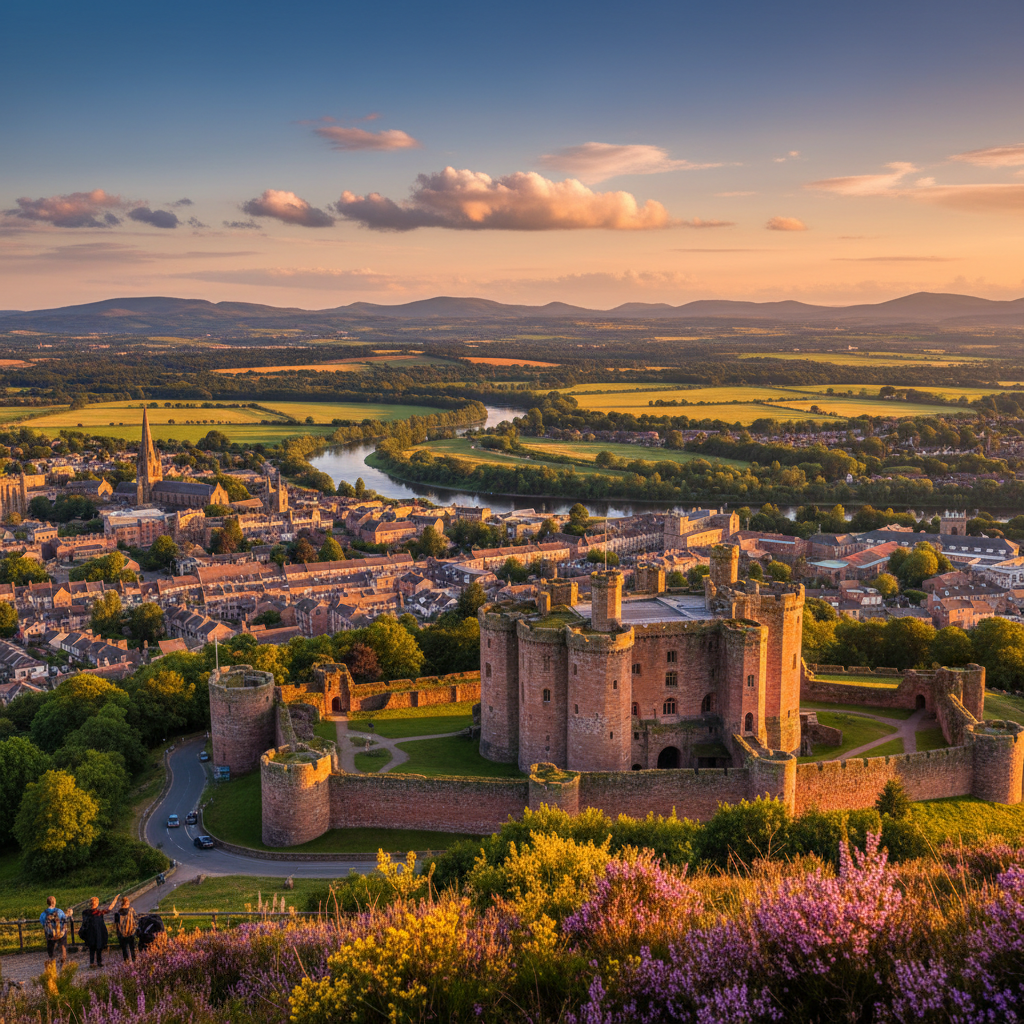
Carlisle
Discover Carlisle Situated in the northern reaches of England, Carlisle is a city steeped in rich history and vibrant culture. Known as the 'Border City,' it has long been a significant point of intersection between England and Scotland. Its strategic location has shaped its past, making it a focal point for military and trade activities throughout the centuries.Historically, Carlisle’s origins can be traced back to Roman times, when it was known as Luguvalium. The remnants of this era can still be seen in the city's impressive architecture, particularly in the form of Hadrian’s Wall, a UNESCO World Heritage Site that lies just to the north. This ancient structure is a testament to the Roman Empire’s efforts to defend its territories and offers visitors a glimpse into the past of this once-great empire.The city has a vibrant medieval history, characterized by its stunning castle, which dates back to 1092. Carlisle Castle has served various roles throughout history, from a royal fortress to a prison and military garrison. Today, it houses a museum showcasing the city’s military history and is an essential stop for anyone interested in understanding Carlisle's strategic importance throughout the ages.Culturally, Carlisle is a melting pot of influences, which can be seen in its diverse arts scene. The city hosts numerous events and festivals throughout the year, such as the Carlisle Folk and Blues Festival and the annual Borderlines Book Festival, attracting visitors from all over. The local arts scene is vibrant, with galleries and theaters like the Theatre by the Lake just a short drive away in Keswick, providing access to a variety of performances and exhibitions.What makes Carlisle truly special is its blend of historical significance and modern charm. The city is surrounded by natural beauty, with the stunning landscapes of the Lake District and the Solway Coast nearby, offering numerous opportunities for outdoor activities ranging from hiking to birdwatching. Visitors can enjoy strolling through the picturesque streets lined with quaint shops, cafes, and restaurants serving local delicacies, which adds to the city’s appeal.Furthermore, Carlisle is known for its friendly atmosphere. Locals are welcoming and take pride in their rich heritage, making visitors feel at home. Whether you’re exploring the historic sites, indulging in local cuisine, or simply enjoying the scenic views, Carlisle offers a unique blend of experiences that cater to all types of travelers.In summary, Carlisle is a destination that encapsulates the essence of England's history and culture. It is a place where the past meets the present, making it an ideal stop for anyone looking to explore the North of England. With its rich historical tapestry, vibrant cultural scene, and stunning natural surroundings, Carlisle is a must-visit for anyone seeking an authentic English experience. Top Attractions in Carlisle – Ranked and Reviewed Carlisle is home to a variety of attractions that cater to all interests, making it a fantastic destination for travelers. Based on real traveler reviews from Stay4Exploring, here are the top-ranked attractions to explore during your visit.1. Carlisle CastleAs one of the most significant historical landmarks in the city, Carlisle Castle holds the top spot. Visitors rave about its impressive architecture and the fascinating exhibits inside. The castle offers guided tours, allowing guests to delve into its storied past, including tales of sieges and royal visits. Many have commented on the stunning views from the castle ramparts, making it a perfect spot for photography enthusiasts.2. Tullie House Museum and Art GalleryRanked second, Tullie House is a cultural gem showcasing Carlisle's history from prehistoric times through to the modern era. Visitors appreciate the interactive exhibits and the well-curated art collections. The museum's family-friendly environment and engaging activities for children have also received high praise, making it a great stop for families.3. Hadrian’s WallJust a short drive from the city center, Hadrian’s Wall is a UNESCO World Heritage Site that draws history buffs and nature lovers alike. Reviewers highlight the stunning countryside views along the wall, along with the various walking trails that allow for exploration of this ancient Roman fortification. Many recommend visiting the nearby Roman forts for a complete experience.4. The Bishop's PalaceThis historical site is often overlooked but has garnered positive reviews for its beautiful gardens and serene atmosphere. Visitors enjoy strolling through the well-maintained grounds and learning about the history of the palace, which dates back to the 12th century. It’s a peaceful escape right in the heart of the city.5. Carlisle CathedralThis stunning cathedral features beautiful stained glass windows and intricate stonework, earning its spot on the list. Reviewers frequently comment on the tranquility of the space and the warm welcome they receive from the staff. The cathedral also hosts regular events and concerts, adding to its appeal as a cultural hub.6. Bitts ParkFor those seeking a bit of greenery, Bitts Park is a favorite among locals and visitors. This urban park is perfect for a leisurely walk or a family picnic. The park features well-maintained pathways, playgrounds, and beautiful floral displays, making it a lovely spot to unwind.7. The Old Fire StationA vibrant hub for arts and culture, The Old Fire Station ranks highly for its eclectic mix of performances, workshops, and exhibitions. Visitors appreciate the lively atmosphere and the opportunity to engage with local artists. It’s a great place to experience the creative side of Carlisle.In conclusion, Carlisle offers a blend of history, culture, and natural beauty, with attractions that cater to a wide range of interests. Each site provides a unique insight into the city’s rich heritage and vibrant community, ensuring that your visit will be both enjoyable and memorable. Planning Your Visit to Carlisle Carlisle, located at the northern tip of England, is a historic city steeped in rich heritage and stunning landscapes. The best time to visit Carlisle is during the late spring and early summer months, particularly from May to August. During this period, the weather is generally mild, making it perfect for outdoor activities and sightseeing. You can expect longer daylight hours and a range of local festivals that showcase the vibrant culture of the area.Getting to Carlisle is straightforward. The city is well-connected by rail, with regular services from major cities such as London, Manchester, and Glasgow. The journey from London takes approximately three hours, offering a scenic route through the English countryside. If you're driving, Carlisle is easily accessible via the M6 motorway, which connects it to other major cities in the north and south. Additionally, the nearest airport is Carlisle Lake District Airport, which offers limited flights, but travelers can also land at Newcastle International Airport, located about 60 miles away, and take a train or bus to Carlisle.Once you arrive, getting around Carlisle is convenient. The city is compact, and many attractions are within walking distance of each other. Public transportation is also available, with local buses serving the surrounding areas. For a more immersive experience, consider renting a bicycle to explore the scenic routes along the River Eden and the surrounding countryside.When it comes to accommodation, Carlisle offers a range of options to suit every traveler's needs and budget. For a luxurious stay, the Crown Hotel and the Hallmark Hotel are both situated conveniently near the city center. If you're looking for something more budget-friendly, consider the Ibis Carlisle or Travelodge, which provide comfortable lodgings at reasonable prices. For a unique experience, look into local bed-and-breakfasts or guesthouses that offer a more personal touch and insights into the local culture.In summary, planning your visit to Carlisle involves considering the best time to experience its attractions, the most efficient way to arrive, and the various accommodation options available. By planning ahead, you can ensure a memorable trip filled with history, culture, and stunning scenery. Experience Carlisle Like a Local To truly experience Carlisle like a local, it’s essential to immerse yourself in the customs and culture that define this historic city. One of the most notable aspects of local life in Carlisle is the warm and welcoming nature of its residents. Engaging in friendly conversations with locals can provide you with insights into hidden gems that aren’t found in guidebooks. Don’t hesitate to ask for recommendations on pubs, eateries, or places of interest.Carlisle boasts a diverse culinary scene, with traditional British fare being a staple. Be sure to try the local delicacy, the Cumberland sausage, a coiled sausage that is rich in flavor, often served with mash and peas. Other popular dishes include stottie cakes, a type of bread that is perfect for sandwiches, and locally brewed ales from pubs such as The Brickyard and The Crown. For those with a sweet tooth, the city is known for its gingerbread, especially around the festive season.The cultural landscape of Carlisle is vibrant, with numerous events and festivals taking place throughout the year. The Carlisle Music Festival showcases local and international talent, while the Borderlines Book Festival celebrates literature with a host of author talks and workshops. Attending these events not only enriches your understanding of local culture but also provides an opportunity to mingle with residents and fellow travelers.Additionally, exploring the local art scene can be rewarding. The Tullie House Museum and Art Gallery offers a collection of fine art and historical artifacts that tell the story of the region. The city also has various galleries featuring works by local artists, providing insight into contemporary Cumbrian culture.Insider tips for experiencing Carlisle like a local include visiting the historic Carlisle Castle, where you can learn about the city’s turbulent history and enjoy stunning views of the surrounding area. Another must-see is the Bitts Park, where locals gather for picnics and leisurely strolls along the River Eden. If you’re a nature lover, make time for a walk in the nearby Lake District National Park, renowned for its breathtaking scenery.Lastly, embrace the local dialect, known as Cumbrian, which adds a unique flavor to conversations. Simple phrases like "Howay" (let's go) and "Canny" (good) can help you connect with the locals and enhance your experience.In conclusion, to experience Carlisle like a local, engage with its rich culture, savor its traditional foods, and participate in community events. By doing so, you’ll leave with a deeper understanding of this charming city and its welcoming residents.
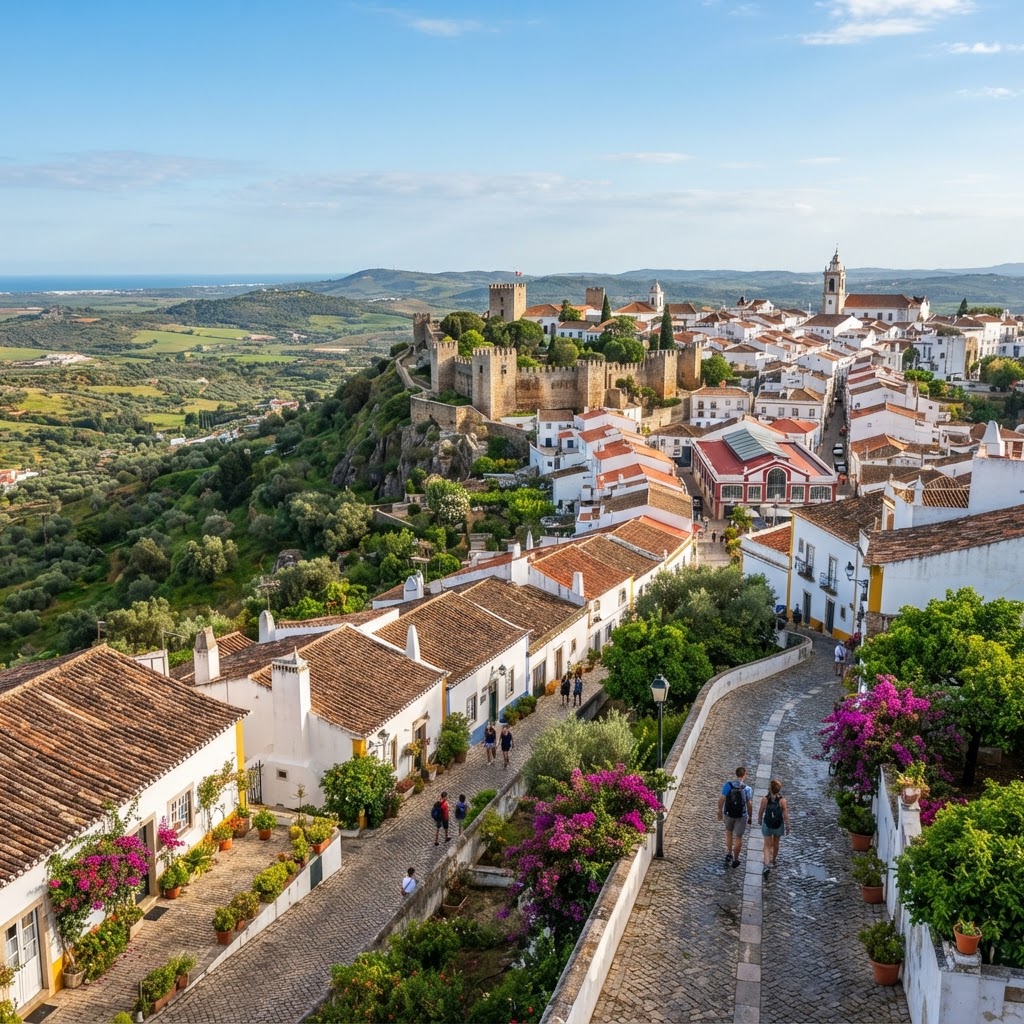
Loulé
Discover LouléNestled in the heart of the Algarve region, Loulé is a charming town that is rich in history and culture. With its origins dating back to the Roman period, Loulé has transformed over the centuries into a vibrant hub that reflects the essence of Portuguese heritage. The town is particularly known for its whitewashed buildings, colorful markets, and friendly locals, making it a welcoming destination for travelers.Loulé's historical significance is evident in its architecture and landmarks. The town's castle, originally built in the 12th century, stands as a testament to its Moorish influences and provides a glimpse into the region's past. Visitors can explore the remnants of the castle, which includes a beautiful viewpoint offering stunning panoramas of the surrounding countryside.At the heart of Loulé lies the bustling Mercado Municipal, an iconic market that showcases the region's agricultural bounty. Here, you can find fresh produce, local cheeses, and traditional handicrafts, all while soaking in the vibrant atmosphere of the town. The market not only serves as a shopping destination but also as a cultural hub where locals gather to socialize and celebrate their traditions.The culture of Loulé is deeply rooted in its annual festivals and events, which attract visitors from near and far. One of the most significant celebrations is the Carnival of Loulé, known for its elaborate parades and colorful costumes. This lively event reflects the town’s artistic spirit and offers a unique opportunity to experience local customs and music.In addition to its rich history and cultural significance, Loulé is surrounded by breathtaking natural beauty. The nearby hills and countryside are perfect for outdoor activities such as hiking and biking. The stunning coastline is just a short drive away, providing opportunities for sunbathing and water sports. This blend of cultural experiences and natural beauty makes Loulé a special destination for travelers seeking both relaxation and adventure.What truly sets Loulé apart is its authenticity. Unlike many tourist hotspots, Loulé has managed to retain its charm and character. Visitors often rave about the friendliness of the locals, who are eager to share their traditions and stories. This genuine hospitality enhances the travel experience, allowing visitors to connect with the essence of Portuguese life.In conclusion, Loulé is a destination that offers a perfect blend of history, culture, and natural beauty. Whether you are wandering through its historic streets, indulging in local delicacies at the market, or participating in the lively festivals, Loulé promises an unforgettable experience that resonates with the heart and soul of the Algarve.Top Attractions in Loulé – Ranked and ReviewedLoulé boasts a variety of attractions that cater to diverse interests, making it a perfect destination for all types of travelers. Based on real traveler reviews from Stay4Exploring, here are the top-ranked attractions in Loulé that you won’t want to miss.1. Loulé Municipal Market - Frequently hailed as the town's beating heart, the Loulé Municipal Market is an essential stop for anyone visiting. Travelers rave about the vibrant atmosphere and the array of fresh produce, seafood, and local delicacies. Many visitors appreciate the opportunity to sample traditional foods, such as chouriço and regional cheeses, while mingling with friendly vendors. The market is particularly lively on Saturdays, making it a great time to visit.2. Loulé Castle - The castle is a historical landmark that offers insight into the town's past. Visitors commend its well-preserved structure and the panoramic views from the ramparts. The castle is a peaceful spot for a stroll, and many enjoy capturing photographs of its picturesque surroundings. History buffs particularly enjoy the informative plaques that provide context about the castle's significance throughout the centuries.3. Carnival of Loulé - If you happen to visit during the carnival season, you’ll be treated to one of the most vibrant celebrations in the Algarve. Travelers describe the carnival as an exhilarating experience filled with colorful parades, captivating performances, and a festive spirit that unites locals and visitors alike. Many recommend joining in on the fun by dressing up and participating in the festivities.4. Museu Municipal de Loulé - For those interested in art and history, the Municipal Museum is a must-see. Reviewers highlight the diverse exhibits, which include archaeological artifacts and contemporary art pieces. The museum provides a comprehensive overview of Loulé’s history and culture, making it an enlightening experience for visitors.5. Quarteira Beach - Just a short drive from Loulé, Quarteira Beach is a favorite among travelers seeking sun and relaxation. Reviewers praise its clean sandy shores and family-friendly atmosphere. Many visitors enjoy the nearby cafes and restaurants, where they can savor fresh seafood while enjoying stunning sea views. It’s an ideal spot to unwind after a day of exploring the town.6. Natural Park of Ria Formosa - Nature lovers will appreciate the proximity of Loulé to the Ria Formosa Natural Park. Visitors have shared positive experiences regarding birdwatching and the scenic walking trails. Many travelers recommend taking a boat tour to fully appreciate the park's beauty and observe the diverse wildlife. This tranquil escape from the town's hustle and bustle is perfect for those looking to connect with nature.In summary, Loulé offers a rich tapestry of attractions that appeal to history enthusiasts, food lovers, and adventure seekers alike. Each of these top-rated experiences has been curated from the insights of real travelers, ensuring a memorable visit to this enchanting town in the Algarve.Planning Your Visit to LouléNestled in the heart of the Algarve region, Loulé is a charming town that offers visitors a delightful blend of traditional Portuguese culture and modern amenities. When planning your visit to Loulé, it’s essential to consider the best time to go, how to get there, your options for getting around, and where to stay.The best time to visit Loulé is during the spring (April to June) and autumn (September to October) months. During these periods, the weather is pleasantly warm, and the town is less crowded compared to the peak summer months. In spring, the landscapes are lush and vibrant with blooming flowers, while autumn offers a comfortable climate perfect for exploring the local attractions. Summer (July to August) can be extremely hot, but it’s also when the town comes alive with events and festivals, including the famous Carnival in February, which showcases vibrant parades and local traditions.Getting to Loulé is relatively straightforward. The nearest major airport is Faro Airport, located approximately 15 kilometers away. From the airport, you can take a taxi, rent a car, or use public transport to reach Loulé. Buses operated by EVA Transportes offer regular service to Loulé, making it a convenient option for budget travelers. If you're driving, the town is easily accessible via the A22 motorway, which connects you to other popular destinations in the Algarve.Once you arrive in Loulé, getting around is simple. The town is compact, and many attractions are within walking distance. However, if you wish to explore the surrounding areas, consider renting a bicycle or a car. Public transportation options, such as buses, are also available for traveling to nearby towns and beaches.When it comes to accommodations, Loulé offers a range of options to suit different budgets and preferences. For a more authentic experience, consider staying in a traditional Portuguese guesthouse or a boutique hotel in the historic center. Alternatively, several well-known hotel chains and resorts are located in and around Loulé, providing modern amenities and easy access to nearby attractions. For those seeking a more communal atmosphere, look into vacation rentals or hostels, which can be a great way to meet fellow travelers.In conclusion, planning your visit to Loulé involves choosing the right time to experience its charm, figuring out the best way to get there and get around, and selecting a comfortable place to stay. With its rich history and beautiful surroundings, Loulé is a destination that promises a memorable getaway for every traveler.Experience Loulé Like a LocalTo truly immerse yourself in the vibrancy of Loulé, understanding local customs, savoring traditional food, and embracing the culture is essential. This section will guide you through the unique aspects of Loulé's local life and provide insider tips for a richer experience.One of the most important customs in Loulé is the concept of hospitality, which is deeply rooted in Portuguese culture. Locals are known for their warm welcomes and friendly demeanor. Don’t hesitate to engage with residents; they often enjoy sharing stories about their town and its history. A simple greeting, such as 'Bom dia' (Good morning) or 'Boa tarde' (Good afternoon), can go a long way in establishing rapport and showing respect for local traditions.Food is a significant component of Loulé's culture. The town is famous for its local markets, especially the Loulé Municipal Market, where you can find an array of fresh produce, seafood, and artisanal goods. Be sure to try traditional dishes such as 'cataplana de marisco' (seafood stew) and 'frango piri-piri' (spicy chicken), which reflect the region's coastal influences. Pair your meal with a glass of local wine, such as Vinho Verde or a robust red from the Alentejo region. For dessert, indulge in a 'tarte de amêndoa' (almond tart) or 'pão de ló' (sponge cake), both of which are local favorites.Cultural experiences abound in Loulé, from its historic architecture to lively festivals. The town is home to beautiful Moorish-inspired buildings and ancient churches, such as the Igreja Matriz de Loulé, which showcases stunning azulejos (ceramic tiles). To experience Loulé like a local, try to align your visit with one of the many festivals held throughout the year, such as the Loulé Carnival or the Festa de São Sebastião. These events are perfect opportunities to witness traditional music, dance, and local crafts.Insider tips for experiencing Loulé include visiting the town during the week rather than the weekend, as it tends to be less crowded and more authentic. Additionally, explore the winding streets of the old town, where you’ll find charming cafes and unique shops. Don’t miss the opportunity to enjoy a leisurely afternoon at one of the local parks or gardens, where you can relax and take in the picturesque surroundings.In conclusion, experiencing Loulé like a local involves engaging with its warm residents, indulging in traditional cuisine, and embracing the rich cultural heritage of the town. By immersing yourself in local customs and practices, you’ll create unforgettable memories and a deeper appreciation for this enchanting destination.

Boulogne-sur-Mer
Discover Boulogne-sur-MerWelcome to the definitive **Boulogne-sur-Mer location guide**, your pillar resource for exploring Hauts-de-France’s historic coastal gateway. As the largest fishing port north of Brittany and a key stop on the [Opal Coast](/location-guide/northern-france), this maritime town blends medieval charm with seaside energy—from its UNESCO-listed Belfry to the bustling Nausicaá aquarium. Our guide illuminates Boulogne’s layered identity as a ferry hub, cultural destination, and gateway to the **Boulonnais region**, with curated links to deeper dives on its Christmas markets, famed seafood scene, and hospitality opportunities. Day-trippers arrive via the 90-minute Dover ferry, while longer stays reveal 13th-century crypt frescoes, Cap Blanc-Nez’s cliffs, and Plage de Boulogne’s summer buzz. Though the town thrives on tourism, we focus primarily on its **place-first appeal**—with data-grounded hospitality insights confined to dedicated sections. Whether you’re a traveller, investor, or culture seeker, this is your compass to Boulogne-sur-Mer’s essence.
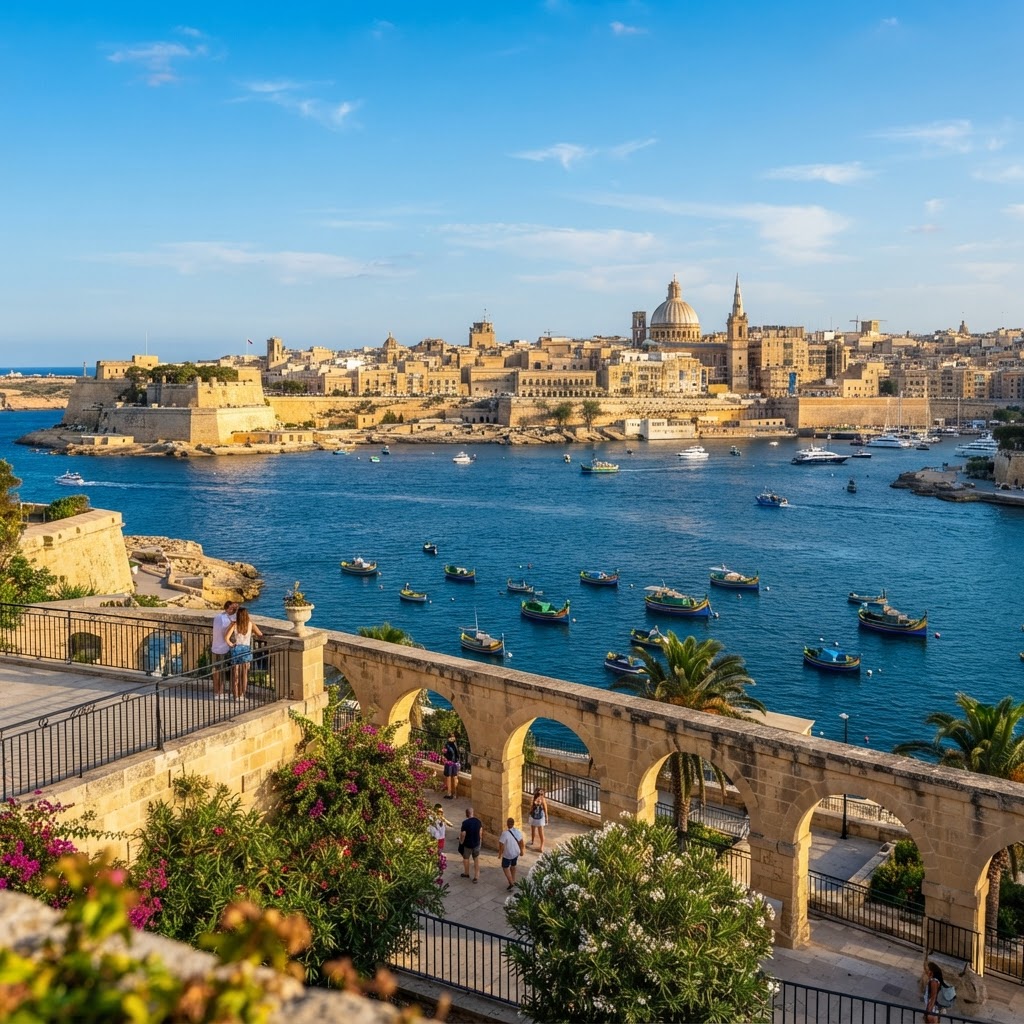
Malta
Discover MaltaMalta, a small archipelago nestled in the heart of the Mediterranean Sea, is a destination steeped in history and brimming with cultural significance. Marked by a rich tapestry of influences from various civilizations, including the Phoenicians, Romans, Knights of St. John, and British, Malta’s historical heritage is palpable in its architecture, traditions, and local customs.The islands are home to some of the oldest free-standing structures in the world, such as the Megalithic Temples of Ħaġar Qim and Mnajdra, which date back to around 3600 BC. These ancient sites are not only UNESCO World Heritage Sites but also a testament to Malta's significant role in the development of human civilization. As you explore these temples, you can’t help but marvel at the ingenuity of prehistoric communities who crafted such monumental structures with limited tools.Malta's capital, Valletta, is a UNESCO World Heritage Site itself, characterized by its stunning baroque architecture, vibrant streets, and historical significance. Founded by the Knights of St. John in 1565, Valletta is often dubbed the 'Fortress City.' Visitors can stroll through its fortified walls and enjoy breathtaking views of the Grand Harbour, a natural harbor that has served as a pivotal maritime port for centuries.The culture of Malta is a rich blend of Mediterranean influences, with a language that is unique in Europe. Maltese, derived from Arabic, Italian, and English, reflects the country's diverse history. Traditional Maltese cuisine offers a delightful array of flavors, with dishes like rabbit stew (Fenkata) and pastizzi (savory pastries) that echo the island’s culinary heritage.What truly makes Malta special is its vibrant festivals, particularly the colorful feasts held in honor of patron saints. These celebrations feature lively parades, fireworks, and local delicacies, providing a unique insight into Maltese culture and community spirit. Moreover, Malta’s warm climate and beautiful landscapes, from stunning coastlines to rolling hills, make it a year-round destination for nature lovers and adventure seekers alike.In recent years, Malta has also emerged as a hub for digital nomads, attracting creative professionals from around the globe with its modern amenities and welcoming atmosphere. The blend of history and modernity makes Malta an exciting place to explore, where every corner tells a story. Whether you’re wandering through ancient ruins, enjoying a beach day, or savoring a glass of local wine, Malta offers a unique experience that captivates every traveler.Top Attractions in Malta – Ranked and ReviewedWhen it comes to exploring Malta, visitors have a wealth of attractions to choose from, each offering a unique glimpse into the island's rich heritage and natural beauty. Here’s a roundup of the top-rated attractions in Malta, as reviewed by real travelers on Stay4Exploring.1. The Megalithic Temples - Rated 4.8/5The Megalithic Temples of Malta are a must-visit for history enthusiasts. With a history dating back thousands of years, these ancient structures provide a fascinating insight into the early human inhabitants of the islands. Travelers rave about the incredible preservation of these sites and the knowledgeable guides who share intriguing stories about their significance.2. Valletta - Rated 4.7/5As the capital city, Valletta is often described as an open-air museum. Visitors appreciate the stunning architecture, particularly St. John's Co-Cathedral, known for its ornate interiors and Caravaggio masterpieces. The bustling streets, cafes, and shops add to its charm, making it a favorite spot for leisurely exploration.3. Blue Lagoon, Comino - Rated 4.9/5For beach lovers, the Blue Lagoon is a slice of paradise. Its crystal-clear waters and breathtaking views attract travelers looking to relax and soak up the sun. Many reviews highlight the beauty of the surroundings and recommend taking a boat tour to fully appreciate this stunning spot.4. Mdina - Rated 4.6/5Known as the 'Silent City,' Mdina offers a step back in time with its medieval architecture and narrow streets. Visitors love the panoramic views from the city walls and the tranquil atmosphere. The history and charm of Mdina make it a top-rated attraction for those exploring Malta’s past.5. The Grand Harbour - Rated 4.5/5This iconic harbor is not just a beautiful sight but also a hub of activity. Travelers enjoy boat trips around the harbor, with many praising the stunning views of Valletta and the Three Cities. The historical significance of the Grand Harbour adds to its allure, making it a popular stop for history buffs.6. Gozo Island - Rated 4.8/5Just a short ferry ride away from Malta, Gozo is known for its rural charm and stunning landscapes. Visitors often mention the friendly locals, traditional crafts, and beautiful beaches as highlights of their trip to Gozo. The Azure Window, although collapsed, remains a sought-after photo spot that captures the island's natural beauty.These attractions represent just a fraction of what Malta has to offer. From ancient temples to stunning natural landscapes, each experience is enriched by the warmth of the Maltese people and a deep sense of history. No matter where your adventures take you, Malta promises to be a destination that captivates and inspires.Planning Your Visit to MaltaMalta, a stunning archipelago in the Mediterranean, is known for its rich history, beautiful coastlines, and vibrant culture. When planning your visit, consider the best time to explore this gem. The ideal months to visit are from April to June and September to October. During these periods, the weather is pleasantly warm, and the tourist crowds are manageable. July and August can be quite hot and crowded, as many European tourists flock to the island for summer vacations.Getting to Malta is relatively straightforward. The main gateway is Malta International Airport (MLA), located just outside the capital, Valletta. Direct flights are available from many major cities in Europe, making it accessible for travelers. Once you arrive at the airport, you can opt for various transportation methods to reach your accommodation. Taxis, ride-sharing services, and shuttle buses are readily available, and car rentals can be a good option if you prefer to explore the island at your own pace.Getting around Malta is efficient and convenient. The public bus system is extensive and covers most of the island, making it an affordable option for travelers. Additionally, ferries connect Malta to its sister islands, Gozo and Comino, providing a scenic way to explore the surrounding areas. For those looking for more flexibility, renting a car or scooter can enhance your experience, allowing you to explore hidden gems off the beaten path. However, be cautious of local driving habits and limited parking in urban areas.When it comes to accommodation, Malta offers a wide range of options to suit all budgets and preferences. Valletta, the capital, is an excellent choice for history enthusiasts, as it boasts stunning architecture and is close to many attractions. For a more relaxed vibe, consider staying in Sliema or St. Julian's, where you can enjoy beachfront views and vibrant nightlife. If you’re seeking tranquility, the rural areas of Gozo offer charming farmhouses and stunning countryside views.For those interested in luxury, there are several upscale hotels and resorts throughout the island, many of which have impressive amenities such as spas, fine dining, and waterfront access. Whichever area you choose, booking in advance, especially during peak season, is advisable to secure the best rates and availability.Experience Malta Like a LocalTo truly immerse yourself in the Maltese way of life, it’s essential to understand local customs and traditions. Maltese people are known for their warmth and hospitality, often going out of their way to make visitors feel welcome. Greeting locals with a friendly "Bongu" (Good morning) or "Bona Sera" (Good evening) will go a long way in establishing rapport.The food scene in Malta is a delightful blend of Mediterranean flavors, influenced by Italian, North African, and Middle Eastern cuisines. Don’t miss trying traditional dishes such as pastizzi (flaky pastry filled with ricotta or peas), fenek (rabbit stew), and bragioli (beef olives). For dessert, indulge in kanoli (a sweet pastry filled with ricotta) or imqaret (date-filled pastries). Eating at local markets or family-run trattorias can provide an authentic taste of Maltese cuisine.Malta’s cultural scene is vibrant and diverse. Festivals are an integral part of local life, with numerous events celebrating everything from religious feasts to arts and music. The Valletta Film Festival and Isle of MTV are just a couple of examples that attract international audiences. Participating in these festivities offers a glimpse into the local spirit and creativity.In terms of etiquette, it’s important to respect local traditions, especially during religious events. Dress modestly when visiting churches, and be mindful of local customs when interacting with residents. Tipping is appreciated but not obligatory; rounding up the bill or leaving a small percentage is customary in restaurants.For an insider’s perspective, consider visiting the lesser-known beaches such as St. Peter's Pool or Ghar Lapsi, which are popular among locals but often overlooked by tourists. Exploring the countryside, particularly in Gozo, allows you to experience breathtaking landscapes and serene environments.Lastly, embrace the Maltese way of life by slowing down and enjoying the moment. Whether it's sipping coffee at a local café, taking a leisurely stroll along the waterfront, or watching the sunset from the Upper Barracca Gardens, these small experiences will enrich your trip and create lasting memories.

Derbyshire
Discover Derbyshire Derbyshire, located in the heart of England, is a county renowned for its stunning countryside, rich history, and vibrant culture. Nestled within the Peak District National Park, Derbyshire boasts diverse landscapes, from rolling hills and deep valleys to charming villages and historic towns. The area is steeped in history, with evidence of human settlement dating back to the prehistoric era. Today, it is a blend of ancient traditions and modern attractions, making it a must-visit destination.The history of Derbyshire is rich and varied. The Romans established early settlements in the region, utilizing its resources and strategic location. The remnants of Roman roads and forts can still be seen today, particularly around the town of Chesterfield. In the Middle Ages, Derbyshire flourished due to the wool trade, with towns like Bakewell becoming prosperous centers of commerce. The county's industrial heritage is exemplified by the rise of the lead mining industry, particularly in the High Peak area, which played a crucial role in the local economy for centuries.One of Derbyshire's most significant cultural landmarks is the stately home of Chatsworth House, the ancestral seat of the Dukes of Devonshire. This grand estate, set amidst beautifully landscaped gardens, is often referred to as the 'Palace of the Peak' and attracts visitors from around the world. The house itself is a treasure trove of art and history, boasting a vast collection of paintings, sculptures, and antiques that reflect the family's long-standing patronage of the arts.Beyond its historical significance, Derbyshire is also celebrated for its natural beauty. The Peak District National Park, the first national park in the UK, encompasses a large portion of the county and offers countless opportunities for outdoor activities. From hiking and cycling to rock climbing and caving, the park is a paradise for nature enthusiasts. Iconic landmarks like the limestone formations of the Blue John Cavern and the picturesque village of Castleton are just a few of the highlights that draw visitors to this breathtaking region.Derbyshire’s culture is vibrant and diverse, with a range of festivals and events taking place throughout the year. The annual Bakewell Show, for instance, is one of the oldest agricultural shows in the country, celebrating the best of local produce, crafts, and livestock. The town of Buxton, known for its mineral waters, hosts the Buxton Festival, which features opera, music, and literature, attracting artists and audiences alike.What makes Derbyshire truly special is its warm and welcoming communities. The locals take pride in their heritage and are eager to share it with visitors. Whether you're exploring quaint villages like Eyam, famous for its role in the bubonic plague, or enjoying a pint at a traditional pub, the friendliness of the Derbyshire people adds to the county's charm.In conclusion, Derbyshire is a destination that offers a unique blend of history, culture, and natural beauty. Whether you're an adventure seeker, a history buff, or someone looking to unwind in picturesque surroundings, Derbyshire has something to offer everyone. With its rich tapestry of experiences, it's no wonder that this enchanting county continues to captivate the hearts of travelers from near and far. Top Attractions in Derbyshire – Ranked and Reviewed Derbyshire is teeming with attractions that showcase its rich history, stunning landscapes, and vibrant culture. Each of these sites is highly rated and reviewed by visitors, making them essential stops on your journey through the county. Here are some of the top attractions you won't want to miss:1. Chatsworth House: Often referred to as the 'jewel of the Peak District,' Chatsworth House is a must-visit. This grand estate features exquisite gardens, a farmyard, and a vast collection of art and antiques. Visitors rave about the stunning architecture and the breathtaking views of the surrounding countryside.2. Peak District National Park: As the first national park in the UK, the Peak District offers endless outdoor adventures. Hikers can explore trails like the famous Pennine Way, while climbers can test their skills on the rocky outcrops. Visitors love the variety of landscapes, from lush valleys to rugged peaks.3. Bakewell: Known for its famous Bakewell pudding, this charming market town is a delightful place to explore. The picturesque streets, local shops, and riverside walks make it a favorite among visitors. The Bakewell Market, held on Mondays, offers a chance to experience local produce and crafts.4. The Heights of Abraham: Located in Matlock Bath, this unique hilltop park offers stunning views of the surrounding area. Visitors can take a cable car ride to the top and enjoy the scenic walks, cavern tours, and adventure playground. The park is popular for families and those seeking a bit of adventure.5. Castleton: This quaint village is famous for its remarkable caverns, including the Blue John Cavern, where the rare Blue John stone is mined. Visitors enjoy guided tours through the caverns, as well as exploring the village's charming shops and cafes. The nearby Peveril Castle offers historical intrigue and panoramic views.6. Buxton Opera House: This beautiful Victorian theatre hosts a variety of performances, including opera, comedy, and musicals. Visitors appreciate the stunning architecture and the rich cultural heritage that the opera house represents. It's a great way to experience local arts and entertainment.7. Eyam: Known as the 'Plague Village,' Eyam has a significant historical narrative. Visitors can explore the village's museum and learn about its role during the bubonic plague in the 17th century. The surrounding countryside offers picturesque walks, adding to the appeal of this historical site.Each of these attractions has been rated and reviewed by travelers, providing insights into what makes them special. Whether you're interested in history, nature, or culture, Derbyshire's top attractions cater to a wide range of interests. Many visitors recommend combining several sites into a day trip to fully experience the beauty and diversity of the county.While exploring Derbyshire, don’t forget to take advantage of the local guides and visitor centers, which offer valuable information and tips to enhance your visit. With so many wonderful attractions to choose from, Derbyshire promises an unforgettable experience for all who venture into its enchanting landscapes. Planning Your Visit to Derbyshire Planning a trip to Derbyshire requires thoughtful consideration of various factors to ensure an enjoyable and memorable experience. Below, we outline essential information regarding the best time to visit, transportation options, and accommodation suggestions.Best Time to Visit: Derbyshire can be visited year-round, but the ideal times are late spring (April to June) and early autumn (September to October). During these months, the weather is generally mild, and the landscapes are vibrant with blooming flowers or autumn foliage. Summer can be busy with tourists, especially in popular areas like the Peak District, but it offers the longest days and a variety of outdoor activities. Winter, while colder, can be magical, especially around the festive season when towns like Bakewell host Christmas markets and events.Getting There: Derbyshire is well-connected to major cities and transport networks in the UK. The nearest airport is East Midlands Airport, located approximately 30 miles from Derby. From there, you can hire a car or take public transportation to reach various destinations within Derbyshire. The county is also accessible via the rail network, with direct trains running from cities like Manchester, Sheffield, and Nottingham to key towns such as Derby, Buxton, and Chesterfield.Getting Around: Once in Derbyshire, getting around can be done through various means. While public transport, including buses and trains, is available, renting a car is often the most convenient option, especially for exploring remote areas of the Peak District. Cycling is also popular, with many designated trails and routes that allow visitors to enjoy the stunning scenery at their own pace. Walking is another excellent way to experience the local charm, with numerous footpaths and trails throughout the county.Where to Stay: Accommodation options in Derbyshire range from luxury hotels and charming bed-and-breakfasts to self-catering cottages and campsites. For those seeking a touch of elegance, the Cavendish Hotel in Baslow provides stunning views and proximity to Chatsworth House. If you're looking for something more intimate, the Old Hall Hotel in Buxton offers a historic ambiance with modern amenities. For families or larger groups, renting a cottage in the countryside can provide a home-like experience with the flexibility to explore at your leisure. Additionally, numerous campsites and caravan parks cater to outdoor enthusiasts looking to immerse themselves in nature.In summary, planning your visit to Derbyshire involves selecting the right time to travel, understanding transportation options, and finding suitable accommodation. With careful planning, you can ensure a seamless experience and create lasting memories in this captivating part of England. Whether you are drawn by the allure of historical sites, the thrill of outdoor adventures, or the charm of quaint villages, Derbyshire is a destination that has something for everyone. Experience Derbyshire Like a Local To truly appreciate Derbyshire, immersing yourself in local customs, traditions, and the culinary scene is essential. Engaging with the local culture allows you to experience the county beyond its tourist attractions, providing a richer, more authentic journey.Local Customs: Derbyshire has a strong sense of community, and many local customs reflect this unity. Traditional events, such as village fairs and agricultural shows, are popular and often feature local crafts, produce, and livestock. Participating in these events offers visitors a chance to interact with locals and gain insights into regional traditions. One notable event is the Eyam Plague Walk, which commemorates the village’s response to the bubonic plague in 1665. Guided tours explain the historical significance and the resilience of the townspeople during this challenging time.Culinary Delights: Derbyshire is home to a variety of local dishes that reflect its agricultural heritage. The most famous is the Bakewell pudding, a delightful dessert made with layers of pastry, jam, and almond paste, often served with cream. Many bakeries in Bakewell offer their own take on this classic treat, so it’s worth sampling several versions. Another regional specialty is the Derbyshire oatcake, a savory dish made from oatmeal that can be filled with cheese, ham, or other ingredients. Enjoying these local delicacies in traditional pubs, such as the Olde Bowling Green in Ashbourne, enhances the experience. Many pubs also feature local ales, giving you a taste of Derbyshire’s brewing culture.Arts and Culture: Derbyshire has a rich cultural scene that includes art galleries, theaters, and music festivals. The Buxton Festival, held every July, celebrates opera, music, and literature, attracting artists and audiences from across the country. Visiting local galleries, such as the Derby Museum and Art Gallery, can provide insight into regional artists and the county’s historical context. The local arts community is vibrant and often features exhibitions, workshops, and performances that welcome visitors to participate and engage.Insider Tips: To experience Derbyshire like a local, consider joining guided walks or workshops that focus on traditional crafts or cooking. This not only supports local artisans but also allows you to learn skills that reflect Derbyshire’s heritage. Engaging with locals in markets and shops can also lead to recommendations for hidden gems and experiences that are off the beaten path. Don’t hesitate to ask for tips on the best viewing spots for sunset or the less crowded trails in the Peak District.In conclusion, experiencing Derbyshire like a local involves embracing its customs, savoring its culinary delights, and immersing yourself in its vibrant arts and culture. By connecting with the community and participating in local traditions, you can create a unique and memorable journey that celebrates the true essence of this enchanting county. From the rolling hills to the rich history, Derbyshire offers an authentic experience that will leave you with cherished memories long after your visit.

Deskford
Discover DeskfordDeskford in Scotland offers a wealth of attractions, from historic landmarks to natural wonders. Explore the best things to do and plan your perfect visit.

Hungary
Discover Hungary Hungary is a land steeped in history, culture, and tradition, resting in the heart of Central Europe. Known for its rich heritage, stunning landscapes, and vibrant cities, Hungary offers a unique tapestry of experiences that attract travelers worldwide. The nation has a storied past, dating back over a millennium, with its origins traced to the arrival of the Magyars in the late 9th century. This event marked the beginning of the Kingdom of Hungary, which flourished as a significant player in European politics until the end of World War I.The history of Hungary is punctuated by periods of prosperity and hardship. The Ottoman invasion in the 16th century, followed by Habsburg rule, significantly shaped its cultural landscape. The 19th century saw the rise of nationalism, leading to the Austro-Hungarian Empire, which was a driving force behind innovations in arts, science, and education. Today, remnants of this rich past can be seen in the architectural wonders throughout the country, such as the majestic Buda Castle and the iconic Parliament Building in Budapest.Hungary is not just a historical destination; it is also a hub of cultural significance. The country is home to UNESCO World Heritage Sites, including the picturesque Hortobágy National Park and the charming village of Hollókő. Each region boasts its own unique customs, folklore, and dialects, contributing to the country’s diverse cultural landscape. Hungary is famous for its thermal baths, a tradition that dates back to Roman times, with cities like Budapest offering a wealth of spas that blend relaxation with history.Moreover, Hungary's arts scene is vibrant and varied, encompassing everything from classical music, with composers like Franz Liszt and Béla Bartók, to contemporary visual arts. The annual Budapest Spring Festival showcases this richness, featuring performances, exhibitions, and culinary delights that celebrate Hungarian creativity.What sets Hungary apart is its gastronomic heritage, characterized by hearty dishes and unique flavors. Traditional foods like goulash, paprika chicken, and chimney cake reflect the country’s agricultural bounty and culinary innovation. Additionally, Hungarian wines, particularly from the Tokaj region, have gained international acclaim, making wine tours a popular activity for visitors.In summary, Hungary is a country that weaves together historical depth, cultural richness, and scenic beauty. From the bustling streets of Budapest lined with cafés and shops to the tranquil villages nestled in the countryside, there is something for everyone. Whether you are an avid history buff, a nature lover, or a foodie eager to experience local flavors, Hungary has much to offer. Exploring this fascinating destination will leave you with lasting memories and a deeper appreciation for its unique heritage. Top Attractions in Hungary – Ranked and Reviewed When visiting Hungary, you’ll find an array of attractions that showcase the country’s rich history and vibrant culture. Here’s a carefully curated list of the top attractions, all rated and reviewed by travelers who have experienced their splendor firsthand.1. Buda Castle - This historic castle complex is a UNESCO World Heritage Site and a must-see for anyone visiting Budapest. Offering stunning views of the Danube River and Pest, Buda Castle is home to the Hungarian National Gallery and the Budapest History Museum. Visitors rave about the breathtaking architecture and the beautiful gardens surrounding the castle.2. Parliament Building - The Hungarian Parliament Building is one of the largest and most stunning legislative buildings in the world. Its neo-Gothic design and numerous domes are particularly striking when illuminated at night. Visitors appreciate the guided tours that provide insights into Hungary’s political history and stunning interior.3. Széchenyi Thermal Bath - A quintessential Budapest experience, the Széchenyi Thermal Bath is one of the largest spa complexes in Europe. Travelers love the outdoor pools and the therapeutic benefits of the thermal waters. It’s an ideal spot for relaxation after a day of sightseeing.4. Fisherman’s Bastion - Known for its fairy-tale towers and panoramic views of the Danube, the Fisherman’s Bastion is a favorite among visitors. Many reviews highlight the breathtaking sunsets and the atmosphere, particularly in the early morning hours.5. Lake Balaton - Often referred to as the “Hungarian Sea,” Lake Balaton is Central Europe’s largest freshwater lake and a popular summer destination. Travelers enjoy the beach resorts, water sports, and the picturesque towns surrounding the lake, such as Tihany and Siófok.6. Hortobágy National Park - For nature lovers, Hortobágy National Park offers a vast expanse of grasslands and unique wildlife. Visitors can explore by hiking or cycling, with many praising the diverse bird species and the peaceful landscapes.7. Eger Castle - This historical fortress in Eger offers insights into Hungary’s medieval past. The castle’s exhibits and the dramatic views from its towers have received high marks from travelers who appreciate a blend of history and scenic beauty.Each of these attractions showcases a different facet of Hungary’s heritage, inviting travelers to immerse themselves in its stories. Whether you are exploring the historical depths of Buda Castle, soaking in the thermal waters, or enjoying the natural beauty of Lake Balaton, Hungary’s attractions promise unforgettable experiences. Make sure to check recent reviews to tailor your itinerary to the most highly-rated experiences that align with your interests. Planning Your Visit to Hungary Planning a trip to Hungary can be an exciting adventure, but understanding the best time to visit, how to get there, and where to stay is crucial for an enjoyable experience. Hungary’s diverse climate, rich cultural events, and varied landscapes mean that different seasons offer unique opportunities for travelers.The best time to visit Hungary is typically during the spring (April to June) and early autumn (September to October). During these months, the weather is mild with comfortable temperatures, making it ideal for exploring cities and outdoor attractions. Additionally, these seasons are less crowded compared to the peak summer months, allowing for a more authentic experience.Getting to Hungary is relatively straightforward, with Budapest Ferenc Liszt International Airport serving as the primary gateway for international travelers. The airport is well-connected to major European cities, offering numerous flights daily. Once in Hungary, visitors can easily navigate the country using various modes of transportation.For getting around Budapest, the city boasts an efficient public transport system, including buses, trams, and the metro. Purchasing a travel card can save you money if you plan to use public transport frequently. For those looking to explore beyond the capital, train services connect major cities like Eger, Szeged, and Pécs, and buses reach more remote areas.As for accommodation, Hungary offers a wide range of options to suit every budget. In Budapest, you can find everything from luxury hotels such as the Four Seasons Gresham Palace to cozy hostels and charming guesthouses. If you prefer a local experience, consider booking a stay in a traditional guesthouse or an Airbnb in the city’s historic neighborhoods, such as the Jewish Quarter or Buda’s Castle District.Outside of Budapest, towns near Lake Balaton, like Tihany or Siófok, offer picturesque lakeside accommodations, while places like Eger have charming boutique hotels that reflect the local architecture. Booking in advance is recommended during peak tourist seasons to secure your preferred lodging.In conclusion, planning your visit to Hungary involves considering the best times to go, understanding transportation options, and selecting accommodations that enhance your experience. With its rich history, vibrant culture, and stunning landscapes, Hungary is a destination that promises unforgettable memories. Prepare to immerse yourself in the local way of life, savor delicious cuisine, and explore the many attractions that make this country truly special. Experience Hungary Like a Local To truly experience Hungary, dive into the local customs, cuisine, and culture that define this unique nation. Engaging with the locals and understanding their way of life will enrich your travels and provide a deeper appreciation for Hungary’s vibrant heritage.Hungarian culture is a fascinating blend of traditions influenced by various historical events and neighboring countries. The Hungarian language is distinct, and while many locals speak English, learning a few basic phrases can go a long way in connecting with residents. Simple greetings like "Jó napot!" (Good day!) and "Kérem!" (Please) can open doors to friendly interactions.Food is an integral part of Hungarian culture, with a culinary scene that reflects the country's agricultural roots. Traditional dishes often feature hearty ingredients, with paprika being a staple spice. A visit to Hungary wouldn’t be complete without trying goulash, a flavorful stew made with beef, vegetables, and paprika. Other must-try dishes include lángos (deep-fried flatbread), pörkölt (meat stew), and chimney cake, a sweet pastry that is a favorite among locals and tourists alike.Dining out is a social affair in Hungary. Many locals enjoy long meals with family and friends, often accompanied by fine Hungarian wines, particularly from the Tokaj region. A great way to experience local cuisine is by visiting a traditional Hungarian restaurant or a food market, such as the Great Market Hall in Budapest, where you can sample various local delicacies and purchase artisanal products.Festivals are another way to immerse yourself in Hungarian culture. The Budapest Wine Festival in September celebrates the country’s rich viticulture, while the Budapest Spring Festival features a month-long series of concerts, performances, and exhibitions. Participating in these events allows you to experience local music, art, and food, fostering a deeper connection to the culture.Another insider tip for experiencing Hungary like a local is to explore the country’s lesser-known towns and villages. While Budapest is a must-visit, places like Eger, known for its historical castle and thermal baths, or the charming village of Szentendre with its art galleries and cobbled streets, offer authentic experiences away from the tourist crowds.In summary, to experience Hungary like a local, engage with its customs, savor traditional foods, and participate in cultural events. By doing so, you will gain a richer understanding of this remarkable nation and create unforgettable memories that go beyond the typical tourist experience. Embrace the warmth of Hungarian hospitality, and let the spirit of the country enrich your journey.
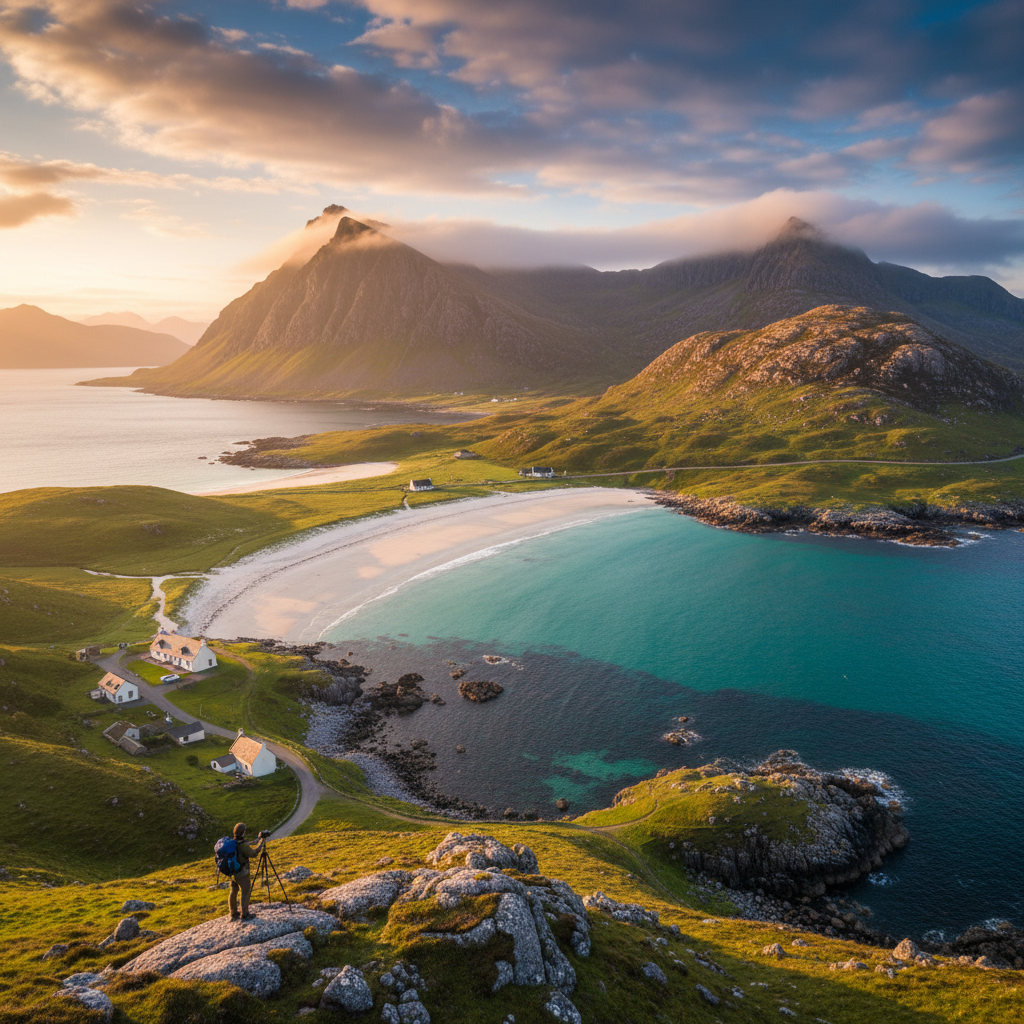
Clashnessie
Discover Clashnessie Nestled along the rugged coastline of the North West Highlands of Scotland, Clashnessie is a hidden gem that offers visitors a unique blend of breathtaking natural beauty and rich cultural heritage. Known for its stunning landscapes, including dramatic cliffs and picturesque beaches, this small village is a haven for nature lovers and adventure seekers alike.Historically, Clashnessie has roots that stretch back to ancient times, with evidence of early settlements in the area. The village is part of the larger region of Assynt, which is recognized for its geological significance, featuring some of the oldest rocks in the world. The surrounding landscape is a mix of granite mountains and serene lochs, making it a place of both historical and geological importance.Clashnessie is perhaps best known for its captivating coastline. The nearby Clashnessie Beach is a stunning stretch of golden sand, often regarded as one of the most beautiful beaches in Scotland. Visitors are frequently enchanted by its clear turquoise waters and the dramatic backdrop of the surrounding hills. The beach is an ideal spot for leisurely walks, beachcombing, or simply soaking in the tranquility of the area.The culture of Clashnessie is deeply intertwined with its natural environment. The local community has a strong connection to the land, with many residents engaged in traditional activities such as fishing and crofting. This close-knit community is known for its warm hospitality, often welcoming visitors with a smile and sharing stories of the village’s history and traditions.One of the most significant aspects of Clashnessie is its commitment to preserving the natural environment. The area is a designated Site of Special Scientific Interest (SSSI), highlighting its ecological importance. Visitors to Clashnessie are encouraged to explore its natural wonders while respecting the delicate ecosystems that thrive in this beautiful setting.In recent years, Clashnessie has gained popularity among travelers looking for authentic Scottish experiences away from the bustling tourist hotspots. The village serves as an excellent base for exploring the wider region, including the nearby Sutherland area and the famous North Coast 500 route. Whether you’re hiking in the nearby hills, exploring the coastline, or enjoying local cuisine in a cozy pub, Clashnessie offers a unique opportunity to experience the best of the Scottish Highlands.In summary, Clashnessie is a destination that encapsulates the essence of Scotland’s natural beauty and cultural richness. With its rich history, stunning landscapes, and welcoming community, Clashnessie stands out as a remarkable place to discover the heart of the Highlands. Top Attractions in Clashnessie – Ranked and Reviewed When it comes to exploring Clashnessie, visitors are treated to an array of attractions that highlight the area’s natural beauty and cultural significance. Here are the top-rated attractions, as ranked and reviewed by travelers on Stay4Exploring:1. Clashnessie Beach - Rated 4.9/5Clashnessie Beach is often hailed as the crown jewel of the village, and for good reason. Visitors rave about its stunning views, soft golden sands, and the crystal-clear waters that invite you to take a dip. One traveler noted, "The beach is unspoiled and perfect for a peaceful day out. The sunsets here are simply magical!" This beach is ideal for families, couples, and solo travelers looking to unwind.2. The Assynt Coastal Walk - Rated 4.8/5For those who love hiking and exploring, the Assynt Coastal Walk offers a breathtaking experience. This trail takes you along the dramatic cliffs and coastline, providing panoramic views of the sea and surrounding landscapes. A recent visitor commented, "This walk is a must-do! The scenery is out of this world, and the air is filled with the sound of the waves crashing against the rocks."3. The Bone Caves - Rated 4.7/5A short drive from Clashnessie, the Bone Caves are a fascinating archaeological site that attracts history enthusiasts and adventurers alike. The caves are known for their ancient remains and stunning geological formations. One explorer noted, "Visiting the Bone Caves was like stepping back in time. The history and the natural beauty are both captivating!"4. Clashnessie Waterfall - Rated 4.6/5This hidden gem is a short hike from the village and is well worth the effort. Visitors describe the waterfall as a serene spot perfect for picnics and photography. A traveler shared, "The sound of the water cascading down is so soothing. It’s a great place to relax and connect with nature!"5. Local Pubs and Cafés - Rated 4.5/5After a day of exploring, visitors can unwind at one of the local pubs or cafés that serve traditional Scottish fare. The warm atmosphere and friendly locals make for a delightful dining experience. A satisfied customer mentioned, "The food here is hearty, and the locals are so welcoming. It feels like home!"In conclusion, Clashnessie offers a variety of attractions that cater to different interests, whether you’re an outdoor enthusiast, history buff, or simply looking to relax. Each attraction has been highly rated and reviewed by real travelers, ensuring that your visit to this enchanting village will be memorable. Planning Your Visit to Clashnessie Clashnessie, a picturesque village located on the rugged coastline of the Scottish Highlands, offers a unique blend of natural beauty and rich cultural heritage. To make the most of your trip, it's important to plan your visit wisely.The best time to visit Clashnessie is during the late spring to early autumn months, specifically between May and September. These months provide mild weather, longer daylight hours, and a vibrant display of wildflowers across the landscape. While summers can attract more tourists, the scenic beauty and pleasant temperatures make it a prime time to explore the area. However, if you prefer solitude and a more tranquil experience, consider visiting in early spring or late autumn. Just be prepared for brisk winds and occasional rain.Getting to Clashnessie can be part of the adventure. The nearest major town is Ullapool, approximately 30 miles to the north, which serves as a transportation hub for the region. From Ullapool, you can rent a car or take a bus to reach Clashnessie. The scenic drive along the coastal roads provides breathtaking views of the rugged landscapes and the shimmering sea. For those coming from further afield, Inverness Airport is the nearest international airport. From there, you can either rent a car or take public transport to get to Clashnessie.Once in Clashnessie, getting around is relatively straightforward. The village is compact, and many attractions are within walking distance. However, if you plan to explore the surrounding countryside or nearby coastal areas, renting a bike or a car can be very beneficial. There are several walking trails that lead you to stunning viewpoints, hidden beaches, and historical sites, providing an excellent opportunity to connect with nature.Accommodation in Clashnessie ranges from cozy bed-and-breakfasts to self-catering cottages, catering to various budgets and preferences. For an authentic experience, consider staying at a local guesthouse where you can enjoy warm Scottish hospitality and home-cooked meals. Alternatively, there are several campsites in the area for those who prefer a more adventurous stay. Booking in advance is recommended, especially during peak tourist season, to secure your preferred lodging option.In summary, planning your visit to Clashnessie involves selecting the right time to experience its natural beauty, determining your mode of transport, and choosing a comfortable place to stay. With the right preparation, your trip to this hidden gem in the Scottish Highlands will be a memorable one. Experience Clashnessie Like a Local Experiencing Clashnessie like a local involves immersing yourself in the unique customs, delicious food, and vibrant culture of this charming village. The welcoming spirit of the locals is infectious, and understanding their way of life can enhance your visit.One of the most notable local customs is the emphasis on community and hospitality. Scots are known for their friendliness, so don’t hesitate to strike up a conversation with locals at pubs or shops. You might hear stories about the village's history or tips about the best spots to explore. If you visit during a local festival, such as the Ullapool Book Festival or Highland Games, seize the opportunity to engage with residents and partake in traditional activities.Food is an integral part of the Clashnessie experience. The Highlands are famed for their fresh produce, seafood, and traditional Scottish dishes. Be sure to try local specialties such as Cullen skink (a creamy smoked haddock soup), haggis, neeps, and tatties (turnips and potatoes), and fresh salmon. There are several eateries and cafes in and around Clashnessie where you can savor these delicacies. For an authentic experience, visit a local pub; many serve hearty meals alongside Scottish ales and whiskies, providing a taste of local life.Clashnessie is rich in culture, encompassing music, art, and storytelling. Traditional Scottish music can often be heard in local pubs, especially during the weekends. Many locals play instruments such as the fiddle and accordion, and you might even catch an impromptu ceilidh (a traditional Scottish gathering) where you can join in on the dancing. The village also has a strong tradition of storytelling, so be sure to listen for tales of local legends and folklore that reflect the area's rich history.For an insider tip, consider joining a guided walking tour or workshop that focuses on local crafts, such as weaving or pottery. This not only supports local artisans but also allows you to gain hands-on experience while learning about the cultural significance of these crafts. Additionally, take the time to explore the stunning landscapes surrounding Clashnessie. The nearby beaches, cliffs, and hiking trails offer breathtaking views and opportunities for wildlife spotting, including seals and various bird species.In conclusion, to truly experience Clashnessie like a local, engage with the community, savor the local cuisine, embrace the culture, and explore the natural beauty that surrounds this hidden gem. By doing so, you’ll create unforgettable memories and a deeper connection to this enchanting part of Scotland.

Quebec City
Discover Quebec City Quebec City, the capital of the province of Quebec, is a unique blend of European charm and North American vitality. Founded in 1608 by Samuel de Champlain, the city is one of the oldest in North America and is steeped in history and culture. Its well-preserved historic district, Old Quebec, is a UNESCO World Heritage site and offers visitors a glimpse into its rich past, characterized by cobblestone streets, stunning architecture, and captivating stories that span centuries.The city is divided into two main areas: Upper Town and Lower Town. Upper Town is home to iconic landmarks such as the Château Frontenac, one of the most photographed hotels in the world, and the historic Plains of Abraham, a site of significant battles that shaped Canadian history. Meanwhile, Lower Town features narrow alleyways and quaint boutiques, providing a picturesque contrast to the grandeur of Upper Town.Quebec City is renowned for its vibrant culture, which is a reflection of its French heritage. The French language is predominant, and you’ll find a culinary scene that showcases the best of Quebecois cuisine, from poutine to tourtière. The city's cultural festivals, such as the Winter Carnival and the Festival d'été de Québec, attract visitors from around the globe and celebrate its rich artistic traditions.What makes Quebec City truly special is its undeniable European ambiance, which is rare in North America. The charming architecture, particularly in Old Quebec, resembles that of Paris, with its wrought-iron balconies and elegant facades. Visitors often feel as though they have stepped into a different era, allowing them to experience a slice of Europe without leaving the continent.Additionally, Quebec City is a hub for the arts, featuring numerous galleries, theaters, and museums. The Musée de l'Amérique francophone showcases the history and culture of French-speaking North America, while the Morrin Centre highlights Quebec’s English-speaking heritage. The city also boasts a lively music scene, with local artists performing in bars, cafés, and during various festivals throughout the year.In summary, Quebec City is not just a destination; it is an experience that combines history, culture, and a sense of community. Whether you are wandering through the enchanting streets of Old Quebec, savoring local delicacies, or participating in vibrant cultural celebrations, the city offers a rich tapestry of experiences that leave a lasting impression on all who visit. Top Attractions in Quebec City – Ranked and Reviewed Quebec City is brimming with attractions that cater to a variety of interests, all highly rated and reviewed by real travelers on Stay4Exploring. Here are some of the top attractions you shouldn't miss:1. Château Frontenac - This iconic castle-like hotel dominates the skyline and is often touted as the most photographed hotel in the world. Visitors rave about its stunning architecture and views of the St. Lawrence River. Many travelers recommend taking a guided tour to learn about its fascinating history and the role it played in Canadian heritage.2. Old Quebec (Vieux-Québec) - A UNESCO World Heritage site, Old Quebec is a step back in time with its cobblestone streets and historic buildings. Travelers love exploring its quaint shops, charming cafés, and inviting restaurants. Don’t miss the chance to stroll along the fortifications, which offer panoramic views of the city.3. Montmorency Falls Park - Just a short drive from the city, this breathtaking waterfall is higher than Niagara Falls. Reviewers often highlight the scenic walking trails and the suspension bridge that provide stunning views. A visit here is particularly rewarding in winter when the falls freeze into a spectacular ice formation.4. The Plains of Abraham - This historic park is the site of the famous battle between British and French forces in 1759. Today, it serves as a beautiful green space for picnics and outdoor activities. Travelers appreciate the informative plaques and guided tours that recount the historical significance of the area.5. Citadel of Quebec - An active military installation, the Citadel offers a fascinating glimpse into Quebec's military history. Visitors highly recommend the guided tours that include the changing of the guard ceremony during the summer months. The views from the Citadel are another highlight that travelers rave about.6. Musée de l'Amérique francophone - This museum is perfect for those interested in the history and culture of French-speaking people in North America. Reviewers praise the engaging exhibits and knowledgeable staff. It’s a great place to deepen your understanding of the region's heritage.7. Quartier Petit Champlain - Known as one of the most picturesque neighborhoods in Quebec City, this area is filled with boutiques, art galleries, and eateries. Visitors love its intimate atmosphere and the charming architecture that feels straight out of a fairy tale.These attractions, along with many others, make Quebec City a must-visit destination. The myriad of options ensures that every traveler can find something that resonates with their interests, making their visit truly unforgettable. Planning Your Visit to Quebec City Quebec City, with its rich history and stunning architecture, is a must-visit destination for any traveler exploring Canada. Planning your visit is essential to ensure you make the most of your trip.The best time to visit Quebec City is during the fall (late September to mid-October) and spring (late April to June). During these months, the weather is mild, and the city is less crowded than in summer. Fall brings vibrant foliage, while spring offers blooming flowers and lively festivals. If you’re a winter enthusiast, the snowy season (December to February) is magical, with the famous Winter Carnival and enchanting Christmas markets. However, be prepared for cold temperatures and potential snowstorms.Getting to Quebec City is straightforward, as it is well-connected by air, road, and rail. Jean Lesage International Airport (YQB) serves the city with numerous domestic and international flights. If you prefer to drive, the Trans-Canada Highway (Route 20) offers a scenic route from major cities like Montreal and Toronto. For train enthusiasts, VIA Rail provides a comfortable ride from various locations, including Montreal and Ottawa.Once you arrive, getting around Quebec City is easy. The historic district, Old Quebec, is compact and pedestrian-friendly, allowing you to explore its charming streets on foot. For longer distances, the city boasts a reliable public transit system, including buses and the funicular that connects Lower and Upper Town. Taxis and rideshare services are also readily available, making it convenient to reach attractions outside the city center.When it comes to accommodation, Quebec City offers a diverse range of options to suit every budget. For a unique experience, consider staying in a historic hotel like the Château Frontenac, a UNESCO World Heritage site that provides stunning views of the St. Lawrence River. Alternatively, boutique hotels and charming bed-and-breakfasts in Old Quebec offer a cozy atmosphere. If you’re looking for budget-friendly options, numerous hostels and motels are available in the surrounding areas. Regardless of where you stay, be sure to book in advance, especially during peak tourist seasons, to secure the best rates. Experience Quebec City Like a Local To truly experience Quebec City, immerse yourself in its local customs, vibrant food scene, and unique culture. Start by learning a few basic French phrases, as the majority of residents are French-speaking. A simple "Bonjour" (Hello) or "Merci" (Thank you) can go a long way and will be appreciated by locals.Quebec City’s culinary landscape is a delightful fusion of French and Canadian influences. Be sure to try local specialties such as poutine (fries topped with cheese curds and gravy), tourtière (a savory meat pie), and maple syrup treats. For an authentic dining experience, visit the bustling Old Port Market, where you can sample artisanal cheeses, cured meats, and fresh produce. Don’t miss out on the historic Café de Flore for a classic café experience or the iconic Le Chic Shack for gourmet burgers.The city is a cultural hub, with numerous festivals and events showcasing its rich heritage. The Festival d'été de Québec (Quebec City Summer Festival) features international music acts and street performances, while the Carnaval de Québec is one of the largest winter carnivals in the world, offering fun activities like ice sculptures, parades, and outdoor concerts. Check local event listings to see what's happening during your visit.Exploring Quebec City’s neighborhoods is essential for a local experience. Stroll through Petit Champlain, one of the oldest commercial streets in North America, where you'll find artisanal shops and cozy cafés. The Terrasse Dufferin, located beside the Château Frontenac, is another local favorite for leisurely walks and stunning views of the St. Lawrence River.For insider tips, consider visiting lesser-known attractions such as the Morrin Centre, a former prison turned cultural center, or the Citadel, a historic fortress with panoramic city views. Engage with locals at community events or join a guided walking tour to discover hidden gems and learn about the city's history from knowledgeable guides.Finally, don’t forget to take your time and savor the slower pace of life in Quebec City. Whether it’s enjoying a leisurely breakfast at a local café or watching the sunset from the Plains of Abraham, embracing the local lifestyle will undoubtedly enhance your visit.

Durness
Discover DurnessDurness Community Hall — a low-slung, red-roofed building on the A838 just west of the Smoo Cave turn-off — anchors village life not through scale but consistency: it hosts An Comunn Gàidhealach’s monthly Gaelic conversation circles every third Thursday (October–April), draws 400+ attendees to Durness Day each July, and serves as the sole licensed venue for certified Gold Tier Dark Sky stargazing events from November to February. Its 2023–24 programme included geologist Dr. Iain MacGregor’s talk on the Moine Thrust’s surface expression at nearby Fain Bridge — delivered to a full house of 68, with 22 attendees travelling from Kinlochbervie and Rhiconich specifically for the session. The hall operates without central heating; its wood-burning stove, installed in 2019 after a £12,500 Crofting Commission grant, remains the only heat source during winter astronomy nights — a detail that directly affects equipment setup, guest comfort expectations, and volunteer staffing patterns.

Alton Hampshire
Discover Alton Hampshire Nestled in the picturesque rolling hills of Hampshire, Alton is a charming market town that boasts a rich tapestry of history and culture. Established as a settlement during the Roman era, Alton's significance grew in medieval times when it became an important stop on the way to London. The town's history is deeply intertwined with the wool trade, and remnants of its past can still be seen in its historic buildings and structures. Today, Alton is a thriving community that offers a unique blend of old-world charm and modern conveniences, making it a perfect destination for both history buffs and casual travelers alike.One of the town's most notable historical landmarks is the Alton Abbey, a former Benedictine monastery established in the 19th century. The abbey's stunning architecture and tranquil grounds provide a serene escape for visitors. Just a short walk from the abbey, you can find the Alton Conservation Area, which is home to several centuries-old buildings that reflect the town's architectural heritage.Culturally, Alton is a vibrant hub of arts and community events. The town hosts numerous festivals throughout the year, celebrating everything from local produce to the arts. The Alton Food Festival and the Alton Arts Festival are just a couple of examples where residents and visitors come together to enjoy local delicacies and creative performances, further fostering a sense of community spirit.What sets Alton apart from other destinations in Hampshire is its commitment to preserving its heritage while embracing modernity. The town is surrounded by stunning countryside, including the South Downs National Park, which offers an array of outdoor activities such as hiking, cycling, and nature walks. The picturesque scenery combined with the town's historical significance makes Alton a captivating destination for travelers seeking both adventure and relaxation.Moreover, Alton is well-connected, making it an ideal base for exploring the wider region. Just a short train ride from London, visitors can easily access the town and utilize it as a starting point for exploring other attractions in Hampshire and beyond. Whether you're wandering through its quaint streets, enjoying a meal at a local pub, or engaging with the friendly residents, Alton offers a unique experience that is both enriching and enjoyable.In conclusion, Alton Hampshire is more than just a destination; it is a community steeped in history and culture that invites visitors to discover its many layers. The town's historical landmarks, vibrant cultural scene, and breathtaking natural beauty create a perfect backdrop for an unforgettable travel experience. Top Attractions in Alton Hampshire – Ranked and Reviewed Alton Hampshire is home to a variety of attractions that cater to different interests, making it a perfect destination for families, couples, and solo travelers alike. Here, we present the top-rated attractions in Alton, as reviewed by real travelers on Stay4Exploring.1. Jane Austen's House Museum - This charming museum, located in the village of Chawton just a stone's throw from Alton, is dedicated to the life and works of renowned author Jane Austen. Visitors are often captivated by the preserved rooms where Austen lived and wrote some of her most famous novels. Reviewers frequently highlight the knowledgeable staff and engaging exhibits, making it a must-visit for literature enthusiasts.2. Alton Abbey - A former Benedictine monastery, Alton Abbey stands out for its stunning architecture and peaceful grounds. Visitors appreciate the serene atmosphere and the chance to explore the beautifully maintained gardens. Many reviews commend the abbey for its historical significance and the tranquil retreat it offers from the hustle and bustle of everyday life.3. The Alton and District Museum - Offering a glimpse into the town's local history, this museum features exhibits ranging from prehistoric times to the present day. Travelers often praise the museum for its engaging displays and the friendly volunteers who are eager to share stories about Alton's past. A visit here provides a wonderful context for understanding the town's rich heritage.4. The Watercress Line - For a unique experience, hop on a steam train at the Watercress Line, a heritage railway that runs through the beautiful Hampshire countryside. Reviewers rave about the nostalgic atmosphere and the stunning scenery along the route, making it a fantastic outing for families and history buffs alike. The special events, such as themed train rides, add to its allure.5. Alton Town Park - Perfect for families, Alton Town Park offers a playground, a café, and lovely walking paths. Reviewers appreciate the well-maintained grounds and the variety of activities available for children and adults. It serves as a great spot for a picnic or a leisurely stroll, making it a favorite among local residents.6. The Butts Green - An ideal location for enjoying a leisurely afternoon, The Butts Green offers open spaces with picturesque views. Visitors often mention its peaceful ambiance, making it a great place to relax, read, or simply take in the scenery. It’s an excellent spot for families to unwind after a day of exploring.In summary, Alton Hampshire presents a range of attractions that cater to diverse interests, all rated and reviewed by travelers. Whether you are drawn to history, literature, nature, or simply looking for a fun family outing, Alton has something to offer everyone. So pack your bags and prepare for an unforgettable adventure in this charming market town! Planning Your Visit to Alton Hampshire Alton, a charming market town in Hampshire, England, is a perfect destination for travelers seeking a mix of history, culture, and beautiful countryside. When planning your visit, consider the best time to travel, your transportation options, and accommodation choices.One of the best times to visit Alton is during the late spring and early summer months, specifically from May to July. During this period, the weather is typically mild and pleasant, making it ideal for outdoor activities and exploring the scenic beauty of the surrounding South Downs National Park. Autumn (September to November) is also a lovely time to visit when the foliage transforms into vibrant hues, perfect for leisurely walks and photography. Winter can be cold, but the festive atmosphere around Christmas adds a unique charm to the town.Getting to Alton is convenient, as it is well-connected by road and rail. The town is located approximately 50 miles southwest of London, making it easily accessible via the A31 or A339 roads. If you prefer to travel by train, Alton has its own railway station, which offers direct services to London Waterloo, with a journey time of about an hour. This makes it an excellent choice for a day trip or a longer stay.Once you arrive in Alton, getting around is relatively straightforward. The town is compact and pedestrian-friendly, allowing visitors to explore its attractions on foot. For those wishing to venture further afield, local buses connect Alton with nearby towns and villages. Alternatively, consider renting a bicycle to enjoy the surrounding countryside at your own pace.When it comes to accommodation, Alton offers a range of options to suit various budgets and preferences. For a cozy stay, consider booking a room at one of the charming bed and breakfasts or guesthouses that reflect the character of the town. The Alton House Hotel is a popular choice, featuring comfortable rooms and a lovely garden. If you prefer a more upscale experience, the Four Seasons Hotel Hampshire is just a short drive away and offers luxurious amenities in a stunning countryside setting. For budget travelers, there are also hostels and inns available that provide a comfortable base for exploring.In summary, planning your visit to Alton, Hampshire, involves considering the best time to travel, how to get there, and where to stay. With its rich history, beautiful landscapes, and friendly atmosphere, Alton is sure to offer a memorable experience. Experience Alton Hampshire Like a Local To truly experience Alton, Hampshire, like a local, it’s essential to immerse yourself in the town’s customs, culinary delights, and vibrant culture. Understanding the local lifestyle will not only enhance your visit but also provide a deeper connection to this historic town.Alton’s community is known for its warm hospitality. A local custom includes greeting people with a friendly smile and a simple “hello.” Engaging with locals in conversation can often lead to insider tips on hidden gems and lesser-known attractions. The town hosts various events throughout the year, including the Alton Food Festival and seasonal fairs, where you can mingle with residents and experience local traditions firsthand.When it comes to food, Alton boasts a delightful range of eateries that cater to different tastes. Be sure to try local specialties such as Hampshire lamb and fresh seasonal vegetables at one of the town’s many restaurants. The Alton Maltings is a great spot to experience local flavors, featuring a farm-to-table menu sourced from nearby farms. For a more casual dining experience, visit Jack's Place, a cozy café known for its homemade cakes and hearty breakfasts.If you’re a fan of traditional English fare, don’t miss the chance to enjoy a classic Sunday roast at one of Alton's pubs. The historic King’s Head pub is a local favorite, offering a warm atmosphere and a variety of ales. Pair your meal with a pint of locally brewed beer, as Hampshire is home to several breweries that produce exceptional craft beers.Alton is steeped in history and culture, with several attractions that reflect its rich heritage. A visit to the Jane Austen's House Museum is a must for literature enthusiasts, as it celebrates the life and works of the famous author who spent a significant part of her life in the area. Additionally, the Alton Abbey and its surrounding grounds provide a tranquil escape and a glimpse into the town’s religious history.For an authentic local experience, consider participating in one of the workshops offered at the Alton Community Centre, where you can engage with locals and learn new skills, from pottery to cooking. Attending a local market, such as the weekly Thursday market, is another great way to experience daily life in Alton. Here, you can find fresh produce, handmade crafts, and interact with friendly vendors.In conclusion, experiencing Alton, Hampshire, like a local involves engaging with the community, savoring local cuisine, and appreciating the town’s cultural offerings. By following these tips, you’ll create lasting memories and enjoy a truly immersive visit.

Romania
Discover Romania Romania is a country steeped in rich history and diverse culture, offering a unique blend of Eastern European charm and Mediterranean warmth. Nestled in the heart of the Balkans, this enchanting nation is bordered by the Black Sea, and its landscapes vary from the Carpathian Mountains to the rolling hills of Transylvania. The history of Romania is a tapestry woven with the threads of various civilizations, including the Dacians, Romans, Ottomans, and Austro-Hungarians, each leaving an indelible mark on the culture and society.The significance of Romania extends beyond its geographical boundaries. It is a land of legends, from the tales of Dracula in Transylvania to the folklore surrounding the Carpathian Mountains. The country is also known for its contributions to the arts and sciences, with notable figures such as the playwright Eugene Ionesco and the sculptor Constantin Brâncuși hailing from Romania. The vibrant culture is showcased in its traditional music, dance, and crafts, which are celebrated in various festivals throughout the year.What makes Romania special is its remarkable ability to preserve its traditions while embracing modernity. Visitors to Romania can explore medieval castles, ancient fortresses, and quaint villages that seem frozen in time. The painted monasteries of Bucovina, a UNESCO World Heritage site, are a testament to the country’s artistic heritage, featuring stunning frescoes that narrate biblical stories. Meanwhile, the capital city of Bucharest is a bustling metropolis known for its eclectic architecture, vibrant nightlife, and thriving culinary scene.Romania is also home to some of Europe’s most stunning natural landscapes. The Danube Delta, one of the largest and best-preserved deltas in Europe, boasts a rich biodiversity and is a paradise for birdwatchers and nature enthusiasts. The Carpathian Mountains offer countless opportunities for outdoor adventures, from hiking and skiing to mountain biking. With its breathtaking scenery and warm hospitality, Romania invites travelers to immerse themselves in its beauty and explore its hidden gems.In recent years, Romania has gained recognition as an emerging travel destination, attracting visitors seeking authentic experiences and off-the-beaten-path adventures. The country’s commitment to sustainable tourism and preserving its cultural heritage ensures that future generations can continue to enjoy its wonders. Whether you’re wandering the cobbled streets of Sibiu, sampling local delicacies at a village market, or exploring the mysterious castles of Transylvania, Romania promises a memorable journey filled with discovery and enchantment. Top Attractions in Romania – Ranked and Reviewed Romania boasts a myriad of attractions that cater to diverse interests, from historical sites to natural wonders. Here, we present the top-ranked attractions in Romania based on visitor reviews and experiences shared on Stay4Exploring.1. Bran Castle – Often referred to as Dracula’s Castle, Bran Castle is a medieval fortress that mesmerizes visitors with its Gothic architecture and intriguing history. Nestled in the Carpathian Mountains, this iconic landmark offers panoramic views and a chance to delve into the legends surrounding Vlad the Impaler. Travelers rave about its charming interiors and the stunning backdrop of the surrounding landscape.2. Transfagarasan Highway – Known as one of the most scenic drives in the world, the Transfagarasan Highway snakes through the Fagaras Mountains, revealing breathtaking vistas at every turn. Visitors often highlight the thrilling experience of driving along this winding road, stopping at various viewpoints and hiking trails that offer some of the best views in Romania.3. Painted Monasteries of Bucovina – A UNESCO World Heritage site, the painted monasteries of Bucovina are renowned for their exterior frescoes depicting religious scenes. Travelers describe their visits as spiritually uplifting, with the intricate artwork and serene surroundings providing a unique glimpse into Romania’s religious history.4. Sighisoara Citadel – This well-preserved medieval town is the birthplace of Vlad the Impaler and is a UNESCO World Heritage site. Visitors love wandering through its cobbled streets, exploring its colorful buildings, and soaking in the rich history. Many reviews highlight the citadel’s charm, with quaint cafes and shops adding to the overall experience.5. Danube Delta – A paradise for nature lovers, the Danube Delta is a UNESCO Biosphere Reserve that boasts a wealth of biodiversity. Visitors often share their experiences of birdwatching and boat tours through the lush waterways, making it a must-visit for those seeking tranquility and natural beauty.6. Peles Castle – Nestled in the Carpathian Mountains, Peles Castle is a stunning neo-Renaissance palace that captivates visitors with its opulent interiors and beautiful gardens. Many travelers rave about the guided tours that provide insights into the castle’s history and architecture.Each of these attractions has been thoughtfully ranked and reviewed by fellow travelers, ensuring that you can plan your visit with confidence. Whether you're an adventure seeker, a history buff, or a nature enthusiast, Romania's top attractions promise unforgettable experiences and lasting memories. Planning Your Visit to Romania Romania, located at the crossroads of Central and Southeastern Europe, is a country rich in history, culture, and breathtaking landscapes. Planning your visit to this captivating destination requires some thoughtful considerations to ensure a memorable experience.Best Time to VisitThe ideal time to visit Romania depends on your interests. For pleasant weather and vibrant festivals, consider traveling between May and September. During this period, temperatures range from 20°C to 30°C (68°F to 86°F), perfect for exploring Romania's picturesque towns and natural parks. However, if you are a fan of winter sports or want to experience the enchanting beauty of snow-covered landscapes, visiting from December to March is recommended. The Carpathian Mountains offer excellent skiing opportunities, and traditional Christmas markets can be found in many cities.Getting ThereRomania is accessible by air, rail, and road. The main international gateway is Henri Coandă International Airport (OTP) in Bucharest, which offers flights from various European and international locations. Alternatively, you can arrive via train or bus from neighboring countries such as Hungary, Serbia, or Bulgaria. If you prefer a scenic route, consider driving through the picturesque landscapes that Romania has to offer, although be mindful of local driving laws and road conditions.Getting AroundOnce in Romania, getting around is relatively straightforward. The country has an extensive public transport network, including trains, buses, and trams. The train system is a convenient option, connecting major cities and towns. However, be aware that train schedules can be irregular, so plan accordingly. For more flexibility, consider renting a car, which allows you to explore rural areas and hidden gems at your own pace. If you are in larger cities like Bucharest, Cluj-Napoca, or Timișoara, public transportation and ride-sharing services are efficient ways to navigate urban areas.Where to StayAccommodation options in Romania range from luxury hotels to cozy guesthouses and hostels, catering to all budgets. In Bucharest, you’ll find a mix of high-end hotels and boutique options in the city center. For a more authentic experience, consider staying in a traditional guesthouse in regions like Transylvania, where you can enjoy local hospitality and home-cooked meals. If you plan to explore the countryside, look for agritourism accommodations, which often provide an immersive cultural experience.In summary, planning your visit to Romania involves choosing the right time to travel, understanding transportation options, and selecting suitable accommodations. With careful planning, your trip to this beautiful country will undoubtedly be one to remember. Experience Romania Like a Local To truly appreciate the beauty and charm of Romania, it’s essential to immerse yourself in the local customs, culture, and cuisine. Here’s a guide to experiencing Romania like a local.Local CustomsRomanians are known for their warmth and hospitality. When meeting someone for the first time, a firm handshake and direct eye contact are customary. It’s also common to greet with a friendly "Bună ziua" (Good day) or "Salut" (Hi). If you’re invited to a local’s home, it’s polite to bring a small gift, such as flowers or sweets. Additionally, dress codes can vary, so be respectful of cultural norms, especially when visiting religious sites.FoodRomanian cuisine is a delightful blend of flavors, influenced by various cultures. Don’t miss trying traditional dishes such as sarmale (cabbage rolls stuffed with meat and rice), mămăligă (cornmeal porridge), and cozonac (sweet bread filled with nuts or cocoa). Dining at local restaurants or bistros can provide a genuine taste of Romanian food. Pair your meals with a glass of local wine or a shot of tuică, a traditional plum brandy. Street food is also popular; try mititei (grilled sausages) at food stalls or markets.CultureRomania boasts a rich cultural heritage, with influences from the Romans, Ottomans, and Austro-Hungarians. Explore the vibrant arts scene in cities like Bucharest, where you’ll find theaters, galleries, and museums. Festivals celebrating folk music, dance, and crafts occur throughout the year, offering visitors a chance to engage with local traditions. The famous painted monasteries of Bukovina and the fortified churches of Transylvania are must-see cultural landmarks that showcase Romania’s historical significance.Insider TipsTo enhance your Romanian experience, here are some insider tips: 1. Learn a few basic Romanian phrases; locals appreciate the effort. 2. Take a train ride through the scenic countryside for breathtaking views. 3. Visit smaller towns and villages for a glimpse of traditional life. 4. Attend a local festival if your visit coincides with one; they’re lively and filled with local customs. 5. Don’t rush your meals; dining is often a leisurely affair in Romania.By embracing the local customs, indulging in traditional cuisine, and engaging with Romania's vibrant culture, you’ll create unforgettable memories and experiences that truly reflect the heart of this beautiful country.

Ajaccio
Discover Ajaccio Ajaccio, the capital of Corsica, is a charming city perched on the western coast of the island, offering stunning views of the Mediterranean Sea. Known for its warm climate, vibrant culture, and rich history, Ajaccio is a destination that captures the hearts of travelers from around the globe. The city is not only significant for its natural beauty but also for its historical relevance as the birthplace of the famous French military leader, Napoleon Bonaparte.The history of Ajaccio dates back to ancient times, with the area inhabited by the Romans, and later becoming a significant port for trading. The city itself was officially founded in 1492 by the Genoese, and its strategic location has made it an essential hub for commerce and military endeavors throughout the centuries. Today, the traces of its past can be seen in the architecture, museums, and local traditions that define Ajaccio.Culturally, Ajaccio is a melting pot, blending French and Italian influences that are reflected in the local cuisine, language, and festivities. The city hosts various cultural events throughout the year, including music festivals and art exhibitions, showcasing the vibrant spirit of its residents. The annual Fiera di a Castagna, celebrating the chestnut harvest, highlights the importance of agriculture in the region and brings the community together in a festival of food, music, and tradition.One of the most special aspects of Ajaccio is its breathtaking landscapes. The city is surrounded by mountainous terrain and beautiful beaches, offering numerous opportunities for outdoor activities such as hiking, swimming, and sailing. The nearby Sanguinaires Islands are a must-visit for nature lovers, providing a stunning backdrop for sunsets and a haven for birdwatchers.Ajaccio's charm is further enhanced by its friendly locals, who are known for their warm hospitality. Visitors often find themselves welcomed into local shops and restaurants, where they can enjoy authentic Corsican cuisine, featuring local specialties like wild boar, chestnut-based dishes, and delicious cheeses. The vibrant markets, such as the Place Foch market, are perfect for sampling local produce and immersing oneself in the daily life of the city.In summary, Ajaccio is a destination that offers a unique blend of history, culture, and natural beauty. Whether you're strolling through its historic streets, savoring the local cuisine, or enjoying the stunning views of the Mediterranean, Ajaccio is a city that promises to leave a lasting impression on every traveler. Top Attractions in Ajaccio – Ranked and Reviewed Ajaccio is brimming with attractions that cater to a wide range of interests, making it an ideal destination for all types of travelers. Here are some of the top-rated attractions in Ajaccio, as reviewed by visitors on Stay4Exploring.1. Maison BonaparteRanked as the number one attraction, Maison Bonaparte is the ancestral home of Napoleon Bonaparte. Visitors are captivated by the well-preserved rooms filled with historical artifacts and memorabilia. The guided tours provide fascinating insights into the life of Napoleon and his family, making it a must-see for history enthusiasts.2. Ajaccio CathedralThis stunning cathedral, also known as the Cathédrale Notre-Dame-de-l'Assomption, is revered for its beautiful Baroque architecture. Visitors often praise the serene atmosphere and the intricate details of the interior. The cathedral is also the site of Napoleon's baptism, adding to its historical significance.3. Fesch MuseumArt lovers flock to the Fesch Museum, which houses an impressive collection of Italian Renaissance paintings. The museum's ambiance and the quality of the art have garnered positive reviews from visitors, who remark on the peaceful experience of wandering through its galleries.4. The Sanguinaires IslandsFor nature enthusiasts, the Sanguinaires Islands are a top-rated destination. Visitors rave about the breathtaking views and the opportunity to explore the islands' unique flora and fauna. Boat tours to the islands are highly recommended, with travelers emphasizing the stunning sunsets that can be enjoyed from the shores.5. Place Foch MarketThis vibrant market is a favorite among locals and visitors alike. Rated highly for its array of fresh produce, cheeses, and local delicacies, travelers appreciate the lively atmosphere and the chance to interact with friendly vendors. Sampling local treats here is a delightful experience.6. Plage de Capo di FenoRated as one of the best beaches in Ajaccio, Plage de Capo di Feno is praised for its crystal-clear waters and beautiful surroundings. Visitors enjoy a range of activities, from swimming to sunbathing, and often mention the beach's relatively quieter atmosphere compared to other tourist spots.These attractions illustrate the diverse offerings of Ajaccio, each providing a unique glimpse into the city's rich history, culture, and natural beauty. Whether you're exploring historical sites, indulging in local cuisine, or enjoying the stunning landscapes, Ajaccio promises an unforgettable travel experience. Planning Your Visit to Ajaccio Ajaccio, the capital of Corsica, is a captivating blend of stunning coastal scenery, rich history, and vibrant culture. When planning your visit, it's essential to consider the best time to go, how to get there, and where to stay.Best Time to Visit: The ideal time to visit Ajaccio is during the spring (April to June) and early autumn (September to October) when the weather is pleasantly warm, and the tourist crowds are less intense. Summer months can be hot, with temperatures often exceeding 30°C (86°F), making it perfect for beach lovers but potentially overwhelming for those looking to explore the city. If you enjoy mild temperatures and fewer tourists, aim for late spring or early autumn.Getting There: Ajaccio is well-connected by air and sea. The city has its own international airport, Ajaccio Napoleon Bonaparte Airport (AJA), which offers direct flights from several major European cities, including Paris, Nice, and London. If you prefer traveling by sea, ferry services operate from mainland France and Italy, making it a beautiful way to arrive while enjoying the Mediterranean views. Once you arrive at the airport or port, local taxis and shuttle services are readily available to take you to your accommodation.Getting Around: Ajaccio is a compact city, making it easy to explore on foot. Many of the main attractions, such as the Maison Bonaparte and the Ajaccio Cathedral, are within walking distance of each other. For those who prefer not to walk, public transport is convenient, with buses that connect various parts of the city and surrounding areas. Renting a bicycle is also a popular option for those looking to enjoy the coastal scenery at their own pace.Where to Stay: Ajaccio offers a range of accommodations to suit every budget and preference. For a luxurious experience, consider booking a stay at the Hôtel Les Mouettes, which offers stunning sea views and a private beach. Travelers on a budget will find hostels and guesthouses like the Hotel Fesch, which provides comfortable rooms in the city center at affordable rates. If you’re looking for a unique experience, consider renting a villa or apartment through local platforms, which can provide a more authentic feel of Corsican life.In summary, planning your visit to Ajaccio involves choosing the right time to go, understanding transportation options, and selecting the perfect accommodation. With its stunning landscapes and rich history, Ajaccio promises an unforgettable experience for every traveler. Experience Ajaccio Like a Local To truly experience Ajaccio like a local, immerse yourself in the customs, food, and culture that define this vibrant city. Corsican culture is a unique blend of French and Italian influences, and Ajaccio is the perfect place to explore this rich heritage.Local Customs: Corsicans are known for their warm hospitality, and you’ll often find locals eager to share their traditions and stories. Greetings are important in Corsica; a simple "Bonjour" or a friendly handshake goes a long way. If you’re invited to a local’s home, it’s customary to bring a small gift, such as wine or pastries, as a token of appreciation.Food: Corsican cuisine is a highlight of any visit to Ajaccio. Don’t miss trying local specialties such as figatellu (a type of sausage), brocciu (a fresh cheese), and châtaignes (chestnuts), which are often incorporated into traditional dishes. Head to the local markets, like the Marché d'Ajaccio, to sample fresh produce, cheeses, and cured meats. For a unique dining experience, visit a traditional osteria where you can savor local wines and homemade dishes.Culture: Ajaccio is steeped in history and culture. The city is famously the birthplace of Napoleon Bonaparte, and you can explore his childhood home, Maison Bonaparte, to learn more about his life. The city is also home to several museums and galleries, including the Fesch Museum, which houses an impressive collection of Italian Renaissance paintings. Take the time to stroll through the charming streets, where you can admire the beautiful architecture and vibrant street art.Insider Tips: To experience Ajaccio like a local, consider taking part in local festivals and events if your visit coincides with them. The Fête de la Saint-Érasme in May and the Tarra di Corsica in September are excellent opportunities to enjoy local music, dance, and food. Additionally, ask locals for their favorite spots to eat and drink; often, the best experiences are found off the beaten path.Lastly, don’t forget to enjoy the stunning natural beauty surrounding Ajaccio. Take a hike in the nearby Parco Naturale Regionale de la Corse or relax on the beautiful beaches. Embracing the local customs, cuisine, and culture will enhance your experience and create lasting memories in this enchanting city.

Panama
Discover Panama Panama, a vibrant country located at the crossroads of North and South America, is famed not only for its iconic canal but also for its rich history and diverse culture. The country has played a significant role in global trade and geopolitics, primarily due to the Panama Canal, a monumental engineering feat completed in 1914 that connects the Atlantic and Pacific Oceans. This pivotal waterway has facilitated maritime trade for over a century, making Panama a key player in international commerce.Historically, Panama has been a melting pot of cultures, influenced by indigenous groups such as the Ngäbe, Kuna, and Emberá, as well as Spanish colonization beginning in the 16th century. The Spanish legacy is evident in Panama City’s colonial architecture, with stunning examples like the Casco Viejo, a UNESCO World Heritage site that showcases the city’s historical evolution. The blend of indigenous, African, and European cultures has given rise to a unique Panamanian identity, reflected in its music, festivals, and culinary traditions.Panama is not just a transit point; it is a country of incredible biodiversity and stunning natural landscapes. From the lush rainforests of Darién National Park, home to diverse wildlife and indigenous communities, to the pristine beaches of Bocas del Toro, Panama offers a plethora of outdoor adventures. Visitors can explore the vibrant coral reefs, hike through national parks, or simply relax on the beautiful shores.The country’s significance extends beyond its geographical position; it serves as a cultural bridge between the Americas. This is especially evident during local festivals, such as Carnaval, where vibrant parades and traditional music fill the streets, showcasing the lively spirit of Panamanian culture. Additionally, the country’s gastronomy, characterized by dishes like sancocho (a hearty chicken soup) and ceviche, reflects its diverse heritage and is a reflection of the people’s connection to the land and sea.Panama is also known for its burgeoning art scene, with numerous galleries and street art that highlight contemporary expressions and traditional crafts. The country’s commitment to preserving its cultural heritage while embracing modernity makes it a fascinating destination for travelers.In essence, what makes Panama truly special is its juxtaposition of historic significance and natural beauty, combined with a rich cultural tapestry that invites exploration and discovery. Whether visiting for the iconic canal, the vibrant cities, or the breathtaking landscapes, travelers to Panama will find a destination that is as diverse as it is captivating. Top Attractions in Panama – Ranked and Reviewed When it comes to exploring Panama, visitors are spoiled for choice with an array of attractions that cater to various interests. Based on ratings and reviews from travelers on Stay4Exploring, here are some of the top attractions that should not be missed:1. Panama Canal - The crown jewel of Panama, the Panama Canal is an engineering marvel that allows ships to transit between the Atlantic and Pacific Oceans. Visitors can witness the canal in action at the Miraflores Locks Visitor Center, where they can watch vessels navigate the locks while learning about the canal’s history and operation. The experience is highly rated for its informative displays and stunning views.2. Casco Viejo - This historical district of Panama City is a UNESCO World Heritage site filled with charming streets, colonial architecture, and vibrant plazas. Visitors rave about the area's lively atmosphere, with numerous cafes, shops, and cultural landmarks. Highlights include the Metropolitan Cathedral and the Panama Canal Museum, making it a must-visit for history buffs and culture enthusiasts alike.3. Bocas del Toro - An archipelago known for its stunning beaches and laid-back vibe, Bocas del Toro offers a plethora of activities such as snorkeling, surfing, and exploring lush rainforests. Travelers highly recommend visiting the Red Frog Beach and taking a boat tour to spot dolphins and visit the nearby islands. The unique blend of Caribbean culture and natural beauty makes Bocas a favorite for many.4. Darién National Park - For nature lovers, Darién National Park is a pristine wilderness area that boasts incredible biodiversity. Visitors can hike through dense rainforests, spot rare wildlife, and even visit local indigenous communities. Reviews highlight the park’s untouched beauty and the opportunity for adventure, making it a top choice for eco-tourists and hikers.5. Biomuseo - Designed by renowned architect Frank Gehry, the Biomuseo is an interactive museum dedicated to Panama’s biodiversity. Exhibits showcase the unique ecosystems of the region and their importance. Visitors appreciate the engaging displays and the museum’s architectural beauty, making it an educational and visually stunning experience.6. El Valle de Antón - A picturesque town located in the crater of an extinct volcano, El Valle de Antón is famous for its cool climate, lush scenery, and outdoor activities. Visitors enjoy hiking trails, hot springs, and local markets. The town's natural beauty and charming ambiance make it a popular escape from the city.These attractions, each with their own unique appeal, showcase the diverse experiences Panama has to offer. Whether you’re an adventure seeker, history enthusiast, or simply looking to relax, Panama’s top-rated destinations promise unforgettable memories. Planning Your Visit to Panama Panama is a vibrant country that boasts a rich tapestry of culture, natural beauty, and history, making it a must-visit destination in Central America. To ensure you make the most of your trip, it’s essential to plan ahead. One of the first considerations is the best time to visit. The dry season, from mid-December to mid-April, is often recommended as the ideal time to explore Panama. During these months, you can expect sunny days and lower humidity, perfect for enjoying outdoor activities and sightseeing. However, if you don't mind a bit of rain, visiting during the green season (April to December) can also be rewarding, with lush landscapes and fewer tourists. Getting to Panama is easy, as the country is well-connected with major airlines flying into Tocumen International Airport (PTY), located just outside Panama City. Direct flights are available from various international destinations, including the United States, Canada, and Europe. Once you arrive, navigating your way around is straightforward. Public transport options include buses, taxis, and the Metro system in Panama City. The Metro is especially efficient, clean, and safe, making it a popular choice for both locals and tourists. For those who prefer to drive, renting a car is an option, but be aware that traffic can be congested, particularly in Panama City. If you’re planning to explore rural areas or other provinces, a car can provide more flexibility. However, for city exploration, walking is often the best way to discover the hidden gems of the urban landscape. When it comes to accommodation, Panama City offers a wide range of options to suit various budgets and preferences. From luxury hotels with stunning views of the Panama Canal to boutique hostels in the historic Casco Viejo district, there is something for everyone. For a unique experience, consider staying at a resort in the San Blas Islands or the Bocas del Toro archipelago, where you can immerse yourself in the natural beauty and local culture. Always check online reviews and ratings from real travelers on platforms like Stay4Exploring to ensure you choose the best place for your stay. In summary, planning your visit to Panama involves selecting the right time to go, understanding your transport options, and finding accommodation that meets your needs. With the right preparations, you’ll be ready to experience the beauty and vibrancy of this fascinating country. Experience Panama Like a Local To truly immerse yourself in the Panamanian experience, it’s essential to understand the local customs, food, and culture. One of the first things to note is that Panama is a melting pot of cultures, with influences from Indigenous peoples, Afro-Caribbean communities, and Spanish colonizers. This diversity is reflected in the nation’s customs and traditions. Greetings are often warm and friendly, with a handshake or a brief hug being common. It’s polite to greet shopkeepers or restaurant staff when entering, and a simple ‘buenas’ (good day) goes a long way. Food is a central aspect of Panamanian culture, and you must try local dishes to get a taste of the country. Sancocho, a hearty chicken soup made with vegetables and spices, is a staple. Another must-try is ceviche, typically made with fresh fish marinated in lime juice and flavored with cilantro, onion, and peppers. Street food is also popular, with vendors selling empanadas, arepas, and the deliciously sweet dessert known as tres leches cake. Don’t forget to wash it down with a refreshing local drink like Seco Herrerano, a sugarcane liquor that’s often enjoyed in cocktails. Participating in local festivals and events is a fantastic way to experience Panamanian culture. Carnaval, celebrated before Lent, is one of the biggest celebrations, featuring colorful parades, music, and dancing. The Festival de la Mejorana in Las Tablas is another vibrant celebration that showcases traditional music and dance. Engaging with locals during these events can provide deeper insights into their way of life. When it comes to insider tips, learning a few phrases in Spanish can enhance your experience and help you connect with locals. While many in tourist areas speak English, you’ll find that a friendly attempt at Spanish is often appreciated. Additionally, be mindful of local etiquette; for example, tipping is customary in restaurants, with around 10% being standard. Lastly, take the time to explore beyond the major tourist attractions. Venture into local neighborhoods, discover art galleries, and visit markets where you can find handmade crafts and souvenirs. Visiting areas like Casco Viejo can provide a glimpse of Panama’s colonial history alongside its modern-day vibrancy. By embracing local customs, savoring traditional foods, and engaging with the culture, you can experience Panama like a true local.

Murcia
Discover MurciaMurcia, Spain’s southeastern inland region detailed in this location guide, offers a strikingly different Spanish experience compared to coastal neighbours. Where many regions rely on beach tourism, Murcia thrives through its UNESCO-listed huerta irrigation landscapes, Europe’s largest lemon groves, and authentic agricultural traditions celebrated in festivals like the Bando de la Huerta — where locals parade in 19th-century campesino costumes through streets lined with citrus boughs. Centred on the historic capital city of Murcia (home to the Gothic-Baroque Cathedral of Santa María and the Segura River’s palm-lined promenades), this is Spain’s quiet achiever: producing 80% of Europe’s fresh artichokes, hosting avant-garde theatre at the Romea Theatre since 1862, and offering agritourism trails through almond and olive country overlooked by medieval watchtowers. Just 45 minutes from the Costa Cálida yet culturally worlds apart, Murcia attracts travellers seeking authentic Spanish rhythms — from Easter tambor drum processions in Hellín to boutique hotels in restored huerta farmsteads.

Bordeaux
Discover Bordeaux Bordeaux, located in the southwest of France, is a city rich in history, culture, and significance. Known primarily for its world-class wine production, it has earned the title of 'Wine Capital of the World.' However, Bordeaux is not just about wine; it boasts a vibrant cultural scene, stunning architecture, and a picturesque riverside setting that captivates visitors from around the globe.The city's history dates back to Roman times when it was known as Burdigala. The remnants of its Roman past can still be seen today, notably in the form of the Grosse Cloche and the Palais Rohan. Bordeaux flourished as a port city during the Middle Ages and the Age of Enlightenment, which contributed to its wealth and architectural grandeur. The 18th century, often referred to as the 'Golden Age,' saw the construction of many neoclassical buildings that still define the city's skyline.Bordeaux is classified as a UNESCO World Heritage site, recognized for its outstanding urban and architectural ensemble. Its historic district features over 350 buildings classified as historical monuments, showcasing a blend of styles from Gothic to neoclassical. The Place de la Bourse, with its stunning reflection in the water mirror of the Miroir d'eau, is a highlight that draws photographers and romantics alike.The culture of Bordeaux is equally rich, with a thriving arts scene that includes museums, galleries, and theaters. The contemporary art scene is particularly noteworthy, with institutions like the CAPC Museum of Contemporary Art and the Bordeaux Museum of Fine Arts offering a glimpse into both local and international artistic expressions. The city also hosts various festivals throughout the year, celebrating everything from wine to music, further enriching its cultural tapestry.What makes Bordeaux truly special is its ability to blend the old with the new. While its history and architecture tell stories of the past, the city is also forward-thinking, embracing modern trends in gastronomy, sustainability, and urban living. The recent transformation of the waterfront, with the addition of parks, bike paths, and pedestrian areas, has made it even more inviting for locals and tourists.Additionally, Bordeaux’s culinary scene is a feast for the senses. The city is home to numerous Michelin-starred restaurants, bustling markets, and cozy wine bars where visitors can indulge in the local cuisine, which features fresh seafood, rich meats, and, of course, exquisite wines. Whether you're tasting a classic Bordeaux blend or exploring the region's burgeoning natural wine movement, the flavors of Bordeaux are sure to leave a lasting impression.In summary, Bordeaux is a destination that offers a unique blend of historical significance, cultural vibrancy, and culinary excellence. Its charm lies in its ability to cater to a variety of interests, making it an unforgettable experience for every traveler. Top Attractions in Bordeaux – Ranked and Reviewed Bordeaux is a treasure trove of attractions that have been ranked and reviewed by travelers on Stay4Exploring, providing insights into the must-visit spots in this enchanting city. Here are the top attractions that you shouldn't miss during your visit:1. La Cité du Vin – Rated 4.9/5La Cité du Vin is an immersive experience dedicated to the world of wine. This unique cultural facility combines history, education, and sensory experiences, making it a top-rated attraction. Visitors rave about the interactive exhibits and the panoramic view of Bordeaux from the rooftop terrace. Don't miss the opportunity to taste wines from around the globe in the tasting room!2. Place de la Bourse and Miroir d'eau – Rated 4.8/5The iconic Place de la Bourse, with its stunning neoclassical architecture, is one of the most photographed locations in Bordeaux. Visitors particularly love the Miroir d'eau, the largest reflective water mirror in the world, which creates enchanting reflections of the square and the buildings. This spot is especially magical at sunset, making it a romantic setting for couples.3. Bordeaux Historic Center – Rated 4.7/5The historic center of Bordeaux is a UNESCO World Heritage site that is perfect for a leisurely stroll. Travelers appreciate the charming narrow streets, quaint shops, and cozy cafés that line the pathways. Highlights include the Grosse Cloche, Saint-André Cathedral, and the Palais Rohan, where history comes alive with every step.4. Parc Bordelais – Rated 4.6/5For those seeking a peaceful retreat from the bustling city, Parc Bordelais is a beloved green space. Visitors enjoy its manicured lawns, serene lake, and playgrounds, making it a perfect spot for families. Many reviews highlight the park's beauty in spring when cherry blossoms bloom, creating a picturesque atmosphere.5. Darwin Ecosystem – Rated 4.5/5This innovative space is a hub for creativity, sustainability, and entrepreneurship. Travelers are impressed with the blend of art, gastronomy, and eco-friendly initiatives at Darwin. The vibrant atmosphere, coupled with food trucks and pop-up shops, makes it an exciting place to explore and experience the local culture.6. Bordeaux Wine Tours – Rated 4.9/5No visit to Bordeaux is complete without a wine tour. Various companies offer guided tours through the famous vineyards of the surrounding regions, such as Médoc and Saint-Émilion. Visitors appreciate the knowledgeable guides, who share insights into the winemaking process and the region's history, along with tastings of exquisite wines.Each of these attractions has received rave reviews from those who have experienced them firsthand, making them essential stops for anyone looking to immerse themselves in the charm and beauty of Bordeaux. Whether you're a wine enthusiast, a history buff, or someone simply looking to enjoy the scenery, Bordeaux offers something special for every traveler. Planning Your Visit to Bordeaux Bordeaux, renowned for its stunning architecture and world-class wines, is a destination that promises a rich blend of history, culture, and gastronomy. To make the most of your visit, it's crucial to consider the best time to travel, how to get there, transportation options within the city, and where to stay. Best Time to VisitBordeaux enjoys a temperate climate, making it a year-round destination. However, the best time to visit is during the spring (April to June) and fall (September to October). During these months, the weather is pleasantly warm, perfect for exploring the vineyards and enjoying outdoor cafes. The grape harvest occurs in late September and early October, offering a unique opportunity to experience the local wine culture. Additionally, the summer months can be hot, with July and August seeing an influx of tourists, while winter can be quite rainy. Getting ThereBordeaux is well-connected by air, rail, and road. The Bordeaux-Mérignac Airport is located just 12 kilometers from the city center and offers numerous international flights. From the airport, you can take a bus, taxi, or rental car to reach your destination. The city is also accessible by train, with the Bordeaux-Saint-Jean station providing high-speed connections to Paris, Toulouse, and beyond. If you're driving, Bordeaux is conveniently located near major highways, making it easy to explore the surrounding wine regions. Getting AroundOnce in Bordeaux, the city offers various transportation options to help you navigate its charming streets. The public transportation system includes trams and buses, which are efficient and affordable. The tramway, in particular, is a popular choice for both locals and tourists, offering easy access to major attractions. For a more leisurely experience, consider renting a bicycle; Bordeaux has extensive bike paths that make cycling a pleasant way to explore the city. Walking is also a fantastic option, especially in the historic center, where you'll find many attractions within a short distance of each other. Where to StayBordeaux boasts a diverse range of accommodation options, catering to various budgets and preferences. If you want to immerse yourself in the city's vibrant atmosphere, consider staying in the historic center, where you'll find boutique hotels and charming guesthouses. For a more luxurious experience, the Les Sources de Caudalie, located in the vineyards, offers a unique blend of relaxation and wine culture. Budget travelers can find affordable hostels and guesthouses throughout the city. Regardless of your choice, booking in advance is recommended, especially during peak tourist seasons. Experience Bordeaux Like a Local To truly appreciate Bordeaux, immerse yourself in local customs, savor the unique cuisine, and embrace the vibrant culture. Here are some tips to help you experience Bordeaux like a local. Local CustomsUnderstanding local customs is key to enjoying your time in Bordeaux. Greeting locals with a friendly "Bonjour" is essential when entering shops or restaurants. The French take their mealtime seriously, so if you're invited to someone's home, it's customary to bring a small gift, such as wine or pastries. Dining hours can differ from other countries; lunch typically runs from noon to 2 PM, while dinner starts around 7:30 PM or later. Embrace the slow dining culture by taking your time to enjoy meals with friends and family. FoodBordeaux is a culinary haven, offering a variety of delicious dishes. Don't miss the opportunity to try local specialties like "canelés"—small, caramelized pastries with a soft custard center. Pair your meals with renowned Bordeaux wines, such as Merlot or Cabernet Sauvignon. For a more traditional experience, visit the Les Halles de Bacalan market, where you can sample fresh produce, cheeses, and charcuterie. Make sure to try "entrecôte à la bordelaise," a delicious steak dish cooked in a rich red wine sauce. CultureBordeaux is steeped in history and culture, with its stunning architecture and vibrant arts scene. The city hosts numerous cultural events throughout the year, including music festivals, art exhibitions, and wine fairs. Make time to visit the Cité du Vin, a cultural facility dedicated to the world of wine, where you can learn about the history and production of this iconic beverage. Additionally, Bordeaux's architecture, from the Place de la Bourse to the Grand Théâtre, reflects its rich history and grandeur, making it a pleasure to explore on foot. Insider TipsTo enhance your experience, consider taking a guided walking tour to discover hidden gems and learn about the city's history from a local perspective. For wine enthusiasts, joining a vineyard tour in the surrounding regions such as Médoc or Saint-Émilion will provide an in-depth understanding of the wine-making process. Finally, take advantage of Bordeaux's vibrant nightlife—head to the Chartrons district for trendy bars and live music venues. Engaging with locals and fellow travelers will enrich your experience and create lasting memories in this beautiful city.

Piedmont
Discover Piedmont Piedmont, or Piemonte in Italian, is a captivating region located in the northwestern part of Italy. Renowned for its stunning landscapes, rich history, and culinary excellence, Piedmont is bordered by France and Switzerland, holding a significant place in Italy's cultural and geographical tapestry. The name 'Piedmont' translates to 'foot of the mountain,' aptly describing its location at the base of the majestic Alps. This region is not only a natural wonder but also a cradle of Italian history and culture. The history of Piedmont dates back to ancient times, with evidence of human settlements as early as the Paleolithic era. The Celts were among the first known inhabitants, followed by the Romans, who established important cities like Augusta Taurinorum, now known as Turin, the capital of the region. Throughout the Middle Ages, Piedmont flourished as a center of trade and culture, influenced by various dynasties including the House of Savoy, which played a significant role in unifying Italy in the 19th century. One of the unique aspects of Piedmont is its blend of cultures, as it has been shaped by its geographical proximity to both France and Switzerland. This cultural amalgamation is evident in the region's architecture, language, and, most importantly, its cuisine. The local dialect, Piemontese, reflects this cultural richness, making it a fascinating area for linguists and travelers alike. Piedmont is particularly famous for its wine production, with the Langhe region being a UNESCO World Heritage site known for Barolo and Barbaresco wines, considered among the finest in the world. Visitors can explore numerous vineyards and wineries, indulging in tastings and learning about the winemaking process. The region is also known for its truffles, particularly the prized white truffle found in the area around Alba, which hosts an annual truffle festival that attracts food enthusiasts from around the globe. The natural beauty of Piedmont is a significant draw for visitors. The region features rolling hills, picturesque vineyards, and the dramatic backdrop of the Alps. The Gran Paradiso National Park, Italy's first national park, offers a plethora of outdoor activities, from hiking to skiing, catering to nature lovers and adventure seekers. The stunning Lake Orta and Lake Maggiore provide tranquil settings for relaxation and exploration. Piedmont's artistic heritage is equally compelling, with numerous museums, galleries, and historic sites. The Egyptian Museum in Turin holds one of the largest collections of Egyptian antiquities outside of Cairo, while the Royal Palace of Turin showcases the opulence of the Savoy dynasty. Additionally, the region is dotted with charming villages and towns, each offering a glimpse into local traditions and lifestyles. What truly makes Piedmont special is its authenticity. Unlike some of Italy's more touristic regions, Piedmont offers a genuine experience where visitors can immerse themselves in local customs, cuisine, and hospitality. Whether it's enjoying a leisurely meal at a traditional trattoria, participating in a local festival, or simply taking in the breathtaking landscapes, Piedmont invites travelers to discover its hidden gems and rich heritage. In conclusion, Piedmont is a region that captivates the heart and soul of visitors. Its blend of history, culture, natural beauty, and culinary delights makes it a must-visit destination for anyone exploring Italy. From the majestic Alps to the fertile vineyards, Piedmont is a treasure trove waiting to be discovered. Top Attractions in Piedmont – Ranked and Reviewed Piedmont is home to a plethora of attractions that reflect its rich cultural heritage and stunning landscapes. Each site has been ranked and reviewed by travelers, offering insights into the best experiences the region has to offer. Here are the top attractions in Piedmont, each providing a unique glimpse into this enchanting region. 1. Mole Antonelliana - Turin's iconic landmark, the Mole Antonelliana, is not only a stunning architectural feat but also houses the National Museum of Cinema. Visitors rave about the breathtaking panoramic views from the top of the dome, which stands at 167 meters. The museum itself is a visual delight, showcasing the history of film from its inception to modern-day cinema. 2. The Royal Palace of Turin - A UNESCO World Heritage site, the Royal Palace of Turin is a must-visit for history buffs. Built in the 16th century, it served as the residence for the House of Savoy. Travelers have praised the opulent rooms, stunning gardens, and the Royal Armory, which displays an impressive collection of weapons and armor. 3. Alba's Truffle Market - For food lovers, the truffle market in Alba is an unforgettable experience. Each October, the town hosts the International White Truffle Fair, attracting culinary enthusiasts from around the world. Visitors have raved about the vibrant atmosphere, where they can sample local delicacies and purchase fresh truffles, cheeses, and wines. 4. Barolo Wine Region - This picturesque wine region is known for producing some of Italy's finest wines. Visitors can tour vineyards, participate in tastings, and learn about the wine-making process. Reviews highlight the breathtaking landscapes and the warm hospitality of local winemakers, making it a top destination for wine enthusiasts. 5. Lake Maggiore - A stunning destination for nature lovers, Lake Maggiore is famous for its charming islands and beautiful gardens. Visitors often recommend taking a boat tour to explore the Borromean Islands, where you can visit the opulent Palazzo Borromeo and its lush gardens. Travelers appreciate the tranquil ambiance and scenic views that make for a perfect day out. 6. Sacra di San Michele - Perched atop a mountain, this historic abbey offers stunning views and a sense of serenity. Visitors have praised its dramatic architecture and the spiritual atmosphere that envelops the site. The hike up to the abbey is also a highlight, providing an immersive experience in the natural beauty of Piedmont. 7. Egyptian Museum of Turin - Considered one of the most important museums dedicated to ancient Egypt, the Egyptian Museum of Turin houses an extensive collection of artifacts. Reviews often highlight the museum's engaging exhibitions and knowledgeable staff, making it a must-see for history enthusiasts. These attractions represent just a fraction of what Piedmont has to offer. Each site provides a unique experience, allowing visitors to delve into the region's rich history, indulge in its culinary delights, and appreciate its stunning landscapes. Whether you're exploring the bustling streets of Turin or savoring a glass of Barolo in a vineyard, Piedmont promises unforgettable memories. Planning Your Visit to Piedmont Planning a trip to Piedmont requires careful consideration of when to visit, how to get there, and where to stay. This region offers a wide range of experiences, and knowing the best times and logistics can enhance your journey. The best time to visit Piedmont largely depends on your interests. Spring (April to June) and fall (September to October) are often regarded as the ideal seasons for travelers. During spring, the region blooms with vibrant flowers, and the weather is pleasantly mild, making it perfect for outdoor activities like hiking and wine tasting. The fall season, particularly during the grape harvest, offers a unique opportunity to participate in wine festivals and enjoy the beautiful autumn foliage. Summer (July to August) can be hot, especially in the cities, but it is also a lively time with numerous festivals and events, including the famous Truffle Festival in Alba. Winter (December to February) transforms Piedmont into a winter wonderland, especially in the mountains, where skiing and snowboarding are popular activities. Getting to Piedmont is relatively easy, with Turin’s Caselle Airport serving as the main international gateway. The airport is well-connected to major European cities, and from there, visitors can reach the city center by bus or taxi. Additionally, Turin is a hub for Italy’s extensive train network, making it accessible from other major cities like Milan and Genoa. For those traveling by car, the A5 and A6 motorways provide convenient access to various parts of the region. Once in Piedmont, getting around is straightforward. Turin boasts an efficient public transportation system, including buses, trams, and the metro, making it easy to explore the city. For those wishing to visit the surrounding countryside and wine regions, renting a car is recommended. This allows for greater flexibility to explore charming towns like Asti, Alba, and Barolo at your own pace. When it comes to accommodation, Piedmont offers a diverse range of options to suit every budget. In Turin, you can find luxury hotels such as the Grand Hotel Sitea and the Principi di Piemonte, both providing elegant accommodations and excellent service. For a more local experience, consider staying in a cozy agriturismo in the countryside, where you can enjoy farm-to-table meals and immerse yourself in the rural lifestyle. In smaller towns, charming bed and breakfasts and boutique hotels are plentiful, often housed in historic buildings that add to the region's allure. Travelers often recommend booking accommodations in advance, especially during the peak tourist seasons, to secure the best options. In summary, planning your visit to Piedmont involves considering the best time to experience the region's unique offerings, understanding transportation options, and selecting accommodations that enhance your stay. With its rich cultural heritage, stunning landscapes, and culinary delights, Piedmont promises an unforgettable adventure for every traveler. Experience Piedmont Like a Local Experiencing Piedmont like a local involves immersing yourself in the region's customs, cuisine, and culture. To truly appreciate this stunning area, it's essential to understand its traditions and embrace the local lifestyle. Piedmontese culture is deeply rooted in its agricultural heritage, and this is reflected in the region’s cuisine. Known for its hearty and robust flavors, Piedmont's culinary offerings are a true representation of the land. The region is famous for dishes like 'Bagna Cauda,' a warm dip made with garlic, anchovies, and olive oil, typically served with fresh vegetables. Another local delicacy is 'Tajarin,' thin egg noodles often served with a rich meat sauce or truffle. Visitors are encouraged to explore local markets, such as the historic Porta Palazzo market in Turin, where you can find fresh produce, cheeses, and exotic spices. Engaging with local vendors not only supports the community but also offers insights into traditional cooking methods and ingredients. Food festivals are prevalent throughout the year, providing an excellent opportunity to taste local dishes and interact with residents. The tradition of 'Aperitivo' is another quintessential aspect of Piedmontese culture. This pre-dinner ritual includes enjoying drinks, such as the local vermouth, accompanied by small bites. Many bars in Turin offer a rich selection of cocktails and complimentary snacks during happy hour, allowing visitors to unwind and socialize like a local. When it comes to social customs, Piedmontese people are generally warm and welcoming, albeit initially reserved. Engaging in polite conversation and showing appreciation for the local culture will go a long way. It is customary to greet with a handshake, and addressing people with their titles (Mr., Mrs., etc.) is seen as respectful. Learning a few basic phrases in Italian or Piemontese can also enhance your interactions and show respect for the local culture. To truly experience Piedmont, consider participating in local events and festivals. The famous Alba Truffle Festival, held each October, attracts food lovers from around the world and showcases the region's culinary prowess. Similarly, the Barolo Wine Festival allows visitors to taste some of the finest wines while enjoying live music and cultural performances. For those looking to explore the stunning natural landscapes, hiking and cycling are popular activities among locals. The trails in the Langhe and Monferrato regions offer breathtaking views of vineyards and rolling hills, making for an unforgettable outdoor experience. Engaging with local hiking groups can also provide a unique perspective on the area’s history and natural beauty. Finally, when it comes to shopping, explore local artisans and craftspeople who create traditional products such as textiles, ceramics, and handmade chocolates. Visiting local workshops allows you to appreciate the craftsmanship and perhaps even take home a unique souvenir that embodies the spirit of Piedmont. In conclusion, experiencing Piedmont like a local involves embracing the region's rich culinary traditions, engaging with its warm-hearted residents, and immersing yourself in the cultural and natural beauty that defines this remarkable area. By doing so, you will create lasting memories and a deeper appreciation for all that Piedmont has to offer.

Arundel
Discover Arundel Nestled in the picturesque countryside of West Sussex, Arundel is a charming market town steeped in history and culture. Known for its stunning architecture and rich heritage, Arundel offers visitors a unique glimpse into England's past, making it a significant destination for history enthusiasts and casual travelers alike.The town's history dates back to the Roman era, but it was during the Norman Conquest that Arundel began to gain prominence. The iconic Arundel Castle, a symbol of the town, was built in the 11th century and has been the seat of the Dukes of Norfolk for centuries. This historic landmark not only provides a fascinating insight into medieval life but also boasts stunning views over the River Arun and surrounding countryside.Arundel's culture is equally vibrant, with a thriving arts scene and a commitment to preserving its heritage. The town is home to numerous galleries, such as the Arundel Gallery, which showcases local artists and hosts regular exhibitions. Additionally, the annual Arundel Festival, held in August, celebrates local music, art, and food, drawing visitors from across the region.What truly makes Arundel special is its blend of historical significance and natural beauty. The town is surrounded by the South Downs National Park, offering a plethora of outdoor activities ranging from hiking and cycling to bird-watching. The scenic walks along the River Arun provide a peaceful retreat, while the stunning South Downs landscape serves as a backdrop for various outdoor adventures.Arundel's quaint streets are lined with independent shops, cafes, and restaurants, creating a welcoming atmosphere for visitors. The town's commitment to sustainability and local produce is evident in its dining scene, where many establishments prioritize locally sourced ingredients.In summary, Arundel is more than just a destination; it is a tapestry of history, culture, and natural beauty. Whether you're exploring the ancient castle, indulging in local delicacies, or enjoying the serenity of the countryside, Arundel promises a memorable experience that resonates long after your visit. Top Attractions in Arundel – Ranked and Reviewed Arundel is a treasure trove of attractions that cater to a variety of interests. Each site offers a unique experience that is reflective of the town's rich history and vibrant culture. Here are the top attractions in Arundel, ranked and reviewed by travelers on Stay4Exploring.1. Arundel CastleRanked as the number one attraction, Arundel Castle is a must-visit for anyone exploring the town. Visitors rave about the impressive architecture and the extensive gardens. Many highlight the informative guided tours that bring the castle's history to life. "A truly enchanting place! The views from the castle are breathtaking," says one visitor.2. Arundel CathedralComing in at a close second, the Arundel Cathedral is an architectural marvel. Its stunning stained glass and serene atmosphere make it a popular spot for reflection and appreciation of the arts. Travelers often mention the tranquility of the grounds and the friendly staff who welcome visitors. "A hidden gem with a peaceful ambiance," notes a recent reviewer.3. The Wetland CentreNature lovers will find a haven at the Wetland Centre, which ranks third among attractions. This site is perfect for bird watchers and those looking to immerse themselves in nature. Visitors appreciate the well-maintained trails and the opportunity to observe wildlife in their natural habitat. "A brilliant place for families and nature enthusiasts alike!" shares one visitor.4. Arundel MuseumRanked fourth, the Arundel Museum offers a glimpse into the town's local history. Exhibitions include artifacts from various eras, providing context to the town's development. Reviewers praise the knowledgeable staff and engaging displays. "A fascinating insight into Arundel's past!" states one enthusiastic visitor.5. South Downs National ParkRounding out the top five, the South Downs National Park is ideal for outdoor activities. Hikers and cyclists flock to this area for its stunning landscapes and diverse routes. Visitors frequently mention the breathtaking views and the sense of peace that the park offers. "An absolute must for outdoor lovers!" remarks a traveler.In conclusion, Arundel’s attractions are not only historically significant but also cater to diverse interests, ensuring that every visitor finds something that resonates with them. With so many highly rated experiences, it’s no wonder that Arundel is a cherished destination among travelers. Planning Your Visit to Arundel Arundel, a picturesque market town located in West Sussex, England, is a gem waiting to be discovered. The best time to visit Arundel is during the late spring and early autumn months, particularly from May to September. During this period, the weather is generally mild and pleasant, perfect for exploring the town's outdoor attractions, including the stunning Arundel Castle and the scenic River Arun. The summer months also bring various local festivals and events, providing visitors with a chance to experience the town's vibrant culture.Getting to Arundel is relatively straightforward. The town is well-connected by rail, with regular train services from London Victoria and other major cities, making it accessible for a day trip or a longer stay. If you're driving, Arundel is conveniently located off the A27, which links it to Brighton and Portsmouth. There is ample parking available in and around the town, but it can get busy during peak tourist season, so arriving early is advisable.Once you're in Arundel, getting around is easy, as the town is compact and walkable. Most attractions, including shops, cafes, and historical sites, are within a short walking distance from each other. For those who prefer a leisurely pace, renting a bicycle can be a delightful way to explore the surrounding countryside, particularly the South Downs National Park. Public transport options, including buses, are also available for visitors who wish to venture further afield.When it comes to accommodation, Arundel offers a variety of options to suit different budgets and preferences. You can find charming bed and breakfasts that provide an intimate experience, as well as larger hotels that offer more amenities. Notable options include the historic Arundel House Hotel, which boasts beautiful river views, and the luxurious Bailiffscourt Hotel & Spa, located just a short distance from the town center. For those looking for a unique experience, consider staying in a traditional English inn or a self-catering cottage, which can provide a homely feel during your visit.To ensure a memorable trip, it's advisable to book your accommodations in advance, especially during the summer months when demand is high. With its rich history, stunning landscapes, and vibrant local culture, Arundel promises an enchanting getaway for travelers of all ages. Experience Arundel Like a Local To truly experience Arundel like a local, understanding the customs and culture of this charming town is essential. The community in Arundel is known for its warm hospitality and friendliness, so don’t be surprised if you strike up conversations with locals. A common local custom is to greet people with a smile and a friendly hello, which can set the tone for a delightful interaction.Food enthusiasts will find plenty to savor in Arundel. The town is home to an array of cafes and restaurants offering everything from traditional British fare to international cuisine. Make sure to try the local fish and chips, often hailed as the best in the area. For a unique experience, visit one of the local farmers' markets, where you can sample fresh produce, artisanal cheeses, and homemade treats. The Arundel Farmers' Market, held on the first Saturday of each month, is a must-visit for those wanting to taste local flavors.In addition to its culinary offerings, Arundel is rich in culture and history. The town is famous for its well-preserved medieval buildings, particularly the iconic Arundel Castle. Don't miss the opportunity to explore the castle's grounds and gardens, which provide a glimpse into England's royal heritage. Also, consider visiting the Arundel Museum to learn more about the town’s history and its significance in the region.Another essential aspect of Arundel’s culture is its vibrant arts scene. The town hosts various art exhibitions and festivals throughout the year, showcasing local artists and craftspeople. The annual Arundel Festival, held in August, features a plethora of performances, art displays, and community events, offering a fantastic opportunity to immerse yourself in the local creative spirit.For an insider tip, be sure to explore the quaint streets and alleyways of Arundel. Many hidden gems, such as boutique shops, galleries, and cozy cafes, can be found away from the main thoroughfare. Taking a leisurely stroll through these charming streets will reward you with a more authentic experience of the town.Lastly, don’t forget to engage with the local community through events and activities, such as guided walks or workshops. Many locals are eager to share their knowledge and stories, making for an enriching experience during your visit. By embracing the local customs, savoring the cuisine, and exploring the cultural offerings, you'll leave Arundel not just as a visitor but as a part of its vibrant tapestry.

Midi-Pyrénées
Discover Midi-Pyrénées The Midi-Pyrénées region, now officially incorporated into the larger Occitanie region, is one of France's most enchanting areas, characterized by its stunning landscapes, rich history, and vibrant culture. Stretching across the southern part of France, this region boasts a diverse topography that includes the majestic Pyrenees mountains, rolling hills, lush vineyards, and charming medieval towns. Its significance in French history is profound, having been a vital crossroads for trade and cultural exchanges since ancient times.Historically, Midi-Pyrénées played an essential role during the Roman Empire, evident in the remains of ancient cities like Toulouse, which was known as Tolosa in antiquity. The region flourished throughout the Middle Ages, especially as a center of Catharism, a religious movement that sparked significant conflict and intrigue. The remnants of this turbulent history can be explored in the numerous castles dotting the landscape, especially in the Aude department, where sites like the Château de Montségur stand as testaments to the region's medieval past.The culture of Midi-Pyrénées is a blend of Occitan traditions and influences from neighboring regions. The Occitan language, still spoken in various dialects, reflects the area's rich linguistic heritage. Festivals celebrating local customs, like the Fête de la Saint-Jean in Toulouse and the vibrant Carnaval de Castres, highlight the region's dedication to preserving its unique cultural identity. Additionally, the region is well-known for its traditional crafts, including pottery from the town of Saint-Cirq-Lapopie and artisanal cheese from the hills of the Cantal.One of the most notable aspects of Midi-Pyrénées is its culinary scene. The region is home to some of France's most delectable dishes, such as cassoulet, a hearty bean stew typically made with duck, sausage, and pork. The local markets are filled with fresh produce, cheeses, and meats, allowing visitors to experience the region's gastronomy firsthand. The vineyards of Gaillac and Fronton produce some exquisite wines that are lesser-known yet worth tasting. Culinary tours and cooking classes are popular activities that allow travelers to delve deeper into the region's flavors.Moreover, the natural beauty of Midi-Pyrénées cannot be overstated. The Pyrenees mountains offer a plethora of outdoor activities, from hiking and skiing in the winter to cycling and rock climbing in the warmer months. The region is also home to the stunning Parc National des Pyrénées, where visitors can immerse themselves in breathtaking landscapes and observe diverse wildlife, including the elusive golden eagle. Rivers like the Garonne and the Lot provide opportunities for kayaking, fishing, and leisurely boat rides, making it an ideal destination for outdoor enthusiasts.What makes Midi-Pyrénées truly special, however, is its welcoming atmosphere. The towns and villages are filled with friendly locals eager to share their stories, traditions, and recommendations with travelers. From the bustling streets of Toulouse, often referred to as 'La Ville Rose' due to its distinctive pink terracotta buildings, to the quaint charm of Albi with its UNESCO World Heritage-listed cathedral, each destination within Midi-Pyrénées has its own unique character.In conclusion, Midi-Pyrénées is a region that seamlessly marries history, culture, and nature. Whether you're exploring ancient castles, savoring regional cuisine, or hiking through stunning landscapes, there is an adventure awaiting every traveler. Its rich past and vibrant present make it a must-visit destination in southern France. Top Attractions in Midi-Pyrénées – Ranked and Reviewed When it comes to exploring Midi-Pyrénées, visitors are treated to a plethora of attractions that cater to various interests, from history buffs to nature lovers. Here’s a closer look at some of the top-ranked attractions in the region, all reviewed and rated by real travelers.1. Toulouse - The Pink CityToulouse, known as 'La Ville Rose' for its distinctive pink terracotta buildings, is a vibrant city that combines rich history with modern flair. Rated highly for its culture, visitors often recommend exploring the Capitole de Toulouse, a stunning historical building that houses the city hall and opera house. The Basilica of Saint-Sernin, a UNESCO World Heritage site, is also a must-visit, renowned for its Romanesque architecture. Visitors often rave about the city's lively atmosphere, especially in the Place du Capitole, where street performers and cafes create a vibrant ambiance.2. Carcassonne - A Medieval MarvelThe fortified city of Carcassonne is often described as a fairy-tale destination. Its double ring of walls and impressive towers make it one of France’s most remarkable medieval sites. Travelers have praised the Citadel for its historical significance and stunning views of the surrounding landscape. The medieval festival held in July is particularly popular, allowing visitors to immerse themselves in the culture and history of this UNESCO World Heritage site.3. Albi - A City of Art and HistoryAnother UNESCO World Heritage site, Albi is famous for its remarkable cathedral, Sainte-Cécile, which is one of the largest brick buildings in the world. Visitors have noted the impressive interior and the museum dedicated to the artist Toulouse-Lautrec, who was born here. The picturesque streets and the Tarn River that flows through the city add to its charm, making it a popular spot for leisurely walks and photography.4. Rocamadour - A Pilgrim's HavenRocamadour is a stunning cliffside village that has attracted pilgrims for centuries. Its dramatic setting and historical significance as a pilgrimage site draw many visitors. The sanctuary of Saint-Amadour, with its breathtaking views and serene atmosphere, is often highlighted in reviews. The steep path leading up to the village is both a challenge and a rewarding experience for those who make the ascent.5. The Gorges du Tarn - Nature's MasterpieceNature enthusiasts will find the Gorges du Tarn to be an extraordinary attraction. Known for its breathtaking landscapes and outdoor activities, visitors have praised the area for its hiking, kayaking, and rock climbing opportunities. The striking cliffs and clear waters create a stunning backdrop for adventure seekers and those simply looking to relax in nature.6. Saint-Cirq-Lapopie - A Village of ArtistsThis picturesque village is perched on a cliff overlooking the Lot River and is often rated as one of the most beautiful villages in France. Visitors are enchanted by its medieval streets, artisan shops, and breathtaking views. The village is particularly popular during the summer months when local artists showcase their work, making it a vibrant hub of creativity.7. The Pyrenees National Park - Outdoor AdventureFor those who love the outdoors, the Pyrenees National Park offers endless opportunities for exploration. Hiking trails, wildlife watching, and stunning mountain scenery are just a few of the reasons travelers rank this destination highly. The park is home to diverse flora and fauna, including the rare Pyrenean chamois, making it a paradise for nature lovers.In summary, Midi-Pyrénées is replete with attractions that cater to all types of travelers. Each site offers a unique experience, steeped in history, culture, and natural beauty, ensuring that every visitor leaves with lasting memories. Whether you're discovering the narrow streets of Albi or standing in awe of the Citadel of Carcassonne, the adventures that await you in Midi-Pyrénées are truly remarkable. Planning Your Visit to Midi-Pyrénées Planning a visit to Midi-Pyrénées can be an exciting adventure, filled with opportunities to explore its rich history, stunning nature, and vibrant culture. Here’s a comprehensive guide to ensure you have a memorable experience, covering the best time to visit, how to get there, getting around, and accommodation options.Best Time to VisitThe ideal time to visit Midi-Pyrénées largely depends on your interests. Spring (April to June) is a delightful season when the landscapes are lush, and flowers bloom, making it perfect for outdoor activities and sightseeing. The weather is generally mild, with temperatures ranging from 15°C to 25°C (59°F to 77°F). Summer (July to August) can be warm, with temperatures reaching up to 30°C (86°F), making it an excellent time for festivals and events, but it can also be crowded with tourists.Autumn (September to October) is another lovely time to visit, characterized by beautiful fall foliage and the grape harvest season in the vineyards. Winter (November to March) is ideal for those interested in winter sports, especially in the Pyrenees, where skiing and snowboarding are popular activities.Getting ThereMidi-Pyrénées is well-connected to major cities in France and Europe. The region's capital, Toulouse, is served by the Toulouse-Blagnac Airport, which offers numerous domestic and international flights. From the airport, visitors can easily reach the city center by shuttle bus, taxi, or rental car.For those traveling by train, the SNCF offers high-speed TGV connections to Toulouse from cities like Paris, Bordeaux, and Marseille, making it convenient to reach the region by rail. Additionally, driving is a popular option, with the A61 and A62 motorways providing access to various towns and attractions within Midi-Pyrénées.Getting AroundOnce in Midi-Pyrénées, you can explore the region using various transportation options. Public transport, including buses and trains, connects major towns and attractions, but for more flexibility, renting a car is highly recommended. This allows you to venture off the beaten path and discover hidden gems in the countryside.Biking is also a popular way to explore the scenic landscapes, with many bike rental shops available in larger towns. For those who prefer guided tours, numerous local companies offer various excursions that cover key attractions, providing insights into the region's history and culture.Where to StayAccommodation options in Midi-Pyrénées cater to all budgets and preferences. In Toulouse, you'll find a range of hotels from luxury options like the Hôtel Les Bains Douches to budget-friendly choices such as Ibis Styles. Charming bed and breakfasts are also plentiful, providing a more intimate experience.In other towns like Albi and Carcassonne, boutique hotels and guesthouses offer a unique stay, often set in historical buildings that reflect the region's character. For a more rural experience, consider staying at a gîte or a holiday home in the countryside, which allows you to immerse yourself in local life while enjoying the natural beauty of the region.In conclusion, planning your visit to Midi-Pyrénées involves considering the time of year, transportation options, and accommodation that suits your needs. With its diverse attractions and welcoming atmosphere, this region promises an unforgettable experience that will leave you longing to return. Experience Midi-Pyrénées Like a Local Experiencing Midi-Pyrénées like a local is one of the best ways to truly appreciate the region's rich culture, traditions, and culinary delights. From embracing local customs to indulging in the renowned gastronomy, here’s how you can immerse yourself in the authentic essence of this enchanting part of France.Local Customs and TraditionsIn Midi-Pyrénées, traditions are deeply rooted in the daily lives of its residents. One of the most significant customs is the celebration of local festivals that reflect the region's history and culture. For instance, the Fête de la Saint-Jean, celebrated in late June, marks the summer solstice with bonfires, traditional music, and dance. Similarly, the Fête de la Vigne in Gaillac celebrates the grape harvest with wine tastings, local produce, and lively entertainment. Participating in these festivals allows visitors to experience the region's sense of community and camaraderie.Another custom worth experiencing is the Occitan language, which is still spoken by many locals. Engaging in simple conversations in Occitan can be a delightful way to connect with residents, who often appreciate the effort. Many towns offer language classes or cultural workshops where visitors can learn more about the language and its significance.Culinary DelightsFood is a central part of life in Midi-Pyrénées, where culinary traditions have been passed down through generations. To experience the region like a local, make sure to indulge in some of the following dishes:Cassoulet: A hearty stew made with white beans, sausages, and meat, traditionally from Toulouse.Foie Gras: A luxurious delicacy made from the liver of ducks or geese, often served as a pâté or terrine.Magret de Canard: Duck breast, usually grilled or pan-seared, and served with a rich sauce.Roquefort Cheese: A famous blue cheese made from sheep's milk, originating from the region.Soupe au Pistou: A flavorful vegetable soup flavored with pistou, a sauce made of basil, garlic, and olive oil.Dining at local bistros and markets is a great way to experience authentic cuisine. Many towns host weekly markets where you can find fresh produce, artisanal cheeses, and cured meats. Trying the local wines, such as those from Gaillac or Fronton, is a must. Wine tours and tastings are popular activities, allowing visitors to delve deeper into the region's viticulture.Local Culture and ArtArt and culture thrive in Midi-Pyrénées, with numerous galleries, museums, and cultural events throughout the year. The Musée des Augustins in Toulouse is a fantastic place to explore medieval art, while the Musée Toulouse-Lautrec in Albi showcases works by the famous artist born in the region. Artisanal crafts, including pottery, textiles, and woodworking, are prevalent, and many villages feature workshops where you can observe artisans at work or even participate in crafting sessions.Attending local concerts, theater performances, and exhibitions is another way to immerse yourself in the cultural scene. Many towns host events celebrating local music, dance, and theater, providing an opportunity to interact with the community and experience the region's artistic spirit.Insider TipsTo experience Midi-Pyrénées like a local, consider these insider tips:Learn a few basic phrases in Occitan or French to help navigate conversations with locals.Explore lesser-known villages and towns to discover hidden gems away from the tourist crowds.Participate in cooking classes or workshops that focus on local cuisine.Use public transportation or rent a bike for a more authentic way to explore the region.Always ask locals for recommendations on where to eat and what to see; they often know the best spots.In conclusion, experiencing Midi-Pyrénées like a local involves embracing its customs, indulging in culinary delights, and immersing yourself in the vibrant culture. Whether you're attending a local festival or enjoying a meal at a family-owned bistro, the warmth and hospitality of the region will make your visit unforgettable.

Krk Island
Discover Krk Island Krk Island, the largest island in the Adriatic Sea, is often referred to as the "Golden Island" due to its lush vegetation, stunning landscapes, and rich cultural heritage. Located in the northern part of Croatia, Krk lies just off the coast of the mainland and is connected to it via a bridge, making it easily accessible for travelers. The island has a long and storied history, dating back to ancient times when it was inhabited by the Illyrians. Later, it came under the influence of the Romans, who established settlements and left behind a wealth of archaeological sites. Throughout the centuries, Krk Island has been shaped by various cultures, including the Byzantines, Venetians, and Austro-Hungarians. This melting pot of influences is reflected in the island's architecture, language, and traditions. The town of Krk, the island's capital, boasts a well-preserved medieval core, complete with cobblestone streets and historic buildings such as the Frankopan Castle and the Cathedral of the Assumption. These landmarks not only serve as a testament to the island's past but also draw visitors eager to explore its rich heritage. Krk is also significant for its natural beauty. The island features diverse ecosystems, from rocky coastlines and pebble beaches to lush vineyards and olive groves. The interior of the island is dotted with charming villages like Vrbnik and Baška, each offering unique experiences, from wine tasting to hiking. Vrbnik, perched on a cliff, is famous for its white wine, Žlahtina, while Baška is known for its stunning beach, one of the most popular on the island. What makes Krk Island truly special is its vibrant local culture. The island is home to numerous festivals and events that celebrate its traditions, such as the Vrbnik Wine Festival and the Baška Summer Festival, showcasing local music, dance, and cuisine. Visitors can immerse themselves in the island's customs by participating in traditional olive oil tastings, exploring local markets, and enjoying folk performances. The island's welcoming atmosphere is complemented by its gastronomy, which features fresh seafood, locally grown produce, and traditional dishes like šurlice (a type of homemade pasta) and lamb prepared under the bell. Dining at local konobas (taverns) allows visitors to experience the authentic flavors of Krk while mingling with friendly locals. In summary, Krk Island is a destination that offers a rich tapestry of history, culture, and natural beauty. Its unique blend of ancient traditions and modern amenities makes it a must-visit spot in Croatia. Whether you're exploring historic sites, relaxing on picturesque beaches, or savoring local delicacies, Krk Island promises an unforgettable experience for every traveler. Top Attractions in Krk Island – Ranked and Reviewed Krk Island is packed with attractions that cater to a variety of interests, from history buffs to outdoor enthusiasts. Here’s a ranked list of the top attractions on the island as reviewed by fellow travelers. 1. Baška Beach - Baška Beach is often hailed as one of the best beaches in Croatia. With its long stretch of pebbly shoreline, crystal-clear waters, and stunning mountain backdrop, it’s perfect for sunbathing, swimming, and water sports. Visitors love the vibrant atmosphere, especially during the summer months when beach bars and restaurants come alive. 2. Vrbnik - This picturesque village is perched on a cliff and is renowned for its wine production. Travelers rave about the charming streets and breathtaking views of the Adriatic Sea. The local wine, Žlahtina, is a must-try, and visitors can take part in tours of the vineyards to understand the winemaking process better. 3. Krk Town - As the capital of the island, Krk Town is rich in history and culture. Visitors appreciate the well-preserved medieval architecture, including the Frankopan Castle and the Cathedral of the Assumption. The town also offers a lovely promenade lined with restaurants and shops, making it a great spot to enjoy a leisurely stroll. 4. Punat and Košljun Island - Punat is a charming coastal town known for its marina and watersports. A short boat ride from Punat takes you to Košljun Island, home to a Franciscan monastery and a museum. Travelers enjoy the serene atmosphere and the opportunity to explore the island’s natural beauty. 5. Biserujka Cave - Located near the village of Rudine, Biserujka Cave is a hidden gem that delights visitors with its impressive stalactites and stalagmites. Guided tours provide insights into the cave's geological formations and history, making it an educational experience. These attractions showcase the diverse offerings of Krk Island, from stunning natural landscapes to rich cultural experiences. Whether you’re lounging on the beach, exploring ancient ruins, or sampling local wines, Krk Island has something for everyone. Reviews from fellow travelers highlight the friendly locals, the cleanliness of the beaches, and the overall welcoming vibe of the island, making it a top choice for holidaymakers seeking both relaxation and adventure. Planning Your Visit to Krk Island Planning a trip to Krk Island involves a few essential considerations to ensure you make the most of your visit. From the best time to go to transportation options and accommodation, here’s a guide to help you organize your journey. The best time to visit Krk Island is during the late spring and early fall, specifically from May to June and September to October. During these months, the weather is pleasantly warm, with average temperatures ranging from 20°C to 25°C (68°F to 77°F), and the tourist crowds are relatively smaller than in July and August. This allows for a more enjoyable experience when visiting attractions and beaches. Getting to Krk Island is straightforward, thanks to its connection to the mainland via the Krk Bridge. The nearest major airport is Rijeka Airport (RJK), located about 30 kilometers (18 miles) from the island. Numerous airlines operate flights to Rijeka, especially during the summer season. From the airport, you can rent a car, take a taxi, or utilize shuttle services that connect you to various parts of the island. If you are traveling by car, the drive to Krk Island is scenic and enjoyable. The bridge provides stunning views of the surrounding waters, and once you arrive, having a car will give you the flexibility to explore the island at your own pace. Public transportation options, including buses, are also available but may have limited schedules, especially outside of peak tourist season. When it comes to accommodation, Krk Island offers a range of options from luxurious hotels to budget-friendly apartments and campsites. Popular areas to stay include: Krk Town - Ideal for those wanting to be in the heart of the action, with easy access to restaurants, shops, and historical sites. Baška - Perfect for beach lovers, this area is known for its stunning coastline and vibrant nightlife. Punat - A great choice for water sports enthusiasts, with plenty of marina facilities. Vrbnik - For a more tranquil experience, Vrbnik offers stunning views and a chance to indulge in local wine culture. Regardless of where you choose to stay, booking in advance is recommended, especially during the peak summer months when accommodation can fill up quickly. Lastly, make sure to pack appropriate clothing for the Mediterranean climate, including swimwear, lightweight clothing, and comfortable shoes for exploring. Don’t forget your sunscreen and a reusable water bottle to stay hydrated during your adventures. With careful planning, your visit to Krk Island is sure to be an unforgettable experience filled with beautiful landscapes, rich history, and warm hospitality. Experience Krk Island Like a Local Experiencing Krk Island like a local means immersing yourself in its customs, food, and culture. This approach not only enriches your travel experience but also allows you to discover the island’s hidden gems beyond the typical tourist attractions. One of the most significant aspects of local culture is the island's traditional festivals. Every summer, towns across Krk host various events that celebrate their heritage. For instance, the Vrbnik Wine Festival, held in late September, showcases local winemakers and their exquisite Žlahtina wine. Visitors can enjoy tastings, live music, and traditional food, providing a genuine taste of Krk's culture. When it comes to food, Krk Island is known for its Mediterranean cuisine, which emphasizes fresh, locally sourced ingredients. Be sure to try local specialties such as: Šurlice - A homemade pasta similar to gnocchi, often served with a rich meat sauce. Lamb under the bell - A traditional dish where lamb is slow-cooked under a metal bell, resulting in tender and flavorful meat. Olive oil - The island produces high-quality olive oil that is often used in local dishes. Consider visiting an olive oil mill for a tasting experience. Seafood - Fresh fish and shellfish are a staple here, and dining at a konoba (tavern) will give you a true taste of the sea. For a unique culinary experience, participate in a cooking class where you can learn how to make traditional dishes using local ingredients. Many locals offer classes in their homes, providing you with an authentic atmosphere and personal touch. Another way to connect with the local culture is to engage with residents. Learning a few key phrases in Croatian can go a long way in establishing rapport. Simple greetings like "Dobar dan" (Good day) or "Hvala" (Thank you) can endear you to the locals. Additionally, visiting local markets is a fantastic way to experience daily life on the island. Here, you can find fresh produce, handmade crafts, and other regional products. For outdoor enthusiasts, Krk Island offers numerous hiking and biking trails that allow you to explore its natural beauty. The trails vary in difficulty, and many lead to breathtaking viewpoints overlooking the Adriatic Sea. Notable routes include the hike from Baška to Vela Plaža and the scenic paths around the Plitvice Lakes. Lastly, don’t miss the opportunity to relax and enjoy the island’s laid-back lifestyle. Spend a day at one of the many beaches, indulge in a leisurely lunch at a seaside café, or take a sunset stroll along the waterfront promenade. Embracing the slower pace of life on Krk Island is part of what makes it so special. By participating in local customs, savoring traditional foods, and engaging with the community, you’ll leave Krk Island with cherished memories and a deeper understanding of what makes this Croatian gem so unique.

Carcassonne
Discover Carcassonne Carcassonne, a fortified city located in the Aude department of the Occitanie region in southern France, is a mesmerizing destination steeped in history and culture. Its stunning medieval fortress, La Cité, is a UNESCO World Heritage site and one of the best-preserved fortified cities in Europe, making it a significant historical landmark that attracts visitors from around the globe.The history of Carcassonne dates back to the Roman period, with evidence of habitation since the 6th century BC. The city has witnessed numerous battles and sieges throughout the Middle Ages, serving as a crucial stronghold during the Albigensian Crusade. The strategic location of Carcassonne along the trade routes between the Mediterranean and the Atlantic made it a focal point for various cultures and influences over the centuries.Today, Carcassonne is celebrated not only for its impressive architecture but also for its vibrant culture. The city boasts a rich tapestry of traditions, including its famous gastronomy, which features local specialties such as cassoulet, a hearty bean and meat dish. The annual festivals, such as the Carcassonne Festival in July, showcase music, theater, and art, drawing crowds and providing a lively atmosphere that celebrates the region's cultural heritage.What makes Carcassonne truly special is its enchanting ambiance, where visitors can wander through cobbled streets lined with medieval stone buildings, explore quaint shops, and enjoy breathtaking views of the surrounding countryside. The iconic double walls of La Cité, punctuated by 53 towers, create a fairy-tale setting that transports visitors back in time. As you stroll through the fortress, you can almost hear the echoes of knights and merchants from ages past.Another remarkable aspect of Carcassonne is its commitment to preserving its historical legacy while embracing modernity. The city has successfully balanced tourism with local life, ensuring that both residents and visitors can appreciate its charm. The warm hospitality of the locals enhances the experience, making it easy to feel at home while exploring this historic gem.In summary, Carcassonne is not just a destination; it is an experience that encapsulates the essence of French history and culture. With its rich past, stunning architecture, and vibrant community, it stands out as one of France's most captivating cities, inviting travelers to uncover its many secrets and stories. Top Attractions in Carcassonne – Ranked and Reviewed When visiting Carcassonne, you'll find a plethora of attractions that cater to history buffs, food enthusiasts, and adventure seekers alike. Below is a list of the top-rated attractions, as reviewed by real travelers on Stay4Exploring.1. La Cité de Carcassonne - Undoubtedly the most iconic attraction, La Cité is a medieval fortress that boasts impressive ramparts and towers. Visitors rave about the stunning views from the battlements and the opportunity to explore the charming streets within the fortress. Many reviews highlight the guided tours that provide insightful historical context, making it a must-visit for anyone wanting to delve into Carcassonne's rich past.2. Château Comtal - Situated within La Cité, the Château Comtal is a castle that dates back to the 12th century. Travelers appreciate the well-preserved architecture and informative exhibitions that detail the castle's history. Reviews frequently mention the panoramic views of the surrounding countryside from the castle's walls, adding to its appeal as a top attraction.3. Basilica of Saint-Nazaire - This stunning Gothic and Romanesque church is known for its beautiful stained glass windows and intricate architecture. Many visitors express awe at the serenity of the basilica, making it a great place to reflect and appreciate the artistry. Reviews often praise the knowledgeable staff who provide insights into the building's history.4. Canal du Midi - A UNESCO World Heritage site, the Canal du Midi offers a scenic route for walking and cycling. Visitors enjoy leisurely strolls along the canal, with many highlighting the picturesque views and the opportunity to see local wildlife. Reviews frequently mention the charm of the surrounding landscapes, making it a perfect escape from the bustling city.5. The Medieval Festival - If you happen to visit during the summer months, the Medieval Festival is a highlight of the year. Travelers rave about the vibrant atmosphere, complete with reenactments, crafts, and food stalls. Reviewers often describe it as a unique experience that brings history to life and allows visitors to immerse themselves in the medieval culture of Carcassonne.Each of these attractions offers a unique glimpse into the rich heritage of Carcassonne, making it a wonderful destination for travelers of all interests. Whether you're exploring the ancient walls of La Cité or enjoying the peaceful ambiance along the Canal du Midi, Carcassonne promises unforgettable experiences that resonate long after your visit. Planning Your Visit to Carcassonne Carcassonne, a fortified city in the Aude department of the Occitanie region in southern France, is a mesmerizing destination that combines history, culture, and stunning architecture. To ensure a memorable visit, it's essential to plan your trip carefully.Best Time to Visit: The ideal time to explore Carcassonne is during the spring (April to June) and fall (September to October) months. During these periods, the weather is pleasantly mild, ideal for strolling through its cobbled streets and enjoying outdoor activities. Summer can be quite hot and crowded, especially in July and August, while winter tends to be quieter but cooler, with occasional rain.Getting There: Carcassonne is well-connected by various modes of transport. The city has its own airport, Carcassonne Airport (CCF), which offers seasonal flights from several European cities. Alternatively, you can take a train to Carcassonne from major cities like Toulouse or Montpellier, with the train journey providing stunning views of the French countryside. For those driving, the A61 motorway connects Carcassonne to other parts of France, making it a convenient option for road trips.Getting Around: Once in Carcassonne, the best way to explore the city is on foot, especially within the medieval citadel. The narrow streets and charming alleys are pedestrian-friendly, allowing you to soak in the atmosphere. However, if you wish to venture beyond the city walls, consider renting a bicycle or using local buses, which provide access to nearby attractions. Taxis and rideshare services like Uber are also available for more convenience.Where to Stay: Carcassonne offers a range of accommodation options to suit different budgets and preferences. For a unique experience, consider staying within the medieval citadel, where you can immerse yourself in history. Boutique hotels and charming guesthouses offer stunning views and easy access to local attractions. If you prefer modern amenities, look for hotels in the newer part of the city, which often provide more extensive facilities. Additionally, vacation rentals and bed-and-breakfast options are plentiful, providing a homely feel while exploring this historic destination. Experience Carcassonne Like a Local To truly appreciate Carcassonne, it's essential to immerse yourself in the local culture, customs, and cuisine. By understanding the city through the eyes of its residents, you can create a more authentic travel experience.Local Customs: The people of Carcassonne take pride in their rich history and heritage. Engaging with locals in French, even if it’s just a simple greeting, is appreciated. Don't miss out on regional festivals, such as the Festival of Carcassonne in July, which showcases music, theater, and fireworks, reflecting the vibrant local culture.Food: Gastronomy is a vital part of life in Carcassonne. The region is known for its hearty dishes, such as cassoulet, a traditional slow-cooked casserole made with white beans, meat, and sausages. Be sure to visit local markets, like the Marché de Carcassonne, to sample fresh produce, artisanal cheeses, and cured meats. Pair your meals with local wines from the nearby Minervois and Corbières vineyards for an authentic taste of the region.Culture: The cultural scene in Carcassonne is vibrant, with several museums and art galleries showcasing the city’s historical significance. The Château Comtal, within the citadel, offers guided tours that delve into its medieval past. Don’t forget to explore the Basilica of Saint-Nazaire, a stunning example of Gothic architecture, which hosts concerts and events throughout the year.Insider Tips: To make the most of your visit, consider timing your explorations to avoid the crowds. Early mornings or late afternoons are ideal for visiting popular attractions like the citadel. For a unique perspective, take a leisurely walk along the Aude River and enjoy the view of the fortified city from the water. Additionally, local bakeries offer delicious pastries—try the "chocolatine," a regional favorite. Lastly, engage with locals at cafes or bars; they often have the best recommendations for hidden gems and off-the-beaten-path experiences that can enhance your stay.

Miami
Discover Miami Miami, often referred to as the "Magic City," is a vibrant blend of cultures, offering a unique tapestry of history, art, and entertainment. Founded in 1896, Miami has rapidly evolved from a small agricultural settlement to a bustling metropolis known for its stunning beaches, diverse neighborhoods, and thriving arts scene. Its strategic location as a gateway to Latin America has significantly influenced its cultural fabric, making it one of the most multicultural cities in the United States.The city’s history is rich and varied. Initially inhabited by the Tequesta tribe, Miami's area saw European incursions in the 16th century. The establishment of the Miami River in the 19th century paved the way for the city’s development. The arrival of the railroad in 1896 marked a turning point, attracting settlers and investors. Miami was incorporated as a city only a few years later, and its growth has been relentless ever since.What sets Miami apart is its cultural diversity, heavily influenced by its large Hispanic and Caribbean communities. This is reflected in its cuisine, music, festivals, and art scenes. Little Havana, for instance, is a vibrant neighborhood that showcases Cuban culture through its restaurants, cigar shops, and lively street festivals. Similarly, Wynwood Walls, an outdoor museum, features stunning street art that represents the work of local and international artists.Miami’s significance extends beyond its cultural landscape; it is also an economic powerhouse. The city is a major hub for international trade and tourism, with a bustling economy that thrives on finance, commerce, and hospitality. The Miami International Airport is one of the busiest in the nation, serving as a critical point for travelers heading to Central and South America.Moreover, Miami's natural beauty is a significant draw. The city boasts over 15 miles of sandy beaches, with the iconic South Beach being one of the most famous. Here, visitors can bask in the sun, partake in water sports, or simply enjoy the vibrant atmosphere. The nearby Everglades National Park offers a stark contrast to the urban landscape with its unique ecosystem, providing opportunities for outdoor adventure and wildlife viewing.Miami’s nightlife is legendary, with an array of options ranging from upscale nightclubs to laid-back beach bars. The energy of the city pulses through its music scene, featuring everything from salsa to electronic dance music, making it a destination for party-goers from around the globe. The local events calendar is packed with festivals and cultural celebrations, ensuring that there’s always something happening.In essence, Miami is a city that never sleeps, where every corner offers something new to discover. Its rich history, diverse culture, and beautiful landscapes make it a must-visit destination for travelers seeking a unique experience in the heart of South Florida. Top Attractions in Miami – Ranked and Reviewed Miami is brimming with attractions that cater to every type of traveler. Whether you’re seeking sun-soaked beaches, cultural experiences, or vibrant nightlife, the city has it all. Below are some of the top-rated attractions, as ranked by real travelers on Stay4Exploring.1. South Beach: Often at the top of the list, South Beach is famed for its beautiful coastline, art deco architecture, and lively atmosphere. Visitors rave about the pristine sands and the vibrant nightlife scene. Whether you’re looking to relax on the beach or dance the night away, South Beach offers it all.2. Vizcaya Museum and Gardens: This stunning estate features beautiful Italian Renaissance gardens and a historic villa that showcases art and artifacts from the 15th to 19th centuries. Guests have described it as a "hidden gem" that feels like stepping into a Mediterranean paradise. The picturesque views and tranquil gardens make it a perfect spot for a leisurely stroll.3. Little Havana: A cultural hotspot, Little Havana is a must-visit for those wanting to experience Cuban culture first-hand. Visitors love the vibrant street life, delicious food, and the sounds of salsa music filling the air. The area is bustling with energy, especially during the monthly Viernes Culturales (Cultural Fridays) event.4. Wynwood Walls: A veritable canvas of street art, Wynwood Walls has become one of Miami’s top attractions. Travelers are captivated by the stunning murals created by international artists, making this an Instagram-worthy stop. Many visitors appreciate the blend of art, creativity, and the nearby galleries and shops.5. Miami Seaquarium: Ideal for families, the Miami Seaquarium offers a variety of marine life exhibits and entertaining shows. Visitors particularly enjoy the chance to see dolphins and sea lions up close. The interactive experiences make it a fun day out for children and adults alike.6. Bayside Marketplace: This bustling waterfront marketplace offers shopping, dining, and entertainment right on the bay. Reviews highlight the lively atmosphere, with live music and events frequently taking place. It’s a great spot to relax, shop, and enjoy the views of the marina.7. Everglades National Park: A short drive from the city, the Everglades offer an escape into nature. Visitors love the airboat tours and the chance to see unique wildlife, including alligators and an array of bird species. It’s a fantastic destination for those looking to experience Florida’s natural beauty.Miami’s attractions are not just landmarks; they are experiences shaped by the voices of travelers who visit. With each review, the city's appeal grows, inviting more visitors to explore its diverse offerings. Planning Your Visit to Miami Miami is a vibrant and diverse city known for its stunning beaches, rich culture, and lively nightlife. To make the most of your visit, it’s important to plan ahead and consider several key factors.Best Time to Visit: The ideal time to visit Miami is between December and April, when the weather is warm and sunny, making it perfect for outdoor activities. This period coincides with the peak tourist season, so expect larger crowds and higher prices. For a more budget-friendly experience, consider visiting during the shoulder seasons of late spring (May) and early fall (September - October), when you can enjoy pleasant weather and fewer tourists.Getting There: Miami is well-connected by air, with Miami International Airport (MIA) serving as the primary gateway. Many international and domestic airlines operate flights to and from MIA. Once you arrive, you can utilize various transportation options, including taxis, rideshare services like Uber and Lyft, and shuttle buses. If you’re driving, Miami is accessible via Interstate 95 and Florida’s Turnpike.Getting Around: Exploring Miami is best done with a mix of public transportation and personal vehicles. The Miami-Dade Transit system offers buses and the Metrorail, which connect key neighborhoods and attractions. Renting a car is also a great option if you plan to explore beyond the city limits or visit nearby destinations like the Everglades. Biking is another popular way to get around, with numerous bike lanes and rental services available throughout the city.Where to Stay: Miami offers a wide array of accommodations to suit every budget and preference. For a luxurious experience, consider staying in South Beach, where you’ll find upscale hotels with stunning ocean views and vibrant nightlife. If you prefer a more laid-back atmosphere, areas like Coconut Grove or Coral Gables offer charming boutique hotels and easy access to parks and gardens. For budget-conscious travelers, Downtown Miami and Little Havana present a variety of options, from hostels to affordable hotels. Be sure to book your stay in advance, especially during peak season, to secure the best accommodations.In summary, planning your visit to Miami involves considering the best time to travel, how to get there, navigating the city, and selecting the right place to stay. With some careful planning, you’ll be well on your way to experiencing all that this vibrant city has to offer! Experience Miami Like a Local To truly immerse yourself in the Miami experience, it’s essential to embrace the local customs, food, culture, and insider tips that make this city unique.Local Customs: Miami is a melting pot of cultures, primarily influenced by Latin American and Caribbean communities. English and Spanish are widely spoken, so don’t hesitate to use basic Spanish phrases to connect with locals. Hospitality is a hallmark of Miami culture, so a friendly smile and a warm greeting can go a long way. Additionally, Miamians love to celebrate; don’t miss out on local festivals, street fairs, and cultural events throughout the year.Food: Miami’s culinary scene is as diverse as its population. Don’t leave without trying some local favorites! Start with a Cuban sandwich or a plate of ropa vieja, and be sure to indulge in the famous stone crab claws when they’re in season (October to May). For a sweet treat, sample a pastelito from a local bakery or enjoy a scoop of tropical fruit sorbet. The food truck scene is also booming, offering everything from gourmet tacos to fusion dishes. The Wynwood neighborhood is particularly famous for its food trucks, and it’s a great place to explore and taste the city’s culinary creativity.Culture: Miami is home to a vibrant arts scene, exemplified by the Art Deco District in South Beach and the Wynwood Walls, an open-air street art museum. The Pérez Art Museum Miami (PAMM) and the Frost Museum of Science are also must-visit destinations for art and science enthusiasts. Additionally, cultural institutions like the Adrienne Arsht Center for the Performing Arts host a variety of performances, including ballet, opera, and concerts, showcasing the city’s artistic diversity.Insider Tips: To experience Miami like a local, consider visiting neighborhoods off the beaten path, such as Little Haiti or Overtown, where you can engage with local artists and musicians. Take advantage of Miami’s beautiful outdoor spaces by visiting parks like Bayfront Park or South Pointe Park for stunning views and relaxing strolls. For nightlife, skip the tourist traps and head to local bars in Wynwood or Coconut Grove for a more authentic experience. Lastly, always stay hydrated and wear sunscreen, as Miami’s sun can be intense!By embracing local customs, savoring the diverse food scene, exploring the rich culture, and following these insider tips, you’ll gain a deeper understanding of what makes Miami such a special destination!

Sounio
Discover Sounio Sounio, a picturesque coastal village located at the southern tip of the Attica Peninsula in Greece, is steeped in rich history and breathtaking natural beauty. Most renowned for the ancient Temple of Poseidon, which overlooks the azure waters of the Aegean Sea, Sounio holds a special place in both the historical and cultural landscape of Greece. The site boasts a strategic location that has made it a significant landmark since antiquity, offering not just religious significance but also a key strategic point for maritime navigation.The Temple of Poseidon was constructed in the 5th century BC, dedicated to the god of the sea, Poseidon, reflecting the ancient Greeks' deep reverence for their deities and the sea. This magnificent structure, with its towering columns, was said to have been built from local marble, and its ruins today continue to evoke a sense of wonder among visitors. The temple was not only a place of worship but also served as a navigation aid for sailors, who would spot its columns rising from the cliffside as they approached the coast.Beyond the ancient ruins, Sounio is enveloped in myth and legend. It is famously linked to the tragic story of King Aegeus, who, in a moment of despair, threw himself into the sea, mistakenly believing that his son, Theseus, had perished in his battle against the Minotaur. This act gave the Aegean Sea its name, reminding visitors of the deep cultural narratives that permeate the area.Aside from its historical significance, Sounio is celebrated for its stunning landscapes. The rugged cliffs, golden beaches, and panoramic views of the Aegean create a mesmerizing backdrop that draws travelers from around the world. The sunsets here are particularly breathtaking, with the sun casting golden hues over the temple ruins, making it a popular spot for both tourists and photographers.Culturally, Sounio retains a charming, small-town atmosphere. The local population is friendly and welcoming, showcasing Greek hospitality at its finest. Traditional tavernas and cafes dot the village, where visitors can enjoy authentic Greek cuisine and fresh seafood, often caught that very day. The blend of ancient history with contemporary culture makes Sounio a unique destination that offers something for everyone.Moreover, the surrounding natural landscapes offer numerous opportunities for outdoor activities such as hiking, swimming, and exploring hidden coves. The nearby beaches, such as Lavrio and Kape Beach, provide a perfect escape for those looking to relax or engage in water sports. Whether you are interested in history, nature, or simply soaking in the local culture, Sounio has a rich tapestry of experiences to offer, making it a must-visit destination in Greece. Top Attractions in Sounio – Ranked and Reviewed Sounio is home to a variety of attractions that cater to diverse interests, from history buffs to nature lovers. Below, we highlight the top-rated attractions based on visitor reviews, providing insights into what makes each site unique.1. Temple of Poseidon - Undoubtedly the crown jewel of Sounio, the Temple of Poseidon is celebrated for its impressive ruins and historical significance. Visitors are captivated by the grandeur of the structure and the panoramic views it offers of the Aegean Sea. Many reviews mention the mesmerizing sunset views from the temple, making it a perfect spot for evening visits.2. Sounio National Park - This protected area is a haven for outdoor enthusiasts. The park features numerous hiking trails that wind through lush landscapes and lead to stunning viewpoints. Travelers rave about the biodiversity found within the park, with opportunities to observe various bird species and native flora. Picnicking in the park is also highly recommended, allowing visitors to bask in nature’s tranquility.3. Beaches of Sounio - The beaches around Sounio, including Kape Beach and Lavrio Beach, are praised for their crystal-clear waters and clean sandy shores. Reviews often highlight the excellent swimming conditions and the availability of sunbeds and umbrellas. Many visitors appreciate the relaxed atmosphere and local beach bars where they can enjoy refreshments while soaking up the sun.4. Cape Sounion Lighthouse - Standing tall since 1860, the Cape Sounion Lighthouse is a beacon for sailors navigating the Aegean Sea. While the lighthouse itself is not open to the public, visitors enjoy the scenic views it provides and often take photographs of this iconic landmark. It’s a great spot for those looking to capture stunning seascapes.5. Local Taverns and Restaurants - Dining in Sounio is an experience in itself. Many visitors have highlighted local taverns like "Taverna Sounio" and "Kavos" for their authentic Greek cuisine, particularly fresh seafood dishes. Reviewers appreciate the friendly service and the use of local ingredients, making every meal memorable.These attractions showcase the rich history and natural beauty of Sounio, making it a destination that appeals to a wide array of travelers. Whether you’re exploring ancient ruins, enjoying the sun on the beach, or indulging in local delicacies, Sounio offers an enriching experience that leaves a lasting impression. Planning Your Visit to Sounio Planning a visit to Sounio involves considering several key factors to ensure a smooth and enjoyable experience. From the best time to visit to accommodation options, here's what you need to know.Best Time to Visit: The ideal time to visit Sounio is during the spring (April to June) and early autumn (September to October). During these months, the weather is pleasantly warm, and the crowds are thinner compared to the peak summer months. This allows for a more relaxed exploration of sights and attractions. Summers in Sounio can be quite hot, with temperatures soaring above 30°C (86°F), making the beaches an attractive option for sunbathers. However, if you prefer a lively atmosphere with numerous events and activities, visiting in July or August will provide that experience.Getting There: Sounio is easily accessible from Athens, located approximately 70 kilometers (about 43 miles) southeast of the capital. The most convenient way to reach Sounio is by car, allowing you the freedom to explore the surrounding areas at your own pace. The drive from Athens takes roughly 1.5 hours, offering scenic views along the coastal road. Public transportation is also available; buses from Athens to Sounio operate regularly from the Kifissos Bus Station. Travelers can expect a journey of about two hours, with buses offering a cost-effective alternative to driving.Getting Around: Once in Sounio, getting around can be simple and enjoyable. The village is small enough to explore on foot, allowing visitors to soak in the charming atmosphere at a leisurely pace. For those looking to explore the surrounding areas or to reach more remote beaches, renting a scooter or bicycle can be a fun and practical option. Taxis are also available for a more comfortable and direct mode of transport.Where to Stay: Sounio offers a range of accommodation options to suit different budgets and preferences. For a luxurious stay, consider the Astir of Sounio, known for its stunning views of the Temple of Poseidon and the Aegean Sea. This five-star resort features elegant rooms, a private beach, and exceptional dining options. For travelers seeking more budget-friendly choices, numerous guesthouses and apartments are available in the village, providing a cozy atmosphere without breaking the bank. Many visitors recommend booking accommodations with sea views to fully appreciate the beauty of Sounio.Overall, planning your visit to Sounio can be a delightful experience, filled with anticipation for the rich history, stunning landscapes, and vibrant local culture that await you. By considering the best times to visit, transportation options, and ideal places to stay, you can ensure a memorable journey to this beautiful part of Greece. Experience Sounio Like a Local Experiencing Sounio like a local requires an appreciation for its rich customs, culinary delights, and cultural nuances. Embracing the local way of life will enhance your visit and create lasting memories.Local Customs: The people of Sounio are known for their warmth and hospitality, which is a hallmark of Greek culture. When meeting locals, a friendly smile and a simple "Kalimera" (good morning) or "Kalispera" (good evening) are appreciated. In tavernas and shops, it’s customary to greet the staff politely, as this fosters a sense of community. If invited to a local's home, it is polite to bring a small gift, such as sweets or a bottle of wine, as a gesture of gratitude.Food and Dining: Greek cuisine is a celebration of flavors, and Sounio is no exception. The village is known for its fresh seafood, which you can enjoy at local tavernas. Try dishes like grilled octopus, tzatziki (yogurt and cucumber dip), and souvlaki (grilled meat skewers). Many visitors recommend the local specialty, katimeria, a sweet pastry filled with cheese and honey that’s perfect for dessert. Additionally, dining in Sounio often involves communal sharing, so don’t hesitate to order several dishes and share them with your dining companions.Cultural Events and Festivals: Sounio is home to various cultural events throughout the year, providing visitors an opportunity to engage with local traditions. One notable event is the annual celebration of the Feast of Poseidon, held in late June, which features traditional music, dance, and local food. Participating in such festivities allows visitors to immerse themselves in the local culture and experience the sense of community that defines Sounio.Insider Tips: To truly experience Sounio like a local, consider visiting during weekdays when the tourist crowds are thinner, allowing you to enjoy the sights at a more leisurely pace. Also, explore the village beyond the main attractions; wandering through the streets and visiting local shops can lead to delightful discoveries. For those interested in outdoor activities, joining a hiking group or a guided tour can provide insights into the natural beauty and history of the area that you might not discover on your own.In summary, experiencing Sounio like a local involves embracing its customs, indulging in traditional cuisine, and participating in cultural events. By connecting with the local community and engaging with the vibrant culture, you will gain a deeper appreciation of this captivating destination, leaving with memories that will last a lifetime.

Seville
Discover Seville Seville, the capital of Spain's Andalusia region, is a city steeped in history and rich in culture. With its origins dating back to the Roman Empire, Seville has been shaped by various civilizations, including the Moors, who left an indelible mark on its architecture, traditions, and even its language. The city is renowned for its vibrant atmosphere, captivating flamenco shows, and mouthwatering tapas, making it a prime destination for travelers seeking a blend of historical significance and modern charm.One of the most remarkable features of Seville is its architectural diversity, which reflects its tumultuous past. The iconic Giralda Tower, originally a minaret of the Great Mosque, now serves as the bell tower for the Seville Cathedral, the largest Gothic cathedral in the world. This UNESCO World Heritage site is not only a testament to the city’s religious significance but also a showcase of intricate design, with stunning altarpieces and a remarkable collection of religious artifacts.The influence of Moorish architecture is evident in the stunning Alcázar of Seville, one of the oldest palaces still in use in Europe. This royal palace, with its lush gardens and intricate tile work, reflects the opulent lifestyle of the Moorish kings and is also a popular filming location for the hit series Game of Thrones. Visitors can wander through its exquisite rooms and courtyards, each telling a story of bygone eras.Seville's culture is further enriched by its vibrant festivals, most notably the Feria de Abril (April Fair) and Semana Santa (Holy Week). The April Fair is a lively celebration featuring colorful traditional dresses, horse parades, and flamenco dancing, while Semana Santa is one of the most significant religious events in Spain, attracting thousands of visitors who come to witness the solemn processions that showcase intricate floats and passionate devotion.Food lovers will find themselves in culinary heaven as Seville offers a plethora of tapas bars and restaurants, where they can savor local specialties like jamón ibérico, gazpacho, and patatas bravas. The city's culinary scene is deeply intertwined with its cultural heritage, making it an essential aspect of any visit.Moreover, Seville's location provides easy access to other notable cities in Andalusia, such as Córdoba and Granada, making it an ideal base for exploring the region's rich history and landscapes. Whether you’re strolling along the banks of the Guadalquivir River, admiring the stunning architecture, or immersing yourself in the passionate rhythms of flamenco, Seville promises a unique and unforgettable experience that captures the heart of every traveler. Top Attractions in Seville – Ranked and Reviewed Seville is brimming with attractions that reflect its rich history and vibrant culture. According to real travelers on Stay4Exploring, here are the top-rated must-see spots in this enchanting city.1. Seville Cathedral and La Giralda - Rated 4.8/5. This magnificent cathedral is not only a religious site but also a historical marvel. Visitors rave about the breathtaking Gothic architecture and the chance to climb the Giralda Tower for panoramic views of the city. The intricate altarpieces and the tomb of Christopher Columbus are highlights that leave a lasting impression.2. Alcázar of Seville - Rated 4.9/5. Those who explore this royal palace are often mesmerized by its stunning gardens and elaborate Moorish architecture. Travelers appreciate the peaceful ambiance and the opportunity to wander through its lush courtyards. Many mention that the guided tours provide fascinating insights into the palace's history and its role in Spanish royalty.3. Plaza de España - Rated 4.7/5. This iconic square is a favorite among visitors for its stunning semicircular building and beautiful tiled fountains. Travelers enjoy leisurely strolls along the canal and taking photographs of the vibrant mosaics representing different Spanish provinces. It’s a perfect spot to relax and soak in the atmosphere.4. Metropol Parasol - Rated 4.5/5. Known locally as ‘Las Setas’, this modern architectural marvel offers a striking contrast to Seville's historical landmarks. Visitors love the panoramic views from its walkway and the vibrant market located underneath. The unique design and the opportunity to experience contemporary Seville make it a must-visit.5. Barrio Santa Cruz - Rated 4.6/5. This charming neighborhood is a maze of narrow streets filled with whitewashed buildings, quaint shops, and tapas bars. Travelers enjoy getting lost in its picturesque alleys, often discovering hidden gems along the way. The area’s lively atmosphere and beautiful plazas make it a perfect place to absorb the local culture.6. Flamenco Shows - Rated 4.8/5. No visit to Seville is complete without experiencing a flamenco performance. Many visitors recommend the intimate venues where talented dancers and musicians create an electrifying atmosphere. The passion and skill displayed during these shows leave audiences captivated and wanting more.7. Triana Neighborhood - Rated 4.4/5. Across the Guadalquivir River, Triana is known for its ceramics and vibrant nightlife. Travelers appreciate the local vibe and often recommend visiting the pottery shops and sampling traditional tapas in the local bars. The area’s lively spirit and artistic heritage make it an essential part of the Seville experience.With so many incredible attractions, Seville offers a journey through time and culture that appeals to travelers of all interests. Whether you’re exploring historical sites, enjoying local cuisine, or immersing yourself in the arts, Seville has something special waiting for you around every corner. Planning Your Visit to Seville Seville, the vibrant capital of Andalusia, is a city that enchants visitors with its rich history, stunning architecture, and lively culture. The best time to visit Seville is during spring (March to May) and autumn (September to November). During these months, temperatures are pleasant, making it ideal for exploring the city’s historic sites and enjoying outdoor activities. The annual Feria de Abril, usually held in April, is a spectacular event showcasing flamenco, food, and local traditions, while the Semana Santa (Holy Week) in March or April features breathtaking religious processions.Getting to Seville is quite straightforward. The city is served by the San Pablo Airport (SVQ), which is located about 10 km northeast of the city center. Several airlines operate direct flights from major European cities, and budget airlines often have competitive fares. Once you arrive, you can take a taxi, bus, or train to reach the city center. If you're traveling from other parts of Spain or Europe, Seville is well-connected by high-speed trains (AVE) from cities like Madrid and Barcelona, making train travel a convenient option.Getting around Seville is easy, thanks to its compact size and extensive public transport network. The city is best explored on foot, especially in the historic Santa Cruz neighborhood, where narrow streets are lined with charming cafes and shops. Biking is also popular, with numerous bike rental services available throughout the city. For longer distances, the local bus and tram systems are reliable and affordable. Taxis and rideshare services like Uber are also readily accessible.When it comes to accommodations, Seville offers a range of options to suit every budget. For a luxurious experience, consider staying at the Hotel Alfonso XIII, a historic hotel with stunning architecture and a central location. Mid-range travelers might enjoy the boutique hotel, La Casa del Maestro, which combines modern comfort with traditional Andalusian decor. Budget travelers can find affordable hostels and guesthouses, such as The Garden Backpacker, offering a friendly atmosphere and easy access to major attractions. Regardless of where you stay, consider booking your accommodation in advance, especially during peak tourist seasons, to secure the best rates and options. Experience Seville Like a Local To truly experience Seville like a local, immerse yourself in the city's customs and culture. One of the most notable aspects of Sevillian life is the importance of community and social gatherings. Residents often enjoy their meals and drinks at local tapas bars, where sharing small dishes with friends and family is a cherished tradition. Embrace this dining style by sampling a variety of tapas, such as jamón ibérico, patatas bravas, and espinacas con garbanzos, at different establishments throughout the city.Sevillians have a relaxed attitude towards time, so don’t be surprised if meals are enjoyed late into the evening. Lunch is typically served from 1:30 PM to 3:30 PM, while dinner starts around 9 PM or later. This habit is tied to the hot summers, where the locals prefer to take a siesta in the afternoon and enjoy the cooler evenings. If you’re invited to a local’s home, it’s customary to bring a small gift, such as flowers or sweets, as a token of appreciation.Flamenco is an integral part of Seville’s culture. While you can find flamenco shows in touristy venues, seek out authentic performances in intimate settings, like peñas (flamenco clubs), to enjoy the passionate artistry of local dancers and musicians. The Triana neighborhood is particularly known for its flamenco heritage, and you’ll find many local artists showcasing their talents here.As you explore the city, take note of the beautiful tiled benches located in various plazas, each representing a different province of Spain. These benches are perfect spots to relax and soak up the ambiance. When visiting the famous Plaza de España, don’t forget to stroll around the surrounding Maria Luisa Park, which is ideal for a leisurely walk or a picnic.Shopping in Seville is a delightful experience, especially in the artisanal markets and local shops. Look for handmade ceramics, leather goods, and traditional fans. The Mercado de Triana is a vibrant market where you can purchase fresh produce, local cheeses, and cured meats, as well as enjoy tapas from various food stalls.Lastly, don’t miss the opportunity to engage with the local festivals. Besides Semana Santa and Feria de Abril, Seville hosts numerous smaller festivities throughout the year, celebrating everything from music to gastronomy. Participating in these events will give you deeper insight into the spirit of Seville and its people. By embracing local customs, savoring traditional foods, and engaging with the community, you’ll experience Seville in a way that feels authentic and enriching.

Riyadh
Discover Riyadh Riyadh, the capital city of Saudi Arabia, is a vibrant metropolis that seamlessly blends tradition and modernity. As the largest city in the Kingdom, it serves not only as the political and administrative heart of the nation but also as a cultural hub that reflects the rich history and heritage of the Arabian Peninsula. With its striking skyline, bustling markets, and historical landmarks, Riyadh offers visitors a unique glimpse into the Kingdom's past while showcasing its ambitious future.The history of Riyadh dates back to the 18th century when it was established as a small oasis town. Its significance grew when it became the capital of the first Saudi state in the 19th century, and it was later named the capital of the modern Kingdom of Saudi Arabia in 1932 by King Abdulaziz Al Saud. This historical journey is evident in the city's architecture, with a mix of traditional mud-brick structures and contemporary skyscrapers that tell the story of its evolution.Culturally, Riyadh is a melting pot of traditions and customs. The city's society is deeply rooted in Islamic values, which are reflected in its daily life and interactions. Visitors can experience the authentic Saudi culture through its hospitality, cuisine, and vibrant social customs. The annual Riyadh Season, a festival that showcases entertainment, art, and culture, exemplifies the city's commitment to promoting its cultural identity while welcoming the world.What makes Riyadh special is its unique blend of heritage and modernity. While the city boasts impressive contemporary architecture like the Kingdom Centre and Al Faisaliah Tower, it also houses historical sites such as the Masmak Fortress and the National Museum, which provide insights into the Kingdom's rich past. The city's commitment to preserving its cultural heritage while embracing modern innovation sets it apart as a destination.Moreover, Riyadh is strategically located, making it an ideal starting point for exploring the diverse landscapes of Saudi Arabia. From the stunning deserts of Rub' al Khali to the lush mountainous regions of Asir, the city serves as a gateway to a variety of natural wonders and outdoor adventures.For travelers seeking a unique experience, Riyadh offers a rich tapestry of sights, sounds, and flavors. The city's bustling souks, such as Souk Al Zal, provide an authentic shopping experience where visitors can discover traditional crafts, spices, and textiles. The culinary scene in Riyadh is also noteworthy, with a myriad of dining options ranging from traditional Saudi dishes to international cuisine, reflecting the city's cosmopolitan nature.In summary, Riyadh is a city that embodies the spirit of Saudi Arabia. Its historical significance, cultural richness, and modern advancements make it a captivating destination for travelers. Whether you are exploring its ancient landmarks, indulging in local delicacies, or participating in cultural festivities, Riyadh promises an unforgettable experience that resonates with the essence of the Kingdom. Top Attractions in Riyadh – Ranked and Reviewed Riyadh boasts a wealth of attractions that cater to a variety of interests, making it a must-visit for travelers. Here are some of the top-rated attractions in the city, as ranked and reviewed by visitors on Stay4Exploring.1. Masmak Fortress - This historical fort is a symbol of Riyadh's rich heritage. Visitors rave about its impressive mud-brick architecture and the fascinating history behind it. The fortress played a crucial role in the unification of Saudi Arabia, and today it offers an engaging museum experience that showcases artifacts and exhibits from the era.2. Kingdom Centre Tower - Standing at 302 meters, this iconic skyscraper features a distinctive sky bridge that offers panoramic views of the city. Guests appreciate the modern shopping mall located within the tower and the high-end dining options available. The views from the Sky Bridge, especially at sunset, are a highlight for many travelers.3. National Museum of Saudi Arabia - This museum is a treasure trove of Saudi history and culture. Visitors commend its well-curated exhibits that cover the Kingdom's prehistoric past to the present day. The museum’s architecture itself is a work of art, and many travelers spend hours exploring its various halls.4. Al Muraba'a Historical Palace - Once the home of King Abdulaziz, this beautiful palace is now a museum that provides insight into the life of the Saudi royal family. Guests appreciate the serene gardens surrounding the palace, making it a perfect spot for a leisurely stroll.5. Riyadh Zoo - Ideal for families, the Riyadh Zoo is home to a diverse range of animals and provides visitors with a delightful day out. Reviews highlight the well-maintained grounds and the educational opportunities for children, making it both fun and informative.6. Souk Al Zal - This traditional market is a favorite among visitors looking to immerse themselves in local culture. Shoppers praise the authentic experience of bargaining for spices, textiles, and handicrafts. The vibrant atmosphere and friendly vendors make it a must-visit for anyone wanting to take a piece of Riyadh home.7. King Abdullah Park - This expansive park is a breath of fresh air in the bustling city. Visitors love the beautifully landscaped gardens, water features, and recreational areas. It is an excellent spot for picnics, jogging, or simply enjoying a leisurely afternoon amidst nature.With a variety of attractions that reflect the city's history, culture, and modern advancements, Riyadh offers something for every traveler. Whether you're exploring ancient forts, enjoying breathtaking views, or indulging in local delicacies, the experiences shaped by real travelers on Stay4Exploring make Riyadh a truly memorable destination. Planning Your Visit to Riyadh Riyadh, the capital city of Saudi Arabia, is a dynamic blend of tradition and modernity, making it a captivating destination for travelers. When planning your visit, consider the best time to explore this vibrant city. The most favorable months are from October to March, when temperatures are mild and range between 15°C to 25°C (59°F to 77°F). This period is perfect for outdoor activities and sightseeing without the sweltering heat of the summer months, which can soar above 40°C (104°F).Getting to Riyadh is relatively straightforward. King Khalid International Airport (RUH) serves as the main gateway, with direct flights from various international destinations. Upon arrival, travelers can choose between taxis, ride-sharing apps, or car rentals to get to their accommodation. Taxis are readily available and are generally safe and efficient, but it's advisable to confirm the fare beforehand or ensure the meter is running.Once in Riyadh, navigating the city is convenient thanks to its well-structured road system. However, public transport options are limited, so renting a car or using taxis or ride-sharing services is often the best way to get around. The city is expansive, and having a vehicle can provide flexibility in exploring various attractions.When it comes to accommodations, Riyadh offers a range of options catering to different budgets and preferences. Luxury seekers can opt for five-star hotels such as the Ritz-Carlton or Al Faisaliah Hotel, which offer world-class amenities and exceptional service. For mid-range travelers, hotels like the Holiday Inn or Novotel provide comfort without breaking the bank. Budget travelers can find hostels and economical hotels, especially in areas like Al Olaya.Booking your accommodation in advance is recommended, especially during peak seasons or major events. Additionally, consider the proximity of your hotel to key attractions to minimize travel time and enhance your overall experience in Riyadh. With its rich history, modern architecture, and vibrant culture, your visit to Riyadh is sure to be memorable. Experience Riyadh Like a Local To truly immerse yourself in the local culture of Riyadh, it’s essential to understand the customs and traditions that define this fascinating city. Saudi Arabia is a conservative country, and it’s important to respect local customs. Dress modestly; women should wear an abaya (a loose-fitting black cloak), while men should avoid shorts and sleeveless shirts in public places.One of the most enjoyable aspects of visiting Riyadh is the food. The city boasts a diverse culinary scene that reflects both traditional Saudi and international influences. Savor local dishes like Kabsa, a fragrant rice dish often served with chicken or lamb, or sample Shawarma from street vendors. For a truly local experience, visit Al-Masmak Fortress, where you can find nearby eateries serving authentic Saudi cuisine. Don’t miss trying dates, especially the Medjool variety, which are often available in local markets.Riyadh's culture is rich and multifaceted, drawing from its Islamic heritage and contemporary influences. The National Museum of Saudi Arabia is a must-visit for those interested in history and art, offering a comprehensive overview of the country's past. Additionally, the King Abdulaziz Historical Center provides a glimpse into the kingdom's journey towards modernization and development.Interacting with locals can greatly enhance your experience. Many Saudis are friendly and hospitable, eager to share their culture with visitors. It’s common to greet with a handshake, but be aware that physical contact between men and women is generally not acceptable unless you know the person well. Learning a few Arabic phrases, such as “Marhaban” (Hello) or “Shukran” (Thank you), can go a long way in establishing rapport.For insider tips, consider visiting local markets, known as souks, to experience the vibrant atmosphere and shop for unique handicrafts, spices, and textiles. Al-Zal Souk is particularly famous for its traditional items. Additionally, engage with the local art scene by checking out the contemporary galleries in the city, which showcase the work of Saudi artists and promote cultural dialogue.Lastly, be mindful of prayer times, as shops and restaurants may close for short periods during these times. Embrace the local pace of life, and allow yourself to enjoy the rich tapestry of experiences that Riyadh has to offer. With its unique blend of ancient traditions and modern innovations, Riyadh promises an unforgettable journey for any traveler.
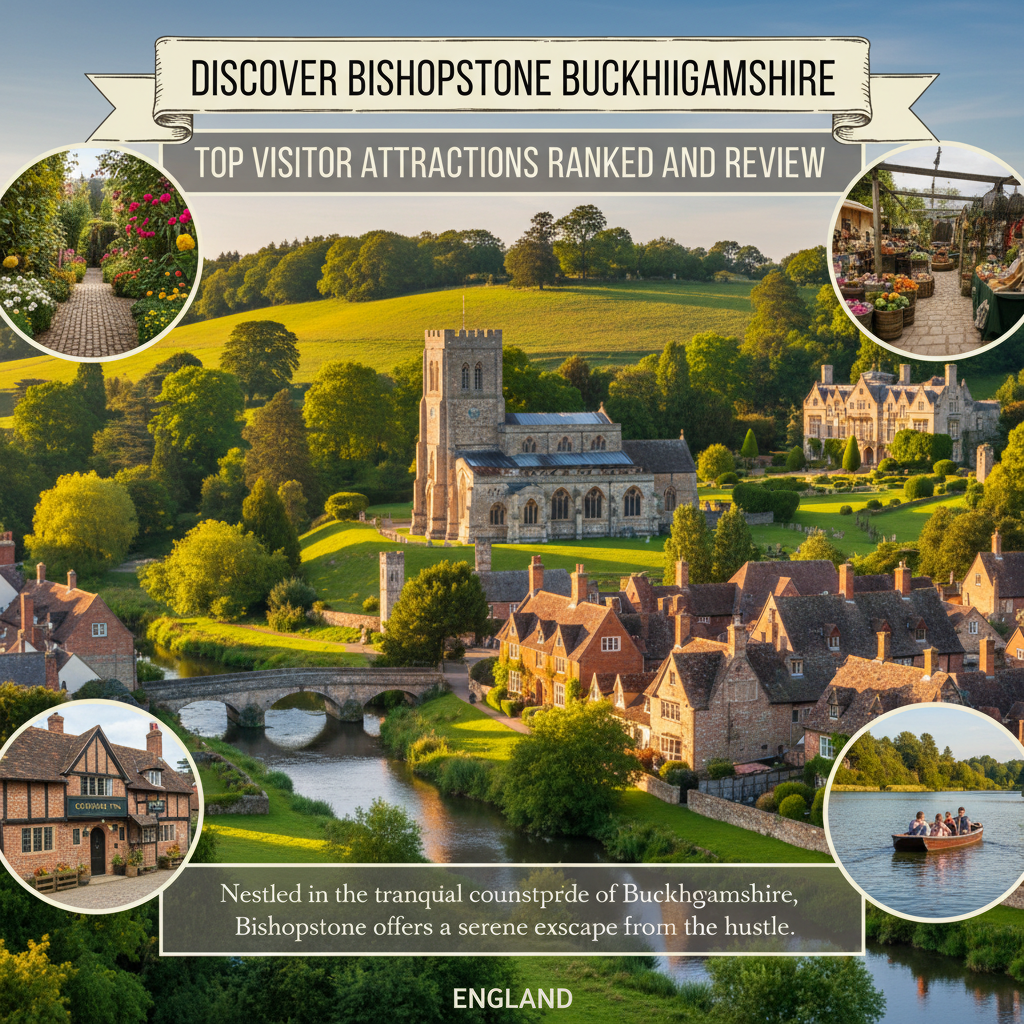
Bishopstone Buckinghamshire
Discover Bishopstone Buckinghamshire Bishopstone, a quaint and picturesque village located in the heart of Buckinghamshire, England, is a hidden gem that boasts a rich history and vibrant culture. The village's origins date back to the Anglo-Saxon period, with its name derived from the Old English word 'Biscop's tun', meaning the farmstead or settlement of Bishop. This historical significance is underscored by the presence of several ancient structures and churches that tell the story of its long-standing heritage.The charm of Bishopstone lies not only in its history but also in its stunning natural surroundings. Nestled within the Chiltern Hills, an Area of Outstanding Natural Beauty, the village offers breathtaking landscapes, rolling hills, and serene woodlands. The lush greenery and picturesque views make it an ideal spot for nature lovers, walkers, and anyone seeking a tranquil escape from the hustle and bustle of city life.Bishopstone's cultural significance is reflected in its tight-knit community and local events that celebrate British traditions. The village often hosts fairs, and seasonal festivals, which attract visitors from nearby towns. These events provide an excellent opportunity to mingle with locals and experience authentic British village life. Additionally, the village has a rich agricultural background, with many farms still operational, contributing to local produce markets and events.One of the standout features of Bishopstone is its architectural beauty. The village is home to several historic buildings, including St. Mary’s Church, which dates back to the 12th century. This church is not only an architectural marvel but also a center of community life, hosting regular services and events that draw residents and visitors alike. The surrounding countryside is dotted with charming cottages and farmhouses, each with their unique character, creating a delightful tableau that captures the essence of rural England.Bishopstone is also significant for its accessibility. Located just a short distance from larger towns like Aylesbury and High Wycombe, it provides a perfect base for exploring the wider region of Buckinghamshire. Visitors can enjoy the peace of village life while having easy access to shopping, dining, and entertainment options in nearby urban centers.What makes Bishopstone truly special, however, is its sense of community and the warmth of its residents. Visitors often remark on the friendly atmosphere and the genuine hospitality they experience. Whether you are strolling through the village, visiting local shops, or enjoying a cup of tea at a nearby café, you will feel welcomed and embraced by the local culture.In summary, Bishopstone, Buckinghamshire, is a destination that beautifully blends history, culture, and natural beauty. Its rich heritage, picturesque landscapes, and vibrant community make it a fantastic place to visit for those looking to immerse themselves in the charm of the English countryside. Top Attractions in Bishopstone Buckinghamshire – Ranked and Reviewed When it comes to attractions in Bishopstone, visitors have shared their experiences and opinions, helping to create a list of top-rated spots that truly capture the essence of this lovely village. Here are the top attractions in Bishopstone, as ranked and reviewed by travelers:1. St. Mary’s Church - Rated 4.8/5St. Mary’s Church is not only a historical landmark but also a center of community life in Bishopstone. Visitors have praised its stunning architecture and peaceful ambiance. Many travelers appreciate the chance to explore its ancient stonework and stained glass windows. The church often holds community events and services, making it a perfect spot to experience local culture.2. Bishopstone Village Green - Rated 4.7/5The Village Green is a charming open space where locals and visitors gather for picnics, community events, and leisurely strolls. Reviewers love its picturesque setting and the sense of tranquility it offers. Families particularly enjoy the green space, making it a great place for children to play while adults relax and take in the scenery.3. The Chiltern Hills - Rated 4.9/5No visit to Bishopstone would be complete without exploring the surrounding Chiltern Hills. Hikers and nature enthusiasts have raved about the numerous walking trails and breathtaking views of the landscape. Many reviews highlight the variety of wildlife and flora found in the area, making it a perfect destination for outdoor activities.4. Local Produce Markets - Rated 4.5/5Visitors often recommend checking out the local produce markets held in Bishopstone. These markets showcase fresh, locally sourced goods and artisan products. Travelers appreciate the opportunity to taste and purchase local delicacies while supporting community farmers and artisans. The vibrant atmosphere and friendly vendors make this a must-visit experience.5. Bishopstone Cider House - Rated 4.6/5For those who enjoy a taste of local beverages, the Bishopstone Cider House is a popular destination. Visitors have praised the quality of the cider produced here, often highlighting the warm and welcoming staff. The tasting sessions are a favorite among travelers, providing a unique way to learn about the cider-making process while enjoying delicious samples.6. The Old Rectory - Rated 4.4/5This historic building, now a private residence, is often admired for its architectural charm. Visitors appreciate its historical significance and the beautiful gardens surrounding it. Although it is not open to the public, many travelers enjoy viewing it from the outside and taking photographs, adding to the village’s quaint character.In conclusion, Bishopstone offers a variety of attractions that appeal to different interests, from history and architecture to nature and community events. The rankings and reviews from real travelers on Stay4Exploring provide valuable insights, ensuring that visitors can make the most of their time in this enchanting village. Whether you are seeking relaxation, adventure, or a taste of local culture, Bishopstone has something to offer everyone. Planning Your Visit to Bishopstone Buckinghamshire Planning a visit to Bishopstone in Buckinghamshire, England, offers an opportunity to explore the enchanting beauty of the English countryside while immersing yourself in a quaint village atmosphere. The best time to visit Bishopstone is during the spring (March to May) and early autumn (September to October) when the weather is mild, and the surrounding landscape is at its finest. During these months, you can enjoy vibrant wildflowers, lush greenery, and pleasant temperatures ideal for outdoor activities.Getting to Bishopstone is quite straightforward. The village is conveniently located near major roadways, including the A413, which connects to the M40 motorway, providing easy access from London and other major cities. If you prefer traveling by train, the nearest railway station is in nearby Aylesbury, approximately a 10-minute drive away. Regular train services operate from London Marylebone to Aylesbury, making it a feasible option for day trips or weekend getaways.Once you arrive in Bishopstone, getting around is best done on foot or by bicycle. The village is small, allowing for leisurely exploration of its picturesque streets and surrounding countryside. However, if you wish to venture further out, consider renting a car, which will give you the flexibility to explore nearby attractions such as the historical towns of Aylesbury and Buckingham.When it comes to accommodation, Bishopstone offers a range of options to suit various preferences and budgets. For a truly local experience, consider staying in a cozy bed and breakfast or a charming guesthouse. The warm hospitality of local hosts will enhance your visit. Alternatively, if you prefer more modern accommodations, there are several hotels and inns in the nearby towns, offering comfortable stays and essential amenities. For those seeking a unique experience, look for holiday cottages or self-catering options that provide a home-like atmosphere, perfect for families or groups wanting to stay together.Before your trip, it's wise to check local events or festivals happening during your visit. Bishopstone often hosts community gatherings and seasonal celebrations that can enrich your experience. Additionally, keeping an eye on the weather forecast will help you pack accordingly, ensuring you enjoy your stay to the fullest. With its idyllic charm and convenient access to the surrounding areas, Bishopstone is an inviting destination for those looking to escape the hustle and bustle of city life. Experience Bishopstone Buckinghamshire Like a Local To truly experience Bishopstone like a local, it's essential to immerse yourself in the unique customs and culture of this charming village. One of the first things to embrace is the friendly and welcoming nature of the residents. The people of Bishopstone take pride in their community and are often eager to share stories and recommendations with visitors. Don’t hesitate to strike up a conversation with locals at the village pub or while exploring the area.When it comes to local cuisine, be sure to indulge in traditional British fare. The village itself may have limited dining options, but nearby towns like Aylesbury offer a variety of eateries where you can sample classic dishes such as fish and chips, shepherd's pie, and a hearty English breakfast. If you visit during the summer months, look out for local farmers' markets, where you can purchase fresh produce, homemade jams, and artisanal goods. Trying a slice of local cake or a cream tea is also a must for a true taste of England.Moreover, participating in local customs can enhance your experience. If your visit coincides with events such as village fairs or seasonal festivals, take the opportunity to join in the celebrations. These events often feature local crafts, music, and dance, providing a glimpse into the traditions that define the community. Additionally, if you’re interested in history, consider visiting nearby historical sites, such as the 12th-century St. Mary’s Church or the remnants of ancient Roman roads, to appreciate the rich heritage of the area.Understanding local etiquette is also important. The British are known for their politeness, so remember to say “please” and “thank you” when interacting with locals. In social settings, it’s customary to engage in small talk, particularly about the weather or local happenings. This can help you forge connections and gain insights into the village life.As for insider tips, consider downloading local maps and guides before arrival, as they can assist you in navigating the area and discovering hidden gems. If you’re an outdoor enthusiast, pack comfortable walking shoes, as there are numerous scenic trails and countryside walks worth exploring. Lastly, be sure to check the local calendar for any live music or theater performances, as these events can offer a delightful evening of entertainment.By taking the time to engage with the community, savor the local cuisine, and respect the cultural practices, you’ll leave Bishopstone with cherished memories and a deeper understanding of this picturesque village in Buckinghamshire.

Collieston
Discover Collieston Collieston is a charming fishing village located on the northeast coast of Scotland, within Aberdeenshire. Nestled between rugged cliffs and the stunning North Sea, this picturesque village has a rich history and a vibrant culture that makes it a unique destination for travelers. Originally founded in the late 18th century, Collieston has evolved from a small fishing community into a quaint retreat that attracts visitors with its natural beauty and warm hospitality.The village’s historical significance is evident in its well-preserved architecture, with many buildings showcasing traditional Scottish design. The village’s name is derived from the Old Scots word 'Collie,' meaning 'a small cove,' which perfectly describes its scenic harbor. The local economy has historically been centered around fishing, and while this industry has diminished over the years, remnants of Collieston’s maritime heritage are visible in its vibrant community spirit and local events.Collieston is also notable for its cultural significance. The community is known for its close-knit atmosphere, where locals and visitors alike gather to celebrate various festivals and events throughout the year. One of the highlights is the Collieston Gala, where residents come together to enjoy music, dance, and traditional Scottish games, providing a wonderful opportunity to experience the local culture and customs.What makes Collieston truly special is its stunning natural landscape. The village is surrounded by dramatic cliffs, sandy beaches, and lush countryside, offering ample opportunities for outdoor activities. The nearby Bullers of Buchan, a collapsed sea cave, is a popular spot for hikers and photographers, presenting breathtaking views of the coastline and the chance to observe diverse wildlife, including seabirds and seals. The sandy beaches provide a perfect setting for family outings, where children can play and adults can relax while enjoying the fresh sea breeze.Collieston also boasts a welcoming community, with local shops, cafés, and restaurants that reflect the area’s culinary heritage. Visitors can indulge in freshly caught seafood, with local establishments serving up delicious dishes that highlight the region’s bounty. The village’s friendly residents are always eager to share stories about their home and recommend the best spots to explore.In summary, Collieston is a delightful destination that offers a blend of history, culture, and natural beauty. Its rich heritage, combined with a strong sense of community and stunning landscapes, makes it a must-visit location for anyone traveling to Scotland. Whether you’re seeking adventure, relaxation, or a taste of local culture, Collieston promises a memorable experience for every traveler. Top Attractions in Collieston – Ranked and Reviewed When visiting Collieston, there’s no shortage of attractions and activities that showcase the village’s charm and natural beauty. Based on real reviews from travelers on Stay4Exploring, here are the top-ranked experiences you shouldn’t miss during your visit.1. The Bullers of Buchan - Rated 4.9/5This spectacular natural wonder is a must-see for anyone in the area. The Bullers of Buchan features a collapsed sea cave that provides stunning views of the coastline. Hikers rave about the scenic trails that lead to the cliff edges, offering panoramic vistas of the crashing waves below. Wildlife enthusiasts will appreciate the opportunity to spot seabirds and seals along the cliffs. Visitors recommend bringing a camera to capture the breathtaking scenery.2. Collieston Beach - Rated 4.7/5Collieston Beach is the village’s pride and joy, known for its soft sands and clear waters. Families love this beach for its safe swimming conditions and play areas for children. Reviewers highlight the beach’s calm atmosphere as perfect for a relaxing day by the sea. Many travelers also enjoy beachcombing and exploring the rock pools during low tide. Several local cafés near the beach serve delicious snacks and refreshments, enhancing the overall beach experience.3. Collieston Harbour - Rated 4.6/5The picturesque harbor is a focal point of the village, where visitors can watch local fishermen at work and enjoy the scenic views of the boats bobbing in the water. Reviewers recommend taking a stroll along the harbor to appreciate the quaint charm of the area. It’s also a great spot for photography, especially during sunrise and sunset when the colors reflect beautifully on the water.4. The Collieston Art Gallery - Rated 4.5/5For art lovers, the Collieston Art Gallery showcases works from local artists, providing a glimpse into the creative spirit of the community. Visitors describe the gallery as a hidden gem, where you can purchase unique pieces while supporting local talent. Many reviews highlight the warm and welcoming atmosphere, with gallery staff eager to share stories about the artists and the inspiration behind their work.5. Coastal Walks - Rated 4.4/5The coastal walks surrounding Collieston are highly praised by visitors for their stunning scenery and diverse landscapes. Reviewers recommend the walk from Collieston to Cruden Bay, featuring dramatic cliffs and opportunities to spot wildlife. Many enjoy the tranquility and solitude of these paths, making it a perfect escape for nature lovers and those looking to unwind.In conclusion, Collieston offers a variety of attractions that cater to all interests, from natural wonders to cultural experiences. With high ratings and positive reviews from real travelers, these activities are sure to enhance your visit to this enchanting Scottish village. Planning Your Visit to Collieston Collieston, a picturesque fishing village located on the Aberdeenshire coast, is a hidden gem that offers breathtaking scenery and a serene escape from the hustle and bustle of everyday life. When planning your visit to Collieston, timing, transportation, and accommodation are key factors to consider.The best time to visit Collieston is during the late spring to early autumn months, specifically from May to September. During these months, the weather is generally milder, making it ideal for outdoor activities such as hiking, beachcombing, and exploring the stunning coastal paths. Summer days are long, with plenty of daylight hours to enjoy the beauty of the region. However, if you prefer fewer crowds, consider visiting in May or September, when you can still experience pleasant weather without the peak season hustle.Getting to Collieston is relatively straightforward, though it may require some planning. The nearest major city is Aberdeen, which is approximately 20 miles away. From Aberdeen, you can rent a car or take public transportation. If you opt for public transport, catch a bus from Aberdeen to Ellon, and then transfer to a local bus that will take you directly to Collieston. For those traveling by car, take the A90 north from Aberdeen, then the A956 towards Ellon, before following signs to Collieston. The scenic drive along the coast is part of the experience, offering picturesque views of the North Sea.Once you arrive in Collieston, getting around is quite easy. The village itself is small, and many attractions, including the beach and local shops, are within walking distance. For those looking to explore the surrounding areas, consider renting a bike or taking a leisurely stroll along the coastal paths, which provide stunning views and opportunities for wildlife spotting.When it comes to accommodation, Collieston offers a range of options to suit different budgets and preferences. There are several charming bed and breakfasts, self-catering cottages, and guest houses that provide a cozy atmosphere and a welcoming experience. Popular choices include the Collieston House, which offers comfortable rooms with lovely sea views, and various holiday cottages that allow for a more independent stay. For those who prefer a more local experience, consider renting a traditional fisherman's cottage for a unique taste of village life.In summary, planning your visit to Collieston involves choosing the right time to experience its natural beauty, understanding how to get there and around, and selecting the ideal accommodation. With its stunning landscapes and warm local hospitality, Collieston is sure to leave a lasting impression. Experience Collieston Like a Local To truly experience Collieston like a local, it's essential to immerse yourself in the customs, culture, and cuisine that define this charming fishing village. Collieston is a place where traditional Scottish hospitality meets the breathtaking beauty of the Aberdeenshire coastline.One of the first things to note is the local customs. Collieston residents pride themselves on their strong sense of community. It's common for locals to greet visitors warmly, so don’t be shy to strike up a conversation. Understanding and respecting the local pace of life, which is typically slower and more relaxed than in urban centers, will enhance your experience. If you find yourself in the village during a local event or festival, be sure to participate. Events such as the Collieston Gala, held in the summer, are great opportunities to mingle with locals and learn more about the culture.Food is a vital part of local culture, and Collieston is no exception. The village is known for its fresh seafood, thanks to its fishing heritage. Be sure to try local delicacies like Cullen skink, a traditional Scottish soup made with smoked haddock, or sample the catch of the day at one of the local eateries. The Collieston Fish and Chip Shop is highly rated among travelers on Stay4Exploring for its delicious, freshly prepared fish and chips. Additionally, consider visiting local markets or farm shops to sample artisanal products, such as cheeses and baked goods.Cultural experiences abound in Collieston, from the rich maritime history to the breathtaking natural landscapes. Take time to explore the coastal paths that offer stunning views of the cliffs and the North Sea. The village is also close to several historical sites, including ancient Pictish stone carvings and ruins of old castles that reflect Scotland's storied past. Engaging with these historical sites allows visitors to appreciate the cultural heritage of the region.For insider tips, consider visiting the village during weekdays to enjoy a quieter atmosphere, especially if you prefer solitude or nature walks. Early mornings are the perfect time for a peaceful stroll along the beach, where you might spot seabirds or even seals basking in the sun. If you're interested in photography, the golden hour just after sunrise or before sunset offers magical lighting for capturing the stunning coastal landscape.Lastly, don't forget to join a local guided tour if you want to delve deeper into the history and ecology of the area. Locals often have stories and insights that you won't find in guidebooks, making for a richer experience. By embracing the customs, cuisine, and culture of Collieston, you'll leave with memories that linger long after your visit.
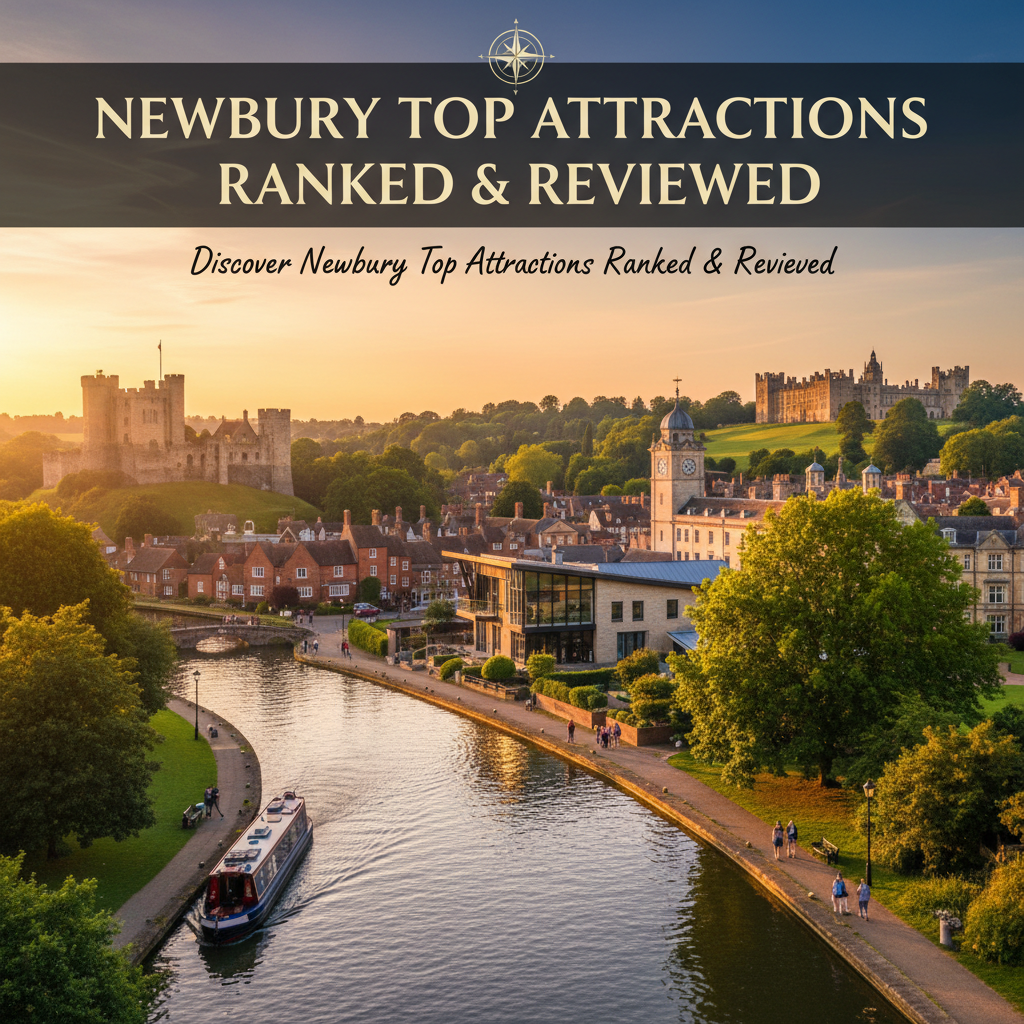
Newbury
Discover Newbury Newbury, nestled in the rolling hills of Berkshire, England, is a town steeped in history, culture, and charm. Known for its picturesque landscapes and rich heritage, Newbury has been a significant settlement since the medieval period. Its history can be traced back over a thousand years, with early mentions in the Domesday Book of 1086. The town grew in prominence during the 17th century, largely due to its strategic location along the River Kennet and its role in the English Civil War.One of the defining features of Newbury is its historical architecture. The town boasts an array of well-preserved buildings, including the iconic Newbury Corn Exchange and the stunning St. Nicolas Church, which showcases beautiful stained glass windows and a remarkable tower. Walking through the streets, visitors can appreciate the mix of Georgian and Victorian architecture that adds to the town's character.Culturally, Newbury is vibrant and dynamic. The town hosts several annual events and festivals that celebrate its heritage and community spirit. The Newbury Spring Festival, for example, is a highlight of the local calendar, featuring a diverse lineup of music, arts, and performances that attract both locals and visitors alike. Additionally, the Newbury Arts Festival showcases local talent and provides a platform for artists of all genres.Newbury is also significant for its connection to the famed racecourse, which is one of the premier horse racing venues in the UK. The Newbury Racecourse hosts numerous events throughout the year, drawing in crowds who come to experience the electrifying atmosphere of horse racing. This connection to the equestrian world adds another layer to Newbury's identity.What makes Newbury special is not just its rich history but also its ability to blend the old with the new. The town has seen modern developments that complement its historical essence, offering a variety of shops, restaurants, and leisure activities that cater to diverse interests. The Kennet and Avon Canal runs through Newbury, providing scenic walking and cycling paths that invite outdoor enthusiasts to explore the natural beauty of the region.Moreover, Newbury’s location offers easy access to the picturesque surrounding countryside, including the North Wessex Downs Area of Outstanding Natural Beauty. This proximity to nature makes it an excellent base for hiking, cycling, and exploring the beautiful landscapes of southern England.In summary, Newbury is a town that beautifully encapsulates the charm of English history and culture. Its rich past, combined with a thriving modern community, makes it a unique and captivating destination for travelers seeking a blend of adventure, relaxation, and cultural immersion. Top Attractions in Newbury – Ranked and Reviewed Newbury is home to a wealth of attractions that cater to various interests, making it an appealing destination for travelers. Based on real reviews from visitors on Stay4Exploring, here are the top-ranked attractions that you shouldn't miss while in Newbury.1. Newbury RacecourseRated as one of the top attractions, Newbury Racecourse is a must-visit for anyone interested in horse racing. With a rich history and a range of events throughout the year, visitors love the vibrant atmosphere, excellent facilities, and the thrill of watching live races. Many reviewers highlight the well-organized events and the opportunity to enjoy a day out with family and friends.2. Highclere CastleThis iconic castle, known to many as the filming location for the popular series 'Downton Abbey', is highly praised by visitors. Rated for its stunning architecture and beautiful gardens, Highclere Castle offers guided tours that delve into its fascinating history. Reviewers often mention the grandeur of the interiors and the informative staff who enhance the experience.3. The Living RainforestIdeal for families and nature lovers, The Living Rainforest is a unique attraction that features a tropical rainforest environment. Visitors appreciate the educational aspect, as well as the opportunity to see exotic plants and animals up close. Many reviews commend the friendly staff and the interactive exhibits that make learning fun for all ages.4. West Berkshire MuseumFor those looking to immerse themselves in local history, West Berkshire Museum is a top-rated destination. Reviewers often highlight its engaging exhibits that showcase the heritage of the area, including art, archaeology, and social history. The museum's friendly atmosphere and knowledgeable staff receive high praise, making it a great stop for history buffs.5. Kennet and Avon CanalThis scenic canal offers a peaceful escape for walkers and cyclists. Visitors love the picturesque views and the opportunity to enjoy a leisurely day by the water. Many reviews mention the well-maintained paths and the chance to spot various wildlife, making it a perfect spot for nature enthusiasts.6. Newbury Corn ExchangeA hub for arts and culture, the Newbury Corn Exchange hosts a variety of performances, including theater, music, and comedy. Reviewers appreciate the intimate setting and the diverse program of events. Many visitors enjoy attending shows and concerts in this historic venue, praising its acoustics and ambiance.In conclusion, Newbury offers a rich tapestry of attractions that cater to a variety of interests. From horse racing to historical sites and natural beauty, the town is sure to provide an unforgettable experience for every traveler. Make sure to explore these highly-rated attractions to fully appreciate what Newbury has to offer. Planning Your Visit to Newbury Newbury, nestled in the heart of Berkshire, England, is a charming market town that offers a delightful mix of history, culture, and natural beauty. Planning your visit can enhance your experience and ensure that you make the most of your time in this picturesque destination. Best Time to VisitThe best time to visit Newbury is during the spring (March to May) and early autumn (September to October). During these months, the weather is generally mild, making it perfect for outdoor activities and exploring the stunning countryside. Spring is particularly beautiful as flowers bloom in the surrounding parks and gardens, while autumn offers breathtaking foliage. Summer months (June to August) can be busy with tourists, but the vibrant atmosphere and events make it an exciting time to visit. Winter, while quieter, brings its own charm with festive decorations and Christmas markets. Getting ThereNewbury is easily accessible by various means of transport. If you’re traveling by car, the town is conveniently located near the M4 motorway, which connects London and South Wales. Regular train services from London Paddington to Newbury take about an hour, making it a feasible day trip from the capital. The nearest airport is London Heathrow, which is approximately 40 miles away. From the airport, you can take the Heathrow Express to Paddington and then a train to Newbury. Getting AroundOnce in Newbury, getting around is straightforward. The town is pedestrian-friendly, and many attractions are within walking distance of each other. For longer distances, local buses serve the area, and taxis are readily available. If you want to explore the surrounding countryside, consider renting a bike to enjoy the scenic routes. Where to StayNewbury boasts a variety of accommodation options catering to different budgets and preferences. For a touch of luxury, consider staying at the Donnington Valley Hotel & Spa, which offers beautiful grounds, a golf course, and a full-service spa. For a more budget-friendly option, the Travelodge Newbury and Premier Inn provide comfortable rooms at reasonable prices. If you're looking for a unique experience, check out local bed and breakfasts or charming inns like the The Old London Apprentice, which offers personalized service and a homely atmosphere. Whichever option you choose, ensure you book in advance, especially during peak tourist seasons. Experience Newbury Like a Local To truly experience Newbury, it’s essential to immerse yourself in local customs, savor the regional cuisine, appreciate the vibrant culture, and heed some insider tips. Local CustomsNewbury residents are known for their friendliness and hospitality. When interacting with locals, a simple greeting with a smile goes a long way. Pubs are a central part of social life here, and it’s common to engage in small talk with fellow patrons. If you’re invited to join a local for a drink, it’s customary to reciprocate by treating them in return at a later date. FoodThe culinary scene in Newbury is diverse and reflects both traditional British fare and modern gastronomy. Don’t miss trying a classic English breakfast at one of the town’s cozy cafes. For lunch, head to the Newbury Market, where you can find fresh produce, artisanal goods, and street food from local vendors. Dinner options are plentiful, with restaurants like The Woodspeen offering a fine dining experience that showcases seasonal ingredients. For a casual meal, visit Wings of the World for some of the best chicken wings in the area. CultureNewbury has a rich cultural heritage, evident in its historical architecture and art scene. The Newbury Corn Exchange regularly hosts performances, art exhibitions, and community events. If you’re a history buff, make sure to visit the West Berkshire Museum, where you can learn about the local history and view various artifacts. The town also celebrates several annual festivals, including the Newbury Spring Festival, which features music, art, and drama. Insider TipsTo make the most of your trip, consider visiting the nearby Donnington Castle, which is free to enter and offers stunning views of the surrounding area. For a unique experience, check out the local farmers' market on Thursdays, where you can sample local produce and crafts. Lastly, don’t forget to explore the scenic Kennet and Avon Canal, perfect for a leisurely stroll or a bike ride. Engaging with locals and following these tips will undoubtedly enrich your visit to Newbury.

Aberdour
Discover AberdourAberdour in Scotland offers a wealth of attractions, from historic landmarks to natural wonders. Explore the best things to do and plan your perfect visit.

Ardersier
Discover Ardersier Nestled on the southern shore of the Moray Firth, Ardersier is a picturesque village steeped in history and charm. With origins tracing back to the 12th century, this quaint settlement was once a thriving fishing community and remains a vital part of Scotland's rich maritime heritage. The village's name is derived from the Gaelic ‘Aird Easair’, meaning ‘height of the waterfall’, a nod to its stunning coastal landscapes and the nearby water features.Ardersier's significance extends beyond its historical roots. The village is strategically located, offering breathtaking views of the Moray Firth, which is renowned for its diverse marine life, including dolphins and seals. The village serves as a gateway to the nearby Fort George, a massive fortress built in the aftermath of the Jacobite rising of 1745. Fort George stands as a testament to Scotland's turbulent history and is a popular site for visitors seeking to learn about this period.Culturally, Ardersier embodies the essence of Scottish village life. The local community is tight-knit, with various events and festivals throughout the year that celebrate Scottish traditions, music, and cuisine. The annual Ardersier Gala is particularly noteworthy, drawing visitors from far and wide to enjoy local crafts, food, and entertainment. This vibrant celebration showcases the warm hospitality of the locals and provides an authentic taste of Scottish culture.What makes Ardersier truly special is its blend of natural beauty and historical significance. The surrounding landscapes offer numerous opportunities for outdoor activities such as walking, cycling, and birdwatching. The nearby beaches are perfect for leisurely strolls, while the rugged coastline provides a stunning backdrop for photography enthusiasts. Visitors can explore the natural beauty of the countryside, including the nearby Black Isle, known for its lush farmland and scenic views.Furthermore, the village is well-connected to larger cities like Inverness, making it an ideal base for exploring the Highlands. Ardersier offers a peaceful retreat away from the hustle and bustle of city life, yet it is close enough to enjoy the amenities and attractions of urban areas. This unique position makes it a favorite spot for travelers seeking both tranquility and adventure.In conclusion, Ardersier is a hidden gem on Scotland's coast, combining rich history, vibrant culture, and breathtaking natural beauty. Whether you're interested in exploring its historical sites, enjoying outdoor activities, or immersing yourself in local traditions, Ardersier promises an unforgettable experience for every traveler. Top Attractions in Ardersier – Ranked and Reviewed Ardersier may be a small village, but it boasts a variety of attractions that cater to diverse interests. The following list highlights the top-rated attractions in Ardersier, as rated and reviewed by real travelers on Stay4Exploring.1. Fort GeorgeVisitors rave about Fort George, a massive fortress that looms over the landscape. Built in the 18th century, this historical site offers guided tours that delve into its military history and role in Scottish heritage. Travelers appreciate the panoramic views of the Moray Firth and the chance to explore the well-preserved barracks and museums. Many reviews emphasize the knowledgeable guides who bring history to life, making it a must-visit for history buffs and families alike.2. Ardersier BeachArdersier Beach is a tranquil spot that attracts visitors looking to unwind and soak in the natural beauty of the coastline. Rated highly for its scenic views and peaceful atmosphere, travelers enjoy walking along the sandy shores, picnicking, and watching the sunset over the water. Many reviews highlight the beach's cleanliness and its family-friendly environment, making it an ideal location for a day out with children.3. The Old KirkThe Old Kirk is a charming historical building that has been a focal point of Ardersier for centuries. Visitors appreciate its quaint architecture and the serene atmosphere it offers. While some reviews mention that it’s a quiet place for reflection, others enjoy the occasional events and community gatherings held here. The churchyard is also a lovely area for leisurely walks, with beautiful views of the surrounding landscape.4. The Moray Firth Dolphin Watching ToursFor those seeking adventure, the dolphin watching tours are a highlight of any visit to Ardersier. Rated highly for the exhilarating experience, guests often recount their excitement at spotting these magnificent creatures in their natural habitat. Many reviews commend the knowledgeable guides who provide interesting facts about marine life. The tours cater to all ages and are particularly popular among families.5. The Ardersier Community GardenThis delightful community initiative is a hidden treasure for those interested in gardening and local produce. Visitors frequently praise the garden for its dedication to sustainable practices and community engagement. Reviews often highlight the friendly environment and the opportunity to participate in workshops and events. It’s an excellent place for travelers to connect with locals and learn more about Scottish gardening traditions.In summary, Ardersier offers a diverse array of attractions that showcase its history, natural beauty, and community spirit. Each site is uniquely appealing, ensuring that every visitor finds something to enjoy. With its top-rated experiences, Ardersier is undoubtedly a destination worth exploring. Planning Your Visit to Ardersier Ardersier, a charming village located on the Moray Firth in Scotland, offers visitors a delightful blend of natural beauty, rich history, and local culture. Planning your visit to this hidden gem requires a bit of knowledge regarding the best times to visit, transportation options, and accommodation choices. Best Time to Visit: The ideal time to explore Ardersier is during the late spring to early autumn months, from May to September. During this period, the weather is generally mild, with average temperatures ranging from 15°C to 20°C (59°F to 68°F), making it perfect for outdoor activities. Additionally, these months see less rainfall, allowing you to enjoy the stunning coastal scenery and local attractions. However, if you prefer fewer crowds and don’t mind a bit of chill, visiting in early spring or late autumn can also offer a unique experience, especially for those interested in birdwatching or exploring the scenic landscapes. Getting There: Ardersier is easily accessible from major cities in Scotland. The nearest airport is Inverness Airport, which is approximately 12 miles away. From the airport, you can take a taxi or rent a car to reach Ardersier. If you're traveling by train, the closest railway station is in Inverness. Regular bus services connect Inverness to Ardersier, making it convenient for those relying on public transport. If you're driving, take the A96 road from Inverness, which leads directly to the village. Getting Around: Ardersier is a small village, so exploring on foot is the best way to experience its charm. The local roads are well-maintained, and walking allows you to immerse yourself in the scenic surroundings. For those wanting to venture further, consider renting a bicycle, which can also be a fun way to explore the nearby areas. If you plan to visit attractions outside of Ardersier, such as Fort George or the nearby city of Inverness, public buses and taxis are readily available. Where to Stay: Accommodation options in Ardersier range from cozy bed and breakfasts to self-catering cottages, providing something for every type of traveler. A popular choice is the local B&Bs, where you can enjoy a warm Scottish welcome and a hearty breakfast to start your day. For a more independent stay, consider renting a self-catering cottage, which offers the flexibility of cooking your meals and enjoying a homely atmosphere. If you prefer modern amenities and a hotel experience, nearby Inverness has several hotels to choose from. Be sure to book your accommodation in advance, especially during peak season, to secure the best options. Experience Ardersier Like a Local To truly appreciate the essence of Ardersier, immerse yourself in the local customs, food, culture, and insider tips that will enhance your experience in this picturesque Scottish village. Local Customs: Ardersier is known for its friendly community and welcoming atmosphere. Engaging with locals can provide valuable insights into the village's history and culture. A common custom is to greet passersby with a friendly "Hello" or "Good day," which reflects the community's warm spirit. If you are invited to a local event or gathering, consider bringing a small gift, such as homemade treats or flowers, as a token of appreciation. Food: Scottish cuisine is a highlight of any visit to Ardersier. Be sure to try traditional dishes such as haggis, neeps, and tatties, which can be found in local pubs and restaurants. For a unique experience, visit the local fish and chip shop, where you can savor freshly caught seafood. Don’t miss out on sampling some local whisky; the nearby distilleries offer tours and tastings that provide a deep dive into Scotland’s whisky heritage. Culture: The culture of Ardersier is deeply intertwined with its maritime history and natural surroundings. Visit the local historical sites, such as Fort George, a massive military fortress that dates back to the 18th century, and learn about its role in Scottish history. The village also has a rich tradition of storytelling and music, frequently showcased at local events. Consider attending a ceilidh, a traditional Scottish dance party, to experience the vibrant local culture firsthand. Insider Tips: To experience Ardersier like a local, consider visiting during the village’s annual events, such as the Ardersier Gala, where you can enjoy food stalls, live music, and community activities. Early morning walks along the beach are a fantastic way to appreciate the stunning views and perhaps catch a glimpse of local wildlife, including dolphins and seabirds. Lastly, take time to explore the nearby countryside, which is perfect for hiking, cycling, and enjoying Scotland's natural beauty. Always be respectful of nature and local customs, and you'll leave with unforgettable memories of your time in Ardersier.

Burgas Province
Discover Burgas Province Burgas Province, located on the Black Sea coast of Bulgaria, is a hidden gem that offers a rich blend of history, culture, and natural beauty. With its picturesque landscapes, vibrant cities, and historical significance, it has become a sought-after destination for travelers looking to explore the diverse offerings of this enchanting region.The history of Burgas Province dates back to ancient times, with archaeological evidence suggesting that the area has been inhabited since the Thracian period. The province's capital, Burgas, is one of Bulgaria's oldest cities and has played a crucial role in the region's development. Originally founded as a Thracian settlement, it evolved through the ages, influenced by the Roman Empire, Byzantine Empire, and Ottoman rule. Each of these historical periods has left an indelible mark on the culture and architecture of the province.What makes Burgas Province particularly special is its unique combination of natural beauty and cultural richness. The province is home to the stunning Burgas Lakes, a series of saline lagoons that attract a diverse range of wildlife, particularly migratory birds. The lakes are not only a haven for nature lovers but also provide a picturesque backdrop for outdoor activities such as birdwatching and photography.Burgas Province is also famous for its beautiful beaches, with the popular Sunny Beach resort being a notable highlight. This vibrant area offers a plethora of water sports, beach bars, and lively nightlife, making it a favorite among young travelers. In contrast, the quieter seaside towns of Sozopol and Nesebar provide a more relaxed atmosphere, rich with history and charming architecture, perfect for those seeking a more tranquil experience.The province is equally renowned for its cultural events and festivals. The annual Burgas Sand Fest, held in the summer, showcases incredible sand sculptures created by artists from around the world. The Spirit of Burgas music festival, which attracts international artists and thousands of visitors, is another highlight that showcases the province's lively cultural scene.Moreover, the province's culinary scene is a delightful reflection of its history and geography. Visitors can savor traditional Bulgarian dishes made from locally sourced ingredients, such as freshly caught fish, grilled meats, and hearty salads. The region is also known for its wine production, with several vineyards offering tours and tastings.In summary, Burgas Province is a destination that beautifully encapsulates the essence of Bulgaria. Its rich historical tapestry, vibrant culture, and stunning natural landscapes make it a must-visit for anyone seeking to experience the true charm of the Bulgarian coastline. Whether you are an adventurer, a history enthusiast, or a foodie, Burgas Province has something to offer for every type of traveler. Top Attractions in Burgas Province – Ranked and Reviewed Burgas Province is brimming with attractions that cater to a wide range of interests. From historical sites steeped in ancient culture to natural wonders and vibrant urban life, here are some of the top-rated attractions in the province, all reviewed and ranked by real travelers.1. Sunny Beach: As Bulgaria's largest and most popular resort, Sunny Beach is a summertime hotspot. Visitors rave about its stunning stretch of sandy beach, vibrant nightlife, and countless water sports options. The extensive array of beach bars and restaurants ensures that there’s something for everyone. Many travelers appreciate the family-friendly atmosphere, with activities ranging from parasailing to water parks.2. Nessebar: This UNESCO World Heritage Site is often described as a historical treasure. Visitors are enchanted by its ancient ruins, charming cobblestone streets, and breathtaking sea views. The Old Town is particularly praised for its well-preserved medieval architecture, including the iconic Church of St. Sophia. Travelers love exploring the quaint shops and local eateries, where they can sample authentic Bulgarian cuisine.3. Sozopol: Known for its artistic vibe, Sozopol is a picturesque town that attracts visitors with its beautiful beaches and ancient history. The town's artistic community hosts various events and exhibitions throughout the summer, making it a cultural hub. Travelers often highlight the charm of the Old Town, filled with wooden houses and narrow streets, as a perfect place to wander and soak in the local atmosphere.4. Burgas Lakes: Nature enthusiasts particularly appreciate the Burgas Lakes, a series of beautiful saline lagoons that support an extraordinary variety of wildlife. Birdwatchers often report sightings of rare migratory species, making it a favorite spot for photography and eco-tourism. Visitors frequently mention the peaceful walking trails surrounding the lakes, providing an ideal escape from the hustle and bustle of urban life.5. The Sea Garden (Morska Gradina): Located in the heart of Burgas city, the Sea Garden is a beautifully landscaped park that stretches along the coastline. It’s the perfect place for a leisurely stroll, with well-maintained pathways, flowerbeds, and art installations. Families love the playgrounds, while couples enjoy the romantic sea views, especially during sunset. Many travelers recommend spending a day here to unwind and enjoy a picnic.6. Pomorie Monastery: This historic monastery is a serene site that offers a glimpse into Bulgaria's spiritual heritage. Visitors often share their experiences of the peaceful atmosphere and stunning architecture. The monastery is known for its healing mud baths, attracting those seeking wellness treatments, making it a unique blend of spiritual and therapeutic experiences.7. Burgas Regional Historical Museum: For history buffs, this museum is a treasure trove of artifacts and exhibits that trace the region's past. Visitors praise the informative displays and the knowledgeable staff who provide insights into Bulgaria's rich history. The museum is a must-visit for those wanting to deepen their understanding of the cultural significance of Burgas Province.In conclusion, Burgas Province boasts a diverse range of attractions that cater to varied interests. Each site offers unique experiences, making it a destination that encourages exploration and discovery. From the lively beaches of Sunny Beach to the historical charm of Nessebar, visitors are sure to find something that captivates their heart and soul. Planning Your Visit to Burgas Province Planning a trip to Burgas Province can be an exciting endeavor, as this beautiful region offers a wealth of attractions, cultural experiences, and natural beauty. Here’s a comprehensive guide to help you make the most of your visit, including the best times to explore, transportation options, and accommodation suggestions.Best Time to Visit: The ideal time to visit Burgas Province largely depends on your preferences. For beach lovers and sun-seekers, the summer months of June to August are perfect, with warm temperatures averaging around 30°C (86°F) and plenty of sunshine. This is also when the region comes alive with festivals, events, and vibrant nightlife. However, if you prefer milder weather and fewer crowds, the shoulder seasons of late spring (May) and early autumn (September) are excellent alternatives. During these months, temperatures are comfortable, ranging from 20°C to 25°C (68°F to 77°F), making it ideal for outdoor exploration.Getting There: Burgas Province is easily accessible, with the Burgas Airport (BOJ) serving as the primary gateway for international travelers. The airport offers flights from various European cities, making it convenient for tourists to reach their destination. From the airport, you can take a taxi, shuttle, or rental car to the city center or nearby resorts. If you prefer traveling by train or bus, Burgas has excellent connections to other major Bulgarian cities, including Sofia, Varna, and Plovdiv, allowing you to explore more of the country.Getting Around: Once in Burgas Province, getting around is relatively straightforward. The city of Burgas has a reliable public transportation system, including buses and trams that connect various neighborhoods and attractions. For those looking to explore the coastal towns like Sozopol and Nessebar, local buses provide convenient routes. Additionally, many travelers opt to rent a bicycle or scooter for a more leisurely exploration of the scenic coastline. Taxis and ride-sharing services are also readily available for those seeking a more direct mode of transportation.Where to Stay: Accommodation options in Burgas Province range from budget-friendly hostels to luxurious beachfront resorts. In Burgas city, you’ll find a variety of hotels that cater to different tastes and budgets. The Grand Hotel and Spa Primoretz are popular choices for those looking for upscale amenities, while budget travelers may prefer guesthouses or hostels. Along the coast, Sunny Beach is lined with all-inclusive resorts, perfect for families seeking convenience and entertainment. For a more intimate experience, consider staying in Sozopol or Nessebar, where charming boutique hotels offer a taste of local hospitality.In conclusion, planning your visit to Burgas Province can enhance your travel experience, ensuring that you make the most of your time in this beautiful region. By considering the best times to visit, transportation options, and accommodation choices, you’ll be well on your way to enjoying the rich culture, history, and natural beauty that Burgas Province has to offer. Experience Burgas Province Like a Local Experiencing Burgas Province like a local involves immersing yourself in its unique customs, vibrant food scene, and rich cultural heritage. To truly appreciate this enchanting region, here are some insider tips that will help you connect with the local way of life.Local Customs: Bulgarians are known for their warm hospitality, and as a visitor, you may often be greeted with a friendly smile and a hearty welcome. A common custom is the traditional Bulgarian greeting of nodding your head for 'yes' and shaking it for 'no,' which can be quite confusing for first-time visitors. It’s important to embrace the local way of communication and engage with the residents, as they enjoy sharing their culture and stories.Another important aspect of Bulgarian culture is the tradition of toasting with friends and family. When raising a glass, make sure to make eye contact and say 'Nazdrave!' (Cheers!). It’s also customary to bring a small gift, such as flowers or sweets, when invited to someone’s home, reflecting the importance of friendship and hospitality in Bulgarian society.Food and Cuisine: Bulgarian cuisine is a delightful fusion of flavors influenced by Mediterranean, Turkish, and Eastern European traditions. A must-try dish is Shopska salad, a refreshing blend of tomatoes, cucumbers, peppers, onions, and feta cheese, typically enjoyed as a starter. Local specialties such as Banitsa (a pastry filled with cheese and eggs) and Kavarma (a slow-cooked meat dish) are also highly recommended.When in Burgas Province, don’t miss out on the opportunity to visit local markets, like the Burgas Central Market, where you can find fresh produce, handmade goods, and local delicacies. Engaging with vendors provides an authentic taste of local life and culinary traditions.Festivals and Events: Participating in local festivals is a fantastic way to experience the culture of Burgas Province. The Spirit of Burgas music festival, held annually in August, features a variety of international artists and is a celebration of music and creativity. Additionally, the Burgas Sand Fest showcases incredible sand sculptures created by artists from around the world, attracting visitors of all ages.For a unique cultural experience, consider attending a traditional Bulgarian folk dance performance. These colorful displays of music and dance reflect the country’s rich folklore and are often held in various venues throughout the province.Insider Tips: To truly experience Burgas Province like a local, take the time to explore lesser-known neighborhoods and hidden gems. Venture off the beaten path to discover quaint cafes and local eateries that may not be listed in guidebooks. Engaging with residents and asking for recommendations can lead to delightful culinary experiences and authentic interactions.Lastly, don’t forget to try the local wines. Bulgaria has a burgeoning wine industry with several vineyards in the region, offering tours and tastings. Sampling local wines while enjoying the stunning views of the countryside is an unforgettable experience that connects you with the land.In conclusion, experiencing Burgas Province like a local enriches your travel adventure, allowing you to connect with the culture, cuisine, and traditions of this beautiful region. Embrace the warmth of Bulgarian hospitality, savor the flavors of local dishes, and immerse yourself in the vibrant customs that make Burgas Province a truly memorable destination.
Arnol
Discover Arnol Nestled on the west coast of the Isle of Lewis in Scotland's Outer Hebrides, Arnol is a picturesque village that offers a unique glimpse into the rich tapestry of Scottish history and culture. Known for its stunning landscapes and traditional architecture, Arnol is a destination where the past and present coexist harmoniously.The village is particularly famous for its blackhouses, which are traditional thatched cottages made from stone and peat. These structures are not only visually captivating but also serve as a testament to the resilience and ingenuity of the local community. The Arnol Blackhouse, a restored example of such a dwelling, provides visitors with an immersive experience of life in the Hebrides from the 19th century. Here, you can explore the interior, complete with traditional furnishings and tools, allowing you to step back in time and understand the daily life of the island’s inhabitants.Arnol's significance extends beyond its architecture. The village is steeped in Gaelic culture, which remains a cornerstone of identity for many of its residents. Visitors can experience this vibrant culture through local music, dance, and art, often showcased during community events and festivals. Engaging with the locals offers a deeper understanding of their traditions, and you may even find yourself invited to join in a ceilidh, a traditional Scottish social gathering involving music and dancing.The natural beauty surrounding Arnol is equally compelling. The rugged coastline, rolling hills, and pristine beaches provide breathtaking views that change with the seasons. The nearby Uig Sands, with its golden sands and turquoise waters, is perfect for leisurely strolls, picnics, or simply soaking up the sun. Birdwatchers and nature enthusiasts will also appreciate the diverse wildlife, including seabirds and seals, that inhabit the area.Arnol serves as an ideal base for exploring the broader Isle of Lewis, known for its ancient standing stones at Callanish and its stunning landscapes. The island's unique blend of historical sites, natural beauty, and rich cultural heritage makes it a significant destination for travelers seeking an authentic Scottish experience.In summary, Arnol is not just a place to visit; it is a place to experience. Its history, culture, and stunning landscapes intertwine to create a special destination that captives the hearts of those who venture here. Whether you’re exploring the blackhouses, engaging with the local community, or enjoying the breathtaking scenery, Arnol promises a memorable journey through the heart of Scotland. Top Attractions in Arnol – Ranked and Reviewed Arnol may be a small village, but it boasts a variety of attractions that have been rated and reviewed by real travelers on Stay4Exploring. Here are the top attractions that should be on your itinerary when visiting this charming destination:1. Arnol BlackhouseRated as the top attraction in Arnol, the Arnol Blackhouse offers a fascinating insight into the traditional way of life in the Hebrides. Visitors have praised the authenticity of the restoration, noting that the atmosphere inside the blackhouse allows one to truly feel the history. With informative displays and knowledgeable staff, it’s an educational experience that resonates with travelers of all ages.2. Uig SandsA favorite among nature lovers, Uig Sands is celebrated for its stunning natural beauty. Reviewers highlight the tranquility of the beach, making it perfect for long walks and photography. Families particularly enjoy spending a day here, with ample space for children to play and explore the shoreline. Many visitors recommend bringing a picnic to fully appreciate the scenic surroundings.3. Callanish Standing StonesJust a short drive from Arnol, the Callanish Standing Stones are a must-see for anyone interested in ancient history. Rated highly for their mystical ambiance, visitors describe the experience of standing among these ancient monoliths as awe-inspiring. Many suggest visiting during sunrise or sunset for the most dramatic views and a serene atmosphere.4. Carloway BrochAnother archaeological gem, the Carloway Broch is an ancient stone tower that dates back to the Iron Age. Enthusiastic reviews often mention the impressive state of preservation and the stunning views from the site. Travelers appreciate the opportunity to learn about the broch’s significance while enjoying the surrounding landscape.5. Local Craft ShopsFor those looking to take home a piece of Arnol, the local craft shops offer unique handmade products ranging from jewelry to textiles. Visitors have highlighted the friendliness of the shop owners and the quality of the crafts available. It’s a perfect stop for souvenirs that support local artisans.These attractions provide a delightful mix of history, culture, and natural beauty, ensuring that every traveler leaves Arnol with cherished memories. Whether you're a history buff, a nature enthusiast, or simply seeking a peaceful retreat, Arnol has something special to offer. Don’t forget to check the reviews on Stay4Exploring to see what past visitors have to say about their experiences! Planning Your Visit to Arnol Arnol, a charming village located on the Isle of Lewis in Scotland's Outer Hebrides, is a destination that offers a unique blend of natural beauty, rich history, and warm hospitality. When planning your visit to Arnol, consider the best time to experience all that this picturesque locale has to offer.The ideal time to visit Arnol is during the warmer months, typically from late spring (May) to early autumn (September). During this time, you'll enjoy milder weather and longer daylight hours, perfect for exploring the stunning landscapes and local attractions. The temperature ranges from about 10°C to 20°C (50°F to 68°F), making it suitable for outdoor activities.Getting to Arnol can be an adventure of its own. The nearest airport is Stornoway Airport, located approximately 20 miles away. From the airport, you can rent a car or take a bus to reach Arnol. If you prefer driving, you can take the ferry from Ullapool to Stornoway and then continue your journey by road. For those traveling by car, be aware that roads in the Outer Hebrides are often narrow and winding, so drive with caution.Once you arrive in Arnol, getting around can be easy with a car, as public transport options are limited. Bicycles are also a great way to explore the area, providing an intimate experience with the stunning landscapes. Walking is another excellent option, particularly for short distances where you can enjoy the fresh air and scenic views.When it comes to accommodation, Arnol offers a range of options to suit different tastes and budgets. From cozy bed and breakfasts to self-catering cottages, you'll find a welcoming place to rest after a day of exploration. Popular choices include Ceòlas, known for its traditional Scottish hospitality, and Arnol House, which provides a comfortable stay with stunning views of the countryside. For those looking for more modern amenities, hotels in nearby Stornoway offer additional choices.Regardless of where you choose to stay, booking in advance is advisable, especially during the peak summer months when travelers flock to the islands. With its breathtaking scenery and captivating culture, Arnol is a destination that promises a memorable experience. Experience Arnol Like a Local To truly immerse yourself in the essence of Arnol, it’s important to understand the local customs, food, and culture that define this unique Scottish village. The people of Arnol are known for their warmth and friendliness, often welcoming visitors with open arms. Engaging with locals can enrich your experience, offering insights into the traditions and history of the area.One of the most significant aspects of life in Arnol is the Gaelic language, which is widely spoken alongside English. While many locals are bilingual, learning a few basic Gaelic phrases can go a long way in endearing yourself to residents. Simple greetings, such as 'Halò' (Hello) or 'Tapadh leibh' (Thank you), can make interactions more meaningful.Food is another integral part of experiencing Arnol like a local. The region is known for its fresh seafood, particularly shellfish and fish caught from the surrounding waters. Don’t miss the opportunity to try local delicacies like stornoway black pudding, a unique blood sausage that is a staple in Scottish cuisine. There are also several eateries and cafes in the area where you can enjoy traditional Scottish dishes, such as haggis or cullen skink, a hearty smoked haddock soup.Culture in Arnol is deeply rooted in its history. The village is famous for the nearby Blackhouse Village, a collection of traditional thatched houses that offers a glimpse into the lives of early Scottish families. Visiting this historical site provides a unique opportunity to learn about the traditional way of life in the Hebrides.For a more contemporary cultural experience, look for local events and festivals that often take place throughout the year. The Hebridean Celtic Festival, held annually in Stornoway, showcases local music, dance, and crafts, celebrating the vibrant culture of the islands. Participating in such events can give you a deeper appreciation of life in Arnol.As you explore Arnol, remember to respect the natural environment. The Outer Hebrides are known for their stunning landscapes, and locals take pride in preserving the beauty of their surroundings. Adhering to the 'Leave No Trace' principles is essential to keeping this area pristine for future generations.Finally, for insider tips, consider visiting during the quieter months, like late spring or early autumn, when the crowds are thinner, and you can enjoy a more peaceful experience. Also, be sure to carry a camera; the breathtaking scenery around Arnol is truly Instagram-worthy!

Cyprus
Discover Cyprus Cyprus, the third-largest island in the Mediterranean, is a captivating destination that boasts a rich tapestry of history, culture, and natural beauty. Its geographic location at the crossroads of Europe, Asia, and Africa has made it a melting pot of civilizations over millennia. From the ancient ruins of Greek and Roman empires to the Byzantine churches and Ottoman architecture, Cyprus is steeped in a history that dates back over 10,000 years.The island's significance is further highlighted by its status as the legendary birthplace of Aphrodite, the Greek goddess of love and beauty. This mythological connection, along with the stunning landscapes, crystal-clear waters, and vibrant culture, makes Cyprus a unique destination for travelers seeking both relaxation and adventure.Cyprus is divided into two parts: the Republic of Cyprus, primarily inhabited by Greek Cypriots, and the Turkish Republic of Northern Cyprus, recognized only by Turkey. This division adds an intriguing layer to the island's complex history and culture, where East meets West in a harmonious blend of traditions, languages, and cuisines.The island is also renowned for its warm hospitality, where locals take pride in sharing their rich culinary heritage, including dishes like halloumi cheese, moussaka, and souvlaki. Visitors can explore a variety of traditional tavernas and modern restaurants, each offering a taste of Cyprus's diverse culinary scene.In terms of natural beauty, Cyprus is home to stunning beaches, rugged mountains, and charming villages. The Troodos Mountains, with their picturesque trails and breathtaking vistas, provide an ideal backdrop for hiking and outdoor activities. Meanwhile, the coastal towns of Paphos, Limassol, and Ayia Napa are famed for their vibrant nightlife and beautiful beaches, attracting sun-seekers and party-goers alike.Cultural festivals, such as the Limassol Carnival and the Paphos Aphrodite Festival, showcase the island's rich traditions, music, and dance, inviting visitors to immerse themselves in the local culture. Whether exploring ancient archaeological sites, lounging on sun-drenched beaches, or savoring a glass of local wine, Cyprus offers a unique blend of experiences that cater to every type of traveler.In summary, Cyprus stands out as a special destination due to its extraordinary history, rich culture, and stunning natural landscapes. The island's ability to harmoniously blend ancient traditions with modern amenities ensures that every visitor leaves with unforgettable memories and a deeper appreciation for this Mediterranean gem. Top Attractions in Cyprus – Ranked and Reviewed Cyprus is brimming with attractions that appeal to diverse tastes and interests. Here’s a curated list of top attractions, ranked and reviewed by real travelers on Stay4Exploring, to help you plan your adventure.1. Paphos Archaeological ParkThis UNESCO World Heritage Site is a must-visit for history enthusiasts. The park is home to stunning Roman mosaics, ancient ruins, and the Tombs of the Kings. Visitors rave about the intricate artwork and the informative signage that brings the history of the site to life. Travelers often recommend visiting early in the morning to avoid crowds and enjoy the serene atmosphere.2. Ayia Napa BeachesKnown for its vibrant nightlife, Ayia Napa also boasts some of the most beautiful beaches in Europe. Nissi Beach, in particular, is favored for its soft white sands and crystal-clear waters. Reviewers highlight the lively beach bars and water sports available, making it perfect for sunbathers and adventure seekers alike.3. Troodos MountainsNature lovers will find solace in the Troodos Mountains, where hiking trails lead to breathtaking views and charming villages. Visitors appreciate the cooler climate and the opportunity to explore the island's natural beauty. Many recommend the picturesque village of Omodos, known for its wine production and traditional architecture.4. Kyrenia CastleLocated in Northern Cyprus, Kyrenia Castle is a historic fortress that offers insight into the island's past. Travelers commend the stunning views of the harbor and the well-preserved artifacts within the castle. It's an excellent spot for those interested in medieval history and photography.5. Larnaca Salt LakeThis unique natural attraction is a haven for bird watchers, particularly in winter when flocks of flamingos arrive. Visitors often describe the peaceful ambiance and the vibrant colors of the sunset reflecting off the water. The nearby Hala Sultan Tekke mosque adds a cultural element to the visit.6. Kourion Ancient TheatreAnother archaeological gem, the Kourion Ancient Theatre is renowned for its impressive acoustics and stunning coastal views. Visitors share their awe at the well-preserved ruins and often mention attending performances that showcase the theater's remarkable acoustics.7. Nicosia's Old TownThe capital city of Nicosia offers a unique blend of cultures and histories. The old town is characterized by its Venetian walls, narrow streets, and vibrant markets. Travelers appreciate the rich history and the chance to explore both the Greek and Turkish sides of the city, making it a fascinating destination.These attractions represent just a fraction of what Cyprus has to offer. Each site provides a unique experience, enriched by the insights and reviews of fellow travelers. Whether you're a history buff, beach lover, or nature enthusiast, Cyprus promises unforgettable adventures and lasting memories. Planning Your Visit to Cyprus When planning your visit to Cyprus, consider the best time to experience all that this Mediterranean paradise has to offer. The ideal months are April to June and September to November, when the weather is pleasantly warm, and tourist crowds are thinner. Summers can be scorching, with temperatures soaring above 30°C (86°F), while winters, though mild, can be rainy and chilly, especially in the Troodos Mountains. Getting to Cyprus is straightforward, with two major international airports: Larnaca International Airport (LCA) and Paphos International Airport (PFO). Direct flights connect Cyprus with several major cities across Europe, the Middle East, and beyond. Upon arrival, you can rent a car, use local taxis, or rely on public transportation to explore the island more freely. Keep in mind that driving is on the left side of the road, and the roads are generally well-maintained, making it easy to navigate the charming coastal towns and rural landscapes. As you consider where to stay, Cyprus offers a wide range of accommodations catering to various preferences and budgets. For beach lovers, the resort towns of Ayia Napa and Protaras boast stunning seaside hotels and vibrant nightlife. If you prefer a more tranquil experience, the picturesque villages in the Troodos Mountains or the charming town of Paphos provide boutique hotels and traditional guesthouses surrounded by natural beauty and history. For those seeking luxury, the Limassol and Nicosia areas are home to high-end resorts and exclusive villas. When booking your stay, consider the location relative to the attractions you want to visit. For example, staying in Paphos gives you access to the UNESCO World Heritage sites like the Paphos Archaeological Park, while Larnaca is perfect for exploring the island's rich culture and history. Be sure to check for any seasonal events or festivals that may coincide with your travel dates, as they can enhance your experience and offer unique insights into Cypriot culture. In conclusion, planning your visit to Cyprus involves choosing the right time to go, understanding transportation options, and selecting accommodations that suit your travel style. With its stunning landscapes, rich history, and warm hospitality, you are sure to have a memorable experience on this beautiful island. Experience Cyprus Like a Local To truly immerse yourself in the rich tapestry of Cypriot life, it's essential to embrace local customs, cuisine, and culture. The island's history and diverse influences have shaped a unique identity, and understanding these aspects can enhance your experience. One of the most cherished customs in Cyprus is the tradition of filoxenia, which translates to 'the love of strangers.' This hospitality is evident in the warmth with which locals welcome visitors, often going out of their way to ensure you feel at home. Don't be surprised if someone invites you to their home for coffee or a meal; accepting such invitations is a wonderful way to connect with Cypriots and learn about their way of life. Cypriot cuisine is a delightful fusion of Greek, Turkish, and Middle Eastern influences. Must-try dishes include souvlaki (grilled meat skewers), moussaka (a baked dish with layers of eggplant and minced meat), and halloumi (the famous cheese that can be grilled or fried). Be sure to sample traditional meze, a variety of small dishes served as appetizers, perfect for sharing. Pair your meal with local wines, such as Commandaria, a sweet dessert wine dating back to the Crusades. The vibrant culture of Cyprus is reflected in its festivals and traditions, which often revolve around religious events and seasonal celebrations. The Limassol Carnival in February or March and the Wine Festival in September are particularly lively and provide a fantastic way to engage with locals while enjoying music, dance, and delicious food. When exploring local markets, such as the bustling Omodos village market or the Nicosia Ledra Street market, take your time to browse artisanal crafts, local produce, and handmade goods. Engaging with vendors can lead to fascinating conversations and provide insight into the island's traditions. For an authentic experience, venture off the beaten path to lesser-known villages like Kakopetria or Lofou, where you can appreciate traditional Cypriot architecture and stunning landscapes without the crowds. Here, you can also find local tavernas serving authentic Cypriot dishes made with fresh, seasonal ingredients. In summary, experiencing Cyprus like a local involves embracing the island's hospitality, savoring its diverse cuisine, engaging in cultural traditions, and exploring its charming villages. By doing so, you will gain a deeper appreciation for the enchanting island of Cyprus and create lasting memories of your journey.

Drumtochty
Discover DrumtochtyNestled in the heart of Aberdeenshire, Scotland, Drumtochty is a hidden gem that resonates with history, culture, and natural beauty. The area, known for its stunning landscapes and rich heritage, has roots that stretch back to the early 1800s, when the Drumtochty Castle was constructed. This magnificent structure, surrounded by lush woodlands and rolling hills, adds an air of elegance and charm to the locale. The castle itself is often regarded as a key landmark, showcasing exquisite architecture that attracts visitors year-round. Drumtochty's significance extends beyond its picturesque scenery; it is a hub for various outdoor activities, making it a favorite among nature enthusiasts. The nearby Drumtochty Forest offers an array of walking trails, cycling paths, and wildlife spotting opportunities, providing an immersive experience into Scotland's natural environment. This area is particularly magical during autumn when the foliage transforms into a tapestry of vibrant colors. Culturally, Drumtochty is a tapestry woven with the stories of its inhabitants, reflected in local events and festivals that celebrate Scottish traditions. Visitors can enjoy folk music, traditional dances, and local cuisine, fostering a deeper connection to the rich Scottish heritage. This blend of history, culture, and nature makes Drumtochty not just a place to visit but an enchanting experience that resonates with all who come here.Top Attractions in Drumtochty – Ranked and ReviewedDrumtochty boasts several attractions that have been ranked and reviewed by real travelers on Stay4Exploring, ensuring visitors know where to spend their time. One of the top-rated highlights is Drumtochty Castle itself, where guests can explore the grounds and enjoy guided tours that delve into the castle's history. Visitors have praised its stunning architecture and the serene gardens surrounding it. Another must-see is the Drumtochty Forest, which offers breathtaking trails perfect for walking, hiking, or cycling. The forest is renowned for its lush greenery and diverse wildlife, making it a favorite for families and outdoor adventurers. Reviewers often mention the well-maintained paths and the chance to encounter local fauna. For those interested in local culture, the village of Auchenblae, just a short drive away, provides charming shops and cafes, with many visitors recommending the local bakery for a taste of traditional Scottish treats. Additionally, the annual Auchenblae Gala, celebrated in the summer, receives high marks for its community spirit and fun-filled activities. Finally, travelers have highlighted the warm hospitality of local residents, contributing to an inviting atmosphere that enhances their overall experience in Drumtochty. Whether you're looking for outdoor adventures or cultural insights, the attractions here cater to a variety of interests.Planning Your Visit to DrumtochtyWhen planning your visit to Drumtochty, timing is essential to fully appreciate what this beautiful destination has to offer. The best time to visit is during the spring and autumn months when the weather is mild, and the landscapes are particularly stunning. Spring brings blooming flowers, while autumn offers vibrant foliage, perfect for nature lovers and photographers alike. Getting to Drumtochty is relatively straightforward. The nearest major city is Aberdeen, approximately 30 miles away, and from there, you can take a train or bus to Stonehaven and then a taxi to Drumtochty. If you prefer to drive, the A90 and A93 roads provide easy access, with ample parking available in the area. Once you arrive, getting around can be done on foot for nearby attractions, but having a car is beneficial for exploring the surrounding countryside and smaller villages. Several local businesses offer bike rentals, perfect for those who want to explore the scenic trails at their own pace. In terms of accommodation, Drumtochty offers a range of options from cozy bed and breakfasts to luxurious hotels. Booking in advance is advisable, especially during peak tourist seasons, to ensure you find a place that suits your preferences. With a little planning, your visit to Drumtochty can be a delightful experience filled with exploration and relaxation.Experience Drumtochty Like a LocalTo truly experience Drumtochty like a local, it’s essential to embrace the customs and traditions that make this area unique. One of the local customs is participating in community events, such as the annual Highland Games, which showcases traditional sports and celebrates Scottish culture through music, dance, and food. When it comes to food, don’t miss out on trying local dishes. Traditional Scottish fare such as haggis, neeps, and tatties is a must, and many local pubs and restaurants serve these dishes with pride. Additionally, sampling fresh seafood from the nearby coast is highly recommended, as Aberdeen is known for its excellent seafood offerings. The locals in Drumtochty are known for their friendliness and hospitality. Engaging with residents can provide you with insider tips and recommendations on hidden gems in the area. Many travelers recommend striking up conversations at local cafes or shops, where you can learn about the region’s history and folklore. Moreover, consider participating in a traditional Scottish ceilidh (dance) if you have the opportunity. These lively gatherings are a fantastic way to mingle with locals and enjoy the vibrant culture of Drumtochty. By immersing yourself in local customs and traditions, you’ll create unforgettable memories and truly appreciate the essence of this picturesque destination.

Dufftown
Discover DufftownNestled in the heart of Scotland's Speyside region, Dufftown is a charming village renowned for its rich whisky heritage and stunning landscapes. Established in the 1810s by the Earl of Fife, Dufftown has a fascinating history that intertwines with the development of whisky distilling. As one of the key locations in the Whisky Trail, it boasts several distilleries, including the famous Glenfiddich and Balvenie, making it a pilgrimage site for whisky enthusiasts. The village is not only significant for its distilleries; it also offers a glimpse into traditional Scottish life. With its picturesque stone buildings and friendly locals, Dufftown exudes a warm, welcoming atmosphere. The village is surrounded by rolling hills and lush greenery, providing a perfect backdrop for outdoor activities like hiking and cycling. The River Fiddich runs through the area, adding to its natural beauty and offering opportunities for fishing and riverside strolls. What makes Dufftown special is its blend of history, culture, and community spirit. The annual Dufftown Whisky Festival celebrates this heritage, attracting visitors from around the world to sample local whiskies, enjoy live music, and participate in various events. With a focus on preserving its traditions while inviting modern travelers to explore, Dufftown is a unique destination that showcases the best of Scotland's culture and natural beauty.Top Attractions in Dufftown – Ranked and ReviewedWhen visiting Dufftown, there are numerous attractions and experiences that have been ranked and reviewed by real travelers on Stay4Exploring, ensuring a memorable experience. 1. **Glenfiddich Distillery** - Rated as the top attraction, Glenfiddich is one of the most famous distilleries in the world. Visitors can tour the distillery, learn about the whisky-making process, and enjoy tastings of their iconic single malts. The knowledgeable guides receive high praise for their engaging storytelling and expertise. 2. **Balvenie Distillery** - Another must-visit, Balvenie offers a more intimate experience with its traditional craftsmanship visible throughout the distillation process. Reviews highlight the guided tours that provide insights into both the history and production of their whiskies. 3. **The Dufftown Whisky Museum** - For those who want to immerse themselves in the local whisky culture, this museum offers fascinating exhibits detailing the history of whisky production in the region. Visitors appreciate the informative displays and the chance to taste rare whiskies. 4. **Mortlach Distillery** - Known for its rich, complex whiskies, Mortlach has garnered attention for its unique production methods. The distillery's tours receive high ratings for the depth of knowledge shared by the staff. 5. **The Speyside Cooperage** - This attraction showcases the art of barrel-making and is an essential part of the whisky production process. Visitors love the interactive demonstrations, which highlight the skill involved in crafting barrels for whisky aging. These attractions are just a few examples of what makes Dufftown a top destination for whisky lovers and travelers alike, each with reviews and rankings that reflect real visitor experiences.Planning Your Visit to DufftownTo fully enjoy Dufftown, planning your visit is essential. The best time to visit is during the spring and summer months (April to September) when the weather is mild, and the village is bustling with tourists. Autumn also brings stunning fall foliage, especially in late September and October. Getting to Dufftown is straightforward. The nearest major city is Inverness, approximately 45 miles away, with regular bus services connecting to Dufftown. If you’re driving, the village is accessible via the A95 road, and parking is available in several locations throughout the village. Once in Dufftown, getting around is easy on foot, allowing visitors to explore its quaint streets and enjoy the local shops and eateries. For those looking to explore the surrounding countryside, consider renting a bicycle or joining a guided tour. Accommodation options in Dufftown range from charming guesthouses and B Bs to hotels. Many travelers recommend staying at local establishments that offer a cozy, Scottish atmosphere. Booking in advance is advisable, especially during the busy whisky festival season. Additionally, consider dining at local restaurants where you can sample traditional Scottish cuisine alongside your favorite whiskies.Experience Dufftown Like a LocalTo truly experience Dufftown, immerse yourself in the local culture and customs. One of the highlights of local life is the community's passion for whisky. Understanding the significance of whisky production to the region can enhance your visit, so take time to engage with local distillers and participate in tastings. When it comes to food, be sure to try traditional Scottish dishes. Haggis, neeps, and tatties (turnips and potatoes) are local favorites, often served in pubs and restaurants. For a sweet treat, look for cranachan, a dessert made with raspberries, oats, and whisky. Local customs also play a significant role in Dufftown's charm. Visitors are welcomed with warmth and friendliness, and it's common to share a toast with locals in one of the village's pubs. Attending local events, such as the Dufftown Whisky Festival or ceilidh dances, is a great way to connect with the community. Insider tips include visiting distilleries early in the day to avoid crowds, booking tours in advance during peak seasons, and taking advantage of local guides who can offer deeper insights into the history and culture of the area. Engaging with these local experiences will provide a richer understanding of Dufftown's unique character.

Washington
Discover Washington Washington, the Evergreen State, stands as a stunning blend of natural beauty, rich history, and vibrant culture. Nestled in the Pacific Northwest, the state boasts majestic mountains, lush forests, and a diverse coastline, making it a haven for outdoor enthusiasts and urban explorers alike. The state's significance is not solely confined to its breathtaking landscapes; it also holds a pivotal place in American history and culture.Established in 1889 as the 42nd state in the United States, Washington has a storied past that includes the indigenous peoples who have called this land home for thousands of years. The region is steeped in Native American history, with numerous tribes such as the Suquamish, Duwamish, and Yakama. Their rich traditions and cultures are still celebrated today through festivals, art, and the preservation of historical sites.Washington's modern history is marked by the rise of industry and technology, with Seattle emerging as a significant hub for innovation. The city is home to tech giants like Microsoft and Amazon, which have transformed the local economy and attracted a diverse population. This blend of traditional and contemporary cultures creates a unique atmosphere that is palpable throughout the state.Culture thrives in Washington, with a thriving arts scene, music festivals, and culinary diversity. From the iconic Pike Place Market in Seattle to the tranquil wineries of the Yakima Valley, there is a wealth of experiences that highlight the state's artistic and gastronomic offerings. Visitors can explore art galleries, theaters, and museums that showcase both local talent and international artists. Furthermore, annual events like the Seattle International Film Festival and Bumbershoot music festival draw crowds from around the world, celebrating the creative spirit of the region.What makes Washington particularly special is its commitment to sustainability and conservation. With initiatives aimed at protecting its natural landscapes and promoting eco-friendly tourism, the state is a leader in environmental awareness. National parks like Olympic and Mount Rainier offer stunning vistas and opportunities for hiking, camping, and wildlife viewing, further enhancing the allure of the state.In conclusion, Washington is a destination that offers something for everyone, from its rich history and diverse cultures to its breathtaking natural beauty. Whether you're exploring the vibrant urban landscape of Seattle or the serene landscapes of the state’s national parks, Washington leaves an indelible mark on all who visit. Top Attractions in Washington – Ranked and Reviewed Washington is home to a myriad of attractions that cater to all interests, from history buffs to nature lovers. Here, we present a list of the top-rated attractions in the state, as ranked and reviewed by real travelers on Stay4Exploring.1. Pike Place Market (Seattle)Pike Place Market is a must-visit for anyone traveling to Seattle. Known for its vibrant atmosphere, the market offers everything from fresh produce to artisan crafts. Visitors rave about the famous fish-throwing vendors and the iconic Gum Wall. Travelers appreciate the lively energy of the market and the opportunity to sample local delicacies.2. Olympic National ParkThis UNESCO World Heritage site offers stunning vistas and diverse ecosystems. Hiking enthusiasts love the picturesque trails that lead through rainforests, along rugged coastlines, and up to mountain peaks. Reviews highlight the park's breathtaking beauty and the chance to see wildlife, making it a top destination for nature lovers.3. Space Needle (Seattle)Standing at 605 feet, the Space Needle offers panoramic views of Seattle and the surrounding mountains. Visitors frequently comment on the experience of ascending to the observation deck and enjoying the breathtaking scenery. The rotating glass floor is a unique feature that adds to the excitement of the visit.4. Mount Rainier National ParkFamed for its majestic peak, Mount Rainier is a popular destination for hiking, camping, and photography. Travelers appreciate the well-maintained trails and the stunning wildflower displays in summer. Reviews often mention the peacefulness of the park and the plethora of outdoor activities available.5. Chihuly Garden and Glass (Seattle)This art installation showcases the stunning glassworks of artist Dale Chihuly. Visitors are captivated by the vibrant colors and intricate designs of the glass sculptures. Many reviews highlight the beauty of the garden, particularly at sunset, making it a perfect spot for photography and relaxation.6. LeavenworthA charming Bavarian-themed village nestled in the Cascade Mountains, Leavenworth offers a unique cultural experience. Travelers enjoy the quaint shops, delicious German food, and seasonal festivals. The picturesque setting and friendly atmosphere make it a favorite among visitors looking for a taste of Europe in the Pacific Northwest.7. San Juan IslandsThe San Juan Islands are a hidden gem for those seeking tranquility and natural beauty. Known for whale watching, kayaking, and hiking, visitors often express their love for the serene landscapes and charming small towns. Reviews frequently mention the friendly locals and the relaxed pace of life on the islands.In summary, Washington State is filled with attractions that receive high praise from visitors. Whether you are exploring the vibrant city of Seattle or the stunning natural parks, the experiences here are sure to leave a lasting impression. Planning Your Visit to Washington When planning your visit to Washington, it's essential to consider the best time to explore this diverse and vibrant state. The ideal months to visit are from late spring to early fall, particularly from May to September. During this time, the weather is generally mild and pleasant, perfect for outdoor activities and sightseeing. Summer can be busy, especially in tourist hotspots, so if you prefer a quieter experience, consider visiting in late spring or early fall when the crowds are thinner and the scenery is stunning.Getting to Washington is convenient, with several major airports, including Seattle-Tacoma International Airport (SEA), Spokane International Airport (GEG), and others throughout the state. Depending on your travel route, you can also reach Washington by train or bus via Amtrak services, which offer scenic views of the Pacific Northwest. If you’re driving, you’ll find that the interstate highways are well-maintained, and there are plenty of rest stops along the way to help break up your journey.Once you arrive in Washington, getting around is relatively easy. Public transportation options are available in major cities like Seattle and Spokane, with buses, light rail, and streetcars providing access to various attractions. If you plan to explore more remote areas or national parks, renting a car is advisable, as it gives you the freedom to discover the stunning landscapes at your own pace. Biking is also a popular way to navigate cities, with many bike-sharing programs available.Where you stay in Washington can significantly enhance your travel experience. Major cities like Seattle and Tacoma offer a wide range of accommodations, from luxury hotels to budget-friendly hostels. Consider staying in neighborhoods that reflect the local culture, such as Capitol Hill in Seattle for its vibrant nightlife and arts scene or the historic district in Spokane for its charming architecture. If you're venturing into nature, consider booking a cabin or lodge near national parks like Mount Rainier or Olympic National Park, where you can immerse yourself in Washington's breathtaking natural beauty.For a unique experience, look into vacation rentals or bed-and-breakfast options that provide a more personal touch. Whichever accommodation you choose, be sure to book in advance, especially during peak tourist seasons, to secure the best rates and availability. Experience Washington Like a Local To truly experience Washington like a local, it's essential to embrace the customs and culture that make this state unique. Washingtonians are known for their friendly and laid-back demeanor, often greeting visitors with a warm smile. Respect for nature and the environment is deeply ingrained in the local culture, so you'll find that many residents prioritize sustainability and outdoor activities. Participating in community events, farmers' markets, and local festivals can provide an authentic glimpse into the everyday lives of Washington residents.Food plays a significant role in Washington’s culture. The state is known for its fresh seafood, particularly salmon, which is celebrated in many local dishes. Don't miss trying Dungeness crab, a regional delicacy, or stopping by a seafood market to sample the catch of the day. The farm-to-table movement is thriving here, so you'll find plenty of restaurants that focus on local ingredients. Be sure to explore Pike Place Market in Seattle, where you can taste everything from artisanal cheeses to gourmet chocolates while soaking in the vibrant atmosphere.Washington is also a wine lover's paradise, particularly the Columbia Valley region, known for its award-winning vineyards and wineries. Consider taking a wine tour to sample some of the best local wines and learn about the winemaking process. Many wineries offer tastings and tours, providing a perfect way to spend an afternoon.In addition to food, Washington is rich in arts and culture. The state boasts numerous museums, galleries, and theaters showcasing local and international talent. Seattle's Museum of Pop Culture is a must-visit for music lovers, while the Seattle Art Museum features an impressive collection of contemporary and indigenous art. Attending a live performance, whether it's a concert, play, or local festival, can provide insights into the vibrant cultural scene.For insider tips, connect with locals through social media or travel forums to discover hidden gems and lesser-known attractions. Washington is full of stunning landscapes, from the rugged coastline to majestic mountains, so don't hesitate to ask for recommendations on the best hiking trails or scenic viewpoints. Lastly, be prepared for variable weather; layering your clothing is key to staying comfortable while exploring the great outdoors. By immersing yourself in the local customs, trying regional foods, and engaging with the community, you'll leave Washington with unforgettable memories and a deeper appreciation for this remarkable state.

Birmingham
Discover Birmingham Birmingham, the second-largest city in England, is a vibrant tapestry woven from rich history, diverse culture, and a spirit of innovation. Nestled in the heart of the West Midlands, it has evolved from its origins as a small medieval market town into a bustling metropolis known for its industrial prowess and cultural significance.The city’s history dates back to the 1st century when it was a small Anglo-Saxon settlement. However, Birmingham truly came into its own during the Industrial Revolution in the 18th and 19th centuries, earning the nickname ‘the workshop of the world.’ The city became a hub for manufacturing and engineering, contributing significantly to Britain's economy and technological advancements. Today, remnants of this industrial past can be seen in its architecture, museums, and cultural institutions.Birmingham's cultural landscape is as diverse as its population, which is one of the most ethnically varied in the UK. This diversity is celebrated through numerous festivals, markets, and culinary experiences, offering visitors a chance to explore flavors and traditions from around the globe. The city is also home to a thriving arts scene, featuring renowned institutions such as the Birmingham Museum and Art Gallery, the Symphony Hall, and the Birmingham Royal Ballet.What makes Birmingham particularly special is its sense of community and the warmth of its residents. Visitors often remark on the city’s friendly atmosphere, which invites exploration and interaction. The city is not just a destination; it’s a place where stories are shared, and connections are formed. The Bullring, a shopping and entertainment complex, is a perfect example of this spirit, bustling with locals and tourists alike, showcasing the city's contemporary lifestyle alongside its historical roots.Beyond its attractions, Birmingham is also a city of firsts. It was the birthplace of the modern bicycle and the home of the Cadbury chocolate factory, making it a significant player in both transportation and confectionery history. As you explore the city, you’ll find landmarks like the iconic Selfridges building and the stunning Library of Birmingham, which symbolize the city’s forward-thinking ethos while honoring its past.With its blend of historical significance and modern innovation, Birmingham stands out as a destination that caters to a wide range of interests. From history buffs and art enthusiasts to food lovers and shopaholics, there’s something for everyone here. Whether you’re taking a stroll along the picturesque canals or diving into the local nightlife, Birmingham offers a unique experience that leaves a lasting impression on those who visit. Top Attractions in Birmingham – Ranked and Reviewed Birmingham is rich with attractions that cater to all interests, and thanks to the insights of real travelers on Stay4Exploring, we can highlight the top-rated experiences that truly resonate with visitors. Here’s a list of the must-see attractions in Birmingham, ranked and reviewed for your convenience.1. Birmingham Museum and Art Gallery (BMAG)Rated as one of the top attractions, BMAG is a treasure trove of art and history. Visitors rave about its extensive collection, which includes the largest collection of Pre-Raphaelite paintings in the world. The museum also offers fascinating exhibitions that delve into Birmingham’s industrial history and its artistic heritage, making it a perfect spot for both art lovers and history buffs.2. Cadbury WorldFor those with a sweet tooth, Cadbury World is a top-tier experience. Visitors adore the immersive chocolate-making experience, where they can learn about the history of chocolate and even make their own creations. Families particularly enjoy the interactive activities and the delicious tastings, making it a fun day out for all ages.3. Symphony HallAs one of the premier concert venues in the UK, Symphony Hall consistently receives rave reviews for its acoustics and architecture. Visitors flock here for performances ranging from classical music to contemporary acts, noting the incredible atmosphere and the opportunity to experience world-class talent in a stunning setting.4. The BullringThis iconic shopping destination is not only a retail haven but also a cultural hotspot. Travelers appreciate the vibrant atmosphere, diverse shops, and the famous Selfridges building's unique architecture. The Bullring is praised for its accessibility and variety, making it a must-visit for anyone looking to indulge in some retail therapy.5. The Library of BirminghamAnother architectural marvel, the Library of Birmingham, garners high praise for its innovative design and extensive resources. Guests are impressed by the vast collection of books and the beautiful rooftop garden, which offers stunning views of the city. Reviewers often mention how it serves as a peaceful retreat amidst the urban hustle and bustle.6. Thinktank Birmingham Science MuseumThis interactive science museum is highly rated among families and science enthusiasts. Visitors enjoy hands-on exhibits that explore various scientific fields, from robotics to space exploration. Reviewers often commend the engaging displays and the knowledgeable staff, making it a fantastic educational experience for visitors of all ages.Each of these attractions reflects Birmingham’s unique character and charm. As you plan your visit, consider these top-rated experiences that have been tried and tested by fellow travelers. Whether you’re exploring the city’s rich history, indulging in its culinary delights, or immersing yourself in the arts, Birmingham promises an unforgettable adventure. Planning Your Visit to Birmingham When planning your visit to Birmingham, timing is everything. The best time to visit this vibrant city is during the spring (March to May) and autumn (September to November) months. During these times, the weather is generally mild, making it ideal for outdoor exploration and enjoying the city's many parks and gardens. The summer months (June to August) can be warm and bustling with tourists, while winter (December to February) can be quite chilly but offers a festive atmosphere, especially during the Christmas season. Getting to Birmingham is relatively straightforward, thanks to its excellent transport links. Birmingham Airport (BHX) is located just 8 miles from the city center and offers flights from numerous international destinations. Once you arrive, you can take a train, taxi, or the dedicated Airport Express bus service to reach the city. If you’re traveling from other parts of the UK, Birmingham is well-connected via an extensive rail network, making it easily accessible from cities like London, Manchester, and Liverpool. Once you’re in Birmingham, getting around is convenient thanks to a comprehensive public transport system that includes buses, trams, and trains. The West Midlands Metro tram service is a popular option, connecting key areas of the city. Additionally, cycling and walking are excellent ways to explore Birmingham, especially the city center, where many attractions are within walking distance. For those who prefer the comfort of their own vehicle, car hire services are readily available, though be prepared for limited parking in busy areas. Choosing where to stay in Birmingham will largely depend on your preferences and budget. The city offers a wide range of accommodation options, from luxury hotels to budget-friendly hostels. The city center is an excellent base, with popular areas like the Jewellery Quarter and Broad Street offering numerous hotels, restaurants, and nightlife options. For a more local experience, consider staying in the trendy digs of Digbeth or the charming canalside apartments in Brindleyplace. If you’re traveling with family, look for family-friendly hotels that offer amenities such as spacious rooms and complimentary breakfasts. In summary, planning your visit to Birmingham can be straightforward if you consider the best times to visit, transportation options, and accommodation choices. With a little planning, you can ensure a memorable trip to this thriving English city. Experience Birmingham Like a Local To truly experience Birmingham like a local, it’s essential to immerse yourself in the city’s customs, food, and culture. Locals take great pride in their community, and understanding their traditions can enhance your visit. For instance, the way people greet each other often reflects the city's friendly atmosphere; a simple 'hello' or 'alright?' can go a long way. Additionally, public spaces are often buzzing with life, and locals love to engage in conversations, so don't hesitate to strike up a chat! Food is a significant aspect of Birmingham's identity, and the city boasts a rich culinary scene that blends traditional British cuisine with international influences. One dish you must try is the iconic Birmingham balti, a curry cooked in a wok-like pot that originated in the city. The Balti Triangle, an area known for its concentration of South Asian restaurants, is the perfect place to indulge in this dish. Additionally, Birmingham is home to a thriving street food culture, with markets such as Digbeth Dining Club offering a rotating selection of food stalls featuring everything from gourmet burgers to vegan delights. Culture in Birmingham is incredibly diverse, reflecting its multicultural population. The city is home to a variety of museums and galleries, including the Birmingham Museum and Art Gallery, which showcases works from the Pre-Raphaelite Brotherhood. The Hippodrome Theatre is another cultural hotspot, known for hosting world-class performances, including ballet and musicals. If you’re visiting in September, don’t miss the Birmingham International Carnival, a vibrant celebration of the city’s diversity through music, dance, and colorful costumes. For insider tips, consider exploring the lesser-known neighborhoods that can offer a glimpse of local life. Places like Moseley and Kings Heath feature an array of independent shops, cafes, and pubs where you can interact with locals. Additionally, utilizing the city’s extensive canal network can provide a unique perspective of Birmingham; consider a canal boat trip or simply walking along the towpaths. Finally, don’t forget to check out local events during your stay, as Birmingham hosts various festivals and markets throughout the year. In conclusion, experiencing Birmingham like a local involves embracing the city’s customs, tasting its diverse culinary offerings, and engaging with its rich culture. By stepping off the beaten path and exploring the local scene, you’ll create lasting memories of your time in this dynamic city.

Costa Del Sol
Discover Costa Del Sol The Costa Del Sol, literally translating to "Coast of the Sun," is a stunning stretch of southern Spain's Mediterranean coastline, primarily located in the province of Málaga. Known for its year-round sunshine, beautiful beaches, and vibrant culture, this destination has become a beloved spot for travelers worldwide. The region boasts a rich history that dates back to the Phoenicians and Romans, who recognized its coastal beauty and strategic location. Over the centuries, Costa Del Sol has evolved, drawing influences from various cultures, including the Moors and the Catholic Monarchs, contributing to its unique architectural styles and traditions. The significance of Costa Del Sol extends beyond its picturesque landscapes and inviting beaches. It is a cultural melting pot that showcases Spain's diverse heritage. The area is dotted with charming whitewashed villages, known as "pueblos blancos," each offering a glimpse into traditional Andalusian life. Towns like Ronda, Mijas, and Nerja are famous for their narrow streets, colorful flower pots, and breathtaking views of the mountains and coastline, embodying the essence of Andalusia. What makes Costa Del Sol truly special is its ability to blend the old with the modern. The region is home to luxurious resorts, bustling beach clubs, and vibrant nightlife, attracting visitors looking for both relaxation and entertainment. However, one can still find authentic Spanish experiences, such as flamenco shows, tapas bars, and local markets, ensuring that the rich traditions of the region are preserved. Outdoor enthusiasts will find plenty to love here, from hiking in the nearby Sierra de las Nieves mountains to water sports along the coastline. The Mediterranean climate allows for year-round outdoor activities, making it a haven for sun-seekers and adventure lovers alike. The Costa Del Sol is also a golfer's paradise, boasting numerous world-class golf courses with stunning views. Moreover, the region's cuisine is a highlight, with fresh seafood, Andalusian-style gazpacho, and local wines. Culinary experiences, such as cooking classes and wine tours, offer visitors a taste of the local flavors. Lastly, the Costa Del Sol is well-connected, with Málaga-Costa del Sol Airport serving as a major hub, making it easily accessible for international travelers. Whether you seek a tranquil getaway, an adventure-packed vacation, or a cultural journey, Costa Del Sol promises an unforgettable experience filled with sun, sea, and history. Top Attractions in Costa Del Sol – Ranked and Reviewed The Costa Del Sol is home to a plethora of attractions that cater to all types of travelers. Based on reviews and ratings from visitors on Stay4Exploring, here are some of the top attractions you shouldn’t miss during your visit. 1. Alhambra of Granada: Although technically outside Costa Del Sol, this UNESCO World Heritage site is a must-see. Travelers rave about its stunning architecture, intricate tile work, and breathtaking gardens. Many visitors recommend booking tickets in advance to avoid long lines, as it’s one of the most popular attractions in Spain. 2. Marbella’s Old Town: Known for its charming narrow streets and vibrant plazas, Marbella’s Old Town offers a delightful mix of history and modernity. Visitors love the atmosphere of Plaza de los Naranjos, where you can enjoy a coffee surrounded by orange trees. The blend of restaurants, shops, and historical sites makes it a favorite among travelers. 3. Nerja Caves: These stunning caves near the town of Nerja are praised for their impressive stalactites and stalagmites. Many reviewers highlight the guided tours as an excellent way to learn about the caves' history and geological significance. Kids and adults alike enjoy the awe-inspiring formations and the cave concerts held several times a year. 4. Ronda: This picturesque town perched on a cliff is celebrated for its striking bridge, Puente Nuevo, that connects the two sides of the gorge. Visitors commend Ronda for its beautiful views and historic sites, particularly the bullring, one of Spain's oldest. The town's rich history and stunning scenery make it a top-rated attraction on Stay4Exploring. 5. Torremolinos Beaches: Known for their golden sands and vibrant beach life, the beaches of Torremolinos receive high marks from visitors for their cleanliness and accessibility. Many travelers appreciate the variety of water sports available, as well as the beachfront bars and restaurants perfect for relaxation after a day in the sun. 6. Bioparc Fuengirola: This zoo is designed with a focus on conservation and natural habitats, making it a favorite among families. Reviewers often mention the interactive experiences and the effort taken to recreate the animals' natural environments, making it both an educational and enjoyable visit. 7. Caminito del Rey: This thrilling walkway, suspended along steep cliffs, offers breathtaking views of the gorge below. Adventurous travelers rave about the experience, though many recommend booking in advance due to its popularity. It’s perfect for those seeking a bit of adrenaline during their Costa Del Sol adventure. In conclusion, Costa Del Sol is rich in attractions that capture the essence of Spanish culture, history, and natural beauty. Whether you’re exploring ancient ruins, relaxing on beautiful beaches, or indulging in local cuisine, you’ll find something that resonates with your travel spirit. Planning Your Visit to Costa Del Sol Costa Del Sol, a sun-kissed stretch along Spain's southern coast, is a dream destination for many travelers. With its golden beaches, picturesque towns, and vibrant culture, it’s essential to plan your visit to make the most of your experience.Best Time to Visit: The ideal time to visit Costa Del Sol is during the spring (April to June) and fall (September to October) months. During these periods, the weather is pleasantly warm, with fewer crowds than the peak summer months. Temperatures typically range from 20°C to 30°C (68°F to 86°F), making it perfect for beach activities and outdoor exploration. July and August are the busiest months, attracting tourists seeking sun and fun, but be prepared for higher temperatures and crowded attractions.Getting There: Costa Del Sol is easily accessible via Málaga-Costa del Sol Airport, which is well connected with major cities across Europe and beyond. Once you arrive at the airport, you can rent a car, take a taxi, or use public transport to reach your destination. Train services also connect Málaga with other cities along the coast, providing a scenic way to arrive at your chosen town.Getting Around: While public transport is available, including buses and trains, renting a car is the most convenient way to explore the Costa Del Sol. This gives you the freedom to discover hidden gems and remote beaches at your own pace. The coastal road, known as the N-340, offers stunning views of the Mediterranean Sea and connects various towns. If you prefer not to drive, consider using local taxis or ride-sharing services, readily available in most tourist areas.Where to Stay: Costa Del Sol offers a wide range of accommodation options to suit every budget and preference. Popular towns such as Marbella, Torremolinos, and Nerja cater to different tastes. For luxury seekers, Marbella offers upscale resorts and boutique hotels with stunning sea views. If you're traveling on a budget, look for hostels or guesthouses in Torremolinos or Fuengirola. For a more local experience, consider renting an apartment through platforms like Airbnb, allowing you to immerse yourself in the vibrant culture and daily life of the area.In conclusion, planning your visit to Costa Del Sol involves selecting the right time to travel, understanding transportation options, and choosing accommodation that fits your needs. With a little preparation, you’ll be ready to enjoy everything this beautiful region has to offer. Experience Costa Del Sol Like a Local To truly enjoy Costa Del Sol, immerse yourself in the local customs, food, culture, and lifestyle. Understanding the nuances of daily life here will enrich your travel experience and help you connect with the locals.Local Customs: Spaniards are known for their hospitality, and Costa Del Sol is no exception. It’s customary to greet people with a friendly ‘Hola’ and a smile. When dining out, it’s typical to eat dinner late, often after 9 PM. Don’t be surprised if restaurants are quiet until then! Also, participate in the local tradition of the ‘siesta’ – many shops may close in the afternoon, especially in smaller towns, so plan your shopping accordingly.Food: The culinary scene in Costa Del Sol is vibrant and diverse. Must-try dishes include ‘espeto’ (sardines grilled on skewers), ‘pescaito frito’ (fried fish), and ‘gazpacho’ (a refreshing cold soup). Tapas culture is prevalent; sampling small dishes is a great way to experience local flavors. Spend an evening hopping from one tapas bar to another in towns like Málaga or Marbella, and indulge in local wines, particularly the sweet Málaga wine.Culture: Costa Del Sol is steeped in rich history and vibrant culture. From the Moorish influences seen in the architecture of Alhambra to the modern art scene in Málaga, there’s much to discover. Visit local art galleries and museums, like the Picasso Museum, which celebrates the works of Málaga's most famous resident. Festivals also play a significant role in local life, with the Feria de Agosto in Málaga and Semana Santa (Holy Week) drawing large crowds for colorful parades and cultural displays.Insider Tips: To experience Costa Del Sol like a local, consider visiting lesser-known beaches such as Playa de Maro or Playa de Cabopino, where you can relax away from the bustling crowds. Engage in local activities, like participating in a flamenco class or attending a local cooking workshop. For a unique perspective, take a hike in the nearby Sierra de las Nieves National Park, offering stunning views and a chance to see the region’s natural beauty.In summary, experiencing Costa Del Sol like a local means embracing the customs, savoring the food, and engaging with the culture. By doing so, you’ll create lasting memories and a deeper appreciation for this beautiful region of Spain.
Hovedstaden
Discover Hovedstaden Nestled in the eastern part of Denmark, Hovedstaden is a vibrant region that plays a pivotal role in the country’s history and culture. Comprising the capital city of Copenhagen, along with several surrounding municipalities, Hovedstaden serves as a gateway to both historical landmarks and modern attractions. The region's history dates back to the Viking Age, with Copenhagen being founded in the early 10th century as a fishing village. Over the centuries, it has evolved into a bustling metropolis, known for its royal heritage, innovative architecture, and as a center of cultural exchange.The significance of Hovedstaden extends beyond its historical roots; it is a cultural hub that boasts a rich tapestry of art, music, and culinary delights. Visitors can explore the National Museum of Denmark, which houses extensive collections that narrate the story of the nation's past, from the Viking era to the present day. The Royal Danish Opera and the Copenhagen Contemporary are just a couple of venues where the performing arts flourish, showcasing both local talent and international artists.What makes Hovedstaden truly special is its unique blend of old-world charm and modern sophistication. The colorful Nyhavn harbor, with its iconic 17th-century townhouses lining the waterfront, contrasts beautifully with the sleek lines of the Copenhagen Opera House. The region is also famous for its sustainability initiatives, making it one of the world’s greenest cities. Copenhagen’s commitment to becoming carbon neutral by 2025 has garnered global attention, attracting eco-conscious travelers and inspiring other cities worldwide.Outdoor enthusiasts will find plenty to love in Hovedstaden, as it offers beautiful parks, scenic waterfronts, and even nearby beaches. The famous Tivoli Gardens, one of the oldest amusement parks in the world, is not only a thrilling experience for visitors but also a place where history and modernity coexist. Additionally, the region's extensive cycling routes make it easy to explore its many attractions while enjoying the fresh air.Hovedstaden is also a melting pot of culinary experiences, featuring everything from Michelin-starred restaurants to cozy cafés and street food markets. The Noma restaurant, often hailed as one of the best in the world, has put Danish cuisine on the global map, while the Torvehallerne market offers a taste of local delicacies and artisanal products.In summary, Hovedstaden is a region that encapsulates the essence of Denmark, where history, culture, and modern living intertwine seamlessly. Whether you are wandering through its historic streets, indulging in its culinary offerings, or engaging with its vibrant arts scene, Hovedstaden promises an unforgettable experience that resonates with travelers from all walks of life. Top Attractions in Hovedstaden – Ranked and Reviewed Hovedstaden is home to a plethora of attractions that cater to every type of traveler. Based on reviews and rankings from real visitors on Stay4Exploring, here are some must-see highlights that showcase the best of this captivating region.1. Tivoli GardensRanked as the top attraction in Hovedstaden, Tivoli Gardens is a magical amusement park that has been delighting visitors since 1843. Renowned for its stunning gardens, thrilling rides, and enchanting atmosphere, guests rave about the park's beautiful nighttime illuminations and the diverse array of entertainment options. Whether you're enjoying a roller coaster ride or savoring a meal at one of the park's restaurants, Tivoli is a must-visit for families and solo travelers alike.2. The Little Mermaid StatueThis iconic statue, inspired by Hans Christian Andersen's fairy tale, is a beloved symbol of Copenhagen. Visitors appreciate its serene beauty and the picturesque setting along the Langelinie promenade. While some travelers note that the statue is smaller than expected, the experience of visiting remains memorable, with many enjoying a leisurely stroll along the waterfront.3. NyhavnNyhavn is famous for its colorful 17th-century townhouses and vibrant atmosphere. Travelers love to relax at the waterfront cafés, take a canal tour, or simply enjoy the lively ambiance. Many reviews highlight the area's historical significance, with the original homes of notable figures, including Hans Christian Andersen. It’s recommended to visit during sunset for breathtaking views.4. Rosenborg CastleHome to the Danish crown jewels and royal collections, Rosenborg Castle is a treasure trove of history. Visitors are captivated by the castle's stunning architecture and beautiful gardens. Reviewers often mention the informative guided tours and the opportunity to learn about Denmark's royal history, making it a favorite for history enthusiasts.5. The National Museum of DenmarkThis museum is a must for anyone interested in Danish culture and history. With extensive exhibits ranging from the Viking Age to modern times, visitors appreciate the informative displays and engaging presentations. Reviewers suggest allocating several hours to fully explore the museum's vast collection.6. Copenhagen Opera HouseRenowned for its modern architecture and world-class performances, the Copenhagen Opera House is a cultural landmark. Visitors rave about the stunning views of the waterfront and the high-quality productions. Many recommend booking a guided tour to learn about the building's unique design and operational history.These attractions represent just a glimpse of what Hovedstaden has to offer. With a rich blend of history, culture, and entertainment, travelers can create unforgettable memories in this enchanting region of Denmark. Planning Your Visit to Hovedstaden Hovedstaden, the capital region of Denmark, is a vibrant area that encompasses the bustling city of Copenhagen and its surrounding regions. When planning your visit, consider the best time to explore this enchanting destination. The peak tourist season runs from May to September, when the weather is pleasantly warm, averaging around 20-25°C (68-77°F). During these months, you can enjoy outdoor attractions, festivals, and a lively atmosphere. However, visiting in the shoulder seasons of April or October can offer a more tranquil experience with fewer crowds and milder temperatures.Getting to Hovedstaden is straightforward, thanks to the Copenhagen Airport (CPH), one of the busiest airports in Northern Europe. It is well-connected to major cities worldwide, making it easily accessible for international travelers. Once you arrive, you can take a train, bus, or taxi to Copenhagen city center, which is only about 8 km (5 miles) away. Additionally, train services connect Copenhagen to various cities in Denmark and neighboring countries, providing a convenient option for exploring further afield.Getting around Hovedstaden is a breeze, thanks to its efficient public transportation system. The city boasts an extensive network of buses, trains, and metro lines, making it easy to navigate. The Copenhagen Metro operates 24 hours a day, providing quick access to popular attractions. Consider purchasing a Copenhagen Card, which offers unlimited travel on public transport and free entry to over 80 attractions, making it a cost-effective choice for tourists.When it comes to accommodation, Hovedstaden offers a wide range of options to suit every budget. In the heart of Copenhagen, you'll find luxurious hotels, boutique guesthouses, and budget-friendly hostels. For a unique experience, consider staying in Nyhavn, where colorful buildings line the picturesque harbor. Alternatively, Vesterbro and Nørrebro neighborhoods offer a more local vibe with trendy cafes and shops. If you prefer a quieter environment, consider lodging in the suburbs, such as Frederiksberg, which is known for its beautiful parks and family-friendly atmosphere.Regardless of where you choose to stay, Hovedstaden's compact size and excellent transport links ensure that you can easily access the city’s best attractions, making it an ideal base for your Danish adventure. Experience Hovedstaden Like a Local To truly experience Hovedstaden like a local, it's essential to immerse yourself in the region's customs, culture, and cuisine. Danish locals value 'hygge,' a concept that emphasizes coziness, comfort, and contentment. This cultural trait is evident in the way Danes gather in cafes, parks, and homes to enjoy each other's company. Embrace this philosophy by taking time to relax in one of Copenhagen's many green spaces, such as the King's Garden or Frederiksberg Gardens, where you can enjoy a picnic or simply unwind.Danish cuisine is a delightful blend of traditional and modern influences. Be sure to try local specialties such as smørrebrød, an open-faced sandwich typically topped with pickled herring, roast beef, or liver pate. For a sweet treat, indulge in a Danish pastry, particularly a kanelsnegl (cinnamon roll) or a wienerbrød (Danish pastry). The city is also home to a thriving street food scene, with places like Reffen and Copenhagen Street Food offering diverse culinary delights from around the world. Don't miss the chance to sample local craft beers at one of the city’s many microbreweries.Hovedstaden’s cultural scene is vibrant and diverse. The city boasts world-class museums such as the National Museum of Denmark and the Ny Carlsberg Glyptotek, where you can explore Danish history and impressive art collections. Attend a performance at the Royal Danish Theatre or catch a concert at the Copenhagen Concert Hall to experience the local arts scene. Moreover, the city’s numerous festivals, including the Copenhagen Jazz Festival and the Distortion street festival, provide a fantastic opportunity to mingle with locals and enjoy live music and performances.When it comes to insider tips, consider visiting popular attractions during off-peak hours to avoid crowds. Early mornings or late afternoons are often quieter, allowing you to enjoy sights like the Little Mermaid statue or Tivoli Gardens with fewer tourists. Additionally, take advantage of the city's extensive bike lanes by renting a bicycle. Cycling is a popular mode of transportation among locals and offers a unique perspective of the city.Finally, don’t forget to engage with the locals. Danes are known for their friendliness, and a simple greeting or compliment can go a long way in connecting with the community. By embracing local customs, savoring traditional foods, and exploring the culture, you’ll create a memorable experience in Hovedstaden that feels authentic and fulfilling.

Northumberland
Discover Northumberland Northumberland, located in the northeast of England, is a region steeped in history and natural beauty, often overlooked in favor of its more famous neighbors. With its dramatic landscapes, rich heritage, and a vibrant cultural scene, Northumberland is a hidden gem that invites exploration. This county is defined by a unique blend of ancient and modern, offering visitors a glimpse into the past while celebrating contemporary life.The history of Northumberland is as rich as its landscape. The region has been inhabited since prehistoric times, with evidence of ancient settlements found throughout. The Romans arrived in AD 79, establishing a network of forts and roads, the most famous being Hadrian's Wall, which still stands as a UNESCO World Heritage Site. This monumental structure marked the northern limit of the Roman Empire and is a testament to the engineering prowess of the time. Visitors can walk along sections of the wall, taking in the stunning views of the surrounding countryside.Northumberland's significance extends beyond its Roman heritage; it also played a crucial role in the medieval period. The county was home to numerous castles, including Alnwick Castle and Warkworth Castle, which served as both fortifications and residences for the powerful families of the time. Alnwick Castle, in particular, is notable for its connection to the Harry Potter films, where it was used as Hogwarts School of Witchcraft and Wizardry. Today, it remains one of the most popular attractions in the area, drawing visitors from around the world.What makes Northumberland special is not just its historical sites but also its stunning natural beauty. The landscape is characterized by the rugged Northumberland National Park, which offers a haven for hikers, wildlife enthusiasts, and photographers alike. The park is home to the largest area of protected wilderness in England, where visitors can experience the tranquility of the moors, the majesty of the Cheviot Hills, and the dark skies perfect for stargazing.The Northumberland coastline is another highlight, dotted with charming fishing villages like Craster and Amble, beautiful beaches, and the iconic Farne Islands, known for their diverse wildlife, including puffins and seals. The coastline has been designated as an Area of Outstanding Natural Beauty, making it a must-visit for those who appreciate breathtaking seaside views.Northumberland's culture is vibrant and diverse, deeply rooted in its historical legacy yet forward-looking. The region hosts various festivals throughout the year, celebrating everything from local produce to music and arts. The Northumberland County Show, for instance, showcases the best of rural life, offering visitors a taste of local agriculture and crafts.In addition to its festivals, the county boasts a thriving arts scene, with galleries and theaters showcasing the work of local and national artists. The annual Hexham Book Festival and the Berwick Film & Media Arts Festival are just two examples of events that reflect the county's commitment to the arts.In summary, Northumberland is a region that captivates with its rich history, stunning landscapes, and vibrant culture. Whether you are exploring the remnants of its storied past, enjoying the natural beauty of its national parks and coastlines, or immersing yourself in its lively arts scene, Northumberland offers a unique and enriching experience that is sure to leave a lasting impression. Top Attractions in Northumberland – Ranked and Reviewed Northumberland is brimming with attractions that cater to a variety of interests, from history enthusiasts to nature lovers. Below are some of the top-rated attractions in the region, each reviewed by travelers who have experienced their charm firsthand.1. Alnwick Castle – Often referred to as the 'Windsor of the North', Alnwick Castle is one of the largest inhabited castles in England. Visitors rave about its stunning gardens and the impressive state rooms filled with art and history. The castle's connection to the Harry Potter films adds a magical element, making it a must-visit for fans of the franchise.2. Hadrian's Wall – A UNESCO World Heritage Site, Hadrian's Wall stretches across the north of England. Travelers frequently describe walking along this ancient structure as a highlight of their trip, with breathtaking views and a palpable sense of history. The Roman forts and museums along the wall, such as the Roman Army Museum, enhance the experience, offering deeper insights into Roman life on the frontier.3. Northumberland National Park – Known for its stunning landscapes and diverse wildlife, Northumberland National Park is a paradise for outdoor enthusiasts. Reviewers frequently mention the park's vast hiking trails, including the famous Cheviot Hills, where they can enjoy solitude and serenity amidst nature. Stargazing is also a popular activity, with many visitors praising the park's dark skies.4. The Farne Islands – A short boat ride from the mainland, the Farne Islands are a haven for wildlife lovers. Visitors consistently highlight the opportunity to see puffins and seals up close, making it a memorable experience for nature enthusiasts. Boat tours are well-reviewed for their knowledgeable guides and the chance to explore the rugged beauty of the islands.5. Cragside House and Gardens – This Victorian mansion was the home of Lord Armstrong, a pioneer of hydroelectric power. Travelers appreciate the stunning gardens and the innovative design of the house, which features an impressive collection of antiques and technology. Reviews often mention the beautiful grounds, perfect for a leisurely stroll.These attractions are just the tip of the iceberg when it comes to what Northumberland has to offer. Each site is infused with history and natural beauty, providing unique experiences for visitors. Whether you are exploring ancient castles, hiking scenic trails, or enjoying the local flora and fauna, Northumberland is a destination that promises to captivate and inspire. Planning Your Visit to Northumberland Planning a visit to Northumberland involves considering various factors to ensure a smooth and enjoyable experience. From the best time to visit to transportation options and accommodation, here are essential tips to help you make the most of your trip to this beautiful region.Best Time to Visit: Northumberland is a year-round destination, but the ideal time to visit largely depends on your preferences. The summer months, from June to August, are particularly popular due to the warm weather and long daylight hours, perfect for exploring outdoor attractions and enjoying local festivals. However, this is also the peak tourist season, so expect larger crowds.Spring (April to June) and autumn (September to November) are both excellent times to visit, offering milder weather and fewer tourists. During spring, the countryside bursts into bloom, making it an ideal time for nature walks. Autumn, with its vibrant foliage, provides stunning landscapes and a more tranquil atmosphere.Winter (December to February) can be cold and damp, but it offers a unique charm, especially during the festive season when towns and villages adorn their streets with lights and decorations. The Northumberland Christmas markets are a delightful experience, showcasing local crafts and festive treats.Getting There: Northumberland is easily accessible by various modes of transportation. The nearest major airport is Newcastle International Airport, located approximately 30 miles away. From the airport, you can rent a car, take a taxi, or use public transport to reach your destination.If you're traveling by train, the East Coast Main Line connects major cities like London and Edinburgh to Alnmouth and Morpeth stations in Northumberland. Regular bus services also run from Newcastle to various locations within the county, making it convenient for those relying on public transport.Getting Around: While Northumberland has some public transport options, having a car is highly recommended for exploring the region's attractions at your own pace. The roads are generally well-maintained and easy to navigate, with plenty of signage for major attractions. For those who prefer cycling, the region offers numerous scenic routes, including the popular Coast & Castles cycle route.Where to Stay: Accommodation in Northumberland ranges from luxury hotels and charming B&Bs to self-catering cottages and campsites. Popular areas for lodging include Alnwick, Hexham, and the coastal villages like Seahouses and Amble. Alnwick is particularly convenient for visiting attractions like Alnwick Castle and the gardens, while coastal towns offer easy access to the beautiful beaches and the Farne Islands.For a unique experience, consider staying in one of the historic castles or converted farmhouses that dot the landscape. Many of these accommodations provide modern amenities while retaining their charming character, allowing you to soak in the local culture.In summary, planning your visit to Northumberland involves considering the best time to go, how to get there, transportation options, and where to stay. By taking these factors into account, you can ensure a memorable trip filled with exploration and discovery. Experience Northumberland Like a Local To truly appreciate Northumberland, immersing yourself in local customs, food, and culture is essential. This region boasts a rich tapestry of traditions and culinary delights that reflect its historical significance and natural bounty.Local Customs: Northumberland is known for its warm hospitality. Locals are often eager to share stories about their heritage and recommend their favorite spots. Engaging in conversation with residents can provide authentic insights into the region's history and culture. It's common for locals to participate in community events, from agricultural shows to music festivals, so joining in can enhance your experience and help you forge connections.Culinary Traditions: Northumberland's cuisine is heavily influenced by its agricultural landscape and coastal waters. Traditional dishes often feature locally-sourced ingredients, and seafood is a highlight, particularly in coastal towns like Seahouses. One must-try dish is the famous Craster kipper, a smoked herring that has been produced in the village of Craster for generations. Visitors rave about the flavor and often take some home as a souvenir.Another local delicacy is stottie cake, a dense bread that is often filled with meats or served with soup. Sample this treat at local bakeries or cafes. For dessert, the region boasts a variety of homemade cakes and pastries, including the famous Northumberland tart, which is made with local fruits.When it comes to beverages, don't miss out on trying local beers from Northumberland's craft breweries or a glass of whisky from the nearby distilleries. Many pubs, such as The Black Bull in Alnwick, serve a selection of local ales and provide a cozy atmosphere to relax after a day of exploring.Cultural Experiences: Northumberland's vibrant culture is showcased through various events and festivals throughout the year. The Northumberland International Dark Sky Park offers unique stargazing opportunities, and attending one of their organized events can be an unforgettable experience. The annual Northumberland Festival of Culture celebrates the rich artistic heritage of the region, featuring performances, exhibitions, and workshops.For a taste of local art, visit the numerous galleries scattered throughout the region, such as the Biscuit Factory in Newcastle or the Hexham Old Gaol, which also hosts exhibitions highlighting the area's history.Insider Tips: To experience Northumberland like a local, consider visiting smaller, less touristy attractions. While Alnwick Castle and Hadrian's Wall are must-see sights, exploring lesser-known sites such as the charming village of Rothbury or the picturesque Cragside House and Gardens can provide a more intimate experience. Additionally, ask locals for recommendations on hidden gems, including walking trails, local markets, and off-the-beaten-path eateries.Finally, embrace the slower pace of life in Northumberland. Take the time to enjoy the stunning landscapes, whether it’s a leisurely stroll along the coastline or a hike in the national park. Engage with locals, savor the delicious food, and soak in the rich culture that makes Northumberland a truly special destination.

Bilbao
Discover Bilbao Bilbao, a vibrant city nestled in the heart of Spain's Basque Country, boasts a rich tapestry of history, culture, and innovation. Founded in the 14th century, this city emerged as a significant port, thriving due to its strategic location along the Nervión River. Over the centuries, Bilbao evolved from an industrial hub, known for its shipbuilding and ironworks, into a cultural beacon, attracting visitors from around the globe.What sets Bilbao apart is its unique blend of traditional Basque culture and modern artistic expressions. The Basque people have a distinct identity, with their own language, Euskara, and a rich folklore that permeates the city's atmosphere. This cultural depth is palpable as you wander through Bilbao's streets, where ancient buildings stand harmoniously alongside cutting-edge architecture.One of the city's most notable achievements is the Guggenheim Museum, inaugurated in 1997. Designed by renowned architect Frank Gehry, this museum is a masterpiece of contemporary architecture and has played a pivotal role in transforming Bilbao into a cultural hotspot. Its striking design, resembling a ship, symbolizes the city’s maritime heritage while also serving as a canvas for contemporary art exhibitions.Bilbao's significance extends beyond its architectural marvels. The city's culinary scene is a testament to the Basque Country’s gastronomic prowess, with pintxos (Basque tapas) taking center stage. The tradition of enjoying pintxos in the bustling streets and lively bars offers a glimpse into the local lifestyle, emphasizing social interaction and community spirit.Furthermore, Bilbao is a city of festivals. Throughout the year, locals celebrate their culture through various events, including the Aste Nagusia, a week-long festival featuring music, food, and fireworks, showcasing the Basque spirit in full swing. The city’s commitment to preserving its traditions while embracing modernity makes it a fascinating destination for travelers seeking a balanced experience.Moreover, the natural landscape surrounding Bilbao adds to its allure. The nearby mountains and the picturesque coastline invite outdoor enthusiasts for hiking, surfing, and exploring the stunning Basque scenery. The city’s commitment to sustainability and green spaces is evident in its parks and riverfront, which offer tranquil escapes from the urban hustle.In summary, Bilbao is more than just a destination; it is a living testament to resilience, creativity, and cultural pride. Whether you are an art lover, a foodie, or an adventure seeker, this city has something to offer everyone. With its rich history, vibrant culture, and breathtaking landscapes, Bilbao stands as a remarkable gateway to the Basque Country and an unforgettable travel experience. Top Attractions in Bilbao – Ranked and Reviewed Bilbao is brimming with attractions that cater to a wide variety of interests, making it a must-visit destination. Here are the top-rated attractions in the city, as reviewed by travelers on Stay4Exploring:1. Guggenheim Museum Bilbao One of the most iconic landmarks in the city, the Guggenheim Museum is a modern art museum that attracts art enthusiasts from around the world. Visitors rave about its stunning architecture and diverse exhibitions, which feature works by renowned artists such as Jeff Koons and Anish Kapoor. Many reviewers highlight the museum's innovative approach to art, making it an essential stop for any traveler.2. Casco Viejo (Old Town) The heart of Bilbao, Casco Viejo is a charming neighborhood filled with narrow streets, quaint shops, and local eateries. Travelers appreciate the authentic Basque atmosphere, with many recommending the area's pintxos bars. The historic architecture, including the Santiago Cathedral, adds to the old-world charm, making it a favorite among visitors looking to immerse themselves in local culture.3. Bilbao Fine Arts Museum This museum is home to a vast collection of art, spanning from the Middle Ages to contemporary works. Visitors commend the museum for its well-curated exhibits and the serene environment in which art lovers can appreciate masterpieces by artists like Goya and El Greco. Reviewers often mention the museum's accessibility and informative guides, enhancing the overall experience.4. Puente Colgante (Hanging Bridge) A UNESCO World Heritage site, the Puente Colgante is a remarkable feat of engineering that connects Bilbao with Getxo. Travelers enjoy taking the lift to the observation deck for breathtaking views of the river and cityscape. Many reviews highlight the bridge's historical significance and recommend visiting at sunset for a truly magical experience.5. Parque de Doña Casilda Iturrizar This picturesque park provides a serene escape from the city's hustle and bustle. Visitors appreciate the lush greenery, beautiful rose gardens, and tranquil pond. Families often mention the park's playgrounds, making it a perfect spot for a leisurely afternoon. Reviewers emphasize the park's atmosphere, ideal for picnics and relaxation.6. Mercado de la Ribera A food lover's paradise, Mercado de la Ribera is the largest covered market in Europe, offering a delightful array of fresh produce, meats, and local delicacies. Reviewers rave about the vibrant atmosphere and the opportunity to sample traditional Basque cuisine. Many visitors recommend trying the fresh seafood and local cheeses, making it a must-visit for culinary enthusiasts.In conclusion, Bilbao's attractions offer a diverse range of experiences, each uniquely reflecting the city's rich culture and history. Whether you're exploring contemporary art, indulging in delicious cuisine, or wandering through charming streets, Bilbao promises unforgettable memories and a deeper appreciation for the Basque Country's heritage. Planning Your Visit to Bilbao When it comes to planning your visit to Bilbao, timing is everything. The best time to explore this vibrant Basque city is during the spring (April to June) and early autumn (September to October). During these months, the weather is pleasantly mild, making it ideal for strolling along the riverfront and discovering the city's rich architecture and culture. Summer can be quite warm, and the influx of tourists can make popular attractions crowded, while winter can be chilly and rainy, though it offers a quieter experience. Getting to Bilbao is relatively easy, thanks to its well-connected transport links. The Bilbao Airport (BIO) is located just 9 kilometers from the city center and serves numerous international and domestic flights. From the airport, you can take the A3247 bus, which runs every 30 minutes and connects you to the city center in about 30 minutes. Alternatively, taxis are readily available and take roughly 15-20 minutes. If you’re traveling from neighboring cities like San Sebastián or Madrid, you can also opt for the comfortable train services or long-distance buses, both of which offer scenic views of the Basque countryside. Once you arrive in Bilbao, getting around is convenient thanks to the city's efficient public transportation system. The Bilbao Metro is a popular choice, providing easy access to most attractions, including the iconic Guggenheim Museum. The city is also pedestrian-friendly, especially in the Old Town (Casco Viejo), where you can navigate the narrow streets on foot. Additionally, local trams and buses cover areas that may be a bit further from the city center. Accommodation in Bilbao caters to a variety of budgets and preferences. For a luxurious experience, consider staying at the Hotel Carlton, known for its elegant decor and prime location near the city center. For mid-range options, the Hotel Abando offers comfortable rooms and great accessibility to attractions. If you're looking for a more unique experience, consider booking a boutique hotel or a cozy guesthouse in the Old Town, where you can immerse yourself in the local atmosphere. For budget travelers, hostels and budget hotels are available, offering a friendly atmosphere and opportunities to meet fellow travelers. Experience Bilbao Like a Local To truly experience Bilbao like a local, it’s essential to embrace the culture, customs, and culinary delights that define this vibrant city. The Basque people take great pride in their unique identity, which is reflected in their customs and way of life. For instance, greeting someone with a warm ‘Kaixo’ (hello) and a friendly handshake is customary. It's also common to see locals enjoying their meals at leisurely paces, often lasting hours. Dining is not just about the food; it’s a social affair, and meals often extend into lively conversations. One of the highlights of Basque culture is its culinary scene, renowned for its pintxos—small snacks typically enjoyed with a glass of wine or beer. A visit to Bilbao wouldn’t be complete without sampling these local delicacies. The best places to indulge in pintxos are in the Old Town, particularly along Calle Esteban Bilbao and Calle del Perro. Here, you can hop from bar to bar, trying various pintxos, which can include anything from seafood to cured meats and local cheeses. Pair your pintxos with a glass of Txakoli, a slightly sparkling white wine from the Basque region, for an authentic experience. Art and culture are also integral to the Bilbao experience. The city is home to the renowned Guggenheim Museum, a masterpiece of contemporary architecture housing impressive collections of modern art. However, to experience Bilbao like a local, consider visiting smaller galleries and cultural centers, such as the Bilbao Fine Arts Museum, which showcases a blend of classical and contemporary works. Additionally, attending local festivals, such as Aste Nagusia in August, allows you to immerse yourself in the music, dance, and traditions of the Basque people. For those looking for insider tips, be sure to explore beyond the main tourist attractions. Venture to the surrounding areas, such as the picturesque town of Getxo, known for its beautiful beaches and stunning cliffs. Take a stroll along the Ría de Bilbao, where you can catch a glimpse of the city’s vibrant waterfront life. Lastly, don’t be afraid to engage with locals; they are often eager to share their favorite spots and hidden gems, providing an authentic glimpse into daily life in Bilbao.

Valencia
Discover Valencia Valencia, the third-largest city in Spain, is a captivating blend of historical charm and modern innovation. Nestled along the eastern coastline, this vibrant city boasts a rich history that dates back over 2,000 years, with influences from Roman, Moorish, and Christian cultures. Each era has left its mark on Valencia, creating a unique tapestry of architectural styles and traditions that continue to shape the city today.The city’s historical significance is evident in its well-preserved landmarks, such as the stunning Valencia Cathedral, which claims to house the Holy Grail, and the iconic Silk Exchange (La Lonja de la Seda), a UNESCO World Heritage site that showcases Valencia's prosperous trading past during the silk boom in the 15th century. Walking through the winding streets of the Old Town, visitors can admire Gothic, Baroque, and modernist architecture, all coexisting harmoniously.Valencia is also renowned for its vibrant cultural scene, with a calendar packed full of festivals, art exhibitions, and performances. One of the most famous events is Las Fallas, a week-long celebration every March, where enormous papier-mâché sculptures are paraded through the city and then set ablaze. This festival embodies the spirit of Valencia, showcasing its creativity and community spirit.Food plays an essential role in Valencia's identity, and the city is the birthplace of paella, one of Spain's most celebrated dishes. Culinary enthusiasts can explore bustling markets like Mercado Central, where fresh produce and local delicacies abound, or enjoy traditional tapas in cozy taverns scattered throughout the city. The gastronomy of Valencia, enriched by its fertile lands and proximity to the Mediterranean Sea, offers a delightful experience for food lovers.Modern Valencia is equally impressive, with the futuristic City of Arts and Sciences complex standing as a testament to the city’s commitment to innovation. Designed by Santiago Calatrava, this architectural marvel houses an aquarium, science museum, planetarium, and more, making it a hub for education and entertainment.What truly sets Valencia apart is its ability to balance tradition with modernity. The city is a dynamic destination where visitors can immerse themselves in its rich heritage while enjoying contemporary attractions and a vibrant nightlife. With its beautiful beaches, lush parks, and welcoming atmosphere, Valencia is not just a place to visit; it’s a destination that invites travelers to explore, discover, and connect with both its past and present. Top Attractions in Valencia – Ranked and Reviewed Valencia is brimming with attractions that cater to all tastes, and real travelers on Stay4Exploring have ranked and reviewed the must-see sites in the city. Below are some of the top attractions that capture the essence of Valencia.1. City of Arts and Sciences - This iconic complex is a marvel of modern architecture and a cultural hub. Visitors rave about the Oceanogràfic, the largest aquarium in Europe, where you can see marine life from around the world. The interactive science museum also receives high praise for its engaging exhibits that appeal to both children and adults. Travelers appreciate the stunning design and the array of activities available, making it a top pick for families.2. Valencia Cathedral - Steeped in history, the Valencia Cathedral is a masterpiece of Gothic architecture. Visitors often comment on the serene atmosphere inside and the breathtaking views from the Miguelete Tower. Many travelers are fascinated by the legend of the Holy Grail, which is said to reside here. Reviewers highlight the cathedral's impressive art and architecture, making it a must-visit for anyone interested in history.3. Mercado Central - A food lover’s paradise, Mercado Central is one of the largest markets in Europe. Travelers delight in the vibrant atmosphere and the abundance of fresh produce, meats, and seafood. Reviews mention the friendly vendors and the opportunity to sample local delicacies, making it a great spot for those looking to immerse themselves in Valencian cuisine.4. Turia Gardens - Once a riverbed, Turia Gardens has transformed into a lush park that stretches through the city. Visitors enjoy walking, cycling, and picnicking in this green oasis, which is dotted with playgrounds, fountains, and sports facilities. Reviewers appreciate the peaceful escape from the bustling city, and it’s a great place for families to unwind.5. La Lonja de la Seda - This UNESCO World Heritage site is a stunning example of Gothic architecture and reflects Valencia’s prosperous trading history. Visitors are enthralled by the intricate details and historical significance of the building. Reviews often highlight the informative guided tours that provide deeper insight into the silk trade that once flourished here.Overall, Valencia’s attractions offer something for everyone, whether you’re an art lover, a history buff, or a foodie. The rankings and reviews on Stay4Exploring reflect the genuine experiences of travelers, providing insights that can help you craft your perfect itinerary in this beautiful city. Planning Your Visit to Valencia Valencia, the vibrant capital of the Valencia region in Spain, is a city that beautifully blends tradition and modernity. When planning your visit, the first consideration is often the best time to go. The ideal time to visit Valencia is during the spring (March to June) or fall (September to November) months. During these seasons, you'll experience mild temperatures, fewer crowds, and an array of local festivals, such as Las Fallas in March, which showcases stunning fireworks and artistic sculptures.Getting to Valencia is convenient, with the city served by the Valencia Airport (VLC), located just 8 kilometers from the city center. Direct flights are available from major cities across Europe, making it easily accessible for international travelers. Once you land, you can take the Metro, a taxi, or a shuttle bus to reach the city. The metro is efficient, with a direct line connecting the airport to key areas in Valencia.Getting around Valencia is a breeze thanks to its well-connected public transport system, which includes buses, trams, and the metro. Additionally, Valencia is a bike-friendly city with dedicated cycle lanes. Renting a bike can be a fantastic way to explore the Turia Gardens or venture to the beach. For those who prefer walking, many attractions are within walking distance of each other, especially in the historic center.When it comes to accommodation, Valencia offers a wide range of options to suit all budgets. For a luxury experience, consider staying in the City of Arts and Sciences area, where modern architecture meets comfort. Mid-range travelers can find charming boutique hotels in the Ruzafa neighborhood, known for its artistic vibe and local eateries. Budget travelers will appreciate hostels and budget hotels in the city center, providing easy access to the main attractions. For an authentic experience, consider booking a stay in a traditional Spanish apartment or a guesthouse run by locals.Overall, planning your visit to Valencia involves considering the right time to go, understanding your transport options, and selecting the perfect place to stay. With a bit of preparation, you're sure to have an unforgettable experience in this beautiful Spanish city. Experience Valencia Like a Local To truly experience Valencia like a local, immerse yourself in the customs, food, and culture that define this vibrant city. Valencia is known for its rich traditions, with a laid-back lifestyle that encourages socializing, especially over meals. One of the most important customs is the afternoon siesta, where locals often take a break in the early afternoon to recharge. While this might slow down the pace, it also emphasizes the importance of family time and relaxation.Food is an integral part of Valencia's culture. The city is the birthplace of paella, a world-renowned dish made with rice, saffron, and various ingredients such as chicken, rabbit, or seafood. To truly taste authentic paella, head to the Albufera Natural Park, just south of the city, where you can find local restaurants serving this signature dish in its original setting. Don’t miss out on other traditional foods like horchata, a refreshing drink made from tiger nuts, and fartons, sweet pastries perfect for dipping in horchata.Valencia is also home to a flourishing arts scene, with numerous galleries and cultural events taking place throughout the year. Make sure to explore the vibrant Ruzafa neighborhood, where you'll find independent art galleries, street art, and a mix of local boutiques. Attend a Flamenco show for an unforgettable cultural experience, as this traditional dance and music form is deeply rooted in Spanish history.Insider tips for experiencing Valencia like a local include visiting the Central Market, where you can sample local produce and specialties. Arrive early to enjoy the bustling atmosphere and grab a breakfast of fresh pastries or cured meats. Additionally, consider joining a local cooking class to learn how to prepare authentic Valencian dishes, which will enhance your culinary journey.Valencia also hosts several festivals throughout the year, with Las Fallas in March being the most famous. This celebration lasts for several days and culminates in the burning of elaborate sculptures, accompanied by fireworks and street parties. Participating in local fiestas allows you to connect with the community and witness the city's vibrant spirit.Lastly, embrace the laid-back lifestyle by enjoying leisurely strolls along the Turia Gardens, a beautiful park that stretches through the city, perfect for picnics or outdoor activities. Whether you're sipping coffee at a local café or enjoying a sunset at the beach, experiencing Valencia like a local means appreciating the city's slower pace and rich cultural heritage.

Lublin Voivodeship
Discover Lublin Voivodeship Lublin Voivodeship, a captivating region in southeastern Poland, is often regarded as the cultural and historical heart of the country. With its rich tapestry of history, diverse culture, and significant role in Poland's past, Lublin Voivodeship offers travelers a unique glimpse into the nation’s heritage and traditions. The region’s history dates back to the early Middle Ages, when Lublin emerged as a vital trade hub. The city itself was granted town rights in 1317, and its strategic location facilitated trade between Poland and the eastern territories. Lublin’s significance continued to grow, especially during the 1569 Union of Lublin, which united the Kingdom of Poland and the Grand Duchy of Lithuania. This historic agreement propelled Lublin into the spotlight as a center of political and cultural activity. Today, Lublin Voivodeship is celebrated for its well-preserved medieval architecture, vibrant arts scene, and rich folklore. The old town of Lublin, with its cobblestone streets and charming buildings, reflects the region's historical significance. Notable landmarks such as the Lublin Castle, which dates back to the 12th century, and the gothic St. John’s Cathedral showcase the architectural diversity that defines the area. The culture of Lublin Voivodeship is equally vibrant. The region is known for its traditional crafts, with local artisans producing stunning pottery, textiles, and woodwork. Festivals celebrating local customs, such as the Lublin Carnival and the Jagiellonian Fair, attract visitors eager to experience the lively atmosphere and participate in various cultural activities. Additionally, Lublin is home to a thriving theater scene, bolstered by institutions such as the Juliusz Osterwa Theatre, which hosts numerous performances throughout the year. One of the most appealing aspects of Lublin Voivodeship is its ethnically diverse population. The region has historically been a melting pot of cultures, including Polish, Jewish, Ukrainian, and Belarusian influences. This cultural mosaic is reflected in the culinary offerings, where traditional Polish dishes are infused with flavors from neighboring cuisines. Moreover, Lublin Voivodeship is recognized for its commitment to preserving its cultural heritage. The region is home to several open-air museums, including the Lublin Open Air Village Museum, which showcases traditional rural life in Poland. Visitors can immerse themselves in the history and customs of the region while exploring the beautifully reconstructed buildings and engaging with local artisans. In summary, Lublin Voivodeship is not just a destination; it’s a journey through time, offering visitors a chance to connect with Poland's rich history and diverse culture. Whether you're wandering through the lively streets of Lublin, exploring historic sites, or indulging in local delicacies, this enchanting region promises an unforgettable experience that resonates long after your visit. Top Attractions in Lublin Voivodeship – Ranked and Reviewed Lublin Voivodeship is brimming with attractions that cater to a variety of interests, from history buffs to nature enthusiasts. Each site is ranked and reviewed by travelers who have experienced the magic of this picturesque region firsthand. Here, we present the top attractions that should not be missed during your visit to Lublin Voivodeship. Lublin Castle – A symbol of the city, Lublin Castle is a must-visit. Its imposing structure, dating back to the 12th century, has served various purposes throughout its history, from a royal residence to a prison. Today, it houses a museum showcasing artifacts from different eras, including impressive exhibits of Polish art. Visitors rave about the stunning views from the castle grounds and the chance to learn about Lublin’s historical significance. The Old Town – Lublin’s Old Town is a charming area filled with cobblestone streets, colorful buildings, and historic landmarks. Travelers appreciate the vibrant atmosphere, especially during summer when the streets come alive with festivals and outdoor events. Must-see spots include the Krakowska Gate, the Dominican Church, and the colorful Market Square, where local vendors often sell handmade crafts and delicious food. The Majdanek Concentration Camp – A somber yet essential visit, Majdanek is a former Nazi concentration camp that was preserved as a memorial. Visitors have described the experience as profound and moving. The site features a museum that provides context to the atrocities committed during World War II, ensuring that the memories of the victims are honored. Many travelers recommend taking a guided tour to gain a deeper understanding of the camp’s history. Czartoryski Palace in Pulawy – Located just a short drive from Lublin, the Czartoryski Palace is a stunning example of neoclassical architecture. The palace is surrounded by beautifully landscaped gardens that are perfect for leisurely strolls. Reviews highlight the serene atmosphere and the opportunity to explore the art collection housed within the palace, including works by renowned artists. The Open Air Village Museum in Lublin – This open-air museum offers a unique glimpse into traditional rural life in Poland. Visitors can wander through a collection of historic buildings, including farmhouse replicas and workshops, while engaging with artisans demonstrating traditional crafts. Travelers appreciate the interactive experiences and the chance to learn about local customs and agricultural practices. These top-rated attractions reflect the diverse experiences available in Lublin Voivodeship. Whether you’re exploring the historical depths of Lublin Castle or enjoying the artistic allure of the Old Town, each site offers a unique perspective on the region’s rich heritage. The reviews from fellow travelers serve as a testament to the unforgettable experiences that await you in this enchanting part of Poland. Planning Your Visit to Lublin Voivodeship Planning a visit to Lublin Voivodeship requires thoughtful consideration of timing, transportation, and accommodations to ensure a smooth and enjoyable experience. This section will provide essential information to help you make the most of your trip to this captivating region of Poland. Best Time to Visit The ideal time to visit Lublin Voivodeship is during the spring (April to June) and early autumn (September to October). During these months, the weather is typically mild and pleasant, allowing you to explore the outdoor attractions comfortably. The blooming flowers in spring and the colorful foliage in autumn create picturesque landscapes. Summer (July to August) can also be a great time to visit, especially for those who enjoy festivals and outdoor events. However, be prepared for larger crowds and higher accommodation prices during this peak tourist season. Winter (December to February) can be cold, but it offers a unique charm, especially around the holiday season when Christmas markets bring a festive spirit to the region. If you enjoy winter sports, you can also find options in the nearby mountains. Getting There Lublin Voivodeship is accessible by various means of transportation. The Lublin Airport serves international flights, primarily from European destinations, making it a convenient entry point for international travelers. From the airport, you can take a taxi or a bus to reach the city center. If you’re traveling from other parts of Poland, Lublin is well-connected by train and bus services. The train station in Lublin offers regular connections to major cities like Warsaw and Krakow. Buses are also available and often provide a more economical option for travel. Getting Around Once in Lublin, the city is relatively easy to navigate. Public transport options include buses and trams that cover most areas of the city. For a more intimate experience, consider exploring on foot, especially in the Old Town, where many attractions are within walking distance of each other. Car rentals are available for those looking to explore the wider region, including the beautiful countryside and nearby attractions. However, be mindful of parking regulations in the city, as they can vary. Where to Stay Lublin offers a range of accommodation options to suit various budgets and preferences. For travelers who want to stay in the heart of the action, numerous hotels and guesthouses are located in the Old Town area. Here are a few recommendations: Hotel Alter – A boutique hotel located in a historic building, offering modern amenities and a charming atmosphere. IBIS Styles Lublin – A reliable option for budget travelers, featuring comfortable rooms and a convenient location. Hotel Europa – Situated near the city center, this hotel offers excellent service and easy access to attractions. In summary, planning your visit to Lublin Voivodeship involves considering the best time to visit, transportation options, and where to stay. With careful planning, you can enjoy all the cultural and historical richness that this remarkable region has to offer. Experience Lublin Voivodeship Like a Local To truly experience Lublin Voivodeship, it’s essential to immerse yourself in the local customs, traditions, and culinary delights that define the region. Understanding the culture and engaging with the locals will add depth to your visit and create lasting memories. Local Customs Polish hospitality is renowned, and Lublin is no exception. Locals are generally warm and welcoming, eager to share their culture and traditions with visitors. It’s customary to greet people with a friendly "Dzień dobry" (Good morning) or "Cześć" (Hi). When dining, it's polite to say "Smacznego" before starting your meal, which translates to "Enjoy your meal." Engaging with locals in their native language, even with basic phrases, is appreciated and can enhance your interactions. Another important aspect of Lublin’s culture is the significance of family gatherings and celebrations. Many locals participate in traditional festivals, such as the Jagiellonian Fair, which showcases regional crafts, foods, and folklore. Visiting during such events provides an excellent opportunity to witness local customs firsthand. Culinary Delights Food is an integral part of Lublin Voivodeship's culture, with a diverse array of traditional dishes to explore. The region is known for its hearty cuisine, which often features ingredients sourced from local farms. Some must-try dishes include: Łazanki – A delicious pasta dish typically served with cabbage and mushrooms, reflecting the region's agricultural heritage. Gołąbki – Cabbage rolls stuffed with rice and meat, often topped with tomato sauce. Makowiec – A poppy seed roll that is especially popular during festive occasions. Don’t forget to sample local beverages as well. Lublin is famous for its craft beers and meads, which are often produced using traditional methods. Many local pubs and restaurants offer a selection of these drinks, allowing you to experience the flavors of the region. Culture and Arts Lublin Voivodeship is a vibrant hub for arts and culture, boasting numerous galleries, theaters, and music festivals. The city of Lublin is home to the annual Carnaval Sztukmistrzów, a festival that celebrates street art and performance. Visitors can enjoy a variety of shows, from acrobatics to puppetry, showcasing local and international talent. For art enthusiasts, the Center for the Meeting of Cultures in Lublin is a must-visit. This cultural institution hosts exhibitions, concerts, and workshops, providing a platform for artists and fostering creative exchange. Insider Tips To experience Lublin Voivodeship like a local, consider the following tips: Engage with locals at markets and festivals to learn about their customs. Try visiting smaller, family-run restaurants for authentic dining experiences. Join guided tours led by locals to gain insight into the region’s history and cultural significance. Take time to explore lesser-known attractions that may not be highlighted in travel guides. In conclusion, experiencing Lublin Voivodeship like a local involves embracing the customs, savoring the cuisine, and engaging with the rich cultural landscape. By immersing yourself in the region’s traditions, you’ll create a deeper connection with Lublin and its people, making your visit truly memorable.

Alicante
Discover Alicante Alicante, a vibrant city located on Spain's southeastern Costa Blanca, is a captivating destination that expertly weaves together a rich tapestry of history, culture, and stunning coastal scenery. The city, which serves as the capital of the Alicante province, boasts a deep historical significance that dates back thousands of years, with influences from various civilizations including the Romans and Moors. This historical depth is palpable as you wander through its ancient streets, where every corner tells a story.One of the most iconic landmarks is the Santa Bárbara Castle, perched atop Mount Benacantil, offering spectacular views of the city and the Mediterranean Sea. This fortress, which dates back to the 9th century, not only serves as a testament to the city's strategic importance in history but also provides a glimpse into its past through various exhibits and displays. The castle is an excellent starting point for understanding the historical context of Alicante and its evolution through the ages.Culturally, Alicante is a melting pot that showcases the best of Spanish traditions alongside modern influences. The city is known for its annual festivals such as the Hogueras de San Juan, a midsummer celebration featuring elaborate bonfires and fireworks that attract visitors from all over. Moreover, the local gastronomy is a delight, with traditional dishes like paella and turrón (a type of nougat) reflecting the city’s culinary heritage.Beyond its historical and cultural riches, Alicante is also significant for its stunning natural beauty. The city's beaches, such as Playa del Postiguet and San Juan Beach, are renowned for their golden sands and crystal-clear waters, making them perfect spots for relaxation and water sports. The Mediterranean climate ensures that Alicante enjoys warm summers and mild winters, making it a year-round destination for sun-seekers and outdoor enthusiasts alike.The city’s vibrant atmosphere is further enhanced by its bustling harbor and promenade lined with palm trees, shops, and restaurants. Here, visitors can enjoy leisurely strolls while sampling local delicacies at tapas bars or indulging in the nightlife scene. The blend of historical sites, cultural events, and natural beauty contributes to Alicante's unique charm, making it a must-visit destination for travelers seeking an authentic Spanish experience.In summary, what makes Alicante special is its harmonious fusion of history, culture, and stunning landscapes. Whether you are exploring ancient fortresses, savoring local cuisine, or relaxing on the beach, Alicante promises an enriching and memorable experience that caters to a variety of interests and tastes. Top Attractions in Alicante – Ranked and Reviewed Alicante is home to a plethora of attractions that cater to diverse interests, each offering unique experiences that have been rated and reviewed by visitors. Here are the top attractions that you shouldn’t miss during your visit:1. Santa Bárbara Castle - Often regarded as the crown jewel of Alicante, Santa Bárbara Castle is a must-visit. Visitors rave about its historical significance and panoramic views from the top. The castle's well-preserved structures and informative displays allow travelers to delve into its storied past. Reviewers frequently highlight the accessibility of the castle and the beautiful hiking trails that lead up to it.2. Explanada de España - This beautiful promenade lined with palm trees and mosaic tiles is a favorite among both locals and tourists. Visitors love to stroll along the waterfront, enjoying the vibrant atmosphere filled with street performers and vendors. Many reviews emphasize the charm of the cafes and restaurants here, making it a perfect spot for a leisurely meal or coffee while soaking up the sun.3. Playa del Postiguet - Renowned for its golden sands and clear waters, Playa del Postiguet is ideal for sunbathing and water activities. Travelers appreciate the beach's central location and the amenities available, from beach bars to water sports rental services. Reviews often praise its cleanliness and family-friendly environment.4. Alicante Museum of Contemporary Art (MACA) - Art enthusiasts should not miss MACA, which houses an impressive collection of modern works. Many visitors commend the museum for its engaging exhibitions and the friendly staff. The setting itself, within a historic building, adds to the overall experience. Reviewers often note that the museum is a hidden gem that offers insight into contemporary art trends.5. San Juan Beach - A bit further from the city center, San Juan Beach is known for its expansive shoreline and vibrant beach culture. Visitors frequently mention the excellent facilities and the lively atmosphere, making it a favorite for families and groups. The beach is highly rated for its cleanliness and the variety of activities available, such as volleyball and water sports.6. Mercado Central - This bustling market is a paradise for food lovers. Visitors often highlight the incredible selection of fresh produce, meats, and local delicacies. The lively atmosphere and the chance to interact with local vendors make it a delightful experience. Reviewers appreciate the opportunity to sample traditional foods and the vibrant energy of the market.In conclusion, Alicante offers a wide array of attractions that are highly rated and loved by visitors. Each site provides a unique glimpse into the city’s rich culture and history, ensuring that every traveler finds something to cherish during their stay. Planning Your Visit to Alicante Alicante, located on Spain's southeastern coast, is a vibrant city known for its stunning beaches, rich history, and fantastic climate. The best time to visit this coastal gem is during the shoulder seasons of spring (April to June) and fall (September to October). During these months, temperatures are pleasantly warm, ranging from 20 to 30 degrees Celsius (68 to 86 degrees Fahrenheit), and tourist crowds are more manageable compared to the peak summer months. However, if you're a fan of sunbathing and water sports, the summer months (July and August) offer the hottest weather and the liveliest atmosphere. Getting to Alicante is quite straightforward. The city is served by the Alicante-Elche Airport (ALC), which is approximately 9 kilometers (5.6 miles) southwest of the city center. The airport offers numerous international flights, especially from European cities. Upon arrival, you can take a taxi, which costs around €20 to the city center, or use the C-6 bus service that connects the airport to various points in Alicante for a budget-friendly option. Once you’ve arrived, getting around Alicante is convenient. The city features an efficient public transport system, including buses and trams that make it easy to explore both the city and nearby coastal towns. For those who prefer to explore at their own pace, renting a bicycle is a popular option, thanks to the city’s bike-friendly infrastructure. Walking is also recommended, especially in the historic center, where many of the main attractions are within walking distance of each other. When it comes to accommodation, Alicante offers a wide range of options to suit every budget and preference. Luxury travelers might consider staying at hotels like the Hotel Sercotel Spa Porta Maris, which offers stunning views of the Mediterranean and excellent amenities. For mid-range options, the Hotel Eurostars Lucentum is a centrally located choice that provides comfortable accommodations and easy access to public transport. Budget travelers will find various hostels and guesthouses, such as the Hostal La Lonja, which offer a friendly atmosphere at affordable prices. Additionally, consider booking through platforms like Stay4Exploring to find unique accommodations that are highly rated by fellow travelers. Experience Alicante Like a Local To truly experience Alicante like a local, it’s essential to embrace the customs and culture that define this charming city. Spaniards are known for their warm hospitality, and you’ll find that engaging with locals can lead to memorable experiences. Greetings are typically friendly, with a handshake being common, and friends often greet each other with cheek kisses. It's also customary to say 'gracias' (thank you) and 'por favor' (please) when interacting with service staff. Food is a vital aspect of Alicante's culture, and the region is famous for its rice dishes, particularly paella. While the original paella hails from Valencia, Alicante boasts its own version, called 'arroz a banda,' which is made with fish and served with a side of alioli (garlic mayonnaise). To truly savor local flavors, visit the Mercado Central, a bustling market where you can sample fresh produce, local cheeses, and cured meats. Don’t miss trying 'tapas', small plates of various dishes that are perfect for sharing. Pair your meal with a glass of local wine or a refreshing 'horchata,' a traditional beverage made from tiger nuts. In addition to its culinary delights, Alicante is rich in cultural experiences. The city hosts numerous festivals throughout the year, the most famous being the Hogueras de San Juan in June, which features spectacular bonfires, fireworks, and street parties. Participating in these celebrations will give you a unique insight into the local way of life. Another must-visit cultural site is the Santa Barbara Castle, which offers panoramic views of the city and a glimpse into Alicante's storied past. When it comes to insider tips, consider visiting the Explanada de España, a beautiful promenade lined with palm trees and vibrant mosaic tiles. It’s an ideal spot for a leisurely stroll, people-watching, or enjoying a coffee at one of the many terraces. Additionally, if you’re keen on avoiding tourist traps, explore the barrio of Santa Cruz, known for its narrow streets and colorful houses, which provide a more authentic experience away from the bustling tourist hotspots. Finally, always take a moment to relax and soak in the vibrant atmosphere of Alicante, whether it’s at the beach or one of its lively plazas.

Basildon
Discover Basildon Basildon, located in Essex, England, is a vibrant town with a rich history and diverse culture. Originally a small village in the 12th century, Basildon underwent significant changes following the post-World War II expansion, transforming into a bustling town that became part of the newly established Basildon New Town in 1949. This development aimed to accommodate London’s overspill population, and the town has continued to grow ever since.One of the most significant aspects of Basildon's history is its planned development. As a New Town, Basildon was designed with modern amenities and green spaces in mind, which is still evident today. The architectural style, characterized by a mix of contemporary and traditional buildings, reflects its evolution over the decades. Notably, the town's commitment to community and environmental sustainability is evident in its numerous parks and recreational areas.The cultural scene in Basildon is equally impressive. The town is home to a variety of arts and cultural institutions, including the renowned Towngate Theatre, which hosts a range of performances from drama to music and dance. The theater is a focal point for local artists and a hub for cultural events, contributing to the town's vibrant arts scene.Basildon also celebrates its diversity through various community events and festivals, including the Basildon Festival of Culture, which highlights the town's multicultural spirit. This annual event showcases local talent, food, and art, offering a platform for residents to connect and celebrate their heritage.Moreover, Basildon’s location provides easy access to London and other parts of Essex, making it an ideal base for exploring the wider region. With excellent transport links, including a direct train service to London Fenchurch Street, visitors can easily enjoy the capital's attractions while retreating to the tranquility of Basildon.What makes Basildon special is its blend of urban convenience and rural charm. The town boasts several parks, such as the picturesque Lake Meadows and the expansive Basildon Country Park, where visitors can enjoy leisurely walks, picnics, and various outdoor activities. Additionally, the town's commitment to preserving green spaces and promoting community well-being is reflected in its numerous initiatives aimed at enhancing public health and environmental awareness.In summary, Basildon is a dynamic town that balances historical significance with modern-day appeal. Its rich cultural tapestry, community-driven initiatives, and strategic location make it a unique destination for travelers seeking both relaxation and exploration. Top Attractions in Basildon – Ranked and Reviewed Basildon is home to a variety of attractions that cater to different interests and preferences. Here are the top-rated attractions, ranked and reviewed by visitors on Stay4Exploring:1. Basildon Park - This stunning 18th-century mansion is surrounded by beautiful gardens and parkland. Visitors rave about the scenic walks and the opportunity to explore the historic interiors of the house. The park is perfect for family outings, picnics, and enjoying nature. Many reviews highlight the friendly staff and the informative guided tours, making it a must-visit for history enthusiasts.2. Towngate Theatre - As the cultural heart of Basildon, the Towngate Theatre offers a diverse range of performances, from comedy to musicals. Visitors appreciate the intimate atmosphere and the variety of shows available throughout the year. Many reviews mention the excellent acoustics and comfortable seating, making it a favorite spot for entertainment lovers.3. Festival Leisure Park - This entertainment complex is a popular destination for dining, cinema, and nightlife. Visitors can enjoy a meal at one of the many restaurants or catch the latest blockbuster at the cinema. Reviews often highlight the vibrant atmosphere and the variety of options available, making it a great place for family outings or evenings with friends.4. Lake Meadows - A beautifully landscaped park, Lake Meadows is perfect for leisurely walks, jogging, or enjoying a picnic by the water. Families love the playgrounds and open spaces where children can play. Visitors frequently commend the park for its serene environment and well-maintained facilities, making it an ideal spot to unwind.5. Basildon Country Park - This expansive park offers trails, wildlife, and stunning views of the surrounding countryside. Hikers and nature lovers appreciate the variety of paths and the chance to see local wildlife. Reviews emphasize the peacefulness of the park, making it a perfect escape from the hustle and bustle of city life.6. Eastgate Shopping Centre - For those looking to indulge in some retail therapy, Eastgate Shopping Centre is the place to be. Visitors enjoy a wide range of shops, from high street favorites to unique boutiques. Many reviews praise the center for its clean and safe environment, as well as the variety of dining options available.Overall, Basildon offers a plethora of attractions that have been highly rated by visitors, making it an excellent destination for those looking to explore a unique blend of culture, history, and leisure. Whether you're interested in the arts, nature, or shopping, Basildon has something for everyone! Planning Your Visit to Basildon Basildon, located in Essex, England, is a vibrant town that offers a unique blend of modern amenities and rich history. When planning your visit, it's essential to consider the best time to experience all that Basildon has to offer. The ideal time to visit is during the late spring and early summer months (May to July) when the weather is pleasantly warm, and the town is alive with various festivals and events. Autumn (September to November) is another lovely time, with cooler temperatures and stunning fall foliage.Getting to Basildon is quite convenient, thanks to its excellent transport links. If you're traveling from London, you can take a direct train from London Fenchurch Street to Basildon, which takes approximately 35 minutes. Additionally, the town is well-connected by road, situated near the A127 and the M25 motorway, making it accessible by car from various parts of the country. If you prefer to fly, the nearest airports are London Southend Airport and London Stansted Airport, both of which are within a reasonable distance.Once you arrive in Basildon, getting around is relatively straightforward. Public transport options include buses and trains, with frequent services connecting to nearby towns and cities. If you wish to explore the area at your own pace, consider hiring a bicycle or even walking, as many attractions are within easy reach of each other.Accommodation in Basildon ranges from budget-friendly hotels to more luxurious options, catering to all types of travelers. For those seeking a central location, the Holiday Inn Basildon offers comfortable rooms and amenities like a pool and fitness center. If you prefer a more local experience, consider staying at a guesthouse or bed and breakfast, where you can enjoy personalized service and a taste of local hospitality. Ensure to book your stay in advance, especially during peak tourist seasons, to secure the best rates and availability.In summary, planning your visit to Basildon includes choosing the right time to go, understanding transportation options, navigating local transport, and selecting suitable accommodations. With careful planning, your trip to this charming Essex town will be filled with memorable experiences. Experience Basildon Like a Local To truly immerse yourself in the culture of Basildon, it’s essential to understand local customs and traditions. The people of Basildon are known for their friendliness and hospitality, which is evident in the warm greetings you’ll receive from locals. It’s customary to say ‘please’ and ‘thank you’ when interacting with shopkeepers and service staff, as good manners go a long way in this community.Food is a vital part of Basildon’s culture, and you’ll find a delightful mix of cuisines throughout the town. Traditional British fare is widely available, with local pubs serving classic dishes like fish and chips, shepherd’s pie, and Sunday roasts. For a local twist, try some Essex cider or sample a hearty pie from one of the local bakeries. Additionally, Basildon boasts a variety of international restaurants, offering everything from Indian curry to Italian pasta, reflecting the town’s diverse population.The cultural scene in Basildon is vibrant, with plenty of opportunities to enjoy music, art, and theater. The Towngate Theatre hosts a variety of performances, including plays, concerts, and comedy shows. Additionally, various art exhibitions are held throughout the year, showcasing local talent and providing a platform for artists. Be sure to check the events calendar during your visit to catch a performance or exhibition.For those looking to connect with the community, consider visiting local markets, such as the Basildon Market, held every Wednesday, Friday, and Saturday. Here, you can find fresh produce, handmade crafts, and unique souvenirs while mingling with locals. It’s a fantastic way to experience the town's daily life and perhaps pick up a few local delicacies to take home.One insider tip for visitors is to explore the beautiful parks and green spaces that Basildon has to offer. Central Park is a local favorite, providing a serene escape from the hustle and bustle, complete with walking trails, picnic areas, and a children’s play area. Another gem is the Basildon Festival of Music, held annually, which showcases local musicians and provides an opportunity to enjoy live music in a relaxed setting.In conclusion, experiencing Basildon like a local involves embracing the town’s customs, indulging in its culinary delights, engaging with its cultural offerings, and taking the time to explore its green spaces. By doing so, you’ll gain a deeper appreciation for this charming Essex town and create lasting memories.
Chale
Discover Chale Chale is a charming village located on the Isle of Wight, England, known for its stunning coastal views and rich history. Nestled between the scenic chalk cliffs and lush countryside, Chale offers visitors a unique blend of natural beauty and cultural significance. The village is steeped in history, dating back to the Domesday Book of 1086, where it was recorded as 'Cala.' Throughout the centuries, Chale has maintained its quaint charm, making it a perfect destination for travelers seeking a tranquil getaway.The village is significant for its historical landmarks, such as the Church of St. Andrew, which dates back to the 11th century. This beautiful church features a striking flint tower and stunning stained-glass windows that reflect the rich heritage of the area. In addition to its historical importance, Chale is also known for its vibrant community spirit, with local events and gatherings that showcase the culture and traditions of the Isle of Wight.What makes Chale truly special is its stunning natural surroundings. The village is located close to the famous Needles, a series of chalk formations that rise dramatically from the sea. Visitors can enjoy breathtaking hikes along the coastal paths, where they can take in panoramic views of the English Channel. The nearby Chale Green is a popular spot for picnics and leisurely walks, offering a peaceful escape from the hustle and bustle of city life.Chale is also known for its eco-friendly initiatives and commitment to sustainability. The village has embraced the concept of responsible tourism, encouraging visitors to explore the area while minimizing their environmental impact. Local businesses often participate in sustainable practices, making it easy for travelers to enjoy their stay while preserving the natural beauty of the region.For those interested in outdoor activities, Chale offers a plethora of options, including cycling, bird watching, and geocaching. The nearby Chale Bay is a prime location for water sports, such as kayaking and paddleboarding, allowing visitors to fully immerse themselves in the stunning coastal landscape. The local wildlife is another highlight, with opportunities to spot seals, dolphins, and a variety of bird species in their natural habitat.Overall, Chale is a hidden gem on the Isle of Wight that captivates visitors with its rich history, natural beauty, and community spirit. Whether you’re exploring the local attractions, indulging in delicious cuisine at quaint cafés, or simply soaking in the breathtaking views, Chale promises a memorable experience for all who visit. Top Attractions in Chale – Ranked and Reviewed When it comes to exploring Chale, visitors are treated to a variety of attractions that showcase the village's unique charm and natural beauty. Based on reviews and ratings from travelers on Stay4Exploring, here are the top attractions you won't want to miss:1. The Needles Landmark AttractionRanked as the top attraction in Chale, The Needles offers breathtaking views of the iconic chalk formations rising from the sea. Visitors rave about the stunning scenery and the opportunity to take a boat trip to get up close to the cliffs. The attraction also features a range of family-friendly activities, including a chairlift and a sandy beach for relaxation.2. St. Andrew's ChurchA close second on the list is St. Andrew's Church, an architectural gem that has stood for centuries. Reviewers appreciate the church's serene atmosphere and beautiful stained-glass windows. It’s a perfect spot for quiet contemplation or photography, attracting history buffs and spiritual seekers alike.3. Chale BayChale Bay is a must-visit for those looking to enjoy outdoor activities. Visitors have praised the bay for its calm waters, making it an excellent location for kayaking and paddleboarding. The scenic coastal walks along the bay are also highly recommended, offering picturesque views and opportunities to spot local wildlife.4. Chale GreenOften referred to as Chale’s community hub, Chale Green is a favorite among visitors for its tranquil picnic spots and open spaces. Reviewers highlight the friendly atmosphere and the chance to interact with locals during community events. It’s an ideal place for families to unwind and enjoy a leisurely day outdoors.5. The Old Village MuseumThis small but informative museum showcases Chale's history and heritage. Visitors have noted the warm hospitality of the volunteers and the fascinating exhibits that provide insight into the village's past. It’s a great stop for anyone interested in learning more about the local culture.6. Coastal Path WalksThe coastal paths surrounding Chale are renowned for their stunning scenery and are highly rated by hikers and nature lovers. Reviewers recommend various trails that cater to all levels of fitness, encouraging visitors to immerse themselves in the breathtaking landscape while enjoying the fresh sea air.Each of these attractions offers something unique, ensuring that every visitor to Chale will find an experience that resonates with them. Whether you’re drawn to the natural beauty, historical significance, or community warmth, Chale has it all, making it a destination worth exploring. Planning Your Visit to Chale Chale, a charming village on the Isle of Wight, is an ideal destination for travelers seeking a blend of natural beauty and local culture. The best time to visit is during the spring and summer months, from April to September, when the weather is warm and the landscape is lush. During this period, you can enjoy outdoor activities like hiking, cycling, and exploring the scenic coastline, as well as local festivals that showcase the area’s rich heritage.Getting to Chale is straightforward. The Isle of Wight is accessible by ferry from the mainland. The main ferry operators are Wightlink and Red Funnel, which run services from Portsmouth and Southampton. Once you arrive at the island, you can take a bus or hire a car to reach Chale. The bus services are efficient, but renting a car provides greater flexibility for exploring the island's various attractions.In terms of getting around Chale, the village itself is small enough to explore on foot. For longer excursions, consider using the local bus services, which connect Chale to nearby towns and attractions. Biking is another popular way to navigate the beautiful landscapes around Chale.When it comes to accommodation, Chale offers a variety of options to suit different budgets and preferences. For a cozy stay, consider booking a room at one of the local B&Bs, such as The Chale Bay Farm, which offers a rustic charm and personal touch. Alternatively, if you prefer self-catering, there are several holiday cottages available for rent that provide a homey atmosphere and easy access to local amenities. For those seeking a more luxurious experience, the nearby hotels and resorts offer upscale amenities and stunning views over the coastline.Regardless of where you stay, be sure to book your accommodations in advance, particularly during the peak summer months, to secure the best options. With its breathtaking landscapes, warm hospitality, and quaint charm, Chale is sure to provide a memorable getaway for travelers of all kinds. Experience Chale Like a Local To truly immerse yourself in the local culture of Chale, it's essential to embrace the customs and traditions that define this quaint village. The residents of Chale are known for their friendliness and welcoming nature, making it easy for visitors to feel at home. Engaging with locals is highly encouraged; whether it's striking up a conversation at a café or joining in community events, you'll gain insights into the island's rich history and vibrant culture.Food is an integral part of Chale’s identity, and there are several local dishes you must try during your visit. The Isle of Wight is famous for its seafood, particularly fresh crab and lobster, which you can find at local pubs and restaurants. Don't miss the chance to sample a traditional cream tea, featuring freshly baked scones, clotted cream, and jam, served alongside a pot of locally sourced tea. The village also hosts farmer's markets where you can purchase organic produce, artisanal cheeses, and homemade baked goods.Chale’s culture is deeply rooted in its maritime history, and you can experience this through the village's various festivals and events. The annual Chale Wight Festival, for example, celebrates local music, art, and cuisine, attracting visitors from across the island. Participating in these events not only provides entertainment but also allows you to connect with the community and learn more about their heritage.For those looking to explore beyond the usual tourist paths, insider tips from locals can significantly enhance your experience. One such tip is to visit the nearby Chale Green, where you can find hidden gems like quaint shops and local galleries featuring works from island artists. Additionally, take the time to hike along the coastal paths that offer incredible views of the English Channel and the stunning cliffs that define this part of the island.Finally, while Chale is relatively small, taking the time to appreciate its natural beauty is crucial. The surrounding landscape is dotted with picturesque walking trails, where you can spot local wildlife and enjoy the tranquility of the countryside. Don’t forget your camera, as the scenery is perfect for capturing breathtaking photographs that will last a lifetime.By embracing the local customs, savoring the traditional cuisine, and exploring the culture of Chale, you'll create a unique and enriching experience that goes beyond the typical tourist visit. Whether you’re wandering through the village, enjoying local delicacies, or participating in community events, you’ll find that Chale offers a warm welcome and plenty of opportunities to experience life like a local.

Basingstoke
Discover Basingstoke Basingstoke, located in the heart of Hampshire, England, is a town rich in history and culture that offers a unique blend of the old and the new. Established as a market town in the 11th century, Basingstoke has evolved significantly over the centuries. Its historical significance dates back to the Roman period, evidenced by various archaeological finds in the area. The Old Basing area is home to the remnants of Basing House, a Tudor palace that played a pivotal role during the English Civil War, providing a glimpse into the town's storied past.One of the standout features of Basingstoke is its vibrant cultural scene. The town is home to the renowned The Anvil, a concert hall that hosts a diverse range of performances, from classical music to contemporary shows. The Haymarket Theatre, another cultural gem, offers an array of theatrical productions, showcasing local talent and touring companies. Basingstoke's commitment to the arts is evident in its annual festivals, including the Basingstoke Festival, which celebrates local artists and performers, drawing visitors from across the region.Basingstoke is often referred to as a 'New Town' due to its extensive development in the 1960s and 1970s, which transformed it into a thriving commercial hub. Today, it is known for its modern amenities, shopping centers, and business parks, making it an essential economic center within Hampshire. The Festival Place shopping center is a highlight, featuring a mix of high street brands, independent shops, and eateries, creating a bustling atmosphere for both locals and visitors.What makes Basingstoke particularly special is its green spaces and commitment to sustainability. The town boasts numerous parks and gardens, including the picturesque Eastrop Park and the beautiful War Memorial Park, which provide residents and visitors alike with serene places to relax and enjoy outdoor activities. These spaces often host community events and gatherings, fostering a sense of community spirit.Basingstoke's location also makes it an ideal base for exploring the surrounding area. The town is well-connected by road and rail, with easy access to historic sites, natural parks, and other cities like Winchester and Reading. Whether you're interested in exploring the countryside or delving deeper into the rich history of the region, Basingstoke serves as a perfect launching point for your adventures.In summary, Basingstoke is a town that beautifully melds history with modernity, offering a wealth of cultural experiences, green spaces, and a vibrant community. Its unique significance as a market town and a new town, coupled with its strategic location, makes it a destination worth exploring for anyone looking to experience the charm of Southern England. Top Attractions in Basingstoke – Ranked and Reviewed Basingstoke is not only rich in history and culture, but it also boasts a variety of attractions that have been rated and reviewed by visitors from all walks of life. Here are some of the top attractions that you shouldn’t miss when visiting this vibrant town:1. The AnvilThe Anvil is a must-visit for anyone interested in the performing arts. This concert hall is renowned for its acoustics and hosts a wide range of performances, including orchestras, rock concerts, and ballet. Visitors rave about the intimate setting and excellent sightlines, making for a memorable experience. Many have noted that the staff is friendly and helpful, contributing to the overall enjoyment of the event.2. Milestones MuseumMilestones Museum offers a fascinating glimpse into the past with its immersive exhibits that recreate life in Victorian England. Visitors love walking through the cobbled streets lined with authentic shops and vehicles from the time. The museum is highly rated for its interactive displays that engage visitors of all ages. Families particularly appreciate the hands-on activities that keep children entertained while they learn about history.3. Festival PlaceThis shopping center is the heart of Basingstoke’s retail scene, featuring over 200 shops, restaurants, and entertainment options. Shoppers praise the variety of stores available, from high-end brands to unique boutiques. The dining options are equally diverse, making it a great place to unwind after a day of shopping. Many visitors also enjoy the regular events and promotions that take place throughout the year, adding to the lively atmosphere.4. Basing HouseFor history buffs, Basing House is an essential visit. The ruins of this once-grand Tudor palace provide a stunning backdrop for exploration. Visitors appreciate the informative displays and guided tours that share the rich history of the site, particularly its role in the Civil War. The tranquil gardens surrounding the ruins offer a peaceful escape, making it a lovely spot for a picnic.5. Eastrop ParkEastrop Park is a beautiful green space that offers a range of outdoor activities. Visitors enjoy walking, jogging, or simply relaxing by the lake. The park is well-maintained and features a playground for children, making it a family-friendly destination. Many reviews highlight the park’s peaceful ambiance, making it a popular spot for locals to unwind and enjoy nature.Overall, Basingstoke offers a diverse range of attractions that cater to various interests. Whether you're drawn to the arts, history, shopping, or nature, this charming town has something for everyone. The positive reviews from visitors reflect the town's welcoming spirit and the enjoyable experiences it has to offer. Make sure to include these top-rated attractions in your itinerary for a memorable visit to Basingstoke! Planning Your Visit to Basingstoke Basingstoke, situated in the heart of Hampshire, is a vibrant town that serves as a gateway to some of England's most beautiful countryside. When planning your visit, the best time to explore Basingstoke is during the spring (April to June) and autumn (September to October). During these months, the weather is mild, making it perfect for outdoor activities and sightseeing. The summer months can be warm, but they also attract a larger number of tourists, which may affect the availability of accommodations and attractions.Getting to Basingstoke is quite straightforward. The town is well-connected by road and rail. If you're arriving by train, Basingstoke railway station is served by frequent services from London, Southampton, and other major cities. The journey from London takes approximately 45 minutes, making it an ideal day trip destination. For those driving, Basingstoke is conveniently located near the M3 motorway, providing easy access to the rest of the country.Once you arrive, getting around Basingstoke is relatively simple. The town has a compact center that is easily navigable on foot, allowing visitors to explore shops, restaurants, and attractions without the need for a car. For those looking to venture further afield, local bus services connect Basingstoke to nearby villages and scenic spots. Taxis and ride-sharing services are also available, providing additional flexibility for your travel plans.When it comes to accommodation, Basingstoke offers a range of options to suit various budgets and preferences. For a touch of luxury, consider staying at the Four Seasons Hotel, known for its excellent service and beautiful surroundings. Mid-range options include the Apollo Hotel and the Hampshire Court Hotel, both offering comfortable amenities and easy access to the town center. If you're traveling on a budget, there are several guesthouses and budget hotels, such as Travelodge and Premier Inn, that provide affordable yet cozy lodging. Booking in advance, especially during peak tourist seasons, is highly recommended to secure the best rates and availability.In summary, planning your visit to Basingstoke involves selecting the right time to go, understanding transport options, and choosing suitable accommodation. With its rich history, beautiful parks, and thriving local culture, Basingstoke is a destination that promises a memorable experience for every traveler. Experience Basingstoke Like a Local To truly experience Basingstoke like a local, it's essential to immerse yourself in the town's customs, food, and culture. One of the most significant aspects of local life is the friendly and welcoming nature of the residents. Basingstoke has a mix of long-time locals and newcomers, creating a vibrant community where everyone is invited to join in on the town's activities. Don’t hesitate to strike up a conversation with residents; they are often happy to share their favorite spots and tips about the area.When it comes to food, Basingstoke offers a delightful array of dining options. Traditional British pub fare can be found at establishments like The Bounty and The Kings Arms, where you can enjoy classic dishes alongside local ales. If you’re in the mood for something different, the town boasts a variety of international cuisines, including Italian, Indian, and Chinese restaurants. For a taste of local produce, visit the Basingstoke Farmers' Market, held on the second Saturday of each month, where you can sample fresh fruits, vegetables, and artisanal goods from local vendors.The cultural scene in Basingstoke is rich and diverse. The Anvil, a renowned concert hall, hosts a range of performances, from classical music to contemporary shows. Keep an eye on their schedule to catch a live performance during your visit. Additionally, the town's museum offers insights into Basingstoke’s history and heritage, showcasing exhibits that highlight the area’s evolution from a small market town to a modern urban center.To fully embrace the local lifestyle, consider exploring the various parks and green spaces that Basingstoke has to offer. The War Memorial Park is a favorite among locals, providing a serene environment for picnics, walks, and outdoor sports. For those who enjoy outdoor activities, the nearby North Wessex Downs Area of Outstanding Natural Beauty offers breathtaking scenery and numerous hiking trails.Insider tips for experiencing Basingstoke include visiting local events and festivals, which are often posted on community boards or local social media pages. Participating in these events is an excellent way to meet locals and experience the town's culture firsthand. Additionally, don’t miss out on trying a traditional English breakfast at one of the local cafes; it’s a meal that locals cherish and a perfect way to start your day of exploration.In conclusion, to experience Basingstoke like a local, engage with the community, savor the local cuisine, and immerse yourself in the town's cultural offerings. By doing so, you'll create lasting memories and a deeper understanding of this charming English town.

Costa Brava
Discover Costa Brava Nestled along the northeastern coast of Spain, Costa Brava is a breathtaking stretch of the Mediterranean coastline that spans approximately 200 kilometers from the border with France down to the town of Blanes. This picturesque region, which translates to 'Rugged Coast,' is renowned for its dramatic cliffs, charming fishing villages, and crystal-clear waters. Its unique blend of natural beauty and cultural richness makes Costa Brava a top destination for travelers seeking both relaxation and adventure.The history of Costa Brava dates back to ancient times, with influences from the Romans, Greeks, and even the Moors. The remnants of these civilizations can be seen in the region’s archaeological sites, medieval towns, and historic architecture. The town of Tossa de Mar, for instance, boasts a well-preserved medieval castle, the Vila Vella, which offers stunning views over the coastline. Additionally, the remnants of ancient Roman settlements, such as those found in Empúries, highlight the area's long-standing historical significance.Costa Brava is not only a visual feast but also a cultural hub. The region is home to an array of art and cultural influences, notably through the works of renowned artist Salvador Dalí. His influence can be traced throughout the area, particularly in the towns of Figueres, where the Dalí Theatre-Museum is located, and Cadaqués, a picturesque village that inspired many of his works. The museum itself is a masterpiece, showcasing a vast collection of Dalí's works and offering insights into his life and creative process.Another aspect that makes Costa Brava special is its gastronomic offerings. The region is celebrated for its fresh seafood, locally sourced produce, and traditional Catalan cuisine. Visitors can indulge in a variety of culinary experiences, from dining in Michelin-starred restaurants to enjoying tapas in local bars. The annual gastro-festivals and wine fairs further showcase the region’s culinary heritage, attracting food lovers from around the globe.Nature enthusiasts will also find plenty to love about Costa Brava. The region's diverse landscapes, which include rugged cliffs, sandy beaches, and lush hills, provide ample opportunities for outdoor activities. Hiking trails, such as those in the Cap de Creus Natural Park, offer stunning vistas and a chance to explore the region's unique flora and fauna. Water sports, including snorkeling, scuba diving, and kayaking, are popular among visitors eager to experience the vibrant marine life of the Mediterranean.In summary, Costa Brava is a destination that seamlessly blends history, culture, and natural beauty. Its rich tapestry of experiences, from art and cuisine to outdoor adventures, ensures that every traveler can find something special. Whether you're exploring ancient ruins, savoring local delicacies, or lounging on sun-kissed beaches, Costa Brava promises an unforgettable escape into the heart of Catalonia. Top Attractions in Costa Brava – Ranked and Reviewed When it comes to exploring Costa Brava, visitors are spoiled for choice with an array of attractions that cater to diverse interests. Here are the top-rated attractions in the region, as reviewed by fellow travelers on Stay4Exploring, ensuring you don’t miss out on the best experiences.1. Dalí Theatre-Museum (Figueres) - Rated 4.9/5The Dalí Theatre-Museum is a must-visit for art lovers and those intrigued by the surrealist movement. Located in the heart of Figueres, this museum houses the largest collection of Salvador Dalí's works. Visitors rave about the museum's unique architecture and immersive exhibits, which provide a deep dive into the artist’s eccentric world. Don’t forget to book tickets in advance to avoid long lines!2. Tossa de Mar - Rated 4.8/5This charming coastal town is known for its stunning medieval castle and beautiful beaches. Travelers appreciate the blend of history and leisure found in Tossa de Mar, where you can stroll through cobblestone streets, relax on sandy shores, and explore the scenic Vila Vella. Many visitors recommend an evening walk along the beach to witness the sunset over the Mediterranean.3. Cap de Creus Natural Park - Rated 4.7/5For nature lovers, the Cap de Creus Natural Park offers breathtaking landscapes and diverse wildlife. Hikers and outdoor enthusiasts praise the well-marked trails that wind through rugged cliffs and coastal paths, revealing stunning views of the sea. Visitors often share their experiences of spotting unique flora and fauna, making it a perfect spot for photography and exploration.4. Cadaqués - Rated 4.7/5This picturesque fishing village is a favorite among travelers for its charming whitewashed buildings and artistic heritage. Many visitors highlight the relaxed atmosphere and breathtaking views, particularly from the surrounding hills. The village has a vibrant arts scene, making it a perfect spot for leisurely exploration and enjoying local cuisine at seaside restaurants.5. Empúries - Rated 4.6/5History enthusiasts will appreciate the ancient ruins of Empúries, which date back to the Greek and Roman eras. The archaeological site offers a glimpse into the region's rich past, and visitors enjoy wandering through the well-preserved ruins. The adjacent beach is a bonus, allowing for a refreshing dip after a day of exploration.6. Lloret de Mar - Rated 4.5/5Known for its vibrant nightlife and stunning beaches, Lloret de Mar caters to both party-goers and families. Travelers recommend visiting the beautiful gardens of Santa Clotilde and the historic castle, which provide a quieter escape from the bustling beach scene. This town is ideal for those looking to combine relaxation with entertainment.In conclusion, Costa Brava is filled with attractions that cater to a wide range of interests, from art and history to nature and nightlife. Each destination offers its unique charm, making it essential to plan your itinerary to experience the best of what this beautiful region has to offer. Trust the ratings and reviews from fellow travelers to guide your adventure in Costa Brava! Planning Your Visit to Costa Brava Costa Brava, a stunning stretch of the Catalan coastline, is a paradise for travelers seeking sun, sea, and rich cultural experiences. When planning your visit, consider the best time to go. The peak tourist season runs from June to August, when the weather is warm, and the beaches are bustling with visitors. However, if you prefer a more tranquil experience, consider visiting in the shoulder seasons of late spring (May) or early autumn (September to October). During these months, the weather is still pleasant, and you can enjoy fewer crowds while exploring the charming coastal towns.Getting to Costa Brava is relatively easy, with its proximity to major cities. The nearest airport is Girona-Costa Brava Airport, which offers a range of domestic and international flights. For those traveling from Barcelona, you can take a train or a bus to various towns along the coast. The journey typically takes about 1.5 to 2 hours. Rent a car for the best flexibility, allowing you to explore hidden coves and picturesque villages at your own pace.Once you arrive, getting around Costa Brava can be a delight. Public transportation is available, with buses connecting major towns, but the best way to truly experience the region is by car. This allows you to traverse the scenic coastal roads and discover secluded beaches and charming villages that are off the beaten path. Alternatively, some towns offer bike rentals, providing a unique way to explore the landscape while enjoying the fresh air.When it comes to accommodation, Costa Brava offers a diverse range of options to suit every budget. From luxury hotels and beach resorts to quaint guesthouses and hostels, you’ll find something that fits your needs. Popular towns like Tossa de Mar, Calella de Palafrugell, and Cadaqués provide various lodging options along with stunning views of the Mediterranean. For a more authentic experience, consider staying in a traditional Catalan farmhouse or a rural hotel in the surrounding countryside.Don't forget to book accommodations in advance, especially during the peak season, to secure the best rates and locations. With a little planning, your visit to Costa Brava will be memorable, filled with breathtaking views, delicious food, and unforgettable experiences. Experience Costa Brava Like a Local To truly immerse yourself in the essence of Costa Brava, it’s essential to embrace local customs, cuisine, and culture. The region is known for its warm and welcoming atmosphere, deeply rooted in Catalan traditions. Greet locals with a friendly “Hola” and embrace the relaxed pace of life. Catalonia has its own unique identity within Spain, with distinct traditions, languages (Catalan and Spanish), and customs.The culinary scene in Costa Brava is a highlight for many visitors. Indulge in local dishes such as 'pa amb tomàquet' (bread rubbed with tomato and drizzled with olive oil) and 'suquet de peix' (a traditional fish stew). Don’t miss trying 'calçots' during their harvesting season (late winter to early spring), a type of green onion served with romesco sauce. Pair your meals with local wines from the Empordà region, known for its excellent red and white varieties.In addition to its culinary delights, Costa Brava is rich in artistic and cultural heritage. The region has been home to several renowned artists, including Salvador Dalí, whose presence can be felt in towns like Figueres, where the Dalí Theatre-Museum is a must-visit. Explore the medieval streets of Pals or the artistic enclave of Cadaqués, where local artisans sell handmade crafts and artworks. Attending local festivals, such as the 'Festa de Sant Joan' in June or the 'Festa Major' in various towns throughout the summer, provides a glimpse into the vibrant local culture.For a more authentic experience, try to engage with locals. Visit markets, such as the Mercat de Figueres, where you can find fresh produce, cheeses, and local delicacies. Learning a few phrases in Catalan can go a long way in breaking the ice and connecting with residents, who often appreciate the effort.Finally, don't hesitate to explore beyond the popular tourist spots. Venture into the Costa Brava’s natural parks, such as Cap de Creus or Montgrí, for hiking and breathtaking views. The less-traveled paths often lead to stunning hidden beaches and secluded coves, providing a peaceful escape from the busier areas. Take your time to soak in the natural beauty and rich culture, and you’ll leave Costa Brava with unforgettable memories and a deeper understanding of this spectacular region.

Costa Blanca
Discover Costa Blanca Costa Blanca, a stunning stretch of coastline in the province of Alicante, Spain, is renowned for its beautiful beaches, vibrant culture, and rich history. The name 'Costa Blanca' translates to 'White Coast,' aptly describing the shimmering beaches and the picturesque whitewashed villages that dot the landscape. The region has been a popular tourist destination for decades, attracting visitors with its year-round mild climate, making it an ideal escape for sun-seekers and culture enthusiasts alike.Historically, the area dates back to ancient times, with evidence of human settlements as far back as the Paleolithic era. The region has witnessed the rise and fall of various civilizations, including the Romans, Moors, and Christians. This rich tapestry of history is reflected in the architecture and cultural traditions found throughout the region. Visitors can explore ancient ruins, like the Roman villa in the town of Elche, or marvel at the Moorish influences in the castle of Santa Bárbara in Alicante.Costa Blanca's culture is as diverse as its history, with influences from various regions of Spain and beyond. The local cuisine is a highlight, featuring dishes like paella, tapas, and fresh seafood, often enjoyed in seaside restaurants offering breathtaking views of the Mediterranean. Festivals also play a significant role in the cultural landscape, with events such as the Las Hogueras de San Juan in Alicante and the Moors and Christians festival in Villajoyosa showcasing the region's vibrant traditions and community spirit.What makes Costa Blanca truly special is its incredible variety of experiences. From the bustling urban centers like Alicante and Benidorm, known for their nightlife and shopping, to the tranquil villages like Altea and Guadalest, where visitors can soak in stunning views and local art, there's something for everyone. The natural beauty of the region is equally captivating, with the Sierra Bernia mountain range offering excellent hiking trails and breathtaking vistas over the coastline.Furthermore, Costa Blanca is home to some of Spain's most beautiful beaches, with fine golden sands and crystal-clear waters. Popular beaches like Playa de San Juan and Levante Beach in Benidorm are perfect for sunbathing, water sports, and family-friendly activities. For those seeking tranquility, the hidden coves and rocky beaches along the Costa Blanca’s coastline provide serene spots for relaxation and exploration.In summary, Costa Blanca is not just a destination; it is an experience rich in history, culture, and natural beauty. Whether you're an adventure seeker, a history buff, or simply looking for a relaxing beach getaway, this enchanting region has something to offer everyone. Its unique blend of tradition, modernity, and stunning landscapes makes Costa Blanca a must-visit location in Spain. Top Attractions in Costa Blanca – Ranked and Reviewed Costa Blanca boasts a plethora of attractions that cater to all types of travelers. Based on feedback and reviews from real visitors on Stay4Exploring, here are the top attractions you won't want to miss:1. Santa Bárbara Castle (Castillo de Santa Bárbara) - Located in Alicante, this historic fortress is perched atop Mount Benacantil and offers panoramic views of the city and coastline. Visitors rave about the well-preserved architecture and the informative displays detailing the castle's history. The ascent to the castle can be done via a scenic walk or a lift, making it accessible for everyone.2. The Beaches of Benidorm - Known for its lively atmosphere, the beaches in Benidorm are among the most popular in Costa Blanca. Travelers appreciate the clean sands, clear waters, and vast array of water sports available. Playa de Levante and Playa de Poniente are frequently highlighted for their amenities and vibrant beach bars.3. Guadalest Valley - This picturesque village is a favorite among visitors for its stunning mountain backdrop and the historic castle ruins. Travelers have noted the breathtaking views from the top, the charming shops, and the opportunity to explore local history in the museums. The drive to Guadalest is also considered part of the attraction, with winding roads offering spectacular scenery.4. Terra Mitica Theme Park - Located near Benidorm, this theme park is a hit with families and thrill-seekers. Reviews consistently praise the variety of rides and attractions, which are themed around ancient civilizations. The park is noted for its cleanliness and friendly staff, making it a top choice for a fun day out.5. Altea Old Town (Casco Antiguo) - Altea's charming old town is renowned for its cobbled streets, whitewashed buildings, and stunning sea views. Visitors love wandering through the narrow alleys, browsing local artisan shops, and enjoying a meal at one of the many restaurants with sea views. The iconic blue-domed church, Nuestra Señora del Consuelo, is a must-see.6. Aqualandia Water Park - Another favorite in Benidorm, Aqualandia offers a fantastic day of fun for all ages. With numerous slides, pools, and relaxation areas, visitors often mention how it’s a perfect way to cool off during the hot summer months. Families appreciate the variety of attractions suitable for both thrill-seekers and younger children.7. Canelobre Caves - Located near Busot, these impressive limestone caves are an underground wonder. Visitors have shared that the cave formations are breathtaking, and guided tours provide insights into their geological history. The main cavern is known for its remarkable acoustics, often hosting concerts.Each of these attractions offers a unique glimpse into the heart of Costa Blanca, making them highly rated by those who explore them. Whether you’re seeking adventure, relaxation, or cultural immersion, the top attractions of Costa Blanca are sure to leave lasting memories. Planning Your Visit to Costa Blanca Costa Blanca, known for its stunning coastline, vibrant culture, and mild climate, is a favorite destination for travelers seeking sun and adventure. The best time to visit Costa Blanca is during the spring (April to June) and fall (September to October) months. During these periods, the weather is pleasantly warm, perfect for outdoor activities and enjoying the beautiful beaches without the overwhelming summer crowds. Summer (July and August) is peak season, characterized by high temperatures and bustling tourist areas, while winter months are milder but can be rainy. Getting there is convenient, as many international flights arrive at Alicante-Elche Airport, the main gateway to Costa Blanca. The airport is well-connected to cities across Europe and offers various transport options to reach your destination. You can rent a car, take a shuttle bus, or use local taxis to get to popular towns like Benidorm, Altea, or Calpe. Once you arrive, getting around Costa Blanca is relatively easy. Public transport options include buses and trams that connect the major towns along the coast. However, if you wish to explore the hidden gems of the region, renting a car is advisable. This way, you can visit less accessible areas, such as the picturesque village of Guadalest or the stunning natural parks that dot the landscape. When it comes to accommodation, Costa Blanca offers a wide range of options for every budget and preference. Whether you prefer luxury resorts, charming boutique hotels, or budget-friendly hostels, you will find something that suits your needs. Coastal towns like Benidorm boast numerous beachfront hotels with stunning sea views, while inland areas offer cozy guesthouses with a more traditional Spanish feel. For a unique experience, consider staying in a holiday rental or villa, which can provide a home-like atmosphere and the opportunity to cook local cuisine. In summary, planning your visit to Costa Blanca involves selecting the right time to travel, understanding transportation options, and choosing suitable accommodation. With careful planning, you can ensure a memorable and enjoyable experience on this beautiful Spanish coast. Experience Costa Blanca Like a Local To truly experience Costa Blanca like a local, immerse yourself in the rich customs, delectable food, and vibrant culture that define this beautiful region. Understanding local customs is essential for gaining respect and appreciation from the community. Spaniards are known for their warm hospitality, and greeting locals with a friendly "Hola" or a smile goes a long way. It's also customary to greet with a kiss on both cheeks, especially among acquaintances and friends. The culinary scene in Costa Blanca is a highlight for many visitors. The region is famous for its rice dishes, particularly the traditional paella, which originated in Valencia, just a short drive away. Be sure to try local variations, such as seafood paella or the mountain-style paella, which includes rabbit and snails. Tapas are another must-try; sample a variety of small dishes like patatas bravas, calamari, and jamón ibérico while socializing in local bars. Aside from paella and tapas, Costa Blanca is also known for its sweet treats. The traditional dessert, tarta de almendra (almond cake), is a local favorite and often enjoyed with a cup of coffee. Pair this with a glass of horchata, a refreshing drink made from tiger nuts, and you'll be savoring the local flavors like a true Spaniard. The culture of Costa Blanca is steeped in history and tradition. From the stunning architecture of Moorish castles to charming whitewashed villages, each town has its unique story to tell. Spend time exploring the narrow streets of Altea, known for its blue-domed church and artisan shops, or visit the historic castle of Santa Barbara in Alicante for breathtaking views of the coastline. Participating in local festivals is another way to connect with the culture. The annual Fiestas de Moros y Cristianos is a spectacular celebration featuring colorful parades, music, and reenactments of historical battles. This event showcases the region's rich history and is a vibrant experience that should not be missed. For insider tips, remember that dining times in Spain are later than in many other countries. Lunch is typically served between 1 PM and 3 PM, while dinner usually starts around 9 PM. Embrace the local lifestyle by enjoying leisurely meals and socializing late into the evening. Additionally, don’t hesitate to ask locals for recommendations; they often know the best spots for food, entertainment, and hidden treasures that may not be in your guidebook. In conclusion, experiencing Costa Blanca like a local is about embracing the culture, enjoying the food, and connecting with the community. By doing so, you’ll not only enrich your travel experience but also create lasting memories of this beautiful Spanish coastline.
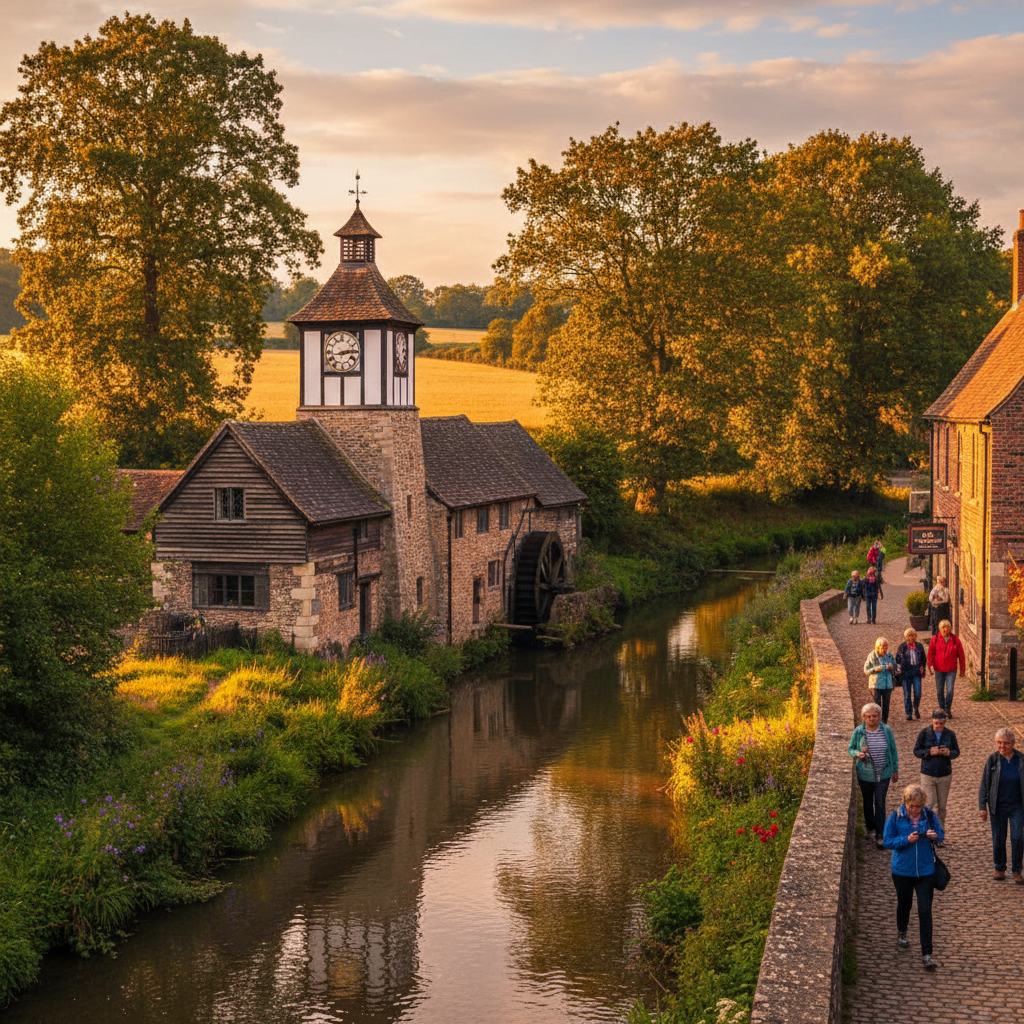
Abinger Hammer
Discover Abinger Hammer Abinger Hammer is a picturesque village nestled in the heart of the Surrey Hills, an Area of Outstanding Natural Beauty in England. This charming hamlet is steeped in history, with roots tracing back to the medieval period. The village derives its name from the old English word for 'hammer', a reference to the historic watermill that once operated here, utilizing the Abinger stream to power its forge. The presence of this mill has contributed significantly to the village's identity and allure, making it a focal point for historians and visitors alike.One of the most striking features of Abinger Hammer is its stunning natural surroundings. The village is enveloped by rolling hills, lush woodlands, and scenic landscapes that have inspired countless artists and writers over the centuries. Visitors will find themselves captivated by the tranquil beauty that defines this area, making it an ideal destination for those seeking to escape the hustle and bustle of urban life.The cultural significance of Abinger Hammer extends beyond its landscapes. The village is home to a rich tapestry of local traditions and events that celebrate its heritage. Notably, the nearby Abinger Common is a site of historical importance, featuring ancient earthworks and remains that date back to the Iron Age. This connection to the past is palpable throughout the village, where historic buildings, such as the 14th-century St. James' Church, stand as testimony to Abinger Hammer's enduring legacy.In addition to its historical and cultural offerings, Abinger Hammer is also known for its warm and welcoming community. The village boasts a handful of quaint pubs and cafés, where visitors can indulge in delicious local fare while soaking in the atmosphere of rural England. The Abinger Hammer Inn, for example, is a popular spot among locals and travelers alike, serving up hearty meals and a selection of fine ales in a cozy setting.Abinger Hammer's location makes it a perfect base for exploring the surrounding Surrey Hills, which offer a plethora of walking and cycling trails suitable for all levels of outdoor enthusiasts. The area is also recognized for its biodiversity, making it a haven for nature lovers and bird watchers. Whether you’re wandering the scenic paths, enjoying a picnic by the river, or simply relaxing in the peaceful ambiance of the village, Abinger Hammer has something to offer everyone.In summary, Abinger Hammer is a hidden gem that encapsulates the essence of English village life, rich in history, culture, and natural beauty. Its unique blend of heritage, community spirit, and stunning landscapes makes it a special destination for travelers seeking an authentic experience in the heart of England. Top Attractions in Abinger Hammer – Ranked and Reviewed Visitors to Abinger Hammer have shared their experiences on Stay4Exploring, providing valuable insights into the village's top attractions. Here, we present a ranked list of the must-see sites and experiences that have captivated travelers.1. St. James' Church – Rated 4.8/5St. James' Church is an architectural gem that dates back to the 14th century. Travelers appreciate its beautiful stained glass windows and serene atmosphere. Many reviews highlight the peacefulness of the church grounds, making it a perfect spot for reflection and appreciation of the historical significance of the building.2. The Abinger Hammer Inn – Rated 4.7/5This historic inn is not just a place to rest; it’s a beloved local establishment offering delicious meals made from fresh, local ingredients. Guests rave about the cozy ambiance and friendly service. Many visitors recommend trying their Sunday roast, which has become a favorite among locals and tourists alike.3. Abinger Common – Rated 4.6/5Abinger Common is a vast area of natural beauty, perfect for walking, picnicking, and wildlife spotting. Visitors have praised the well-marked trails that wind through the stunning countryside. Reviewers often mention the breathtaking views and the opportunity to spot local fauna, making it a favorite destination for families and nature enthusiasts.4. The Watermill – Rated 4.5/5The historic watermill is a fascinating site that showcases the village’s industrial past. Although it is not always open to the public, many reviews commend its charm and the informative displays about the milling process. Visitors often express a sense of nostalgia and appreciation for the craftsmanship of yesteryears.5. Walking and Cycling Trails – Rated 4.4/5The surrounding Surrey Hills offer a network of trails that cater to both walkers and cyclists. Travelers have highlighted the variety of routes available, suitable for all levels of fitness and experience. The stunning scenery and fresh air have made these trails a top recommendation for anyone wanting to explore the countryside.In conclusion, the attractions in Abinger Hammer are well-loved by visitors who appreciate the blend of history, nature, and community spirit. Each site offers a unique experience that contributes to the overall charm of this delightful village. Whether you’re seeking quiet contemplation, hearty meals, or outdoor adventures, Abinger Hammer has something for everyone, all rated and reviewed by real travelers to guide your journey. Planning Your Visit to Abinger Hammer Abinger Hammer, a picturesque village nestled in the Surrey Hills, is a hidden gem that offers a unique blend of natural beauty and rich history. The best time to visit this charming destination is during the spring and summer months, from April to September. During this period, the weather is generally mild and favorable for outdoor activities, allowing you to fully appreciate the stunning landscapes and local attractions. Autumn also brings a unique beauty to the area, with vibrant foliage painting the hills in hues of red and gold. Traveling to Abinger Hammer is relatively easy, with several transport options available. If you are coming from London, you can take a train from London Waterloo to Dorking, which takes about 50 minutes. From Dorking, you can catch a local bus or taxi to Abinger Hammer, which is approximately 4 miles away. If you prefer to drive, the village is conveniently located off the A25, with ample parking available in the area. For those arriving from further afield, both Gatwick and Heathrow airports are within an hour’s drive. Once you arrive in Abinger Hammer, getting around is quite simple. The village is small and walkable, making it easy to explore on foot. If you wish to venture further into the surrounding countryside, there are several walking and cycling trails that offer scenic routes through the Surrey Hills Area of Outstanding Natural Beauty. For those who prefer a more leisurely pace, local taxis and rideshare services are also available. When it comes to accommodation, Abinger Hammer provides a range of options to suit various budgets and preferences. For a cozy stay, consider booking a charming bed and breakfast or a boutique hotel in the village. The Abinger Hatch is a popular choice, offering comfortable rooms and a warm, welcoming atmosphere. For those looking for a more unique experience, renting a cottage in the countryside can provide an authentic feel of rural English life. Additionally, there are several campsites nearby, perfect for outdoor enthusiasts wanting to immerse themselves in nature. In summary, planning your visit to Abinger Hammer involves considering the best time to travel, choosing the right transport options, and selecting appropriate accommodations. With its stunning landscapes and rich history, Abinger Hammer is sure to provide an unforgettable experience. Experience Abinger Hammer Like a Local To truly experience Abinger Hammer like a local, it’s essential to immerse yourself in the village’s customs, food, and culture. The village has a friendly, laid-back atmosphere, where residents take pride in their community and the surrounding natural beauty. Embrace the local way of life by spending time in the village center, chatting with locals, and visiting the historic sites that define this charming area. One of the highlights of Abinger Hammer is its culinary scene. The village is home to several cozy pubs and eateries that serve delicious, locally-sourced food. The Abinger Hatch, a beloved pub, offers a warm ambiance and a menu filled with traditional British dishes. Be sure to try their famous Sunday roast, a local favorite. Additionally, the nearby village of Dorking has a variety of restaurants and cafes that showcase the best of Surrey’s produce, including artisanal cheeses, fresh vegetables, and locally-brewed ales. When it comes to local customs, the residents of Abinger Hammer cherish their connection to nature. Outdoor activities are an integral part of life here, with hiking, cycling, and birdwatching being popular pastimes. Take a leisurely stroll along the River Tillingbourne or venture into the surrounding hills for breathtaking views and opportunities to encounter local wildlife. The village is also known for its art and craft fairs, where you can find unique handmade items and enjoy the creativity of local artisans. Cultural events play a significant role in the community. Throughout the year, you may find local festivals celebrating everything from food to art. Participating in these events is a great way to connect with locals and learn more about their traditions. Don’t hesitate to ask residents for recommendations on what’s happening during your visit, as they are often excited to share their favorite activities and events. For insider tips, consider visiting local farmers' markets, where you can sample fresh produce and artisanal goods. Engaging with vendors can provide insight into the area’s agricultural practices and allow you to enjoy the freshest ingredients for your meals. Additionally, if you're an outdoor enthusiast, bring appropriate gear for hiking, as the trails can vary in difficulty. Lastly, respect the tranquility of the village by keeping noise levels down, especially in residential areas. By embracing the local customs, indulging in the regional cuisine, and participating in community events, you’ll gain a deeper understanding of what makes Abinger Hammer a unique and cherished destination.
Pyrénées-Orientales
Discover Pyrénées-OrientalesPyrénées-Orientales’ unique blend of Catalonian culture, Mediterranean beaches, and Pyrenean landscapes has created one of France’s most resilient hospitality markets. Buyer demand in 2024 is particularly strong for coastal B&Bs in Collioure (where €800k-€1.2m buys a 5-room operation with sea views) and mountain guest houses near Font-Romeu (trading at €300k-€550k for 4-6 bedrooms). Unlike generic portals, Stay4Hospitality exclusively matches Pyrénées-Orientales owners with buyers who understand the region’s dual-season appeal – from ski-to-sea cyclists to wine tourists following the Roussillon Vignoble route.

Formentera
Discover Formentera Nestled in the Mediterranean Sea, Formentera is the smallest of the Balearic Islands and is renowned for its stunning natural beauty, vibrant culture, and laid-back atmosphere. This idyllic island, which is often overshadowed by its larger neighbor, Ibiza, offers a tranquil escape for those seeking relaxation, adventure, and a taste of authentic Spanish life.The history of Formentera dates back to ancient times, with archaeological evidence suggesting that the island was inhabited by the Phoenicians, Romans, and Moors. In the 20th century, it remained relatively undeveloped and served as a refuge for artists and free spirits drawn to its unspoiled landscapes. Today, Formentera is celebrated for its commitment to preserving its natural environment, featuring protected areas and regulations that limit construction and tourism development.Formentera's cultural significance is evident in its traditional practices, local cuisine, and vibrant arts scene. The island is home to several festivals throughout the year, celebrating everything from music and dance to agricultural fairs. Visitors can immerse themselves in local customs by attending these events, where they can enjoy folk music, traditional dance performances, and sample delicious local dishes made with fresh ingredients from the island.What truly sets Formentera apart is its breathtaking natural scenery. The island boasts some of the most pristine beaches in the Mediterranean, with crystal-clear turquoise waters and soft white sands. Beaches like Ses Illetes and Playa de Migjorn are frequently ranked among the best in Europe, making them a must-visit for sun-seekers and water sports enthusiasts alike. Beyond the beaches, the island features rugged cliffs, lush pine forests, and scenic bike paths, perfect for exploring the natural beauty at a leisurely pace.Formentera is also known for its commitment to sustainability and eco-tourism. Efforts to maintain the island’s natural beauty are evident in the numerous biking and walking trails, organic farms, and eco-friendly accommodations available to visitors. Travelers can enjoy a guilt-free vacation while soaking in the stunning views and rich cultural experiences.In summary, Formentera is a hidden gem in the Mediterranean that captivates visitors with its unique blend of history, culture, and natural beauty. Its tranquil ambiance, commitment to sustainability, and rich cultural heritage make it a special destination that invites travelers to unwind, explore, and connect with nature. Whether you’re looking for adventure or serenity, Formentera provides an unforgettable backdrop for an enriching and rejuvenating escape. Top Attractions in Formentera – Ranked and Reviewed When visiting Formentera, travelers are often amazed by the sheer number of breathtaking attractions and experiences available. Here, we highlight the top-ranked attractions as reviewed by visitors on Stay4Exploring, ensuring you make the most of your time on this enchanting island.1. Ses Illetes BeachRanked as the number one beach on the island, Ses Illetes is famous for its powdery white sands and shimmering turquoise waters. Visitors rave about the beach's stunning natural beauty and the vibrant atmosphere created by beach bars and restaurants. Ideal for sunbathing, swimming, and water sports, it is a must-visit for anyone seeking a quintessential beach experience.2. Playa de MigjornThis extensive beach stretches along the southern coast and is famed for its serene environment and crystal-clear waters. Reviewers praise its less crowded atmosphere compared to Ses Illetes, making it perfect for those who prefer a more tranquil beach day. With several beach bars dotting the shoreline, visitors can enjoy delicious local cuisine while taking in the stunning views.3. La SavinaThe island’s main port, La Savina, is not only a gateway to Formentera but also a charming area filled with shops, restaurants, and cafes. Travelers often highlight the picturesque marina and the opportunity to rent bicycles and scooters for exploring the island. The bustling vibe and local market make it a great spot to start your Formentera adventure.4. Cap de Barbaria LighthouseThis historic lighthouse offers panoramic views of the surrounding sea and is often described as a photographer’s paradise. Visitors appreciate the scenic drive to the lighthouse, as well as the dramatic cliffs and rugged coastline that provide a stunning backdrop. It’s a perfect spot for a sunset viewing, and many travelers recommend bringing a picnic to enjoy while soaking in the breathtaking scenery.5. Formentera's Natural ParksThe island is home to several protected natural parks that showcase its diverse flora and fauna. Travelers love exploring the park's numerous walking trails and birdwatching opportunities. The peaceful atmosphere and untouched landscapes make these parks ideal for those looking to connect with nature.6. Espalmador IslandJust a short boat ride from Formentera, Espalmador is a small, uninhabited island known for its pristine beaches and crystal-clear waters. Visitors rave about the tranquility and natural beauty, making it a perfect day trip for those seeking solitude. Snorkeling and swimming in the surrounding waters are popular activities, with many travelers reporting encounters with colorful marine life.In conclusion, Formentera offers a wealth of attractions that cater to all types of travelers. From its stunning beaches to its rich cultural experiences, each ranked and reviewed attraction provides a unique glimpse into what makes this island so special. Don't miss the chance to explore these top-rated spots during your visit to Formentera! Planning Your Visit to Formentera Formentera, the smallest of the Balearic Islands, is a tranquil paradise known for its stunning beaches and crystal-clear waters. To make the most of your visit, it’s essential to plan your trip thoughtfully.The best time to visit Formentera is during the shoulder seasons of late spring (May to June) and early autumn (September to October). During these months, the weather is pleasantly warm, with temperatures averaging between 25°C and 30°C (77°F to 86°F), and the island is less crowded compared to the peak summer months of July and August. This allows travelers to fully enjoy the serene beaches and local culture without the hustle and bustle.Getting to Formentera involves a short ferry ride from its neighboring island, Ibiza. Ferries operate frequently throughout the day, with the journey taking approximately 30 minutes. Several ferry companies serve this route, such as Balearia and Aquabus, and tickets can be purchased online or at the port. If you’re flying into Ibiza, be sure to check the ferry schedules in advance, especially during peak tourist season when they can get quite busy.Once you arrive in Formentera, getting around is relatively simple. The island is small, measuring just 19 kilometers long, and the best way to explore its natural beauty is by renting a bicycle or scooter. Numerous rental shops are available near the ferry port and in the main town of San Francisco. Alternatively, you can opt for public transport, which includes buses that connect the main towns and beaches, but they may not run as frequently as desired.When it comes to accommodations, Formentera offers a range of options to suit different budgets and preferences. For a luxurious experience, consider booking a stay at one of the upscale hotels or boutique resorts, which often provide stunning sea views and direct access to the beach. Mid-range travelers can find charming guesthouses and eco-friendly lodges, while budget-conscious visitors may prefer hostels or campsites. It’s advisable to book your stay well in advance, especially during the summer months when demand is high.Regardless of the type of accommodation you choose, make sure to check for amenities that suit your needs, such as proximity to the beach, availability of breakfast, and any recreational facilities. Planning ahead will ensure you have a memorable stay on this idyllic island. Experience Formentera Like a Local To truly immerse yourself in the vibrant culture of Formentera, it’s important to embrace the local customs, cuisine, and lifestyle. The island has a rich history and a laid-back atmosphere that attracts visitors seeking both adventure and relaxation.One of the first things to know is that Formentera has a slower pace of life compared to its bustling neighbor, Ibiza. Locals value their time, so it’s common for shops and restaurants to close during the afternoon for a siesta. Embrace this custom and take the opportunity to relax, perhaps by enjoying a leisurely lunch or a stroll along the beach.The island’s culinary scene is a delightful mix of traditional Mediterranean flavors and fresh local ingredients. Be sure to try local specialties like “pa amb oli,” a simple yet delicious dish made of bread topped with olive oil, tomatoes, and cured meats or cheese. Seafood lovers will find plenty of options, as the waters around Formentera are abundant with fresh fish. Restaurants like El Pirata and Can Carlos are popular spots where you can enjoy authentic Formentera cuisine alongside stunning ocean views.In terms of cultural experiences, Formentera is home to several traditional festivals throughout the year, such as the Festes de Sant Jaume in July, where locals celebrate with music, dancing, and traditional performances. Participating in these events is a great way to connect with the community and learn more about their heritage.Furthermore, the island’s natural beauty is awe-inspiring, and visitors are encouraged to respect the environment. When exploring the beaches and nature reserves, follow the “Leave No Trace” principle to ensure that Formentera remains pristine for future generations. The island’s commitment to sustainability is apparent in its eco-friendly initiatives, so consider supporting local businesses that prioritize environmentally-conscious practices.For some insider tips, try to explore beyond the well-known beaches like Illetes and Migjorn. Hidden gems like Cala Saona and the less-visited northern beaches offer breathtaking views and a more tranquil atmosphere. Also, don’t hesitate to engage with locals, as they are often more than willing to share their favorite spots and insider knowledge about the island.Lastly, take a moment to relax and appreciate the stunning sunsets Formentera has to offer. Whether you’re on the beach or at a local bar, watching the sun dip below the horizon is an experience that captures the essence of island life.

Buenos Aires
Discover Buenos Aires Buenos Aires, the vibrant capital of Argentina, is a city steeped in history, culture, and an undeniable zest for life. Often referred to as the "Paris of South America," it boasts a unique charm, a mix of European elegance and Latin American spirit that captivates all who visit. The city's rich history dates back to its founding in 1536 by Spanish explorer Pedro de Mendoza, although it faced several challenges, including indigenous resistance and pirate attacks, leading to its initial abandonment. Buenos Aires was reestablished in 1580, and since then, it has evolved into a bustling metropolis that plays a pivotal role in the cultural and economic landscape of Latin America. One of the striking features of Buenos Aires is its diverse neighborhoods, each reflecting different aspects of the city’s multifaceted identity. From the colorful streets of La Boca, with its iconic Caminito alley, to the upscale boutiques of Recoleta and the historic charm of San Telmo, every corner of the city tells a story. The architecture is equally diverse, showcasing a blend of colonial, neoclassical, and modern styles, making it a picturesque destination for history buffs and architecture enthusiasts alike. Culture thrives in Buenos Aires, with tango music and dance at the heart of its artistic expression. This passionate dance originated in the late 19th century and continues to enchant both locals and tourists today. The city hosts numerous tango shows and milongas (dance halls) where visitors can immerse themselves in this quintessential Argentine experience. Additionally, the city's literary scene is vibrant, having produced renowned writers such as Jorge Luis Borges and Julio Cortázar, making it a haven for literature lovers. The significance of Buenos Aires extends beyond its cultural offerings; it is also a hub for political and economic activity in Argentina. The city has been a center for social movements and political change, reflecting the struggles and triumphs of its people throughout history. Landmarks such as the Plaza de Mayo, where the iconic Casa Rosada (Presidential Palace) stands, are not only historical sites but also symbols of the nation’s ongoing dialogue about democracy and human rights. What makes Buenos Aires truly special is its people, known as Porteños, who embody a warm and welcoming spirit. Their passion for food, music, and art is infectious, inviting visitors to partake in the local culture. The city's culinary scene is a gastronomic delight, featuring everything from world-class steakhouses to trendy cafes and street food. The famous Argentine barbecue, or asado, is a must-try, offering a taste of the local cuisine that reflects the country's agricultural bounty. In summary, Buenos Aires is a city that transcends mere tourism. It’s a place where history and modernity coexist, where every street echoes the rhythm of tango, and where the local culture invites you to explore, participate, and enjoy. Whether you are wandering through its historic neighborhoods, savoring the flavors of its cuisine, or dancing the night away, Buenos Aires promises an unforgettable experience that lingers long after you leave. Top Attractions in Buenos Aires – Ranked and Reviewed When it comes to exploring Buenos Aires, visitors are treated to a plethora of attractions, each offering a unique glimpse into the city's rich tapestry of history and culture. Here’s a curated list of the top attractions in Buenos Aires, ranked and reviewed by travelers on Stay4Exploring, ensuring you make the most of your visit. 1. La Boca and Caminito - La Boca is one of the most colorful neighborhoods in Buenos Aires, famous for its vibrant houses and artistic atmosphere. The Caminito street is a pedestrian walkway filled with street art, tango dancers, and local artists. Travelers rave about its lively ambiance, making it a perfect spot for photographs and immersing oneself in local culture. 2. Recoleta Cemetery - This cemetery is unlike any other, with its ornate mausoleums and statues. It is the final resting place of many notable Argentines, including Eva Perón. Visitors appreciate the serene beauty and the fascinating stories behind each tomb, making it a must-visit for history enthusiasts. 3. Plaza de Mayo - The historic Plaza de Mayo is the heart of Buenos Aires, surrounded by important landmarks like the Casa Rosada and the Metropolitan Cathedral. Visitors often mention the powerful historical significance of the plaza, where many political demonstrations have taken place. The atmosphere is charged with history, making it a great spot for exploration. 4. Teatro Colón - Renowned for its exceptional acoustics and stunning architecture, Teatro Colón is one of the world's leading opera houses. Many travelers highlight taking a guided tour to fully appreciate its grandeur, and those lucky enough to attend a performance often describe it as a once-in-a-lifetime experience. 5. San Telmo Market - A perfect blend of history and gastronomy, San Telmo Market is a bustling hub where visitors can find local foods, antiques, and artisan crafts. Reviewers recommend trying the delicious empanadas and enjoying the vibrant atmosphere, especially on Sundays when the antique fair is in full swing. 6. Palermo Parks - The expansive parks in the Palermo neighborhood, including the Bosques de Palermo, offer a serene escape from the city’s hustle and bustle. Visitors enjoy walking, jogging, or simply relaxing by the lakes and gardens, often praising the beauty of the landscape and the opportunity for outdoor activities. 7. Museo Nacional de Bellas Artes - This museum houses an impressive collection of Argentine and international art. Travelers commend its free entry and the quality of exhibitions, making it a cultural highlight for art lovers. These attractions reflect just a glimpse of what Buenos Aires has to offer. With each site carrying its own story and significance, visitors are encouraged to explore beyond the highlights and discover the hidden gems that make this city so enchanting. Whether you are drawn to its history, architecture, or vibrant culture, Buenos Aires promises an enriching experience that stays with you long after your visit. Planning Your Visit to Buenos Aires Buenos Aires, the vibrant capital of Argentina, is a city that pulsates with life, culture, and a unique blend of European influences. To make the most of your trip, understanding the best time to visit, how to get there, getting around the city, and where to stay is essential.Best Time to Visit: The ideal time to visit Buenos Aires is during the spring (September to November) and fall (March to May) seasons. During these months, the weather is mild and pleasant, making it perfect for exploring the city’s attractions. Summer (December to February) can be hot and humid, with temperatures often exceeding 30°C (86°F), while winter (June to August) can be chilly, particularly at night, with temperatures dropping to around 10°C (50°F). Additionally, plan your visit around local festivals such as the Tango Festival in August and the Buenos Aires International Book Fair in April for a truly immersive experience.Getting There: Buenos Aires is served by two main airports: Ministro Pistarini International Airport (Ezeiza) and Jorge Newbery Airfield (Aeroparque). Ezeiza handles international flights, while Aeroparque is primarily for domestic and regional flights. Once you arrive, you can take a taxi or an airport shuttle to reach the city center, which is about 35 km (22 miles) from Ezeiza. The city is also well-connected by bus and train services to other major cities in Argentina and neighboring countries.Getting Around: Buenos Aires boasts an extensive public transportation system that makes getting around the city easy and affordable. The Subte (subway) is one of the fastest ways to navigate, with several lines connecting key neighborhoods and attractions. Additionally, buses are plentiful, and taxis are readily available. For a more local experience, consider using bikes or electric scooters, which can be rented through various apps. Walking is also a great way to explore the charming streets and vibrant neighborhoods.Where to Stay: Buenos Aires offers a diverse range of accommodation options catering to all budgets. The neighborhoods of Palermo and San Telmo are popular among travelers for their trendy atmosphere and vibrant nightlife. If you prefer a more upscale experience, consider the Recoleta area, known for its elegant architecture and proximity to cultural attractions. For a more authentic experience, look into staying in a family-run guesthouse or boutique hotel. Always check recent reviews on platforms like Stay4Exploring to find the best spots that suit your preferences. Experience Buenos Aires Like a Local To truly appreciate Buenos Aires, immersing yourself in the local customs, food, culture, and lifestyle is essential. Here’s how to experience the city like a local.Local Customs: Argentinians are known for their warm hospitality and friendliness. When greeting someone, a simple handshake is common, but close friends and family often greet with a kiss on the cheek. It’s also customary to greet people with a friendly ‘¿Qué tal?’ (How are you?). Be mindful of meal times; lunch typically occurs between 1 PM and 3 PM, while dinner is served late, often after 9 PM. Additionally, don’t be surprised if social gatherings extend late into the night.Food: The culinary scene in Buenos Aires is a reflection of its cultural melting pot, with influences from Italian and Spanish cuisines. Be sure to try the famous parrillas (steakhouses), where you can enjoy mouthwatering cuts of beef, often served with chimichurri sauce. Other must-try dishes include empanadas, milanesa, and dulce de leche desserts. For an authentic experience, visit a local market, such as Mercado de San Telmo, where you can sample regional delicacies and shop for artisan goods.Culture: Buenos Aires is a city rich in arts and culture, renowned for its tango music and dance. Consider taking a tango class or attending a milonga (tango dance event) to experience this passionate dance form firsthand. The city is also home to numerous theaters, galleries, and museums, including the iconic Teatro Colón and the Museo Nacional de Bellas Artes. Don’t miss out on the vibrant street art scene in neighborhoods like Palermo and La Boca, where colorful murals bring life to the urban landscape.Insider Tips: To blend in with the locals, try to learn a few basic Spanish phrases; it will go a long way in enhancing your interactions. For a unique experience, visit a local café, order a cortado (espresso with a dash of milk), and soak in the ambiance. Additionally, take advantage of the city’s extensive park system, such as the Bosques de Palermo, for a leisurely afternoon. Lastly, be open to making spontaneous plans, as locals often embrace a flexible approach to life.

Thulusdhoo Island
Discover Thulusdhoo Island Thulusdhoo Island, a gem nestled in the Kaafu Atoll of the Maldives, is a captivating blend of rich history, vibrant culture, and stunning natural beauty. Spanning just over 1.5 square kilometers, this small island is home to roughly 1,400 residents, predominantly engaged in fishing and tourism. The island's history dates back centuries, with evidence of early Maldivian settlements that have thrived due to its strategic location.The island's significance is heightened by its cultural heritage. Thulusdhoo is renowned for its traditional craftsmanship, particularly in producing handcrafted dhonis, the iconic Maldivian fishing boats. This skill has been passed down through generations and remains a point of pride for the locals. The island is also famous for its vibrant community life, characterized by a mix of Islamic traditions and the distinct Maldivian way of life.One of the standout features of Thulusdhoo Island is its thriving surfing scene. The nearby Coke’s surf break is considered one of the best in the Maldives, attracting surfers from around the globe. The island’s surf culture is an integral part of its identity, drawing not only seasoned surfers but also those who wish to learn in an idyllic setting.Thulusdhoo is also known for its lush landscapes, crystal-clear lagoons, and pristine beaches. The island’s beaches, like the stunning Bikini Beach, offer a serene spot for relaxation and sunbathing, while the vibrant coral reefs provide opportunities for snorkeling and diving. The underwater life around Thulusdhoo is teeming with biodiversity, making it a haven for marine enthusiasts.The island’s community is warm and welcoming, often eager to share their stories and traditions with visitors. Local festivals, such as the Eid celebrations, showcase the rich cultural tapestry of Thulusdhoo. These events often feature traditional music, dance, and culinary delights that reflect the island’s heritage.Thulusdhoo’s charm lies not only in its natural beauty but also in its unique blend of modernity and tradition. While the island is becoming increasingly popular with tourists, efforts have been made to preserve its cultural integrity. This balance allows visitors to experience the Maldives authentically while enjoying modern amenities.In summary, Thulusdhoo Island stands out for its unique history, vibrant culture, and stunning natural environment. Whether you are a history enthusiast, a culture lover, or an adventure seeker, Thulusdhoo offers a multifaceted experience that is both enriching and unforgettable. The island invites you to explore its depths, engage with its community, and immerse yourself in the beauty of the Maldives. Top Attractions in Thulusdhoo Island – Ranked and Reviewed Thulusdhoo Island is packed with attractions that cater to a variety of interests, from water sports to cultural experiences. Below, we’ve ranked and reviewed the top attractions based on visitor feedback to help you plan your itinerary.Coke's Surf Break: This world-famous surf spot is a must-visit for surfers. Known for its powerful waves, Coke's offers some of the best surfing conditions in the Maldives. Visitors rave about the thrill of riding these waves, making it a hotspot for both seasoned surfers and beginners looking to catch their first ride.Bikini Beach: This beach is exclusively for tourists and is known for its stunning white sand and crystal-clear waters. It’s the perfect spot to relax, sunbathe, and enjoy the beautiful views. Visitors often comment on the cleanliness and tranquility of the beach, making it a great place to unwind after a day of exploring.Thulusdhoo Island Community: Engaging with the local community is a highlight for many visitors. The islanders are friendly and often invite tourists to participate in local activities such as fishing and traditional celebrations. Many travelers appreciate this immersive experience, as it provides insight into the real Maldivian way of life.Snorkeling and Diving: The vibrant coral reefs surrounding Thulusdhoo are teeming with marine life. Visitors can easily arrange snorkeling and diving excursions to explore underwater wonders. Reviews highlight the spectacular visibility and diverse species, including colorful fish and majestic manta rays, making it a paradise for underwater enthusiasts.Local Cuisine: Thulusdhoo offers a delightful array of traditional Maldivian dishes. Restaurants on the island serve fresh seafood, coconut curries, and delectable snacks like mas huni (a traditional breakfast dish). Many travelers recommend sampling local cuisine to fully experience the island's culture.Island Tours: Organized tours around Thulusdhoo allow visitors to explore hidden gems, learn about the island's history, and discover its natural beauty. Many reviews commend the knowledgeable guides who provide valuable insights into the local culture and environment.Overall, the attractions in Thulusdhoo Island are diverse, offering something for everyone. Whether you’re seeking adventure or relaxation, the island’s offerings are sure to enhance your experience. Each attraction is highly rated by visitors, ensuring that your time spent in Thulusdhoo will be memorable and fulfilling. Planning Your Visit to Thulusdhoo Island Planning a trip to Thulusdhoo Island can be an exciting endeavor, as the island offers a unique blend of adventure, relaxation, and cultural immersion. Here’s everything you need to know to make the most of your visit.Best Time to Visit: The best time to visit Thulusdhoo Island is during the dry season, which typically runs from November to April. During these months, the weather is generally sunny, with lower humidity and minimal rainfall—ideal conditions for beach activities, surfing, and exploring the island. However, the wet season from May to October can also be rewarding, as the crowds thin out and prices for accommodations often decrease.Getting There: Reaching Thulusdhoo Island involves a multi-step journey. Most travelers first fly into Velana International Airport in Malé. From there, you can take a speedboat transfer to Thulusdhoo, which takes approximately 30 to 40 minutes. Several guesthouses and resorts on the island offer transportation services, so it’s advisable to arrange this in advance or inquire upon booking your stay.Getting Around: Thulusdhoo Island is small and easily navigable on foot or by bicycle. Renting a bicycle can be a fun way to explore the island at your own pace. Alternatively, many local guesthouses offer guided tours and transportation for excursions to neighboring islands or popular attractions.Where to Stay: Accommodation options in Thulusdhoo range from budget-friendly guesthouses to more upscale resorts. Popular choices among travelers include:Season Paradise: This guesthouse offers comfortable rooms and a friendly atmosphere, making it a favorite among tourists. Guests appreciate the proximity to Bikini Beach and the excellent service provided by the staff.Huraa Surf House: Ideal for surfing enthusiasts, this guesthouse provides easy access to Coke's. It offers surf packages and equipment rentals, making it a great option for adventurers.Shark Villa: A luxury option, Shark Villa is known for its stunning views and exquisite amenities. Visitors enjoy the private beach access and personalized service, ensuring a memorable stay.In conclusion, planning your visit to Thulusdhoo Island involves considering the best time to go, understanding transportation options, and selecting the right accommodation. With careful planning, your trip to this enchanting island will be an unforgettable experience filled with adventure, relaxation, and cultural richness. Experience Thulusdhoo Island Like a Local To truly immerse yourself in the culture of Thulusdhoo Island, it’s essential to experience the local customs, food, and community life that define this vibrant destination. Here are some insights and insider tips to help you enjoy the island like a local.Local Customs: Thulusdhoo is a predominantly Muslim island, and visitors are expected to respect local customs and traditions. Dress modestly when away from the beach; women are encouraged to wear clothing that covers their shoulders and knees, while men should refrain from wearing swimsuits away from designated beach areas. During Ramadan, the holy month of fasting, it’s particularly important to be respectful of those observing the fast.Culinary Delights: Maldivian cuisine is a delightful fusion of flavors, heavily influenced by Indian and Sri Lankan culinary traditions. Some must-try dishes include:Mas Huni: A traditional breakfast dish made with tuna, coconut, onion, and chili, often served with flatbread.Garudhiya: A fish soup served with rice, lime, and onions, showcasing the island's fresh seafood.Fihunu Mas: Grilled fish marinated with spices, a staple in local households.Local restaurants often serve these dishes, and many visitors recommend dining at family-owned establishments to experience authentic Maldivian flavors. Don’t miss out on trying fresh coconut water, which is a popular refreshment among locals.Cultural Experiences: Engaging with the island's community is one of the highlights of visiting Thulusdhoo. Consider participating in local events or festivals, such as Eid celebrations, where you can witness traditional music, dance, and communal feasting. Travelers often find these interactions enriching, as they offer a glimpse into the daily life and traditions of the islanders.Insider Tips: To make the most of your visit, here are a few insider tips:Learn Basic Dhivehi Phrases: While English is widely spoken, learning a few basic phrases in Dhivehi, the local language, can go a long way in building rapport with the locals.Support Local Businesses: Opt for locally-owned shops and services to contribute to the island's economy. Many visitors appreciate the personal touch and unique offerings found at these establishments.Respect Nature: The natural beauty of Thulusdhoo is its greatest asset. Practice responsible tourism by avoiding littering and being mindful of marine life while snorkeling or diving.In summary, experiencing Thulusdhoo Island like a local involves embracing its customs, indulging in its culinary delights, and engaging with its community. By doing so, you’ll gain a deeper appreciation for this enchanting island and create lasting memories that truly reflect the spirit of the Maldives.

Antigua
Discover Antigua Antigua, the larger of the two main islands that comprise the nation of Antigua and Barbuda, is a captivating destination steeped in history, vibrant culture, and breathtaking natural beauty. This Caribbean gem has a rich tapestry woven from its colonial past, indigenous heritage, and African influences, all contributing to its unique character and charm.Historically, Antigua was inhabited by the Arawak and Carib peoples before European contact. The island was claimed for the British Crown in 1632 and became a significant sugar-producing territory, leading to the establishment of a plantation economy that relied heavily on enslaved African labor. The remnants of this history can be seen in the island's numerous sugar mills and historic sites. Today, Antigua’s heritage is preserved in its architecture, music, festivals, and culinary scene, making it a vibrant destination for travelers seeking both relaxation and cultural enrichment.The island is particularly famous for its 365 beaches, one for each day of the year, with powdery white sands and crystal-clear waters that attract sun-seekers from around the globe. Beyond the beaches, Antigua is home to lush landscapes, coral reefs, and diverse marine life, making it a paradise for nature enthusiasts and adventure seekers alike. The island's volcanic origins have gifted it with striking topography, including the dramatic cliffs of Shirley Heights and the serene beauty of the Nelson’s Dockyard, a UNESCO World Heritage Site.Antigua’s culture is alive with music, art, and festivals. The annual Antigua Carnival, celebrated in late July, showcases the island’s rich cultural heritage through vibrant parades, lively music, and dance, drawing both locals and visitors into the festive spirit. The island also boasts a thriving arts scene, with local artists showcasing their work in galleries and markets, providing travelers with unique souvenirs that reflect Antigua's culture.Moreover, the warmth and hospitality of the Antiguan people make the island truly special. Visitors often return home with memories not just of the stunning landscapes but also of the friendly locals who share their stories, traditions, and deep-rooted love for their island. Whether it’s savoring traditional dishes like fungie and pepperpot or enjoying a sunset at one of the many beach bars, Antigua offers an authentic experience that resonates long after the trip is over.In summary, Antigua is a destination that captivates with its rich history, vibrant culture, and stunning natural beauty. It’s a place where every traveler can find something special, whether it’s exploring the remnants of its colonial past, relaxing on pristine beaches, or immersing oneself in local traditions and festivities. Top Attractions in Antigua – Ranked and Reviewed Antigua is brimming with attractions that cater to a variety of interests, from historical sites to natural wonders. Here, we present a selection of the top-rated attractions in Antigua, as reviewed by visitors on Stay4Exploring, providing insights into what makes each experience unique.1. Nelson's Dockyard - This UNESCO World Heritage Site is a must-visit for history enthusiasts. Once a naval base for the British Navy, Nelson's Dockyard is now a beautifully restored marina with museums, shops, and restaurants. Visitors rave about the stunning views and the opportunity to learn about the island's maritime history. The dockyard also hosts various events and activities, adding to its charm.2. Shirley Heights - Known for its panoramic views of English Harbour, Shirley Heights is an iconic lookout point that offers breathtaking sunsets. Visitors recommend hiking up to the viewpoint, especially on Sundays when the lively BBQ and music parties take place. The vibrant atmosphere and stunning scenery make it a highlight of any trip to Antigua.3. Dickenson Bay - Renowned for its soft sands and calm waters, Dickenson Bay is perfect for those looking to relax and soak up the sun. Rated highly by visitors for its family-friendly environment, it offers a range of water sports and dining options along the beach. Many travelers appreciate the laid-back vibe and the accessibility of amenities.4. Antigua Rainforest Canopy Tour - For adventure seekers, this zip-lining experience through the rainforest is exhilarating. Visitors have praised the friendly guides and the breathtaking views of the lush landscape. It's an unforgettable way to experience Antigua's natural beauty from above, and many recommend this as a fun activity for families and groups.5. Half Moon Bay - This picturesque beach is often described as one of the most beautiful in the Caribbean. Visitors love its crescent shape, tranquil waters, and stunning scenery. It’s a perfect spot for swimming, sunbathing, or simply enjoying a peaceful day by the sea. Travelers often mention the lack of crowds, making it an ideal escape.6. St. John’s Cathedral - Located in the capital city, this historic cathedral is a stunning example of Georgian architecture. Visitors appreciate the intricate woodwork and beautiful stained glass windows. The surrounding area, with its local shops and vibrant atmosphere, makes it a great stop for those exploring St. John’s.In conclusion, Antigua offers a plethora of attractions that cater to all types of travelers. From historical landmarks to natural wonders, the island provides a rich experience that is well-reviewed by those who have visited. With activities suited for adventurers, history buffs, and beach lovers alike, Antigua is a destination that promises unforgettable memories. Planning Your Visit to Antigua Antigua, one of the gems of the Caribbean, is a destination that offers a unique blend of stunning beaches, rich history, and vibrant culture. When planning your visit, timing is crucial to ensure you experience the best of what this beautiful island has to offer.The best time to visit Antigua is between mid-December and mid-April. During these months, the weather is typically pleasant, with average temperatures ranging from 75°F to 85°F (24°C to 29°C) and minimal rainfall. This period coincides with the peak tourist season, so expect higher prices and larger crowds. If you prefer a quieter experience, consider traveling during the shoulder season, from mid-April to early June, when the weather remains warm, and prices drop significantly. However, be cautious of the hurricane season, which runs from June to November, although Antigua is generally less prone to severe storms than other Caribbean islands.Getting to Antigua is relatively straightforward. V.C. Bird International Airport (ANU) is the main gateway, with direct flights from various U.S. and European cities. Major airlines like American Airlines, Delta, and British Airways operate regular flights to the island. Upon arrival, you can easily find taxis, rental cars, and shuttle services to accommodate your needs.Getting around Antigua is quite convenient. The island is small, measuring just 14 miles long and 11 miles wide, making it easy to explore by car. Renting a vehicle is a popular option, as it gives you the freedom to discover hidden beaches and local attractions at your own pace. Alternatively, taxis are widely available, but it's essential to negotiate fares before starting your journey. Public buses also operate on the island, providing an affordable option to get around, although they may not be the most reliable.When it comes to accommodations, Antigua offers a range of options to suit every budget and preference. Luxury resorts like Sandals Grande Antigua and Jumby Bay Island provide all-inclusive experiences with world-class amenities. For a more intimate stay, consider boutique hotels such as The Inn at English Harbour or the Blue Waters Resort & Spa, which offer personalized service and stunning views. Budget travelers can find guesthouses and hostels in St. John's or along the coast, providing a great way to meet fellow travelers while enjoying the local atmosphere. Regardless of your choice, booking in advance is recommended, especially during peak season, to secure the best rates and options. Experience Antigua Like a Local To truly experience Antigua, immersing yourself in the local customs, food, and culture is essential. The island boasts a rich history influenced by its indigenous peoples, colonial past, and African heritage, all of which contribute to its vibrant culture.One of the best ways to connect with the locals is to participate in their traditional celebrations. Antigua is known for its lively festivals, including Carnival, which takes place in late July and features colorful parades, music, and dance. Engaging with the community during these events will give you a deeper appreciation for their customs and traditions. Additionally, visiting local markets, such as the St. John's Market, allows you to interact with vendors and experience the hustle and bustle of daily Antiguan life.Food is a significant part of Antiguan culture, and the island is famous for its flavorful cuisine. Don’t miss trying local dishes like Fungee and Pepperpot, a cornmeal dish served with a rich meat stew. Seafood lovers will delight in the fresh catch of the day, often prepared with local spices and served with rice and peas. For a true culinary experience, consider dining at a local restaurant like Shirley Heights Lookout, where you can enjoy traditional music and stunning views while tasting authentic Antiguan fare.Antiguans are known for their warm hospitality, and you’ll often find locals eager to share their stories and recommendations. Learning a few basic phrases in Antiguan Creole can also go a long way in building rapport. Simple greetings such as "Wah Gwan" (What’s going on?) and "Mi deh yah" (I’m here) can lead to friendly conversations and connections.For insider tips, make sure to explore beyond the popular tourist spots. Visit the historical Nelson's Dockyard, a UNESCO World Heritage Site, to learn about Antigua's maritime history. Additionally, hiking up to Shirley Heights not only offers breathtaking panoramic views but also provides a glimpse into the island’s historical significance. Be sure to bring your camera for stunning sunset shots!Lastly, embrace the slower pace of island life. Whether it’s lounging on one of Antigua's 365 beaches or enjoying a rum punch at a beach bar, take the time to relax and soak in the beauty around you. Engaging with the locals, participating in cultural events, and savoring the delicious food will ensure you leave with unforgettable memories and a deeper connection to this Caribbean paradise.

Martinique
Discover Martinique Martinique, a stunning French overseas department located in the Caribbean, is often referred to as the "Island of Flowers" due to its lush landscapes and vibrant flora. With a rich history influenced by indigenous peoples, French colonialism, and African heritage, Martinique offers a unique blend of cultures that is reflected in its language, festivals, and culinary traditions.The island's history dates back to the indigenous Arawak and Carib tribes, who first inhabited the land. In 1635, French colonists arrived, establishing sugar plantations that would become the backbone of the economy for centuries. This colonial period brought enslaved Africans to the island, significantly shaping Martinique's cultural identity. The abolition of slavery in 1848 marked a turning point, leading to a diverse society where French, African, and Caribbean influences coexist harmoniously.Today, Martinique is known for its vibrant Creole culture, evident in its music, dance, and art. Traditional festivals, such as Carnival, showcase the island's lively spirit, featuring colorful costumes, rhythmic music, and communal celebrations. The island's residents, known as Martinicans, take great pride in their heritage, and visitors can experience this through local cuisine that fuses French culinary techniques with Caribbean flavors, highlighted by dishes like "colombo" and fresh seafood.One of the unique aspects of Martinique is its natural beauty. The island boasts a diverse landscape, from the stunning volcanic peaks of Mount Pelée to the pristine beaches lining its coast. The protected marine parks and tropical rainforests provide ample opportunities for hiking, diving, and exploring nature. The island's commitment to preserving its environment is evident in the establishment of numerous national parks and reserves, making it a sustainable destination for eco-tourism.Moreover, Martinique's geographical location offers a blend of Caribbean charm with European sophistication. Visitors can enjoy the laid-back island lifestyle while also indulging in the French culinary scene, complete with delightful pastries and gourmet restaurants. The local markets, such as the Grand Marché in Fort-de-France, are perfect for immersing oneself in daily life, where one can sample fresh fruits, spices, and local handicrafts.In summary, Martinique is not just a tropical paradise; it is a vibrant tapestry of history, culture, and natural beauty. Its significance as a cultural melting pot and its commitment to preserving its heritage make it a truly special destination for travelers seeking both relaxation and adventure. Top Attractions in Martinique – Ranked and Reviewed When visiting Martinique, there is no shortage of attractions that promise to captivate and inspire. Based on reviews from real travelers on Stay4Exploring, here’s a ranking of the top attractions that are must-visits during your stay.1. Mount Pelée – Rated the number one attraction, Mount Pelée is an active volcano that offers breathtaking views and a rewarding hiking experience. Hikers commend the well-marked trails and the panoramic vistas from the summit. The challenging trek is worth the effort, and many visitors appreciate the opportunity to learn about the volcano's history, especially the devastating eruption of 1902 that destroyed the town of Saint-Pierre.2. Les Salines Beach – Known for its powdery white sands and crystal-clear waters, Les Salines is a favorite among beachgoers. Reviewers rave about its picturesque setting and calm waters, making it ideal for families and snorkelers. Travelers often spend a full day lounging under palm trees, enjoying local snacks from nearby vendors.3. Fort-de-France – The vibrant capital city offers a mix of urban life and historical sites. Visitors appreciate the lively atmosphere, with bustling markets and charming colonial architecture. Highlights include the stunning La Savane park and the iconic Saint-Louis Cathedral. Many reviews emphasize the friendly locals and rich cultural experiences available in this dynamic city.4. Jardin de Balata – This botanical garden is a hidden gem filled with tropical plants and flowers native to the Caribbean. Rated highly for its beauty, visitors enjoy leisurely strolls along the pathways, taking in the diverse flora. The garden also features a stunning view of Fort-de-France from its elevated vantage points, making it a perfect spot for photography enthusiasts.5. Anse Dufour and Anse Noire – These two neighboring beaches are celebrated for their secluded charm and excellent snorkeling opportunities. Many travelers recommend visiting both beaches to experience their unique atmospheres. Anse Dufour is known for its golden sands, while Anse Noire offers a more rugged landscape with black sand and vibrant marine life.6. La Francaise Distillery – A must-visit for rum enthusiasts, this distillery provides an insight into the rum-making process. Visitors enjoy guided tours that explain the history of rum production in Martinique, followed by tastings of their exquisite rums. The reviews highlight the knowledgeable staff and the beautiful setting of the distillery amidst lush sugarcane fields.These top-ranked attractions showcase the diverse offerings of Martinique, from natural wonders to cultural experiences. With each location holding a special place in the hearts of those who visit, you are sure to create lasting memories on this enchanting island. Planning Your Visit to Martinique Planning a trip to Martinique, a stunning Caribbean island known for its lush landscapes, vibrant culture, and rich history, requires some forethought to ensure an unforgettable experience. The best time to visit Martinique is during the dry season, which runs from December to April. During these months, travelers can expect pleasant temperatures, less humidity, and minimal rainfall, making it ideal for beach activities and exploration. However, keep in mind that this is also peak tourist season, so accommodations and attractions may be more crowded and prices higher.Getting to Martinique is relatively straightforward. The island is served by the Aimé Césaire International Airport (FDF), which has direct flights from several major cities in the U.S., Europe, and the Caribbean. Airlines such as Air France, American Airlines, and Air Caraïbes offer regular services. Once you arrive, you can rent a car, which is the best way to explore the island at your own pace. The roads are well-maintained, but be aware that driving is on the right side. Alternatively, you can use local taxis or shuttle services, but these may be less convenient for reaching more remote destinations.When it comes to accommodations, Martinique offers a range of options to suit various budgets and preferences. In Fort-de-France, the capital, you’ll find a mix of luxury hotels, charming guesthouses, and budget-friendly hostels. For a more authentic experience, consider staying in one of the many cozy villas or bungalows scattered along the coast. Les Trois-Îlets is particularly popular for its beautiful beaches and proximity to attractions, while Sainte-Anne is known for its picturesque scenery and vibrant local market. No matter where you choose to stay, booking in advance is advisable, especially during the high season.Before you embark on your journey, it’s also wise to pack appropriately. Lightweight clothing, swimwear, and comfortable shoes are essential for exploring the island’s natural beauty. Don't forget sunscreen and insect repellent, as the tropical climate can be harsh on the skin and pesky mosquitoes may be present. Additionally, bringing a light jacket for the cooler evening temperatures can enhance your comfort while dining outdoors or enjoying sunset views. Experience Martinique Like a Local To truly experience Martinique, it’s important to immerse yourself in the local customs, food, and culture. The island has a unique blend of French, African, and Caribbean influences, which is reflected in its vibrant traditions and daily life. One of the most notable local customs is the warm hospitality of the Martinican people. Greeting locals with a friendly “Bonjour” or “Salut” is a great way to start a conversation and show respect for their culture.Food is an integral part of Martinican culture, and sampling the local cuisine is a must. The island is famous for its Creole dishes, which combine fresh seafood, tropical fruits, and local spices. Don't miss trying "Colombo," a flavorful curry dish made with chicken or fish, and "Accras," delicious fritters often made from salted cod. For a refreshing drink, indulge in a glass of "Ti' Punch," a classic cocktail made with rum, lime, and sugarcane syrup that perfectly captures the island's spirit.Exploring local markets is one of the best ways to experience Martinique's culture. The Grand Marché in Fort-de-France is a bustling hub where you can find everything from fresh produce to handmade crafts and souvenirs. Engage with local vendors, taste exotic fruits, and take home some artisanal goods to remember your trip. Additionally, attending local festivals, such as Carnival in February or the Flower Festival in May, will allow you to witness the island's lively spirit and rich traditions firsthand.As you navigate the island, consider learning a few basic phrases in Creole, the local dialect. While many people speak French and English, using Creole can enhance your interactions and show your appreciation for the culture. Simple phrases like “Mwen renmen ou” (I love you) or “Ki jan ou ye?” (How are you?) can go a long way in connecting with locals.For insider tips, seek out local eateries and street food vendors for an authentic taste of Martinique that goes beyond tourist spots. Many travelers recommend dining at “La Table de Mamy Nounou” for home-cooked Creole meals or grabbing a bite at “Le Plaisir” near Sainte-Anne for its fresh seafood. Lastly, don’t forget to explore the island's natural wonders, from the stunning beaches of Les Salines to the breathtaking Mount Pelée. Being open to new experiences and engaging with the local community will make your visit to Martinique truly unforgettable.
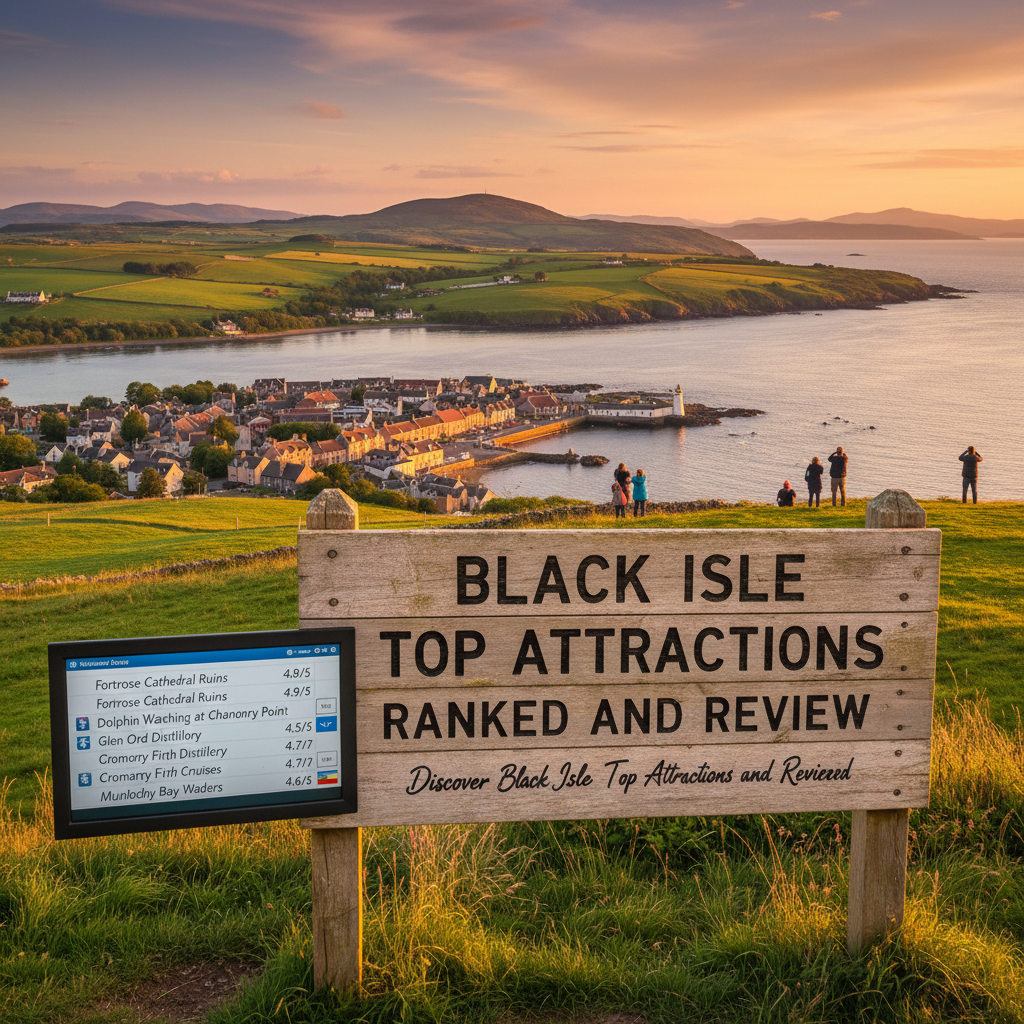
Black Isle
Discover Black Isle Black Isle, a peninsula located in the Scottish Highlands, is a destination steeped in rich history and vibrant culture. Contrary to what its name may suggest, the Black Isle is not an island but rather a region renowned for its breathtaking landscapes, charming villages, and a wealth of outdoor activities. The name itself is believed to derive from the ancient Gaelic term ‘Inbhir Pheofharain’, meaning 'mouth of the river Peffery'. The area is characterized by its rolling hills, fertile fields, and stunning coastlines along the Moray Firth, making it a hidden gem worth exploring. The history of Black Isle dates back thousands of years, with archaeological sites scattered throughout the area that reveal its significance in ancient times. From ancient stone circles to remnants of Pictish settlements, the region has a rich tapestry of historical narratives. The nearby village of Fortrose boasts the ruins of Fortrose Cathedral, a stunning 13th-century structure that serves as a poignant reminder of the religious importance of the area during medieval times. Culturally, Black Isle is a melting pot of traditions and local customs, shaped by its history and the influences of the surrounding Highlands. The area is home to various festivals and events that celebrate Scottish heritage, including music, art, and food. Visitors can indulge in the local culinary scene, which is heavily influenced by the surrounding natural resources, offering fresh seafood, locally sourced meats, and traditional Scottish dishes that capture the essence of Highland cuisine. What makes Black Isle particularly special is its unique combination of natural beauty and cultural richness. The peninsula is bordered by the Moray Firth, where visitors can often spot dolphins frolicking in the waters, making it a prime location for wildlife enthusiasts and photographers alike. The diverse landscapes offer numerous hiking and biking trails, allowing visitors to immerse themselves in the breathtaking scenery and experience the tranquility of the Scottish Highlands. Moreover, the friendly local communities add to the charm of Black Isle. With quaint villages like Cromarty and Avoch, travelers can enjoy warm hospitality, local shops, and cozy pubs where traditional music often fills the air. It’s a place where visitors can unwind, connect with nature, and engage with the local culture, making it an ideal destination for those seeking both adventure and relaxation. In conclusion, Black Isle is not just a destination; it’s an experience that invites travelers to delve into Scotland’s rich history and vibrant culture. With its stunning landscapes, historical significance, and warm community spirit, Black Isle stands out as a remarkable place to explore and enjoy the very best of what Scotland has to offer. Top Attractions in Black Isle – Ranked and Reviewed Black Isle offers a plethora of attractions that cater to various interests, from nature lovers to history buffs. Here are the top-rated experiences as ranked and reviewed by real travelers on Stay4Exploring. 1. Chanonry Point - This stunning coastal area is renowned for its breathtaking views and is a hotspot for dolphin watching. Visitors have rated Chanonry Point highly for its accessibility and the chance to observe bottlenose dolphins just off the coast. Many travelers recommend bringing binoculars for the best chance to spot these magnificent creatures, especially during the summer months when they are most active. 2. Fortrose Cathedral - A historical gem, the ruins of Fortrose Cathedral are a must-visit for anyone interested in Scotland's history. Rated highly for its architecture and serene surroundings, visitors appreciate the tranquil atmosphere and the opportunity to explore the ancient site. Travelers often comment on the informative displays that provide insights into the cathedral's rich past. 3. Cromarty Courthouse Museum - Located in the picturesque village of Cromarty, this museum offers a fascinating glimpse into the local history. Rated highly for its engaging exhibits and friendly staff, visitors leave with a deeper understanding of the area’s maritime heritage. Many reviews highlight the museum’s interactive displays, making it a great stop for families. 4. Black Isle Brewery - For beer enthusiasts, a visit to the Black Isle Brewery is essential. This organic brewery has garnered rave reviews for its commitment to sustainable practices and high-quality craft beers. Travelers love the guided tours that offer insights into the brewing process, concluding with tastings of their finest beers. Many visitors recommend trying the ‘Black Isle Blonde’, a local favorite. 5. Rosemarkie Beach - This beautiful sandy beach is perfect for a day of relaxation or fun-filled activities. Rated highly for its cleanliness and scenic views, visitors enjoy sunbathing, picnicking, and exploring the rock pools. The beach is also a great spot for families, with ample space for kids to play, making it a popular choice during the warmer months. 6. Dolphin Trips - Several providers offer boat trips from the Black Isle to see dolphins and other marine life up close. These trips are highly rated by visitors who rave about the knowledgeable guides and the unforgettable experience of seeing dolphins in their natural habitat. Many travelers recommend booking in advance, especially during peak tourist season. These attractions showcase the diverse offerings of Black Isle, providing visitors with unforgettable experiences that highlight the region's natural beauty and rich cultural heritage. Whether you’re exploring historical sites, enjoying the outdoors, or indulging in local flavors, Black Isle promises something special for every traveler. Planning Your Visit to Black Isle Black Isle, located in the Scottish Highlands, is a hidden gem that offers stunning landscapes, rich history, and a plethora of outdoor activities. To make the most of your visit, it’s essential to plan ahead. The best time to visit Black Isle is during the late spring to early autumn months, specifically from May to September. During this period, the weather is generally mild, with longer daylight hours perfect for exploring the beautiful scenery.Getting to Black Isle is quite straightforward. The nearest major city is Inverness, which is about 10 miles away. You can reach Inverness by train, bus, or air. The Inverness Airport serves flights from various UK cities and some international destinations. From Inverness, you can rent a car or take a bus to reach Black Isle. If you're driving, take the A9 road, which offers picturesque views along the way.Once you arrive in Black Isle, getting around is best done by car, especially if you want to explore the more remote areas and hidden spots. However, the region is also accessible via local buses that connect the main villages, like Fortrose and Rosemarkie. For the more adventurous traveller, biking is a popular option, with various scenic routes available that allow you to immerse yourself in the local landscape.Accommodation options in Black Isle cater to a range of budgets and preferences. For a unique experience, consider staying at one of the charming bed and breakfasts, where you can enjoy hearty Scottish breakfasts and warm hospitality. If you prefer self-catering options, there are numerous holiday cottages available for rent, offering a home-like atmosphere with the comforts you desire. For those seeking luxury, upscale hotels and lodges are available, boasting stunning views of the surrounding countryside and coastline. Whichever option you choose, booking in advance is advised, especially during the peak summer months when demand is high.Apart from your accommodation, make sure to check local events and festivals happening during your visit. The Black Isle has a vibrant community with various activities that can enhance your travel experience. From farmers' markets to music festivals, participating in local events can provide a deeper understanding of the region and its culture. Experience Black Isle Like a Local To truly experience Black Isle, immersing yourself in the local customs, food, and culture is essential. The locals are known for their friendliness and hospitality, which creates a welcoming atmosphere for visitors. A common greeting you might hear is 'Haste ye back,' which reflects the locals' wish for you to return to their beautiful region.When it comes to food, Black Isle is known for its fresh produce and seafood. Be sure to try local specialties such as Cullen skink, a delicious smoked haddock soup, and fresh fish and chips from one of the local eateries. The Black Isle Brewery is another must-visit for beer lovers, offering a range of craft beers made from local ingredients. Pair your meal with a local whiskey, and you'll be experiencing the true flavors of Scotland.Cultural experiences abound in Black Isle, from traditional music sessions in local pubs to art exhibitions in small galleries. If you're lucky, you might catch a ceilidh, a traditional Scottish social gathering featuring folk music and dancing. Engaging with these events allows you to appreciate the rich cultural heritage of the area and connect with the locals.One insider tip for getting a local perspective is to visit the Black Isle Farmers' Market, which typically takes place on Sundays. Here, you can meet local artisans and farmers, sample their products, and purchase unique souvenirs to take home. It's a fantastic opportunity to learn more about the agricultural practices and culinary traditions of the region.Another great way to experience Black Isle like a local is by exploring the numerous walking and cycling trails available. The scenic routes offer breathtaking views of the coastline, rolling hills, and wildlife. Don't forget your binoculars if you're a birdwatching enthusiast; the region is known for its diverse birdlife, including the chance to spot dolphins off the coast.Lastly, be open to spontaneous adventures. Whether it's stumbling upon a hidden beach or discovering a quaint café, some of the best memories come from unplanned explorations. Embrace the slower pace of life in Black Isle, and allow yourself to soak in the natural beauty and warmth of the community. By doing so, you'll not only enjoy your visit but also create lasting connections with this enchanting part of Scotland.

Arbroath
Discover Arbroath Nestled on the rugged east coast of Scotland, Arbroath is a charming seaside town that boasts a rich tapestry of history, culture, and natural beauty. Known primarily for its stunning landscapes and maritime heritage, Arbroath offers a unique blend of attractions that appeal to visitors of all ages. The town's significance dates back centuries, with its origins as a fishing village that played a vital role in Scotland's fishing and trading industries. One of the most notable historical events linked to Arbroath is the signing of the Declaration of Arbroath in 1320, a pivotal document in Scottish history that asserted Scotland's independence from England. This declaration, which remains a symbol of Scottish nationalism, was signed at Arbroath Abbey, a medieval ruin that still stands as a testament to the town's historical importance. Today, Arbroath is not only celebrated for its historical significance but also for its vibrant culture and community spirit. The town is home to several annual festivals, including the Arbroath Sea Fest, which showcases the local maritime culture through food, music, and various activities. The festival draws visitors from far and wide, offering a taste of Arbroath's rich fishing heritage and culinary delights, particularly its world-famous Arbroath smokies, a traditional smoked fish delicacy. Arbroath's stunning coastal scenery is another hallmark of the town, with dramatic cliffs, sandy beaches, and picturesque views of the North Sea. The nearby Arbroath Cliffs, part of the Angus Coastal Trail, provide excellent opportunities for hiking and wildlife watching, while the sandy stretches of East Haven Beach are perfect for a leisurely stroll or a picnic with family and friends. The natural beauty surrounding the town is complemented by a variety of outdoor activities, including cycling, fishing, and water sports, making it an ideal destination for adventure seekers. The town's cultural landscape is further enriched by its museums and art galleries, which showcase local artists and historical artifacts. The Arbroath Museum offers a glimpse into the town's past, featuring exhibits that detail its development from a small fishing village to a bustling community. Visitors can learn about the town's maritime history, and its role in the fishing industry, and even discover the stories behind some of Arbroath's most notable residents. In addition to its historical and cultural offerings, Arbroath is known for its friendly and welcoming community. The local hospitality shines through in its quaint cafes, traditional pubs, and family-run restaurants, where visitors can experience authentic Scottish cuisine and the warmth of Scottish hospitality. In summary, Arbroath is a captivating destination that seamlessly blends history, culture, and natural beauty. Whether you're exploring the ancient ruins of Arbroath Abbey, indulging in freshly smoked fish at a local eatery, or taking in the breathtaking coastal views, Arbroath promises a memorable experience for every traveler. Top Attractions in Arbroath – Ranked and Reviewed Arbroath is home to a variety of attractions that cater to diverse interests, from history buffs to nature enthusiasts. Based on real experiences and reviews from visitors on Stay4Exploring, here are the top-ranked attractions in Arbroath that you won't want to miss. 1. Arbroath Abbey - Rated 4.8/5 Arbroath Abbey stands as a monumental symbol of Scotland's history, famed for its association with the Declaration of Arbroath. Visitors are captivated by the stunning architecture and the serene grounds that surround the abbey. Many reviews highlight the informative displays and the knowledgeable staff who enhance the experience with engaging stories about the abbey's past. 2. The Bell Rock Lighthouse - Rated 4.7/5 Located offshore, the Bell Rock Lighthouse is an engineering marvel worth exploring. While it is not possible to visit the lighthouse itself, boat tours provide breathtaking views and fascinating insights into its history. Travelers rave about the guided tours, which often include tales of the lighthouse's construction and its significance to maritime safety. 3. Arbroath Harbour - Rated 4.6/5 Arbroath Harbour is a bustling hub of activity where visitors can experience the local fishing culture firsthand. The harbor is perfect for leisurely walks, with picturesque views of fishing boats and the coastline. Many travelers recommend stopping by the local fish market to sample fresh seafood, particularly the acclaimed Arbroath smokies. 4. East Haven Beach - Rated 4.5/5 This family-friendly beach is ideal for relaxing and enjoying the beautiful coastal scenery. Visitors appreciate the clean sands and gentle waves, making it a great spot for families with children. Many reviews highlight the beach's peaceful ambiance, perfect for a quiet day out or a scenic picnic. 5. Arbroath Museum - Rated 4.4/5 The Arbroath Museum offers a deep dive into the town's history and heritage. Reviewers note the well-curated exhibits and the helpful staff who provide context and stories behind the artifacts. It's an excellent stop for anyone interested in learning more about Arbroath's past. 6. The Angus Coastal Path - Rated 4.3/5 This scenic walking path provides stunning vistas of the cliffs and coastline. Hikers and nature lovers enjoy the diverse wildlife and breathtaking views along the route. Many visitors recommend bringing a camera to capture the picturesque landscapes. In conclusion, Arbroath offers a wealth of attractions that are well-reviewed by travelers, making it a must-visit destination in Scotland. Whether you're delving into history at Arbroath Abbey, enjoying the coastal beauty at East Haven Beach, or sampling local seafood at the harbor, there is something for everyone in this delightful town. Planning Your Visit to Arbroath Arbroath, a picturesque coastal town in Scotland, is known for its stunning cliffs, rich history, and vibrant local culture. When planning your visit, timing is crucial to fully enjoy all that this charming destination has to offer.The best time to visit Arbroath is during the late spring and summer months, specifically from May to September. During this period, you can expect mild weather, with average temperatures ranging from 12°C to 18°C (54°F to 64°F). The longest days occur in June, giving you ample daylight to explore the sights. However, it's worth noting that Scotland's weather can be unpredictable, so packing layers and a waterproof jacket is advisable, regardless of the season.Getting to Arbroath is relatively straightforward. The town is located about 18 miles northeast of Dundee and is well connected by road and rail. If you're traveling by car, the A92 road provides scenic views as it winds along the coast. For those preferring public transport, Arbroath has a railway station that offers regular services from major cities like Edinburgh and Glasgow. The journey by train can be particularly enjoyable, showcasing Scotland's beautiful landscapes along the way.Once you arrive in Arbroath, getting around is easy. The town is compact, making it ideal for walking. Key attractions, such as the famous Arbroath Abbey and the scenic cliffs, are within walking distance of each other. For those looking to venture further afield, local buses provide access to nearby towns and villages. Biking is also a popular option, with several rental shops available.When considering where to stay in Arbroath, you have a range of options to suit different budgets and preferences. For a cozy experience, consider booking a room in one of the charming bed and breakfasts, where you can enjoy the warm hospitality of local hosts. If you prefer more independence, self-catering apartments or holiday cottages are available, offering a home-like atmosphere during your stay.For travelers looking for a bit of luxury, there are boutique hotels that provide stunning views of the coastline and high-end amenities. Popular choices include the Arbroath Lodge and the Seascape Hotel, both of which come highly recommended by previous visitors. It’s wise to book in advance, especially during peak tourist season, to secure the best accommodations. Experience Arbroath Like a Local To truly immerse yourself in the essence of Arbroath, it's essential to embrace the local customs and culture. The residents of this charming town pride themselves on their rich heritage and welcoming nature, making it easy for visitors to feel at home.One of the most cherished customs in Arbroath is the celebration of local festivals. The Arbroath Sea Fest, held annually in the summer, showcases the town's maritime history and offers a plethora of activities, including live music, food stalls, and craft exhibitions. Participating in such events allows you to connect with locals and understand the community's spirit.Food is an integral part of the cultural experience in Arbroath. The town is famous for its Arbroath Smokie, a traditional smoked haddock delicacy that is a must-try for any visitor. You can find this local specialty in many eateries, from quaint cafes to upscale restaurants. Don’t miss the chance to enjoy a meal at a local fish and chip shop, which often serves the freshest catches from the North Sea.For an authentic experience, consider dining at a family-run establishment where you can enjoy homemade dishes that reflect the region's culinary traditions. Many restaurants also emphasize using locally sourced ingredients, ensuring you taste the essence of Scottish cuisine.In terms of culture, Arbroath boasts several museums and galleries that highlight its history and artistic expression. The Arbroath Museum offers insights into the town’s past, while the nearby Signal Tower Museum, housed in a former lighthouse, provides a fascinating look at maritime history. Engaging with these cultural sites will deepen your appreciation for the town.Insider tips for experiencing Arbroath like a local include taking a stroll along the picturesque coastal paths and visiting the nearby cliffs, where you can witness breathtaking views of the sea and maybe even spot some local wildlife. Early mornings are particularly serene, making it an ideal time for reflection and photography.Additionally, be sure to engage with locals during your visit. Whether it's chatting with shopkeepers or joining a community event, you'll find that the residents of Arbroath are friendly and eager to share stories about their town. This connection will enrich your visit and provide a deeper understanding of the local way of life.

Dundrennan
Discover DundrennanDundrennan’s hospitality market is quietly thriving, with buyers drawn to its proximity to the A75 corridor and the historic pull of Dundrennan Abbey. Recent sales of small B&Bs in the village have transacted between £350,000-£450,000, reflecting demand for turnkey operations near the Solway Coast. The seasonal tourism peaks—driven by abbey visitors and Dark Sky Park astrotourists—create predictable demand windows that appeal to lifestyle buyers. For owners considering selling, Stay4Hospitality connects you directly with these buyers through our targeted platform.

Oulanka National Park
Discover Oulanka National Park Nestled in the breathtaking landscapes of Finnish Lapland, Oulanka National Park is a jewel of natural beauty and ecological significance. Established in 1956, this national park spans over 270 square kilometers (approximately 104 square miles) and is primarily located in the municipalities of Kuusamo and Salla. It is particularly renowned for its diverse ecosystems, which include lush forests, rushing rivers, and dramatic cliffs, making it a haven for nature enthusiasts and adventure seekers alike. Oulanka's history is deeply intertwined with the region's cultural heritage. The park’s name, 'Oulanka', derives from the indigenous Sámi language, reflecting the area's strong ties to the Sámi people, who have inhabited these lands for centuries. The Sámi culture is still vibrant today, contributing to the rich tapestry of local traditions, crafts, and cuisine. Visitors often have the opportunity to learn about the Sámi way of life through cultural experiences offered in and around the park. One of the notable features of Oulanka National Park is the Oulankajoki River, which meanders through the park and is renowned for its picturesque rapids and serene pools. The river is not only vital for the local ecosystem, but it is also a popular spot for fishing, canoeing, and kayaking during the warmer months. The park’s rugged terrain, characterized by deep canyons and towering cliffs, offers a dramatic backdrop for outdoor activities, including hiking and rock climbing. What sets Oulanka National Park apart is its commitment to conservation and sustainable tourism. The park is part of the European Union's Natura 2000 network, which aims to protect Europe’s most valuable and threatened species and habitats. This dedication to preserving the natural environment, while providing educational resources for visitors, adds a layer of significance to the park. Moreover, Oulanka is home to several unique species of flora and fauna. The park's diverse habitats support a wide range of wildlife, including brown bears, wolves, and the elusive Eurasian lynx. Birdwatchers can also spot a variety of species, such as the golden eagle and the black woodpecker. The rich biodiversity makes Oulanka a hotspot for ecological studies and a captivating location for wildlife enthusiasts. In addition to its natural wonders, Oulanka National Park is also famous for its well-maintained hiking trails. The most popular of these is the Karhunkierros Trail, which stretches approximately 82 kilometers (about 51 miles) and offers breathtaking views of the rugged landscape, cascading waterfalls, and unique rock formations. This trail, often referred to as the 'Bear's Trail', allows hikers to immerse themselves in the park’s natural beauty while enjoying a physically rewarding experience. Oulanka National Park's enchanting landscapes change dramatically with the seasons, offering visitors a unique experience year-round. In summer, the park is alive with vibrant wildflowers and lush greenery. Autumn brings a spectacular display of fall colors, while winter transforms the park into a pristine wonderland, perfect for cross-country skiing and snowshoeing. Each season reveals different aspects of the park's beauty, making it a destination worth exploring multiple times throughout the year. In summary, Oulanka National Park is more than just a beautiful destination; it is a place where history, culture, and nature intertwine. Whether you are an outdoor enthusiast looking for adventure, a wildlife lover wanting to observe animals in their natural habitat, or a traveler seeking a deeper understanding of Finnish culture, Oulanka offers something for everyone. Its stunning landscapes, rich biodiversity, and commitment to conservation make it a must-visit destination in Finland. Top Attractions in Oulanka National Park – Ranked and Reviewed Oulanka National Park is teeming with attractions that showcase its stunning landscapes and unique ecosystems. The park is not only a paradise for hikers but also for families, photographers, and adventure seekers. Here, we rank the top attractions based on visitor reviews and experiences, ensuring you make the most of your visit. Karhunkierros Trail: As the crown jewel of Oulanka, the Karhunkierros Trail is a must for any visitor. Spanning 82 kilometers, this trail is known for its breathtaking views of the Oulankajoki River and its surrounding cliffs. Hikers can traverse the trail in segments, making it accessible for various fitness levels. Along the way, you’ll encounter numerous shelters and campsites ideal for resting and enjoying a packed lunch amidst nature. Oulanka Canyon: One of the park's most dramatic features, Oulanka Canyon offers stunning panoramas and excellent photo opportunities. The viewpoint at the canyon’s edge showcases the river's rapids as they carve through the rugged terrain. Visitors rave about the sheer beauty of the canyon, especially during the autumn months when the foliage adds vibrant color to the landscape. Pieni Karhunkierros Trail: For those looking for a shorter hike, the Pieni Karhunkierros Trail is a perfect option. This 12-kilometer loop offers a taste of the larger trail’s beauty without the commitment of a multi-day trek. It is family-friendly and suitable for all ages, making it a popular choice among visitors. Along the way, you’ll find the famous wooden suspension bridge at the Taivalkoski rapids, a photo-worthy spot. Hiking to the Jyrävä Waterfall: A highlight for many visitors is the hike to Jyrävä Waterfall, where the Oulankajoki River cascades spectacularly over a ledge. The sound of the rushing water is mesmerizing, and the surrounding area is perfect for a picnic. Visitors often comment on the trail’s accessibility and the stunning views, making it an excellent choice for families and casual hikers. Canoeing on the Oulankajoki River: For adventure seekers, canoeing along the Oulankajoki River is an unforgettable experience. The river's currents offer an exhilarating ride, and paddlers can enjoy the stunning scenery from a unique perspective. Guided tours are available, allowing even beginners to experience the thrill of navigating the rapids safely. Wildlife Watching: Oulanka National Park is home to a diverse array of wildlife, including bears, wolves, and moose. Birdwatchers flock to the park, hoping to catch a glimpse of the golden eagle or the black woodpecker. Many visitors recommend joining a guided wildlife tour for the best chance to observe these magnificent creatures in their natural habitats. Oulanka Visitor Center: Before embarking on your adventures, a stop at the Oulanka Visitor Center is highly recommended. Here, you can find valuable information about the park's trails, wildlife, and safety tips. The center also offers exhibitions on the local environment and cultural heritage, providing context for your explorations. Each of these attractions has garnered positive reviews from visitors, highlighting their beauty and the unique experiences they offer. Whether you’re hiking, canoeing, or simply soaking in the tranquil atmosphere, Oulanka National Park promises unforgettable memories and breathtaking scenery at every turn. Make sure to check the weather and trail conditions before setting out to ensure a safe and enjoyable experience! Planning Your Visit to Oulanka National Park Planning a visit to Oulanka National Park requires some forethought to ensure you experience all that this remarkable natural wonder has to offer. The park is accessible year-round, but the best time to visit largely depends on the activities you wish to pursue and the type of experience you seek. Best Time to Visit: The prime season for visiting Oulanka is during the summer months, from June to August. During this time, temperatures range from 15 to 25 degrees Celsius (59 to 77 degrees Fahrenheit), making it ideal for hiking, canoeing, and wildlife watching. The long daylight hours provide ample opportunity to explore the park’s stunning landscapes. Autumn, particularly late September to early October, is another excellent time to visit. The fall foliage transforms the park into a vibrant palette of reds, oranges, and yellows, perfect for photography enthusiasts. However, be prepared for cooler temperatures, and bring layers to stay comfortable. Winter, from December to March, offers a completely different experience. The park is blanketed in snow, creating a serene winter wonderland. This is the best time for snowshoeing, cross-country skiing, and viewing the mesmerizing Northern Lights. However, visitors should be aware of the cold temperatures, which can drop below -20 degrees Celsius (-4 degrees Fahrenheit). Getting There: Oulanka National Park is located approximately 25 kilometers (15 miles) from the town of Kuusamo, which is the nearest major city. The easiest way to reach the park is by car; rental services are available at Kuusamo Airport, which has connections to Helsinki and other Finnish cities. From Kuusamo, follow Route 5 towards Salla, and look for signs directing you to the park. If you prefer public transportation, buses run regularly from Kuusamo to various entry points of the park. However, schedules may vary, so it's advisable to check ahead and plan accordingly. Getting Around: Once inside the park, the best way to explore is by foot. The extensive network of trails caters to all levels of hikers, from casual strolls to challenging treks. For those interested in canoeing, guided tours are available that provide equipment and transportation to the river’s starting points. Where to Stay: Accommodation options near Oulanka National Park range from cozy cabins and campsites to hotels in Kuusamo. For a unique experience, consider staying in one of the park’s wilderness cabins, which offer a rustic yet comfortable retreat surrounded by nature. These cabins provide an authentic Finnish experience and are often equipped with basic amenities. For those who prefer more urban amenities, the town of Kuusamo has a variety of hotels, guesthouses, and hostels. Here, you can find restaurants, shops, and local services, making it a convenient base for your Oulanka adventures. In summary, planning your visit to Oulanka National Park involves considering the best time to visit, how to get there, and where to stay. With careful planning, you can ensure a memorable experience in one of Finland's most stunning natural environments. Whether you're hiking through lush forests, canoeing down the Oulankajoki River, or simply enjoying the serene beauty of the landscape, Oulanka promises an unforgettable adventure. Experience Oulanka National Park Like a Local To truly immerse yourself in the magic of Oulanka National Park, experiencing the area like a local is essential. This approach not only enhances your visit but also fosters a deeper appreciation for the rich culture and traditions that define this stunning region of Finland. Local Customs: The people of the Kuusamo and Salla regions are known for their warmth and hospitality. A common practice is to greet locals with a friendly "Moi!" (Hello) when you meet them on the trails or in town. Respect for nature is deeply ingrained in the local culture, so be sure to follow the principles of Leave No Trace during your explorations, ensuring that the park remains pristine for future generations. Food and Cuisine: Finnish cuisine is a delightful aspect of any visit, and Oulanka is no exception. Local dishes often feature fresh, seasonal ingredients, including game meats, fish, and forest berries. When visiting, make sure to try poronkäristys (sautéed reindeer), a traditional dish served with mashed potatoes and lingonberry sauce. This dish reflects the Sámi influence on the region's culinary traditions. For a sweet treat, sample mustikkapiirakka (blueberry pie), made with wild blueberries found in the surrounding forests. The local cafés and restaurants in Kuusamo offer a range of these traditional dishes, allowing visitors to indulge in the flavors of Finnish Lapland. Cultural Experiences: Participating in local cultural activities can enrich your visit to Oulanka National Park. Look for opportunities to join guided Sámi cultural tours, which often include storytelling, traditional crafts, and a chance to learn about the Sámi way of life. These experiences provide insight into the region's history and the unique relationship the Sámi people have with the land. In winter, consider trying your hand at ice fishing or snowshoeing, both of which are popular pastimes among locals. Many outdoor companies offer guided experiences that not only teach you the skills but also share local knowledge about the ecosystem and wildlife. Insider Tips: To experience Oulanka like a local, here are some insider tips: Visit during the shoulder seasons: Late spring and early autumn offer fewer crowds and a more authentic experience. You'll have more opportunities to connect with locals and enjoy the serenity of the park. Utilize local resources: Stop by the Oulanka Visitor Center for maps, trail information, and local insights. The staff can provide tips on lesser-known trails and hidden gems within the park. Join a local adventure group: Participating in group activities or guided tours not only enhances your experience but also allows you to meet fellow travelers and locals who share your interests. Respect wildlife: When observing animals, maintain a safe distance and avoid feeding them. This helps protect the wildlife and ensures their natural behaviors are not disrupted. Engage with local craftspeople: Look for local markets where artisans sell handmade crafts, such as traditional Sámi jewelry and textiles. Purchasing these items supports the local economy and gives you a unique souvenir of your visit. By embracing the local customs, cuisine, and culture, you can create a more meaningful connection with Oulanka National Park. This way, your visit becomes more than just a sightseeing trip; it transforms into a celebration of the rich tapestry of life that thrives in this breathtaking part of Finland.

Druimindarroch
Discover DruimindarrochNestled in the heart of the Scottish Highlands, Druimindarroch is a hidden gem that offers visitors a unique blend of natural beauty, rich history, and vibrant local culture. The name Druimindarroch translates to 'ridge of the oak trees,' reflecting the stunning landscapes that surround this quaint village. Historically, Druimindarroch was a significant area for the indigenous clans, and remnants of ancient settlements can still be found in the vicinity. Its strategic location provides breathtaking views of the nearby mountains and lochs, making it a popular stop for hikers and outdoor enthusiasts. What makes Druimindarroch special is its unspoiled charm. Unlike the more tourist-heavy destinations in Scotland, Druimindarroch offers a quieter experience, allowing visitors to immerse themselves in the natural beauty and local traditions. The community is known for its warm hospitality, and many locals are eager to share stories of their heritage and the folklore that is an integral part of the area's identity. Culturally, Druimindarroch is a hub for traditional Scottish music and art, with various events and festivals throughout the year that celebrate local talent. The village is surrounded by lush forests and rolling hills, providing ample opportunities for outdoor activities such as hiking, fishing, and wildlife watching. Whether you're exploring the scenic trails or enjoying a pint at the local pub, Druimindarroch promises an authentic Scottish experience that delights every traveler.Top Attractions in Druimindarroch – Ranked and ReviewedDruimindarroch may be small, but it is packed with attractions that are highly rated by real travelers on Stay4Exploring. Here are the top attractions that you shouldn’t miss: 1. **Druimindarroch Nature Reserve** - This stunning reserve offers a variety of trails that wind through diverse ecosystems. Visitors rave about the serene atmosphere and the chance to spot local wildlife, including red deer and various bird species. Reviewers highlight the well-maintained paths and the breathtaking views of the surrounding landscape. 2. **The Highland Heritage Centre** - A must-visit for history buffs, this center showcases the rich cultural heritage of the Highlands. Exhibits include ancient artifacts and interactive displays that bring the past to life. Guests appreciate the knowledgeable staff and the engaging storytelling that makes history accessible to all ages. 3. **The Old Stone Bridge** - An architectural gem, this historic bridge dates back to the 18th century and is a favorite photo spot for visitors. Travelers have noted its picturesque setting and the beautiful river that flows beneath it, making it a perfect backdrop for a leisurely stroll. 4. **Local Artisan Markets** - Held every weekend, these markets feature handmade crafts, local produce, and traditional Scottish delicacies. Visitors love the friendly atmosphere and the opportunity to meet local artisans. Reviews highlight the quality of products and the unique souvenirs available. 5. **Scenic Hiking Trails** - The area around Druimindarroch offers numerous hiking trails suitable for all levels. Many travelers recommend the 'Ridge Walk,' which provides panoramic views of the Highlands. Hikers appreciate the clear signage and well-maintained paths. These attractions have been highly rated and reviewed by visitors, ensuring a memorable experience for everyone who visits Druimindarroch.Planning Your Visit to DruimindarrochWhen planning your visit to Druimindarroch, it’s essential to consider the best time to go, how to get there, and where to stay. The ideal time to visit is during the late spring and early autumn when the weather is mild, and the scenery is at its most vibrant. Summer can bring more tourists, but it also offers longer daylight hours to explore. Getting to Druimindarroch is relatively straightforward. The nearest major city is Inverness, approximately 40 miles away, which is served by an international airport. From Inverness, you can rent a car or take a bus to Druimindarroch. The A9 road provides the most direct route, offering scenic views of the Highlands along the way. Once you arrive, getting around Druimindarroch is best done on foot, as many attractions are within walking distance. For more distant sites, consider renting a bike or using local transport services. Accommodation options in Druimindarroch include cozy bed-and-breakfasts, charming guesthouses, and self-catering cottages. Many of these options are run by locals who can offer insider tips and insights into the area. Booking in advance is recommended, especially during peak tourist seasons. With its stunning landscapes and welcoming community, Druimindarroch is sure to provide a memorable getaway.Experience Druimindarroch Like a LocalTo truly experience Druimindarroch like a local, it’s important to embrace the customs and traditions that make this area unique. Scottish hospitality is renowned, and you’ll find that locals are friendly and eager to share their culture. Engaging in traditional greetings and showing appreciation for their customs will go a long way. Scottish cuisine is a highlight of any visit. Be sure to try local delicacies such as haggis, neeps, and tatties, as well as freshly caught seafood. The village pubs often serve traditional dishes made from locally sourced ingredients. Joining a community meal or attending a local event can provide a deeper insight into the culinary traditions of the area. Music is a significant part of life in Druimindarroch, with many locals playing traditional Scottish instruments. Look for opportunities to attend ceilidhs (traditional Scottish dances) or live music events, where you can dance and mingle with the community. When exploring the natural beauty of Druimindarroch, respect the environment by following the 'Leave No Trace' principles. This ensures that the stunning landscapes remain pristine for future visitors. Additionally, asking locals for recommendations on hidden gems or secret spots can lead to unforgettable experiences that aren’t listed in guidebooks. Lastly, be mindful of the local wildlife and landscapes. If you’re hiking or exploring the outdoors, always stick to marked trails to protect the natural habitat. By embracing the local culture and being a responsible traveler, you can make the most of your visit to Druimindarroch.

Fort William
Discover Fort William Fort William, nestled in the shadow of the majestic Ben Nevis, stands as the largest town in the Scottish Highlands. Often referred to as the 'Outdoor Capital of the UK,' this vibrant town serves as a gateway to a wealth of natural beauty and adventure. Its rich history, unique culture, and significance in Scottish heritage make it a must-visit destination for travelers seeking both relaxation and excitement.The history of Fort William dates back to the 17th century when it was established as a garrison town by General Wade in 1654. Initially named Fort William after King William III, the town played a crucial role during the Jacobite uprisings, serving as a strategic military base. The remnants of its historical significance can still be felt today, with various monuments and structures paying homage to its past.Culturally, Fort William is a melting pot, reflecting the traditions of the Highlands and the Gaelic language. The town hosts several festivals throughout the year, celebrating everything from local music to Highland games. The annual Lochaber Agricultural Show is a highlight, showcasing the region's agricultural heritage and providing a platform for local farmers and artisans to present their goods.What makes Fort William truly special is its breathtaking natural surroundings. The town is situated on the shores of Loch Linnhe, offering stunning views and a range of water-based activities like kayaking and sailing. The nearby Nevis Range boasts some of the best skiing in the UK during winter, while summer brings opportunities for mountain biking and hiking. With Ben Nevis, the highest peak in the British Isles, as a backdrop, outdoor enthusiasts will find themselves in paradise.In addition to its outdoor appeal, Fort William has a thriving local community that welcomes visitors with open arms. The town is home to numerous shops, restaurants, and pubs, where travelers can immerse themselves in the local culture. Traditional Scottish fare, including haggis and fresh seafood, can be enjoyed at various eateries, ensuring that visitors experience the true flavors of Scotland.Fort William's significance extends beyond its stunning landscapes and rich history; it is a place where travelers can connect with nature, explore the Highlands, and appreciate the warmth of Scottish hospitality. Whether you are an adventure seeker, a history buff, or someone looking to unwind amidst breathtaking scenery, Fort William offers an unforgettable experience that captures the essence of Scotland. Top Attractions in Fort William – Ranked and Reviewed Fort William is bursting with attractions that cater to every type of traveler. The following top-rated experiences, based on reviews from visitors on Stay4Exploring, showcase what makes this town a standout destination.1. Ben NevisAs the highest mountain in the UK, Ben Nevis is a must-visit for hikers and climbers. The challenging ascent rewards adventurers with panoramic views of the surrounding landscape. Visitors rave about the sense of achievement upon reaching the summit, as well as the well-marked trails that make it accessible for various skill levels.2. West Highland MuseumThis museum offers insights into the history and culture of the West Highlands. Exhibits include artifacts from the Jacobite era and displays on local wildlife and geology. Reviewers appreciate the informative staff and the engaging presentations, making this a perfect stop for families and history enthusiasts alike.3. Lochaber GeoparkA UNESCO Global Geopark, Lochaber Geopark showcases the stunning geological features of the region. Visitors can explore various trails, participate in guided walks, and learn about the unique landscapes created by volcanic activity. The park receives high praise for its educational opportunities and breathtaking scenery.4. Nevis Range Mountain ResortOffering year-round activities, the Nevis Range Mountain Resort is a favorite for skiing in winter and mountain biking in summer. The gondola ride provides breathtaking views and access to hiking trails. Reviews highlight the friendly staff and the thrilling experiences available, making it a top destination for outdoor lovers.5. Glenfinnan ViaductFamous for its appearance in the Harry Potter films, the Glenfinnan Viaduct is an iconic structure that attracts photography enthusiasts and train lovers. Visitors often mention the stunning backdrop of Loch Shiel and the surrounding hills, making it a picture-perfect spot to witness the steam trains as they pass over the viaduct.6. Steall WaterfallLocated within the Nevis Gorge, Steall Waterfall is one of Scotland's most impressive waterfalls. A short hike leads visitors through lush landscapes to this magnificent cascade, which is particularly breathtaking after heavy rainfall. Reviewers highlight the tranquility of the area and the stunning natural beauty, making it a fantastic spot for a picnic.Each of these attractions offers a unique glimpse into the natural beauty and rich history of Fort William, ensuring that your visit is filled with unforgettable experiences. As you explore this enchanting town, take time to connect with the local culture and embrace the adventure that awaits around every corner. Planning Your Visit to Fort William Fort William, often referred to as the outdoor capital of the UK, offers breathtaking landscapes, thrilling adventures, and a rich cultural experience. When planning your visit, timing is key. The best time to visit Fort William is during the late spring to early autumn, specifically from May to September. During these months, the weather is milder, with average temperatures ranging from 15°C to 20°C (59°F to 68°F), and there are longer daylight hours to explore the stunning surroundings. However, if you're a winter sports enthusiast, visiting between December and February will allow you to enjoy skiing and snowboarding at the nearby Nevis Range. Getting to Fort William is relatively straightforward. The nearest major city is Glasgow, located approximately 100 miles away. From Glasgow, you can take a scenic train ride via the West Highland Line, which offers stunning views of the Scottish Highlands. Alternatively, you can drive, which takes around two and a half hours. If you choose to fly, the nearest airport is in Inverness, about 65 miles northeast of Fort William. From there, you can rent a car or take a bus to reach your destination. Once in Fort William, getting around is convenient. The town itself is compact and walkable, making it easy to explore on foot. For those wishing to venture further, there are local bus services that connect you to nearby attractions, including Glencoe and the Isle of Skye. Taxis and car rentals are also available for those who prefer more flexibility in their travels. Accommodation options in Fort William cater to a range of preferences and budgets. For a unique experience, consider staying in a traditional Scottish guesthouse or a cozy bed and breakfast, such as the Garrison West or the Ben Nevis Hotel & Leisure Club. If you prefer something more modern, several hotels and lodges offer comfortable amenities and stunning views of the surrounding mountains. For the adventurous traveler, camping or glamping options are available at various sites, allowing you to immerse yourself in the natural beauty of the Highlands. Whatever your preference, it's advisable to book in advance, particularly during peak tourist seasons. Experience Fort William Like a Local To truly experience Fort William, embracing local customs and culture is essential. The town has a rich Scottish heritage, and the locals are proud of their traditions. A common local greeting is "Hello" or "Hiya," and it's always appreciated when visitors make the effort to say a few words in Gaelic, such as "Fàilte" (welcome). The pace of life in Fort William is relaxed, so take your time to soak in the surroundings and engage with the friendly locals. When it comes to food, Fort William boasts a variety of culinary delights that reflect its Highland heritage. A must-try dish is haggis, a traditional Scottish dish made from sheep’s offal and spices, often served with neeps (turnips) and tatties (potatoes). You can find excellent haggis at local pubs, such as The Grog & Gruel or The Ben Nevis Inn. For seafood lovers, the area’s proximity to the coast means fresh fish and shellfish are readily available; consider trying the local salmon or the catch of the day at one of the restaurants along the waterfront. Fort William also hosts several festivals throughout the year, bringing the community together and showcasing local talent. The Lochaber Agricultural Show and the Fort William Mountain Festival are particularly popular, offering a glimpse into the region's agricultural practices and outdoor pursuits. If you’re visiting in August, don’t miss the West Highlands’ Game Fair, where you can experience traditional Scottish games, music, and crafts. For an insider tip, consider exploring the less-traveled paths around Fort William. While most tourists flock to Ben Nevis, the surrounding hills and glens, such as Glen Nevis and Glen Roy, offer stunning views and serene hiking experiences away from the crowds. Additionally, the Caledonian Canal provides a scenic cycling route that's perfect for those looking to explore the area on two wheels. Lastly, don’t forget to engage with the local community. Whether it’s through attending a ceilidh (a traditional Scottish dance) or simply striking up a conversation at a local café, the people of Fort William are welcoming and eager to share their love for their home. By immersing yourself in the local culture, you’ll create lasting memories that go beyond the attractions.

Queenstown
Discover Queenstown Queenstown, nestled on the shores of Lake Wakatipu and surrounded by the grandeur of the Southern Alps, is a destination that captivates visitors with its stunning natural beauty and vibrant culture. Established in the mid-1800s as a gold mining town, Queenstown has transformed over the years into the adventure capital of New Zealand. Its rich history, combined with an energetic local culture, makes it a significant destination in the Southern Hemisphere. The town's origins can be traced back to the Gold Rush era when prospectors flocked to the region in search of fortune. As the gold mines dwindled, Queenstown reinvented itself, evolving from a mining hub into a popular tourist destination. Today, it attracts adventure seekers, nature lovers, and those looking to relax amid breathtaking landscapes. The town’s growth has been influenced by its stunning vistas, which have made it a favored location for filmmakers, including the famous "Lord of the Rings" trilogy. Queenstown's culture is a vibrant blend of Maori heritage and European influence. The region is home to the Ngāi Tahu iwi (tribe), whose connection to the land is celebrated through storytelling, art, and cultural experiences. Visitors can engage in traditional Maori performances or explore the local art galleries that showcase the work of contemporary artists. The town also hosts various festivals throughout the year, celebrating everything from food and wine to adventure sports, contributing to a lively community spirit. What makes Queenstown truly special is not just its stunning landscapes but also its reputation as an adventure hub. From bungee jumping off the historic Kawarau Bridge to skiing on the Remarkables, the town offers a plethora of adrenaline-pumping activities. For those seeking a more laid-back experience, the serene beauty of Lake Wakatipu provides opportunities for leisurely walks, scenic cruises, and picnics with a backdrop of breathtaking mountains. Moreover, Queenstown's culinary scene is flourishing, with an array of restaurants, cafes, and wineries offering local delicacies that reflect the region's agricultural richness. Visitors can indulge in gourmet meals paired with award-winning wines, all while enjoying spectacular views of the surrounding landscapes. In essence, Queenstown is more than just a beautiful destination; it is a place where history meets adventure, and culture intertwines with nature. Its unique blend of activities and experiences ensures that every traveler leaves with unforgettable memories. Whether you are an adrenaline junkie or someone seeking tranquility, Queenstown promises a diverse range of experiences that make it a must-visit destination in New Zealand. Top Attractions in Queenstown – Ranked and Reviewed Queenstown offers a plethora of attractions that cater to various interests, with each experience rated and reviewed by real travelers on Stay4Exploring. Below are some of the top attractions that are sure to leave a lasting impression on any visitor. 1. Skyline Queenstown - Rated 4.8/5 The Skyline Gondola provides stunning panoramic views of Queenstown and Lake Wakatipu. Travelers rave about the breathtaking scenery and the thrill of riding the gondola to the top. At the summit, visitors can enjoy dining at the Stratosfare Restaurant and take part in exciting activities such as the luge. Many reviews highlight the exceptional service and the unforgettable sunset views. 2. Shotover Jet - Rated 4.9/5 For those seeking adventure, the Shotover Jet is a must-do experience. This high-speed boat ride through the narrow canyons of the Shotover River is exhilarating. Reviewers praise the adrenaline rush and the skilled drivers who navigate the twists and turns with ease. It’s often described as the highlight of their trip to Queenstown, making it a top recommendation. 3. Milford Sound Day Trip - Rated 4.7/5 A trip to Queenstown wouldn’t be complete without visiting Milford Sound, one of New Zealand's most iconic natural wonders. Visitors can take a scenic bus or plane ride to the fjord, where they can enjoy breathtaking views of waterfalls and towering cliffs. Travelers commend the breathtaking beauty of the area and the knowledgeable guides that enhance the experience. 4. Queenstown Gardens - Rated 4.6/5 For a more laid-back experience, the Queenstown Gardens provide a peaceful retreat. Visitors can stroll through beautifully manicured gardens, enjoy a picnic by the lake, or rent a bike to explore the area. Many reviews highlight the serene atmosphere and the stunning views of the mountains reflected in the lake. 5. AJ Hackett Bungy Jumping - Rated 4.8/5 For thrill-seekers, AJ Hackett Bungy at the Kawarau Bridge is a rite of passage. Reviewers consistently mention the exhilarating experience and the professional staff who ensure safety. Whether you’re a first-timer or a seasoned jumper, the rush of jumping off the bridge is described as a life-changing experience. Each of these attractions offers something unique, and the consistent high ratings from travelers reflect the quality of experiences available in Queenstown. Whether you’re looking for adventure, relaxation, or cultural engagement, Queenstown’s top attractions promise to deliver unforgettable moments that cater to every type of traveler. Planning Your Visit to Queenstown Queenstown, nestled on the shores of Lake Wakatipu and surrounded by the majestic Southern Alps, is a year-round destination that offers a blend of adventure, relaxation, and breathtaking views. The best time to visit largely depends on your interests. If you're an adventure seeker, the winter months from June to August offer excellent skiing and snowboarding opportunities at nearby resorts like Coronet Peak and The Remarkables. Conversely, the summer months from December to February are perfect for outdoor activities such as hiking, biking, and bungee jumping, with temperatures ranging from 20 to 30 degrees Celsius (68 to 86 degrees Fahrenheit). Getting to Queenstown is relatively straightforward. The town is served by the Queenstown Airport (ZQN), which has direct flights from major New Zealand cities like Auckland, Wellington, and Christchurch. For international travelers, connecting flights are available through Auckland. Once you arrive, you can easily reach the town center by shuttle services, taxis, or rental cars. If you prefer a scenic route, consider driving from Christchurch or Dunedin, with stunning landscapes along State Highway 8. Getting around Queenstown is uncomplicated, thanks to its compact size. The town center is pedestrian-friendly, making it easy to explore on foot. For those venturing further afield, public buses and shuttles operate throughout the region. Additionally, biking is a popular way to get around, with dedicated cycling paths available. For a more personalized experience, consider renting a car, which provides the flexibility to explore the surrounding attractions at your own pace. When it comes to accommodation, Queenstown offers a wide range of options to suit all budgets. From luxury hotels and boutique lodges to backpacker hostels and holiday parks, there’s something for everyone. Popular areas to stay include the town center for easy access to restaurants and activities, or the outskirts for a more tranquil experience. For those seeking panoramic views, consider booking a place on Bob's Peak or along the lakefront. Be sure to book your accommodation in advance, especially during peak seasons, to secure the best rates and locations. Experience Queenstown Like a Local To truly experience Queenstown like a local, it’s essential to embrace the vibrant culture and customs that make this destination unique. New Zealanders, or Kiwis as they are affectionately known, are renowned for their friendliness and hospitality. A good way to connect with locals is by engaging in casual conversations at cafes, restaurants, or during outdoor activities. Don’t be surprised if you are greeted with a friendly ‘Kia ora’—a traditional Maori greeting that means ‘be well’ or ‘hello.’ Food is a significant part of Queenstown’s culture, and you’ll find a diverse culinary scene that caters to all tastes. Local specialties include lamb, fresh seafood, and the famed Kiwi burger. Be sure to try Fergburger, a local institution known for its gigantic burgers and quirky atmosphere. Additionally, the region is renowned for its wines, especially Pinot Noir. Take advantage of the local vineyards and join a wine tasting tour to sample some of the world’s best wines. The arts and cultural scene in Queenstown is thriving, with numerous galleries and events showcasing local talent. The Queenstown Arts Centre is a hub for exhibitions, workshops, and events celebrating New Zealand’s artistic heritage. If you’re visiting in summer, don’t miss the Queenstown Winter Festival, which features live music, entertainment, and food stalls, bringing the community together for a week of celebration. For a true local experience, venture beyond the typical tourist spots. Explore the nearby neighborhood of Arrowtown, a charming former gold-mining town with historical significance and beautiful autumn foliage. Spend a day hiking the Ben Lomond Track for stunning panoramic views of the region. Locals often recommend visiting the hidden gem, Glenorchy, just a short drive from Queenstown, where you can soak in breathtaking landscapes and participate in outdoor activities like horseback riding, kayaking, and hiking. Insider tips for visiting Queenstown include embracing the weather, as it can change rapidly. Dress in layers and always be prepared for sudden rain or sunshine. Additionally, if you’re looking for discounts, consider purchasing a Queenstown Adventure Pass, which can save you money on multiple activities. Lastly, engage with the local community through social media platforms or community boards, where you can find out about pop-up events, markets, and gatherings happening during your stay.

Honolulu
Discover Honolulu Honolulu, the vibrant capital of Hawaii, is a unique blend of rich history, diverse culture, and breathtaking natural beauty. Established as the capital of the Hawaiian Kingdom in 1845, it has since evolved into a bustling city that welcomes millions of visitors each year. The city’s historical and cultural significance is deeply rooted in the islands’ royal past, with landmarks such as Iolani Palace, the only royal palace in the United States, and the striking statue of King Kamehameha, which symbolizes the unification of the Hawaiian Islands.Honolulu's cultural tapestry is woven from the influences of native Hawaiian traditions, Asian immigration, and Western colonization. Visitors can experience this unique blend through various cultural events, festivals, and local art. The annual Honolulu Festival, for example, celebrates the cultural diversity of the Pacific and includes a dazzling parade, performances, and workshops. This rich cultural landscape is also reflected in the city’s cuisine, where you can savor traditional Hawaiian dishes alongside Asian flavors that have become local staples.What makes Honolulu truly special is its stunning natural environment, featuring picturesque beaches, lush mountains, and vibrant coral reefs. Waikiki Beach, perhaps the most famous beach in Hawaii, draws sun-seekers from around the globe with its golden sands and azure waters. Beyond the beach, the iconic Diamond Head crater offers hiking opportunities with panoramic views of the city and the Pacific Ocean, making it a must-visit for nature enthusiasts.Honolulu is also a gateway to understanding the complex history of Hawaii, from the arrival of the Polynesians to the overthrow of the monarchy and eventual statehood. Visitors can explore the Pearl Harbor National Memorial, where they can pay their respects to the lives lost in the infamous attack on December 7, 1941. This poignant site educates visitors on the impact of World War II on Hawaii and the United States.Moreover, the city’s commitment to preserving its natural beauty is evident in its numerous parks, including the lush Koko Crater Botanical Garden and the expansive Punchbowl Crater, a National Cemetery of the Pacific. These locations offer serene escapes from the urban hustle, allowing visitors to immerse themselves in the island’s diverse flora and fauna.Lastly, the warmth and hospitality of the local people, known for their 'Aloha Spirit,' create an inviting atmosphere that leaves a lasting impression on visitors. This spirit of kindness and community is palpable in daily life, from the friendly smiles of locals to the welcoming nature of small businesses. In Honolulu, every visitor is treated like family, making it a destination that resonates long after the journey ends. Top Attractions in Honolulu – Ranked and Reviewed Honolulu is brimming with incredible attractions that cater to a wide range of interests, and real travelers on Stay4Exploring have shared their rankings and reviews to help you navigate the best experiences the city has to offer. Here are the top attractions that you won't want to miss:1. Waikiki Beach – No trip to Honolulu is complete without a visit to the world-famous Waikiki Beach. With its soft sandy shores and vibrant atmosphere, visitors rave about the beach’s excellent swimming conditions and stunning sunsets. Travelers love the nearby beachfront restaurants and shops, making it a perfect spot for relaxation and fun.2. Diamond Head State Monument – Hikers and nature lovers alike praise the Diamond Head trail for its breathtaking views. The moderately challenging hike to the summit rewards trekkers with panoramic vistas of Honolulu and the Pacific Ocean. Reviews highlight the well-maintained path and the sense of accomplishment upon reaching the top.3. Pearl Harbor National Memorial – A deeply moving experience, visitors commend the Pearl Harbor National Memorial for its historical significance. The USS Arizona Memorial, in particular, is noted for its somber beauty and the emotional impact it has on guests. Many reviewers recommend booking tickets in advance to ensure a seamless visit.4. Iolani Palace – This majestic palace is a testament to Hawaii's royal heritage, and visitors are captivated by its opulent architecture and rich history. Guided tours provide insightful narratives about the last Hawaiian monarchs, and guests appreciate the chance to explore the beautifully restored rooms and gardens.5. Hanauma Bay Nature Preserve – Snorkeling enthusiasts rave about Hanauma Bay's vibrant marine life and crystal-clear waters. Reviewers often highlight the importance of conservation efforts at the preserve and recommend arriving early to secure a spot. The stunning coral reefs and diverse fish species make it a must-visit for nature lovers.6. Honolulu Museum of Art – Art aficionados rate the Honolulu Museum of Art highly for its impressive collection of Asian, Hawaiian, and contemporary art. The museum's exhibitions are often described as thought-provoking, and visitors enjoy exploring the tranquil gardens and outdoor sculptures.7. Manoa Falls – For those seeking a lush escape, Manoa Falls is highly recommended for its scenic hiking trail leading to a spectacular waterfall. Visitors appreciate the vibrant flora and fauna along the path, and many reviewers note that the 150-foot waterfall is a breathtaking sight, especially after rainfall.From cultural experiences to stunning natural wonders, travelers on Stay4Exploring have provided valuable insights into Honolulu's top attractions. Whether you’re looking to relax on the beach, explore history, or immerse yourself in nature, each of these ranked and reviewed experiences promises to make your visit unforgettable. Planning Your Visit to Honolulu Honolulu, the vibrant capital of Hawaii, is a tropical paradise known for its stunning beaches, rich history, and welcoming atmosphere. When planning your visit to this beautiful destination, several key factors will enhance your experience.Best Time to Visit: The ideal time to visit Honolulu is during the dry season, which runs from April to October. During these months, you can expect warm, sunny weather with minimal rainfall, perfect for beach activities and outdoor adventures. However, this is also the peak tourist season, so accommodations may be pricier and attractions more crowded. If you prefer fewer crowds and more budget-friendly options, consider visiting during the shoulder months of March and November, when the weather is still pleasant, and you can find better deals on hotels and flights.Getting There: Honolulu is accessible via Daniel K. Inouye International Airport (HNL), which serves as the primary airport for travelers arriving from the mainland United States and international destinations. Many airlines offer direct flights to Honolulu, making it convenient to reach this island paradise. Once you land, you can easily rent a car, take a taxi, or use rideshare services to get to your accommodation.Getting Around: Honolulu has a reliable public transportation system known as TheBus, which provides extensive coverage throughout the city and to popular attractions. If you prefer more flexibility, renting a car is a great option, especially if you plan to explore beyond the city limits. Alternatively, many visitors enjoy walking or biking around Waikiki, where attractions, shops, and restaurants are within close proximity.Where to Stay: Honolulu offers a diverse range of accommodations to suit every traveler's needs and budget. For those seeking luxury, the beachfront resorts in Waikiki provide stunning ocean views and top-notch amenities. Mid-range hotels, boutique inns, and vacation rentals are also abundant, offering a more local experience. For budget-conscious travelers, hostels and budget hotels can be found in various neighborhoods. Consider staying in areas like Waikiki for easy access to the beach and nightlife, or in downtown Honolulu for a taste of the city’s local culture.Before finalizing your plans, be sure to check for any travel advisories or restrictions, and book accommodations and activities in advance to secure the best options. With careful planning, your visit to Honolulu is sure to be a memorable adventure filled with unforgettable experiences. Experience Honolulu Like a Local To truly immerse yourself in the culture and spirit of Honolulu, take the time to experience the city like a local. Understanding local customs, savoring authentic cuisine, and embracing the vibrant culture will elevate your visit.Local Customs: Hawaii has a rich cultural heritage, and it's important to be respectful of local customs and traditions. Aloha, meaning love, compassion, and peace, is more than just a greeting; it embodies the spirit of Hawaii. When you arrive, embrace the Aloha spirit by greeting locals with a warm smile and a friendly "Aloha." Additionally, be mindful of cultural practices, such as removing your shoes before entering someone’s home or certain sacred sites.Food: Honolulu boasts a diverse culinary scene influenced by various cultures, from traditional Hawaiian dishes to Asian cuisine. Don’t miss trying local favorites like poke (marinated raw fish), loco moco (rice topped with a hamburger patty, fried egg, and gravy), and shave ice (a refreshing dessert). Explore the food trucks at the Kaka'ako district for a taste of local flavors, or visit a farmers' market to sample fresh produce and artisanal goods. For an authentic dining experience, consider attending a traditional Hawaiian luau, where you can enjoy delicious food along with cultural performances.Culture: Understanding the cultural significance of landmarks and events can enhance your visit. Visit the Iolani Palace, the only royal palace in the United States, to learn about Hawaii's monarchy. The Bishop Museum is another must-visit for those interested in Hawaiian history and culture. Additionally, participating in local festivals, such as the Honolulu Festival, can provide insight into the island's vibrant traditions and community spirit.Insider Tips: To fully enjoy Honolulu, consider these insider tips: Start your day early to catch the breathtaking sunrise at Diamond Head, a historic volcanic crater that offers stunning views of the island. When visiting beaches, explore less crowded spots like Lanikai Beach or Kailua Beach for a more tranquil experience. For shopping, head to the Ala Moana Center, the largest open-air shopping mall in the world. Lastly, connect with locals through community events or volunteer opportunities to gain a deeper appreciation of the island’s culture.By embracing local customs, indulging in authentic cuisine, and participating in cultural experiences, you’ll leave Honolulu not just as a visitor, but as a part of its vibrant community.

Maui
Discover Maui Maui, known as the "Valley Isle," is the second-largest island in the Hawaiian archipelago and boasts a rich tapestry of history, culture, and natural beauty. With its lush landscapes, stunning beaches, and vibrant local culture, Maui offers visitors a unique blend of ancient traditions and modern attractions.The history of Maui dates back to ancient Polynesian navigators who first settled on the island around 1,500 years ago. These early inhabitants brought with them a rich cultural heritage, including a deep respect for nature and a unique set of traditions that continue to influence Hawaiian life today. The island is home to many historical sites, including ancient heiau (temples), petroglyphs, and the remnants of royal fishponds, which speak to its storied past.Maui's significance extends beyond its historical landmarks. The island played a pivotal role in the unification of the Hawaiian Islands under King Kamehameha the Great in the late 18th century. It was here that Kamehameha consolidated power, and his legacy can still be felt throughout Maui, particularly in the historic town of Lahaina, which served as the capital of the Hawaiian Kingdom in the early 19th century.Today, Maui is celebrated not just for its historical importance but also for its breathtaking natural beauty. The island features diverse ecosystems, from the arid landscapes of the desert-like terrain in the southwest to the lush rainforests of Hana. One of the island's crown jewels is Haleakalā National Park, home to the dormant Haleakalā volcano, which rises over 10,000 feet above sea level. Visitors flock to the park for stunning sunrise and sunset views, as well as the opportunity to hike its trails and explore its unique flora and fauna.Maui's culture is vibrant and deeply rooted in the Aloha spirit, which emphasizes kindness, hospitality, and mutual respect. Visitors can immerse themselves in Hawaiian culture through various experiences, such as hula lessons, lei-making workshops, or traditional luau celebrations, where they can enjoy Hawaiian cuisine, music, and dance.What makes Maui truly special is its commitment to preserving its natural beauty and cultural heritage while embracing modern tourism. The island offers a plethora of outdoor activities, from snorkeling in the crystal-clear waters of Molokini Crater to surfing the world-famous waves of Paia. Additionally, visitors can explore charming towns, indulge in local cuisine, and engage with the community through cultural events and festivals.In essence, Maui is a destination that invites exploration and connection. Whether you are seeking adventure, relaxation, or a deeper understanding of Hawaiian culture, this enchanting island offers something for everyone, making it a must-visit for travelers from around the world. Top Attractions in Maui – Ranked and Reviewed Maui is teeming with attractions that cater to a wide range of interests, from stunning natural wonders to rich cultural experiences. Here, we present the top attractions in Maui, ranked and reviewed by visitors on Stay4Exploring, ensuring you have the best experiences during your visit.1. Haleakalā National Park - Rated 4.9/5Haleakalā National Park is a must-visit for anyone traveling to Maui. Known for its breathtaking sunrises and sunsets, this national park features a dormant volcano that offers stunning views and a variety of hiking trails. Visitors have praised the park for its otherworldly landscapes and the opportunity to witness the unique flora and fauna that thrive in this environment. Don’t miss the sunrise at the summit—an experience that will leave you speechless!2. Road to Hana - Rated 4.8/5The Road to Hana is an iconic drive that winds through lush rainforest, past cascading waterfalls and stunning ocean views. Travelers recommend taking your time on this journey, stopping at various attractions along the way, such as the famous Twin Falls and the black sand beaches of Waianapanapa State Park. Reviewers emphasize the importance of enjoying the journey rather than just the destination.3. Snorkeling at Molokini Crater - Rated 4.7/5Molokini Crater is a crescent-shaped, partially submerged volcanic caldera that offers some of the best snorkeling in Hawaii. Visitors rave about the clarity of the water and the abundance of marine life, including colorful fish and vibrant coral reefs. Many recommend booking a tour that includes a guided snorkeling experience to make the most of your visit.4. Lahaina Town - Rated 4.6/5Once the capital of the Hawaiian Kingdom, Lahaina is now a bustling town filled with shops, restaurants, and art galleries. Travelers love exploring the historic sites, such as the Lahaina Banyan Tree and the old whaling harbor. The town also hosts various events and festivals throughout the year, making it a lively spot to experience Hawaiian culture.5. Maui Ocean Center - Rated 4.5/5The Maui Ocean Center is a fantastic destination for families and anyone interested in marine life. This aquarium showcases the diverse underwater ecosystems of Hawaii, featuring interactive exhibits and a walk-through tunnel that allows visitors to see sharks and rays up close. Many families appreciate the educational opportunities available for children.6. Iao Valley State Park - Rated 4.4/5Known for its stunning natural beauty, Iao Valley State Park is home to the iconic Iao Needle—a towering rock formation surrounded by lush greenery. Visitors often highlight the easy hiking trails and the serene environment, making it a great spot for a peaceful afternoon in nature.In conclusion, Maui offers a wealth of attractions that cater to every type of traveler. From natural wonders to cultural experiences, the island's top-rated destinations, as reviewed by fellow adventurers, promise unforgettable memories for your Hawaiian getaway. Planning Your Visit to Maui Maui, known as the "Valley Isle," is a tropical paradise boasting stunning landscapes, pristine beaches, and a rich cultural heritage. To make the most of your visit, it's essential to plan your trip carefully.Best Time to Visit: The best time to visit Maui is during the shoulder seasons: April to June and September to November. During these months, the weather is typically pleasant, and you can avoid the crowds and high prices of the peak tourist season (December to March). While winter does bring some rainfall, particularly to the northern and eastern shores, it also offers excellent whale-watching opportunities. If you enjoy warm weather and fewer tourists, consider visiting during the spring or fall.Getting There: Maui is accessible via Kahului Airport (OGG), which is the island's main airport. Direct flights are available from many major cities in the United States, and international flights connect through Honolulu. Upon arrival, you can rent a car, which is highly recommended for exploring the island at your own pace. Alternatively, taxis and shuttles are available, but they may limit your flexibility.Getting Around: Renting a car is the best way to explore Maui, as public transportation options are limited. The Road to Hana is a must-see, and having your own vehicle allows you to stop at scenic viewpoints and attractions along the way. The island features various routes, including the famous Hana Highway, which offers breathtaking views of waterfalls and lush rainforests. Be mindful of local driving laws, particularly those regarding speed limits and road conditions.Where to Stay: Maui offers a wide range of accommodations, from luxury resorts to budget-friendly hotels and vacation rentals. The most popular areas to stay include:Kaanapali: Known for its beautiful beaches and luxury resorts, Kaanapali is a great choice for those looking for a lively atmosphere with plenty of dining and shopping options.Wailea: This upscale area is home to some of Maui's best resorts and is perfect for travelers seeking a more tranquil and luxurious experience.Paia: A charming, laid-back town on the North Shore, Paia offers a glimpse into the local culture and is close to the famous Ho'okipa Beach.Hana: For those wanting to experience the remote beauty of Maui, staying in Hana allows you to immerse yourself in the natural landscape, though accommodations can be limited.Regardless of where you choose to stay, make sure to book your accommodations in advance, especially during peak travel seasons. With thoughtful planning, your visit to Maui will be an unforgettable experience. Experience Maui Like a Local To truly appreciate the beauty and culture of Maui, immerse yourself in the local customs, food, and community. Here’s how to experience Maui like a local:Local Customs: The Hawaiian culture is rich in traditions and customs that reflect the island's history. Aloha spirit is integral to life here, emphasizing kindness, hospitality, and respect. When greeting someone, a simple "Aloha" will go a long way. Be mindful of cultural practices, such as respecting sacred sites and adhering to local etiquette, especially when visiting beaches or parks.Food: Maui’s culinary scene is a delightful blend of traditional Hawaiian dishes and international flavors. Head to local food trucks and markets for an authentic taste of the island. Don’t miss trying poke (marinated raw fish), loco moco (rice topped with hamburger patty, fried egg, and gravy), and shave ice, a refreshing treat perfect for warm days. Visit the Maui Swap Meet on Saturdays for local produce and crafts, or dine at farm-to-table restaurants like Mama's Fish House, known for its fresh seafood and stunning ocean views.Culture: Attend a traditional Hawaiian luau to experience the islands' vibrant culture through music, dance, and food. Many resorts offer luaus with performances that showcase the hula and stories of Hawaiian legends. Additionally, visit local art galleries or craft fairs to support local artisans and bring home unique souvenirs.Insider Tips: To enhance your Maui experience, consider the following tips:Explore Off the Beaten Path: While attractions like Haleakalā National Park and the Road to Hana are must-visits, don’t hesitate to explore lesser-known spots like the Nakalele Blowhole or the hidden beaches of Makena.Sunrise at Haleakalā: If you plan to visit Haleakalā National Park for sunrise, make a reservation in advance, as this experience is incredibly popular and offers stunning views.Respect Nature: When hiking or visiting beaches, practice Leave No Trace principles. Respect wildlife and natural habitats by not disturbing them.Engage with Locals: Strike up conversations with residents to learn more about their experiences and recommendations. Locals often have the best insights into hidden gems and local events.By embracing the local customs, cuisine, and community, you’ll create a richer and more memorable experience in Maui.

Guadeloupe
Discover Guadeloupe Guadeloupe, a stunning archipelago in the Caribbean, is an overseas region of France. Its unique shape resembles a butterfly, with the two main islands, Grande-Terre and Basse-Terre, offering diverse landscapes, cultures, and experiences. With its rich history, vibrant culture, and breathtaking natural beauty, Guadeloupe is a hidden gem that has captured the hearts of travelers worldwide.The history of Guadeloupe is a tapestry of influences, beginning with the Arawak and Carib indigenous peoples, followed by European colonization in the 17th century. The islands became a significant sugar-producing colony, which led to the importation of enslaved Africans. The legacy of this complex history is evident in the vibrant culture, music, and culinary traditions that define Guadeloupe today.Guadeloupe's culture is a blend of African, French, and Caribbean influences. The local music scene is lively, with genres such as zouk, gwo ka, and reggae resonating through the streets and festivals. Traditional dances and colorful carnivals showcase the island's festive spirit, making it a vibrant place to experience local culture. The island is also home to a diverse culinary scene, where traditional Creole dishes, fresh seafood, and local fruits come together to create a gastronomic paradise.One of the most significant aspects of Guadeloupe is its natural beauty. The islands boast stunning beaches, lush rainforests, and volcanic mountains, offering visitors a plethora of outdoor activities. The Guadeloupe National Park, located in the heart of Basse-Terre, is a UNESCO Biosphere Reserve that preserves the unique biodiversity of the region. Here, visitors can hike to the impressive La Soufrière volcano, explore hidden waterfalls, and immerse themselves in the lush flora and fauna that thrive in this tropical paradise.Guadeloupe is also significant for its commitment to preserving its cultural heritage. The island has a strong sense of identity, with numerous festivals celebrating its history, music, and food. The annual Carnival is a highlight, attracting visitors from around the world to witness colorful parades, lively music, and infectious energy.What truly makes Guadeloupe special is the warmth and hospitality of its people. Visitors often remark on the friendly nature of the locals, who are eager to share their culture and traditions. Whether it’s through a shared meal, a dance at a local festival, or a conversation on the beach, the genuine spirit of Guadeloupe leaves a lasting impression on all who visit. This combination of breathtaking landscapes, rich history, and vibrant culture makes Guadeloupe a must-visit destination for travelers seeking an authentic Caribbean experience. Top Attractions in Guadeloupe – Ranked and Reviewed Guadeloupe is a treasure trove of attractions that cater to every type of traveler. Based on traveler reviews from Stay4Exploring, here are some of the top-ranked attractions that you shouldn’t miss during your visit.1. La Soufrière Volcano - Rated 4.8/5This active volcano is the highest point in the Lesser Antilles, standing at 1,467 meters. Adventurous travelers can hike to the summit, where they are rewarded with stunning views of the island and the surrounding sea. Visitors rave about the unique geological formations and the lush vegetation along the trail, making it a must-visit for nature lovers.2. Grande Anse Beach - Rated 4.7/5Known for its picturesque setting, Grande Anse Beach is often lauded as one of the best beaches in the Caribbean. Travelers love the soft golden sands and crystal-clear waters, perfect for swimming and sunbathing. The beach is also surrounded by coconut palms and offers various water sports, making it a favorite among families and couples.3. Guadeloupe National Park - Rated 4.9/5This sprawling national park is a haven for outdoor enthusiasts. With numerous hiking trails, waterfalls, and diverse wildlife, visitors appreciate the opportunity to explore the region's natural beauty. The park is home to several scenic viewpoints and unique ecosystems, offering an immersive experience for those who love the great outdoors.4. Pointe-à-Pitre - Rated 4.5/5The capital city of Guadeloupe, Pointe-à-Pitre, is a cultural hub that showcases the island's history and vibrancy. Visitors enjoy exploring the local markets, art galleries, and museums. The lively atmosphere and rich history make it a great starting point for discovering the island's heritage.5. Îles des Saintes - Rated 4.6/5A short boat ride from the mainland, Îles des Saintes is a picturesque archipelago that offers stunning beaches and a tranquil atmosphere. Travelers praise the charm of the small villages, local cuisine, and the remarkable views from Fort Napoleon. It’s an ideal spot for a day trip or a relaxing getaway.6. Jacques Cousteau Underwater Reserve - Rated 4.8/5Diving and snorkeling enthusiasts flock to this underwater reserve, renowned for its vibrant coral reefs and diverse marine life. Reviews highlight the crystal-clear waters and the chance to see exotic fish and turtles up close. It’s a must-visit for anyone looking to experience Guadeloupe’s rich underwater ecosystem.Each of these attractions has received high praise from visitors, who appreciate the unique experiences they offer. Whether you're hiking a volcano, lounging on a beach, or exploring local culture, Guadeloupe promises unforgettable adventures that will leave you longing to return. Planning Your Visit to Guadeloupe When planning your visit to Guadeloupe, understanding the best time to visit is crucial for making the most of your trip. The ideal months to explore this beautiful Caribbean archipelago are from December to April. During this period, you can expect pleasant weather with warm temperatures averaging around 26-30°C (79-86°F), minimal rainfall, and plenty of sunshine. This is also the peak tourist season, so be prepared for larger crowds and higher prices on accommodations and attractions. Traveling to Guadeloupe is relatively straightforward, thanks to its well-connected international airport, Pointe-à-Pitre International Airport (PTP), which receives flights from various major cities worldwide. Airlines like Air France, American Airlines, and Caribbean Airlines operate regular flights to Guadeloupe, making it accessible for travelers from North America, Europe, and beyond. If you're already in the Caribbean, you can find regional flights or ferries from neighboring islands, making island-hopping a breeze. Once you arrive, getting around Guadeloupe can be an adventure in itself. The best way to explore the island is by renting a car, which gives you the freedom to visit remote beaches, national parks, and charming towns at your own pace. Public transportation is available, with buses connecting major towns, but schedules can be inconsistent. Taxis are also an option, though they can be expensive. If you prefer a more local experience, consider using a bike for short distances, especially in more urban areas. When it comes to accommodations, Guadeloupe offers a wide range of options to suit every traveler’s needs. If you’re looking for luxury, consider staying at one of the all-inclusive resorts in Grande-Terre, where you can enjoy stunning ocean views and top-notch amenities. For a more intimate experience, boutique hotels and guesthouses in the countryside or along the coast provide a cozy atmosphere and personalized service. Travelers on a budget will find affordable hostels and Airbnb options scattered throughout the islands. Regardless of where you stay, be sure to book in advance, especially during the peak season, to secure the best rates and availability. Experience Guadeloupe Like a Local To truly absorb the essence of Guadeloupe, it’s essential to experience the local customs, vibrant food scene, and rich culture that define this island paradise. Guadeloupe has a unique blend of French and Caribbean influences, which is evident in the way locals greet each other. A simple ‘Bonjour’ during the day or ‘Bonsoir’ in the evening, followed by a warm smile, is a great way to connect with the residents. Additionally, learning a few phrases in Creole, the local language, can be appreciated and often leads to friendly interactions. Food is a significant aspect of Guadeloupean culture, and indulging in local cuisine is a must. The islands are known for their delicious Creole dishes, which often feature fresh seafood, spices, and tropical fruits. Be sure to try ‘Colombo’ (a spicy curry dish), ‘Accras’ (fried fish fritters), and ‘Boudin’ (blood sausage). You can find local delicacies at street food stalls, markets, and traditional restaurants called ‘Ti’ restaurants.’ Don’t miss the opportunity to sip on a refreshing ‘Planteur’ (a rum-based cocktail) or sample the local rum, which is produced from sugarcane grown on the island. Cultural experiences abound in Guadeloupe, from traditional music to art festivals. The islands are famous for their lively music scene, particularly ‘Gwo Ka,’ a genre that combines drumming and singing. Attend a local festival, such as the Carnival held in February, to witness colorful parades and lively dancing. You’ll also find art galleries showcasing the work of local artists, reflecting the vibrant culture and history of the islands. For insider tips, it’s advisable to visit local markets, such as the Marché de Pointe-à-Pitre, where you can buy fresh produce and handmade crafts. Engaging with locals at these markets can lead to delightful conversations and recommendations for hidden gems. Additionally, try to explore less touristy areas, such as the lush rainforests in Basse-Terre, where you can hike and discover stunning waterfalls. Lastly, respect local customs and the environment; always ask for permission before taking photographs of people or their property, and dispose of waste responsibly to preserve the island's natural beauty.

Finland
Discover Finland Finland, often dubbed the "Land of a Thousand Lakes," is a Nordic country in Northern Europe that offers breathtaking landscapes, rich culture, and a unique history. Bordered by Sweden to the west, Norway to the north, and Russia to the east, Finland has a strategic location that has significantly influenced its development and cultural evolution. The country is home to approximately 5.5 million residents, with Helsinki as its vibrant capital. Historically, Finland was part of the Kingdom of Sweden until the early 19th century, after which it became an autonomous Grand Duchy under the Russian Empire. This tumultuous history has shaped a distinct Finnish identity characterized by resilience, innovation, and a deep connection to nature. Finland declared independence on December 6, 1917, a date now celebrated annually as Finland's Independence Day. The culture of Finland is a fascinating blend of indigenous Sámi traditions, Swedish influences, and modern trends. Finnish design is world-renowned, with icons such as Alvar Aalto and Eero Saarinen leading the way in architecture and design. The country is also famous for its sauna culture, with over 2 million saunas for a population of 5.5 million, reflecting the significance of relaxation and socializing in Finnish life. What makes Finland special is not just its stunning landscapes—characterized by vast forests, serene lakes, and the mesmerizing Northern Lights—but also its commitment to education, sustainability, and equality. Finland often ranks high in global happiness and quality of life indices, thanks in part to its excellent public services, healthcare, and education systems. The Finnish language, one of the most unique in Europe, adds to the country’s charm. With roots in the Uralic language family, it is distantly related to Estonian and Hungarian, making it a challenge for many foreigners. However, this linguistic uniqueness contributes to Finland's rich cultural tapestry. During the winter months, Finland transforms into a snowy wonderland, offering activities like dog sledding, skiing, and viewing the captivating aurora borealis. In contrast, the summer months bring the Midnight Sun, where the sun does not set for weeks, creating an ethereal atmosphere perfect for outdoor festivals, hiking, and enjoying the pristine nature. Finland is also a land of contrasts, where modernity coexists with tradition. Cities like Helsinki and Tampere embody contemporary urban life filled with museums, theaters, and innovative culinary experiences. In contrast, rural areas and the Archipelago region offer a glimpse into traditional Finnish lifestyles, complete with red wooden cottages and serene nature. In summary, Finland is a country that captivates and inspires with its rich history, stunning natural beauty, and a culture that values community, education, and well-being. Whether you seek adventure in the great outdoors, a cultural experience in its vibrant cities, or tranquility by the lakeside, Finland promises an unforgettable journey. Top Attractions in Finland – Ranked and Reviewed When visiting Finland, travelers are met with a diverse array of attractions that showcase the country’s rich culture, history, and natural beauty. Here is a ranked list of some of the top attractions in Finland, each reviewed and rated by fellow visitors: 1. Helsinki - The capital city is a vibrant hub of culture and architecture. Visitors rave about the stunning design district, the iconic Sibelius Monument, and the bustling Market Square. The city's unique blend of neoclassical buildings and modern structures, like the Kiasma Museum of Contemporary Art, provides a visual feast. 2. Rovaniemi - Known as the official hometown of Santa Claus, Rovaniemi is a magical destination, especially during the Christmas season. Visitors love the Santa Claus Village, where they can meet Santa, cross the Arctic Circle, and experience winter activities like snowmobiles and husky safaris. 3. Lapland - The northernmost region of Finland, Lapland offers breathtaking landscapes and unique experiences, such as viewing the Northern Lights. Travelers highly recommend visiting the Urho Kekkonen National Park for hiking and exploring the Sámi culture. 4. Suomenlinna - This UNESCO World Heritage Site is a sea fortress located on an island just off Helsinki. Visitors appreciate its historical significance, scenic views, and the chance to explore its museums and parks. 5. Turku - As the oldest city in Finland, Turku is steeped in history. Travelers enjoy exploring the Turku Castle and the Turku Archipelago, as well as the vibrant River Aura, lined with restaurants and cafes. 6. Porvoo - Just a short drive from Helsinki, Porvoo is a picturesque medieval town known for its charming wooden houses and cobblestone streets. Visitors often rate it highly for its quaint atmosphere and artisanal shops. 7. Lake Saimaa - This is the largest lake in Finland and offers stunning scenery, fishing, and boating opportunities. Visitors appreciate the tranquility of the area and the chance to spot the rare Saimaa ringed seal. 8. Oulu - Known for its technology and innovation, Oulu is a lively city with a bustling summer festival scene. Travelers recommend visiting the Tietomaa Science Centre and enjoying the beaches along the Oulu River. Each attraction in this list has been highlighted for its unique offerings, whether it's historical significance, natural beauty, or cultural experiences. Visitors consistently praise the warmth and friendliness of the Finnish people, making each trip memorable. The combination of urban and natural experiences ensures that every traveler finds something to delight in. From the vibrant streets of Helsinki to the serene wilderness of Lapland, Finland provides a wealth of experiences that are sure to create lasting memories. The ratings and reviews from fellow travelers serve as a testament to the country’s allure, making it a must-visit destination on any traveler's itinerary. Planning Your Visit to Finland Planning a trip to Finland involves several considerations to ensure you get the most out of your visit. Understanding the best time to visit, how to get there, transportation options, and accommodation choices can enhance your travel experience. Best Time to Visit: The ideal time to visit Finland largely depends on the experiences you seek. The summer months, from June to August, are perfect for those who want to enjoy the Midnight Sun, outdoor activities, and festivals. During this time, temperatures can soar to a pleasant 25°C (77°F), especially in southern regions. Conversely, winter (December to February) is the peak season for those interested in winter sports and the magical allure of the Northern Lights. Visitors can expect temperatures to drop to -30°C (-22°F), but the snowy landscapes offer plenty of opportunities for skiing, snowmobiling, and husky sledding. Getting There: Finland is well-connected to the rest of Europe and beyond. The main international airport is Helsinki-Vantaa Airport, which serves numerous flights from major cities worldwide. Travelers can easily find direct flights from cities like London, New York, and Tokyo. Additionally, ferry services from Sweden and Estonia provide a scenic route into Finland, particularly for those starting their journey in neighboring countries. Getting Around: Once in Finland, getting around is relatively easy. Public transportation is efficient, particularly in urban areas like Helsinki, where trams, buses, and the metro provide comprehensive coverage. The Finnish Railways (VR) also offers an extensive network of trains connecting major cities, making it convenient to explore the country. For more remote areas, renting a car can be advantageous, particularly if you plan to explore the beautiful Finnish countryside or visit national parks. Keep in mind that in winter, roads can be icy, so be prepared with appropriate tires and driving skills. Where to Stay: Accommodation options in Finland range from luxury hotels to cozy guesthouses and unique rental cabins. In Helsinki, visitors can choose from a variety of options, including chain hotels like the Radisson Blu and boutique hotels such as Hotel Lilla Roberts, situated in the heart of the design district. For a more local experience, consider staying in a traditional Finnish cottage, especially in Lapland or by the lakes. Many of these cabins are equipped with saunas and offer a chance to immerse yourself in the Finnish lifestyle. In summary, planning your visit to Finland involves considering the right timing, transportation, and accommodation that suits your travel style. Whether you’re looking for winter adventures or summer festivities, Finland has something to offer all year round. Experience Finland Like a Local To truly experience Finland, one must delve into the local customs, cuisine, and culture that define this Nordic gem. Understanding these elements can enrich your visit and allow you to connect with the Finnish way of life. Local Customs: Finns are known for their straightforwardness and honesty. This cultural trait reflects in their communication style, which is often direct and to the point. When interacting with locals, you may notice a preference for personal space and a reserved demeanor, especially in public settings. However, once you engage in conversation, you’ll find that Finns are warm and welcoming. Another significant aspect of Finnish culture is the sauna, an essential part of daily life. Traditionally, the sauna is a place for relaxation and socialization, where families and friends come together. It’s common for people to take a sauna after a long day or to celebrate special occasions. If invited to a sauna, it’s customary to bring a small gift, such as a bottle of water or a dessert. Food: Finnish cuisine is hearty and wholesome, reflecting the country’s natural resources. Traditional dishes often include fish, game, and root vegetables. One must-try dish is karjalanpiirakka (Karelian pasties), which are baked rye crusts filled with rice porridge or mashed potatoes. Travelers also rave about loimulohi (flamed salmon), a dish typically enjoyed outdoors, where salmon is cooked on an open fire. Finland is famous for its coffee culture, with Finns being among the world’s highest coffee consumers. It’s customary to enjoy coffee with a sweet treat, such as pulla (a sweet bun flavored with cardamom). This ritual often takes place mid-morning and mid-afternoon, known as kahvitauko (coffee break). Culture: The arts flourish in Finland, with a strong emphasis on music, literature, and design. Many cities host cultural festivals throughout the year, including the Helsinki Festival, which celebrates music, theater, and visual arts. The country is also home to renowned architects and designers, such as Aalto and Marimekko, whose works showcase the beauty of simplicity and functionality. Moreover, Finland is known for its literary contributions, with authors like Tove Jansson, the creator of the Moomins, and Väino Linna, whose novel "Under the North Star" highlights Finnish history. Visiting local bookstores or libraries can provide insight into the country’s literary scene. Insider Tips: To experience Finland like a local, consider participating in seasonal activities. In winter, try ice fishing or snowshoeing, while summer invites opportunities for berry picking in the forests. Joining local events or festivals can also provide a glimpse into Finnish traditions and community spirit. As you navigate through Finland, embracing local customs, indulging in traditional cuisine, and participating in cultural experiences will undoubtedly create lasting memories. By stepping into the shoes of a local, your journey will be enriched, allowing you to appreciate the true essence of this beautiful country.
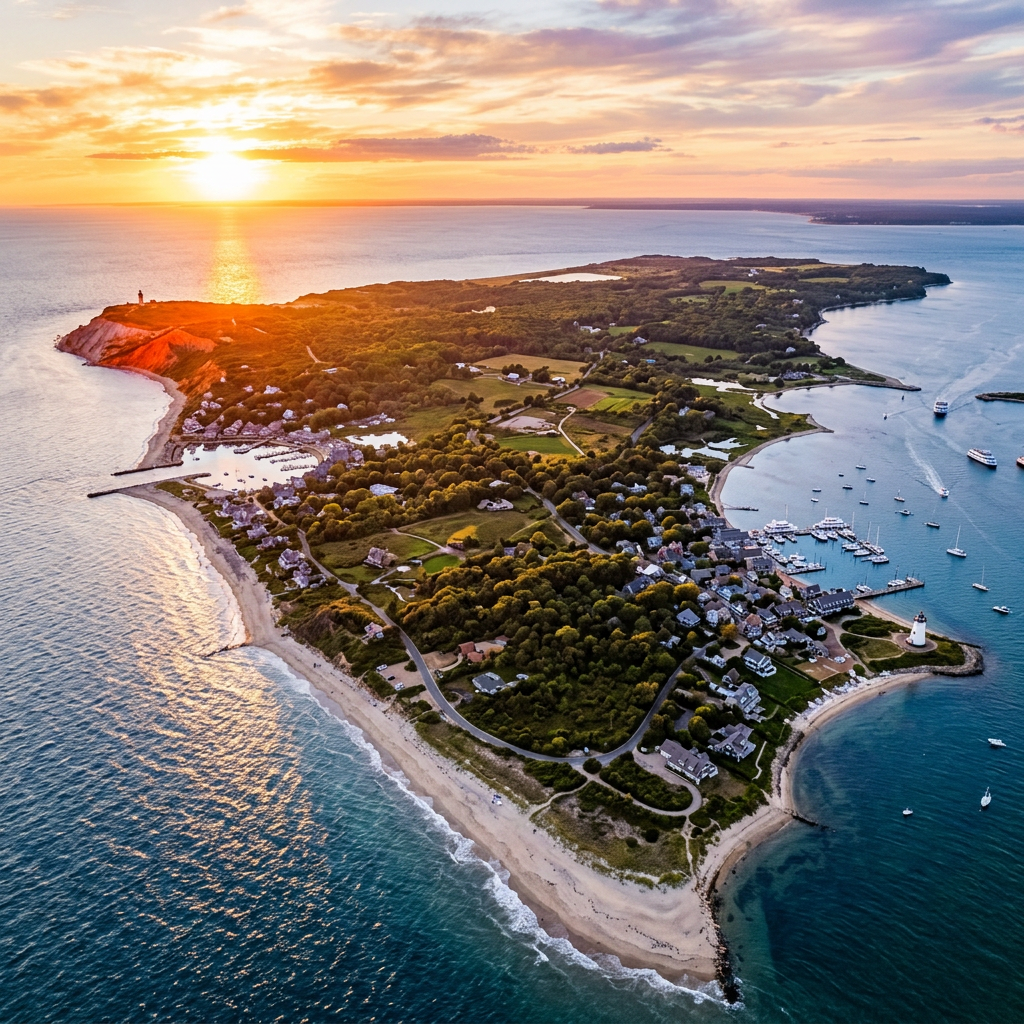
Martha's Vineyard
Discover Martha's Vineyard Martha's Vineyard, an enchanting island off the southern coast of Massachusetts, is a destination steeped in rich history and vibrant culture. Known for its stunning landscapes, charming towns, and a sense of community that welcomes visitors year-round, Martha's Vineyard has become a beloved retreat for both locals and tourists alike.The history of Martha's Vineyard dates back centuries, with Native American tribes, particularly the Wampanoag, inhabiting the island long before European settlers arrived. The island was officially settled by the English in the 17th century and quickly became a center for whaling in the 18th and 19th centuries. This maritime heritage is still palpable today, as many of the homes and structures reflect the architectural styles of that period.One of the unique aspects of Martha's Vineyard is its diverse cultural landscape. The island comprises six towns: Edgartown, Oak Bluffs, Vineyard Haven, West Tisbury, Chilmark, and Aquinnah, each with its own character and charm. Edgartown, once the whaling capital, is known for its historic homes and elegant boutiques, while Oak Bluffs is famous for its colorful gingerbread cottages and vibrant atmosphere. Vineyard Haven serves as the main port and offers a bustling harbor filled with shops and restaurants.Martha's Vineyard is also significant for its contributions to American literature and arts. The island has been a muse for famous writers, artists, and filmmakers, including the likes of James Baldwin and Norman Rockwell. Visitors can explore the island’s art galleries, museums, and theaters, which often showcase local talent and celebrate the island's rich artistic heritage.What truly makes Martha's Vineyard special is its commitment to preserving its natural beauty and community spirit. The island is home to breathtaking beaches, serene landscapes, and scenic hiking trails, making it a haven for outdoor enthusiasts. The famous clay cliffs of Aquinnah and the tranquil shores of Katama Beach are not just picturesque; they offer visitors a chance to connect with nature and find peace away from the hustle and bustle of daily life.Furthermore, the island prides itself on its local food culture, featuring an abundance of fresh seafood, farm-to-table restaurants, and charming cafés. Visitors can indulge in the island's culinary delights, from clam chowder and lobster rolls to locally grown vegetables and artisanal cheeses.In conclusion, Martha's Vineyard is a destination that combines history, culture, and natural beauty, making it a unique and cherished escape. Whether you're exploring its charming towns, savoring fresh seafood, or basking on the beach, there’s an unmistakable allure that draws people to this island year after year. Top Attractions in Martha's Vineyard – Ranked and Reviewed Martha's Vineyard boasts a plethora of attractions that have been rated and reviewed by travelers on Stay4Exploring. Here are some of the top spots that you must visit during your stay:1. Edgartown Lighthouse - This iconic lighthouse, built in 1828, is a favorite among visitors for its picturesque views and historical significance. Travelers rave about the short walk to the lighthouse and the stunning sunset views it offers. Many recommend bringing a picnic to enjoy on the nearby beach.2. Oak Bluffs Camp Meeting Association - Known for its colorful Victorian gingerbread cottages, this area is a must-see. Visitors appreciate the unique architecture and often find themselves strolling through the quaint streets, admiring the homes. The vibrant atmosphere makes it a perfect spot for families and photographers alike.3. The Flying Horses Carousel - As the oldest operating carousel in the United States, this childhood classic delights visitors of all ages. The carousel is a beloved attraction where families can create lasting memories. Reviewers often note the friendly staff and the nostalgic charm of the ride.4. Aquinnah Cliffs - These stunning clay cliffs offer breathtaking views of the Atlantic Ocean and are a fantastic spot for photography and nature walks. Visitors frequently highlight the beauty of the cliffs and the educational experience of learning about their geological significance. The nearby Gay Head Lighthouse adds to the allure of this natural wonder.5. Chappaquiddick Island - Just a short ferry ride from Edgartown, Chappaquiddick is known for its pristine beaches and tranquil atmosphere. Travelers love exploring the island's natural beauty, particularly the Cape Pogue Wildlife Refuge. Many visitors recommend renting bikes to fully experience the charm of Chappaquiddick.6. Martha's Vineyard Museum - This museum showcases the island's rich history and culture, featuring exhibits on whaling, maritime art, and local artifacts. Reviewers often commend the knowledgeable staff and the engaging exhibits that provide a deep dive into the island's past.7. Lambert's Cove Beach - This secluded beach is a hidden gem, known for its soft sands and calm waters. Visitors often praise its peaceful atmosphere, making it an ideal spot for swimming and sunbathing. Many families recommend this beach for its family-friendly vibe and beautiful surroundings.In summary, Martha's Vineyard offers a diverse array of attractions, each providing a unique experience that captures the island's essence. Whether you're drawn to its history, natural beauty, or family-friendly activities, you're sure to find something that resonates with you. Travelers consistently share their positive experiences, making these attractions highly recommended for your itinerary. Planning Your Visit to Martha's Vineyard Martha's Vineyard, a picturesque island off the coast of Massachusetts, is a coveted travel destination known for its stunning beaches, charming towns, and rich history. The best time to visit is during the summer months, from June to September, when the weather is warm and sunny, making it ideal for beach activities and outdoor exploration. However, if you prefer fewer crowds and milder weather, consider visiting in the shoulder seasons of late spring (May) or early fall (September to October).Getting to Martha's Vineyard involves a bit of planning, as the island is accessible primarily by ferry or small plane. The Steamship Authority offers ferry service from Woods Hole on Cape Cod, which is the most popular route. The ride takes about 45 minutes and provides stunning views of the surrounding waters. Reservations are recommended during peak season. Alternatively, for those flying, Martha’s Vineyard Airport (MVY) welcomes several regional flights, particularly in the summer. Once you arrive, getting around the island can be done via several options. Bicycles are a popular choice, with many rental shops available, and the island features a network of bike paths. Public transportation is also convenient, with the VTA (Vineyard Transit Authority) offering bus services that connect the main towns. For a more personal touch, consider renting a car or a scooter, especially if you plan to explore the quieter corners of the island.Accommodations on Martha's Vineyard range from charming bed-and-breakfasts to luxurious hotels. For a local experience, consider staying in Edgartown or Oak Bluffs, where you can find a mix of historic inns and contemporary hotels. If you're looking for a quieter retreat, West Tisbury offers more secluded options, including cottages and vacation rentals. Be sure to book your stay well in advance, especially during the peak summer months, as accommodations fill up quickly. Experience Martha's Vineyard Like a Local To truly experience Martha's Vineyard like a local, it’s essential to understand the island's customs and culture. The island has a laid-back vibe, and residents value friendliness and community. Greeting people with a smile and a simple “hello” goes a long way. Many locals partake in seasonal festivals, including the annual Martha's Vineyard Film Festival and the Agricultural Fair, which showcase the island's creativity and farming heritage.The culinary scene on Martha's Vineyard is diverse, featuring fresh seafood, farm-to-table dining, and local specialties. Don't miss trying the famous lobster rolls from local eateries like The Seafood Shanty in Edgartown or the clam chowder from The Jetty in Oak Bluffs. For dessert, a stop at the iconic Mad Martha's Ice Cream is a must for a sweet treat. Many restaurants also offer locally sourced ingredients, so be sure to ask about daily specials to savor the island's bounty.Art and culture are integral to Martha's Vineyard's identity. The island has a thriving arts community, with galleries, workshops, and live performances throughout the year. Visit the Old Whaling Church in Edgartown, which often hosts art exhibitions and concerts. In addition, the Vineyard Haven Film Society frequently screens independent films that reflect the island's unique character.When it comes to insider tips, the best way to explore the island is by venturing off the beaten path. While popular spots like Oak Bluffs and Edgartown are worth a visit, consider spending time in quieter towns like Chilmark and Aquinnah, known for their stunning landscapes and fewer crowds. The cliffs at Aquinnah are particularly breathtaking at sunset. Also, be sure to pack a picnic and head to one of the island’s lesser-known beaches, such as Menemsha Beach, where you can enjoy a peaceful afternoon.Lastly, embrace the local pace of life. Whether it's enjoying a leisurely breakfast at a café or attending a community event, taking the time to soak in your surroundings will enrich your experience on this beautiful island. With its captivating scenery and warm-hearted locals, Martha's Vineyard promises a memorable getaway that feels like a home away from home.
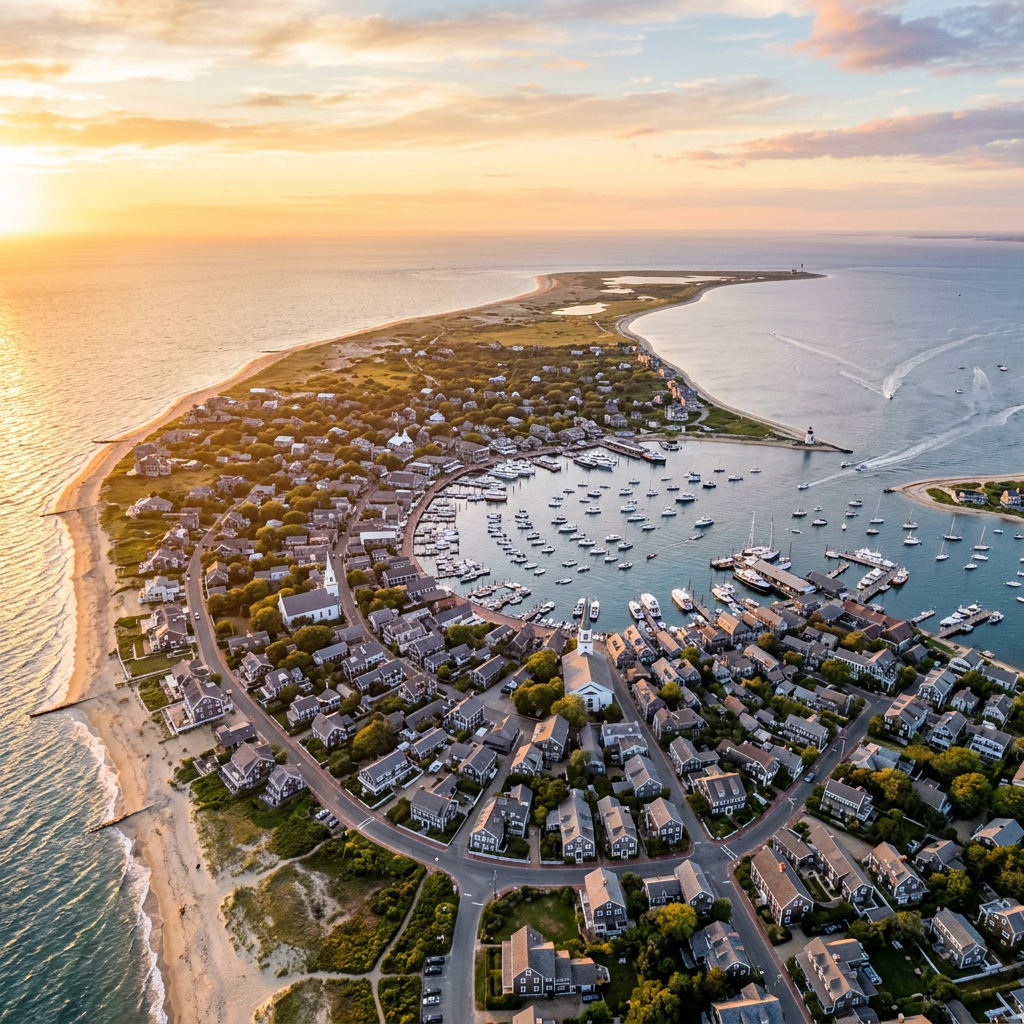
Nantucket
Discover Nantucket Nantucket, a picturesque island located off the coast of Massachusetts, is a destination that captivates visitors with its rich history, unique culture, and stunning natural beauty. Originally inhabited by the Wampanoag tribe, the island became a prominent whaling center in the early 19th century, earning the nickname 'The Grey Lady' due to its foggy climate. Today, Nantucket is celebrated not only for its historical significance but also for its charming cobblestone streets, beautifully preserved architecture, and vibrant arts scene. The island played a crucial role in the whaling industry, which was at its peak in the mid-1800s. During this time, Nantucket was one of the wealthiest towns in America, with its economy thriving on the production of whale oil and other byproducts. The remnants of this era can still be seen in the island’s many historic buildings and museums, including the Whaling Museum, which offers visitors a glimpse into the island's maritime past. Culturally, Nantucket is a melting pot of influences, which can be felt in its culinary offerings, festivals, and art galleries. The island hosts numerous events throughout the year, including the Nantucket Film Festival, the Daffodil Festival, and holiday celebrations that draw both locals and tourists alike. The art scene is vibrant, with numerous galleries showcasing both contemporary and traditional works, reflecting the island’s artistic spirit. What truly sets Nantucket apart is its incredible natural beauty. The island boasts miles of pristine beaches, scenic lighthouses, and breathtaking landscapes that are perfect for outdoor activities. Visitors can enjoy hiking, biking, and water sports, or simply relax on the beach while soaking in the sun. The sunsets here are particularly magical, offering a perfect end to a day of exploration. Moreover, Nantucket is committed to preserving its unique environment and history. The island has strict preservation laws that have helped maintain the original character of its buildings and landscapes, allowing visitors to step back in time while enjoying modern amenities. This dedication to conservation makes Nantucket not just a vacation spot, but a destination that values its heritage and natural surroundings. In addition to its historical and natural allure, Nantucket offers a range of shopping and dining experiences. From boutique stores featuring local artisans to upscale restaurants serving fresh seafood caught just off the island's shores, there is something for everyone. Whether you’re looking for a quaint café to enjoy breakfast or a fine dining experience for dinner, Nantucket’s culinary scene does not disappoint. In summary, Nantucket is a destination that combines history, culture, and natural beauty in a way that is both enchanting and inviting. With its rich heritage, commitment to preservation, and a plethora of activities and experiences, the island offers something for every kind of traveler seeking an unforgettable getaway. Top Attractions in Nantucket – Ranked and Reviewed Nantucket is packed with attractions that have been ranked and reviewed by visitors on Stay4Exploring, making it easier for travelers to discover the must-see spots on this charming island. Here are the top attractions that stand out based on traveler feedback: 1. Whaling Museum – Rated 4.9/5 The Whaling Museum is a treasure trove of Nantucket's maritime history. Visitors rave about the extensive exhibits that detail the island's whaling past, including artifacts, paintings, and a life-sized whale skeleton. The rooftop deck offers panoramic views of the harbor, making it a perfect spot for photographs. Many travelers recommend allocating a few hours to explore this fascinating museum. 2. Cisco Beach – Rated 4.8/5 Cisco Beach is a favorite among both locals and visitors for its sandy shores and vibrant atmosphere. The beach is known for its excellent surf conditions and scenic views. Travelers have noted the convenience of nearby food trucks and bars, making it a great spot for a day of sun and fun. Many families appreciate the calm waters, which are ideal for children. 3. Brant Point Lighthouse – Rated 4.7/5 Brant Point Lighthouse is not only a functioning lighthouse but also an iconic symbol of Nantucket. Visitors love taking the short walk to the lighthouse and capturing the perfect photo against the backdrop of the harbor. The surrounding area is perfect for picnics or leisurely strolls, and many travelers recommend visiting at sunset for breathtaking views. 4. Sconset Bluff Walk – Rated 4.6/5 The Sconset Bluff Walk is a stunning coastal path that takes you through some of the most picturesque parts of the island. Travelers have praised the scenic views of the ocean and the charming homes along the way. It’s an ideal spot for a leisurely hike or a morning run, with plenty of opportunities for photography along the route. 5. Nantucket Town – Rated 4.5/5 Nantucket Town is the heart of the island, featuring cobblestone streets lined with boutiques, galleries, and restaurants. Visitors appreciate the quaint atmosphere and the opportunity to shop for unique souvenirs. Many travelers recommend dining at one of the local eateries for a taste of Nantucket’s famous seafood, particularly the clam chowder and lobster rolls. 6. Maria Mitchell Association – Rated 4.4/5 The Maria Mitchell Association is dedicated to preserving the legacy of the island's first female astronomer. This attraction is perfect for families, offering engaging educational programs and activities related to science and nature. Travelers have enjoyed the planetarium shows and the opportunity to learn about the stars and planets, making it a fun and informative stop. In conclusion, Nantucket offers a variety of attractions that cater to diverse interests, from history buffs to beach lovers. The rankings and reviews from real travelers on Stay4Exploring provide invaluable insights into the best experiences the island has to offer. Whether you're exploring the rich maritime history at the Whaling Museum or soaking up the sun at Cisco Beach, Nantucket promises unforgettable adventures for every visitor. Planning Your Visit to Nantucket Nantucket, a charming island off the coast of Massachusetts, is a dream destination for those seeking a blend of history, natural beauty, and a laid-back atmosphere. To make the most of your trip, careful planning is essential.Best Time to VisitThe ideal time to visit Nantucket is during the late spring and early fall, specifically from late May to early June and September to mid-October. During these months, the weather is mild, with average temperatures ranging from the mid-60s to the low 70s Fahrenheit, perfect for outdoor activities and beach outings. The summer months, particularly July and August, can be quite crowded, as many tourists flock to the island for its pristine beaches and vibrant events. However, if you enjoy a lively atmosphere, this might be the perfect time for you.Getting ThereNantucket is accessible via ferry or small regional flights. The Steamship Authority operates ferries from Hyannis, which take about an hour. Reservations are recommended during peak season. Alternatively, Nantucket Memorial Airport (ACK) offers flights from several major cities, including Boston, New York, and Washington, D.C. If traveling from the mainland, consider booking early to secure the best rates, especially in the summer months.Getting AroundOnce you arrive on Nantucket, getting around is relatively easy. The island is small, and you can explore by foot or bicycle, which is a popular and eco-friendly option. Several bike rental shops are available, offering everything from beach cruisers to electric bikes. For those preferring not to cycle, taxis, shuttles, and ride-sharing services are available, though they can be limited during peak hours. If you plan to explore the more remote areas, consider renting a car or a moped for greater flexibility.Where to StayNantucket offers a range of accommodation options to suit various budgets. From luxurious resorts like the White Elephant and the Nantucket Hotel & Resort to charming bed-and-breakfasts and vacation rentals, you’ll find something that meets your needs. Staying in Nantucket Town provides easy access to shops, restaurants, and attractions, while more secluded accommodations in Siasconset or Madaket offer a quieter experience. Keep in mind that booking well in advance is essential, especially for summer stays, to avoid disappointment.In summary, planning your visit to Nantucket involves choosing the right time, understanding transportation options, and selecting accommodations that enhance your experience. By taking these steps, you’ll be ready to enjoy the island’s unique charm and beauty. Experience Nantucket Like a Local Nantucket is not just a tourist destination; it’s a vibrant community steeped in rich history and local culture. To truly experience the island like a local, it’s essential to embrace its customs, savor its cuisine, and engage with its people.Local CustomsNantucket has a laid-back vibe, but the locals take pride in their island’s heritage. Respect for the environment and community is paramount. When visiting, be mindful of local traditions, such as beach etiquette and maintaining cleanliness, especially in public spaces. A simple "hello" or "good morning" to passersby goes a long way in fostering a warm, friendly atmosphere.FoodNantucket's culinary scene is a delightful mix of fresh seafood and local ingredients. The island is famous for its clam chowder, lobster rolls, and scallops. For a true local experience, visit the Cisco Brewers, where you can enjoy craft beer, live music, and food trucks featuring local fare. Don’t miss dining at the Straight Wharf Restaurant for a refined seafood experience, or head to the Juice Bar for a refreshing ice cream treat after a day at the beach. For a unique culinary experience, consider participating in a cooking class that showcases regional specialties.CultureNantucket has a rich maritime history, and this is evident in its numerous museums and historic sites. The Whaling Museum provides an insightful look into the island’s whaling past and its significance in American history. The local arts scene is also vibrant; attend one of the many art galleries or cultural events held throughout the summer. Additionally, the Nantucket Film Festival is a must-see for film enthusiasts, showcasing emerging filmmakers and offering a platform for discussion.Insider TipsTo immerse yourself in the local lifestyle, consider visiting during the shoulder seasons when the crowds are thinner, allowing for a more authentic experience. Join a guided walking tour to learn about the island’s history and hidden gems that you might otherwise miss. Engage with local artisans and shopkeepers, as they often share fascinating stories that enrich your visit.Lastly, remember to take it slow and savor your surroundings. Whether it’s lounging on the beach, biking through the scenic moors, or enjoying a sunset at Brant Point Lighthouse, the essence of Nantucket is best experienced at a leisurely pace. By following these local customs and engaging with the community, you’ll leave with memories that extend beyond mere sightseeing.
Kvarner Gulf
Discover Kvarner Gulf The Kvarner Gulf, nestled between the Istria Peninsula and the northern Adriatic coast of Croatia, is a stunning marine haven that boasts a rich tapestry of history, culture, and natural beauty. This region, known for its breathtaking vistas and diverse ecosystems, has become a premier destination for travelers seeking both relaxation and adventure. The Gulf is flanked by several charming towns and islands, each with its unique character, making it a significant cultural and historical hub.The history of the Kvarner Gulf is as deep as its waters. Traces of human habitation can be found dating back to the prehistoric era, with archaeological findings revealing settlements from the Roman period. The Romans recognized the strategic importance of this area and established several coastal towns, including the now-popular city of Opatija, which was once a favored retreat for the Austro-Hungarian elite. The architecture of Opatija, with its grand villas and charming promenades, reflects this opulent past, making it a must-visit city in the Gulf.Culturally, the Kvarner Gulf is a melting pot of influences thanks to its position at the crossroads of various civilizations. The region is home to a mix of Italian, Austrian, and Slavic cultures, evident in its cuisine, language, and traditions. Festivals celebrating local heritage, such as the Rijeka Carnival, showcase the vibrant culture of the area through music, dance, and elaborate costumes, attracting thousands of visitors each year.What makes the Kvarner Gulf particularly special is its remarkable biodiversity. The waters of the Gulf are part of the larger Adriatic Sea, which is known for its crystal-clear clarity and rich marine life. Numerous islands dot the coastline, including Krk, Cres, and Lošinj, each offering unique landscapes and opportunities for exploration. The Kvarner region is also recognized for its lush forests, mountains, and numerous hiking trails, making it an ideal spot for outdoor enthusiasts.Moreover, the Kvarner Gulf is a gateway to some of Croatia's best-kept secrets. The nearby Učka Nature Park, with its stunning views and diverse flora and fauna, invites visitors to experience the natural beauty that surrounds the Gulf. The region’s mild Mediterranean climate ensures that visitors can enjoy outdoor activities year-round, from sailing and diving in the summer to hiking and cycling in the cooler months.In addition to its natural and historical significance, the Kvarner Gulf is renowned for its culinary delights. The local gastronomy is heavily influenced by the Mediterranean diet, featuring fresh seafood, local cheeses, and high-quality olive oil. Visitors can indulge in traditional dishes such as 'šurlice' (handmade pasta) and 'škampi' (scampi), which are best enjoyed at one of the many waterfront restaurants overlooking the sparkling sea.In summary, the Kvarner Gulf stands out as a unique destination that blends history, culture, and natural beauty. Its rich past, diverse cultural influences, and stunning landscapes make it an essential stop on any Croatian itinerary. Whether you’re exploring the coastal towns, enjoying the local cuisine, or immersing yourself in the vibrant culture, the Kvarner Gulf promises an unforgettable experience. Top Attractions in Kvarner Gulf – Ranked and Reviewed The Kvarner Gulf is not just about stunning beaches and picturesque landscapes; it offers a wealth of attractions that have been ranked and reviewed by visitors from around the globe. Here are some of the top-rated attractions that you should not miss during your visit to this beautiful region:Opatija: Often referred to as the ‘Pearl of the Adriatic,’ Opatija is famous for its elegant architecture, beautiful parks, and seaside promenade. Visitors rave about the stunning views of the Kvarner Bay and the lush greenery that envelops the town. The Lungomare, a coastal walking path, stretches for about 12 kilometers, making it perfect for leisurely strolls while taking in the fresh sea air.Krk Island: Known as the largest island in the Adriatic, Krk is praised for its charming old town, historic churches, and beautiful beaches. The island is accessible by a bridge, making it an easy day trip. Travelers often highlight the town of Baška, famous for its long pebble beach and crystal-clear waters, as a must-visit spot for families.Cres Island: Cres is often visited for its untouched natural beauty and tranquil atmosphere. The island is less commercialized than Krk, offering travelers a chance to connect with nature. Reviews frequently mention the stunning viewpoints and the rare griffon vulture, which nests in the cliffs around the island.Rijeka: This vibrant city is the cultural capital of Croatia and is known for its rich history and lively arts scene. Visitors appreciate the diverse range of attractions, from the stunning Trsat Castle, which offers panoramic views of the city, to the bustling Korzo street filled with cafes, shops, and local events.Učka Nature Park: For those who love outdoor activities, Učka Nature Park is highly rated for its hiking trails, diverse flora and fauna, and breathtaking views. Visitors often share their experiences of hiking to the top of Mount Učka, where the views extend to the islands of Cres and Lošinj on a clear day. The park is home to various trails that cater to different skill levels, making it accessible for everyone.Another attraction worth noting is the charming fishing village of Vrbnik, perched on a cliff overlooking the sea. It is famous for its wine production, particularly the indigenous ‘Žlahtina’ wine. Visitors often take part in wine-tasting tours that showcase the local vineyards, enhancing their culinary experience in the Kvarner region.Water sports are also a major draw in the Kvarner Gulf. Many travelers enjoy sailing, kayaking, and snorkeling in the clear waters. The Bay of Kvarner is known for its favorable winds, making it an ideal spot for sailing enthusiasts. Numerous sailing schools and charter companies operate in the area, allowing both beginners and experienced sailors to explore the coastline.While the beaches are certainly a highlight, the rich cultural experiences available in the Kvarner Gulf should not be overlooked. Many towns host yearly festivals celebrating local traditions, art, and music, such as the Rijeka Carnival, which features colorful parades and lively celebrations that attract thousands of visitors.In conclusion, the Kvarner Gulf is filled with attractions that cater to a variety of interests, from historical sites and natural parks to vibrant cultural experiences. With real travelers sharing their insights and reviews, you can find the best places to visit that align with your interests, ensuring a memorable experience in this enchanting region of Croatia. Planning Your Visit to Kvarner Gulf When planning your visit to the Kvarner Gulf, there are several important factors to consider to ensure a smooth and enjoyable experience. From choosing the best time to visit to understanding transportation options and accommodation choices, here’s a comprehensive guide to help you navigate your trip to this stunning Croatian region.The best time to visit the Kvarner Gulf largely depends on your preferences for weather and activities. The summer months, from June to August, are peak season, characterized by warm temperatures averaging around 30°C (86°F) and plenty of sunshine. This is the ideal time for beachgoers and those looking to enjoy water sports, as the sea temperatures are perfect for swimming.If you prefer milder weather and fewer crowds, consider visiting in the shoulder seasons of spring (April to June) and autumn (September to October). During these months, you can enjoy pleasant temperatures, typically ranging from 15°C to 25°C (59°F to 77°F), making it great for hiking, biking, and sightseeing without the summer rush. Additionally, many local festivals and events take place during these times, providing an authentic experience of the local culture.Getting to the Kvarner Gulf is relatively straightforward, with several transportation options available. The nearest major airport is Rijeka Airport (also known as Omišalj Airport), located on Krk Island, which offers domestic and international flights. From the airport, rental cars and shuttle services are available to take you to various destinations within the Gulf.If you prefer traveling by train, Rijeka is well-connected by rail to major Croatian cities such as Zagreb and Split. Once you arrive in Rijeka, you can easily access other towns in the Kvarner Gulf by bus or ferry. The ferry connections to the nearby islands of Krk and Cres are frequent and provide a scenic way to explore the region.Getting around the Kvarner Gulf is convenient, thanks to a well-developed network of public transportation. Buses connect major towns and cities, making it easy to hop from one attraction to another. For those who prefer a more personalized experience, renting a car is highly recommended as it allows you the freedom to explore the hidden gems of the region at your own pace.When it comes to accommodation, the Kvarner Gulf offers a wide range of options to suit every budget and preference. Luxury hotels and resorts are plentiful in Opatija, known for its beautiful sea views and top-notch amenities. For a more authentic experience, consider staying in a family-run guesthouse or a holiday apartment, which are common throughout the region. Many of these accommodations offer local hospitality and a chance to connect with the culture of the area.For those looking for unique experiences, consider booking a stay on one of the islands, such as Krk or Lošinj, where you can enjoy tranquil surroundings and stunning natural landscapes. Camping is also a popular option, with several campsites available along the coastline, offering a blend of nature and comfort.In summary, planning your visit to the Kvarner Gulf involves considering the best time to travel, transportation options, and accommodation choices. With careful planning, you can ensure a delightful experience in this beautiful part of Croatia, filled with stunning scenery, rich culture, and unforgettable memories. Experience Kvarner Gulf Like a Local To truly immerse yourself in the beauty and culture of the Kvarner Gulf, it’s essential to experience the region like a local. This involves understanding local customs, savoring traditional dishes, and embracing the unique lifestyle that characterizes this enchanting area of Croatia.One of the most significant aspects of local culture in the Kvarner Gulf is the strong sense of community. Croatians are known for their warm hospitality, and visitors often share stories of the friendly locals who go out of their way to make them feel welcome. Engaging with the community can enhance your experience; consider participating in local events or festivals, such as the Rijeka Carnival or traditional folk festivals, where you can witness authentic music, dance, and art.Food is a cornerstone of Croatian culture, and the Kvarner Gulf is no exception. The region's culinary scene is heavily influenced by the Mediterranean diet, characterized by fresh seafood, local produce, and traditional recipes. Don’t miss out on trying local delicacies such as 'šurlice' (handmade pasta), 'riba na lešo' (boiled fish), and 'škampi na buzaru' (scampi in tomato sauce). Many restaurants along the coast offer these dishes, often prepared with fresh ingredients sourced from local markets.Another local dish to try is 'peka,' a traditional method of cooking where meat and vegetables are slow-cooked under a bell-like lid over an open fire. This dish is often served in local konoba (taverns), where you can enjoy a genuine dining experience surrounded by locals.When it comes to drinks, be sure to sample the indigenous wines of the region, particularly 'Žlahtina' from the island of Krk and 'Malvazija' from Istria. Many wineries in the area offer tours and tastings, providing insight into the winemaking process and the chance to taste the unique flavors of the region.Outdoor activities are also an integral part of life in the Kvarner Gulf. The region’s stunning landscapes offer plenty of opportunities for hiking, cycling, and water sports. Many locals take advantage of the beautiful nature parks and coastal paths, so consider joining them on hiking trails in Učka Nature Park or cycling along the scenic coastal routes.Shopping for local crafts and products is another way to experience the culture of the Kvarner Gulf. Markets and artisan shops sell handmade items, such as olive oil, lavender products, and local wines, that make for perfect souvenirs. Engaging with local artisans can provide a deeper understanding of the traditional crafts and skills passed down through generations.Lastly, learning a few Croatian phrases can go a long way in connecting with locals. While many people in tourist areas speak English, making an effort to speak the local language demonstrates respect and can lead to more meaningful interactions.In conclusion, experiencing the Kvarner Gulf like a local involves embracing the culture, cuisine, and lifestyle of the region. By engaging with the community, savoring traditional dishes, and participating in local activities, you can create a rich and memorable experience that goes beyond typical tourist activities. The Kvarner Gulf is waiting to be explored, and immersing yourself in its local culture will undoubtedly enhance your visit.
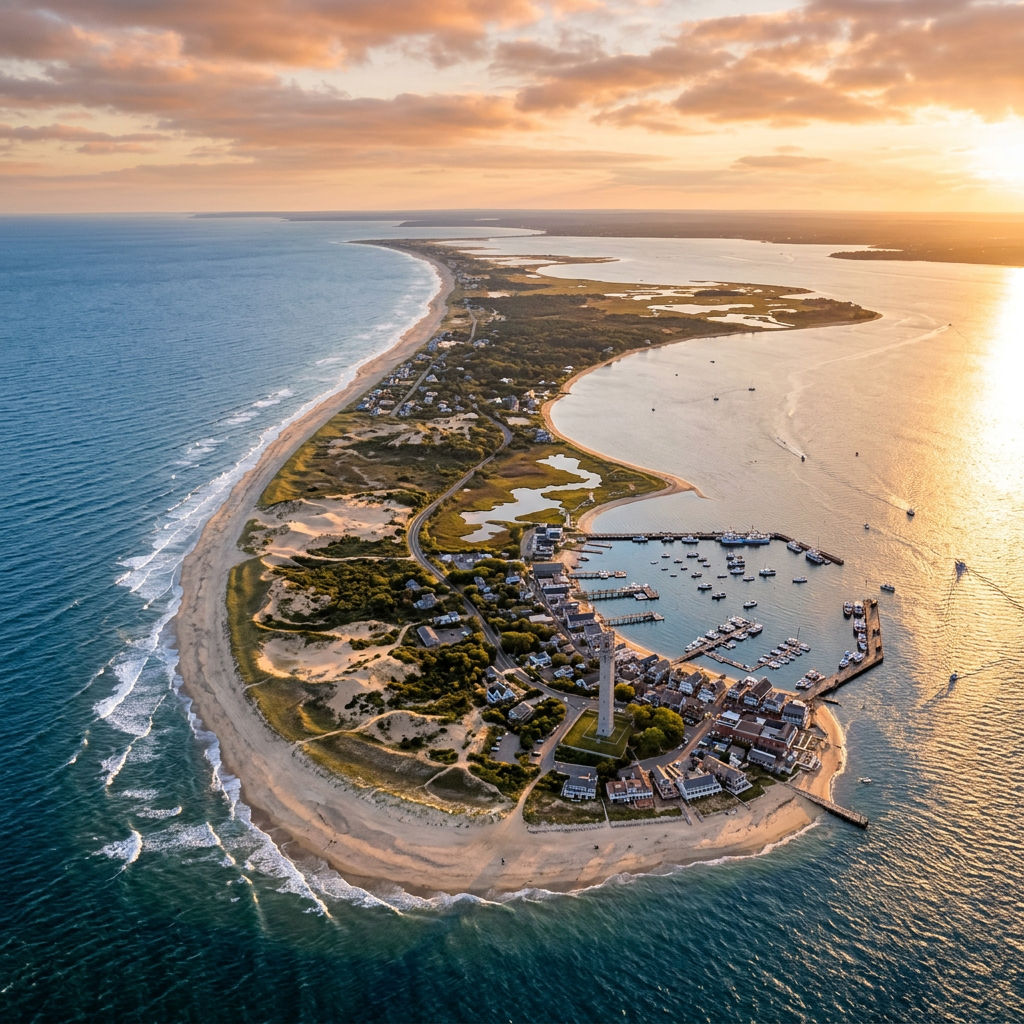
Cape Cod
Discover Cape Cod Cape Cod, a captivating peninsula jutting into the Atlantic Ocean, is renowned for its picturesque landscapes, charming towns, and rich maritime history. Known for its unique geography, Cape Cod is characterized by its sandy beaches, rolling dunes, and quaint lighthouses that dot the coastline. This region has long been a beloved getaway for families, couples, and nature enthusiasts alike, offering a perfect blend of relaxation and adventure.Historically, Cape Cod was first inhabited by Native American tribes, including the Wampanoag, who thrived on the region's abundant natural resources. The arrival of European settlers in the 17th century marked a significant turning point in the area’s history, with many choosing to establish fishing and whaling industries. Cape Cod became a vital hub for maritime commerce, and its rich history is preserved in numerous museums and historical sites throughout the region.The culture of Cape Cod is deeply rooted in its maritime heritage, which is celebrated through local festivals, art, and cuisine. The vibrant arts scene is particularly evident in towns like Provincetown, known for its galleries, theaters, and lively LGBTQ+ community. Visitors can immerse themselves in local culture by attending events such as the Provincetown Film Festival or the Cape Cod Maritime Festival, which highlight the region's artistic and nautical traditions.What makes Cape Cod truly special is its ability to evoke a sense of nostalgia and timelessness. The charming villages, adorned with colonial-style architecture, beckon visitors to explore their streets lined with boutique shops, artisanal eateries, and historic inns. Families can create lasting memories at the Cape's pristine beaches, where the shore meets the warm, inviting waters, perfect for swimming, sunbathing, and beachcombing.Outdoor enthusiasts will find a treasure trove of recreational opportunities in Cape Cod, from hiking and biking along scenic trails to kayaking in tranquil bays and exploring the Cape Cod National Seashore. This protected area offers breathtaking views and diverse ecosystems, including salt marshes, forests, and wildlife habitats. The region's natural beauty and rich history combine to create an unforgettable experience for visitors of all ages.Cape Cod is also celebrated for its culinary scene, which features fresh seafood delicacies, including clam chowder, lobster rolls, and local shellfish. Dining options range from casual seaside shacks to upscale restaurants, ensuring that every palate is catered to. With its stunning scenery, rich history, and vibrant culture, Cape Cod remains a cherished destination that invites exploration and discovery. Top Attractions in Cape Cod – Ranked and Reviewed When it comes to attractions, Cape Cod is brimming with options that cater to a variety of interests. To help you navigate this beautiful peninsula, we’ve compiled a list of the top-rated attractions, as reviewed by visitors on Stay4Exploring.1. Cape Cod National Seashore - The crown jewel of Cape Cod, the Cape Cod National Seashore offers stunning vistas, pristine beaches, and a wealth of outdoor activities. Visitors rave about the scenic bike trails, hiking paths, and opportunities for birdwatching. The seashore is perfect for a day of exploration or a sunset picnic by the beach.2. Provincetown - Known for its vibrant arts scene and welcoming atmosphere, Provincetown is a must-visit. Travelers recommend the Pilgrim Monument and Provincetown Museum for a dose of history. The town's lively atmosphere is amplified during events like the Carnival and the Provincetown Film Festival, making it a hotspot for cultural experiences.3. Martha’s Vineyard and Nantucket Ferries - A trip to Cape Cod isn’t complete without a ferry ride to the nearby islands of Martha’s Vineyard and Nantucket. Visitors often highlight the breathtaking views during the ride and the charming island towns that await exploration. Unique shops, stunning beaches, and local eateries make these islands a perfect day trip.4. Chatham Lighthouse - An iconic symbol of Cape Cod, Chatham Lighthouse is beloved by travelers for its picturesque views and historical significance. Visitors enjoy the opportunity to tour the lighthouse and learn about its storied past. The surrounding beach area is also a favorite spot for sunset watching.5. Wellfleet Bay Wildlife Sanctuary - Nature lovers will appreciate the Wellfleet Bay Wildlife Sanctuary, where hiking trails wind through diverse ecosystems. Reviewed as a peaceful escape, visitors highlight the abundance of wildlife, including seals and various bird species, making it a favorite for photography and nature walks.6. Cape Cod Rail Trail - Perfect for biking enthusiasts, the Cape Cod Rail Trail stretches over 25 miles, connecting several towns and scenic landscapes. Travelers enjoy the well-maintained paths, making it accessible for families and casual cyclists alike. Reviews emphasize the beauty of the trail, especially in the fall when the foliage transforms the surroundings.7. Nauset Light Beach - Known for its stunning views and golden sands, Nauset Light Beach receives high praise from beachgoers. Visitors enjoy swimming, sunbathing, and exploring the iconic Nauset Lighthouse nearby. The beach is also a great spot for families, offering ample space for beach games and relaxation.These attractions, each highly rated by real travelers, showcase the diverse offerings of Cape Cod. Whether you're seeking adventure, cultural experiences, or simply a serene beach day, Cape Cod has something for everyone, making it an unforgettable destination. Planning Your Visit to Cape Cod Planning a trip to Cape Cod can be an exciting venture, filled with the promise of stunning beaches, charming towns, and local seafood. The best time to visit Cape Cod is typically between late spring and early fall, specifically from May to October. During these months, the weather is warm and pleasant, perfect for beach activities and outdoor exploration. July and August are peak tourist seasons, so expect larger crowds and higher prices. If you prefer a quieter experience, consider visiting in June or September, when the weather is still enjoyable but the crowds have thinned out.Getting to Cape Cod is relatively easy, with several options available depending on where you are coming from. If you’re flying in, the nearest major airport is Cape Cod Gateway Airport (Barnstable Municipal Airport), which services several regional flights. Alternatively, Boston Logan International Airport is about 70 miles away and offers a wider range of domestic and international flights. From there, you can rent a car or take a bus or shuttle to reach your destination on the Cape.Traveling around Cape Cod is best done by car, as public transportation options can be limited. Renting a car will give you the freedom to explore the scenic landscapes at your own pace. The Cape Cod Rail Trail is a popular route for biking, stretching for 22 miles through various towns and offering a picturesque way to soak in the scenery. If you prefer a more leisurely pace, consider using local shuttles or the Cape Cod Regional Transit Authority, which connects key destinations during peak season.Accommodation options in Cape Cod are diverse, ranging from luxury resorts to cozy bed-and-breakfasts and budget-friendly motels. Popular towns like Provincetown, Hyannis, and Chatham offer a range of choices to suit different preferences. If you’re looking for a unique experience, consider staying at a waterfront inn or a cottage rental. For those seeking a more immersive experience, opt for a bed-and-breakfast where you can connect with local hosts and receive personalized recommendations for your stay. Be sure to book accommodations well in advance, especially during peak summer months, to secure the best options. Experience Cape Cod Like a Local To truly experience Cape Cod like a local, it’s important to immerse yourself in the region's customs, food, and culture. Cape Cod has a rich maritime history, and this is reflected in the local lifestyle. One of the most cherished customs is the appreciation for the natural environment, with many locals engaging in outdoor activities such as fishing, boating, and beachcombing. Don’t hesitate to join a local beach cleanup or participate in community events, which are excellent ways to connect with residents.Culinary experiences in Cape Cod are a highlight for many visitors. The region is renowned for its fresh seafood, particularly its clam chowder, lobster rolls, and fried clams. When dining out, seek out local establishments and seafood shacks for an authentic taste of Cape Cod. Some top-rated spots include the Lobster Pot in Provincetown and Arnold’s Lobster & Clam Bar in Eastham. Additionally, farmers' markets are common, offering a chance to sample local produce and artisan goods, which can be a delightful addition to your culinary exploration.The culture of Cape Cod is also deeply influenced by its picturesque landscapes and artistic communities. Numerous galleries and studios showcase local artists’ work, especially in towns like Provincetown, which has a long-standing reputation as an artists' colony. Consider visiting during the annual Provincetown Art Association and Museum exhibitions or participating in local art workshops to get a feel for the vibrant creative scene.When it comes to insider tips, the first piece of advice is to explore beyond the tourist hotspots. While towns like Hyannis and Provincetown are must-visits, don’t miss out on hidden gems like Truro and Wellfleet. These areas offer stunning views, quieter beaches, and a more laid-back atmosphere. Additionally, consider timing your visits to popular attractions early in the morning or later in the afternoon to avoid crowds.Lastly, embrace the local pace of life. Cape Cod is known for its relaxed and welcoming vibe, so take the time to slow down and enjoy your surroundings. Whether it’s a sunset over the dunes or a stroll through charming streets, allowing yourself to fully engage with the local environment will enhance your experience immensely.
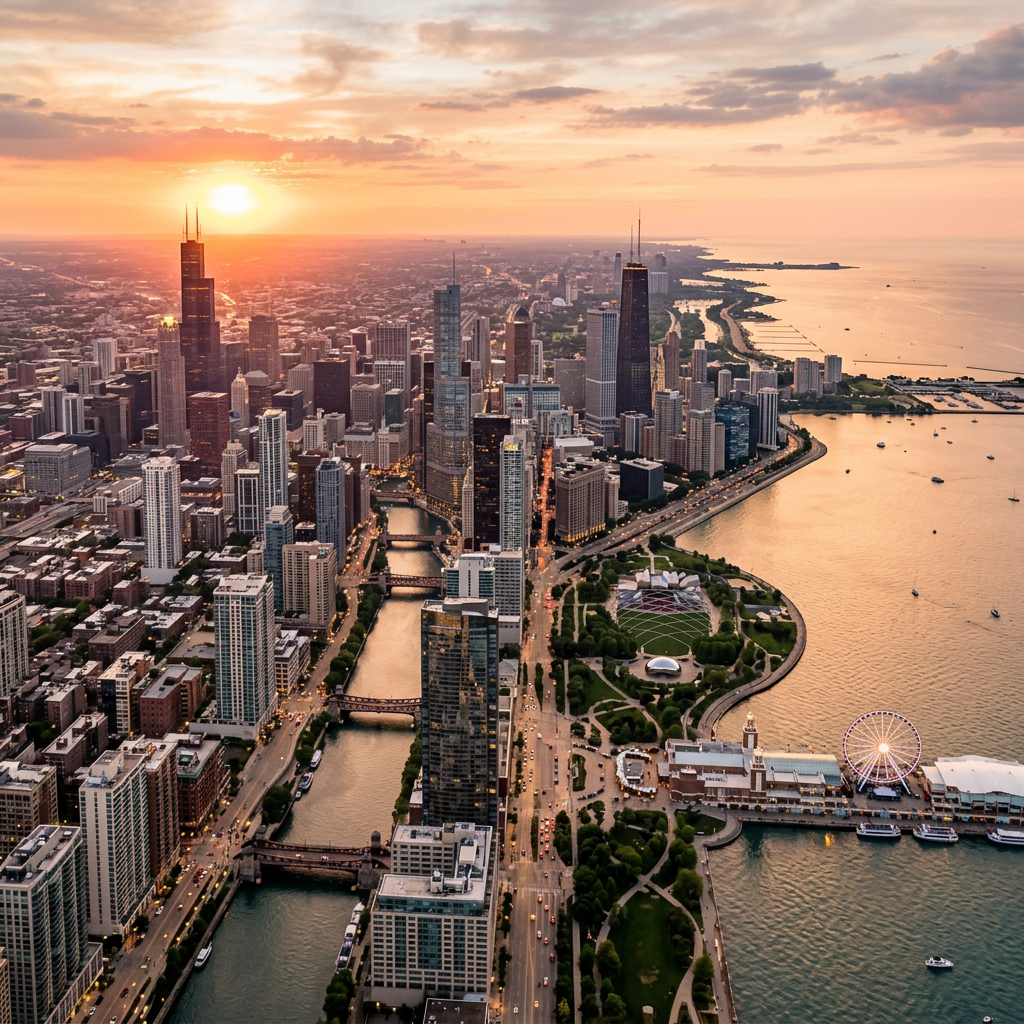
Chicago
Discover Chicago Chicago, known as the Windy City, is a vibrant metropolis located on the southwestern shore of Lake Michigan. With a rich history that dates back to the 18th century, Chicago has evolved from a small trading post to one of the largest cities in the United States. The city was incorporated in 1837 and quickly became a hub for transportation, industry, and culture, thanks in part to its strategic location and the construction of railroads and canals.The significance of Chicago extends beyond its historical roots; it is a melting pot of cultures, where diverse communities have come together to create a unique tapestry of traditions, cuisines, and art forms. This city is renowned for its contributions to music, notably jazz and blues, which have shaped the American musical landscape. Visitors can explore the rich musical heritage by attending live performances in various venues across the city.What makes Chicago truly special is its stunning architecture, which tells the story of its growth and innovation. The skyline is adorned with iconic structures such as the Willis Tower (formerly Sears Tower), the John Hancock Center, and the Tribune Tower. The city is also home to a number of architectural tours that allow visitors to appreciate the works of renowned architects like Frank Lloyd Wright and Louis Sullivan.In addition to its architectural marvels, Chicago boasts an impressive array of world-class museums and cultural institutions. The Art Institute of Chicago, one of the oldest and largest art museums in the country, houses an extensive collection of artworks, including Grant Wood's iconic painting, American Gothic. The Museum of Science and Industry, the Field Museum, and the Shedd Aquarium offer engaging experiences for visitors of all ages, making Chicago a destination that blends education with entertainment.Chicago's culinary scene is another highlight, with deep-dish pizza, Chicago-style hot dogs, and a plethora of international cuisines that reflect the city's diverse population. The local food culture is celebrated through various food festivals and markets, providing visitors with an opportunity to savor everything from gourmet meals to street food.The city's commitment to public parks and green spaces further enhances its appeal. Millennium Park, with its famous Cloud Gate sculpture (also known as 'The Bean'), is a favorite gathering place for locals and tourists alike. The park hosts concerts, art installations, and public events throughout the year, showcasing the city’s vibrant community spirit.Sports also play a significant role in Chicago's culture, with passionate fans supporting iconic teams like the Chicago Cubs (MLB), the Chicago Bulls (NBA), and the Chicago Bears (NFL). The energy and excitement of attending a live sporting event in one of the city’s historic stadiums add to the allure of Chicago.In summary, Chicago is a city that seamlessly blends history, culture, and modernity. Its unique character, shaped by its diverse communities, iconic architecture, and rich artistic heritage, makes it a must-visit destination for travelers seeking a memorable experience. Top Attractions in Chicago – Ranked and Reviewed When it comes to exploring Chicago, visitors are spoiled for choice with an array of top attractions, each offering unique experiences. According to real travelers on Stay4Exploring, here are the must-visit sites that have garnered rave reviews.1. Millennium Park - This urban oasis is a favorite among visitors, known for its iconic Cloud Gate sculpture. Travelers love the park’s beautiful landscapes, seasonal events, and free concerts in the summer. The park is also home to the Jay Pritzker Pavilion, a stunning outdoor concert venue that hosts performances throughout the year.2. The Art Institute of Chicago - Rated highly for its impressive collection of artworks, this museum is a treasure trove for art enthusiasts. Visitors rave about the diversity of exhibits, from ancient artifacts to contemporary art. The museum’s accessibility and informative staff enhance the overall experience, making it a favorite among families and solo travelers alike.3. Navy Pier - A bustling entertainment hub, Navy Pier offers something for everyone. From amusement rides to local eateries, visitors appreciate the vibrant atmosphere and stunning views of Lake Michigan. The Chicago Shakespeare Theater and the Crystal Gardens are also highlights, making it a great spot for a full day of fun.4. Willis Tower Skydeck - For those seeking breathtaking views, the Skydeck at Willis Tower is a must. Travelers have shared their thrilling experiences of standing on The Ledge, a glass balcony extending from the 103rd floor. The panoramic views of the city skyline are unforgettable and well worth the visit.5. Field Museum - Home to Sue, the largest and most complete T-Rex skeleton, the Field Museum is a hit among families. Visitors applaud its engaging exhibits and interactive displays, which make learning about natural history both fun and informative.6. Chicago Riverwalk - This scenic pathway along the Chicago River is perfect for leisurely strolls, dining, or simply soaking in the views. Travelers appreciate the peaceful ambiance and the opportunity to take architectural boat tours that showcase the city’s stunning skyline from the water.7. Lincoln Park Zoo - One of the oldest zoos in the U.S., this free zoo is a beloved attraction for animal lovers. Visitors enjoy the diverse range of animals and the beautiful surroundings of Lincoln Park, making it an ideal spot for a family outing.8. Shedd Aquarium - Renowned for its impressive aquatic exhibits, the Shedd Aquarium receives high praise for its engaging presentations and educational programs. Visitors love the opportunity to see everything from colorful tropical fish to majestic beluga whales.Chicago is a city that offers an abundance of attractions that cater to all interests. Whether you're an art lover, a history buff, a foodie, or an outdoor enthusiast, the city promises unforgettable experiences that keep travelers coming back for more. Planning Your Visit to Chicago Chicago, the Windy City, is a vibrant metropolis known for its stunning architecture, rich history, and diverse culture. When planning your visit, it’s essential to consider the best time to explore this urban paradise. The ideal months are typically from late spring (May to June) and early fall (September to October). During these periods, the weather is pleasantly mild, ideal for outdoor activities and sightseeing. Summer can be hot and humid, while winter is chilly and snowy, which might limit some outdoor experiences.Getting to Chicago is convenient, with O'Hare International Airport and Midway International Airport serving as the primary gateways. O'Hare is one of the busiest airports in the world, offering numerous international and domestic flights. Midway caters mainly to domestic airlines and is often more budget-friendly. Once you’ve arrived, you'll find various transportation options. The 'L' train system is efficient and connects many neighborhoods, while buses cover broader areas. Rideshare services like Uber and Lyft are also popular and readily available.When it comes to accommodations, Chicago boasts a wide range of options to suit every budget and preference. For a luxurious stay, consider the Magnificent Mile, where high-end hotels such as the Ritz-Carlton or the Four Seasons offer stunning views of Lake Michigan. If you’re looking for a more budget-friendly option, neighborhoods like Lincoln Park or Wicker Park provide charming boutique hotels and hostels. For a unique experience, consider booking a stay in a historic building in the Loop or the West Loop, where you can immerse yourself in the city's vibrant atmosphere.Before you finalize your trip, be sure to check local events and festivals that may coincide with your visit. Chicago hosts numerous events throughout the year, from the Chicago Air and Water Show in August to the Chicago Blues Festival in June, providing a perfect opportunity to experience the city’s lively spirit. Additionally, booking tickets for popular attractions in advance can save time and ensure you don’t miss out during your visit. Experience Chicago Like a Local To truly experience Chicago like a local, immerse yourself in the city’s unique customs and culture. Chicagoans are known for their friendliness and pride in their city, often eager to share their favorite spots with visitors. One custom to embrace is the concept of 'Chicago Time,' which reflects a more relaxed approach to punctuality. While it’s respectful to arrive on time for formal events, casual meet-ups may have a more lenient schedule.Food is an integral part of Chicago’s identity. The city is famous for its deep-dish pizza, and a visit wouldn’t be complete without indulging in a slice from local favorites like Giordano's or Lou Malnati's. Beyond pizza, explore the city’s culinary diversity. The Chicago-style hot dog is a must-try, topped with an array of ingredients that create a flavor explosion. For a true local experience, visit a neighborhood 'dive' bar or a food festival to sample dishes from various cultures represented in the city.Chicago is also rich in arts and culture, with numerous museums and theaters that showcase its heritage. The Art Institute of Chicago is renowned for its collection, including pieces by Grant Wood and Georgia O’Keeffe. For theater enthusiasts, the Chicago theater district offers a wealth of options, from Broadway shows to local productions. Don’t miss out on the opportunity to catch an improv performance at Second City, where many famous comedians got their start.To navigate the city like a local, consider biking along the Lakefront Trail. It’s a scenic route that stretches for 18 miles along Lake Michigan, providing breathtaking views of the skyline and the lake. Alternatively, explore the city’s neighborhoods on foot. Each area, from the hipster vibe of Logan Square to the historic charm of Hyde Park, has its own unique character and attractions.Finally, for insider tips, consider visiting during the weekdays to avoid the weekend crowds at popular attractions. Use public transportation, like the 'L,' to save on parking costs and get a feel for the city. Engage with locals at coffee shops or markets, as they can provide recommendations that may not be in guidebooks. By embracing the local customs and lifestyle, you’ll create an unforgettable Chicago experience that goes beyond the standard tourist path.
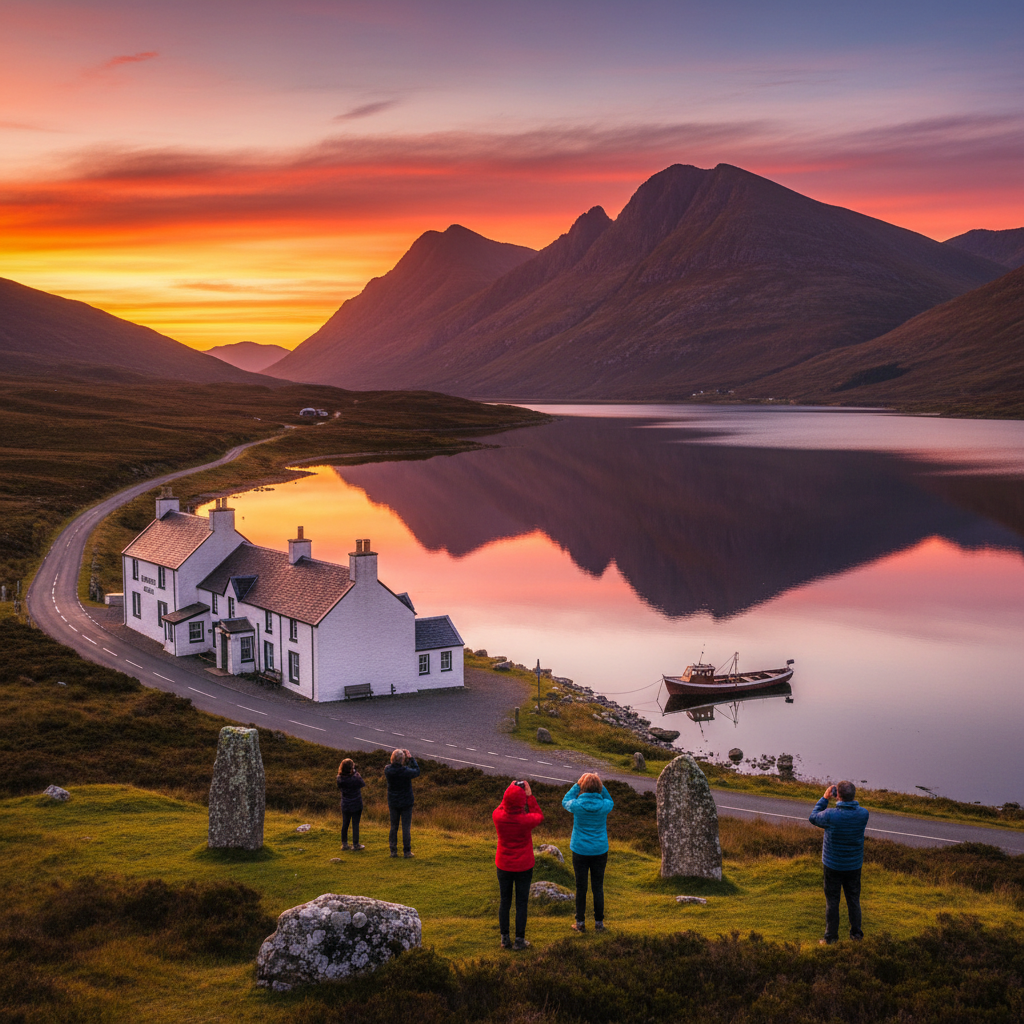
Altnaharra
Discover Altnaharra Altnaharra, a small village nestled in the Scottish Highlands, offers a unique glimpse into Scotland's rich tapestry of history, culture, and natural beauty. Located in the sprawling region of Sutherland, Altnaharra is surrounded by the breathtaking landscapes of lochs and mountains, making it an ideal destination for nature lovers and outdoor enthusiasts. The village itself is known for its tranquil atmosphere, providing a serene escape from the hustle and bustle of urban life.The history of Altnaharra dates back to the early 19th century, when it was established as a settlement. Originally a farming community, its development was spurred by the construction of the nearby railway line. Though the railway is no longer in operation, remnants of its history can still be felt in the charming architecture and the warm hospitality of the locals. The name Altnaharra derives from the Gaelic 'Allt na h-Aire', meaning 'the burn of the watch', which hints at its historical significance as a lookout point.Culturally, Altnaharra is a part of the wider Highland culture, which is steeped in traditions of music, dance, and storytelling. Visitors can often experience local events that celebrate Scottish heritage, including ceilidhs and community gatherings. The village is also a gateway to exploring the Gaelic language and customs that are still prevalent in the Highlands. Altnaharra offers a unique opportunity to immerse oneself in a slower-paced lifestyle, where community values are cherished and nature is revered.One of the most significant aspects of Altnaharra is its stunning surroundings. The village is situated near the famous Loch Naver, which is renowned for its fishing, particularly for trout and salmon. Additionally, Altnaharra is a perfect base for exploring the nearby Flow Country, one of the largest areas of blanket bog in Europe and a UNESCO World Heritage site. The vibrant ecosystem here supports a variety of wildlife, including birds, deer, and rare plant species, making it a paradise for nature enthusiasts and photographers.What truly sets Altnaharra apart is its commitment to sustainability and conservation. The local community actively engages in preserving the natural environment, ensuring that future generations can enjoy the same breathtaking landscapes. With its picturesque scenery, rich cultural heritage, and commitment to preserving the natural world, Altnaharra is more than just a destination; it's a journey into the heart of Scotland's Highlands. Top Attractions in Altnaharra – Ranked and Reviewed Visitors to Altnaharra are often delighted by the range of attractions and activities available, each providing a unique experience that showcases the beauty and culture of the Highlands. Based on the ratings and reviews from travelers on Stay4Exploring, here are some of the top attractions that you simply cannot miss during your visit.1. Loch Naver - Rated 4.8/5Loch Naver is a breathtaking freshwater loch that offers visitors stunning views and a tranquil atmosphere. Popular for fishing, kayaking, and picnicking, this loch provides an idyllic setting for those looking to unwind in nature. Many visitors have praised its serene beauty, with one traveler noting, "Fishing at Loch Naver was an unforgettable experience, the scenery is just breathtaking!"2. Altnaharra Hotel - Rated 4.7/5The Altnaharra Hotel is a gem within the village, offering comfortable accommodations and hearty meals. Visitors enjoy the warm hospitality and local cuisine, making it a perfect stop for travelers. A guest remarked, "The hotel staff made us feel right at home, and the food was delicious!"3. The Flow Country - Rated 4.9/5This UNESCO World Heritage site is a must-visit for nature lovers. The Flow Country is characterized by its vast blanket bogs, rich wildlife, and scenic walking trails. Hikers and photographers will find endless opportunities to capture the beauty of this unique landscape. One enthusiastic reviewer wrote, "Exploring the Flow Country was like stepping into another world; the landscapes are surreal!"4. Hiking Trails - Rated 4.6/5Altnaharra boasts a variety of hiking trails suitable for all levels of hikers. The trails offer stunning views of the surrounding mountains and lochs. Visitors recommend the trails for their accessibility and the chance to spot local wildlife. A hiker noted, "The trails are well-marked, and the views are simply stunning, perfect for capturing those Instagram moments!"5. Local Wildlife Tours - Rated 4.5/5For those interested in wildlife, guided tours are available that focus on the diverse ecosystems of the area. Tour guides provide insight into the local fauna and flora, making it an educational experience. One participant shared, "The wildlife tour was informative and exciting, we saw deer and various bird species up close!"These attractions, along with the warm welcome from the local community, ensure that Altnaharra is a destination that leaves a lasting impression on all who visit. Whether you’re seeking adventure, relaxation, or a cultural experience, Altnaharra has something for everyone. Planning Your Visit to Altnaharra Altnaharra, a serene village nestled in the North Highlands of Scotland, offers a unique escape into nature's embrace. To make the most of your visit, it's essential to consider the optimal time to explore this picturesque destination. The best time to visit Altnaharra is during late spring (May to June) and early autumn (September to October). During these months, the weather is generally mild, with temperatures averaging between 10°C to 15°C (50°F to 59°F). Additionally, spring showcases vibrant wildflowers and lush landscapes, while autumn presents stunning foliage, making it perfect for hiking and outdoor activities. Getting to Altnaharra can be an adventure in itself. The nearest major city is Inverness, approximately 60 miles away. From Inverness, you can either rent a car or use public transport. The drive offers breathtaking views of the Scottish Highlands, so consider taking your time to soak in the scenery. If you opt for public transport, Stagecoach operates bus services from Inverness to Altnaharra, but be sure to check the schedule in advance, as services can be limited. Once you arrive in Altnaharra, getting around is straightforward. The village is small and walkable, making it easy to explore on foot. For those who wish to venture further into the surrounding countryside, renting a bike or a car is advisable. This way, you can access nearby attractions such as Loch Naver and the beautiful Flow Country. Accommodations in Altnaharra range from cozy guesthouses to self-catering lodges. One of the most popular places to stay is the Altnaharra Hotel, which not only offers comfortable rooms but also stunning views of the surrounding landscape. For a more personal touch, consider staying at a local B&B, where you can enjoy a hearty Scottish breakfast and insider tips from your hosts. If you prefer a more independent experience, there are several holiday cottages available for rent, providing a home-away-from-home atmosphere. Regardless of your choice, booking in advance is recommended, especially during peak travel seasons. In summary, planning your visit to Altnaharra involves choosing the right time of year, determining your travel method, and selecting suitable accommodations. With its breathtaking scenery and tranquil atmosphere, Altnaharra promises a memorable getaway for nature lovers and those seeking solace in the heart of Scotland. Experience Altnaharra Like a Local To truly experience Altnaharra like a local, embracing the customs and culture of this Highland village is essential. The people of Altnaharra are known for their warm hospitality and friendliness. Engaging with locals can provide you with unique insights into the area and its history. Don’t hesitate to strike up conversations with residents; they are often eager to share stories about the land, its folklore, and their way of life. The food scene in Altnaharra reflects the rich agricultural heritage of the Highlands. Traditional Scottish cuisine features prominently in local eateries, and you can expect to find hearty dishes like haggis, neeps, and tatties served in many places. The Altnaharra Hotel is known for its delicious meals made from locally sourced ingredients, and trying their seafood is a must. Additionally, look for local bakeries offering freshly baked goods, such as shortbread and oatcakes, which make for perfect snacks during your adventures. Cultural experiences abound in Altnaharra and the wider Highland region. Attend local festivals if your visit coincides with one, as they often showcase traditional music, dance, and crafts. The village is also a gateway to exploring Scotland's vibrant Gaelic culture. Familiarizing yourself with a few common Gaelic phrases can enhance your experience and resonate well with the locals, who appreciate visitors making an effort to engage with their heritage. Outdoor activities are integral to life in Altnaharra. The surrounding landscapes offer endless opportunities for hiking, birdwatching, and fishing. If you’re keen on walking, the nearby trails provide varying levels of difficulty, catering to both seasoned hikers and casual walkers. Be sure to carry a camera, as the stunning vistas are worthy of capturing. Insider tips for your Altnaharra adventure include visiting the local shop for essentials and unique souvenirs. The shop often features handmade crafts by local artisans, providing a perfect memento of your trip. Also, consider visiting the nearby Loch Naver for a picnic; it's a popular spot among locals and offers an idyllic setting to relax and take in the natural beauty. In conclusion, to experience Altnaharra like a local, immerse yourself in the culture, savor the local cuisine, and engage with the community. With its rich traditions and stunning landscapes, Altnaharra invites you to discover the true essence of Scottish Highland life.

Sveti Stefan
Discover Sveti Stefan Sveti Stefan, an exquisite islet located along Montenegro's stunning Adriatic coastline, is not just a picturesque destination but a symbol of the country's rich history and cultural heritage. This unique settlement, which has transformed into a luxury resort, offers travelers a glimpse into the past while providing modern-day comforts and amenities. Originally a fishing village, Sveti Stefan was founded in the 15th century by local families who sought refuge from pirate attacks. The islet quickly evolved into a fortified settlement, boasting defensive walls and towers that protected its inhabitants. The architectural style of Sveti Stefan is a testament to its Venetian influences, characterized by stone houses adorned with terracotta roofs. The islet itself is connected to the mainland by a narrow causeway, creating a scenic view that has captivated visitors for centuries. By the 1960s, the settlement was converted into a luxurious hotel complex, attracting high-profile guests from around the world, including celebrities like Elizabeth Taylor and Sophia Loren. Today, Sveti Stefan retains its charm, with its cobblestone streets, quaint squares, and stunning views of the Adriatic Sea. The islet's significance extends beyond its beauty; it is a UNESCO World Heritage Site, recognized for its cultural and historical value. The blend of natural beauty and historical architecture makes Sveti Stefan a unique destination that sets itself apart from other coastal towns. In addition to its historical significance, Sveti Stefan is renowned for its vibrant local culture. The island hosts various cultural events throughout the year, including traditional music festivals, local craft fairs, and culinary showcases. Visitors can immerse themselves in Montenegrin culture by exploring the local art galleries and shops that feature handmade crafts and artworks by local artists. Festivals often feature traditional Montenegrin music, dance, and food, providing a comprehensive experience of the island's heritage. Moreover, Sveti Stefan's significance is not just historical but also ecological. The surrounding region boasts diverse flora and fauna, making it a haven for nature lovers and outdoor enthusiasts. The pristine beaches and crystal-clear waters offer opportunities for swimming, snorkeling, and various water sports, allowing visitors to connect with the natural beauty of the area. Hiking trails along the coastline provide breathtaking views and a chance to explore the Mediterranean landscape. In conclusion, Sveti Stefan is a destination that perfectly encapsulates Montenegro's blend of history, culture, and natural beauty. Whether you are wandering through its ancient streets, soaking up the sun on its beautiful beaches, or indulging in local culinary delights, Sveti Stefan promises an unforgettable experience that showcases the best of what Montenegro has to offer. Top Attractions in Sveti Stefan – Ranked and Reviewed Sveti Stefan is home to a variety of attractions that cater to different interests, making it an ideal spot for travelers seeking both relaxation and adventure. Here are some of the top-rated attractions in Sveti Stefan, as reviewed by visitors: Sveti Stefan Beach: Often regarded as one of the most beautiful beaches in Montenegro, Sveti Stefan Beach features soft pink sand and clear turquoise waters. Visitors rave about the stunning views and the tranquil atmosphere, making it a perfect spot for sunbathing and swimming. The beach is well-maintained, with sun loungers and umbrellas available for rent. The Island of Sveti Stefan: The islet itself is an attraction, with its narrow streets and historical architecture inviting exploration. Travelers enjoy wandering through the quaint alleyways, discovering hidden corners, and capturing breathtaking photos of the landscape. Many reviews highlight the charm of the local shops and the opportunity to experience the island's unique atmosphere. Church of St. Stephen: This small church located on the islet is a key historical site. Visitors appreciate its simplicity and the serene environment it offers. The church hosts various religious ceremonies and is an essential landmark reflecting the island's history. Milocer Beach: Just a short distance from Sveti Stefan, Milocer Beach is another gem that travelers frequently mention in their reviews. The beach is known for its picturesque setting, bordered by lush pine trees and olive groves. Visitors love the peaceful ambiance and the opportunity to escape the crowds found on more popular beaches. Queen’s Beach: Named after Queen Marija Karađorđević, who frequented the beach in the 19th century, this secluded spot is a favorite among visitors looking for tranquility. The beach is surrounded by natural beauty, and many reviewers recommend it for those seeking a more private experience. In addition to these attractions, Sveti Stefan is also known for its vibrant nightlife. Many visitors have shared positive experiences regarding local bars and restaurants that come alive in the evenings. The combination of stunning views, delicious food, and lively atmosphere makes it a must-visit after a day of exploring. For those interested in culture, several annual events take place in Sveti Stefan, showcasing local traditions and artistry. Festivals dedicated to music, dance, and food are popular among both locals and tourists, providing a unique opportunity to engage with the community. Overall, Sveti Stefan offers a diverse range of attractions that appeal to various interests, from history buffs and nature enthusiasts to those looking for relaxation and nightlife. The reviews from visitors highlight the island's beauty, charm, and welcoming atmosphere, making it a must-visit destination in Montenegro. Planning Your Visit to Sveti Stefan Planning a visit to Sveti Stefan is an exciting endeavor, as this charming destination offers a wealth of experiences for travelers. The first step in your planning process is determining the best time to visit. The ideal period to explore Sveti Stefan is during the late spring and early fall months, particularly from May to June and September to October. During these months, the weather is pleasantly warm, with temperatures ranging from 20°C to 30°C (68°F to 86°F), and the tourist crowds are less overwhelming compared to the peak summer months of July and August. Getting to Sveti Stefan is relatively straightforward, as it is located about 30 kilometers (18 miles) from Tivat Airport, the nearest international airport. Travelers can rent a car or take a taxi from the airport to reach Sveti Stefan, with the drive taking approximately 30 minutes. Alternatively, for those arriving in Podgorica, the capital city of Montenegro, the drive is about 70 kilometers (43 miles) and typically takes around one hour. There are also local buses that connect major cities in Montenegro to Sveti Stefan, making it accessible for budget travelers. Once you arrive, getting around Sveti Stefan is easy, especially since the area is compact and pedestrian-friendly. Most attractions are within walking distance, allowing visitors to explore the charming streets and soak in the local atmosphere. For those looking to venture further afield, local taxis and bus services are available to transport you to nearby towns and attractions, such as Budva and Kotor. Accommodation options in Sveti Stefan cater to various preferences and budgets. For those seeking luxury, the resort hotel on the islet itself, Aman Sveti Stefan, is a top choice, offering upscale amenities and stunning views. However, travelers can also find a range of mid-range hotels and guesthouses in the surrounding area, providing comfortable lodgings without breaking the bank. Popular options include Villa Beller and Hotel Adrovic, both of which have received positive reviews for their hospitality and proximity to the beach. When planning your visit, it is also important to consider local customs and etiquette. Montenegrins are known for their warm hospitality, and a friendly greeting can go a long way. Learning a few basic phrases in Serbian, such as 'Dobar dan' (Good day) or 'Hvala' (Thank you), can enhance your interactions with locals. Additionally, dress codes in restaurants can vary, so it’s advisable to check in advance if you plan to dine at upscale establishments. In summary, planning your visit to Sveti Stefan involves considering the best time to go, how to get there, transportation options, and accommodation. By keeping these factors in mind, you can ensure an enjoyable and memorable stay in this stunning coastal gem of Montenegro. Experience Sveti Stefan Like a Local Experiencing Sveti Stefan like a local involves immersing yourself in the unique customs, culinary delights, and vibrant culture of this picturesque destination. Understanding local traditions and practices can significantly enhance your visit and provide a more authentic experience. Montenegrin culture is characterized by its rich history, influenced by various civilizations, including the Romans, Venetians, and Ottoman Turks, resulting in a diverse cultural tapestry. One of the most significant aspects of local culture is the importance of family and community. Montenegrins are known for their hospitality, and visitors often find themselves welcomed with open arms. Engaging in conversations with locals, whether in a café or on the beach, can lead to valuable insights about the area and its traditions. Many locals are proud of their heritage and are more than willing to share stories about their lives and the history of Sveti Stefan. Montenegro’s culinary scene is another integral part of its culture. Local cuisine is heavily influenced by Mediterranean flavors, with an emphasis on fresh ingredients. When in Sveti Stefan, you must try traditional dishes such as: Njeguški pršut: A type of dry-cured ham that is a staple in Montenegrin cuisine, often served with cheese and olives. Grilled fish: Fresh catches from the Adriatic Sea are often simply seasoned and grilled, allowing the natural flavors to shine. Bakalar: Salted cod, which is traditionally served during the festive season, is a dish that showcases Montenegro’s maritime influences. Crni rižot: A black risotto made with cuttlefish and squid ink, offering a unique and flavorful experience. Many local restaurants and konobas (taverns) serve these dishes, with some of the best-reviewed establishments including Konoba More and Restaurant Gusti Mora, both known for their fresh seafood and authentic atmosphere. Pair your meal with a glass of local wine, such as Vranac or Krstač, to complete your culinary adventure. In addition to food, participating in local festivals can provide a deeper understanding of Montenegrin culture. Throughout the year, Sveti Stefan hosts various events, such as the Fishermen's Festival, where visitors can enjoy local seafood, music, and traditional dance performances. Engaging in these activities not only allows you to experience the local way of life but also creates opportunities to mingle with residents and fellow travelers. When exploring the area, consider taking part in traditional crafts, such as pottery or weaving workshops, which are often available for tourists. Many local artisans are eager to share their skills, allowing you to create a unique souvenir while learning about traditional techniques. In conclusion, to experience Sveti Stefan like a local, immerse yourself in the culture, savor the local cuisine, engage with the community, and participate in traditional events. By doing so, you will not only enhance your understanding of this beautiful destination but also create lasting memories that will stay with you long after your visit.

Nashville
Discover Nashville Nashville, the capital of Tennessee, is a vibrant city steeped in rich history and culture, often referred to as "Music City" due to its deep-rooted connection to music, particularly country music. Founded in 1779, Nashville has evolved from its humble beginnings along the Cumberland River to become a bustling metropolis known for its lively arts scene, diverse culinary landscape, and warm southern hospitality.The city’s significance in American music history cannot be overstated. It is home to the Grand Ole Opry, the oldest continuous radio show in America, and the Country Music Hall of Fame, which pays homage to the legends of the genre. Additionally, Nashville is the birthplace of numerous influential artists, songwriters, and musicians who have shaped the music industry over the decades. This cultural heritage creates a unique atmosphere where the sounds of live music can be heard on almost every street corner, especially in the iconic honky-tonks of Broadway.Nashville's culture extends beyond music. The city boasts a vibrant arts scene, with numerous galleries, theaters, and performance spaces that showcase everything from contemporary art to classic plays. The Frist Art Museum, housed in a stunning Art Deco building, features rotating exhibitions of art from around the world, while the Tennessee Performing Arts Center hosts a variety of performances, including ballet, opera, and Broadway shows.The culinary scene in Nashville is equally impressive, offering a tantalizing blend of flavors that reflect the region's heritage. Known for its hot chicken, the city has become a gastronomic hotspot, with countless restaurants serving up both traditional southern dishes and innovative cuisine. Food enthusiasts can enjoy everything from low-key barbecue joints to upscale dining experiences, making Nashville a paradise for food lovers.Nashville is also home to an array of annual festivals and events that celebrate its music and culture. The CMA Fest, held every June, draws thousands of country music fans from around the globe, while the Nashville Film Festival showcases independent films and filmmakers. These events highlight the city’s role as a cultural hub and provide visitors with an opportunity to immerse themselves in the local lifestyle.What sets Nashville apart is its unique blend of historical significance and modern innovation. The city is continuously evolving, with new developments and attractions emerging while still honoring its rich past. Whether you’re exploring the historic sites, enjoying live music, or indulging in the culinary delights, Nashville promises an unforgettable experience that captures the spirit of the South. Top Attractions in Nashville – Ranked and Reviewed Nashville is brimming with attractions that cater to a variety of interests, making it an ideal destination for travelers of all ages. Here, we highlight the top-rated attractions based on real traveler reviews from Stay4Exploring, ensuring you make the most of your visit.1. The Grand Ole Opry - Rated 4.8/5The Grand Ole Opry is the heartbeat of Nashville’s music scene. Visitors rave about the live performances and the rich history embedded in the venue. The backstage tours are particularly popular, offering a glimpse into the lives of the stars who have graced the stage. Make sure to catch a show if you can!2. Country Music Hall of Fame and Museum - Rated 4.7/5This museum is a must-visit for music fans and history buffs alike. Exhibits featuring artifacts from country music legends and interactive displays keep visitors engaged. Many reviews highlight the informative guided tours that provide deeper insights into the genre's evolution.3. Ryman Auditorium - Rated 4.6/5Known as the "Mother Church of Country Music," Ryman Auditorium is celebrated for its exceptional acoustics and storied past. Guests appreciate the architecture and the intimate concert experience. The venue offers guided tours that delve into its history as a church and concert hall.4. The Parthenon - Rated 4.5/5An unexpected gem, this full-scale replica of the Parthenon in Athens stands proudly in Centennial Park. Visitors are impressed by its architectural detail and the impressive art museum housed inside. It’s a beautiful spot for photos and a peaceful stroll.5. Johnny Cash Museum - Rated 4.5/5Dedicated to the life and career of the legendary Johnny Cash, this museum is highly praised for its extensive collection of memorabilia. Fans appreciate the intimate setting and the engaging displays that tell the story of Cash’s life, music, and legacy.6. Nashville Zoo at Grassmere - Rated 4.4/5Perfect for families, the Nashville Zoo features a wide variety of animals and exhibits. Visitors commend the spacious enclosures and educational programs. The petting zoo and the zipline attraction are particularly popular among kids.7. Belle Meade Historic Site & Winery - Rated 4.3/5This historic plantation offers tours that provide insight into the antebellum South while also featuring a winery that provides tastings. Guests appreciate the blend of history and wine, making it a unique experience in Nashville.Each of these attractions has its own charm and storytelling, reflecting Nashville's rich cultural tapestry. Real travelers' insights ensure that you choose the best experiences that resonate with your interests, making your trip to Nashville unforgettable. Planning Your Visit to Nashville Nashville, the vibrant capital of Tennessee, is a city that pulsates with music, culture, and southern charm. When planning your visit, it’s essential to consider the best times to experience all that this city has to offer. The ideal months to visit are from March to May and September to November, when the weather is pleasantly mild, and the city hosts numerous festivals and events. Spring brings beautiful blooms, while fall showcases stunning autumn foliage.Getting to Nashville is straightforward, with the Nashville International Airport (BNA) serving as the primary gateway. It offers numerous direct flights from major cities across the United States, making it easily accessible. Once you arrive, various transportation options are available. Ride-sharing services like Uber and Lyft are widely used, while public transportation, including the Nashville MTA bus system, provides an affordable way to navigate the city.For those wishing to explore more leisurely, renting a bike or scooter is an excellent option, especially along the scenic Greenway trails. If you prefer driving, be aware that parking can be challenging in the downtown area, so consider using public transit or ride shares when possible.When it comes to accommodations, Nashville has a diverse range of options catering to all budgets. For a unique experience, consider staying in one of the boutique hotels located in the trendy neighborhoods of East Nashville or The Gulch, which offer a blend of local charm and modern amenities. If you’re seeking luxury, the iconic Hermitage Hotel is a must, with its rich history and ornate architecture. Budget travelers can find plenty of hostels and budget hotels, particularly near the city center, providing easy access to major attractions.Regardless of where you choose to stay, ensure that it aligns with your itinerary. If you plan to immerse yourself in Nashville’s music scene, consider lodging near Broadway, where live music permeates the air, and honky-tonks beckon. For those interested in art and history, East Nashville or the West End area are fantastic options, offering a blend of culture and local life.In summary, planning your visit to Nashville involves choosing the right time of year, understanding your transportation options, and selecting accommodations that enhance your experience. With its rich musical heritage, delectable cuisine, and warm hospitality, Nashville promises an unforgettable adventure. Experience Nashville Like a Local To truly experience Nashville like a local, you must embrace its unique customs, food, and culture. The city is renowned for its southern hospitality, where friendly greetings and helpful advice are commonplace. As you explore, don’t be surprised if locals strike up conversations or offer recommendations; it’s all part of the Nashville charm.Nashville’s culinary scene is a gastronomic delight, characterized by its emphasis on southern comfort food. Don’t miss out on trying hot chicken, a local specialty that packs a spicy punch. Iconic establishments like Hattie B’s and Prince’s Hot Chicken are must-visit spots for this dish. Additionally, indulge in traditional southern sides such as collard greens, cornbread, and macaroni and cheese. For a sweet treat, make sure to sample a slice of gooey butter cake or a classic pecan pie.The city's nightlife is another highlight, with live music echoing from nearly every corner. While Broadway is famous for its honky-tonks, where you can hear live bands play country music, venture beyond the touristy spots to find local venues that showcase a variety of genres, including blues, rock, and indie. Neighborhoods like East Nashville are home to smaller bars and music rooms, offering an intimate setting to enjoy local talent.Understanding the local customs can enhance your experience. For instance, tipping is customary in restaurants, with 15-20% being the norm. Additionally, Nashville is known for its festivals, such as the CMA Music Festival and the Nashville Film Festival, where you can immerse yourself in the local culture and connect with fellow music and film enthusiasts.For those looking to dive deeper into Nashville’s culture, consider visiting museums like the Country Music Hall of Fame and the Johnny Cash Museum. These attractions not only celebrate the city's musical history but also provide insight into the artists who shaped it. The Frist Art Museum is another gem, showcasing a rotating collection of visual arts in a stunning art deco building.Insider tips include exploring the local farmers' markets, which offer fresh produce and artisan goods, providing a taste of Nashville's local flavors. Furthermore, if you’re visiting during the summer months, take advantage of outdoor concerts and events in parks such as Centennial Park and Riverfront Park. These gatherings often feature local musicians and food vendors, creating a festive atmosphere.Ultimately, experiencing Nashville like a local means engaging with its music, savoring its food, and immersing yourself in its vibrant culture. By embracing the southern hospitality and unique offerings of this dynamic city, you are sure to create lasting memories.

Chichester
Discover Chichester Chichester, a historic city located in West Sussex, England, is a cultural gem that seamlessly blends its rich heritage with modern charm. Known for its stunning architecture and vibrant arts scene, Chichester is a destination that invites exploration and engagement. The city dates back to Roman times, evidenced by its well-preserved remnants such as the city walls and the remains of a Roman theatre. These historical markers provide a glimpse into Chichester's past and highlight its significance as a center of commerce and culture in southern England.One of the most remarkable features of Chichester is its impressive cathedral, which has stood since the 11th century. The Cathedral of Chichester, with its stunning Norman architecture and beautiful stained glass windows, is not only a place of worship but also a significant landmark that draws visitors from around the world. The cathedral's spire, soaring to 230 feet, is a prominent feature of the Chichester skyline and serves as a navigational point for travelers.Chichester is also known for its vibrant arts scene, particularly the renowned Chichester Festival Theatre. This celebrated venue hosts a variety of performances, from classic plays to contemporary productions, attracting theatergoers and art enthusiasts alike. The annual Chichester Festivities, which celebrate the arts, music, and local culture, further underscore the city's commitment to fostering creativity and community engagement.The city is surrounded by stunning countryside and is in close proximity to the South Downs National Park. This natural beauty offers visitors a unique opportunity for outdoor adventures, including hiking, cycling, and exploring picturesque villages. The combination of historical allure and natural landscapes makes Chichester a special destination for those looking to immerse themselves in both culture and nature.Chichester is also famed for its diverse culinary scene, featuring a range of restaurants and eateries that showcase local produce and international cuisine. From traditional pubs serving hearty British fare to contemporary dining experiences, there is something to satisfy every palate.In addition to its historical and cultural significance, Chichester is a welcoming city that prides itself on its community spirit. The friendly locals, charming streets, and vibrant markets create an inviting atmosphere that encourages visitors to explore and engage with the city's offerings. Whether you're wandering through the historic streets, enjoying a performance at the theatre, or relaxing in one of the city’s parks, Chichester promises an experience that is both enriching and enjoyable. Top Attractions in Chichester – Ranked and Reviewed Chichester is home to a variety of attractions that cater to all interests, making it a fantastic destination for travelers. Based on reviews and ratings from visitors on Stay4Exploring, here are the top attractions you shouldn't miss when exploring this charming city.1. Chichester Cathedral: Rated as one of the most significant landmarks, Chichester Cathedral is a must-visit. Visitors rave about its stunning architecture, tranquil atmosphere, and the beautiful gardens surrounding it. Many recommend taking a guided tour to fully appreciate the history and intricacies of the cathedral's design.2. Chichester Festival Theatre: This iconic theatre has a reputation for high-quality productions and a diverse lineup of performances. Travelers consistently praise the vibrant atmosphere and the talent showcased on stage. A visit to the Chichester Festival Theatre is often described as a highlight of their trip, with many returning for multiple shows during their stay.3. Fishbourne Roman Palace: A short distance from the city center lies Fishbourne Roman Palace, the largest Roman residential site in Britain. Visitors are captivated by the well-preserved mosaics and the informative displays that bring Roman history to life. Many reviews highlight the friendly staff and the engaging exhibitions that make this site a family-friendly attraction.4. Pallant House Gallery: This contemporary art gallery is a favorite among art enthusiasts. It features a remarkable collection of 20th-century British art. Reviewers often mention the inviting atmosphere and the rotating exhibitions that keep the experience fresh and exciting. The gallery is also praised for its accessibility and the knowledgeable staff who enhance the visitor experience.5. Goodwood Estate: Known for its horse racing, motorsport events, and beautiful grounds, Goodwood Estate is a popular destination for both thrill-seekers and those looking to enjoy a leisurely day out. Visitors appreciate the variety of activities available, from attending a race to exploring the estate's gardens and enjoying fine dining. Reviews highlight the stunning views and the overall elegance of the estate.6. West Dean Gardens: Located just outside Chichester, West Dean Gardens is a picturesque spot perfect for a peaceful retreat. Visitors regularly commend the beautifully landscaped gardens and the seasonal blooms. The tranquil setting and the on-site café offer a delightful break from the hustle and bustle of city life.Chichester is brimming with attractions that appeal to a wide range of interests. Each site has its unique charm, providing travelers with opportunities to immerse themselves in the history, culture, and natural beauty of this remarkable city. With real traveler reviews guiding your exploration, you are sure to create lasting memories in Chichester. Planning Your Visit to Chichester Chichester, located in the heart of West Sussex, is a charming destination that perfectly balances historical richness with modern amenities. To make the most of your visit, it’s essential to plan ahead, considering the best time to go, travel logistics, and accommodation options.Best Time to Visit: Chichester enjoys a temperate maritime climate, which means mild summers and cool winters. The best time to visit is during the late spring and summer months, from May to September, when the weather is warm, and the city comes alive with festivals and outdoor events. However, if you prefer fewer crowds and lower prices, consider visiting in the shoulder seasons of early spring (March to April) or autumn (October to November).Getting There: Chichester is easily accessible by various modes of transportation. If you're traveling by train, the Chichester railway station offers direct services from London, Portsmouth, and Brighton, making it a convenient option for visitors. If you prefer driving, the city is well-connected via the A27 dual carriageway, which links to the M27 and M3 motorways. For those arriving by air, the nearest major airport is Southampton Airport, about an hour’s drive away, while London Gatwick Airport is about 1.5 hours away.Getting Around: Once in Chichester, navigating the city is straightforward. The city center is compact, making it easy to explore on foot. For longer distances, you can take advantage of the local bus services that connect various parts of the city and surrounding areas. Cycling is also popular, with several bike rental options available. If you’re looking for a more scenic option, consider walking along the Chichester Canal, which offers picturesque views and a relaxed atmosphere.Where to Stay: Chichester offers a wide range of accommodation options to suit all budgets. For a luxurious experience, consider the South Downs Eco Lodge, which combines sustainability with comfort. If you’re looking for something more budget-friendly, Travelodge Chichester Central provides modern amenities at reasonable prices. Additionally, there are charming guesthouses and B&Bs scattered throughout the city, offering a more personal touch. For a unique stay, check out the trendy Chichester Harbour Hotel, located in a former Victorian warehouse, providing a blend of history and contemporary style.In summary, planning your visit to Chichester involves choosing the right time, understanding your travel options, and selecting accommodations that suit your needs. With its rich history and vibrant culture, Chichester is sure to offer a memorable experience for every traveler. Experience Chichester Like a Local To truly immerse yourself in Chichester, it’s essential to embrace the local customs, savor the regional cuisine, and engage with the vibrant culture. Here’s how to experience Chichester like a local.Local Customs: Chichester is known for its friendly and welcoming locals. When greeting someone, a simple “hello” or “hi” suffices. It’s customary to say “thank you” when receiving service in shops or cafes. If you’re invited to a local’s home, it’s polite to bring a small gift, such as flowers or a box of chocolates. The city also cherishes its community events, so keep an eye out for local festivals, markets, and exhibitions that highlight Chichester’s rich heritage.Food: Food enthusiasts will find plenty to love in Chichester. The city is home to a mix of traditional British cuisine and international flavors. Don’t miss trying the local fish and chips from The Olive Branch, a beloved spot among residents. For a taste of Sussex, visit the Chichester Farmers' Market, held on the first and third Friday of each month, where you can sample fresh produce, artisanal cheeses, and handmade baked goods. For something unique, make a reservation at The Spotted Cow, a cozy pub that serves seasonal dishes made from locally sourced ingredients.Culture: Chichester has a rich cultural scene that’s worth exploring. The Chichester Festival Theatre is renowned for its innovative productions and attracts visitors from across the UK. Check their schedule for performances during your visit. Additionally, the Novium Museum offers fascinating insights into the city’s Roman heritage and local history. Art lovers should visit the Pallant House Gallery, which showcases an impressive collection of modern British art.Insider Tips: To experience Chichester like a true local, take the time to explore the lesser-known areas of the city. Venture to the tranquil Bishop’s Palace Gardens for a peaceful stroll or picnic. Join the locals in the evenings at one of the city’s many pubs, where you can enjoy a pint of local ale while chatting with friendly residents. If you're looking to avoid the hustle and bustle of tourists, try visiting popular attractions early in the morning or later in the afternoon. Lastly, don’t hesitate to ask locals for recommendations; they’re often the best source for discovering hidden gems.By engaging with the local customs, indulging in the culinary delights, and participating in cultural activities, you will not only enrich your experience in Chichester but also create lasting memories of this enchanting city.
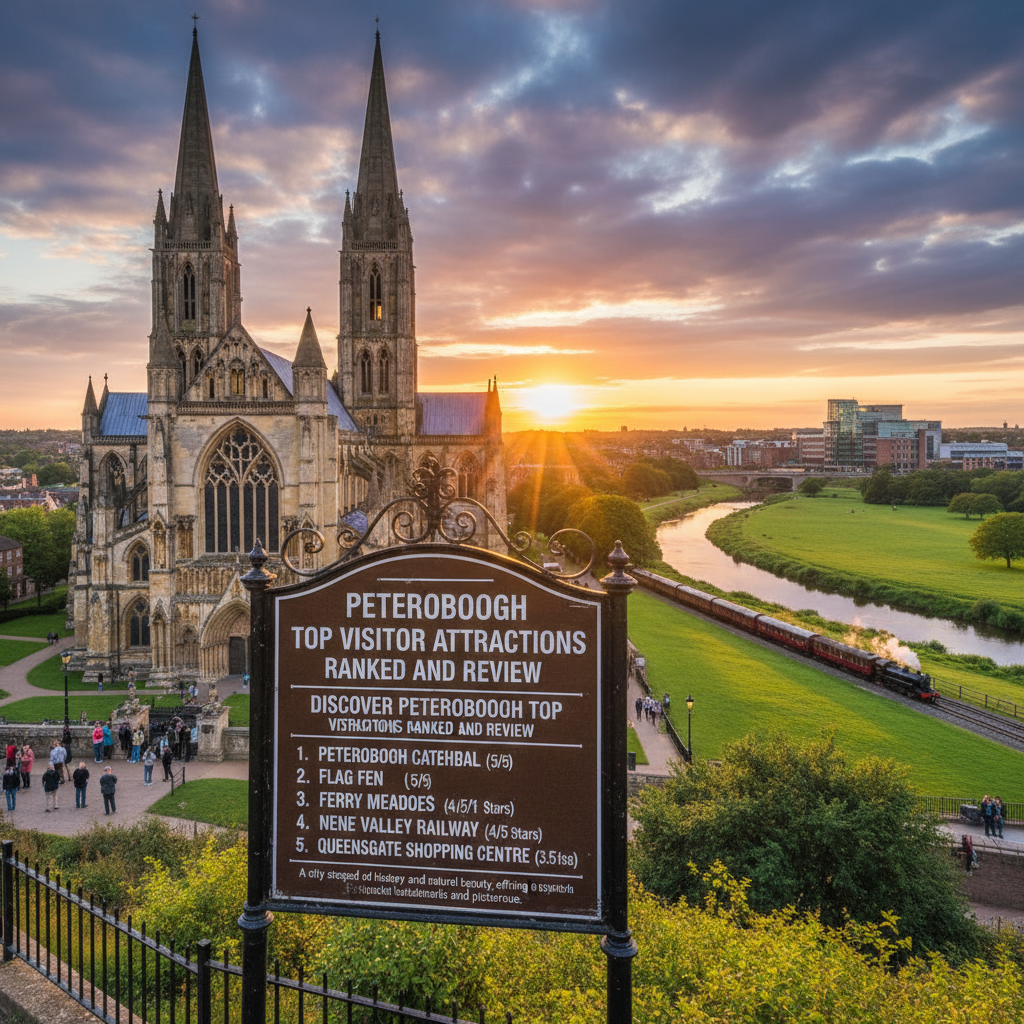
Peterborough
Discover Peterborough Peterborough, a vibrant city located in the East of England, is steeped in rich history and culture. With its origins dating back to the Roman era, the city has evolved significantly over the centuries, becoming a key player in the historical landscape of England. Its proximity to the Fens and strategic location along vital trade routes have contributed to its growth and significance throughout history.One of the most notable historical landmarks in Peterborough is the stunning Peterborough Cathedral, a magnificent example of Norman architecture that dates back to the 12th century. The cathedral is not only a place of worship but also a symbol of the city's heritage, attracting visitors from around the globe. It houses the tomb of Catherine of Aragon, the first wife of King Henry VIII, adding a royal touch to its storied past.Culturally, Peterborough is a melting pot, embodying the diversity of modern British society. The city hosts various events throughout the year that celebrate this diversity, including food festivals, art exhibitions, and music concerts. The Peterborough Arts Festival, for example, showcases local talent and brings together artists and performers from different backgrounds, fostering a sense of community and collaboration.In addition to its historical and cultural significance, Peterborough is also recognized for its green spaces and parks. Central Park, with its picturesque gardens and recreational facilities, offers residents and visitors a peaceful retreat from the hustle and bustle of city life. The park frequently hosts events and activities, making it a popular gathering place for families and friends.Moreover, the city is well-connected, making it easily accessible for those looking to explore its offerings. With excellent transport links via train and road, visitors can seamlessly travel to and from Peterborough, whether it’s for a day trip or a longer stay. The nearby railway station provides direct services to major cities like London and Cambridge, enhancing its appeal as a travel destination.What makes Peterborough truly special, however, is its sense of community and the warm hospitality of its residents. Visitors often remark on the friendliness of the locals and the welcoming atmosphere that permeates the city. This spirit is evident in the numerous independent shops, cafés, and restaurants that line the streets, each offering unique experiences that reflect the character of Peterborough.In summary, Peterborough is a city that beautifully intertwines history, culture, and community. From its iconic cathedral and vibrant arts scene to its lush green spaces and friendly locals, there’s something for everyone to discover. Whether you're a history buff, a culture enthusiast, or simply looking to enjoy a relaxing day in the park, Peterborough promises an enriching experience that will leave a lasting impression. Top Attractions in Peterborough – Ranked and Reviewed When it comes to attractions, Peterborough offers a diverse array of experiences that cater to a variety of interests, all of which have been ranked and reviewed by real travelers on Stay4Exploring. Here’s a look at the top attractions that you shouldn’t miss during your visit.1. Peterborough Cathedral - An architectural marvel, Peterborough Cathedral is often praised for its stunning façade and serene interior. Visitors consistently rate it highly, noting its historical significance and the peaceful atmosphere it provides. Many travelers recommend taking a guided tour to fully appreciate the intricate details of this 12th-century masterpiece.2. Nene Valley Railway - For those who love trains and history, the Nene Valley Railway offers a nostalgic journey through the picturesque countryside. Visitors have lauded the friendly staff and the immersive experience of riding on vintage steam trains. Families particularly enjoy the themed events held throughout the year, such as Santa Specials during the holiday season.3. Ferry Meadows Country Park - A favorite among nature lovers, Ferry Meadows Country Park features beautiful lakes, walking trails, and picnic areas. Rated as one of the best outdoor attractions in Peterborough, visitors appreciate the well-maintained paths and the abundance of wildlife. Many travelers recommend renting a bike or taking a leisurely stroll to fully enjoy the serene surroundings.4. Peterborough Museum and Art Gallery - This museum is a treasure trove of local history and art, showcasing artifacts from the area’s past. Reviewers often highlight the friendly staff and informative exhibits, making it a great stop for anyone interested in learning about Peterborough’s heritage. The art gallery features works from both local and national artists, providing a cultural experience in the heart of the city.5. Central Park - A perfect spot for relaxation, Central Park is frequently mentioned in traveler reviews for its beautiful gardens and recreational facilities. Visitors enjoy the park’s vibrant atmosphere, especially during community events and festivals. Families with children appreciate the playgrounds and open spaces for games and picnics.6. The Key Theatre - For those seeking cultural entertainment, the Key Theatre is a must-visit. Reviewers rave about the diverse range of performances, from theater productions to live music shows. Many visitors recommend checking the schedule ahead of time to catch a show during their stay.In conclusion, Peterborough is brimming with attractions that cater to various interests, whether you’re exploring history, enjoying nature, or immersing yourself in the local arts scene. The rankings and reviews from fellow travelers on Stay4Exploring can help guide you to the best experiences the city has to offer, ensuring an unforgettable visit. Planning Your Visit to Peterborough Peterborough, a vibrant city in Cambridgeshire, England, offers a unique blend of history, culture, and modern amenities. To make the most of your visit, it's essential to consider the best time to go, how to get there, how to navigate the city, and where to find suitable accommodations.Best Time to Visit: The ideal time to visit Peterborough largely depends on your preferences. The summer months (June to August) are warm and bustling, making it perfect for outdoor activities and local festivals. However, this is also the peak tourist season, so expect larger crowds and higher accommodation prices. For a more tranquil experience, consider visiting in the shoulder seasons of spring (April to May) or early autumn (September to October). During these months, the weather is still pleasant, and you'll have the added benefit of fewer tourists. Winter can be chilly, but the city’s festive spirit around Christmas is enchanting, with holiday markets and decorations.Getting There: Peterborough is well-connected by road and rail. If you're traveling by train, the Peterborough railway station is a major hub, offering direct services from London, Cambridge, and other cities. The journey from London typically takes around 1.5 hours. If you're coming by car, the A1(M) motorway provides easy access from the north and south, while the A47 connects to the east and west. For those flying in, the nearest airports are London Stansted and East Midlands, both of which have good transport links to the city.Getting Around: Once in Peterborough, navigating the city is straightforward. The city centre is compact, making it easy to explore on foot. However, for longer distances, public transport is readily available. Local buses provide service to various neighborhoods and attractions, while taxis and ride-sharing apps are also options. If you prefer cycling, bike rentals are available, and there are several cycling paths throughout the city. Parking is available in several areas, but be sure to check local regulations and fees.Where to Stay: Peterborough offers a range of accommodation options to suit different budgets and preferences. For a touch of luxury, consider staying at the Peterborough Marriott Hotel, located near the city centre with modern amenities and a restaurant. If you’re looking for more budget-friendly options, there are several guesthouses and budget hotels, such as Travelodge and Premier Inn, that provide comfortable stays without breaking the bank. For those seeking a unique experience, consider renting a holiday apartment or staying in a charming bed and breakfast, which can offer personalized service and local insights. No matter where you choose to stay, you'll find that Peterborough's friendly atmosphere and convenient location make it an enjoyable base for exploring the surrounding region. Experience Peterborough Like a Local To truly immerse yourself in the essence of Peterborough, it’s important to engage with the local customs, savor the cuisine, and appreciate the vibrant culture that defines this city.Local Customs: Peterborough has a rich history, and this is reflected in its customs and traditions. The city has a diverse community, which is celebrated through various cultural festivals throughout the year. One of the most notable events is the Peterborough Festival, showcasing local arts, crafts, and performances. Engaging with locals during these events can provide insight into the city's heritage and contemporary life. Additionally, British politeness is paramount; a simple 'please' and 'thank you' goes a long way in creating a positive interaction.Food: Peterborough boasts a diverse culinary scene that reflects its multicultural population. Traditional British fare can be enjoyed at local pubs, where favorites like fish and chips and Sunday roasts are served. For a unique twist, visit one of the many international restaurants offering dishes from around the globe, including Indian, Chinese, and Italian cuisine. Don't miss the Peterborough Farmers' Market, held monthly, where you can find fresh produce, artisanal goods, and local delicacies. For a sweet treat, try a slice of the city’s famous 'Peterborough cake,' a delicious fruitcake that has a special place in local tradition.Culture: Peterborough is home to several cultural institutions, including the Peterborough Museum and Art Gallery, which offers insight into the city’s history and art scene. The Key Theatre, located on the banks of the River Nene, hosts a variety of performances, from drama to comedy. For those interested in history, a visit to the stunning Peterborough Cathedral is a must; this architectural marvel dates back to the 12th century and is known for its impressive Gothic design. Local galleries and exhibitions often feature work from regional artists, so keep an eye out for pop-up events or art walks.Insider Tips: To experience Peterborough like a local, consider exploring the city’s parks and green spaces. Central Park and Ferry Meadows Country Park are perfect for leisurely strolls, picnics, or enjoying outdoor activities. Engage with local residents at community events or markets, where you can learn about the city’s hidden gems. If you’re interested in local history, ask residents for their favorite stories or legends related to the area. Finally, remember to embrace the local pace of life; take your time to enjoy the surroundings and soak in the vibrant atmosphere of this welcoming city.

Cheltenham
Discover Cheltenham Nestled in the picturesque Cotswolds, Cheltenham is a charming spa town renowned for its rich history, vibrant culture, and stunning Regency architecture. Established as a spa destination in the 18th century, Cheltenham rose to prominence with the discovery of mineral springs, attracting visitors from all over England and beyond. The town's historical significance is underscored by its designation as a spa town, which was recognized by its inclusion in the prestigious list of 'Cotswold District' heritage sites. One of the defining features of Cheltenham is its stunning array of Regency buildings, which reflect the town's affluent past. The elegant streets, lined with honey-colored stone, are a testament to the architectural prowess of the time, giving the town its signature charm. Visitors often find themselves wandering through the streets, admiring landmarks such as the Pittville Pump Room and The Queen's Hotel, both of which encapsulate the grandeur of the Regency era. Cheltenham's cultural scene is equally impressive, boasting a range of festivals and events that celebrate everything from literature to music. The Cheltenham Literature Festival, one of the oldest in the UK, attracts literary enthusiasts and renowned authors alike. Meanwhile, the Cheltenham Jazz Festival and the Cheltenham Music Festival showcase international talent and provide a platform for emerging artists, making the town a hub for cultural exchange. Moreover, Cheltenham’s commitment to arts and culture is evident in its numerous galleries and museums, such as the Cheltenham Art Gallery & Museum, which houses an impressive collection of art and artifacts, including pieces from the Arts and Crafts movement. The town is also home to a thriving theater scene, with the Everyman Theatre offering a diverse program of performances that cater to all tastes. What truly makes Cheltenham special is its beautiful green spaces, which provide a serene escape from the urban hustle. Pittville Park, with its sprawling lawns, lakes, and the iconic Pump Room, is perfect for a leisurely stroll or a picnic. The town's proximity to the Cotswold Hills also allows outdoor enthusiasts to explore breathtaking landscapes, making it a year-round destination for nature lovers. In addition to its natural beauty and cultural offerings, Cheltenham is also known for its culinary delights. The town boasts a variety of restaurants and cafés, ranging from traditional British fare to international cuisine, ensuring that every palate is catered to. Foodies can indulge in locally-sourced produce at the Cheltenham Farmers’ Market, which takes place regularly and showcases the best of the region's gastronomic offerings. In conclusion, Cheltenham is a destination that beautifully marries history, culture, and natural beauty. Whether you're exploring its historic sites, indulging in its vibrant arts scene, or simply enjoying the picturesque surroundings, Cheltenham offers a unique experience that resonates with visitors of all ages. Top Attractions in Cheltenham – Ranked and Reviewed Cheltenham is home to a plethora of attractions that cater to a diverse range of interests, making it a must-visit destination for travelers. Here, we present some of the top-rated attractions as reviewed by real travelers on Stay4Exploring. 1. Cheltenham Art Gallery & MuseumRated highly by visitors, the Cheltenham Art Gallery & Museum is a cultural gem. Housed in a beautiful Edwardian building, this gallery features an impressive collection of fine art, decorative arts, and local history exhibits. Reviewers often praise its well-curated displays and engaging temporary exhibitions, making it a great stop for art enthusiasts and history buffs alike. 2. Pittville ParkA favorite among families and nature lovers, Pittville Park offers expansive green spaces, tranquil lakes, and beautiful gardens. Visitors appreciate the park's peaceful ambiance, perfect for picnics and leisurely walks. The iconic Pump Room, located within the park, adds a historical touch, and many reviews highlight the scenic views and the well-maintained paths. 3. The Everyman TheatreCheltenham's premier theater, The Everyman Theatre, receives rave reviews for its variety of performances, including plays, musicals, and comedy shows. Visitors often remark on the theater's intimate atmosphere and the quality of productions. The historic building itself is a highlight, making it a great place to enjoy a night out. 4. Cheltenham RacecourseFor those interested in horse racing, the Cheltenham Racecourse is a must-visit. Known as the home of the prestigious Cheltenham Festival, the racecourse attracts thousands of visitors annually. Reviewers note the thrilling atmosphere during race days, the excellent facilities, and the stunning views of the Cotswolds, making it an unforgettable experience. 5. Montpellier DistrictThis vibrant area is renowned for its boutique shops, cafes, and restaurants. Visitors love wandering through Montpellier's charming streets, enjoying the unique shopping opportunities, and sampling local culinary delights. The district's lively ambiance, combined with its beautiful Regency architecture, makes it a perfect spot for a leisurely afternoon. 6. Holst Birthplace MuseumMusic lovers will find the Holst Birthplace Museum particularly interesting, dedicated to the life and works of composer Gustav Holst. The museum offers insights into the composer’s early life and his creative process. Reviewers appreciate the intimate setting and the knowledgeable staff, who provide engaging tours and information. In summary, Cheltenham offers a rich tapestry of attractions that showcase its historical significance, cultural richness, and natural beauty. Whether you’re an art lover, a nature enthusiast, or simply looking to explore, Cheltenham has something to offer every traveler. Be sure to check out the reviews on Stay4Exploring to help plan your visit and discover what other travelers loved about this charming town. Planning Your Visit to Cheltenham Cheltenham, located in the heart of the Cotswolds, is a captivating destination known for its Regency architecture, vibrant festivals, and beautiful parks. Planning your visit to this charming town will enhance your overall experience, ensuring you make the most of your trip.The best time to visit Cheltenham is during the spring (April to June) and early autumn (September to October). During these months, the weather is generally mild and pleasant, perfect for outdoor activities and exploring the town's stunning gardens. Spring brings a burst of color with blooming flowers, while autumn offers a picturesque setting with falling leaves, particularly in the nearby Cotswolds.Getting to Cheltenham is straightforward, with excellent transport links. The town is roughly a two-hour drive from London, accessible via the M40 and M5 motorways. If you prefer public transport, train services run frequently from London Paddington to Cheltenham Spa Station, taking about two hours. For those flying in, the nearest major airport is Birmingham Airport, which is about an hour away by car, with regular bus and rail connections available.Once you've arrived, getting around Cheltenham is convenient. The town is compact, making it easy to explore on foot. Public transport options include local buses that connect key attractions. Cycling is also popular, with bike rental options available for those who want to enjoy the scenic routes. Alternatively, taxis and ride-sharing services provide flexible transportation options.When it comes to accommodation, Cheltenham offers a range of options to suit various budgets and preferences. For a touch of luxury, consider staying at one of the elegant boutique hotels located in the town center. Many of these establishments are housed in beautifully restored Georgian buildings, providing an authentic experience. Budget travelers can find comfortable guesthouses and chain hotels, often located within walking distance of the main attractions.If you seek a unique experience, look for charming bed and breakfasts or Airbnb options in the surrounding countryside. These accommodations often provide a more personalized touch, allowing you to connect with locals and enjoy a home-cooked breakfast. Regardless of where you choose to stay, booking in advance is advisable, especially during festival times and peak tourist seasons. Experience Cheltenham Like a Local Experiencing Cheltenham like a local involves immersing yourself in the town's rich culture, traditions, and culinary delights. Understanding local customs can enhance your visit and help you connect with the community.One of the first things to note is that Cheltenham has a strong sense of community, with many local events and festivals throughout the year. Engaging with these events is a fantastic way to meet residents and learn more about the town's heritage. The Cheltenham Literature Festival, held every October, attracts authors and book lovers from around the world, while the Jazz Festival in May fills the streets with music and merriment.Food is an essential part of Cheltenham's culture. The town boasts a diverse culinary scene, from traditional British fare to international cuisine. Be sure to try local specialties such as the famous Cotswold cheese and hearty pies found in many pubs and restaurants. For a truly local experience, visit the Cheltenham Farmers' Market, held every Friday, where you can sample fresh produce, artisanal goods, and handcrafted items from local vendors.In addition to traditional dining options, Cheltenham is home to several innovative restaurants and cafes that embrace the farm-to-table concept. Many eateries source their ingredients from nearby farms, ensuring fresh and seasonal dishes. Don't miss out on the charming tearooms offering afternoon tea, a quintessentially British experience.When it comes to local customs, greeting people with a friendly smile and a simple 'hello' goes a long way. The residents are generally warm and welcoming, and engaging in small talk is common. If invited to a local event or gathering, it’s customary to bring a small gift or treat to share with others.Art and culture are also integral to Cheltenham's identity. The town has a vibrant arts scene, with galleries, theatres, and music venues presenting various performances and exhibitions. The Everyman Theatre is a local gem, showcasing everything from classic plays to contemporary productions. To delve deeper into the local art scene, consider visiting the Wilson Art Gallery, which features a collection of fine art, photography, and local history.For insider tips, don’t hesitate to wander off the beaten path. Cheltenham's hidden gems include quaint shops, quiet parks, and stunning gardens like Pittville Park, which is perfect for a leisurely stroll or a picnic. Lastly, be sure to take advantage of the town's beautiful architecture by simply walking around and admiring the Georgian and Victorian buildings that line the streets.
Docking
Discover Docking Docking, a charming village located in the heart of Norfolk, England, is a hidden gem that offers visitors a unique blend of history, culture, and natural beauty. Situated just a few miles from the stunning North Norfolk coastline, Docking has roots that date back to the Roman era, with its name derived from the Old English word for 'dock' or 'landing place'. This quaint village is steeped in history, with remnants of its past still visible in its architecture and local landmarks.One of the most significant aspects of Docking is its rich agricultural heritage. The surrounding countryside is characterized by lush farmland and picturesque views, making it an ideal destination for those seeking tranquility and a connection to nature. The village is also known for its historic buildings, including St. Mary's Church, which dates back to the 14th century and features remarkable stained glass windows and a stunning tower that dominates the skyline.The culture of Docking is vibrant and closely knit, with a strong sense of community among its residents. The village hosts various local events throughout the year, such as farmers' markets, craft fairs, and seasonal festivals, which showcase local produce, crafts, and the talents of its residents. These events provide visitors with an excellent opportunity to immerse themselves in the local culture and meet the friendly locals who are always eager to share their stories and traditions.What makes Docking especially special is its proximity to some of Norfolk's best attractions. Just a short drive away, you'll find the breathtaking beaches of Holkham and Wells-next-the-Sea, both renowned for their stunning natural beauty and opportunities for outdoor activities like walking, cycling, and birdwatching. Visitors can also explore the nearby Holkham Hall, an exquisite 18th-century mansion set within a magnificent parkland, which is perfect for leisurely strolls and picnics.Moreover, Docking's central location makes it an ideal base for exploring the wider Norfolk area. The North Norfolk Railway, often referred to as the 'Poppy Line', offers a nostalgic steam train experience, taking you through some of the region's most picturesque landscapes. With its historical significance, rich culture, and stunning surroundings, Docking truly embodies the essence of rural England, providing visitors with a peaceful retreat away from the hustle and bustle of city life. Top Attractions in Docking – Ranked and Reviewed When it comes to exploring Docking, visitors are in for a treat with a range of attractions that cater to diverse interests. According to real travelers on Stay4Exploring, here are some of the top-rated attractions in Docking that you won't want to miss.1. St. Mary's Church - Rated 4.8/5This historic church is a focal point of Docking, with its stunning architecture and serene atmosphere. Visitors rave about the intricate stained glass windows and the peaceful churchyard that offers a moment of reflection. Many travelers appreciate the church’s well-preserved features, making it a must-see for anyone interested in local history and architecture.2. Holkham Hall - Rated 4.9/5Just a short drive from Docking, Holkham Hall is a magnificent 18th-century mansion surrounded by beautiful parkland. Guests have praised its grand interiors and the stunning gardens that are perfect for leisurely strolls. The Hall often hosts special events and exhibitions, making it a vibrant spot for culture lovers.3. Norfolk Coast Path - Rated 4.7/5The Norfolk Coast Path offers breathtaking views and a chance to explore the natural beauty of the region. Hikers and walkers have shared positive experiences about the diverse landscapes and the abundance of wildlife. It’s an ideal spot for outdoor enthusiasts looking to immerse themselves in nature.4. The Duck Inn - Rated 4.6/5For those looking to unwind, The Duck Inn is a charming pub that serves delicious local dishes and a selection of fine ales. Visitors have complimented the warm atmosphere and friendly staff, making it a great place to relax after a day of exploring. The pub's focus on local ingredients makes it a culinary delight.5. Docking Village Hall - Rated 4.5/5This community center hosts various events and activities, from craft fairs to fitness classes. Travelers appreciate the welcoming vibe and the chance to engage with local culture. It's a great spot to find out more about what's happening in the village during your visit.Overall, Docking is a delightful destination that combines history, culture, and stunning landscapes. The attractions listed above have been highly rated by visitors, ensuring that whether you're a history buff, nature lover, or foodie, there’s something for everyone to enjoy in this charming village. Planning Your Visit to Docking Docking, a charming village in Norfolk, England, is a hidden gem worth exploring. The best time to visit is during the late spring and summer months, from May to September. During this period, the weather is generally mild, with average temperatures ranging from 15°C to 22°C (59°F to 72°F). This is also when local flora is in full bloom, making for picturesque landscapes that are perfect for outdoor activities.Getting to Docking is relatively straightforward. The nearest major city is Norwich, which is approximately 30 miles away. From Norwich, you can take a train to King’s Lynn, which is the closest train station to Docking. From King’s Lynn, you can opt for a bus service or a taxi to reach Docking directly. If you prefer to drive, Docking is easily accessible via the A149 road, and there is ample parking available in the village.Once you arrive in Docking, getting around is simple. The village is small and walkable, making it easy to explore on foot. If you plan to venture further afield, consider renting a bicycle, as there are numerous cycle paths that connect Docking to nearby villages and attractions. Additionally, local buses run regularly to various destinations, providing a convenient option for those who prefer not to drive.When it comes to accommodation, Docking offers a range of options to suit different preferences and budgets. For a cozy experience, consider booking a stay at one of the charming bed and breakfasts that dot the village. These establishments often provide a warm welcome and a hearty breakfast to start your day. Alternatively, there are self-catering cottages available for those who prefer more independence during their stay. If you’re looking for more luxurious accommodations, the nearby coastal towns of Hunstanton and Wells-next-the-Sea offer hotels and resorts with stunning sea views.Regardless of your choice of lodging, it’s advisable to book accommodations in advance, especially during peak tourist season, as places can fill up quickly. With proper planning, your visit to Docking can be a delightful experience filled with nature, history, and local charm. Experience Docking Like a Local To truly experience Docking like a local, it’s essential to embrace the village’s customs and lifestyle. One of the most notable aspects of life in Docking is the strong community spirit. Residents often come together for local events, markets, and festivals, which provide a wonderful opportunity to mingle and experience the local culture. Participating in these events can give you insight into the traditions and values that define this quaint village.When it comes to food, Docking is known for its local cuisine, which often features fresh, locally sourced ingredients. Be sure to try traditional Norfolk dishes such as Cromer crab, which is a local delicacy. The village has a few pubs and eateries where you can enjoy hearty meals. The King’s Head Inn, for instance, is a popular spot among locals and visitors alike, offering classic British fare in a welcoming atmosphere. Don’t forget to wash it down with a pint of locally brewed ale!In addition to local dining, the culture of Docking is enriched by its historical landmarks and natural beauty. The village is surrounded by stunning countryside and is near the Royal Sandringham Estate, providing excellent opportunities for hiking and nature walks. Take the time to explore the nearby nature reserves, where you can witness the diverse wildlife that inhabits the area.As a visitor, it’s important to respect local customs and etiquette. Norfolk people are known for their friendliness, but they also value politeness and consideration. A simple “please” and “thank you” can go a long way in establishing rapport with locals. Also, when visiting shops or restaurants, be patient and allow for a slower pace, as this is part of the charm of village life.For insider tips, consider chatting with locals to get recommendations on lesser-known spots worth exploring. They can guide you to scenic walks, hidden cafés, and off-the-beaten-path attractions that may not be listed in guidebooks. Additionally, keep an eye on local notice boards or social media groups for updates on community events, craft fairs, and markets that often showcase the talents of local artisans.By embracing the local customs, savoring the food, and engaging with the community, you’ll gain a deeper appreciation for Docking and its unique character. This immersive approach will undoubtedly make your visit more memorable and enriching.

Alness
Discover Alness Alness, a charming town nestled along the shores of the Cromarty Firth in the Scottish Highlands, is a hidden gem that offers visitors a unique blend of history, culture, and natural beauty. With its roots tracing back to the 18th century, the town has evolved from a bustling center for shipbuilding and trade to a picturesque community that perfectly encapsulates Highland life.The name Alness is believed to be derived from the Gaelic 'Aileas', meaning 'the place of the waterfall', a nod to the town's scenic natural surroundings. Historically, Alness played a pivotal role in the local economy, particularly during the industrial revolution, when its proximity to water facilitated the growth of various industries, including the production of whisky. Today, remnants of its industrial past can still be seen through its architecture and local museums.Culturally, Alness is vibrant, with a strong sense of community and a host of events that celebrate its heritage. The town regularly hosts festivals, including the Alness Highland Games, which showcases traditional Scottish sports, music, and dance. This annual event attracts visitors from all over, providing an authentic taste of Highland culture.One of the aspects that make Alness particularly special is its stunning natural landscapes. Surrounded by rolling hills, lush forests, and the serene waters of the Cromarty Firth, the area is a paradise for outdoor enthusiasts. Hiking, cycling, and bird watching are just a few of the activities that allow visitors to immerse themselves in the breathtaking scenery. Notably, the nearby Fyrish Monument offers panoramic views and is a popular hiking destination that tells the story of the local community's resilience.Additionally, Alness is conveniently located near Inverness, the capital of the Highlands, which allows visitors to explore the best of both worlds—urban attractions and tranquil countryside. The town's friendly atmosphere and welcoming locals make it an ideal base for exploring the wider region, including famous landmarks like Loch Ness and the Isle of Skye.Today, Alness continues to thrive as a community that respects its past while embracing the future. With ongoing development projects and a commitment to sustainability, the town is adapting to modern needs without losing its traditional charm. Visitors to Alness can expect not only a glimpse into Scotland's rich history but also an opportunity to experience the warmth of Highland hospitality. Top Attractions in Alness – Ranked and Reviewed Alness boasts a variety of attractions that cater to different interests, making it an appealing destination for all types of travelers. Here’s a look at the top attractions in Alness, ranked and reviewed by real travelers on Stay4Exploring.1. Fyrish MonumentA popular hiking destination, the Fyrish Monument is an iconic landmark located just a short distance from Alness. Built in the 18th century, this structure offers stunning views of the surrounding landscape and is a must-visit for nature lovers. Hikers praise the well-maintained trails and the rewarding views from the summit, making it a top-rated attraction for both locals and visitors alike.2. Alness Heritage CentreThe Alness Heritage Centre provides a fascinating glimpse into the town's history. Many visitors appreciate the informative exhibits that showcase local artifacts, photographs, and stories that bring the past to life. Travelers commend the knowledgeable staff for their passion and dedication, making it a highly-rated stop for anyone interested in Scottish history.3. Strathrobin Golf ClubGolf enthusiasts will find Strathrobin Golf Club to be a hidden treasure. Located in a scenic setting, this 18-hole course is complimented for its challenging layout and stunning views of the Cromarty Firth. Reviewers often highlight the friendly atmosphere and the welcoming staff, making it a favorite for both seasoned golfers and beginners.4. Alness River WalkThe Alness River Walk is a serene pathway that offers a perfect blend of nature and tranquility. Visitors rave about the scenic beauty of the route, which is ideal for leisurely strolls, jogging, or cycling. The path is well-marked, and many appreciate the opportunity to spot local wildlife along the way.5. The Black Isle BrewerySituated just a short drive from Alness, The Black Isle Brewery is a must-visit for craft beer lovers. The brewery offers tours and tastings, allowing visitors to learn about the brewing process and sample some of their finest offerings. Travelers have praised the knowledgeable staff and the relaxed atmosphere, making it a top-rated attraction for a unique experience.6. Alness Town CentreThe town center itself is charming and bustling, featuring a variety of shops, cafes, and restaurants. Visitors enjoy exploring the local boutiques and indulging in traditional Scottish cuisine at the eateries. Many reviews highlight the friendly service and the local produce available, ensuring an enjoyable shopping and dining experience.In conclusion, Alness offers a wealth of attractions that highlight its rich history, stunning landscapes, and vibrant culture. With rankings and reviews from real travelers, it’s easy to see why Alness is becoming an increasingly popular destination in the Scottish Highlands. Planning Your Visit to Alness Alness, a picturesque town located on the shores of the Cromarty Firth in the Scottish Highlands, offers a unique blend of natural beauty and rich history. The best time to visit Alness is during the late spring (May to June) and early autumn (September to October) months. During these periods, the weather is usually mild and pleasant, making it perfect for outdoor activities. The summer months can be busy with tourists, while winter can bring cold weather and occasional snowfall, though the town’s charm remains intact year-round.Getting to Alness is relatively straightforward. The nearest major city is Inverness, approximately 16 miles away, which is well-connected by train and bus services. If you are flying into Scotland, Inverness Airport is the closest airport, serviced by several domestic and international flights. From the airport, you can rent a car or take a bus to reach Alness. Alternatively, if you are driving from the south, the A9 road offers a scenic route through the Highlands, providing stunning views along the way.Once you arrive in Alness, getting around is convenient due to the town's compact size. Most attractions are within walking distance, making it easy to explore on foot. However, if you wish to venture further afield, consider renting a bicycle or using public transport. The local bus service connects Alness to surrounding areas, allowing you to explore more of the Highland region. For those who enjoy a more leisurely pace, walking trails around Alness showcase the area’s natural beauty, including paths that follow the River Averon.When it comes to accommodation, Alness offers a variety of options to suit different budgets and preferences. For a cozy and intimate experience, consider staying at one of the charming guesthouses or bed and breakfasts that highlight local hospitality. The Alness Hotel and The Strathcarron Hotel are popular choices, offering comfortable lodgings and easy access to the town center. If you prefer self-catering options, several holiday cottages are available for rent, providing a home-away-from-home experience. For those looking for a more luxurious stay, nearby Inverness boasts a range of upscale hotels and resorts, offering additional amenities and services.In summary, planning your visit to Alness means considering the best time to enjoy its attractions, how to get there comfortably, and where to stay to make the most of your experience. Whether you are seeking adventure, relaxation, or cultural exploration, Alness has something to offer every traveler. Experience Alness Like a Local To truly experience Alness like a local, it's essential to immerse yourself in the town's customs, culture, and, of course, its culinary delights. Alness is known for its friendly community, and locals take pride in their Scottish heritage. You’ll notice that hospitality is a key aspect of life here. When greeting someone, a simple "hello" or "hiya" will suffice, but don’t be surprised if you engage in a friendly chat. Locals love to share stories about their town and its history, so be open to conversations!Scottish food plays a significant role in the local culture, with traditional dishes often showcased in restaurants and pubs. Haggis, neeps (turnips), and tatties (potatoes) are a must-try, especially at local eateries like The Royal Hotel or The Alness Restaurant. Seafood lovers will also find plenty of fresh catches, as the town is close to the coast. Don’t miss the chance to indulge in Cullen skink, a creamy fish soup that’s a regional favorite. For a sweet treat, try a piece of tablet, a Scottish confection that’s sweet and crumbly.Cultural events are an important part of life in Alness. The town hosts various festivals throughout the year, such as the Alness Highland Games, which showcases traditional Scottish sports, music, and dancing. Attending these events gives you a deeper insight into the local culture and a chance to connect with residents. Additionally, the annual Christmas Market brings the community together, offering local crafts, food, and festive cheer.One of the best ways to soak up the local atmosphere is by visiting the small shops and markets in Alness. The town features a selection of unique boutiques, art galleries, and craft shops that offer handmade goods and local artwork. Spend an afternoon wandering through these shops, and you might find the perfect souvenir to remember your trip. Don’t forget to stop by the local bakery for a fresh scone or a piece of shortbread!For insider tips, try to learn a few basic Scottish phrases; it’s always appreciated by locals. Additionally, if you're looking for scenic views, venture to the nearby Black Rock Gorge, a stunning natural landmark just a short drive from Alness. It’s a great spot for photography and enjoying the Highland landscape. Lastly, make sure to ask locals for their recommendations on hidden gems or lesser-known attractions; they often have the best insights that aren't found in guidebooks.In essence, experiencing Alness like a local involves embracing its customs, savoring its culinary offerings, and engaging with the community. By doing so, you’ll create lasting memories of your visit to this charming Highland town.

Albufeira
Discover AlbufeiraAlbufeira — the Algarve’s sun-drenched crossroads of history and modernity — unfolds where crenellated Moorish watchtowers overlook sun-bleached coves, and the scent of grilled sardines mingles with salt air and orange blossom. This definitive location guide unveils a destination shaped by 13th-century conquests and 21st-century verve: labyrinthine alleys of the whitewashed *Cidade Velha* yield to cliffside seafood shacks, while the Strip thrums with DJ sets against Atlantic sunsets. Beyond its golden beaches and Benagil’s sea caves, Albufeira’s true rhythm lies in its seasonal layers — spring’s almond blossoms, summer’s beach clubs, autumn’s golf greens, and winter’s citrus harvests. We map its geography, transport hubs, and surrounding villages like Paderne’s castle ruins, spotlight Algarvean *cataplana* stews in family-run *tascas*, and touch lightly on hospitality operations for curious investors. Here, every cobblestone and cove whispers a story — of Moors, fishermen, and the resilient pulse of Portugal’s south coast.
Chatham
Discover Chatham Chatham, located within the Medway Towns in Kent, England, is a town steeped in maritime history and cultural significance. With its roots tracing back to the Roman era, Chatham has evolved over centuries into a dynamic hub that showcases the rich tapestry of British naval heritage. One of the most remarkable aspects of Chatham is its association with the Royal Navy. The Chatham Dockyard, established in the late 16th century, played a pivotal role in shipbuilding and naval logistics, contributing to England's naval supremacy during the Age of Sail. Today, it stands as a testament to this illustrious past and serves as a major tourist attraction. The cultural landscape of Chatham is equally compelling. The town boasts an array of historic sites and museums, including the Historic Dockyard, which features a collection of ships, submarines, and exhibits that narrate the story of Britain's maritime endeavors. Visitors can explore the Victorian streets and enjoy the ambiance that resonates with the echoes of sailors and shipbuilders from centuries past. The town's commitment to preserving its heritage is evident in its architecture, with many buildings reflecting the Georgian and Victorian styles that defined its development. Chatham is also a vibrant community that celebrates its diversity through various cultural events and festivals throughout the year. The annual Chatham Carnival is a highlight, showcasing local talent and fostering a sense of community spirit. Additionally, the Medway Festival of Music and Drama attracts performers from across the region, adding to the town's cultural richness. What makes Chatham particularly special is its ability to blend history with contemporary living. The waterfront area is a focal point for leisure activities, featuring restaurants, cafes, and shops that cater to both locals and visitors. The regeneration of the dockyard area has created a lively atmosphere, making it an ideal spot for a leisurely stroll or dining with a view of the River Medway. Nature enthusiasts will also find solace in Chatham's green spaces, including the picturesque Riverside Country Park and the expansive Capstone Farm Country Park. These areas provide opportunities for outdoor activities such as hiking, cycling, and bird-watching, making Chatham a destination that appeals to a wide range of interests. Overall, Chatham stands out as a unique blend of history, culture, and modernity. Its rich naval heritage, vibrant community spirit, and beautiful landscapes make it a must-visit destination for anyone looking to explore the charm of the English countryside intertwined with a significant historical narrative. Top Attractions in Chatham – Ranked and Reviewed Chatham is home to a variety of attractions that have been ranked and reviewed by real travelers on Stay4Exploring. These experiences offer insights into the best that the town has to offer, showcasing its rich history and vibrant culture. 1. The Historic Dockyard - A must-see for history enthusiasts, the Historic Dockyard is the crown jewel of Chatham. Visitors rave about the interactive exhibits and the opportunity to explore historic ships, including the HMS Gannet and the submarine HMS Ocelot. Reviewers highlight the knowledgeable guides who bring the maritime history to life, making it an educational experience for all ages. 2. Rochester Castle - Just a stone's throw from Chatham, Rochester Castle is another highly-rated attraction. This imposing medieval fortress offers stunning views of the surrounding area and has a rich history dating back to the 12th century. Travelers appreciate the well-preserved structure and the informative displays that detail its significance in English history. 3. Chatham Waterfront - The revitalized waterfront area is a popular destination for both locals and visitors. Packed with restaurants, cafes, and shops, it’s the perfect place to enjoy a meal or a leisurely walk along the River Medway. Many travelers praise the scenic views and the vibrant atmosphere, particularly during sunset. 4. Capstone Farm Country Park - For those looking to escape the hustle and bustle, Capstone Farm Country Park offers a peaceful retreat. Rated highly for its walking and cycling trails, this park is loved by families and nature enthusiasts alike. Reviewers note the well-maintained paths and the abundance of wildlife, making it a wonderful spot for a day out in nature. 5. The Royal Engineers Museum - This museum showcases the history of the Royal Engineers and their contributions to the British military. Visitors appreciate the extensive collection of artifacts and the engaging displays, which provide a fascinating insight into engineering feats throughout history. Many reviews commend the friendly staff and the museum’s informative guided tours. 6. Chatham Theatre - A hub for cultural performances, Chatham Theatre offers a diverse lineup of shows, from musicals to drama. Attendees often remark on the quality of performances and the intimate atmosphere of the venue, making it a cherished spot for entertainment lovers in the area. In summary, Chatham offers a range of attractions that cater to various interests, from history buffs to nature lovers. The reviews and rankings from Stay4Exploring reflect the town's commitment to providing memorable experiences for all visitors. Whether you're exploring the Historic Dockyard or enjoying a meal by the waterfront, Chatham promises a delightful escape into England's rich heritage. Planning Your Visit to Chatham Chatham, a historic town situated in Kent, England, is a fantastic destination for travelers seeking a blend of rich maritime history and charming English culture. When planning your visit, consider the best time to explore this vibrant locale. The ideal months are from late spring to early autumn (May to September) when the weather is generally mild and pleasant, making outdoor attractions more enjoyable. However, do keep in mind that summer can be busy with tourists, so if you prefer a quieter experience, late spring or early autumn are recommended.Getting to Chatham is relatively straightforward. The town is well-connected by various modes of transport. If you're flying in, the nearest major airport is London Gatwick, which is about an hour's drive away. Alternatively, London City Airport is slightly closer and offers a range of domestic and international flights. For those traveling by train, Chatham is easily accessible via the Southeastern Railway from London, with frequent services running to and from London Victoria and St Pancras International. If you're driving, Chatham is conveniently located near the M2 motorway, which connects to other major routes.Once you arrive in Chatham, getting around is quite easy. The town is compact, making it ideal for exploring on foot. Many of the main attractions, such as the Historic Dockyard and Chatham Maritime Museum, are within walking distance of each other. For those who prefer not to walk, public transport options include buses that connect Chatham with nearby towns and attractions. Additionally, there are bike rental services available, providing a fun and eco-friendly way to navigate the area.When it comes to accommodation, Chatham offers a variety of options to suit different budgets and preferences. For a unique experience, consider staying at one of the historical hotels that reflect the town's maritime heritage. The Ship & Trades is a popular choice, located on the waterfront and offering comfortable rooms with stunning views. For travelers seeking a more traditional hotel experience, the Holiday Inn Rochester-Chatham provides modern amenities with easy access to Chatham's attractions. Budget travelers will find a range of guesthouses and hostels, while those looking for self-catering options can find apartments and homes available for rent through platforms like Airbnb. Regardless of where you choose to stay, Chatham’s welcoming atmosphere and rich history will ensure a memorable visit. Experience Chatham Like a Local To truly immerse yourself in the culture of Chatham, it's essential to embrace the local customs and traditions. The people of Chatham are known for their friendliness and warmth, making it easy for visitors to feel at home. A vital part of local life is the community spirit, often showcased during various festivals and events throughout the year. One of the most significant events is the Chatham Maritime Festival, held every August, which celebrates the town's maritime heritage with performances, food stalls, and family-friendly activities.When it comes to food, Chatham offers a delightful array of dining options. Traditional British cuisine can be enjoyed at local pubs, where you can savor classic dishes like fish and chips or a hearty Sunday roast. The Royal Dockyard, located in the heart of Chatham, is home to several eateries that serve fresh seafood and international cuisine. For a unique experience, visit the Chatham Market, where you can find local produce, artisanal crafts, and street food from various cultures. Don’t forget to try a pint of locally brewed ale at one of Chatham's historic pubs, such as The King’s Arms or The Ship Inn.Chatham's culture is steeped in its naval history, and this is reflected in the town's many attractions. A visit to the Historic Dockyard is a must, where you can explore historic ships, museums, and exhibitions that tell the story of Chatham's shipbuilding past. Engage with the local community by attending workshops or guided tours, which often provide deeper insights into the town's heritage. The annual Chatham Historic Dockyard Trust's events also encourage participation from locals and visitors alike, fostering a sense of togetherness.For insider tips, consider exploring Chatham's hidden gems. Venture beyond the typical tourist spots and discover places like the Chatham Historic Dockyard, where you can enjoy guided tours and interactive exhibits. Don’t miss the opportunity to stroll along the River Medway, where picturesque views can be captured. Another local favorite is the Medway Park, a perfect spot for a leisurely walk or a picnic. Lastly, remember to engage with locals; they can provide valuable recommendations for off-the-beaten-path experiences and dining options. By embracing the local customs and indulging in the culinary offerings, you'll experience Chatham in a way that resonates with its rich culture and community spirit.

Dundonnell
Discover Dundonnell Nestled on the picturesque northwest coast of Scotland, Dundonnell is a small yet captivating village that offers a glimpse into the rich tapestry of Scottish history and culture. Located within the Highland council area, this serene spot is often overshadowed by its more famous neighbors, yet it holds a unique charm that beckons travelers looking for an authentic experience. The village lies along the shores of Loch Broom, surrounded by stunning landscapes that include rugged mountains, lush forests, and crystal-clear waters, making it a paradise for nature lovers and adventure seekers alike. The history of Dundonnell is deeply intertwined with the broader narrative of Scotland’s Highlands. The area was originally inhabited by the Celtic tribes, and remnants of ancient settlements can still be found nearby, echoing the stories of those who walked these lands centuries ago. One of the most significant historical sites in Dundonnell is the Dundonnell House, an 18th-century mansion that serves as a reminder of the area's aristocratic past. Although the house is privately owned, the surrounding gardens and parklands are accessible to the public, allowing visitors to soak in the beauty of this historic estate. Despite its small size, Dundonnell has a vibrant community that actively preserves its cultural heritage. The local population is known for its warm hospitality, and the village often hosts events and festivals that celebrate Scottish traditions. One such event is the annual Dundonnell Highland Games, where locals and visitors come together to participate in traditional sports, music, and dance, showcasing the spirit of the Highlands. What sets Dundonnell apart from other destinations in Scotland is its breathtaking natural environment. Surrounded by the majestic peaks of the Scottish Highlands, including the imposing An Teallach mountain range, the area is a haven for outdoor enthusiasts. Hiking, fishing, and kayaking are popular activities that allow visitors to immerse themselves in the stunning landscapes. The nearby Loch Broom is particularly famous for its diverse wildlife, making it a prime spot for birdwatching and nature photography. Moreover, the village serves as a gateway to explore the wider region of Wester Ross, which is renowned for its dramatic coastlines and unspoiled beaches. The nearby Ullapool, a bustling fishing town, is just a short drive away and offers additional dining and shopping options, as well as ferry connections to the remote islands of the Outer Hebrides. In conclusion, Dundonnell is a hidden gem that offers a unique blend of history, culture, and natural beauty. Whether you are drawn to its rich heritage, stunning landscapes, or the warmth of its community, Dundonnell invites you to discover the heart and soul of the Scottish Highlands. Top Attractions in Dundonnell – Ranked and Reviewed Dundonnell may be a small village, but it is brimming with attractions that captivate visitors from all walks of life. From breathtaking scenery to historical sites, the following attractions are ranked and reviewed by travelers, ensuring you make the most of your visit. Dundonnell House: This grand mansion is one of the top-rated attractions in Dundonnell. While the house is not open to the public for interior tours, the surrounding gardens and grounds are accessible. Visitors rave about the serene environment and the stunning views of the surrounding landscape. The house's historical significance and architectural beauty make it a must-see. An Teallach: Known as one of Scotland's most beautiful mountains, An Teallach is a favorite among hikers and climbers. The panoramic views from the summit are breathtaking, offering a rewarding experience for those who tackle its challenging trails. Many visitors recommend taking the time to explore the various routes that lead to the mountain, as each offers unique landscapes and vistas. Loch Broom: This scenic loch is perfect for fishing, kayaking, and exploring the local wildlife. Travelers appreciate the tranquility of the area and often share their experiences of spotting seals, otters, and a variety of bird species. The loch’s rugged beauty is best experienced by boat, and several local operators offer guided tours that provide an intimate look at its natural wonders. Beaches of Wester Ross: A short drive from Dundonnell, the beaches of Wester Ross are worth the journey. The golden sands and clear waters provide a stunning backdrop for picnics, walks, and relaxation. Travelers recommend visiting in the early morning or late afternoon for the best light and fewer crowds. Ullapool: Just 16 miles from Dundonnell, Ullapool is a lively fishing village that offers a variety of shops, restaurants, and cultural experiences. The Ullapool Museum is a favorite among visitors for its engaging exhibitions on local history. Seafood lovers should not miss the chance to dine at one of the local eateries, where fresh catches are served daily. Each of these attractions is highly rated by visitors, who appreciate not just their beauty and significance, but also the warm, welcoming atmosphere of Dundonnell and the surrounding area. Whether you’re an outdoor adventurer, a history buff, or simply looking to unwind amidst nature, the attractions in and around Dundonnell will leave you with unforgettable memories. Planning Your Visit to Dundonnell When planning a visit to Dundonnell, it’s essential to consider the best time to go, how to get there, and where to stay to make your experience as enjoyable as possible. The best time to visit Dundonnell largely depends on your interests. The summer months (June to August) are the most popular, as the weather tends to be milder and the days longer, allowing for more outdoor activities. During this time, you can enjoy hiking, fishing, and exploring the stunning landscapes without the harshness of winter weather. However, this is also the peak tourist season, so expect larger crowds. For those who prefer a quieter experience, visiting in the shoulder seasons of spring (April to May) and autumn (September to October) is ideal. Spring brings blooming flowers and vibrant greenery, while autumn offers stunning foliage, making both seasons perfect for photography and nature walks. Winter, while cold, transforms the landscape into a snow-covered wonderland, perfect for those seeking solitude and a unique perspective of the Highlands. Getting to Dundonnell is relatively straightforward. The nearest major city is Inverness, which is about 60 miles to the southeast. From Inverness, you can rent a car or take a bus to Ullapool. The drive along the A835 and A832 is scenic, with plenty of opportunities to stop and take photos. If you're traveling by bus, several services connect Inverness to Ullapool, from where you can catch a local bus or taxi to Dundonnell. Once you arrive, getting around Dundonnell and the surrounding areas is best done by car, as public transport options may be limited. Having your vehicle allows you to explore the stunning coastal routes and hidden gems at your own pace. Biking is also a popular option for those who want to immerse themselves in the natural beauty of the region. When it comes to accommodation, Dundonnell offers a range of options to suit different budgets and preferences. From cozy bed-and-breakfasts to self-catering cottages, you’ll find charming places to stay that reflect the local character. Many visitors recommend staying at the Dundonnell Hotel, which provides comfortable rooms and stunning views of Loch Broom. For a more intimate experience, consider renting a traditional cottage that allows you to cook your meals and enjoy a home-away-from-home atmosphere. In summary, planning your visit to Dundonnell involves considering the best time to experience its natural beauty, how to get there conveniently, and where to stay for the most enjoyable experience. With careful planning, your trip to this hidden gem in the Scottish Highlands will surely be unforgettable. Experience Dundonnell Like a Local To truly experience Dundonnell like a local, it’s essential to immerse yourself in the customs, food, and culture that define this charming village. The Highlands are known for their strong community spirit, and Dundonnell is no exception. Engaging with the locals and participating in their traditions will enhance your visit and create lasting memories. One of the best ways to experience local culture is through food. Scottish cuisine is hearty and diverse, and Dundonnell offers several dining options that highlight local produce and traditional dishes. When in the area, don’t miss the chance to try haggis, neeps, and tatties—a classic Scottish dish made from sheep's offal, mashed turnips, and potatoes. Many local pubs and restaurants serve their own versions, often accompanied by a dram of whisky. For seafood lovers, fresh catches from the nearby waters are a must. Many establishments in the village and Ullapool serve dishes made from locally sourced fish, such as salmon and langoustines. The Ullapool Seafood Shack is a popular spot, where visitors can enjoy delicious seafood with stunning views of the loch. Cultural experiences abound in Dundonnell, particularly during the summer months when local festivals and events take place. The Dundonnell Highland Games, usually held in late summer, is an event not to be missed. This celebration features traditional Scottish sports such as caber tossing, tug-of-war, and various track and field events. Attending this event provides an opportunity to see local talent and immerse yourself in the community's spirit. Another way to connect with locals is by participating in community activities. Many residents are involved in environmental conservation projects, and visitors are often welcomed to join in tree planting or beach clean-ups. These activities provide a unique way to give back to the community while enjoying the beautiful surroundings. When it comes to shopping, local crafts and products are excellent souvenirs to take home. Look for handmade items such as knitted goods, pottery, and artwork that reflect the Highland culture. The local shops and markets often feature the work of talented artisans, allowing you to bring a piece of Dundonnell back with you. In summary, experiencing Dundonnell like a local involves embracing the food, culture, and community spirit that makes this village special. By engaging with the locals, trying traditional dishes, and participating in community events, you will deepen your appreciation for this hidden gem in the Scottish Highlands and create memories that last a lifetime.

Winchester
Discover Winchester Winchester, a historic city nestled in the heart of Hampshire, England, is a place where the past and present beautifully intertwine. Once the capital of England during the 9th and 10th centuries, Winchester is steeped in rich history and cultural significance. The city is renowned for its stunning medieval architecture, including the iconic Winchester Cathedral, which boasts the longest nave in Europe. The cathedral not only serves as a place of worship but also stands as a testament to the city’s historical importance, housing the tomb of the legendary author Jane Austen, who spent her final years here. Beyond its architectural marvels, Winchester is also significant for its role in English history. It was here that King Alfred the Great, a pivotal figure in the formation of the English nation, ruled and established a fortified capital. Visitors can explore the Great Hall, where the legendary Round Table of King Arthur is displayed, adding a touch of myth to the city's historical narrative. The culture of Winchester is vibrant and diverse. It hosts various festivals throughout the year, including the Winchester Science Festival and the annual Hat Fair, which celebrates street arts and performance. The city is also home to a thriving arts scene, with galleries, theaters, and music venues showcasing local talent. The Winchester Discovery Centre offers a blend of library resources, art exhibitions, and community events, making it a hub for both locals and tourists. What truly makes Winchester special is its combination of historical depth and modern charm. Visitors can wander through the quaint cobbled streets lined with independent shops, cafes, and restaurants, offering everything from traditional English fare to contemporary cuisine. The River Itchen, which flows through the city, provides picturesque walking paths, ideal for a leisurely stroll where one can appreciate the natural beauty that complements the urban landscape. In addition to its historical and cultural offerings, Winchester is a gateway to exploring the surrounding countryside, including the stunning South Downs National Park. This area is perfect for outdoor enthusiasts seeking hiking, cycling, or simply enjoying the breathtaking views of rolling hills and lush landscapes. Winchester is also easily accessible, located just an hour away from London by train, making it an ideal destination for day-trippers and weekend getaways. Its blend of history, culture, and natural beauty ensures that visitors leave with lasting memories and a deeper appreciation for this charming English city. Top Attractions in Winchester – Ranked and Reviewed Winchester is brimming with attractions that cater to a variety of interests, all of which have been rated and reviewed by visitors on Stay4Exploring. Here are the top-ranked attractions that you shouldn’t miss during your visit: 1. Winchester Cathedral - This stunning architectural masterpiece is often the first stop for visitors. With its awe-inspiring Gothic design and historical significance, it's no wonder this attraction receives rave reviews. Visitors praise the cathedral's serene atmosphere, beautiful stained glass windows, and the opportunity to explore its fascinating history through guided tours. 2. The Great Hall - Home to the legendary Round Table of King Arthur, The Great Hall is a must-see. Travelers love its medieval charm and the captivating stories shared by knowledgeable guides. Many reviews highlight the tranquil gardens surrounding the hall, perfect for a relaxing afternoon. 3. Jane Austen's House Museum - For literature lovers, this museum is a pilgrimage site. Situated in Chawton, just a short drive from Winchester, it was the home of Jane Austen for several years. Visitors appreciate the intimate setting and the chance to see original manuscripts and personal items belonging to the beloved author. 4. The City Mill - This historic watermill offers a unique glimpse into Winchester's industrial past. Visitors enjoy learning about the milling process and often leave with freshly milled flour from the shop. The picturesque setting along the River Itchen adds to its appeal. 5. Winchester Science Centre and Planetarium - Perfect for families and science enthusiasts, this interactive centre offers hands-on exhibits and an impressive planetarium. Reviewers consistently praise the engaging activities that make learning fun for all ages. 6. The Westgate - As one of the few surviving medieval city gates, The Westgate offers a fascinating insight into Winchester's fortified past. Visitors enjoy the small museum inside and the panoramic views from the top of the tower. 7. The River Itchen - A stroll along the River Itchen is highly recommended by visitors. Many rave about the scenic pathways, ideal for walking and cycling, and the opportunity to spot local wildlife. It’s a perfect way to unwind and soak in the natural beauty of the area. Each of these attractions showcases a different facet of Winchester’s rich tapestry of history and culture. By exploring these highly rated sites, travelers can gain a deeper understanding of what makes Winchester a unique and memorable destination. Planning Your Visit to Winchester When it comes to planning your visit to Winchester, timing is everything. The best time to explore this historic city is during the late spring (April to June) and early autumn (September to October). During these months, the weather is generally mild, making it perfect for outdoor explorations. The summer months can be quite busy with tourists, while winter offers a charming, albeit colder, experience with festive events.Getting to Winchester is straightforward. The city is well-connected by public transport. If you’re traveling by train, the South Western Railway offers direct services from London Waterloo, taking about an hour. Alternatively, if you're coming from other parts of England, the city is accessible via major roadways like the M3 motorway, making it convenient for those driving. For international travelers, the nearest airport is Southampton Airport, just a short train ride away.Once you arrive in Winchester, getting around is quite easy. The city is compact, and many attractions are within walking distance of each other. If you prefer not to walk, local buses and taxis are available, as well as bike rental options for those looking to explore the scenic routes. For a unique experience, consider a guided walking tour to discover the city’s history and culture through the eyes of a local.Accommodation in Winchester ranges from charming bed and breakfasts to luxurious hotels. If you want to be in the heart of the action, consider staying in the city center, where you’ll be close to key attractions like the Winchester Cathedral and the Great Hall. The Winchester Royal Hotel and Hotel du Vin are excellent choices for comfort and convenience. For those seeking a more unique experience, you might find delightful boutique hotels or cozy inns that offer a taste of local hospitality. Booking in advance is advisable, especially during peak tourist seasons, to secure your preferred accommodation. Experience Winchester Like a Local To truly experience Winchester like a local, it’s essential to immerse yourself in the customs and culture that define this historic city. Winchesterians take pride in their rich heritage, and visitors are encouraged to respect local traditions. For example, you might notice that many locals take a leisurely stroll along the River Itchen, especially during the weekends. Joining them not only offers a chance to relax but also provides a glimpse into the daily life of residents.The food scene in Winchester is a delightful blend of traditional British fare and contemporary cuisine. One must-try local dish is the Hampshire hogs pudding, a type of sausage that reflects the region’s agricultural history. For a sweet treat, indulge in a slice of Winchester’s famous apple pie, often made with locally sourced apples. The city also boasts a variety of restaurants, cafes, and pubs, where you can enjoy casual dining or fine cuisine. Don’t miss a visit to the historic Wykeham Arms, a charming pub that serves delicious ales and hearty meals.Cultural experiences abound in Winchester, from its historic sites to its vibrant arts scene. Be sure to check out the local calendar for events such as the Winchester Science Festival and the Hat Fair, which celebrates street arts and performances. You might also find local galleries showcasing the works of regional artists, providing insight into the creative pulse of the city.Insider tips for experiencing Winchester include taking the time to explore the city’s lesser-known attractions, such as the quaint shops on Parchment Street, where you can find unique souvenirs and handmade crafts. Also, consider joining a local food tour to discover hidden culinary gems and learn more about the city’s gastronomic heritage. And if you’re keen on history, don’t hesitate to engage with local historians or tour guides, as they can offer fascinating insights that you won’t find in guidebooks.Lastly, remember to embrace the slower pace of life in Winchester. Take time to enjoy a cup of tea in one of the many lovely tea rooms, and don’t be afraid to strike up a conversation with locals, who are often more than happy to share their favorite spots and stories about the city.
Boat of Garten
Discover Boat of Garten Nestled in the heart of the Scottish Highlands, Boat of Garten is a picturesque village that embodies the charm of rural Scotland. Established in the 19th century as a railway settlement, it has evolved from its agricultural roots into a popular destination for nature lovers and adventure seekers alike. The village’s name derives from the nearby River Spey, which is known for its salmon fishing, and the Gaelic term 'Boath', meaning 'the place of the boat.'Boat of Garten is often referred to as the 'Osprey Village,' owing to its proximity to the renowned Loch Garten, where the majestic ospreys return to nest each summer. This remarkable connection to wildlife not only highlights the village’s natural beauty but also its commitment to conservation. The Osprey Centre, located near Loch Garten, is a must-visit for bird watchers and nature enthusiasts, providing insights into the lives of these magnificent birds.The culture of Boat of Garten is deeply rooted in traditional Scottish customs, reflected in its friendly residents, local crafts, and seasonal festivals. The village is a gateway to the Cairngorms National Park, one of Scotland's most stunning natural landscapes, offering an array of outdoor activities such as hiking, mountain biking, and skiing. The park’s unique ecosystem harbors diverse flora and fauna, making it a significant area for environmental studies and conservation efforts.The significance of Boat of Garten extends beyond its natural allure; it is a community that thrives on sustainability and outdoor recreation. Local businesses, including cozy cafes and shops selling artisanal products, contribute to the village’s vibrant economy while promoting eco-friendly practices. Visitors often find themselves enchanted by the warmth of the community, which hosts various events throughout the year, including craft fairs, farmers' markets, and traditional Scottish ceilidh dances.What makes Boat of Garten special is its harmonious blend of nature, culture, and community spirit. Whether you are wandering along the scenic trails, enjoying a meal at a local eatery, or soaking in the breathtaking views of the Cairngorms, you will find a sense of peace and connection to nature here. The village serves as an ideal base for exploring the wider Highlands, while still offering a cozy and intimate atmosphere that makes every traveler feel at home. In essence, Boat of Garten is not just a destination; it is an experience that lingers in the hearts of those who visit. Top Attractions in Boat of Garten – Ranked and Reviewed Boat of Garten offers an array of attractions that cater to various interests, from nature lovers to adventure enthusiasts. Below, we highlight the top-ranked attractions based on visitor reviews, providing insights into what makes each experience unique.1. Loch Garten Osprey Centre - Rated 4.9/5The Osprey Centre is undoubtedly one of the main attractions in Boat of Garten. Visitors rave about the opportunity to observe ospreys in their natural habitat through the centre’s live camera feeds. The knowledgeable staff provides engaging talks and educational displays, making it a perfect outing for families and bird enthusiasts alike. The surrounding trails also offer scenic walks that lead to stunning views of the loch.2. Cairngorms National Park - Rated 4.8/5Cairngorms National Park is a vast expanse of stunning landscapes, mountains, and wildlife. Visitors can explore numerous trails suitable for hiking, mountain biking, and even skiing during the winter months. Reviewers often highlight the park's breathtaking scenery and diverse wildlife, making it a must-visit for outdoor adventurers and photographers.3. Boat of Garten Golf Club - Rated 4.7/5This charming 9-hole golf course offers a unique golfing experience amidst the Highland scenery. Players appreciate the well-maintained greens and the friendly atmosphere. Many reviews mention the stunning views of the Cairngorms, making it an enjoyable spot for both seasoned players and beginners looking to learn.4. The Steam Railway - Rated 4.5/5The Strathspey Steam Railway offers visitors a nostalgic journey through the Highlands aboard a beautifully restored steam train. Travelers often praise the friendly staff and the picturesque views along the route. This experience is particularly popular among families and those looking to enjoy a leisurely day out.5. The Boat Inn - Rated 4.6/5For those looking to experience local cuisine, The Boat Inn is a top-rated dining option in the village. Reviewers commend the quality of the food, especially the fresh seafood and traditional Scottish dishes. The welcoming atmosphere and stunning riverside views further enhance the dining experience.In summary, Boat of Garten is rich in attractions that cater to visitors of all ages and interests. Each location not only offers enjoyable activities but also showcases the village's natural beauty and community spirit. Whether you are visiting for a day or planning a longer stay, the experiences in Boat of Garten are sure to leave lasting memories. Planning Your Visit to Boat of Garten Boat of Garten is a picturesque village situated in the heart of the Scottish Highlands, making it a perfect getaway for nature lovers and those seeking tranquility. When planning your visit, consider the best time to explore this charming destination. The peak season runs from late spring to early autumn, particularly from May to September, when the weather is mild and conducive for outdoor activities. During this time, you can enjoy hiking, cycling, and various local festivals. However, if you prefer a quieter experience, the shoulder seasons of late autumn and early spring offer fewer crowds and striking landscapes.Getting to Boat of Garten is relatively straightforward. The nearest major city is Inverness, located about 30 miles to the north. From Inverness, you can take a train to Aviemore, which is approximately 5 miles away from Boat of Garten. Trains run regularly on this route, making it a convenient option for travelers. Alternatively, if you prefer driving, the A9 road connects Inverness to Aviemore, offering scenic views along the way. Once you arrive in Aviemore, local buses and taxis can easily transport you to Boat of Garten.Getting around Boat of Garten is best done on foot or by bike, as the village is small and pedestrian-friendly. Many visitors enjoy exploring the local area by cycling, with several bike rental shops available nearby. Additionally, the surrounding landscapes feature well-marked trails that allow you to immerse yourself in the stunning natural beauty of the Scottish Highlands.When it comes to accommodation, Boat of Garten offers a variety of options to suit all budgets. For a cozy and traditional experience, consider staying in one of the charming B Bs or guesthouses that line the village. These establishments often provide a warm atmosphere and personalized service. If you're looking for a bit more luxury, the Boat of Garten Hotel is a popular choice, boasting comfortable rooms and a restaurant that serves local cuisine. For those who prefer self-catering options, there are several holiday cottages available for rent, providing a home-away-from-home experience amidst the scenic backdrop. Experience Boat of Garten Like a Local To truly appreciate Boat of Garten, it’s essential to immerse yourself in the local customs and culture. The village is known for its friendly community and laid-back atmosphere, where time seems to stand still. When interacting with locals, a warm smile and a friendly greeting will go a long way. The Scots are renowned for their hospitality, so don’t hesitate to strike up a conversation; you might hear fascinating stories about the area’s history or recommendations for hidden gems.Food is a significant part of life in Boat of Garten, with several eateries that showcase local produce and traditional Scottish dishes. One must-try dish is haggis, a savory pudding made from sheep’s heart, liver, and lungs, seasoned with spices and served with neeps (turnips) and tatties (potatoes). For a more casual dining experience, the local cafes offer delicious homemade cakes and hearty breakfasts that will fuel your adventures. Be sure to also sample locally brewed ales and whiskies, as the region boasts some of Scotland’s finest distilleries.The culture in Boat of Garten is deeply intertwined with the stunning natural environment that surrounds it. Many locals are passionate about outdoor activities such as hiking, fishing, and birdwatching. The nearby Cairngorms National Park offers a plethora of trails and wildlife spotting opportunities. Make sure to visit the Osprey Centre, where you can learn about these magnificent birds and witness them in their natural habitat. The annual Boat of Garten Highland Games is another cultural highlight, showcasing traditional Scottish sports, music, and dance.Insider tips for experiencing Boat of Garten like a local include timing your visit to coincide with community events, such as farmers' markets or seasonal festivals. These gatherings provide a wonderful opportunity to connect with locals and enjoy authentic Scottish traditions. Additionally, consider bringing a camera; the breathtaking landscapes provide countless photo opportunities, particularly during sunrise or sunset. Lastly, take time to explore the lesser-known trails and paths, as some of the most stunning vistas are found off the beaten track. Embrace the spirit of adventure and enjoy your journey in this enchanting village!

Bakewell
Discover Bakewell Bakewell, nestled in the heart of the Peak District National Park, is a charming market town renowned for its rich history, stunning architecture, and picturesque landscapes. This quaint town, with a population of just over 3,600, has been a beloved destination since the 12th century, when it was granted its market charter by King Henry II. Today, Bakewell combines its historical significance with a vibrant culture, making it a must-visit for travelers seeking both heritage and leisure.The town's historical significance is deeply rooted in its development as a market center. Bakewell's market has been in operation for centuries and continues to thrive every Monday, offering visitors a taste of local produce, crafts, and artisan goods. The town's architecture reflects its storied past, with charming stone buildings and several Grade I and II listed structures. Notable among these is the Bakewell Old House Museum, which provides a glimpse into the town's past through its extensive collection of artifacts and exhibits.Beyond its historical allure, Bakewell is also celebrated for its cultural contributions. The town is famous for the Bakewell pudding, a delightful dessert crafted from a rich almond-flavored pastry filled with a jam-like center. Local bakeries, like the Old Original Bakewell Pudding Shop, attract visitors eager to sample this delectable treat, which has become a symbol of the town’s culinary heritage.Moreover, Bakewell serves as an excellent base for exploring the surrounding natural beauty of the Peak District. With its rolling hills, lush valleys, and scenic walking trails, the area is a paradise for outdoor enthusiasts. The Monsal Trail, a popular walking and cycling route, runs through Bakewell, offering breathtaking views and easy access to the region's stunning landscapes.What makes Bakewell truly special, however, is its warm and welcoming community. The town hosts various local events throughout the year, including the Bakewell Show, which showcases the best of local agriculture and crafts, and the annual Bakewell Arts Festival, attracting artists and performers from across the region. Visitors often leave with fond memories of the friendly locals and a genuine sense of the town's community spirit.In summary, Bakewell is a delightful blend of history, culture, and natural beauty. Its historical significance, culinary delights, and vibrant community make it a unique destination that offers something for every traveler, whether they are history buffs, foodies, or nature lovers. A visit to Bakewell promises not just sightseeing, but an immersive experience into the heart of England’s picturesque countryside. Top Attractions in Bakewell – Ranked and Reviewed Bakewell is brimming with attractions that cater to a variety of interests, making it a perfect spot for both short visits and extended stays. Here are some of the top-ranked attractions based on reviews from real travelers on Stay4Exploring:1. Bakewell Old House MuseumRated 4.8/5 by visitors, the Bakewell Old House Museum is a must-see for anyone interested in local history. Housed in a 16th-century building, the museum showcases a fascinating collection of artifacts that illustrate Bakewell's rich heritage. Guests have praised the knowledgeable staff and the engaging exhibits that make history come alive.2. Chatsworth HouseJust a short drive from Bakewell, Chatsworth House is often described as one of the finest stately homes in England. With a rating of 4.9/5, visitors rave about its stunning gardens, impressive art collection, and the grandeur of the estate itself. The house’s rich history and the surrounding parkland offer endless opportunities for exploration.3. Bakewell MarketOperating every Monday, Bakewell Market receives a rating of 4.7/5 from visitors who enjoy the lively atmosphere and the variety of stalls. Shoppers can find everything from fresh produce to handmade crafts. Reviewers appreciate the friendly vendors and the chance to experience local culture firsthand.4. Monsal TrailFor outdoor enthusiasts, the Monsal Trail is a top attraction with a rating of 4.6/5. This scenic walking and cycling route runs along a former railway line, offering stunning views of the Peak District's natural beauty. Visitors have highlighted the well-maintained paths and the picturesque landscapes, making it a perfect family-friendly activity.5. The Old Original Bakewell Pudding ShopWith a rating of 4.8/5, this bakery is famous for its signature Bakewell pudding. Travelers recommend trying this iconic dessert while enjoying the quaint atmosphere of the shop. Many reviews mention the friendly service and the chance to learn about the history of the pudding itself, making it a delightful stop for food lovers.6. Haddon HallAnother nearby gem, Haddon Hall is a medieval manor house with a rating of 4.7/5. The beautifully preserved architecture and stunning gardens provide a glimpse into the past. Visitors appreciate the guided tours that share the history of the estate and its significance in English heritage.In conclusion, Bakewell's attractions are diverse and cater to a wide range of interests, from history and culture to outdoor adventures and culinary delights. Whether you’re exploring the rich history at the Bakewell Old House Museum or indulging in a sweet treat at the Old Original Bakewell Pudding Shop, you’re sure to find something that captivates your heart in this charming town. Planning Your Visit to Bakewell Bakewell, a charming market town nestled in the heart of the Peak District, is a delightful destination that attracts visitors year-round. The best time to visit Bakewell is during the spring and early summer months (April to June), when the weather is pleasantly mild, and the surrounding countryside is in full bloom. Autumn (September to October) is also a fantastic time to experience the stunning fall foliage. While winter can be quiet, the festive season brings a magical atmosphere, especially around Christmas.Getting to Bakewell is relatively straightforward. The town is located approximately 9 miles from the nearest city, Sheffield, and is easily accessible via the A619 road. If you're traveling by train, the nearest railway stations are in Matlock and Buxton, both of which are a short bus or taxi ride away from Bakewell. Alternatively, you can drive, as there are several parking options available in town, including a pay-and-display car park.Once you arrive in Bakewell, getting around is easy due to its compact size. Many attractions, shops, and eateries are within walking distance. If you wish to explore the surrounding countryside, consider renting a bicycle or joining a guided walking tour. Local bus services connect Bakewell to nearby towns and villages, making it convenient to venture out and discover the stunning Peak District National Park.When it comes to accommodation, Bakewell offers a range of options to suit various budgets and preferences. For a charming experience, consider staying in a traditional bed and breakfast, such as The Old Original Bakewell Pudding Shop, which combines hospitality with a taste of local history. For those seeking more luxury, The Rutland Arms Hotel provides elegant rooms and fine dining, right in the town center.For travelers on a budget, there are several guesthouses and hostels available. Look for options like YHA Bakewell, which offers affordable dormitory-style and private rooms, perfect for hikers and solo adventurers. Lastly, if you prefer a self-catering option, numerous cottages and apartments are available for rent, allowing you to enjoy a home-like atmosphere during your stay. Experience Bakewell Like a Local To truly experience Bakewell like a local, immerse yourself in the town's rich customs and vibrant culture. Bakewell has a strong sense of community, and you’ll often find locals gathering at the weekly market held every Monday. This market is a great opportunity to sample regional produce, handmade crafts, and local delicacies. Don’t miss the chance to taste the town’s famous Bakewell pudding, a delectable dessert made from a pastry base, jam, and a rich almond-flavored sponge.When it comes to food, Bakewell boasts a variety of traditional English pubs and restaurants that serve hearty meals. The Castle Inn and The Red Lion are popular spots among locals, offering classic pub fare and a selection of local ales. For a more contemporary dining experience, visit The Old Original Bakewell Pudding Shop, where you can find delicious afternoon teas and pastries alongside the iconic pudding.In addition to its culinary delights, Bakewell is steeped in local arts and culture. The town hosts several events throughout the year, including the Bakewell Show, an agricultural fair showcasing local produce and livestock. This event typically occurs in August and is a fantastic way to mingle with locals and experience Bakewell’s rural charm. Keep an eye out for art exhibitions and workshops at the Bakewell Arts Festival, which celebrates local talent and creativity.As you stroll through Bakewell, take a moment to appreciate the town's historic architecture, including the 13th-century Bakewell Church of St. Anne and the picturesque stone bridges over the River Wye. Locals enjoy leisurely walks along the riverbank, where you can spot swans and other wildlife. Consider joining a guided walk to learn more about the history and natural beauty of the area, as many locals are happy to share their knowledge and stories.Insider tips for visitors include arriving early on market days to avoid crowds and getting the freshest produce. Also, don’t hesitate to strike up conversations with local shopkeepers; they often have fascinating stories and insights about Bakewell. Lastly, remember to pack comfortable walking shoes, as exploring the quaint cobbled streets and surrounding countryside is best done on foot.
Vail
Discover Vail Nestled in the heart of the Rocky Mountains, Vail, Colorado is not just a ski resort; it is a vibrant community rich in history and culture. Originally founded in 1966 by a group of avid skiers and locals, Vail was envisioned as a European-style ski village, inspired by the charm of the alpine towns of Austria and Switzerland. The development of Vail was significantly influenced by the construction of the Vail Ski Resort, which has since grown to become one of the most prestigious ski destinations in the United States. The significance of Vail extends beyond its world-class skiing. The town itself is a testament to sustainable development and the integration of nature with community life. Vail is designed around the natural landscape, with pedestrian-friendly villages that encourage exploration on foot. The architecture mirrors traditional alpine aesthetics, with wooden chalets and stone facades that blend seamlessly into the stunning backdrop of the mountains. Culturally, Vail boasts a rich tapestry of events and activities that cater to all interests. From the renowned Vail International Dance Festival to the Vail Film Festival, there is always something happening that celebrates creativity and artistry. The town is home to several art galleries, boutiques, and restaurants that showcase local talent and flavors, providing an immersive experience for visitors. What makes Vail truly special is its commitment to outdoor recreation year-round. In the winter, the slopes attract thousands of ski enthusiasts, while the warmer months welcome hikers, mountain bikers, and families seeking adventure. The picturesque scenery, combined with a plethora of outdoor activities, makes Vail a year-round destination for those looking to connect with nature. Moreover, Vail is also a place of community and connection. The local residents take pride in their town, fostering a welcoming atmosphere that makes visitors feel at home. The various festivals and events throughout the year not only celebrate the beauty of the area but also bring together locals and travelers alike, creating a sense of unity. In conclusion, Vail is more than just a ski resort. It is a destination that embodies the spirit of the Rocky Mountains with its rich history, vibrant culture, and commitment to outdoor recreation. Whether you are seeking adventure, relaxation, or a taste of local culture, Vail offers a unique experience that leaves a lasting impression. Top Attractions in Vail – Ranked and Reviewed Vail is a treasure trove of attractions that cater to a diverse range of interests. Based on real reviews and ratings from travelers on Stay4Exploring, here are some of the top attractions you won’t want to miss during your visit. 1. Vail Ski Resort - Rated 4.8/5 As the crown jewel of Vail, the Vail Ski Resort is a must-visit for skiing and snowboarding enthusiasts. With over 5,300 acres of skiable terrain, it offers runs for all skill levels, making it perfect for families and seasoned pros alike. Visitors rave about the well-groomed slopes and stunning views, highlighting the resort's efficient lift system that minimizes wait times. 2. Betty Ford Alpine Gardens - Rated 4.7/5 This serene garden is the highest botanical garden in North America and a true oasis in Vail. Visitors appreciate the diverse collection of alpine plants and the beautifully landscaped gardens that provide a peaceful escape from the hustle and bustle. The garden is free to enter, making it a fantastic family-friendly attraction. 3. Vail Village - Rated 4.6/5 The heart of Vail, Vail Village is a picturesque area filled with shops, restaurants, and art galleries. Travelers love wandering through the charming streets, enjoying the unique architecture, and indulging in the local cuisine. From high-end boutiques to cozy cafes, Vail Village offers something for everyone to enjoy. 4. Eagle Bahn Gondola - Rated 4.5/5 For breathtaking views of the surrounding mountains, the Eagle Bahn Gondola is an essential experience. Visitors can take a scenic ride to the summit, where they can enjoy hiking trails in the summer or access ski runs in the winter. The panoramic vistas are often highlighted in reviews as a memorable highlight of a trip to Vail. 5. Vail Nordic Center - Rated 4.4/5 For those interested in cross-country skiing and snowshoeing, the Vail Nordic Center is a gem. Visitors appreciate the well-maintained trails and the center’s friendly staff, who provide equipment rentals and expert guidance. The peaceful, snow-covered landscapes make for an unforgettable experience. 6. Vail Arts Festival - Rated 4.3/5 Celebrating visual and performing arts, the Vail Arts Festival attracts artists and art lovers from around the country. Attendees appreciate the variety of works on display, from paintings to sculptures, and enjoy live performances that capture the essence of creativity in the mountains. This annual event is a highlight for many visitors. Vail is filled with attractions that speak to the heart of both adventure and relaxation. Whether you’re hitting the slopes, exploring the gardens, or immersing yourself in local culture, each experience is enhanced by the authentic reviews and ratings from fellow travelers. Plan your trip to Vail and discover what this beautiful mountain town has to offer! Planning Your Visit to Vail Vail, Colorado is a year-round destination known for its stunning mountain scenery, world-class skiing, and vibrant village life. When planning your visit, timing is crucial. The best time to visit Vail largely depends on your interests. For skiing and snowboarding, peak winter months from December to March offer the best snow conditions. However, if you prefer hiking, mountain biking, or enjoying the summer festivals, consider visiting from June to September when the weather is warm and trails are open.Getting to Vail is relatively straightforward. The nearest major airport is Denver International Airport (DEN), located about 120 miles away. From the airport, you can rent a car or take a shuttle service to Vail. The drive offers breathtaking views of the Colorado Rockies, making it a scenic route worth taking. Alternatively, Eagle County Regional Airport (EGE) is only about 30 minutes from Vail and provides seasonal flights from various cities, making it a convenient option, especially during the winter months.Once you arrive in Vail, getting around is easy. The town has an efficient public transportation system, including free buses that run between the village and the ski areas. If you prefer more flexibility, consider renting a car, although be aware that parking can be limited during peak seasons. For those looking for a more leisurely way to explore, bicycles are available for rent, and the picturesque streets of Vail are perfect for cycling or walking.Accommodations in Vail range from luxury hotels to cozy lodges, catering to various budgets. Popular options include the Four Seasons Resort and the Vail Marriott Mountain Resort for those seeking upscale lodgings. For a more intimate stay, consider one of the charming bed and breakfasts or vacation rentals available through platforms like Stay4Exploring. In the heart of Vail Village, you’ll find numerous lodgings that allow easy access to shopping, dining, and outdoor activities.Regardless of your budget or preferences, it’s advisable to book accommodations well in advance, especially during high travel seasons, to secure your ideal stay. Vail is a popular destination, and options can fill up quickly. With careful planning, your visit to Vail can be an unforgettable experience filled with adventure, relaxation, and the breathtaking beauty of Colorado's mountains. Experience Vail Like a Local To truly experience Vail like a local, it’s essential to immerse yourself in the unique culture and customs of this mountain town. Vail is not just a ski resort; it’s a vibrant community with a rich history and a commitment to preserving its natural beauty. One of the most cherished local customs is the appreciation of the outdoors. Residents engage in various outdoor activities year-round, from skiing and snowboarding in winter to hiking, biking, and fly-fishing in the warmer months. Join locals on the trails, and you’ll find that they are always eager to share tips and hidden gems within the area.When it comes to food, Vail boasts a diverse culinary scene that reflects its international influences. While in Vail, don’t miss out on trying local favorites such as Rocky Mountain oysters or elk burgers. For a more upscale dining experience, consider making reservations at famed establishments like The 10th or Matsuhisa, which offer exquisite dishes and stunning views. For a casual meal, stop by one of the many food trucks or local cafes scattered throughout the village, where you can find everything from gourmet tacos to artisanal pastries.Vail is also rich in culture, with numerous events and festivals taking place throughout the year. The Vail Film Festival, Vail International Dance Festival, and various art fairs showcase the town’s artistic side, making it a hotspot for creativity. Participating in these events provides a great opportunity to mingle with locals and gain insight into the community's artistic endeavors.Insider tips for visiting Vail include checking out the Vail Farmers Market, held every Sunday from June through October. It’s a fantastic way to sample local produce, handmade goods, and artisanal products while interacting with the community. Additionally, take the time to explore the nearby towns of Minturn and Eagle, both of which offer unique shops, dining options, and a more laid-back atmosphere compared to Vail Village.Another great way to experience Vail like a local is to embrace the laid-back lifestyle. Don’t rush through your days; instead, take time to enjoy the scenery, people-watch in the village, or relax by a fire pit with a cup of hot chocolate. Vail’s charm lies in its welcoming atmosphere and the friendships forged through shared adventures in the great outdoors. By adopting a local mindset, you’ll not only enhance your experience but also create lasting memories of this enchanting mountain town.

Ballachulish
Discover Ballachulish Nestled at the foot of the majestic Scottish Highlands, Ballachulish is a picturesque village that serves as a gateway to some of Scotland's most stunning landscapes. Historically significant, Ballachulish derives its name from the Gaelic 'Bealach Uisg,' meaning 'pass of the water,' a reference to its strategic location at the head of Loch Leven. The village was once a bustling hub during the slate mining boom of the 19th century, when the local quarries produced high-quality slate that was exported worldwide. This rich history is evident in the remnants of stone buildings and the evocative landscape that surrounds the area. As you explore Ballachulish, you are likely to be enchanted by its vibrant culture, which is steeped in traditional Scottish heritage. The village is home to friendly locals who take pride in their community and the rich traditions that have been passed down through generations. The annual events, such as the Ballachulish Highland Games, showcase traditional Scottish sports, music, and dance, providing visitors with an authentic cultural experience. The locals are always eager to share stories of their ancestors, who played a significant role in shaping the history of the region. Ballachulish is not just a pretty face; it is also significant for its breathtaking natural beauty. Surrounded by towering mountains, lush forests, and serene lochs, the area offers unparalleled opportunities for outdoor enthusiasts. Hiking trails, such as the famous Pap of Glencoe, provide stunning panoramic views for those willing to take the challenge. Water sports on Loch Leven, including kayaking and fishing, are popular activities, attracting visitors from all over the globe. What sets Ballachulish apart from other destinations in the Highlands is its unique blend of history, culture, and breathtaking scenery. The village serves as an ideal base for exploring the surrounding areas, including the iconic Glencoe Valley and the nearby town of Fort William, which is known for being the outdoor capital of the UK. Whether you are looking for an adventurous holiday filled with hiking and climbing or a peaceful retreat immersed in nature, Ballachulish has something to offer everyone. In conclusion, Ballachulish is a hidden gem in Scotland that boasts a rich tapestry of history, vibrant culture, and stunning landscapes. Its significance as a historical slate mining village, combined with its breathtaking natural beauty, makes it an unforgettable destination for travelers seeking to immerse themselves in the Scottish Highlands. Top Attractions in Ballachulish – Ranked and Reviewed When visiting Ballachulish, you’ll discover a wealth of attractions and activities that have been ranked and reviewed by fellow travelers on Stay4Exploring. Here are the top-rated experiences that you simply cannot miss: 1. The Pap of Glencoe This iconic mountain is a must-visit for hiking enthusiasts. Standing at 742 meters, it offers stunning views of the surrounding lochs and valleys. Visitors rave about the moderate difficulty of the hike, making it accessible for most. Reviews highlight the breathtaking scenery and the sense of accomplishment upon reaching the summit. 2. Loch Leven Known for its serene beauty, Loch Leven is perfect for a day of relaxation or adventure. Many travelers enjoy kayaking or paddleboarding on its calm waters. Several reviews mention the picturesque views and the tranquility of the surroundings, making it an ideal spot for a picnic or a leisurely stroll along the shore. 3. Glencoe Visitor Centre This center serves as a fantastic starting point for exploring the Glencoe area. With informative exhibitions about the history and geology of the region, visitors appreciate the insights offered. Many reviews commend the knowledgeable staff who are eager to share tips for hiking and sightseeing. 4. Ballachulish Slate Quarry A visit to the old slate quarry provides a glimpse into the area’s industrial past. Travelers often describe it as a fascinating site that showcases the history of slate mining in Ballachulish. The stunning backdrop of the quarry against the mountains adds to its allure, making it a great spot for photography. 5. The Highland Titles Nature Reserve This unique reserve allows visitors to become part of a conservation project while enjoying the beauty of the Scottish landscape. Many reviewers appreciate the opportunity to explore the nature trails, spot local wildlife, and learn about the conservation efforts being made in the area. The experience is often described as both educational and enjoyable. 6. Ballachulish Bridge This bridge offers stunning views of Loch Leven and the surrounding mountains. Travelers enjoy walking across the bridge and taking in the fresh Highland air. Numerous reviews highlight the picturesque setting, making it a popular spot for photography enthusiasts. In summary, Ballachulish is brimming with attractions that cater to a variety of interests, from outdoor adventures to cultural experiences. Each attraction has been rated and reviewed by visitors on Stay4Exploring, ensuring you can find the perfect activities to suit your travel style. Whether you are hiking the Pap of Glencoe or enjoying the tranquility of Loch Leven, your time in Ballachulish will undoubtedly be memorable. Planning Your Visit to Ballachulish Ballachulish, a picturesque village nestled at the foot of the Scottish Highlands, offers breathtaking landscapes and a plethora of outdoor activities. The best time to visit Ballachulish is during the late spring to early autumn months (May to September). During this period, the weather is relatively mild, with longer daylight hours and blooming flora, making it perfect for hiking, biking, and exploring the surrounding natural beauty. The summer months, especially July and August, attract the most visitors, so expect a lively atmosphere, but also consider visiting in May or September for fewer crowds and more affordable accommodation.Getting to Ballachulish is relatively straightforward. The nearest major city is Glasgow, located approximately 100 miles to the south. From Glasgow, you can take a train to Fort William, which is about 20 miles from Ballachulish. Alternatively, you can rent a car and drive, taking the A82 north through stunning scenery. If you prefer to fly, the nearest airport is Glasgow International Airport, which has regular flights from various UK and international destinations.Once you arrive in Ballachulish, getting around is easy thanks to its compact size. Many attractions and amenities are within walking distance, making it convenient for visitors to explore on foot. However, if you're planning to venture farther afield into the Highlands, consider renting a bicycle or using local transport services. There are also several guided tours available that can take you to popular sites in the region.When it comes to accommodation, Ballachulish offers a range of options to suit all budgets. From charming guesthouses and B&Bs to hotels with stunning views of Loch Leven, you’ll find a place that meets your needs. Some popular recommendations include the Ballachulish Hotel, which boasts a fantastic location by the loch, and the charming, family-run Glencoe House, a short drive away. For those seeking a more rustic experience, consider renting a self-catering cottage or lodge in the area, providing you with the flexibility to cook your own meals and enjoy a home-away-from-home atmosphere. Experience Ballachulish Like a Local Immersing yourself in the local culture of Ballachulish is one of the most rewarding aspects of your visit. Scottish customs play an integral role in daily life, and locals take pride in their heritage. When greeting someone, a simple "hello" or "hi" is often accompanied by a friendly smile. If you venture into a local pub, don’t be surprised if you’re welcomed with open arms and encouraged to join in conversations, as community spirit is strong here.Food in Ballachulish is a delightful reflection of Scottish culinary traditions. Local dishes often feature fresh seafood, game, and hearty vegetarian options. Don’t miss the chance to try haggis, neeps, and tatties, a traditional Scottish dish that is beloved across the country. For a more relaxed dining experience, head to the local fish and chip shop, where you can indulge in freshly caught fish wrapped in crispy batter. For those with a sweet tooth, a visit to a local bakery for shortbread or tablet (a sweet Scottish fudge) is a must.The culture of Ballachulish is steeped in history and natural beauty, with numerous opportunities to engage with local art and music. Artists in the region often draw inspiration from the stunning landscapes, and you may find galleries showcasing their work. Keep an eye out for local events, such as ceilidhs (traditional Scottish dance gatherings), which are a fantastic way to experience Scottish music and dance while mingling with locals.Insider tips for experiencing Ballachulish like a local include visiting the area’s hidden gems. While the main attractions are certainly worth your time, take a moment to explore quieter trails, such as those leading to the lesser-known waterfalls or the scenic walks along Loch Leven. Early mornings or late afternoons are the best times to appreciate the tranquility of these spots. Additionally, consider asking locals for their favorite hiking routes or dining recommendations; they often have the best insights into what makes Ballachulish special.Finally, remember that Scotland is known for its unpredictable weather. Dressing in layers and being prepared for rain, even in summer, is wise. Carrying a reusable water bottle and some snacks while exploring can also enhance your experience, allowing you to pause and enjoy the view without having to rush to find a café. By embracing local customs, savoring the food, and engaging with the community, you’ll leave Ballachulish with unforgettable memories and a deeper appreciation for this enchanting part of Scotland.

Berlin
Discover Berlin Berlin, the vibrant capital of Germany, is a city steeped in history and culture, known for its unique blend of past and present. Once divided by the infamous Berlin Wall, the city has emerged as a symbol of reunification and resilience. Today, it stands as a testament to the dynamic evolution of European history, making it a significant destination for travelers from around the globe.The history of Berlin dates back to the 13th century, when it was founded as a trading post. Over the centuries, it has grown into a major political and cultural hub, serving as the capital of Prussia, the German Empire, and eventually the Weimar Republic. The city played a pivotal role during both World Wars and the Cold War, with landmarks such as Brandenburg Gate and the Berlin Wall offering a glimpse into its tumultuous past.In addition to its historical significance, Berlin is renowned for its rich cultural scene. The city boasts over 170 museums, including the famed Museum Island, a UNESCO World Heritage site. Here, visitors can explore the Pergamon Museum, which houses ancient artifacts, and the Alte Nationalgalerie, home to 19th-century masterpieces. Berlin's cultural diversity is reflected in its vibrant arts scene, with numerous galleries, theaters, and music venues showcasing everything from classical performances to avant-garde art.What makes Berlin truly special is its spirit of innovation and openness. The city is known for its progressive attitude, welcoming individuals from all walks of life. This inclusiveness is evident in its neighborhoods, such as Kreuzberg and Friedrichshain, where street art, multicultural cuisine, and lively nightlife collide. Berlin is also a hub for technology and startups, further cementing its status as a modern metropolis.Another highlight of Berlin is its commitment to preserving and remembering its history. Sites like the Memorial to the Murdered Jews of Europe and the East Side Gallery—a preserved section of the Berlin Wall covered in murals—serve as poignant reminders of the past, ensuring that the lessons learned are never forgotten.In terms of lifestyle, Berlin offers a unique blend of urban sophistication and laid-back charm. From its eclectic cafes and bustling markets to sprawling parks like Tiergarten and Tempelhofer Feld, the city invites residents and visitors to relax and enjoy life at a leisurely pace. The culinary scene is equally diverse, featuring everything from traditional German fare to international cuisine, catering to every palate.In summary, Berlin is a city that encapsulates the complexities of history while embracing the excitement of modern life. Its rich cultural tapestry, historic landmarks, and innovative spirit make it a must-visit destination for any traveler looking to experience the heart of Europe. Top Attractions in Berlin – Ranked and Reviewed Berlin is packed with attractions that cater to diverse interests, and according to real travelers on Stay4Exploring, the following spots stand out as the top attractions in the city.1. Brandenburg Gate - This iconic 18th-century neoclassical monument is a symbol of Berlin and Germany as a whole. Travelers rave about its historical significance and stunning architecture. Many recommend visiting at night when the gate is illuminated, creating a magical atmosphere.2. Berlin Wall Memorial - A must-visit for history enthusiasts, this memorial offers a comprehensive insight into the Berlin Wall's impact. Visitors appreciate the informative displays and the somber yet respectful atmosphere. It's an excellent place to reflect on the city’s divided past.3. Museum Island - Home to five world-renowned museums, Museum Island is a UNESCO World Heritage site. Reviews highlight the impressive collections, particularly the Pergamon Museum, known for its ancient artifacts. Travelers advise allocating a full day to explore and enjoy the art and history housed within.4. Reichstag Building - As the seat of the German parliament, the Reichstag is not only significant politically but also architecturally with its glass dome offering panoramic views of the city. Visitors recommend booking in advance for a guided tour to learn about its history and the German political system.5. East Side Gallery - This open-air gallery features murals painted directly on the Berlin Wall's remaining section. Travelers love the vibrant artwork that tells stories of freedom and unity. It's a great spot for photography, and many recommend taking a leisurely stroll along the wall to fully appreciate the art.6. Checkpoint Charlie - Once a crossing point between East and West Berlin during the Cold War, Checkpoint Charlie now serves as a museum. Visitors enjoy the exhibits showcasing the history of the Berlin Wall and the stories of those who attempted to flee. It's a poignant reminder of the city's divided past.7. Tiergarten Park - For those seeking a break from the urban hustle, Tiergarten offers a sprawling green space perfect for picnics, walks, or cycling. Reviews often mention its serene atmosphere and beautiful pathways, making it a perfect escape within the city.8. Charlottenburg Palace - This stunning Baroque palace is the largest in Berlin and offers a glimpse into the royal history of Prussia. Visitors enjoy the beautifully landscaped gardens, as well as the opulent interiors. Many recommend taking a guided tour to fully appreciate the history of the palace.These attractions, as ranked and reviewed by real travelers, showcase the rich history, vibrant culture, and diverse experiences Berlin has to offer. Whether you're a history buff, an art lover, or someone looking to enjoy the city's vibrant lifestyle, Berlin has something to captivate every visitor. Planning Your Visit to Berlin Planning a trip to Berlin requires a bit of foresight to ensure you make the most of your time in this vibrant city. The best time to visit Berlin is during the spring (April to June) and fall (September to October), when the weather is mild and the city is less crowded than in the summer. These months also offer a plethora of cultural events and festivals, making it an ideal time for travelers to immerse themselves in local traditions. Getting to Berlin is relatively easy, with two main airports: Berlin Tegel (TXL) and Berlin Schönefeld (SXF). Both airports offer numerous international and domestic flights. From the airports, you can take public transport, taxis, or shuttle services to reach the city center. Berlin's excellent train system, including the S-Bahn and U-Bahn, connects you to other major cities in Germany and Europe, making it convenient to extend your travels. Once in Berlin, getting around is a breeze. The city boasts an extensive public transportation system, including buses, trams, and trains. Consider purchasing a Berlin Welcome Card, which offers unlimited travel on public transport and discounts at various attractions. Biking is also a popular way to explore the city, with numerous bike rental services available. Walking can be rewarding too, as many attractions are located close to one another. When it comes to accommodations, Berlin offers a wide range of options to suit various budgets and preferences. The neighborhoods of Mitte and Prenzlauer Berg are popular for their central location and vibrant atmosphere, making them ideal for first-time visitors. For a more local experience, consider staying in Friedrichshain or Kreuzberg, known for their eclectic charm and hip cultural scene. Additionally, there are numerous hostels, boutique hotels, and luxury accommodations available throughout the city. As you plan your visit, be sure to check local events and festivals happening during your stay, as Berlin is known for its dynamic cultural calendar. From art exhibitions to music festivals, there is always something exciting to experience. Experience Berlin Like a Local To truly experience Berlin like a local, it’s important to immerse yourself in the city’s customs, food, and culture. Berlin is a melting pot of cultures, and its residents pride themselves on their open-mindedness and acceptance. One of the most important customs to remember is the emphasis on punctuality; being late is generally considered disrespectful. However, Berliners are also known for their casual and laid-back demeanor, so don’t be surprised if you find a more relaxed attitude in social settings. Food is an integral part of Berlin’s culture. The city is famous for its street food, especially the iconic Currywurst and Döner kebab. You can find these tasty treats at various food stalls and eateries throughout the city. For a more traditional dining experience, head to a local Biergarten, where you can enjoy local brews and hearty German fare like schnitzel or sausages. Additionally, Berlin has a thriving international food scene, offering everything from Vietnamese pho to Turkish baklava. Berlin’s art and culture scene is vibrant and diverse. The city is home to numerous galleries, theaters, and music venues. Attend a performance at the Berlin Philharmonic or explore the East Side Gallery, a stretch of the Berlin Wall adorned with murals from artists around the world. Don’t miss the chance to visit the Museum Island, a UNESCO World Heritage site that houses several world-class museums. As you roam the streets, keep an eye out for local festivals and events, which are often posted on community boards or online. Participating in these events is a great way to mingle with locals and gain a deeper understanding of Berlin’s dynamic culture. Insider tips include visiting flea markets for unique souvenirs and local crafts, or joining a walking tour to learn about the city’s rich history and hidden gems. Lastly, don’t forget to embrace the local coffee culture. Berlin boasts a plethora of cozy cafes that serve excellent brews. Take some time to relax and people-watch while enjoying a piece of cake or a traditional Berliner doughnut. By following these tips and embracing the local customs, you’re sure to have an authentic Berlin experience that will stay with you long after your visit.

New Zealand
Discover New Zealand New Zealand, an enchanting island nation located in the southwestern Pacific Ocean, is celebrated for its stunning natural landscapes, rich cultural heritage, and vibrant communities. Comprising two main islands, the North Island and the South Island, along with numerous smaller islands, New Zealand is often referred to as Aotearoa, meaning 'land of the long white cloud' in Māori, the language of the indigenous people who have inhabited the country for over a thousand years. New Zealand's history is a tapestry woven from the threads of Māori traditions and European colonization. The Māori arrived in waves from Polynesia, bringing with them a distinct culture characterized by a deep connection to the land, rich storytelling, and intricate arts. The signing of the Treaty of Waitangi in 1840 marked a significant moment in New Zealand’s history, establishing a partnership between the Māori and the British Crown. This treaty remains a vital document, reflecting the ongoing journey of reconciliation and cultural revitalization. The culture of New Zealand is a vibrant blend of Māori and European influences, with a growing recognition and celebration of its indigenous roots. Visitors will find that Māori customs, such as the traditional greeting known as the hongi, and the powerful haka dance, are integral to the national identity. Festivals like the Māori New Year (Matariki) and Waitangi Day further promote understanding and appreciation of Māori culture. What makes New Zealand particularly special is its breathtaking natural beauty, which ranges from majestic mountains to stunning coastlines and lush forests. The country is renowned for its outdoor lifestyle, offering a multitude of opportunities for adventure and exploration. From the geothermal wonders of Rotorua to the stunning fjords of Milford Sound, the landscape is a playground for nature enthusiasts, thrill-seekers, and those simply looking to unwind in serene surroundings. New Zealand is also home to a diverse wildlife population, including unique species like the kiwi bird, which has become a national symbol. Conservation efforts are prominent, and many visitors engage in eco-tourism, helping to preserve the natural environment while experiencing its wonders. The cuisine of New Zealand reflects its diverse cultural influences, featuring fresh local produce and seafood. Visitors can indulge in culinary delights at farmers’ markets, food festivals, and fine dining establishments that showcase the best of New Zealand’s agricultural bounty. As a destination, New Zealand offers something for everyone—whether it's hiking the Tongariro Alpine Crossing, exploring the vibrant cities of Auckland and Wellington, or relaxing on the pristine beaches of the Coromandel Peninsula. The welcoming and friendly nature of New Zealanders, known as Kiwis, adds to the charm of this remarkable nation, making it a must-visit destination for travelers seeking adventure, culture, and natural beauty. Top Attractions in New Zealand – Ranked and Reviewed New Zealand is a land of diverse attractions, and the experiences here are as varied as its landscapes. Based on reviews and rankings from real travelers on Stay4Exploring, here are some of the top-rated attractions that should be on every visitor's itinerary: 1. Milford Sound: Often hailed as one of the most beautiful places on Earth, Milford Sound offers breathtaking views of towering cliffs, cascading waterfalls, and serene waters. Visitors rave about taking boat cruises through the fjord, where they can spot wildlife such as dolphins and seals. The stunning scenery, combined with the tranquility of the area, makes this attraction a must-see. 2. Hobbiton Movie Set: For fans of 'The Lord of the Rings' and 'The Hobbit,' the Hobbiton Movie Set in Matamata is a dream come true. Visitors have praised the immersive experience of walking through the charming set, with its iconic hobbit holes and lush gardens. Guided tours provide fascinating insights into the filming process, making it a top attraction for both movie buffs and families. 3. Tongariro National Park: A UNESCO World Heritage site, Tongariro National Park is home to the famous Tongariro Alpine Crossing, often regarded as New Zealand's best one-day hike. Travelers are captivated by the park's volcanic landscapes, emerald lakes, and diverse ecosystems. Reviews highlight the sense of accomplishment after completing the hike and the stunning vistas along the way. 4. Bay of Islands: This stunning region is known for its beautiful beaches, sailing, and rich history. Visitors have lauded the opportunities for water activities such as kayaking and dolphin watching. The towns of Paihia and Russell are popular for their vibrant atmospheres and cultural experiences, making the Bay of Islands a top-rated destination. 5. Queenstown: Often dubbed the adventure capital of the world, Queenstown is famed for its adrenaline-pumping activities. From bungee jumping to skydiving, visitors share their thrill-seeking experiences and the stunning backdrop of the Remarkables mountain range. The town also offers excellent dining and nightlife options, making it a favorite among travelers. 6. Rotorua: Known for its geothermal activity and rich Māori culture, Rotorua offers unique experiences such as visiting geysers, hot springs, and traditional Māori cultural performances. Travelers appreciate the chance to learn about Māori traditions while enjoying the therapeutic benefits of the area's mineral-rich waters. 7. Franz Josef Glacier: A highlight for many is the chance to hike on or take a scenic flight over Franz Josef Glacier. Visitors rave about the stunning blue ice formations and the sense of adventure involved in exploring this natural wonder. Guided tours provide safety and expertise, ensuring a memorable experience. These attractions highlight New Zealand's natural beauty, cultural richness, and adventurous spirit, as reflected in the reviews and rankings from travelers who have explored this extraordinary country. Whether you're seeking adventure, relaxation, or cultural experiences, New Zealand has something to offer every kind of traveler. Planning Your Visit to New Zealand New Zealand is a breathtaking destination known for its stunning landscapes, vibrant culture, and friendly locals. Planning your visit involves several key considerations to ensure an unforgettable experience.Best Time to VisitNew Zealand's climate varies significantly from one region to another, but generally, the best time to visit is during the spring (September to November) and autumn (March to May) months. During these times, the weather is mild, and the landscapes are particularly beautiful, with blooming flowers in spring and stunning autumn foliage. Summer (December to February) is warm and popular for outdoor activities, but it can be crowded, especially in tourist hotspots like Queenstown and Rotorua. Winter (June to August) is perfect for skiing in regions like the Southern Alps.Getting ThereNew Zealand is well-connected internationally, with several major airports, including Auckland, Wellington, and Christchurch. Most travelers arrive via Auckland Airport, which is the largest and busiest. Direct flights are available from many major cities worldwide. Once you arrive, you can get a domestic flight if you're headed to a different island or region.Getting AroundNew Zealand's public transport system is efficient but can be limited in remote areas. Renting a car is the most popular way to explore, giving you the freedom to stop and discover hidden gems along the way. Motorhome rentals are also popular for those wanting a more adventurous experience. Alternatively, you can travel by bus or train, with services like Intercity and KiwiRail offering scenic routes across the country.Where to StayAccommodation in New Zealand ranges from luxury hotels to budget hostels and charming bed-and-breakfasts. Popular tourist areas like Queenstown and Auckland offer a wide variety of options. For a unique experience, consider staying in a traditional Māori marae (meeting ground) or a cozy cabin in the wilderness. Booking in advance is recommended during peak seasons to secure the best rates and availability.In summary, planning your visit to New Zealand requires attention to timing, transport, and accommodation to make the most of your journey. With stunning natural beauty and a rich cultural heritage, New Zealand promises an adventure unlike any other. Experience New Zealand Like a Local To truly experience New Zealand, immerse yourself in the local customs, food, and culture. This vibrant country is steeped in traditions, and understanding them can enhance your travel experience immensely.Local CustomsThe indigenous Māori culture is a significant part of New Zealand’s identity. You may encounter the traditional greeting called 'hongi,' where two people press their noses together. When visiting a marae, it’s essential to respect protocols, such as removing your shoes before entering and participating in the pōwhiri (welcome ceremony). Additionally, be mindful of local customs, such as not pointing your feet at people or sacred sites, and always asking permission before taking photographs of individuals, especially in cultural contexts.FoodNew Zealand’s culinary scene is diverse, showcasing fresh local produce, seafood, and Māori influences. Indulge in traditional dishes like 'hāngi,' where meat and vegetables are cooked in an underground oven, or try 'pavlova,' a delightful dessert made of meringue topped with fresh fruit. Coastal regions boast an abundance of fresh fish and seafood, while wine lovers should explore the renowned vineyards of Marlborough and Hawke's Bay. Don’t miss out on sampling local cheeses and artisanal breads at farmers’ markets, which are held in many towns.CultureThe culture of New Zealand is a rich tapestry woven from Māori heritage and European influences. Engage with local art scenes by visiting galleries that display contemporary Māori art and traditional carvings. Attend a cultural performance, such as a kapa haka (Māori dance), to witness the pride and passion of the Māori people. Sports also play a significant role; rugby is a national obsession, and catching a game is a fantastic way to connect with locals.Insider TipsTo experience New Zealand like a local, consider joining community events or volunteering during your stay. This not only enriches your travel experience but also allows you to meet locals and learn about their way of life. When exploring cities, use public transport to minimize your carbon footprint and get a more authentic feel for daily life. Lastly, don’t rush your travels; take time to appreciate the breathtaking scenery and engage with the friendly locals, who are often eager to share their stories and recommendations.By embracing local customs, indulging in authentic cuisine, and participating in cultural experiences, you’ll leave New Zealand with cherished memories and a deeper understanding of its unique identity.

Egypt
Discover Egypt Egypt, often referred to as the cradle of civilization, boasts a rich tapestry of history, culture, and significance that stretches back over 5,000 years. Renowned for its monumental architecture, ancient relics, and profound contributions to art, science, and religion, Egypt offers an unparalleled glimpse into the past. The country's history is a story of pharaohs, gods, and a populace that once thrived along the banks of the mighty Nile. The ancient Egyptians made significant advancements in various fields, including mathematics, medicine, and engineering. They constructed awe-inspiring structures, such as the Great Pyramids of Giza and the Sphinx, which continue to attract millions of visitors each year. These monuments not only serve as tombs for the pharaohs but also as symbols of the civilization's architectural prowess and religious beliefs. Egypt's cultural significance is equally compelling. The nation is home to some of the earliest forms of writing, including hieroglyphics, which tell stories of gods, daily life, and the afterlife. The ancient Egyptians believed in a pantheon of gods, and their religious practices influenced many contemporary belief systems. Today, the influence of ancient Egypt can be seen in art, literature, and popular culture worldwide. In addition to its ancient heritage, modern Egypt is a vibrant tapestry of diverse cultures and traditions. The population is a blend of various ethnicities, languages, and customs, reflecting the historical conquests and migrations that have shaped the region. The bustling markets, known as souks, offer a sensory overload with their vibrant colors, aromatic spices, and handmade crafts, providing travelers with an authentic taste of Egyptian life. One of the most special aspects of Egypt is its geographical diversity. From the vast sandy deserts of the Sahara to the fertile banks of the Nile, the country offers various landscapes and ecosystems. The Red Sea coastline is famous for its stunning coral reefs and vibrant marine life, making it a top destination for divers and snorkelers. Meanwhile, the tranquil oases in the Western Desert provide a serene escape from the hustle and bustle of city life. Moreover, Egypt's warm hospitality is legendary. The local people are known for their friendliness and willingness to share their culture with visitors. Whether it's enjoying a traditional meal, attending a local festival, or engaging in a conversation about their history, travelers will find that the connections they make in Egypt are as memorable as the sights they see. In summary, Egypt is not just a destination; it is a journey through time. Its rich history, vibrant culture, breathtaking landscapes, and warm-hearted people make it a unique travel experience that leaves an indelible mark on all who visit. Top Attractions in Egypt – Ranked and Reviewed Egypt is brimming with unforgettable attractions that have been rated and reviewed by travelers on Stay4Exploring. Here are some of the top-rated experiences that you shouldn’t miss: 1. The Great Pyramids of GizaRanked as the number one attraction, the Great Pyramids of Giza are a must-see for any visitor. These ancient wonders are not only a testament to the ingenuity of the ancient Egyptians but also a UNESCO World Heritage Site. Visitors rave about the grandeur of the pyramids and the experience of standing in the shadow of these colossal structures. Don't forget to explore the nearby Sphinx, which adds to the mystique of the area. 2. The Egyptian MuseumWith a vast collection of over 120,000 artifacts, the Egyptian Museum in Cairo stands out as a treasure trove of ancient history. Travelers appreciate the well-curated displays, including the famous Tutankhamun exhibit. Many reviews highlight the knowledgeable staff who provide insights into the artifacts, making the visit both educational and engaging. 3. Luxor’s Karnak TempleRanked highly for its breathtaking architecture and historical significance, Karnak Temple is a sprawling complex dedicated to the Theban triad of Amun, Mut, and Khonsu. Visitors often describe the experience of walking through its massive columns and obelisks as awe-inspiring. The sound and light show in the evening is particularly praised for bringing the ancient site to life. 4. Abu Simbel TemplesThis UNESCO World Heritage Site is famed for its grand temples carved into the mountainside. Travelers are enamored by the stunning sculptures and the tales they tell of Ramses II. Many reviews note the importance of visiting during sunrise or sunset for the most spectacular views. 5. The Nile River CruiseA cruise along the Nile is often described as a highlight of a trip to Egypt. Visitors enjoy the leisurely pace and stunning scenery as they float past ancient temples and picturesque villages. Many travelers recommend taking a multi-day cruise to fully appreciate the beauty and history along the river. 6. The Red Sea ResortsFor those looking to unwind, the Red Sea resorts in Sharm El Sheikh and Hurghada are top-rated for relaxation and adventure. Reviews frequently mention the crystal-clear waters, vibrant coral reefs, and excellent diving opportunities. Whether you're looking to lounge on the beach or explore underwater, these resorts offer something for everyone. In conclusion, Egypt is a treasure trove of attractions that cater to a wide range of interests. From ancient wonders to modern resorts, the experiences highlighted by real travelers provide an excellent guide for anyone planning a visit. Each location offers its unique charm and significance, ensuring that your journey through Egypt will be both enriching and unforgettable. Planning Your Visit to Egypt Egypt, a land steeped in history and rich in culture, is a dream destination for many travelers. To ensure you make the most of your visit, careful planning is essential. One of the key considerations is the best time to visit. The optimal months to explore Egypt are from October to April when temperatures are more moderate, making it perfect for sightseeing. The summer months can be extremely hot, especially in desert areas, so plan your excursions accordingly.Getting to Egypt is relatively straightforward, with major international airports located in Cairo, Alexandria, and Luxor. Cairo International Airport is the busiest in the country, offering numerous flights from various global destinations. Once you're in Egypt, consider the best ways to get around. Domestic flights are available for longer distances, such as between Cairo and Luxor, while buses, taxis, and the metro in Cairo are viable options for city travel. For a more authentic experience, you might also consider hiring a private driver to navigate the bustling streets.When it comes to accommodation, Egypt offers a wide range of options to suit every budget and preference. Luxury travelers can indulge in world-class hotels, such as the iconic Sofitel Cairo Nile El Gezirah, which provides stunning views of the Nile River. Mid-range options like the Steigenberger Hotel El Tahrir offer comfort and convenience without breaking the bank. For budget-conscious travelers, hostels and guesthouses in areas like Zamalek or near the Pyramids can provide a cozy stay at an affordable price. Whichever option you choose, ensure you book in advance, especially during peak tourist seasons.Additionally, it’s wise to familiarize yourself with Egyptian customs and local laws before your trip. Dress modestly, particularly when visiting religious sites, and be mindful of local etiquette. Having a basic understanding of Arabic phrases can also enhance your experience, as many locals appreciate any effort to communicate in their language. With proper planning, you can enjoy the mesmerizing sights of Egypt, from the Pyramids of Giza to the vibrant streets of Cairo, creating memories that will last a lifetime. Experience Egypt Like a Local To truly immerse yourself in the Egyptian experience, it’s essential to understand the local customs, food, and culture. Egyptians are known for their hospitality; greeting locals with a friendly smile and a warm 'Salam Alaikum' (Peace be upon you) can go a long way in establishing rapport. Be prepared to engage in friendly conversation, as Egyptians are often eager to share their stories and experiences with visitors.When it comes to cuisine, Egyptian food is a delightful blend of flavors and influences. Don’t miss out on trying traditional dishes such as koshari, a hearty mix of rice, lentils, and pasta topped with a spicy tomato sauce. For a quick snack, falafel and taameya (Egyptian falafel made with fava beans) are popular street food options. Be sure to also indulge in local sweets like basbousa and kunafa for a taste of authentic Egyptian desserts. Eating where the locals do, such as small local eateries or street vendors, can provide a more genuine culinary experience.Understanding the local culture is equally important. Egypt has a rich tapestry of history, with influences from ancient civilizations to modern artistic expressions. Visiting local markets or souks can offer insight into daily life. The Khan El Khalili bazaar in Cairo is a must-visit for its vibrant atmosphere and a plethora of handmade crafts, spices, and souvenirs. Don't shy away from haggling; it's a common practice and part of the shopping experience.For an authentic cultural experience, consider attending local festivals or events. The annual Abu Simbel Sun Festival, where the sun illuminates the inner sanctum of the temple, is a breathtaking sight. Engaging with local art and music can also deepen your understanding of Egyptian culture; look for live performances or art exhibitions in cities like Cairo and Alexandria.Lastly, remember to respect local customs and traditions, especially when visiting religious sites. Dress conservatively, refrain from public displays of affection, and be mindful of prayer times. By embracing the local way of life and being respectful of cultural norms, you’ll enrich your travel experience and create connections that transcend borders. Discover Egypt not just as a tourist but as a welcomed guest, and you will leave with stories and memories that resonate long after your journey has ended.

Vilnius
Discover VilniusVilnius, Lithuania’s Baroque capital and the heart of its UNESCO-listed Old Town, is a city where centuries of history collide with cutting-edge creativity. Cobbled streets wind past ornate churches and Gothic spires, while repurposed industrial spaces host avant-garde galleries and hipster cocktail bars—proof that Vilnius wears its heritage as dynamically as its modern identity. The 16th-century Gate of Dawn, home to a revered religious icon, stands just steps from Užupis, the bohemian ‘republic’ where artists reign (and even have their own constitution). Annual highlights like the Vilnius Festival and winter Christmas markets turn Cathedral Square into a stage for this cultural duality. This guide unveils Vilnius’s layers—from its must-see Baroque landmarks and hidden courtyards to its thriving food scene and strategic transport links (including flights to 60+ European cities). Dive deeper with our cluster pages on [Vilnius’s top neighbourhoods](#), [seasonal events](#), and [hospitality investment insights](#). Whether you’re planning a visit or exploring the city’s potential for hoteliers, Vilnius surprises at every turn.

Kitzbühel
Discover Kitzbühel Nestled in the heart of the Tyrolean Alps, Kitzbühel is a breathtakingly beautiful town known for its rich history, vibrant culture, and world-class skiing. Established in the 13th century, this charming alpine destination has evolved from a medieval trading center into one of Austria's most prestigious resorts. The town's name is derived from the Old High German word ‘Kizbuhel,’ meaning ‘the hill of the Kitz,’ reflecting its scenic backdrop. Kitzbühel's historical significance is evident in its well-preserved medieval architecture. The town center is a delightful mix of cobblestone streets, colorful buildings, and quaint shops. The iconic Church of St. Andrew, dating back to the 14th century, boasts an impressive Gothic altar and offers a glimpse into the town's religious heritage. Nearby, the medieval castle ruins of Kitzbühel, known as the 'Schwarzenberg Castle,' stand as a testament to the town's storied past, providing panoramic views of the surrounding mountains. Throughout the centuries, Kitzbühel has been a hub for trade and commerce, particularly due to its strategic location along important trade routes. Today, it is celebrated not only for its historical roots but also for its modern-day offerings. The annual Hahnenkamm ski race, held every January, attracts thousands of spectators and competitors from around the globe, solidifying Kitzbühel's status as a premier winter sports destination. Culture thrives in Kitzbühel, with numerous festivals and events enriching the local calendar. The Kitzbühel Jazz Festival, held every summer, showcases international talents against a stunning alpine backdrop. Additionally, the town is home to various art galleries and museums, including the Kitzbüheler Heimatmuseum, which provides insight into the region's traditions and lifestyle. What truly makes Kitzbühel special is its unique blend of tradition and modernity. Visitors can enjoy high-end shopping and gourmet dining alongside traditional Tyrolean taverns serving authentic local cuisine. The town's commitment to sustainability is also noteworthy, with many initiatives aimed at preserving the natural beauty of the surroundings, ensuring that future generations can enjoy the pristine environment. In summer, Kitzbühel transforms into a hiker’s paradise, with countless trails winding through lush meadows and breathtaking mountain vistas. The area is also perfect for mountain biking, paragliding, and golf, boasting one of the most picturesque golf courses in Austria, the Kitzbühel Golf Club. For those seeking relaxation, numerous wellness spas offer treatments that incorporate local ingredients and traditions. As you explore Kitzbühel, you’ll discover that it’s not just the stunning landscapes that captivate visitors; it’s the sense of community, the warmth of the locals, and the rich tapestry of history that make this destination unforgettable. Whether you’re hitting the slopes, enjoying a summer hike, or simply soaking in the culture, Kitzbühel promises an experience that lingers long after you leave. Top Attractions in Kitzbühel – Ranked and Reviewed Kitzbühel is renowned for its stunning landscapes and outdoor activities, but it also boasts a variety of attractions that cater to all interests. Below is a ranked review of the top attractions in Kitzbühel, as voted by visitors. 1. Hahnenkamm Mountain - The crown jewel of Kitzbühel, Hahnenkamm Mountain is famous for its challenging ski slopes and the legendary Hahnenkammrennen, the most prestigious downhill race in the world. Visitors can take a scenic gondola ride to the summit, where they can enjoy panoramic views of the Alps. In the summer, the mountain transforms into a hiking and biking haven, with well-marked trails suited for all skill levels. 2. St. Andrew's Church - This historic church, located in the town center, is a must-visit for its stunning Gothic architecture and intricate interior. The church hosts regular services and concerts, allowing visitors to immerse themselves in the local culture. The serene atmosphere and beautiful stained glass windows provide a perfect backdrop for reflection. 3. Kitzbühel Museum - Dive into the rich history and culture of Kitzbühel at this engaging museum. With exhibits that showcase the town's development from a medieval trading post to a modern ski resort, visitors can appreciate the local heritage. The museum often hosts special exhibitions, making each visit unique. 4. Schwarzsee - A stunning mountain lake located just a short distance from Kitzbühel, Schwarzsee is a popular spot for swimming, picnicking, and hiking. The clear waters and beautiful surroundings make it an ideal place to relax or engage in outdoor activities. In winter, the area becomes a serene winter wonderland. 5. Kitzbühel Alpine Ski Resort - Renowned for its exceptional skiing conditions, the Kitzbühel Alpine Ski Resort is a paradise for winter sports enthusiasts. With over 170 kilometers of ski runs and 54 lifts, skiers and snowboarders of all levels will find a perfect slope. The resort also offers ski schools and equipment rentals, making it accessible for beginners. 6. Golf Club Kitzbühel - For golf lovers, the Kitzbühel Golf Club offers an exquisite 18-hole course nestled among the mountains. Rated highly by visitors, the course is known for its challenging layout and stunning scenery. The clubhouse features a restaurant and bar, perfect for après-golf relaxation. Each of these attractions has been rated and reviewed by visitors, emphasizing the unique experiences that Kitzbühel has to offer. Whether you are an adventure seeker, a history buff, or someone looking to unwind, Kitzbühel’s attractions cater to all tastes. For those looking to enjoy the local culture, be sure to check out the quaint shops and boutiques in the town center, where you can find traditional Tyrolean crafts and souvenirs. Additionally, the various cafes and restaurants serve up delicious local dishes, making for a delightful dining experience after a day exploring the area. Planning Your Visit to Kitzbühel When planning your visit to Kitzbühel, understanding the best times to go, how to get there, and where to stay can greatly enhance your experience. Kitzbühel is a year-round destination, offering unique activities in every season. Best Time to Visit: The peak ski season runs from December to March, with January being the busiest month due to the Hahnenkamm race. If you prefer to avoid the crowds, consider visiting in late March or early April when the weather is milder and the slopes are less crowded. For summer visitors, June through September is ideal for hiking, biking, and enjoying the picturesque landscapes. Getting There: Kitzbühel is easily accessible by train, car, or plane. The nearest major airport is Innsbruck, about 100 kilometers away, which offers international flights. From the airport, you can rent a car or take a shuttle service to Kitzbühel. Alternatively, the Kitzbühel train station connects to major cities like Salzburg and Munich, making it a convenient option for travelers. For those driving, Kitzbühel is located just off the A12 motorway, and ample parking is available in the town. The scenic drive through the Tyrolean Alps adds to the experience, showcasing the stunning natural beauty of the region. Getting Around: Once in Kitzbühel, the town is compact and easily navigable on foot. However, for reaching the ski lifts or nearby attractions, the local bus service is efficient and reliable. Additionally, taxis are readily available for those who prefer a more direct transportation option. In winter, many visitors opt for ski shuttles that operate between the town and the ski resorts. Where to Stay: Kitzbühel offers a range of accommodations to suit various budgets and preferences. Luxury seekers can indulge in five-star hotels like the Hotel Jagdhof or the A-ROSA Kitzbühel, which provide top-notch amenities and spa treatments. For a more intimate experience, consider boutique hotels or charming guesthouses in the town center that offer a cozy atmosphere. For budget travelers, hostels and self-catering apartments are available, providing affordable alternatives without sacrificing comfort. Staying close to the town center is recommended, as it allows easy access to shops, restaurants, and attractions. In summary, planning your visit to Kitzbühel involves understanding the seasonal activities, transportation options, and accommodation choices. With its stunning landscapes, rich culture, and abundant activities, Kitzbühel is a destination that promises unforgettable experiences year-round. Experience Kitzbühel Like a Local To truly experience Kitzbühel like a local, immerse yourself in the customs, cuisine, and culture that define this charming alpine town. Understanding local traditions and trying authentic dishes will enhance your visit and help you connect with the community. Local Customs: Kitzbühel residents take pride in their heritage and often partake in traditional events and festivals. One such event is the annual Kitzbüheler Almabtrieb, which marks the end of the grazing season when cows are brought down from the mountain pastures. This colorful celebration features decorated cows, traditional music, and local food stalls, providing a glimpse into Tyrolean customs. Another local tradition is the 'Zugspitze' festival, held each summer, which celebrates the region’s alpine culture with folk music, dance, and crafts. Participating in these events is a fantastic way to engage with the locals and appreciate their way of life. Local Cuisine: Kitzbühel's dining scene is a delightful blend of traditional Tyrolean dishes and contemporary cuisine. Don’t miss trying classic dishes such as ‘Kaiserschmarrn,’ a fluffy caramelized pancake served with fruit compote, or ‘Brettljause,’ a hearty platter of cured meats, cheeses, and bread that makes for a perfect snack after a day of exploring. For a true taste of Tyrol, visit a local tavern or ‘Gasthaus’ where you can savor hearty meals like ‘Schweinsbraten’ (roast pork) and ‘Tafelspitz’ (boiled beef served with apple-horseradish). Pair your meal with a glass of local wine or ‘Schnaps,’ a traditional Austrian spirit. Insider Tips: To get the most out of your Kitzbühel experience, consider these insider tips: Visit Local Markets: The Kitzbühel Farmers’ Market, held every Thursday, is a great place to sample local produce, cheeses, and crafts. Explore Beyond the Main Attractions: Venture into the surrounding villages, such as Jochberg or Kirchberg, for a more authentic experience away from the tourist crowds. Engage with Locals: Don’t hesitate to strike up a conversation with residents; they are often eager to share stories and recommendations. Use the Hiking Trails: For a peaceful experience, take advantage of the numerous hiking trails that offer stunning views without the hustle and bustle of the town. Ultimately, experiencing Kitzbühel like a local involves embracing the customs, trying the cuisine, and connecting with the community. By taking the time to engage with the locals and partake in traditional activities, you will create lasting memories and gain a deeper appreciation for this enchanting alpine town.

Barvas Isle of Lewis
Discover Barvas Isle of Lewis Nestled on the northern coast of the Isle of Lewis, Barvas is a charming village steeped in rich history and cultural significance. The village, which lies approximately 10 miles from Stornoway, the capital of the Western Isles, offers a glimpse into the unique heritage of the Outer Hebrides. Barvas is renowned for its stunning landscapes, rugged coastlines, and traditional Scottish architecture, making it a hidden gem for travelers seeking an authentic Scottish experience. The history of Barvas dates back centuries, with evidence of early settlements and ancient ruins scattered throughout the region. The village is home to the historic Barvas Church, built in 1829, which stands as a testament to the area’s deep-rooted Christian heritage. The church, along with other local landmarks, showcases the traditional Lewis architectural style, characterized by its stone construction and distinctive slate roofs. Barvas is not just a place of historical significance but also a vibrant cultural hub. The village is part of the Gaelic-speaking community, and visitors are encouraged to immerse themselves in the local culture by attending events, exploring the Gaelic language, and enjoying traditional music. The community's connection to its Gaelic roots is celebrated through various festivals, art exhibitions, and workshops that highlight local crafts and customs. One of the significant aspects that make Barvas special is its breathtaking natural beauty. The village is surrounded by picturesque landscapes, including rolling hills, pristine beaches, and rugged cliffs. The nearby Barvas Moor is a haven for wildlife enthusiasts and photographers alike, offering opportunities to see a variety of birds and other native species in their natural habitat. The scenic views are best enjoyed during the long summer days when the light casts a magical glow across the landscape. For outdoor enthusiasts, Barvas provides numerous opportunities for hiking, cycling, and exploring the great outdoors. The nearby coastline is dotted with stunning beaches, such as the famous Traigh Mhor, known for its golden sands and crystal-clear waters. Visitors can partake in water sports such as kayaking and windsurfing or simply relax and soak in the tranquil surroundings. Moreover, Barvas serves as an ideal base for exploring the wider Isle of Lewis. Just a short drive away, you can discover iconic sites such as the Callanish Standing Stones, one of Scotland’s most significant prehistoric monuments, and the picturesque village of Portree. These attractions, combined with Barvas's own charm, make it an essential stop for anyone traveling to the Outer Hebrides. In summary, Barvas Isle of Lewis is a remarkable destination that offers a blend of history, culture, and natural beauty. Its welcoming community, rich heritage, and stunning landscapes make it a must-visit for travelers looking to experience the true essence of Scotland’s Outer Hebrides. Top Attractions in Barvas Isle of Lewis – Ranked and Reviewed Barvas Isle of Lewis is home to a variety of attractions that cater to different interests, making it a delightful destination for every traveler. Below are some of the top-rated attractions in Barvas, as ranked and reviewed by visitors on Stay4Exploring. 1. Barvas BeachRated as one of the most beautiful beaches in the Outer Hebrides, Barvas Beach offers stunning views and a tranquil atmosphere. Visitors praise its soft sands and clear waters, making it an ideal location for a leisurely stroll or a picnic with family and friends. The beach is also popular for water sports, including kayaking and paddleboarding, with many travelers noting how refreshing it is to engage with nature here. 2. Callanish Standing StonesJust a short drive from Barvas, the Callanish Standing Stones are a must-visit for history enthusiasts. Rated highly for their impressive scale and historical significance, many visitors express awe at the sheer size and mystery of these ancient stones. Guided tours are available, providing insights into their origins and cultural importance, making it a favorite stop for those exploring the area. 3. Barvas ChurchThe historic Barvas Church, built in the 19th century, is another highlight of the village. Visitors appreciate the architectural beauty of the building and often comment on the peacefulness of the surrounding graveyard. Many travelers have shared that attending a service here provides a unique glimpse into the local community and its traditions. 4. Traigh Mhor BeachTraigh Mhor Beach is frequently mentioned by travelers as one of the top beaches in the area. With its expansive stretch of sand and stunning views of the Atlantic Ocean, it’s a perfect spot for sunbathing, beachcombing, or simply enjoying the natural beauty. Families particularly enjoy the beach for its safe swimming conditions and the opportunity to spot local wildlife. 5. Barvas MoorFor nature enthusiasts, Barvas Moor is a fantastic attraction. Rated highly for its biodiversity and scenic walking trails, visitors often share their experiences of spotting various bird species and enjoying the peaceful surroundings. The moor is accessible via well-maintained paths, making it suitable for walkers of all abilities. 6. Local Artisan ShopsTravelers highly recommend exploring the local artisan shops in Barvas, where you can find unique handmade crafts and souvenirs. Reviewers often highlight the friendliness of the shop owners, who are eager to share the stories behind their creations. This local shopping experience allows visitors to take a piece of Barvas home with them while supporting the community. In conclusion, Barvas Isle of Lewis boasts a range of attractions that are highly rated by visitors. From stunning beaches and historical sites to cultural experiences, travelers are sure to find something that resonates with them in this charming village. Whether you're seeking adventure or relaxation, Barvas offers a little something for everyone. Planning Your Visit to Barvas Isle of Lewis Barvas, located on the Isle of Lewis in Scotland’s Outer Hebrides, is a destination that draws travelers seeking both natural beauty and cultural richness. The best time to visit is during the late spring and summer months, from May to September, when the weather is typically milder, and the days are longer, offering up to 18 hours of daylight. This period also coincides with various local festivals, showcasing the vibrant Gaelic culture.Getting to Barvas requires some planning, as it is somewhat remote. The nearest major airport is Stornoway Airport, approximately 12 miles away, which offers flights from mainland Scotland, including Edinburgh and Glasgow. From Stornoway, you can rent a car or take a bus to Barvas. Alternatively, if you are driving, you can take the ferry to Stornoway from Ullapool on the mainland, which is a scenic journey across the Minch.Once in Barvas, getting around can be best achieved with a car, as public transport options may be limited. The island is relatively small, and many attractions are spread out, making a personal vehicle ideal for exploring. Biking is also a popular way to see the area, allowing you to enjoy its stunning landscapes at your own pace.For accommodation, Barvas offers a variety of options, from cozy bed and breakfasts to self-catering cottages. Staying in a local B&B is highly recommended, as it provides a chance to interact with friendly hosts who can offer invaluable local insights and tips. The Barvas Inn is a popular choice for its comfort and proximity to local attractions. For a more immersive experience, consider renting a cottage, which gives you the freedom to prepare your own meals with fresh local produce.Regardless of where you choose to stay, booking in advance is advisable, especially during the peak summer months when demand is high. This will ensure you have a comfortable base from which to explore all that Barvas and the surrounding Isle of Lewis have to offer. Experience Barvas Isle of Lewis Like a Local To truly experience Barvas like a local, it’s essential to embrace the island’s unique customs and traditions. The Gaelic language is an integral part of the local culture, and while many residents speak English, learning a few basic Gaelic phrases can go a long way in making connections with the community. Greeting someone with a simple 'Halò' (Hello) or 'Tapadh leat' (Thank you) can earn you a warm smile and a friendly response.Food is a significant part of the local culture in Barvas. The Isle of Lewis is known for its fresh seafood, particularly during the summer months when local fish and shellfish are abundant. When dining out, be sure to try the traditional 'Stornoway black pudding,' a local delicacy that is a must for breakfast. Many eateries also serve dishes made from locally sourced lamb and beef. For a unique experience, visit a local food festival or farmers market, where you can sample artisan cheeses, homemade jams, and freshly baked goods.The culture in Barvas is rich and steeped in history. Music plays a vital role in the community, with local pubs often hosting live traditional music sessions. Participating in these events is an excellent way to immerse yourself in the local atmosphere. Don’t be surprised if someone invites you to join in a ceilidh— a traditional Scottish social gathering featuring dancing and music.Nature is at the heart of Barvas, and the surrounding landscape is perfect for outdoor enthusiasts. Locals often engage in activities like hiking, fishing, and bird-watching. The nearby beaches, such as the stunning Uig Sands, are perfect for long walks and picnics. To experience the natural beauty like a local, take a stroll along the coastline at sunset, where the sky often lights up in breathtaking colors.Finally, it’s essential to respect local customs and the environment. The island has a strong sense of community, and visitors are encouraged to be mindful of their actions. Always ask for permission before taking photographs of people, especially during community events. Engage with locals, share stories, and be open to new experiences. This will enrich your visit and leave you with lasting memories of Barvas and its welcoming inhabitants.
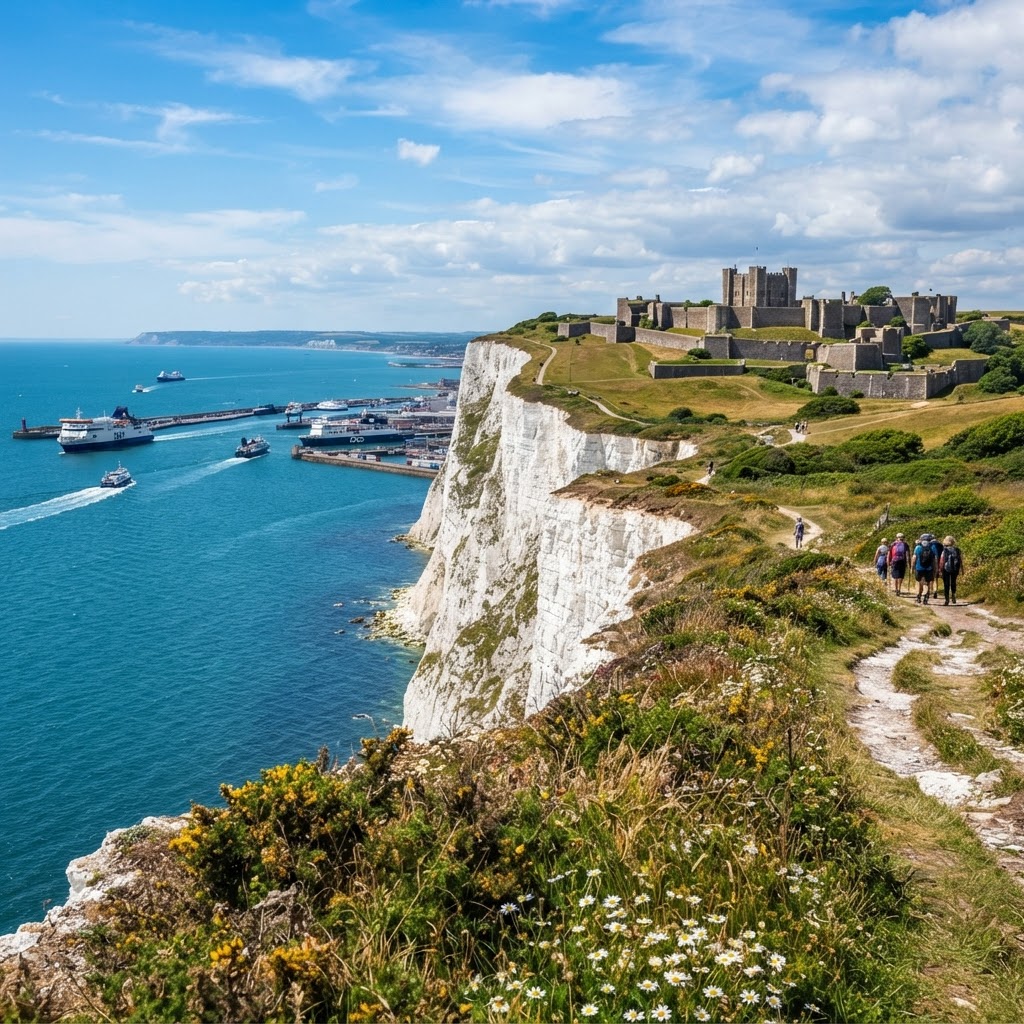
Dover
Discover DoverDover, a historic town located on the southeastern coast of England, is renowned for its stunning white cliffs and rich maritime heritage. This port town has played a significant role in British history, serving as a gateway to the continent for centuries. The cliffs of Dover, which rise dramatically from the English Channel, have long been a symbol of England's strength and resilience. The town itself boasts a fascinating history that dates back to the Roman period, with archaeological sites that reveal its ancient past. Culturally, Dover is a melting pot, where traditional English charm meets modern vibrancy. Visitors can explore a range of attractions that reflect this unique blend, from historic castles to contemporary art galleries. The town's strategic location has made it a hub for trade and travel, contributing to its diverse cultural tapestry. Dover is also significant for its military history, particularly during World War II, when it served as a critical base for operations across the Channel. Today, the Imperial War Museum and other historical sites keep this legacy alive, offering insights into the town's wartime experiences. What makes Dover special is not just its breathtaking landscapes and historical significance, but also the warm hospitality of its residents. Whether you're gazing at the iconic cliffs or exploring the charming streets, Dover invites you to delve into its past while enjoying its present.Top Attractions in Dover – Ranked and ReviewedDover offers a variety of attractions that are highly rated by visitors on Stay4Exploring, ensuring that you have an enriching experience during your visit. Here are some of the top-rated attractions: 1. **Dover Castle** - Often described as the "Key to England," Dover Castle is a must-visit. This historic fortress dates back to the 11th century and features impressive medieval architecture. Visitors appreciate the stunning views from its towers and the fascinating exhibitions that detail its history. 2. **White Cliffs of Dover** - These iconic cliffs are not only a natural wonder but also a symbol of hope. Rated highly by travelers, the cliffs offer excellent walking trails and panoramic views of the English Channel, making it a perfect spot for photography and nature appreciation. 3. **Dover Museum** - Housed in a Victorian building, this museum offers insights into the local history, including its Roman origins and maritime significance. Visitors have praised its engaging exhibits and knowledgeable staff. 4. **Roman Painted House** - This archaeological gem is the remains of a Roman house, complete with intricate wall paintings. It has received positive reviews for its informative displays and the chance to step back in time. 5. **South Foreland Lighthouse** - A picturesque spot that offers guided tours, this lighthouse is a favorite among visitors for its historical significance and breathtaking coastal views. These attractions have been ranked and reviewed by real travelers, ensuring that you can choose experiences that resonate with your interests.Planning Your Visit to DoverWhen planning your visit to Dover, consider the best times to explore this scenic town. The ideal months are from late spring to early autumn (May to September) when the weather is typically mild, allowing for outdoor activities and sightseeing. Getting to Dover is straightforward, with excellent transport links. The town is accessible via the M20 motorway, and regular train services connect Dover to London and other major cities. If you're arriving by ferry, the port of Dover is one of the busiest in the UK, with services to France and Belgium. Once in Dover, getting around is convenient, with public buses and taxis readily available. For a more leisurely experience, consider walking or cycling, especially along the coastal paths. Accommodation options in Dover cater to various budgets, from charming bed-and-breakfasts to well-known hotel chains. Popular areas include the town center and along the seafront, where you can enjoy stunning views of the cliffs. Booking in advance during peak seasons is advisable to secure the best rates and locations.Experience Dover Like a LocalTo truly experience Dover like a local, immerse yourself in its customs and culinary delights. A visit to the local markets, such as the Dover Market, offers a firsthand look at the town's vibrant community and the chance to sample fresh produce and artisanal goods. Food is a significant part of Dover's culture. Don't miss trying traditional English fare at local pubs, where fish and chips are a staple. For a unique experience, visit one of the seaside cafés for freshly caught seafood, often served with stunning views of the cliffs. Engaging with locals can enhance your visit; strike up conversations at cafés or during community events. Dover's residents are known for their friendliness and pride in their heritage, which can provide you with insider tips on lesser-known attractions and hidden gems. Additionally, participate in local festivals if your visit coincides with one. Events like the Dover Carnival celebrate the town's culture and community spirit, showcasing music, dance, and local crafts. By embracing these local customs and experiences, you'll gain a deeper appreciation for Dover and its unique charm.
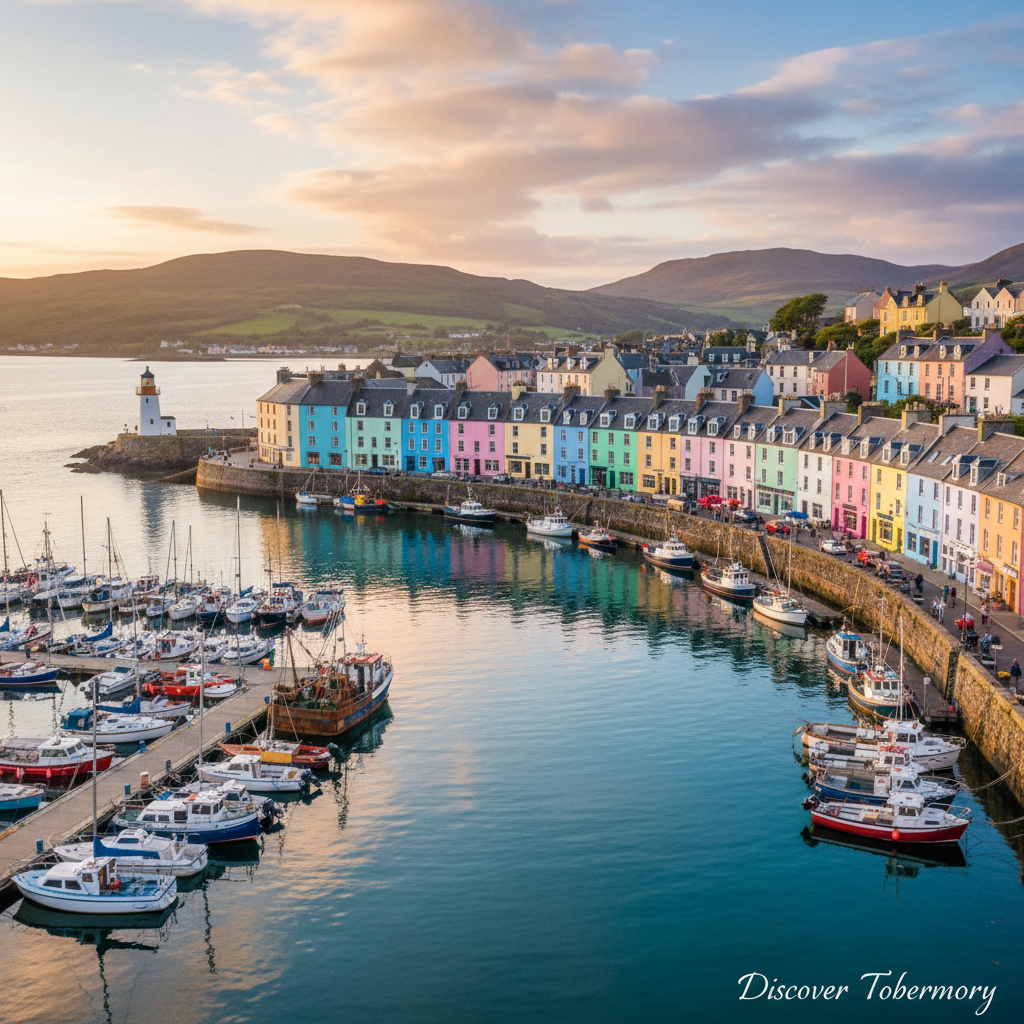
Tobermory
Discover Tobermory Tobermory, the charming capital of the Isle of Mull, Scotland, is a destination that effortlessly combines stunning natural beauty with rich history and vibrant culture. Established in the late 18th century, Tobermory was originally built as a fishing port and has since evolved into a picturesque harbor town known for its colorful buildings that line the waterfront. The town's name is derived from the Gaelic 'Tobair Mhoire,' which translates to 'Mary's Well,' indicative of its historical significance and its connections to early Christian settlements.One of the most striking features of Tobermory is its stunning bay, often considered one of the most beautiful natural harbors in Scotland. The town's geography, with rolling hills and dramatic cliffs, creates a breathtaking backdrop that has captivated visitors for generations. The vibrant colors of the buildings reflect the town's lively spirit and serve as an iconic sight, often featured in photography and art. This vibrant palette has made Tobermory a favorite subject for artists and filmmakers alike.Historically, Tobermory played a vital role in the fishing industry, particularly during the herring boom of the 19th century. This economic activity shaped the town's development and brought a mix of cultures and communities to the area. Today, visitors can explore this rich maritime history at the Tobermory Museum, which houses fascinating exhibits about the local fishing industry, shipbuilding, and the town's evolution over the years.Culturally, Tobermory is a hub for Scottish traditions and the Gaelic language. The town hosts various festivals throughout the year, celebrating everything from music to food and local crafts. The most notable is the Tobermory Food Festival, which attracts visitors from all over Scotland to sample local delicacies and enjoy live performances. The town's commitment to preserving and promoting its cultural heritage is evident in its vibrant arts scene, with local galleries showcasing the work of talented artists inspired by the natural surroundings.One of the aspects that makes Tobermory special is its accessibility to the stunning landscapes and wildlife of the Isle of Mull. The surrounding area is renowned for its natural beauty, including the famous Mull and Iona, where visitors can enjoy hiking, birdwatching, and exploring ancient ruins. The nearby waters are teeming with marine life, making it an ideal spot for whale watching and dolphin spotting.In terms of hospitality, Tobermory offers a range of accommodations, from cozy bed and breakfasts to charming hotels, ensuring that visitors can find the perfect place to stay while immersing themselves in the local culture. The warm and welcoming atmosphere of the town, combined with its breathtaking scenery and rich history, makes Tobermory a must-visit destination for anyone exploring the Scottish Highlands. Top Attractions in Tobermory – Ranked and Reviewed When it comes to exploring Tobermory, visitors are spoiled for choice with a variety of attractions that highlight the town's unique charm and natural beauty. Based on real traveler reviews from Stay4Exploring, here are the top-ranked attractions that you won't want to miss.1. Tobermory Distillery - A must-visit for whisky enthusiasts, Tobermory Distillery is renowned for its rich, complex flavors and traditional production methods. Visitors rave about the guided tours, which offer insights into the distillation process and conclude with a tasting session. The picturesque setting of the distillery adds to its appeal, making it a top-rated attraction.2. Mull Aquarium - For families and marine life lovers, the Mull Aquarium is a delightful stop. This community-run aquarium showcases local marine life, providing an educational experience that visitors describe as both fun and enlightening. The interactive displays and touch pools are particularly popular among children, earning it high praise from families.3. Tobermory Museum - Delving into the history of Tobermory, this museum is highly regarded for its well-curated exhibits. Visitors appreciate the friendly staff and the engaging stories shared through the artifacts. The museum provides a comprehensive overview of the town's maritime heritage, making it a top choice for history buffs.4. Calve Island - Just a short boat trip from Tobermory, Calve Island offers stunning views and excellent hiking opportunities. Travelers frequently mention the tranquility and the chance to see diverse wildlife, including seals and various bird species. The island's scenic trails make it a favorite for nature lovers and photographers.5. Aros Park - Aros Park is a beautifully landscaped area that provides walking trails and picnic spots along the shoreline. Visitors love the peaceful atmosphere and the chance to explore the native woodland. The park is highly rated for its accessibility and family-friendly environment, making it a great spot for a leisurely afternoon.6. Whale Watching Tours - No trip to Tobermory is complete without embarking on a whale watching tour. Visitors often share their thrilling experiences spotting minke whales, porpoises, and even the occasional orca. The knowledgeable guides enhance the experience, providing insights into the local marine ecosystem. This attraction consistently receives rave reviews for its breathtaking views and unforgettable encounters with wildlife.In addition to these attractions, Tobermory's vibrant atmosphere, with its delightful shops and restaurants, ensures that visitors have plenty to explore beyond the main sights. Whether you're interested in sampling local seafood, exploring the arts, or simply soaking up the stunning coastal views, Tobermory has something for everyone. Plan your trip today and experience the magic of this Scottish gem! Planning Your Visit to Tobermory Tobermory, a picturesque village on the Isle of Mull, is renowned for its vibrant waterfront and rich Scottish heritage. When planning your visit, timing can greatly influence your experience. The best time to visit Tobermory is during the late spring to early autumn months, specifically from May to September. During this period, the weather is relatively mild, with temperatures ranging from 15°C to 20°C (59°F to 68°F), making it ideal for outdoor activities. Additionally, this season offers longer daylight hours, allowing you to fully enjoy the stunning landscapes and local attractions.Getting to Tobermory involves a bit of travel, but the journey is part of the adventure. The nearest major airport is Glasgow International Airport. From there, you can rent a car or take a train to Oban, which is about a 3-hour journey. Ferries from Oban to Craignish run frequently, with the crossing taking approximately 45 minutes. Once you land at Craignish, Tobermory is just a short 30-minute drive away. Alternatively, you can take a direct ferry from Oban to Tobermory, which is a scenic route and offers breathtaking views of the surrounding islands.Getting around Tobermory is quite manageable due to its compact size. The village can be explored on foot, allowing you to experience its charm at a leisurely pace. For those who wish to venture further afield, local bus services connect Tobermory with other parts of the Isle of Mull. If you prefer to have more flexibility, consider renting a bicycle or a car, which can be easily arranged in town.Accommodation options in Tobermory cater to a variety of preferences and budgets. For a unique experience, consider staying at one of the charming guesthouses or bed-and-breakfasts that overlook the harbor. The Tobermory Hotel, located along the waterfront, offers comfortable rooms and stunning views. Alternatively, if you are traveling with family or a group, self-catering cottages or lodges provide a great home-base for your explorations. Make sure to book your accommodations in advance, especially during the peak summer months, to secure the best options. Experience Tobermory Like a Local To truly immerse yourself in Tobermory’s unique charm and culture, it’s essential to embrace the local customs and lifestyle. Scots are known for their warm hospitality, and you’ll find that the residents of Tobermory are no exception. A friendly smile and a simple ‘hello’ go a long way. Engage with locals, and you might get insider tips on hidden gems and lesser-known attractions.Food is an integral part of the local culture, and Tobermory offers a variety of culinary delights. Seafood lovers will be in paradise, with fresh catches available at numerous eateries. Don’t miss out on trying the local fish and chips from the famous Fish and Chip Shop, or indulge in a delicious seafood platter at the acclaimed Café Fish. For a taste of traditional Scottish dishes, head to the Tobermory Distillery, where you can enjoy a dram of locally distilled whiskey alongside hearty fare.As you explore the village, take note of its vibrant arts scene. Tobermory is home to several galleries showcasing local artists, and you may even come across street performers during the summer months. The Tobermory Community Centre often hosts events and exhibitions, so check their schedule for any happenings during your visit. Additionally, the annual Tobermory Arts Festival is a celebration of creativity, featuring music, art, and workshops for all ages, making it a must-visit if your timing aligns.For an authentic experience, consider participating in local traditions and festivals. The Highland Games, typically held in August, are a fantastic way to witness Scottish culture, complete with traditional sports, music, and dance. If you’re visiting during the winter months, don’t miss the festive lighting ceremony in December, which brings the community together to celebrate the holiday spirit.Insider tips for your visit include taking the time to explore the surrounding areas, such as the stunning beaches of Calgary Bay and the wildlife-rich waters around the island. Bring binoculars for bird watching or a camera for capturing the breathtaking landscapes. Lastly, remember to pack layers, as the weather can change rapidly on the Isle of Mull. Enjoy your journey, and embrace the beauty and warmth that Tobermory has to offer!
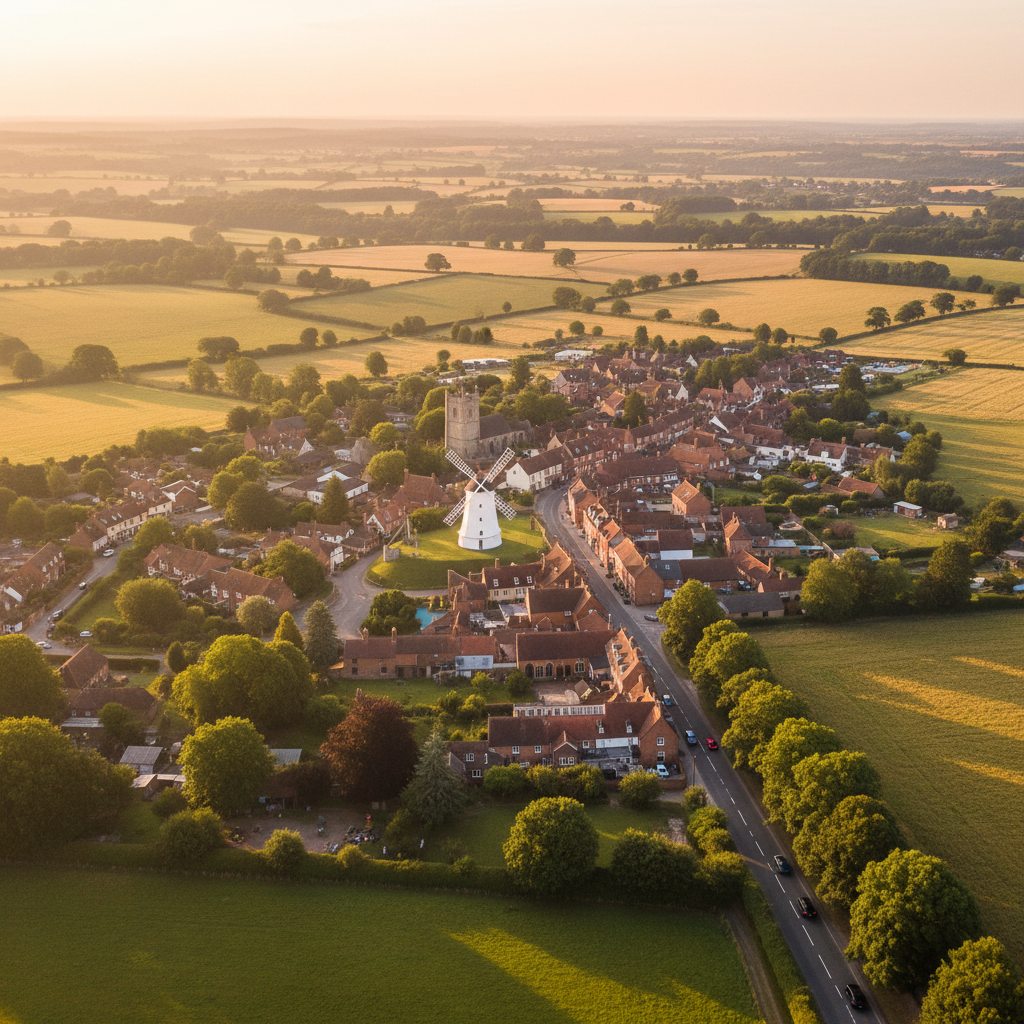
Cranbrook
Discover Cranbrook Cranbrook, a charming town nestled in the heart of Kent, England, is steeped in rich history and vibrant culture. Often referred to as the ‘Capital of the Weald,’ Cranbrook boasts a unique blend of historical significance and contemporary charm. Its origins can be traced back to the medieval era, where it emerged as a thriving market town. The town's name is derived from the Old English word 'Cranebrook,' referring to the small river that meanders through the area, once frequented by cranes, the elegant wading birds.One of Cranbrook's standout features is its stunning architecture. The town is home to several well-preserved historic buildings, including the iconic St. Dunstan's Church, which dates back to the 13th century. With its impressive tower and intricate stained glass windows, the church not only serves as a place of worship but also stands as a testament to the town's medieval heritage. Visitors can admire its architecture and perhaps attend a service or special event, allowing for a deeper connection to the local culture.Cranbrook's historical significance extends beyond its buildings. The town played a vital role in the wool trade during the 16th century, contributing to its prosperity. The Cranbrook Museum, located in a restored Victorian building, offers insights into the town's rich past through its diverse collection of artifacts, documents, and exhibitions. Here, visitors can learn about the local wool industry, the evolution of the town, and the lives of its residents throughout the centuries.Culture thrives in Cranbrook, with a lively arts scene that showcases local talent. The town hosts various events throughout the year, including art exhibitions, music festivals, and food fairs that celebrate Kentish produce. The annual Cranbrook Food Festival is a highlight, drawing gourmets and food lovers from far and wide to sample local delicacies and artisanal goods. These events not only highlight the town’s culinary heritage but also foster a sense of community among residents and visitors alike.Another aspect that makes Cranbrook special is its picturesque countryside surroundings. The town is surrounded by beautiful rolling hills, lush farmland, and ancient woodlands, making it a perfect base for outdoor enthusiasts. The nearby High Weald Area of Outstanding Natural Beauty offers numerous walking and cycling trails, providing visitors with the chance to immerse themselves in nature while enjoying stunning views. Whether you are taking a leisurely stroll through the charming streets or venturing into the countryside, the natural beauty of the area is sure to leave a lasting impression.In summary, Cranbrook is a hidden gem in Kent that offers a captivating blend of history, culture, and natural beauty. Its rich heritage, stunning architecture, and vibrant community make it a must-visit destination for anyone exploring the English countryside. Whether you're a history buff, an art lover, or simply looking to enjoy the tranquility of rural England, Cranbrook promises an unforgettable experience. Top Attractions in Cranbrook – Ranked and Reviewed Cranbrook is home to a variety of attractions that cater to diverse interests, making it a fantastic destination for all types of travelers. Here are the top-rated attractions in Cranbrook, as reviewed by real visitors on Stay4Exploring:1. St. Dunstan's Church – Rated 4.8/5This stunning church is the centerpiece of Cranbrook, known for its magnificent tower and beautiful stained glass windows. Visitors rave about the church’s serene atmosphere and the opportunity to appreciate its historical architecture. Many travelers enjoy attending services or simply taking a moment to reflect in the peaceful surroundings.2. Cranbrook Museum – Rated 4.7/5The Cranbrook Museum is a treasure trove of local history, showcasing artifacts that tell the story of the town’s development over the centuries. Reviewers particularly appreciate the knowledgeable staff who are eager to share stories and insights about the exhibits. Families with children find it an engaging and educational experience that sparks curiosity about the past.3. Sissinghurst Castle Garden – Rated 4.6/5Just a short drive from Cranbrook, Sissinghurst is famed for its breathtaking gardens, designed by writer Vita Sackville-West. Visitors are enchanted by the vibrant colors and the variety of plants, making it a perfect spot for a leisurely day out. Many reviews highlight the picturesque views and the tranquility of the gardens, making it ideal for photography enthusiasts.4. The High Weald Area of Outstanding Natural Beauty – Rated 4.9/5The surrounding countryside is a major draw for outdoor enthusiasts. Visitors praise the extensive walking and cycling trails that wind through beautiful landscapes, offering a chance to connect with nature. Whether you’re looking for a leisurely stroll or a more challenging hike, the High Weald provides a stunning backdrop for all outdoor adventures.5. Cranbrook Food Festival – Rated 4.5/5This annual festival is a culinary highlight for locals and visitors alike. Reviewers love the opportunity to sample local delicacies, meet artisan producers, and enjoy live entertainment. The festival creates a vibrant atmosphere that celebrates the best of Kentish cuisine, making it a must-visit event for food lovers.6. The Union Windmill – Rated 4.4/5This historic windmill is an iconic landmark in Cranbrook. Visitors can explore the mill and learn about its fascinating history and the milling process. Many reviews mention the informative guides and the unique experience of climbing to the top for panoramic views of the surrounding countryside.In conclusion, Cranbrook offers a diverse range of attractions that cater to all interests. From historical sites to breathtaking natural beauty, each attraction provides a unique experience that visitors cherish. With its friendly community and rich heritage, Cranbrook is a delightful destination waiting to be explored. Planning Your Visit to Cranbrook Cranbrook, located in the heart of Kent, is a picturesque market town that offers visitors a delightful blend of history, culture, and natural beauty. Planning your visit to this charming destination will ensure you make the most of your experience. The best times to visit Cranbrook are during the spring (April to June) and autumn (September to October) when the weather is pleasant, and the surrounding countryside is at its most vibrant. Spring brings blooming flowers and mild temperatures, while autumn offers stunning foliage and harvest festivals.Getting to Cranbrook is quite straightforward. If you're traveling by car, it’s conveniently located just off the A229 road, making it accessible from major cities like London and Rochester. The nearest railway station is in Staplehurst, approximately 5 miles away, where you can catch a train from London’s Charing Cross or Ashford International stations. From Staplehurst, local taxis or rideshare services can easily take you to Cranbrook.Once you arrive in Cranbrook, getting around is simple. The town is compact, and many attractions are within walking distance. Biking is also a popular way to explore the charming streets and surrounding countryside. Alternatively, local buses connect Cranbrook to nearby towns, providing additional options for day trips.When it comes to accommodation, Cranbrook offers a variety of options to suit different budgets and preferences. For a cozy, local experience, consider staying at one of the town’s charming bed and breakfasts, such as The George Hotel or The Cranbrook Hotel, both of which provide comfortable rooms and a warm atmosphere. If you prefer a self-catering option, there are several holiday cottages available for rent, providing a home-like feel during your stay. For those seeking a more upscale experience, nearby luxury hotels and country inns can be found, often boasting beautiful views of the Kent countryside.In summary, planning your visit to Cranbrook involves choosing the right time to enjoy the natural beauty, understanding transportation options, and selecting accommodations that align with your travel style. With a little preparation, you can look forward to an unforgettable experience in this enchanting market town. Experience Cranbrook Like a Local To truly immerse yourself in the charm of Cranbrook, it’s essential to experience the town like a local. Understanding local customs, savoring traditional cuisine, and participating in cultural activities will enhance your visit and give you a deeper appreciation for this historic town.Cranbrook has a rich history that is reflected in its customs and traditions. The town has long been known for its weaving industry, and the Cranbrook Museum showcases its heritage. While visiting, take a moment to appreciate the local crafts and perhaps purchase a unique handmade item to remember your trip. The locals are welcoming and proud of their town, so don’t hesitate to engage in conversation to learn more about their way of life.When it comes to food, Cranbrook boasts a variety of dining options, from cozy cafes to fine dining establishments. Be sure to try traditional Kentish dishes, such as the famous Kentish ale and locally sourced lamb. For a lighter meal, visit one of the quaint tea rooms that serve delightful cream teas, complete with scones, clotted cream, and homemade preserves. The Bull Inn and The George are popular spots where locals gather, offering a warm atmosphere and hearty meals.Cranbrook is also home to various cultural events throughout the year. The annual Cranbrook Food Festival, held in September, showcases local produce, artisanal products, and culinary talents. Participating in this festival not only offers a taste of local flavors but also allows you to mingle with residents and fellow travelers alike. Additionally, the town hosts art exhibitions and music events, especially during the summer months, providing ample opportunities to engage with the local arts scene.For an insider tip, take a stroll along the High Street to discover charming shops and boutiques that may not be on the typical tourist path. You’ll find everything from vintage clothing to unique gifts, allowing for a leisurely shopping experience that connects you with the local community. Don’t forget to visit St. Dunstan’s Church, an architectural gem that reflects Cranbrook's rich history.In summary, experiencing Cranbrook like a local involves embracing its customs, indulging in local cuisine, and participating in cultural events. By doing so, you’ll create lasting memories while gaining a deeper understanding of this beautiful market town.

Dorchester
Discover DorchesterNestled in the heart of Dorset, Dorchester boasts a rich tapestry of history and culture that dates back to Roman times. Once known as Durnovaria, it served as a significant settlement during the Roman Empire and has since evolved into a charming market town. Today, visitors to Dorchester can explore its historical significance through various well-preserved sites, including the Roman Town House and the Dorchester Museum, which showcases local artifacts and stories from its storied past. What sets Dorchester apart is its strong literary heritage. The town is famously linked to the works of Thomas Hardy, one of England's most celebrated authors, who drew inspiration from the surrounding landscapes and local life. The Thomas Hardy Museum, housed in his former home, offers insights into his life and works, attracting literature enthusiasts from all over. The vibrant culture of Dorchester is reflected in its thriving arts scene, with numerous galleries, theaters, and festivals throughout the year. The town also hosts a variety of markets, where visitors can experience the local community and sample regional delicacies. With its blend of historical charm, literary significance, and lively culture, Dorchester provides a unique and enriching experience for travelers of all interests.Top Attractions in Dorchester – Ranked and ReviewedWhen exploring Dorchester, you'll find a wealth of attractions that have been ranked and reviewed by real travelers on Stay4Exploring, ensuring you won't miss out on the must-see spots. 1. **Dorchester Museum**: This local gem has received rave reviews for its extensive collection of artifacts that showcase the town's history. Visitors appreciate the informative displays and friendly staff, making it a perfect starting point for your Dorchester adventure. 2. **The Roman Town House**: An archaeological site that offers a glimpse into Dorchester's Roman past, this attraction is often highlighted for its fascinating ruins and the chance to walk where Romans once tread. 3. **Max Gate**: The former home of Thomas Hardy, Max Gate is not only architecturally significant but also allows visitors to delve into the life of one of England's literary greats. Guests frequently commend the well-maintained gardens and the insightful guided tours. 4. **Maiden Castle**: Just a short walk from the town center, this ancient hillfort is one of the largest in Europe. Rated highly for its stunning views and historical significance, it's a favorite among hikers and history buffs alike. 5. **The Keep Military Museum**: This museum offers a deep dive into the military history of Dorset. Visitors appreciate the engaging exhibits and the knowledgeable staff who bring the stories to life. These attractions, backed by genuine traveler reviews, highlight the best of what Dorchester has to offer, ensuring that your visit is filled with enriching experiences.Planning Your Visit to DorchesterTo make the most of your trip to Dorchester, understanding practical details is essential. **Best Time to Visit**: The ideal time to explore Dorchester is during spring (April to June) or early autumn (September to October), when the weather is pleasant, and local events are in full swing. Summer can be busy with tourists, while winter tends to be quieter, offering a more intimate experience. **Getting There**: Dorchester is well-connected by train and road. The nearest railway station, Dorchester South, provides direct services from London, Exeter, and Weymouth. If you’re driving, the A35 and A37 roads offer easy access to the town. **Getting Around**: Once in Dorchester, the town center is compact and easily walkable. For those looking to explore further afield, public buses operate regularly, and bike rentals are available, allowing you to enjoy the scenic countryside at your own pace. **Where to Stay**: Dorchester boasts a range of accommodations, from charming bed and breakfasts to comfortable hotels. Popular options include the Best Western Wessex Royale Hotel, which offers modern amenities and proximity to the town center, and the historic George Hotel, known for its character and warm hospitality. Booking in advance is advisable, especially during peak tourist seasons.Experience Dorchester Like a LocalTo truly immerse yourself in the local culture of Dorchester, consider these insider tips. **Local Customs**: Dorchester has a friendly and welcoming atmosphere. Engaging in polite conversation with locals is appreciated, and they are often eager to share tips about the area. **Food Drink**: Don’t miss the chance to sample traditional Dorset cuisine. Try local delicacies such as Dorset apple cake and fresh seafood from nearby coastal towns. The monthly farmer's market is a great place to discover local produce and artisanal products. **Cultural Experiences**: Attend local events like the Dorchester Carnival or the Thomas Hardy Festival to connect with the community. These events showcase local talent, crafts, and food, providing a genuine taste of Dorchester’s vibrant culture. **Insider Tips**: To avoid crowds, explore attractions in the early morning or late afternoon. Additionally, take the scenic route through the surrounding countryside to appreciate the natural beauty of Dorset. Lastly, consider visiting lesser-known sites such as the Dorset County Museum for a more personal experience. By following these tips, you'll experience Dorchester not just as a visitor, but as a local, gaining a deeper appreciation for this remarkable town.
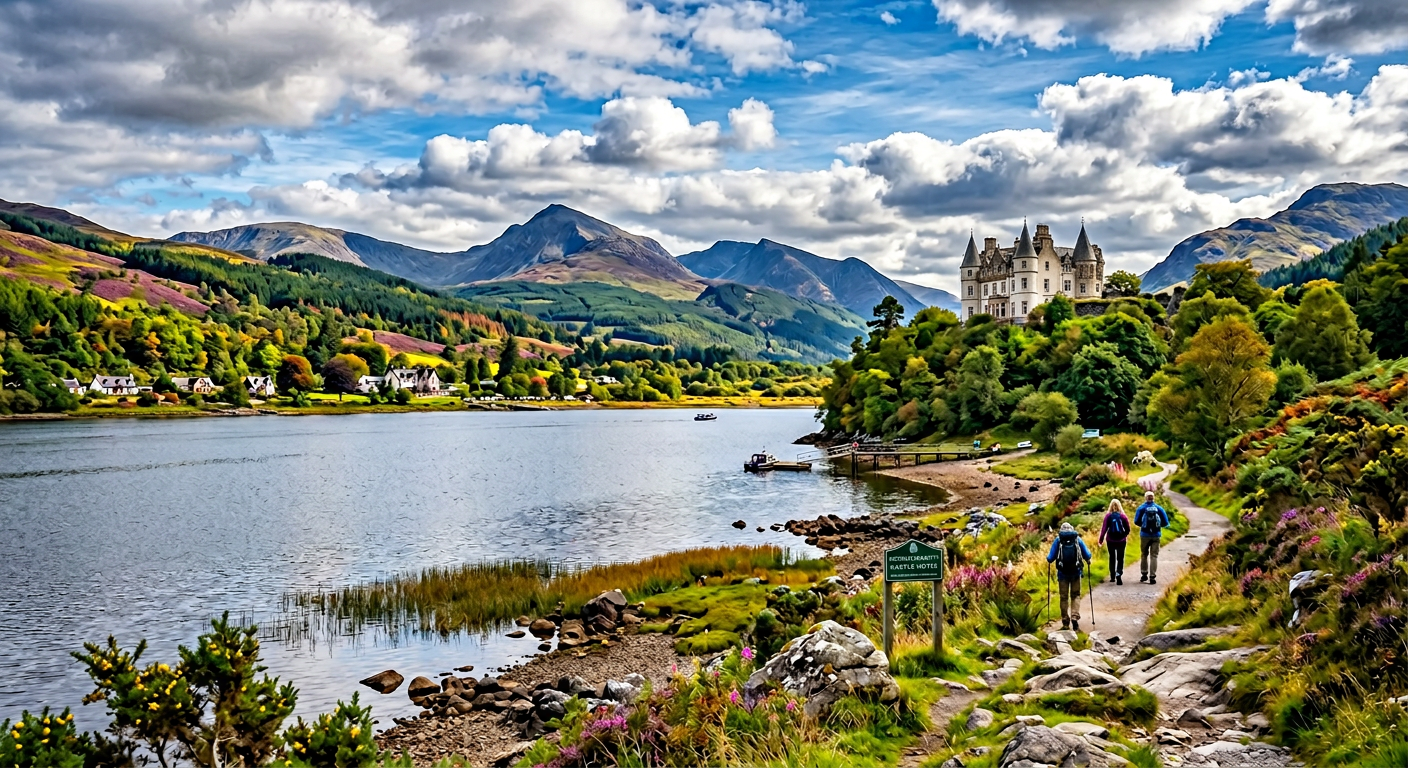
Invergarry
Discover Invergarry Invergarry is a charming village nestled in the breathtaking Scottish Highlands, located at the junction of the River Garry and Loch Oich. This locale is steeped in history and culture, making it a significant destination for travelers seeking both adventure and a glimpse into Scotland's rich past. The village is renowned for its stunning landscapes, characterized by dramatic mountains, serene lochs, and lush woodlands, which not only serve as a backdrop for outdoor activities but also capture the hearts of nature enthusiasts. Historically, Invergarry played a pivotal role during the Jacobite risings in the 18th century. The village is closely associated with the Clan MacDonnell, and visitors can still feel the echoes of this tumultuous period in the local architecture and historical sites. The ruins of Invergarry Castle, once a stronghold of the clan, stand as a testament to the area's storied past and are a must-visit for history buffs. Culturally, Invergarry is a melting pot of traditions, with its Highland games, music festivals, and community events that celebrate Scottish heritage. The village often hosts gatherings where visitors can experience traditional Scottish music, dance, and food. This sense of community and cultural pride is palpable, making Invergarry a welcoming destination where travelers can connect with locals and immerse themselves in the vibrant culture. What makes Invergarry particularly special is its accessibility to natural wonders and outdoor pursuits. The surrounding area is a paradise for hikers, cyclists, and wildlife enthusiasts, with numerous trails and paths winding through the breathtaking landscapes. From leisurely strolls along the shore of Loch Oich to challenging hikes in the nearby mountains, there’s something for everyone. The village also serves as a gateway to the Great Glen, a major hiking trail that showcases some of Scotland's most stunning scenery. Additionally, Invergarry boasts a range of accommodations, from cozy bed and breakfasts to luxurious lodges, catering to all types of travelers. Whether you are seeking a peaceful retreat or an action-packed adventure, the village offers a perfect blend of relaxation and excitement. The warmth of the local hospitality adds to the charm of this Highland gem, making visitors feel right at home. In conclusion, Invergarry is not just a destination; it is an experience that combines history, culture, and the breathtaking beauty of the Scottish Highlands. Its unique blend of natural attractions and rich heritage makes it a special place for travelers from around the world, encouraging them to explore, engage, and create lasting memories. Top Attractions in Invergarry – Ranked and Reviewed Invergarry is home to several attractions that cater to a wide range of interests. Each site has been rated and reviewed by real travelers on Stay4Exploring, providing insights into what makes these attractions stand out. Here are the top-rated attractions in Invergarry that you won’t want to miss: 1. Invergarry Castle - This historic castle ruin is a favorite among visitors who appreciate a glimpse into Scotland's storied past. Rated 4.7/5, travelers commend its picturesque setting and the informative plaques that offer insights into its history. Many enjoy walking around the grounds and taking photographs against the backdrop of Loch Oich. 2. Loch Oich - A stunning area for boating and fishing, Loch Oich is rated 4.8/5 by outdoor enthusiasts. Visitors love the serene atmosphere and the chance to spot local wildlife, such as swans and otters. The scenic walking paths around the loch are perfect for a leisurely stroll or a picnic with family and friends. 3. Great Glen Way - This famous hiking trail runs through Invergarry, connecting Fort William and Inverness. Rated 4.9/5, hikers rave about the breathtaking views and the well-marked paths. Many travelers mention the sense of accomplishment upon completing sections of the trail, along with the opportunity to experience Scotland's natural beauty up close. 4. The Glengarry Community Centre - Rated 4.5/5, this local hub hosts various events, including traditional music sessions and craft fairs. Visitors appreciate its welcoming atmosphere and the chance to engage with locals. Many reviews highlight the friendly staff and the sense of community that permeates the center. 5. The Caledonian Canal - This engineering marvel is rated 4.6/5 and is perfect for boat tours or leisurely walks along the water. Travelers enjoy learning about the canal's history and its significance in connecting different parts of Scotland. The scenic views along the canal provide ideal photo opportunities. Each of these attractions contributes to the allure of Invergarry, making it a must-visit destination for anyone exploring the Scottish Highlands. With its rich history, stunning landscapes, and welcoming community, Invergarry offers a diverse range of experiences that leave a lasting impression on every visitor. Planning Your Visit to Invergarry Invergarry, a picturesque village nestled in the heart of the Scottish Highlands, offers a perfect escape for nature lovers and history enthusiasts alike. To make the most of your visit, it's essential to plan ahead, considering the best time to explore, how to get there, how to navigate the area, and where to rest your head at night.The best time to visit Invergarry is during the spring (April to June) and autumn (September to October) months. During these periods, the weather is typically mild, and the natural scenery is at its most beautiful. Spring brings blooming flowers and lush greenery, while autumn showcases stunning fall colors. The summer months can be busy with tourists, but they also offer longer daylight hours for exploration. Winter, while less crowded, can be cold and may limit access to certain outdoor activities.Getting to Invergarry is relatively straightforward. The village is located approximately 20 miles south of Inverness, making it accessible via the A82 road. If you are traveling by car, the drive offers stunning views of the Highlands, so be sure to take your time and appreciate the landscape. For those relying on public transport, there are bus services that connect Invergarry with major cities like Inverness and Fort William. The closest railway station is located in Fort William, from which you can catch a bus or taxi to Invergarry.Once you arrive in Invergarry, getting around is easiest by car, as public transport options are limited. However, the village is small enough that you can easily explore on foot. Cycling is also a popular option, with many scenic routes available for those looking to experience the stunning Highland landscape up close.When it comes to accommodation, there are several options in and around Invergarry. For a cozy experience, consider staying at one of the local bed and breakfasts or guesthouses, which often provide a warm welcome and a hearty Scottish breakfast. If you prefer self-catering options, there are holiday cottages available that provide a home-away-from-home feel. For those seeking a more unique experience, camping or glamping options can be found in the surrounding area, allowing you to immerse yourself in nature. Regardless of your preference, it’s advisable to book in advance, especially during the peak tourist season. Experience Invergarry Like a Local To truly experience Invergarry like a local, it's important to immerse yourself in the customs, food, culture, and unique charm that this Highland village has to offer. Understanding local etiquette and traditions can enhance your visit and provide a deeper appreciation for this beautiful area.One of the first customs to embrace is the friendly and warm nature of the local residents. Scots are known for their hospitality, so don’t hesitate to greet locals with a smile and a simple "hello". Engaging in conversations with residents can lead to insightful recommendations about hidden gems in the area, from scenic viewpoints to lesser-known trails.When it comes to food, Invergarry has a delightful array of local cuisine to offer. Be sure to try traditional Scottish dishes such as haggis, neeps, and tatties, which can be found at local pubs and restaurants. Freshly caught fish and shellfish are also popular, owing to the village's proximity to Loch Ness and the surrounding waters. For a sweet treat, sample some homemade shortbread or tablet, a traditional Scottish fudge. Pair your meals with locally brewed ales or whiskies for a truly authentic experience.Invergarry is rich in culture, with a heritage that reflects its Highland roots. Take the time to visit the local museum, where you can learn about the history of the village and its significance in the context of Scottish Highland culture. Additionally, local events and festivals, especially during the summer months, provide an opportunity to experience traditional music, dance, and crafts. Check local listings for any events during your stay; participating in these activities can provide an unforgettable glimpse into Highland life.For insider tips, consider venturing beyond the main attractions. Explore the nearby trails and hidden waterfalls, which are often less crowded and offer breathtaking views of the Highland landscape. Early morning or late afternoon walks can provide magical light for photography and an opportunity to witness local wildlife. Finally, don’t forget to respect the local environment—leave no trace and follow the Scottish Outdoor Access Code, ensuring that the natural beauty of Invergarry remains for future generations to enjoy.

Dinton
Discover DintonDinton’s hospitality property market is experiencing a surge in buyer interest unlike any seen since pre-pandemic years, driven by the village’s new status as a ‘safe haven’ for downsizing Londoners and its proximity to star attractions like the Phillipps Collection at Dinton Park. In 2023, the average time to sell a 4-6 bedroom B&B here dropped to just 18 weeks — 30% faster than neighbouring villages — with holiday lets near the Clarendon Way footpath commanding premiums. If you’re considering selling your guest house, B&B or self-catering property this year, this guide breaks down exactly who’s buying, what they pay, and how to position your listing for maximum exposure.

Downton
Discover DowntonNestled in the picturesque landscape of Wiltshire, England, Downton is a charming village that boasts a rich history and vibrant culture. Dating back to the Domesday Book of 1086, Downton has evolved from a quaint agricultural community into a sought-after destination for travelers seeking a blend of historical significance and natural beauty. The village is known for its stunning architecture, including the beautiful St. Laurence Church, which features a striking tower and intricate stained glass windows. Downton's location along the River Avon adds to its allure, offering scenic walks and opportunities for wildlife enthusiasts. Culturally, Downton is steeped in tradition, hosting events like the Downton Cuckoo Fair, which celebrates local crafts, music, and food. The village's friendly atmosphere and welcoming residents make it an ideal place for visitors looking to immerse themselves in authentic English village life. Downton is also conveniently located near the New Forest National Park, providing access to breathtaking landscapes and outdoor activities. What sets Downton apart is its commitment to preserving its heritage while embracing modernity. Visitors can explore charming shops, delightful cafes, and local eateries that showcase the best of Wiltshire cuisine. With its historical sites, community spirit, and natural beauty, Downton offers a unique experience that captures the heart of England.Top Attractions in Downton – Ranked and ReviewedWhen it comes to attractions in Downton, visitors have shared their thoughts and experiences, making it easier for future travelers to discover the best the village has to offer. Here are some top-rated attractions: 1. **St. Laurence Church** – This iconic church is not only a place of worship but also a historical landmark. Reviewers praise its stunning architecture and the peaceful ambiance that envelops the site. Many visitors enjoy attending services or simply taking a moment to appreciate the intricate details of the church’s design. 2. **Downton Cuckoo Fair** – An annual event celebrated for its vibrant atmosphere, the Downton Cuckoo Fair attracts locals and tourists alike. Rated highly for its variety of stalls, live music, and delicious food options, this fair is a must-visit for anyone in town during its occurrence. Travelers love the sense of community and the chance to support local artisans. 3. **River Avon Walks** – Nature lovers will enjoy the scenic walks along the River Avon, where they can experience the peaceful countryside. Visitors have highlighted the well-maintained paths and the opportunity to spot local wildlife, making it a perfect activity for families and solo travelers. 4. **Downton’s Local Eateries** – Various cafes and restaurants in Downton have received accolades for their delightful menus. Reviewers recommend trying local specialties and seasonal dishes, emphasizing the use of fresh ingredients from nearby farms. These attractions, reviewed and ranked by real travelers, provide a comprehensive overview of what to see and do in Downton.Planning Your Visit to DowntonFor travelers planning a visit to Downton, several factors can enhance your experience. The best time to visit is during the late spring and summer months (May to September), when the weather is pleasant, and local events are abundant. However, autumn also offers beautiful scenery with changing leaves, making it a lovely time for a visit. Getting to Downton is straightforward. The village is accessible by car, located approximately 5 miles south of Salisbury, and can be reached via the A338 road. For those traveling by public transport, the nearest train station is Salisbury, from where you can take a bus or taxi to Downton. Once in Downton, getting around is easy. The village is compact enough to explore on foot, and walking is encouraged to truly appreciate its charm. For those wishing to venture further afield, consider renting a bicycle to explore the surrounding countryside. Accommodation options in Downton cater to a range of preferences and budgets. From quaint bed and breakfasts to cozy hotels, travelers can find a suitable place to rest. Some popular options include The White Horse Inn and The Downton Arms, both offering comfortable stays and easy access to local attractions. Booking in advance is recommended, especially during peak tourist seasons.Experience Downton Like a LocalTo truly immerse yourself in the local culture of Downton, consider the following tips and customs. The villagers take pride in their community, so engaging with locals can enhance your visit. Don't shy away from striking up conversations in shops or cafes; residents are often happy to share their favorite spots and insider knowledge. When it comes to food, be sure to try traditional Wiltshire dishes like 'Wiltshire ham' or 'Cider and Leek Pie.' Local pubs often serve hearty meals made from locally sourced ingredients, providing a taste of the region’s culinary heritage. Participating in local events, such as the Downton Cuckoo Fair, is also a fantastic way to experience the village’s vibrant community spirit. Respecting local customs is essential; for instance, if you visit St. Laurence Church, dress modestly and maintain a respectful demeanor. Additionally, outdoor etiquette should be observed when walking along the River Avon or in nearby parks—stick to paths and be mindful of wildlife. Lastly, consider visiting during quieter times of the week to enjoy a more relaxed atmosphere. Weekdays often provide a more authentic experience, allowing you to interact with local artisans and shopkeepers without the weekend rush. By following these tips, you’ll be able to enjoy Downton like a local and create lasting memories.

Rye
Discover Rye Nestled in the picturesque countryside of East Sussex, Rye is a charming town that boasts a rich tapestry of history, culture, and natural beauty. Originally a fishing village, Rye's strategic location on the banks of the River Rother enabled it to flourish as a significant port during the medieval period. The town's name is derived from the Old English word "ryge," meaning 'a place by the river,' which aptly describes its scenic setting.Rye's historical significance stretches back to the 11th century when it became an important trading hub. The town was granted its first charter in 1289, allowing it to conduct its own trade and governance. Over the centuries, Rye played a pivotal role in various historical events, including the Hundred Years' War and the English Civil War. Its cobbled streets and well-preserved medieval architecture, including the iconic Mermaid Inn, evoke the town's storied past, making it a living museum for visitors.One of Rye's most notable features is its unique positioning. The town is often described as 'the last town in England' before reaching the Channel, which gives it a quaint yet strategic feel. Rye is also part of the larger Romney Marsh area, known for its stunning landscapes and unique wildlife. This blend of coastal and marshy environments creates a rich habitat for various species, making it a favorite spot for nature lovers.Rye is not just about history; it also has a vibrant arts scene. The town hosts several art galleries and studios, showcasing local talent and craftsmanship. The Rye Arts Festival, held annually in September, is a celebration of the town's creative spirit, featuring performances, exhibitions, and workshops that attract artists and art lovers from far and wide.Moreover, the town's cultural significance extends to its local gastronomy. Rye is home to a plethora of eateries, from traditional pubs serving local fare to upscale restaurants offering gourmet dining experiences. Visitors can indulge in fresh seafood sourced from the nearby coast, local produce, and artisanal baked goods that reflect the region's culinary heritage.What truly sets Rye apart is its welcoming atmosphere. The tight-knit community is known for its friendly locals who often share stories of the town’s history and culture. Strolling through Rye, visitors will encounter charming shops, cozy cafes, and lively markets that contribute to the town's unique character.In terms of accessibility, Rye is well-connected by road and rail, making it a convenient destination for both day-trippers and those seeking a longer stay. The combination of historical allure, cultural vibrancy, and stunning natural landscapes makes Rye a must-visit destination in the United Kingdom. Top Attractions in Rye – Ranked and Reviewed Rye is brimming with attractions that captivate visitors of all ages, each one offering a unique glimpse into the town's rich heritage and vibrant culture. Below are some of the top-rated attractions based on reviews from travelers who have explored Rye:1. Rye Harbour Nature ReserveThis stunning nature reserve is a haven for wildlife enthusiasts and offers a delightful escape into nature. Covering over 1,000 acres, the reserve features diverse habitats, including salt marshes, mudflats, and shingle beaches. Visitors can explore an extensive network of walking trails, spot migratory birds, and enjoy breathtaking views of the surrounding landscape. The reserve is particularly famous for its birdwatching opportunities, attracting both amateur and professional birdwatchers alike.2. Mermaid StreetOften hailed as one of the most photographed streets in England, Mermaid Street is lined with charming medieval houses, each with its own unique story. The cobbled street is home to the famous Mermaid Inn, a historic inn dating back to the 15th century, where smugglers once roamed. Visitors can take a leisurely stroll down Mermaid Street, soaking up the enchanting atmosphere and capturing the quintessential essence of Rye.3. Rye Castle MuseumHoused in two historic buildings, the Rye Castle Museum offers a fascinating insight into the town's history. The museum features exhibits that showcase Rye's maritime past, as well as its role in the English Civil War. Visitors can explore the medieval Ypres Tower, which provides panoramic views of the town and its surroundings, making it an excellent spot for photography.4. St. Mary's ChurchThe striking St. Mary's Church is one of Rye's most prominent landmarks, with its towering spire visible from miles around. The church dates back to the 12th century and is renowned for its beautiful architecture and rich history. Inside, visitors can admire stunning stained glass windows and intricate woodwork, as well as the famous 'Rye's Last Supper' painting. The churchyard is also the resting place of several notable local figures.5. The Old Grain StoreA hidden gem in Rye, The Old Grain Store is a unique shop that offers a delightful selection of local products, including artisanal foods, crafts, and souvenirs. Visitors can find everything from handmade soaps to locally sourced jams and chutneys, making it the perfect spot to pick up a piece of Rye to take home.Travelers consistently praise Rye for its friendly atmosphere and welcoming locals, making it a place where visitors can feel at home. From exploring historical sites to enjoying the stunning natural scenery, Rye offers a diverse range of experiences that cater to all interests. Whether you're wandering through its charming streets or indulging in local delicacies, Rye is sure to leave a lasting impression. Planning Your Visit to Rye When planning your visit to Rye, there are several factors to consider to ensure a smooth and enjoyable trip. From the best time to visit to transportation options and accommodation, here's everything you need to know for your Rye adventure.Best Time to Visit: Rye is a year-round destination, but the best time to visit depends on your preferences. For pleasant weather and vibrant local events, consider visiting in the spring (April to June) or early autumn (September to October). During these months, the town is alive with blooming flowers and seasonal festivals, and the weather is typically mild and sunny. Summer (July to August) can be busier due to holidaymakers, but it also brings a lively atmosphere with outdoor events and markets. Winter (December to February) offers a quieter experience, with the charm of Rye's historic streets enhanced by festive decorations.Getting There: Rye is easily accessible by train, car, or bus. The town has its own railway station, which is well-connected to major cities such as London, Ashford, and Hastings. Frequent train services make it convenient for day-trippers or weekend visitors. If you're driving, Rye is located off the A259 road, and there are several parking options available in and around the town. For those traveling by bus, local services connect Rye to nearby towns and villages, making it easy to explore the surrounding area.Getting Around: Rye is a compact town, making it easy to explore on foot. Its cobbled streets and narrow lanes are best navigated by walking, allowing you to fully appreciate the town's charm and history. For those looking to venture further afield, bicycle rentals are available, and public transport services can take you to nearby attractions. Guided walking tours are also a popular option, providing insight into Rye's history and culture while allowing you to discover hidden gems.Where to Stay: Rye offers a variety of accommodation options to suit different preferences and budgets. From cozy bed and breakfasts and boutique hotels to self-catering cottages, there's something for everyone. The Mermaid Inn, with its historical charm and luxurious amenities, is a popular choice for those seeking a unique experience. For a more budget-friendly option, consider staying at one of the local guesthouses or campsites, which often provide a warm and welcoming atmosphere. Booking in advance, especially during peak seasons, is recommended to secure your ideal accommodation.In summary, Rye is a captivating destination that combines history, culture, and natural beauty. By planning your visit carefully and taking advantage of the town's accessibility, you can make the most of your time in this enchanting corner of East Sussex. Experience Rye Like a Local To truly immerse yourself in the charm of Rye, it’s essential to experience the town as a local would. This involves embracing its customs, savoring its culinary delights, and engaging with the community in meaningful ways.Local Customs: Rye has a rich tapestry of traditions that reflect its maritime heritage and agricultural roots. One of the most notable customs is the annual Rye Bonfire Night, held every November. This spectacular event features a procession of flaming torches, a grand bonfire, and fireworks, all celebrating the town's history and the defeat of the Spanish Armada. Visitors are encouraged to join in the festivities, which foster a sense of community and camaraderie among locals and tourists alike.Food and Drink: Rye is a food lover's paradise, and its culinary scene is characterized by a blend of traditional and contemporary flavors. Start your day with a hearty breakfast at one of the local cafes, where you can indulge in fresh pastries, artisanal bread, and locally sourced ingredients. One must-try dish is the famous Rye fish soup, made with freshly caught seafood and served in many local restaurants.For lunch, consider visiting the bustling Rye Market, which takes place every Wednesday and Saturday. Here, you can sample an array of local produce, artisanal cheeses, and handmade goods. Don't miss out on the chance to try some delicious Sussex ale at one of the town's historic pubs, where the atmosphere is warm and inviting.In the evening, treat yourself to dinner at one of Rye's acclaimed restaurants. The Ship Inn and The George in Rye are popular choices, offering a range of dishes that highlight the best of local cuisine. Pair your meal with a glass of wine from a nearby vineyard, or opt for a craft beer brewed in the region.Cultural Engagement: Engaging with the local arts scene is another way to experience Rye authentically. The town is home to various galleries showcasing the work of local artists, particularly during the Rye Arts Festival. Attending local exhibitions or performances allows visitors to connect with the community and gain insight into the creative spirit that thrives in Rye.Additionally, consider participating in a workshop or class to learn a new skill, whether it be pottery, painting, or cooking. These experiences not only provide a fun and engaging way to spend your time but also allow you to meet locals and fellow travelers.Insider Tips: To make the most of your visit to Rye, here are a few insider tips:Take the time to wander off the beaten path; some of the most charming spots are found in the quieter streets.Visit the local bakeries for fresh bread and pastries, which are often made using traditional methods.Don't hesitate to strike up a conversation with locals; they are often eager to share their stories and recommendations.If you're a history buff, consider hiring a local guide to delve deeper into Rye's fascinating past.By embracing the local customs, indulging in the culinary delights, and engaging with the community, you can experience Rye in a way that goes beyond the typical tourist visit. This approach will enrich your understanding of this enchanting town and leave you with lasting memories of your time in Rye.
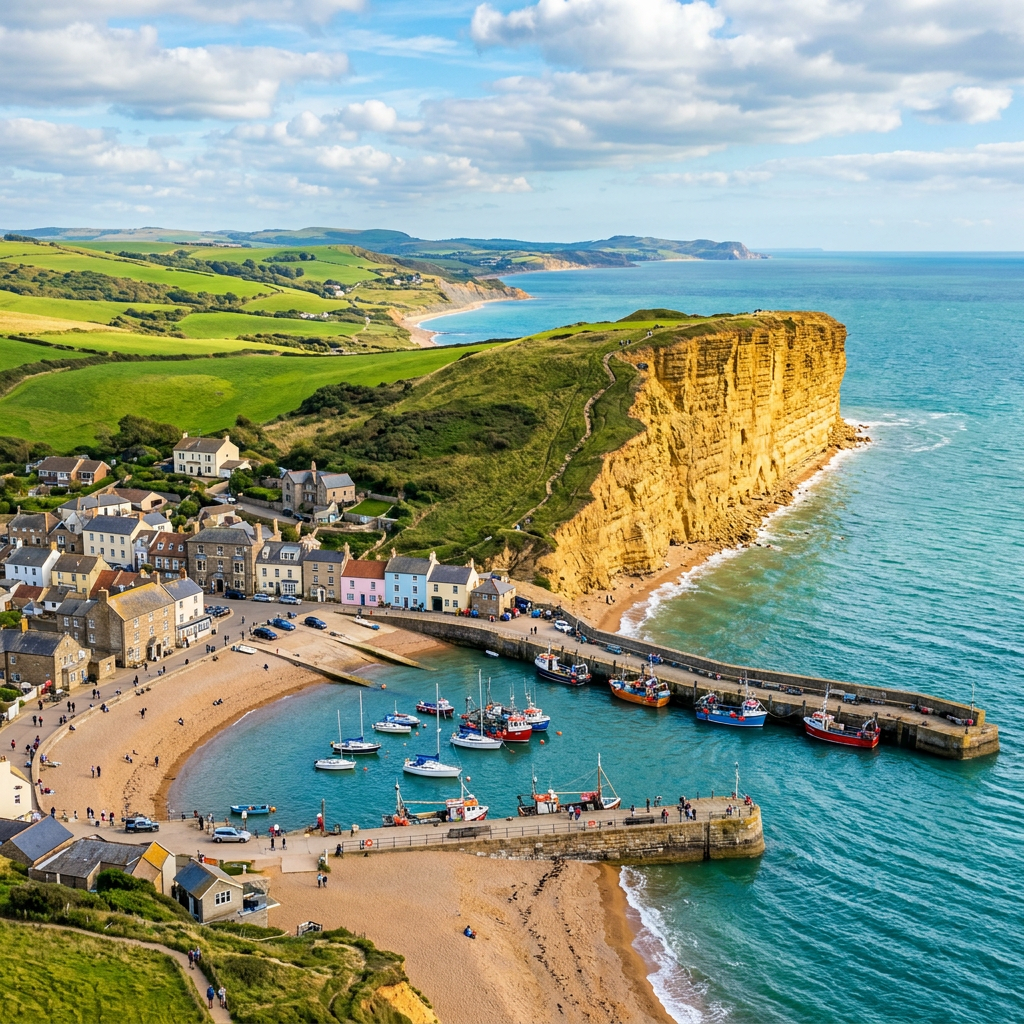
Bridport
Discover Bridport Bridport is a charming market town located in the picturesque county of Dorset, England, known for its rich history, vibrant culture, and stunning natural surroundings. Its origins date back to the 11th century, when it was established as a significant trading port, thanks to its proximity to the stunning Jurassic Coast, a UNESCO World Heritage Site. The town flourished during the Middle Ages, primarily due to the production of rope and nets, which became a major part of the local economy.As you wander through the streets of Bridport, you’ll notice the delightful blend of historical architecture and modern amenities. The town is home to several historic buildings, including the 17th-century Bridport Town Hall and the stunning St. Mary's Church, which boasts an impressive tower and beautiful stained-glass windows. These sites provide a glimpse into the town's past and serve as a reminder of its importance in the region.Bridport is also known for its vibrant arts and culture scene. The town hosts numerous festivals throughout the year, including the Bridport Food Festival and the Bridport Literary Festival, which attract visitors from far and wide. The local arts center, the Bridport Arts Centre, regularly showcases exhibitions by local artists and provides a platform for theater productions and live music events. This commitment to the arts not only enriches the community but also makes Bridport a unique destination for cultural enthusiasts.What sets Bridport apart from other towns is its strong sense of community and the welcoming atmosphere that greets visitors. The local markets, held twice a week, are a testament to this spirit, where visitors can mingle with locals, sample delicious artisanal foods, and purchase handmade crafts. The Bridport Food Market, in particular, is a highlight, offering an array of fresh produce and gourmet treats that reflect the region's agricultural heritage.The town’s location also makes it a gateway to the stunning landscapes of West Dorset. The nearby Jurassic Coast offers breathtaking views, hiking trails, and opportunities for fossil hunting, making it a paradise for nature lovers. Bridport's close-knit connection to its natural environment has resulted in a commitment to sustainability and preserving the area's beauty for future generations.Each visit to Bridport offers something new and exciting, whether it's exploring the scenic countryside, engaging with local artisans, or enjoying the vibrant community atmosphere. The combination of history, culture, and stunning natural beauty makes Bridport a must-visit destination for anyone looking to experience the charm of rural England. Top Attractions in Bridport – Ranked and Reviewed Bridport is home to a plethora of attractions, each offering unique experiences that cater to a wide range of interests. Here’s a rundown of the top-rated attractions in Bridport, as reviewed by visitors on Stay4Exploring.1. West Bay - Rated 4.8/5West Bay, just a short distance from Bridport, is a stunning coastal village known for its dramatic cliffs and picturesque harbor. Visitors rave about the scenic walks along the South West Coast Path, where they can enjoy breathtaking views of the Jurassic Coast. The beach is perfect for sunbathing, swimming, and even fishing. The local seafood restaurants are highly recommended, offering fresh catches daily.2. Bridport Market - Rated 4.7/5The Bridport Market is a highlight for many visitors. Held on Wednesdays and Saturdays, this vibrant market features local produce, crafts, and street food stalls. Reviewers love the friendly atmosphere and the opportunity to support local artisans. It’s a great place to pick up unique souvenirs and sample local delicacies.3. Bridport Arts Centre - Rated 4.6/5The Bridport Arts Centre is a cultural hub for the town, offering a variety of exhibitions, workshops, and performances. Visitors appreciate the diverse programming, which includes everything from art exhibitions to live music events. The café on-site is also a favorite spot for visitors looking to relax after exploring the exhibitions.4. The Lyric Theatre - Rated 4.5/5This charming local theater hosts a variety of performances, including plays, musicals, and film screenings. Many reviews highlight the intimate setting and the welcoming staff. It’s a fantastic place to experience the local arts scene and enjoy a night out.5. The Old Brewery and Bridport Museum - Rated 4.4/5For those interested in Bridport’s history, the Old Brewery and the adjacent museum provide a fascinating insight into the town's past. Visitors appreciate the well-curated exhibits and the knowledgeable staff who bring the local history to life. The museum is a great spot for families looking to engage their children in learning about the area.Bridport’s attractions offer a mix of natural beauty, cultural experiences, and historical insight, making it an ideal destination for travelers. Each attraction is highly rated by those who have visited, ensuring that you will find something to enjoy during your stay in this charming town. Planning Your Visit to Bridport Bridport, a charming market town in Dorset, England, is a hidden gem that offers a delightful blend of history, culture, and natural beauty. To make the most of your visit, it's essential to plan ahead.Best Time to VisitThe best time to visit Bridport is during the late spring through early autumn, specifically from May to September. During these months, the weather is generally mild and pleasant, making it ideal for outdoor activities and exploring local attractions. The summer months, particularly July and August, are bustling with festivals and events, attracting visitors from all around. However, if you prefer a quieter experience, consider visiting in the shoulder seasons of April or October, when the crowds thin out but the weather is still relatively mild.Getting ThereReaching Bridport is straightforward, whether you're traveling by car, train, or bus. If you're driving, Bridport is conveniently located off the A35 road, approximately 20 miles west of Dorchester and 30 miles east of Exeter. The scenic drive through the Dorset countryside is part of the charm. For those using public transport, the nearest train station is in Weymouth, about 12 miles away, from where you can take a local bus or taxi to Bridport. National Express and local bus services also connect Bridport to major cities in the region.Getting AroundOnce in Bridport, the town is compact and easily navigable on foot. Most attractions, shops, and restaurants are within walking distance. For those looking to explore the surrounding areas, cycling is a popular option, with several bike rental shops available. Local buses also serve nearby attractions, including the stunning Jurassic Coast, a UNESCO World Heritage Site, which is just a short ride away.Where to StayBridport offers a variety of accommodations to suit every traveler’s budget and preference. For a cozy and intimate experience, consider staying at one of the charming bed-and-breakfasts or boutique hotels in the town center. The Bull Hotel, a historic inn, combines modern comforts with traditional charm and is well-located for exploring the town. For those seeking self-catering options, there are numerous cottages and apartments available for rent, providing a home-away-from-home experience. If you're looking for a more luxurious stay, the nearby coastal village of West Bay offers stunning seaside hotels with breathtaking views of the coast.By planning your visit thoughtfully, you can ensure a memorable experience in Bridport, filled with the beauty of the Dorset countryside, local charm, and a rich cultural heritage. Experience Bridport Like a Local To truly experience Bridport, it's important to immerse yourself in the local customs, cuisine, and culture. This quaint town has a rich history and vibrant community that welcomes visitors with open arms.Local CustomsBridport has a strong sense of community and pride in its local traditions. The town hosts a weekly market every Wednesday and Saturday, where you can mingle with locals and experience the lively atmosphere. It's customary to greet vendors and fellow shoppers; a simple 'hello' goes a long way. The annual Bridport Food Festival in June is another highlight, celebrating local produce and culinary talent, where you can engage with locals and sample delicious food.FoodBridport’s culinary scene is a reflection of its agricultural surroundings. The town is home to a variety of eateries, from traditional pubs to contemporary restaurants. Be sure to try local specialties such as fresh seafood from nearby fishing villages and artisanal cheeses produced in the region. The Anchor Inn, located in West Bay, is famed for its fish and chips, while The Olive Tree offers a delightful Mediterranean menu. Don’t miss the chance to visit local cafés for a traditional cream tea, complete with scones, clotted cream, and jam.CultureThe cultural scene in Bridport is vibrant, with various galleries, theaters, and music venues showcasing local talent. The Bridport Arts Centre is a hub for creative activities, hosting exhibitions, performances, and workshops throughout the year. The town has a rich literary heritage, famously associated with the author Thomas Hardy. Exploring the local bookshops and libraries can provide insights into the area’s literary connections. Additionally, Bridport is known for its annual Hat Festival in May, where locals and visitors alike don their most creative headwear.Insider TipsTo experience Bridport like a true local, take time to explore the charming streets and hidden corners of the town. Visit the Bridport Museum to learn about the area’s history, and wander through the picturesque streets lined with independent shops and boutiques. If you're interested in outdoor activities, don’t miss the chance to hike along the South West Coast Path, offering stunning views of the Jurassic Coast. Finally, engage with the locals at the pubs; they are often happy to share stories and recommendations for your stay.By embracing the customs, flavors, and culture of Bridport, you'll create lasting memories and a deeper connection to this beautiful Dorset town.

Costa Teguise
Discover Costa Teguise Located on the eastern coast of Lanzarote, Costa Teguise is a vibrant resort town that marries beautiful landscapes with rich cultural heritage. Established in the 1970s as a tourist destination, Costa Teguise has grown into one of the most popular locations on the island, known for its stunning beaches, pleasant weather, and a variety of attractions. The town was strategically developed to promote tourism while preserving the natural beauty of its surroundings, making it a significant part of Lanzarote's appeal.The culture of Costa Teguise is heavily influenced by the island's unique volcanic landscape and the artistic vision of local architect César Manrique, who promoted sustainable tourism and the integration of art into nature. Today, visitors can see Manrique’s influence in several landmarks, with a focus on harmony between the built environment and the natural world. This thoughtful design is what sets Costa Teguise apart from other resort areas, creating a sense of tranquility and aesthetic pleasure.What makes Costa Teguise special is not just its picturesque beaches—such as Playa de las Cucharas, renowned for its golden sands and water sports—but also its array of cultural activities and local traditions. The town hosts several festivals throughout the year, including the Carnival of Costa Teguise, which attracts both locals and tourists with vibrant parades, music, and dancing. These events are a testament to the town's lively spirit and strong community bonds.In addition to its cultural offerings, Costa Teguise serves as a gateway to explore the larger island of Lanzarote, which is famed for its volcanic landscapes, vineyards, and the Timanfaya National Park. The town's strategic location allows visitors to enjoy a mix of relaxation and adventure, making it a perfect base for exploring the island's myriad attractions. Whether you’re looking to soak up the sun on a beautiful beach, engage in thrilling water sports, or explore the island's rich cultural history, Costa Teguise offers something for everyone.With its blend of natural beauty, cultural richness, and modern amenities, Costa Teguise stands out as a remarkable destination for travelers seeking both relaxation and adventure. As you wander through its streets lined with palm trees, enjoy the lively atmosphere, and immerse yourself in local culinary delights, you’ll quickly understand why Costa Teguise is a favorite among visitors to Lanzarote. Top Attractions in Costa Teguise – Ranked and Reviewed Costa Teguise boasts a wide variety of attractions that cater to all types of travelers. Based on real reviews and ratings from visitors on Stay4Exploring, here are the top-ranked attractions that you shouldn’t miss:1. Playa de las Cucharas: This beautiful beach is a haven for sun-seekers and water sports enthusiasts alike. With its gentle waves and golden sand, it's perfect for windsurfing, kitesurfing, and paddleboarding. Visitors rave about its vibrant atmosphere and the availability of beach bars and restaurants, making it a top choice for a day in the sun.2. Aquapark Costa Teguise: Ideal for families, this water park features a variety of slides, wave pools, and children's areas. It’s highly rated for its cleanliness and friendly staff. Families appreciate the range of activities available, ensuring that both kids and adults can have a fun-filled day. Many reviews highlight the thrilling rides and the relaxing lazy river, making it a must-visit.3. Fundacion César Manrique: This cultural center pays homage to the island’s most famous artist, César Manrique. The foundation is located in Manrique’s former home, offering visitors a glimpse into his life and work. Guests have praised the stunning architecture and the integration of art with nature, making it a fantastic spot for art lovers and those interested in Lanzarote’s cultural history.4. Pueblo Marinero: This charming marketplace is a hub for local crafts, food, and entertainment. Visitors enjoy the lively atmosphere, especially during the weekly market on Fridays, where local vendors showcase their products. Reviews often mention the delicious tapas and fresh seafood available at the various restaurants, making it a perfect spot for an evening out.5. Timanfaya National Park (Day Trips Available): While not directly in Costa Teguise, many visitors take day trips to this iconic park. Known for its otherworldly volcanic landscapes, the park offers guided tours that reveal the island's geological wonders. Reviewers consistently highlight the breathtaking views and the educational value of the tours, making it an essential experience for anyone visiting Lanzarote.Each of these attractions contributes to the unique character of Costa Teguise, providing visitors with diverse experiences that combine relaxation, adventure, and cultural enrichment. Whether you’re lounging on the beach, enjoying local cuisine, or exploring the artistic heritage of the island, Costa Teguise promises memorable adventures for all. Planning Your Visit to Costa Teguise Costa Teguise, located on the eastern coast of Lanzarote, offers a blend of beautiful beaches, vibrant nightlife, and a range of activities for all ages. To make the most of your visit, it's important to consider the best time to go, how to get there, how to get around, and where to stay.Best Time to VisitThe ideal time to visit Costa Teguise is during the spring (March to May) and autumn (September to November) months. During these periods, the weather is pleasantly warm, with average temperatures ranging from 20°C to 26°C (68°F to 79°F), making it perfect for beach activities and sightseeing. Summers can be quite hot, averaging around 30°C (86°F), while winters remain mild, with temperatures rarely dropping below 15°C (59°F).Getting ThereCosta Teguise is easily accessible via Lanzarote Airport (ACE), which is approximately 15 km (9 miles) away. Several airlines operate direct flights from major cities across Europe, making it a convenient destination. Upon arrival at the airport, travelers can opt for various transportation methods. Taxis are readily available, and the ride to Costa Teguise takes around 15 minutes. Alternatively, shuttle transfers and rental cars are also popular options for those wanting more flexibility during their stay.Getting AroundCosta Teguise is a relatively compact resort, making it easy to explore on foot. However, if you wish to venture further afield, public transportation is available, with regular buses connecting to other parts of Lanzarote. Renting a bicycle is also a popular option, as the area boasts dedicated bike lanes. For those looking for more convenience, car rentals are readily available and provide the freedom to explore the island at your own pace.Where to StayCosta Teguise offers a wide range of accommodation options to suit every budget. For luxury travelers, resorts such as the Melia Salinas and the Gran Melia Lanzarote offer upscale amenities and stunning views of the Atlantic Ocean. Mid-range options include family-friendly hotels like the Hotel Beatriz Playa & Spa, which features multiple pools and entertainment options. For budget-conscious travelers, there are numerous apartments and hostels available, including the Lanzarote Paradise Apartments, which provide a comfortable stay without breaking the bank. Consider booking accommodations close to the beach or town center to maximize your experience. Experience Costa Teguise Like a Local To truly experience Costa Teguise like a local, it’s essential to immerse yourself in the customs, food, culture, and the insider tips that can enhance your visit. Understanding the local lifestyle will give you a deeper appreciation of this beautiful resort.Local CustomsThe Canary Islands have a distinct culture that blends Spanish traditions with influences from Africa and Latin America. A typical greeting involves a friendly handshake, and it’s common to greet shopkeepers and waitstaff with a smile. While English is widely spoken, learning a few basic Spanish phrases can go a long way in establishing rapport. Local festivals, such as the Fiestas de San Juan in June, showcase traditional music, dance, and cuisine, providing an excellent opportunity to engage with the community.FoodNo visit to Costa Teguise is complete without indulging in its culinary delights. The local cuisine heavily features fresh seafood, with dishes like "sancocho" (a fish stew) and "papas arrugadas" (wrinkled potatoes) served with a spicy mojo sauce. For a true local experience, visit the Mercado Municipal de Teguise, where you can sample various local products, from cheese to wines. Dining at family-run restaurants such as Casa Blanca or Restaurante El Navarro allows you to enjoy authentic dishes in a cozy atmosphere.CultureCosta Teguise is not just about beaches and resorts; the island's rich cultural history is evident in its architecture and art. The influence of the famous artist César Manrique can be seen throughout Lanzarote, with his unique designs blending nature and human creativity. Don’t miss a visit to the nearby Cactus Garden or the Jameos del Agua, both showcasing his vision. Local art galleries and craft markets also offer opportunities to purchase handmade souvenirs and artworks, supporting local artisans.Insider Tips1. Visit the beaches early in the morning to enjoy a peaceful atmosphere before the crowds arrive. Playa de Las Cucharas is particularly beautiful during sunrise.2. Check out the local bus schedule for excursions to more remote areas of Lanzarote, such as Timanfaya National Park, where you can explore volcanic landscapes.3. If you’re a water sports enthusiast, consider taking a windsurfing lesson at one of the local schools. The wind conditions in Costa Teguise are perfect for beginners and experts alike.4. Engage with locals at the weekly market in Teguise on Sundays, where you can find everything from handmade crafts to delicious street food.By embracing the local customs, indulging in the delicious cuisine, and exploring the island’s cultural offerings, you will create lasting memories of Costa Teguise that go beyond the typical tourist experience.
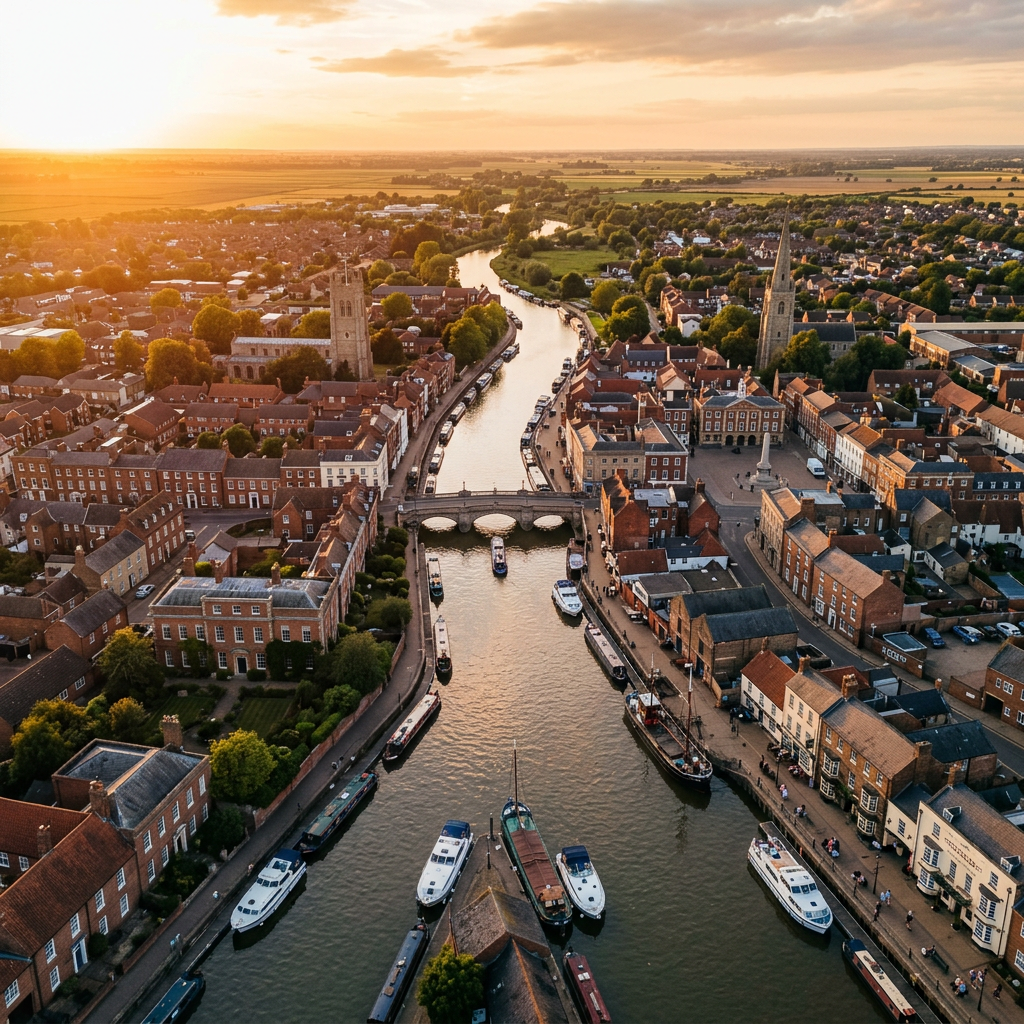
Wisbech
Discover Wisbech Wisbech, often referred to as the "Capital of the Fens," is a picturesque market town located in the Fenland district of Cambridgeshire, England. With its rich tapestry of history, culture, and heritage, Wisbech offers visitors a unique glimpse into its past while providing a vibrant atmosphere that continues to evolve. The town's origins can be traced back to the Roman era, and it has since flourished as a significant trading center, particularly during the 18th and 19th centuries when it became a hub for the agricultural industry.The town's architecture tells the story of its historical significance, with a blend of Georgian and Victorian buildings, some of which are listed as Grade I and II. One of the most notable landmarks is the Wisbech Castle, built in the 16th century, which stands as a testament to the town’s storied past. Wisbech also boasts the stunning St. Peter and St. Paul Church, renowned for its impressive tower and beautiful stained glass windows, making it a must-visit for both history buffs and architecture enthusiasts alike.Wisbech is not just about its past; it is also a thriving cultural hub. The town hosts numerous events throughout the year, including the Wisbech Rose Fair, which celebrates the town’s floral heritage and attracts visitors from across the region. The Wisbech and Fenland Museum, one of the oldest museums in the country, offers a fascinating insight into local history, featuring exhibits on everything from the area's natural history to its social history.What makes Wisbech truly special is its community spirit. The residents take pride in their town, often coming together to promote local businesses and initiatives that enhance the town's charm. The beautiful parks and gardens, such as Wisbech Park and Peckover House Gardens, provide serene spaces for relaxation and recreation, showcasing the town's commitment to preserving its natural beauty.Moreover, Wisbech's location makes it an excellent base for exploring the surrounding Fens, a unique landscape known for its rich wildlife and beautiful scenery. Visitors can enjoy walking and cycling along the numerous trails that wind through this stunning area, or take a boat trip along the River Nene to appreciate the town from a different perspective.In summary, Wisbech is a town that marries history and culture with a welcoming community spirit. Its historical significance, combined with its vibrant cultural scene and picturesque surroundings, makes it a destination worth discovering. Whether you are interested in exploring historical landmarks, enjoying local events, or simply soaking in the beauty of the Fens, Wisbech has something for everyone. Top Attractions in Wisbech – Ranked and Reviewed Wisbech is home to a variety of attractions that cater to diverse interests, all highly rated and reviewed by visitors on Stay4Exploring. Here are the top attractions that you shouldn't miss during your visit:1. Wisbech CastleRanked as the top attraction, Wisbech Castle offers a glimpse into the town's historical significance. Visitors rave about its impressive architecture and the guided tours that provide insight into its storied past. The castle's picturesque grounds are perfect for a leisurely stroll, making it a favorite spot for both history enthusiasts and families.2. Wisbech and Fenland MuseumThis museum comes highly recommended for its diverse range of exhibits. Visitors appreciate the friendly staff and the wealth of information available on local history, from the town's agricultural roots to its role in the Victorian era. The museum's collection of artifacts, including the famous "Mummified Cat," captivates visitors of all ages.3. St. Peter and St. Paul ChurchKnown for its stunning architecture and rich history, this church is a must-visit for anyone interested in religious architecture. Reviewers frequently mention the breathtaking stained glass windows and the peaceful ambiance inside. The church often hosts events and concerts, making it a vibrant part of the community.4. Peckover House and GardensRated highly for its beautiful gardens, Peckover House offers a serene escape from the hustle and bustle of town life. Visitors enjoy exploring the meticulously maintained grounds and the charming Georgian house. The gardens are particularly stunning in spring and summer, making it a perfect spot for a picnic.5. Wisbech ParkThis spacious park is a favorite among families and outdoor enthusiasts. Visitors love the playgrounds, walking paths, and the beautiful flowerbeds that change with the seasons. It's an ideal place for a leisurely afternoon or for children to play while parents relax.6. The Horsefair Shopping CentreFor those looking to indulge in some retail therapy, the Horsefair Shopping Centre offers a variety of shops and eateries. Visitors appreciate the convenience and the variety of options available, making it a great stop for souvenirs or a bite to eat.7. The River NeneFinally, a visit to Wisbech wouldn't be complete without experiencing the River Nene. Visitors recommend taking a boat trip to enjoy the stunning views of the surrounding Fens. The tranquility of the river provides a unique perspective on the town and is a perfect way to unwind.In conclusion, Wisbech is filled with attractions that cater to all interests. Whether you’re exploring historical sites, enjoying the beauty of nature, or indulging in retail therapy, the town offers experiences that are highly rated by visitors. Make sure to add these attractions to your itinerary for a memorable visit! Planning Your Visit to Wisbech Wisbech, a charming market town in Cambridgeshire, England, is rich in history and picturesque landscapes, making it an ideal destination for travelers. To make the most of your trip, it’s essential to consider the best time to visit, how to get there, ways to navigate the area, and where to stay during your visit.The best time to visit Wisbech is during the late spring and early summer months, from May to August. During this period, the weather is generally mild and pleasant, with temperatures ranging from 15°C to 25°C (59°F to 77°F). This is also when the town comes alive with various festivals and events, including the Wisbech Rose Fair in August, which celebrates the town's floral heritage. If you prefer fewer crowds, consider visiting during the shoulder seasons of late spring or early autumn, when the weather is still agreeable, but tourist numbers are lower.Getting to Wisbech is relatively straightforward. The town is well-connected by road, and the nearest major city is Peterborough, approximately 30 miles away. If you are traveling by car, you can take the A47 road, which provides convenient access from various directions. For those using public transport, Wisbech is serviced by regular bus routes from nearby towns and cities. The nearest train station is in March, about 8 miles away, so consider taking a taxi or a local bus to reach Wisbech from there.Once you arrive in Wisbech, getting around the town is easy. The center is compact and walkable, allowing visitors to explore its attractions on foot. If you prefer a more leisurely pace, you can hire a bicycle from local rental shops. Buses are also available for longer distances or to reach nearby villages and attractions.When it comes to accommodation, Wisbech offers a range of options to suit all budgets. For a unique experience, consider staying in one of the charming bed-and-breakfasts that offer a warm, local touch. If you prefer hotels, there are several comfortable chains and independent establishments. The Elme Hall Hotel is a popular choice, known for its friendly service and convenient location. For those looking for a self-catering option, various holiday cottages are available in and around the town, perfect for families or groups seeking a home-away-from-home experience.In summary, planning your visit to Wisbech involves choosing the right time to go, knowing how to get there, understanding local transport options, and selecting suitable accommodation. With its rich history and beautiful surroundings, Wisbech is a destination that promises a rewarding travel experience. Experience Wisbech Like a Local To truly experience Wisbech like a local, it's essential to immerse yourself in the town's customs, cuisine, and culture. Wisbech is known for its friendly residents, and engaging with them can enhance your visit immensely.One local custom worth noting is the importance of community events. Wisbech hosts several annual festivals, including the Wisbech Rose Fair and the Wisbech Food Festival. Participating in these events is a great way to mingle with locals, enjoy traditional music and dance, and sample local delicacies. Additionally, locals often gather at the Wisbech Market, which operates several days a week. Here, you can find fresh produce, handmade crafts, and unique souvenirs while soaking in the vibrant atmosphere.When it comes to food, Wisbech boasts a variety of eateries that reflect its rich culinary heritage. Traditional British fare can be found in pubs and restaurants throughout the town. Don't miss the chance to try a classic fish and chips meal or a hearty Sunday roast at one of the local pubs, such as The Three Tuns or The Rose and Crown. For a more contemporary dining experience, several cafes and bistros offer seasonal menus featuring local ingredients. For dessert, make sure to sample a slice of the famous Wisbech tart, a sweet pastry filled with jam and topped with a layer of almond sponge.Wisbech is also home to a rich cultural scene. The Wisbech & Fenland Museum is a must-visit, showcasing local history, art, and natural history exhibits. You can also explore the local art scene by visiting galleries featuring works by local artists. In addition, the town has a lively theatre community, with performances ranging from drama to live music events at venues like the Angles Theatre.For those looking for insider tips, consider taking a guided walking tour to uncover Wisbech's fascinating history and architecture, including its Georgian buildings and canals. Early mornings are perfect for a stroll along the River Nene, where you can enjoy the tranquil scenery and perhaps spot some local wildlife. If you're visiting during the summer months, take advantage of the longer daylight hours to explore the surrounding countryside, which offers beautiful walking and cycling trails.In conclusion, experiencing Wisbech like a local involves embracing its customs, indulging in its culinary offerings, and engaging with its vibrant culture. By doing so, you will create lasting memories and a deeper appreciation for this lovely market town.
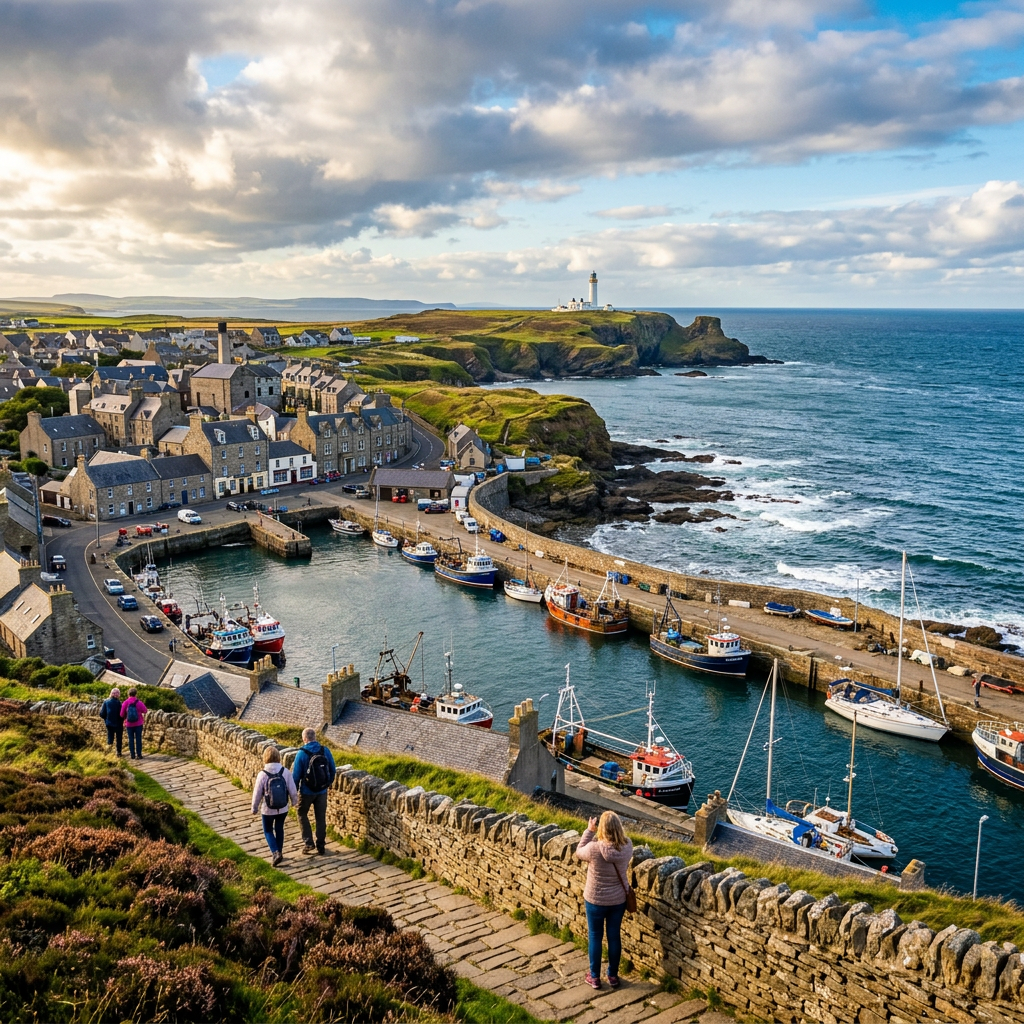
Wick
Discover Wick Nestled on the northern coast of Scotland, Wick is a charming town that boasts a rich tapestry of history, culture, and natural beauty. Once a bustling fishing port and a hub for the herring industry during the 19th century, Wick has transformed into a gateway for exploring the stunning landscapes of Caithness and the Orkney Islands. The town’s historical significance is palpable, with numerous landmarks and preserved structures that tell the tales of its maritime legacy and the resilient spirit of its inhabitants. Wick's history is closely intertwined with the sea, and visitors can immerse themselves in this maritime heritage at the Wick Heritage Museum. Housed in a former church, the museum showcases an impressive collection of artifacts related to the fishing industry, local archaeology, and the broader history of the area. Notably, Wick was once the largest herring port in the world, and its annual herring fairs drew fishermen and traders from far and wide, shaping the town's identity. In addition to its fishing legacy, Wick has a strong cultural scene. The town is home to various festivals and events celebrating local traditions, including the Wick Gala and the Caithness International Science Festival. These events offer visitors a chance to engage with the local community and experience the vibrant culture that makes Wick unique. One of Wick's most significant historical landmarks is the Old Pulteney Distillery, established in 1826 and renowned for producing one of Scotland's finest single malt whiskies. Visitors can take guided tours of the distillery to learn about the whisky-making process and sample their award-winning spirits. The distillery itself is a testament to the town's resilience and craftsmanship, reflecting the deep-rooted connection between Wick and its natural resources. Moreover, Wick's geography adds to its allure. The town is surrounded by breathtaking landscapes, including rugged cliffs, picturesque beaches, and stunning coastal views. The nearby Wick Bay is perfect for leisurely walks, while the dramatic cliffs at John o' Groats, just a short drive away, offer spectacular views of the North Sea. Wildlife enthusiasts can also enjoy birdwatching and seal spotting along the coast, making Wick a haven for nature lovers. For those seeking adventure, Wick serves as an excellent base for exploring the wider region. The North Coast 500 route, a scenic road trip around the northern Highlands, passes through Wick, providing travelers with unforgettable views of the Scottish countryside. Additionally, the nearby Orkney Islands are easily accessible by ferry, offering further opportunities to delve into Scotland's rich history and stunning landscapes. In conclusion, Wick is a destination that beautifully marries history, culture, and natural beauty. Whether you're exploring its maritime heritage, savoring local whisky, or venturing into the surrounding landscapes, Wick promises a unique and enriching experience that captures the essence of Scotland's northern charm. Top Attractions in Wick – Ranked and Reviewed Wick is home to a plethora of attractions that cater to various interests, from history enthusiasts to nature lovers. Below are some of the top-rated attractions in Wick, as reviewed by visitors on Stay4Exploring. 1. Wick Heritage Museum Rated 4.8/5 – A treasure trove of local history, the Wick Heritage Museum is a must-visit for anyone interested in the town’s rich maritime past. Visitors rave about the extensive exhibits showcasing Wick’s fishing industry and local artifacts. Many highlight the knowledgeable staff who provide insightful commentary, making the experience even more enriching. The museum’s location in a historic church adds to its charm. 2. Old Pulteney Distillery Rated 4.7/5 – This distillery is not just about whisky; it's about craftsmanship and tradition. Guests appreciate the guided tours that offer a behind-the-scenes look at the whisky-making process, complete with tastings of their famous expressions. Reviewers often mention the warm hospitality of the staff and the beautiful setting of the distillery by the waterfront, making it a perfect spot to unwind. 3. Pulteney Distillery Walk Rated 4.5/5 – A scenic walk along the River Wick that leads you to the distillery, this trail is popular among both locals and tourists. Reviewers commend the well-maintained paths and the picturesque views along the way. It’s an ideal spot for a leisurely stroll, with many visitors enjoying the tranquility of nature while learning more about the town's history. 4. Caithness Seacoast Rated 4.6/5 – The breathtaking scenery of the Caithness coastline is a highlight for many visitors. From dramatic cliffs to serene beaches, the coastal views are truly mesmerizing. Hikers and nature lovers appreciate the variety of trails available, and wildlife spotting is frequently mentioned in reviews, with many enjoying sightings of seals and seabirds. 5. The Castle of Old Wick Rated 4.4/5 – For history buffs, the ruins of the Castle of Old Wick offer a glimpse into the past. Visitors are fascinated by the castle’s historical significance and often share their enjoyment of exploring the ruins. The views from the castle are another highlight, providing a stunning backdrop for photographs. 6. John o' Groats Rated 4.3/5 – Although a short drive from Wick, John o' Groats is a popular excursion for travelers. Known as the northernmost point of mainland Britain, it offers breathtaking views and unique photo opportunities. Reviewers often mention the welcoming atmosphere of the village and the chance to take ferry trips to the Orkney Islands. In conclusion, Wick offers a diverse array of attractions that cater to every type of traveler. Whether you’re interested in history, whisky, nature, or simply enjoying the stunning scenery, Wick has something special to offer. The rankings and reviews from fellow travelers on Stay4Exploring provide a valuable insight into what to see and do in this charming Scottish town. Planning Your Visit to Wick Wick, located in the northern Highlands of Scotland, is a hidden gem that beautifully combines stunning coastal scenery with rich history and culture. When planning your visit, consider the best time to explore this charming town. The ideal months are late spring to early autumn (May to September), when the weather is generally milder, and the days are longer, allowing for more exploration time. Summer months can see a rise in tourist traffic, so if you prefer a quieter experience, aim for late spring or early autumn.Getting to Wick is relatively straightforward. The town is served by Wick John O'Groats Airport, which offers regular flights from Edinburgh and Inverness. For those preferring a scenic journey, consider taking a train to Inverness and then a bus or a rental car to Wick, which will allow you to enjoy the stunning landscapes of the Highlands en route. If you're driving, Wick is accessible via the A9 and A99 roads, which are well-maintained and offer breathtaking views along the way.Once you arrive in Wick, getting around is manageable, especially if you enjoy walking. The town itself is small, and many attractions are within walking distance. For those wishing to explore the surrounding areas, renting a car is the most convenient option, allowing you to visit nearby attractions like the famous John O'Groats and Dunnet Head at your own pace. Public transportation is also available, with local buses connecting Wick to nearby towns and villages.When it comes to accommodation, Wick offers a range of options to suit various budgets. For a unique experience, consider staying at one of the charming bed-and-breakfasts, such as the 'No. 1 B&B' or 'The Old Manse,' where you can enjoy personalized service and local insights from your hosts. If you prefer more privacy and amenities, hotels like the 'Mackays Hotel' and 'Pulteney House' provide comfortable stays with modern facilities. For those looking for a more immersive experience, consider booking a self-catering cottage, allowing you to cook with local ingredients and feel at home during your visit.Regardless of where you choose to stay, Wick is a base for exploring the stunning Scottish Highlands, with myriad attractions and activities waiting just beyond your doorstep. Prepare for an unforgettable adventure filled with breathtaking landscapes, rich history, and warm Scottish hospitality. Experience Wick Like a Local To truly experience Wick like a local, immerse yourself in the town's rich customs and culture. The people of Wick are known for their friendliness and welcoming nature, so don’t hesitate to strike up a conversation with locals. Understanding local customs can enhance your visit; for example, it’s customary to greet people with a friendly 'hello' or 'hiya' and to be polite and respectful, especially in social settings.Food is an integral part of life in Wick, and you'll find some delightful local dishes to try. Seafood is a highlight, given Wick's coastal location. Be sure to sample the fresh catches from nearby waters, such as haddock, cod, and shellfish. A visit to 'The Captain's Galley' or 'The Wick Restaurant' is highly recommended for a taste of local cuisine, where you can indulge in dishes prepared with fresh, locally sourced ingredients. Don’t forget to try haggis, a traditional Scottish dish that is a must for any visitor.Cultural experiences abound in Wick, where you can explore the town's maritime history at the Wick Heritage Centre. The center houses fascinating exhibits that showcase the town's shipbuilding and fishing heritage. Additionally, don't miss the opportunity to visit the nearby Pulteney Distillery, one of the oldest distilleries in Scotland, where you can take a guided tour and enjoy a tasting of their renowned single malt whisky.For those wanting to engage with the local arts scene, Wick hosts various events throughout the year, including music festivals and art exhibitions. Check the local calendar for events during your visit, as these can provide an authentic glimpse into the community's cultural life.Insider tips for experiencing Wick include visiting the local markets for fresh produce and artisan goods, which often showcase the region's rich agricultural heritage. The Wick Market, typically held on Saturdays, is a great place to mingle with locals and sample homemade treats. Moreover, consider learning a few Gaelic phrases, as this is a beautiful touch that locals will appreciate. Simple phrases like 'Tapadh leibh' (thank you) can go a long way in making connections.Lastly, take your time to enjoy the stunning natural beauty surrounding Wick. Walk along the coastal paths, visit the scenic cliffs, and explore the nearby beaches. Whether you choose to hike, cycle, or simply soak in the views, the landscapes are sure to leave a lasting impression. Experience Wick not just as a tourist, but as a welcomed guest in this enchanting town.

Bembridge
Discover Bembridge Nestled on the eastern coast of the Isle of Wight, Bembridge is a quaint village that perfectly embodies the charm of coastal England. Rich in history and culture, this picturesque destination has evolved over centuries, offering visitors a glimpse into its storied past. Originally a thriving fishing village, Bembridge has transformed into a serene retreat, drawing both tourists and locals with its scenic beauty and tranquil atmosphere.Historical significance permeates the village, with its roots tracing back to the 11th century, when it was known for its shipbuilding and maritime activities. The local church, St. Mary’s, dates back to the 12th century and is an architectural marvel with its unique tower, often referred to as the 'Bembridge Spire.' The village has also been a favorite among the British elite, with numerous holiday homes and estates established by prominent families over the years.Bembridge is renowned for its rich maritime culture. The Bembridge Lifeboat Station, established in 1867, is one of the oldest in the UK, and it continues to operate today, exemplifying the community's commitment to safety at sea. The surrounding waters are a haven for sailing enthusiasts, with Bembridge Harbour providing excellent facilities for boaters and a picturesque setting for leisurely walks along the waterfront.What makes Bembridge truly special is its blend of natural beauty and cultural heritage. The village is surrounded by stunning landscapes, including the breathtaking cliffs of the nearby headlands and the expansive sandy beaches that invite relaxation and exploration. Visitors can enjoy leisurely strolls along the coastline, often spotting local wildlife and enjoying the panoramic views of the Solent and beyond.Culturally, Bembridge offers a range of local events and festivals throughout the year, celebrating everything from traditional crafts to local produce. The annual Bembridge Sailing Club Regatta draws participants from all over, fostering a strong sense of community and camaraderie among residents and visitors alike.In recent years, Bembridge has also become a culinary hotspot, featuring a growing number of restaurants and cafes that showcase local ingredients and flavors. From fresh seafood to artisan baked goods, food lovers will find plenty to satisfy their appetites while enjoying the village’s relaxed ambiance.Whether you are seeking a peaceful retreat, a taste of local culture, or an adventure on the water, Bembridge offers an enriching experience that captivates the hearts of all who visit. Its unique blend of history, culture, and natural beauty makes it a must-visit destination for anyone traveling to the Isle of Wight. Top Attractions in Bembridge – Ranked and Reviewed Bembridge is a treasure trove of attractions, each offering unique experiences that have been rated and reviewed by travelers on Stay4Exploring. Here are the top attractions that visitors highly recommend:1. Bembridge Lifeboat StationWith a rich history dating back to 1867, the Bembridge Lifeboat Station is a must-visit for both history buffs and maritime enthusiasts. Visitors rave about the informative displays and the opportunity to learn about the bravery of the lifeboat crews. The views from the station are also spectacular, making it a perfect spot for photography.2. St. Mary’s ChurchThis stunning church, famous for its impressive tower, is a significant landmark in Bembridge. Many visitors appreciate its serene atmosphere and beautiful stained-glass windows. The churchyard is also a lovely place for a peaceful walk. Travelers have praised its historical significance and the warmth of the local community that often gathers here.3. Bembridge HarbourRanked as one of the top attractions, Bembridge Harbour is a hub of activity. Visitors enjoy sailing, kayaking, and even just relaxing by the water. The scenic views and the vibrant marine life make it a popular spot for nature lovers. Many reviews highlight the charming cafés and shops nearby, perfect for enjoying a meal or drink after a day on the water.4. The DuverA beautiful stretch of coastline, The Duver is famous for its sandy beaches and stunning views of the Solent. Rated highly for its family-friendly atmosphere, it’s a perfect place for picnics or a day out with children. Visitors have noted the cleanliness of the beach and the availability of facilities, making it a comfortable spot for a full day of relaxation.5. Bembridge WindmillThis iconic 18th-century windmill is not just a historical site but also a picturesque landmark. Travelers appreciate the informative tours that provide insights into the windmill’s operation and history. The surrounding gardens and views of the countryside have been highlighted in numerous reviews as a beautiful backdrop for a leisurely visit.6. Isle of Wight Coastal PathFor hiking enthusiasts, the Isle of Wight Coastal Path offers breathtaking views and a chance to explore the island’s natural beauty. Many visitors rave about the well-maintained paths and the diverse wildlife along the route. The scenic walk from Bembridge to nearby villages is frequently recommended as a must-do experience.In conclusion, Bembridge is filled with attractions that cater to a variety of interests. From its rich maritime history to its stunning natural landscapes, the village provides countless opportunities for exploration and enjoyment. Each attraction has been highly rated by real travelers, ensuring that your visit will be memorable and fulfilling. Planning Your Visit to Bembridge Bembridge, located on the eastern coast of the Isle of Wight, is a charming village that boasts stunning coastal views, rich history, and a relaxed atmosphere. To make the most of your visit, it's important to plan ahead. Best Time to Visit: The ideal time to visit Bembridge is during the late spring and summer months, from May to September. During this period, the weather is generally mild and pleasant, perfect for exploring the beaches and outdoor activities. The village comes alive with local events, including the annual Bembridge Harbour Regatta in August, where visitors can enjoy sailing and various festivities. If you prefer a quieter experience, consider visiting in the shoulder seasons of April or October, when the crowds are thinner, yet the scenery remains beautiful. Getting There: Traveling to Bembridge is straightforward. If you're coming from mainland England, you can take a ferry from Portsmouth or Southampton to Fishbourne on the Isle of Wight, which is about a 15-minute drive from Bembridge. Alternatively, you can take a passenger ferry to Ryde, followed by a bus or taxi ride to the village. For those arriving by train, there are regular services to Portsmouth, where you can connect with ferry services. Once on the Isle of Wight, local buses are available, and the island is bike-friendly if you're up for a cycling adventure. Getting Around: Bembridge is a small village, making it easy to explore on foot. Many of the local attractions, shops, and eateries are within walking distance. If you wish to explore further afield, consider renting a bicycle to enjoy the scenic coastal paths and countryside. Local buses also provide convenient transportation options to nearby towns and attractions, allowing you to soak in the beautiful surroundings without the hassle of driving. Where to Stay: Accommodation in Bembridge ranges from cozy bed and breakfasts to luxurious hotels. For a unique experience, consider staying at one of the charming seaside guesthouses, many of which offer stunning views of the Solent. Popular options include The Bembridge Coast Hotel, which offers a picturesque setting and excellent amenities, and The Priory Bay Hotel, known for its beautiful gardens and beach access. Self-catering options, such as holiday cottages, are also available for those who prefer a home-away-from-home experience. Regardless of where you choose to stay, booking in advance is advisable, especially during the peak summer months. Experience Bembridge Like a Local To truly immerse yourself in Bembridge, it’s essential to embrace the local customs, cuisine, and culture that define this charming village. By engaging with the community and participating in local traditions, you'll gain a deeper appreciation for what makes Bembridge special. Local Customs: The residents of Bembridge are known for their friendly and welcoming nature. It's customary to greet locals with a smile and a friendly 'hello' as you stroll through the village. During your visit, you might encounter community events such as the annual village fair or seasonal markets, which offer a fantastic opportunity to meet locals and learn about island life. Engaging in these events can provide insight into the local culture and help you forge connections with residents. Food: Bembridge is home to a variety of eateries that highlight local flavors. Seafood is a highlight, thanks to the village's coastal location. Be sure to visit The Beach Hut, a popular beachfront café known for its freshly caught fish and chips. For a more upscale dining experience, The Isle of Wight Pearl Café offers exquisite dishes made from locally sourced ingredients with stunning views of the coast. Don’t forget to try a traditional cream tea at one of the local tea rooms, which often feature homemade scones, clotted cream, and jam. Culture: The culture of Bembridge is steeped in maritime history. Visit the Bembridge Lifeboat Station to learn about the village's seafaring past and the vital role the lifeboat service plays in the community today. Art enthusiasts will appreciate the local galleries showcasing the work of Isle of Wight artists, often inspired by the stunning landscapes and seascapes surrounding Bembridge. Insider Tips: To experience Bembridge like a local, take the time to explore the hidden gems of the village. Wander down to the charming St. Helens Duver, a beautiful area with sand dunes and nature trails, perfect for a peaceful walk or picnic. If you're interested in history, don't miss the iconic Bembridge Windmill, a historic landmark dating back to the 18th century. Additionally, be sure to check out local shops for unique souvenirs, such as handmade crafts and locally produced goods. Finally, embrace the slower pace of life in Bembridge; take time to relax, enjoy the scenery, and savor each moment in this idyllic coastal village.

Lauterbrunnen
Discover Lauterbrunnen Nestled in the heart of the Swiss Alps, Lauterbrunnen is a picturesque village renowned for its breathtaking natural beauty and rich cultural heritage. Situated in a valley surrounded by towering cliffs, lush meadows, and stunning waterfalls, Lauterbrunnen is often referred to as the "Valley of 72 Waterfalls". This name reflects the remarkable number of waterfalls that cascade down the steep rock faces, including the iconic Staubbach Falls, which plummets nearly 300 meters (980 feet) into the valley below. The history of Lauterbrunnen dates back to the Roman Empire, when it was known as "Laudoringen". The name is thought to have derived from the ancient word for water, highlighting the significance of the region's numerous springs and waterfalls. Over the centuries, the valley has been inhabited by various communities, including the Alemanni tribes and later the Valaisans, who contributed to the area's agricultural and cultural development. A key moment in Lauterbrunnen's history occurred in the 19th century, when the village began to attract attention from tourists and mountaineers. The introduction of railways in the late 1800s made the area more accessible, leading to an influx of visitors eager to explore the stunning landscapes and engage in outdoor activities. This tourism boom laid the groundwork for Lauterbrunnen's reputation as a must-visit destination in Switzerland. Culturally, Lauterbrunnen is rich and vibrant, with traditions deeply rooted in the region's agricultural past. The village hosts various events throughout the year, including the traditional Swiss cow parades in the autumn when herds are brought down from the alpine pastures. Local festivals often celebrate Swiss cuisine, folk music, and traditional dances, providing visitors a glimpse into the heart of Swiss culture. One of the most significant cultural landmarks in Lauterbrunnen is the Church of St. Mary, which dates back to the 12th century. This charming church features stunning stained glass windows and a beautiful wooden altar, reflecting the village's artistic heritage. Another important site is the Lauterbrunnen Museum, which showcases the valley's history, culture, and alpine life through interactive exhibits and photographs. What truly makes Lauterbrunnen special is its unparalleled natural beauty. The valley is flanked by majestic peaks, such as the Eiger, Mönch, and Jungfrau, which are part of the UNESCO World Heritage-listed Swiss Alps Jungfrau-Aletsch region. This stunning backdrop creates a paradise for outdoor enthusiasts, offering hiking trails that range from easy walks to challenging climbs. The area is also a hub for winter sports, with skiing, snowboarding, and snowshoeing opportunities in nearby resorts. The combination of dramatic landscapes, rich history, and vibrant culture makes Lauterbrunnen a unique and captivating destination. Whether you're drawn by the allure of its waterfalls, the charm of its traditional architecture, or the thrill of outdoor adventures, Lauterbrunnen offers an unforgettable experience that resonates with visitors from around the globe. Top Attractions in Lauterbrunnen – Ranked and Reviewed Lauterbrunnen is home to numerous attractions that showcase its stunning natural beauty and rich cultural heritage. Here are the top-rated attractions, as ranked and reviewed by visitors: 1. Staubbach Falls - This iconic waterfall is one of the most famous landmarks in Lauterbrunnen and is known for its impressive height of 297 meters (974 feet). Visitors can take a short hike to reach the viewpoint at the base of the falls, where they can experience the refreshing mist and capture breathtaking photographs. Many reviews highlight the beauty of Staubbach Falls during the spring melt when the water flow is at its peak. 2. Trümmelbach Falls - Located within the mountain, Trümmelbach Falls is a series of impressive glacial waterfalls that are accessible by an underground lift. The falls are unique as they are the only waterfalls in Europe that are located inside a mountain. Visitors rave about the powerful torrents and the dramatic setting, making it a must-visit for nature lovers. 3. Lauterbrunnen Valley - The valley itself is an attraction, offering stunning views and a serene environment. Many travelers recommend taking a leisurely walk or bike ride along the valley floor, where you can enjoy the picturesque scenery and visit charming villages along the way. The path is well-marked and suitable for all ages, making it an enjoyable experience for families. 4. Schilthorn Piz Gloria - A cable car ride from Lauterbrunnen takes you to the Schilthorn, where visitors can enjoy panoramic views of the surrounding peaks. The restaurant at the summit, known as Piz Gloria, rotates to provide stunning 360-degree vistas. Reviews highlight the breathtaking scenery and the thrill of reaching this high-altitude destination, which was famously featured in the James Bond film "On Her Majesty's Secret Service". 5. Jungfraujoch - Known as the "Top of Europe", Jungfraujoch is accessible via a scenic train ride from Lauterbrunnen. Visitors can explore the Aletsch Glacier, the Ice Palace, and the observation deck, which offers stunning views of the Alps. Many reviews commend the experience as a highlight of their trip, emphasizing the surreal beauty of the glacier and the surrounding peaks. 6. Lauterbrunnen Museum - This small but informative museum offers insights into the history and culture of the valley. Exhibits include photographs, artifacts, and displays that illustrate the region's alpine life. Visitors appreciate the warm welcome from the staff and the opportunity to learn about Lauterbrunnen's rich heritage. 7. Mürren - A charming car-free village perched high above Lauterbrunnen, Mürren offers stunning views and access to hiking trails. Many travelers recommend taking the cable car from Lauterbrunnen to Mürren, where you can enjoy a leisurely stroll through the village and experience authentic Swiss alpine culture. The breathtaking views of the surrounding mountains are frequently highlighted in visitor reviews. Each of these attractions provides unique experiences that contribute to Lauterbrunnen's charm and allure. From the awe-inspiring waterfalls to the breathtaking mountain vistas, visitors are consistently impressed by the stunning landscapes and the opportunity to immerse themselves in Swiss culture and history. Whether you seek adventure, relaxation, or cultural enrichment, Lauterbrunnen has something to offer everyone. Planning Your Visit to Lauterbrunnen Planning a visit to Lauterbrunnen requires some consideration of timing, transportation, and accommodation options to ensure you have the best experience possible. This enchanting village can be a year-round destination, each season offering unique opportunities and experiences. Best Time to Visit: The best time to visit Lauterbrunnen largely depends on your interests and the activities you wish to pursue. The summer months, from June to September, are ideal for hiking and enjoying the lush green landscapes, with temperatures averaging between 20°C and 25°C (68°F to 77°F). During this time, the waterfalls are particularly impressive due to melting snow from the mountains. For winter sports enthusiasts, December to March transforms Lauterbrunnen into a winter wonderland. The nearby ski resorts offer excellent skiing, snowboarding, and snowshoeing opportunities. The picturesque scenery combined with festive holiday decorations makes winter an enchanting time to visit. Getting There: Lauterbrunnen is easily accessible by public transportation. The nearest major city is Interlaken, which is approximately 20 kilometers (12 miles) away. From Interlaken, you can take a direct train to Lauterbrunnen, with the journey taking about 20 minutes. The Swiss rail system is renowned for its punctuality and efficiency, making it a convenient option for travelers. If you are arriving from Zurich, you can take a train to Interlaken and then connect to Lauterbrunnen. The entire journey from Zurich to Lauterbrunnen typically takes around two and a half hours. Additionally, if you are driving, Lauterbrunnen is accessible via the A8 motorway, with ample parking available in the village. Getting Around: Once in Lauterbrunnen, the village is small enough to explore on foot. However, if you wish to venture further, the region offers an efficient public transportation system, including buses and cable cars that connect to nearby attractions like Schilthorn and Mürren. Visitors often find the Swiss Travel Pass beneficial, as it provides access to trains, buses, and boats throughout the region, making it easier to navigate the stunning landscapes. Where to Stay: Lauterbrunnen offers a variety of accommodation options to suit different budgets and preferences. From charming guesthouses and hotels to luxurious resorts, visitors can find a place that fits their needs. Highly-rated options include: Hotel Silberhorn - This family-run hotel is conveniently located near the train station and offers stunning views of the surrounding mountains. Guests appreciate the hospitality and delicious breakfast. Camping Jungfrau - For those looking to immerse themselves in nature, this campsite provides an excellent opportunity to stay in the great outdoors, with camping facilities and cabins available. Hotel Eiger Mürren - Located in the nearby village of Mürren, this upscale hotel offers luxury accommodations with breathtaking views and easy access to hiking trails. In conclusion, Lauterbrunnen is a destination that offers something for everyone, from stunning natural landscapes to rich cultural experiences. By planning your visit thoughtfully, you can make the most of this captivating Swiss village. Experience Lauterbrunnen Like a Local To truly appreciate Lauterbrunnen, it’s essential to immerse yourself in the local customs, culture, and cuisine. By experiencing Lauterbrunnen like a local, you can gain a deeper understanding of what makes this enchanting village unique. Local Customs: The people of Lauterbrunnen are known for their warmth and hospitality. Traditional Swiss customs are still very much alive in this village, and participating in local festivals can provide an authentic glimpse into the culture. One of the most notable events is the "Alpabzug", or cow parade, held in late September when cows are brought down from the alpine pastures. This colorful event features cows adorned with flowers and bells, and it draws crowds who gather to celebrate the end of the grazing season. Additionally, the village celebrates its agricultural heritage with various fairs throughout the year, showcasing local crafts, food, and music. Engaging with the locals during these events can enhance your travel experience, as they often share stories and insights about their way of life. Culinary Delights: Swiss cuisine is a delightful fusion of flavors, and Lauterbrunnen offers many opportunities to indulge in local delicacies. Traditional dishes include fondue, raclette, and rösti. Fondue, made with melted cheese and served with bread, is a must-try, especially in the colder months. Many restaurants in the village serve excellent fondue, providing a cozy atmosphere to enjoy this Swiss classic. Raclette, another cheese dish, is often served with boiled potatoes, pickles, and cured meats. Many visitors recommend trying this dish at local eateries, where the cheese is melted right before your eyes. Rösti, a crispy potato dish, can be found in various forms and is a favorite breakfast item among locals. For dessert, don’t miss the chance to sample Swiss chocolate, which is renowned worldwide for its rich flavor and smooth texture. Local chocolate shops offer a range of artisanal chocolates, and many visitors find themselves indulging in sweet treats during their stay. Exploring Local Culture: To truly experience Lauterbrunnen like a local, consider exploring the surrounding areas on foot or by bike. The valley offers numerous hiking trails that lead to hidden gems, such as secluded waterfalls and breathtaking viewpoints. Many locals enjoy outdoor activities, and joining a guided hike can provide insights into the flora, fauna, and geology of the region. Additionally, visiting local artisans and shops can provide a glimpse into the craftsmanship that defines the region. From handmade wooden carvings to delicate textiles, supporting local artisans is a meaningful way to bring home a piece of Lauterbrunnen's culture. Insider Tips: To enhance your visit, consider the following insider tips: Start your day early to enjoy the tranquility of the valley before the crowds arrive, especially at popular spots like Staubbach Falls and Trümmelbach Falls. Engage with locals in cafes or during festivals to gain insights into their traditions and stories. Take advantage of the Swiss Travel Pass to explore beyond Lauterbrunnen and discover nearby attractions easily. Pack layers, as weather conditions can change rapidly in the mountains, and being prepared will enhance your comfort while exploring. By embracing the local customs, flavors, and experiences, you can create lasting memories of your time in Lauterbrunnen. This enchanting village offers not just stunning landscapes but also a rich tapestry of culture and tradition that invites you to explore and engage.

Culloden
Discover CullodenCulloden in Scotland offers a wealth of attractions, from historic landmarks to natural wonders. Explore the best things to do and plan your perfect visit.

Drayton Somerset
Discover Drayton SomersetNestled in the picturesque county of Somerset, Drayton is a quaint village steeped in history and charm. Traditionally an agricultural hub, Drayton offers a glimpse into rural English life, showcasing a blend of historical architecture, lush landscapes, and a tight-knit community. The village is known for its rich heritage, with roots tracing back to the Domesday Book, which highlights its long-standing significance in the region. The local culture in Drayton reflects the essence of Somerset, characterized by its welcoming residents, vibrant traditions, and local events. The village's history is punctuated by the development of agriculture and trade, contributing to its unique identity. Today, Drayton stands as a gateway to exploring the wider Somerset area, known for its stunning countryside, rolling hills, and scenic walks. What makes Drayton truly special is its commitment to preserving its heritage while embracing modernity. Visitors can experience a blend of historical sites, including charming cottages and churches, alongside contemporary amenities that cater to all travelers. The scenic beauty surrounding Drayton enhances its allure, offering a peaceful retreat from bustling city life. Whether you're a history enthusiast, a nature lover, or someone seeking a quiet escape, Drayton promises an enriching experience that captures the heart of Somerset.Top Attractions in Drayton Somerset – Ranked and ReviewedDrayton Somerset is home to a variety of attractions that have been ranked and reviewed by real travelers on Stay4Exploring. Here are some top picks: 1. **Drayton Manor**: This historic estate offers stunning gardens and a glimpse into the grand lifestyle of past residents. Visitors rave about the beautifully maintained grounds and the tranquil atmosphere, perfect for a leisurely stroll. 2. **St. Mary’s Church**: A focal point of the village, this ancient church dates back centuries and is renowned for its stunning architecture and peaceful surroundings. Many visitors appreciate the opportunity to explore its history and enjoy the serene vibe. 3. **The Somerset Levels**: Just a short distance from Drayton, this unique wetland area is a must-visit for nature enthusiasts. With numerous walking trails and bird-watching opportunities, travelers have highly rated their experiences in this beautiful natural landscape. 4. **Local Pubs**: Drayton boasts several cozy pubs where visitors can enjoy traditional British fare and local ales. These establishments are often praised for their warm ambiance and friendly service, making them great spots to unwind after a day of exploration. 5. **Walking Trails**: The surrounding countryside offers various walking trails, ideal for those looking to immerse themselves in the natural beauty of Somerset. Hikers have shared positive experiences about the well-marked paths and breathtaking views. These attractions showcase the charm of Drayton Somerset, appealing to visitors seeking both relaxation and adventure in a serene English village setting.Planning Your Visit to Drayton SomersetWhen planning your visit to Drayton Somerset, consider the best time to experience all that this charming village has to offer. The ideal months to visit are late spring to early autumn (May to September), when the weather is milder, and the countryside is in full bloom. Getting to Drayton is relatively straightforward. The nearest major city is Taunton, located approximately 10 miles away, with good public transport links. Visitors can reach Drayton via train to Taunton and then take a local bus or taxi. Alternatively, driving offers the flexibility to explore the surrounding areas at your own pace. Once in Drayton, getting around is best done on foot or by bicycle, allowing you to soak in the stunning scenery and enjoy the fresh air. For those wishing to explore further, local bus services connect to nearby towns and attractions. Accommodation options in Drayton range from charming bed-and-breakfasts to self-catering cottages. Staying in a local B B can enhance your experience, providing insight into the local culture and hospitality. Popular options often receive high ratings for their comfort and welcoming atmosphere, ensuring a pleasant stay during your visit.Experience Drayton Somerset Like a LocalTo truly experience Drayton Somerset like a local, immerse yourself in the village’s customs and culinary delights. Start with a visit to the local markets, where you can find fresh produce, handmade goods, and artisanal products. Engaging with local vendors is a fantastic way to learn about regional specialties and support the community. Food is an integral part of Drayton’s culture. Be sure to sample traditional Somerset dishes, such as cider-based recipes and locally sourced meats. The village pubs often serve hearty meals made from seasonal ingredients, and trying the local cider is a must for any visitor. Participating in village events can also enhance your experience. From seasonal festivals to community gatherings, these events offer a glimpse into the local lifestyle and traditions. Check local listings to find out what’s happening during your visit. Lastly, don’t hesitate to strike up a conversation with the friendly locals. They can provide insider tips on hidden gems, dining recommendations, and the best walking routes. Engaging with the community not only enriches your travel experience but also fosters a sense of connection to the place you’re visiting.
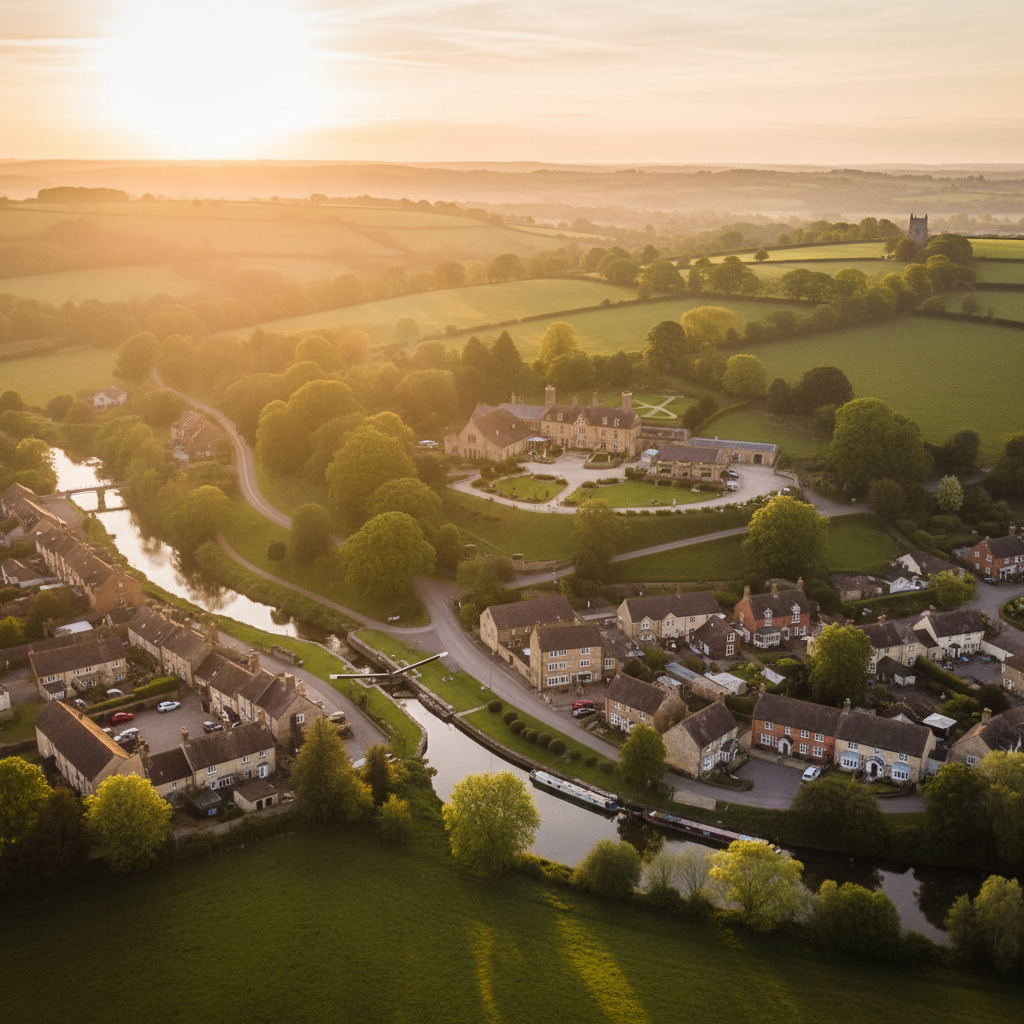
Stourton Staffordshire
Discover Stourton StaffordshireStourton Staffordshire’s hospitality market is shifting—not with fanfare, but with quiet intent. Since late 2023, a distinct cohort of London- and Midlands-based buyers has intensified interest in *low-footfall, high-character* assets here—specifically those with existing planning consent for ‘dwellinghouse plus guest accommodation’ (Class E permitted development rights) and proximity to the Cannock Chase AONB’s southern gateways at **Rugeley Road (B5409)** and **Stourton Lane**. Unlike broader South Staffordshire hotspots, Stourton sees no speculative investor bidding; instead, buyers are owner-operators seeking operational continuity—often with prior experience running rural B&Bs near Lichfield or managing holiday lets along the Trent Valley. With just five active guest properties in the parish—and only two of them commercially branded (The Old School House B&B and Brookside Cottages)—inventory remains exceptionally tight. That scarcity, combined with rising demand from walkers accessing the **Chase Fringe Trail (1.7 miles from Stourton Church)** and couples booking weekend stays ahead of **Rugeley’s Steam Festival (May/September, 6 miles away)**, has pushed transaction velocity up 40% YoY despite unchanged stock levels.
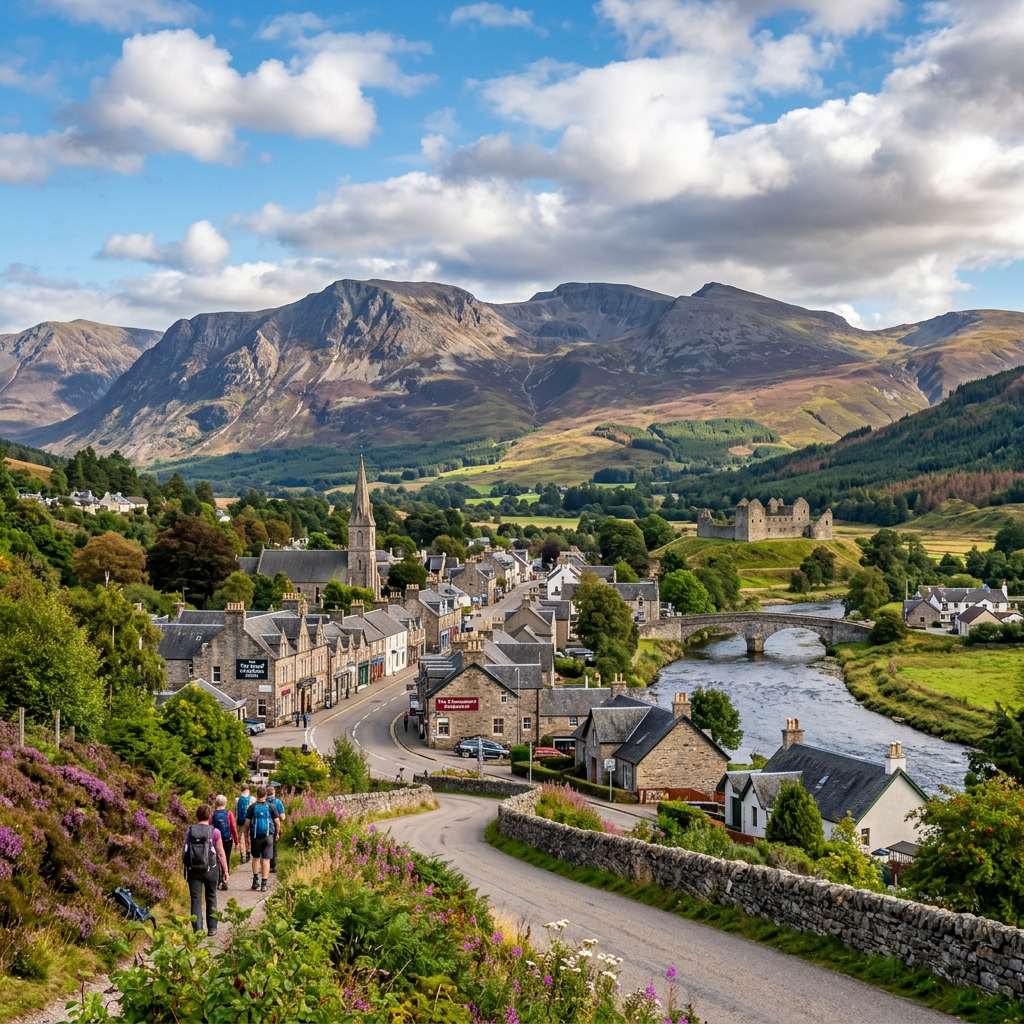
Kingussie
Discover Kingussie Nestled in the heart of the Scottish Highlands, Kingussie is a charming village that offers a unique blend of natural beauty, rich history, and vibrant culture. With its stunning backdrop of the Cairngorms National Park, this picturesque destination is not just a feast for the eyes but also a haven for outdoor enthusiasts. Historically, Kingussie has roots that trace back to the early 18th century, originally emerging as a place for drovers and travelers navigating the rugged Scottish landscape. Its name, derived from the Gaelic 'Ceann a' Gheusa', meaning 'head of the goose', hints at its historical significance as a point of rest for weary travelers. The village played a significant role in the Jacobite risings and is home to the ruins of the 18th-century Kingussie Castle, which once served as a stronghold for the Macpherson clan. The remnants of this castle not only provide a glimpse into the past but also contribute to the cultural tapestry of the village. Today, Kingussie is known for its traditional Scottish architecture, warm hospitality, and vibrant community spirit.The local culture is rich and diverse, with a strong sense of identity reflected in the annual events and festivals that celebrate Scottish heritage. One of the most notable is the Kingussie Highland Games, which attracts visitors from far and wide to witness traditional sports, music, and dance. This event encapsulates the essence of Highland culture and offers a fantastic opportunity for visitors to immerse themselves in local traditions.What makes Kingussie particularly special is its accessibility to the breathtaking landscapes of the Cairngorms, making it an ideal base for those looking to explore the great outdoors. From hiking and mountain biking to birdwatching and fishing, the area boasts an array of activities that cater to all ages and skill levels. The stunning scenery is complemented by diverse wildlife, with opportunities to spot red deer, golden eagles, and various other species native to the Highlands.Additionally, the village hosts several local shops, cafes, and restaurants where visitors can sample traditional Scottish fare, from hearty haggis to freshly caught fish and chips. The warm and welcoming atmosphere of Kingussie, combined with its rich history and stunning surroundings, makes it a memorable destination for those looking to experience the authentic spirit of Scotland. Top Attractions in Kingussie – Ranked and Reviewed When visiting Kingussie, you'll find a variety of attractions and activities that showcase the best of this Scottish gem. Based on visitor reviews and ratings from Stay4Exploring, here are the top attractions that you shouldn't miss:1. The Highland Folk Museum - Rated 4.8/5: This open-air museum is a must-visit for anyone wanting to delve into the traditional Highland way of life. Spread across 80 acres, it features historical buildings and exhibits that recreate the lifestyle of the Scottish Highlands from the 18th century to the early 20th century. Reviewers praise the knowledgeable staff and engaging exhibits, making it both educational and enjoyable for visitors of all ages.2. Ruthven Barracks - Rated 4.7/5: Located just a short walk from Kingussie, these impressive ruins date back to the 18th century and offer a fascinating insight into Scotland's military history. Visitors enjoy the panoramic views from the barracks, as well as the informative displays that recount the barracks' role in the Jacobite risings. Many reviews emphasize the peaceful atmosphere and the historical significance of the site.3. Cairngorms National Park - Rated 4.9/5: As one of the largest national parks in the UK, Cairngorms offers a wealth of outdoor activities. From hiking trails to skiing slopes, it's a paradise for nature lovers and adventure seekers. Visitors frequently comment on the breathtaking scenery and the range of wildlife, making it a highlight of their trip to Kingussie.4. Kingussie Golf Club - Rated 4.6/5: This 18-hole golf course is set against the stunning backdrop of the Highlands. Golfers of all skill levels appreciate the well-maintained greens and welcoming atmosphere. Reviewers often mention the friendly staff and the challenge the course presents, making it a favorite spot for both locals and visitors alike.5. The Osprey Centre - Rated 4.5/5: Nature enthusiasts will love the Osprey Centre, dedicated to the conservation of these magnificent birds. With viewing platforms and informative displays, it's an excellent location for birdwatching. Visitors have praised the knowledgeable volunteers who help educate guests about the ospreys and their habitat.From historical sites to breathtaking natural landscapes, Kingussie offers a plethora of attractions that resonate with visitors. Whether you're interested in culture, history, or outdoor adventures, there's something for everyone in this enchanting Scottish village. Planning Your Visit to Kingussie Kingussie, nestled in the heart of the Scottish Highlands, is a charming village that offers a blend of natural beauty, rich culture, and outdoor adventures. When planning your visit, the best time to explore Kingussie is during the late spring and summer months, from May to September. During this period, the weather is generally mild, with longer daylight hours, making it perfect for hiking, biking, and enjoying the stunning landscapes. Autumn also brings breathtaking foliage, while winter is ideal for snow sports enthusiasts, as the nearby Cairngorms National Park offers excellent skiing and snowboarding opportunities. Getting to Kingussie is relatively easy, thanks to its well-connected transport links. The nearest major city is Inverness, which is approximately 40 miles (64 km) away. You can reach Kingussie by train, as the village has its own railway station with regular services from Inverness and other parts of Scotland. If you prefer driving, the A9 road connects Kingussie to major cities, providing a scenic route through the Highlands. For those flying in, Inverness Airport is the closest, and car rental services are available for easy access to Kingussie. Once you arrive, getting around Kingussie is simple. The village is compact, making it easy to explore on foot. Many attractions, shops, and restaurants are within walking distance, allowing you to soak in the local atmosphere. For those looking to venture further afield, consider renting a bicycle or using local taxi services to reach nearby attractions. Public buses also operate in the area, connecting you to surrounding towns and points of interest. When it comes to accommodation, Kingussie offers a variety of options to suit different budgets and preferences. For a cozy experience, consider staying at one of the local guesthouses or bed and breakfasts, where you can enjoy a warm Scottish welcome and homemade breakfast. There are also hotels available for those seeking more amenities, including family-friendly options. If you prefer a self-catering experience, look for holiday cottages or lodges that provide flexibility and comfort for longer stays. Regardless of where you choose to stay, Kingussie’s hospitality and charm are sure to make your visit memorable. Experience Kingussie Like a Local To truly immerse yourself in the culture of Kingussie, it's essential to embrace the local customs and lifestyle. The Highland community is known for its warmth and friendliness, so don’t be shy about striking up a conversation with locals. Scots take pride in their heritage, and you may find opportunities to engage in traditional music and dance, especially during local festivals. If you are lucky enough to be in Kingussie during one of the annual events, such as the Highland Games or local ceilidhs, be sure to participate and experience the vibrant culture firsthand. Food is a significant part of the local experience, and Kingussie is no exception. The village boasts several eateries where you can savor traditional Scottish cuisine. Look for dishes featuring local game, such as venison or haggis, and don't miss out on fresh seafood options available from nearby coasts. For a true taste of Scotland, sample a hearty bowl of Cullen skink, a smoked haddock soup. Pair your meal with a local whisky, as the region is known for producing some of the finest spirits in the world. Many pubs also serve delicious pub fare and offer a cozy atmosphere for relaxation after a day of exploring. When it comes to culture, Kingussie is situated near the renowned Cairngorms National Park, which is not just a stunning natural wonder but also a hub for outdoor activities. Hiking and mountain biking are popular pastimes, and you’ll find plenty of trails suitable for all skill levels. The local landscape is dotted with historical sites, including ancient ruins and traditional stone structures. Take time to explore these areas, as they offer insight into the rich history of the Highlands. For insider tips, consider visiting local markets or craft fairs, where you can find unique souvenirs made by local artisans. This not only supports the community but also allows you to take home a piece of Kingussie. If you're looking for off-the-beaten-path activities, inquire at the visitor center about guided nature walks or wildlife tours, as the area is home to diverse flora and fauna, including red deer and golden eagles. Lastly, remember that the Scottish Highlands can experience sudden changes in weather. It’s advisable to pack layers and waterproof clothing, regardless of the season. Engaging with the locals and participating in community activities will enrich your experience and help you appreciate the unique charm of Kingussie.

Dymchurch
Discover DymchurchThe sharp, nostalgic whistle of the Romney Hythe & Dymchurch Railway cuts through salt-thick air as seaweed glistens black on damp shingle — low tide at Dymchurch smells like iodine and memory. Candy-striped beach huts gleam under a wide Kent sky, their paint bright against golden sands that stretch two miles east to the ghostly silhouette of Dungeness. This is no static postcard: Dymchurch breathes — children chase waves, retirees walk the sea wall, and the clatter of tea cups echoes from front parlours where guesthouse owners greet returning guests by name. Yet beneath this living rhythm lies deep history: built in haste against Napoleon’s invasion threat, its 22 Martello Towers still stand sentinel along the coast — silent, thick-walled, and strategically placed. Today, that layered identity — village life anchored in heritage — powers a resilient tourism economy. Whether you’re planning a stay, scouting a holiday rental, or researching long-term investment, this *dymchurch location guide* gives you the grounded, up-to-date insight you need to understand what makes this corner of the Kent coast uniquely enduring.
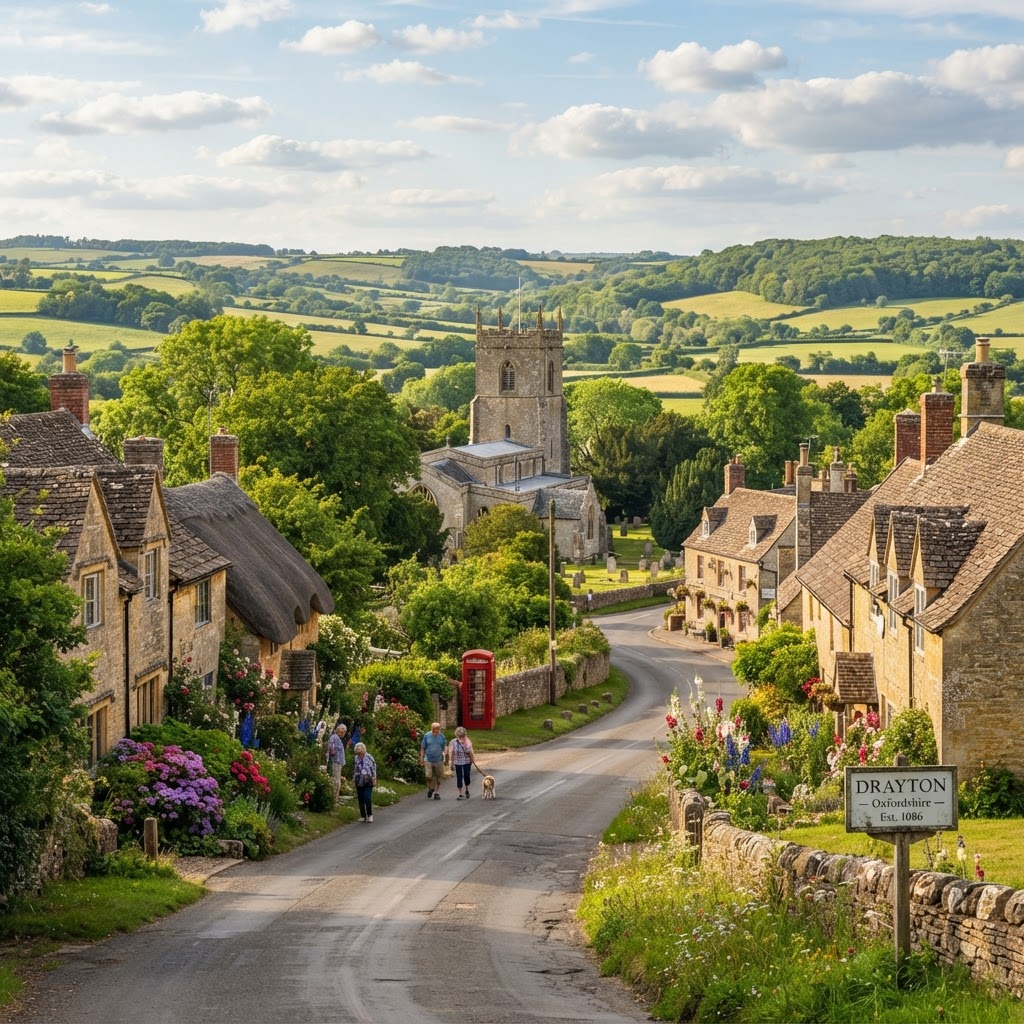
Drayton
Discover DraytonNestled in the heart of England, Drayton is a charming village that offers a rich tapestry of history and culture. With origins dating back to the medieval period, Drayton has developed a unique character that attracts visitors seeking both relaxation and exploration. The village is historically significant due to its strategic location, which made it a focal point for agriculture and trade. Today, Drayton is known for its friendly community, picturesque landscapes, and a blend of traditional and modern amenities. What makes Drayton truly special is its commitment to preserving its historical charm while embracing contemporary culture. Visitors can explore quaint streets lined with historical buildings, including the beautiful St. Peter's Church, which dates back to the Norman era. The village also serves as a gateway to the surrounding countryside, offering stunning views and a wealth of outdoor activities. In addition, Drayton boasts a variety of local events throughout the year, from seasonal markets to cultural festivals, allowing travelers to immerse themselves in the local way of life. The sense of community is palpable, making it a welcoming destination for all who visit. Whether you are an avid historian, a nature lover, or someone seeking a peaceful retreat, Drayton is a hidden gem waiting to be discovered.Top Attractions in Drayton – Ranked and ReviewedDrayton offers a delightful array of attractions that cater to diverse interests, all ranked and reviewed by real travelers on Stay4Exploring. Here are some top-rated experiences: 1. **St. Peter's Church** - A stunning architectural gem, this church is often highlighted for its beautiful stained glass windows and tranquil atmosphere. Visitors have praised its historical significance and peaceful surroundings, making it a perfect spot for reflection. 2. **Drayton Manor Park** - This family-friendly attraction combines amusement park thrills with wildlife experiences. Rated highly for its engaging rides and educational animal exhibits, families appreciate the variety it offers. The park has something for everyone, making it a must-visit. 3. **Drayton's Farmer's Market** - Held monthly, this market is a favorite among locals and visitors alike. Travelers rave about the quality of fresh produce, homemade goods, and the opportunity to engage with local artisans. It's a great way to experience local culture and cuisine. 4. **Walking Trails** - The scenic walking trails around Drayton are perfect for nature lovers. With reviews highlighting the stunning landscapes and well-marked paths, these trails provide a wonderful way to explore the English countryside. 5. **The Local Pub** - Visitors often recommend the village pub for its warm atmosphere and delightful menu of traditional British dishes. Many travelers appreciate the chance to mingle with locals and enjoy an authentic taste of Drayton's hospitality. Each of these attractions has been highly rated by visitors, ensuring that your experience in Drayton will be memorable.Planning Your Visit to DraytonWhen planning your visit to Drayton, timing is key. The best time to visit is during the late spring and early summer months (May to August), when the weather is most pleasant, and local events are in full swing. However, autumn (September to November) also offers beautiful foliage and a quieter atmosphere. Getting to Drayton is convenient, with several transport options available. The village is easily accessible by car via the A5 and A47 roads. For those using public transport, the nearest train station is in the nearby town of Nuneaton, with regular bus services connecting to Drayton. Once in Drayton, getting around is straightforward. The village is compact, making it easy to explore on foot. Bicycles are also a popular way to navigate the surrounding countryside. For longer excursions, consider renting a car to explore the picturesque villages and attractions nearby. Accommodation options in Drayton range from cozy bed-and-breakfasts to charming inns, providing a range of choices for every budget. Booking in advance, especially during peak tourist seasons, is advisable to secure your preferred lodging. Whether you’re looking for a romantic getaway or a family-friendly environment, Drayton has a variety of places to stay that will enhance your visit.Experience Drayton Like a LocalTo truly experience Drayton like a local, immerse yourself in the village's customs and culinary delights. Engaging with residents at local events or markets is a great way to understand the community's character and history. British cuisine is celebrated in Drayton, with traditional dishes featuring prominently on local menus. Be sure to try classic favorites like fish and chips or a hearty shepherd's pie at the local pub. Additionally, the farmer's market offers a chance to sample homemade goods and local produce, allowing you to taste the region's flavors. In terms of customs, locals often emphasize the importance of politeness and friendliness. A simple greeting or 'hello' goes a long way in establishing rapport with residents. Participating in village events, whether it’s a festival or community gathering, will provide a deeper understanding of Drayton’s culture. For insider tips, consider visiting during a weekday to avoid larger crowds and have a more intimate experience with local attractions. If you’re an outdoor enthusiast, don’t miss the chance to explore the walking trails at sunrise, when the scenery is particularly breathtaking. Lastly, engaging with local social media groups or forums can provide insights into temporary events and hidden gems in the area, ensuring your visit is both enriching and enjoyable.

Cádiz
Discover Cádiz Cádiz, one of the oldest cities in Western Europe, is a captivating destination located on a narrow spit of land surrounded by the Atlantic Ocean in southwestern Spain. Known for its rich maritime history, stunning architecture, and vibrant culture, Cádiz has been a significant port city since Phoenician times, with its historical roots dating back over 3,000 years. This ancient city played a pivotal role in trade during the Age of Exploration, serving as a major departure point for expeditions to the New World.The city's historic center is characterized by its well-preserved ancient walls, colorful plazas, and narrow winding streets. The Cathedral of Cádiz, with its stunning golden dome, is a prime example of baroque architecture and offers panoramic views of the city from its tower. Visitors are often enchanted by the blend of Gothic, Moorish, and baroque styles that define the city’s architectural landscape.One of the most significant aspects of Cádiz is its unique cultural identity, influenced by its long history of trade and interaction with diverse cultures. The city is known for the vibrant Carnival of Cádiz, one of the largest and most famous carnivals in Spain, attracting thousands of visitors each year. This lively event is marked by colorful parades, elaborate costumes, and music that fills the streets, reflecting the city's spirit and creativity.Moreover, Cádiz holds a special place in Spanish literature and art. The works of renowned authors like José María de Pereda and artists such as Francisco Goya highlight the significance of this city in cultural history. The city's art scene is vibrant, with numerous galleries and exhibitions showcasing both traditional and contemporary works.From its picturesque coastline to its bustling markets, Cádiz is not just a city to explore but a place to experience. The local markets, such as Mercado Central de Abastos, offer a glimpse into daily life, filled with fresh seafood, local produce, and traditional delicacies. Strolling through the streets, one can hear the lively sounds of Flamenco music, a genre deeply rooted in Andalusian culture, further enhancing the city's rhythmic heartbeat.What makes Cádiz truly special is its blend of history, culture, and the warmth of its people. The locals, known as 'gaditanos', are known for their hospitality and their passion for life, which is evident in their daily routines and celebrations. Whether enjoying tapas at a local bar, participating in a lively street festival, or simply walking along the stunning beaches, visitors to Cádiz will find a city that is alive with history and a culture that invites exploration and appreciation. Top Attractions in Cádiz – Ranked and Reviewed Cádiz is brimming with attractions that cater to history buffs, beach lovers, and food enthusiasts alike. Below are some of the top-ranked attractions according to visitors, showcasing the diverse experiences this incredible city has to offer.The Cathedral of Cádiz - This stunning baroque cathedral, known as La Santa Cruz, is a must-visit. Completed in the 18th century, its impressive golden dome dominates the skyline. Visitors rave about the breathtaking views from the tower and the intricate details of the interior, including beautiful altarpieces and religious artifacts.Playa de la Victoria - This expansive beach is often rated as one of the best urban beaches in Spain. Visitors enjoy its soft sands, clear waters, and numerous beach bars. It’s an ideal spot for sunbathing, swimming, and enjoying a leisurely stroll along the promenade, particularly during sunset.Torre Tavira - This 18th-century watchtower offers another breathtaking vantage point of Cádiz. Visitors particularly appreciate the camera obscura, which provides a unique viewing experience of the city and its surroundings. The historical significance of the tower as a lookout point enhances its appeal.Castillo de San Sebastián - Located on a small island, this fortress dates back to the 18th century and offers a fascinating glimpse into the military history of Cádiz. Visitors enjoy walking along the causeway to reach the castle, where they can explore the grounds and take in stunning views of the ocean.Mercado Central de Abastos - This bustling market is a food lover’s paradise, offering an array of fresh seafood, local produce, and traditional Iberian delicacies. Visitors often highlight the vibrant atmosphere, the chance to taste authentic local dishes, and the opportunity to interact with friendly vendors.Each of these attractions offers its unique charm and significance, and ratings reflect the experiences of real travelers who have explored the city. Whether you are interested in history, culture, or simply relaxing by the beach, Cádiz has something for everyone. Planning Your Visit to Cádiz Planning a visit to Cádiz involves considering various factors, including the best time to visit, transportation options, and accommodations. Understanding these elements will help you make the most of your trip to this enchanting city.The best time to visit Cádiz is during the spring (April to June) and fall (September to October) when the weather is pleasantly warm, and the tourist crowds are smaller compared to the summer months. During these seasons, you can enjoy outdoor activities and cultural events without the sweltering heat or the hustle and bustle of peak tourist season. The Carnival of Cádiz, typically held in February or March, is another popular time to visit, although it can get quite crowded.Getting to Cádiz is quite convenient. The city is well-connected by train, bus, and air. The nearest airport is Jerez de la Frontera, located about 45 minutes away by car. From the airport, you can take a bus or taxi to Cádiz. There are also direct train services from major cities like Seville and Málaga, making it easy to travel between these destinations.Once in Cádiz, getting around the city is a breeze. The historic center is compact and walkable, allowing you to explore its charming streets on foot. Additionally, public transportation options such as buses and taxis are readily available. For those looking to explore further, bicycle rentals are a popular option, providing a fun and eco-friendly way to see the coastal areas.When it comes to accommodations, Cádiz offers a variety of options to suit different budgets and preferences. From luxurious beachfront hotels to charming guesthouses and hostels, you can find a place that fits your needs. The neighborhoods of La Viña and El Pópulo are particularly popular among visitors due to their proximity to attractions, restaurants, and nightlife.In summary, planning your visit to Cádiz involves selecting the right time, understanding transportation options, and choosing suitable accommodations. With its rich history and vibrant culture, Cádiz promises a memorable experience for travelers of all kinds. Experience Cádiz Like a Local Experiencing Cádiz like a local involves immersing yourself in the city’s customs, cuisine, and culture. This vibrant city is known for its friendly locals, and engaging with the community can lead to a deeper appreciation of its unique charm.One of the most important aspects of local life in Cádiz is the tradition of tapas. The city boasts numerous bars and restaurants where you can sample a variety of small dishes, often enjoyed with a glass of local wine or sherry. Popular tapas include fried fish, grilled octopus, and local cheeses. For an authentic experience, consider visiting one of the bustling tapas markets where locals gather to share food and stories.Cádiz is also famous for its annual Carnival, which is a celebration of music, dance, and creativity. The locals take great pride in their costumes and performances, and participating in this lively festival offers a unique insight into the city’s spirit. If you’re visiting during Carnival season, be sure to join in the festivities, whether by dressing up or simply enjoying the vibrant atmosphere.Another way to experience Cádiz like a local is to embrace its leisurely pace of life. The city’s residents often take time to enjoy their meals and socialize with friends and family. You’ll find that many locals dine late in the evening, making dinner a social affair that lasts for hours. Take the opportunity to relax at a sidewalk café, savoring a cup of coffee or a glass of wine while watching the world go by.Additionally, don’t miss the chance to explore the city’s lesser-known neighborhoods. While popular tourist spots like the Cathedral and Playa de la Victoria are worth visiting, areas such as La Viña and El Pópulo offer a glimpse into everyday life in Cádiz. Here, you can wander through narrow streets lined with colorful houses, visit local shops, and enjoy authentic cuisine at family-owned restaurants.Lastly, learning a few basic Spanish phrases can enhance your interactions with locals. While many people in Cádiz speak English, making an effort to communicate in Spanish can be appreciated and may lead to warm conversations and local recommendations.In conclusion, experiencing Cádiz like a local means embracing its culinary traditions, participating in cultural events, and engaging with the community. By doing so, you will create lasting memories and gain a deeper understanding of this beautiful city.

Didcot
Discover DidcotDidcot, located in Oxfordshire, England, is a vibrant town steeped in history and rich in culture. Originally a small agricultural village, Didcot transformed into a bustling railway town in the 19th century with the arrival of the Great Western Railway. This pivotal development not only spurred population growth but also established Didcot as a significant hub for industry and transportation. Today, Didcot is known for its blend of modern amenities and historical charm, appealing to visitors seeking both leisure and exploration. One of the town's standout features is the Didcot Railway Centre, which celebrates its railway heritage with preserved steam locomotives and interactive exhibits. The centre offers visitors a glimpse into the past, showcasing the importance of rail transport in shaping the town's identity. Didcot is not just about its railway history; the town also hosts various cultural events throughout the year, including festivals, art exhibitions, and community gatherings that highlight local talent and foster a sense of community. Moreover, Didcot benefits from its proximity to the picturesque countryside of Oxfordshire, making it an excellent base for exploring the surrounding areas. The town’s strategic location allows for easy access to the historic city of Oxford as well as the scenic landscapes of the Chiltern Hills. Combining its rich history, vibrant community, and charming surroundings, Didcot offers a unique experience for travelers looking to immerse themselves in both heritage and modernity.Top Attractions in Didcot – Ranked and ReviewedWhen it comes to exploring Didcot, visitors have a variety of attractions to choose from, each highly rated and reviewed by real travelers on Stay4Exploring. 1. **Didcot Railway Centre** - This is the crown jewel of Didcot, where enthusiasts can experience the golden age of steam. Visitors praise its interactive displays, train rides, and the opportunity to see restored locomotives in action. 2. **Cornerstone Arts Centre** - A cultural hub in Didcot, the Cornerstone offers an array of performances, exhibitions, and workshops. Travelers commend its welcoming atmosphere and diverse programming, making it a must-visit for art lovers. 3. **The Orchard Centre** - A shopping and leisure complex that caters to all needs. Reviews highlight its variety of shops, cafes, and restaurants. It’s an ideal spot for families looking to enjoy a day out. 4. **Didcot Town Centre** - The heart of the town, this area is known for its quaint shops and friendly pubs. Visitors appreciate the lively market days and the sense of local community. 5. **Great Western Park** - A newer addition to Didcot's landscape, this park offers beautiful green spaces for picnics and leisurely walks. Families and outdoor enthusiasts often rate it highly for its play areas and scenic views. These attractions not only showcase Didcot’s heritage and community spirit but are also backed by genuine traveler reviews, ensuring you have a memorable visit.Planning Your Visit to DidcotDidcot is accessible year-round, but the best time to visit is during the late spring and summer months (May to September) when the weather is mild and many outdoor events take place. This period is perfect for exploring the town’s parks and enjoying local festivals. Getting to Didcot is straightforward, thanks to its excellent transport links. The town is served by Didcot Parkway railway station, which connects to major cities like London and Oxford. For those driving, Didcot is conveniently located near the A34 and M4 motorways, making it easy to reach by car. Once in Didcot, getting around is simple. The town is compact, allowing visitors to explore on foot. For those who wish to venture further afield, local bus services connect Didcot with nearby towns and attractions. Bicycles are also an option, with various paths leading to scenic spots. Accommodation options in Didcot range from budget hotels to cozy bed and breakfasts. Popular choices include the Premier Inn and the Didcot Hotel, both of which receive favorable reviews for their comfort and convenience. Additionally, if you prefer a more local experience, consider booking a stay at one of the charming Airbnb properties available in the area.Experience Didcot Like a LocalTo truly immerse yourself in Didcot culture, start by indulging in local cuisine. The town boasts a variety of eateries, including traditional English pubs and international restaurants. Be sure to try local specialties, such as classic fish and chips or a hearty Sunday roast, at popular spots like The Railway Inn or The Cherry Tree. Didcot is also known for its community spirit, with many events held throughout the year. Participate in local festivals, farmers' markets, or art exhibitions to experience the town's vibrant culture firsthand. Engaging with locals will provide you with insights and stories that enhance your visit. In terms of customs, the residents of Didcot are generally friendly and welcoming. A simple greeting or smile goes a long way in connecting with the community. For those looking for insider tips, consider visiting the town's attractions during weekdays to avoid crowds, especially at the Didcot Railway Centre and Cornerstone Arts Centre. Additionally, outdoor enthusiasts will appreciate the numerous walking trails and parks in and around Didcot. A stroll along the River Thames or a hike in the nearby Chiltern Hills can provide a refreshing escape from town life. By following these local tips, you can enrich your visit and truly experience Didcot like a resident.

San Francisco
Discover San Francisco San Francisco, a picturesque city on the northern tip of the San Francisco Peninsula, is known for its iconic landmarks, diverse culture, and rich history. Founded in 1776 as a Spanish mission and presidio, the city has evolved into a vibrant hub that attracts millions of visitors each year. Its unique geographic features, including hilly terrain and proximity to the Pacific Ocean, provide breathtaking views and a distinct climate, often characterized by cool, foggy summers. San Francisco played a pivotal role during the California Gold Rush of 1849, rapidly transitioning from a small settlement to a bustling metropolis. This period of rapid growth brought a mix of cultures and communities, shaping the city’s identity as a melting pot of ideas, ethnicities, and traditions. This historical significance is palpable in neighborhoods like Chinatown, the oldest and one of the largest Chinese communities outside of Asia, and the Mission District, which showcases vibrant murals and rich Latino heritage. In addition to its historical depth, San Francisco is renowned for its cultural contributions. The city has been a beacon for artistic expression, innovation, and social movements. From the Beat Generation in the 1950s to the LGBTQ+ rights movements, San Francisco has fostered an environment where creativity and activism flourish. This cultural richness is reflected in its numerous festivals, theaters, galleries, and music venues, making it a haven for those who seek artistic inspiration. San Francisco is also home to a plethora of world-class attractions that enhance its allure. The Golden Gate Bridge, an engineering marvel completed in 1937, stands as an enduring symbol of the city. The bridge spans approximately 1.7 miles and offers stunning views of the bay and the skyline. The city’s famous cable cars, a National Historic Landmark, provide a unique and nostalgic way to explore the hilly streets, while offering glimpses into the city’s historical past. Moreover, the city’s commitment to sustainability and progressive values is notable. With numerous parks like Golden Gate Park and the Presidio, San Francisco emphasizes green spaces and outdoor activities, encouraging visitors to engage with its natural beauty. The city's diverse culinary scene, featuring everything from gourmet food trucks to Michelin-starred restaurants, is a testament to its innovative spirit and global influences. Lastly, San Francisco's location makes it a gateway to exploring the wider Bay Area, including nearby attractions like the historic Alcatraz Island, the picturesque Marin Headlands, and the wine country of Napa Valley. With its lush landscapes, rich history, and vibrant culture, San Francisco is not just a destination; it's an experience that leaves an indelible mark on all who visit. Top Attractions in San Francisco – Ranked and Reviewed San Francisco boasts a plethora of attractions that cater to various interests, making it a city that truly has something for everyone. Based on real traveler reviews from Stay4Exploring, here are the top-ranked attractions that you shouldn't miss during your visit. 1. Golden Gate Bridge - Rated 4.9/5 by visitors, the Golden Gate Bridge is an iconic symbol of San Francisco. Travelers rave about its stunning views and the exhilarating experience of walking or biking across this engineering marvel. The surrounding Golden Gate National Park offers numerous trails and lookout points, perfect for photography and exploring. 2. Alcatraz Island - With an impressive rating of 4.8/5, Alcatraz Island is steeped in history and intrigue. Visitors report that the audio tour, featuring narratives from former inmates and guards, is particularly captivating. Many recommend booking tickets in advance to ensure you don’t miss this unforgettable experience. 3. Fisherman’s Wharf - This bustling waterfront area earns a solid 4.7/5 rating. Travelers appreciate the lively atmosphere, fresh seafood, and attractions like Pier 39, where sea lions bask in the sun. Families especially enjoy the variety of street performers and shops that line the wharf. 4. Golden Gate Park - Rated 4.6/5, this expansive park is larger than New York’s Central Park and offers a serene escape from the city’s hustle and bustle. Visitors love exploring its gardens, lakes, and museums, including the de Young Museum and California Academy of Sciences, which are also top-rated attractions. 5. Chinatown - With a rating of 4.5/5, San Francisco’s Chinatown is the largest outside Asia. Travelers enjoy wandering through its vibrant streets, sampling authentic dim sum, and shopping for unique souvenirs. The cultural richness and history make this area a must-visit. 6. Coit Tower - Rated 4.4/5, Coit Tower offers panoramic views of the city and the bay. Visitors appreciate the murals painted during the Great Depression, which provide insight into the city’s history and culture. The hike up Telegraph Hill is described as a rewarding experience in itself. 7. Lombard Street - Known as the “crookedest street in the world,” Lombard Street receives a rating of 4.3/5. Visitors enjoy the unique eight hairpin turns and the beautifully landscaped gardens that line the road. It’s a popular spot for photos, especially when the flowers are in bloom. These attractions, along with many others, showcase the diversity and charm of San Francisco. Whether you’re interested in history, culture, or stunning landscapes, San Francisco’s top-rated experiences promise to create lasting memories for all who visit. Planning Your Visit to San Francisco San Francisco, with its iconic Golden Gate Bridge, vibrant neighborhoods, and stunning waterfront, is a city that captivates visitors year-round. However, the best time to visit largely depends on your preferences for weather and events. Generally, the peak tourist season runs from late spring through early fall, particularly from June to October. During these months, the weather is often warm and sunny, making it ideal for outdoor activities. However, be prepared for occasional fog, especially in the summer, as it rolls in from the Pacific Ocean.To get to San Francisco, you have several options. San Francisco International Airport (SFO) is the main gateway for international flights, located about 13 miles south of downtown. From the airport, you can take the Bay Area Rapid Transit (BART) system, shuttles, or taxis to reach the city. If you're driving, the city is accessible via major highways, including US-101 and I-280, but be aware that traffic can be heavy during rush hours.Once you arrive in San Francisco, getting around is a breeze thanks to the city's extensive public transportation system. The Muni buses and light rail, along with BART, provide convenient access to most neighborhoods. The iconic cable cars are not only a fun ride but also an effective way to navigate the steep hills. For those who prefer to explore on foot, many of San Francisco's attractions are within walking distance of one another, especially in areas like Fisherman’s Wharf, Union Square, and the Mission District.When it comes to accommodation, San Francisco offers a wide range of options to suit various budgets. For luxury travelers, neighborhoods such as Nob Hill and Union Square boast upscale hotels with stunning views and top-notch amenities. If you're looking for mid-range options, consider staying in the Marina District or along the waterfront. For budget-conscious travelers, hostels and budget hotels can be found in areas like the Tenderloin and around Civic Center. Additionally, vacation rentals through platforms like Airbnb can provide unique lodging experiences, allowing you to stay in local neighborhoods.In summary, planning your visit to San Francisco involves considering the best time to travel, understanding your transportation options, and selecting the right accommodations for your needs. With a little preparation, you can experience the charm and diversity of this iconic city to the fullest. Experience San Francisco Like a Local To truly immerse yourself in the vibrant atmosphere of San Francisco, it’s essential to embrace the local customs and culture. The city is known for its progressive values, inclusivity, and a strong sense of community. Residents pride themselves on being open-minded and welcoming to newcomers, making it easy for visitors to feel at home. It’s common to greet strangers with a friendly nod or smile, which fosters a sense of connection in this diverse urban environment.Food is a central part of San Francisco’s culture, with a culinary scene that reflects its rich diversity. From fresh seafood at Fisherman’s Wharf to authentic dim sum in Chinatown, the city offers a gastronomic adventure. Don't miss the chance to try a sourdough bread bowl filled with clam chowder, a local favorite, or indulge in a Mission-style burrito, known for its generous portions and bold flavors. For a unique experience, visit the Ferry Building Marketplace, where you can sample artisanal products from local vendors and enjoy stunning views of the Bay.Art and culture thrive in San Francisco, with numerous galleries, theaters, and museums to explore. The San Francisco Museum of Modern Art (SFMOMA) houses an impressive collection of contemporary art, while the de Young Museum showcases American art from the 17th through the 21st centuries. Street art is also prevalent, particularly in neighborhoods like the Mission District, where vibrant murals tell the story of the community's history and culture.As you navigate the city, keep in mind a few insider tips to enhance your experience. First, take advantage of the city's public transportation system, especially the Muni Mobile app for real-time updates and ticket purchases. This will save you time and make it easier to explore different neighborhoods. Secondly, consider visiting popular attractions during off-peak hours to avoid large crowds; early mornings and late afternoons are often quieter times.Don't forget to dress in layers! San Francisco's microclimates can lead to sudden temperature changes, especially when moving from the sunny areas to the foggy coast. A light jacket or sweater is always a smart choice. Lastly, engage with locals and ask for recommendations—they'll often point you to hidden gems that aren't on the typical tourist path.By embracing local customs, indulging in the diverse food scene, and immersing yourself in the city's rich culture, you'll not only enhance your visit but also gain a deeper appreciation for the unique spirit of San Francisco.
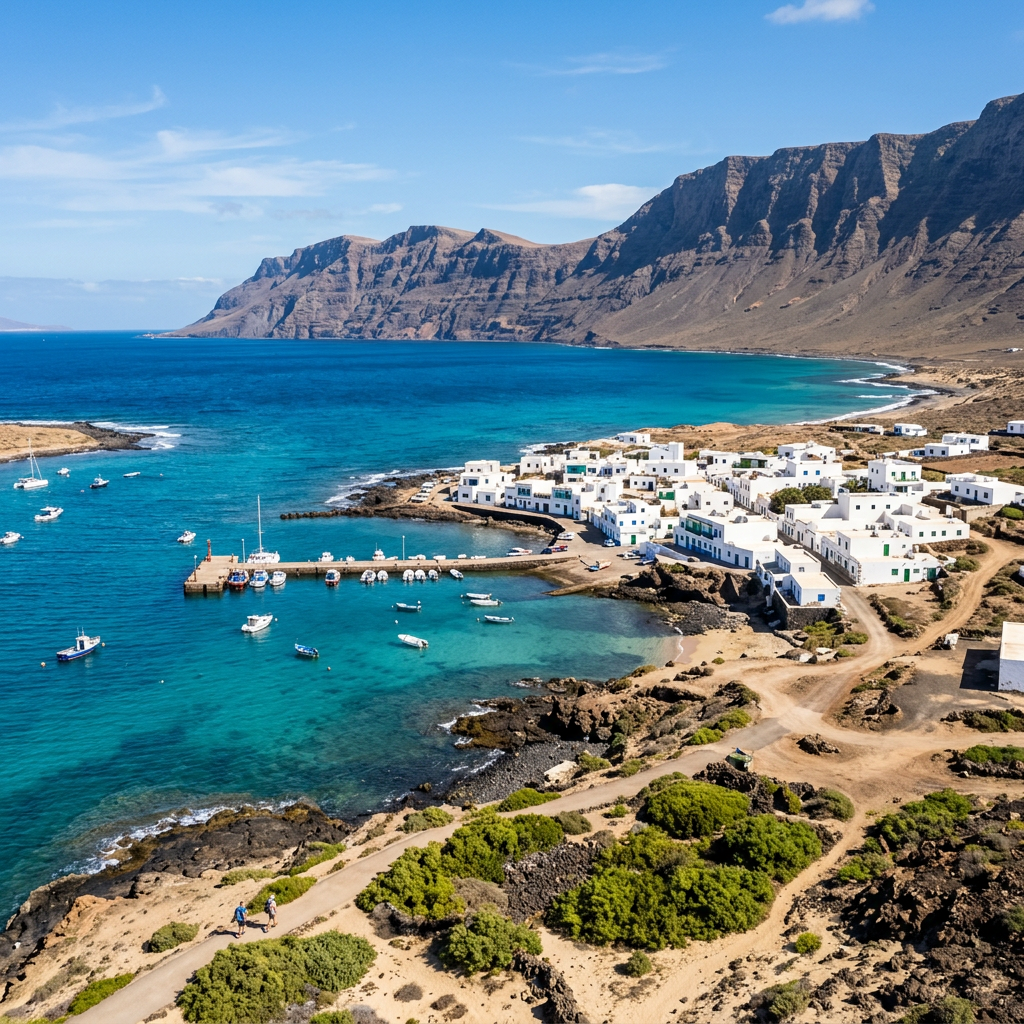
La Graciosa
Discover La Graciosa La Graciosa is a hidden gem nestled in the Canary Islands of Spain, specifically part of the Chinijo Archipelago, located just north of Lanzarote. This small island, measuring approximately 29 square kilometers, has a rich history, vibrant culture, and a unique significance that captivates visitors from around the globe.The history of La Graciosa dates back to the 15th century when it was first discovered by European explorers. However, it wasn’t until the 19th century that the island began to see a permanent settlement. The island's name, which translates to 'The Gracious One', reflects its stunning landscapes and welcoming atmosphere. Until recently, La Graciosa remained relatively untouched by modern tourism, preserving its pristine beauty and charm.One of the most remarkable aspects of La Graciosa is its culture, which is deeply rooted in fishing and traditional island life. The local population, which numbers around 700 residents, primarily inhabit the small village of Caleta de Sebo. The villagers maintain a deep connection to their maritime heritage, and this is evident in the fresh seafood that dominates local cuisine. Visitors can indulge in delicious fish dishes and experience the island’s culinary traditions at local restaurants.La Graciosa is also significant for its environmental conservation. The island is a protected area, with much of its landscape designated as a natural park. This includes stunning natural features like sandy beaches, volcanic landscapes, and diverse flora and fauna. The island’s commitment to sustainability and preservation makes it an attractive destination for eco-conscious travelers.What sets La Graciosa apart from other destinations is its unspoiled nature and laid-back vibe. Without the hustle and bustle of modern tourist hotspots, La Graciosa offers a retreat into nature where visitors can enjoy hiking, cycling, and lounging on beautiful beaches. The island has no cars, which adds to its charm and tranquility, allowing travelers to explore its scenic paths and enjoy the stunning views at their own pace.In addition to its natural beauty, La Graciosa is rich in outdoor activities. From snorkeling in crystal-clear waters to kayaking around the island’s coast, there are numerous ways to connect with the stunning marine environment. Visitors can also take boat trips to explore nearby islets and beaches, offering a chance to experience the diverse landscapes and wildlife of the region.In summary, La Graciosa is a unique destination that combines rich history, vibrant culture, environmental significance, and breathtaking natural beauty. For those looking to escape the tourist trail and immerse themselves in a peaceful island atmosphere, La Graciosa is truly a special place that promises unforgettable experiences. Top Attractions in La Graciosa – Ranked and Reviewed La Graciosa is home to a variety of attractions that showcase its natural beauty and cultural heritage. Based on reviews and ratings from visitors, here are the top attractions that you shouldn't miss during your visit to this enchanting island.1. Playa de las Conchas - Rated 4.9/5Considered the crown jewel of La Graciosa, Playa de las Conchas is celebrated for its pristine white sands and sparkling turquoise waters. Visitors rave about the breathtaking views of the nearby islands and the tranquil atmosphere. It’s an ideal spot for sunbathing, swimming, and picnicking, with many recommending to bring your own provisions as facilities are minimal.2. Caleta de Sebo - Rated 4.8/5This charming village is the island's main settlement and a hub of activity. Travelers appreciate its picturesque streets lined with whitewashed houses and vibrant fishing boats. Reviews highlight the local eateries where you can savor fresh seafood and traditional Canarian dishes. The village also serves as a great starting point for excursions around the island.3. Mirador del Río - Rated 4.7/5Although technically located on Lanzarote, the Mirador del Río offers stunning panoramic views of La Graciosa. Visitors often mention the breathtaking vistas as a must-see, especially during sunset. The viewing point is designed by the renowned artist César Manrique and is praised for its architectural beauty and integration with the landscape.4. Las Salinas del Janubio - Rated 4.6/5This salt production area showcases traditional methods of salt extraction and is a stunning sight, especially at sunrise or sunset. Travelers appreciate the colorful contrast of the salt pans against the blue ocean. It’s a unique opportunity to learn about local industry and capture stunning photographs.5. Hiking Trails - Rated 4.5/5La Graciosa offers a network of hiking trails that allow visitors to explore its diverse landscapes. The trails vary in difficulty, making them accessible for all levels. Hikers often comment on the breathtaking scenery and the sense of solitude they experience while walking through the island’s natural beauty.6. Snorkeling and Diving - Rated 4.8/5The crystal-clear waters surrounding La Graciosa are perfect for snorkeling and diving. Many visitors recommend taking guided tours to explore the rich marine life, including vibrant fish and unique underwater landscapes. Reviews highlight the experience as a highlight of their trip, emphasizing the clarity of the water and the beauty of the coral reefs.In conclusion, La Graciosa is a treasure trove of attractions that cater to a variety of interests, from beach lovers to adventure seekers. The island's charm, coupled with the stunning natural scenery, ensures that every visitor leaves with unforgettable memories. Planning Your Visit to La Graciosa La Graciosa, the smallest inhabited island of the Canary Islands, is a hidden gem that offers tranquility and natural beauty. When planning your visit, consider the best time to go, how to get there, how to navigate the island, and where to stay.The ideal time to visit La Graciosa is during the spring (March to June) and fall (September to November) months. During these periods, the weather is pleasantly warm, averaging between 20°C to 25°C (68°F to 77°F), and the tourist crowds are less overwhelming. Summer can be hot, reaching up to 30°C (86°F), making the beaches crowded but lively. The winter months, while cooler, still attract visitors who enjoy mild temperatures and the chance to escape colder climates.To get to La Graciosa, you’ll first need to reach Lanzarote, the nearest major island. Lanzarote has an international airport with connections to various parts of Europe. From Lanzarote, you can catch a ferry from the ports of Órzola to La Graciosa. The ferry ride takes about 30 minutes and offers stunning views of the surrounding waters. It's advisable to book tickets in advance, especially during peak seasons.Once on La Graciosa, getting around is straightforward. The island has no cars, which makes it a peaceful retreat. You can explore on foot or rent a bicycle or electric scooter. The main village, Caleta del Sebo, is pedestrian-friendly, and many attractions are easily accessible within walking distance. For those wanting to explore the more remote beaches and trails, consider renting a bike, which allows for a more extensive exploration of the island.When it comes to accommodation, options are limited but charming. The main village of Caleta del Sebo offers a range of lodgings from guesthouses to small hotels. Booking in advance is recommended, especially during the high season, as the island has limited capacity. For a more unique experience, consider camping at designated areas or renting a house for a truly local vibe. Keep in mind that amenities may be basic, so prepare for a back-to-nature experience.In summary, planning your visit to La Graciosa involves timing your trip wisely, understanding how to reach and navigate the island, and choosing the right place to stay. With its unspoiled beauty and charming atmosphere, La Graciosa is sure to be a memorable destination. Experience La Graciosa Like a Local To truly experience La Graciosa, immerse yourself in the local customs, cuisine, and culture. The island's unique way of life, shaped by its geography and history, offers travelers a chance to engage with the local community.One of the first things to note is that La Graciosa has a laid-back, friendly atmosphere. The island’s residents, known as 'gracioseros', are welcoming and often greet visitors with a smile. Embrace the local pace and take time to chat with residents, as they can offer insights into the best spots to visit and the island's history. Spanish is the primary language, so knowing a few basic phrases can enhance your interactions.Food is a vital part of the local culture. The island has a selection of restaurants and bars that serve traditional Canarian dishes. One must-try is the 'pescado fresco' (fresh fish), which is often caught that day and grilled to perfection. Pair your meal with 'mojo', a flavorful sauce made from garlic, olive oil, and spices, which is a staple in Canarian cuisine. Don't miss out on 'papas arrugadas' (wrinkled potatoes) served with mojo sauce, a local favorite. For a sweet treat, indulge in 'bienmesabe', a delightful almond dessert that is a local specialty.La Graciosa’s culture is also deeply tied to its natural surroundings. The island is home to stunning beaches, including Playa de Las Conchas, where you can experience the breathtaking beauty of the Atlantic Ocean. Engage in outdoor activities such as hiking, snorkeling, and kayaking to appreciate the island’s rugged landscape and marine life. The island is part of the Chinijo Archipelago Natural Park, making it a haven for eco-tourism.For insider tips, consider visiting during local festivals, such as the Festival of Nuestra Señora del Carmen in July, which showcases traditional music, dancing, and gastronomy. Additionally, take time to explore the less-visited parts of the island, like the northern beaches, where you can find tranquility away from the crowds.Lastly, remember to respect the local environment and customs. La Graciosa is a fragile ecosystem, so practicing eco-friendly habits, such as disposing of waste properly and avoiding single-use plastics, is essential. By doing so, you contribute to preserving the beauty of this pristine island for future generations.Experiencing La Graciosa like a local involves understanding and embracing its customs, savoring its delicious cuisine, and respecting its natural beauty. These elements come together to create a unique and authentic experience.
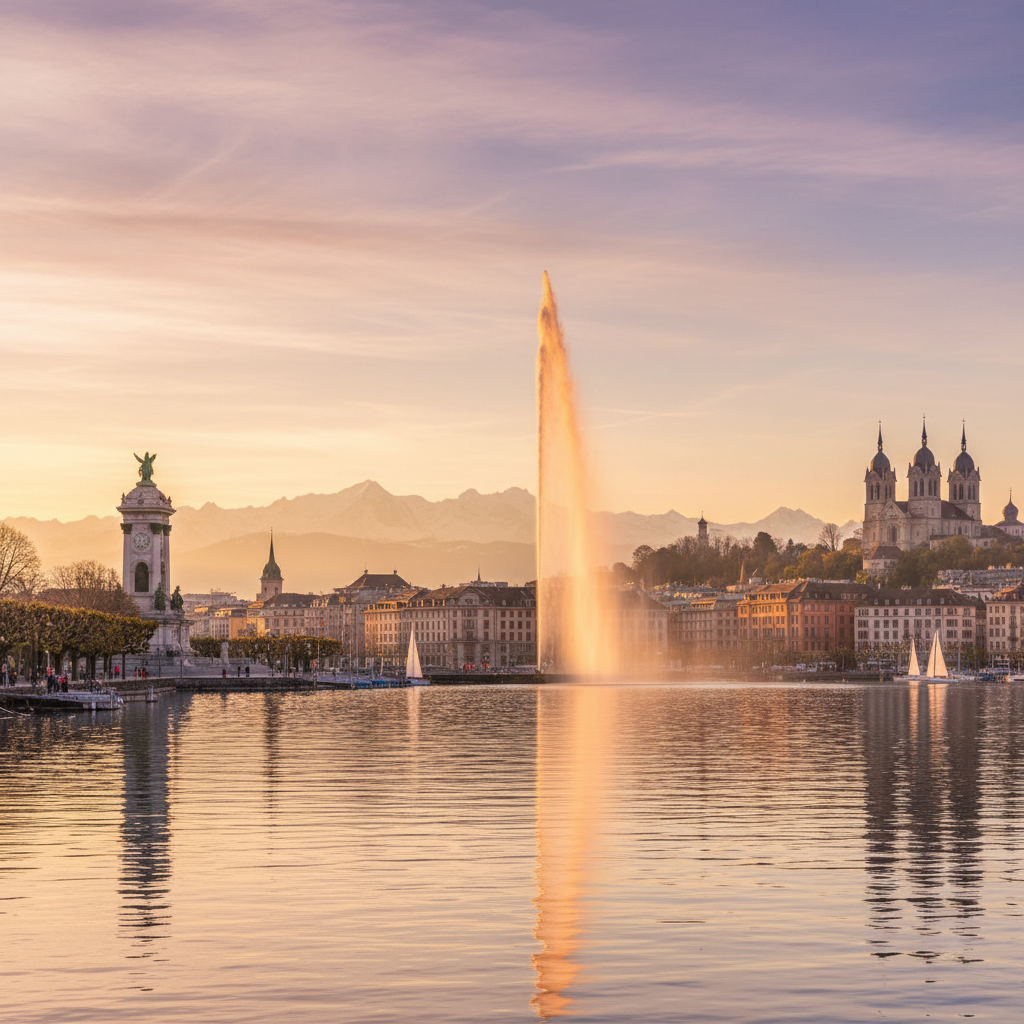
Geneva
Discover Geneva Geneva, the second-largest city in Switzerland, is often hailed as the 'Capital of Peace' due to its long-standing tradition of diplomacy and neutrality. Nestled at the southwestern tip of Lake Geneva, with the majestic Alps as a backdrop, this cosmopolitan city serves as a hub for international organizations, including the United Nations and the Red Cross. Its historical significance dates back to Roman times, when it was known as Genava, a small settlement that grew into a vital trading post.The city’s rich cultural tapestry is woven from its diverse populace, which includes a blend of Swiss locals and expatriates from around the world. This melting pot of cultures is reflected in Geneva’s culinary scene, festivals, and art exhibitions. Visitors can explore numerous museums, such as the Museum of Natural History and the Patek Philippe Museum, which showcase the city’s artistic and scientific accomplishments.One of the most notable aspects of Geneva is its commitment to humanitarian efforts and global cooperation. The presence of multiple international organizations has not only shaped the city’s economy but has also influenced its culture and identity. The Palais des Nations, the European headquarters of the United Nations, is a testament to Geneva’s role in fostering dialogue and peace. Guided tours allow visitors to explore its grand halls and learn about the important work being done here.Moreover, Geneva is a city that thrives on innovation. It is home to several prestigious universities and research institutions, which attract students and scholars from around the globe. The city's commitment to education is evident in its numerous libraries, including the Bibliothèque de la Ville de Genève, which houses an extensive collection of historical texts and contemporary literature.Geneva is also known for its beautiful parks and gardens, making it a green haven in the heart of the city. The English Garden, with its iconic flower clock, and Parc des Bastions, featuring a giant chessboard and the Reformation Wall, are perfect spots for leisurely strolls or picnics. The breathtaking views of Mont Blanc and the surrounding mountains add to the city's charm.In addition to its historical and cultural significance, Geneva is a shopper's paradise. The city boasts a variety of boutiques, luxury brands, and traditional Swiss watchmakers. The Rue du Rhône is particularly famous for its high-end shopping experiences, while the Old Town offers quaint shops selling handcrafted goods and local specialties.All these elements combine to make Geneva a unique destination, where history meets modernity, and cultural richness thrives. Whether you're wandering through its historic streets, indulging in Swiss chocolate, or attending a concert at the Grand Théâtre de Genève, you'll find that Geneva is a city that truly has something for everyone. Top Attractions in Geneva – Ranked and Reviewed Geneva is a city that boasts a plethora of attractions, each with its own unique charm and appeal. Here are some of the top-rated attractions as reviewed by visitors on Stay4Exploring:1. Jet d'Eau - This iconic water fountain is one of Geneva's most recognizable landmarks. Shooting water 140 meters into the air from Lake Geneva, the Jet d'Eau is a must-see for every visitor. Travelers rave about its beauty and the stunning views it provides, especially at sunset.2. Palais des Nations - As the European headquarters of the United Nations, the Palais des Nations is a significant site for diplomacy. Visitors appreciate the guided tours that offer insight into the workings of international governance and the impressive architecture of the building.3. St. Pierre Cathedral - This historic cathedral is famous for its archaeological site and panoramic views of the city from its tower. Reviewers commend the climb up the tower as a rewarding experience, revealing breathtaking vistas of Lake Geneva and the Alps.4. Parc des Bastions - This serene park is home to the Reformation Wall and a giant chessboard. Visitors enjoy the peaceful ambiance and the opportunity to relax among beautiful sculptures and manicured lawns.5. The Flower Clock (L'Horloge Fleurie) - A stunning blend of artistry and horticulture, this flower clock is a symbol of Geneva's watchmaking history. Travelers appreciate the vibrant colors and the intricate floral designs that change with the seasons.6. Museum of Natural History - A favorite among families and nature enthusiasts, this museum features impressive exhibits on the region's flora and fauna. Reviewers highlight the engaging displays and the educational value of the museum.7. Patek Philippe Museum - For watch lovers, this museum is a dream come true. Showcasing the history of horology, visitors are captivated by the intricate craftsmanship of the timepieces on display. Many reviews mention the knowledgeable staff who enhance the experience.8. The Old Town (Vieille Ville) - The charming streets of Geneva's Old Town are filled with history, shops, and cafés. Visitors recommend wandering through these narrow lanes to discover hidden gems, including boutiques, art galleries, and local eateries.9. Bains des Pâquis - This popular lakeside spot is perfect for swimming, sunbathing, or enjoying a meal at the café. Travelers appreciate the relaxed atmosphere and the chance to mingle with locals, especially during the summer months.10. International Red Cross and Red Crescent Museum - This museum highlights the humanitarian efforts of the Red Cross. Visitors commend the interactive exhibits that provide a deeper understanding of global humanitarian issues.These attractions reflect the diverse offerings of Geneva, ensuring that every traveler finds something that resonates with their interests. Whether you're captivated by history, art, or nature, Geneva's top-rated sites promise unforgettable experiences. Planning Your Visit to Geneva Geneva, the second-largest city in Switzerland, is a vibrant hub of culture, diplomacy, and natural beauty, making it a must-visit destination in Europe. When planning your visit, consider the best time to experience everything this city has to offer.The ideal time to visit Geneva is during the spring (April to June) or fall (September to October). During these months, the weather is mild, with temperatures ranging from 15°C to 25°C (59°F to 77°F), making it pleasant for exploration. Additionally, spring brings blooming flowers and festivals, while fall showcases the stunning autumn foliage. The summer months, particularly July and August, can be quite crowded due to tourists, but they also feature numerous outdoor events and activities.Getting to Geneva is straightforward. The city is served by Geneva International Airport (GVA), which is well-connected to major cities in Europe and beyond. Once you arrive, you can easily access the city center via the efficient public transport system, including trams and buses. The journey from the airport to the city center takes approximately 7 minutes. For those traveling by train, Geneva's main railway station, Gare Cornavin, is centrally located and provides excellent connections to other Swiss cities and neighboring countries.Getting around Geneva is a breeze. The city features an extensive public transport network that includes trams, buses, and boats on Lake Geneva. A comprehensive ticketing system allows for seamless transfers between different modes of transport. For a more personal experience, consider renting a bicycle, as the city has numerous cycling paths, or simply explore on foot to soak in the beautiful scenery and architecture.When it comes to accommodation, Geneva offers a wide range of options to suit different budgets and preferences. For luxury travelers, the Hotel President Wilson and the Baur Au Lac provide opulent stays with stunning views of the lake. Mid-range options include the Hotel Rotary and the Hotel Bristol, which offer comfort and convenience without breaking the bank. For budget-conscious travelers, consider staying in hostels or guesthouses, such as the Geneva Hostel, which provides a friendly atmosphere and is located close to the city center. If you're looking for a unique experience, consider renting an apartment through platforms like Airbnb, which can give you a taste of local living.In summary, planning your visit to Geneva involves choosing the right time to go, understanding transportation options, and selecting the perfect accommodation. With careful planning, you're sure to enjoy everything this beautiful city has to offer. Experience Geneva Like a Local To truly experience Geneva like a local, it’s essential to immerse yourself in the city’s customs, food, and culture. Geneva is a melting pot of cultures, with influences from French, Italian, and German traditions, which is reflected in its vibrant lifestyle.One of the first things to note is the local customs. The Swiss are known for their punctuality, so it's important to respect time in social and professional settings. Greeting with a firm handshake is customary when meeting someone new. Additionally, it's polite to say "Bonjour" (Hello) when entering shops or restaurants. The local language is French, but many residents also speak English, so you can easily communicate with them.Food plays a central role in Geneva’s culture. Traditional Swiss cuisine features delectable dishes such as fondue, raclette, and rösti. For an authentic experience, visit one of the many brasseries or restaurants in the Old Town, where you can indulge in a hearty cheese fondue. Don’t miss the chance to try local delicacies like perch fillets from Lake Geneva and the famous Swiss chocolate, available from artisanal chocolatiers throughout the city.Geneva also hosts a variety of cultural events and festivals throughout the year. The Fête de la Musique in June celebrates music with free concerts across the city, while the Geneva International Motor Show in March attracts automotive enthusiasts from around the globe. For art lovers, the city boasts numerous galleries and museums, including the Museum of Art and History and the Patek Philippe Museum, showcasing the rich artistic heritage of Geneva.Insider tips for experiencing Geneva include exploring the city’s parks and waterfront. The English Garden, with its iconic flower clock and stunning views of the lake, is a perfect spot to relax and enjoy a picnic. Take a stroll along the shores of Lake Geneva and don’t forget to snap a photo of the Jet d'Eau, one of the city’s most famous landmarks.Another great way to experience Geneva like a local is by attending one of the many open-air markets, such as the Plainpalais Flea Market, where you can find unique antiques and local handicrafts. Interacting with local vendors offers a glimpse into the day-to-day life of Geneva residents.Finally, consider using the local public transportation system to explore neighborhoods beyond the tourist hotspots. Areas like Carouge, known for its bohemian vibe and artistic community, are worth discovering for their charming boutiques and cafes.In conclusion, by embracing local customs, savoring traditional foods, and participating in cultural events, you can experience Geneva in a way that truly reflects the city’s spirit. Take the time to explore, engage with locals, and enjoy the unique offerings of this beautiful Swiss city.
San Gimignano
Discover San GimignanoWhile San Gimignano’s medieval towers dominate the skyline, the surrounding Val d’Elsa countryside holds traces of a far older civilization. The Etruscans, Tuscany’s pre-Roman inhabitants, left their mark in the form of necropolises, fortified settlements, and artifacts now displayed in San Gimignano’s Museo Archeologico. From the 7th-century BCE tombs at Poggio alla Pieve to the enigmatic ruins of Castelvecchio, these sites reveal a landscape once crisscrossed by Etruscan trade routes. For hospitality operators, this archaeological heritage offers a niche appeal, drawing history-focused travelers who extend their stays to explore beyond the medieval core.

Kamala
Discover Kamala Nestled along the stunning western coastline of Phuket, Thailand, Kamala is a charming village that seamlessly blends rich cultural heritage with breathtaking natural beauty. Known primarily for its tranquil beaches and serene atmosphere, Kamala has become a favored destination for travelers seeking a respite from the hustle and bustle of more commercialized tourist hotspots.Historically, Kamala was a small fishing village where local fishermen would cast their nets in the Andaman Sea. Over the years, it has transformed into a vibrant community while retaining its traditional charm. The village is home to a significant population of the Muslim community, which adds to the cultural tapestry of the area. Visitors can explore the local lifestyle, including traditional markets and community events, providing an authentic taste of Thai culture.One of the key highlights of Kamala is its commitment to preserving its natural environment and cultural heritage. Unlike some of its neighboring areas, Kamala has managed to maintain a more laid-back vibe, making it an ideal spot for families, couples, and solo travelers looking for relaxation. The stunning Kamala Beach, with its soft sand and clear waters, is perfect for sunbathing, swimming, and enjoying picturesque sunsets.In addition to its natural beauty, Kamala is also significant for its proximity to several cultural landmarks. The famous Kamala Temple, or Wat Baan Kamala, is a must-visit for those interested in Buddhism and local traditions. Visitors can experience the serene atmosphere and perhaps participate in a meditation session. The temple is not only a spiritual haven but also an architectural marvel, showcasing traditional Thai craftsmanship.What makes Kamala truly special is its ability to cater to a diverse range of travelers. Whether you're seeking adventure through water sports, exploring local cuisine at beachfront restaurants, or indulging in wellness retreats, Kamala has it all. The area’s nightlife is also worth mentioning, with a variety of beach bars and nightclubs that offer a blend of relaxation and entertainment.For those looking to explore beyond the beach, Kamala serves as a gateway to several nearby attractions, including the iconic Patong Beach and the lush hills of the surrounding areas. Visitors can engage in activities such as hiking, snorkeling, and island hopping, making it a perfect base for exploring the wider region of Phuket.In summary, Kamala is more than just a beach destination; it is a place where history, culture, and natural beauty converge. Its unique charm, coupled with its welcoming atmosphere, makes Kamala a must-visit destination for anyone traveling to Thailand. Top Attractions in Kamala – Ranked and Reviewed When it comes to attractions in Kamala, visitors are spoiled for choice. Below are the top-rated experiences as shared by travelers on Stay4Exploring, ensuring you make the most out of your visit to this beautiful destination.1. Kamala Beach - Rated 4.8/5Kamala Beach is undeniably the crown jewel of this seaside village. Its pristine sands and crystal-clear waters received rave reviews from visitors seeking a peaceful beach experience. Travelers commend the beach's cleanliness, as well as the availability of sunbeds and umbrellas. Many enjoyed the calm waters, perfect for swimming and family activities.2. Wat Baan Kamala - Rated 4.6/5This beautiful temple is a must-visit for those interested in local culture and spirituality. Visitors have praised its serene ambiance and stunning architecture. It’s a fantastic place to learn about Buddhism and observe local practices. Many travelers recommend visiting early in the morning to avoid the crowds and experience the temple in a tranquil setting.3. Phuket FantaSea - Rated 4.5/5For those seeking entertainment, Phuket FantaSea offers a unique cultural theme park experience. This show combines Thai culture with an array of spectacular performances, including dance and acrobatics. Visitors highlight the impressive production quality and the extravagant costumes, making it a fantastic family-friendly outing.4. Kamala Muay Thai Gym - Rated 4.7/5For fitness enthusiasts, the Kamala Muay Thai Gym provides a unique opportunity to learn the art of Thai boxing. Many travelers have shared their positive experiences, emphasizing the friendly trainers and supportive atmosphere. Whether you're a beginner or an experienced fighter, this gym offers classes that cater to all skill levels.5. Laem Singh Viewpoint - Rated 4.4/5This scenic viewpoint offers breathtaking views of the Andaman Sea and surrounding coastline. Travelers recommend taking the short hike to capture stunning photographs, especially during sunrise or sunset. It’s an excellent spot for those looking to connect with nature and enjoy panoramic vistas.6. Kamala Night Market - Rated 4.5/5For food lovers, the Kamala Night Market is a must-visit. Visitors rave about the variety of local street food options, from fresh seafood to traditional Thai desserts. It’s a great place to immerse yourself in local culture and enjoy the vibrant atmosphere.In conclusion, Kamala is filled with attractions that cater to various interests, from cultural experiences to outdoor adventures. Each of these top-rated destinations offers a unique glimpse into the heart of Kamala, making your visit a memorable one. Planning Your Visit to Kamala Kamala, a picturesque beach town located on the west coast of Phuket, Thailand, is a delightful destination known for its relaxing atmosphere and stunning natural beauty. To make the most of your visit, it’s essential to plan ahead, taking into consideration the best time to visit, how to get there, transportation options, and accommodation choices.Best Time to Visit: The most favorable time to visit Kamala is during the dry season, which runs from November to February. During these months, you can expect pleasant weather with average temperatures ranging from 24°C to 32°C (75°F to 90°F). The ocean conditions are ideal for swimming, and the skies are usually clear. However, this is also the peak tourist season, so the beaches can be more crowded. If you prefer a quieter experience, consider visiting in the shoulder months of March to April or late September to October when the weather is still agreeable, but the crowds are thinner.Getting There: Kamala Beach is easily accessible from Phuket International Airport, which is approximately 30 kilometers away. You can hire a taxi or book a private transfer for convenience. Alternatively, many hotels offer shuttle services for their guests. If you’re traveling from other parts of Phuket, local buses and songthaews (shared taxis) are available, providing an economical way to reach Kamala.Getting Around: Once in Kamala, getting around is relatively easy. While walking is a great way to explore the local area, renting a motorbike or scooter is a popular option that provides the freedom to explore the surrounding areas. Several rental shops are available, but always ensure to wear a helmet and have a valid driving license. Taxis and tuk-tuks are also readily available but can be more expensive than renting your transportation.Where to Stay: Kamala offers a range of accommodations catering to various budgets and preferences. For luxury travelers, resorts like the Hyatt Regency Phuket Resort and Sunwing Kamala Beach provide stunning ocean views and high-end amenities. If you’re traveling on a budget, consider guesthouses and hostels that offer a more authentic experience, such as Kamala Beachfront Apartment or U Zenmaya Phuket. For those seeking a family-friendly environment, many resorts in Kamala feature kid-friendly facilities and activities.In summary, planning your visit to Kamala requires attention to timing, transportation, and accommodation to ensure a memorable experience. With the right preparations, you can enjoy everything this charming beach town has to offer. Experience Kamala Like a Local To truly immerse yourself in the essence of Kamala, it’s vital to engage with the local customs, savor the authentic cuisine, appreciate the vibrant culture, and explore insider tips that can enhance your experience.Local Customs: Kamala is steeped in Thai traditions, and respecting local customs is essential. Always greet locals with a friendly ‘Sawasdee’ (hello) and a slight bow with your hands in a prayer-like gesture (wai). It’s also important to dress modestly when visiting temples and sacred sites. Additionally, be mindful of local etiquette, such as removing your shoes before entering homes and some shops.Food: Thai cuisine is renowned for its flavors, and Kamala boasts a variety of dining options. Street food stalls are dotted throughout the area, offering delicacies such as Pad Thai, Som Tum (spicy papaya salad), and Satay skewers. For a more upscale dining experience, restaurants like Blue Manao and Kamala Seafood serve fresh seafood and traditional Thai dishes with a modern twist. Don’t forget to try the local dessert, Mango Sticky Rice, a sweet treat that reflects the tropical flavors of Thailand.Culture: Kamala is not just about the beach; it’s also rich in cultural experiences. The town is home to the renowned Kamala Muay Thai Gym, where you can watch or even participate in a training session. Additionally, the annual Phuket Vegetarian Festival held in October showcases the local culture through parades, street food, and traditional ceremonies, presenting an unparalleled experience for visitors.Insider Tips: To experience Kamala like a local, consider visiting the less touristy beaches, such as Laem Singh Beach or Surin Beach, which offer stunning views and a more peaceful atmosphere. Engage with local markets, such as the Kamala Market, where you can find fresh produce, handmade crafts, and local delicacies at affordable prices. Finally, don’t hesitate to strike up conversations with locals; they are often friendly and willing to share their stories and recommendations.In conclusion, experiencing Kamala like a local involves embracing the customs, indulging in the food, appreciating the culture, and exploring the hidden gems of the town. By doing so, you’ll create lasting memories that go beyond the typical tourist experience.

Lake Thun Region
Discover Lake Thun Region The Lake Thun Region, nestled in the heart of the Bernese Oberland, is a stunning destination that captivates visitors with its breathtaking landscapes, rich history, and vibrant culture. The lake, which spans approximately 48 square kilometers, is surrounded by picturesque towns, lush vineyards, and the majestic peaks of the Swiss Alps. Its clear turquoise waters, bordered by charming villages and historic castles, have made Lake Thun a significant cultural and recreational hub in Switzerland.The history of Lake Thun dates back to the last Ice Age, approximately 15,000 years ago, when glaciers carved out the valley that now houses the lake. The region's early inhabitants were the Celts, followed by the Romans, who recognized its strategic importance for trade and transport. Today, remnants of these ancient civilizations can be explored at various archaeological sites around the lake.The towns surrounding Lake Thun, such as Thun, Spiez, and Oberhofen, each boast their own unique charm. Thun, the largest town on the lake, is known for its well-preserved medieval old town, complete with narrow cobblestone streets, vibrant markets, and the iconic Thun Castle. Spiez, on the other hand, is famous for its picturesque harbor and vineyards, offering visitors a chance to taste some of the region’s finest wines.What truly sets the Lake Thun Region apart is its blend of natural beauty and cultural significance. The area is not only a haven for outdoor enthusiasts, with a myriad of hiking and biking trails, but it also hosts a variety of cultural events throughout the year. The Thun Festival, for instance, celebrates local music, art, and gastronomy, attracting visitors from all over Switzerland and beyond. Additionally, the region is home to several museums, such as the Thun Historical Museum, where visitors can delve into the local history and art.Outdoor activities abound in the Lake Thun Region, making it an ideal destination for adventurers. The nearby mountains offer skiing and snowboarding in the winter, while the summer months beckon hikers and cyclists to explore the stunning alpine trails. Water sports enthusiasts can enjoy sailing, paddleboarding, and swimming in the lake’s refreshing waters.In summary, the Lake Thun Region is a remarkable destination that captivates visitors with its rich history, vibrant culture, and stunning natural landscapes. Whether you are exploring the charming towns, indulging in local delicacies, or engaging in outdoor adventures, the Lake Thun Region promises an unforgettable experience that will leave you yearning for more. Top Attractions in Lake Thun Region – Ranked and Reviewed When it comes to attractions, the Lake Thun Region is brimming with options that appeal to a wide range of interests. From historical landmarks to natural wonders, the region offers something for everyone. Below are some of the top-rated attractions, as ranked and reviewed by visitors.Thun Castle: This magnificent medieval castle overlooking the town of Thun is a must-visit for history enthusiasts. Built in the late 12th century, Thun Castle features a museum that showcases artifacts from the region's past. Visitors rave about the panoramic views of the lake and the Alps from the castle's towers.Spiez Castle: Another picturesque castle, Spiez Castle is set against a backdrop of vineyards and mountains. The castle dates back to the 10th century and offers guided tours that provide insights into its storied history. Reviewers particularly appreciate the beautiful gardens and the stunning views of Lake Thun.Trummelbach Falls: Located just a short drive from the lake, Trummelbach Falls is a series of impressive waterfalls inside a mountain. Rated highly for its natural beauty, visitors can take a lift to different viewing platforms to witness the powerful cascades. This UNESCO World Heritage site is a favorite among nature lovers.Lake Cruises: A cruise on Lake Thun is an experience not to be missed. Various boat tours offer scenic views of the lake's shores and surrounding mountains. Reviews highlight the relaxing atmosphere and the opportunity to see quaint villages from the water.Harder Kulm: The viewpoint at Harder Kulm provides breathtaking vistas of the lake and the Interlaken region. Visitors can take a funicular ride to the summit, where a restaurant and viewing platform await. Many reviews commend the stunning sunset views from this elevated spot.Each of these attractions offers unique experiences that resonate with travelers. For instance, visitors often mention how Thun Castle transports them back in time with its well-preserved architecture and engaging exhibits. Similarly, the natural beauty of Trummelbach Falls leaves many in awe of nature's power.Aside from these attractions, the region is also known for its vibrant festivals and events. The Thun Festival, held annually, showcases local music and arts, while the Wine Festival in Spiez allows visitors to taste the region's finest wines. These events provide an excellent opportunity for travelers to immerse themselves in the local culture.Whether you are drawn to the historical sites, stunning landscapes, or lively events, the Lake Thun Region promises a diverse array of attractions that cater to every traveler's preferences. The reviews from past visitors serve as a testament to the region's charm and appeal, ensuring that your visit will be filled with unforgettable memories. Planning Your Visit to Lake Thun Region Planning a visit to the Lake Thun Region can be an exciting endeavor, as the area offers a wealth of experiences year-round. Understanding the best time to visit, transportation options, and accommodations will help you make the most of your trip.The ideal time to visit the Lake Thun Region largely depends on your interests. For those seeking outdoor adventures, the summer months from June to September are perfect for hiking, biking, and water sports. The weather is generally mild and pleasant, with temperatures ranging from 20°C to 30°C (68°F to 86°F). On the other hand, if you’re a fan of winter sports, the colder months from December to March bring snow to the nearby mountains, making it an excellent time for skiing and snowboarding.When it comes to getting to the Lake Thun Region, the nearest major airport is Bern Airport (BRN), located about 30 kilometers away. From the airport, you can rent a car or take a train to Thun, which is well-connected by Switzerland’s efficient rail network. If you are arriving in Zurich or Geneva, direct trains are available to Thun, making it a convenient option for international travelers.Once you arrive in the region, getting around is easy thanks to the excellent public transport system. The local trains and buses connect the towns around Lake Thun, allowing visitors to explore without the hassle of driving. Moreover, if you prefer a more scenic route, renting a bicycle is a popular option. Many towns have bike rental shops, and there are numerous cycling paths along the lake.Accommodations in the Lake Thun Region range from luxury hotels to charming guesthouses and hostels, catering to all budgets. In Thun, the Hotel Krone and the Hotel Am Schloss are popular choices for those seeking comfort and convenience. For a more local experience, consider staying in a guesthouse in Spiez or Oberhofen, where you can enjoy picturesque views and a more relaxed atmosphere. Many visitors recommend booking accommodations in advance, especially during peak tourist seasons, to secure the best options.In summary, planning your visit to the Lake Thun Region involves considering the best time to visit, how to get there, and where to stay. With its stunning landscapes, rich culture, and abundance of activities, the region promises an unforgettable travel experience. Experience Lake Thun Region Like a Local To truly experience the Lake Thun Region, it’s essential to immerse yourself in the local customs, cuisine, and culture. Engaging with the community and participating in local traditions can enhance your visit and provide a deeper understanding of this beautiful area.One of the most significant aspects of Swiss culture is its culinary diversity, and the Lake Thun Region is no exception. Local dishes reflect the region's agricultural heritage and include specialties such as Rösti (a hearty potato dish), fondue, and raclette. For a truly authentic experience, consider dining at a traditional Swiss restaurant like Restaurant Wirtshaus zum Löwen in Thun, where you can savor local flavors. Pair your meal with a glass of wine from the local vineyards, as the Lake Thun Region is known for its excellent white wines.Additionally, participating in local festivals is an excellent way to connect with the community. The Thun Festival celebrates the arts with music, dance, and food, while the Wine Festival in Spiez showcases the region's finest wines. Engaging in these events allows you to meet locals and experience the vibrant culture firsthand.Switzerland is known for its emphasis on outdoor activities, and the Lake Thun Region offers numerous opportunities for adventure. Locals often take advantage of the stunning natural landscapes by hiking or biking along the lake’s shores. Trails like the panoramic hike from Thun to Spiez offer breathtaking views and a chance to explore hidden gems. Don’t hesitate to ask locals for their favorite hiking spots; they often have insider tips on the best routes and hidden trails.Local customs also play a significant role in the identity of the Lake Thun Region. Swiss people value punctuality and politeness, so it’s important to be on time for meetings and reservations. Greeting locals with a simple “Grüezi” (hello in Swiss German) goes a long way in establishing rapport.For those interested in shopping, explore the local markets where you can find handmade crafts, cheeses, and fresh produce. The Thun Farmers’ Market, held weekly, is a great place to interact with locals and taste seasonal products.In conclusion, experiencing the Lake Thun Region like a local involves indulging in the culinary delights, participating in festivals, engaging in outdoor activities, and embracing local customs. By immersing yourself in the local culture, you will not only enrich your travel experience but also gain a deeper appreciation for this enchanting region.

Europe
Discover Europe Europe is a continent steeped in history, culture, and diversity, making it one of the most fascinating travel destinations in the world. With a rich tapestry woven from ancient civilizations, medieval kingdoms, and modern innovations, Europe uniquely blends the old and the new. From the majestic architecture of Paris to the ancient ruins of Rome, every corner of Europe tells a story waiting to be discovered.The history of Europe stretches back thousands of years, with roots in ancient Greece and the Roman Empire. This history is not just preserved in museums; it is found in the very streets you walk, the buildings you admire, and the art you encounter. Each country boasts its own distinct heritage, influenced by various cultures, religions, and philosophies. This diversity is celebrated in its languages, culinary traditions, and art forms, making Europe a melting pot of experiences.Culturally, Europe is a powerhouse. It has produced some of the world’s greatest artists, scientists, and thinkers. Cities like Florence, Vienna, and Amsterdam are not only centers of art and culture but also serve as reminders of the continent's intellectual contributions to the world. The rich musical heritage, from classical composers like Beethoven and Mozart to contemporary genres, continues to thrive, with countless festivals and performances taking place throughout the year.What makes Europe truly special is its blend of modernity and tradition. While cities like Berlin and London showcase cutting-edge architecture and vibrant city life, they also preserve historical sites that attract millions of visitors each year. The continent is dotted with picturesque villages, breathtaking landscapes, and iconic landmarks such as the Eiffel Tower, the Colosseum, and the Sagrada Familia, each with its own unique charm.Moreover, Europe is known for its commitment to sustainability and quality of life. Many European cities rank high in livability standards, offering clean environments, efficient public transport, and a focus on green spaces. This dedication to quality extends to its culinary scene, where farm-to-table dining and local ingredients are prioritized, making every meal an experience in itself.Traveling through Europe is an adventure in connectivity. The extensive rail network and low-cost airlines make it easy to hop from one country to another, allowing travelers to experience multiple cultures in a single trip. Whether you are wandering through the lavender fields of Provence, sipping espresso in a bustling Roman café, or exploring the fjords of Norway, Europe offers a multitude of experiences that cater to all types of travelers.In summary, Europe is not just a destination; it is a journey through time and culture. Its historical significance, cultural richness, and modern vibrancy make it a special place that continues to inspire and captivate millions of visitors each year. With each visit, you will find something new to discover, making Europe a timeless choice for travelers around the globe. Top Attractions in Europe – Ranked and Reviewed When it comes to attractions in Europe, the choices are as diverse as the continent itself. Below are some of the top-rated attractions as reviewed by travelers on Stay4Exploring, each offering unique experiences that showcase the beauty, history, and culture of Europe.1. The Eiffel Tower, Paris, France - No trip to Europe is complete without a visit to the iconic Eiffel Tower. Ranked as the most visited paid monument in the world, it offers stunning views of the Paris skyline. Visitors rave about the breathtaking sunsets and the magical ambiance when the tower sparkles at night. Many recommend booking tickets in advance to avoid the queues.2. The Colosseum, Rome, Italy - This ancient amphitheater is a testament to Rome’s glorious past. Travelers appreciate the guided tours that provide insights into its history and architecture. The atmosphere surrounding the Colosseum is electric, and many suggest visiting early in the morning or later in the afternoon to enjoy fewer crowds.3. The Louvre Museum, Paris, France - Home to thousands of works of art, including the Mona Lisa, the Louvre is a paradise for art lovers. Visitors often recommend spending a full day exploring its vast galleries. The museum’s architecture itself is a masterpiece, blending historic and modern styles.4. Sagrada Familia, Barcelona, Spain - Gaudí’s unfinished basilica is a marvel of modernist architecture. Many travelers are mesmerized by its intricate facades and stunning interiors. Booking a guided tour is highly recommended to appreciate the details and symbolism behind Gaudí's designs.5. The Acropolis, Athens, Greece - This ancient citadel is a must-visit for history enthusiasts. Visitors have praised the panoramic views of Athens from the top, and the Parthenon’s grandeur is unmatched. It’s advisable to visit early to beat the heat and crowds.6. The British Museum, London, England - A treasure trove of global history, the British Museum is free to enter and houses artifacts from around the world. Travelers enjoy the informative exhibits and the chance to see the Rosetta Stone and the Elgin Marbles. Many recommend taking advantage of the museum's free guided tours.7. The Cliffs of Moher, Ireland - For nature lovers, the Cliffs of Moher offer breathtaking views of the Atlantic Ocean. Visitors appreciate the walking trails and visitor center, which provides insights into the area’s geology and wildlife. It’s a perfect spot for photography and contemplation.Each of these attractions has been highly rated for their unique contributions to Europe’s cultural tapestry. Whether you are drawn to art, history, or stunning natural landscapes, Europe’s top attractions promise unforgettable experiences that resonate long after your visit. Planning Your Visit to Europe Planning a visit to Europe is an exciting adventure, but it requires some foresight to ensure a smooth experience. The best time to visit Europe largely depends on what you want to do and see. Generally, spring (April to June) and fall (September to October) are considered ideal due to mild weather and fewer crowds. Summer (July and August) is peak tourist season, especially in popular cities like Paris, Rome, and Barcelona, where you can expect large crowds and higher prices. Winter can be magical in places like Vienna and Prague, particularly if you enjoy holiday markets and festive atmospheres.When it comes to getting there, Europe is well-connected by air, rail, and sea. Major cities have international airports offering flights from various parts of the world. For budget travelers, low-cost airlines can be a great option. If you are already in Europe, the extensive rail network allows for scenic train journeys that can be both enjoyable and convenient. Consider purchasing a Eurail Pass for unlimited travel across several countries.Getting around within cities is typically straightforward. Most European cities have efficient public transportation systems, including buses, trams, and metros. Walking is also a great way to explore the charming streets and hidden gems. If you’re visiting multiple destinations, consider renting a car for more flexibility, but note that parking can be challenging in city centers.Where to stay in Europe varies greatly depending on your budget and preferences. From luxury hotels and boutique accommodations to hostels and Airbnb, there’s something for everyone. In major cities, staying in the city center is ideal for easy access to attractions. For a more local experience, consider choosing accommodations in residential neighborhoods. Always check recent reviews on platforms like Stay4Exploring to ensure the quality and service of your chosen accommodation. Experience Europe Like a Local To truly experience Europe like a local, immerse yourself in the region's rich customs and traditions. Each country boasts unique cultural practices, so it's essential to do a bit of research on your specific destination. For example, in Spain, it’s customary to greet with a kiss on both cheeks, while in Germany, a firm handshake is the norm. Understanding these cultural nuances can enhance your interactions with locals and provide a more authentic experience.Food is a pivotal part of European culture and varies dramatically from one country to another. Indulge in Italian pasta, French pastries, Spanish tapas, or Greek meze; each dish tells a story of its region. Don’t hesitate to venture into local eateries or markets rather than touristy restaurants to savor authentic flavors. Try to learn a few basic phrases in the local language; this can go a long way in making connections and enhancing your dining experience.In addition to food, engaging with the arts and local traditions is a must. Europe is home to countless museums, galleries, theaters, and live music venues. Attend a local festival or concert to witness traditional customs in action. Cities like Prague and Florence offer stunning architecture and art that reflect their historical significance, while bustling cities like Berlin and London showcase a modern and diverse cultural landscape.Insider tips can significantly enhance your European experience. For instance, many cities offer free walking tours led by locals eager to share their knowledge and passion for their home. These tours are often tip-based, so you can pay what you feel is appropriate. Additionally, consider purchasing city passes that provide discounts on attractions and public transport. Lastly, always be mindful of your belongings in crowded areas, as pickpocketing can be a concern in tourist hotspots.Ultimately, to experience Europe like a local, keep an open mind and be willing to explore beyond the typical tourist trails. Engage with locals, try new foods, and immerse yourself in the rich cultural tapestry that this beautiful continent has to offer.

Patong
Discover Patong Patong, located on the western coast of Phuket, Thailand, is one of the most famous beach destinations in the world. Known for its vibrant nightlife, stunning beaches, and rich cultural tapestry, Patong attracts millions of visitors each year. Historically, Patong was a quiet fishing village, but over the decades, it has transformed into a bustling hub of tourism, offering an array of experiences for travelers.The name 'Patong' is derived from the Malay word 'Pattani,' which means 'to dance,' reflecting the lively spirit of the area. The town’s significance as a tourist destination surged in the late 20th century when the Thai government began promoting Phuket as a prime location for international tourists. This development spurred economic growth and led to the establishment of numerous hotels, restaurants, and entertainment venues, making Patong a central part of Phuket's tourism landscape.What sets Patong apart from other beach destinations is its unique blend of traditional Thai culture and modern tourist amenities. Visitors can witness cultural performances, explore local markets, and indulge in authentic Thai cuisine, all while enjoying the conveniences of contemporary facilities. The vibrant atmosphere is not only confined to the beach; it extends to the streets, where locals and tourists mingle in a celebration of life, music, and art.Patong's stunning beach, stretching over 3 kilometers, is lined with sun loungers and umbrellas, offering a perfect spot for relaxation and water sports. The crystal-clear waters provide opportunities for snorkeling, diving, and jet skiing, making it an adventure lover's paradise. Beyond the beach, Patong is surrounded by lush tropical hills and warm sunsets that create an idyllic backdrop for unforgettable memories.In addition to its natural beauty, Patong is a melting pot of cultures. The area is home to an eclectic mix of people, including locals, expats, and travelers from around the globe. This diversity enriches the local culture and creates a welcoming environment for visitors. Festivals, such as the Phuket Vegetarian Festival and Loy Krathong, are celebrated with enthusiasm, showcasing the region's deep-rooted traditions and community spirit.Moreover, Patong is a gateway to some of the most breathtaking islands and natural attractions in Thailand. Day trips to nearby islands like Koh Phi Phi, Coral Island, and the Similan Islands are easily accessible, making it a perfect base for exploring the Andaman Sea.Ultimately, Patong is special because it offers an unparalleled combination of leisure, adventure, and cultural experiences. Whether you're looking to unwind on the beach, explore local traditions, or dive into the nightlife, Patong has something for everyone. The vibrant energy, friendly locals, and stunning landscapes create a unique atmosphere that leaves a lasting impression on all who visit. Top Attractions in Patong – Ranked and Reviewed Patong is brimming with attractions that cater to a diverse array of interests. Here are some of the top-rated attractions, as reviewed by real travelers on Stay4Exploring:1. Patong Beach – Rated 4.7/5Patong Beach is undoubtedly the crown jewel of the area. Visitors rave about its long stretch of golden sand, vibrant atmosphere, and stunning sunsets. The beach offers a plethora of water sports, from parasailing to jet skiing, making it a hub for both relaxation and adventure. Travelers appreciate the availability of beachside restaurants and bars, perfect for enjoying a refreshing drink after a day in the sun.2. Bangla Road – Rated 4.5/5A trip to Patong wouldn’t be complete without a stroll down Bangla Road. This famous street is known for its nightlife, featuring a variety of bars, clubs, and entertainment venues. Reviewers highlight the electrifying energy and eclectic vibe, making it a must-visit for those seeking an unforgettable night out. Many also appreciate the street performers and live music that add to the lively atmosphere.3. Paradise Beach – Rated 4.6/5If you’re looking for a quieter beach experience, Paradise Beach is highly recommended by visitors. Located just a short drive from Patong, this hidden gem boasts soft sand and crystal-clear waters. Travelers love its tranquil setting, making it perfect for swimming and sunbathing away from the crowds.4. Phuket Simon Cabaret – Rated 4.8/5This extravagant cabaret show is a favorite among visitors. The performances feature dazzling costumes, impressive choreography, and a variety of musical numbers. Reviewers often mention the high production quality and the entertaining atmosphere, making it a fun night out for couples and families alike.5. Freedom Beach – Rated 4.5/5Accessible only by boat or a steep hiking trail, Freedom Beach is praised for its untouched beauty. Visitors highlight the serene environment, making it ideal for those looking to escape the bustling beach scene. The clear waters and stunning scenery create a perfect backdrop for relaxation and photography.6. Jungceylon Shopping Mall – Rated 4.3/5For those interested in shopping, Jungceylon Shopping Mall offers a mix of local and international brands. Reviewers appreciate the variety of dining options and entertainment facilities, making it a great spot for family outings. The mall's modern design and air-conditioned environment provide a comfortable shopping experience.These attractions showcase the vibrant spirit of Patong and the diverse experiences available to visitors. Each location offers its unique charm, ensuring that every traveler leaves with cherished memories. Planning Your Visit to Patong Patong, a vibrant beach town located on the west coast of Phuket, Thailand, is best known for its lively nightlife, stunning beaches, and a plethora of activities for travelers of all ages. When planning your visit, consider the timing, travel logistics, and accommodation options to ensure a memorable experience.The best time to visit Patong is during the dry season, which runs from November to April. The weather is typically sunny with minimal rainfall, making it ideal for outdoor activities and beach lounging. December and January are peak tourist months, so expect larger crowds and higher prices. If you prefer a quieter experience and don’t mind the occasional rain, visit during the shoulder months of November or March.Getting to Patong is straightforward. The nearest airport is Phuket International Airport, located about 36 kilometers away. Upon arrival, travelers can take a taxi or shuttle bus directly to Patong Beach. Alternatively, some hotels offer airport transfers for added convenience. If you’re arriving from other parts of Thailand, several bus services connect Phuket with major cities, including Bangkok and Krabi.Once in Patong, getting around is relatively easy. The most common modes of transport include tuk-tuks, motorbike taxis, and rental scooters. Tuk-tuks are a fun way to explore the area, but always negotiate the fare beforehand. For those comfortable with two wheels, renting a scooter offers the freedom to explore at your own pace. Just remember to wear a helmet and carry an international driving permit. Alternatively, walking can be a pleasant way to soak in the local atmosphere, especially along the beachfront promenade.When it comes to accommodation, Patong offers a wide range of options to suit every budget. Luxury travelers can indulge in five-star resorts like the Amari Phuket or the Hilton Phuket Arcadia Resort & Spa, both offering stunning ocean views and top-notch amenities. Mid-range travelers will find comfortable options like the Holiday Inn Resort Phuket or The Kee Resort & Spa, which provide great value in prime locations. Budget-conscious visitors can opt for guesthouses or hostels, such as the Patong Beach Hostel, which offer affordable stays without compromising on comfort.Consider booking your accommodation in advance, especially if you plan to visit during the high season. Check reviews on platforms like Stay4Exploring to find the best-rated accommodations that align with your preferences. With the right planning, your visit to Patong can be an unforgettable adventure filled with sun, sand, and cultural experiences. Experience Patong Like a Local To truly immerse yourself in Patong's vibrant culture, it's essential to embrace local customs, indulge in authentic food, and adopt the lifestyle of the locals. Thai culture is rich and diverse, so understanding some basic customs can enhance your experience.One of the most important aspects of Thai culture is the concept of 'sanuk,' which means fun. This philosophy is evident in the lively atmosphere of Patong, where locals and tourists alike enjoy life to the fullest. When interacting with locals, a warm smile and a polite greeting can go a long way. The traditional Thai greeting, known as the 'wai,' involves placing your palms together in a prayer-like gesture and bowing slightly. While it’s not necessary to perform this gesture, it’s appreciated and reflects respect.Food is an integral part of Thai culture, and Patong offers a culinary landscape that caters to every palate. Street food is a must-try, with vendors offering delicious dishes such as Pad Thai, Som Tum (papaya salad), and Mango Sticky Rice. For a more immersive dining experience, visit local markets like Malin Plaza, where you can sample various dishes and interact with friendly vendors. Additionally, don’t miss out on dining at beachfront restaurants, where you can enjoy fresh seafood while watching the sunset.To experience Patong like a local, consider joining a cooking class or food tour. These experiences allow you to learn about traditional Thai cooking techniques and ingredients, and you’ll gain insight into the cultural significance of the dishes you prepare. Look for classes that focus on local cuisine and provide a hands-on experience.In terms of cultural activities, visiting local temples can provide a deeper understanding of Thai spirituality. The Wat Suwan Khiri Wong temple, situated just outside Patong, offers a peaceful retreat and a glimpse into the local way of life. Remember to dress modestly when visiting temples; this shows respect for the culture and traditions.For some insider tips, try to catch a Muay Thai boxing match, a traditional sport that is both entertaining and a significant part of Thai culture. You can find matches at the Patong Boxing Stadium, where you can witness the skill and dedication of local fighters.Lastly, always be respectful of local customs and the environment. Keep the beaches clean, respect the local wildlife, and approach cultural sites with an open mind and heart. By doing so, you’ll not only enhance your own travel experience but also contribute positively to the community that welcomes you. Embrace the spirit of Patong, and you’ll leave with unforgettable memories.
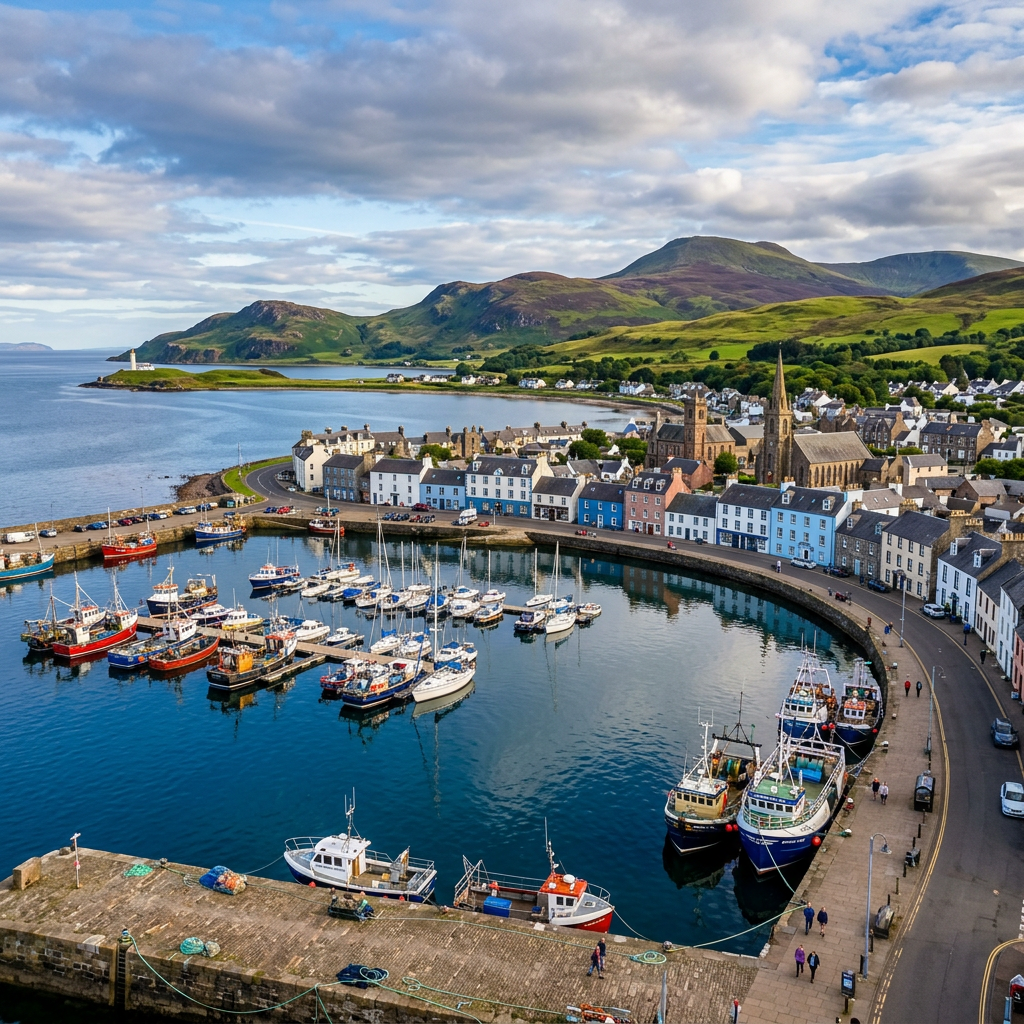
Campbeltown
Discover Campbeltown Nestled on the Kintyre Peninsula in Scotland, Campbeltown is a quaint town that boasts a rich history, vibrant culture, and stunning coastal scenery. Once known as the 'Whisky Capital of the World', Campbeltown has a storied past that dates back to the early 18th century when it was founded as a fishing village. Over time, it grew into a bustling hub for trade and shipbuilding, which significantly contributed to its development.Historically, Campbeltown was a significant center for the whisky industry, with over 30 distilleries operating at its peak. Today, only a few remain, but they preserve the legacy of this once-thriving industry. Visitors can explore the fascinating world of whisky-making through guided tours and tastings, providing a unique insight into the craftsmanship behind Scotch whisky.The culture of Campbeltown is deeply intertwined with its maritime heritage. The town's picturesque harbor is a testament to its seafaring past, while the nearby coastline offers breathtaking views and opportunities for outdoor activities such as sailing, fishing, and hiking. The surrounding natural beauty, characterized by rolling hills and rugged cliffs, creates an inviting atmosphere for those seeking tranquility and adventure alike.One of the town's most significant landmarks is the Campbeltown Heritage Centre, where visitors can delve into the local history, from the early days of the town to its development into a modern community. The center showcases artifacts and exhibits that reflect the area's cultural heritage, making it a must-visit for history enthusiasts.Campbeltown is also known for its warm hospitality, with numerous local eateries and accommodations that reflect the charm of Scottish hospitality. From traditional pubs serving hearty meals to cozy B&Bs, visitors can experience authentic Scottish culture in a welcoming environment. The local economy is bolstered by tourism, and the residents take pride in showcasing the beauty and history of their town.In addition to whisky, Campbeltown is celebrated for its vibrant arts scene, with various festivals and events taking place throughout the year. The town hosts the annual Campbeltown Music Festival, which attracts musicians and visitors from all over, celebrating local talent and the rich musical heritage of the region.What makes Campbeltown truly special is its blend of history, culture, and stunning natural beauty. Whether you're wandering along the waterfront, enjoying a whisky tasting, or engaging with the local community, Campbeltown offers a unique experience that captures the essence of Scotland. With its rich tapestry of past and present, Campbeltown is a destination that invites exploration and discovery, making it a hidden gem for travelers seeking to immerse themselves in the heart of Scottish culture. Top Attractions in Campbeltown – Ranked and Reviewed Campbeltown offers a wealth of attractions that showcase its unique history and stunning landscapes. Here are the top-rated attractions as reviewed by real travelers on Stay4Exploring:1. Springbank DistilleryAs the only independent distillery in Campbeltown, Springbank Distillery is a must-visit for whisky enthusiasts. Visitors praise the comprehensive tours that provide insights into the whisky-making process, from malting to bottling. The tasting experience is frequently highlighted, with guests appreciating the chance to sample various expressions of Springbank whisky. Many reviews emphasize the knowledgeable staff who enhance the experience with their passion for the craft.2. Campbeltown Heritage CentreThe Campbeltown Heritage Centre is a treasure trove of local history. Visitors rave about the informative exhibits that cover everything from the town's maritime past to its whisky heritage. The center offers a welcoming atmosphere, with friendly staff eager to share stories and answer questions. Many travelers have noted the center's role in deepening their understanding of Campbeltown's significance in Scottish history.3. Davaar IslandAccessible by a causeway during low tide, Davaar Island is a favorite among nature lovers and hikers. The island features stunning landscapes, wildlife, and a famous cave painting of a crucifixion scene. Reviews frequently mention the peaceful ambiance and the breathtaking views from the island, making it an ideal spot for a leisurely day trip or a picnic.4. Campbeltown MarinaFor those who enjoy sailing or simply wish to take a leisurely stroll, Campbeltown Marina is a scenic spot that receives high marks from visitors. The marina offers beautiful views of the harbor and surrounding hills, with several benches for relaxation. Travelers appreciate the well-maintained facilities and the friendly atmosphere that makes it a great place to unwind after exploring the town.5. The Old SchoolhouseThis charming cafe has won the hearts of many visitors with its cozy atmosphere and delicious homemade fare. The Old Schoolhouse is often mentioned in reviews for its friendly service and local ingredients. Patrons rave about the hearty breakfasts and freshly baked goods, making it a perfect stop for a fuel-up before a day of exploring.Each of these attractions offers something unique, showcasing the rich tapestry of Campbeltown's history, culture, and natural beauty. Whether you're a whisky lover, history buff, or nature enthusiast, Campbeltown's top attractions cater to a variety of interests, ensuring a memorable visit to this hidden gem on the Kintyre Peninsula. Planning Your Visit to Campbeltown When planning your visit to Campbeltown, timing plays a crucial role in maximizing your experience. The best time to visit this charming town in Scotland is during the late spring (May to June) and early autumn (September to October). During these months, the weather is generally milder, and the natural beauty of the surrounding landscapes is at its peak. Summer can be appealing for those who enjoy longer daylight hours, but it can also attract more tourists, leading to crowded attractions.Getting to Campbeltown is straightforward, though it requires some planning. The nearest major airport is Glasgow International Airport, approximately 150 miles away. From there, you can rent a car or take a bus to Campbeltown. For a more scenic journey, consider taking the train to Tarbert and then a local bus to Campbeltown. Alternatively, you can enjoy the picturesque ferry ride from Claonaig to Lochranza, which is a delightful way to approach the Kintyre Peninsula.Once in Campbeltown, getting around is best done on foot or by bicycle, allowing you to soak in the town's historic charm. There are also local buses that connect Campbeltown to nearby attractions and villages. If you wish to explore the Kintyre Peninsula more extensively, renting a car can provide you with the freedom to discover hidden gems at your own pace.Accommodations in Campbeltown range from cozy bed-and-breakfasts to charming hotels, catering to various budgets. The town's hospitality is warm and welcoming, with many establishments offering local hospitality. For a unique experience, consider staying at one of the historic hotels overlooking the harbor, such as the Campbeltown Hotel or the Royal Hotel, which provide stunning views of the bay and easy access to local attractions. For those seeking a more immersive experience, check out local Airbnb options, where you may find traditional Scottish homes or cottages.Regardless of where you choose to stay, ensure to book your accommodations in advance, especially during peak tourist seasons. You’ll want a comfortable base from which to explore the stunning landscapes, rich history, and vibrant culture of Campbeltown and its surroundings. Experience Campbeltown Like a Local Experiencing Campbeltown like a local means immersing yourself in its rich customs and vibrant culture. The people of Campbeltown are known for their hospitality, and engaging with locals can enhance your visit significantly. A common local custom is to greet others with a friendly smile and a simple ‘hello’ or ‘how are you?’ This small gesture can open doors to conversations that reveal the town’s fascinating stories and history.When it comes to food, Campbeltown boasts a delightful culinary scene that emphasizes fresh, local produce. Seafood lovers will rejoice at the variety of options available, from freshly caught fish to shellfish. A must-try dish is the local haggis, which is often served with neeps and tatties (turnips and potatoes). For a more casual dining experience, visit one of the local pubs, such as the Argyll Arms or the Campbeltown Picture House Café, where you can enjoy hearty meals alongside a pint of locally brewed ale.Cultural experiences in Campbeltown are abundant. The town is known for its whisky production, and a visit to the Springbank Distillery offers not only a chance to sample some of Scotland's finest whiskies but also a glimpse into the distilling process. Many locals take pride in their whisky heritage, and joining a tasting event can be a fantastic way to connect with the community.In addition to whisky, Campbeltown hosts various events throughout the year, including the Campbeltown Music Festival and the Kintyre Food Festival. Attending such events can provide insight into local traditions and allow you to mingle with residents. Be sure to check the local calendar when planning your visit to align your trip with one of these exciting happenings.Insider tips for experiencing Campbeltown like a local include taking the time to explore the town's historic streets, such as Main Street, where you can find unique shops, art galleries, and local crafts. Don’t miss the opportunity to explore the scenic coastline and nearby beaches like Machrihanish, which is known for its stunning sunsets and excellent surfing conditions.Finally, consider joining a guided walking tour or a local storytelling session, which can provide deeper insights into Campbeltown's history and folklore. By embracing the local customs, indulging in regional cuisine, and participating in cultural events, you'll leave with a richer understanding of what makes Campbeltown a truly special destination.
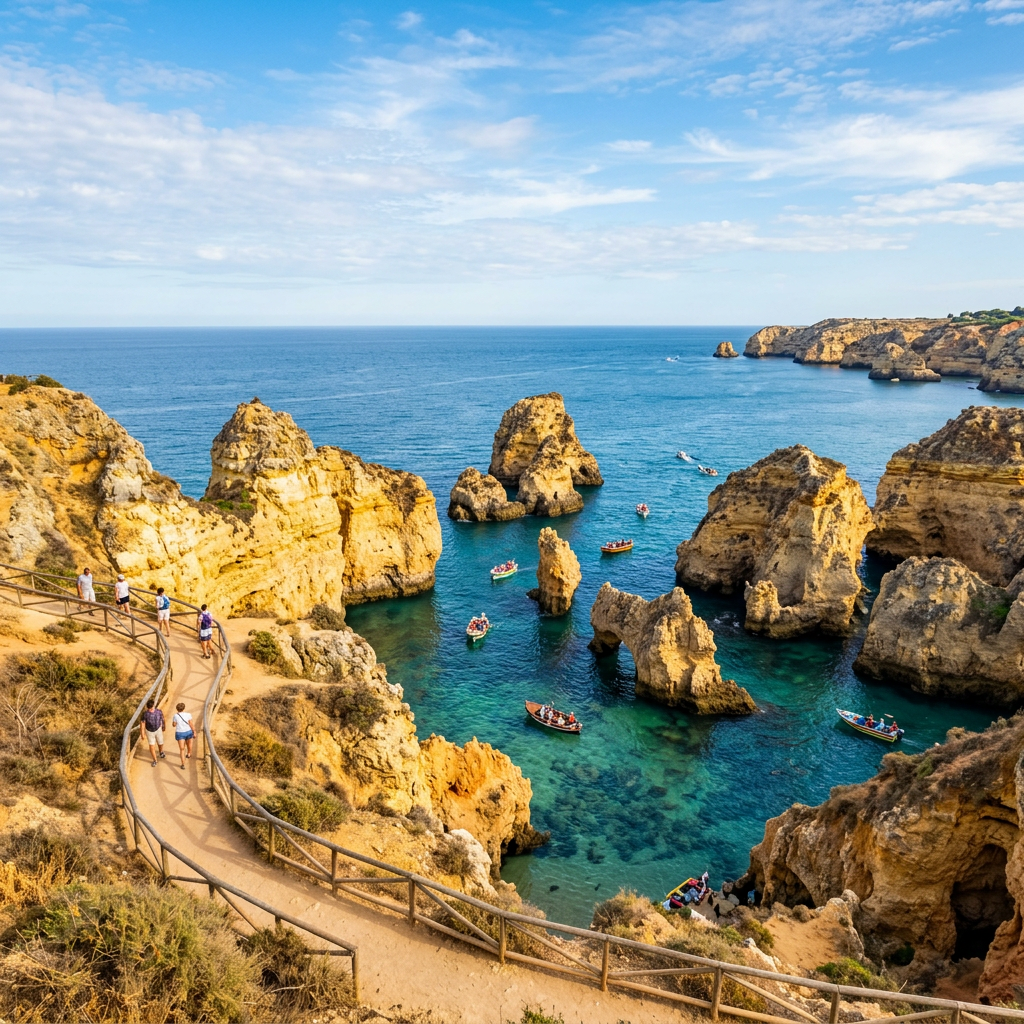
Pechao
Discover Pechao Nestled in the heart of the Algarve region in southern Portugal, Pechao is a quaint village that beautifully encapsulates the essence of traditional Portuguese culture. Known for its charming streets, friendly locals, and a rich tapestry of history, Pechao offers visitors a unique glimpse into rural life in Portugal. This small settlement is located just a short drive from the bustling city of Olhão, making it an ideal retreat for those looking to escape the tourist crowds while still enjoying easy access to coastal attractions.The history of Pechao is a captivating blend of ancient influences and agricultural heritage. The village has roots that trace back to the Roman period, evident in some of the archaeological findings in the surrounding areas. Over the centuries, Pechao has evolved from a simple agricultural community into a vibrant village that still honors its past. The local economy is heavily based on farming, and you’ll find lush fields of fruits and vegetables that reflect the region's fertile land.Pechao is also rich in cultural significance, hosting various festivals and events throughout the year that celebrate its traditions and agricultural roots. One of the most notable events is the Festa de Nossa Senhora da Conceição, held in December, where locals engage in days of celebrations filled with music, dance, and culinary delights. Such events provide visitors with an authentic experience of Portuguese culture, allowing them to interact with the community and partake in local customs.What truly makes Pechao special is its serene atmosphere and picturesque landscape. While many tourists flock to the popular beaches of the Algarve, Pechao remains a hidden gem, offering a tranquil setting that is perfect for relaxation. Nature lovers will appreciate the stunning views of the surrounding countryside, characterized by rolling hills and expansive fields. Whether you’re taking a leisurely stroll through the village or enjoying a meal at a local restaurant, the peaceful ambiance is a refreshing change from the hustle and bustle of city life.Additionally, Pechao serves as a great base for exploring the Algarve. Its proximity to the coast allows visitors to easily access some of the region’s most beautiful beaches, while also offering opportunities for hiking, cycling, and bird-watching in the nearby Ria Formosa Natural Park. This unique ecosystem, a UNESCO Biosphere Reserve, is home to a diverse range of flora and fauna, making it a must-visit for nature enthusiasts.In summary, Pechao is a destination that beautifully combines history, culture, and natural beauty. Its welcoming community, traditional festivals, and scenic landscapes make it a special place to explore, allowing travelers to immerse themselves in authentic Portuguese life while enjoying the stunning surroundings of the Algarve. Top Attractions in Pechao – Ranked and Reviewed Pechao may be a small village, but it boasts a variety of attractions that have garnered positive reviews from visitors. Here are the top attractions in Pechao, ranked and reviewed by real travelers on Stay4Exploring.1. Ria Formosa Natural Park: Rated the top attraction in Pechao, Ria Formosa is a stunning coastal lagoon that stretches along the Algarve coast. Visitors rave about the park’s natural beauty, diverse wildlife, and extensive walking trails. Birdwatchers flock to this park, especially during migratory seasons when you can spot a variety of species. Travelers recommend taking a guided boat tour to fully appreciate the unique ecosystems, including salt marshes and sandbanks.2. Igreja Matriz de Pechao: This quaint church, located in the heart of the village, is a must-visit for those interested in local architecture and history. The church is known for its beautiful azulejos (ceramic tiles) and serene atmosphere. Visitors appreciate the peaceful ambiance and often mention the friendly locals who are happy to share the church's history. Many recommend attending a service for a truly authentic experience.3. Local Markets: The weekly market in Pechao is a delightful experience for visitors looking to immerse themselves in local culture. Here, you can find fresh produce, handmade crafts, and traditional Portuguese foods. Reviews highlight the vibrant atmosphere and the opportunity to interact with local vendors, making it a great place to sample regional specialties like chouriço and fresh seafood.4. Hiking Trails: For outdoor enthusiasts, the hiking trails surrounding Pechao offer breathtaking views of the Algarve countryside. Many visitors have praised the well-marked paths and the variety of trails catering to different skill levels. Whether you’re looking for a leisurely walk or a challenging hike, travelers recommend bringing a camera to capture the stunning landscapes.5. Local Gastronomy: Dining in Pechao is an experience worth savoring. Several restaurants in the village serve authentic Portuguese cuisine, with fresh ingredients sourced from local farms. Visitors often recommend the grilled sardines and the regional desserts, such as pastéis de nata. Many travelers emphasize the warm hospitality of the restaurant owners, which adds to the overall dining experience.In conclusion, Pechao offers a charming mix of nature, culture, and gastronomy that appeals to a variety of travelers. Each attraction tells a story of the village's heritage and its beautiful surroundings, making Pechao a delightful destination to explore. Planning Your Visit to Pechao Pechao, a quaint village nestled in the Algarve region of Portugal, offers a serene escape for travelers seeking a blend of cultural immersion and natural beauty. To ensure a memorable visit, careful planning is essential. The best time to visit Pechao is during the spring and early autumn months, specifically from April to June and September to October. During this period, the weather is pleasantly warm, making it ideal for outdoor activities and sightseeing. The summer months can be hot, with temperatures soaring above 30°C (86°F), while winter, although mild, may bring occasional rain. These shoulder seasons also see fewer tourists, allowing for a more intimate experience. Getting to Pechao is relatively straightforward. The nearest major airport is Faro Airport (FAO), located approximately 20 kilometers away. It's well connected with various international flights. Once you land, you can opt for a rental car, which is recommended for exploring the surrounding areas, or take a taxi or shuttle service for a direct route to Pechao. Public transportation options, including buses, are available but may be less frequent. Once in Pechao, getting around is easy, especially on foot or by bicycle, as the village is compact and pedestrian-friendly. If you plan to explore nearby towns or attractions, consider renting a car or using local taxis. While Pechao is accessible, having your own vehicle allows you to explore at your own pace and discover hidden gems in and around the Algarve region. When it comes to accommodation, Pechao offers a range of options to suit different budgets and preferences. For a unique experience, consider staying at a local guesthouse or a charming bed and breakfast, which often provide a more personalized touch and insight into the local culture. Several small hotels and vacation rentals are available as well, offering comfortable amenities and easy access to local attractions. For those seeking luxury, there are upscale resorts and villas located just a short drive away in towns like Olhão and Faro. In summary, planning your visit to Pechao involves choosing the right time to travel, understanding your transport options, and selecting suitable accommodation. By doing so, you’ll be well-prepared to enjoy all that this enchanting Portuguese village has to offer. Experience Pechao Like a Local To truly immerse yourself in the essence of Pechao, it’s essential to embrace the local customs, cuisine, and culture. This charming village embodies the spirit of the Algarve, making it a perfect destination to experience authentic Portuguese life. When it comes to local customs, the people of Pechao are known for their warmth and hospitality. Greetings are typically friendly, with a handshake or a light kiss on both cheeks being standard. It’s common to exchange pleasantries, so take a moment to engage with locals, as they are often eager to share stories and recommendations about their village. Pechao’s culinary scene is a delightful exploration of traditional Algarve flavors. The local cuisine heavily features seafood, with dishes such as cataplana de marisco (seafood stew) and grilled sardines being popular among residents. Don’t miss the opportunity to try piri-piri chicken, which reflects the region's love for spicy flavors. For dessert, indulge in tarte de amêndoa (almond tart) or pastéis de nata (custard tarts), both of which are beloved treats. In terms of culture, Pechao is steeped in traditions, particularly during local festivals. One notable event is the Festa da Nossa Senhora da Saúde, celebrated in September, which features processions, music, and local delicacies. Participating in such festivities provides an excellent opportunity to connect with the community and experience the village's vibrant spirit. For those looking to explore like a local, consider visiting the local markets, where fresh produce, artisanal goods, and handmade crafts are abundant. The Mercado Municipal in nearby Olhão is particularly vibrant, offering a true taste of the Algarve’s daily life. Here, you can find everything from fresh fish to local cheeses, and it's the perfect place to pick up souvenirs. Insider tips for experiencing Pechao include taking the time to wander the narrow streets and soak in the architectural charm of the village. Look for hidden gems such as small cafes and local art galleries that showcase the work of local artists. Additionally, try to learn a few basic Portuguese phrases; locals appreciate when visitors make an effort to speak their language, even if it’s just a simple “obrigado” (thank you). In conclusion, experiencing Pechao like a local involves engaging with the community, savoring traditional dishes, and participating in local customs and traditions. By doing so, you’ll enrich your visit and create lasting memories of this enchanting Portuguese village.

Ewell
Discover Ewell Nestled within the picturesque borough of Epsom and Ewell, Ewell is a charming village located in Surrey, England. With a history that stretches back to the Roman times, Ewell bears witness to a rich cultural tapestry that has evolved over centuries. Originally known as 'Ewell' from the Old English term meaning 'river source', the village has developed into a vibrant community that retains its historical significance while embracing modernity.The village's history is highlighted by several notable landmarks, such as the impressive St. Mary's Church, which dates back to the 12th century. This church is a focal point for both the local community and visitors alike, showcasing stunning architecture and hosting various cultural and religious events throughout the year. Ewell's history is also deeply intertwined with the development of the railway in the 19th century, which helped transform it from a rural village into a burgeoning suburban area.Culturally, Ewell boasts a dynamic local scene, with numerous events and festivals that celebrate its heritage. The annual Ewell Village Fair is a highlight, drawing crowds from across the region with its eclectic mix of stalls, entertainment, and community spirit. The village is also home to a variety of art galleries and local craft shops, reflecting the creative talents of its residents and contributing to a lively arts scene.What makes Ewell truly special is its seamless blend of historical charm and modern convenience. With its quaint streets lined with independent shops, cafes, and restaurants, visitors can enjoy a relaxed atmosphere that encourages exploration and discovery. The nearby Epsom Common and Nonsuch Park provide ample green spaces for outdoor activities, making Ewell an ideal destination for nature lovers and families alike.Moreover, its proximity to London—just a short train ride away—means that Ewell serves as an excellent base for those wishing to explore the capital while returning to the tranquility of village life. The local community is welcoming, and the village hosts a range of amenities including schools, healthcare facilities, and recreational areas, ensuring that visitors feel at home during their stay.In summary, Ewell is a hidden gem that offers a unique blend of history, culture, and natural beauty. Whether you are wandering through its historic streets, enjoying a day in the park, or participating in local events, Ewell presents an authentic experience that captures the heart of English village life. Top Attractions in Ewell – Ranked and Reviewed Visitors to Ewell are often captivated by the array of attractions that cater to diverse interests. Below are the top-ranked attractions based on real traveler reviews from Stay4Exploring. Each location offers a unique experience, making Ewell a delightful destination for everyone.1. Nonsuch Park - Rated 4.8/5Nonsuch Park is a sprawling green oasis that attracts visitors with its stunning landscapes and rich history. Originally part of a Tudor palace, the park features beautiful gardens, walking trails, and a café. Travelers love the peaceful atmosphere and the opportunity to spot wildlife. Many reviews highlight the park's well-maintained paths and the impressive views of the historic Nonsuch Mansion.2. Ewell Court House - Rated 4.7/5This historic building serves as a community hub and event space, with a rich background dating back to the 18th century. Guests appreciate the exhibitions and events hosted here, including art shows and local fairs. The architecture is stunning, and many visitors enjoy participating in community activities. Reviewers often comment on the friendly staff and the welcoming environment.3. Bourne Hall Museum - Rated 4.6/5Bourne Hall Museum is a treasure trove of local history and culture, featuring exhibits that range from archaeology to local art. The museum is particularly praised for its engaging displays and knowledgeable staff. Families appreciate the interactive aspects and the variety of events scheduled throughout the year, making it a must-visit for history buffs and curious minds alike.4. St. Mary's Church - Rated 4.5/5With its stunning architecture and serene atmosphere, St. Mary's Church is a favorite among visitors. Many come to admire its beautiful stained glass windows and historical significance. The church's peaceful gardens provide a perfect spot for reflection, and travelers often mention the warmth of the local congregation during services and community events.5. Ewell Village Fair - Rated 4.4/5This annual event encapsulates the spirit of Ewell, featuring local crafts, food stalls, and entertainment for all ages. Visitors rave about the lively atmosphere and the sense of community that permeates the fair. It’s an excellent opportunity to experience local culture and meet the friendly residents of Ewell.In conclusion, Ewell is not just a place to visit; it’s a community filled with engaging attractions that reflect its rich history and vibrant culture. Each site offers a unique perspective on village life, making them well worth exploring during your stay. Planning Your Visit to Ewell Ewell, a charming village located in Surrey, England, offers visitors a delightful blend of historical charm and modern amenities. The best time to visit Ewell is during the late spring and summer months (May to September), when the weather is typically mild and pleasant, allowing for enjoyable walks and outdoor activities. The village hosts several local events and festivals during this period, enriching your travel experience. Getting to Ewell is straightforward, thanks to its excellent transport links. The nearest major city is London, which is about 15 miles away. If you're traveling by train, Ewell has two railway stations: Ewell West and Ewell East, both providing direct services to London Waterloo, making it convenient for day trips. Alternatively, if you're driving, Ewell is easily accessible via the A240 and is well-connected to the M25 motorway. Parking is available at various locations within the village, but make sure to check local regulations regarding parking restrictions. Once you arrive in Ewell, getting around is a breeze. The village is compact, making it ideal for walking. Most attractions, including parks, shops, and restaurants, are within a short distance of each other. If you prefer public transport, local buses connect Ewell to nearby towns and attractions. For a more leisurely experience, consider renting a bicycle to explore the scenic countryside surrounding Ewell. When it comes to accommodation, Ewell offers a variety of options to suit different budgets. For a cozy and authentic experience, consider staying in one of the charming bed-and-breakfast establishments that dot the village. These often provide a warm welcome and a chance to engage with local hosts who can share their insights about the area. If you prefer more luxurious accommodation, the nearby towns of Epsom and Leatherhead offer a range of hotels, from boutique to chain establishments, ensuring comfort and convenience during your stay. Additionally, if you’re traveling with family or in a group, self-catering options like holiday cottages can provide a home-like atmosphere, allowing you to enjoy home-cooked meals during your visit. Experience Ewell Like a Local To truly experience Ewell like a local, it's essential to embrace the village's customs and culture. One of the defining features of life in Ewell is its strong sense of community. Residents often gather at local events, markets, and festivals, creating a welcoming atmosphere that visitors are encouraged to join. Engaging with locals at these gatherings is a great way to learn more about the village's history and traditions. When it comes to food, Ewell boasts a delightful array of dining options. The village is home to several traditional pubs that serve hearty meals and locally brewed ales. Don't miss the chance to try classic British dishes such as fish and chips or a Sunday roast at one of the local pubs. Additionally, Ewell has a selection of international restaurants, offering everything from Italian to Indian cuisine. For a unique experience, visit the farmers' market held regularly, where you can sample and purchase fresh, locally sourced produce, artisan goods, and homemade treats. Culturally, Ewell is rich in history and artistic expression. The Ewell Court House, a former courthouse turned community arts center, hosts various exhibitions, performances, and workshops throughout the year. Checking the local events calendar can lead to discovering exciting artistic endeavors, from theater productions to art classes. The village also celebrates its rich heritage with historical walking tours, which delve into Ewell's past and highlight its notable landmarks. For an insider tip, take the time to explore Ewell's beautiful parks and green spaces. Nonsuch Park, located on the outskirts of the village, is a stunning area perfect for picnicking, walking, or simply enjoying the natural beauty of the surroundings. Don't forget your camera; the park's picturesque landscapes and wildlife provide ample opportunities for stunning photos. Additionally, the local library often hosts community events, workshops, and book clubs, making it another excellent place to meet locals and immerse yourself in the community. Finally, when interacting with locals, a friendly smile and a simple 'hello' can go a long way. The people of Ewell take pride in their village and are often eager to share their knowledge and recommendations with visitors. By embracing the local customs and immersing yourself in the culture, your visit to Ewell will undoubtedly be a memorable experience.

Achnasheen
Discover Achnasheen Nestled in the heart of the Scottish Highlands, Achnasheen is a picturesque village that serves as a gateway to some of the most stunning landscapes in Scotland. With its origins dating back to the 19th century, Achnasheen was once a bustling railway junction, playing a vital role in connecting remote areas of the Highlands. Today, the village offers visitors a unique blend of historical significance and natural beauty, making it a must-visit destination for those seeking an authentic Highland experience.The name Achnasheen is derived from the Gaelic 'Achadh na Sine,' meaning 'field of the elder trees.' It reflects the area's rich Gaelic heritage, which is still evident in the local culture, traditions, and the surrounding geography. The village is located at the confluence of the River Bran and the River Achnasheen, surrounded by rolling hills and majestic mountains, providing a scenic backdrop that enchants visitors all year round.Achnasheen is not only significant for its natural beauty but also for its cultural heritage. The area is steeped in Scottish folklore, and tales of ancient clans and legendary warriors are woven into the local history. Visitors can explore the remnants of ancient stone structures and burial sites that speak to the area’s long-standing human presence. The village is also a haven for outdoor enthusiasts, offering easy access to hiking trails, fishing spots, and opportunities for wildlife watching.One of the defining features of Achnasheen is its warm and welcoming community. The villagers are known for their friendliness and willingness to share stories about their home, making it a delightful place for travelers to immerse themselves in Highland culture. Local events and festivals highlight traditional Scottish music, dance, and cuisine, giving visitors a taste of the vibrant community spirit that thrives here.Moreover, Achnasheen’s strategic location makes it a perfect base for exploring the surrounding areas. It is conveniently situated near iconic destinations such as Loch Ness, the Isle of Skye, and the historic town of Inverness. The village is also a stop on the scenic line of the West Highland Railway, offering travelers breathtaking views of the Highlands as they journey to and from this hidden gem.Whether you’re seeking adventure, relaxation, or a deeper understanding of Scottish culture, Achnasheen promises an unforgettable experience. The combination of its rich history, stunning landscapes, and welcoming atmosphere makes this village a special destination that captures the essence of the Scottish Highlands. Top Attractions in Achnasheen – Ranked and Reviewed When visiting Achnasheen, you'll find a variety of attractions that showcase the beauty and charm of the Scottish Highlands. Here are the top-ranked attractions based on visitor reviews, ensuring you make the most of your trip to this enchanting village.1. Achnasheen Railway Station - Rated 4.8/5Achnasheen Railway Station is a historic landmark that dates back to the 19th century. Travelers rave about the picturesque setting and the unique experience of catching a train on the scenic West Highland Line. Many visitors enjoy exploring the station's architecture and the surrounding landscapes, making it a perfect spot for photography enthusiasts.2. The Achnasheen Hotel - Rated 4.5/5This charming hotel offers more than just comfortable accommodations; it’s also a hub for local dining and culture. Guests appreciate the warm hospitality and the opportunity to taste traditional Scottish dishes made with locally sourced ingredients. The hotel often hosts live music events, providing a taste of Highland culture that visitors cherish.3. Strathconon Valley - Rated 4.7/5Just a short drive from Achnasheen, Strathconon Valley boasts breathtaking landscapes and opportunities for outdoor activities like hiking and wildlife spotting. Reviewers highlight the serene beauty of the valley, with its rolling hills, crystal-clear rivers, and the chance to see deer and other wildlife in their natural habitat. It's a must-visit for nature lovers.4. Loch a' Chroisg - Rated 4.6/5This stunning loch is a hidden gem known for its tranquility and scenic views. Visitors love spending time by the water, whether it's fishing, picnicking, or simply soaking in the natural beauty. Many reviews mention the peaceful atmosphere and the chance to escape the hustle and bustle of daily life.5. Beinn Eighe National Nature Reserve - Rated 4.9/5This nearby nature reserve is a paradise for hikers and nature enthusiasts. With its diverse range of flora and fauna, stunning mountains, and crystal-clear lochs, visitors are captivated by the untouched beauty of the area. The reserve offers various trails, catering to different skill levels, making it accessible for everyone.Each of these attractions has been highly rated by travelers on Stay4Exploring, providing insights into what to expect during your visit. Whether you're an adventure seeker, a history buff, or simply looking to relax and enjoy the stunning scenery, Achnasheen offers a wealth of experiences that will leave lasting memories. Planning Your Visit to Achnasheen Achnasheen, a picturesque village nestled in the Scottish Highlands, is a hidden gem that offers breathtaking landscapes, rich culture, and a serene escape from the hustle and bustle of modern life. Planning your visit to this charming locale requires some thoughtful consideration, but the rewards are well worth the effort.The best time to visit Achnasheen is during the late spring and early autumn months, specifically from May to September. During this period, the weather is relatively mild, making it perfect for outdoor activities such as hiking, cycling, and exploring the stunning scenery. The long daylight hours, especially in June, provide ample opportunity to soak in the beauty around you. However, if you prefer a quieter experience, consider visiting during the shoulder seasons of late autumn or early spring, where you can enjoy the tranquility of the Highlands without the summer crowds.Getting to Achnasheen is relatively straightforward. The nearest major city is Inverness, located approximately 50 miles to the northeast. From Inverness, you can take a train to Achnasheen, which offers a scenic journey through the Highlands. The train service runs regularly, and the views are nothing short of spectacular. Alternatively, if you prefer to drive, the journey from Inverness takes around an hour and a half, allowing you to explore some of the stunning landscapes en route.Once you arrive in Achnasheen, getting around is best accomplished on foot or by bicycle. The village is small, making it easy to navigate, and many of the attractions and natural wonders are within walking distance. For those looking to explore the surrounding areas, consider renting a bicycle or using local taxi services for longer journeys.When it comes to accommodation, Achnasheen offers a variety of options to suit different preferences and budgets. From cozy bed and breakfasts to charming guesthouses and self-catering cottages, you’ll find a place that feels like home. The Achnasheen Hotel is a popular choice among travelers due to its warm hospitality and delicious food. For those looking for a more rustic experience, various camping sites are available, allowing you to immerse yourself in nature. Make sure to book your accommodation in advance, especially during the peak season, to secure your preferred choice.In summary, planning your visit to Achnasheen involves considering the best time to go, how to reach the village, how to get around, and where to stay. By taking the time to prepare, you’ll ensure that your trip to this Highland haven is a memorable one. Experience Achnasheen Like a Local To truly experience Achnasheen like a local, it’s important to immerse yourself in the customs, food, and culture that define this Highland village. The locals are known for their warmth and hospitality, making visitors feel welcome from the moment they arrive.One of the most notable customs in Achnasheen is the appreciation for nature and the outdoors. Locals take pride in their stunning surroundings, often engaging in activities such as hiking, fishing, and birdwatching. Joining a local hike or participating in community events can provide a fantastic opportunity to connect with residents and learn about their way of life. Don’t hesitate to ask for recommendations on the best trails or hidden spots to visit; locals are usually more than happy to share their favorite places.Food in Achnasheen reflects the rich natural resources of the Highlands. Traditional Scottish dishes are abundant, featuring locally sourced ingredients, including fresh fish, game, and seasonal vegetables. One must-try dish is haggis, often served with neeps (turnips) and tatties (potatoes). Many local establishments, including the Achnasheen Hotel, serve hearty meals that celebrate Scottish cuisine. Additionally, you can explore local bakeries for freshly baked goods, such as scones and shortbread, which make perfect snacks for your outdoor adventures.Culturally, Achnasheen is steeped in Scottish heritage. The village is home to a vibrant community that cherishes their traditions, including music and storytelling. If you are fortunate enough to visit during a local festival or event, be sure to participate. These gatherings often feature traditional Scottish music, dance, and craft demonstrations. Engaging with the local community during these events can provide insight into their customs and a deeper appreciation of their culture.For insider tips, consider visiting the local shops and galleries. While Achnasheen is small, it boasts unique stores that offer handcrafted goods and local art. Purchasing souvenirs from these shops not only supports local artists but also provides you with a tangible memory of your visit. Additionally, take the time to chat with shop owners; they often have fascinating stories to share about the area.Lastly, embrace the slower pace of life in Achnasheen. The Highlands are known for their stunning landscapes and tranquil environments, so take the time to enjoy the views, whether it’s a leisurely stroll by the river or a quiet moment in a scenic spot. By doing so, you’ll truly experience what it means to live like a local in this beautiful corner of Scotland.
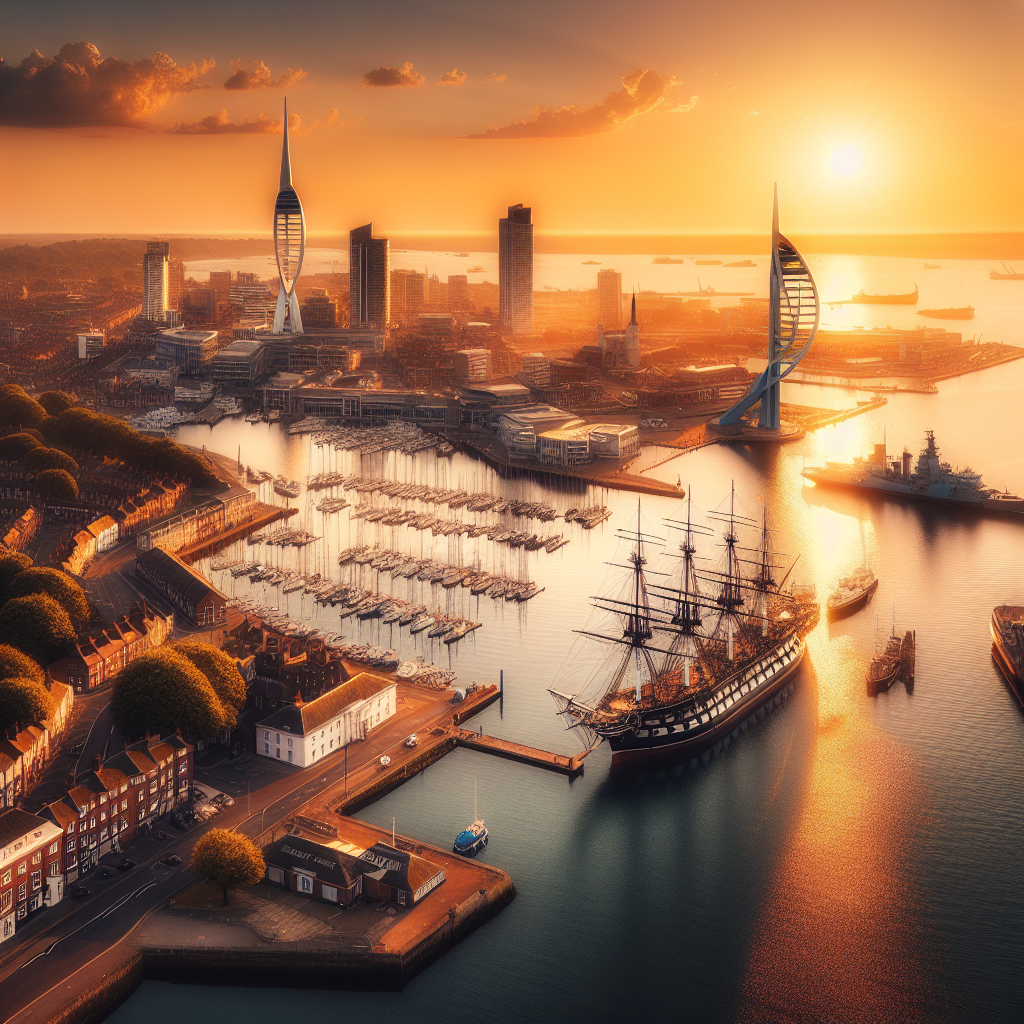
Portsmouth
Discover Portsmouth Portsmouth, located on the southern coast of England, is a vibrant maritime city steeped in history and culture. Known for its historical significance, Portsmouth is home to the world's oldest dry dock and has played a pivotal role in naval history for centuries. The city’s strategic location on the Solent has made it a key port since the 12th century, leading to its development into one of the UK’s most important naval bases. One of the most iconic landmarks in Portsmouth is the historic dockyard, where visitors can explore the impressive collection of naval ships, including the famous HMS Victory, Lord Nelson’s flagship during the Battle of Trafalgar. The city’s maritime heritage is further celebrated at the Mary Rose Museum, which houses the remains of Henry VIII's warship, giving insight into 16th-century naval life. Portsmouth’s cultural landscape is equally rich, boasting a vibrant arts scene and numerous galleries, theaters, and museums. The city hosts a variety of events throughout the year, including the Portsmouth International Kite Festival and the annual Victorious Festival, celebrating music and local culture. The presence of various educational institutions, including the University of Portsmouth, adds to the youthful atmosphere of the city. The city is also known for its diverse culinary scene, offering everything from traditional fish and chips to contemporary dining experiences. Visitors can enjoy fresh seafood from local markets, as well as international cuisine from a plethora of restaurants scattered across the city. One aspect that makes Portsmouth particularly special is its strong community spirit. The city is known for its friendliness and inclusivity, making it a welcoming destination for travelers. Additionally, its compact size means that many attractions are within walking distance, making it easy for visitors to explore and enjoy the local atmosphere. The seafront is another highlight, featuring the picturesque South Parade Pier and Clarence Pier, with amusement rides and arcades that evoke nostalgia. The beach areas provide a perfect spot for relaxation, sunbathing, or taking a stroll while enjoying the stunning views of the Solent. For those interested in literature, Portsmouth is the birthplace of famed author Charles Dickens, and visitors can explore the Charles Dickens Birthplace Museum to learn more about his early life and works. This connection to literary history adds another layer of depth to the city’s cultural narrative. In summary, Portsmouth is a destination that combines rich historical significance with a modern cultural vibe. Its unique blend of maritime heritage, vibrant arts scene, welcoming community, and beautiful coastal views make it a must-visit location for anyone exploring the south of England. Top Attractions in Portsmouth – Ranked and Reviewed Portsmouth is brimming with attractions that cater to a variety of interests, and thanks to feedback from real travelers on Stay4Exploring, we bring you the top-ranked experiences to enjoy during your visit. 1. Portsmouth Historic Dockyard – This iconic attraction is the centerpiece of the city’s naval history. Visitors rave about the chance to board historic ships like HMS Victory and HMS Warrior. The interactive exhibits provide a fascinating insight into life at sea. Rated highly for its informative displays and engaging atmosphere, this is a must-visit for history buffs and families alike. 2. The Mary Rose Museum – Home to the remains of King Henry VIII's warship, the Mary Rose, this museum offers a unique glimpse into Tudor maritime life. Guests appreciate the well-curated displays and the preservation efforts that have gone into showcasing the ship. Reviews highlight the museum's educational value and the immersive experience it provides, making it a top choice for those interested in maritime history. 3. Spinnaker Tower – Standing at 170 meters tall, the Spinnaker Tower offers breathtaking views of Portsmouth and the Solent. Visitors love the panoramic observation deck and the thrilling glass floor. Many reviews mention the stunning sunsets and the unique perspective of the city, making it a perfect spot for photography enthusiasts. 4. Southsea Common – This expansive green space is perfect for a leisurely day out. Visitors enjoy picnicking, walking, and enjoying events that often take place here. Reviews frequently mention the picturesque views of the sea and the relaxed atmosphere, making it a great place to unwind. 5. Charles Dickens Birthplace Museum – Literature lovers will appreciate a visit to the birthplace of the famous author. The museum is charming and informative, with guests praising the knowledgeable staff and the intimate look into Dickens’ early life. Reviews highlight the significance of the site in understanding the author’s background and influences. 6. Clarence Pier – For those seeking a bit of nostalgia, Clarence Pier offers traditional seaside amusements, including rides, arcades, and food stalls. Families especially enjoy the funfair atmosphere, and reviews often mention the delightful experience for children. 7. The D-Day Story – This museum is dedicated to the events of the D-Day landings during World War II. Visitors commend the poignant exhibits and personal stories shared throughout the museum, making it a moving experience. The emphasis on local connections to the historic events receives high praise in traveler reviews. In conclusion, Portsmouth offers a variety of attractions that reflect its rich history and vibrant culture. Each site has been highly rated and reviewed by travelers, ensuring that you’ll find experiences that resonate with your interests and make your visit memorable. Planning Your Visit to Portsmouth Portsmouth, a vibrant naval city on the southern coast of England, is rich in maritime history and culture. When planning your visit, consider the best time to experience everything this fascinating destination has to offer. The peak tourist season runs from late spring to early autumn, particularly between June and August. During these months, the weather is generally mild, making it perfect for exploring outdoor attractions such as the Historic Dockyard and South Parade Beach. However, this is also when the city can be busiest, so expect larger crowds and higher prices for accommodation. If you prefer a quieter experience, consider visiting in the shoulder seasons of late spring (April to May) or early autumn (September to October). The weather remains pleasant, and you’ll find fewer tourists, allowing for a more relaxed exploration of the city. Getting to Portsmouth is relatively easy, with several options available. The city is well-connected by road and rail. If you’re traveling by train, Portsmouth & Southsea and Portsmouth Harbour stations offer frequent services from London, Southampton, and other major cities. If you’re driving, the M27 motorway connects Portsmouth to the wider road network, making it accessible from various parts of the UK. For international travelers, the nearest airport is Southampton Airport, which is approximately 20 miles away, offering regular flights to and from major destinations. Once you arrive in Portsmouth, getting around is straightforward. The city boasts an efficient public transportation system, including buses and trains, which can take you to most attractions. Walking is also a great way to explore the compact city center, and many of the major sites, such as the Spinnaker Tower and Gunwharf Quays, are within walking distance of one another. When it comes to accommodation, Portsmouth offers a wide range of options to suit all budgets. From luxury hotels with stunning sea views to cozy guesthouses and budget-friendly hostels, you’ll find something that fits your needs. The Gunwharf Quays area is particularly popular, offering modern hotels alongside shopping and dining options. Alternatively, consider staying in Southsea for a more relaxed beach atmosphere, where you can find charming B&Bs and boutique hotels. Regardless of where you choose to stay, make sure to book in advance during peak seasons to secure the best rates and availability. With careful planning, your visit to Portsmouth can be both enjoyable and memorable. Experience Portsmouth Like a Local To truly experience Portsmouth like a local, it’s essential to embrace the city’s customs, food, and culture. Portsmouth is known for its warm and welcoming atmosphere, and locals are proud of their city’s rich maritime heritage. A common local custom is to engage in casual conversations with strangers, whether in shops or at pubs. Don't hesitate to ask for recommendations or directions; you’ll often find locals eager to share their favorite spots. When it comes to food, Portsmouth boasts a diverse culinary scene that reflects its coastal location. Seafood is a staple, and no visit is complete without trying traditional fish and chips. Head to a local chippy—like the renowned Albert Road Fish Bar—where you can enjoy freshly caught fish served with crispy chips. For a more upscale dining experience, consider visiting one of the many restaurants along the waterfront, where you can indulge in dishes made from locally sourced ingredients. Another must-try is the savory pie, often found in local bakeries and pubs. The city is also home to a thriving street food scene, with markets like the Portsmouth Street Food Festival offering a variety of international cuisines. Make sure to sample the local ales and craft beers at one of the many pubs, particularly in the historic Old Town. Portsmouth is steeped in culture, with numerous galleries, theaters, and museums showcasing the city’s artistic talents and history. The D-Day Story is a particularly poignant museum that commemorates the events of World War II and is a must-visit for history enthusiasts. For a dose of contemporary culture, check out the New Theatre Royal, which hosts a range of performances from drama to comedy. Insider tips for experiencing Portsmouth like a local include taking advantage of the city’s numerous free events and festivals throughout the year, such as the Portsmouth Maritime Festival and the Victorious Festival, which celebrates local music and culture. Additionally, explore the charming neighborhoods of Southsea, where you’ll find quirky shops, galleries, and cafes that embody the local spirit. Lastly, don’t forget to take a stroll along the seafront, particularly at South Parade Pier, where you can enjoy the stunning views and perhaps catch a local event or performance. By immersing yourself in the local customs and flavors, you’ll gain a deeper appreciation for Portsmouth and its vibrant community.

Isle of Arran
Discover Isle of Arran The Isle of Arran, often referred to as 'Scotland in Miniature,' is a treasure trove of history, culture, and natural beauty. Nestled in the Firth of Clyde, this stunning island is known for its diverse landscapes, ranging from rugged mountains to lush valleys and serene beaches. The island spans approximately 432 square kilometers (167 square miles) and is home to a population of around 5,000 residents, offering a perfect blend of charm and tranquility that's hard to find elsewhere.Historically, Arran has been inhabited since the Stone Age, with evidence of ancient settlements still visible today. The island's name comes from the Gaelic word 'Eilean Arain,' which translates to 'the island of the plough.' It has played an important role in Scottish history, particularly during the Viking Age when it served as a strategic location for Norse invaders. The island's rich history is accentuated by its many castles and ruins, including the iconic Brodick Castle, which dates back to the 16th century and showcases the island's feudal past.Arran is also significant in Scottish culture. It boasts a vibrant community that values its traditions, such as the annual Arran Folk Festival and the Arran Mountain Festival, which celebrate local music, arts, and outdoor activities. The island's cultural tapestry is further enriched by its commitment to sustainability and local artisanship, with many residents involved in farming, craft-making, and distilling. Arran is home to the Arran Distillery, known for producing high-quality single malt whisky, which has garnered international acclaim.One of the unique aspects of Arran is its diverse geography. The northern part of the island is dominated by the rugged peaks of the Arran Mountain Range, including Goat Fell, the highest peak at 874 meters (2,866 feet). In contrast, the southern part features rolling hills and agricultural land, making it an ideal location for hiking, cycling, and exploring. The coastal areas are dotted with picturesque villages like Lamlash and Whiting Bay, where visitors can enjoy stunning views of the sea and surrounding islands.What truly makes the Isle of Arran special is its community spirit. Visitors often remark on the warmth and friendliness of the locals, who are more than willing to share stories about the island's heritage and recommend hidden gems off the beaten path. The island is a haven for outdoor enthusiasts, history buffs, and anyone looking to escape the hustle and bustle of city life. Whether you’re hiking up a mountain, sipping whisky at a local distillery, or simply soaking in the breathtaking scenery, Arran offers a unique experience that leaves a lasting impression.In conclusion, the Isle of Arran is a captivating destination that combines stunning landscapes with rich history and culture. Its significance within Scotland’s heritage, coupled with a strong sense of community, makes it a must-visit for anyone looking to explore the beauty of the United Kingdom. From ancient ruins to vibrant festivals, Arran truly encapsulates the essence of Scottish life. Top Attractions in Isle of Arran – Ranked and Reviewed When it comes to attractions, the Isle of Arran is brimming with experiences that cater to every type of traveler. Here, we present a ranked list of the top attractions on the island, as rated and reviewed by those who have explored its breathtaking landscapes and rich history.Brodick Castle - This iconic castle is not only a historical landmark but also set within stunning gardens that showcase the island's natural beauty. Visitors rave about the castle’s impressive collection of art and furnishings, which provide a glimpse into the lives of the families who lived here. The well-maintained grounds are perfect for leisurely strolls, making it a top attraction on Arran.Goat Fell - For avid hikers, Goat Fell is a must-visit. As the highest peak on the island, it offers panoramic views that are simply breathtaking. Hikers of various skill levels can enjoy the trails leading to the summit, with many reviewers praising the sense of achievement upon reaching the top. The vistas of the surrounding islands and the mainland are worth every step.The Arran Distillery - Whisky enthusiasts will find a trip to the Arran Distillery to be an unforgettable experience. Rated highly for its informative tours and tastings, the distillery offers insight into the whisky-making process, from barley to bottle. Visitors appreciate the chance to sample unique flavors that capture the essence of Arran.Isle of Arran Heritage Museum - This museum is a gem for those interested in the island's history and culture. With exhibits on local crafts, agriculture, and the island's past, it provides a comprehensive overview of what makes Arran unique. Many visitors applaud the friendly staff and the engaging presentations that bring history to life.Lamlash Bay - Known for its picturesque views and tranquility, Lamlash Bay is the perfect spot for a relaxing afternoon. Reviewers often mention enjoying picnics by the beach or taking leisurely walks along the coastline. The bay is also a great place for water sports such as kayaking and sailing.These attractions highlight the diverse experiences available on the Isle of Arran, each offering something special that resonates with visitors. From the historical grandeur of Brodick Castle to the exhilarating hike up Goat Fell, the island caters to both adventure seekers and those looking to unwind. Travelers have consistently praised the beauty of Arran and the welcoming nature of its residents, making each attraction not just a place to visit, but an experience to remember.In addition to these top-rated attractions, visitors should also explore the charming villages dotted around the island, each with its own unique character. Places like Whiting Bay and Blackwaterfoot offer local shops, eateries, and stunning coastal views that are perfect for exploring at a leisurely pace. The Isle of Arran truly provides a little something for everyone, ensuring that every traveler leaves with unforgettable memories. Planning Your Visit to Isle of Arran Planning a trip to the Isle of Arran requires some consideration, but with its breathtaking views and rich culture, it’s well worth the effort. Here’s a comprehensive guide to help you make the most of your visit.Best Time to VisitArran is a year-round destination, but the best time to visit is during the late spring and summer months, from May to September. During this period, the weather is generally mild and pleasant, making it ideal for outdoor activities such as hiking, cycling, and exploring the island’s beaches. The summer months also bring longer daylight hours, allowing for more time to enjoy the scenery. However, if you prefer fewer crowds, consider visiting in the shoulder seasons of late spring or early autumn.Getting ThereThe Isle of Arran is accessible by ferry from the mainland, with several options available. The most popular routes are from Ardrossan to Brodick and from Claonaig to Lochranza. The ferry ride offers stunning views of the Firth of Clyde and takes approximately 30 minutes from Ardrossan. Alternatively, you can reach Arran by road and then take the ferry, or even combine your visit with a trip to the nearby islands. For those flying in, the nearest airports are Glasgow International Airport and Prestwick Airport, both of which are about an hour’s drive from Ardrossan.Getting AroundOnce on the island, getting around is relatively easy. The Isle of Arran has a reliable bus service that connects most of the major towns and attractions, making it convenient for visitors without a car. For those who prefer a more adventurous approach, renting a bike is a popular option, as it allows you to explore at your own pace while enjoying the scenic routes. If you’re feeling adventurous, consider hiking some of the trails that take you through the island’s stunning landscapes.Where to StayAccommodation on Arran varies to suit different budgets and preferences. Options range from hotels and guesthouses to self-catering cottages and campsites. For a luxurious experience, consider staying at the Auchrannie Resort, which offers spa services and fine dining. If you’re looking for something more budget-friendly, there are plenty of cozy B&Bs scattered throughout the island. For those seeking adventure, campsites near the coast provide a unique experience, allowing you to wake up to the sound of the waves and the fresh sea air.In summary, planning your visit to the Isle of Arran involves considering the best time to travel, how to get there, how to get around, and where to stay. With its stunning natural beauty and rich cultural experience, Arran promises a rewarding getaway that caters to every type of traveler. So pack your bags, and prepare for an adventure that will leave you with lasting memories. Experience Isle of Arran Like a Local Experiencing the Isle of Arran like a local can enhance your visit and provide deeper insights into the island’s unique culture and customs. Here’s a guide to help you immerse yourself in the local way of life.Local CustomsArran's communities are known for their hospitality, and it’s common to greet locals with a friendly 'hello' or 'hiya.' The island's inhabitants take pride in their heritage and often share stories about their families and the history of Arran. Engaging in conversations with locals at cafes, shops, or during hikes can lead to delightful experiences and recommendations for hidden gems around the island.Another notable custom is the celebration of local festivals, such as the Arran Highland Games, which usually take place in August. This event showcases traditional Scottish sports, including caber tossing and tug of war, and provides an excellent opportunity to witness local culture firsthand. Attending such events not only allows you to enjoy the festivities but also to mingle with the residents and fellow travelers.Local FoodFood is an integral part of Arran's culture, with many local dishes featuring fresh, locally-sourced ingredients. Be sure to try 'Arran cheese,' a delicacy made from cow's milk that has won several awards for its rich flavor. Many visitors recommend tasting the island’s seafood, particularly the freshly caught mussels and fish, which can be enjoyed in various restaurants across the island.For a true local experience, visit one of the island's farmers' markets, where you can find artisanal products, homemade jams, and crafts made by residents. The market in Brodick is particularly popular and offers a chance to interact with local vendors and sample their goods.Culture and ArtsThe arts scene on Arran is vibrant, with numerous galleries and studios showcasing the talents of local artists. The Arran Art Gallery in Whiting Bay features works from various artists and is a great place to purchase unique souvenirs while supporting local talent. Additionally, keep an eye out for local craft fairs, where you can find handmade goods that reflect the culture and creativity of the island.Insider TipsTo experience Arran like a local, consider the following tips:Take leisurely walks along the coastal paths, where you might spot seals and a variety of bird species.Participate in a whisky tasting session at the Arran Distillery to gain insight into the distilling process and sample unique flavors.Explore lesser-known hiking trails such as the Kilmory Forest Trail, which offers tranquility away from the more popular paths.Try to visit during a local event or festival to fully immerse yourself in the community atmosphere.By embracing the local customs, savoring traditional cuisine, and engaging with the community, you can create a travel experience on the Isle of Arran that goes beyond sightseeing. This approach not only enriches your understanding of the island but also fosters connections that make your journey memorable.

Cape Town
Discover Cape Town Cape Town, often hailed as one of the most beautiful cities in the world, is a stunning fusion of natural beauty, rich history, and vibrant culture. Nestled between the iconic Table Mountain and the Atlantic Ocean, this South African city boasts a unique landscape that has captivated travelers for centuries. Its significance is not just in its breathtaking vistas but also in its historical and cultural narratives that shape its identity.The history of Cape Town dates back to the 17th century when it was established as a supply station for Dutch ships sailing to the East Indies. The area was initially inhabited by the Khoisan people, and their influence can still be felt in the region's culture. The arrival of European settlers marked a significant turning point, leading to a complex history of colonization, conflict, and cultural exchange. Today, visitors can explore this rich heritage through numerous museums and historical sites.Cape Town is also the site of significant events in South Africa's struggle for democracy. The city is home to Robben Island, where Nelson Mandela was imprisoned for 18 years. This UNESCO World Heritage Site stands as a powerful symbol of the fight against apartheid and offers guided tours that educate visitors on the country's turbulent past. The Apartheid Museum, located in the city, further chronicles the nation’s journey towards equality and justice.Culture in Cape Town is a vibrant tapestry woven from diverse influences. The city is known for its multilingual population, with 11 official languages, reflecting its rich heritage. Cape Town's cultural scene is alive with music, art, and culinary experiences. The city hosts various festivals throughout the year, showcasing local talent and traditions, including the Cape Town International Jazz Festival and the Cape Town Carnival.What makes Cape Town truly special is its stunning natural surroundings. Table Mountain, one of the New7Wonders of Nature, offers panoramic views of the city and beyond. Visitors can hike up or take a cable car to the summit for breathtaking landscapes. The Cape of Good Hope, located at the southern tip of the Cape Peninsula, presents dramatic cliffs and pristine beaches, while the Cape Winelands, just a short drive away, invite wine enthusiasts to sample some of the best wines in the country.In addition, Cape Town’s commitment to sustainability and conservation is noteworthy. The city has numerous initiatives aimed at promoting eco-friendly tourism and preserving its natural beauty. This commitment resonates with travelers seeking meaningful experiences that contribute to the local community and environment.In summary, Cape Town is not just a destination; it is a living narrative of history, culture, and natural beauty. Its blend of historical significance, vibrant culture, and stunning landscapes make it a must-visit for anyone looking to experience the heart of South Africa. Top Attractions in Cape Town – Ranked and Reviewed Cape Town is filled with attractions that cater to a variety of interests, making it a prime destination for travelers from all walks of life. According to real travelers on Stay4Exploring, here are some of the top-rated attractions in Cape Town that you won't want to miss.1. Table Mountain National Park - Rated 4.9/5Table Mountain is the crown jewel of Cape Town, offering stunning views and a diverse range of flora and fauna. Visitors can hike various trails or take the famous cable car to the summit. Reviewers rave about the breathtaking views and the well-maintained trails, making it an unforgettable experience.2. Robben Island - Rated 4.8/5A UNESCO World Heritage Site, Robben Island is steeped in history. Guided tours led by former political prisoners offer a powerful insight into South Africa's past. Travelers highlight the emotional impact of visiting Mandela’s cell and the informative nature of the tours.3. Cape of Good Hope - Rated 4.7/5Located within the Cape Point Nature Reserve, the Cape of Good Hope is celebrated for its dramatic scenery and rich biodiversity. Visitors appreciate the scenic drives and the chance to see wildlife such as ostriches and baboons. The hiking trails are also a hit among outdoor enthusiasts.4. Kirstenbosch National Botanical Garden - Rated 4.6/5This sprawling garden is a paradise for nature lovers. Visitors enjoy leisurely strolls among the indigenous plants and flowers. Many reviews mention the stunning backdrop of Table Mountain, making it an ideal spot for picnics and relaxation.5. V&A Waterfront - Rated 4.5/5The V&A Waterfront is a bustling hub of shopping, dining, and entertainment. Visitors enjoy the vibrant atmosphere, with many restaurants offering fresh seafood and local cuisine. The Two Oceans Aquarium is also a highlight for families, providing an interactive experience with marine life.6. District Six Museum - Rated 4.4/5This museum is dedicated to the history of the District Six neighborhood, which was forcibly evacuated during apartheid. Many travelers find the exhibits poignant and educational, offering a deeper understanding of the social injustices faced by the residents.7. Cape Winelands - Rated 4.3/5Just a short drive from the city, the Cape Winelands offer a chance to taste some of the world's finest wines. Visitors recommend exploring the charming towns of Stellenbosch and Franschhoek, where wine estates welcome you to indulge in tastings and gourmet dining.In conclusion, Cape Town’s attractions provide a blend of natural beauty, historical significance, and cultural richness. As reviewed by visitors on Stay4Exploring, these experiences are not just sightseeing; they are opportunities to connect with the heart and soul of this remarkable city. Planning Your Visit to Cape Town When planning your visit to Cape Town, timing is key. The best time to visit the city is during the summer months, from December to February, when the weather is warm and sunny, perfect for enjoying the beautiful beaches and outdoor activities. However, keep in mind that this is also peak tourist season, so accommodations and attractions may be crowded. If you prefer milder weather and fewer tourists, consider visiting in the shoulder seasons of spring (September to November) or autumn (March to May). During these months, you can still enjoy pleasant weather while exploring the city at a more leisurely pace.Getting to Cape Town is relatively straightforward, as it is served by the Cape Town International Airport, which is approximately 20 kilometers from the city center. The airport has direct flights from many major cities worldwide, making it an accessible destination for international travelers. Once you arrive, you can easily reach the city center by taking a taxi, airport shuttle, or even a rental car. If you opt for a rental car, be sure to familiarize yourself with local driving regulations, as South Africa drives on the left side of the road.Getting around Cape Town is also quite convenient. The public transport system includes the MyCiTi bus service, which is reliable and covers many key areas of the city, including the airport. For a more immersive experience, consider using ride-sharing options like Uber, which is widely available and often more cost-effective than traditional taxis. Alternatively, renting a car can give you the flexibility to explore the surrounding areas at your own pace, especially popular spots like the Cape Winelands and the scenic Garden Route.When it comes to accommodations, Cape Town offers a wide range of options to suit every budget and preference. For a luxurious stay, consider booking a room at one of the high-end hotels along the V&A Waterfront, which offers stunning views of Table Mountain and easy access to shopping and dining. If you’re looking for something more budget-friendly, there are numerous hostels and guesthouses scattered throughout the city, especially in neighborhoods like Observatory and Camps Bay. For a unique experience, consider staying in a self-catering apartment, which allows you to cook your meals and enjoy the local markets.Before you go, it’s also important to check travel advisories and health recommendations. South Africa has its own set of health regulations, including vaccinations and COVID-19 guidelines. Make sure to stay informed and prepared so you can enjoy your trip to Cape Town without any hitches. Experience Cape Town Like a Local To truly experience Cape Town like a local, immerse yourself in the rich customs, vibrant food scene, and diverse culture that the city has to offer. The locals, known as Capetonians, are known for their friendly and welcoming nature, and engaging with them can enhance your visit significantly. One of the most striking aspects of local culture is the city’s diverse population, which includes a mix of ethnic groups, languages, and traditions. English, Afrikaans, and Xhosa are the most commonly spoken languages, and while English is widely understood, learning a few phrases in Xhosa can go a long way in connecting with residents.Food is a central part of Cape Town’s culture, and the city is a culinary melting pot. Don’t miss out on the opportunity to taste traditional South African dishes such as bobotie (a spiced minced meat dish), biltong (dried cured meat), and braai (barbecue). The V&A Waterfront and the Bo-Kaap neighborhood are excellent places to explore local cuisine, where you can find a mix of street vendors, casual eateries, and upscale restaurants. Make sure to try local wines, as the Cape Winelands region is renowned for its vineyards and wineries. A wine tour is a must-do for any visitor looking to enjoy some of the world’s best vintages.In addition to food, Cape Town is rich in arts and culture. The city boasts numerous galleries, theaters, and museums showcasing both contemporary and traditional art. Make a trip to the Zeitz Museum of Contemporary Art Africa (MOCAA) or the South African National Gallery for a taste of the local art scene. Festivals and events celebrating local music, dance, and art are common throughout the year, offering a fantastic way to connect with the community.When it comes to insider tips, locals recommend exploring the city’s neighborhoods beyond the typical tourist hotspots. Areas like Woodstock and Salt River are filled with street art, boutique shops, and trendy cafes, providing a more authentic experience of Cape Town. Additionally, don’t hesitate to use public transport or walk in certain areas to absorb the daily life of the city. Always be mindful of your surroundings and keep your belongings secure, as safety can be a concern in some areas.Lastly, embrace the local pace of life. Capetonians are known for their laid-back attitude, so take the time to enjoy leisurely meals, stunning sunsets, and the breathtaking natural beauty surrounding the city. Whether you’re hiking up Table Mountain, enjoying the beach at Camps Bay, or wandering through the Kirstenbosch National Botanical Garden, allow yourself to soak in the essence of Cape Town and create memories that will last a lifetime.
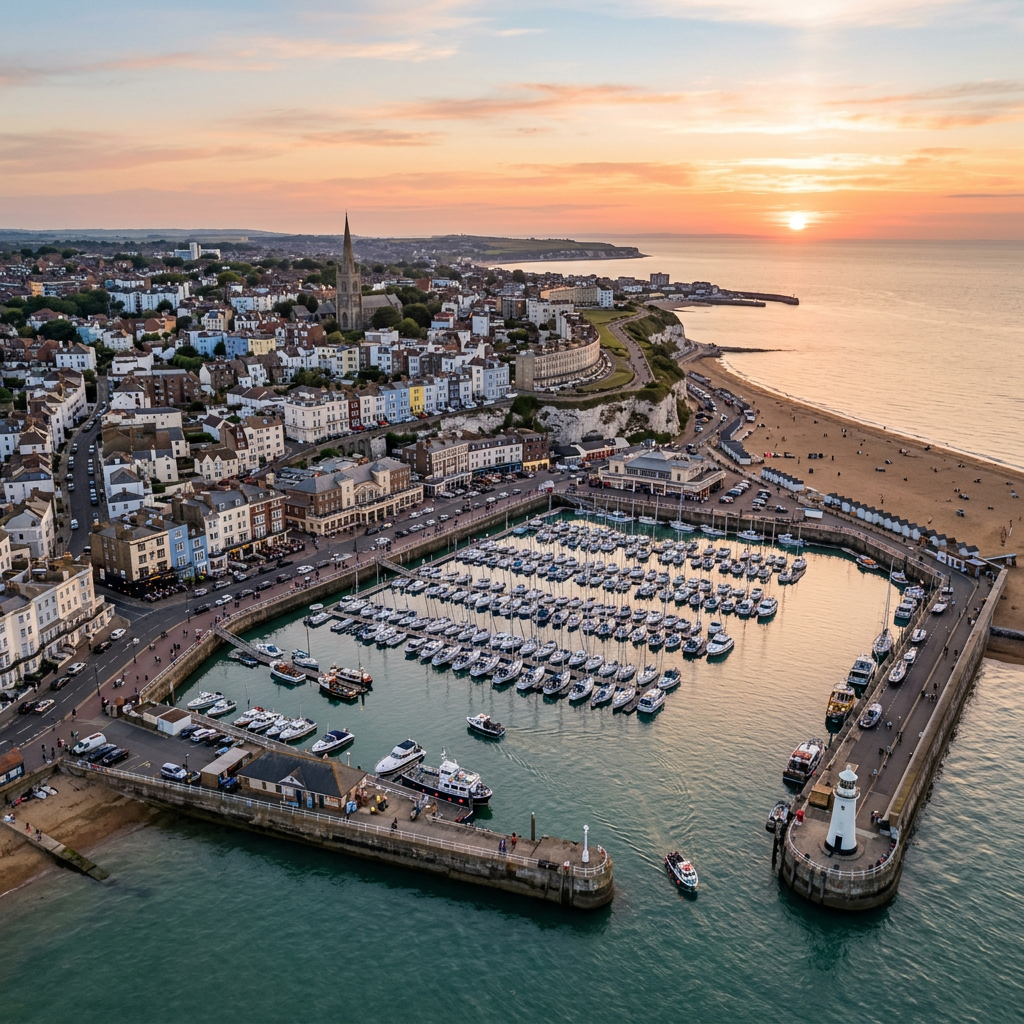
Ramsgate
Discover Ramsgate Ramsgate, located in the picturesque county of Kent, England, is a charming seaside town that boasts a rich history, vibrant culture, and breathtaking coastal views. With its sandy beaches, historic architecture, and bustling marina, Ramsgate has become a sought-after destination for travelers looking to explore the beauty of the British coastline.The town’s history dates back to the Roman era, when it was known as 'Ramesgate.' Over the centuries, it evolved into a significant port town, particularly during the 19th century when it became renowned for its shipbuilding and maritime trade. One of the most notable historical events associated with Ramsgate is the evacuation of British troops from Dunkirk during World War II, where the town played a crucial role in the “Dunkirk Spirit.” Today, remnants of this rich history can be seen in the town’s architecture, including the stunning Victorian buildings lining the seafront.Ramsgate’s culture is a delightful blend of traditional English seaside charm and contemporary influences. The town is home to a thriving arts scene, with various galleries, theaters, and cultural festivals taking place throughout the year. The Ramsgate Arts Festival, for instance, showcases local talent in music, art, and performance, making it a highlight for both residents and visitors alike.What truly sets Ramsgate apart is its stunning coastline, which features some of the finest beaches in the southeast of England. The sandy shores of Ramsgate’s main beach are ideal for sunbathing, swimming, and beach sports during the warmer months. The town also has several hidden coves and pebble beaches that invite exploration and promise a perfect spot for a peaceful retreat.Moreover, Ramsgate’s marina is one of the largest in the UK and serves as a hub for sailing enthusiasts. Visitors can enjoy a leisurely stroll along the marina, indulge in fresh seafood at local restaurants, or take a boat trip to nearby attractions such as the historic town of Deal or the famous White Cliffs of Dover. The vibrant waterfront is also a gathering place for community events, making it a focal point of local life.In addition to its natural beauty and historical significance, Ramsgate is known for its excellent transport links, making it easily accessible from London and other major cities. This, paired with its welcoming atmosphere and friendly locals, makes Ramsgate a special destination for travelers seeking a quintessential British seaside experience. Top Attractions in Ramsgate – Ranked and Reviewed Ramsgate is filled with attractions that cater to a variety of interests, from history buffs to nature lovers. Here are the top-rated attractions, as reviewed by real travelers on Stay4Exploring:1. Ramsgate Royal HarbourRated as the top attraction, Ramsgate Royal Harbour is a vibrant marina steeped in history. Visitors praise its stunning views, excellent dining options, and the opportunity to take boat trips. Many appreciate the blend of leisure and activity, with family-friendly events frequently held along the waterfront.2. The Ramsgate TunnelsA fascinating piece of WWII history, the Ramsgate Tunnels are a must-visit for history enthusiasts. Rated highly for their informative tours, visitors are captivated by the stories shared by knowledgeable guides. The tunnels, which served as a shelter during air raids, offer a unique glimpse into the town’s past.3. Viking BayThis beautiful sandy beach is perfect for families, featuring safe swimming areas and a variety of activities. Visitors love the clean surroundings and the availability of beachside cafes, making it a great place to relax and enjoy the sun. It’s rated highly for its accessibility and family-friendly atmosphere.4. The GrenadierA historic pub with a rich history, The Grenadier is famous for its warm atmosphere and traditional pub food. Visitors rave about the quality of the ales and the friendly service. It’s a favorite spot for travelers looking to unwind after a day of exploration.5. Ramsgate Maritime MuseumFor those interested in maritime history, the Ramsgate Maritime Museum is a hidden gem. Visitors commend its well-curated exhibits and the friendly staff who are eager to share local maritime stories. The museum provides insight into Ramsgate’s historical significance as a port town.6. King George VI Memorial ParkThis park is a lovely green space for a leisurely stroll or a picnic. Rated highly for its well-maintained gardens and playgrounds, families appreciate the area’s serenity and the opportunity for kids to play freely. The park is a beautiful escape from the bustling marina.Each of these attractions offers something unique, ensuring that every visitor to Ramsgate can find an experience that resonates with them. With a perfect blend of history, culture, and natural beauty, Ramsgate is a destination that invites exploration and adventure. Planning Your Visit to Ramsgate Ramsgate, a charming coastal town located in Kent, England, is known for its stunning beaches, historical architecture, and vibrant cultural scene. The best time to visit Ramsgate is during the late spring and summer months, from May to September. During this period, you can expect mild to warm weather, perfect for beach activities and outdoor exploration. However, if you prefer fewer crowds and a more local atmosphere, consider visiting in the early autumn months of September and October, when the weather is still pleasant.Getting to Ramsgate is straightforward. The town is well-connected by public transportation, making it accessible from London and other major cities. The nearest major airport is London Gatwick, approximately 70 miles away, and from there, you can take a train directly to Ramsgate. The train journey takes about 1.5 to 2 hours. Alternatively, if you’re driving, Ramsgate is connected to the A299 road, which links to the M2 and M20 motorways, providing easy access from London and the rest of the UK.Once you arrive in Ramsgate, getting around is simple. The town is compact, and many attractions are within walking distance. For those who prefer not to walk, local buses operate throughout the area, providing convenient access to nearby towns like Broadstairs and Margate. Additionally, cycling is popular, with several bike rental services available, allowing you to explore the scenic coastal paths at your leisure.When it comes to accommodation, Ramsgate offers a variety of options to suit different budgets and preferences. For a luxurious stay, consider booking a room at one of the town’s boutique hotels, such as the iconic Royal Harbour Hotel, which offers stunning views of the marina. If you’re traveling on a budget, there are numerous guesthouses and bed-and-breakfasts that provide a cozy ambiance without breaking the bank. For families or larger groups, serviced apartments and holiday rentals are also available, offering more space and amenities for your stay. Regardless of where you choose to stay, ensure you book in advance, especially during the peak summer season, to secure the best deals. Experience Ramsgate Like a Local Experiencing Ramsgate like a local means immersing yourself in the town's rich culture and vibrant community. One of the first things to embrace is the local customs and traditions. Ramsgate has a relaxed and friendly atmosphere, and locals are typically welcoming to visitors. It’s customary to greet people with a smile and a friendly ‘hello’ when passing by. If you find yourself in conversation with a local, don’t hesitate to ask for recommendations on places to eat or visit; they will likely be happy to share their insights.When it comes to food, Ramsgate is a haven for seafood lovers. The town’s coastal location means you can enjoy fresh fish and chips at local eateries like the iconic Morelli's Ice Cream Parlour and the award-winning The Sea Café. For a more upscale dining experience, book a table at The Empire Room, which offers a delightful menu featuring locally sourced ingredients. Don’t miss trying traditional Kentish specialties, including pies, cheeses, and locally brewed ales. The Ramsgate Food Festival, held annually, is a great way to sample local delicacies and meet local producers.Culturally, Ramsgate is rich in history and art. The town is home to several galleries and museums, such as the Ramsgate Maritime Museum, which showcases the town’s seafaring history. For art enthusiasts, the Granville Theatre hosts a variety of performances, from plays to live music. The annual Ramsgate Festival of Sound is another cultural highlight, featuring performances by local musicians and artists.Insider tips for experiencing Ramsgate include visiting during the town’s various events and festivals throughout the year, such as the Ramsgate International Kite Festival or the Ramsgate Regatta. These events offer a unique glimpse into local life and provide opportunities to interact with residents. Additionally, explore the hidden gems of Ramsgate by wandering down its charming streets, filled with independent shops, cafés, and artisan boutiques. The picturesque Harbour and the East Cliff Promenade are perfect spots for a leisurely stroll, especially at sunset.Lastly, be sure to take time to relax on Ramsgate’s beautiful beaches. Whether it’s the popular Ramsgate Main Sands or the quieter, more secluded Viking Bay, each beach offers a unique experience. Pack a picnic, soak up the sun, or enjoy water sports; the beaches are an integral part of Ramsgate’s charm.
Fethiye
Discover FethiyeFethiye's hospitality market is seeing increased demand from buyers seeking turnkey B&Bs and guest houses within walking distance of the marina and Old Town. With tourism numbers rebounding post-pandemic and a new wave of digital nomads extending the traditional season, properties offering authentic Turkish character with modern comforts are commanding premium prices. Whether you're running a 5-room pansiyon in Çalış with loyal return guests or a Lycian stone guesthouse near Kayaköy, listing strategically now taps into this momentum. Stay4Hospitality specialises in connecting Fethiye's independent hospitality owners with serious buyers who understand the unique rhythms of Turkey's Turquoise Coast.

Hayling Island
Discover Hayling IslandHayling Island, a serene coastal gem in Hampshire connected to the mainland by a single road bridge, offers the perfect blend of seaside charm and rich heritage—making it a prime destination for holidaymakers and a compelling opportunity for hospitality investors. Known for its 4-mile Blue Flag beach at West Winnering, renowned among windsurfers and families alike, the island also boasts historic sailing clubs and oysterbeds in Langstone Harbour, cultivated since Roman times. Its Victorian-era tourism legacy lives on with attractions like the Hayling Seaside Railway, while the absence of high-rise developments preserves its unspoilt, village-like character. Hospitality businesses here thrive on catering to multi-generational families and watersports enthusiasts, drawn by the island’s peaceful vibe despite its lack of direct rail links (nearest station: Havant). This guide explores Hayling Island’s unique appeal—from its sandy shores to its niche hospitality market—helping visitors and investors alike discover its potential.

Rhineland-Palatinate Wine Region
Discover Rhineland-Palatinate Wine Region The Rhineland-Palatinate Wine Region, located in western Germany, is a treasure trove of rich history, vibrant culture, and stunning landscapes. Stretching along the banks of the Rhine River, this region is renowned for its picturesque vineyards, charming villages, and centuries-old winemaking traditions. Historically, the area has been a significant site for viticulture dating back to Roman times when the Romans recognized the region's potential for producing high-quality wines. Today, Rhineland-Palatinate is considered one of the premier wine regions in Germany, known particularly for its Riesling and Pinot Noir. One of the defining characteristics of this region is its diverse topography, which ranges from rolling hills to steep terraced vineyards. The unique geology of the area, combined with its temperate climate, contributes to the exceptional quality of wines produced here. The Mosel, Rhine, and Nahe rivers play a crucial role in moderating temperatures and reflecting sunlight, creating ideal conditions for grape cultivation. This geographical advantage has earned the region numerous accolades, making it a must-visit destination for wine enthusiasts. The culture of Rhineland-Palatinate is deeply intertwined with its winemaking heritage. Each year, the region hosts several wine festivals that celebrate local traditions, bringing communities together in a joyous atmosphere. One of the most notable events is the Mosel Wine Festival, which takes place in September and features wine tastings, regional delicacies, and lively music. Visitors can immerse themselves in the festive spirit and enjoy the best wines the region has to offer while learning about the local customs and winemaking techniques. The importance of wine in this region extends beyond mere consumption; it encompasses social gatherings, family traditions, and even local economies. Many families have been involved in winemaking for generations, passing down knowledge and expertise that shapes the character of their wines. Visitors can tour local wineries to witness this tradition firsthand, where they can engage with winemakers and participate in tastings that showcase the distinct flavors of Rhineland-Palatinate wines. Adding to its allure, the Rhineland-Palatinate Wine Region is home to several UNESCO World Heritage Sites, including the Upper Middle Rhine Valley. This stretch of the Rhine is dotted with medieval castles, charming towns, and vineyards, encapsulating the idyllic beauty of the region. Towns such as Rüdesheim am Rhein, known for its scenic landscapes and vibrant wine culture, and Cochem, with its fairy-tale castle, offer visitors a glimpse into the region's history and architectural grandeur. As you explore the Rhineland-Palatinate Wine Region, you'll find that the local culture extends beyond wine. The area is also known for its culinary delights, with traditional dishes that pair beautifully with local wines. From hearty sausages and artisanal cheeses to delectable pastries, the region's gastronomy reflects a blend of influences that will tantalize your taste buds. In conclusion, the Rhineland-Palatinate Wine Region is a captivating destination where history, culture, and wine converge. Whether you are a seasoned wine connoisseur or a curious traveler, you will find something special in this enchanting part of Germany. With its rich traditions, stunning landscapes, and warm hospitality, the Rhineland-Palatinate Wine Region invites you to discover its secrets, one glass at a time. Top Attractions in Rhineland-Palatinate Wine Region – Ranked and Reviewed The Rhineland-Palatinate Wine Region is not just about exquisite wines; it is also home to a plethora of attractions that cater to a variety of interests. With everything from historic castles to vibrant wine festivals, this region provides a rich tapestry of experiences that are ranked and reviewed by visitors. Here are some of the top attractions you should consider during your visit: 1. Marksburg Castle: Perched majestically on a hill overlooking the Rhine River, Marksburg Castle is one of the best-preserved medieval castles in Germany. Visitors rave about the stunning views and the guided tours that delve into the castle’s history. The castle’s architecture and the artifacts on display offer a fascinating glimpse into the life of the nobility during the Middle Ages. 2. Rüdesheim am Rhein: This charming town is a must-see for any traveler. Known for its wine culture, Rüdesheim is famous for its Drosselgasse, a narrow alley lined with bustling wine taverns and restaurants. Visitors often praise the lively atmosphere, especially during the wine festivals. The nearby Niederwald Monument provides panoramic views of the surrounding vineyards and the Rhine River. 3. Cochem Castle: Overlooking the picturesque town of Cochem, Cochem Castle (Reichsburg Cochem) is another historical gem that draws visitors for its fairy-tale architecture and breathtaking views. The castle tours are highly rated, with visitors appreciating the informative guides who share captivating stories about the castle’s past. 4. Mosel River Cruises: A cruise along the Mosel River is an unforgettable experience, allowing visitors to soak in the beauty of the terraced vineyards and quaint villages. Many travelers recommend taking a leisurely boat ride, especially in the late afternoon, when the golden hour casts a magical light over the landscape. 5. Wine Festivals: The region is renowned for its wine festivals, with each town hosting its own celebration. For instance, the Cochem Wine Festival and the Rüdesheim Wine Festival are particularly popular, drawing crowds with their lively atmosphere, local wines, and traditional foods. Visitors consistently highlight these events as a highlight of their trip, where they can engage with locals and learn about the winemaking process. 6. The German Wine Route: This scenic road takes you through some of the most beautiful vineyards in the region. Visitors often praise the drive for its stunning views and the opportunity to stop at various wineries along the way. Many recommend planning a day to explore the charming villages dotted along the route, indulging in wine tastings and local culinary delights. 7. The Saale-Unstrut Wine Region: Less crowded than other wine areas, this hidden gem offers a unique experience. Visitors rave about the serene landscapes and the quality of wines produced here. Wineries often offer guided tours and tastings, allowing for an intimate look at the winemaking process. These attractions are just the tip of the iceberg when it comes to exploring the Rhineland-Palatinate Wine Region. Each site offers a unique perspective on the culture, history, and winemaking traditions that define this beautiful part of Germany. Whether you are wandering through ancient castles, indulging in local wines, or enjoying the scenic beauty of the rivers, your visit to this enchanting region is sure to leave a lasting impression. Planning Your Visit to Rhineland-Palatinate Wine Region When planning a visit to the Rhineland-Palatinate Wine Region, it’s essential to consider the best time to visit, how to get there, and where to stay to make the most of your experience. This region has something to offer year-round, but certain times of the year are particularly special. Best Time to Visit: The ideal time to explore the Rhineland-Palatinate Wine Region is during the late spring and early autumn months. From May to June, the vineyards are lush and green, and many wineries host spring events showcasing their new wines. Autumn, especially September and October, is the grape harvest season, marked by vibrant fall colors and lively wine festivals. If you want to immerse yourself in local culture, visiting during one of the many wine festivals is highly recommended. Getting There: The region is easily accessible by various modes of transportation. If you are flying in, the nearest major airport is Frankfurt Airport, located about an hour and a half away. From the airport, you can rent a car or take a train to reach your destination. The Deutsche Bahn train network connects major cities in Germany, making it convenient to access towns like Rüdesheim and Cochem. If you prefer to drive, the A61 and A60 autobahns provide easy access to the region. Getting Around: Once you arrive in the Rhineland-Palatinate Wine Region, having a car can be advantageous for exploring the scenic vineyards and charming villages at your own pace. However, public transportation is also a viable option, with regional trains and buses connecting key towns. Many visitors choose to take advantage of the local wine routes, which allow you to travel between wineries while enjoying the stunning landscapes. Biking is another popular way to explore the region, with many well-marked cycling paths winding through vineyards and along the rivers. Where to Stay: The accommodation options in the Rhineland-Palatinate Wine Region range from luxurious hotels to cozy guesthouses and vineyards offering stays. Towns like Rüdesheim and Cochem have numerous hotels with stunning views of the rivers and vineyards. For a unique experience, consider staying at a vineyard where you can enjoy wine tastings right on the property. Many wineries also offer charming bed-and-breakfast accommodations that provide a more intimate setting. Here are some recommended places to stay: Hotel Rüdesheimer Schloss: A historic hotel located in the heart of Rüdesheim, known for its outstanding service and proximity to local attractions. Hotel Cochemer Jung: Situated in Cochem, this hotel offers beautiful views of the Reichsburg and is praised for its warm hospitality and comfortable rooms. Weingut & Gästehaus Schmitt: A winery offering guest accommodations, allowing visitors to immerse themselves in the winemaking process while enjoying local wines. In conclusion, planning your visit to the Rhineland-Palatinate Wine Region involves considering the best time to explore, how to get there, and where to stay. With its stunning landscapes, rich history, and world-class wines, this region promises an unforgettable experience for all who venture here. Experience Rhineland-Palatinate Wine Region Like a Local To truly experience the Rhineland-Palatinate Wine Region like a local, it’s essential to immerse yourself in the customs, food, and culture that define this enchanting area. This region, steeped in winemaking tradition, offers a unique blend of local flavors, age-old practices, and friendly hospitality that will enhance your visit. Local Customs: The wine culture in Rhineland-Palatinate is not just about the beverage itself; it is a way of life for many residents. Social gatherings often revolve around wine, whether it’s a family dinner or a community festival. Engaging with locals during these events can provide you with a deeper understanding of the region’s traditions. One custom to note is the “Weinfest” or wine festival, where locals and visitors alike gather to celebrate the harvest with music, dance, and, of course, wine tasting. Participating in these festivals allows you to connect with the community and experience the region’s vibrant culture firsthand. Food: The culinary offerings in the Rhineland-Palatinate Wine Region are as diverse as its wines. Traditional dishes often feature locally sourced ingredients, and many restaurants pride themselves on pairing their meals with regional wines. Must-try dishes include: Rheinischer Sauerbraten: A pot roast that is marinated and slow-cooked, often served with red cabbage and potato dumplings. Flammkuchen: A thin crust pizza-like dish topped with crème fraîche, onions, and bacon, perfect for sharing with a glass of local Riesling. Wurst: Various types of sausages are a staple in the region, with many local butchers offering artisanal options that reflect the area’s culinary heritage. For dessert, don’t miss out on trying the local pastries, particularly the “Rüdesheimer Kaffee,” a delicious coffee drink made with brandy and whipped cream that is perfect for warming up after a day of exploring. Cultural Experiences: Engaging with the local culture goes beyond food and drink; it includes art, music, and history. The Rhineland-Palatinate Wine Region is home to numerous museums and galleries that showcase the area’s artistic heritage. The Mittelrhein Museum in Koblenz, for example, features a collection of works by local artists, while the German Wine Museum in Rüdesheim offers insights into the history of viticulture in the region. Additionally, consider participating in a vineyard tour. Many local wineries offer guided tours where you can learn about the winemaking process, from grape harvesting to bottling, and often include tastings of their finest wines. These tours are not only educational but also a fantastic opportunity to meet the passionate individuals behind the wines. Insider Tips: To make the most of your experience in the Rhineland-Palatinate Wine Region, here are some insider tips: Learn Basic German Phrases: While many locals speak English, learning a few basic German phrases can enhance your interactions and show your appreciation for the culture. Visit Smaller Wineries: While the larger wineries are well-known, smaller, family-owned operations often provide a more personal experience and unique wines. Explore Off the Beaten Path: Don’t hesitate to venture beyond the main tourist areas. Charming villages like Bacharach and Bernkastel-Kues offer stunning vistas and a more relaxed atmosphere. In summary, experiencing the Rhineland-Palatinate Wine Region like a local involves immersing yourself in its customs, savoring its delicious food, and engaging with its rich cultural heritage. By embracing the local way of life, you will create unforgettable memories and gain a deeper appreciation for this remarkable region.