All Attractions
Browse things to do worldwide — museums, landmarks, parks, beaches, viewpoints and more.
500 attractions found

Uig Tower
About Uig Tower Nestled on the picturesque Isle of Skye, Uig Tower stands as a testament to Scotland's rich historical tapestry and its breathtaking natural beauty. This remarkable landmark, often overlooked by the casual traveler, offers profound insights into the island's past and the architectural styles that have shaped its landscape. Officially known as the Uig Tower, this structure was erected in the 19th century and is emblematic of the Victorian era's fascination with robust and ornamental architecture. The tower was built in 1865 as part of a larger effort to improve navigation and safety for ships entering the Uig Bay. It was originally commissioned by the local landowner, Sir John Macdonald, in response to increasing maritime traffic, especially during the herring fishing boom. The tower served as a lighthouse and a beacon of hope for sailors navigating the often treacherous waters of the Inner Hebrides. Its striking design features a conical roof and a unique stone facade, which have led to its classification as a Category B listed building. Uig Tower's significance goes beyond its function as a navigational aid; it is also a symbol of the community’s resilience and adaptability in the face of changing circumstances. Over the years, the tower has witnessed numerous historical events, including the decline of the herring industry and the rise of tourism on Skye. As a result, it has become a cherished landmark for both locals and visitors alike, embodying the spirit of Skye and its people. What makes Uig Tower particularly special is not only its historical context but also its breathtaking location perched on the cliffs above Uig Bay. The panoramic views it offers of the surrounding landscapes—including the nearby islands and the shimmering waters of the Atlantic Ocean—are nothing short of spectacular. This juxtaposition of human craftsmanship and the dramatic natural environment creates a sense of harmony that resonates with travelers. Additionally, the tower is often adorned with local flora, especially during the warmer months, enhancing its picturesque appeal. Today, Uig Tower stands as a prominent feature in Skye's historical narrative, attracting travelers seeking to explore the island's cultural heritage. It serves as a reminder of the importance of maritime history in shaping the local economy and community. For those who venture to this remarkable structure, a visit to Uig Tower promises not only a glimpse into the past but also an opportunity to connect with the stunning landscapes that define the Isle of Skye. What to See and Do at Uig Tower Visiting Uig Tower provides an enriching experience for history enthusiasts, nature lovers, and anyone looking to immerse themselves in the charm of the Isle of Skye. While the tower itself is a focal point, the surrounding area offers a variety of attractions and activities that make for a memorable visit. One of the main draws of Uig Tower is the opportunity to explore its historical significance. Visitors can take guided tours, offered intermittently throughout the year, where knowledgeable local historians share stories about the tower's construction, its role in maritime navigation, and its influence on the community. These tours often include fascinating anecdotes about the local culture and economy, particularly during the peak fishing seasons of the past. For those interested in photography, Uig Tower provides an ideal backdrop. The stunning views from the tower's vantage point allow for breathtaking shots of the surrounding landscapes, including the rugged cliffs, rolling hills, and the sparkling waters of Uig Bay. As the sun sets, the tower becomes even more enchanting, bathed in golden hues that reflect off the water. Beyond the tower itself, visitors can enjoy leisurely walks along the coastal paths that meander around Uig Bay. These trails offer a chance to spot local wildlife, including seabirds and marine life, as well as a chance to experience the island’s rich flora. The paths are well-maintained and vary in difficulty, making them suitable for all ages and fitness levels. Additionally, Uig is known for its vibrant local community. The nearby village offers quaint shops, cafes, and galleries featuring local artisans. Travelers can indulge in traditional Scottish cuisine, sample fresh seafood, or enjoy a warm cup of tea while soaking in the local atmosphere. Don’t forget to stop by the Uig Pottery, where you can admire handcrafted pottery and perhaps even pick up a unique souvenir. For those eager to delve deeper into Skye’s natural wonders, Uig is also a gateway to various outdoor adventures. From here, visitors can embark on boat trips to explore the nearby islands, such as the mystical Isle of Raasay or the stunning islands of the Small Isles. These excursions often include opportunities for dolphin watching or fishing, offering a truly immersive experience in the waters surrounding Skye. In conclusion, a visit to Uig Tower is not merely about witnessing a historical landmark; it is about embracing the rich tapestry of experiences that the Isle of Skye has to offer. Whether you’re exploring the tower, hiking the scenic trails, indulging in local delicacies, or embarking on a maritime adventure, Uig Tower serves as the perfect starting point for an unforgettable journey through one of Scotland’s most enchanting regions. Planning Your Visit to Uig Tower Uig Tower, a remarkable historical landmark situated on the Isle of Skye, is a must-visit for history enthusiasts and adventure seekers alike. To make the most of your visit, it’s essential to plan ahead. The best time to visit Uig Tower is during the late spring to early autumn months, specifically from May to September. During this period, the weather is generally milder, and you can enjoy the tower and its surroundings in full bloom.The opening hours of Uig Tower can vary seasonally. Typically, the tower is open to visitors from 10 AM to 5 PM, but it's advisable to check closer to your visit for any changes or special events that may affect these hours. Admission prices are generally quite reasonable, with adults paying around £5, while children and seniors often enjoy discounted rates. Family tickets are also available, allowing for a more economical experience for those traveling with children.Getting to Uig Tower is fairly straightforward, regardless of where you're coming from. If you're driving, the tower is well-signposted from the main roads on Skye. The nearest town, Uig, is about a 20-minute drive from Portree, the island's largest settlement. Public transport options, including buses, are available but may have limited schedules, so checking local timetables in advance is recommended.For those relying on public transport, the local bus service connects Portree to Uig, and from there, it’s a short walk to the tower. If you're planning to hike or explore the beautiful landscapes around the tower, wearing appropriate footwear and clothing is advisable, as the terrain can be uneven and the weather unpredictable.Accessibility at Uig Tower is an important consideration for many visitors. The site itself has made strides in becoming more accessible, with some paths leading to the tower being suitable for those with mobility challenges. However, the tower's interior may have limitations regarding full accessibility, particularly for wheelchair users. If you have specific accessibility needs, it’s wise to contact the site in advance to ensure your visit goes smoothly.In summary, planning your visit to Uig Tower involves considering the best time to go, checking opening hours and admission prices, and ensuring you have a reliable means of transportation. With proper planning, your visit to this breathtaking historical site will undoubtedly be a memorable part of your Skye adventure. Top Tips for Visiting Uig Tower Visiting Uig Tower is more than just a trip to a historical site; it’s an opportunity to immerse yourself in the rich heritage of the Isle of Skye. To ensure you have the best experience, here are some top tips to consider.First and foremost, arrive early in the day. This not only allows you to avoid the crowds but also gives you the chance to enjoy the peaceful surroundings and take photographs without the hustle and bustle of other visitors. If you’re an early riser, witnessing the sunrise over the tower can be a magical experience.Another insider tip is to take advantage of guided tours. Local guides often share fascinating stories and historical insights that you might not discover on your own. These tours can enhance your understanding of the tower's significance and the surrounding area, making your visit even more enriching.Don't forget to explore the surrounding landscapes too. Uig Tower is located near stunning coastal views and hiking trails. Pack a picnic and spend some time enjoying the scenery. Bring along binoculars for bird watching or simply to take in the dramatic views of the coastline and the nearby islands.When it comes to what to avoid, be cautious of the weather. The Isle of Skye is known for its swift weather changes, so be prepared for rain even on sunny days. Carrying a waterproof jacket and sturdy shoes will help you stay comfortable while exploring. Additionally, if you’re visiting with children, keep an eye on them near the tower’s edges and cliffs.To make the most of your visit, consider planning your trip around local events or festivals. The Uig area often hosts cultural events that celebrate Scottish heritage, and participating in these can enhance your experience and give you a deeper understanding of local traditions.Lastly, take your time. Uig Tower and its surroundings are rich with history and natural beauty. Don't rush through your visit; instead, take the opportunity to soak in the atmosphere, enjoy the views, and reflect on the stories that this historical site holds. Whether you're a history buff or just looking for a serene spot to connect with nature, Uig Tower promises a memorable experience on the Isle of Skye.
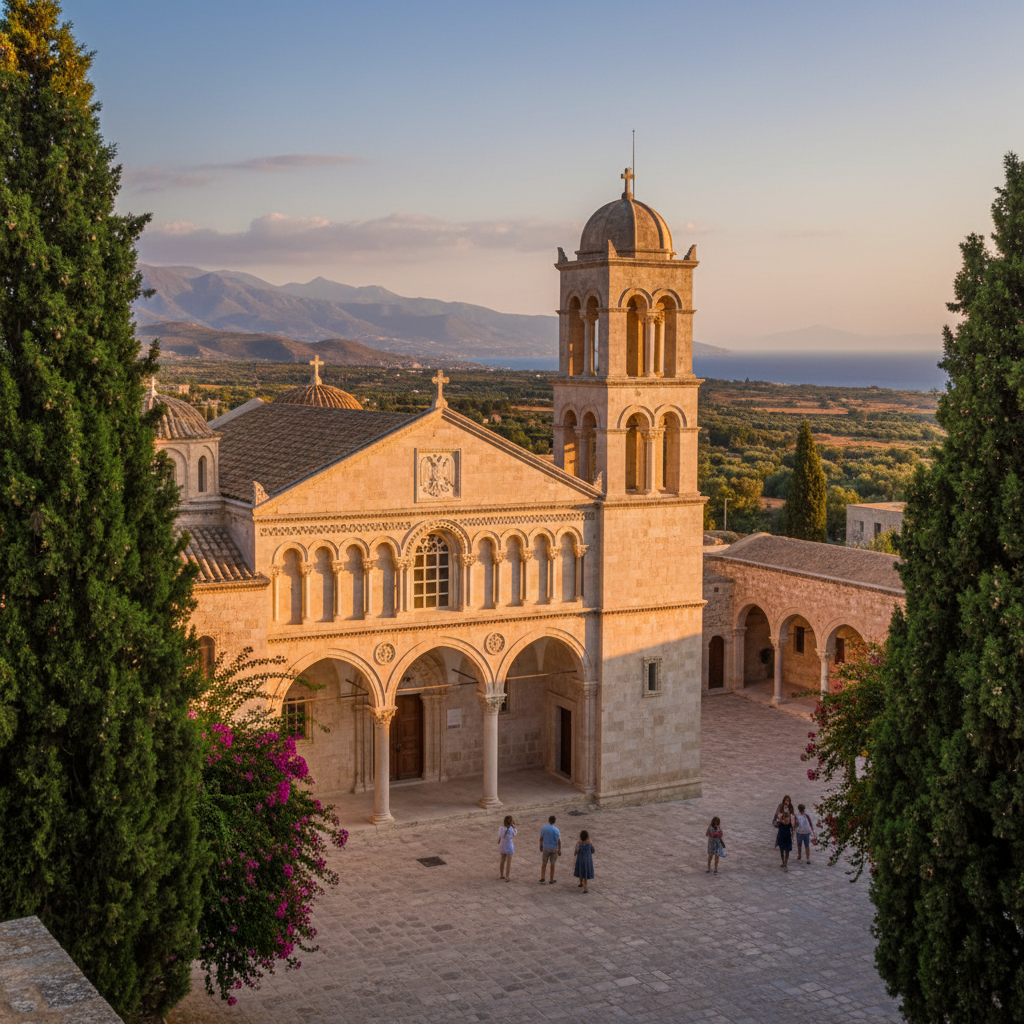
Arkadi Monastery
About Arkadi MonasteryArkadi Monastery, nestled in the scenic landscape of Crete near the village of Amnatos, stands as a beacon of historical and cultural significance. This Eastern Orthodox monastery has been a symbol of resilience and faith, dating back to its founding in the 16th century. Recognized for its pivotal role in the Cretan resistance against Ottoman rule during the 1866 rebellion, Arkadi Monastery is often hailed as a national sanctuary in Greece. The monastery's architecture is a blend of Renaissance and Baroque styles, reflecting the rich cultural tapestry of the island. Visitors are drawn to its beautiful facade, serene cloisters, and the poignant history encapsulated within its walls. The site is not only a place of spiritual retreat but also a living museum of Cretan history. Whether you are a history buff, an architecture enthusiast, or a seeker of tranquil spaces, Arkadi Monastery offers a compelling journey into the past. The harrowing tale of the 1866 siege, where hundreds chose martyrdom over surrender, imbues the site with a deep sense of sacrifice and heroism, making it a must-visit for anyone exploring the historical landscape of Crete.Visitor Experience at Arkadi MonasteryBased on visitor reviews and ratings, a trip to Arkadi Monastery is both an educational and emotional experience. As you step through the main gate, you are greeted by the impressive facade of the church, which dominates the courtyard. The intricate stonework and the serene atmosphere immediately transport you to another era. Inside, visitors can explore the church’s interior, adorned with icons and frescoes that tell stories of faith and devotion. The museum, housed within the monastery, offers a deeper insight into the Cretan struggle for independence, showcasing artifacts, documents, and traditional costumes. The ossuary, a short walk from the main complex, serves as a somber reminder of the past sacrifices. Many visitors note the peacefulness of the gardens, which offer a moment of reflection amidst the fragrant blooms. Guided tours are available for those who wish to delve deeper into the history, while informational panels provide context for self-guided exploration. Visitors often express a profound emotional connection after their visit, highlighting the monastery’s ability to convey the enduring spirit of Crete.Planning Your VisitTo make the most of your visit to Arkadi Monastery, it’s essential to plan ahead. The monastery is open year-round, but the best times to visit are during the spring and autumn months when the weather is mild, and the surrounding countryside is in full bloom. Summer can be quite hot, but the early morning or late afternoon visits offer cooler temperatures and fewer crowds. There is a nominal entrance fee, typically a few euros, which goes toward the preservation of the site. Most visitors spend about one to two hours exploring the monastery and its surroundings. The site is accessible by car with parking available, and there are also public transport options from nearby towns. Facilities include restrooms and a small café where you can enjoy refreshments. While the main areas of the monastery are accessible, some sections may be challenging for those with mobility issues due to uneven surfaces. It's advisable to wear comfortable shoes and bring a hat and sunscreen during the warmer months.Insider Tips for Arkadi MonasteryExperienced visitors recommend arriving early in the morning to enjoy the tranquility of the monastery before the tour groups arrive. The golden hour, just after sunrise or before sunset, is ideal for photography, capturing the warm hues of the stone against the Cretan sky. If you are interested in photography, don’t miss the opportunity to capture the intricate details of the church facade and the surrounding landscapes. A visit during the week typically means fewer crowds compared to weekends. Bringing a guidebook or downloading an audio guide can enhance your understanding of the site's history, especially if you are exploring independently. Consider combining your visit with a tour of nearby Rethymnon, which offers additional historical attractions and a taste of local culture. Lastly, be respectful of the monastery's religious significance by dressing modestly; shoulders and knees should be covered.

Rancho Texas Lanzarote Park
About Rancho Texas Lanzarote ParkRancho Texas Lanzarote Park, located in the vibrant town of Puerto Del Carmen, Spain, is a unique blend of zoo, water park, and entertainment center. This attraction is renowned for its dedication to wildlife conservation and family-friendly fun. Established in the early 2000s, the park has grown to become one of Lanzarote's top attractions, drawing visitors from around the globe. The park is significant not only for its diverse animal exhibits but also for its commitment to environmental education and conservation efforts. Visitors can explore various themed areas that replicate the habitats of the animals housed there, from lush tropical gardens to arid desert landscapes. The park’s dedication to providing an educational experience is evident through its interactive exhibits and daily presentations. Whether you're an animal lover, a thrill-seeker, or someone looking for a fun day out with family, Rancho Texas offers an experience that combines adventure with learning. The park is especially known for its bird of prey demonstrations and sea lion shows, making it a must-visit for families and wildlife enthusiasts alike.Visitor Experience at Rancho Texas Lanzarote ParkVisitors to Rancho Texas Lanzarote Park can expect a day filled with adventure and discovery. Based on numerous visitor reviews, the park offers a wide range of activities that cater to all ages. Guests can explore the animal exhibits, which feature a variety of species such as white tigers, Komodo dragons, and exotic birds. The park is also home to a large water park area, complete with slides and pools, providing a refreshing break from the Lanzarote sun. One of the highlights, as mentioned by visitors, is the interactive sea lion show, where these playful creatures showcase their intelligence and charm. Additionally, the park offers pony rides for children and a splash zone for younger visitors. For those interested in cultural experiences, the park hosts cowboy-themed shows and dance performances. The well-maintained grounds, friendly staff, and engaging activities have earned Rancho Texas high ratings from past visitors, making it a favorite for both tourists and locals.Planning Your VisitWhen planning a visit to Rancho Texas Lanzarote Park, it’s advisable to consider the best times to visit to make the most of your experience. The park is open year-round, but visiting during weekdays or early in the morning can help you avoid crowds. Tickets can be purchased online or at the gate, with options for single-day passes or combined tickets that include meals. The park is designed to be accessible, with wheelchairs available for rent and ramps throughout the facilities. Visitors should allocate at least a full day to explore all that the park offers, including the animal exhibits, shows, and water park. Amenities such as restaurants, picnic areas, and restrooms are conveniently located within the park. For those traveling with young children, stroller rentals are available, and there are plenty of shaded areas to relax. The park also provides lockers for storing personal items and has a gift shop where visitors can purchase souvenirs.Insider Tips for Rancho Texas Lanzarote ParkTo enhance your experience at Rancho Texas Lanzarote Park, consider these insider tips from experienced visitors. Arriving early not only gives you a head start on the day’s activities but also allows you to secure a good spot for the popular shows. The bird of prey demonstration is particularly popular, so finding a seat early is recommended. For photography enthusiasts, the park offers numerous picturesque spots. The cactus garden and the backdrop of the rugged Lanzarote landscape make for stunning photos. If you’re visiting during peak season, packing a picnic can be a great way to avoid queues at the restaurants. However, the park’s eateries offer a variety of options, including local Spanish cuisine and kid-friendly meals. Lastly, remember to bring swimwear if you plan to enjoy the water attractions, and don’t forget sunscreen to protect against the strong Lanzarote sun. By planning ahead and utilizing these tips, visitors can maximize their enjoyment and make lasting memories at the park.
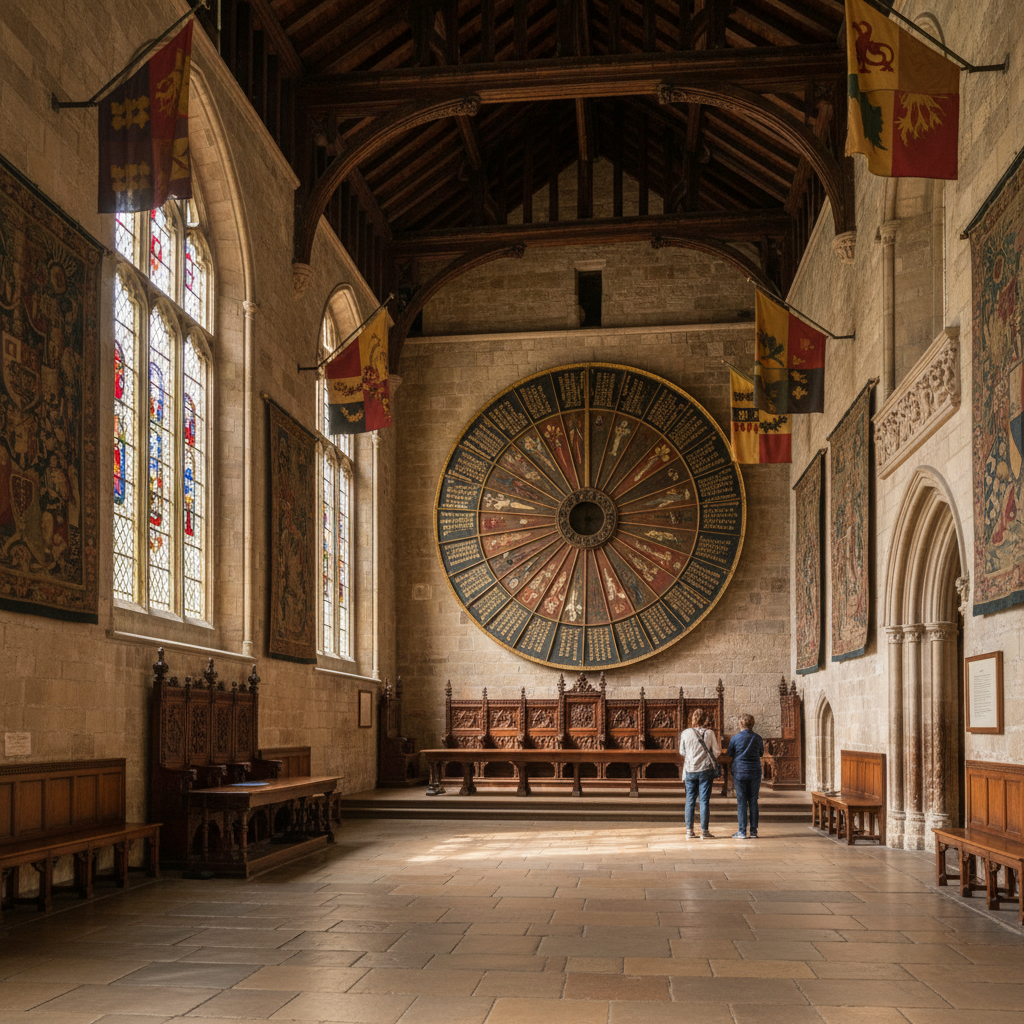
The Great Hall & King Arthur's Round Table
About The Great Hall King Arthur's Round TableThe Great Hall in Avington, England, is a stunning historical landmark renowned for its architectural magnificence and deep historical roots. Built in the 13th century, it stands as one of the finest surviving 13th-century halls in the country. The Hall is most famous for housing the legendary King Arthur's Round Table, a massive wooden structure that has captivated the imagination of historians and visitors alike. While the table itself dates back to the late medieval period, it has long been associated with the Arthurian legends, making it a point of fascination for those interested in British folklore and history. The Great Hall was originally constructed as part of Winchester Castle, serving as a court and administrative center. Over the centuries, it has witnessed significant historical events, including royal gatherings and judicial proceedings. Today, it serves as a monument to medieval architecture and a testament to England's rich cultural heritage. Visitors to The Great Hall are drawn by its historical significance and the opportunity to step back in time. The Hall's impressive architecture, with its soaring arches and detailed stonework, provides a glimpse into the craftsmanship of the medieval period. The presence of the Round Table adds an element of myth and mystery, enticing those who wish to explore the legends of King Arthur. Whether you're a history enthusiast or a casual traveler, a visit to The Great Hall offers a unique journey through England's past.Visitor Experience at The Great Hall King Arthur's Round TableVisitors to The Great Hall King Arthur's Round Table can expect an enriching experience steeped in history and legend. As you step inside the Hall, you'll be greeted by its vast interior, characterized by high ceilings and intricately designed windows that allow natural light to illuminate the space. The centerpiece, King Arthur's Round Table, is suspended on the wall, its sheer size and design capturing the attention of all who enter. Based on visitor reviews, the Hall is described as both awe-inspiring and educational. Many appreciate the informative displays that provide context about the Hall's history and its role in the Arthurian legend. Audio guides are available, offering detailed insights and stories that enhance the visitor experience. The Great Hall also hosts various exhibitions and events throughout the year, adding a dynamic element to the visit. These events often delve into different aspects of medieval life, offering visitors a chance to engage with history in a hands-on manner. The Hall's gardens provide a tranquil setting for reflection, and many visitors enjoy the serene atmosphere as a complement to the historical exploration within. Overall, The Great Hall King Arthur's Round Table offers a compelling mix of history, legend, and culture, making it a must-visit attraction for anyone exploring Avington.Planning Your VisitWhen planning a visit to The Great Hall King Arthur's Round Table, there are several practical details to consider to ensure a smooth and enjoyable experience. The attraction is open year-round, but the best time to visit is during the spring and autumn months when the weather is mild, and the gardens are in full bloom. Tickets can be purchased online or at the entrance, with discounts often available for families, students, and seniors. It is advisable to check the official website for any special events or closures before planning your visit. The duration of a typical visit ranges from one to two hours, allowing ample time to explore the Hall, the Round Table, and the gardens. Accessibility is a priority at The Great Hall, with ramps and elevators available for those with mobility challenges. There are also accessible restrooms and seating areas throughout the site. The on-site café offers a selection of refreshments and light meals, providing a convenient spot to relax and enjoy the surroundings. For those traveling by public transport, The Great Hall is easily accessible from Winchester train station, with frequent bus services running to and from the site. Parking is available nearby for those driving, although spaces can be limited during peak times.Insider Tips for The Great Hall King Arthur's Round TableTo make the most of your visit to The Great Hall King Arthur's Round Table, consider these insider tips from experienced visitors. Arriving early in the morning or late in the afternoon can help you avoid the crowds, allowing for a more intimate exploration of the space. Weekdays are generally less busy than weekends, especially during school terms. Photography enthusiasts will find plenty of opportunities for stunning shots. The lighting inside the Hall is particularly beautiful in the late afternoon when the sun casts a warm glow through the stained glass windows. Don't miss the chance to capture the Round Table and the Hall's impressive architecture from different angles. Many visitors recommend taking a guided tour, which often provides deeper insights and stories that aren't covered in the standard displays. Guides can offer fascinating anecdotes about the history of the Hall and the legends surrounding King Arthur. Lastly, take some time to explore the surrounding area. Avington is rich in history and charm, with several quaint shops and eateries offering a taste of local culture. Whether you're a history buff or simply looking for a tranquil escape, The Great Hall King Arthur's Round Table promises an unforgettable experience.
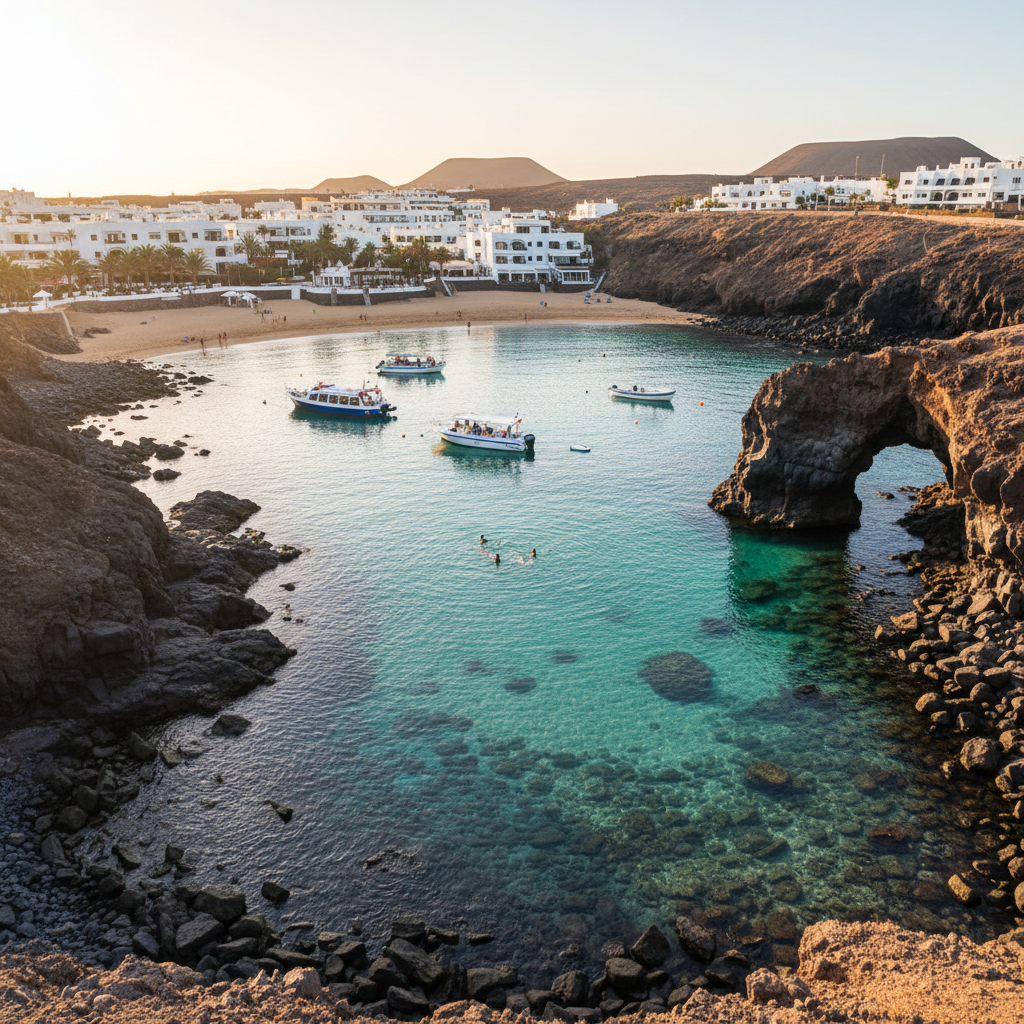
Playa Chica
Overview of Playa ChicaVisit Playa Chica, a captivating beach located in the heart of Puerto Del Carmen, Lanzarote. This tranquil spot is cherished by both locals and travelers alike for its clear waters and scenic surroundings. Whether you're looking to unwind under the sun or explore the vibrant marine life, Playa Chica offers an inviting atmosphere that's perfect for a relaxing day by the sea.Unique Features of Playa ChicaWhat makes Playa Chica unique is its sheltered bay, which makes it an ideal location for snorkeling and swimming. The beach is surrounded by rocky formations that provide a sense of intimacy, setting it apart from the more crowded tourist spots. Additionally, the shallow waters at Playa Chica are perfect for families with children, offering a safe environment for young swimmers.Experiences at Playa ChicaVisitors to Playa Chica can expect a range of enjoyable activities. Beyond swimming and sunbathing, the beach is a hotspot for snorkeling enthusiasts, with abundant marine life just below the surface. Many snorkelers have shared positive experiences of spotting colorful fish and unique underwater species. There are also options for water sports, including paddleboarding and kayaking, making it a great place for adventure seekers.Historical and Cultural SignificanceWhile Playa Chica may not have significant historical landmarks, its proximity to Puerto Del Carmen, a former fishing village turned tourist hub, adds a layer of cultural allure. The beach reflects the traditional lifestyle of the island, serving as a reminder of Lanzarote’s maritime heritage.Practical Visitor InformationVisitors planning to enjoy Playa Chica will find amenities such as showers, restrooms, and nearby restaurants offering local cuisine. The beach is accessible, with ample parking available nearby. Be sure to bring the usual beach essentials like sunscreen, hats, and plenty of water to stay hydrated during your visit. The beach tends to be less crowded during the weekdays, making it a wonderful option for those seeking peace and quiet.What to Expect During Your VisitExpect a laid-back ambiance when you visit Playa Chica. The soft golden sands and clear blue waters create an inviting environment. It's a great place to unwind or enjoy various beach activities. Depending on the weather, you may find a mild breeze that makes the temperature comfortable even on warmer days. Visitors often mention the friendly atmosphere, contributing to a sense of community among beachgoers.Nearby Attractions and Things to DoBeyond the beach itself, there are several nearby attractions worth exploring. Take a leisurely walk along the Puerto Del Carmen promenade, where you'll find numerous shops, cafes, and restaurants. Consider a short trip to the nearby Los Pocillos beach, or explore the beautiful Lanzarote coastline on a boat tour. If you're interested in more adventure, local operators also offer diving trips and excursions to explore the nearby volcanic landscapes.Visitor Sentiment and Reviews OverviewOverall, visitors to Playa Chica express positive sentiments, often highlighting its beauty and tranquil nature. Many appreciate its suitability for families, the clear waters for swimming, and the opportunities for water sports. Reviews generally reflect a sense of satisfaction with the amenities provided and the scenic views that enhance the experience. Travelers recommend visiting early in the day to enjoy a quieter beach atmosphere before the afternoon crowds arrive.

Puerto del Carmen Carnival
Overview of Puerto del Carmen CarnivalThe Puerto del Carmen Carnival is a lively celebration held in the resort town of Puerto del Carmen, Lanzarote. This annual event attracts locals and visitors alike, offering a blend of traditional culture and modern festivities. Each year in February, the carnival transforms the streets into a colorful spectacle of music, dance, and elaborate costumes.What Makes Puerto del Carmen Carnival Unique?What sets the Puerto del Carmen Carnival apart is its emphasis on inclusivity and community spirit. Unlike some larger carnivals, this event maintains a personal touch, allowing participants to feel a part of the festivities. Locals take pride in their costumes, often handcrafted, reflecting the creativity and tradition of the island.What Visitors Experience HereVisitors to the Puerto del Carmen Carnival can expect a vibrant atmosphere filled with parades, live music, and street performances. The parades often feature colorful floats, live bands, and dance troupes that entertain crowds of eager festival-goers. Adding to this lively experience, vendors offer local foods and drinks, allowing you to savor Lanzarote's culinary delights.Cultural and Historical SignificanceThe origins of the carnival can be traced back to the deep-rooted cultural traditions of the Canary Islands. Originally a celebration before Lent, the carnival has evolved over the years into an event that showcases local folklore, music, and traditions. This significance is reflected in the themes chosen each year, drawing from historical and cultural influences of the region.Practical Visitor InformationLocation: Main events are centered around the town square and beachfront area.Dates: Typically, the carnival occurs in February, but it’s best to check the local calendar for exact dates.Admission: Attendance is mostly free, although some specific events may have a nominal fee.What to Expect During Your VisitDuring your visit, come prepared for lively crowds and a festive atmosphere. Evening events often see the largest turnout, so plan accordingly if you prefer a more vibrant experience. Bring a camera to capture the colorful floats and unique costumes, and don’t hesitate to join in the dancing and revelry.Nearby Attractions and Things to DoIf you're planning to attend the Puerto del Carmen Carnival, consider exploring other attractions in the area as well. Nearby, you can visit Playa Grande, a popular beach known for its golden sands and clear waters. Alternatively, check out the Lanzarote Aquarium or take a short trip to the stunning volcanic landscapes at Timanfaya National Park.Visitor Sentiment and Reviews OverviewFeedback from visitors of the Puerto del Carmen Carnival often highlights the warmth and friendliness of the locals. Many comment on the lack of pretentiousness often found at larger carnival events. Reviewers appreciate the vibrant community atmosphere and the opportunity to participate fully in all the activities available.Overall, the Puerto del Carmen Carnival offers a unique glimpse into the local culture, making it a worthwhile experience for anyone traveling to Lanzarote. Don’t miss it!
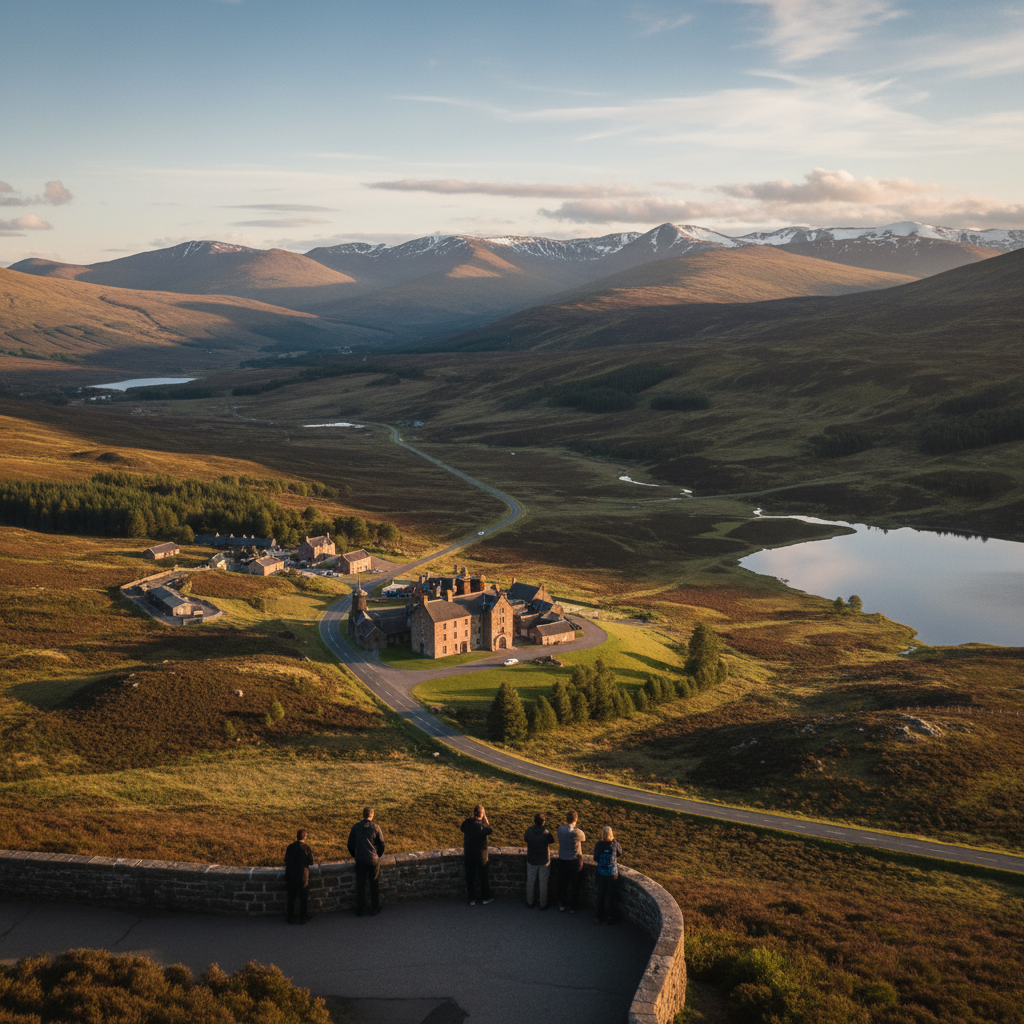
Cairngorms National Park
About Cairngorms National ParkCairngorms National Park, located in the Scottish Highlands, is the largest national park in the UK, spanning over 4,500 square kilometers. Established in 2003, the park is a sanctuary of natural beauty and a haven for wildlife, making it an essential destination for nature enthusiasts. With its rugged mountains, expansive forests, and pristine lochs, the park offers a diverse landscape that is both breathtaking and serene. Historically, the area has been a stronghold of Scottish culture and heritage, dotted with ancient castles and traditional Highland communities. The park is also significant for its biodiversity, hosting rare species such as the Scottish wildcat, capercaillie, and red squirrel. Visiting Cairngorms National Park is not just about exploring its landscapes; it's about immersing oneself in the rich tapestry of Scottish history and natural heritage. Whether you're an outdoor adventurer or a history buff, Cairngorms provides an unparalleled experience that combines the allure of the wild with cultural depth.Visitor Experience at Cairngorms National ParkVisitors to Cairngorms National Park can expect a variety of activities and experiences catering to all interests. The park's vast network of trails is perfect for hiking, biking, and horseback riding, offering scenic routes through forests, moorlands, and along riverbanks. Based on reviews, popular trails include the Lairig Ghru, a challenging but rewarding trek through mountain passes, and the Speyside Way, ideal for those interested in a leisurely walk with stunning views. For wildlife enthusiasts, the park is a prime location for birdwatching and spotting rare animals. Visitors often praise the guided wildlife tours, which provide insights into the park's unique ecosystem. In winter, the park transforms into a snowy playground, offering skiing and snowboarding at resorts like Cairngorm Mountain. The park also hosts cultural events and festivals throughout the year, celebrating Scottish traditions. Overall, visitors consistently rate their experience as enriching, with many highlighting the natural beauty and tranquility of the park as its standout features.Planning Your VisitWhen planning a visit to Cairngorms National Park, timing can significantly enhance your experience. The best time to visit is during the spring and summer months (April to September), when the weather is milder, and the landscapes are lush and vibrant. However, each season offers a unique perspective, with autumn showcasing stunning foliage and winter providing opportunities for snow sports. Entry to the park is free, but some attractions and activities may require fees. It's advisable to allocate at least two to three days to explore the park thoroughly. Accessibility is generally good, with visitor centers like the Glenmore Visitor Centre providing information and facilities for all. Public transport is available, though limited, so renting a car may be more convenient for exploring remote areas. The park offers various accommodation options, from campsites to luxury lodges, catering to different budgets. Facilities such as restrooms, picnic areas, and cafes are available at key locations, ensuring a comfortable visit.Insider Tips for Cairngorms National ParkTo make the most of your visit to Cairngorms National Park, consider these insider tips. Start your day early to enjoy popular spots like Loch Morlich and Glenlivet Estate without the crowds. Photographers will find the early morning light ideal for capturing the park's dramatic landscapes. For a quieter experience, explore some of the lesser-known trails or visit during weekdays when visitor numbers are lower. Packing layers is essential, as the weather can change rapidly. Don't forget waterproof clothing and sturdy footwear, especially if you plan to hike. Many experienced visitors recommend taking a guided tour to gain deeper insights into the park's ecology and history. Additionally, participating in conservation activities can offer a rewarding experience while contributing to the park's preservation. Lastly, always follow the Scottish Outdoor Access Code by respecting wildlife and leaving no trace, ensuring the park remains beautiful for future visitors.

Glen Urquhart
About Glen Urquhart Nestled in the picturesque Scottish Highlands, Glen Urquhart is a stunning glacial valley located just a few miles from the village of Drumnadrochit and the legendary Loch Ness. Known for its breathtaking natural beauty and rich cultural history, Glen Urquhart is a favored destination for nature lovers, hikers, and those seeking a tranquil escape into the heart of Scotland's wilderness.The history of Glen Urquhart dates back thousands of years, with evidence of human habitation found in the nearby archaeological sites. The valley is steeped in folklore and legend, particularly concerning the famous Loch Ness Monster, Nessie, which is said to inhabit the waters of Loch Ness. The area has also witnessed the rise and fall of various clans, with the Clan Urquhart playing a significant role in the region's history. The ruins of Urquhart Castle, perched on the shore of Loch Ness, serve as a reminder of the area's tumultuous past and its strategic importance in Scottish history.What makes Glen Urquhart truly special is its diverse landscape. The valley is framed by the rugged hills of the Great Glen, offering a stunning backdrop of heather-clad slopes, ancient woodlands, and shimmering waters. The serene beauty of the area has inspired artists, writers, and poets for centuries, making it a place where one can connect with nature and find inspiration amidst the breathtaking scenery.Moreover, Glen Urquhart is not just about the natural beauty; it embodies the spirit of Scottish culture and heritage. Visitors can immerse themselves in the local traditions, from ceilidh dancing to sampling traditional Highland cuisine. The warmth and hospitality of the local community enhance the experience, making it a welcoming destination for travelers from all walks of life.In recent years, Glen Urquhart has gained recognition as a hub for outdoor activities, including hiking, cycling, and wildlife watching. The area is home to a rich array of flora and fauna, with opportunities to spot red deer, golden eagles, and a variety of other wildlife. As a result, Glen Urquhart has become a popular choice for eco-tourism, attracting those who wish to explore Scotland's natural heritage responsibly.Overall, Glen Urquhart is a must-visit destination for anyone traveling to the Scottish Highlands. Its combination of stunning landscapes, rich history, and vibrant culture make it a unique and unforgettable experience. Whether you're hiking through the glen, exploring local heritage, or simply soaking in the serene beauty of the surroundings, Glen Urquhart promises a memorable adventure for all who visit. What to See and Do at Glen Urquhart Glen Urquhart offers a plethora of activities and attractions for visitors eager to explore its natural beauty and cultural significance. One of the most popular activities is hiking, with numerous trails winding through the valley and its surrounding hills. From easy walks suitable for families to challenging hikes for seasoned trekkers, the options are diverse. A notable trail is the path leading to the scenic viewpoint overlooking Loch Ness, providing panoramic views that are simply breathtaking.For those interested in history, a visit to Urquhart Castle is a must. The castle, which dates back to the 13th century, is one of the most iconic landmarks in the area. Visitors can explore the ruins, learn about its storied past through informative displays, and enjoy stunning views of Loch Ness from its grounds. The castle's rich history is intertwined with the legends of the Loch Ness Monster, making it a fascinating stop for both history buffs and folklore enthusiasts alike.Wildlife enthusiasts will find Glen Urquhart to be a treasure trove of biodiversity. The area is home to various species of birds, mammals, and plants, making it an ideal location for birdwatching and nature photography. Guided wildlife tours are available, allowing visitors to learn more about the local ecosystem while spotting elusive creatures like red deer and golden eagles in their natural habitat.In addition to hiking and wildlife watching, cycling is another popular way to explore Glen Urquhart. The valley boasts several cycling paths that cater to all skill levels, providing a unique perspective on the stunning landscapes. Renting a bike from local shops can add to the adventure, allowing visitors to traverse the scenic routes at their own pace.For those looking to immerse themselves in the local culture, Glen Urquhart hosts various events throughout the year, from traditional music festivals to craft fairs. These events provide an excellent opportunity to engage with the local community, sample regional delicacies, and experience authentic Scottish culture. Be sure to check the local calendar for any events during your visit.Finally, don’t miss the chance to experience the tranquil beauty of the glen by enjoying a leisurely picnic by the river or along the shores of Loch Ness. The serene environment makes it the perfect backdrop for relaxation and reflection. Whether you’re enjoying a packed lunch with family or savoring a quiet moment alone with nature, the peaceful ambiance of Glen Urquhart will leave a lasting impression.In summary, Glen Urquhart is a multifaceted destination that caters to a wide range of interests. With its stunning natural beauty, rich history, and vibrant culture, there’s no shortage of things to see and do. Whether you’re an adventurer, a history enthusiast, or simply looking to unwind in nature, Glen Urquhart promises an unforgettable experience in the heart of the Scottish Highlands. Planning Your Visit to Glen Urquhart Glen Urquhart, located just outside the picturesque village of Drumnadrochit, is a stunning natural attraction that offers visitors a serene escape into the Scottish Highlands. If you’re planning a visit to this breathtaking glen, there are several factors to consider to ensure you make the most of your experience. The best time to visit Glen Urquhart is during the late spring and summer months, specifically from May to September. During this period, the weather is generally mild, and the landscape is adorned with vibrant wildflowers and lush greenery. Autumn can also be a beautiful time to visit, as the foliage transforms into a tapestry of reds and golds, but be prepared for cooler temperatures and occasional rain. Glen Urquhart is accessible year-round, but the most favorable weather conditions will enhance your experience. The glen is open to the public at all hours, allowing for early morning walks or late evening strolls when the light casts a magical glow over the landscape. Admission to Glen Urquhart is free, making it an attractive option for travelers looking to immerse themselves in nature without the pressure of entry fees. However, it’s important to remember that while the glen itself is free to explore, some nearby attractions, such as the Urquhart Castle, may charge admission fees. Getting to Glen Urquhart is relatively easy. If you’re driving, the glen is located just off the A82 road, which is a major route that runs along the shores of Loch Ness. If you’re coming from Inverness, it’s approximately a 30-minute drive. For those using public transport, local buses operate between Inverness and Drumnadrochit, with stops that are close to the glen. As for accessibility, Glen Urquhart is generally suitable for all visitors, with well-marked paths and trails that accommodate walkers of varying abilities. However, some trails can be uneven and may pose challenges for those with mobility issues. It’s advisable to wear comfortable footwear and check the weather conditions before setting out on your adventure. Overall, Glen Urquhart offers a tranquil and accessible experience for nature lovers and those seeking to reconnect with the outdoors. Top Tips for Visiting Glen Urquhart Visiting Glen Urquhart is a wonderful way to experience the natural beauty of the Scottish Highlands, but a few insider tips can help you make the most of your trip. First and foremost, consider arriving early in the morning or later in the afternoon. This timing allows you to avoid the larger crowds and provides a more peaceful experience, as well as the opportunity to enjoy the stunning sunrise or sunset views over the glen. Bring along a good camera or smartphone, as the breathtaking vistas and picturesque landscapes are perfect for photography. The glen is dotted with scenic viewpoints, so take your time to explore different angles and capture the beauty of the area. Also, consider packing a picnic to enjoy at one of the many scenic spots. The tranquil surroundings make for a perfect backdrop for a relaxing meal amidst nature. While exploring, be mindful of the local wildlife. Glen Urquhart is home to various species, including deer, birds, and other animals. Respect their habitats by keeping a safe distance and not feeding them. This ensures both your safety and the well-being of the wildlife. What to avoid? Steer clear of venturing off marked trails, as doing so can disturb the local ecosystem and lead to erosion or damage to sensitive habitats. Additionally, be cautious about the weather; it can change rapidly in the Highlands. Carry a waterproof jacket and layers to keep warm and dry, regardless of the forecast. To enrich your visit, consider taking part in guided tours or nature walks offered in the area. These experiences can provide valuable insights into the local flora, fauna, and history of Glen Urquhart, enhancing your understanding and appreciation of the landscape. Finally, always leave no trace. Make sure to take your litter with you and follow the principles of responsible tourism. This not only preserves the beauty of Glen Urquhart for future visitors but also helps protect the environment. With these tips in mind, your visit to Glen Urquhart is sure to be a memorable and fulfilling experience.

Drumnadrochit Village Green
About Drumnadrochit Village Green Nestled on the scenic shores of Loch Ness, Drumnadrochit Village Green serves as the heart and soul of this charming Highland village. With a rich history dating back to the early 19th century, the Village Green not only offers a picturesque setting for leisurely strolls but also embodies the spirit of community and local culture. Historically, this area has been a gathering place for villagers, providing a space where celebrations, markets, and various community events take place. Its significance is underscored by the fact that Drumnadrochit itself has been a pivotal location for tourists seeking to explore the mysteries of Loch Ness, particularly the legendary Loch Ness Monster.What makes Drumnadrochit Village Green particularly special is its quintessentially Scottish ambiance, enhanced by the stunning backdrop of the surrounding countryside and the loch. The Green is framed by traditional stone buildings that house quaint shops, cafes, and local businesses, all of which contribute to the vibrant atmosphere of the village. Travelers and locals alike often gather here to enjoy the beautiful Highland weather, making it an ideal spot for picnics, socializing, or simply soaking in the breathtaking views of the landscape. The Green acts as a focal point for visitors, drawing them into the heart of Drumnadrochit, where they can immerse themselves in the local culture.In addition to its aesthetic charm, the Village Green holds cultural significance as a venue for various local events throughout the year. From craft fairs and seasonal festivals to outdoor concerts and farmers’ markets, the Green is a dynamic hub of activity that showcases the best of Highland life. The friendly and welcoming atmosphere encourages interaction among visitors and residents, fostering a sense of belonging that is often missing in larger tourist destinations. This unique blend of history, community engagement, and natural beauty makes Drumnadrochit Village Green a must-visit for anyone exploring the Scottish Highlands. What to See and Do at Drumnadrochit Village Green When visiting Drumnadrochit Village Green, you’ll find a delightful array of activities and sights that cater to a wide range of interests. The Green serves as a central point from which to explore the village and its offerings. One of the main attractions in the area is the nearby Urquhart Castle, a historic ruin perched on the edge of Loch Ness. Just a short walk from the Village Green, this majestic castle provides stunning views of the loch and a glimpse into Scotland’s tumultuous past. Many visitors start their journey at the Green, making it a convenient launching pad for their explorations.For those interested in local culture, Drumnadrochit Village Green is home to several artisan shops and craft stores. Here, you can browse through handmade goods, local art, and unique souvenirs that reflect the rich traditions of the Highlands. From traditional Scottish tartans to handcrafted jewelry, these shops offer an authentic taste of the region’s craftsmanship. Don’t forget to stop by the local bakery for a treat—freshly baked scones and pastries can be a delightful addition to your day.The Village Green is also an excellent spot for enjoying the great outdoors. With plenty of open space for picnics and relaxation, you can take a moment to unwind while enjoying the fresh Highland air. For families, the Green often hosts various events, including outdoor games and activities that engage children and adults alike. If you’re lucky enough to visit during one of the seasonal festivals, you’ll experience the vibrancy of local music, dance, and food, which are integral to the Highland culture.Additionally, the Green is surrounded by several walking trails that lead into the stunning countryside. Whether you prefer a leisurely stroll along the shores of Loch Ness or a more challenging hike through the nearby hills, the area offers spectacular views and opportunities for wildlife spotting. Keep your eyes peeled for local fauna, including deer, birds, and, of course, the elusive Nessie, who has captured the imagination of many.In summary, Drumnadrochit Village Green is a vibrant hub where history, culture, and nature converge. It invites you to explore, shop, and relax while providing access to the breathtaking beauty of the Scottish Highlands. Whether you’re a local or a traveler passing through, the Village Green promises enriching experiences that will leave you with lasting memories. Planning Your Visit to Drumnadrochit Village Green Drumnadrochit Village Green is a charming destination nestled in the heart of the Scottish Highlands, making it an ideal spot for shopping enthusiasts and casual visitors alike. To ensure a delightful experience, it’s essential to plan your visit effectively. The best time to visit Drumnadrochit Village Green is during the late spring to early autumn months, specifically from May to September. This period witnesses milder temperatures and longer daylight hours, allowing you to explore the green and its surrounding attractions fully. The village is particularly vibrant during the summer months when local events, festivals, and farmers' markets take place, offering a unique shopping experience. As for opening hours, most shops and attractions around Drumnadrochit Village Green typically operate from 10 AM to 5 PM. However, some may extend their hours during peak tourist season, so it's recommended to check individual store hours ahead of your visit. It's also worth noting that several local establishments may close for a day or two during the off-season, usually from late autumn to early spring. Admission to the Village Green itself is free, allowing visitors to wander, shop, and enjoy the scenic surroundings without any entry cost. However, if you wish to explore nearby attractions like the Loch Ness Centre and Exhibition or take part in guided tours, there may be admission fees associated with those activities. Getting to Drumnadrochit is relatively easy, whether you’re driving or using public transportation. If you’re traveling by car, the village is conveniently located about 15 miles southwest of Inverness, along the A82 road. There are ample parking facilities available nearby, making it easy to access the village without hassle. For those relying on public transport, regular bus services connect Drumnadrochit with Inverness and other nearby towns. The bus ride offers a scenic view of the Highland landscape, adding to the overall experience. Accessibility is an important consideration for all visitors. Drumnadrochit Village Green is designed to be accessible to everyone, with well-maintained pathways and ramps that facilitate easy movement for individuals with mobility challenges. Many shops and cafes are equipped to accommodate visitors with disabilities, ensuring that everyone can enjoy their time in this picturesque setting. Top Tips for Visiting Drumnadrochit Village Green To make the most out of your visit to Drumnadrochit Village Green, consider these insider tips that can enhance your shopping experience and overall enjoyment. First and foremost, take your time to explore the various shops around the Village Green. From local crafts to unique souvenirs, the selection is diverse and often showcases the talents of local artisans. Be sure to check out seasonal markets, which can be an excellent opportunity to find handmade goods and gourmet food products. Arriving early in the day is also beneficial, as it allows you to browse without the crowds and gives you the best chance to take advantage of any special promotions or offers. While shopping is a key attraction, don’t forget to take breaks and enjoy the beautiful scenery. The Village Green is surrounded by stunning views of Loch Ness and the Highlands, providing a perfect backdrop for relaxation. Bring a picnic blanket and enjoy a peaceful moment on the green, or stop by one of the local cafes to savor a cup of traditional Scottish tea or coffee. Another tip is to engage with the locals. The residents of Drumnadrochit are known for their warm hospitality, and striking up a conversation can lead to valuable recommendations for hidden gems in the area or upcoming events worth attending. Many shop owners are more than happy to share stories about their products or the history of the village, enriching your experience further. On the flip side, there are a few things to avoid during your visit. One common mistake is to overlook the smaller shops in favor of larger establishments. The charm of Drumnadrochit lies in its unique, independent stores, where you can find items that reflect the local culture and craftsmanship. Additionally, try to avoid visiting during major holidays or weekends in peak tourist season, as it can get quite crowded and may limit your ability to enjoy a leisurely shopping experience. Lastly, if you're planning to explore nearby attractions, consider combining your visit to the Village Green with a tour of Loch Ness or the historic Urquhart Castle. Many local businesses offer package deals that can save you money and enhance your overall experience. By planning your visit carefully and following these tips, you can make the most of your time at Drumnadrochit Village Green and create lasting memories in this enchanting Highland village.

Valley of the Kings
About Valley of the Kings The Valley of the Kings, located on the west bank of the Nile near Luxor, Egypt, is one of the most significant archaeological sites in the world. This ancient burial ground served as the final resting place for many pharaohs and powerful nobles during the New Kingdom period (approximately 1539-1075 BCE). It is renowned not only for its historical significance but also for the remarkable artistry and craftsmanship found within its tombs.The Valley itself is a secluded area surrounded by rugged mountains, which served both as a natural barrier against tomb robbers and as a sacred landscape. The choice of this location was deliberate, as it was believed to be a gateway to the afterlife, connecting the earthly realm with the divine. The most famous tombs in the Valley are those of Tutankhamun, Ramses II, and Seti I, each showcasing intricate hieroglyphs and stunning wall paintings that depict scenes from the afterlife.The Valley of the Kings was used for nearly 500 years, during which time it became a burial site for over 60 tombs. The shifting religious beliefs, political power, and artistic styles over the centuries are reflected in the changes seen in the tomb designs and decorations. This evolution makes the Valley a treasure trove for archaeologists and historians. The tombs are often elaborately decorated with spells from the Book of the Dead, intended to guide the deceased through the afterlife and into eternity.What makes the Valley of the Kings truly special is not merely its impressive history but also the ongoing discoveries and research that continue to unfold. Since the discovery of Tutankhamun’s tomb in 1922 by Howard Carter, the valley has yielded countless artifacts and insights into ancient Egyptian civilization. Each excavation brings new findings, further enriching our understanding of the cultural, religious, and social dynamics of the time.The Valley has been designated a UNESCO World Heritage Site, highlighting its global importance as a cultural treasure. Today, it attracts thousands of visitors from around the world, all eager to glimpse the mysteries of ancient Egypt. The enduring allure of the Valley of the Kings lies in its ability to connect us with a civilization that was both incredibly advanced and deeply spiritual, inviting us to ponder the beliefs and practices that shaped their world. What to See and Do at Valley of the Kings Visiting the Valley of the Kings is a journey through time, offering a unique glimpse into the burial practices and beliefs of ancient Egyptians. As you explore this iconic site, there are several key attractions and activities that you should not miss.First and foremost, the tombs themselves are the main draw. Each tomb, with its unique design and decoration, tells a different story. The tomb of Tutankhamun is a must-visit due to its fame and the treasures found within it, including the iconic gold mask. Although the mask is now housed in the Egyptian Museum in Cairo, the tomb's original artifacts and the structure itself provide an incredible insight into the life and death of the young pharaoh.Another remarkable tomb is that of Ramses IV, known for its stunning wall paintings that depict various gods and scenes from the afterlife. The colors and artistry are remarkably preserved, giving visitors a sense of the grandeur that ancient Egyptians aspired to in their burial practices. For those interested in the largest tomb in the valley, the tomb of Seti I is a breathtaking site, renowned for its intricate carvings and expansive burial chamber.As you wander through the Valley, take the time to appreciate the surrounding landscape. The stark beauty of the desert and the dramatic mountains create a picturesque backdrop that enhances the mystical atmosphere of the site. Guided tours are available, providing deeper insights into the history and significance of each tomb, as well as the archaeological work that continues to this day.Photography enthusiasts will also find plenty of opportunities to capture stunning images of the tombs and the surrounding scenery. However, be mindful of photography restrictions inside the tombs to preserve the delicate art and hieroglyphs.Don't forget to visit the nearby Temple of Hatshepsut, a mortuary temple dedicated to one of Egypt's few female pharaohs. Its impressive architecture and beautiful setting provide a complement to your visit to the Valley of the Kings.For a more immersive experience, consider attending one of the occasional lectures or educational programs offered at the site, which delve into ancient Egyptian history and the significance of the Valley of the Kings.Finally, allow time for reflection and contemplation. The Valley of the Kings is not just a site of ruins; it is a place that invites visitors to connect with the profound beliefs of an ancient civilization. Whether you are a history buff, an archaeology enthusiast, or simply a curious traveler, the Valley of the Kings promises an unforgettable experience that resonates long after your visit. Planning Your Visit to Valley of the Kings The Valley of the Kings, located on the west bank of the Nile near Luxor, Egypt, is one of the most significant archaeological sites in the world. Known for its rich history and the burial sites of numerous pharaohs, planning your visit is crucial to ensure an unforgettable experience. When considering the best time to visit, aim for the cooler months between October and April. During this period, the temperatures are more manageable, ranging from 20°C to 25°C (68°F to 77°F) during the day, making it ideal for exploring the vast valley. The summer months can be scorching, with temperatures often exceeding 40°C (104°F), which can make your visit uncomfortable. The Valley of the Kings is typically open from 6:00 AM to 5:00 PM during the winter months and from 6:00 AM to 7:00 PM in the summer. However, it's advisable to check for specific seasonal changes, as hours may vary. Admission prices are quite reasonable, with a standard ticket costing around 240 Egyptian Pounds (approximately $15 USD). This ticket allows access to a limited number of tombs, while an additional fee for specific tombs, such as that of Tutankhamun, may apply. Getting to the Valley of the Kings is relatively straightforward. If you're staying in Luxor, you can take a taxi or a guided tour, which is highly recommended for first-time visitors. Many local agencies offer comprehensive packages that include transportation and a knowledgeable guide. Alternatively, if you prefer to drive, there are car rental services available in Luxor, but be prepared for local traffic conditions. Accessibility at the Valley of the Kings has improved in recent years, with many paths and tombs being made more accessible. However, some tombs may require climbing steep steps or navigating uneven terrain. If you have mobility challenges, it’s advisable to check in advance which tombs are accessible and to consider hiring a guide who can assist you during your visit. Top Tips for Visiting Valley of the Kings Visiting the Valley of the Kings is a once-in-a-lifetime experience, and with a few insider tips, you can enhance your adventure significantly. First and foremost, start your day early. Arriving right when the gates open will help you avoid the crowds and the heat, allowing for a more intimate experience with the tombs and the extraordinary art within them. Consider hiring a knowledgeable guide. While the valley is well-marked, a guide can provide invaluable insights into the history, cultural significance, and the stories behind the tombs. They can also help you navigate the site more efficiently, ensuring you don’t miss hidden gems and lesser-known tombs. One crucial tip is to prioritize which tombs you wish to visit. With over 60 tombs in the valley, it’s impossible to see them all in one day. Some of the must-visit tombs include the tomb of Tutankhamun, Ramses IV, and Ramses VI, each offering a unique glimpse into ancient Egyptian burial practices and artistry. Be aware that some tombs may require an additional entrance fee. As for photography, capturing the beauty of the tombs is tempting, but remember that flash photography is prohibited in many tombs to protect the delicate frescoes. Take your time to absorb the art and history without the camera; sometimes, the best memories are those you hold in your mind. When it comes to what to avoid, steer clear of the vendors outside the site who may try to sell you souvenirs or guided tours at inflated prices. Research and book through reputable sources to ensure you get the best experience for your money. Lastly, stay hydrated and wear comfortable shoes. Exploring the Valley of the Kings involves a good amount of walking and climbing, so prepare accordingly. Bring water with you, as there are limited facilities within the valley. Sunscreen and a hat are also recommended to protect against the sun’s rays. By following these tips, you can maximize your visit to the Valley of the Kings, allowing you to delve deeper into the mysteries of ancient Egypt and make unforgettable memories.

Morskie Oko
About Morskie Oko Morskie Oko, often referred to as the 'Eye of the Sea,' is one of the most breathtaking natural attractions nestled in the heart of the Tatra Mountains in Poland. This stunning glacial lake, located at an altitude of 1,395 meters (4,580 feet), is renowned for its crystal-clear waters that reflect the surrounding peaks, creating a mesmerizing spectacle that captivates visitors from around the world. The history of Morskie Oko dates back to the early 19th century when it was first recognized as a tourist destination. The lake has long been admired not only for its enchanting beauty but also for its significance in Polish culture and folklore. The name 'Morskie Oko' is derived from the Polish word for 'sea eye,' a poetic reference to its deep blue waters, which are reminiscent of the sea despite being surrounded by towering mountains. Over the years, it has become a symbol of the Tatra National Park and a beloved spot for both locals and travelers. What makes Morskie Oko truly special is its unique natural setting. The lake is surrounded by the rugged peaks of the Tatras, including the imposing Rysy mountain, the highest peak in Poland. The combination of the lake's tranquil waters and the dramatic mountain backdrop creates a picture-perfect landscape that changes with the seasons, making it a year-round destination for outdoor enthusiasts. In addition to its natural beauty, Morskie Oko has a rich cultural significance. It has been a source of inspiration for countless artists and writers, and its serene environment provides a perfect escape from the hustle and bustle of everyday life. The area is also home to diverse wildlife, including chamois and marmots, adding to the allure for nature lovers. Access to Morskie Oko is facilitated by a well-maintained path that begins at the Palenica Białczańska parking area. This scenic route, stretching approximately 9 kilometers (5.6 miles), takes hikers through enchanting forests and alongside the picturesque Czarny Staw (Black Pond) before arriving at the lake. The journey itself is a highlight, as visitors can immerse themselves in the enchanting natural surroundings. Moreover, Morskie Oko is not just a destination for hikers; it is also a place where families can enjoy leisurely walks, picnics, and breathtaking views. The area features several designated viewpoints, making it easy for visitors to capture stunning photographs, particularly during sunrise and sunset when the lake is bathed in golden hues. As one of the most visited sites in Poland, Morskie Oko represents a harmonious blend of natural beauty, cultural heritage, and outdoor adventure. Whether you're a seasoned hiker or someone looking for a peaceful retreat, Morskie Oko promises an unforgettable experience that will leave a lasting impression. What to See and Do at Morskie Oko When visiting Morskie Oko, there are a plethora of activities and sights to explore that cater to every type of traveler. The primary draw of this stunning glacial lake is, of course, its breathtaking views. As you approach the lake, the scenery transforms dramatically, revealing a panorama of majestic mountains framed by lush greenery, making it an ideal spot for photography enthusiasts. One of the most popular activities at Morskie Oko is hiking. The well-marked trail from Palenica Białczańska to the lake is accessible for most fitness levels and takes approximately two hours to complete. Along the way, you'll encounter beautiful wooden bridges, vibrant wildflowers, and occasionally, even a glimpse of the local wildlife. The trail is particularly enchanting in the spring and summer months when the flora is in full bloom. Once you reach Morskie Oko, the real magic begins. The lake's emerald waters are surrounded by towering peaks, creating a serene and picturesque environment perfect for relaxation. Many visitors choose to take leisurely strolls around the lake's perimeter, which offers various viewpoints to admire the scenery from different angles. The walk around the lake is approximately 3.5 kilometers (2.2 miles) and can be completed in about an hour, allowing ample time to soak in the breathtaking surroundings. For those seeking a more adventurous experience, there are opportunities for mountaineering in the summer months, as well as skiing and snowboarding during the winter. The nearby peaks provide challenging routes for seasoned climbers, while the winter wonderland transforms Morskie Oko into a magical landscape for snow sports. If you're looking to unwind, consider bringing a picnic to enjoy by the lakeside. There are several designated areas where you can sit back and savor the tranquility while surrounded by nature. Alternatively, there is a charming mountain lodge called "Włosienica" that serves traditional Polish cuisine, where you can enjoy a hearty meal after your hike. Photography is another essential part of the Morskie Oko experience. The lake is particularly stunning at sunrise and sunset, when the light reflects off the water's surface, creating a captivating atmosphere. Don’t forget to capture the iconic views of the surrounding mountains, especially the prominent Rysy peak, which towers over the lake. For those who wish to delve deeper into the region's cultural heritage, guided tours are available that highlight the history and significance of Morskie Oko and the Tatra Mountains. These tours often include fascinating stories about the local flora, fauna, and folklore, enriching your understanding of this natural wonder. Whether you're hiking, picnicking, or simply soaking in the views, Morskie Oko offers a myriad of activities that allow visitors to immerse themselves in the natural beauty of the Tatra Mountains. With its stunning landscape and abundance of outdoor opportunities, Morskie Oko is a must-visit destination for anyone traveling to Zakopane. Planning Your Visit to Morskie Oko Morskie Oko, often referred to as the 'Eye of the Sea,' is one of Poland's most picturesque destinations, located within the Tatra National Park near Zakopane. Planning your visit to this stunning glacial lake is essential to ensure a memorable experience.The best time to visit Morskie Oko is during the summer months, from June to September, when the weather is most favorable, and the trails are fully accessible. During these months, you can expect milder temperatures, ranging from 15°C to 25°C (59°F to 77°F), and longer daylight hours, allowing for ample time to explore the surrounding beauty.Opening hours for Morskie Oko vary depending on the season. Typically, the trails are open from early morning until dusk. In the summer, you can start your hike as early as 6 AM, with the last entry around 8 PM. In the shoulder seasons of spring and autumn, the hours may shorten, often closing around 6 PM. It is advisable to check the Tatra National Park's official website for the most current information, especially during the winter months when snowfall can lead to trail closures.There is a small admission fee to enter the Tatra National Park, which is used for maintenance and conservation efforts. As of the latest updates, the fee for adults is around 8 PLN (approximately $2), while children and students may receive a discounted rate. Remember to keep your tickets handy as they may be checked along the route.Getting to Morskie Oko is relatively straightforward. The most common route starts from the town of Zakopane, which is well-connected by bus and train services. From Zakopane, you can take a bus to the Palenica Białczańska parking area, which serves as the starting point for the hiking trail to Morskie Oko. The bus ride takes approximately 30 minutes. Once you arrive at Palenica Białczańska, the hike to Morskie Oko is about 8 kilometers (5 miles) and typically takes around 2 hours, depending on your pace.Accessibility is a vital consideration for visitors. The main trail leading to Morskie Oko is well-maintained and suitable for families, including those with young children. While the trail is relatively flat, there are some sections that may be challenging for individuals with mobility issues. If you require additional support, it's advisable to contact the Tatra National Park visitor center in advance to inquire about available services. Top Tips for Visiting Morskie Oko Visiting Morskie Oko can be a highlight of your trip to Zakopane, and with a few insider tips, you can make the most of your experience. Firstly, arriving early is crucial. The lake is a popular destination, especially during the peak summer months, and can become crowded by midday. By starting your hike early in the morning, you’ll enjoy a quieter atmosphere and the chance to capture stunning photographs without the hustle and bustle of large crowds.Pack accordingly! While the hike to Morskie Oko is relatively easy, having the right gear can enhance your visit. Comfortable walking shoes are a must, as well as layers of clothing. The weather can change quickly in the mountains, so bringing a light jacket or poncho is wise. Don’t forget your water bottle and snacks to keep your energy up along the way.Photography enthusiasts should not miss the chance to capture the lake's ethereal beauty. The early morning light creates magical reflections on the water, making it an ideal time for photography. Consider visiting during the golden hour, either at sunrise or sunset, for breathtaking views of the surrounding peaks.While Morskie Oko is a must-see, don’t miss the nearby attractions. Once you reach the lake, take time to explore the area, including the nearby waterfalls and the charming wooden lodge where you can indulge in traditional Polish cuisine. The goulash and local pastries are particularly popular among visitors.One thing to avoid is venturing off the marked trails. The Tatra National Park is a protected area, and straying from established paths can lead to environmental damage and personal risk. Stick to the designated trails to ensure your safety and help preserve the natural beauty of the landscape.Finally, if you’re planning to visit during the winter months, be prepared for a different experience altogether. Morskie Oko becomes a winter wonderland, with snow-covered landscapes and a tranquil atmosphere. However, be aware that access may be limited during this time, and proper winter gear, including snow boots and trekking poles, is essential.By keeping these tips in mind, you can ensure a rewarding and memorable visit to Morskie Oko, where nature's beauty awaits you at every turn.

Teide National Park
About Teide National Park Teide National Park, located on the island of Tenerife in the Canary Islands, Spain, is a UNESCO World Heritage site and one of the most remarkable natural attractions in the world. Established in 1954, the park encompasses an area of over 18,990 hectares, making it the largest national park in Spain. At its heart lies Mount Teide, a stratovolcano that stands at 3,718 meters (12,198 feet), which is not only the highest peak in Spain but also the highest point in the entire Atlantic Ocean. The park’s geological significance is profound, as it showcases a diverse array of volcanic landscapes. The formation of Mount Teide and its surrounding geological features offer insight into the volcanic activity that has shaped the Canary Islands over millions of years. The park’s unique ecology is home to a variety of endemic species, some of which can only be found in this region. The combination of its dramatic landscape, rich biodiversity, and cultural significance makes Teide National Park a must-visit destination. Historically, Mount Teide has held great importance for the indigenous Guanche people, who regarded it as a sacred mountain. The park also played a crucial role in scientific research, particularly in astronomy. The clear skies and high altitude of Teide make it an ideal location for astronomical observations. In fact, the Teide Observatory, situated nearby, is one of the most important observatories in the world. The natural beauty of Teide National Park is nothing short of breathtaking. Visitors are often mesmerized by the park's dramatic rock formations, deep craters, and expansive lava fields. The landscape, often likened to that of the Moon or Mars, offers a surreal experience that attracts photographers, hikers, and nature lovers from all over the globe. The park is also known for its stunning sunsets and night skies, providing opportunities for stargazing that are second to none. In terms of accessibility, Teide National Park is well-equipped to welcome visitors. A network of trails allows for exploration on foot, while the cable car near the base of Mount Teide offers an easier ascent for those who prefer not to hike. The park also features several visitor centers where guests can learn more about the region's geological and ecological significance through informative exhibits and guided tours. In summary, Teide National Park is a geological wonder that offers a unique blend of natural beauty, historical significance, and scientific interest. Its diverse landscapes, rich biodiversity, and accessibility make it a treasure for travelers seeking adventure, education, and inspiration in one of Spain's most iconic locations. What to See and Do at Teide National Park Visitors to Teide National Park have a wealth of activities and sights to enjoy, making it a prime destination for nature enthusiasts and adventure-seekers alike. The park’s diverse landscapes offer a myriad of experiences, from hiking to stargazing, ensuring that every visitor can find something to suit their interests. One of the most popular activities in the park is hiking. There are several well-marked trails that cater to various skill levels. The most iconic hike is the trail that leads to the summit of Mount Teide. Although a challenging ascent, those who embark on this journey are rewarded with breathtaking panoramic views of Tenerife and the surrounding islands. The hike typically takes about 5-6 hours round trip, but for those who prefer a more leisurely experience, the cable car offers a ride up to approximately 3,555 meters, allowing visitors to enjoy the stunning vistas without the strenuous trek. For a truly unique experience, consider exploring the Roques de García, a remarkable rock formation that showcases the park’s volcanic history. This area is particularly popular among photographers, especially at sunrise and sunset when the light creates dramatic shadows and highlights the unique textures of the rocks. Stargazing is another highlight at Teide National Park. The park’s high altitude and low light pollution make it one of the best places in the world for observing stars. Various guided stargazing tours are available, where experienced guides share insights about the constellations, planets, and the universe. The clear night skies present an enchanting backdrop for an unforgettable evening. In addition to its natural wonders, the park is also rich in flora and fauna. Birdwatching is a popular activity, with opportunities to spot endemic species such as the blue chaffinch. The park’s diverse ecosystems, ranging from pine forests to volcanic landscapes, support a variety of wildlife, making it a great destination for eco-tourists. Visitor centers, such as the El Portillo Visitor Center, offer educational exhibits and guided tours, providing insights into the park’s geology, ecology, and cultural significance. These centers are excellent starting points for your adventure, offering maps, tips, and information about the best trails and viewpoints. Finally, no visit to Teide National Park would be complete without experiencing its stunning sunsets. The park provides multiple vantage points to witness the sun dipping below the horizon, casting brilliant hues across the sky and illuminating the rugged terrain. It’s a magical experience that perfectly encapsulates the beauty of this extraordinary destination. In conclusion, Teide National Park is a treasure trove of activities and sights that cater to all types of travelers. Whether you're hiking to the summit of a volcano, stargazing under pristine skies, or simply soaking in the awe-inspiring landscapes, your visit to this remarkable park is sure to be unforgettable. Planning Your Visit to Teide National Park Teide National Park, a UNESCO World Heritage site, is a stunning natural wonder located on the Spanish Canary Island of Tenerife. The park is home to Mount Teide, the highest peak in Spain, standing at 3,718 meters (12,198 feet). If you’re planning a visit to this magnificent park, several factors will enhance your experience, including the best time to visit, opening hours, admission prices, and accessibility.The ideal time to visit Teide National Park is during the spring (March to May) and autumn (September to November) months. During these periods, the weather is typically mild, with daytime temperatures ranging from 15°C to 25°C (59°F to 77°F). In the summer months, the temperatures can soar, making hiking more strenuous, while winter can bring snow to the peak, giving the park a stunning winter wonderland appearance. Keep in mind that the weather can vary significantly, so layering your clothing is advisable.Teide National Park is open year-round, and entry is free. However, if you wish to access the cable car that takes visitors close to the summit of Mount Teide, there is a fee. The cable car operates daily, typically from 9:00 AM to 5:00 PM, but these hours may vary depending on the season. It’s best to check the official website for real-time updates on operating hours and any potential closures due to weather conditions.Getting to Teide National Park is relatively straightforward. The most convenient way is by car, as the park is well-signposted and accessible from various parts of the island. The drive from Santa Cruz, the capital of Tenerife, takes about an hour, while from Los Cristianos, it takes around 40 minutes. For those without a vehicle, several tour companies offer guided tours that include transportation from major tourist areas, making it easy to explore the park without the hassle of navigation.Accessibility is an important aspect of Teide National Park, which strives to accommodate all visitors. The main visitor center, El Portillo, has facilities for those with limited mobility, including accessible restrooms and parking. The paths around the visitor center are paved and easy to navigate. However, certain hiking trails may be more challenging, so it’s essential to plan accordingly. The cable car is also accessible for individuals with mobility issues, allowing everyone to enjoy the breathtaking views from near the summit.In summary, planning your visit to Teide National Park involves considering the best time to go, understanding the operational hours, and ensuring you have a reliable means of transportation. With its incredible landscapes and unique geological features, a trip to this volcanic national park is sure to be a memorable adventure. Top Tips for Visiting Teide National Park Visiting Teide National Park is an unforgettable experience filled with breathtaking views and unique geological wonders. To make the most of your trip, consider these top tips that can help enhance your visit while avoiding common pitfalls.First and foremost, start your day early. Arriving at the park early in the morning means fewer crowds and a chance to enjoy the serenity of the natural environment. The golden hour, just after sunrise, offers some of the best lighting for photography, especially with the dramatic backdrop of Mount Teide. If you’re an early riser, you may even catch the stunning sight of the sun rising over the volcanic landscape.Another insider tip is to take advantage of the cable car. While hiking to the summit of Mount Teide is an option for the more adventurous, the cable car can save you time and energy, allowing you to enjoy the views from a higher elevation without the strenuous trek. Make sure to check the weather conditions before your visit, as high winds can affect the cable car's operation.When exploring the park, be sure to equip yourself properly. Wear sturdy shoes suitable for hiking, and bring plenty of water and snacks. While there are picnic areas, they can be quite far apart, and staying hydrated is crucial, especially at higher altitudes. Additionally, sun protection is essential as the UV rays are stronger at elevation; bring sunscreen, a hat, and sunglasses.While the park is stunning, it’s important to be aware of the potential for altitude sickness. If you plan to hike to higher altitudes, take your time, and allow your body to acclimatize. Pay attention to how you feel, and don’t hesitate to descend if you experience symptoms like headaches or dizziness.One common mistake is underestimating the temperature changes. It can be warm at the base of the park but much cooler at the summit. Dressing in layers allows you to adapt to fluctuating temperatures throughout the day. A light jacket or fleece is advisable, especially for early morning or late afternoon visits.Finally, consider visiting the nearby observatory after your time in the park. The skies above Teide National Park are renowned for their clarity, making it an ideal location for stargazing. Many visitors are captivated by the night sky, filled with stars, planets, and even the Milky Way, which can be a perfect way to cap off a memorable day at the park.By keeping these tips in mind, you can ensure that your visit to Teide National Park is not only enjoyable but also safe and enriching. The park’s unique landscapes, rich biodiversity, and awe-inspiring vistas await to be explored!